
1/13
skinflint Restores 1920s–1970s Lighting for Homes, Restaurants + Shops
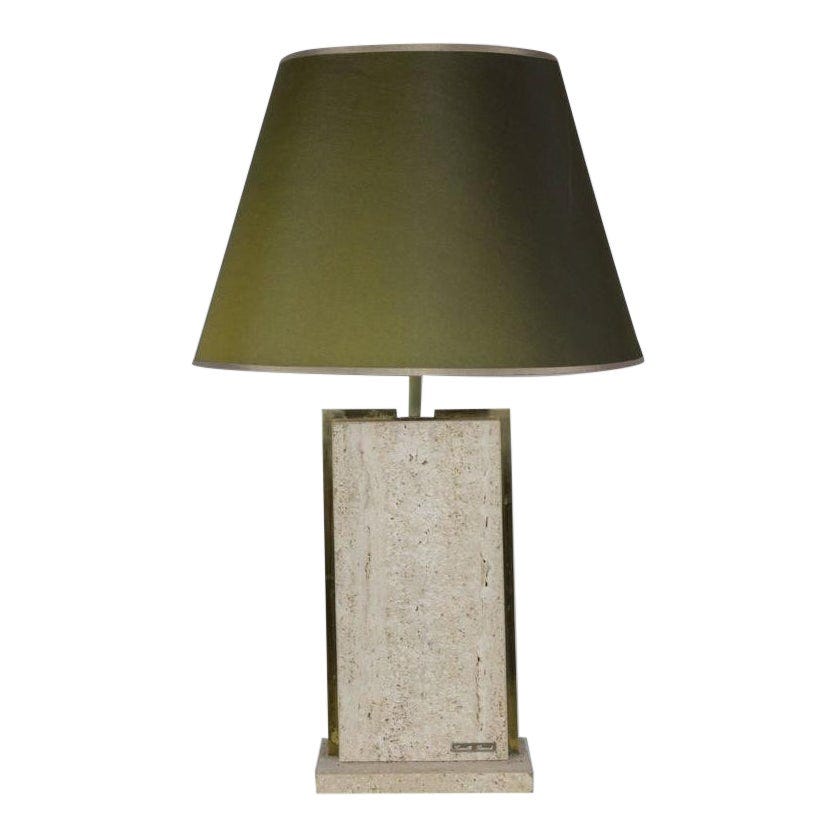
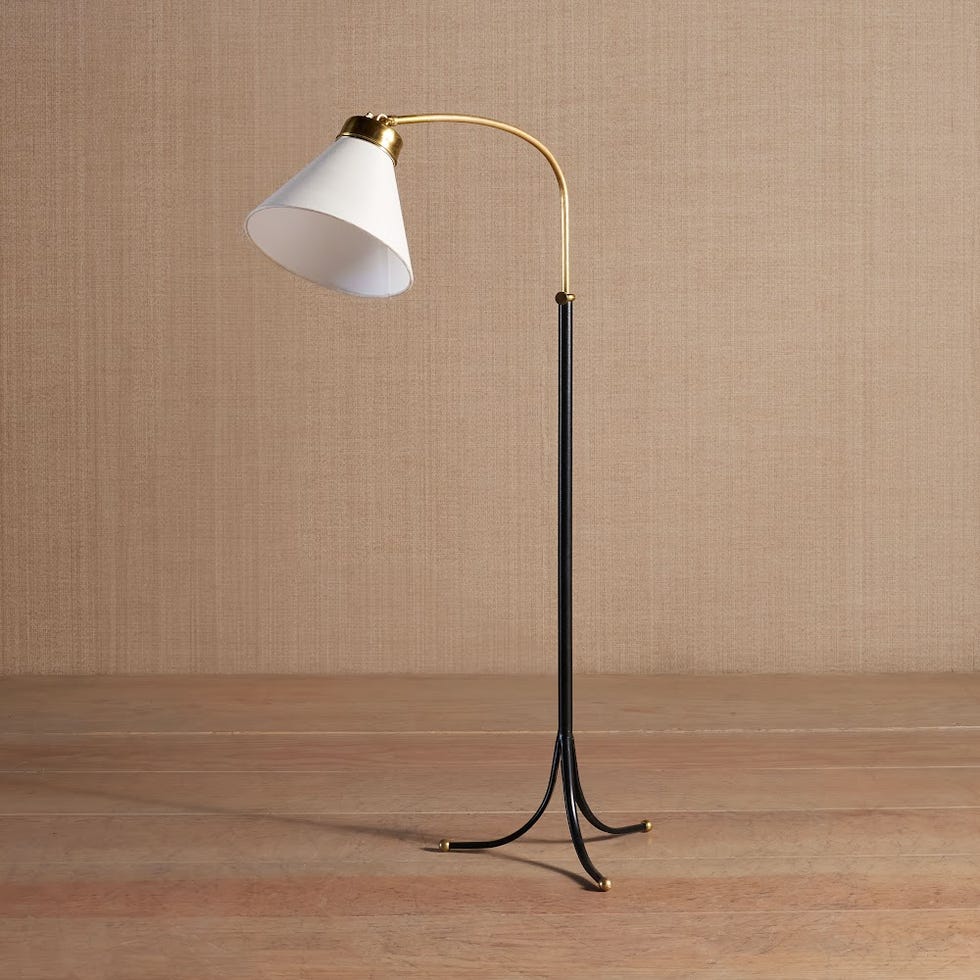
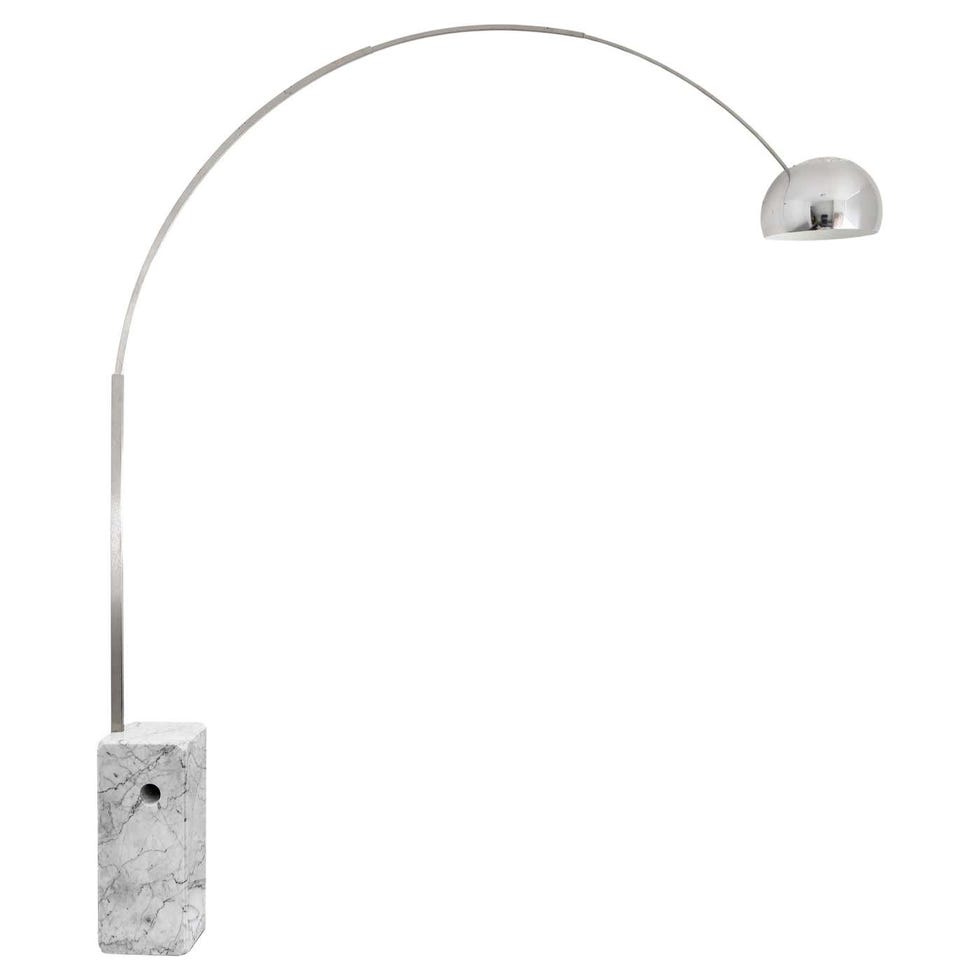
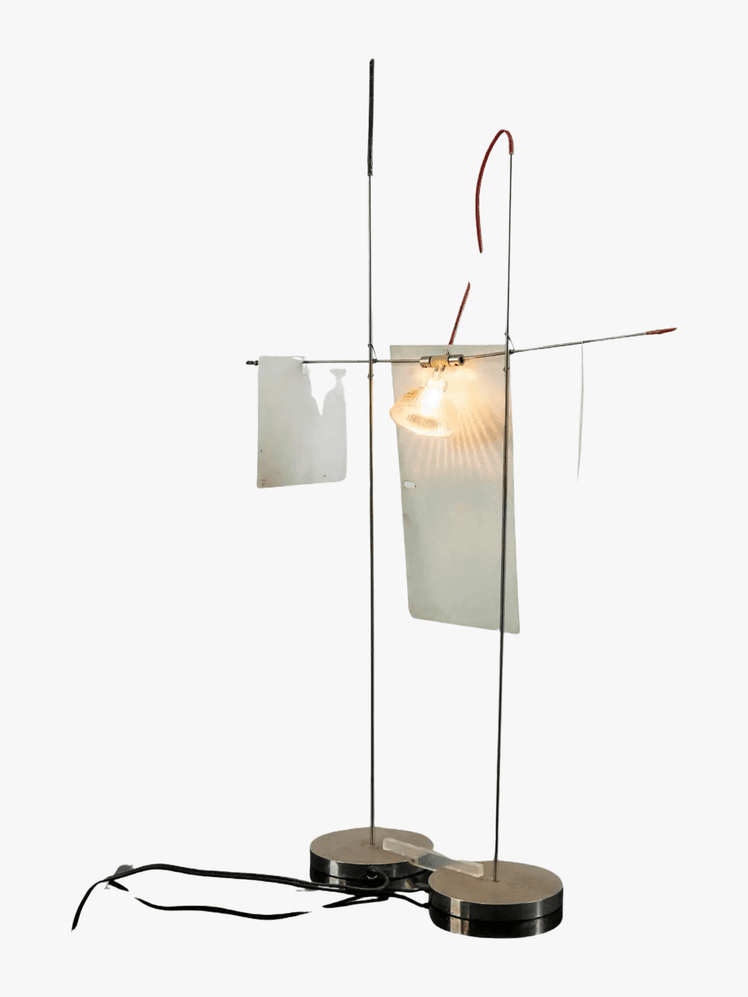
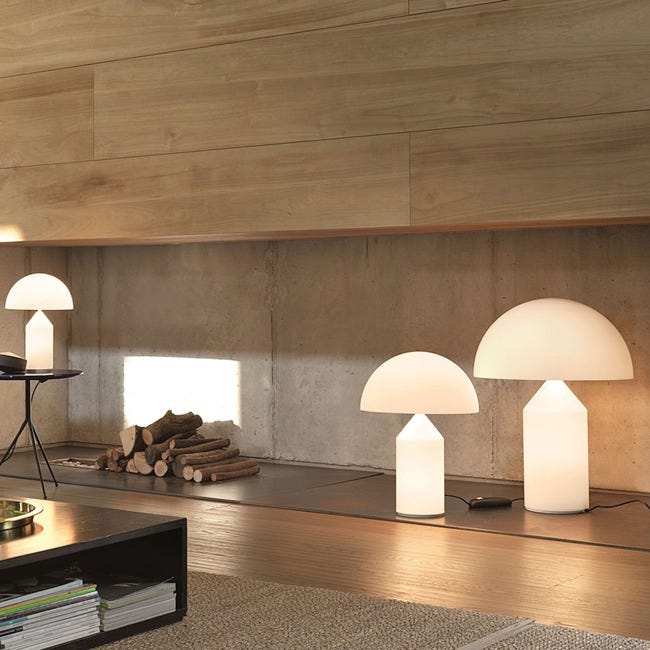
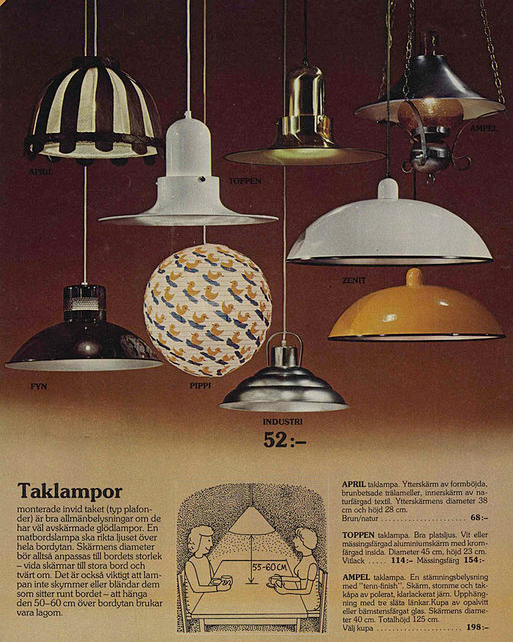
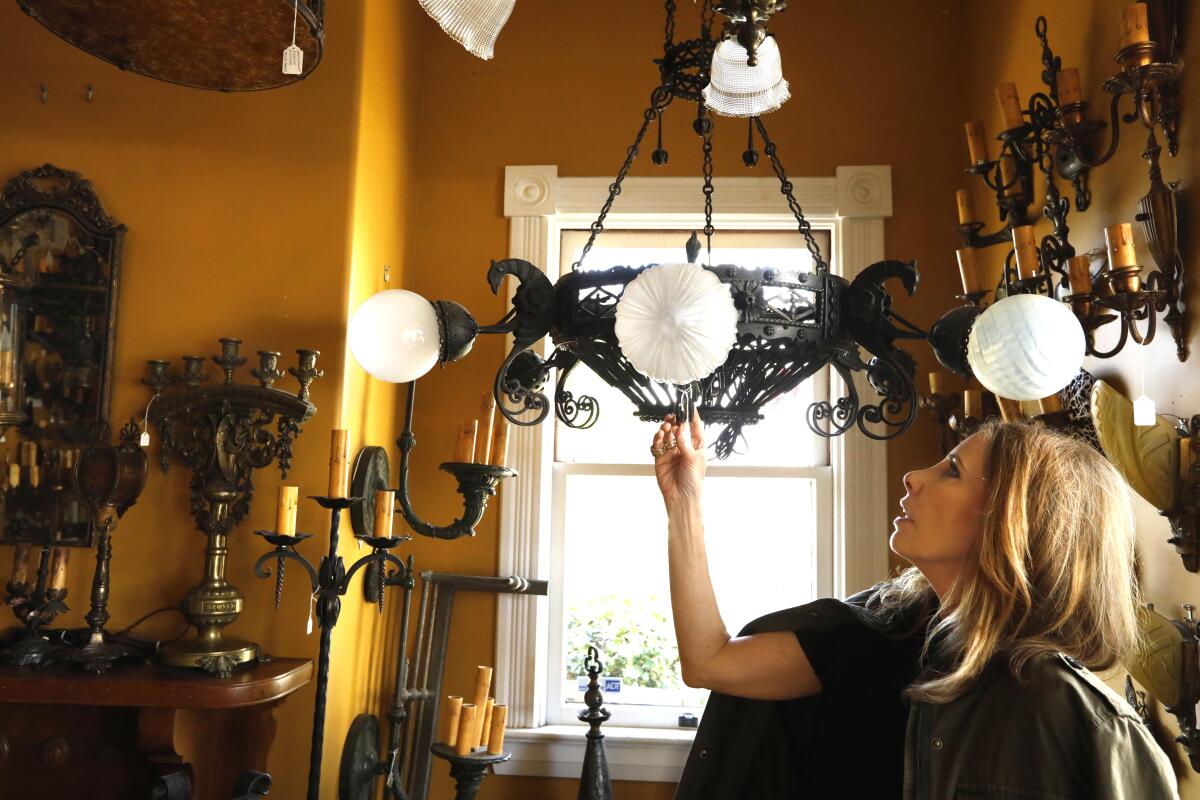
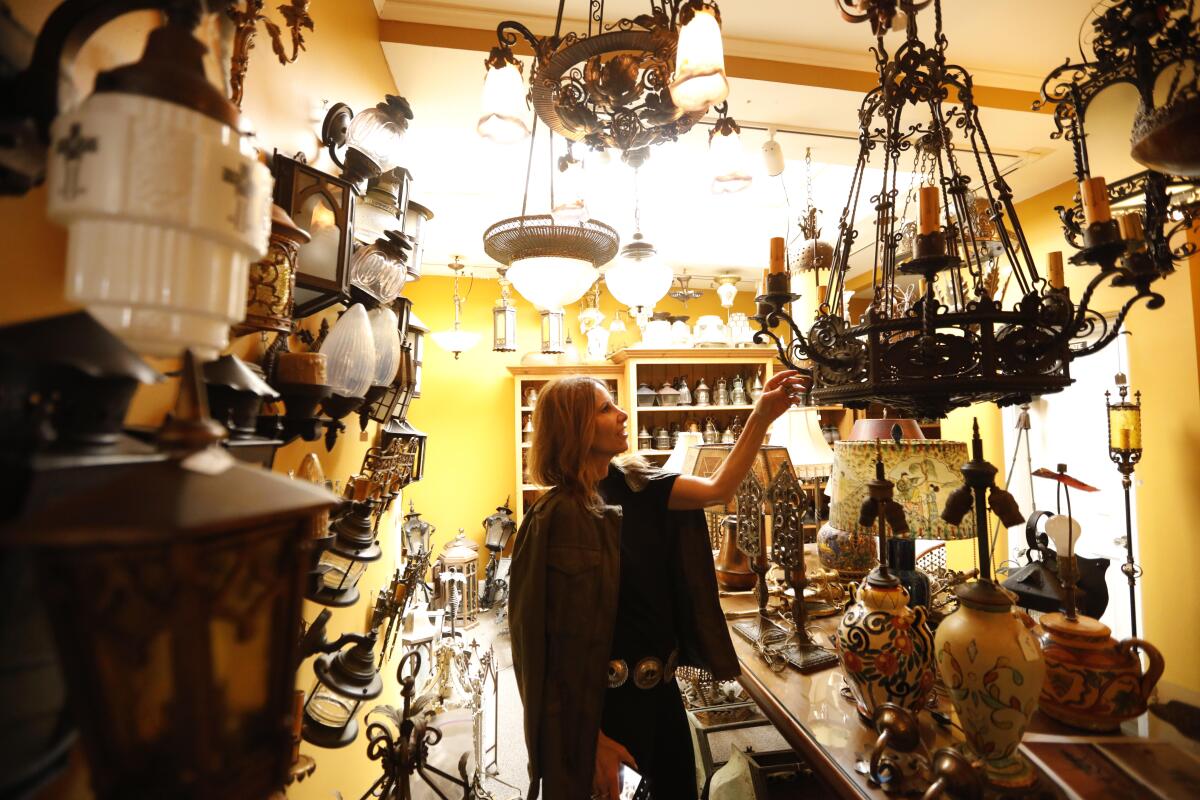
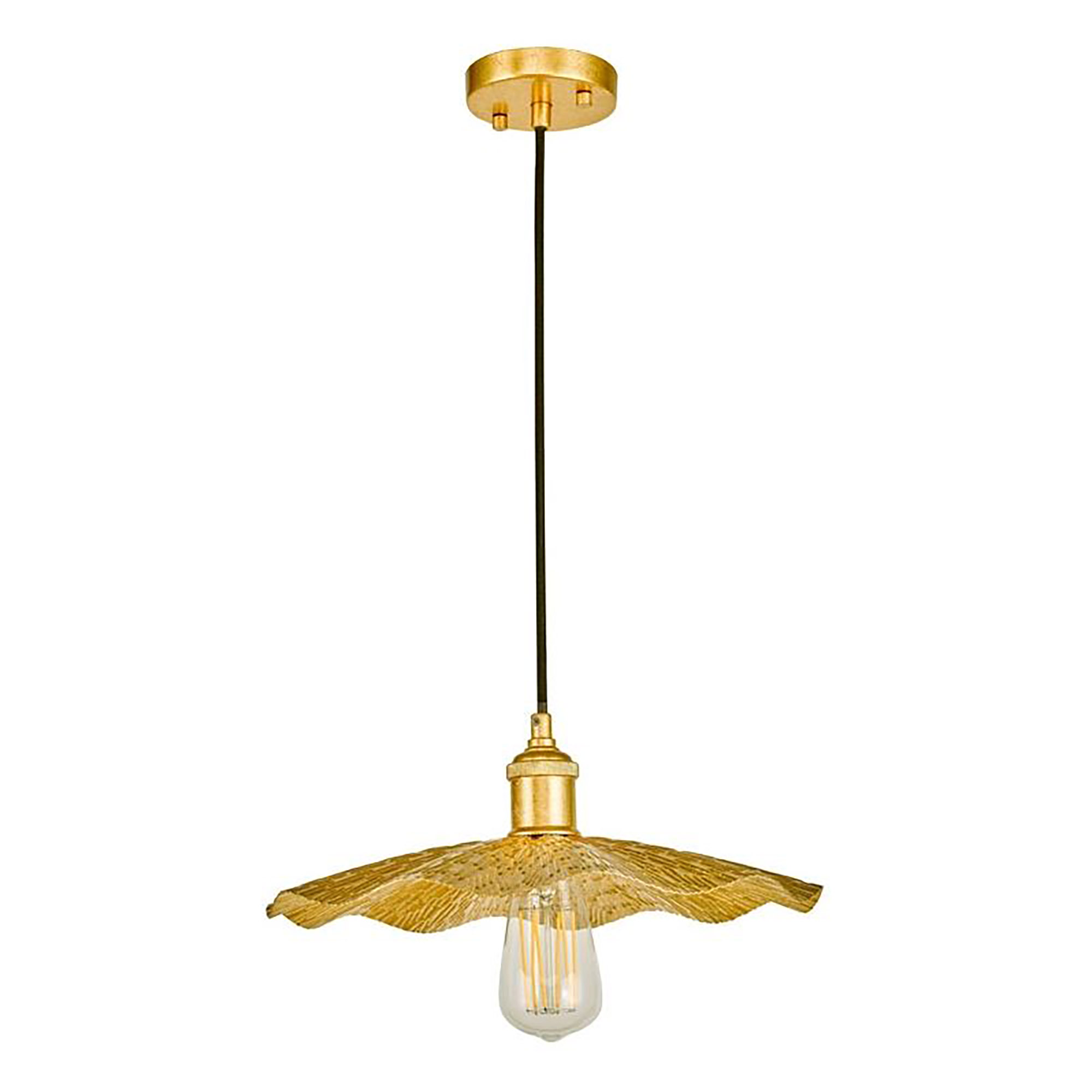
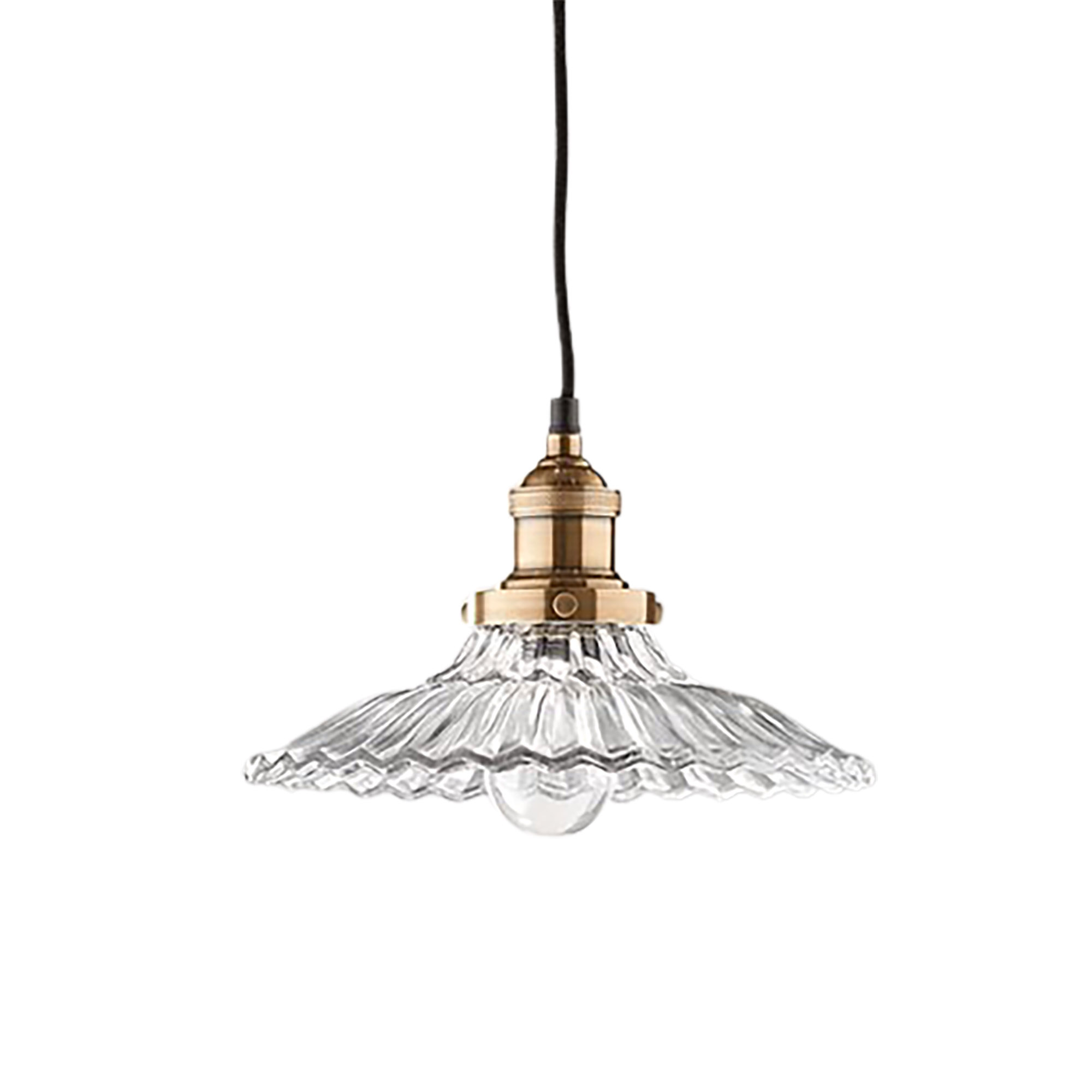
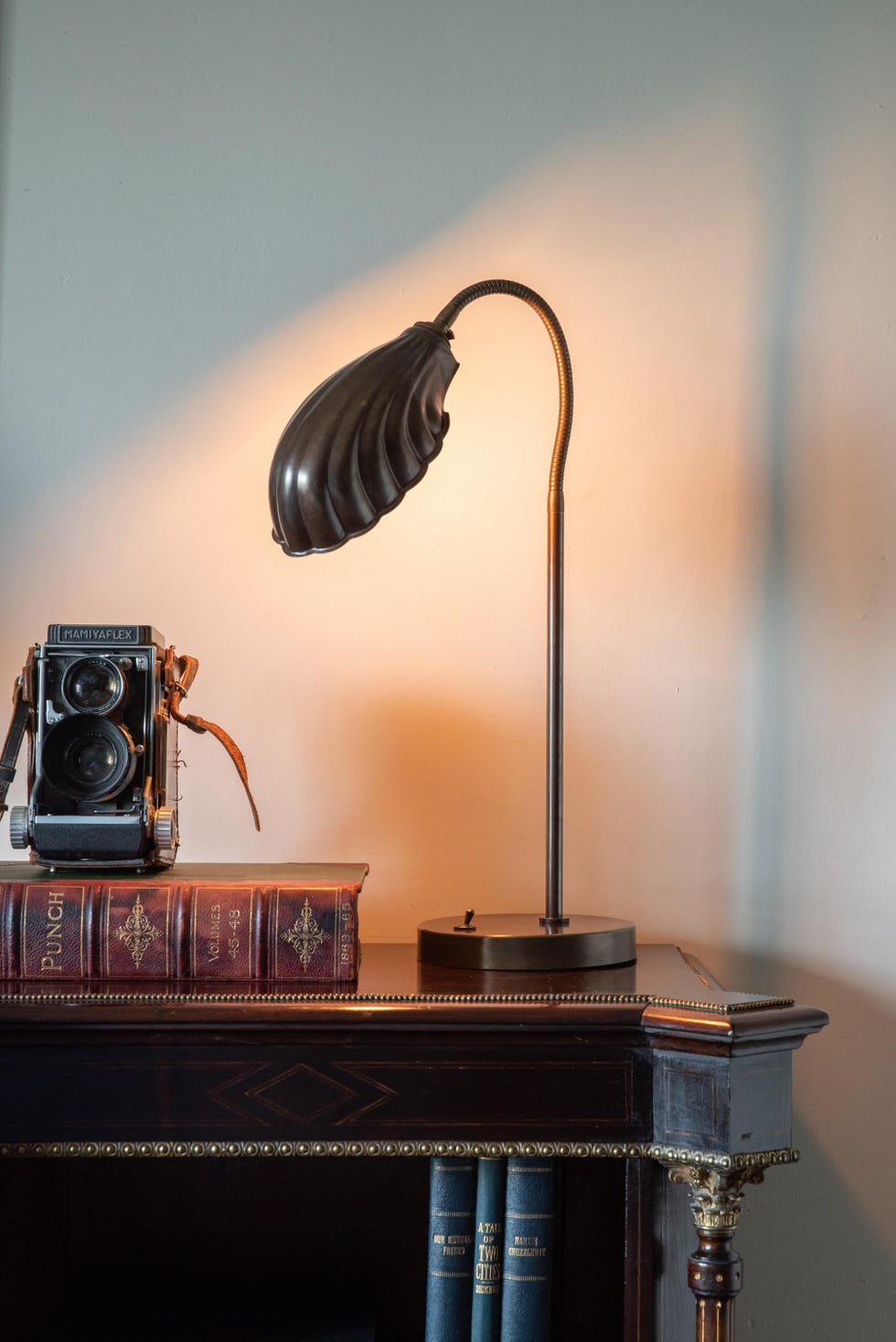
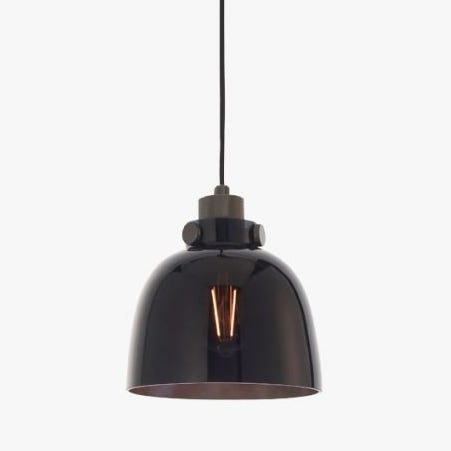
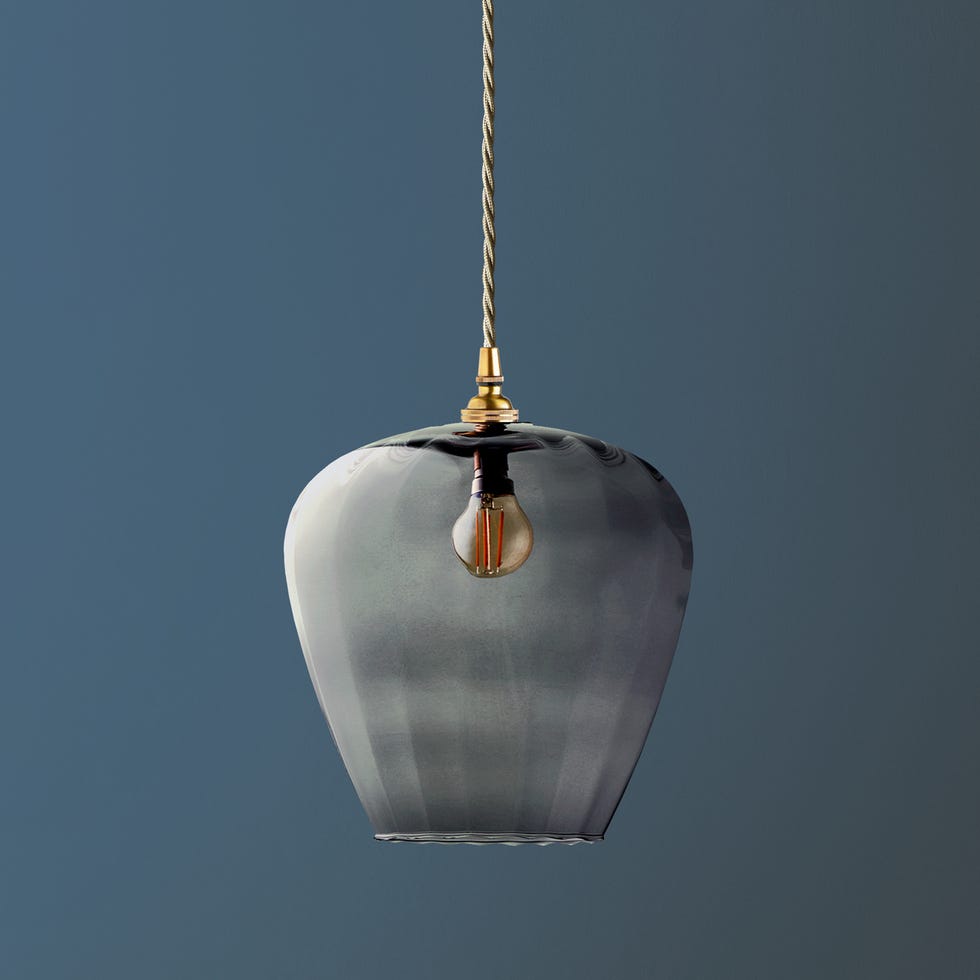
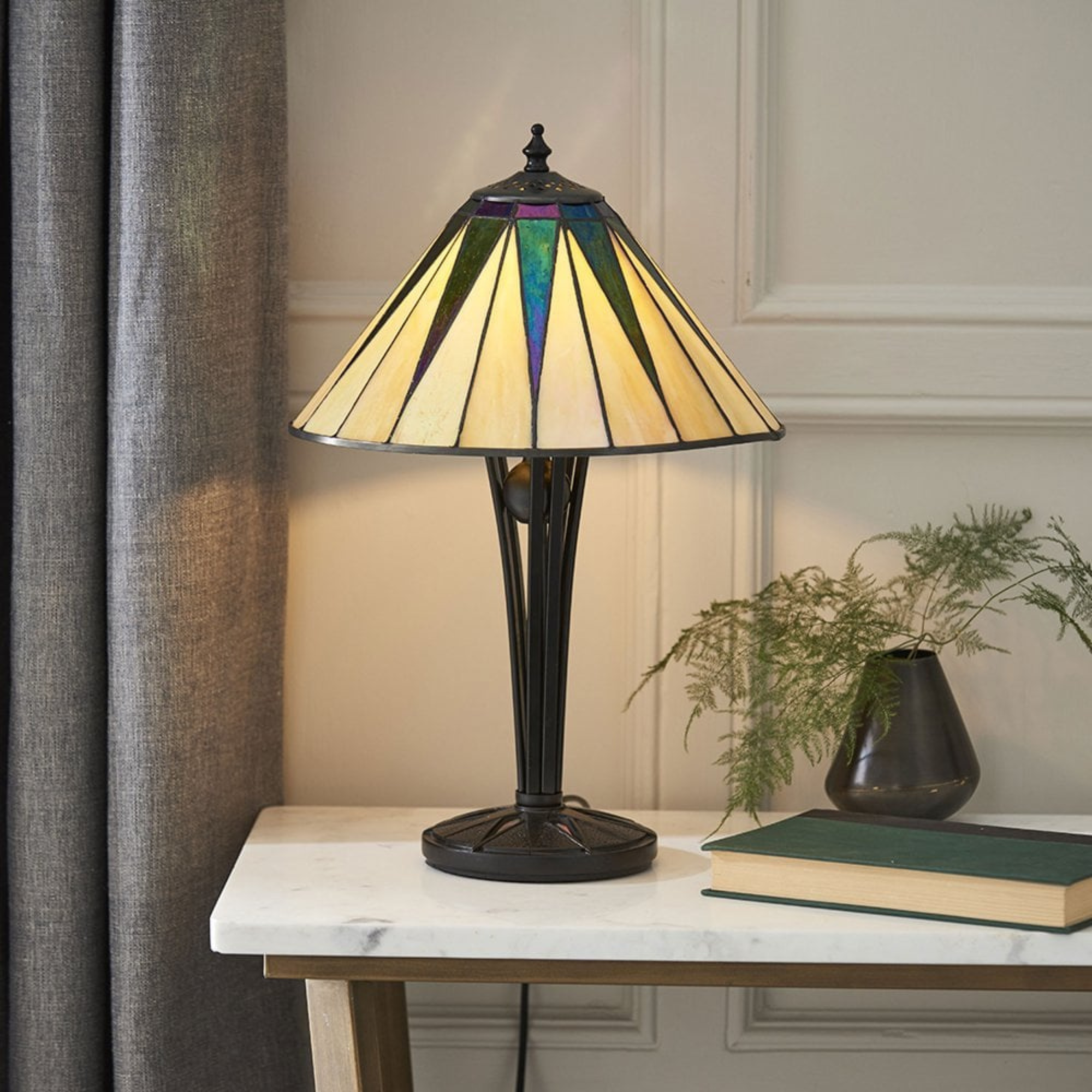
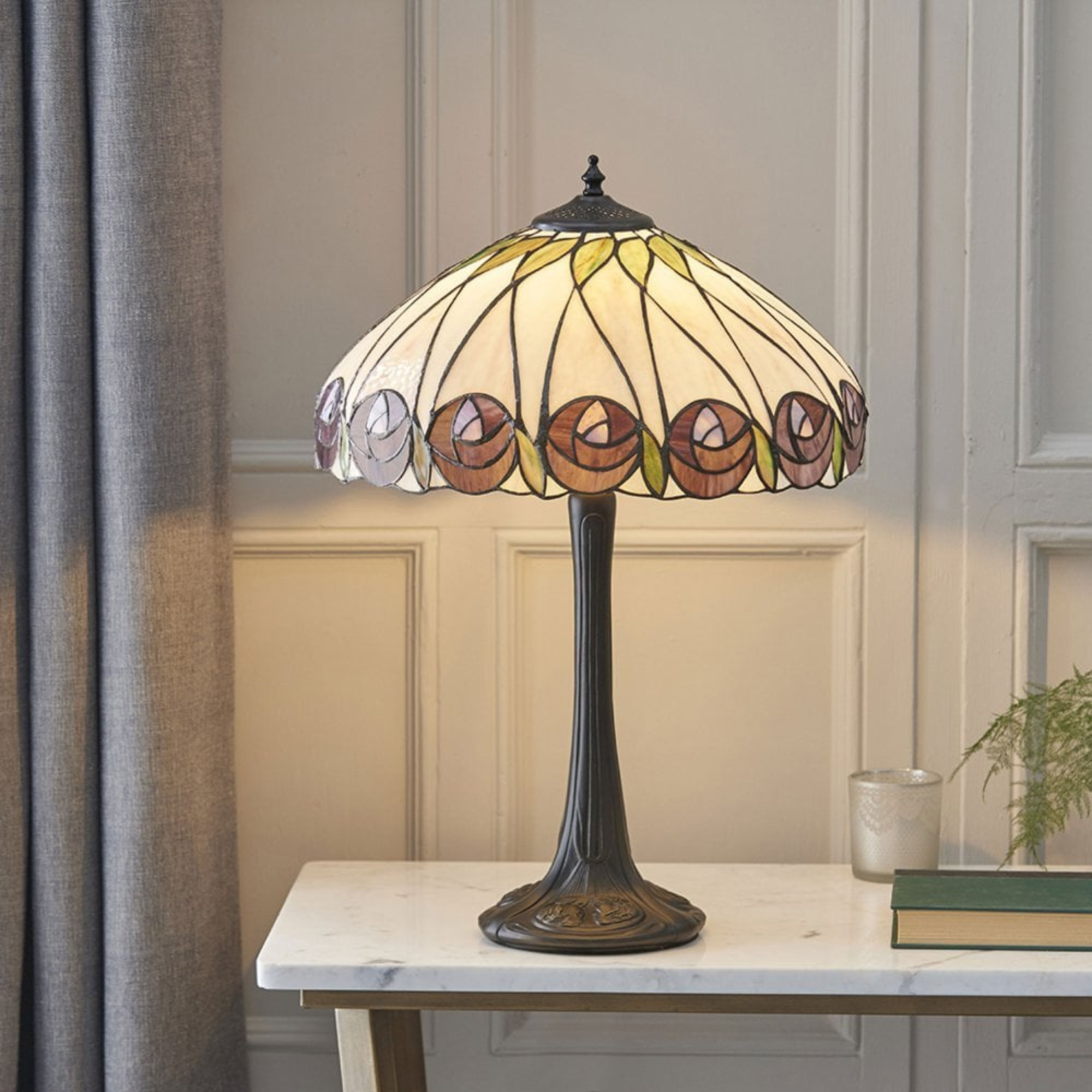
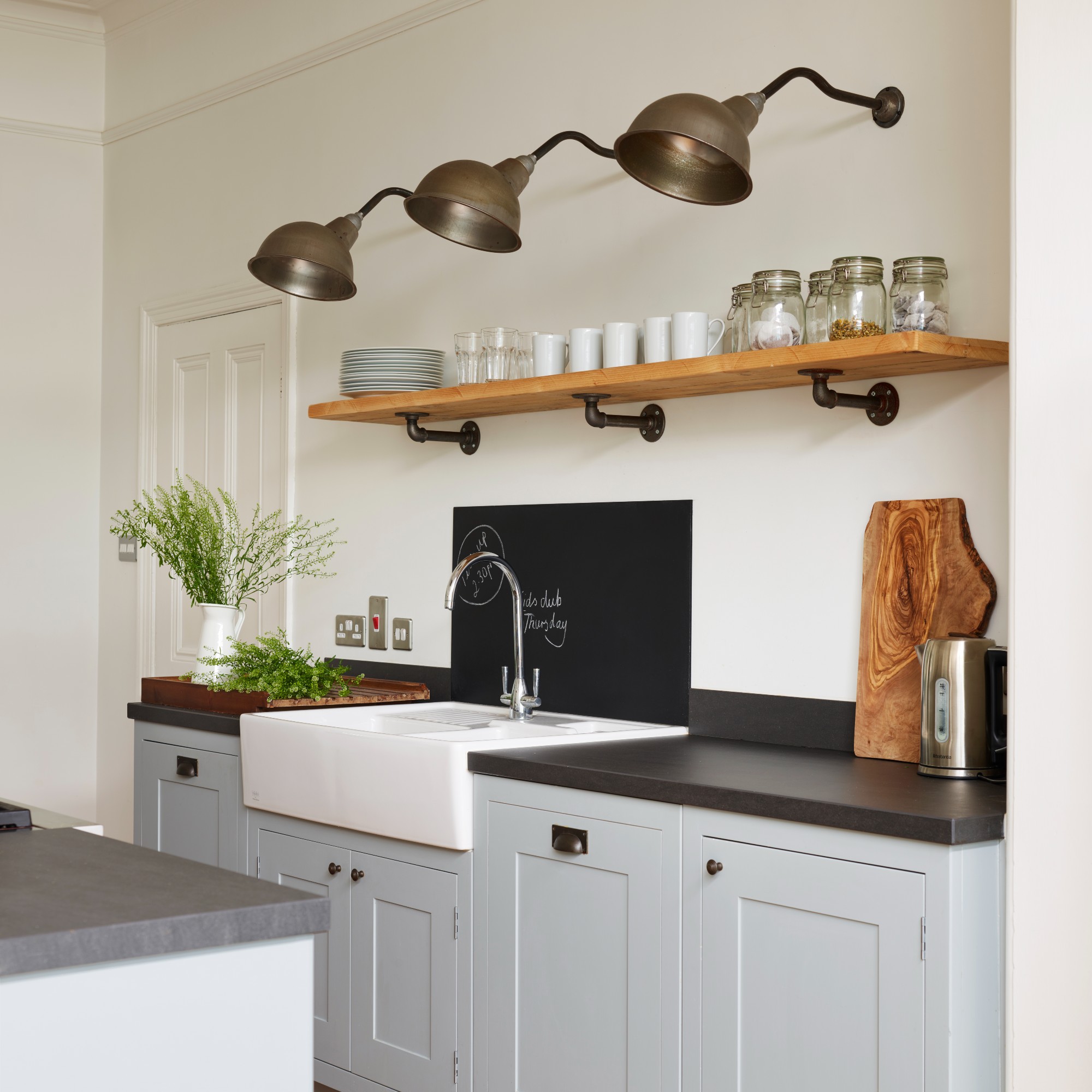
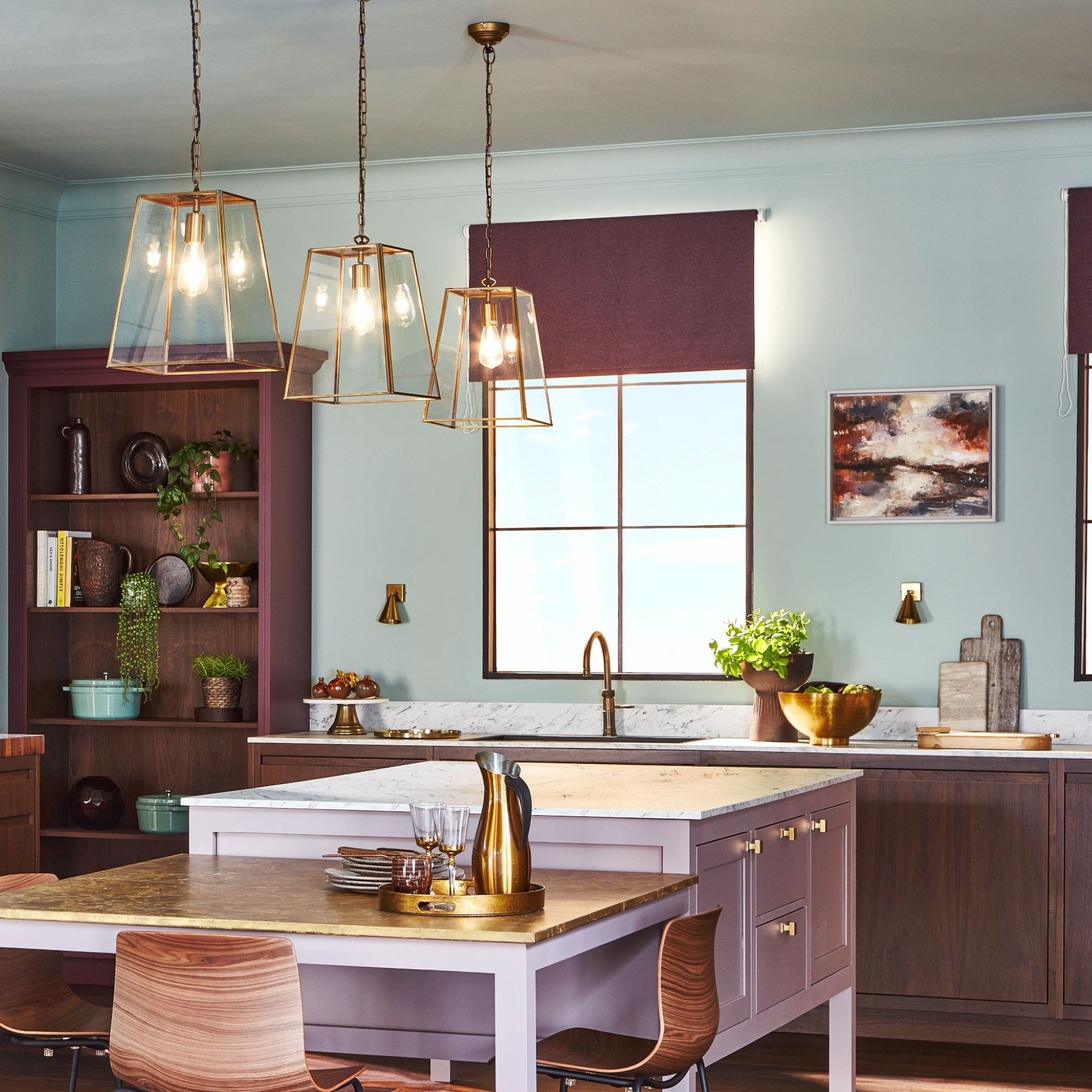
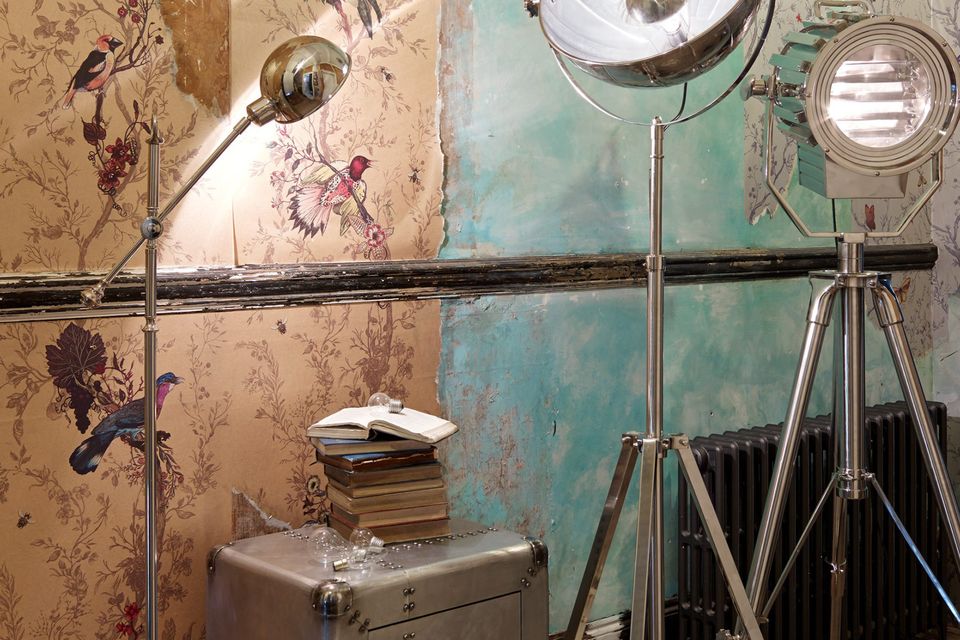
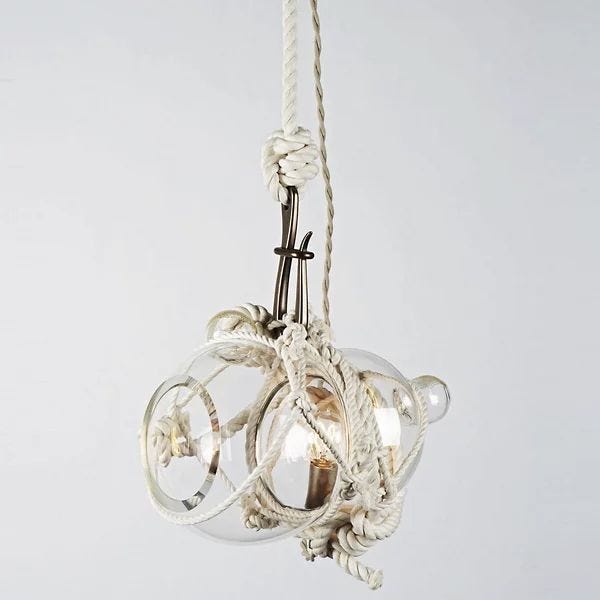
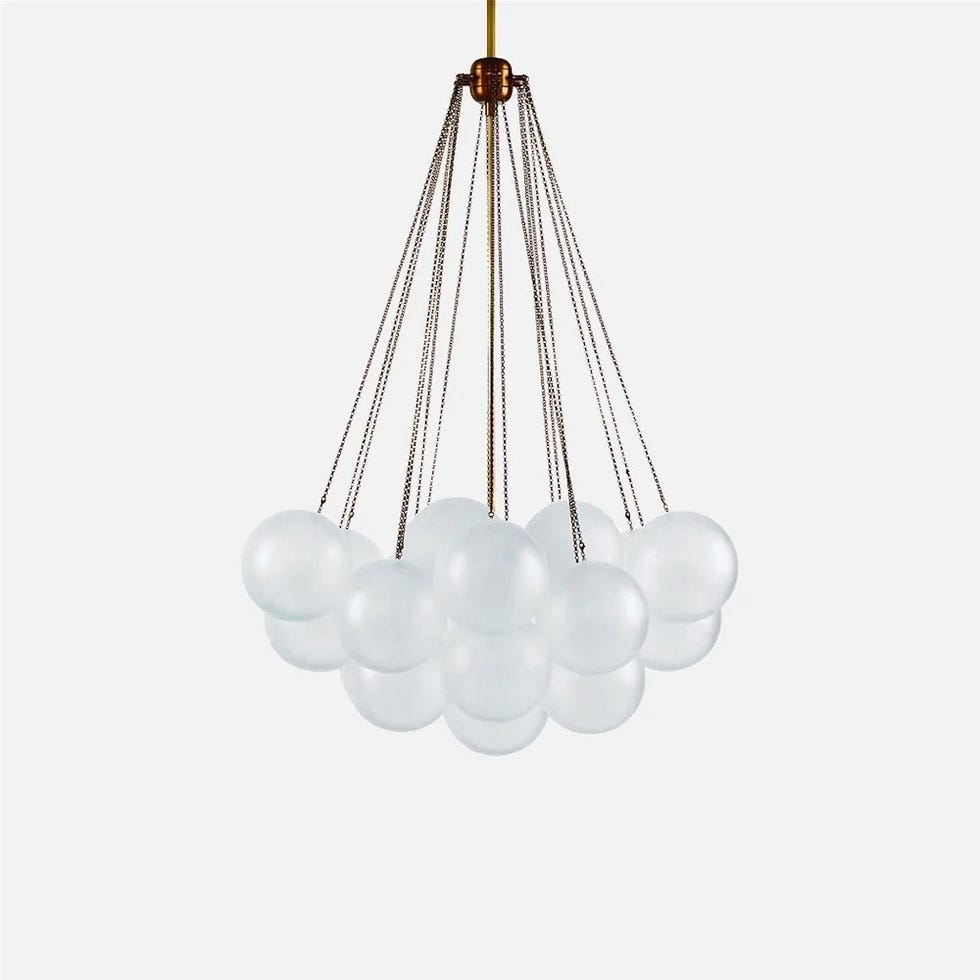
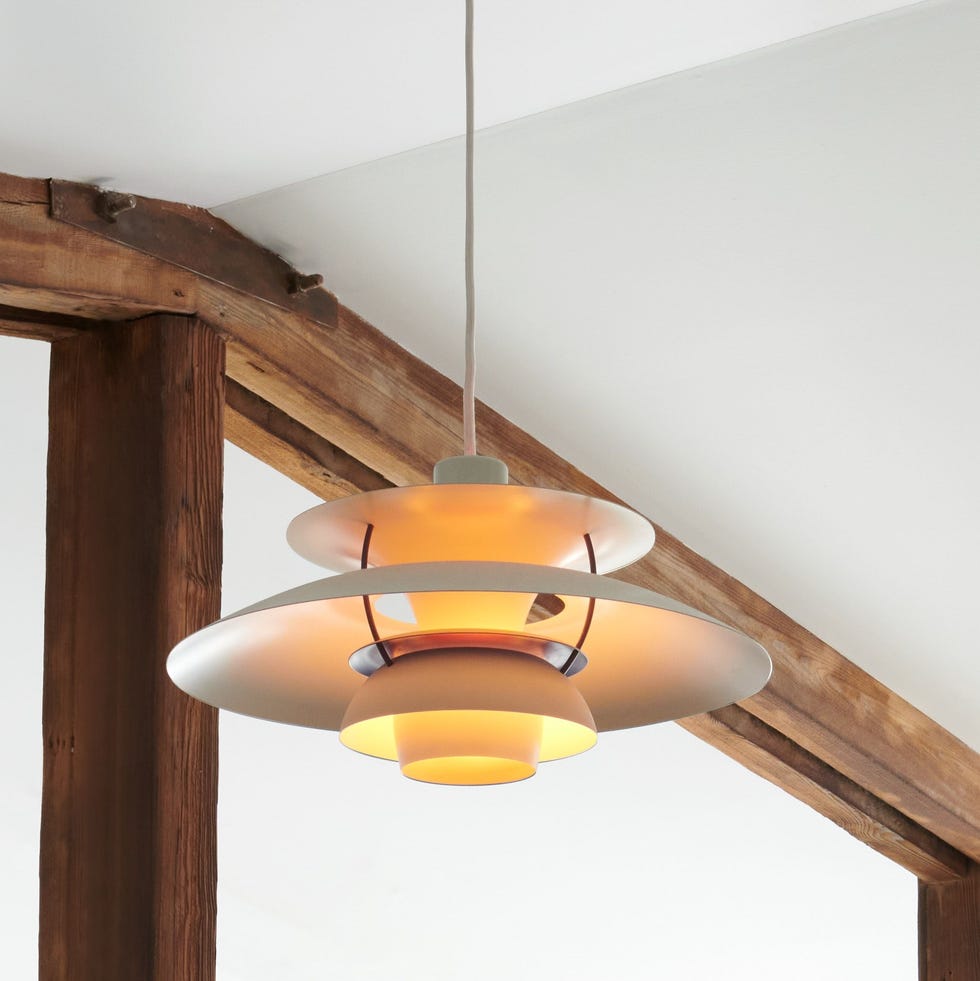
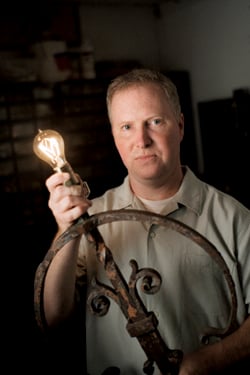
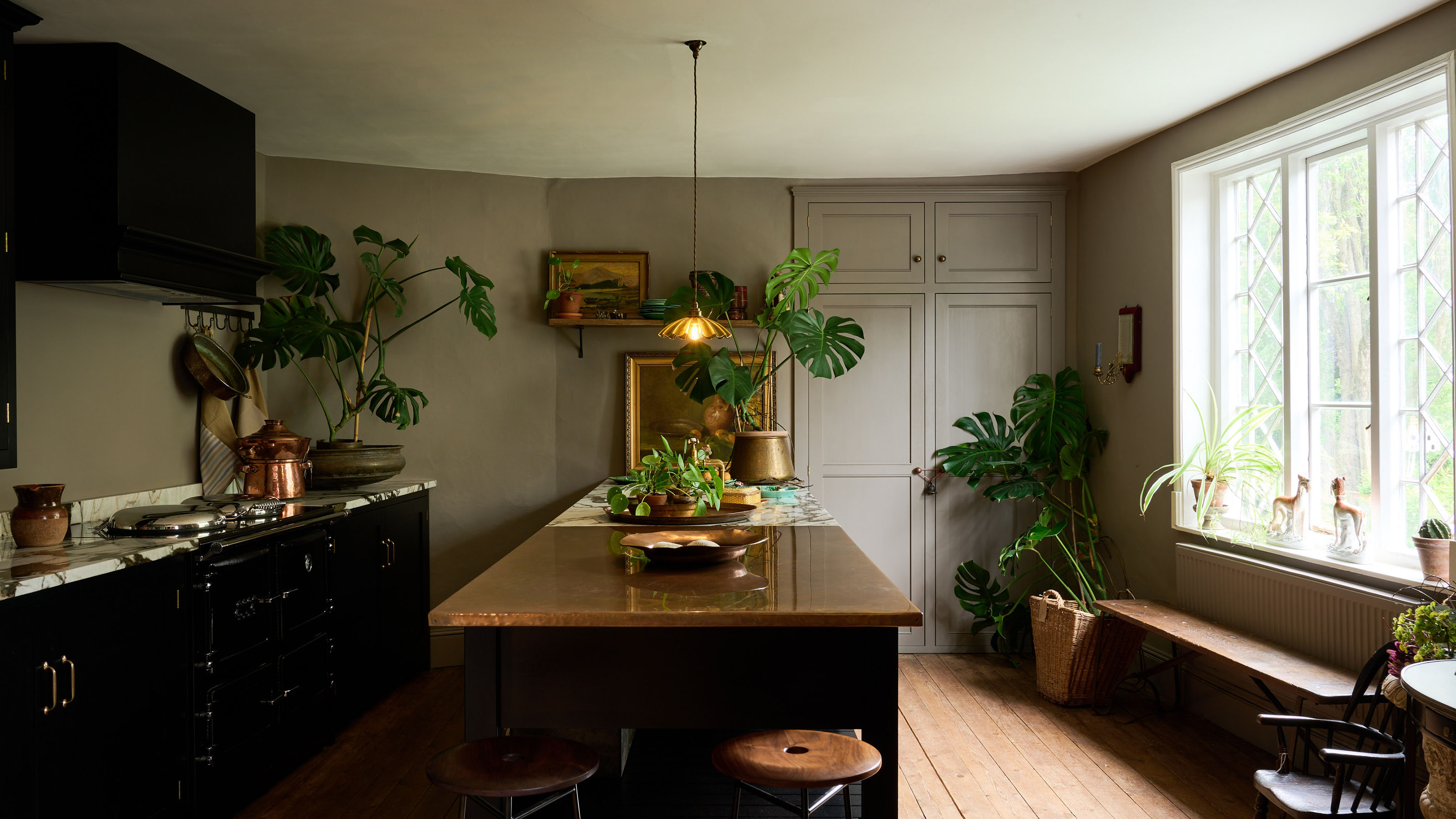
skinflint, a British lighting brand, has dedicated over a decade to giving new life to vintage lights, rescuing more than 50,000 items from landfills. The company sources lights globally, from abandoned glassworks in Budapest to old Navy ships, meticulously restoring them to modern electrical standards while preserving their original character. Co-founder Chris Miller emphasizes that repairing, restoring, fixing, and mending were integral to his upbringing, influencing his career path and the foundation of skinflint, which was established with a mission to prevent vintage lights from ending up in landfills. He notes that the practice of repairing vintage lights is an act of care for both the planet and its inhabitants.
The appeal of repairing objects over creating new ones for skinflint lies in a triple-bottom-line approach, prioritizing people and the planet over profit, especially as a Certified B Corp. Miller believes that restoring and repairing vintage lights is the most effective way to achieve this. The company aims to counteract "fast furniture" trends, thus avoiding the creation of new waste through designing and manufacturing new lighting. Vintage lights, crafted before the concept of planned obsolescence, were built to endure. This inherent durability allows skinflint to find them in remarkable locations worldwide, often outliving the structures they once illuminated.
Miller prefers the term "restoration" to describe skinflint's work, defining it as an effort to preserve as much of each vintage light's original character as possible. This involves ensuring modern technological standards are met while consciously retaining signs of age and patina, which tell the unique story of each light's journey from diverse locations such as UK churches, private residences in Prague, and Eastern Bloc factories. The inspiration for skinflint stemmed from a desire to challenge the conventional approach to lighting in modern spaces. In 2009, the founders tested their theory in a Victorian home in North London, which ultimately led to the brand's establishment. Fourteen years later, skinflint remains true to its founding mission, with an ethos that positions business as a force for good, demonstrated through initiatives like 1% for the Planet.
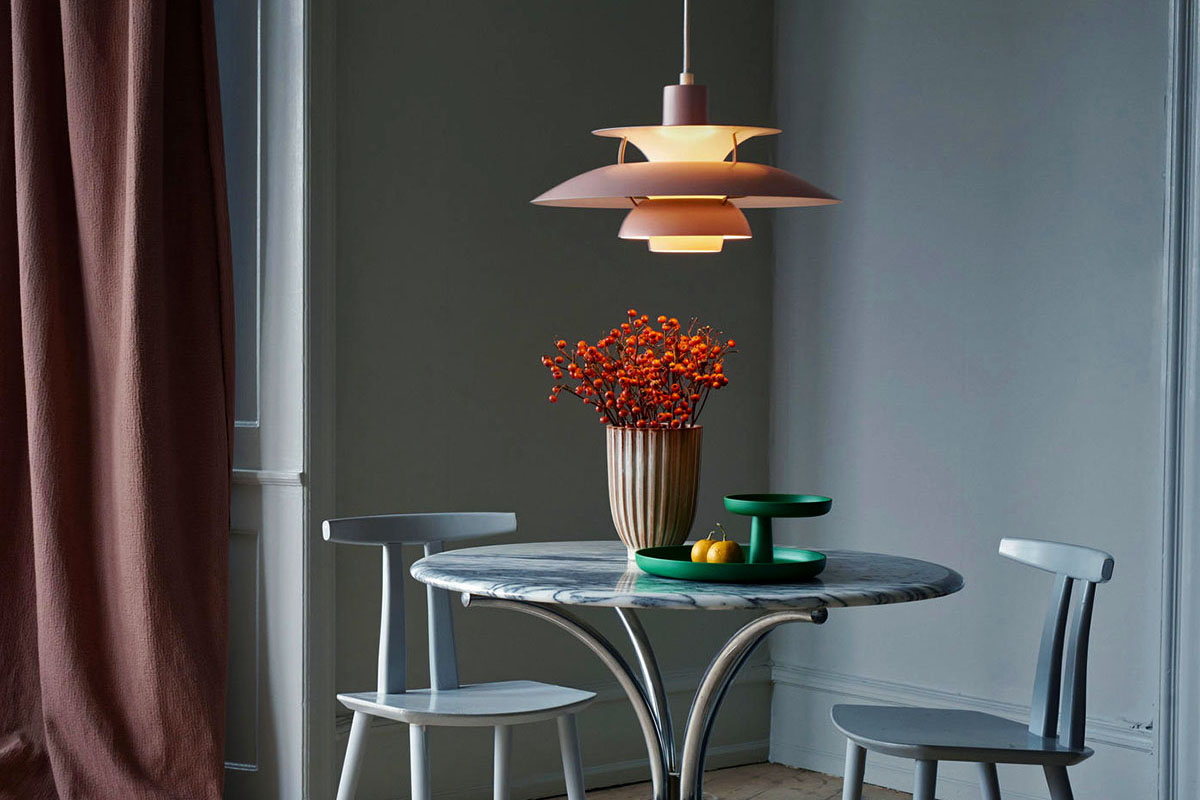
The restoration process is varied, tailored to each light, and involves techniques such as soda-blasting for paint removal, polishing, and lacquering. The process is slow and meticulous, always executed with sustainability and environmental priorities in mind. The objective is to preserve the original function of salvaged vintage lights, enabling them to continue their stories. This means a light that once illuminated a mine shaft could later adorn the ceilings of B Corps like Aesop and Patagonia. The visibility of repair is managed to retain the light's character, with patina seen as an asset that adds to its history and makes for interesting conversation pieces. However, all electrical components are rigorously updated to meet modern technological standards. As a member of the UK Lighting Industry Association, skinflint undergoes independent audits and verification to ensure faultless functionality.
Consumer attitudes towards mending and repair are evolving, with clients showing increased awareness of environmental impact. skinflint's B Corp Certification legally obligates the company to consider and report on its impact, pushing it to continuously refine its circular working methods. This commitment is exemplified by the recent introduction of Full Circle, a product buy-back scheme that offers clients a 50% credit for returning vintage lights, ensuring their continued existence. The company also provides a lifetime guarantee for repairs, reinforcing its dedication to circularity. Looking ahead, skinflint envisions a future where its fully circular approach to vintage lighting, particularly with its buy-back scheme, inspires other industry players to adopt similar practices, fostering sector-wide change and a more sustainable future. Katie Treggiden, a purpose-driven journalist, author, and podcaster, champions a circular approach to design and contributed to this article as Editor at Large for Design Milk. Her work explores how craft can contribute to saving the world through initiatives like her book "Wasted: When Trash Becomes Treasure" and her podcast, "Circular with Katie Treggiden."
#VintageLighting #Restoration #CircularEconomy #SustainableDesign #BCorp #HomeFurnishings #InteriorDesign #RepairCulture #EnvironmentalImpact #VintageLighting #Restoration #CircularEconomy #SustainableDesign #BCorp #HomeFurnishings #InteriorDesign #RepairCulture #EnvironmentalImpact
0 comment in total
 No comments yet
You may also like
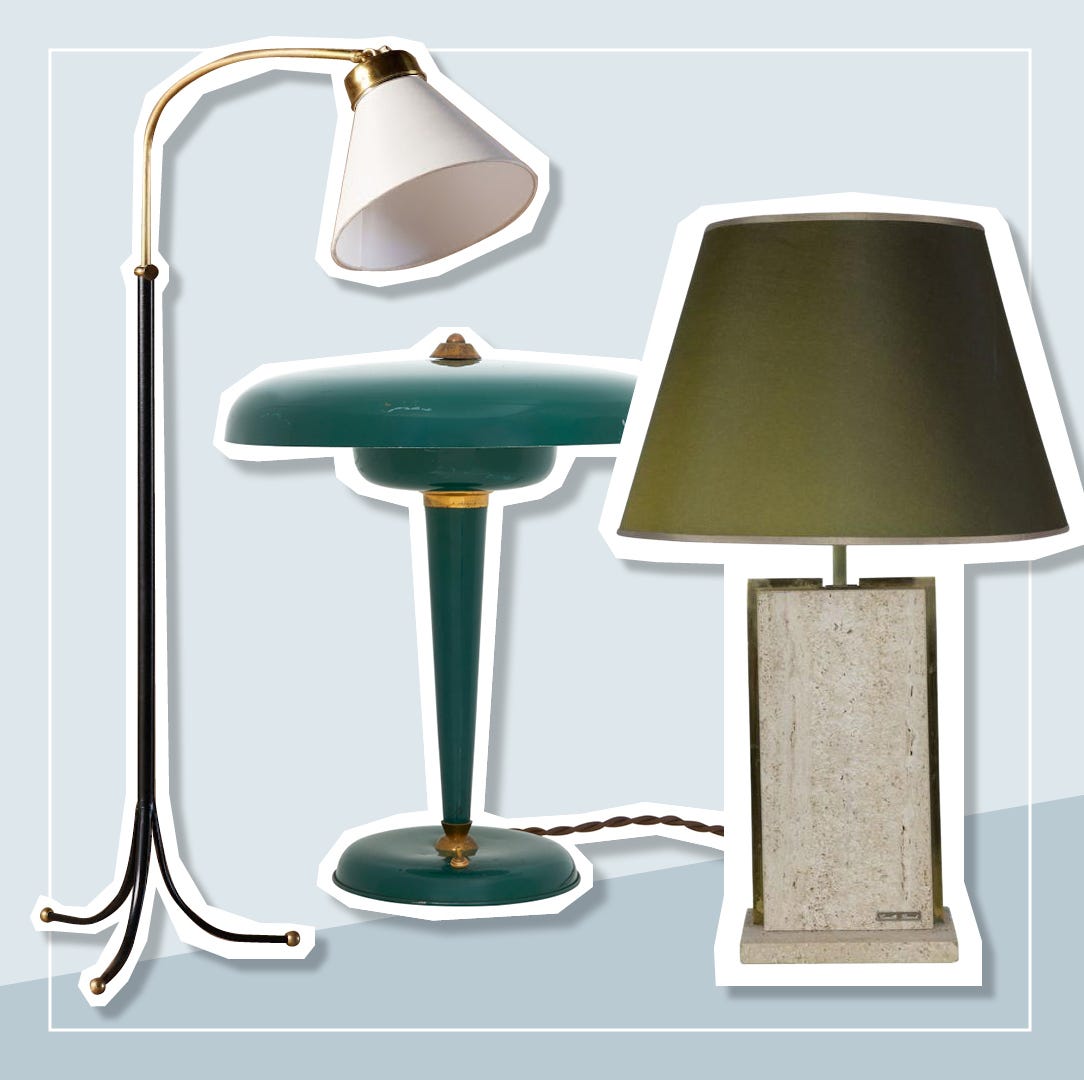
Our Editors Swear By These Shops for Buying Vintage Lamps Online

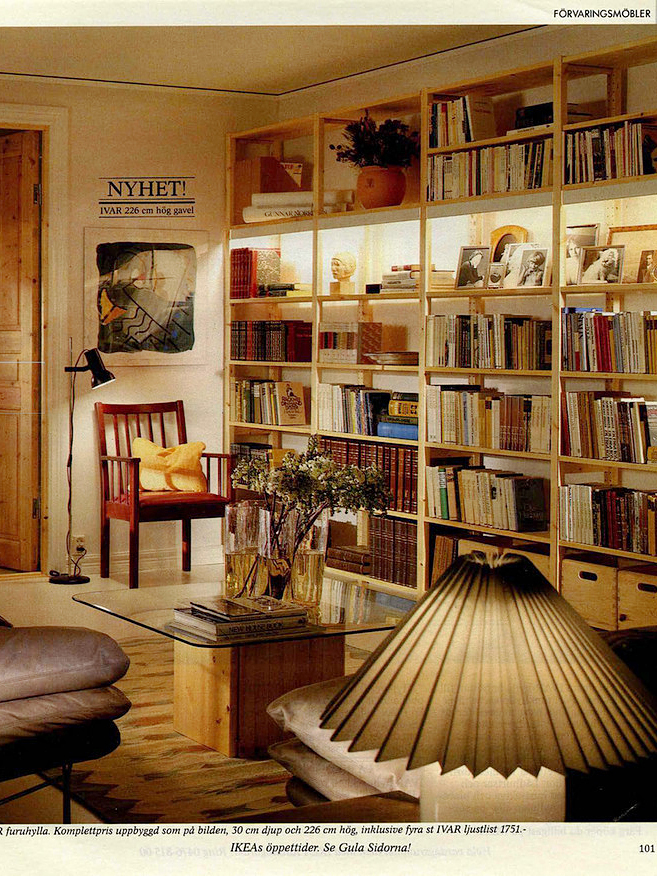
There’s a Whole World of Vintage IKEA Lighting Out There, and It’s on Etsy


2025 lighting trends: 10 bright ideas to transform your home

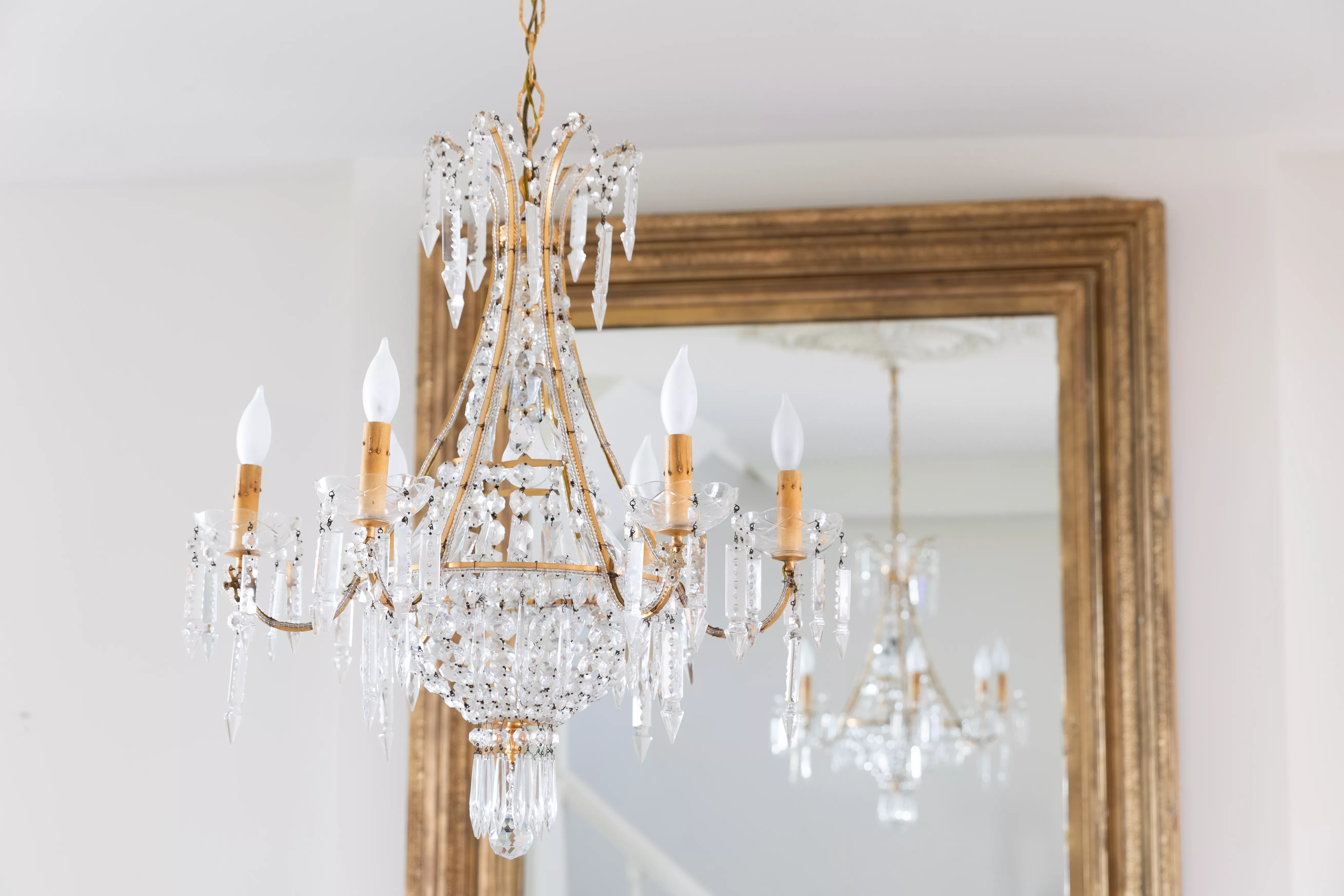
7 Tips to Know When Shopping for Vintage Light Fixtures

The Best Online Lighting Stores, Vetted


Browsing: Let there be light. And the quirkier the better

How to Find the Best Lamps at Thrift Stores—and Safely Install Them in Your Home
The 18 best places to buy light fixtures, with expert recommendations

Where to Buy Vintage Lamps, Including Reissues and Rarities

What You Need To Know Before Buying A Vintage Light Fixture For Your Home
Tiffany lamps have had a huge comeback for 2025 - how to style this nostalgic lighting trend
7 vintage lighting ideas to add character to your home

Watts New

Modern Restaurant Lighting at Adorns Creekside Hotel and Bar


Anthony Hopkins makes the case for this unusual kitchen lighting – and for dad dancing, too
20 Iconic Lamps Every Design Lover Should Know by Heart

Interior Designers Reveal Their 26 Favorite Online Lighting Stores

Simply frill-ing! The vintage French-inspired lighting trend you need to know about

Interiors: 'Exposed beams, concrete floors and raw steel becoming firm favourites'
Antique Originals