1/6
Where should I go to get my things repaired? And why is it so important?
In an era characterized by rapid consumption and evolving trends, the practice of repairing household items, furniture, clothing, and shoes is gaining renewed importance, not only for its positive impact on the environment but also for fostering unique home aesthetics and personal connection to possessions. The constant influx of new products, driven by fast fashion and furniture industries and amplified by social media trends, often leads to a cycle of discarding older items. This disposable mindset contributes significantly to landfill waste, with millions of homeware items discarded annually in the UK alone. Clare Press, author of *Wear Next, Fashioning the Future*, highlights a societal normalization of wastefulness, where products are designed for obsolescence, prompting continuous purchases. However, she notes a growing interest in sustainable lifestyles driven by concerns over climate change, pollution, and biodiversity loss.
The article advocates for embracing repair and re-imagination as sustainable alternatives. It draws inspiration from Kintsugi, the ancient Japanese art of repairing broken pottery with gold, which celebrates imperfections and the beauty of restoration. This philosophy can be applied to furniture by reupholstering, repainting, or repurposing items, thereby creating unique pieces that stand apart from mass-produced goods. Practical advice includes not shying away from slightly damaged items, as repairing them can deepen personal connection and is often more cost-effective than buying new. Simple repairs like painting, cleaning, or fixing minor stitches can be done personally, with online resources like YouTube offering tutorials for more complex tasks like rewiring lamps. For specialized repairs, professional services are recommended, which still offer savings compared to new purchases and contribute to environmental preservation.
Several resources and professionals are highlighted for various repair needs. Repair Cafes, a global community initiative, offer free spaces for people to learn and execute repairs on a wide range of items, from electronics to clothing, promoting a collaborative approach to sustainability. For furniture restoration, recommended services include Roseberry House Restoration, 3 Restorers, Restoration Station (a social enterprise that also provides training), After Noah, and Rupert McBain Studio, all specializing in different aspects of furniture care. Upholstery services, such as D&T Portman Upholstery and John Haswell Upholstery, are suggested for transforming existing furniture with new fabrics, allowing for personalized aesthetic updates while extending an item's lifespan. Lisa Mehydene of Edit58 suggests using unconventional materials like vintage rugs for upholstery to achieve a distinctive look.
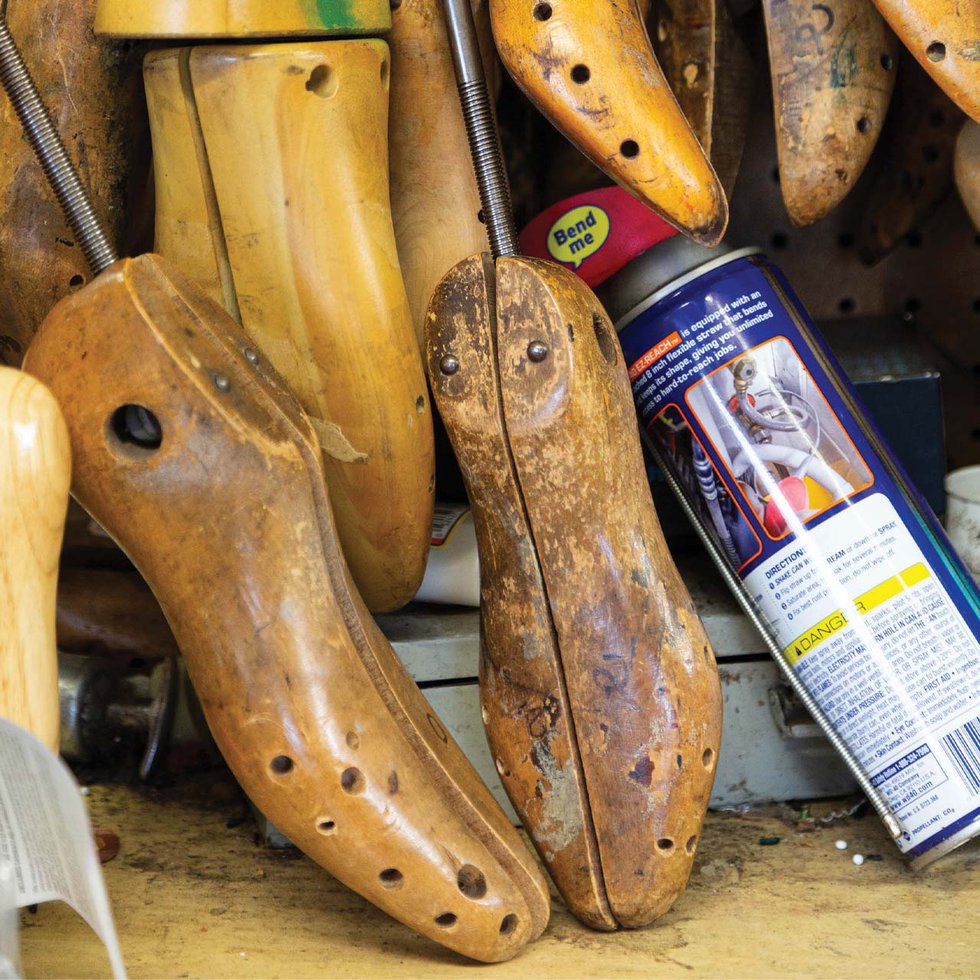
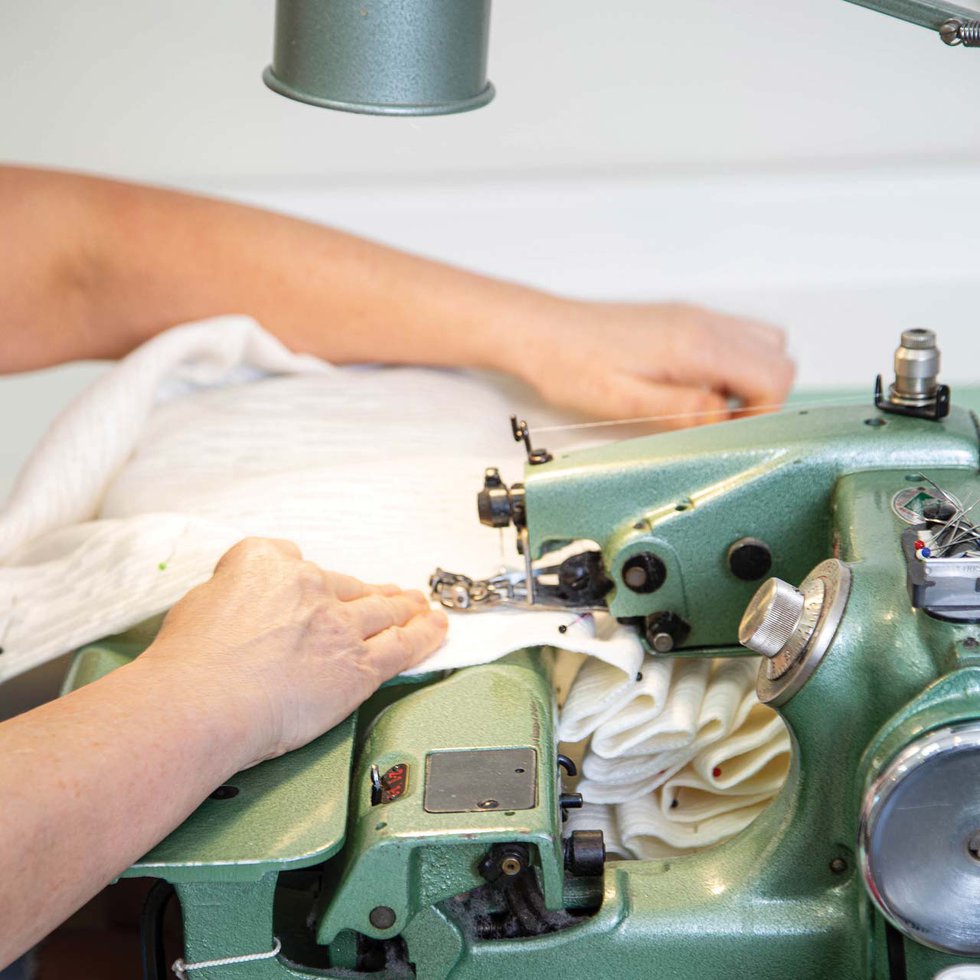
For general household repairs, platforms like Checkatrade and TaskRabbit connect users with vetted tradespeople for tasks ranging from shelving unit repairs to appliance fixes, often proving more economical than replacements. Specialized services like Ralph's Repair Shop offer knife sharpening. In the realm of clothing, companies like SOJO provide convenient tailoring and repair services, while local laundrettes are highlighted for their expertise in moth hole repairs, zipper replacements, and knitwear care. Brands like TOAST and Selfridges also offer repair and recycling programs, encouraging a circular economy for fashion. Shoe repairs are addressed with recommendations for KPA shoe repair and the widely available Timpson, known for its ethical employment practices. Lighting repairs are best handled by local hardware shops or specialized services, while artwork restoration requires accredited conservators, emphasizing preservation over making pieces look new. Ultimately, the article encourages a shift in mindset towards valuing and preserving existing possessions through repair and restoration, fostering a more sustainable and personally enriching approach to home and lifestyle.
#HomeRepair #SustainableLiving #FurnitureRestoration #Upholstery #ClothingRepair #ShoeRepair #DIYHomeRepair #CircularEconomy #EarthDay #HomeRepair #SustainableLiving #FurnitureRestoration #Upholstery #ClothingRepair #ShoeRepair #DIYHomeRepair #CircularEconomy #EarthDay
 No comments yet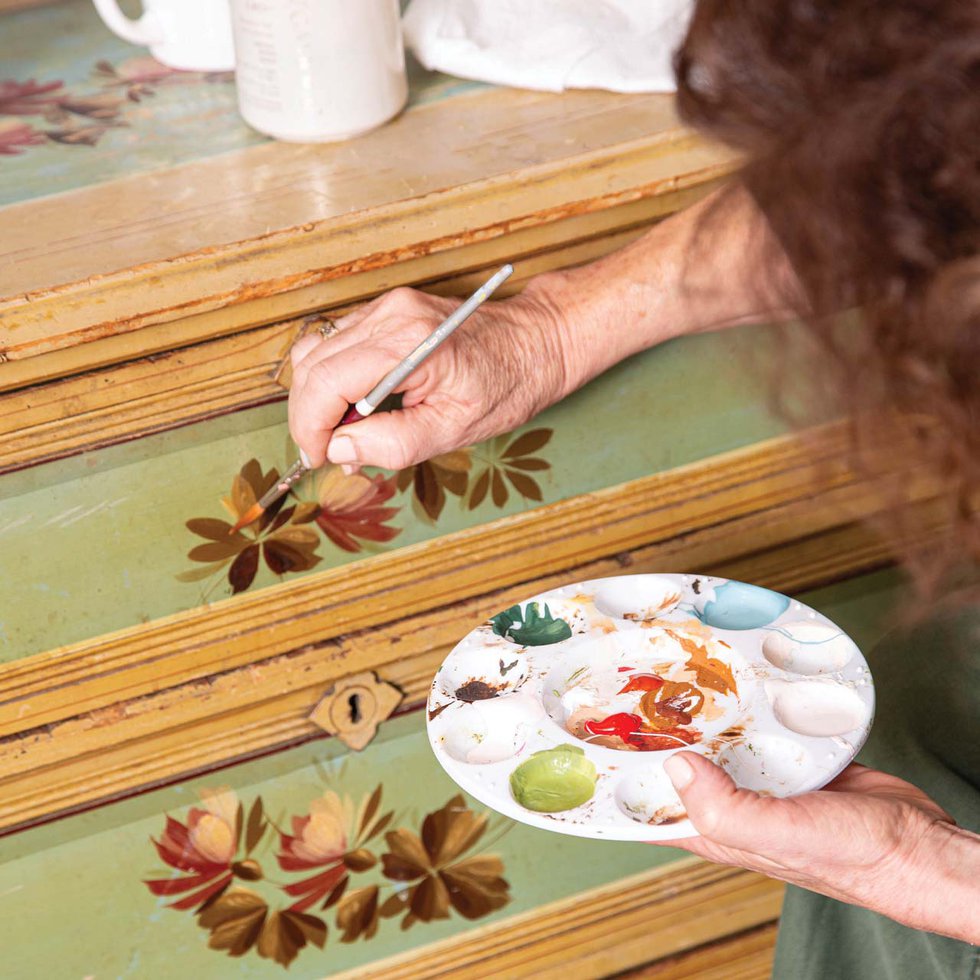
Where to Fix Your Best Stuff in the Twin Cities

7 things you should repair instead of replace in your home

R5 Where to Get Stuff Fixed