1/4
2025 Sofa Trends: Eco-Friendly Styles for a Sustainable Future
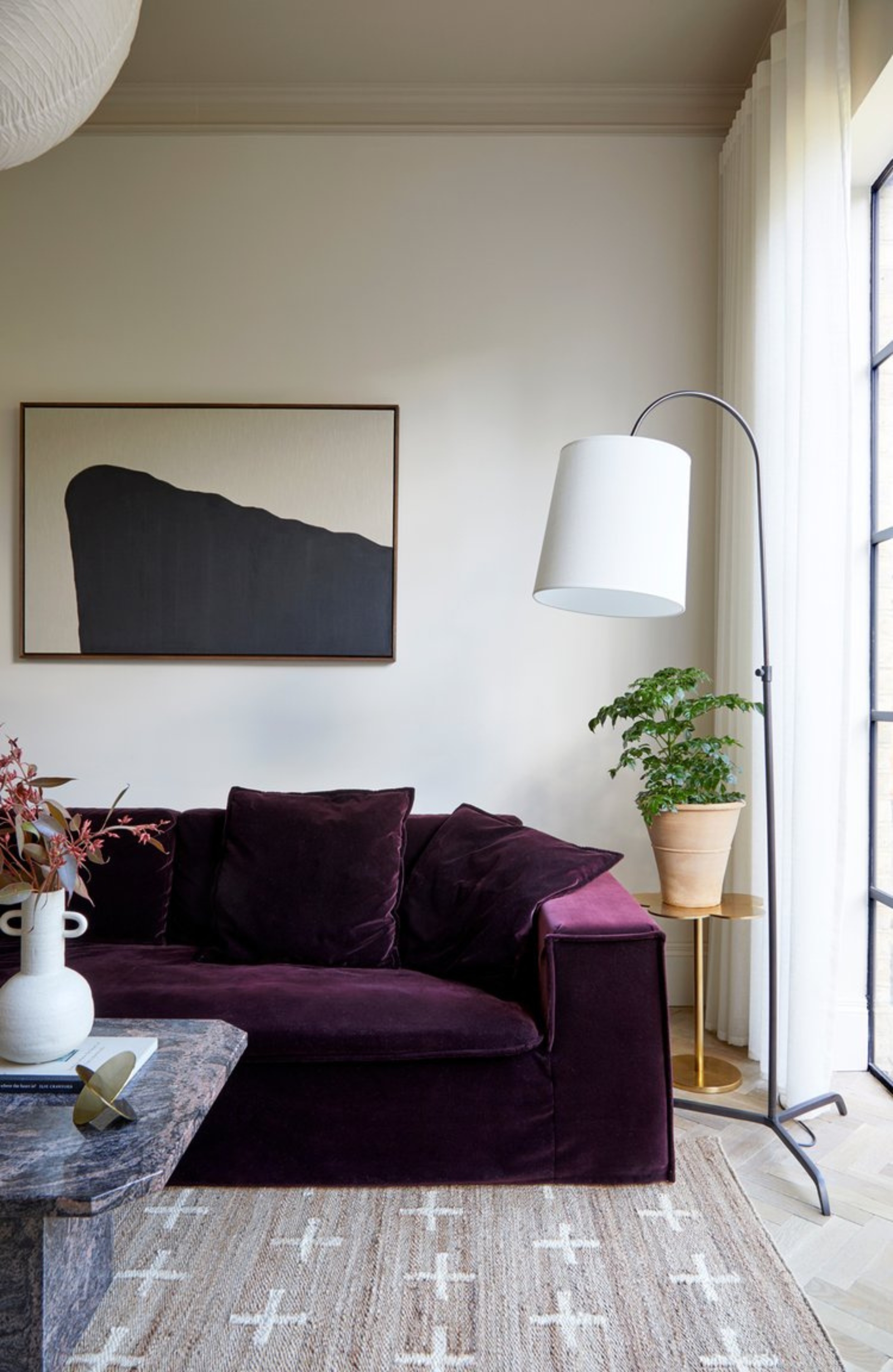
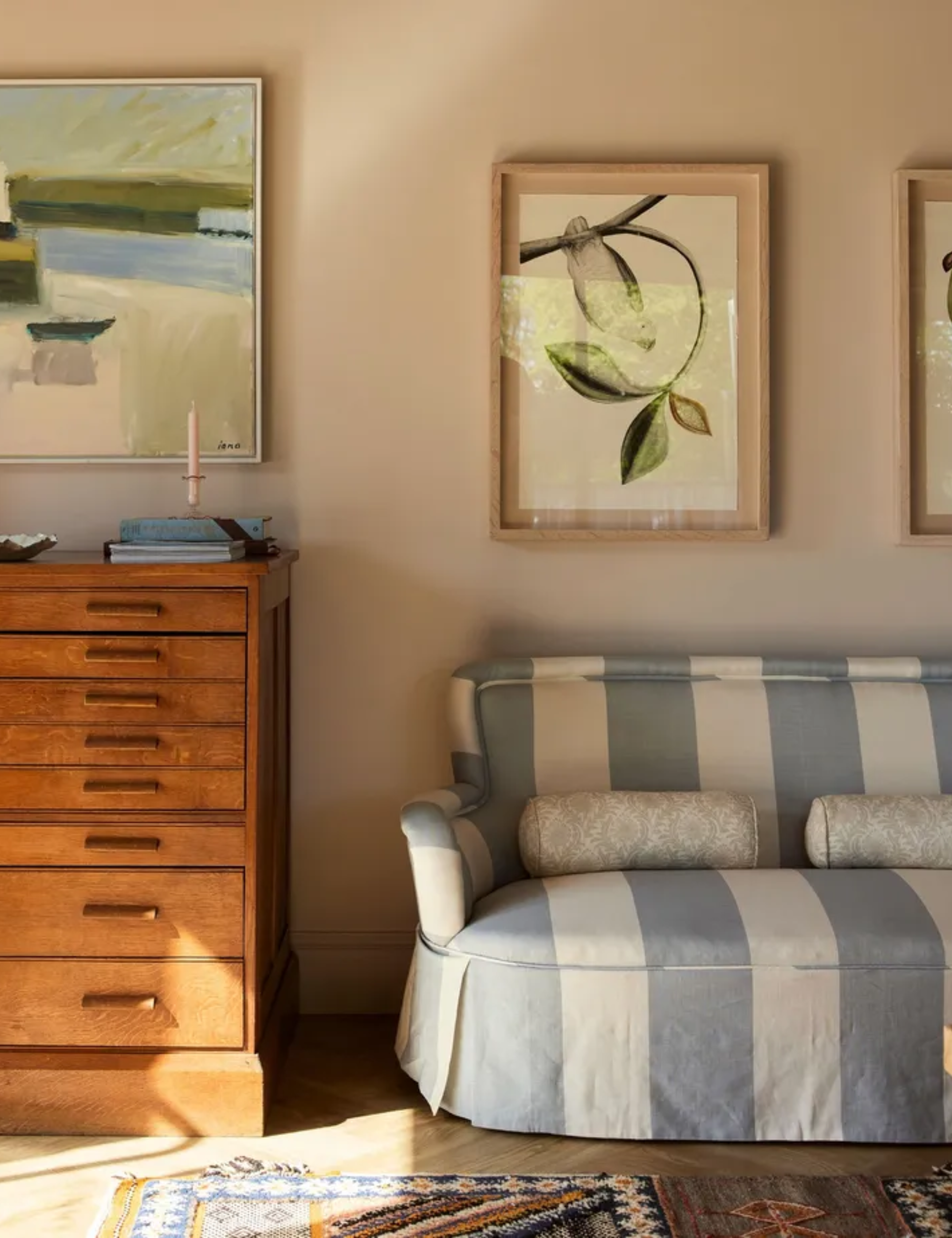
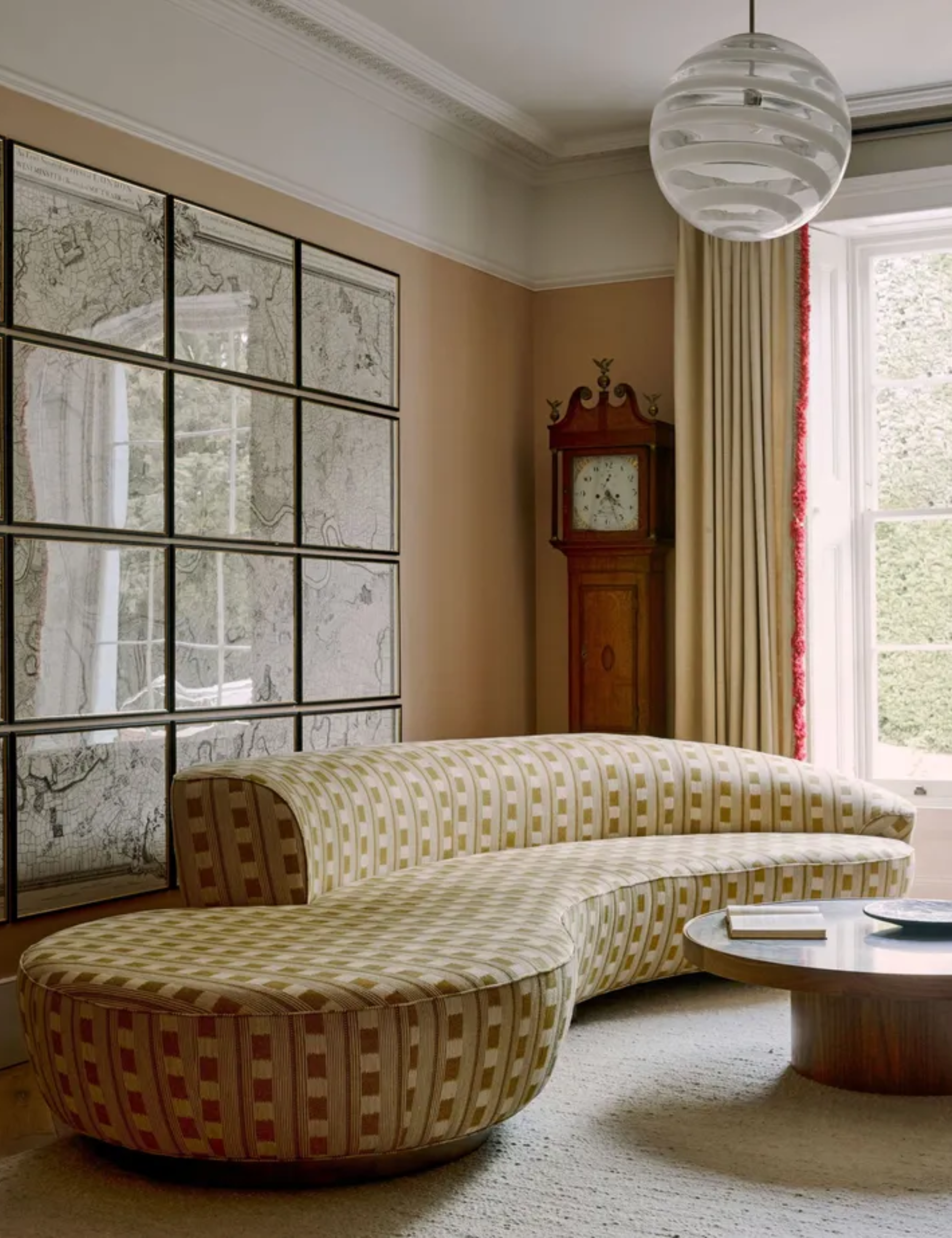
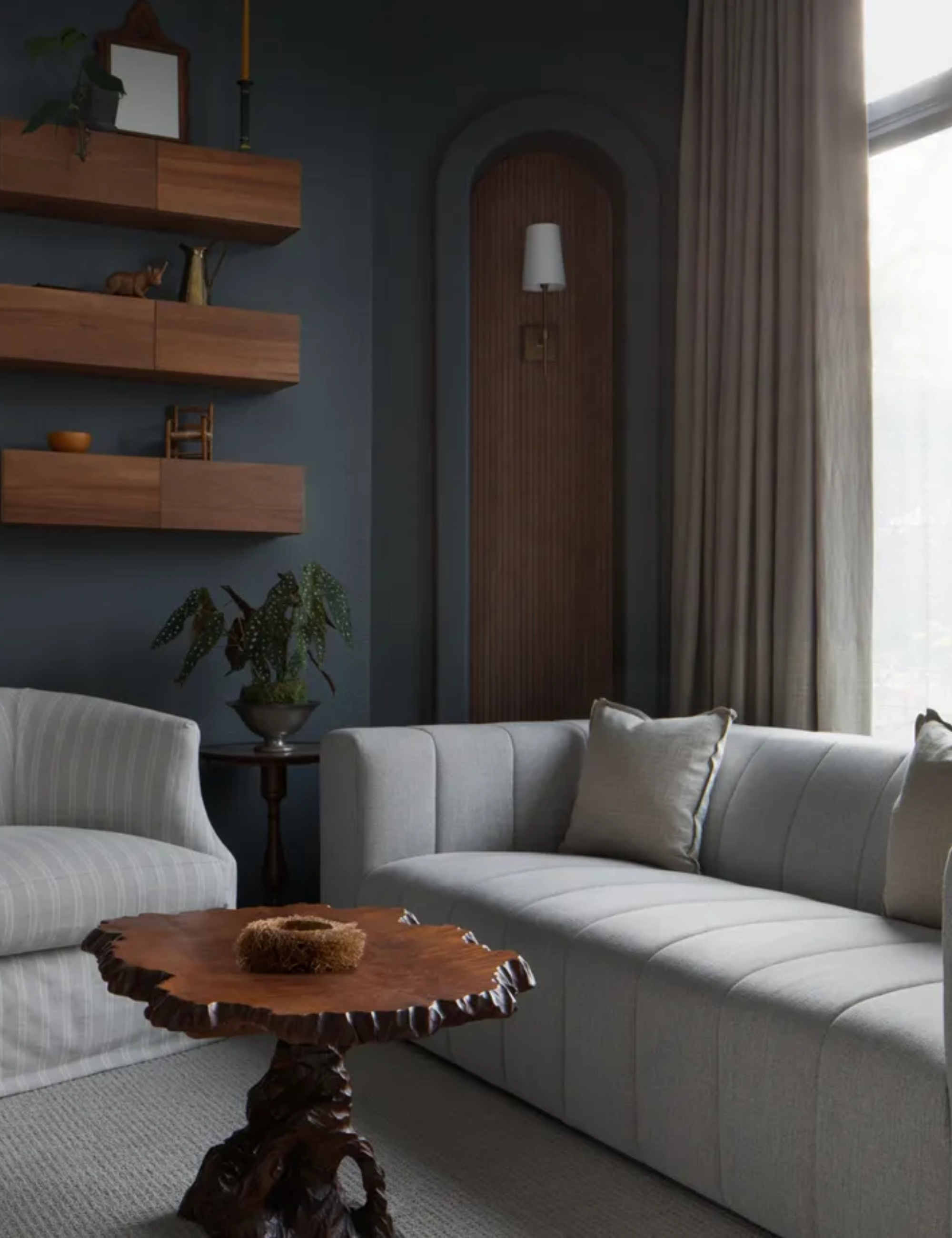
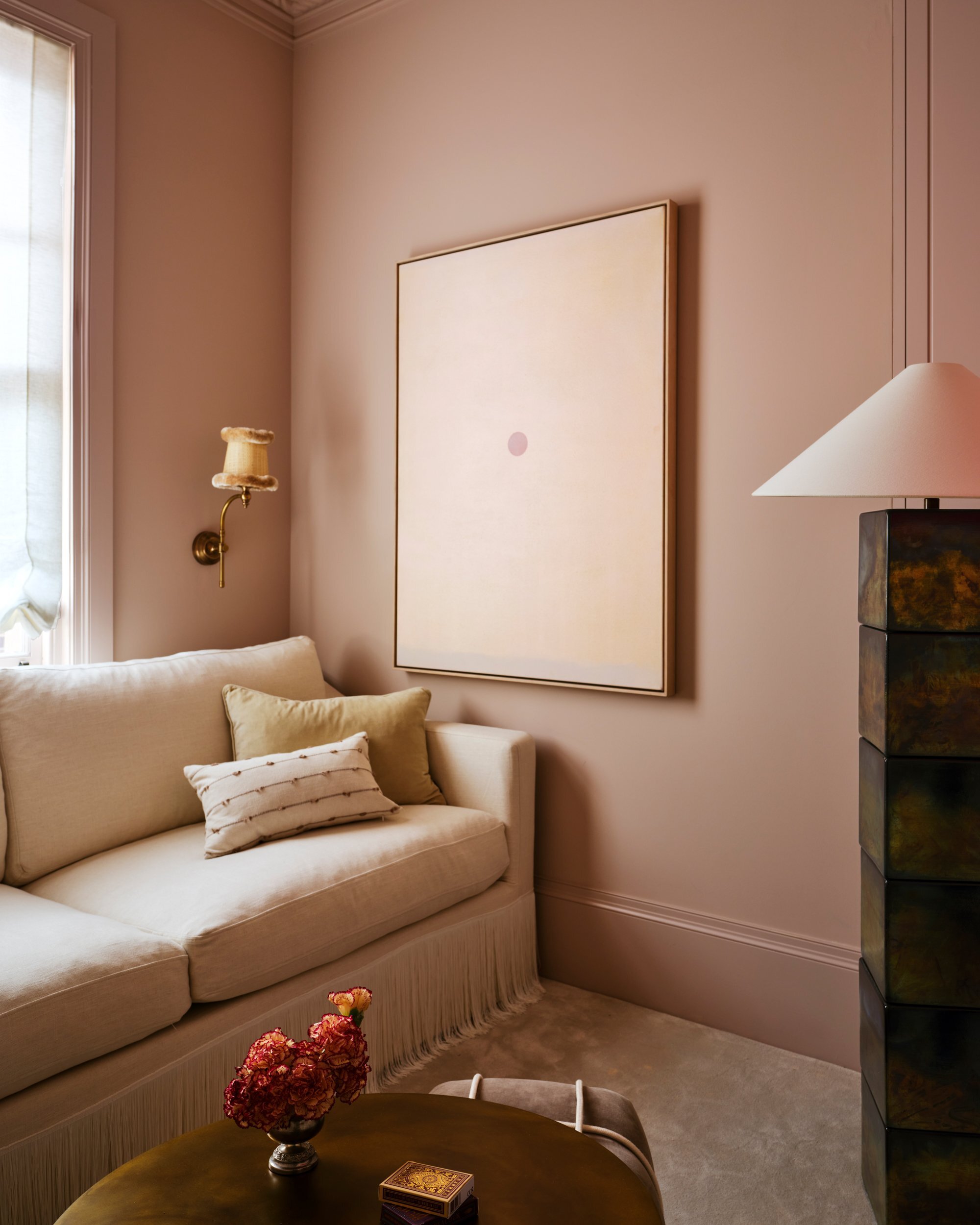
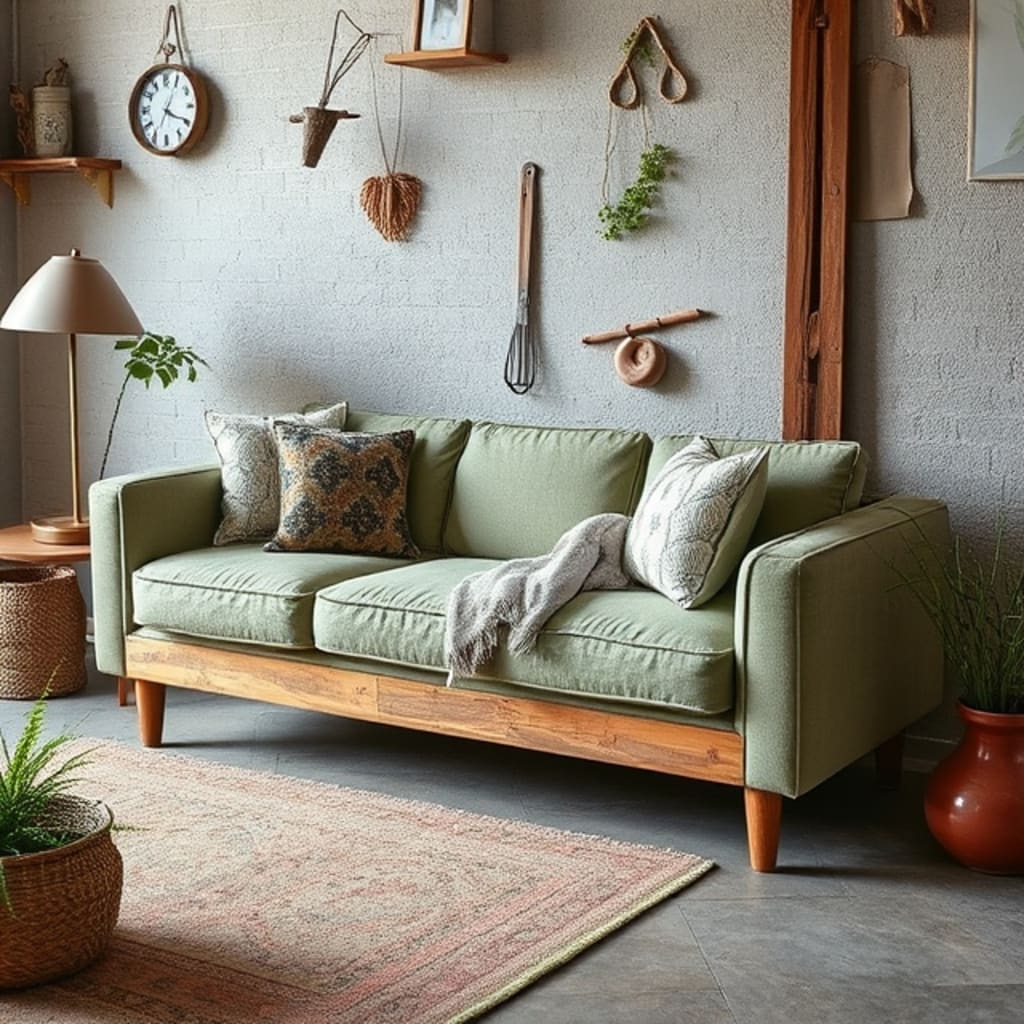
As 2025 approaches, sustainability has become an increasingly integral aspect of home furnishing, with eco-friendly sofas taking a prominent role. This shift is driven by growing concerns about climate change, heightened environmental awareness, and a widespread desire for more sustainable lifestyles. Consequently, consumers are actively seeking furniture that not only offers comfort and aesthetic appeal but also minimizes its ecological footprint. This demand is shaping the latest sofa trends, which emphasize sustainable materials, ethical production methods, and durable designs that promote a circular economy.
A significant development in the 2025 sofa industry is the widespread adoption of sustainable materials. Consumers are more discerning about the components of their furniture, prompting manufacturers to prioritize natural, biodegradable, and organic fabrics. Materials such as organic cotton, hemp, and bamboo are gaining traction over conventional synthetics due to their reduced environmental impact. These fabrics offer superior comfort and durability while requiring fewer pesticides, fertilizers, and chemicals in their production, thereby lowering their carbon footprint. Beyond fabrics, there is a movement away from synthetic foams, often derived from petroleum, towards plant-based, recycled, or memory foam alternatives. These eco-friendly fillings provide comparable comfort and support with a considerably smaller environmental footprint, contributing to waste reduction and sustainable practices.
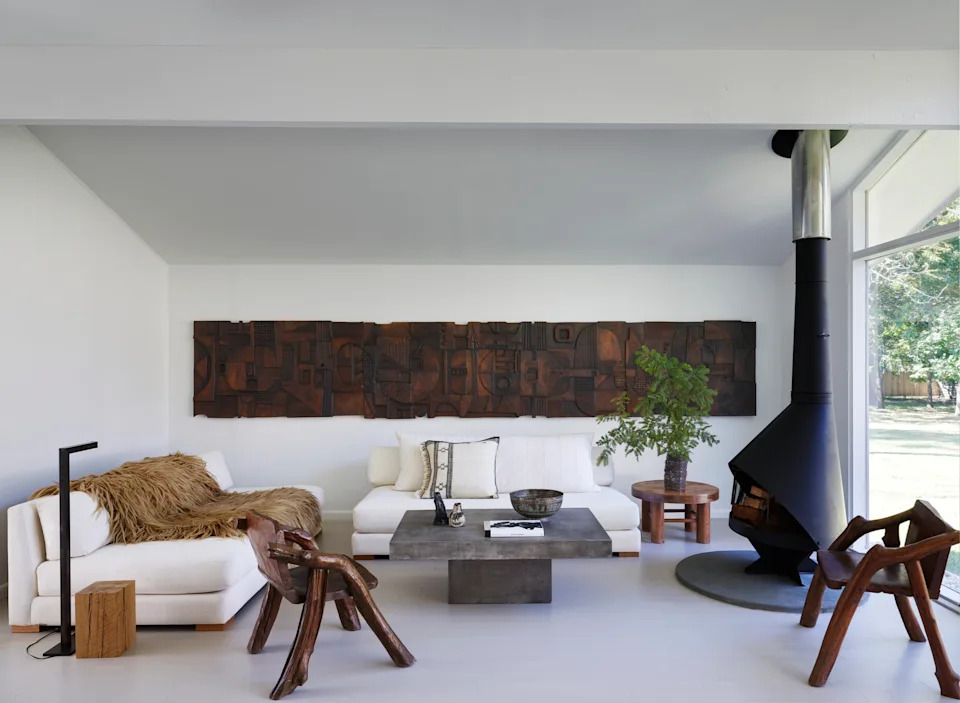
Another key trend is the increasing use of recycled materials. Aligned with the principles of a circular economy, furniture designers and manufacturers are incorporating materials that can be reused and repurposed. Reclaimed wood is frequently used for sofa frames, reducing the demand for new timber and imparting a unique, rustic character to each piece. Similarly, upholstery made from repurposed plastics and fabrics, sourced from discarded textiles and plastic waste, is becoming more common. These materials are processed and transformed into new fabrics for sofa covers. Consumers are drawn to these options not only for their sustainability but also for the inherent stories they tell, fostering a personal connection to their purchases and promoting conscious consumption.
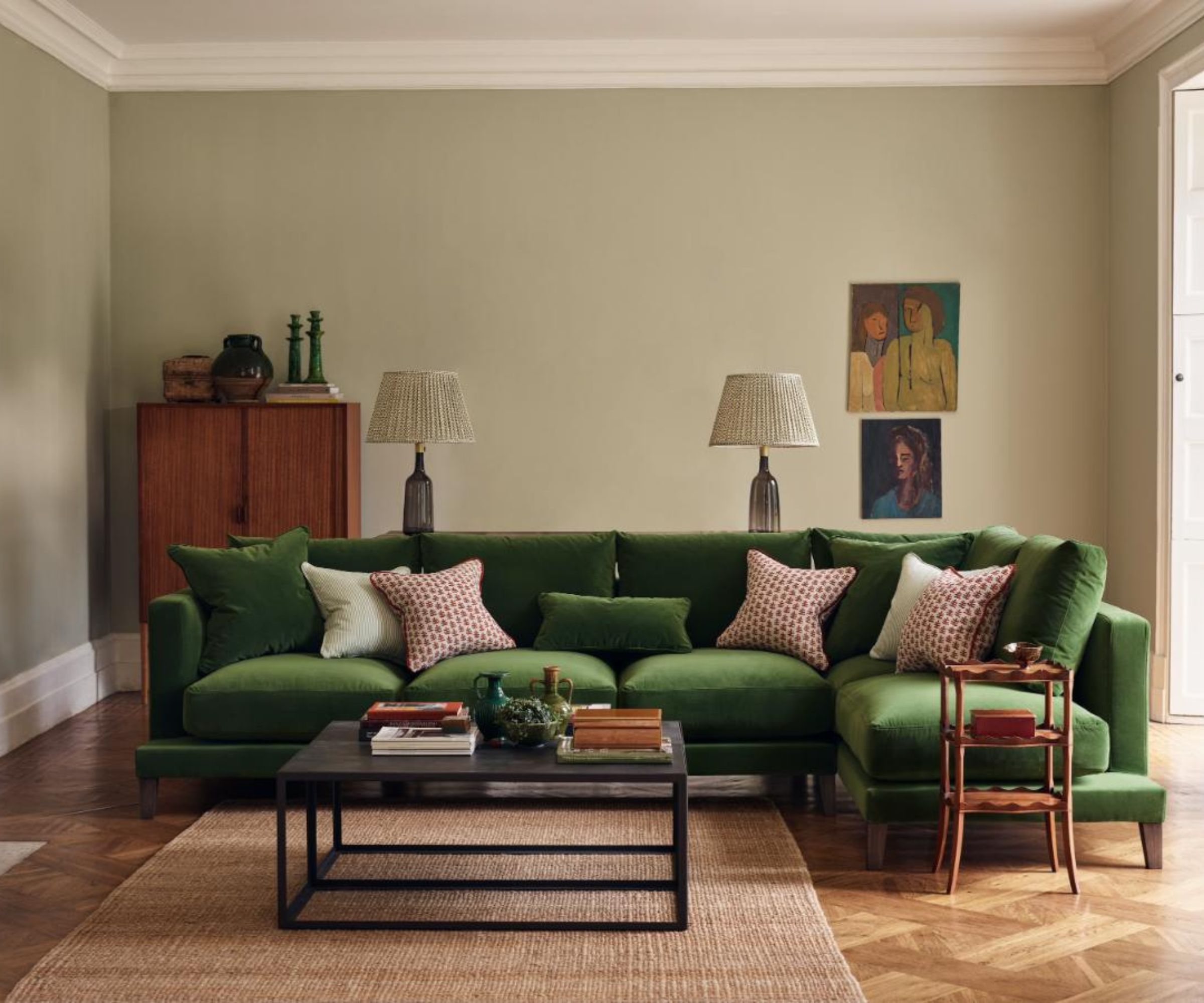
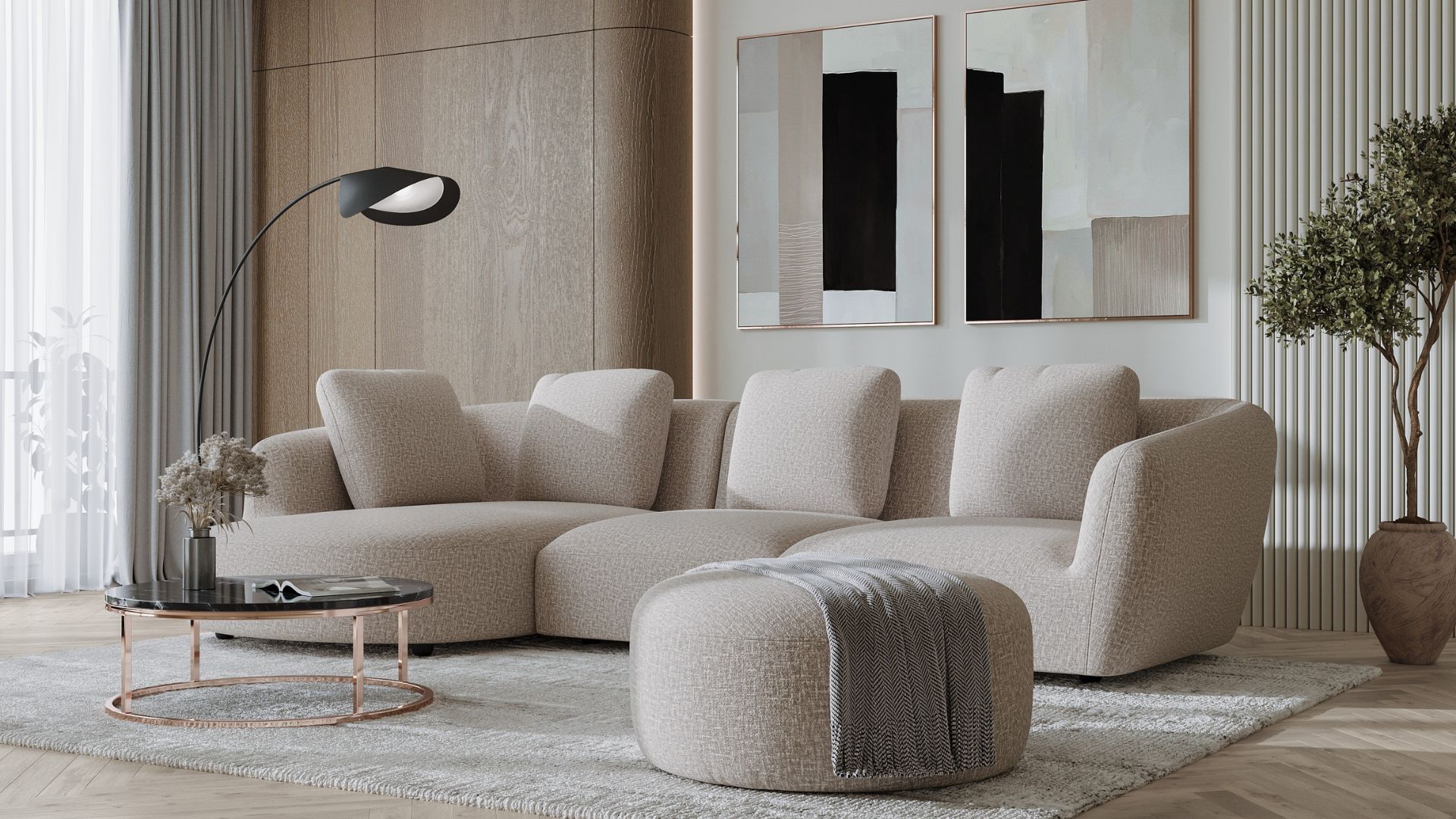
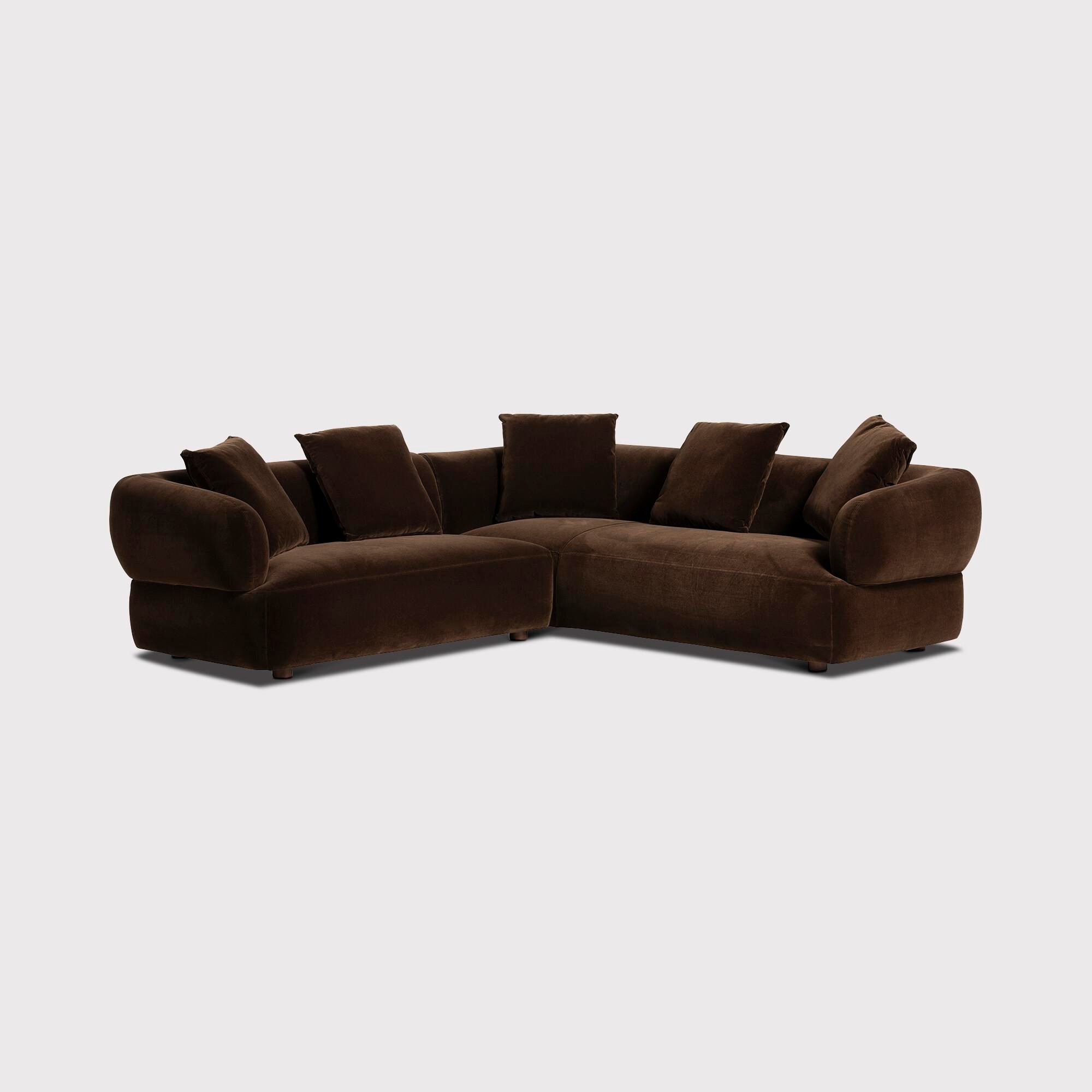
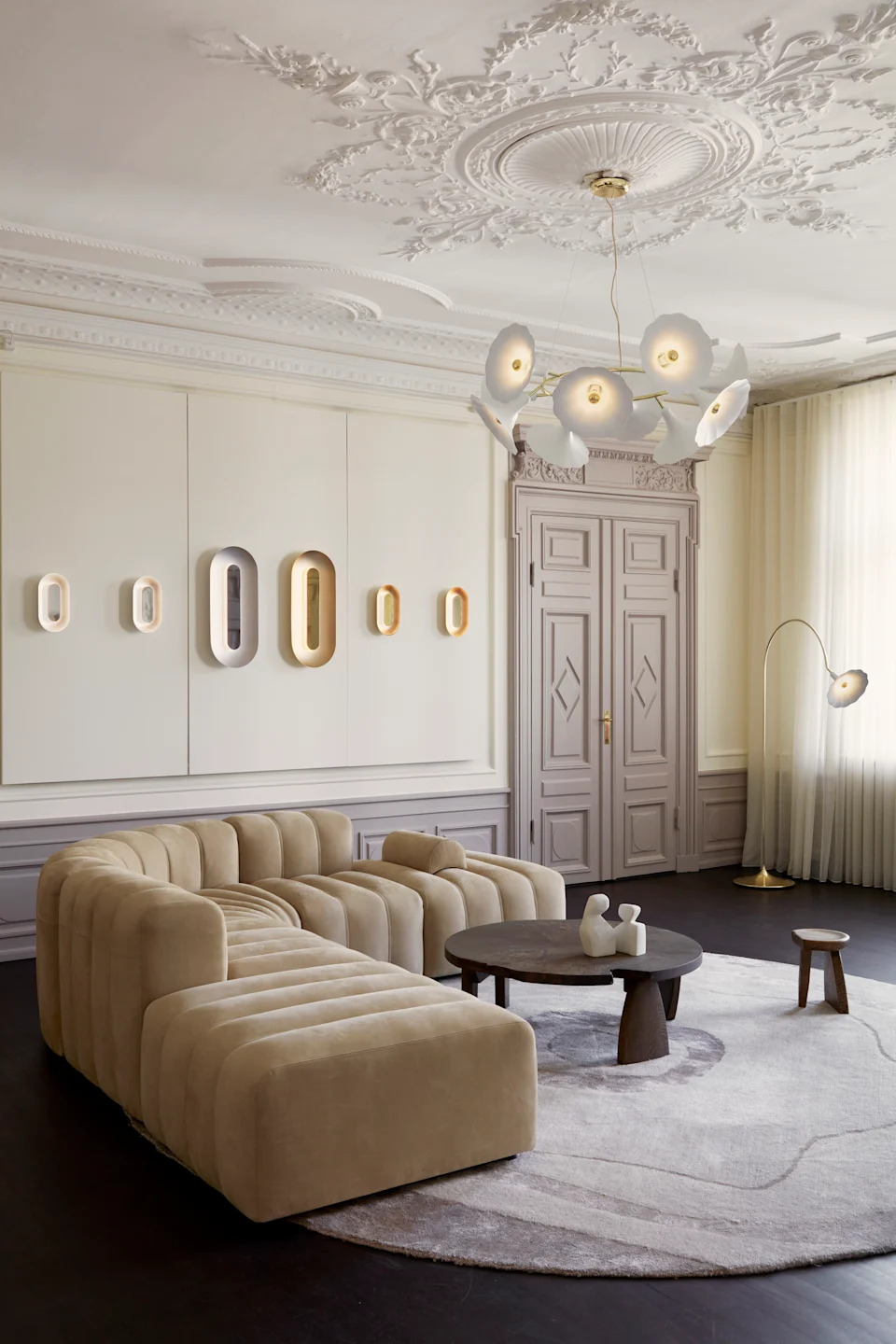
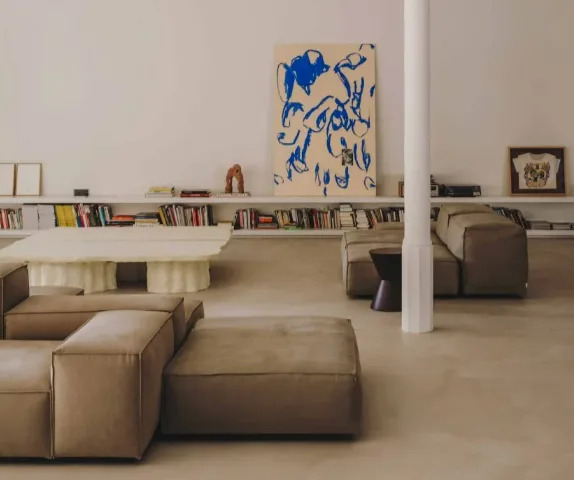
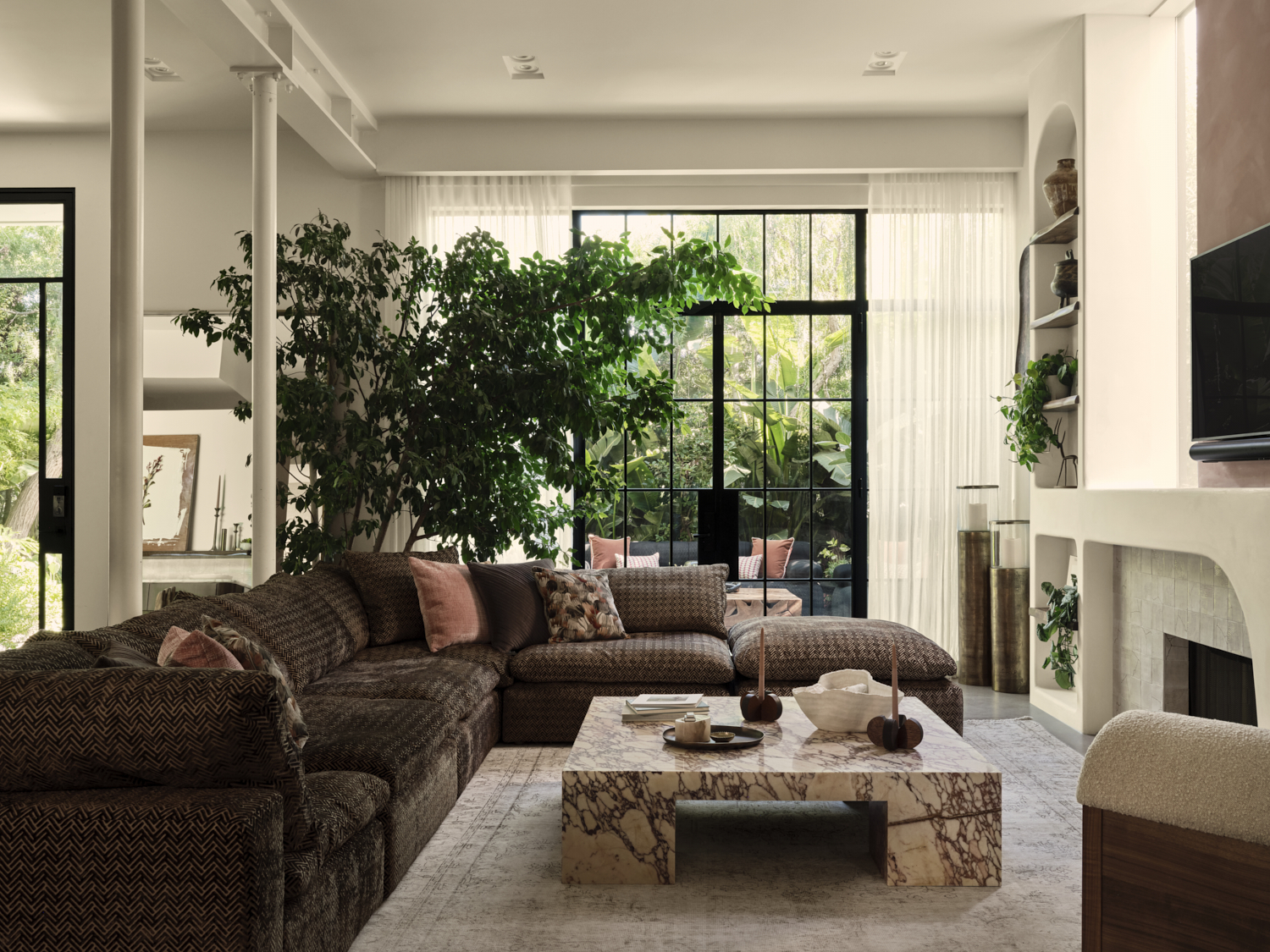
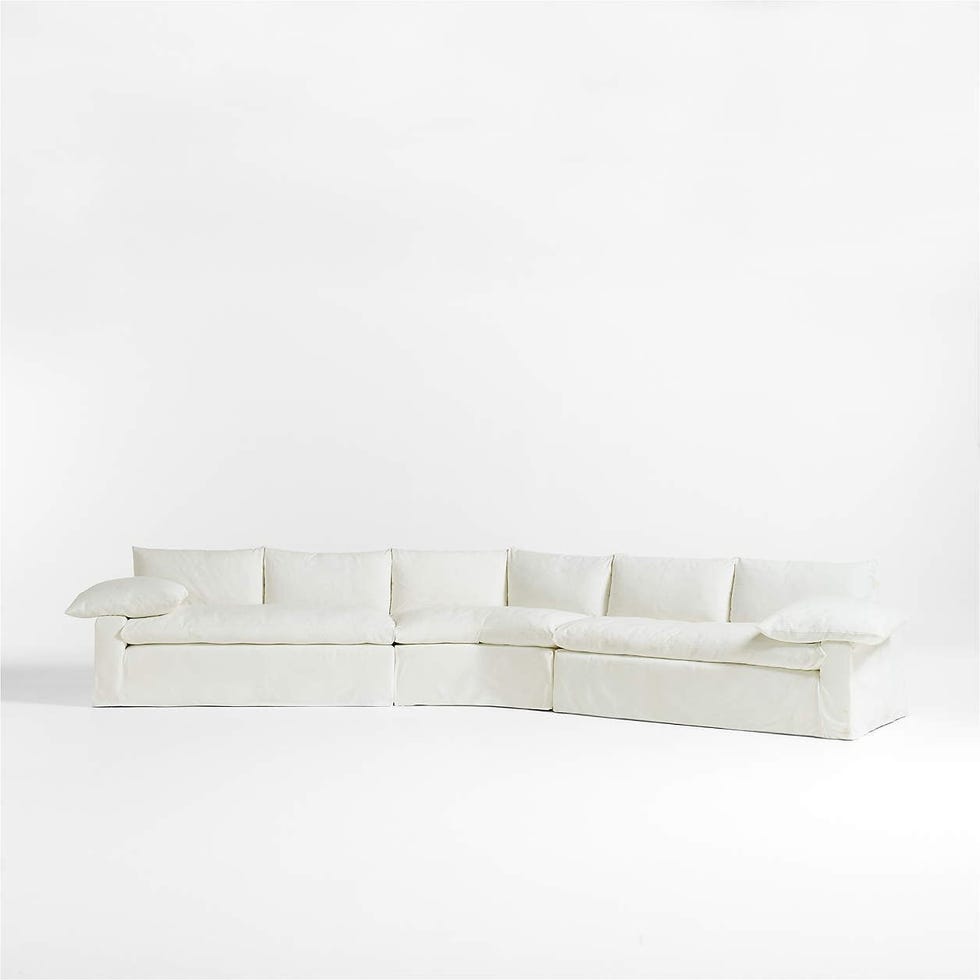
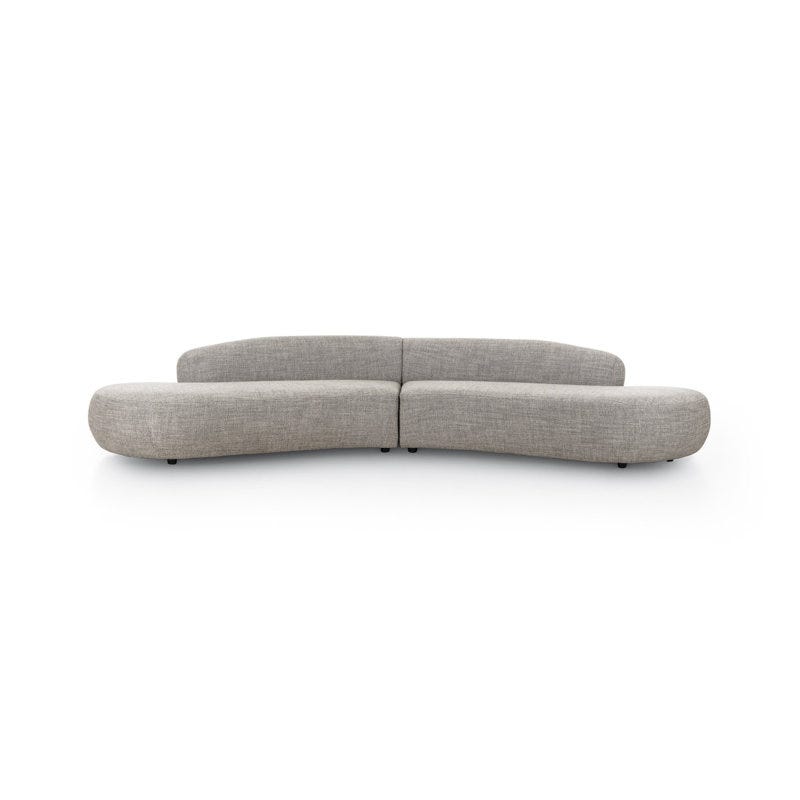
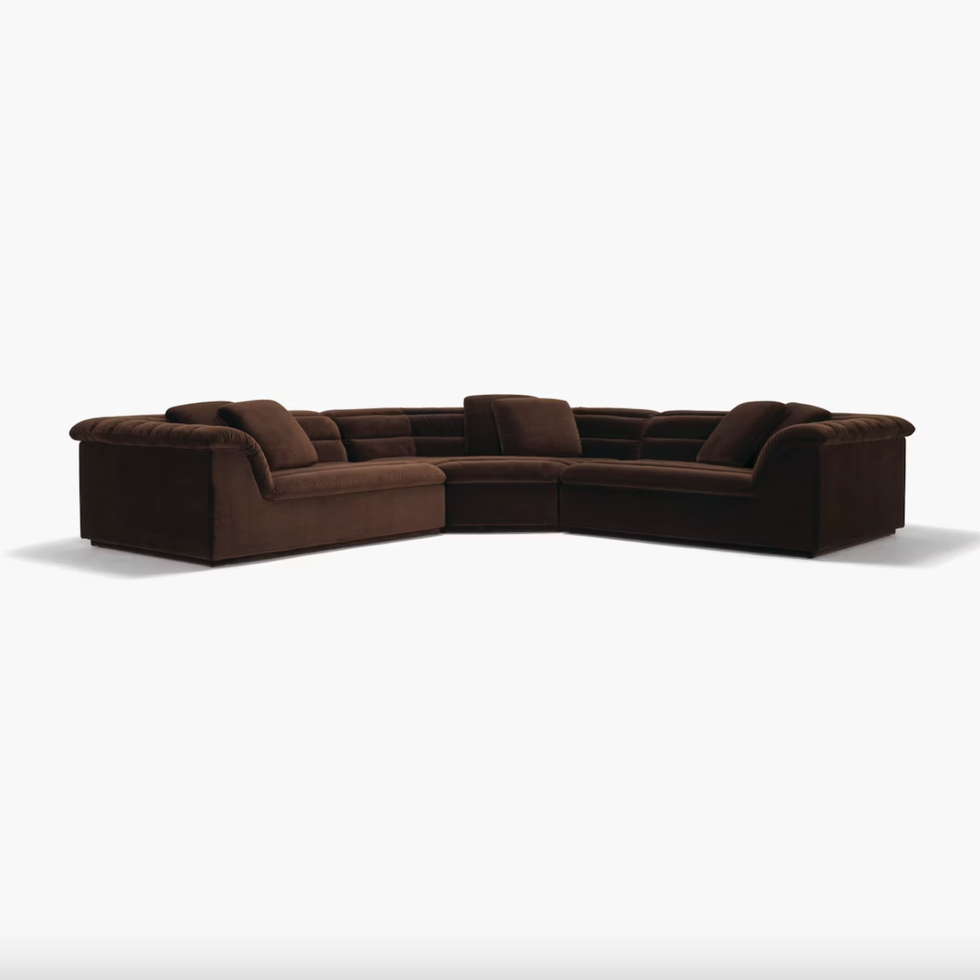
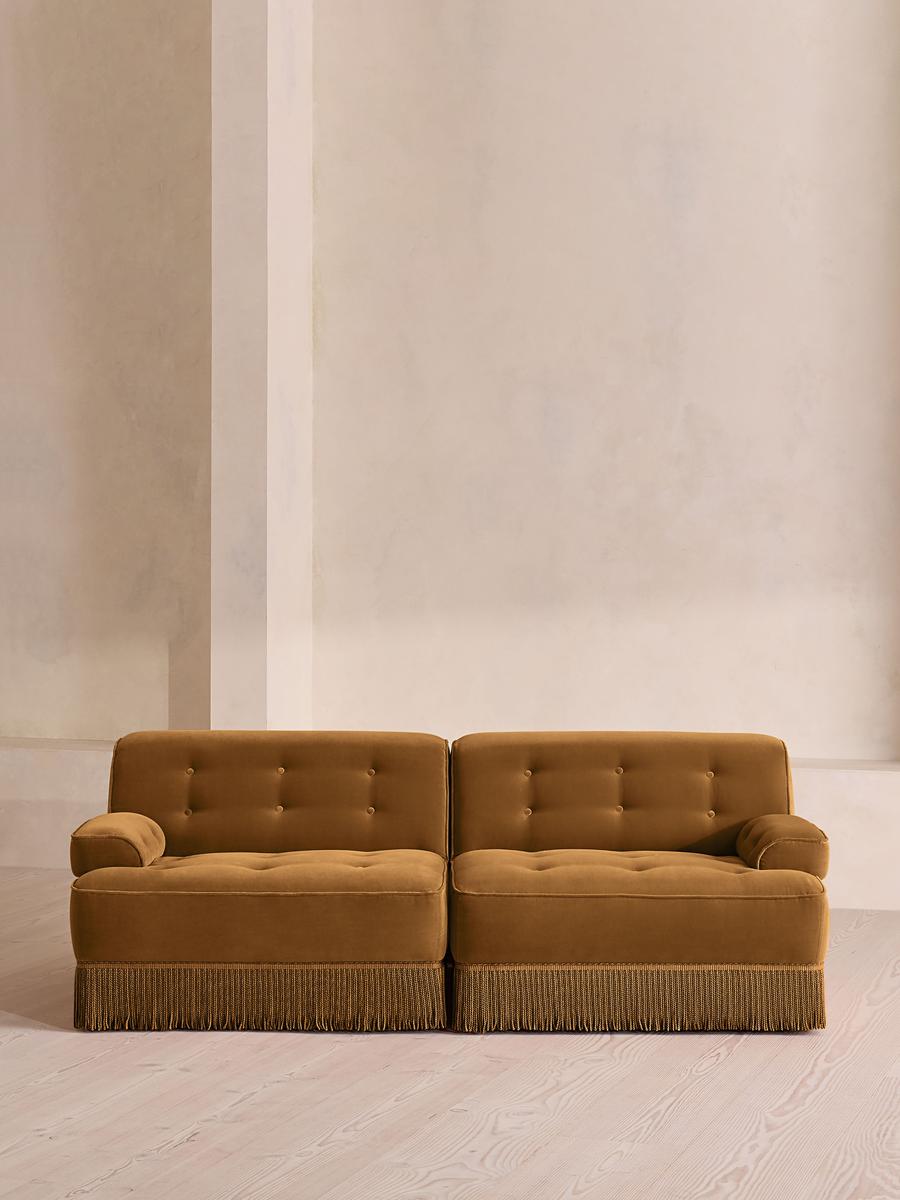
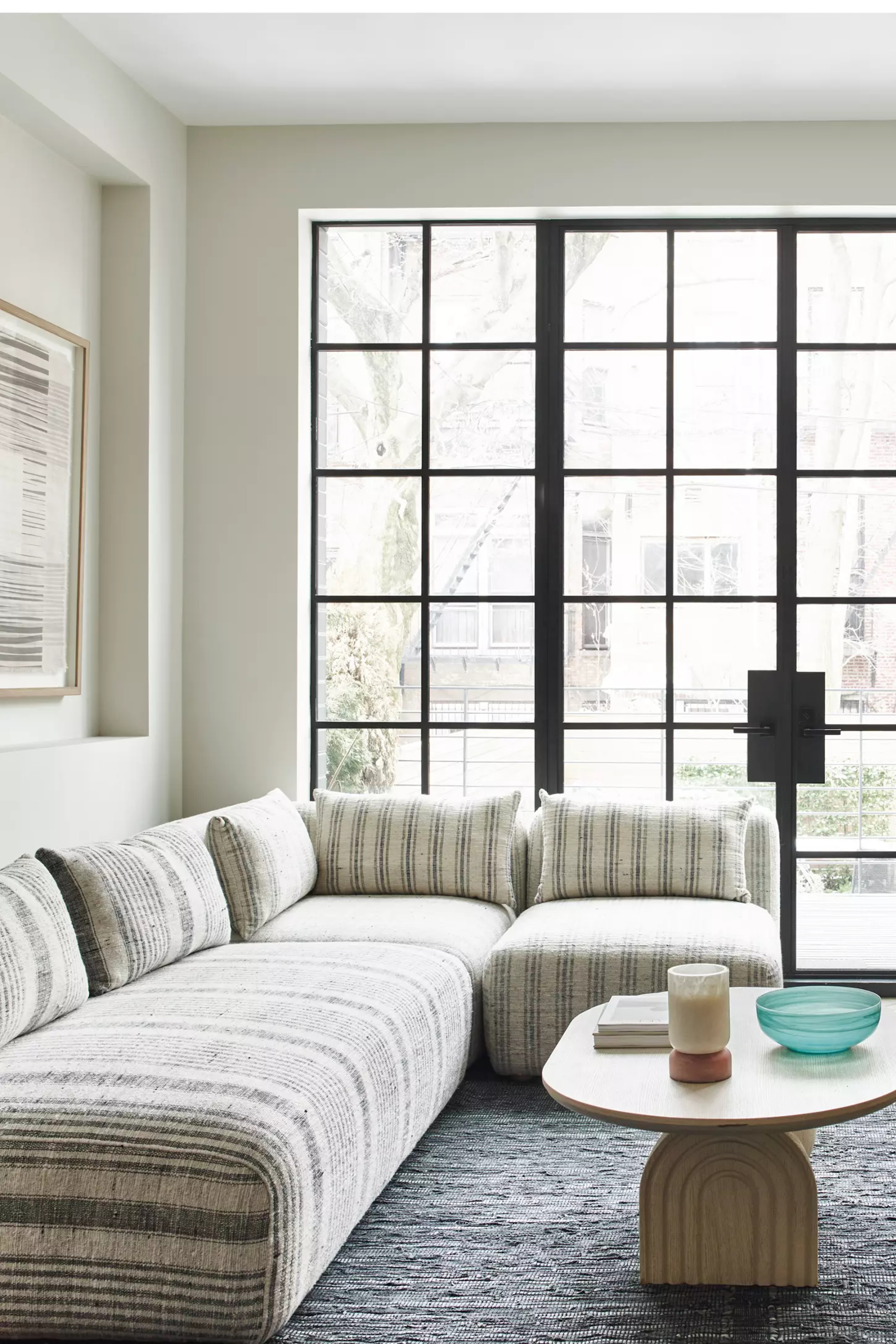
Modular sofas represent a major trend in 2025, offering consumers unparalleled flexibility. These designs allow for customized configurations, enabling buyers to add or remove sections as their living spaces or lifestyles evolve. This adaptability not only enhances functionality but also extends the lifespan of the furniture, reducing the need for complete sofa replacements and, consequently, waste. The longevity of modular sofas is further supported by their durable materials and interchangeable parts, allowing for updates in style or function without discarding the entire unit. This aligns seamlessly with sustainability and minimalism by reducing waste and encouraging long-term use.
Beyond materials and design, ethical production practices are a central focus in 2025. Furniture brands are increasingly committed to fair labor practices and environmental stewardship throughout their supply chains. This commitment includes ensuring fair wages, safe working conditions, and respectful treatment for workers. Additionally, companies are adopting energy-efficient manufacturing processes and striving to reduce their carbon emissions. Consumers are becoming more informed about the origins and manufacturing processes of their furniture, favoring brands that uphold ethical and sustainable production standards. By choosing such companies, consumers contribute to a more sustainable world while furnishing their homes.
Eco-friendly sofas are poised to become the industry standard, signaling a lasting shift in furniture manufacturing. Sustainable materials, ethical production, and durable designs are no longer optional but essential features that modern consumers expect. These advancements not only benefit the environment but also foster innovation, leading to more beautiful and functional furniture. As consumer preferences continue to prioritize sustainability, eco-friendly sofas will provide comfort, style, and a positive environmental impact, all within a single piece of furniture.
#SofaTrends #EcoFriendlyFurniture #SustainableDesign #RecycledMaterials #ModularSofas #EthicalProduction #HomeFurnishing #InteriorDesign #GreenLiving #SofaTrends #EcoFriendlyFurniture #SustainableDesign #RecycledMaterials #ModularSofas #EthicalProduction #HomeFurnishing #InteriorDesign #GreenLiving
0 comment in total
 No comments yet
You may also like
The top sofa trends of 2025 according to interior designers

I’ve been seeing sofa skirts all over my Instagram feed – experts reveal whether this is a sofa trend worth investing in

The 7 Furniture Trends You Need to Know for 2025, According to Design Pros

18 "Outdated" Furniture Trends That Need To Go In 2025

Colours, shapes and details defining 2025's sofa trends – from retro detailing to warm tones
10 of the Biggest Sofa Trends for 2025 — These Are the Couches You'll See in the Coolest Homes This Year

6 Sustainable Home Decor Trends You're Going to See Everywhere in 2025, Designers Say

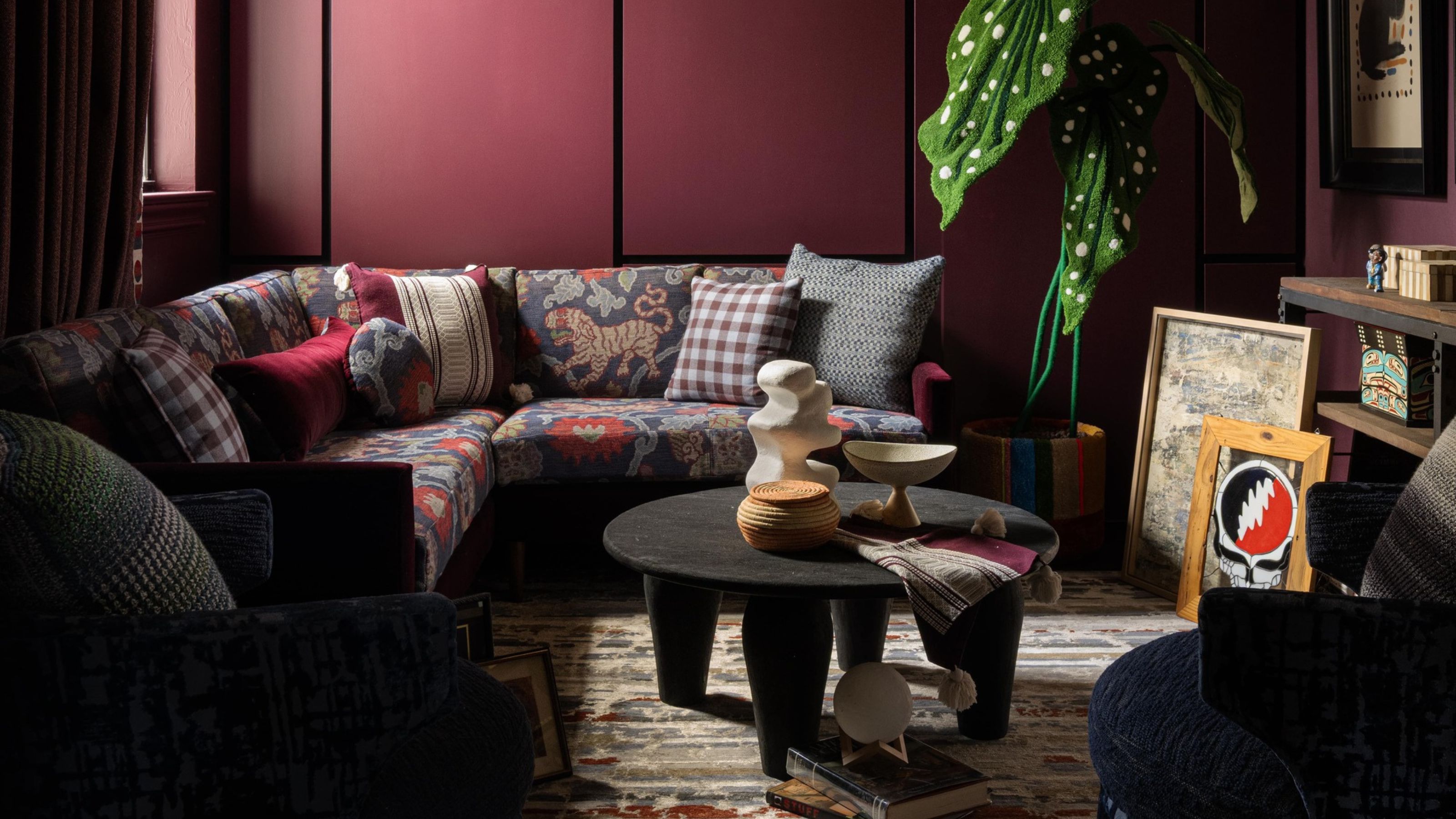
9 of the Biggest Sofa Trends for 2026 — The Shapes, Colors, and Materials That Will Define Seating This Year

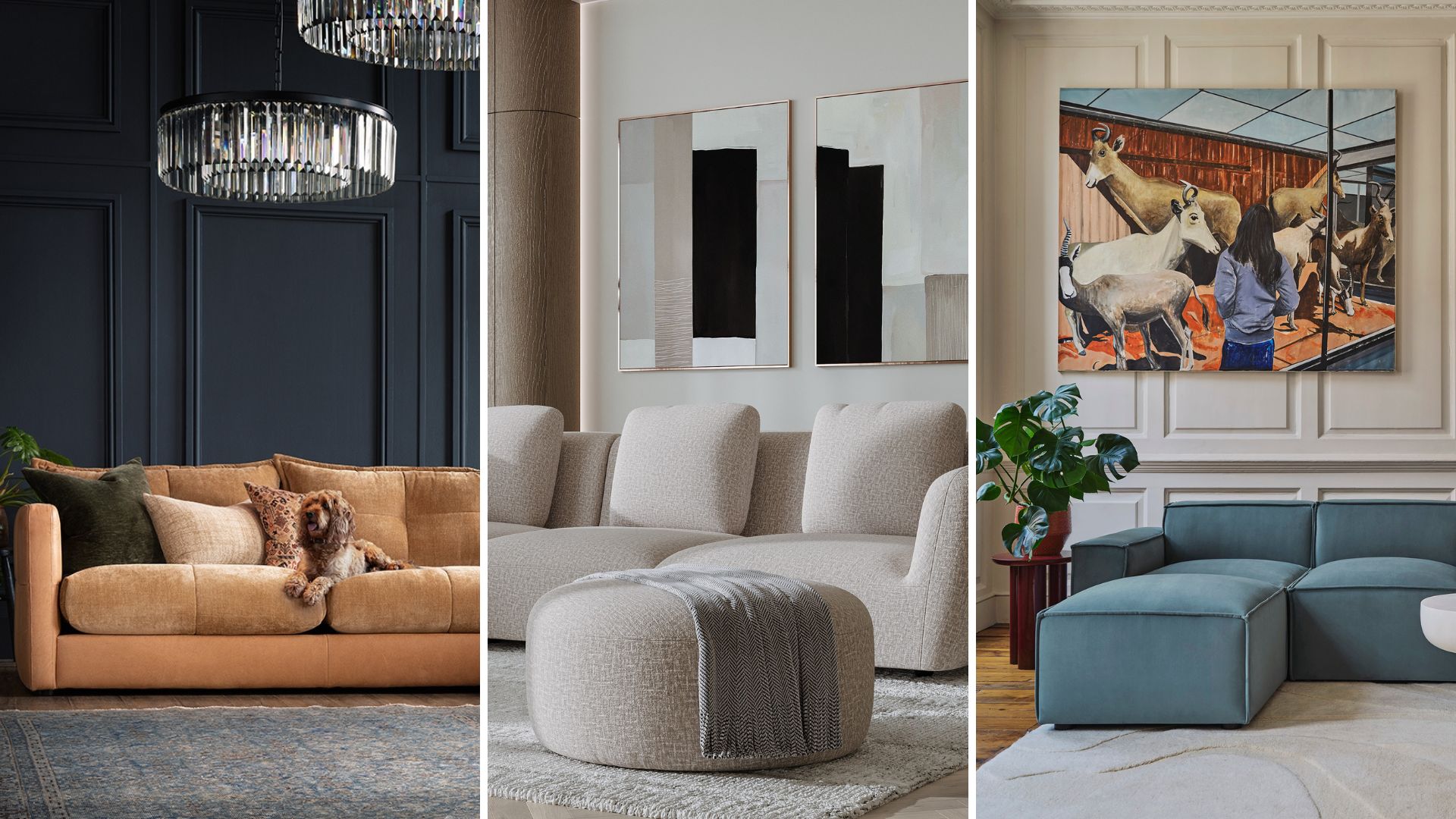
The biggest sofa trends of 2025: 8 designs to elevate style and comfort

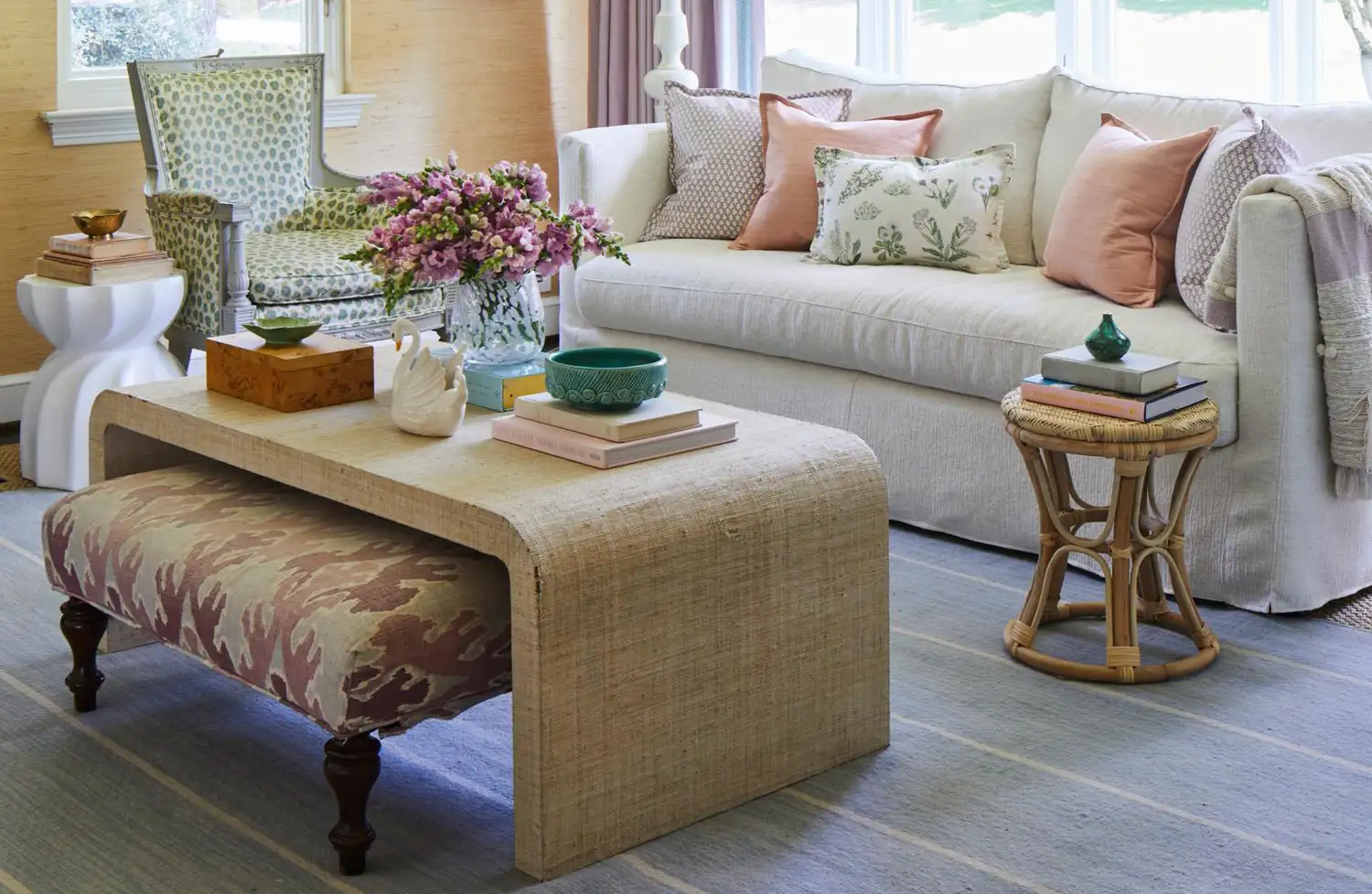
This Classic Sofa Style Is Trending For 2026—And It’s More Stylish Than You Remember
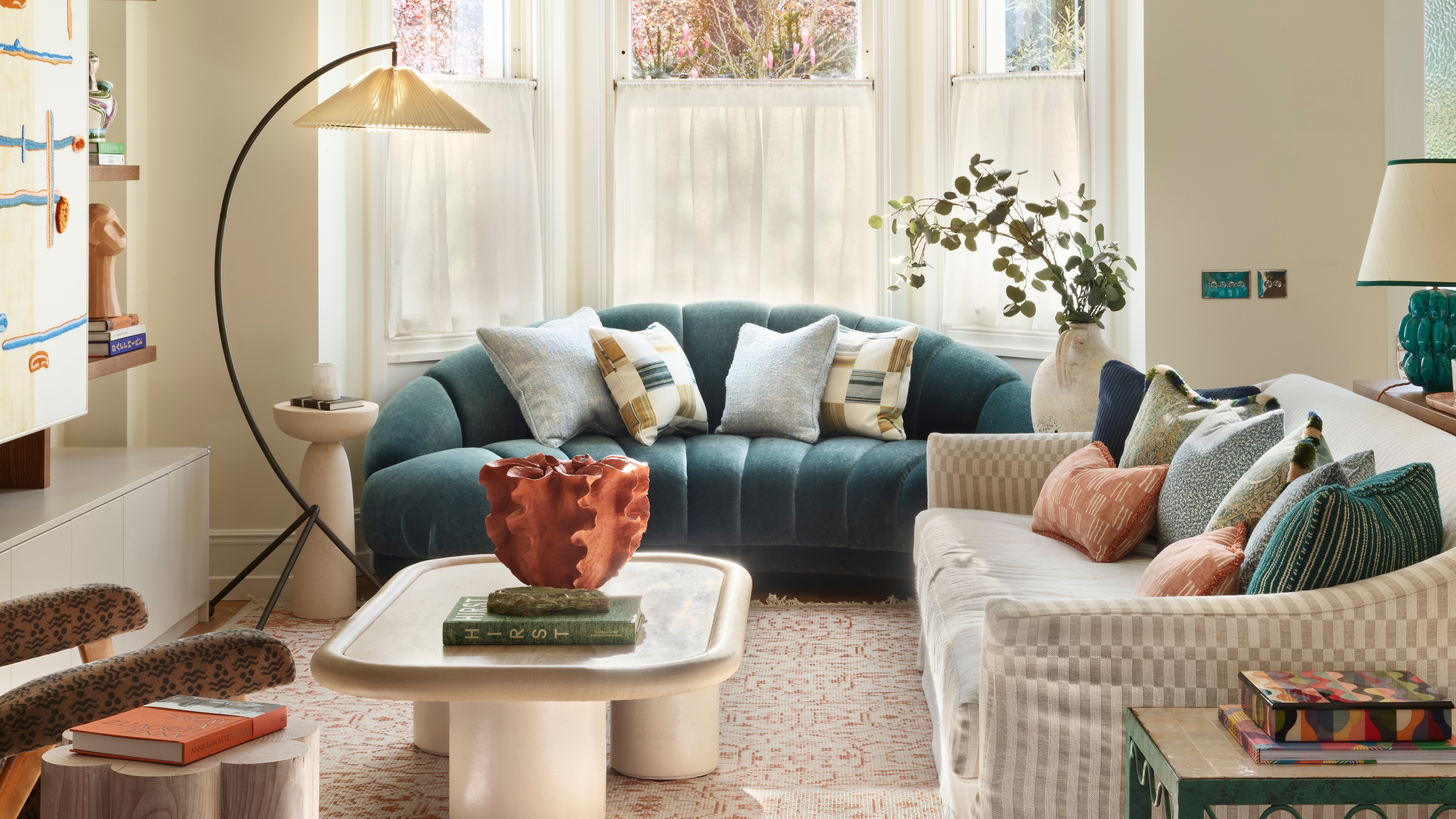
The 8 Sofa Color Trends I'm Seeing in All the Coolest Living Rooms in 2025
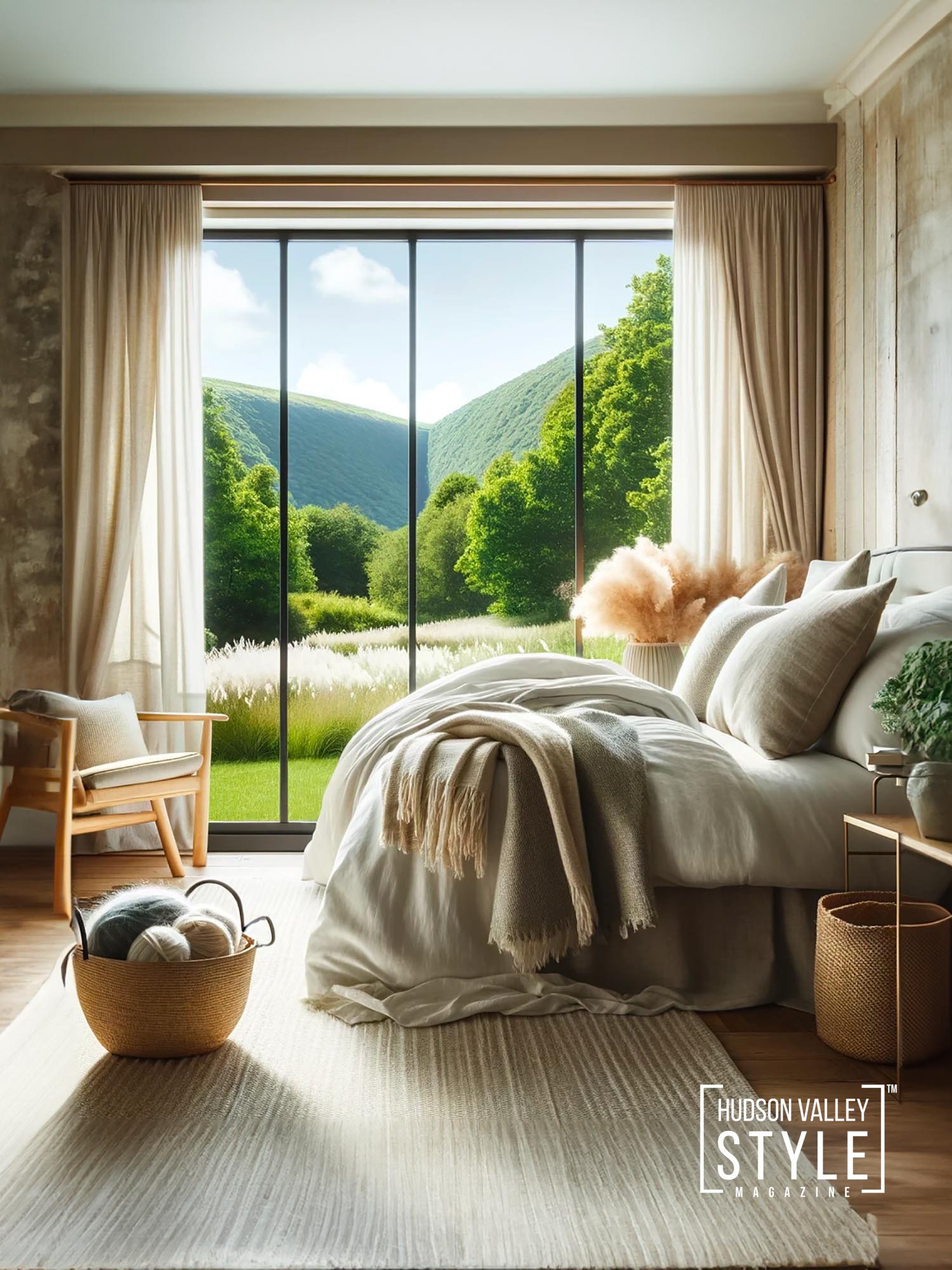
Sustainable Interior Design Trends for 2024: Embracing Eco-Friendly Living

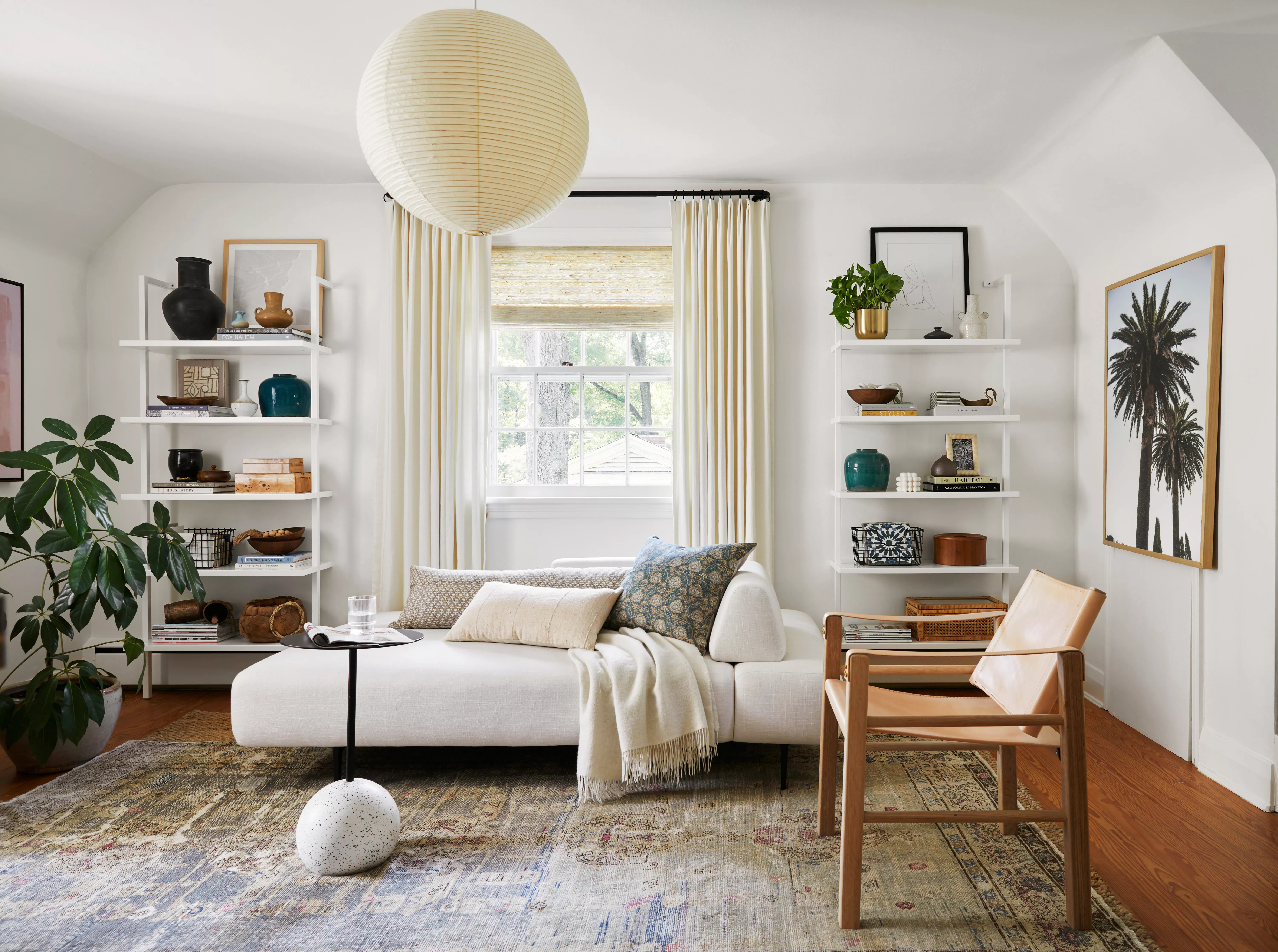
8 Furniture Trends That Will Be Huge in 2025, According to Experts

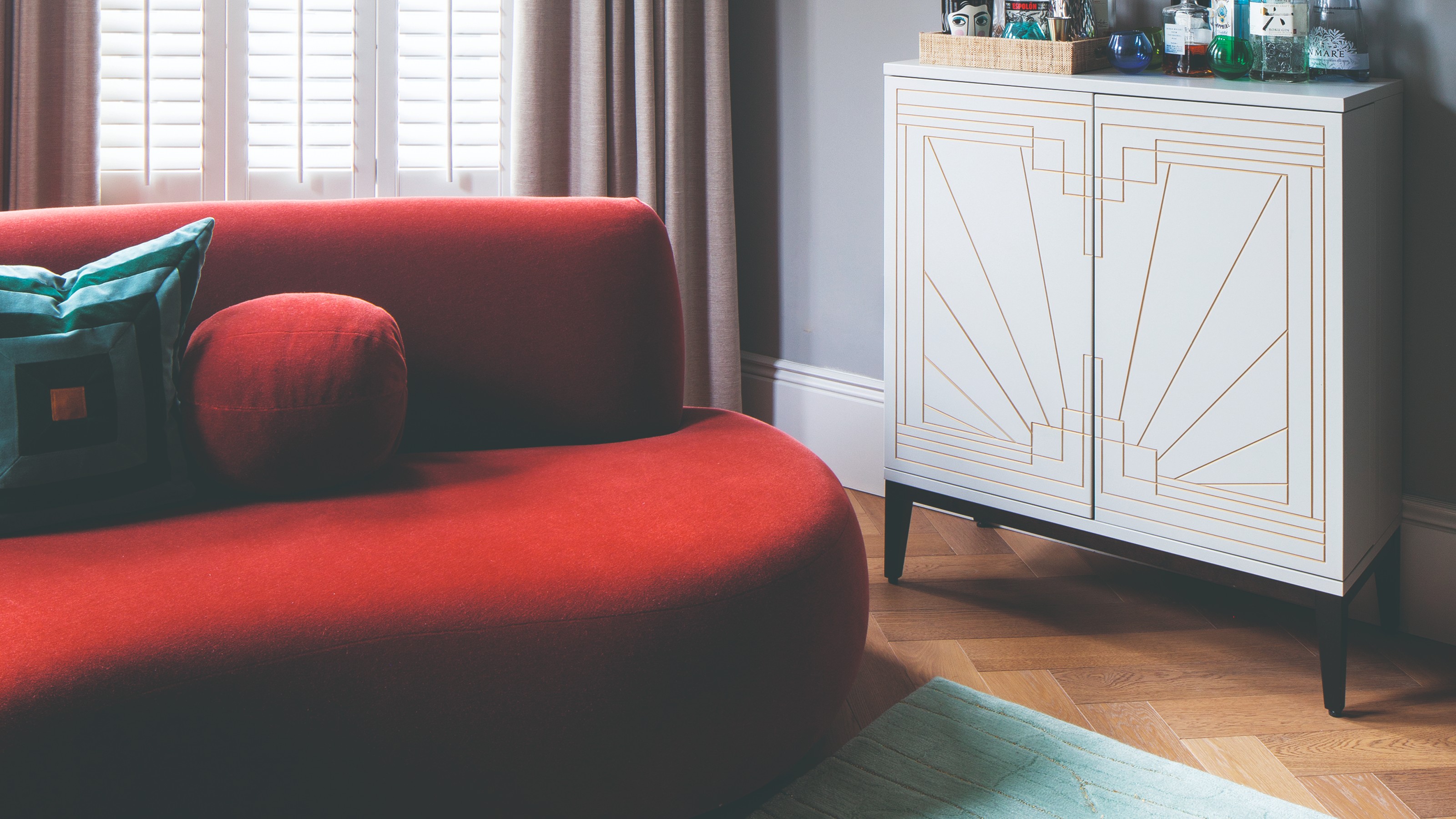
Sofa colour trends 2025 – the 6 hottest shades to inject into your living room
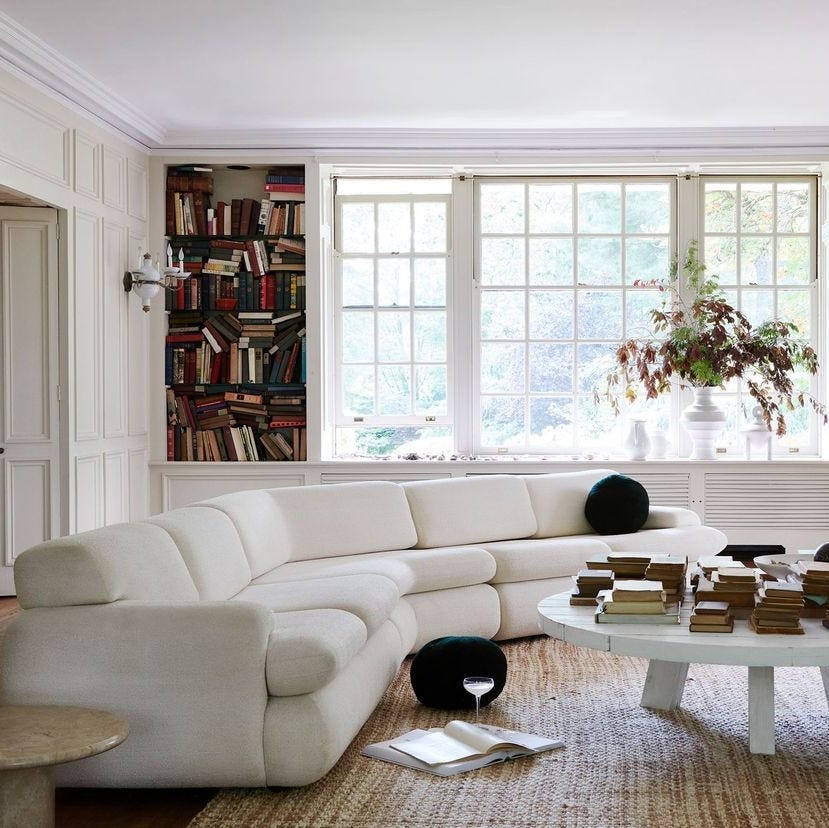
We Asked Designers to Predict 2025's Top Couch Trends
10 furniture trends that designers are loving for 2025 and beyond

The biggest sofa trends of 2025 – the 6 living room seating styles set to define the year ahead
What kinds of sofas are in style for 2024? The 5 looks designers are obsessing over right now

5 Sofa Trends Set to Define 2026 – And Why Designers Say They’re 'The Epicenter of Your Home'
5 Furniture Trends You'll See Everywhere In 2025, According To Designers