1/13
7 best sewing machines to buy for beginners and intermediate sewers
Choosing the right sewing machine can be a daunting task, especially for beginners. The Good Housekeeping Institute conducted extensive testing to identify the best sewing machines for both novices and intermediate users, considering factors like ease of use, design, functionality, and performance across various fabrics. The testing involved sewing long strips of cotton, viscose, jersey, and denim to evaluate consistency, tension, and fabric handling. Various stitches, including straight, zigzag, buttonhole, and stretch stitches, were trialed on each fabric type. Additional features like embroidery stitches were also explored, though not explicitly scored.
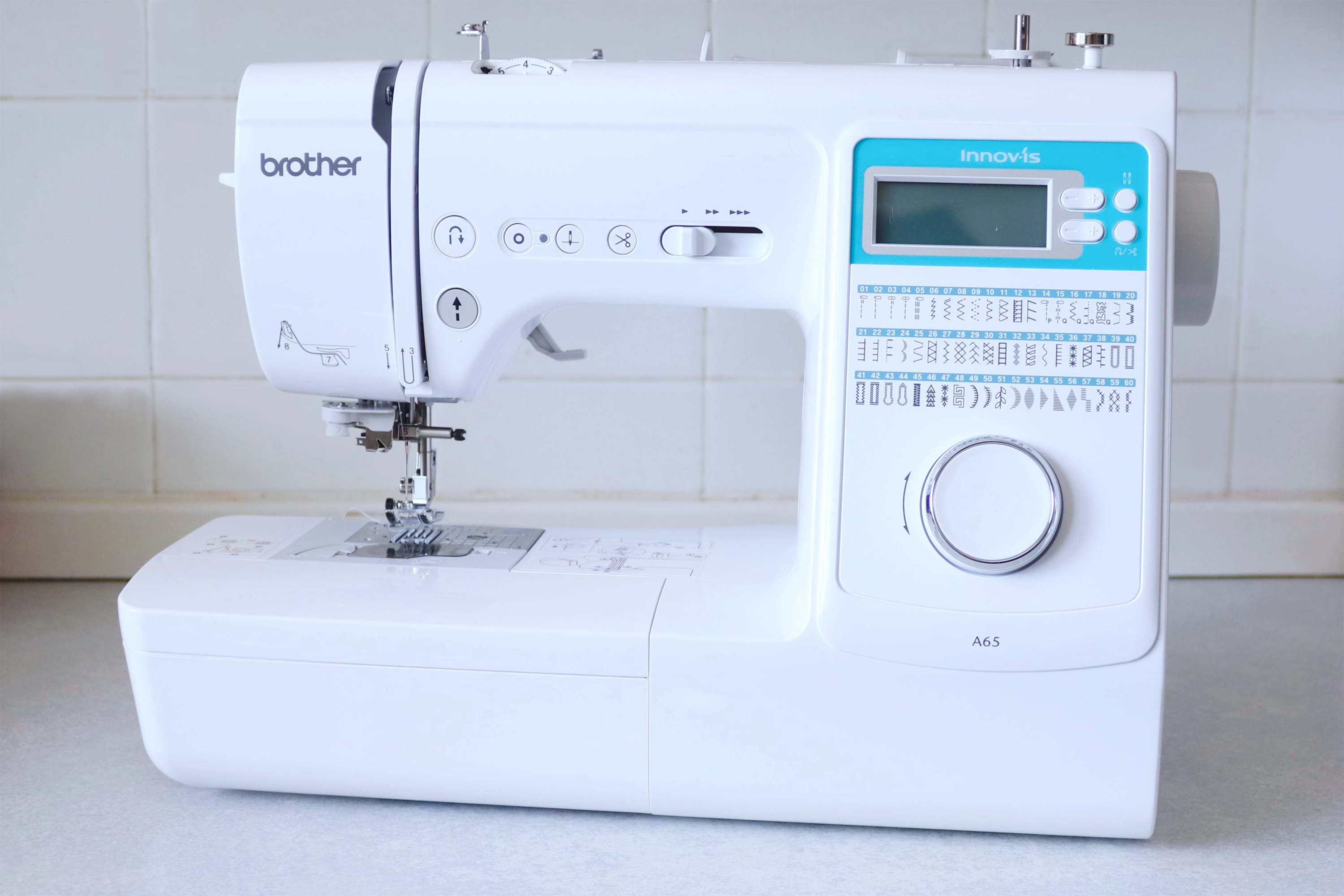
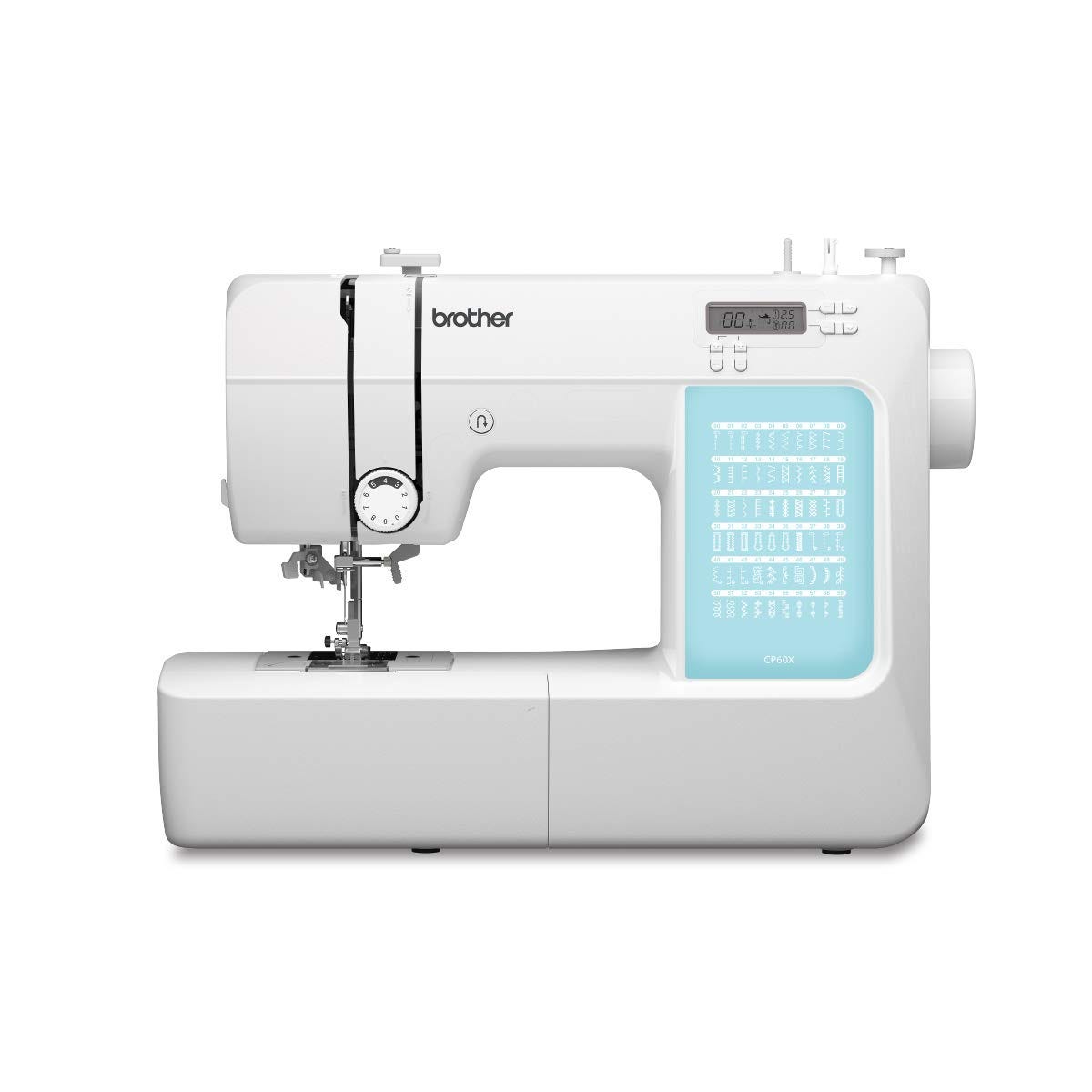
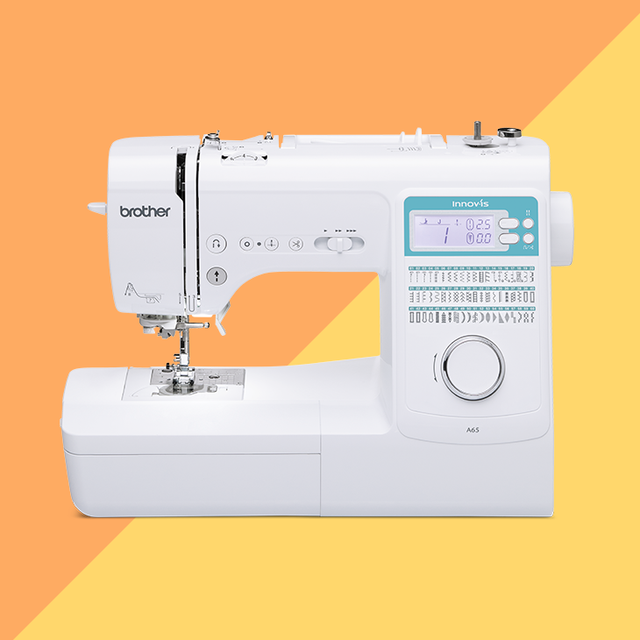
The Brother Innov-is A65 emerged as the top performer, scoring 97/100. This computerized machine is lauded for its user-friendliness, offering a clear quick-start guide and on-machine markings. Its detailed instructions and on-screen error codes facilitate troubleshooting. Features such as automatic stitch length and width adjustments, stitch reinforcement, and a one-step buttonhole simplify the sewing process. The machine also includes a convenient thread-cutting feature and operates quietly and stably, producing exceptional results on all fabric types, including delicate chiffon. With 60 stitches, it offers a wide range of options for diverse projects.
Two models, the Janome Sewist 725S and the Pfaff Smarter 160s, earned a joint runner-up score of 91/100. The Janome Sewist 725S is a mechanical machine recommended for both beginners and experienced sewers. It features clear seam allowance guides and threading markings, an easy-to-wind bobbin, and an efficient one-step buttonhole foot. While the tension dial initially felt stiff, it required minimal adjustment for neat stitching. The zigzag stitch occasionally caused slight puckering on lighter materials, but the comprehensive instructions offer alternative overcasting stitches. This model includes 25 stitches and can also perform smocking.
The Pfaff Smarter 160s, also a mechanical machine, is highlighted for mending and repair tasks. It scored full marks for ease of use, making it ideal for first-time buyers. Clear instructions and machine markings ensure a quick start, and its 23 stitch settings, including a reliable one-step buttonhole, provide ample scope for skill development. The machine consistently produced neat stitches, with easy adjustment of settings and tension. Although it exhibited a slight wobble at high speeds on denim, it remained robust. The presser foot, however, slightly marked delicate fabrics during stretch stitches. This model comes with a sturdy hard case for protection.
The Singer Heavy Duty 4423, scoring 88/100, is recommended for dressmaking. This iconic brand’s machine performed excellently on all test fabrics. While its instructions were less detailed, its reliable design suits sewers beyond the beginner level. It offers features beneficial for dressmaking, notably its buttonhole functionality with a dial for adjusting stitch density. Helpful threading markings and a responsive pedal contribute to its user appeal. This model includes 23 stitches and a quilting guide.
The Singer 6605C Heavy Duty Sewing Machine, a computerized model, is noted for its value at an affordable price, scoring 85/100. Its sturdy build and fairly simple setup, guided by a quick-start guide and built-in cutting features, make it accessible. Selecting stitches and adjusting length and width is easy, and its large arm bed facilitates smooth fabric movement. While it stitched neatly, adjusting tension was sometimes necessary for decorative stitches and slippery fabrics. The machine, however, lacks speed control limiting via the machine itself and is quite heavy. It includes 100 stitches.
For beginners, the Brother HF27 Strong & Tough Heavy Duty Electronic Sewing Machine scored 84/100. It excels in producing neat, straight stitches on cotton and offers 27 stitch options, including satin stitches, allowing for skill progression. A built-in needle threader assists new users, and changing stitch settings and needles is straightforward. Stretchy materials occasionally puckered with zigzag stitches, and the instruction manual could be clearer, but an included instructional DVD offers guidance. This model weighs 8.26kg.
Finally, the John Lewis JL110 Sewing Machine, scoring 82/100, is the most budget-friendly option. Designed for occasional projects with light to medium-weight fabrics, it offers 14 essential stitches and proved reliable and stable during testing. While its feed dogs cannot be dropped, a darning plate allows for mending and button attachment. A zipper foot must be purchased separately, and its buttonhole foot is manual. It comes with a soft cover for storage. Despite its basic features, it is considered an excellent entry-level machine.
Key considerations for choosing a sewing machine include deciding between mechanical and computerized models, evaluating threading design (automatic needle threader, top-loading vs. front-loading bobbins), the range of available stitches, and included accessories like presser feet and buttonhole feet. Proper care, such as using a cover, regularly changing needles, cleaning, and annual servicing, can extend a sewing machine's lifespan. Old machines can be recycled at electrical recycling points.
#SewingMachines #HomeCrafts #ProductReviews #BeginnerSewing #Dressmaking #HomeMending #GoodHousekeepingInstitute #TextileCrafts #SewingEquipment #SewingMachines #HomeCrafts #ProductReviews #BeginnerSewing #Dressmaking #HomeMending #GoodHousekeepingInstitute #TextileCrafts #SewingEquipment
0 comment in total
 No comments yet
You may also like
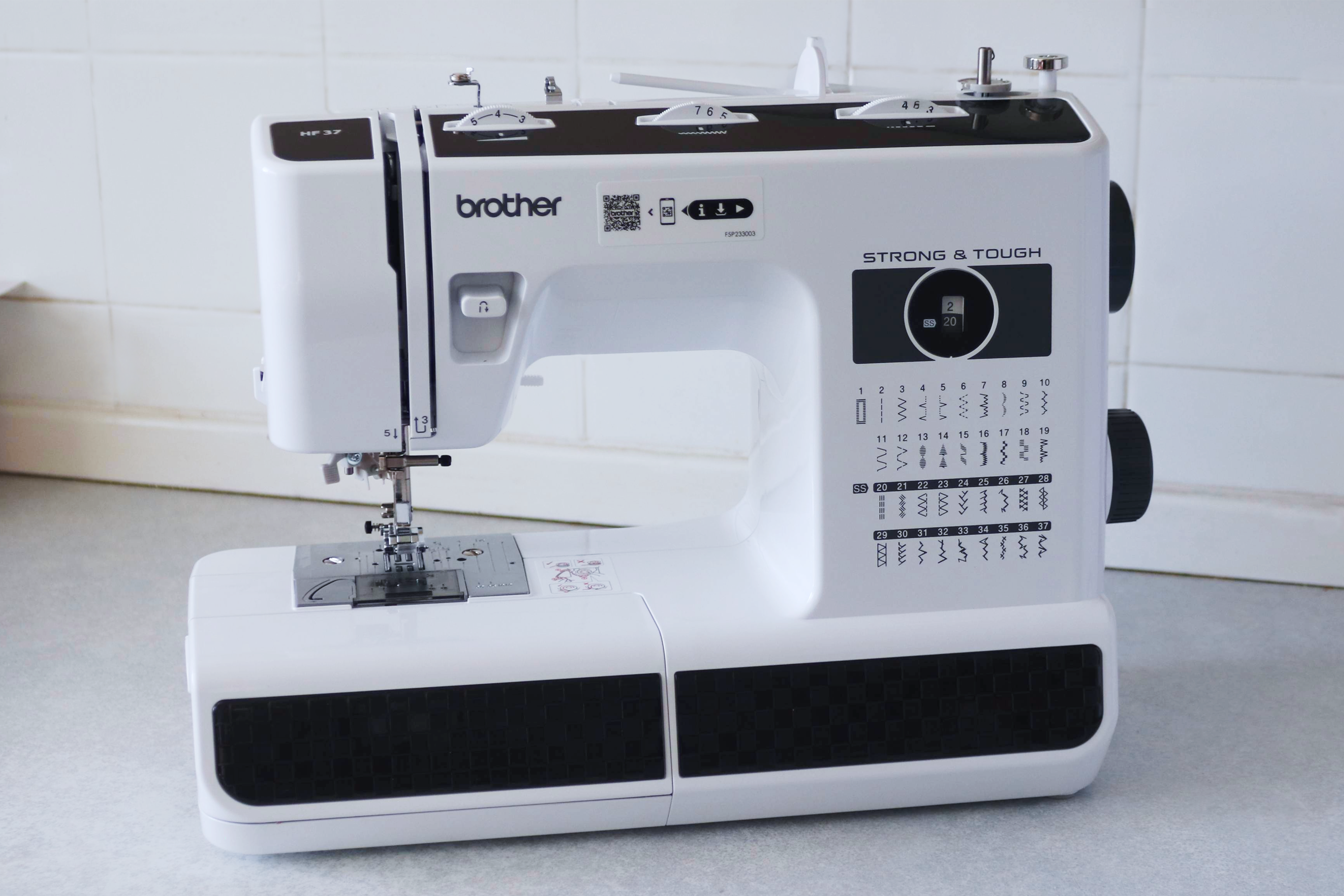
13 best sewing machines for beginners and pros alike
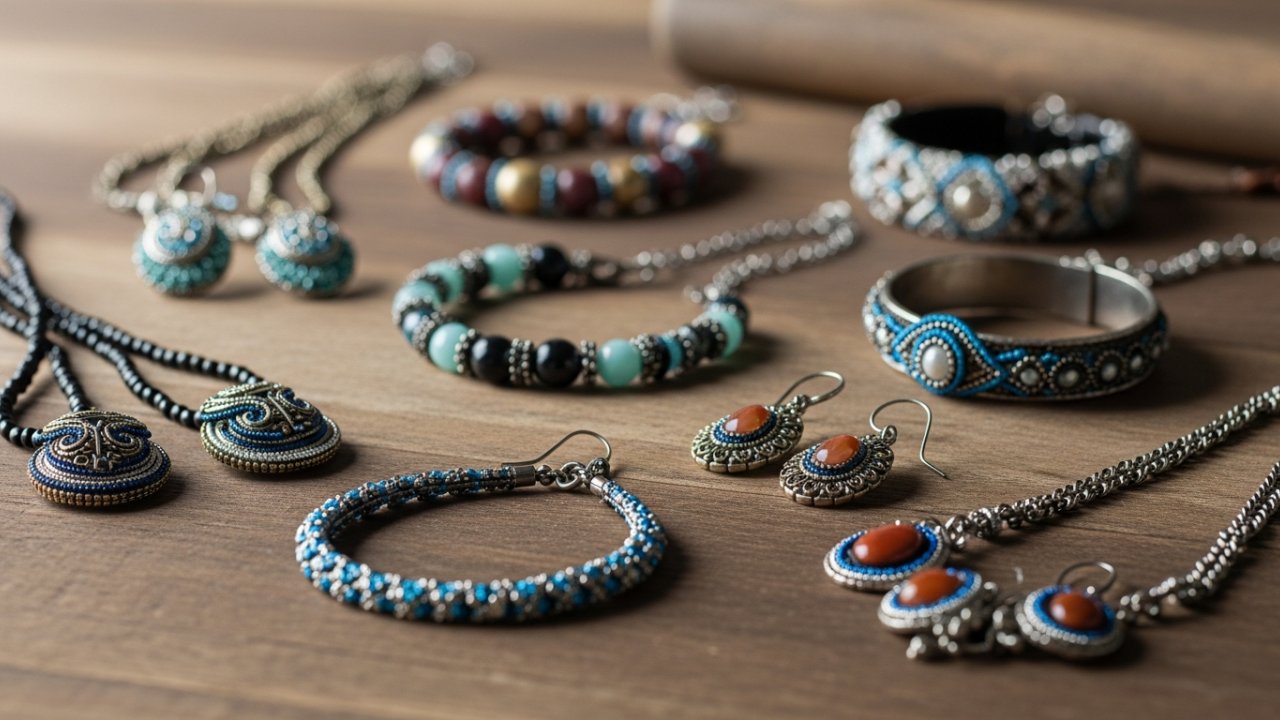
Top 7 Best Selling Craft Items

These Cute Fiber Craft Kits Are a Cure for Doomscrolling

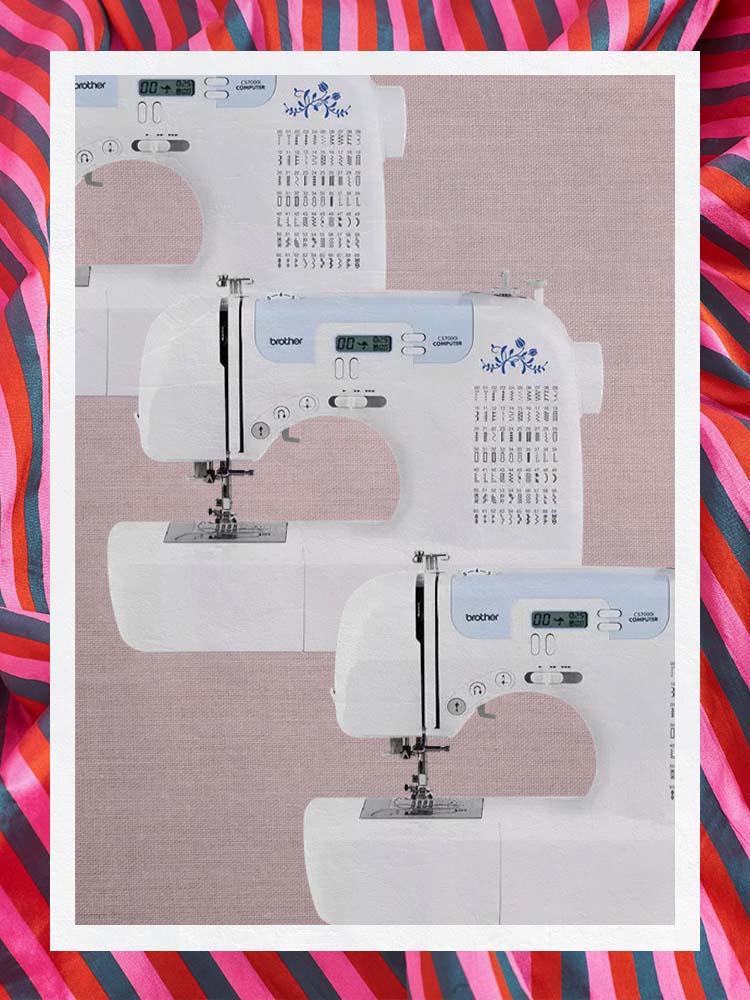
The 6 Best Sewing Machines, for Beginners to DIY Pros
10 Places to Get Weaving Supplies for Your Business

These Sewing Machines Are Equipped for Seamstresses and Hobbyists Alike
27 Fun and Easy Sewing Projects for Beginners

I Have Over 15 Years of Experience Sewing—These Are the 5 Machines I Recommend

These Are the 7 Best Back Extension Machines We've Ever Tried
39 Beginner Sewing Projects That Anyone Can Pull Off
Sewing room ideas – 8 creative spaces for crafting