1/43
Elegant fireplace ideas for homes old and new
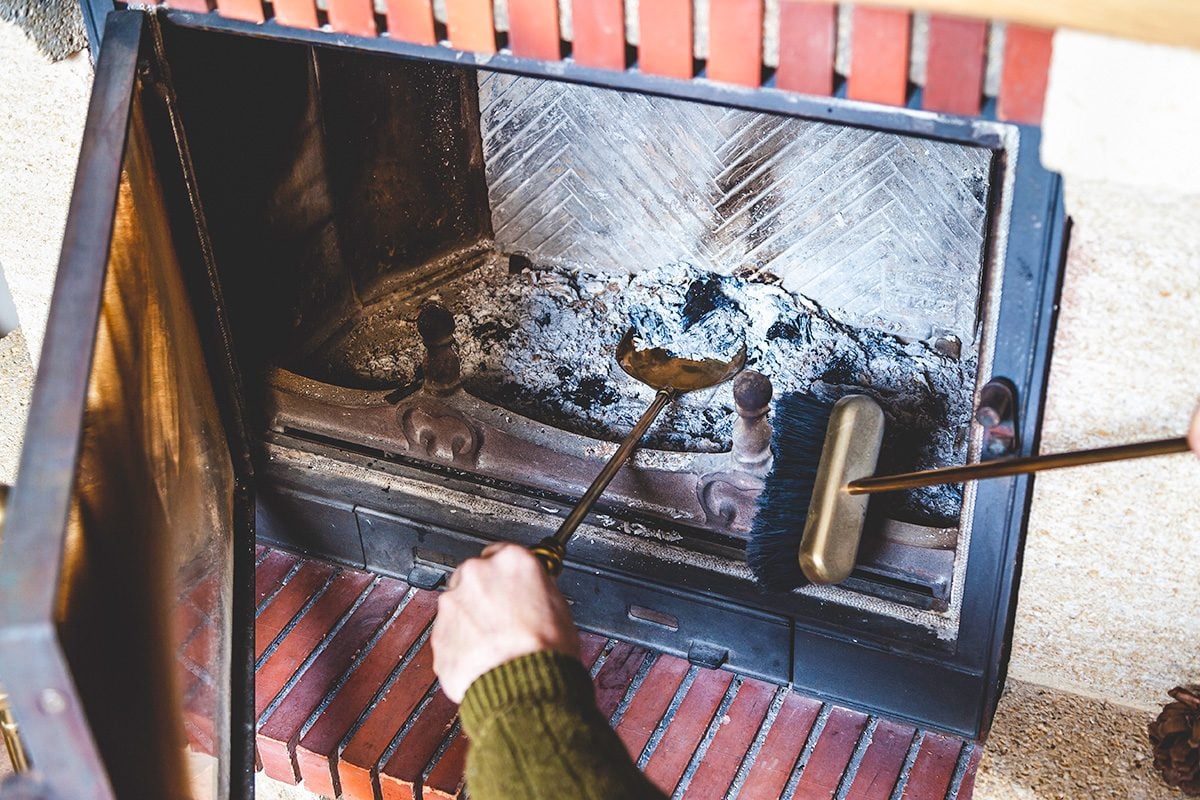
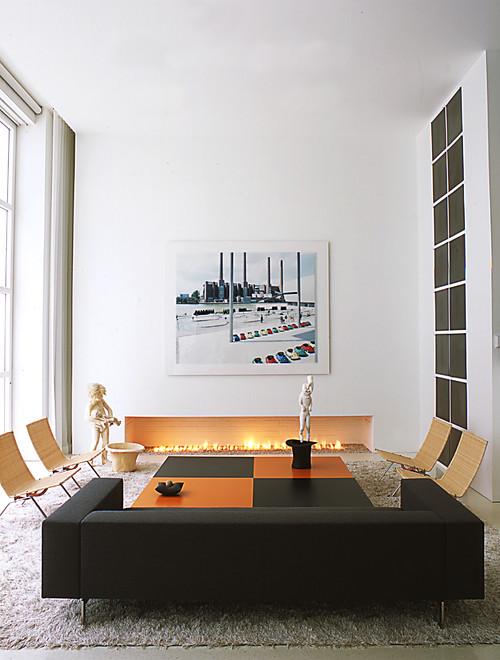
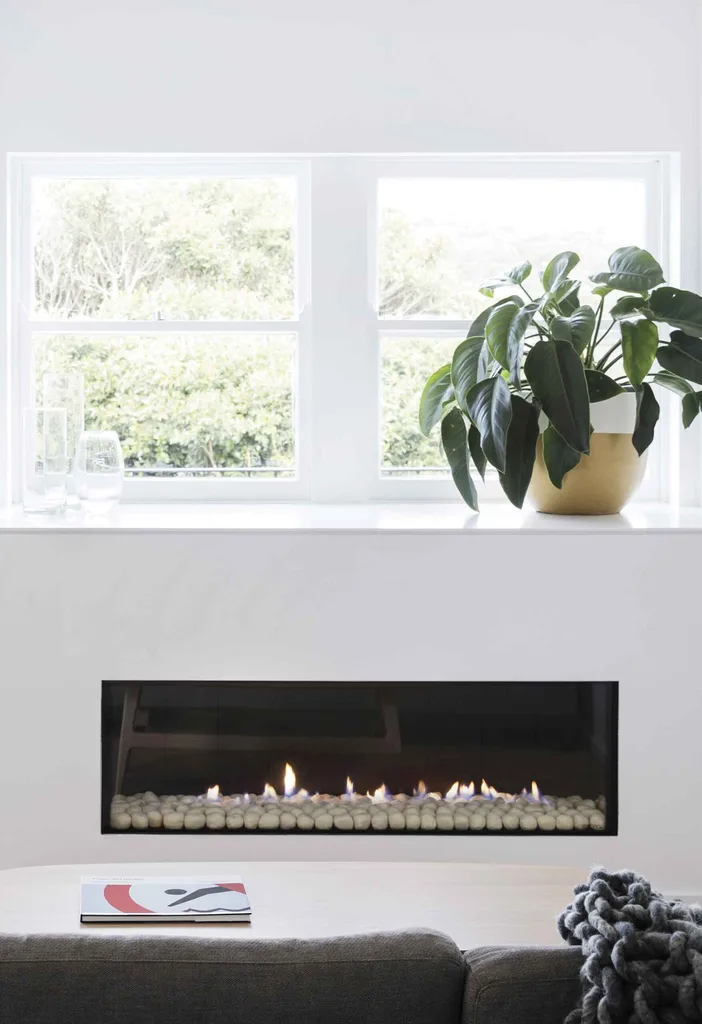
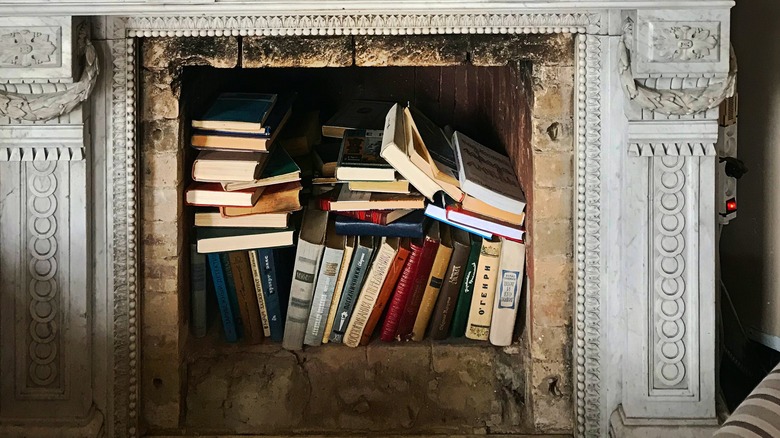
Fireplaces serve as a significant focal point in any room, providing character and warmth, even if they are purely decorative. For those considering a new fireplace or renovating an existing one, several factors need careful consideration, from practical mechanics to aesthetic choices. The first crucial step is to assess the functional aspect of the fireplace, particularly in older homes. If the chimney has been unused for a long time and a real fire or log-burner is desired, a professional flue survey is essential, followed by annual chimney sweeps to prevent smoke issues or structural damage. For homes without chimneys or where flues are disabled, vent-free fireplaces, such as gas or bio ethanol options, offer viable alternatives, though gas installations require a Gas Safe Registered Engineer and a carbon-monoxide detector. Bio ethanol fires are noted for being carbon neutral.
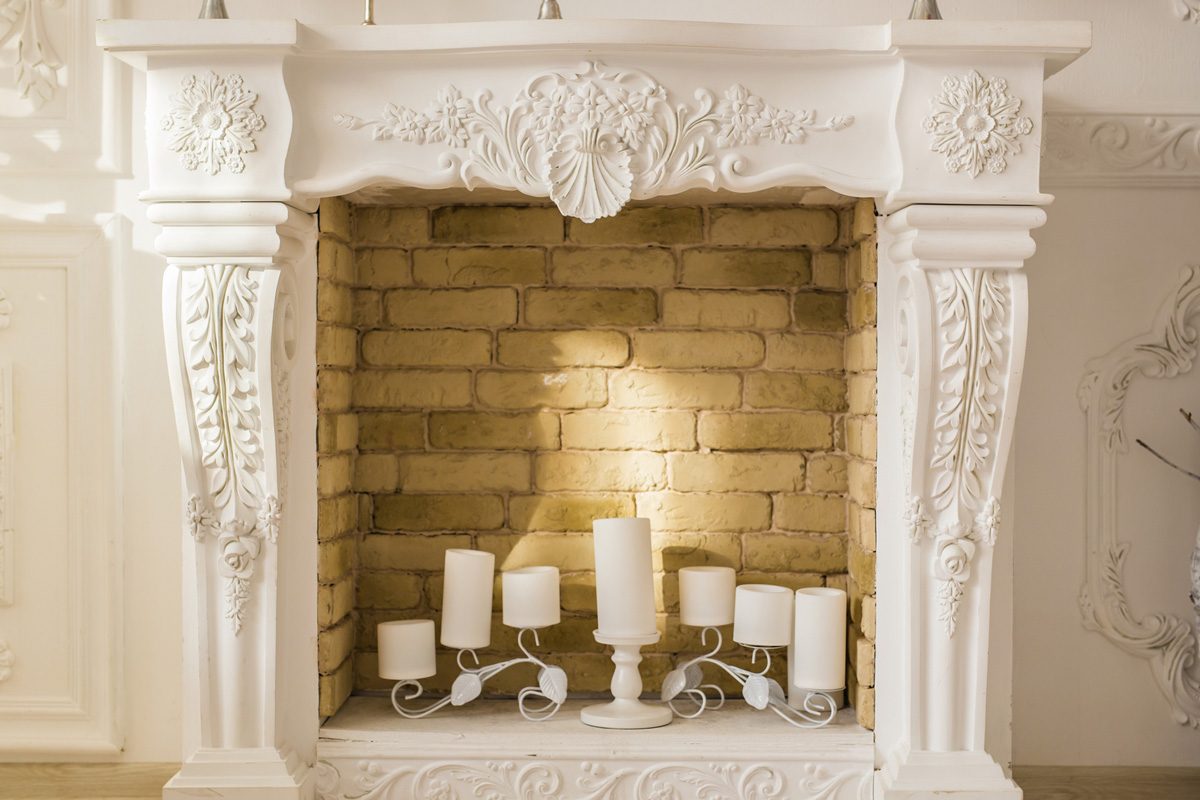
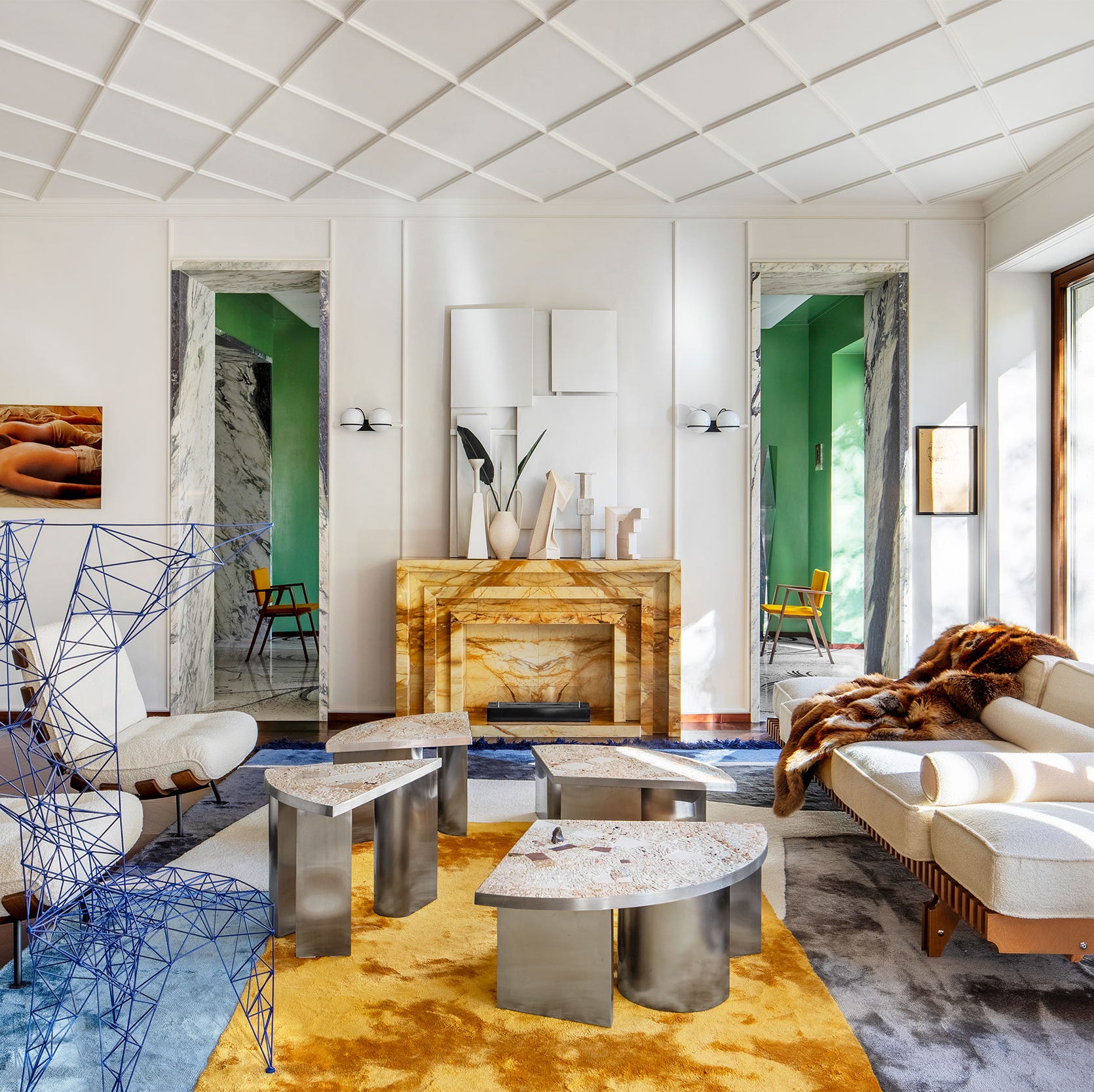
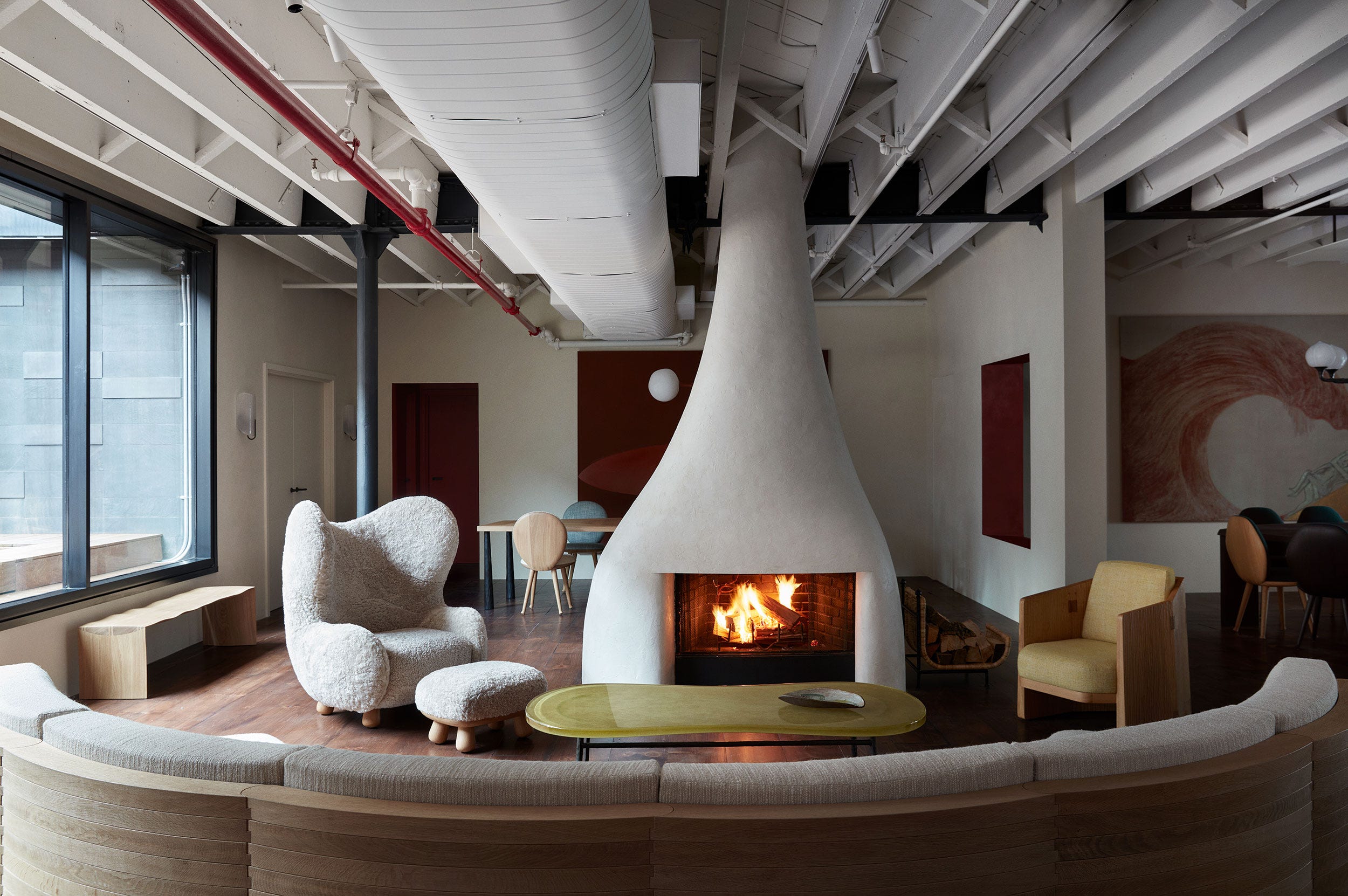
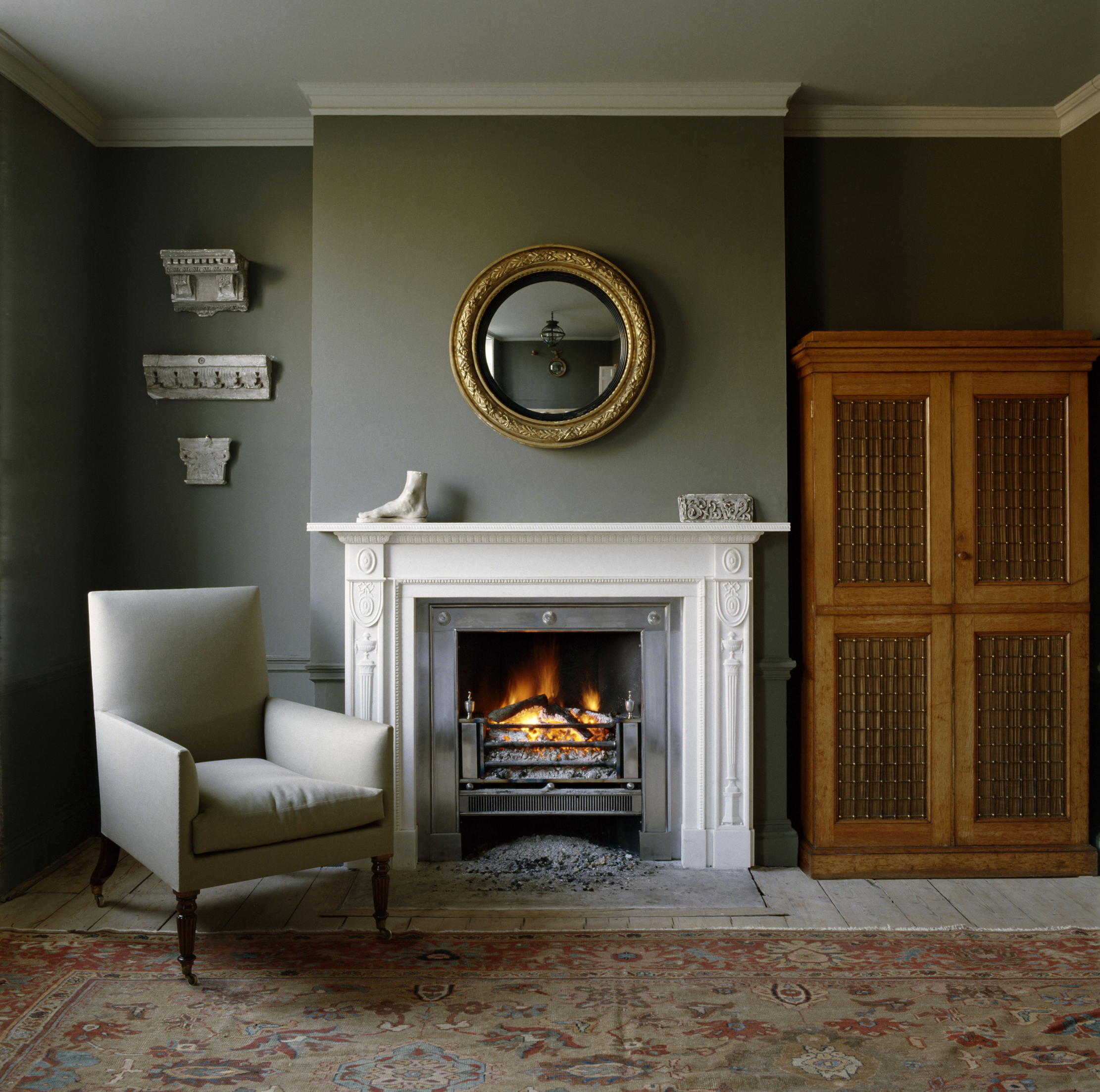
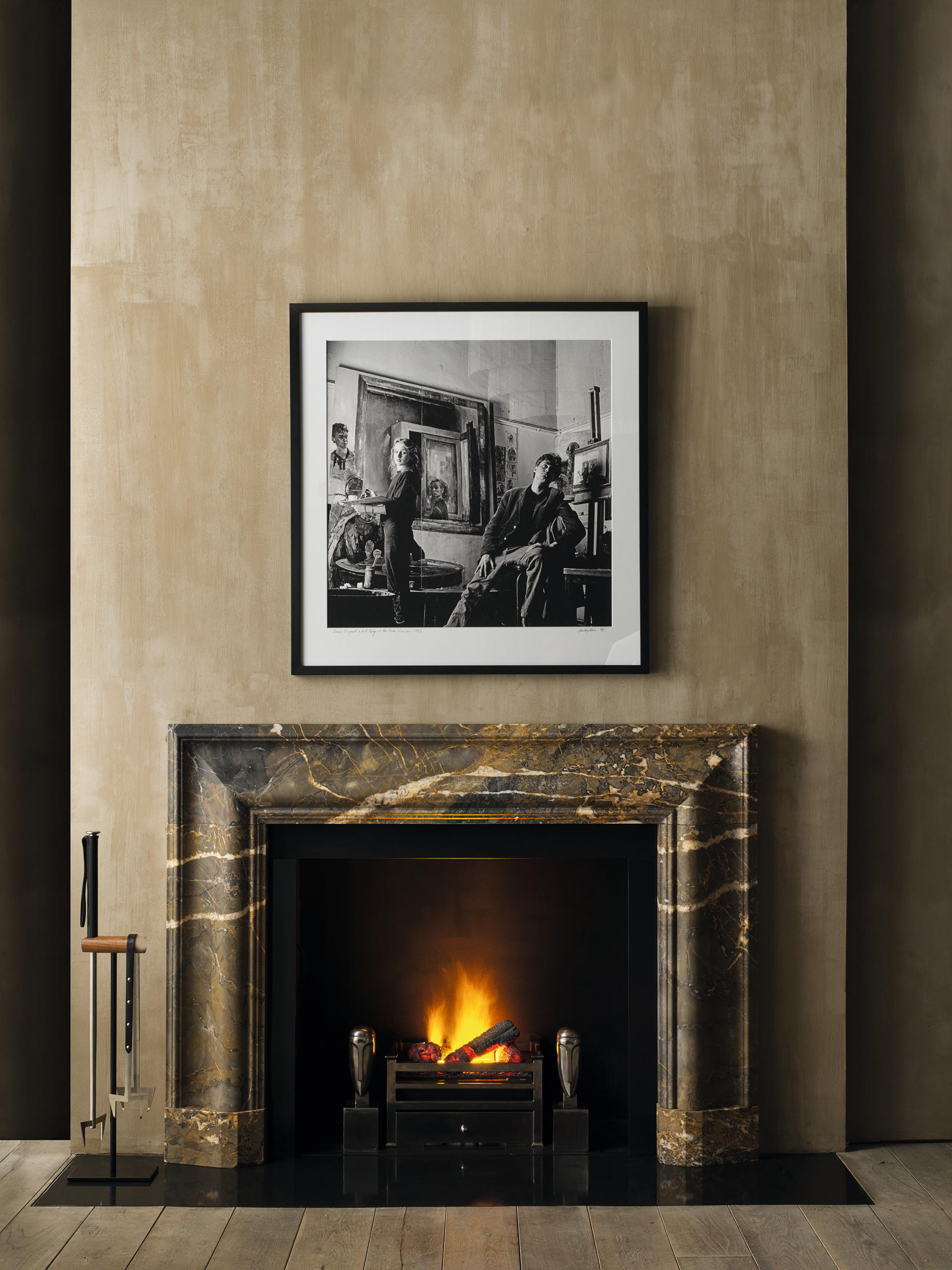
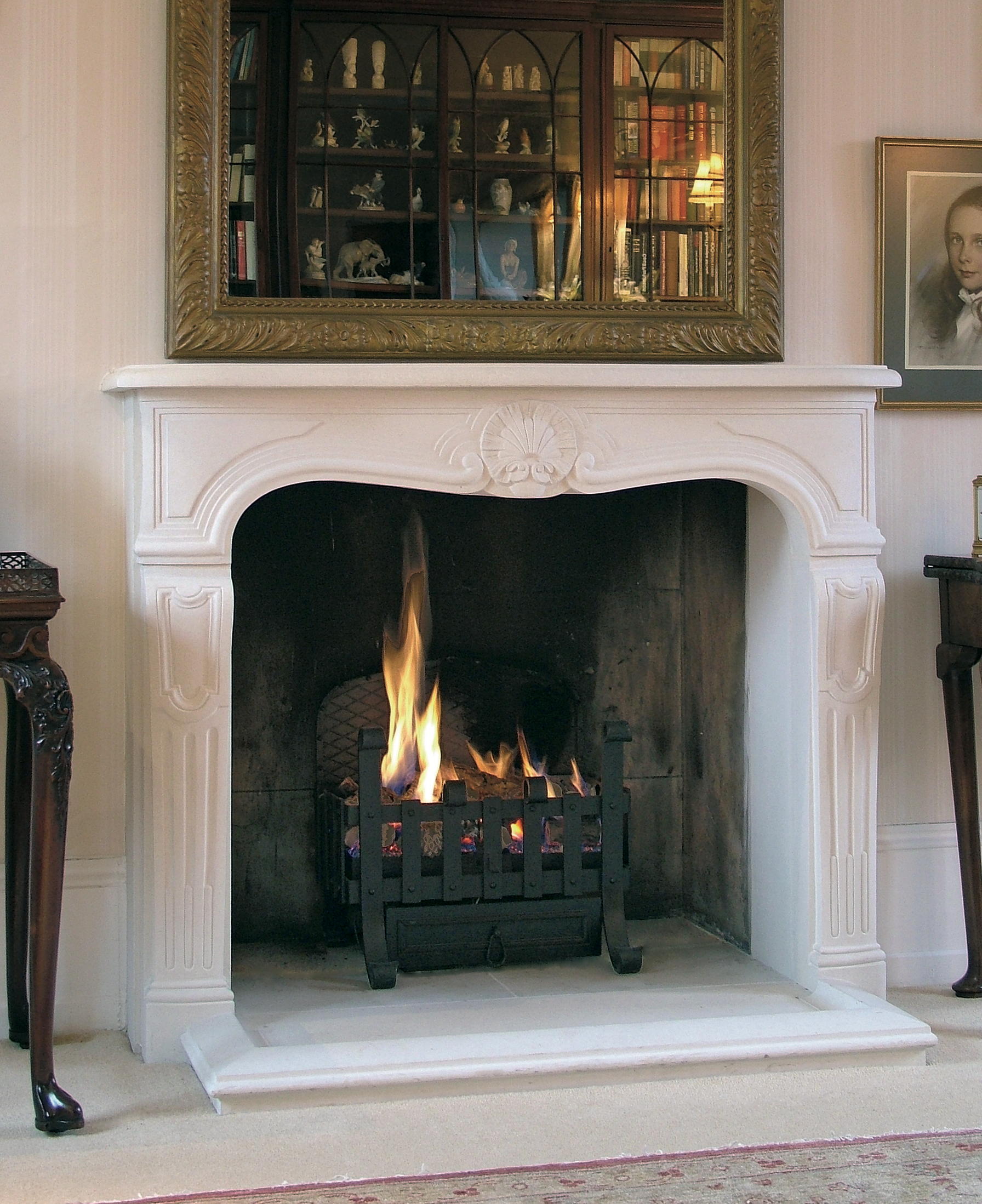
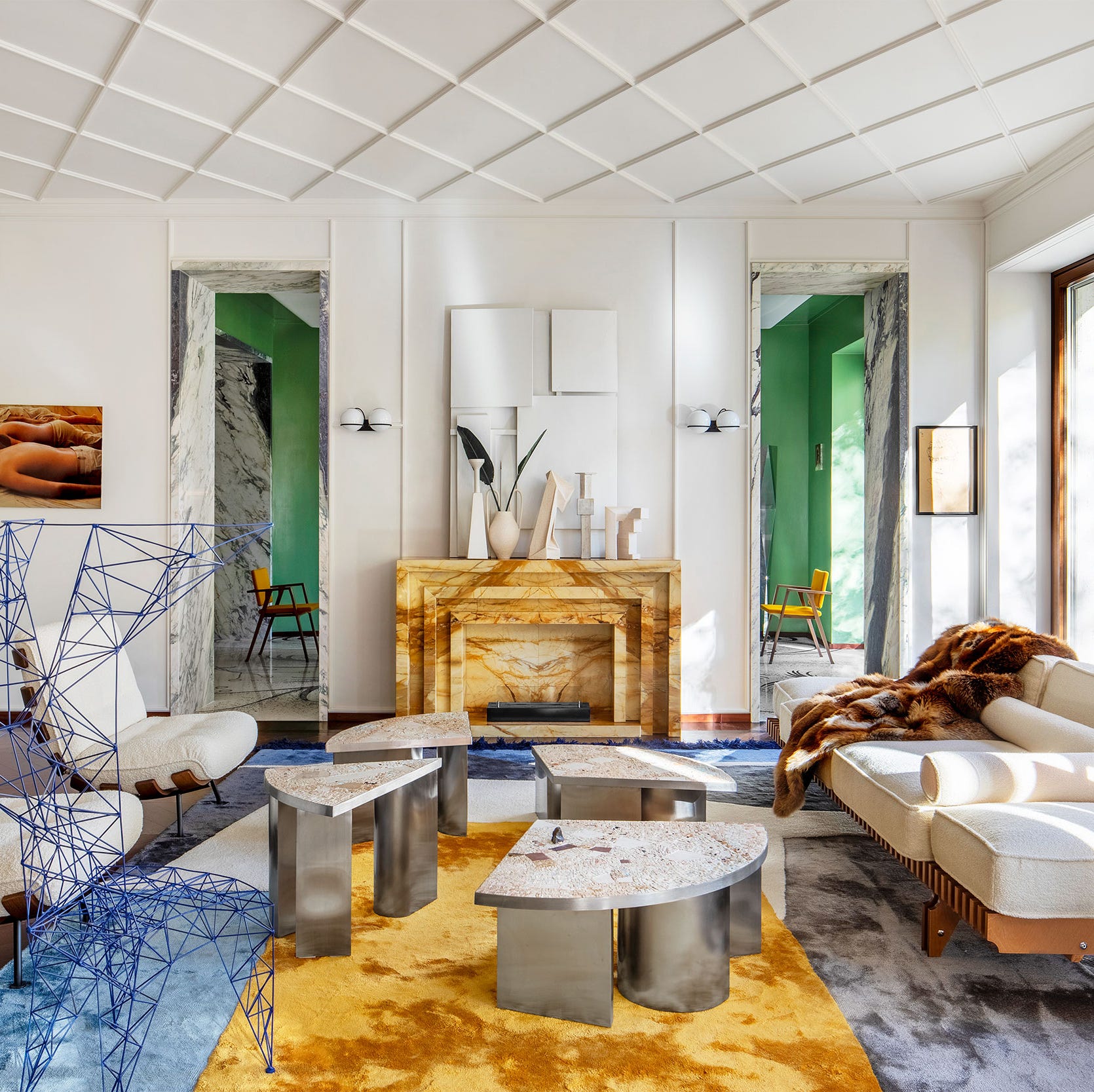
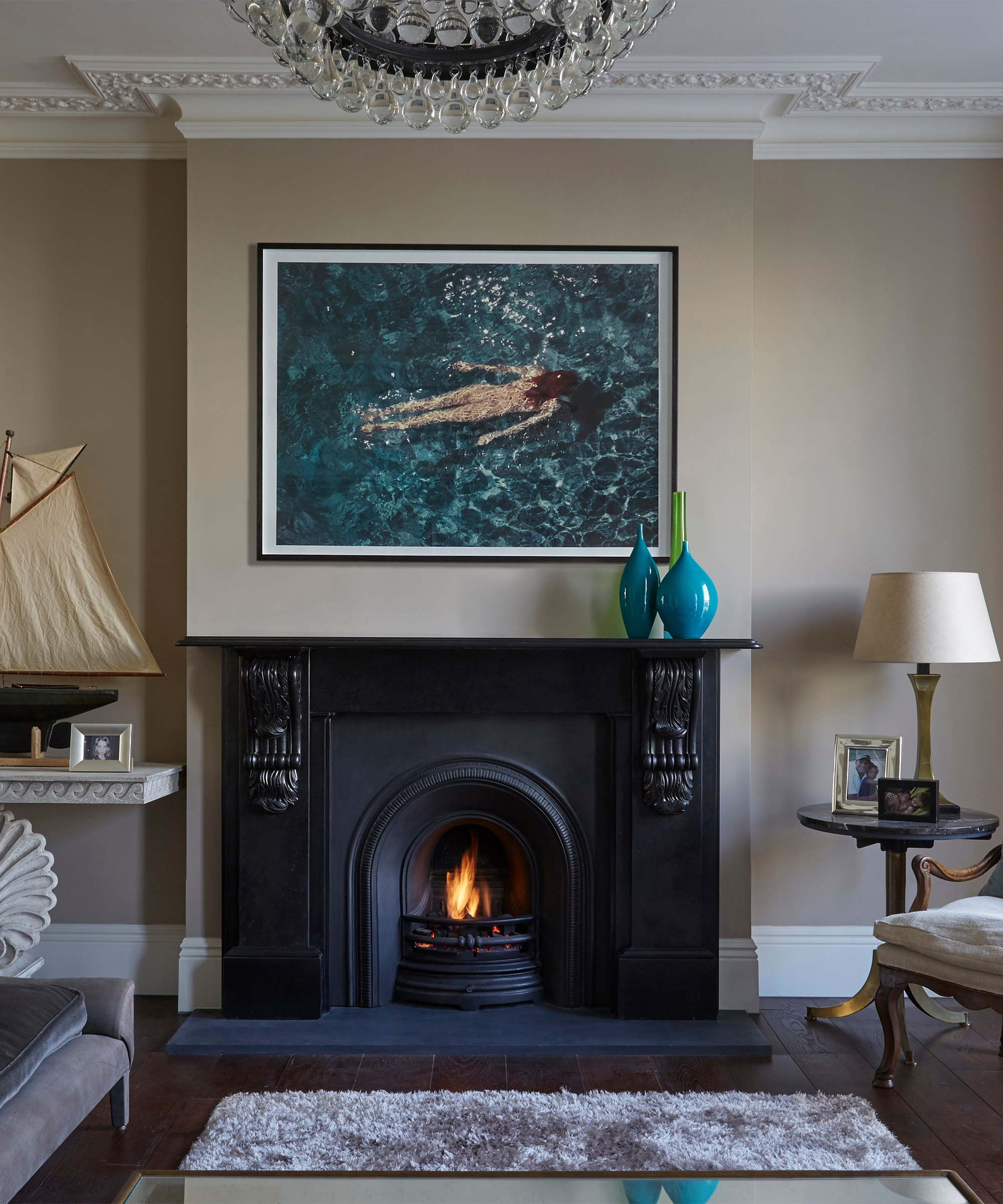
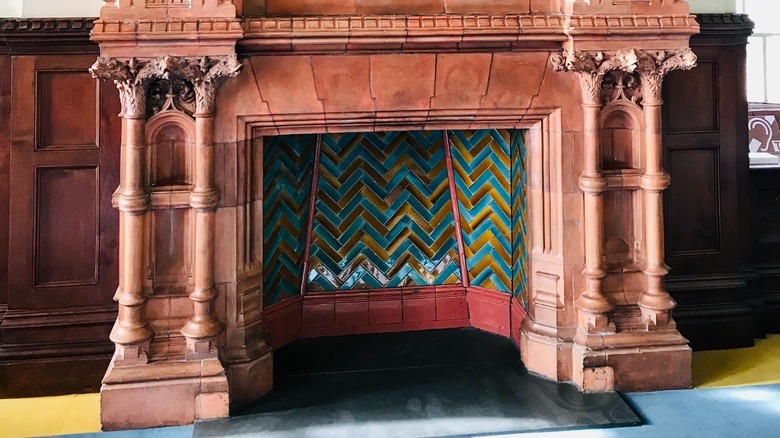
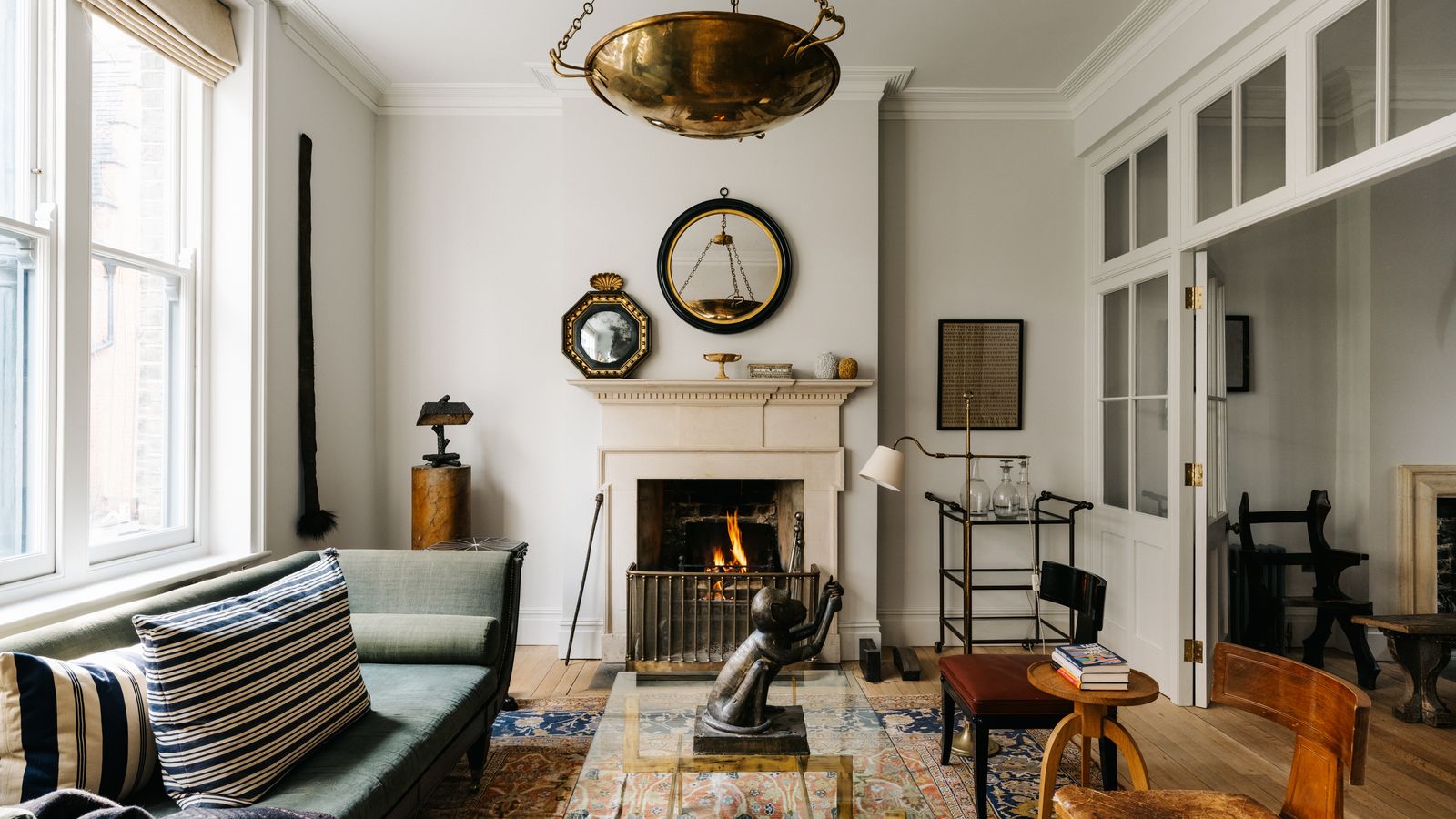
Once the mechanical considerations are addressed, the aesthetic journey begins with the chimneypiece, also known as a mantlepiece or fire surround. The choice of chimneypiece should align with the house's age and desired period style, ranging from simple 18th-century designs to grand Georgian or bold Art Deco styles. Proportions are critical, as a piece designed for a larger room may not suit a smaller space unless reproduced and tailored. Reproduction offers the flexibility to choose materials like limestone for a country aesthetic or various marbles for a more refined look in principal rooms. While both limestone and marble are porous and develop a patina over time, rarer and more elaborate marbles can be significantly more expensive. Black marble can dramatically alter a room's character, and wood is generally the most economical option, which can be painted or faux-finished to mimic more expensive materials. Sources for chimneypieces include specialists like Jamb, Chesneys, Thornhill Galleries, and more affordable options from Vinterior or custom joiners.
Next, the chamber, the interior of the fireplace, must be fireproof. Accessories such as register grates, baskets, and irons are used to hold logs or coal and enhance the fireplace's appearance. Register grates, which provide a polished look, must be fitted simultaneously with the chimneypiece as they are custom to the chamber's measurements. Baskets are freestanding and versatile, accommodating logs, coal, or bio ethanol trays, often enhanced with decorative false logs. Irons, or fire dogs, support logs for better burning, particularly suitable for smaller chambers. Cast iron firebacks can add to the chamber's attractiveness, and older register grates may feature decorative tiling.
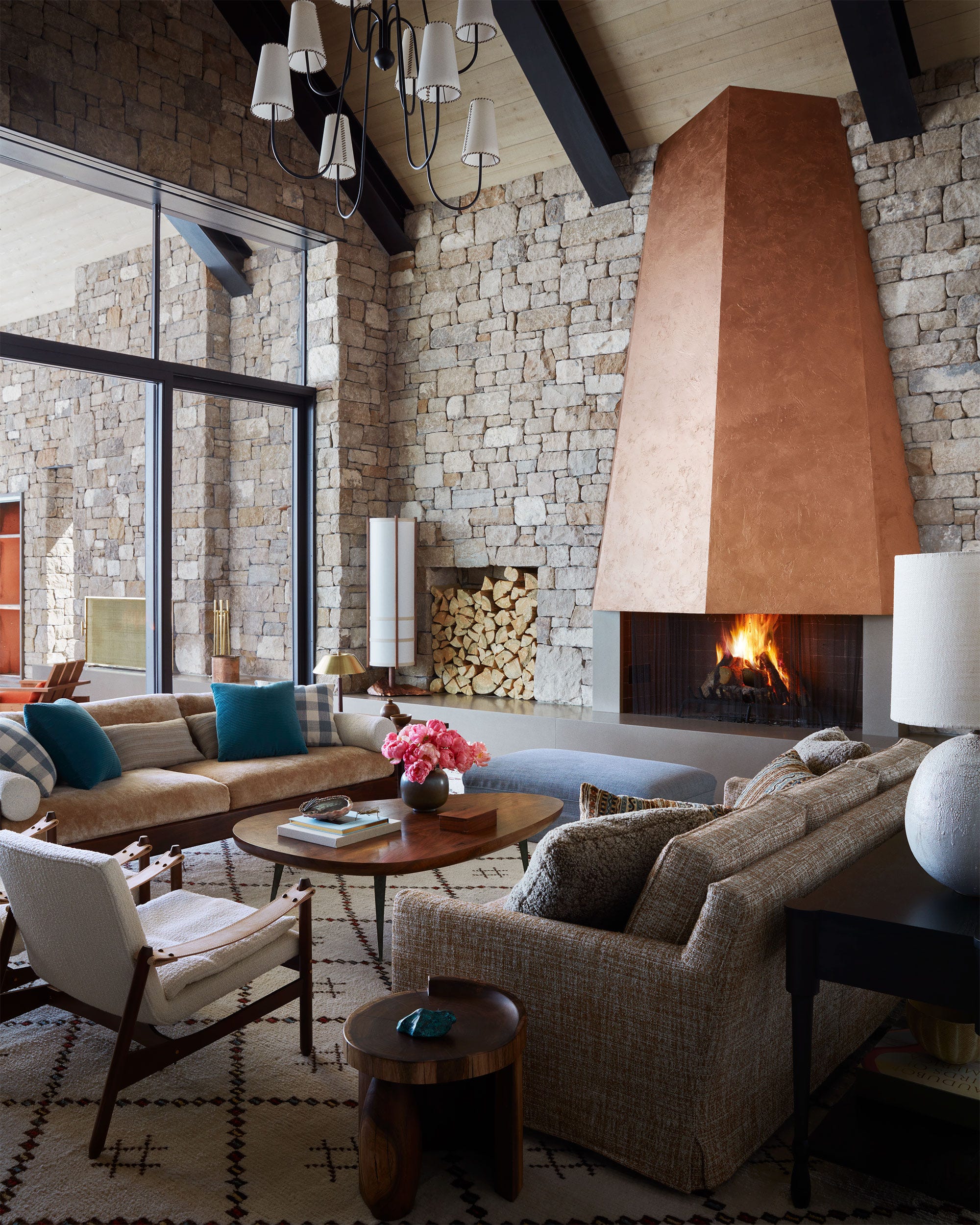
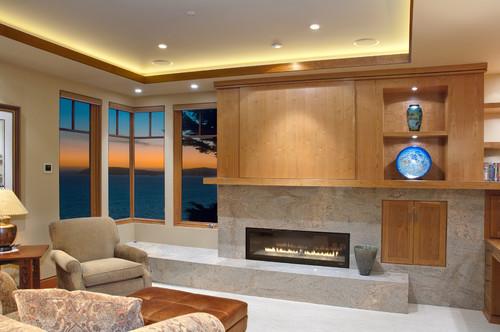
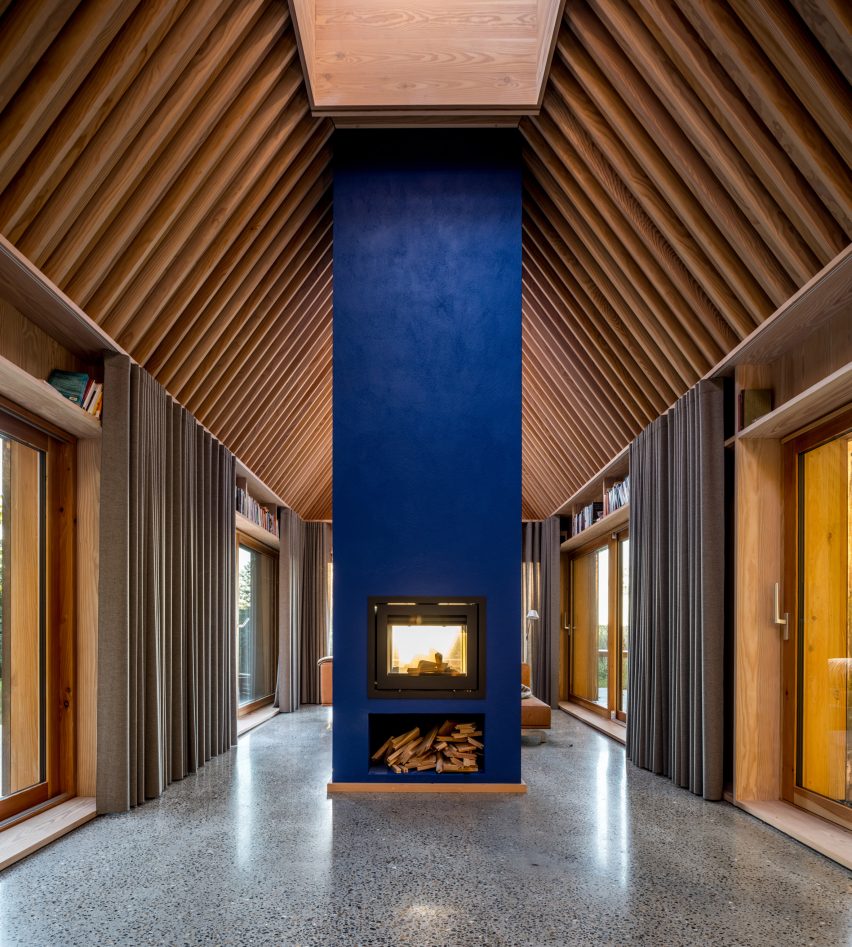
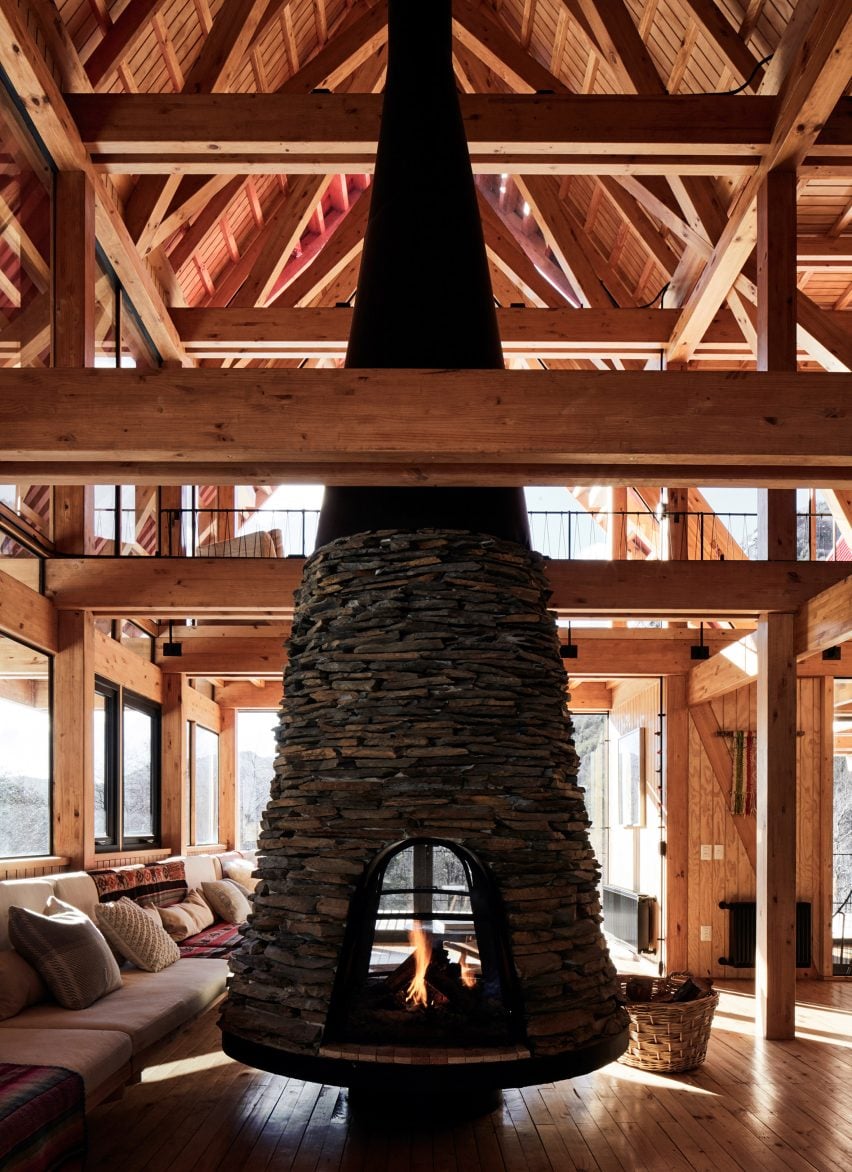
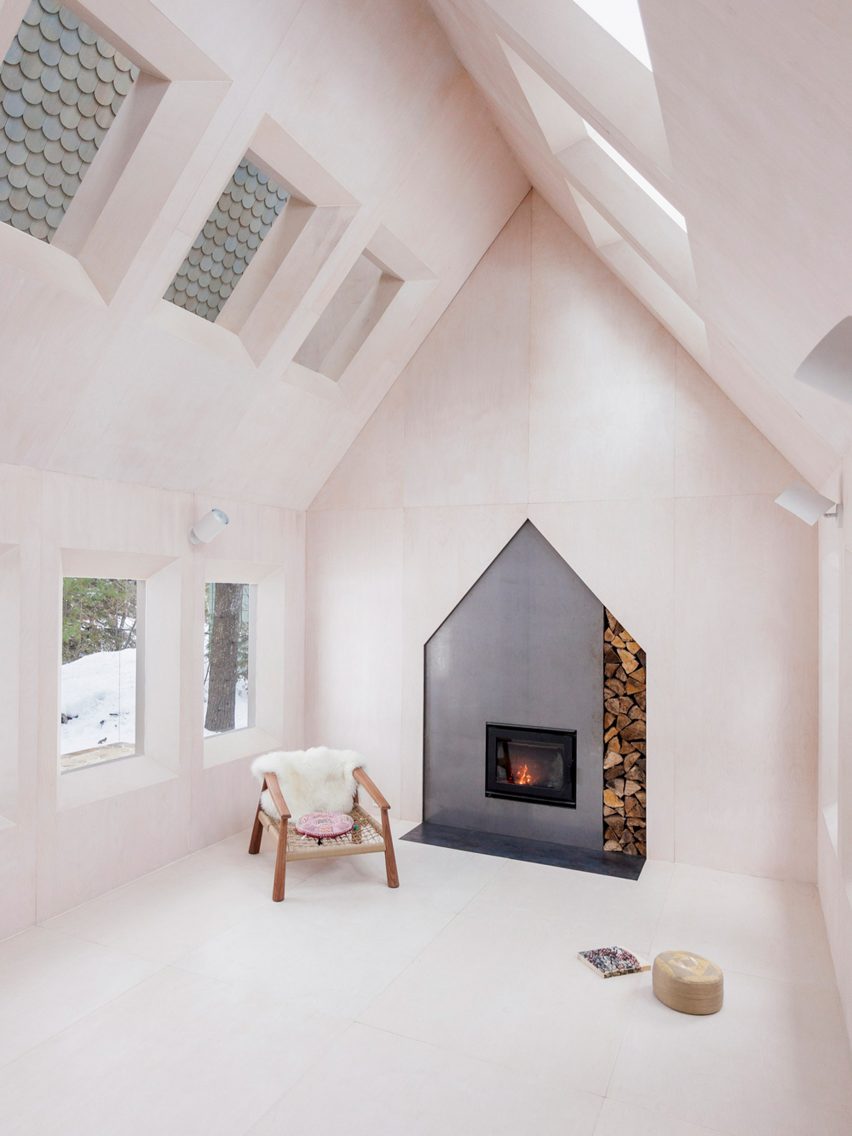
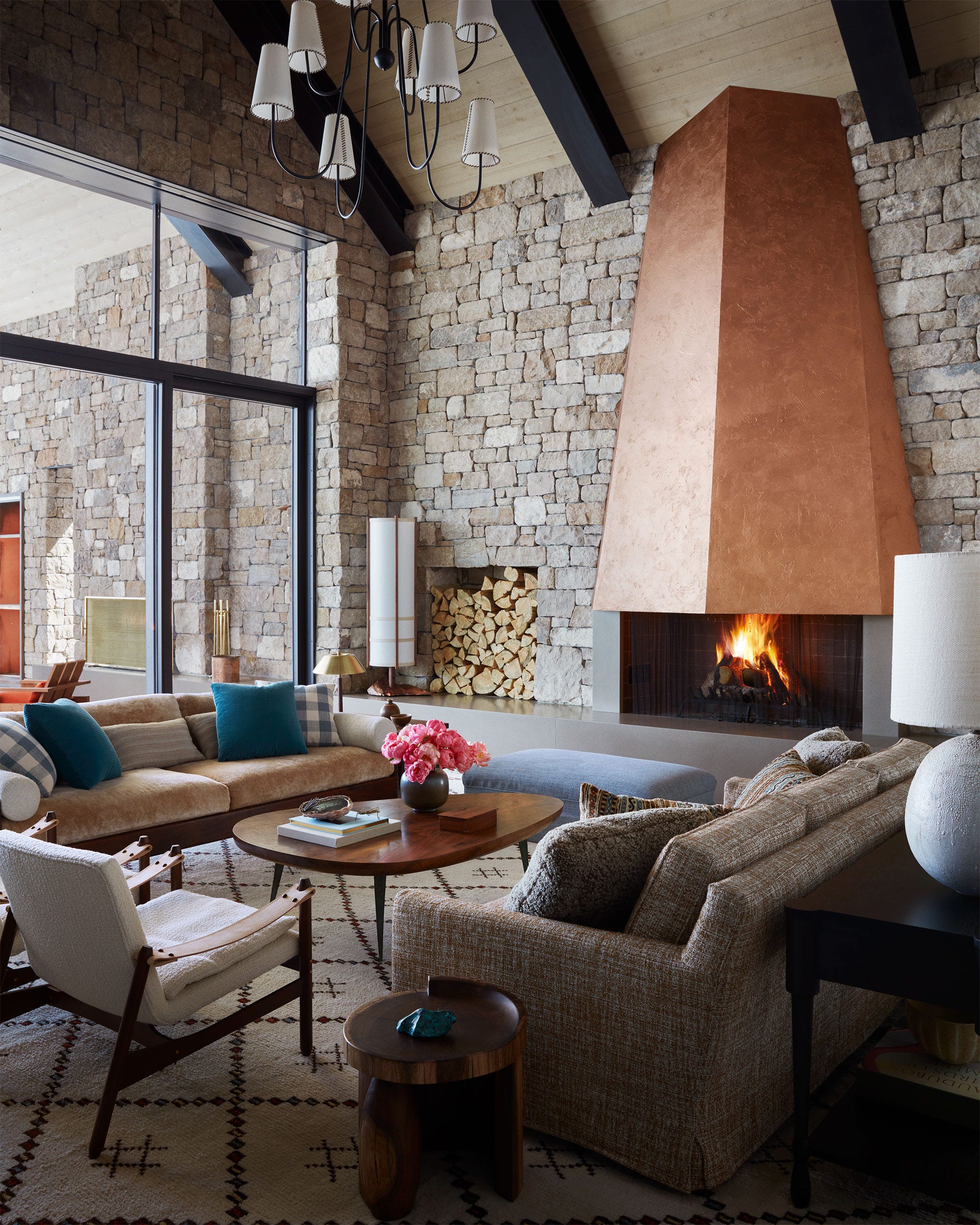
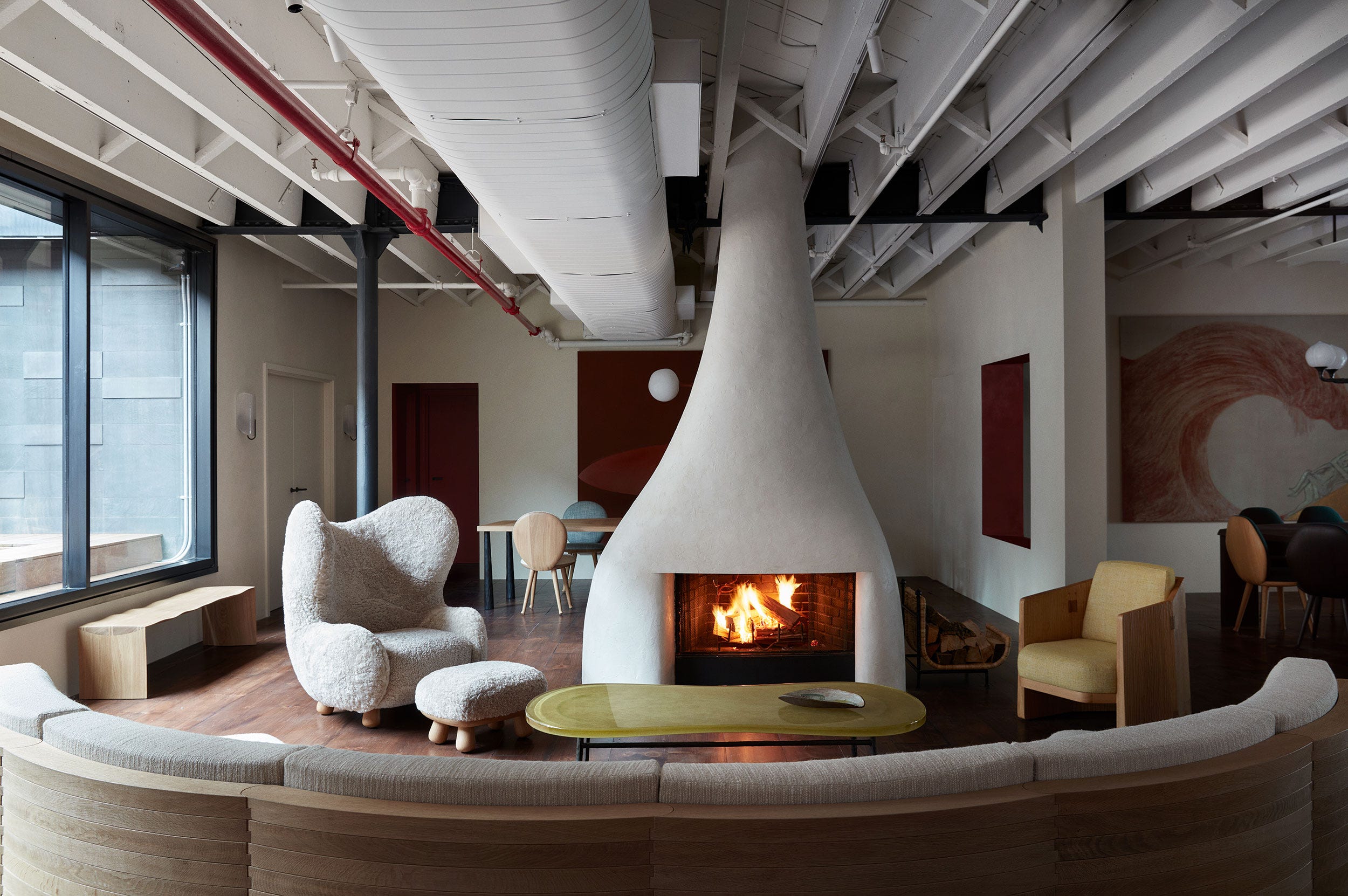
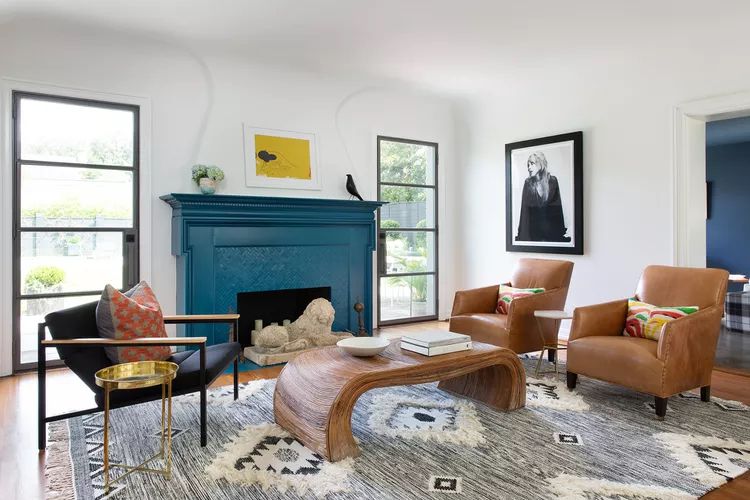
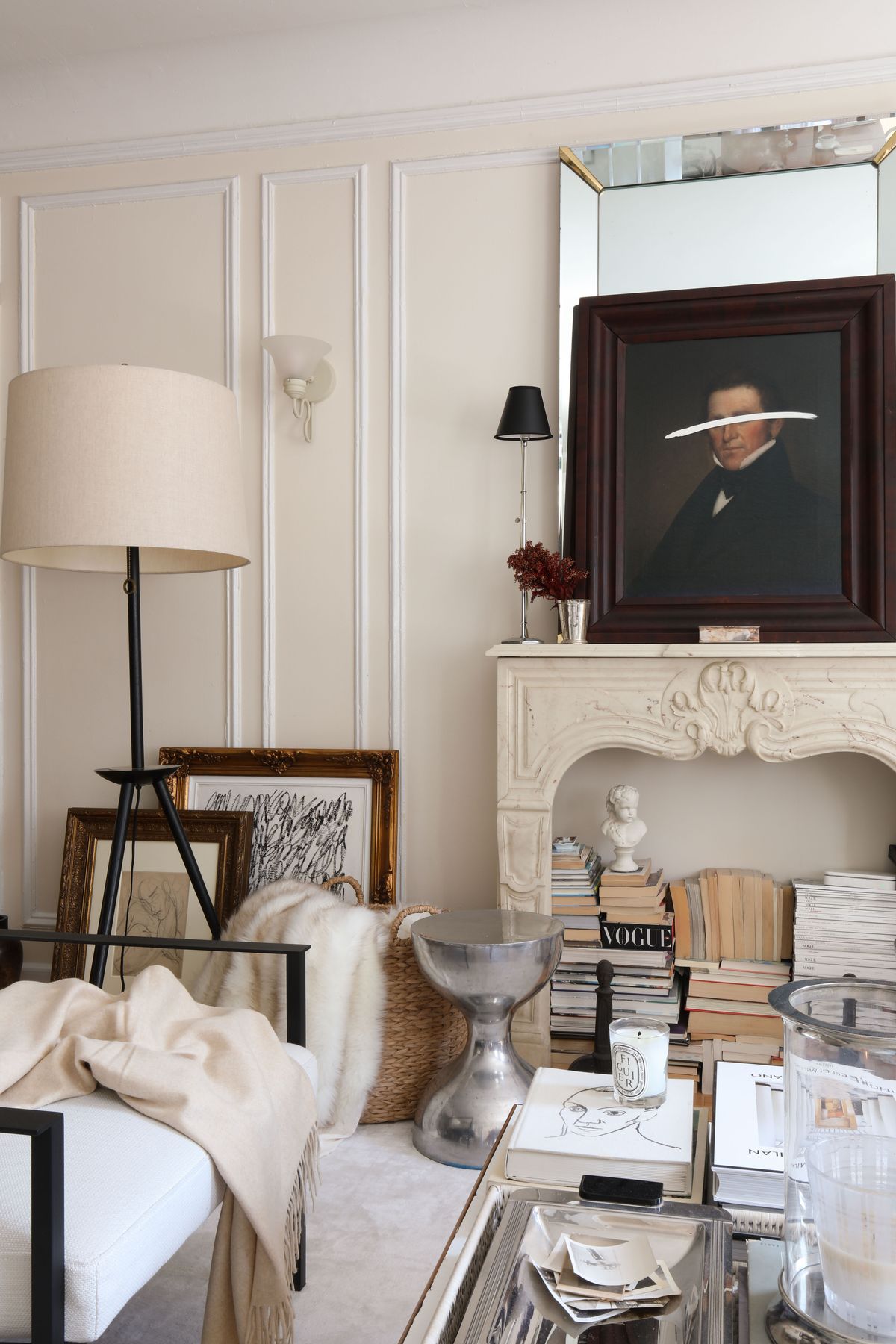
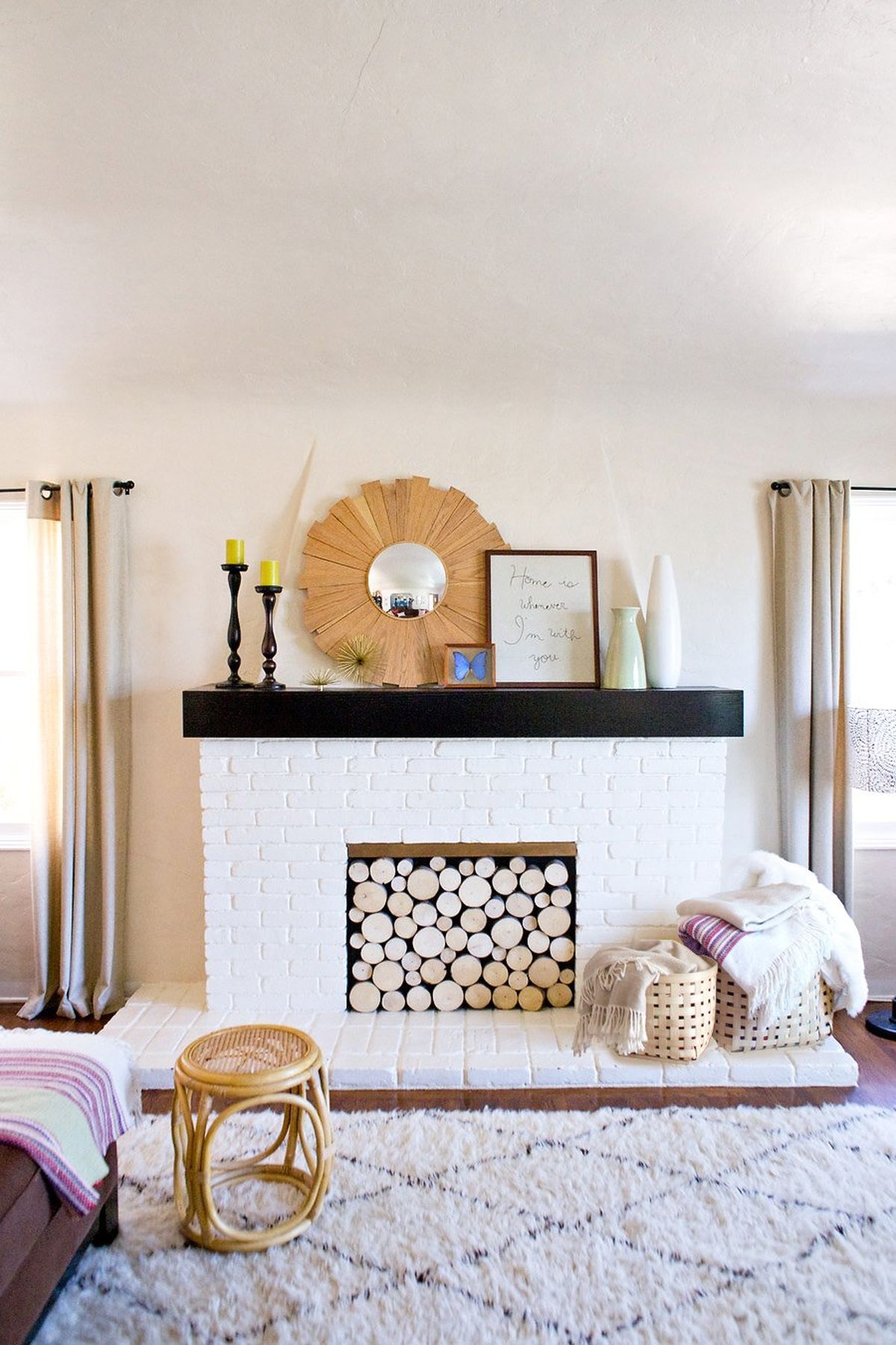
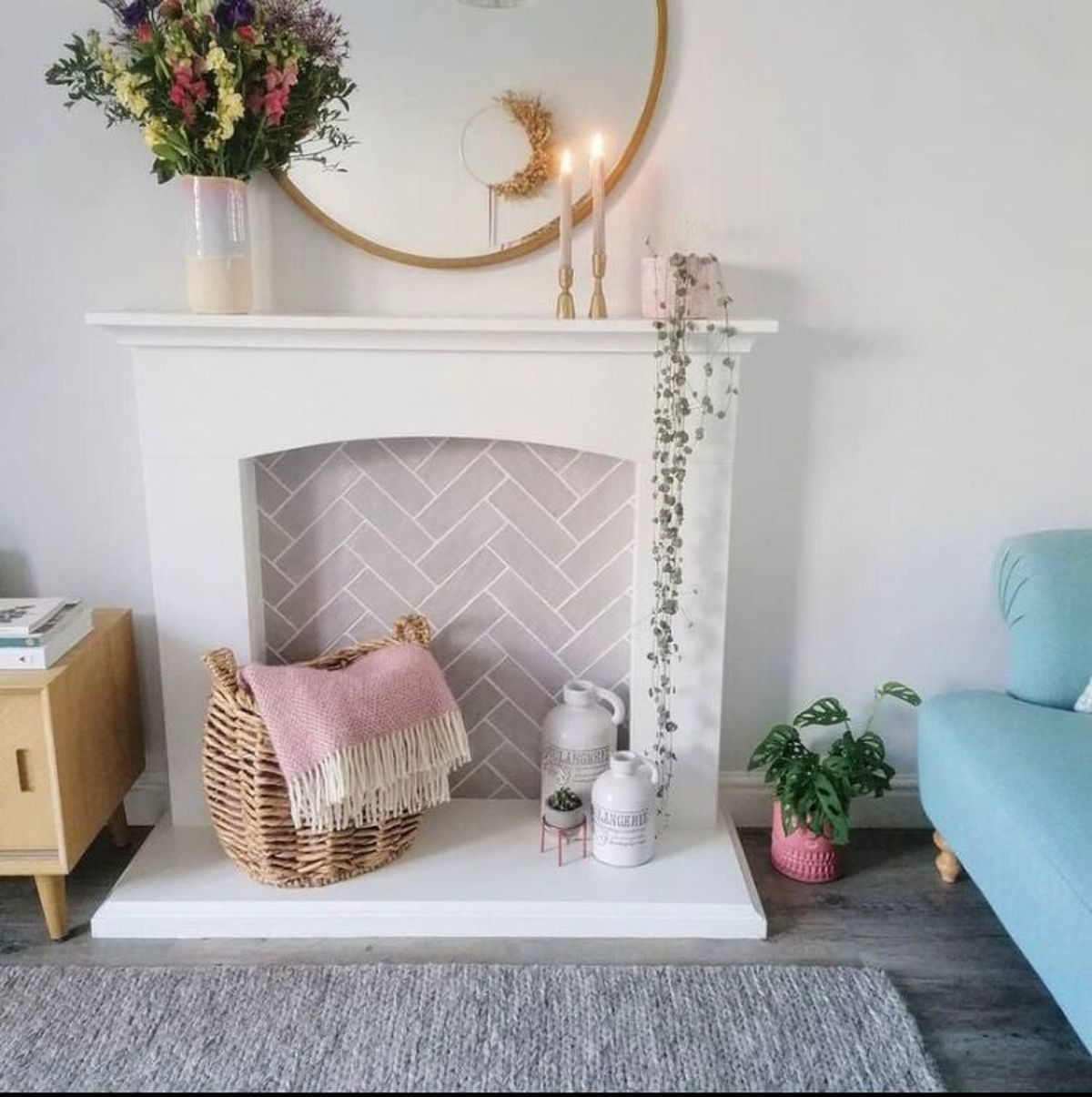
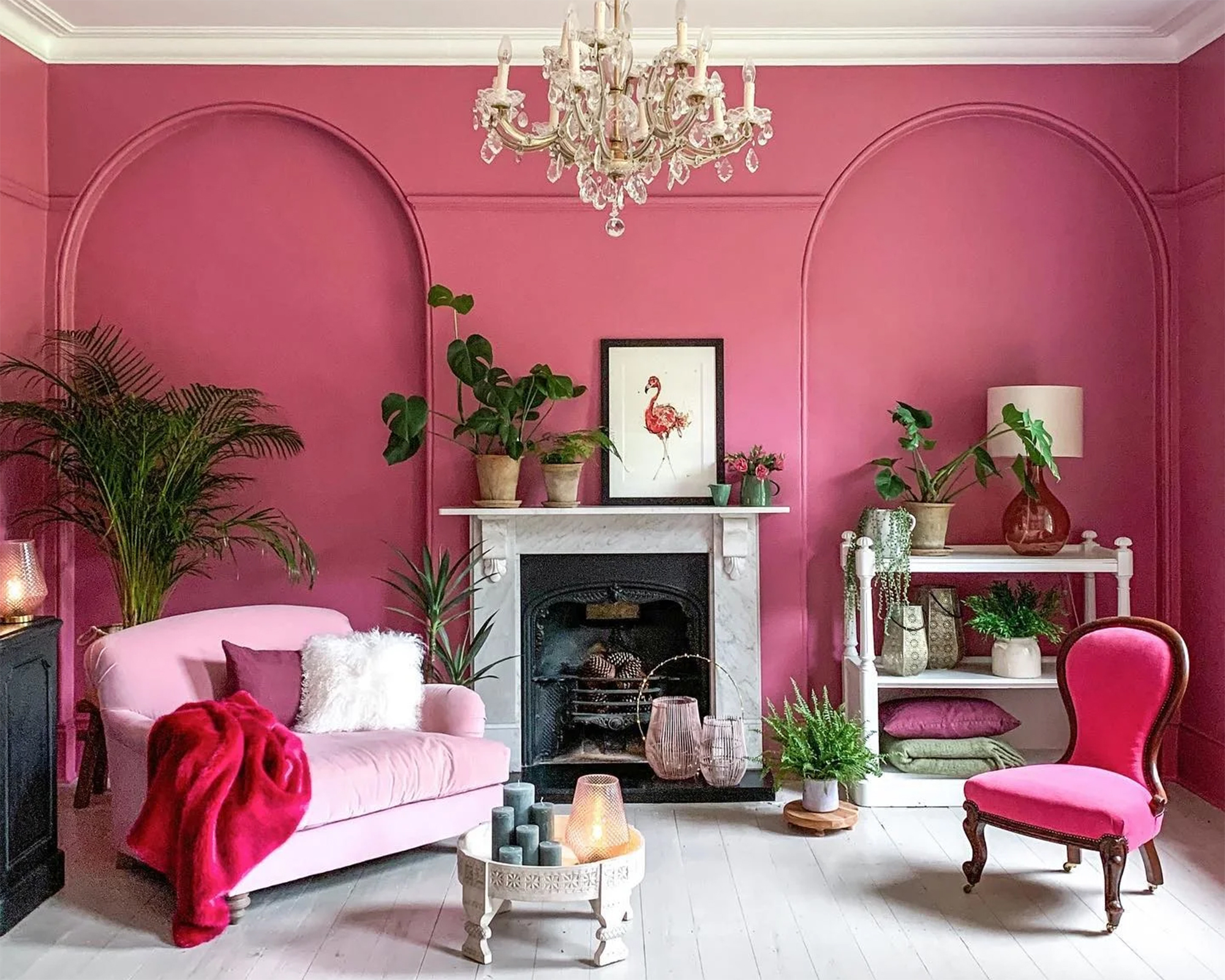
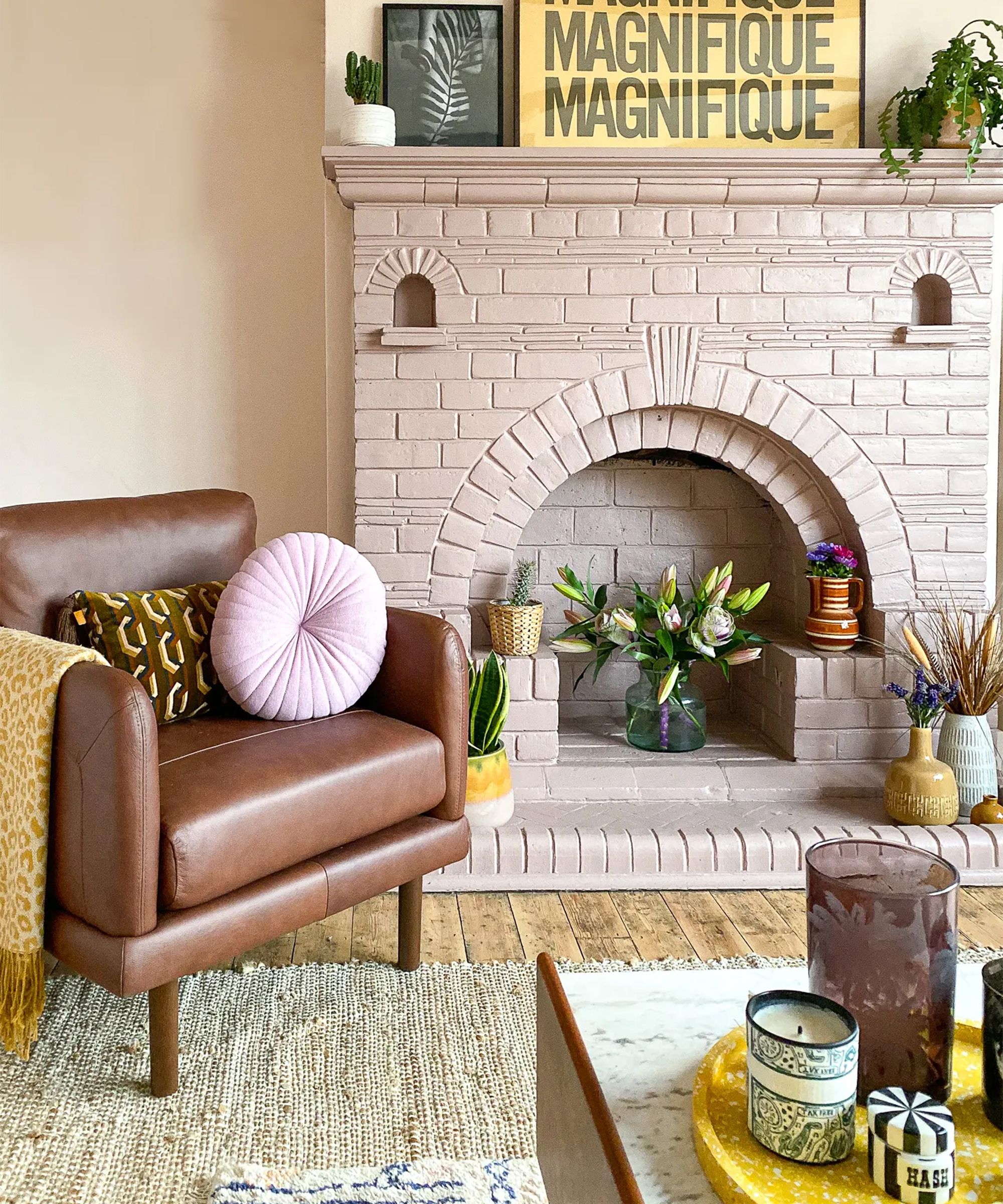
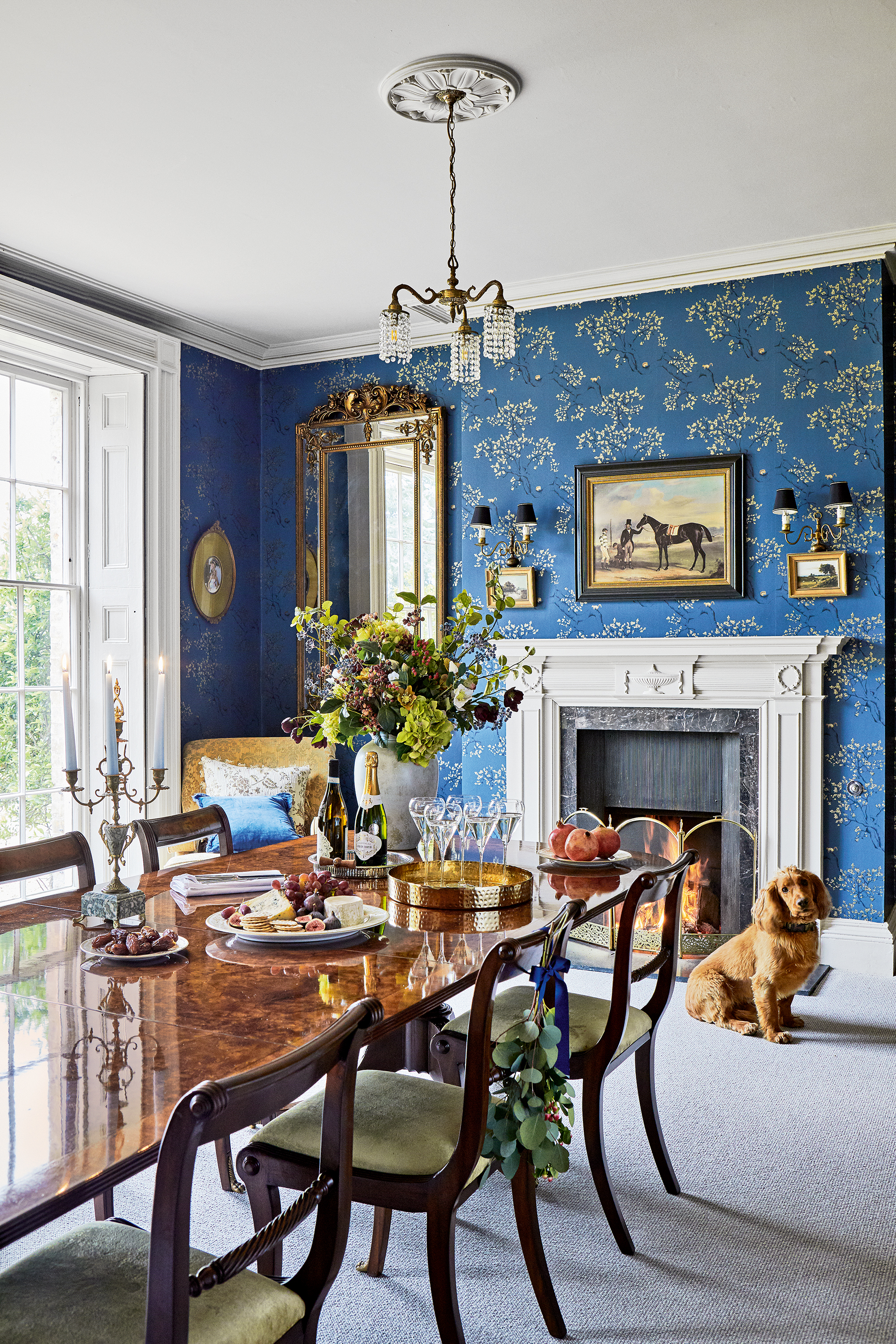
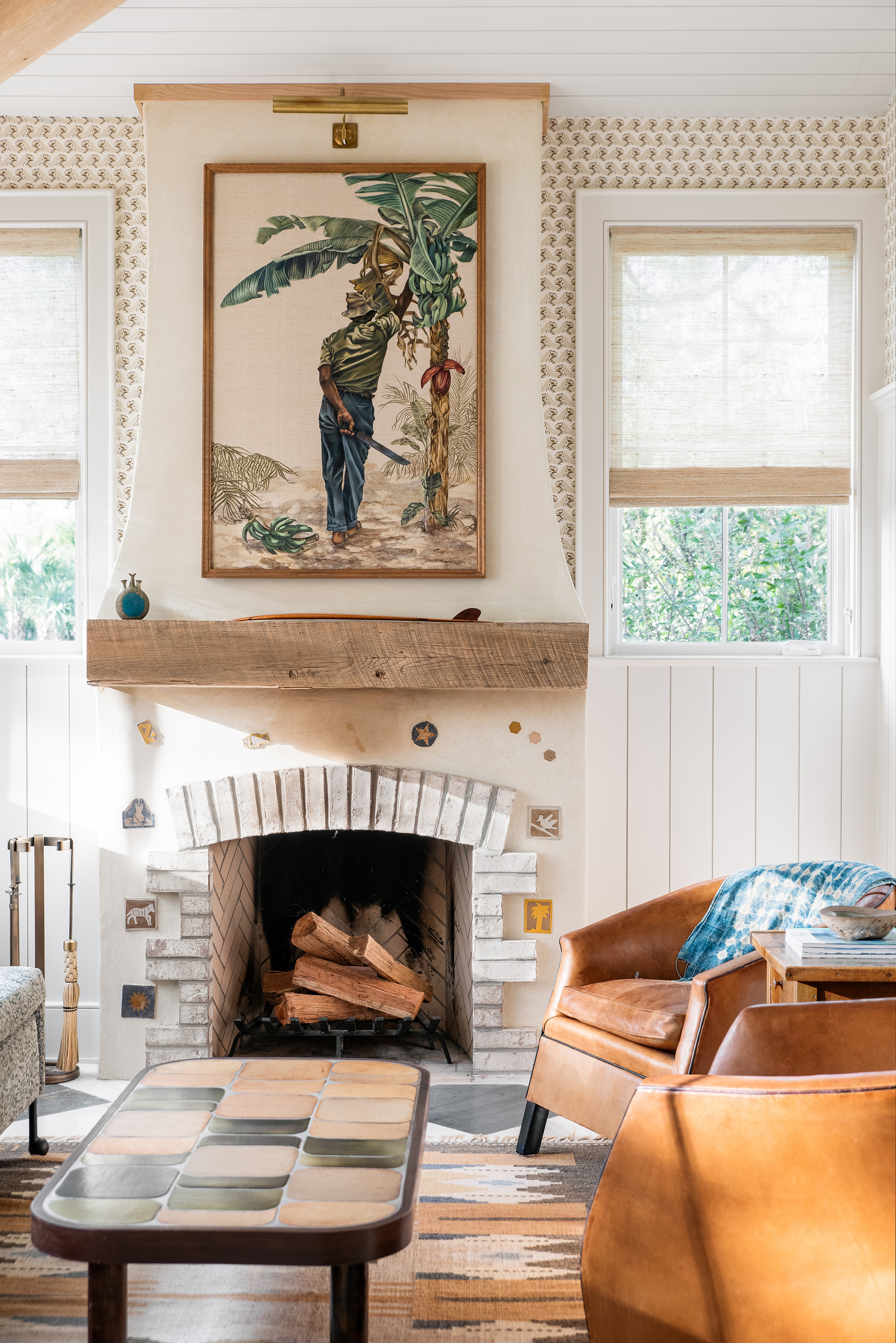
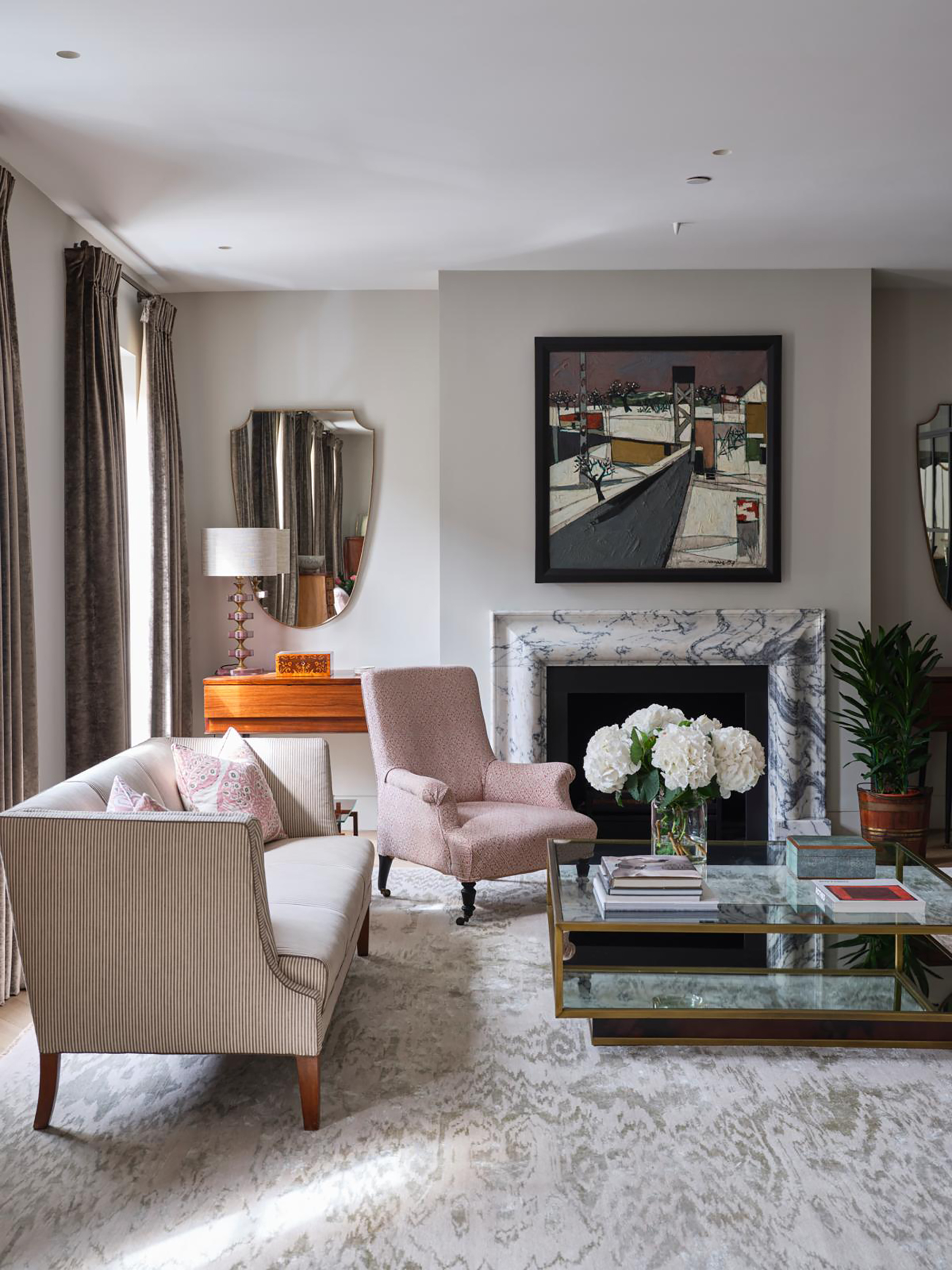
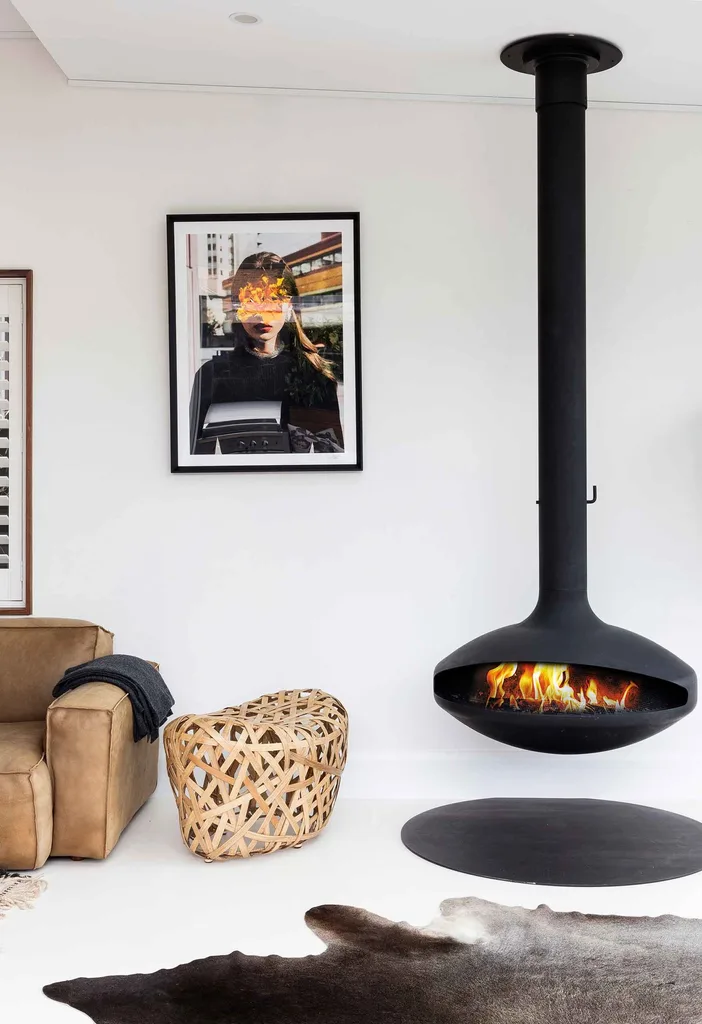
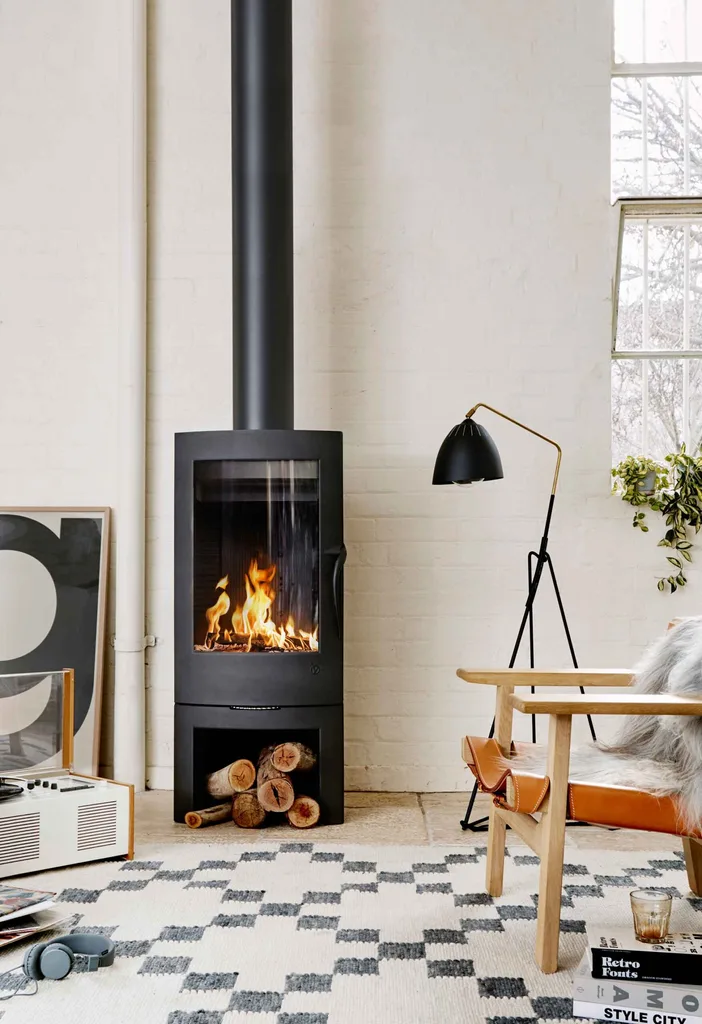
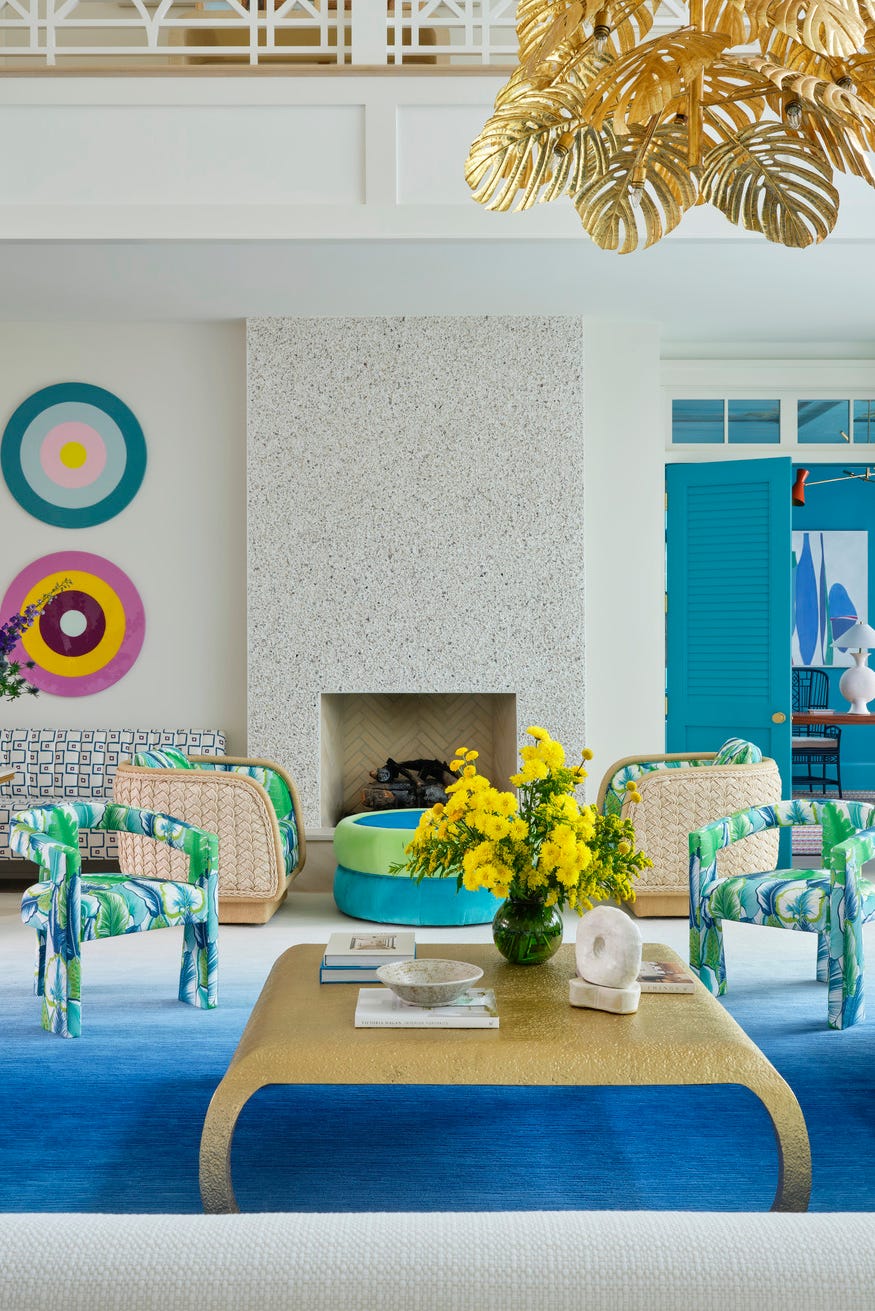
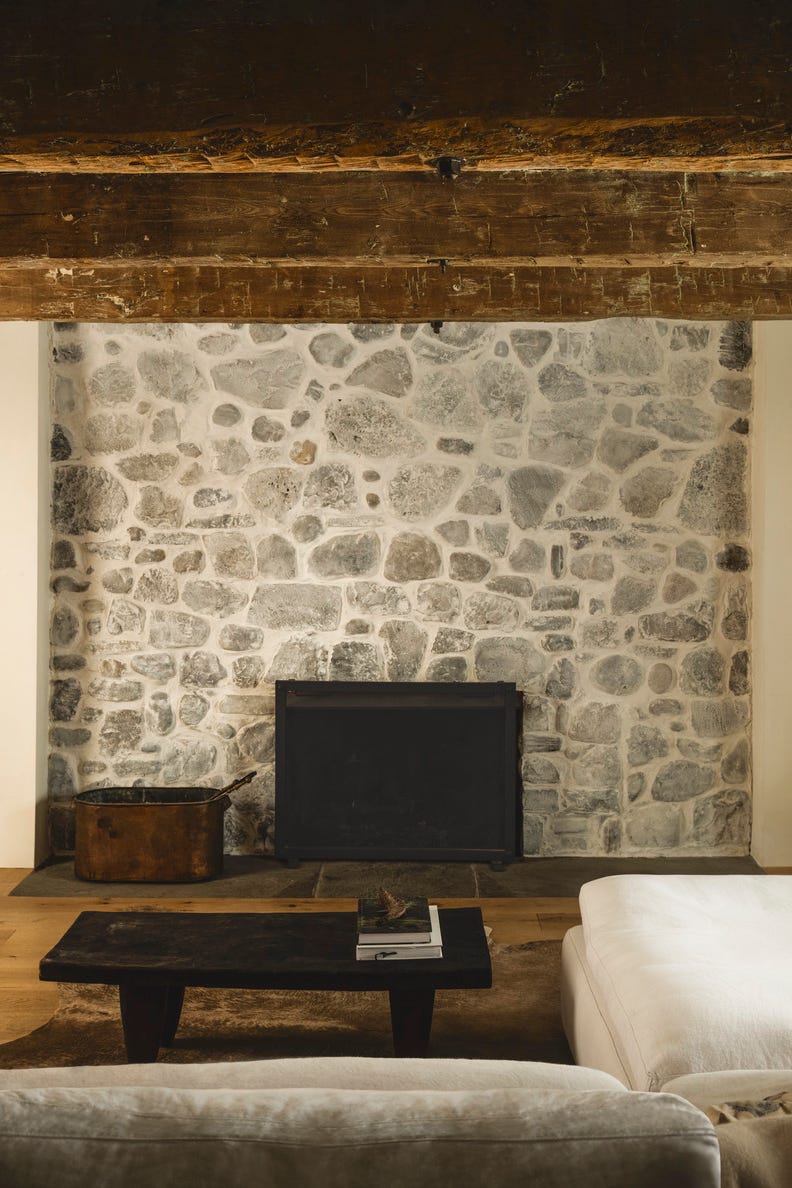
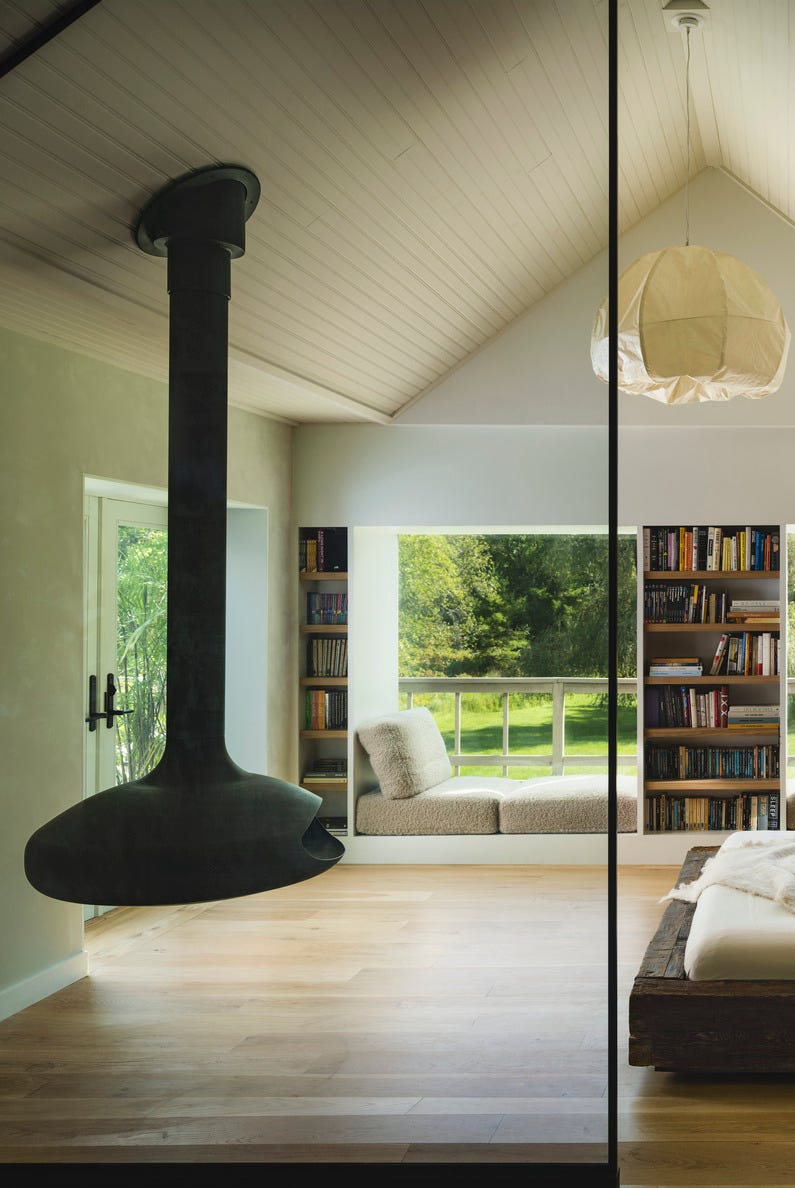
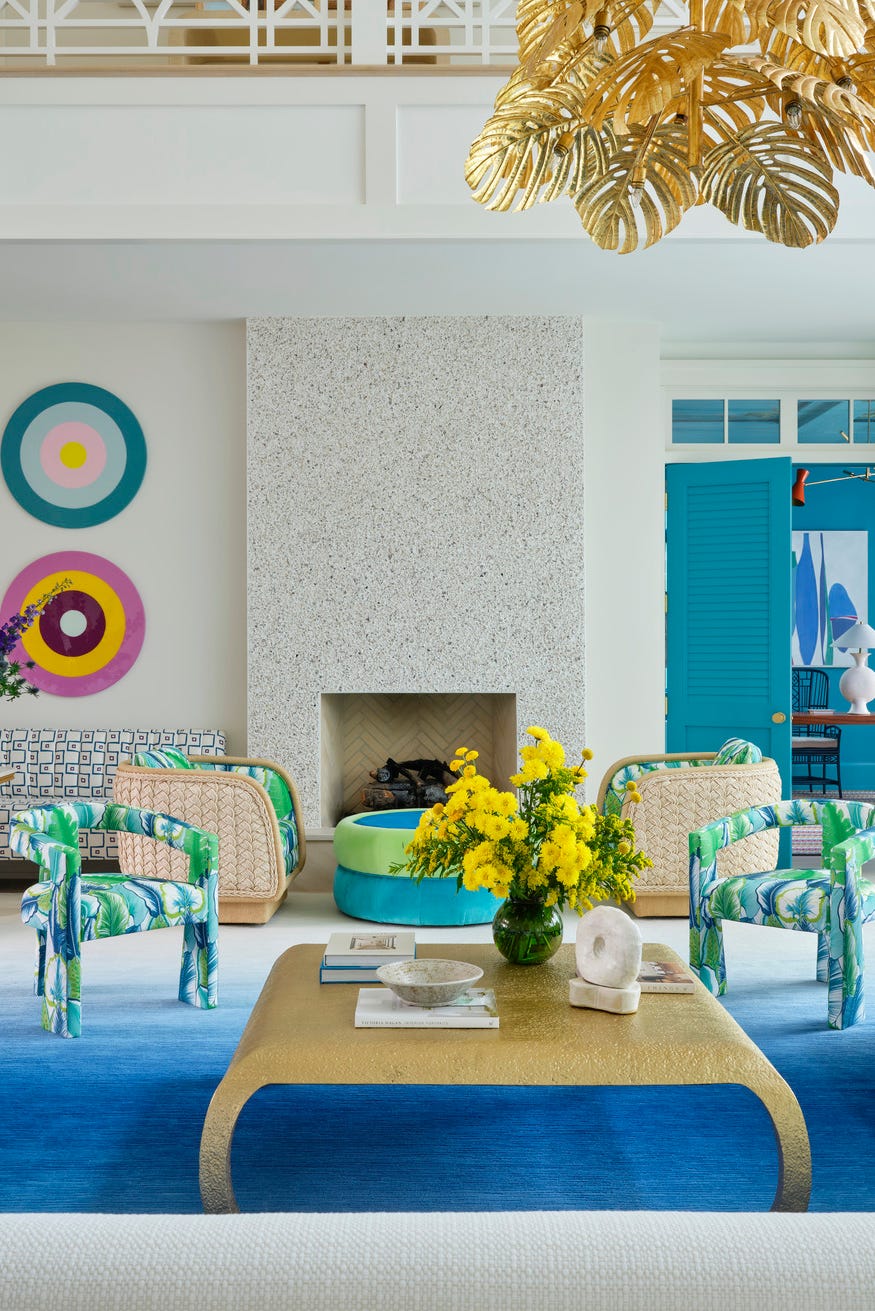
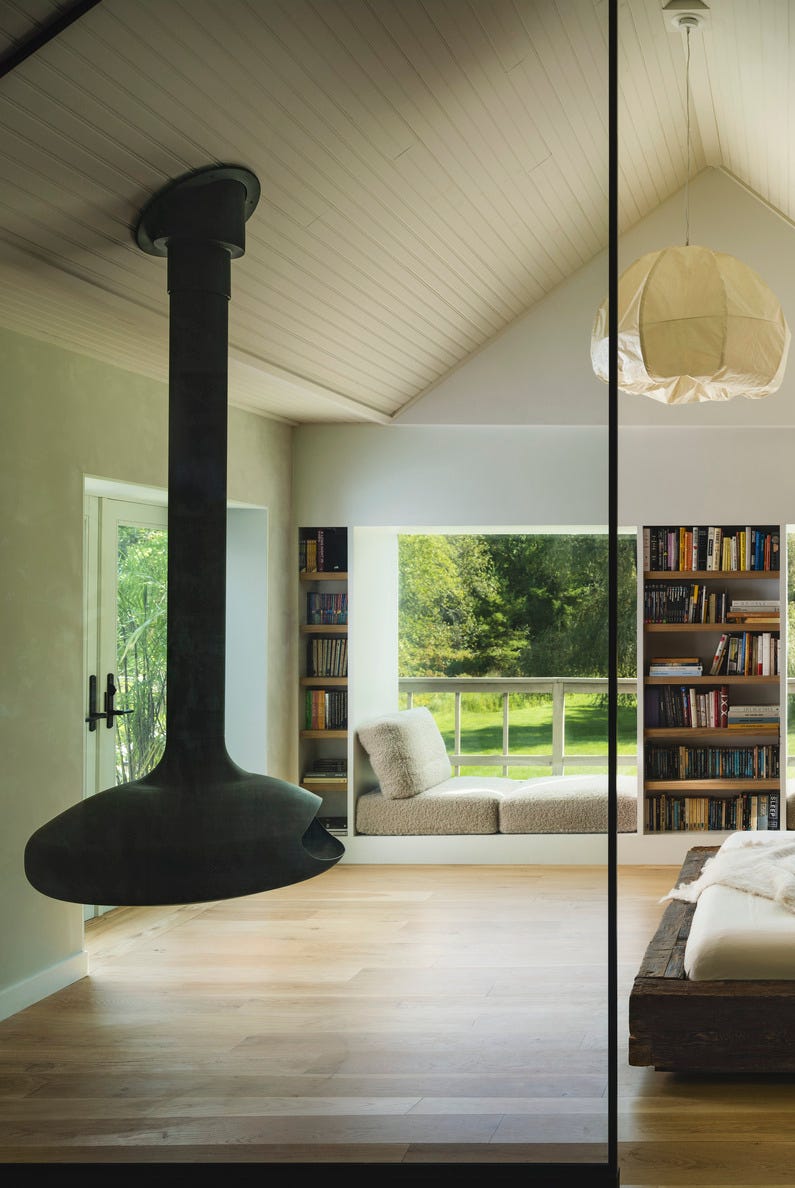
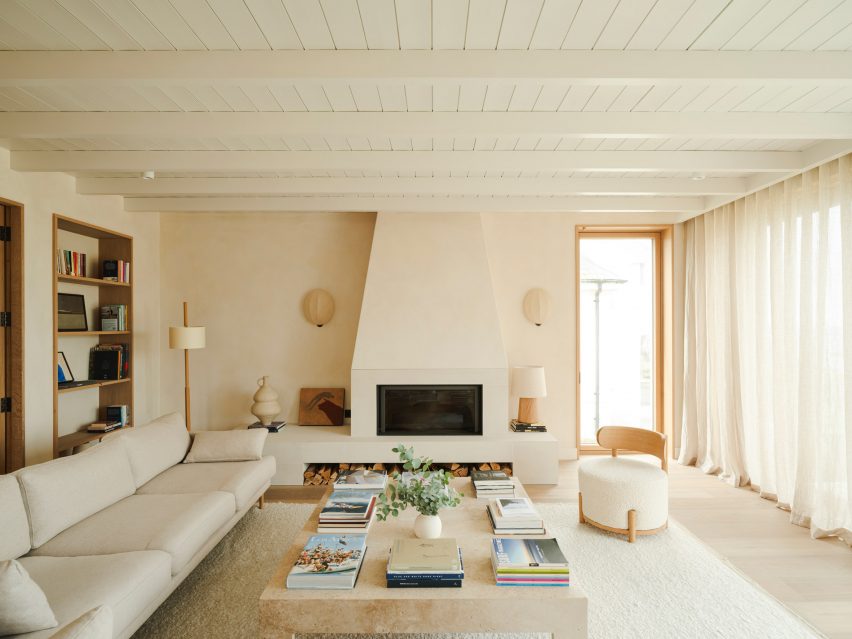
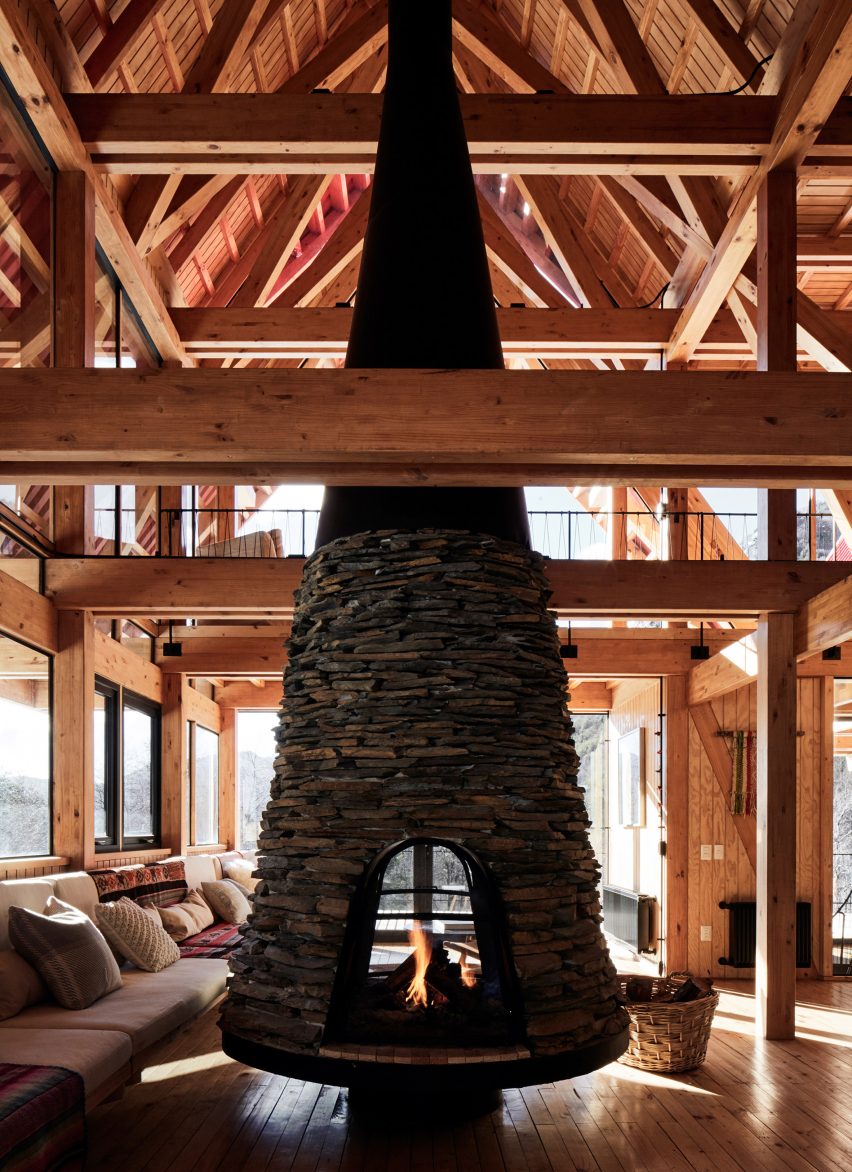
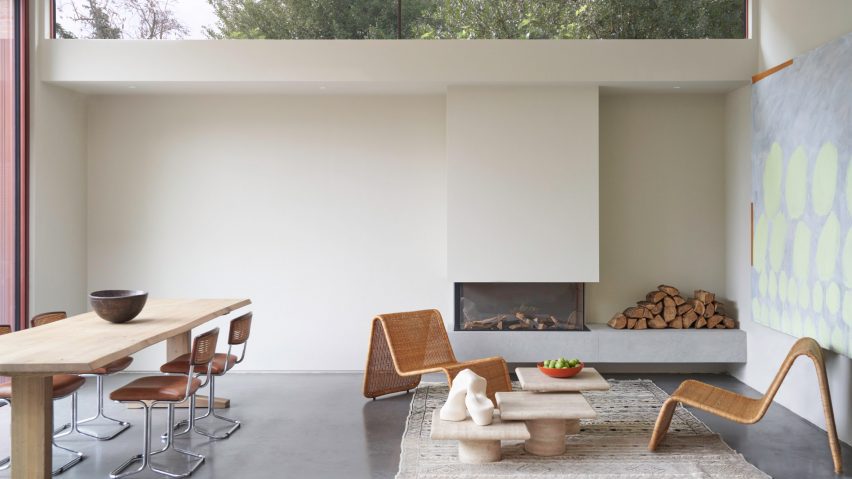
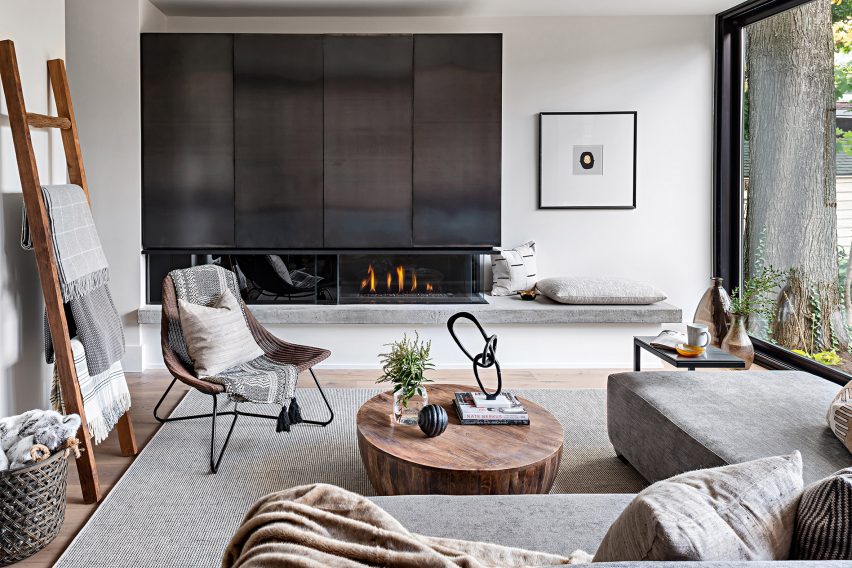
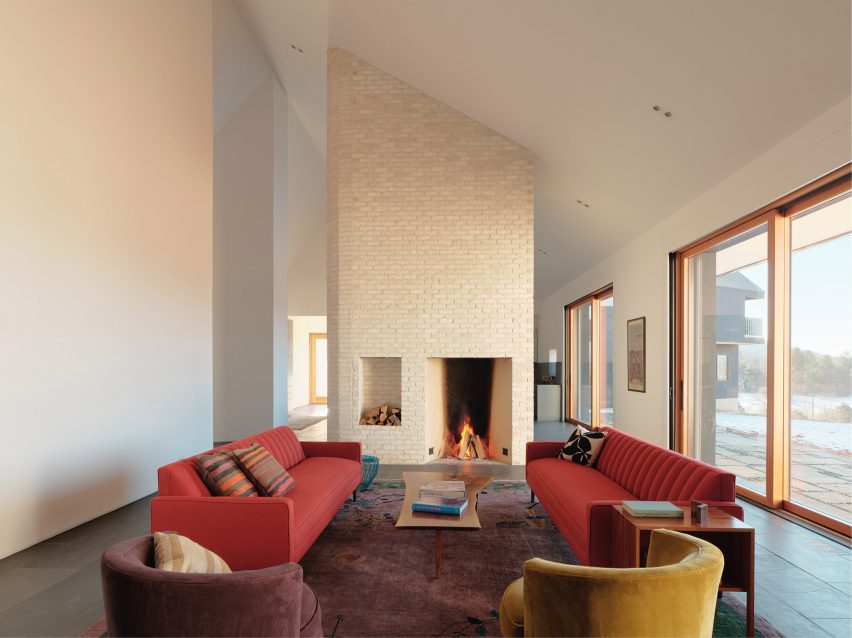
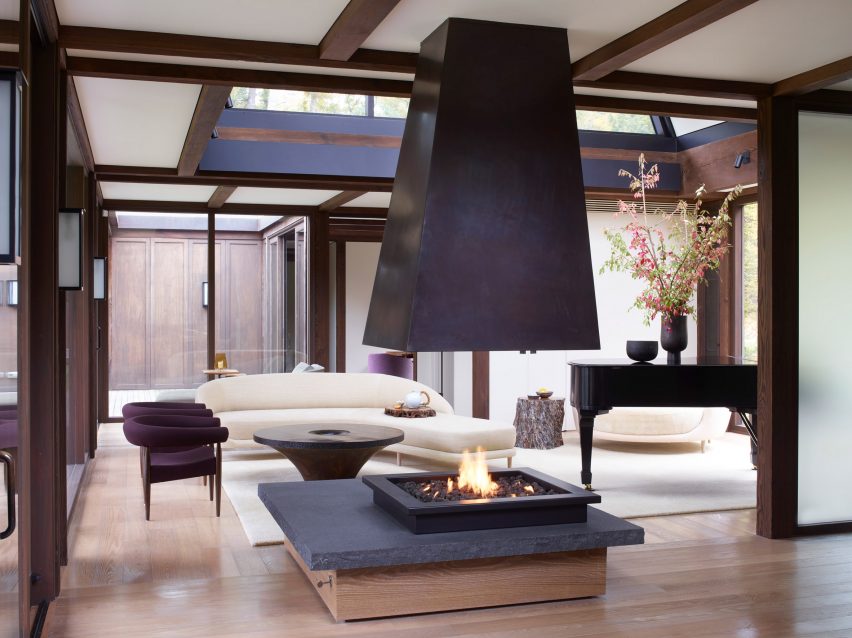
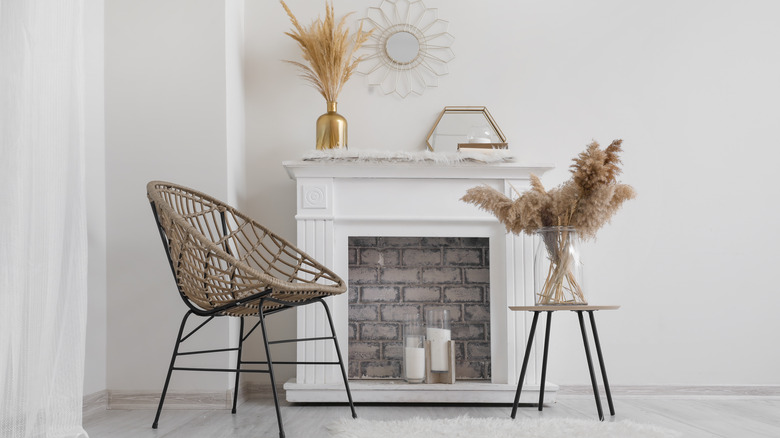
Finally, the hearthstone is a critical component, designed to extend sufficiently to prevent embers from damaging carpets or floorboards. Building regulations often suggest a slightly raised hearthstone to indicate proximity danger, but alternatives like inlaid metal edges, fireguards, or fenders can serve the same purpose while reducing trip hazards. The hearthstone can match the fireplace material, with limestone offering a cohesive look. Slate is a traditional and inexpensive option, while aged Carrara marble with a thin vein is considered an elegant choice. The article concludes with a gallery of diverse fireplace ideas from various homes, showcasing different styles, materials, and decorative approaches.
#FireplaceIdeas #HomeDecor #InteriorDesign #Chimneypiece #Hearthstone #Renovation #PeriodStyle #MaterialSelection #FireplaceAccessories #FireplaceIdeas #HomeDecor #InteriorDesign #Chimneypiece #Hearthstone #Renovation #PeriodStyle #MaterialSelection #FireplaceAccessories
0 comment in total
 No comments yet
You may also like
Fireplace Ideas and Installation

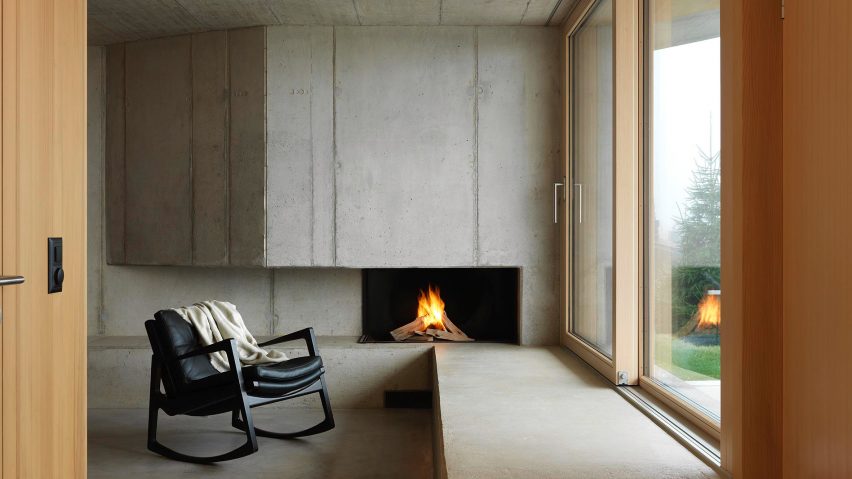
Ten striking fireplaces at the heart of the home
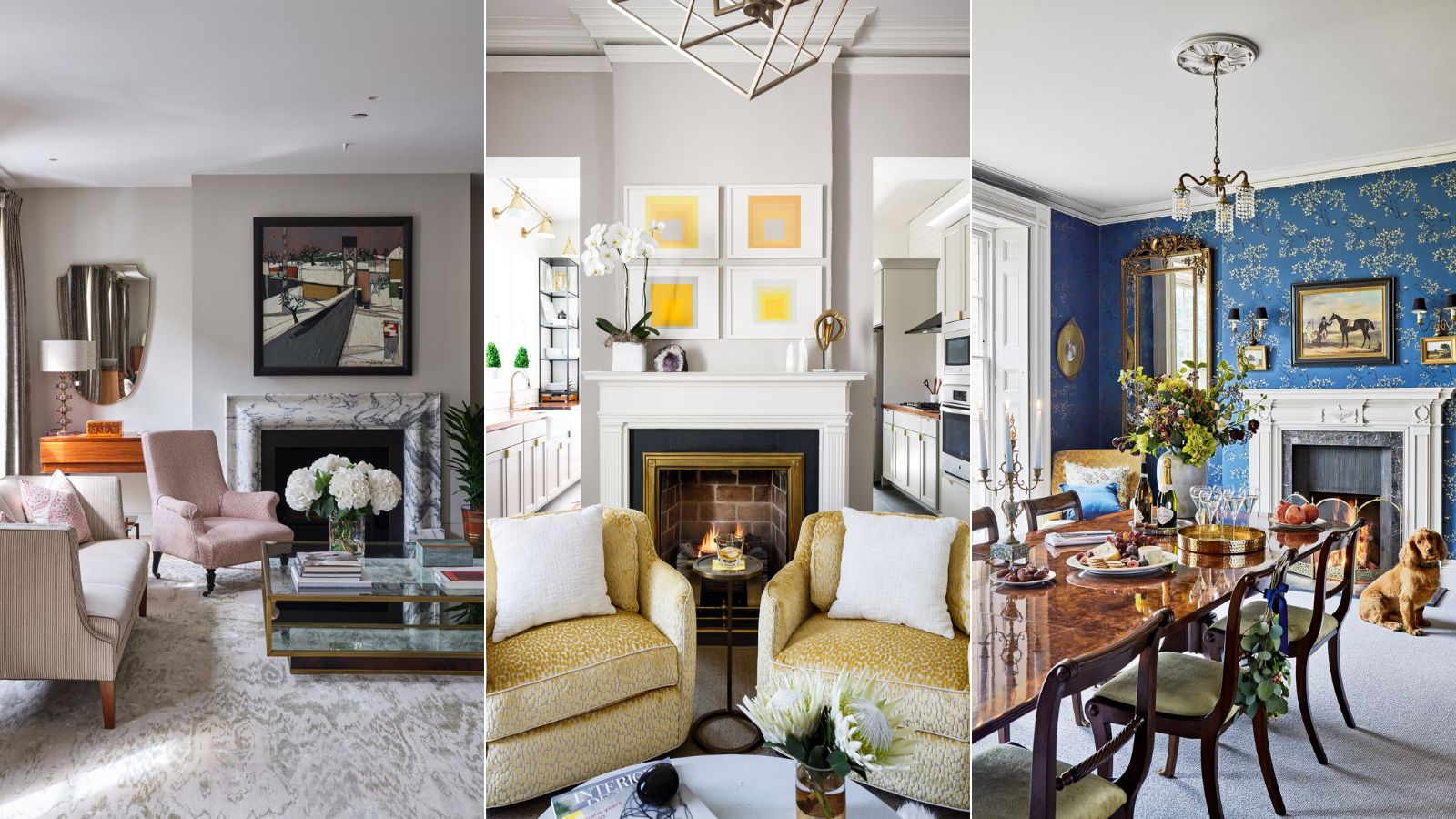
Fireplace ideas – 18 fabulous ways with fireplace design

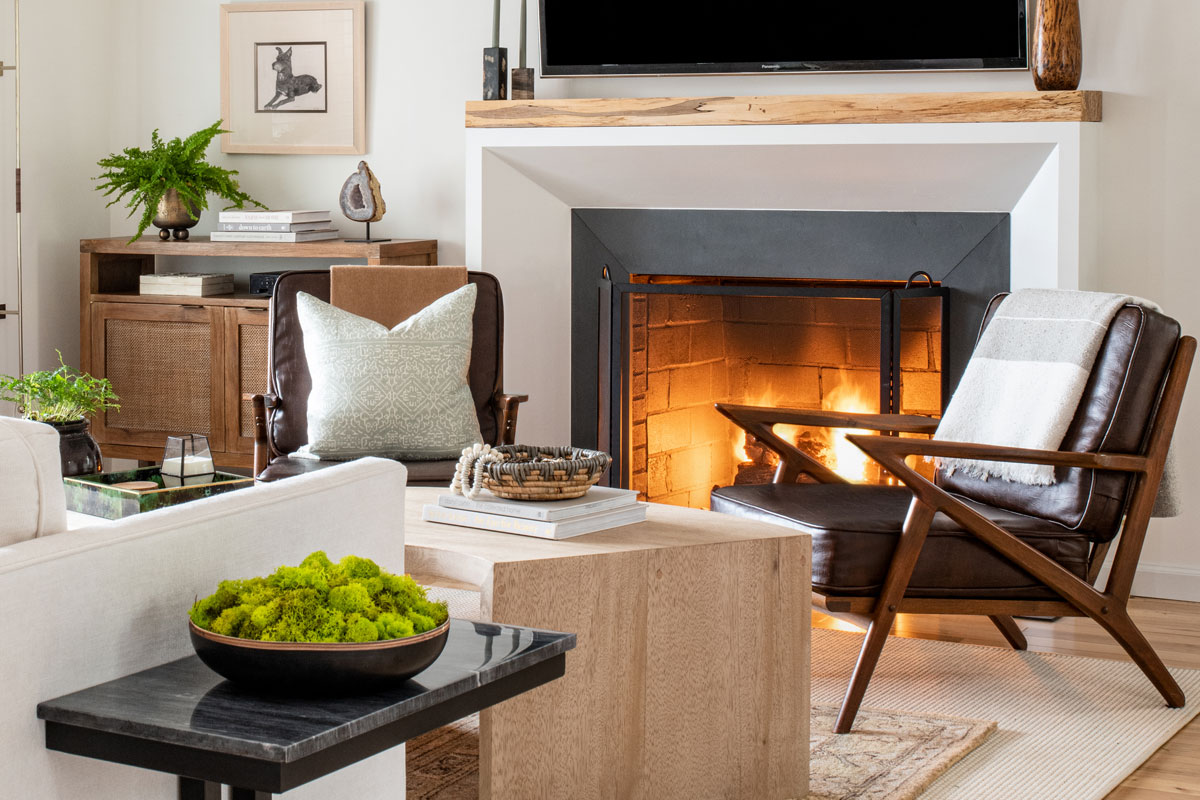
How to make fireplace season even better
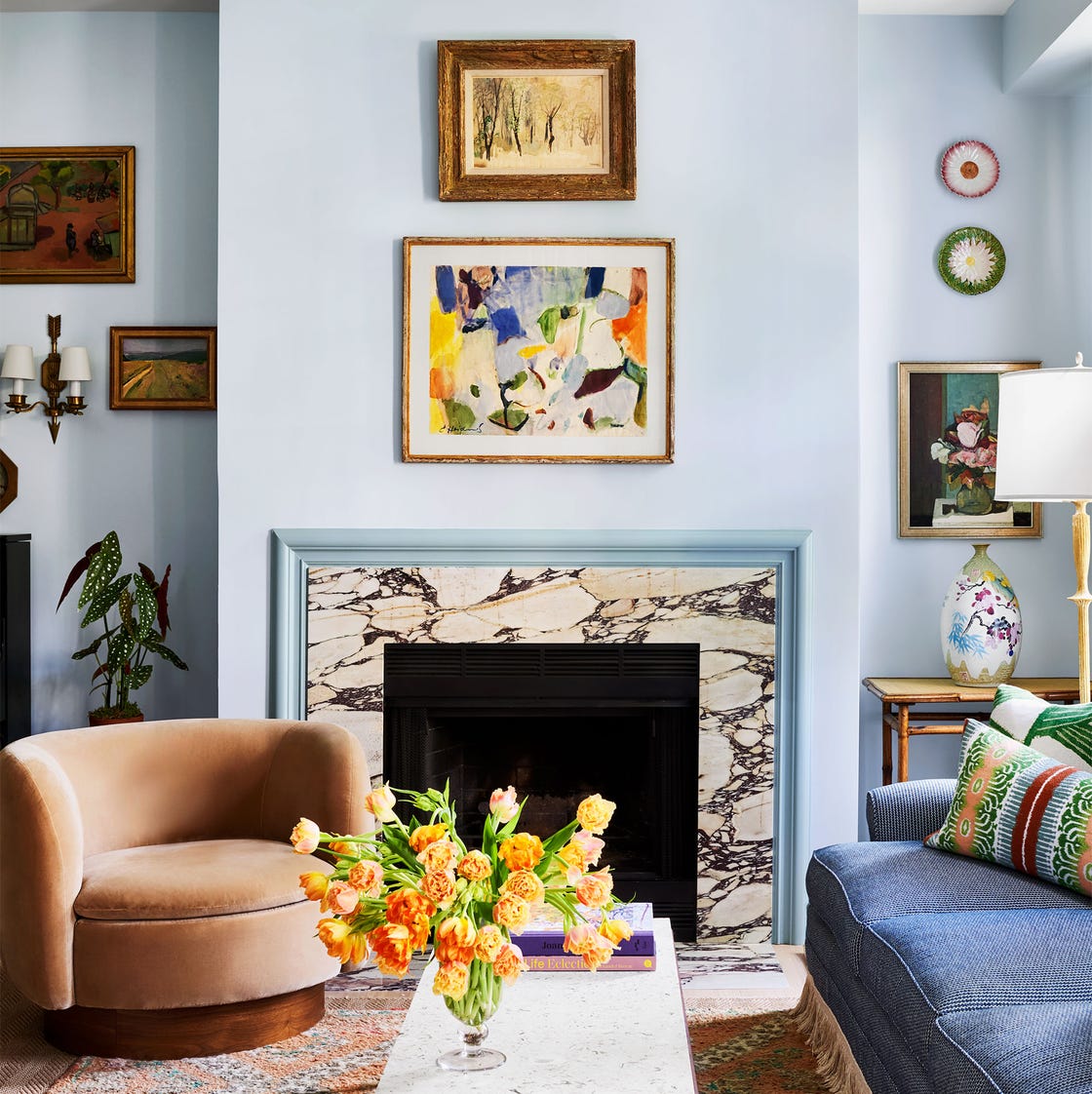
77 Fireplace Ideas to Bring a Much-Needed Spark to Your Space
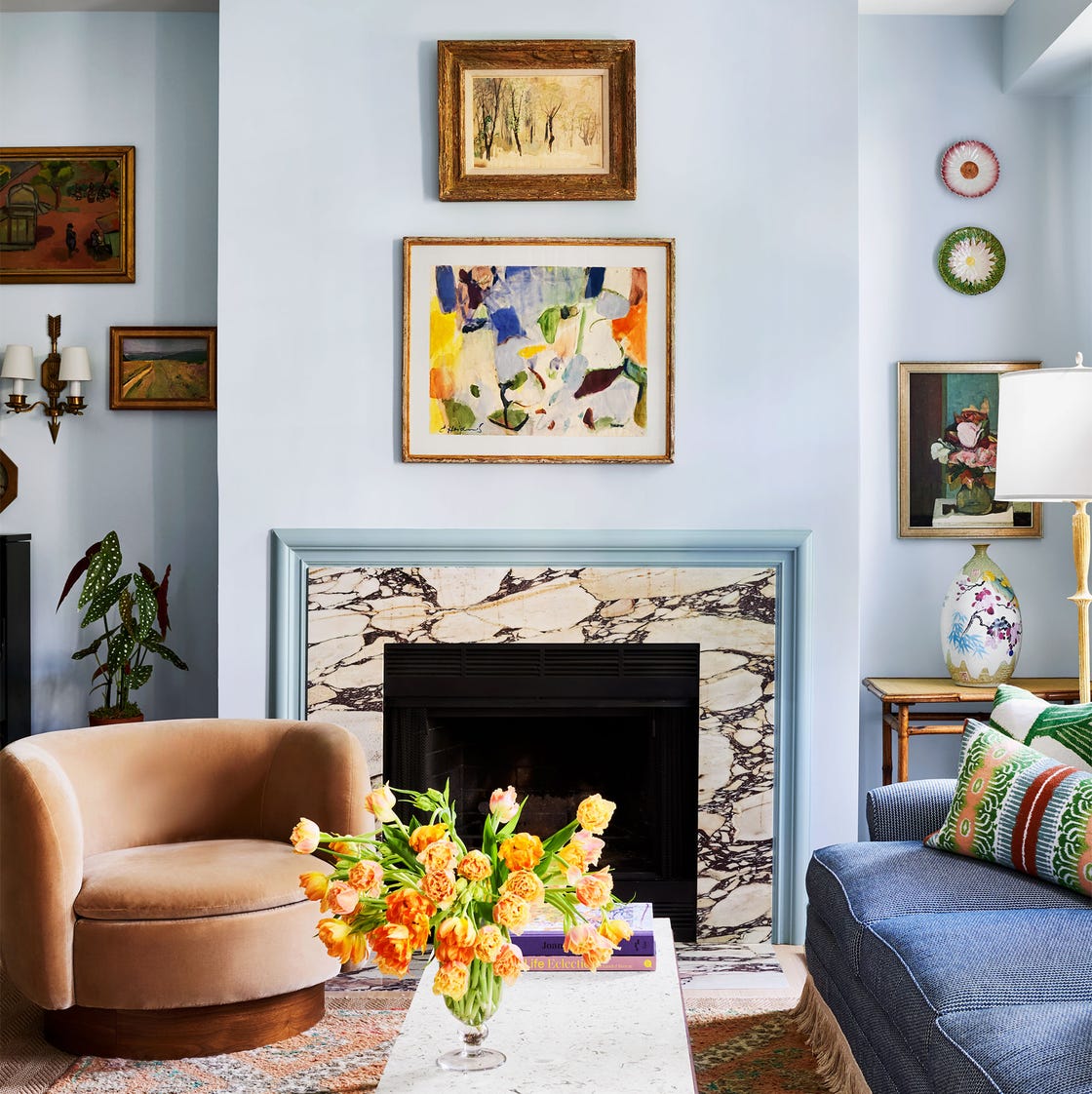
70 Fireplace Ideas to Bring the Coziest Vibes to Your Space

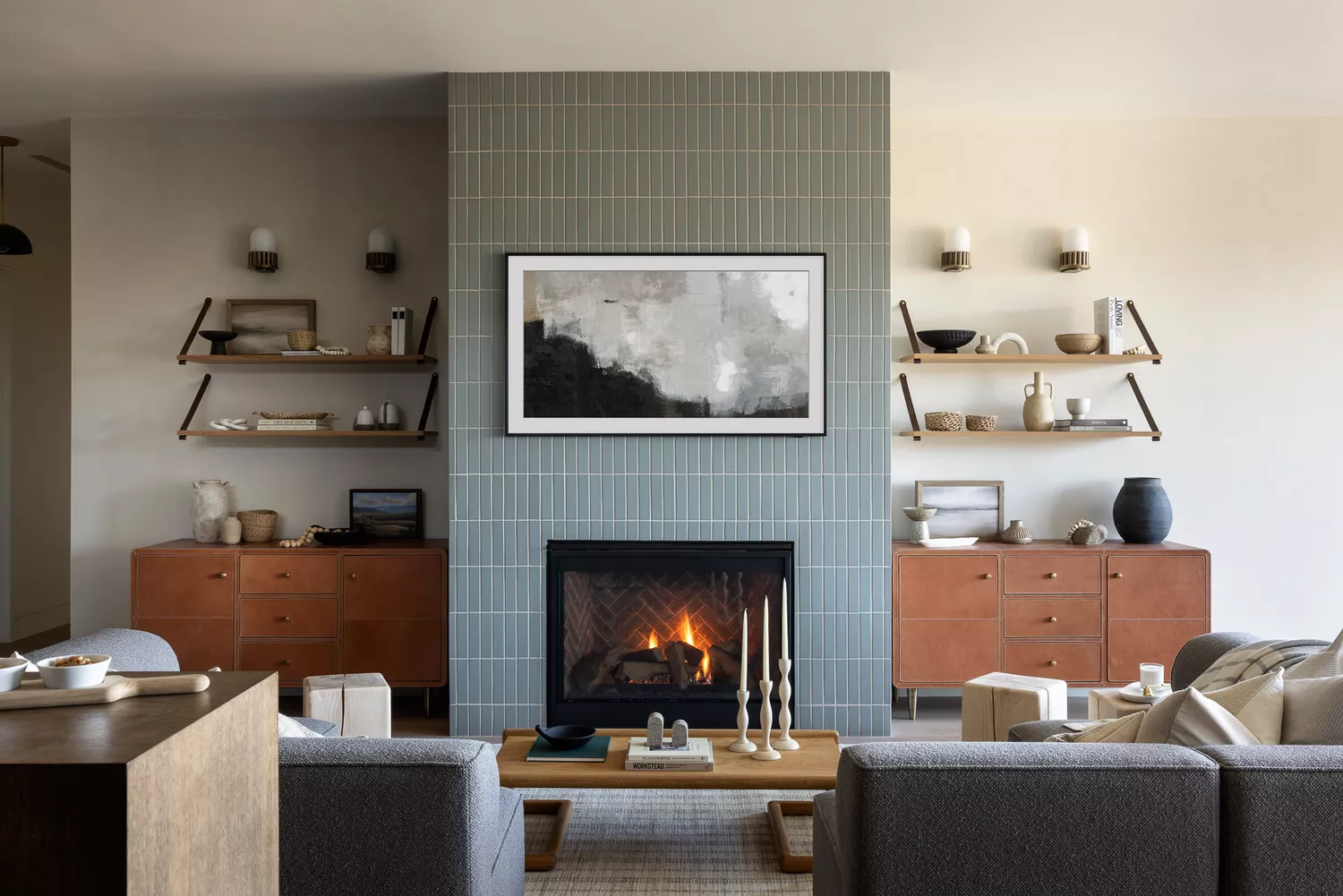
31 Modern Fireplace Ideas That'll Help You Create the Ultimate Cozy Space

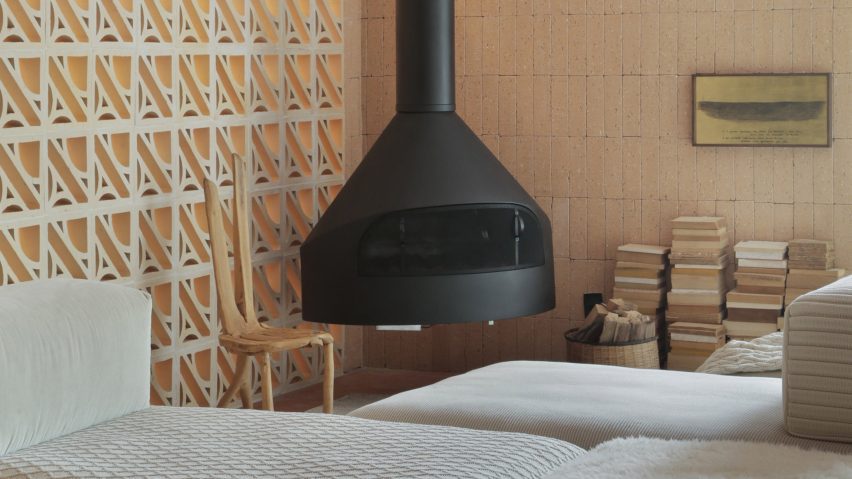
Eight living spaces anchored by statement fireplaces
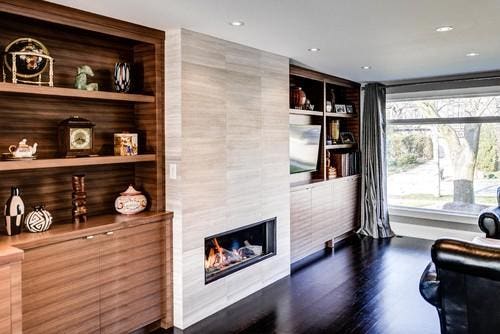
8 Fireplaces That Catch the Eye

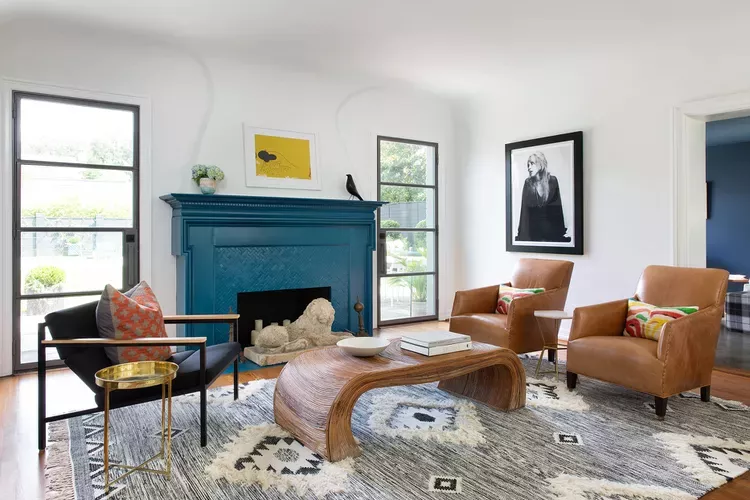
18 Painted Fireplace Ideas for a Cozy, Modern Update
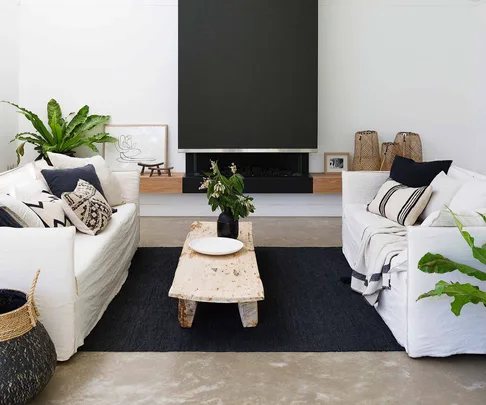
14 modern fireplace ideas that will transform your home

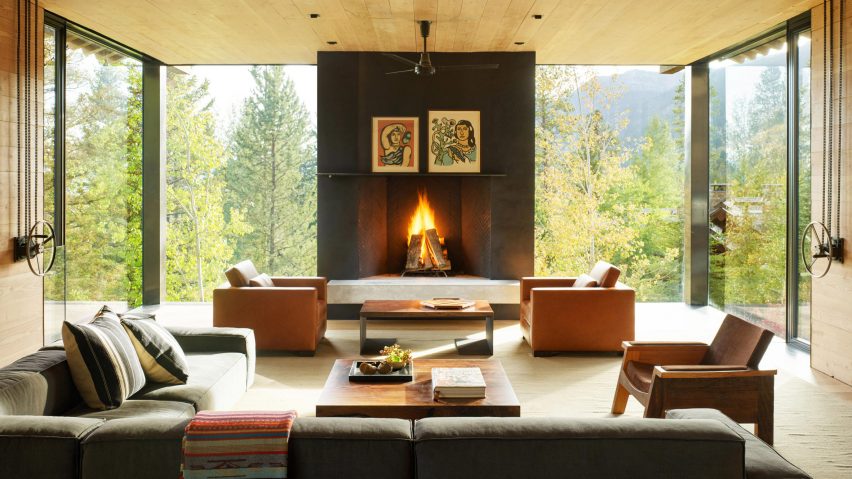
Ten welcoming living rooms where the fireplace takes centre stage
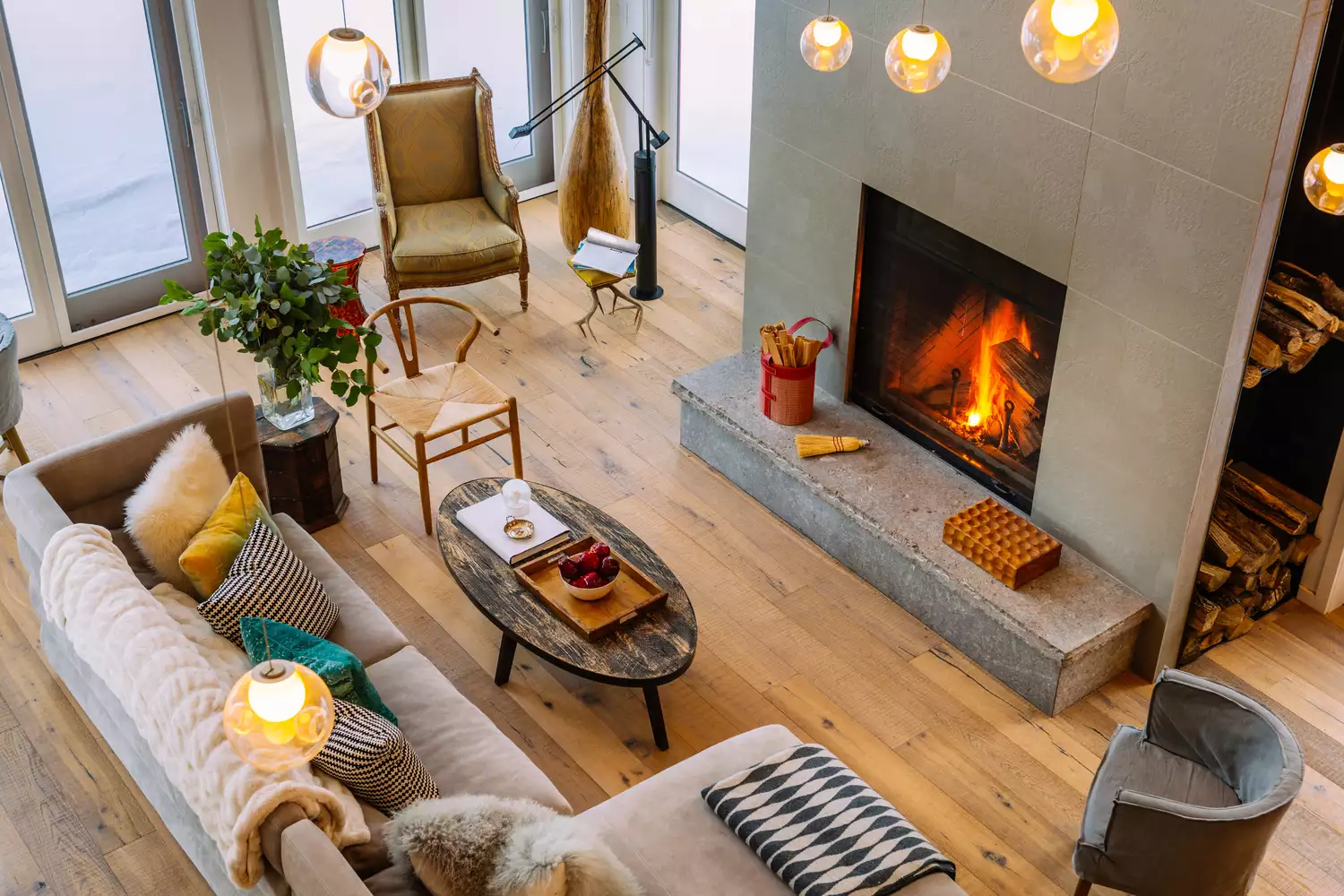
50 Gorgeous Fireplace Ideas for a Cozy, Refined Space

Turn your nonworking fireplace into something beautiful

Designer-Approved Ways to Make Your Fireplace the Centerpiece of Your Home

How To Decorate A Fireplace Hearth
The art of hearth: Beautiful ideas to rejuvenate your fireplace, from £1,250 to £22,000
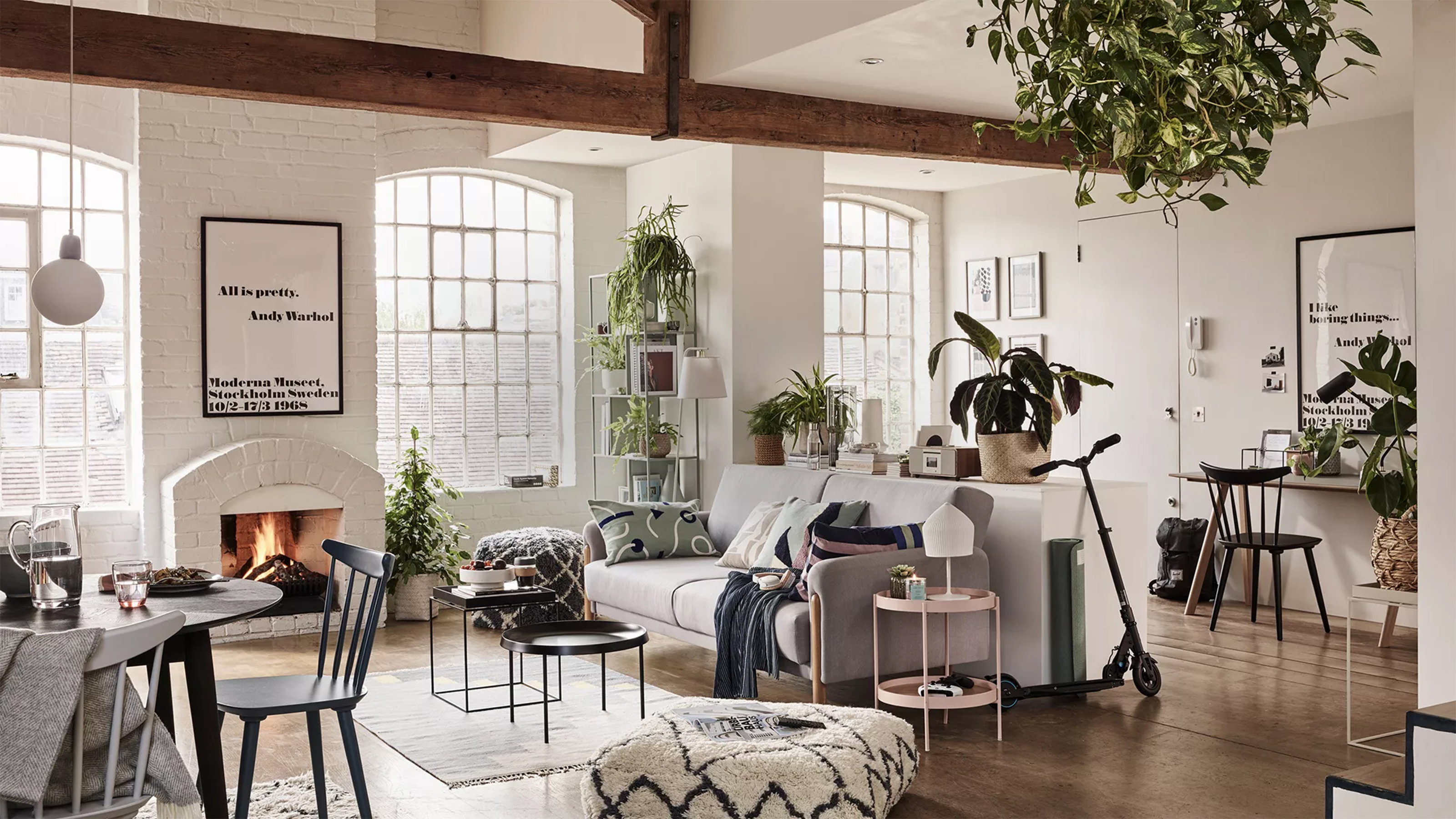
29 fireplace ideas to give your home all the cozy vibes

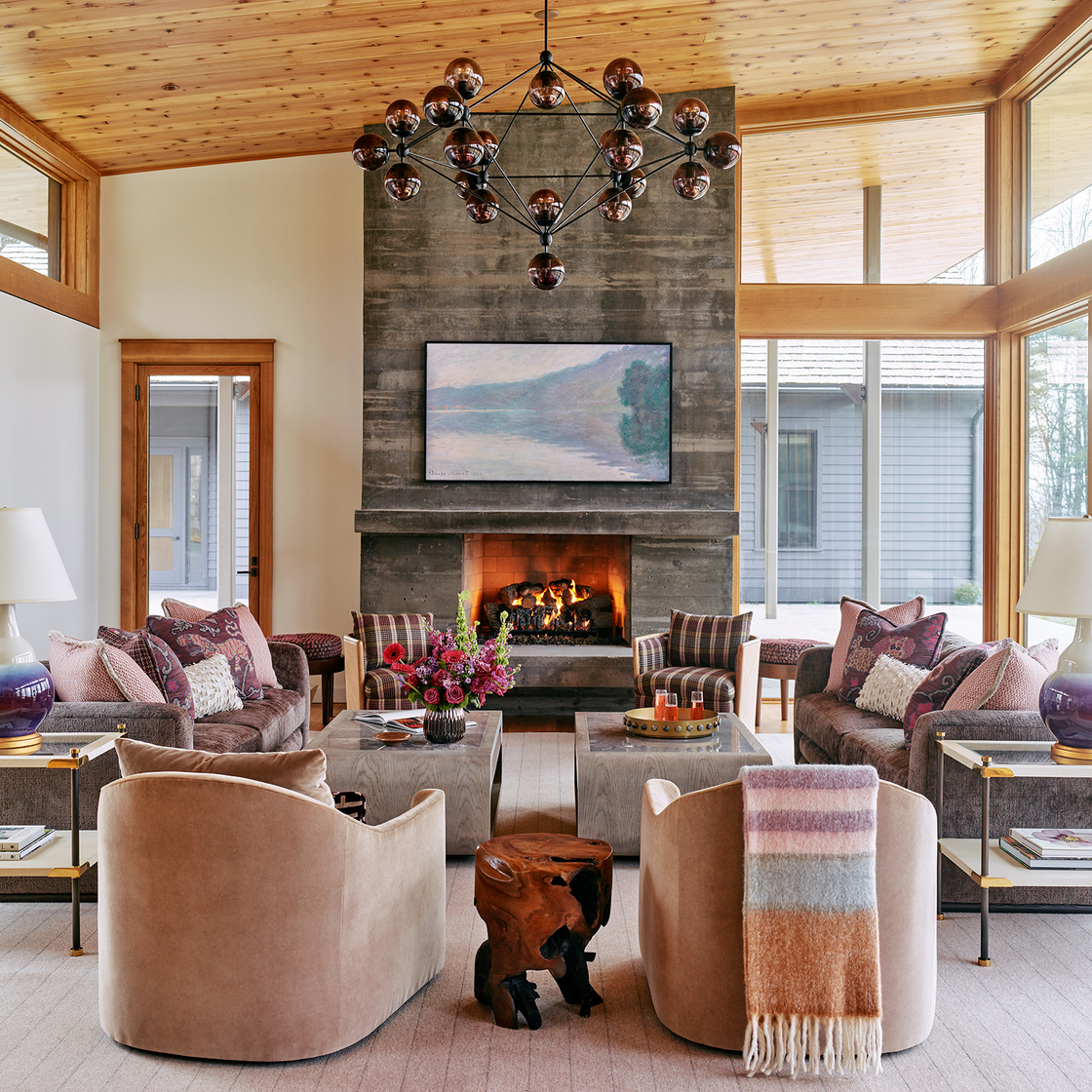
How to Make Your Fireplace the Centerpiece of Your Entire Home, According to Designers
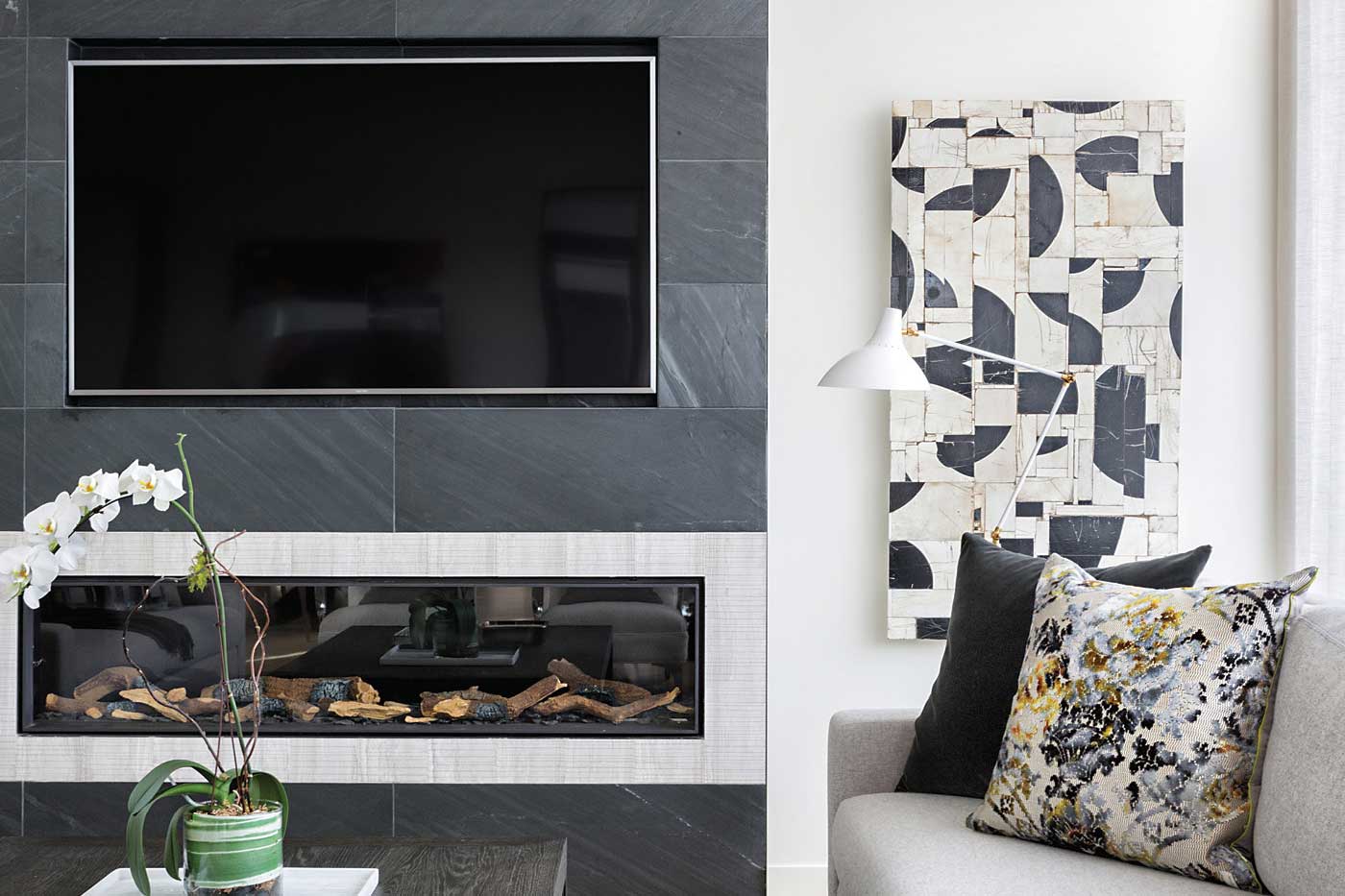
What to Consider When Choosing a Home Fireplace