1/22
Why Are Gorgeous Mudrooms Suddenly Everywhere? Here Are 36 We Love
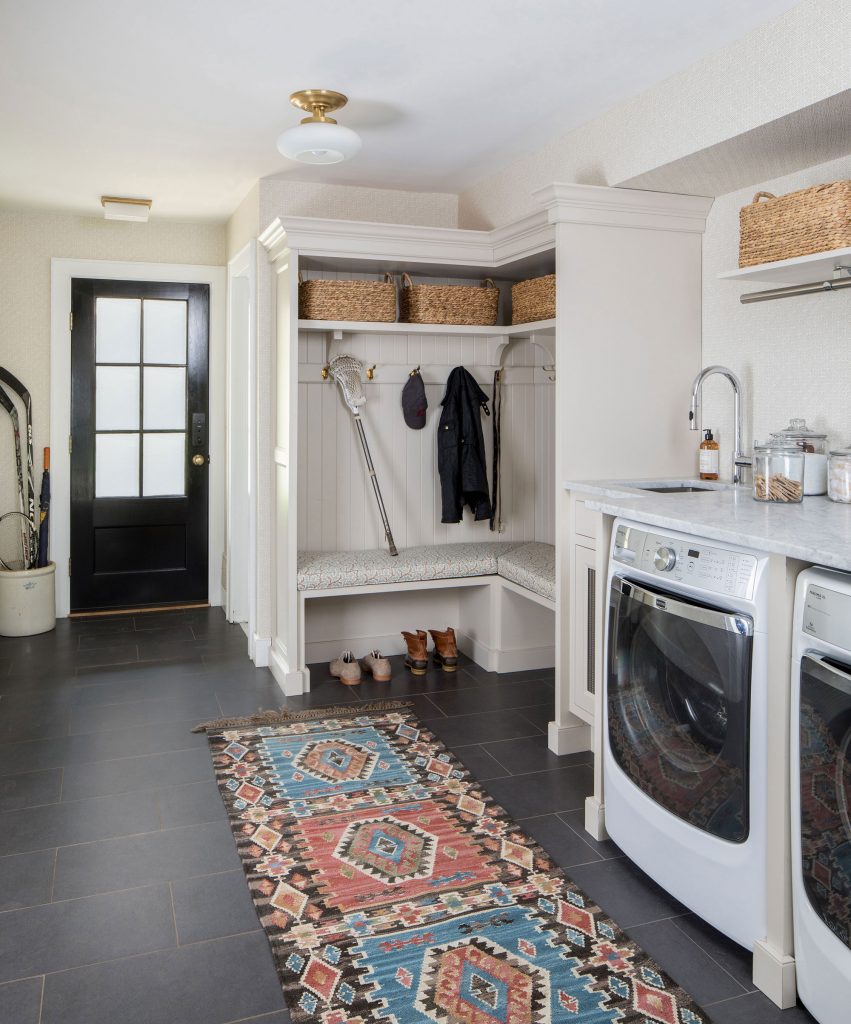
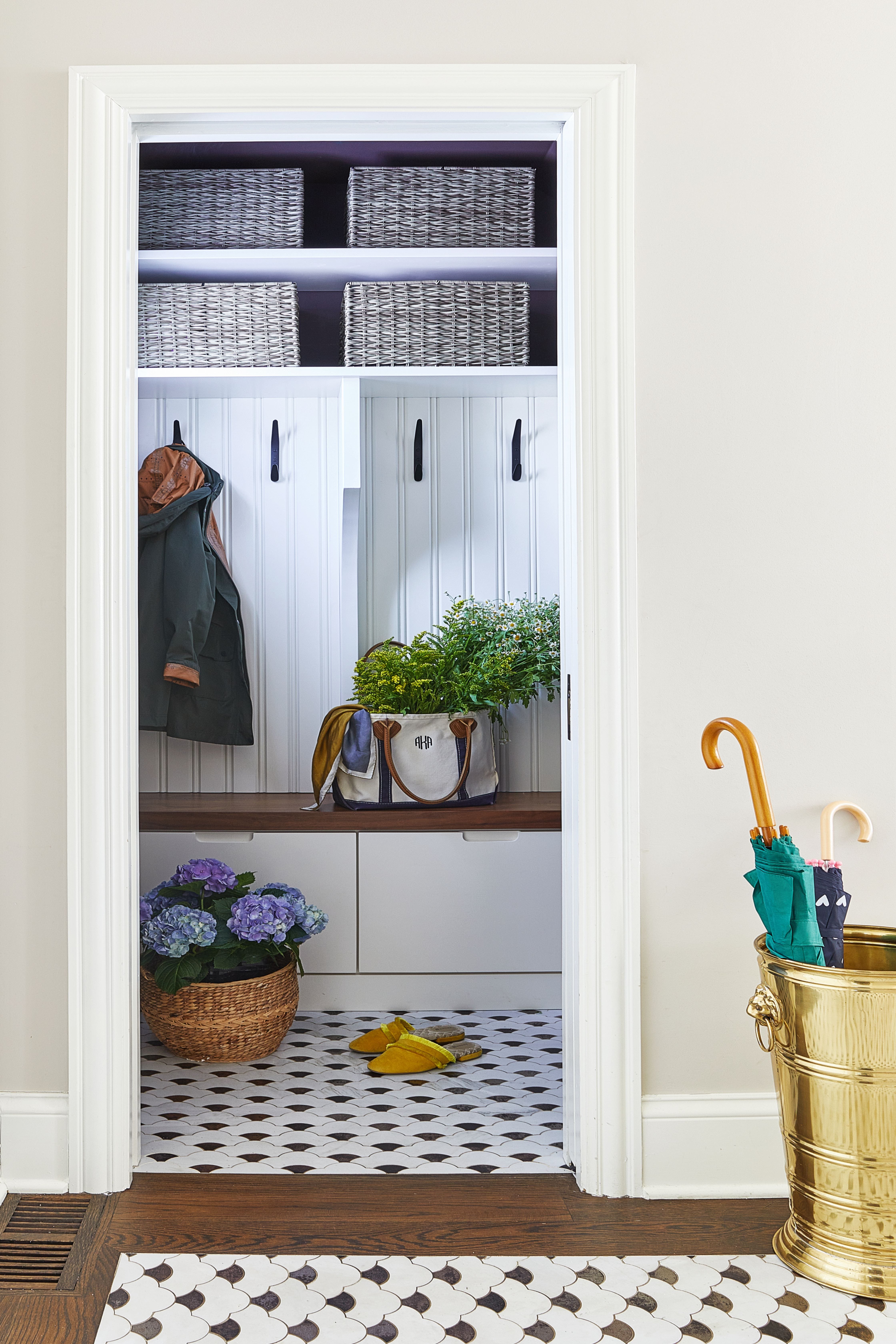
Mudrooms, often considered a highly requested feature in modern homes, serve as a functional transition space between the outdoors and the main living areas. Unlike a formal entryway, a mudroom is typically less formal and positioned to accommodate the removal of dirty footwear and outerwear, preventing mess from spreading throughout the house. While popular in the 19th century, their utility remains significant today, especially in homes that frequently contend with mud, snow, or other outdoor elements.
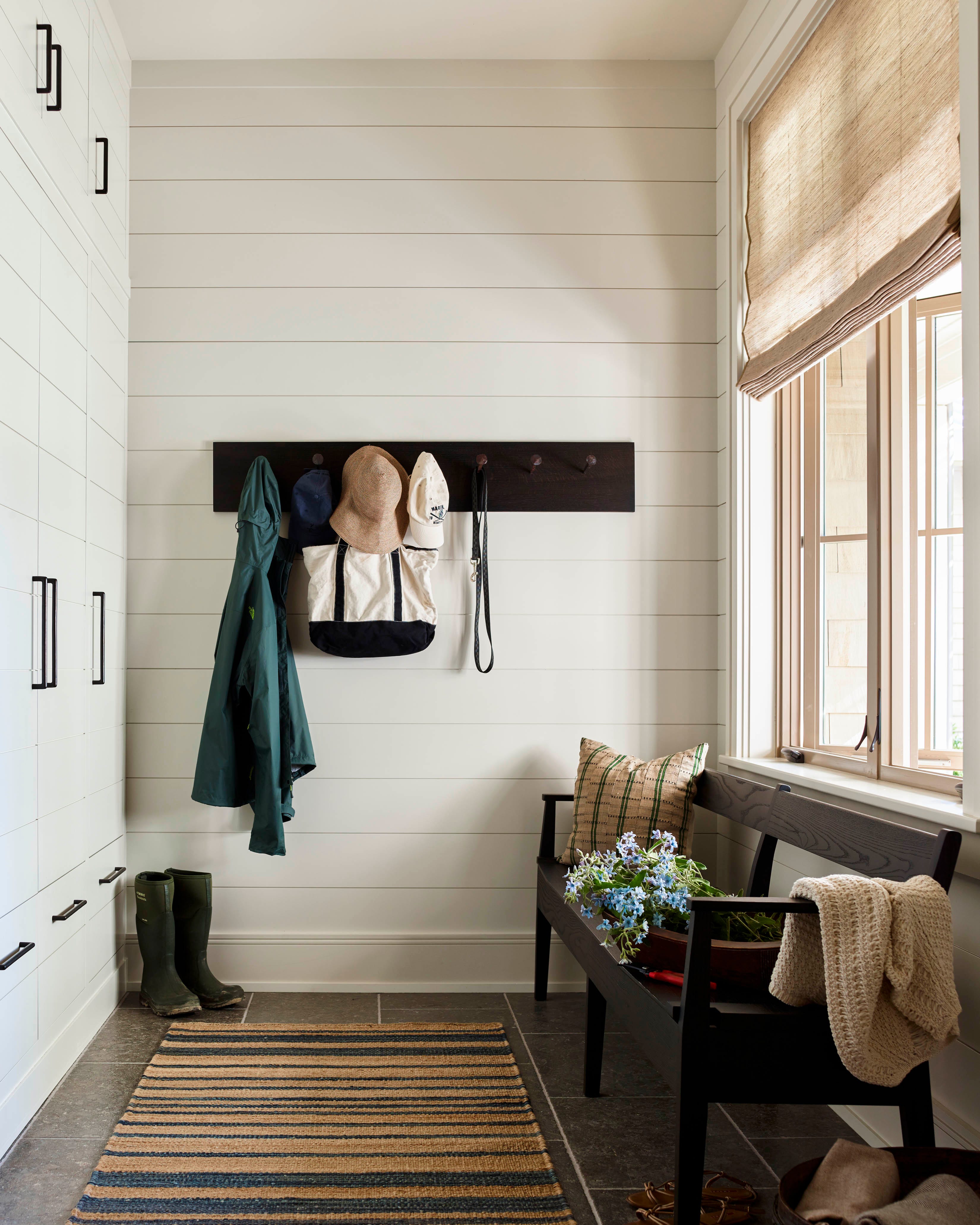
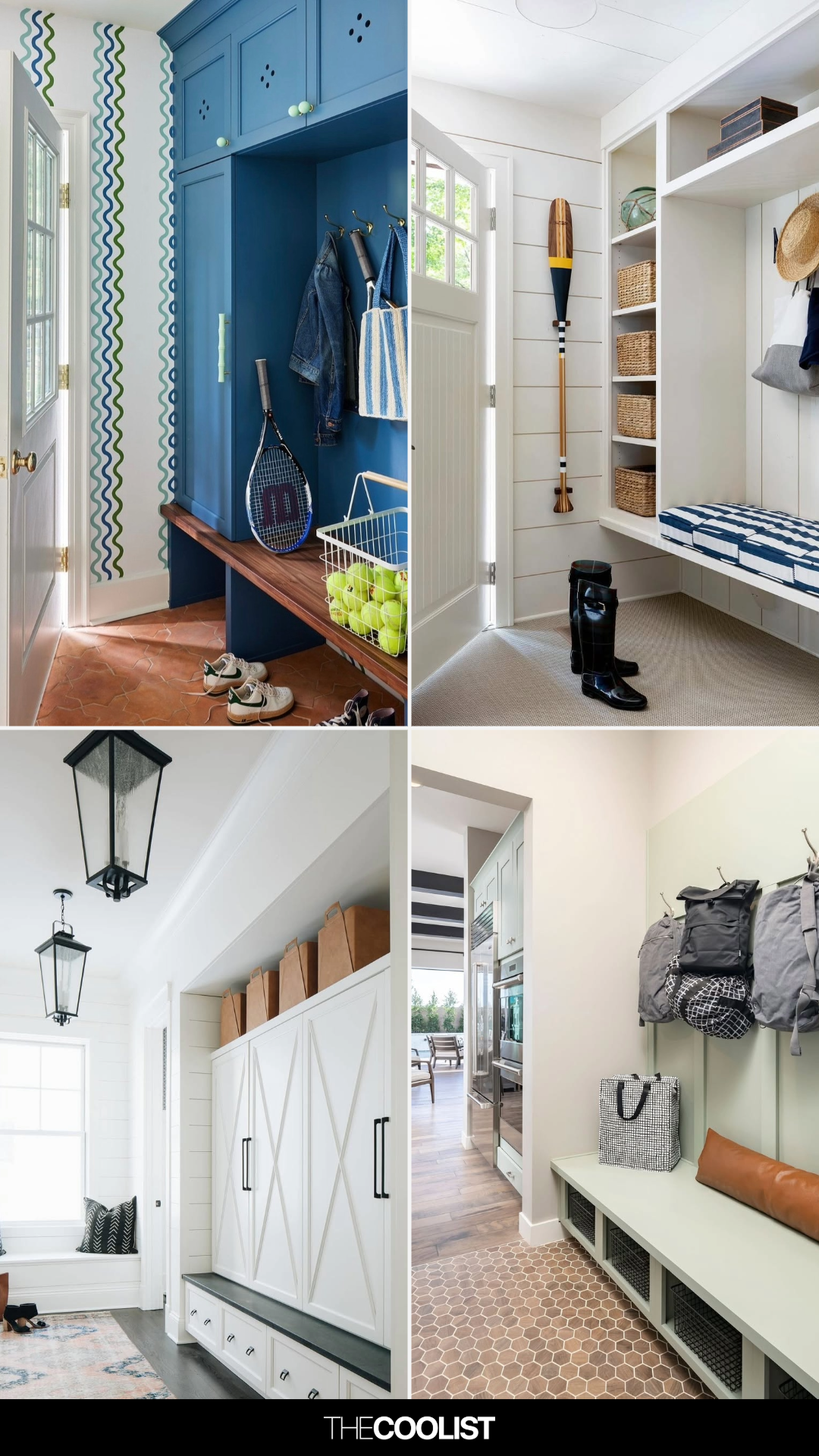
Designers emphasize the importance of blending functionality with aesthetic appeal in mudroom design. For instance, incorporating shiplap paneling, painted in bright colors, can visually expand smaller spaces and add a crisp, clean feel, extending even to concealed storage. Preserving the historical integrity of older homes is also a key consideration, where elements like mahogany paneling and substantial storage solutions around existing architectural features can honor the home's character while providing modern utility.
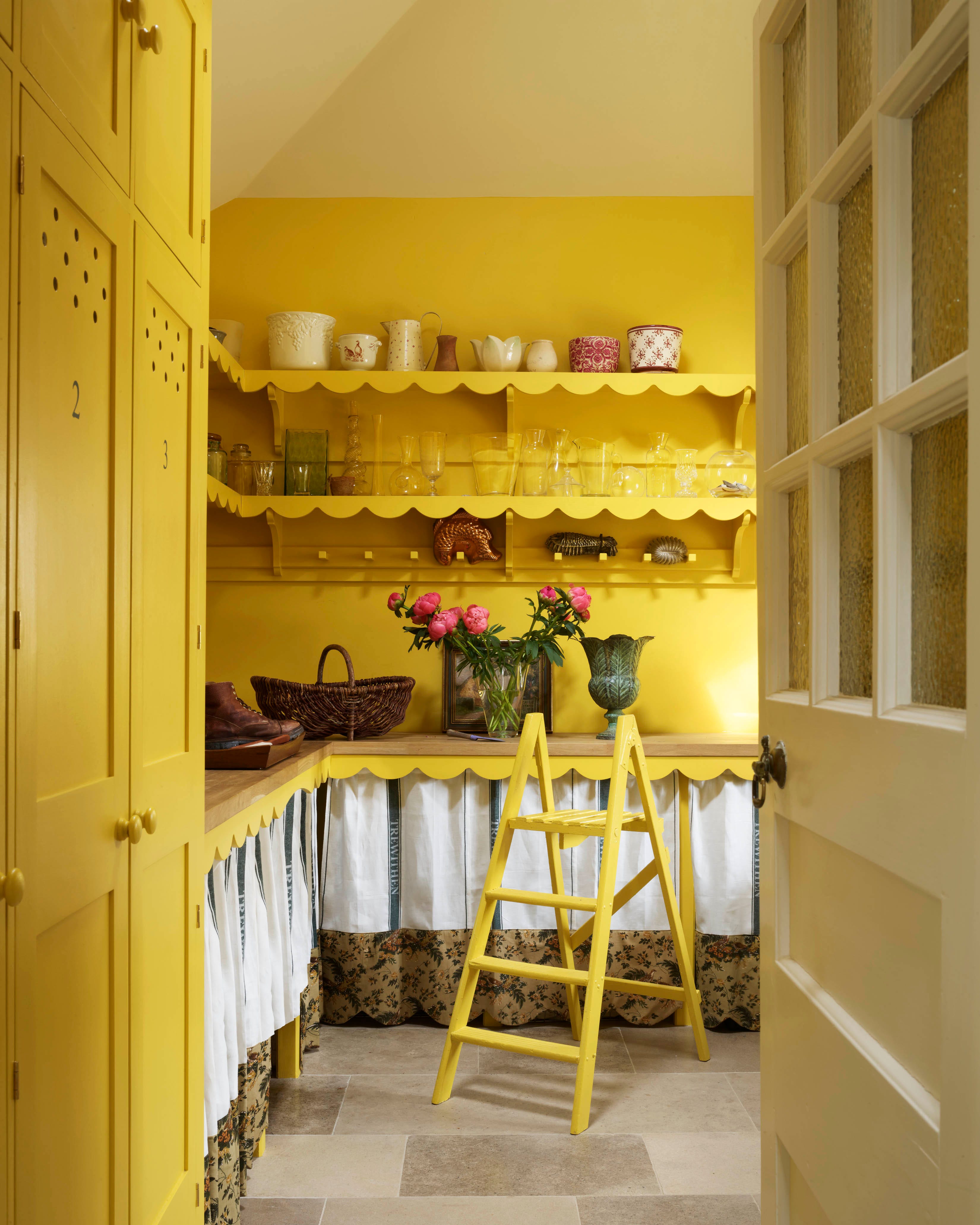
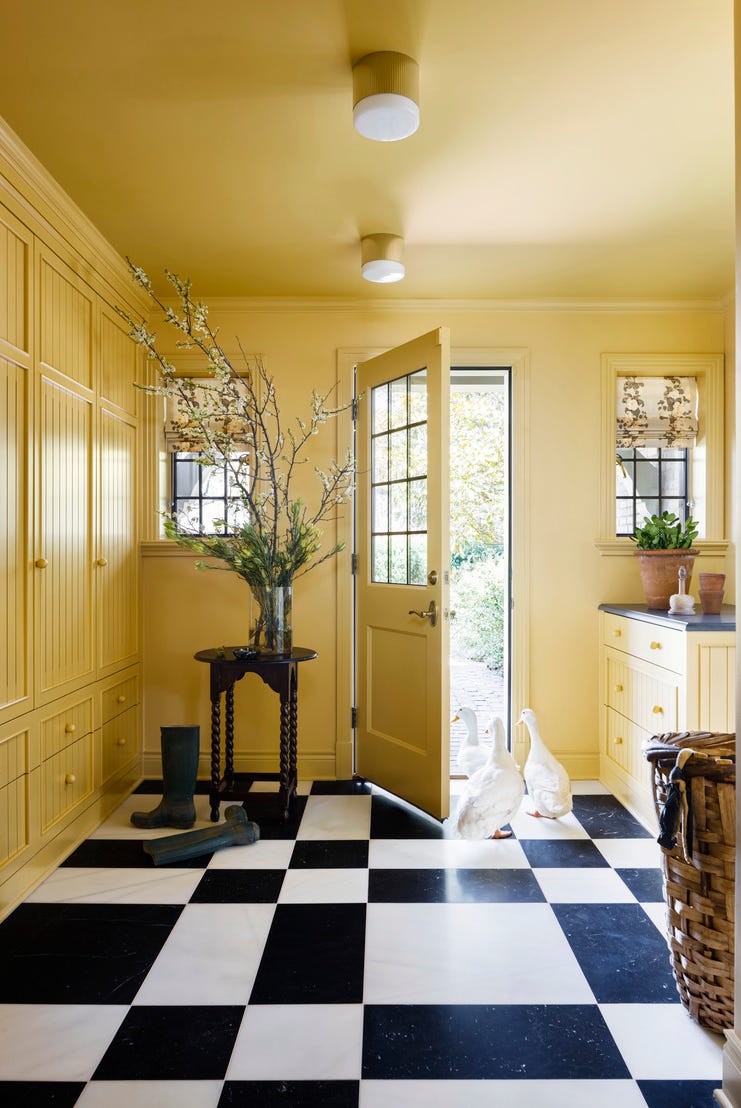
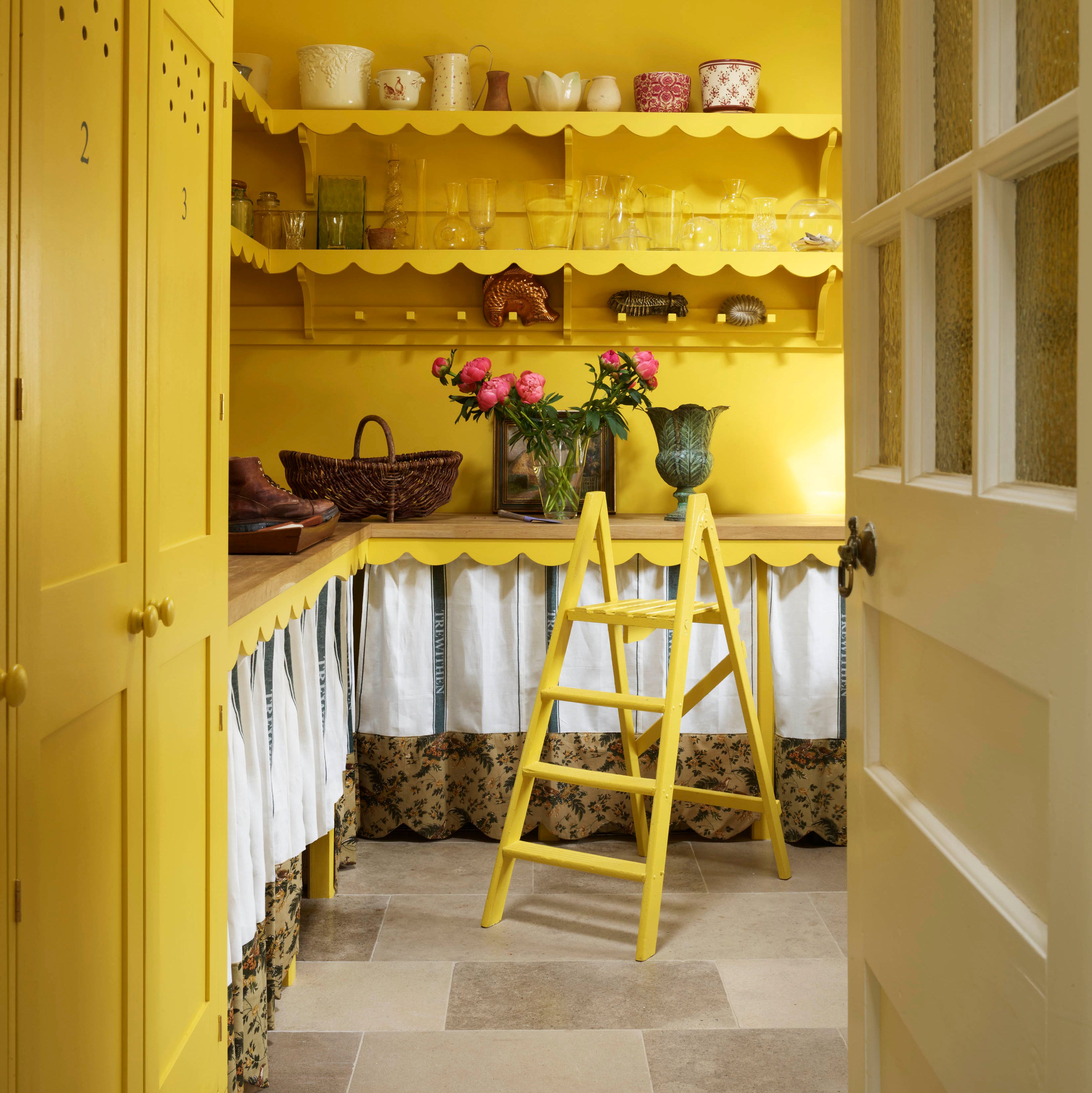
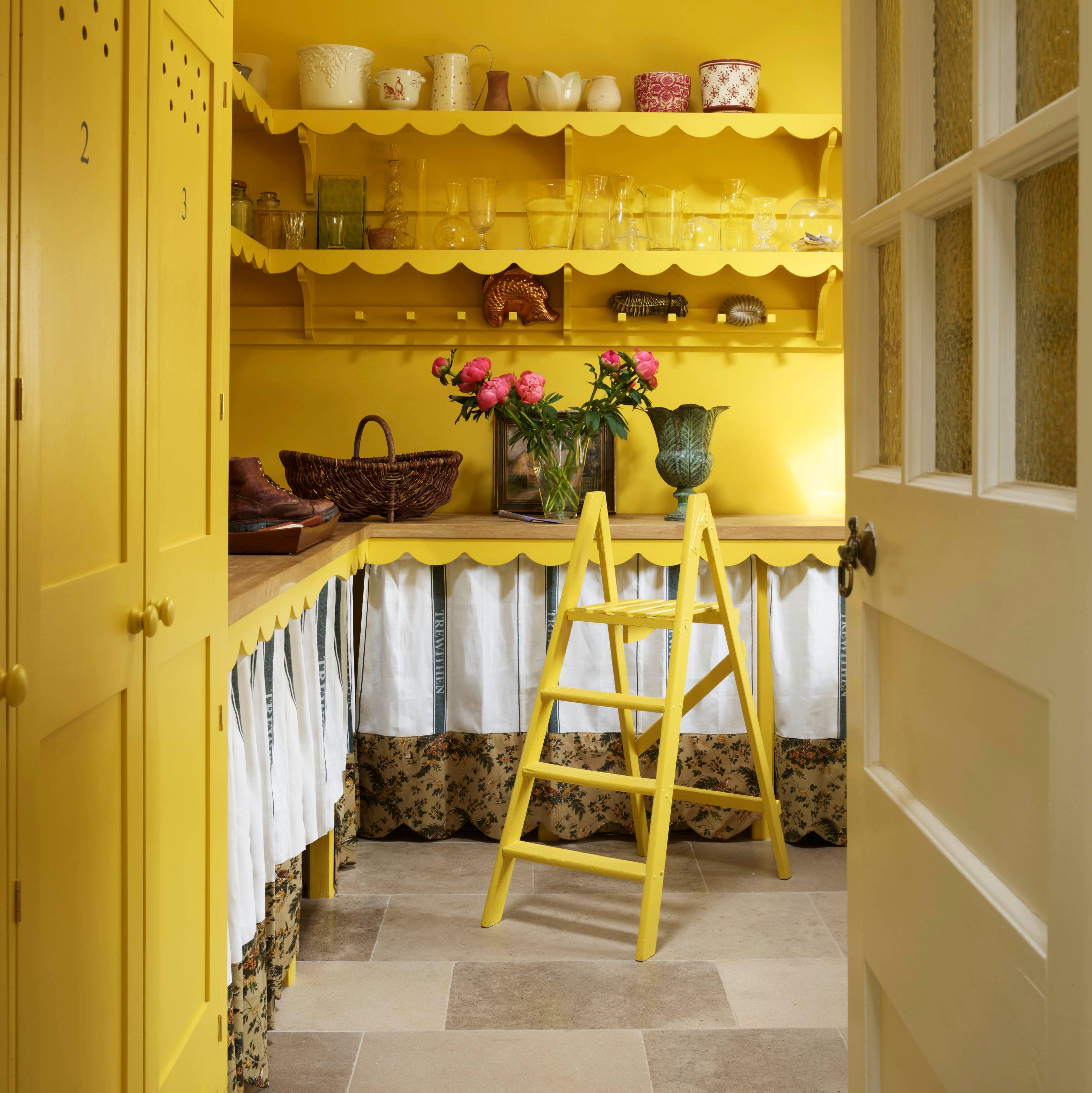
Color plays a vital role in mudroom design. Integrating sunny hues, such as Mister David by Little Greene, can inject playfulness and warmth into historic homes, with neutral curtains or salvaged fabrics helping to soften the vibrancy and conceal clutter. Repurposing antique materials, like European cobblestones for flooring, can add a unique, rustic charm and create a durable, practical surface for a high-traffic area.
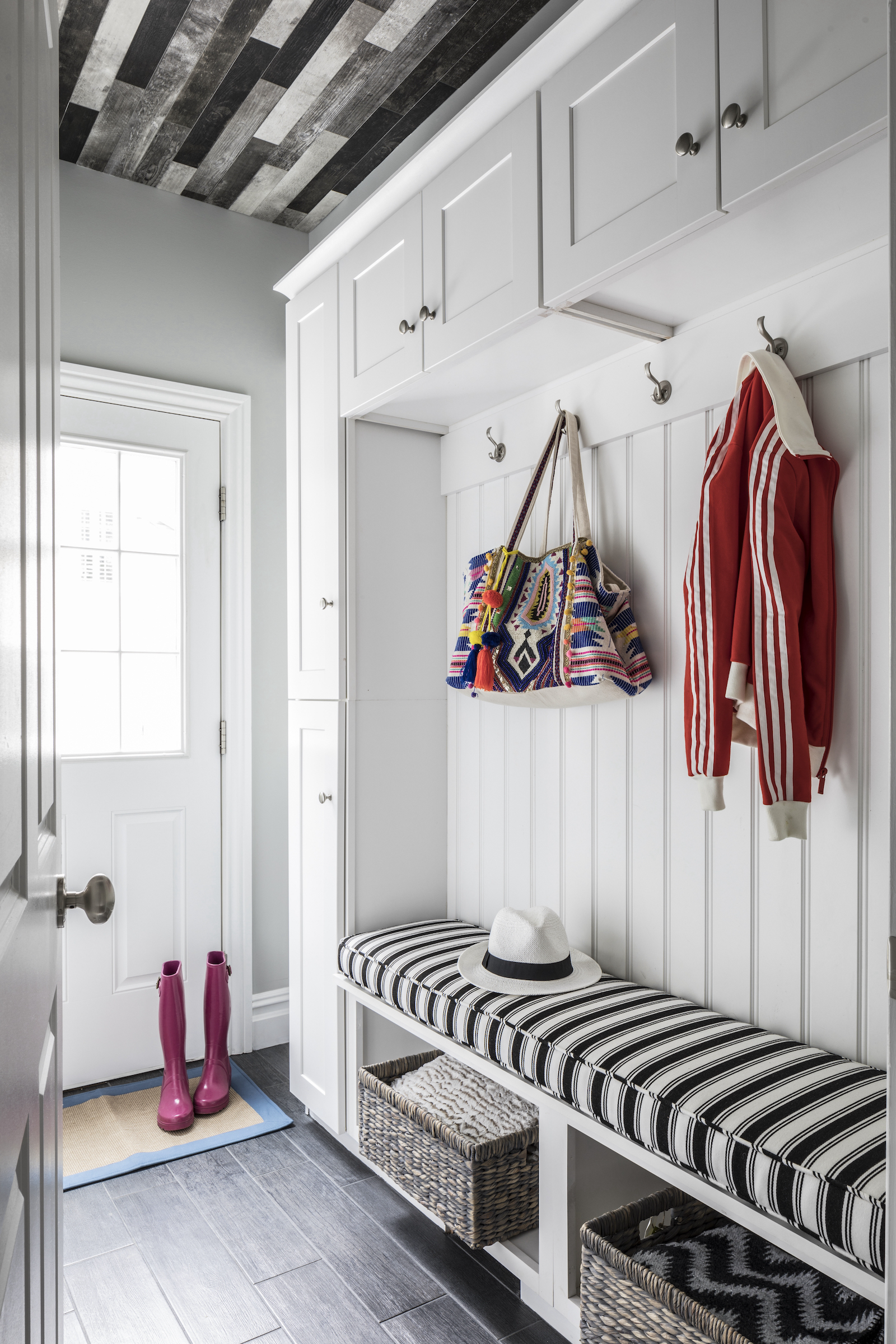
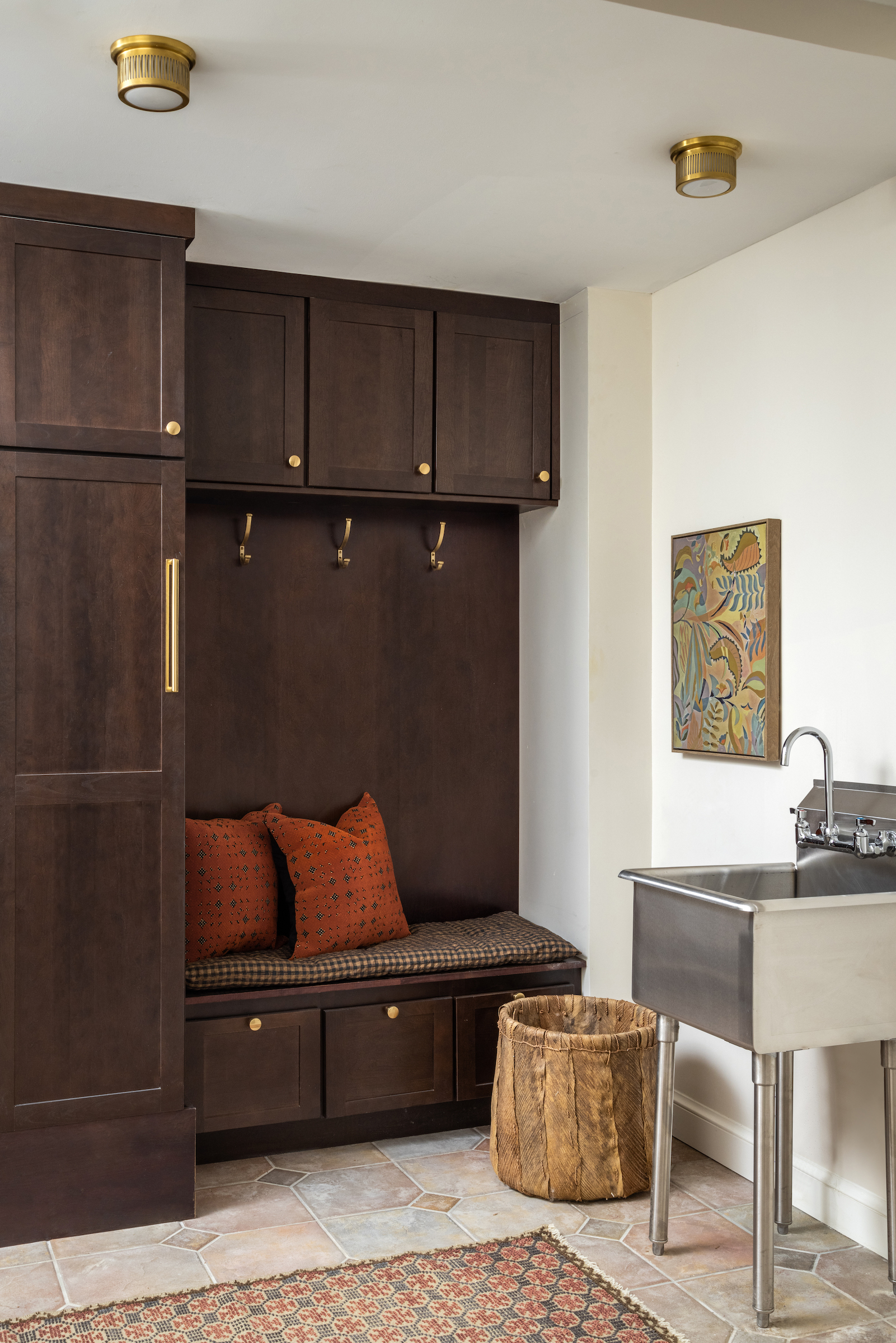
Modern mudrooms are increasingly seen as a standard feature in new constructions due to their practical benefits. Designers often outfit these spaces with stylish, color-drenched cabinetry, using bold shades like Farrow & Ball’s Brinjal to create dramatic contrast while maintaining functionality. The use of various patterns and shades, such as trellis-inspired detailing on cabinetry and star-dotted grasscloth wallpaper, can create saturated yet durable spaces capable of handling daily wear and tear.
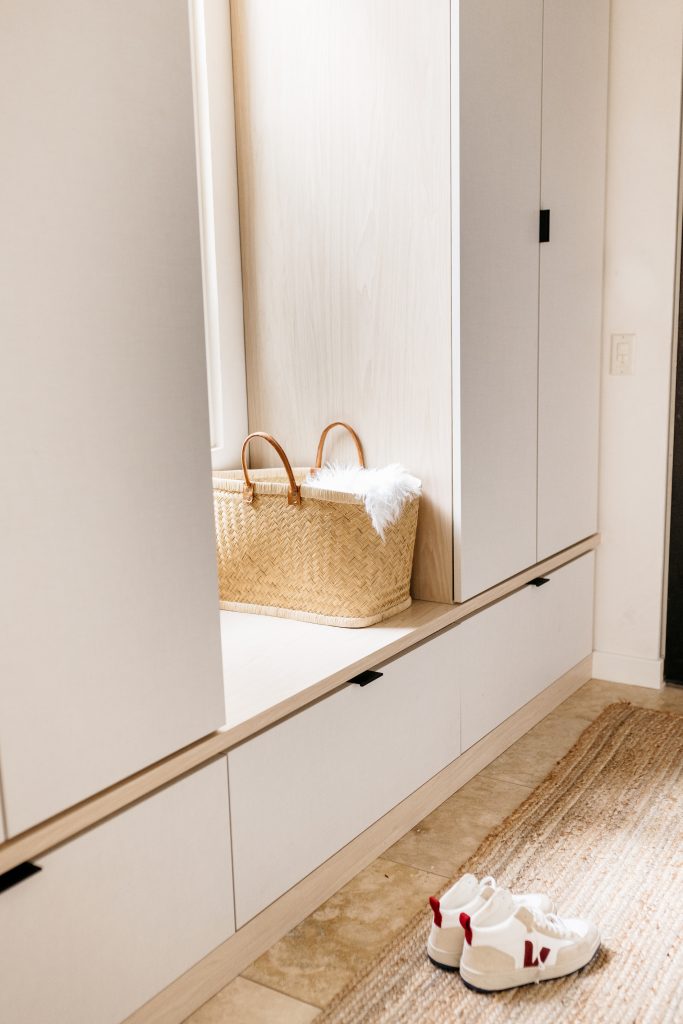
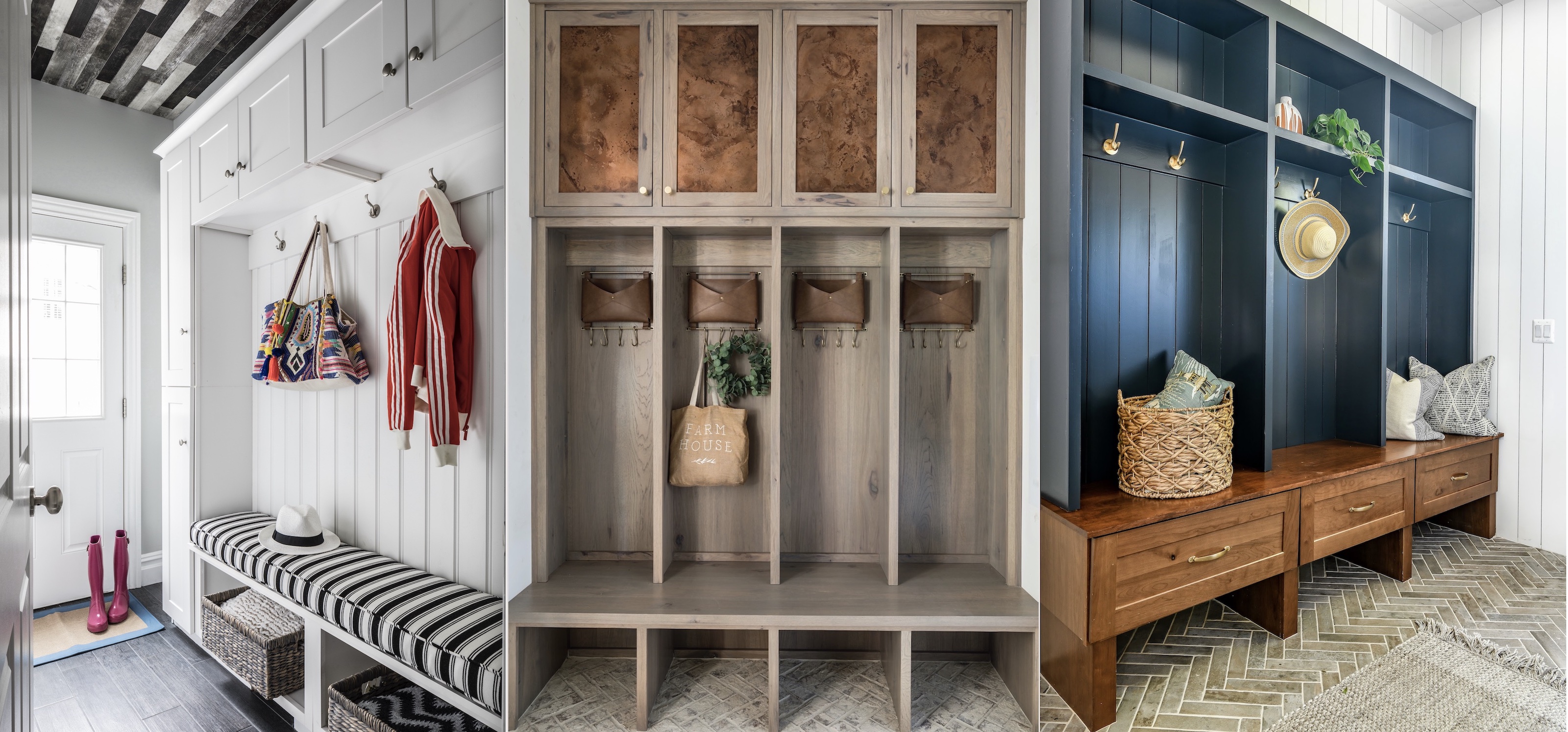
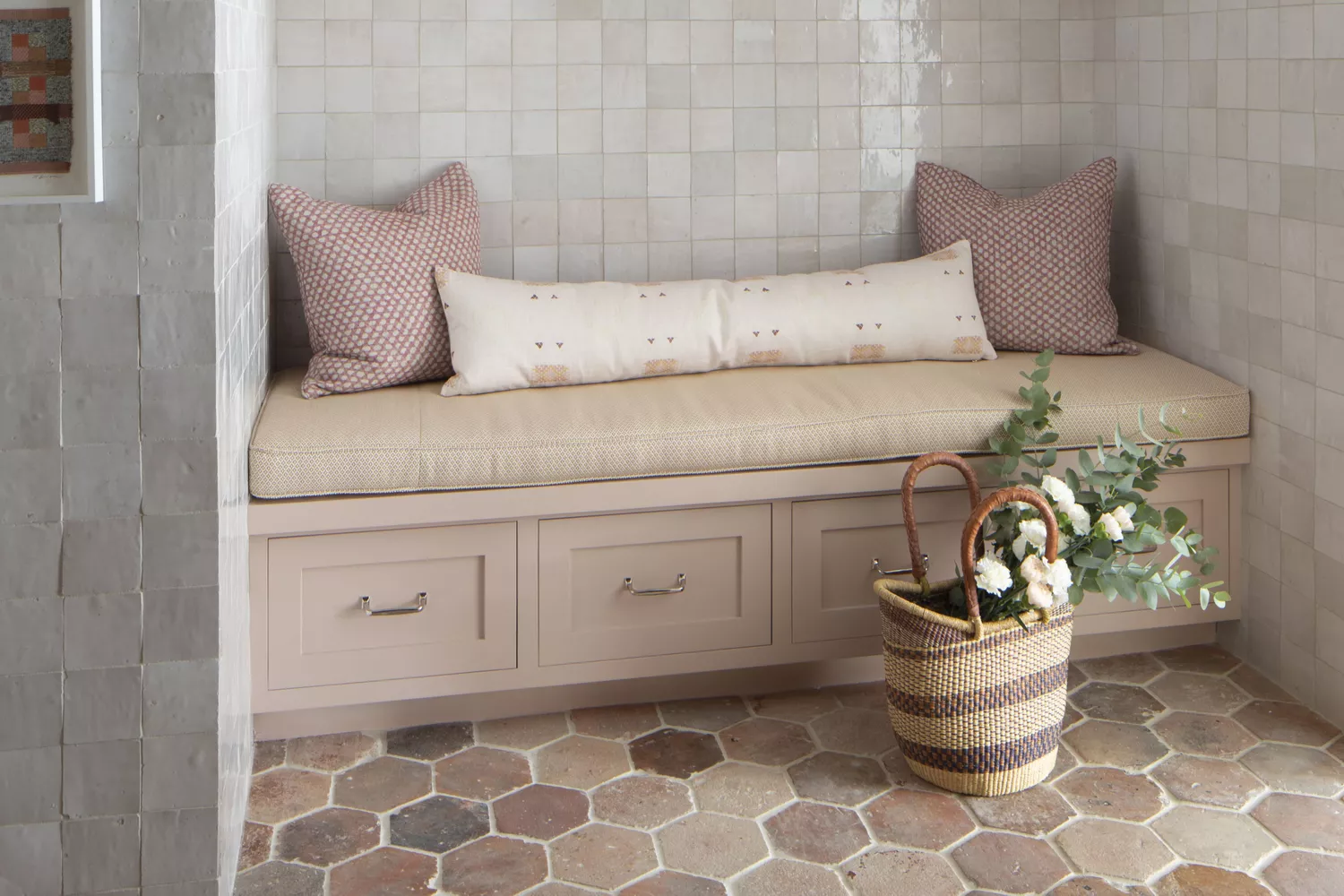
Thoughtful design extends to accommodating every family member, including pets. Built-in benches with slim drawers can store items from gloves to dog leashes, ensuring everything has its place. Offering multiple storage types—hooks, drawers, shelves, and baskets—caters to diverse organizational preferences, helping families stay organized according to their individual needs.
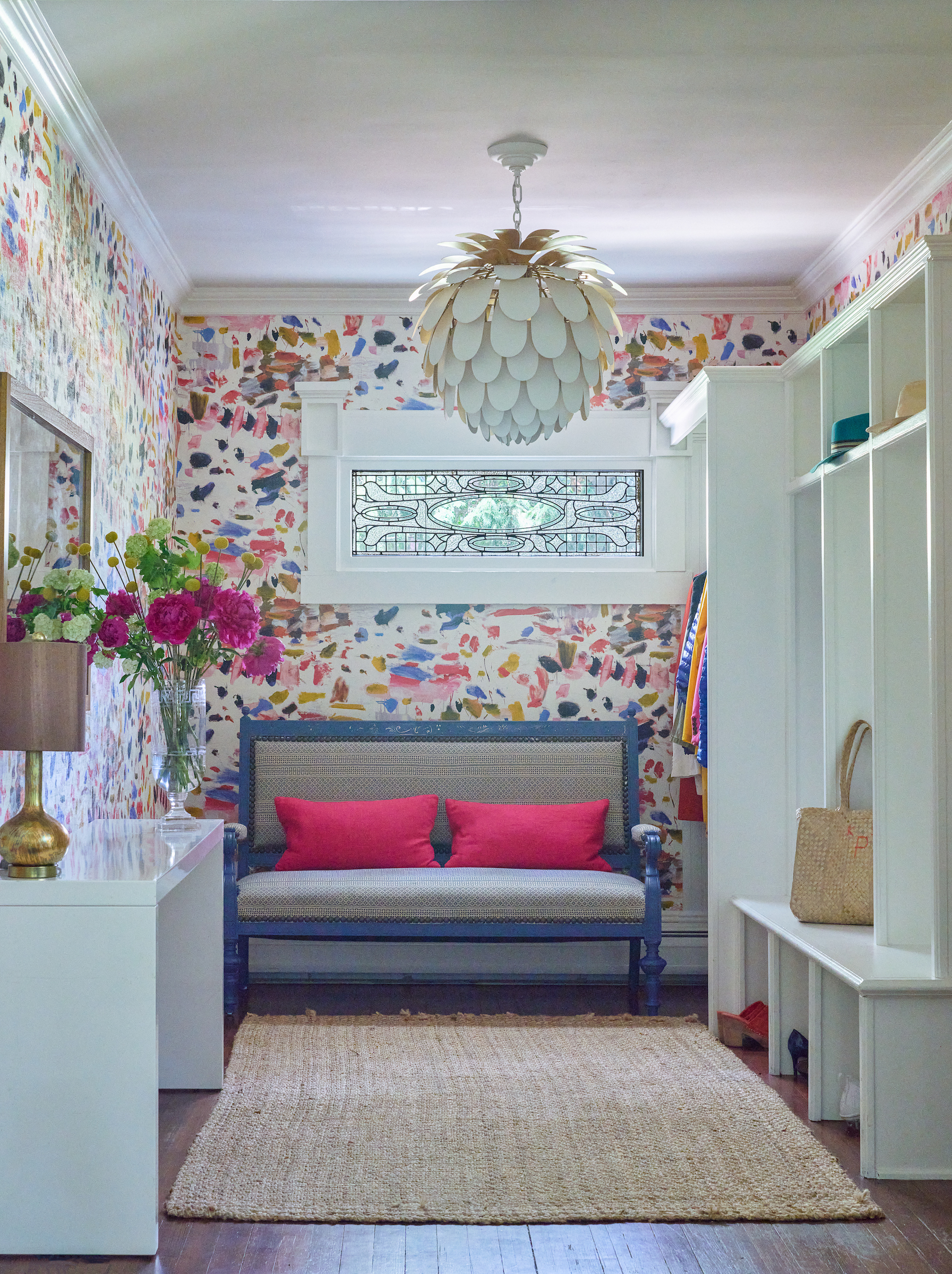
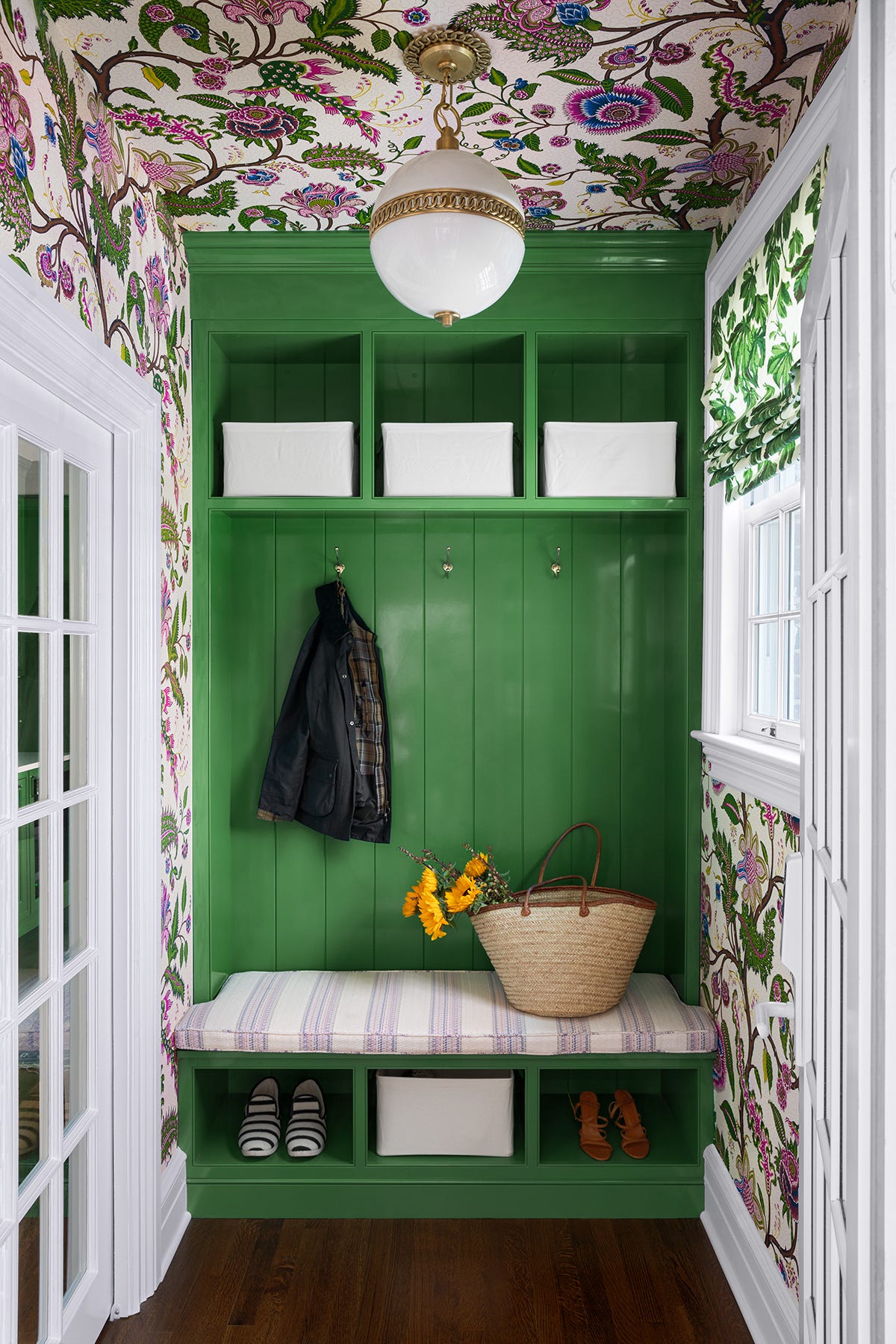
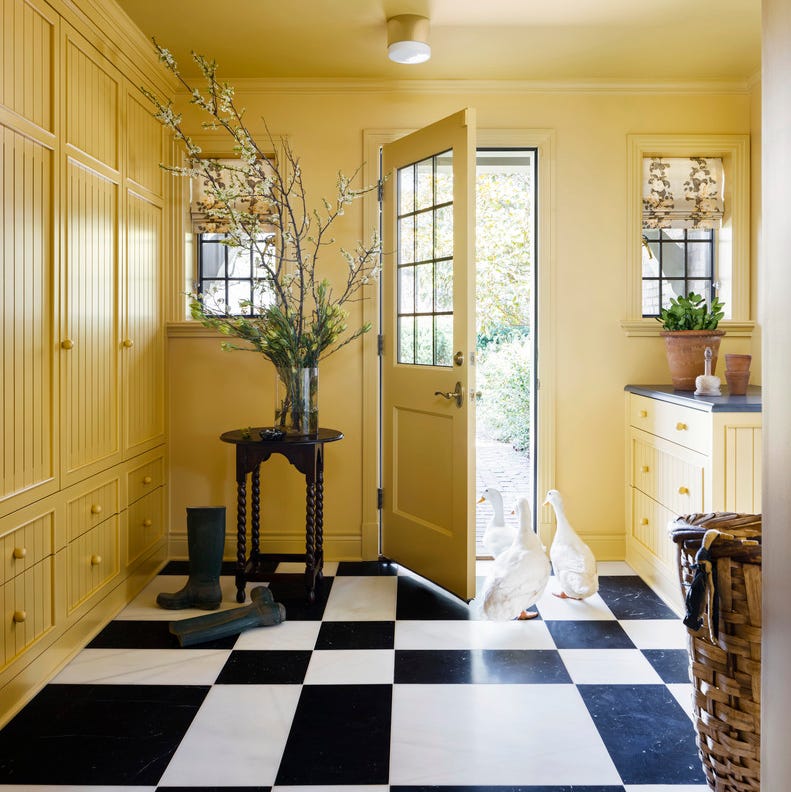
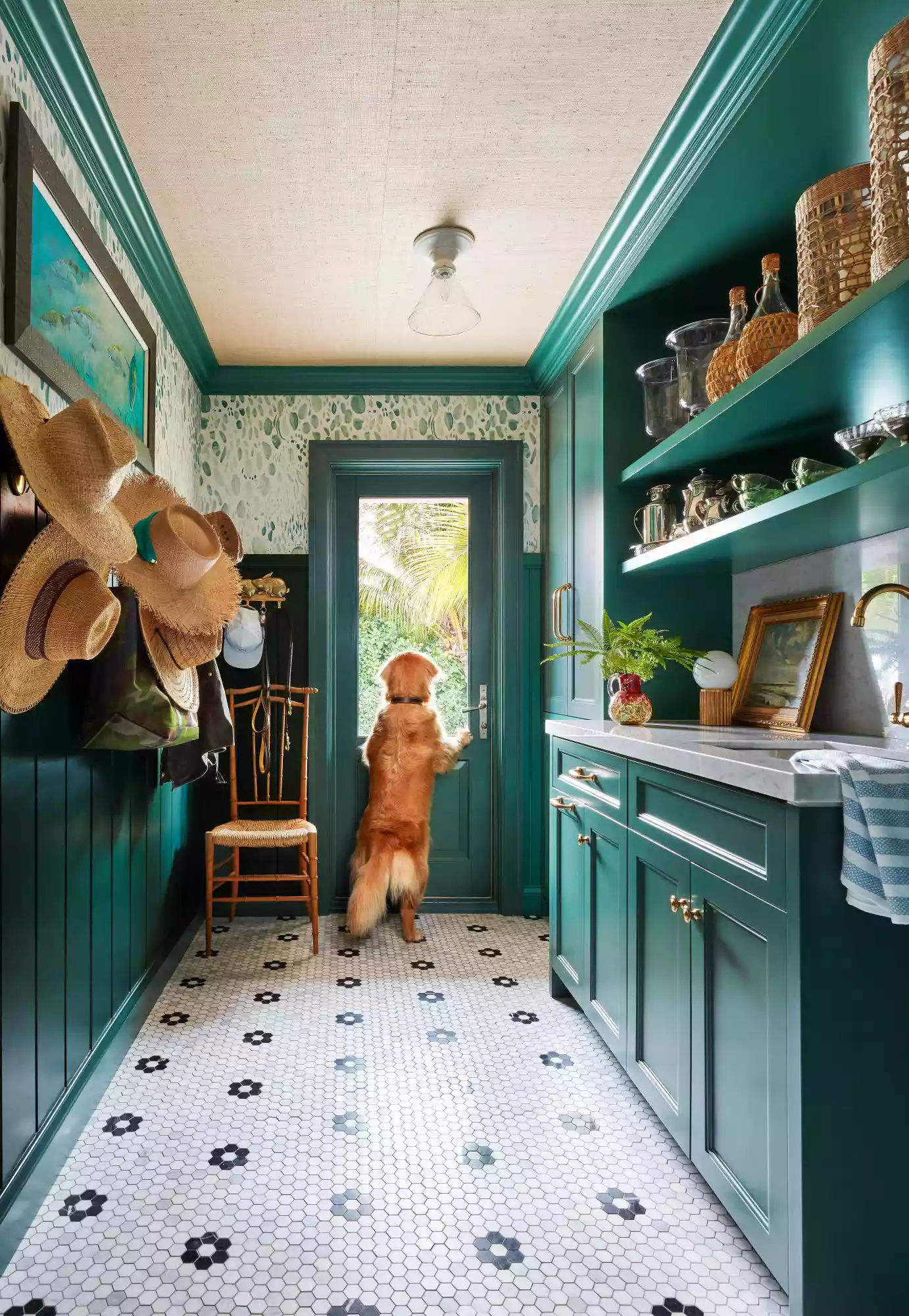
Bold colors, like cheerful sunny yellow, can transform mudrooms from purely functional to fun and inviting spaces, highlighting custom millwork. Patterned wallpapers in small mudrooms, paired with high-gloss finishes and bright colors like Kelly green, can maximize visual impact and provide durable, easy-to-clean surfaces. Embracing the home's setting, such as incorporating wood paneling and stone floors in an alpine retreat, creates an ideal drop zone for seasonal gear, with upholstered seating offering a cozy respite.
Simplicity is also a valid design choice; a mudroom doesn't always require extensive built-ins. A bench and a few hooks, complemented by a subtle green-patterned cushion, can provide a calming welcome. Practical considerations include hanging cleaning supplies within easy reach, utilizing accessible hooks for frequently used accessories like hats, and opting for flexible furniture solutions like comfortable benches, side tables, and coat racks in lieu of permanent fixtures.
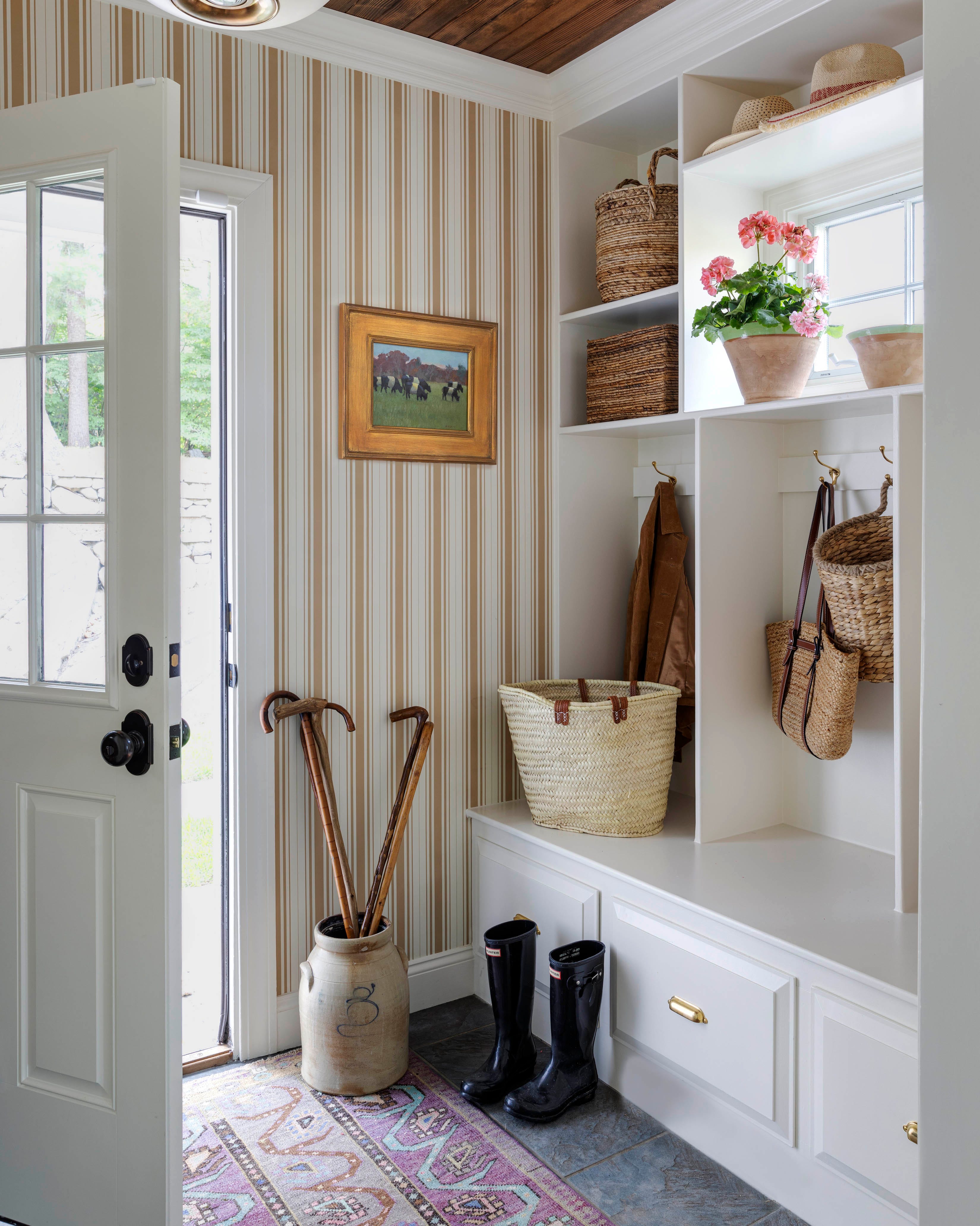
Cocooning with color, such as hunter green walls, can create moody, trend-conscious spaces that highlight wood paneling and other millwork. Prioritizing open storage with cubbies allows for displaying vintage baskets or encourages better organization. Embracing nostalgia through warm woods, charming finishes, and vintage accents, as seen with Lulworth Blue paint and vintage rugs, can imbue mudrooms with sweetness and character.
Finally, balancing functionality with aesthetics is crucial, especially when an entryway doubles as a mudroom. Custom hook blocks that wrap around corners, mimicking chair rail molding but placed higher for practicality, offer a compromise between formal entryway design and hardy mudroom requirements. Durable and easy-to-clean materials, such as jute rugs, are ideal for high-traffic areas, while perforated cabinet details can add a personal and formal touch to the space.
#MudroomDesign #HomeRenovation #InteriorDesign #StorageSolutions #EntrywayIdeas #ColorPalette #FunctionalSpaces #HistoricHomes #OrganizationTips #MudroomDesign #HomeRenovation #InteriorDesign #StorageSolutions #EntrywayIdeas #ColorPalette #FunctionalSpaces #HistoricHomes #OrganizationTips
0 comment in total
 No comments yet
You may also like
Why Are Gorgeous Mudrooms Suddenly Everywhere? Here Are 37 We Love

Our Favorite Bedrooms
19 of the best bedrooms ever seen on The Block

30 Insanely Genius Mudroom Ideas That Make Every Other Entryway Look Outdated
Mudroom ideas – 34 tips and pictures for a super-organized space

33 Bedroom Decor Upgrades To Make You Love Your Space
13 Magnificent Mudroom Ideas

30 Mudroom Layout Ideas to Keep Your Mornings Organized

The 28 Bedrooms Inspiring Us Right Now
27 Mudroom Decorating Ideas That Are Stunning and Ultra-Functional

9 Ways to Make Your Mudroom Beautiful and Functional, From a Designer

34 Dreamy Bedrooms That Will Make You Rethink Pink

23 Beautiful Mudroom Ideas That Make the Most of This Catchall Space
The 14 Best Bedrooms We’re Pinning Now
28 Cozy Bedrooms To Get Some Well Deserved R&R
30 Dreamy Attic Rooms That Will Convince You to Give Yours a Makeover
20 Of The Best Bedrooms We've Ever Seen (& Loved) On The Block

35 Surprisingly Chic Pastel Rooms Packed with Personality
These Designer Rooms Will Convince You to Wallpaper Your Ceiling ASAP
24 Mudroom Ideas To Make Your Storage Space A Showpiece