1/5
How to Clean Lampshades in Less Than 10 Minutes
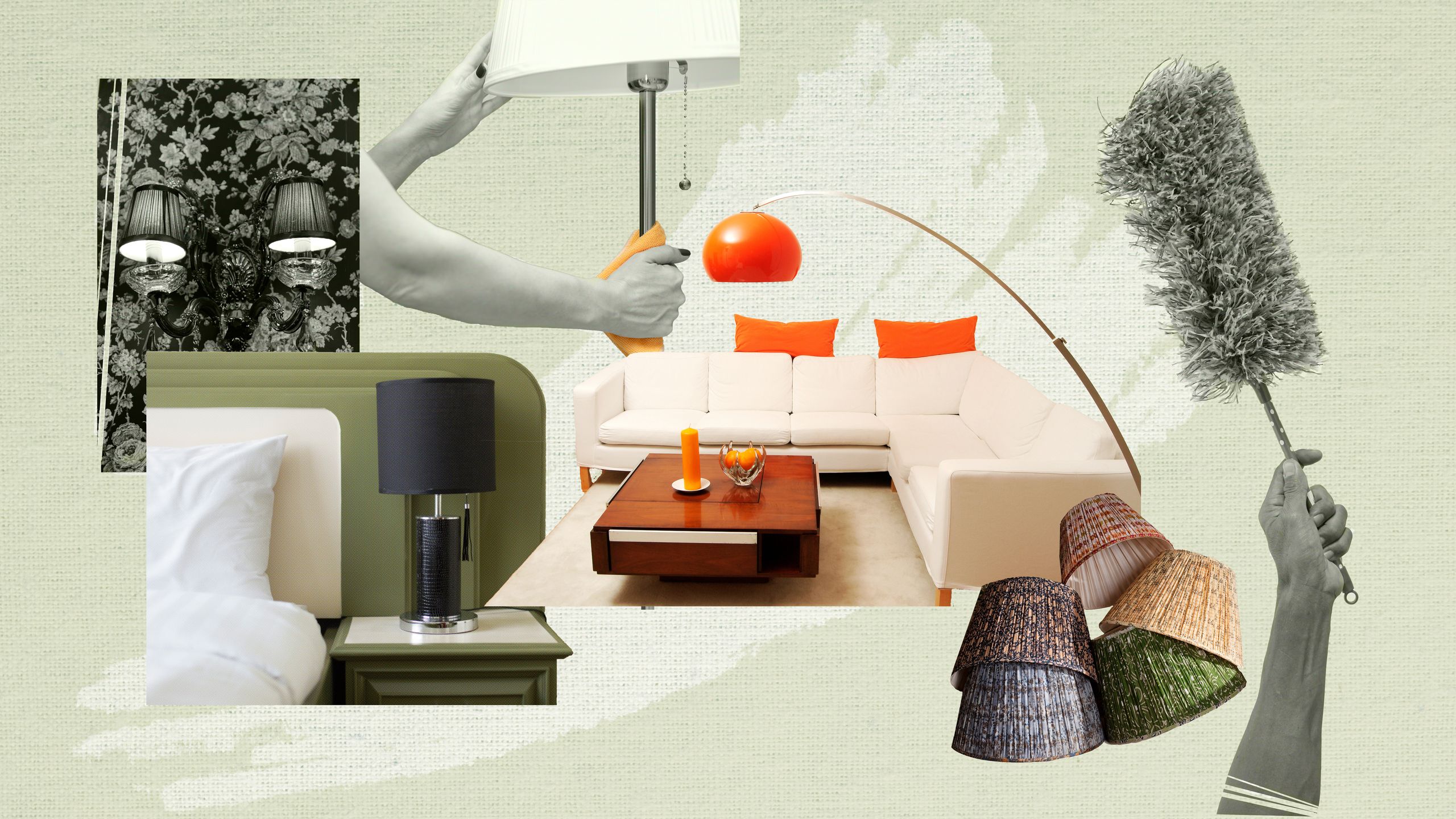
Lampshades, regardless of material, can accumulate dust and pet hair, dulling their appearance. Cleaning them requires a delicate approach, similar to maintaining upholstery, and the method varies depending on the lampshade's material. Shoshanna Shapiro, owner of Sho and Co., highlights that homeowners often overlook lampshade cleaning until dust becomes visible.
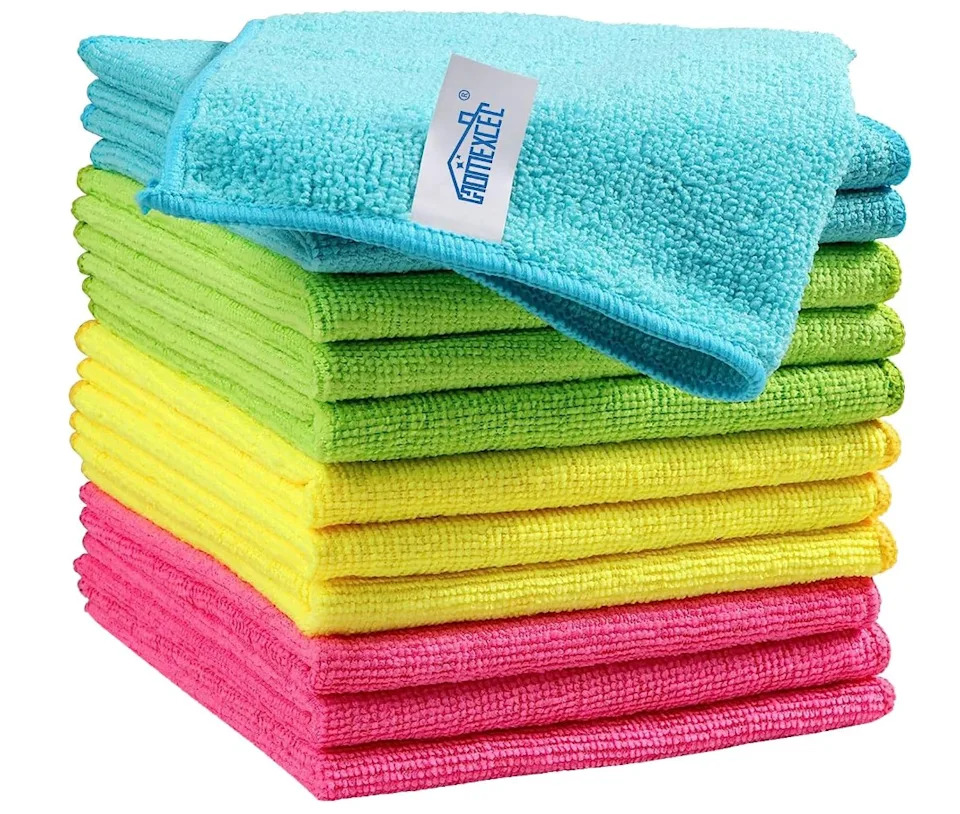
For general maintenance, unplugging the lamp, removing the shade and bulb, and dusting with a microfiber cloth or feather duster at least once a week is recommended by Ben Marshall, creative director at Hudson Valley Lighting Group. For stains, a toothbrush or soft brush with warm soapy water can be used on fabric lampshades. Glass lampshades can be buffed with a dry microfiber cloth to remove smudges.
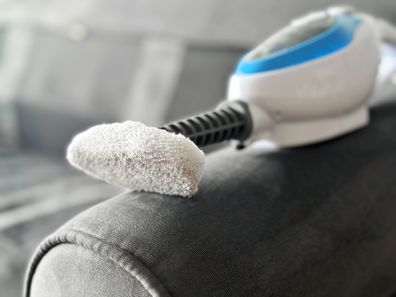
To clean dusty fabric lampshades, Shapiro suggests using electric dusters for hard-to-reach areas like pleats or embellishments, as they provide a steady stream of air, an alternative to canned air. If an electric duster is not available, a microfiber cloth, a vacuum cleaner with a soft brush attachment, or a feather duster can be used, with emphasis on gentle cleaning to prevent damage. For stubborn dust, a rubber shade sponge or a lampshade cleaning brush are effective tools. While a lint roller might seem convenient for quick cleaning, it can dent the shade; a microfiber duster, canned air, or a hair dryer on a low, cool setting are better alternatives.
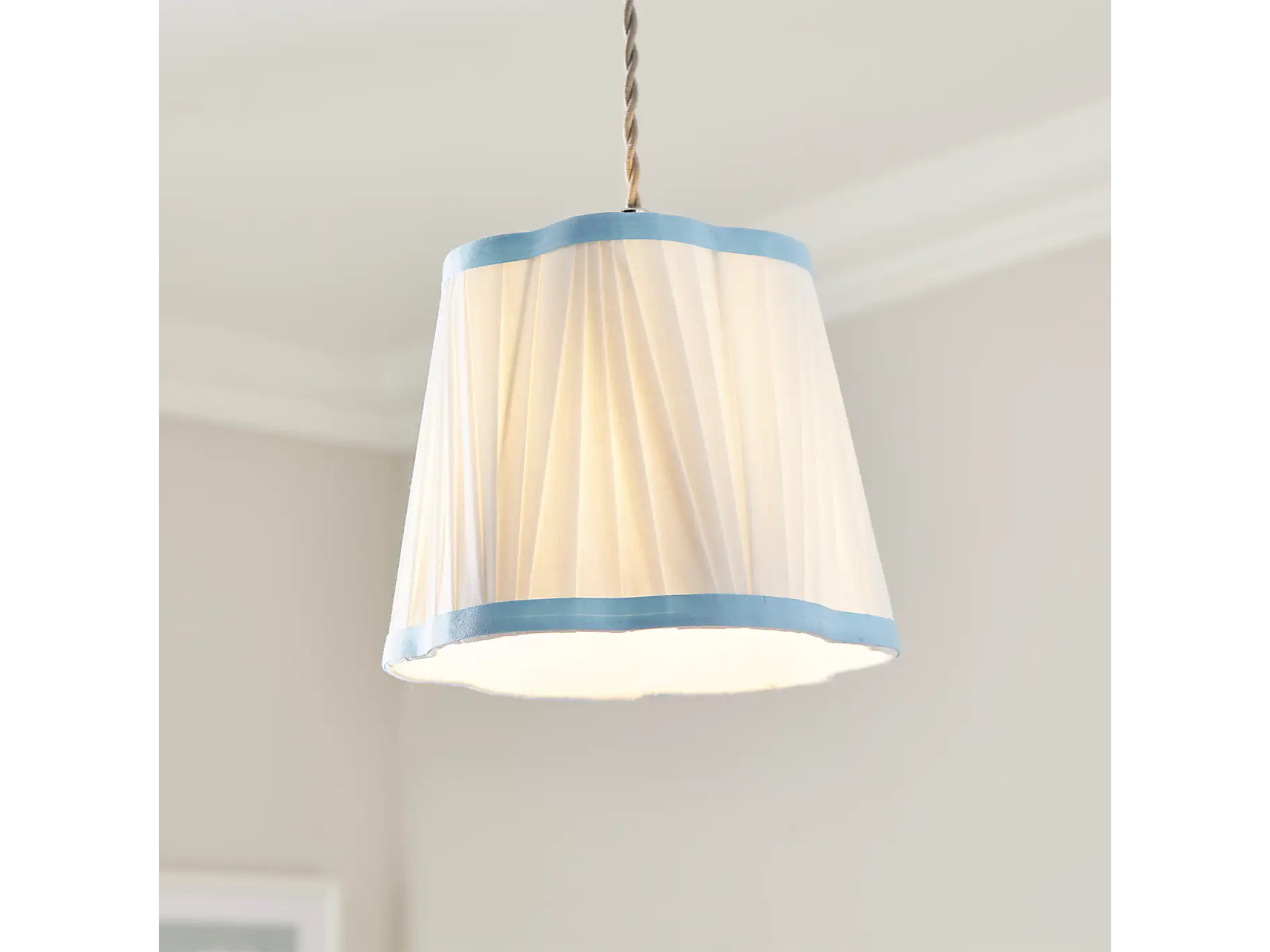
Many fabric lampshades, including linen and silk, can undergo a deep clean. Lisa Simkin of Blanche Field advises starting by removing dust with a duster, cloth, or vacuum. Then, submerge the metal-framed shade in a mixture of gentle laundry detergent, dish soap, or Ivory soap with clean water, rinsing gently with warm water, and air drying on a flat surface.
For dirty white lampshades with persistent stains, Simkin recommends a dry cleaning stick for spot treatment, cautioning against bleach or harsh cleaners that can streak or damage the material. For yellow discoloration, a paste made of one tablespoon of baking soda and a dash of warm water can be applied for up to 15 minutes, then rinsed and air dried. This method should not be used on shades with glue or paper components. For paper shades, both Simkin and Shapiro suggest using a gum eraser for spot cleaning.
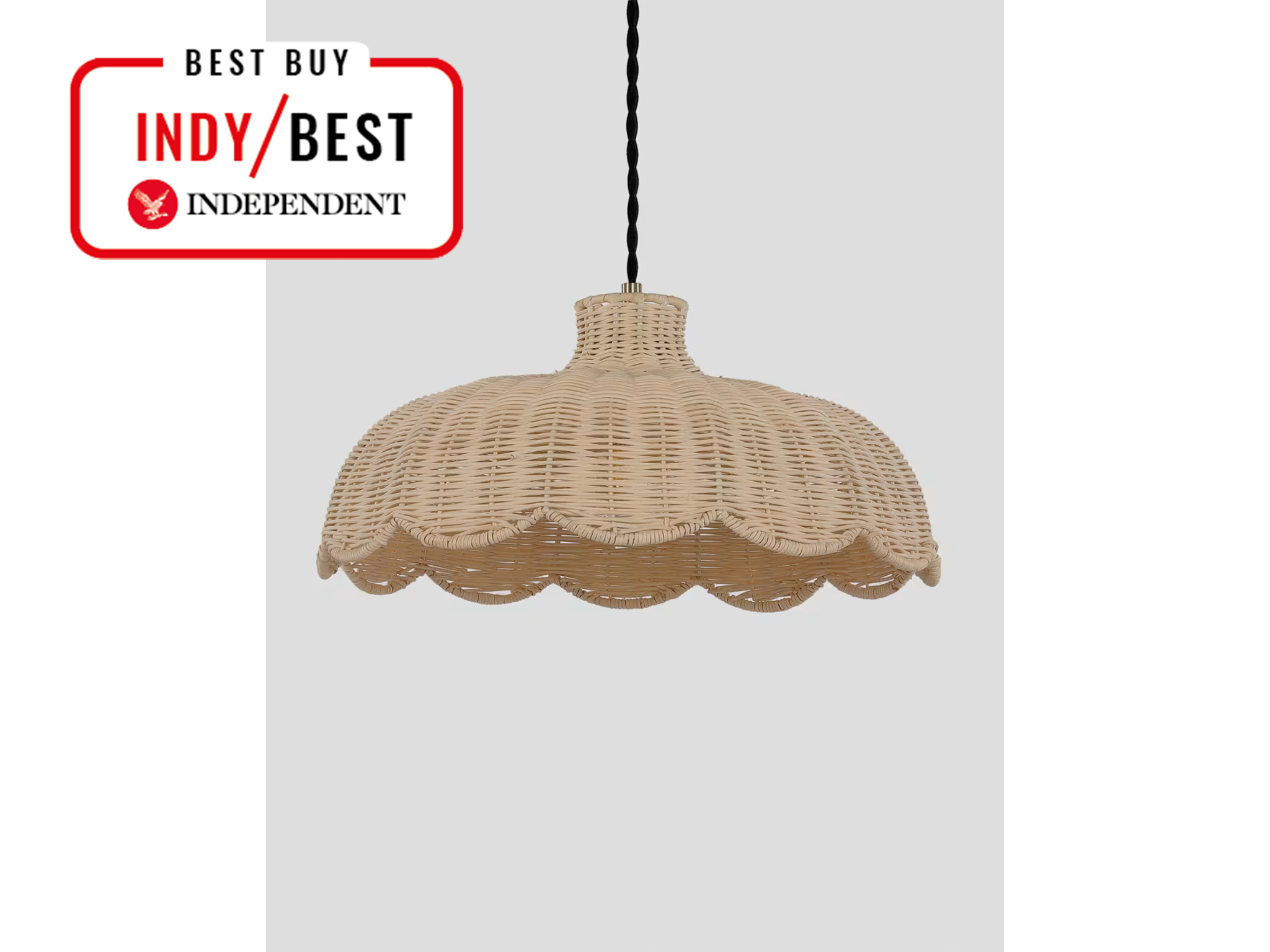
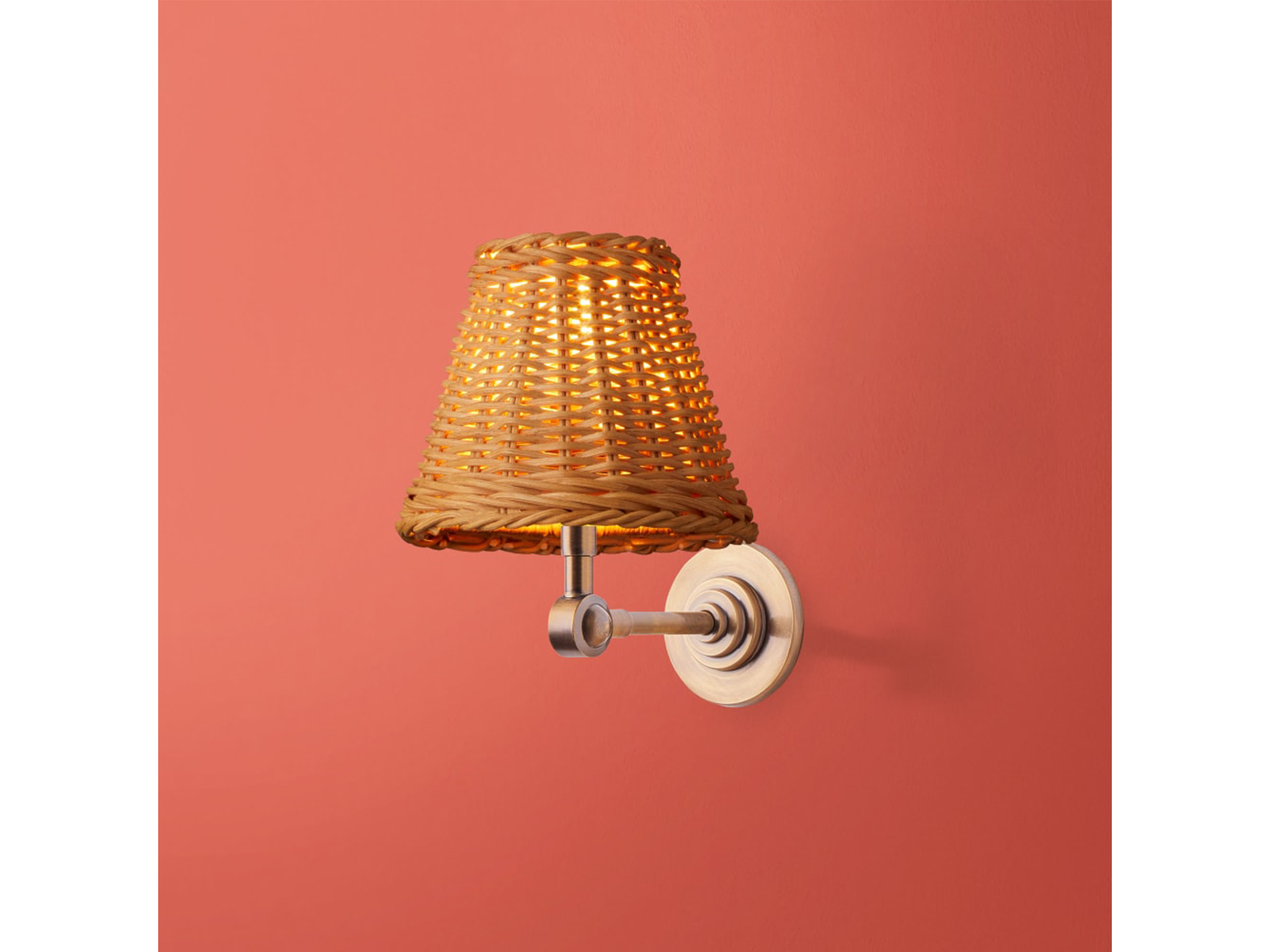
When cleaning lampshades made from other materials like leather, wicker, or grasscloth, dusting is often the only safe method, as these materials should not get wet. A hair dryer on a low, cool setting can be used to dislodge dust from these materials, held at least eight inches away. Sturdier materials such as brass and metal can be cleaned with a damp cloth and soapy water. Non-fabric shades with grease accumulation, like those in a kitchen, can be cleaned with a damp cloth and a bit of white vinegar. Glass cleaner should be avoided on glass lampshades to prevent streaking.
The frequency of cleaning depends on the lampshade's location. Bathroom shades, exposed to humidity, and kitchen fixtures, exposed to grease, may require cleaning about once a year or more frequently due to increased dust and residue accumulation. Weekly dusting is emphasized as a proactive measure to prevent heavy buildup, potentially eliminating the need for deep cleaning. Lampshades can last for many years with proper care. Signs that a lampshade needs replacing or re-lining include discoloration that cleaning cannot fix, yellowed glue showing through the material, or a failing lining.
#LampshadeCleaning #HomeMaintenance #DustRemoval #FabricCare #DIYCleaning #HomeDecor #CleaningTips #HouseholdHacks #LampshadeCleaning #HomeMaintenance #DustRemoval #FabricCare #DIYCleaning #HomeDecor #CleaningTips #HouseholdHacks
0 comment in total
 No comments yet
You may also like
How to clean candle wax off upholstery and carpet - 3 easy steps to deal with festive tablescape disasters


Banish the “Big Light” Completely With Some Snazzy Lamps


Be gone, 'boob light' – here's just how to fix unattractive ceiling lights


How To Properly Clean A Chandelier To Preserve Its Sparkle
We Put The Best Window Squeegees Through 8 Hours of Hands-On Testing—Here Are The Results

From a quirky TikTok hack and a $99 sell-out Kmart buy, here are five ways to clean your sofa

We Asked Cleaning Pros How to Clean a Lighting Fixture You Can't Reach, and It's So Easy


Buy One, Get One Free: Increase Your Home’s Energy Efficiency With This Simple Upgrade
I use a laundry item to clean my fan - it works so much better than a cloth, and the coating repels dust for weeks

This simple trick will clean ceiling fans without a mess

Follow These DIY Steps to Remove and Refresh Your Kitchen Cabinets

How to get rid of mould on walls – 7 home treatments tried and tested by the experts

How to Clean Blinds, Shades, and Curtains the Right Way
My bathroom mirror is a lint magnet — I asked an expert how to get a spotless finish

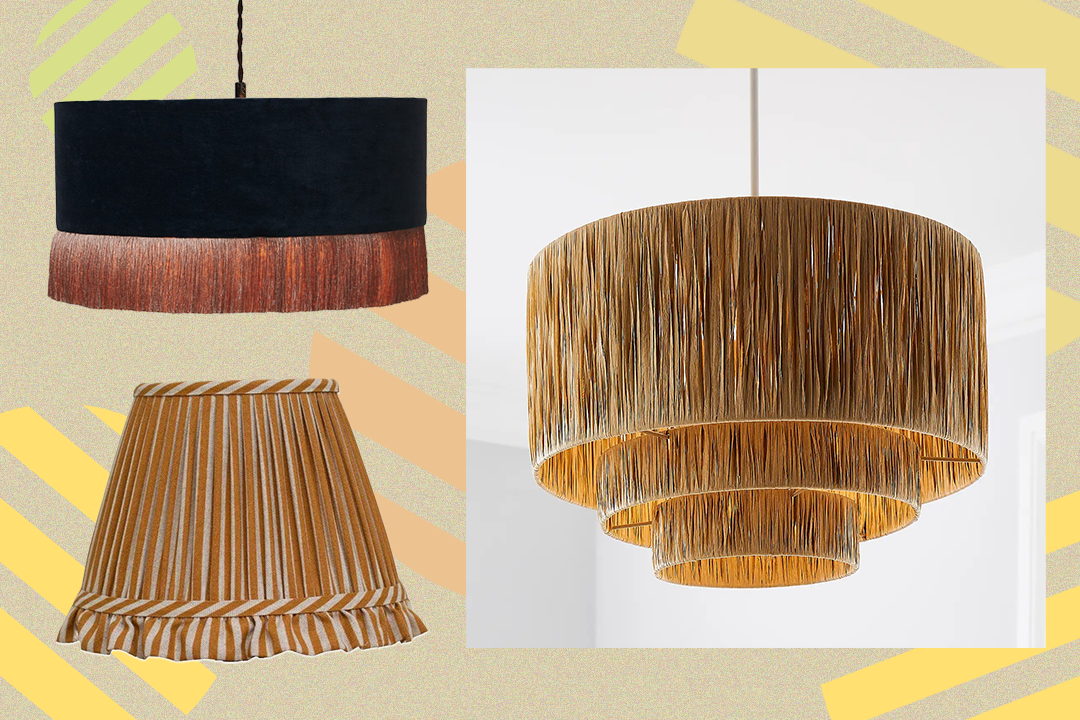
Best lampshades to illuminate your space in style
Cleaning fans explain 'brilliant' way to banish mould from window frames
Mrs Hinch shows how she gets her curtains looking picture perfect – using pipe insulation


How to clean a linen sofa to keep it in pristine condition – even in a busy family home
6 couch cleaning mistakes that pros say could lead you to 'serious upholstery heartbreak'

22 DIY Lampshade Ideas for Creative Updates in Less Than an Hour