



1/2
André Leon Talley on Syrie Maugham
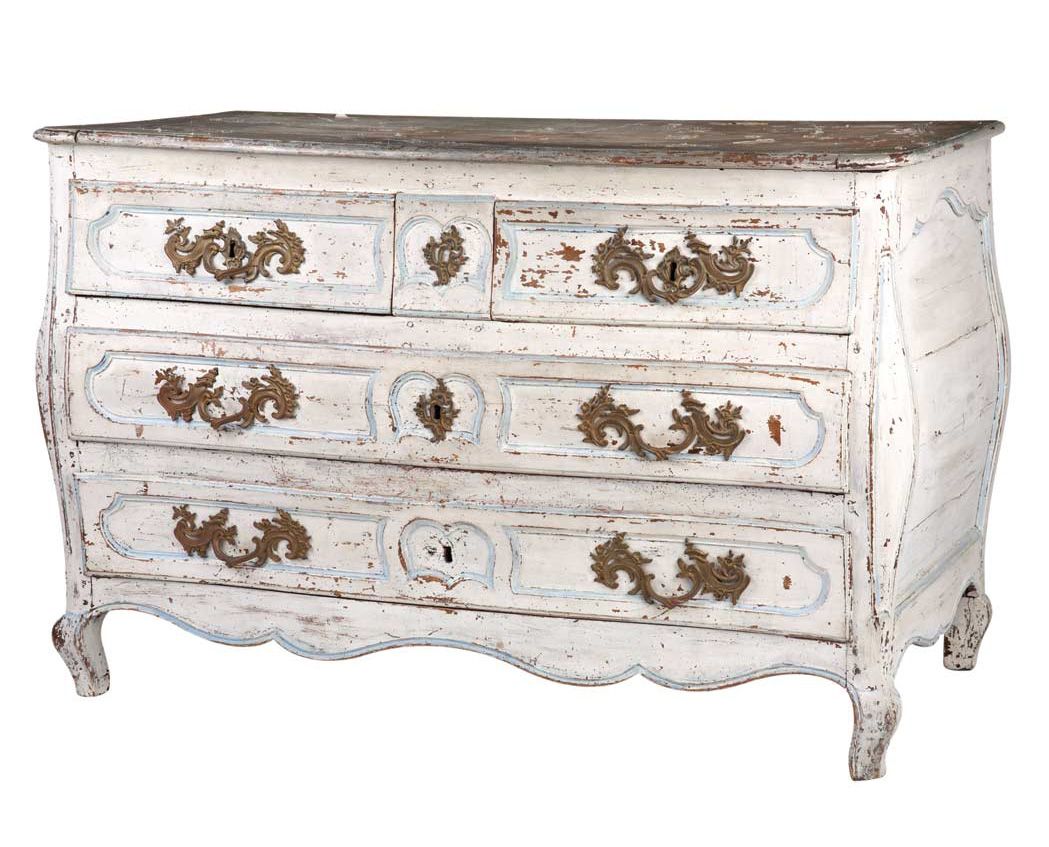
This article by André Leon Talley delves into the significant influence of Syrie Maugham, a prominent English-born interior decorator from the early 20th century. Talley recounts receiving Pauline C. Metcalf's book, *Syrie Maugham: Staging the Glamorous Interior*, from Karl Lagerfeld, which prompted his reflection on Maugham's signature style. He notes his recent acquisition of a Louis XV provincial commode painted in a 'pickled' style, characteristic of Maugham's aesthetic, drawing a parallel to a commode in her own all-white salon from 1927. Talley also recalls a previous encounter with Maugham's influence in the 1980s, when he and Manolo Blahnik discovered ceremonial English drums repurposed as coffee tables in London, echoing the decorator's innovative approach.
The article highlights Maugham's role as a patron of emerging artists, showcasing her collaborations and introductions of various talents. She championed decorative plasterwork by Oliver Messel, furniture designs by Jean-Michel Frank and his associates, and floral arrangements by Constance Spry. Her network extended to architects like David Adler and decorator Frances Elkins. Maugham's design philosophy transcended geographical boundaries, impacting American homes, including those of tastemaker Babe Paley in New York and actress Jean Harlow in Hollywood. Her aesthetic even permeated Hollywood set design, notably influencing Cedric Gibbons's all-white set for Harlow's 1933 film *Dinner at Eight*, which famously employed eleven shades of white to create depth and contrast.
The piece further illustrates Maugham's impact through iconic imagery, such as Cecil Beaton's portrait of his sister, Baba, in a sleek white dress within Maugham's renowned 'Party Room.' This room, pivotal to her success, was celebrated for its resonance with the Modernist style of the era. The evolution of Maugham's style is exemplified by a 1950 *Vogue* photograph of Babe Paley in a ruby satin Charles James dress, set against a Maugham backdrop featuring a tufted lettuce-green sofa, green velvet wool carpet, and damask stenciled walls at Kiluna Farm. This image underscores how Maugham's design continued to define refinement and unorthodox elegance over decades.
Maugham's inspiration stemmed from diverse sources, including the tufted Second Empire upholstery of Empress Eugenie of France’s bathroom watercolors. She adeptly integrated these historical elements into contemporary rooms, believing that Victorian design principles could soften the often stark lines of modernism. The article concludes by tracing Maugham's enduring legacy, noting how her ideas, such as the concept of an overstuffed, fringed sofa, were reinterpreted by later designers like Mark Hampton, who applied them to create a beautiful room in a La Jolla, California home in 1994. This demonstrates the lasting influence of Syrie Maugham's visionary approach to interior design.
#SyrieMaugham #InteriorDesign #DesignHistory #ModernistStyle #HomeDecor #AndréLeonTalley #PaulineCMetcalf #Vogue #SyrieMaugham #InteriorDesign #DesignHistory #ModernistStyle #HomeDecor #AndréLeonTalley #PaulineCMetcalf #Vogue
 No comments yet