1/6
5 places you should always avoid putting a Christmas tree
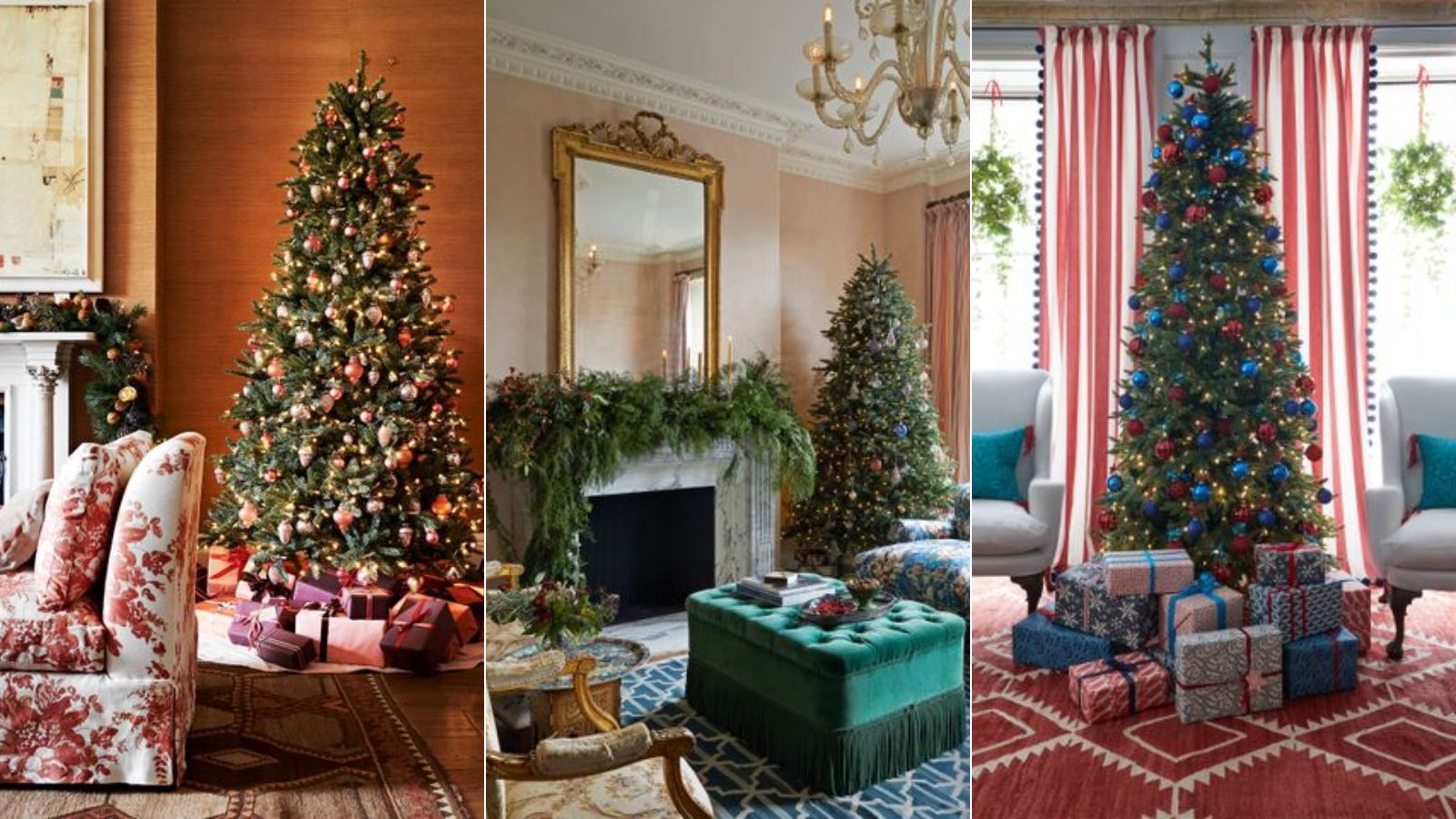
Selecting the optimal placement for a Christmas tree within a home is crucial for both aesthetic appeal and practical functionality, as certain areas should be avoided to prevent obstruction, safety hazards, and diminished enjoyment. While the excitement of bringing a full-sized tree indoors often leads to immediate placement, careful consideration of high-traffic zones, architectural features, heat sources, and room utility is essential for a successful holiday display.
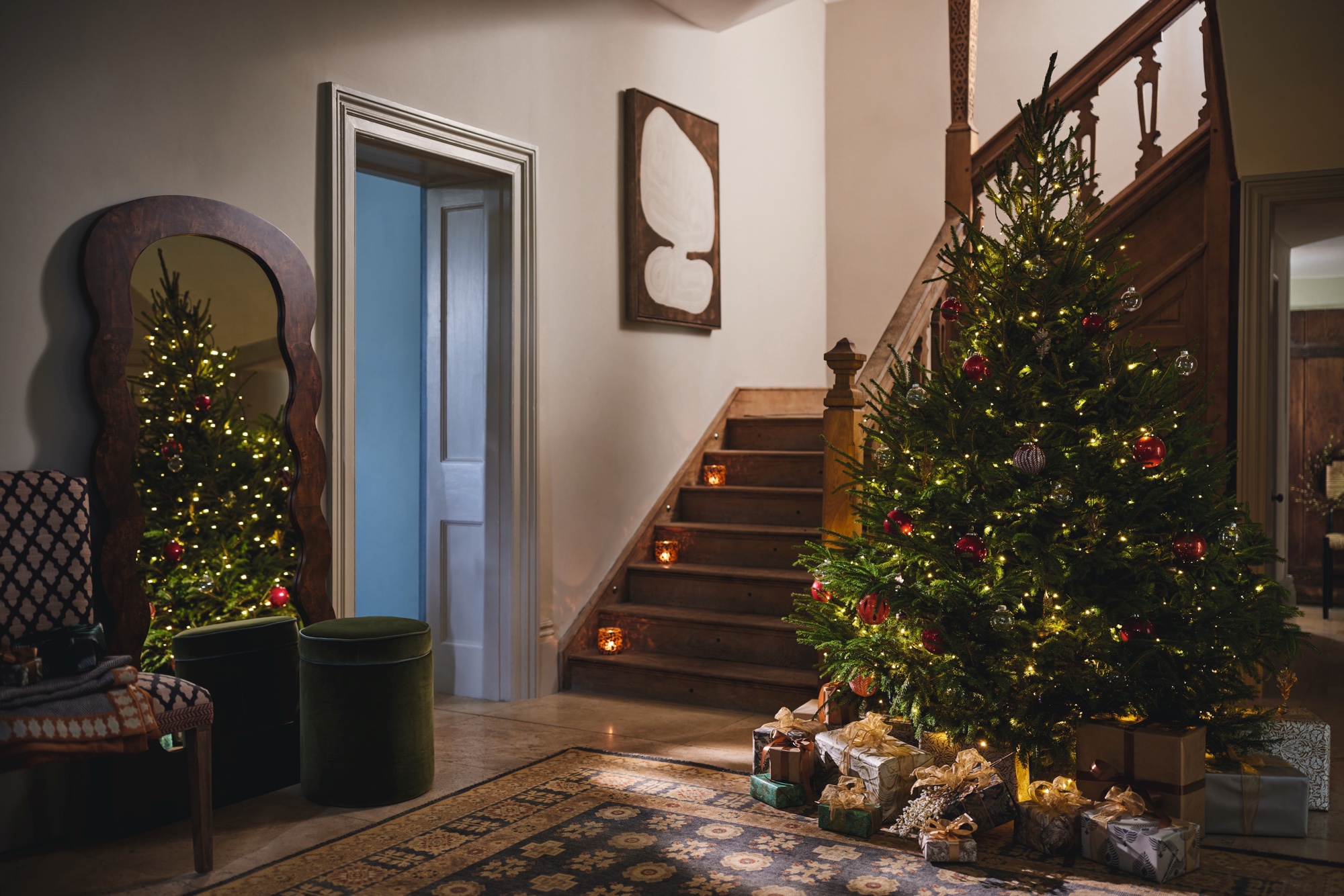
High-traffic areas, such as entryways, despite offering an initial 'wow factor,' are generally ill-advised for Christmas tree placement. Experts like Catherine Olasky and Liad Schwartz emphasize that placing a tree in a busy walkway disrupts the natural flow of movement and increases the risk of accidents, such as toppled trees or broken ornaments. The primary goal is to situate the tree where it can be comfortably admired and enjoyed, rather than acting as an impediment to household activities.
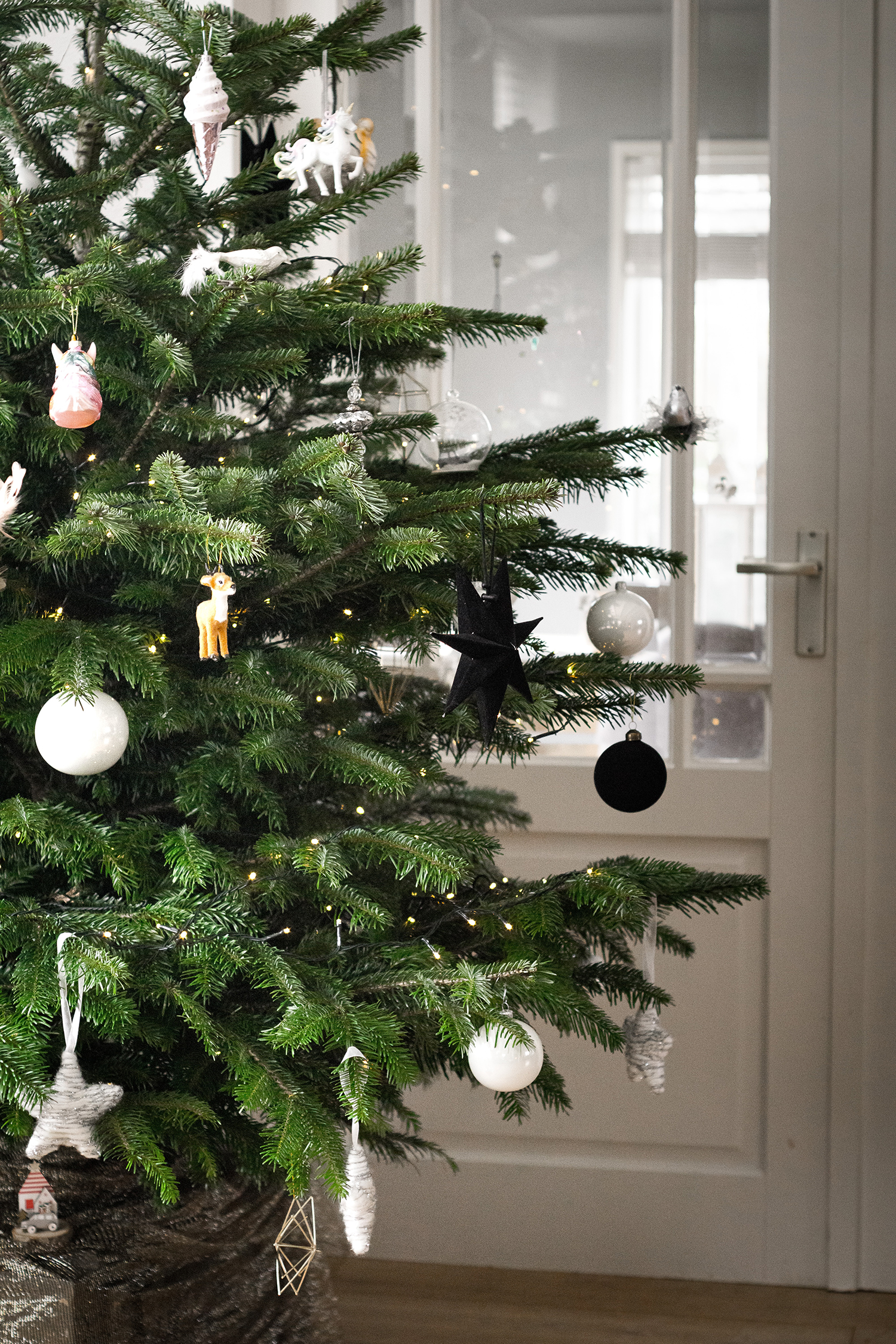
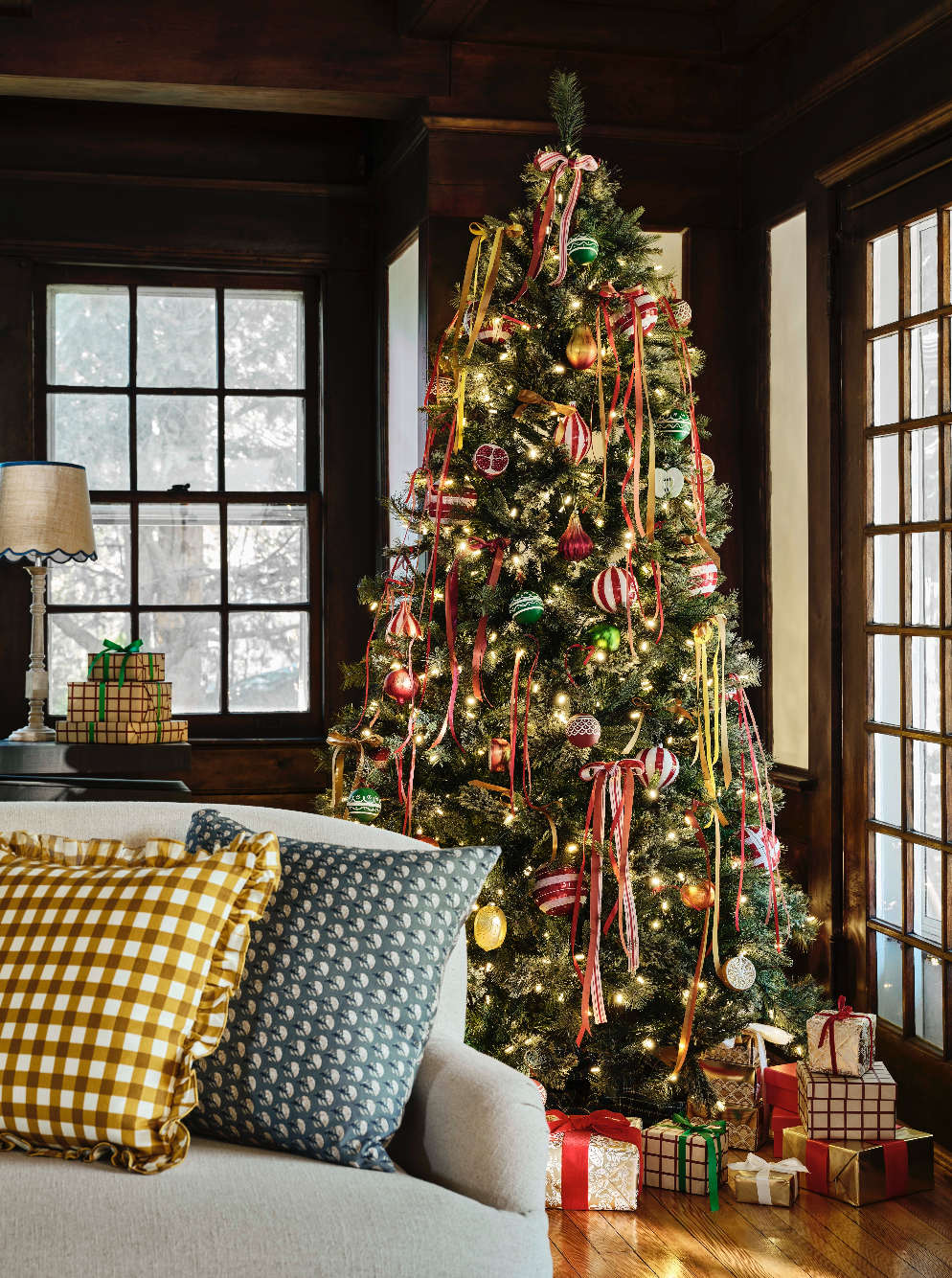
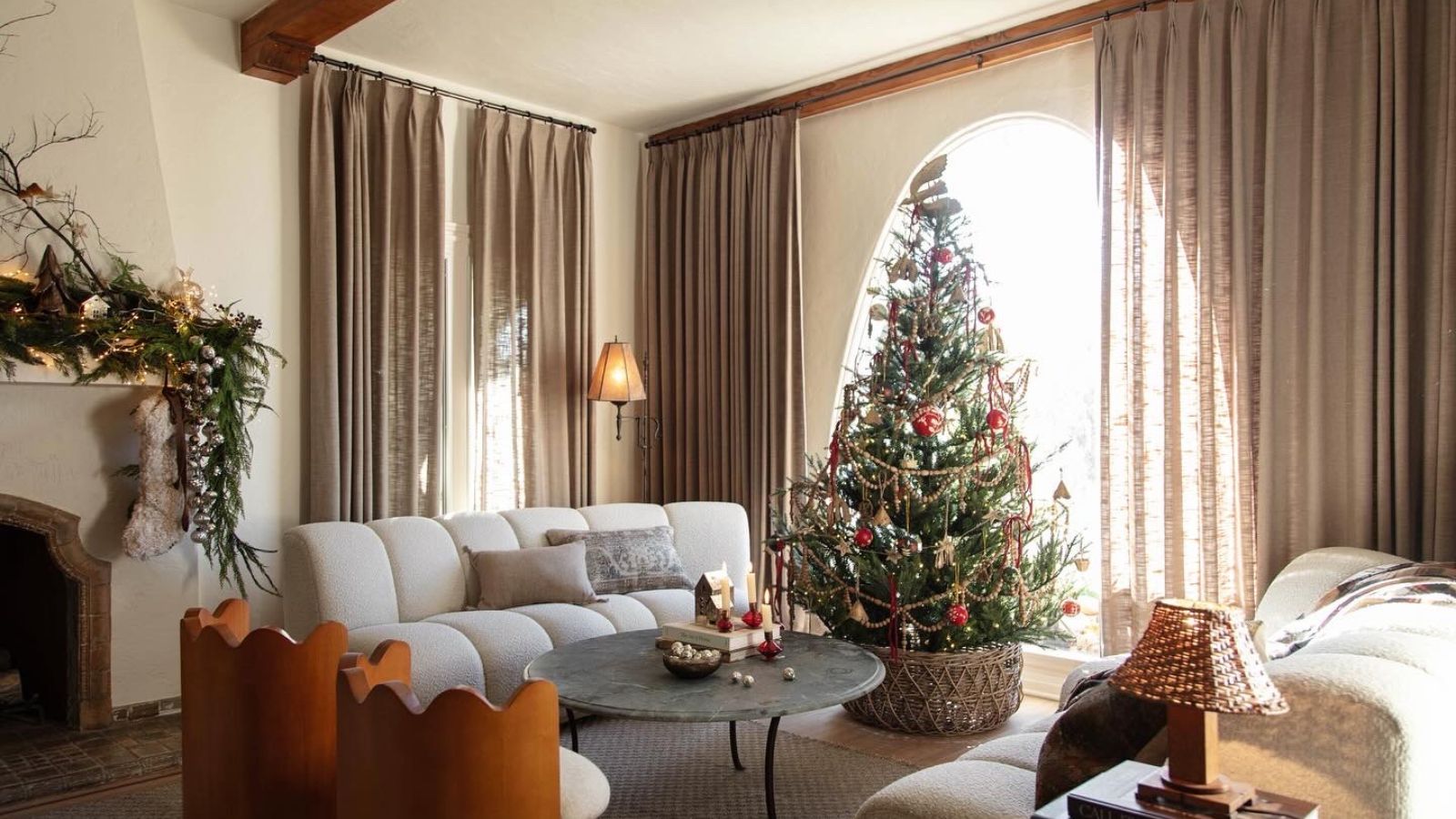
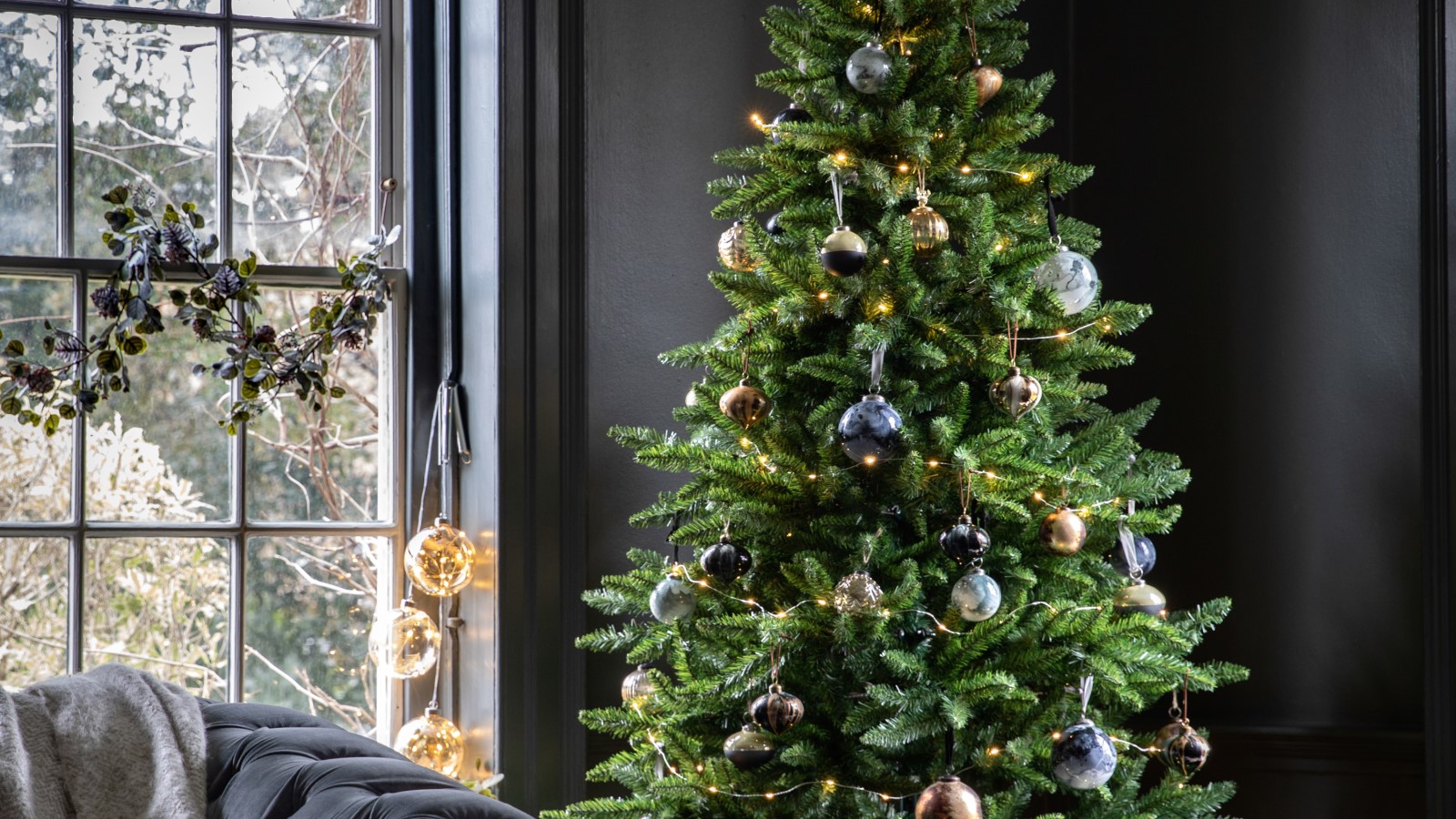
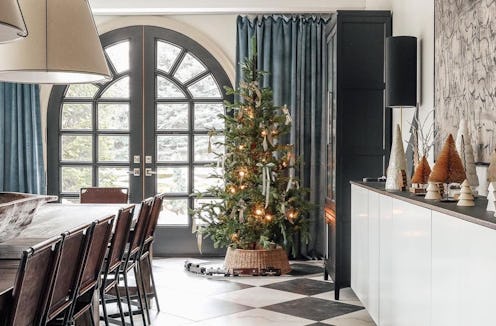
Similarly, blocking architectural features or windows should be avoided. While some might place trees by windows to signal festivity to outsiders, this can obstruct natural light and obscure desirable views. Liad Schwartz argues that a Christmas tree should complement, not compete with, a space's existing beauty. However, designer Darren Henault suggests that centering a tree on a wall or in front of a window in an average-sized room can be effective, allowing for an outside view of the festive decor. The decision often depends on the room's size and the importance of natural light; in smaller spaces or those reliant on natural light, keeping the tree away from windows is prudent.
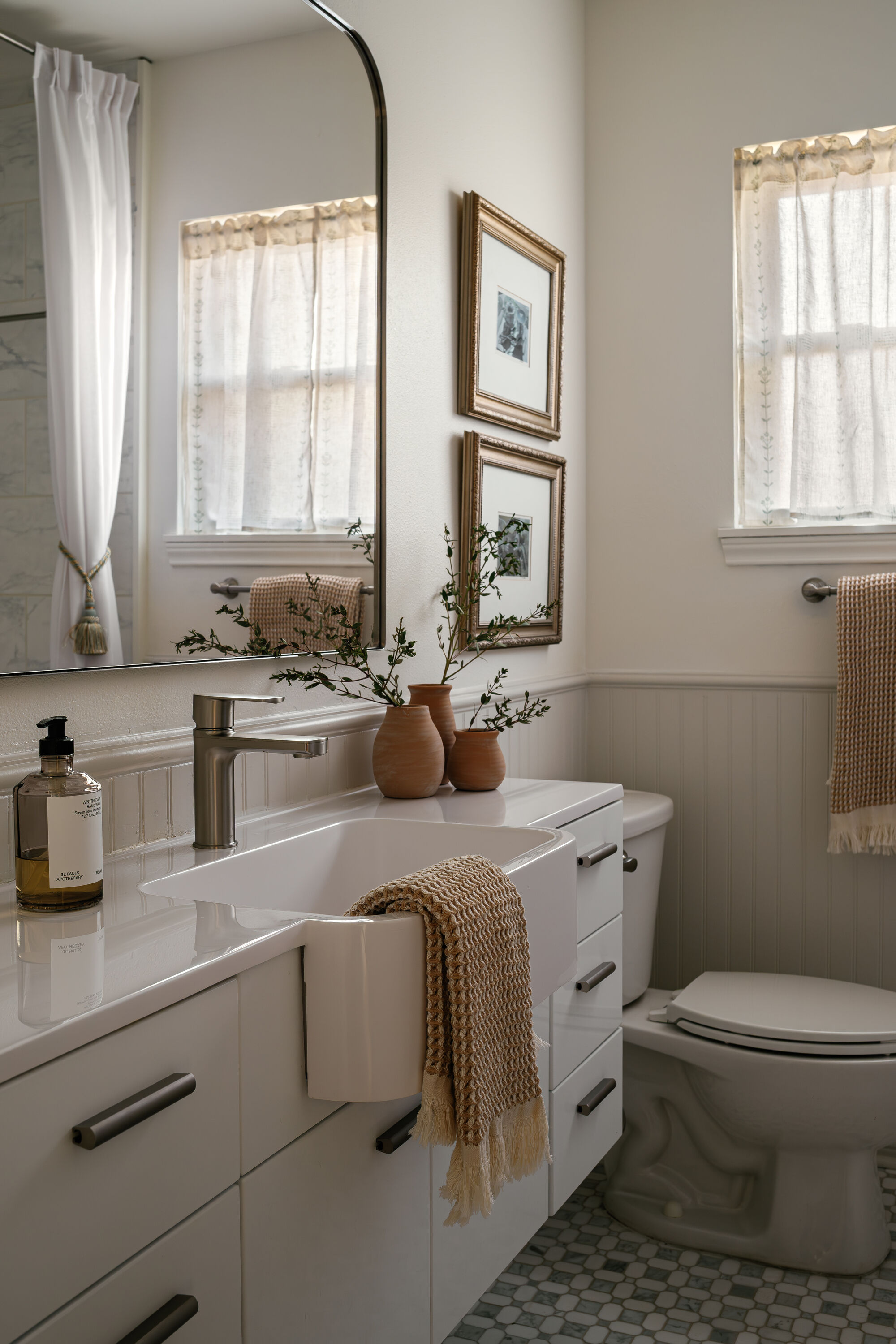
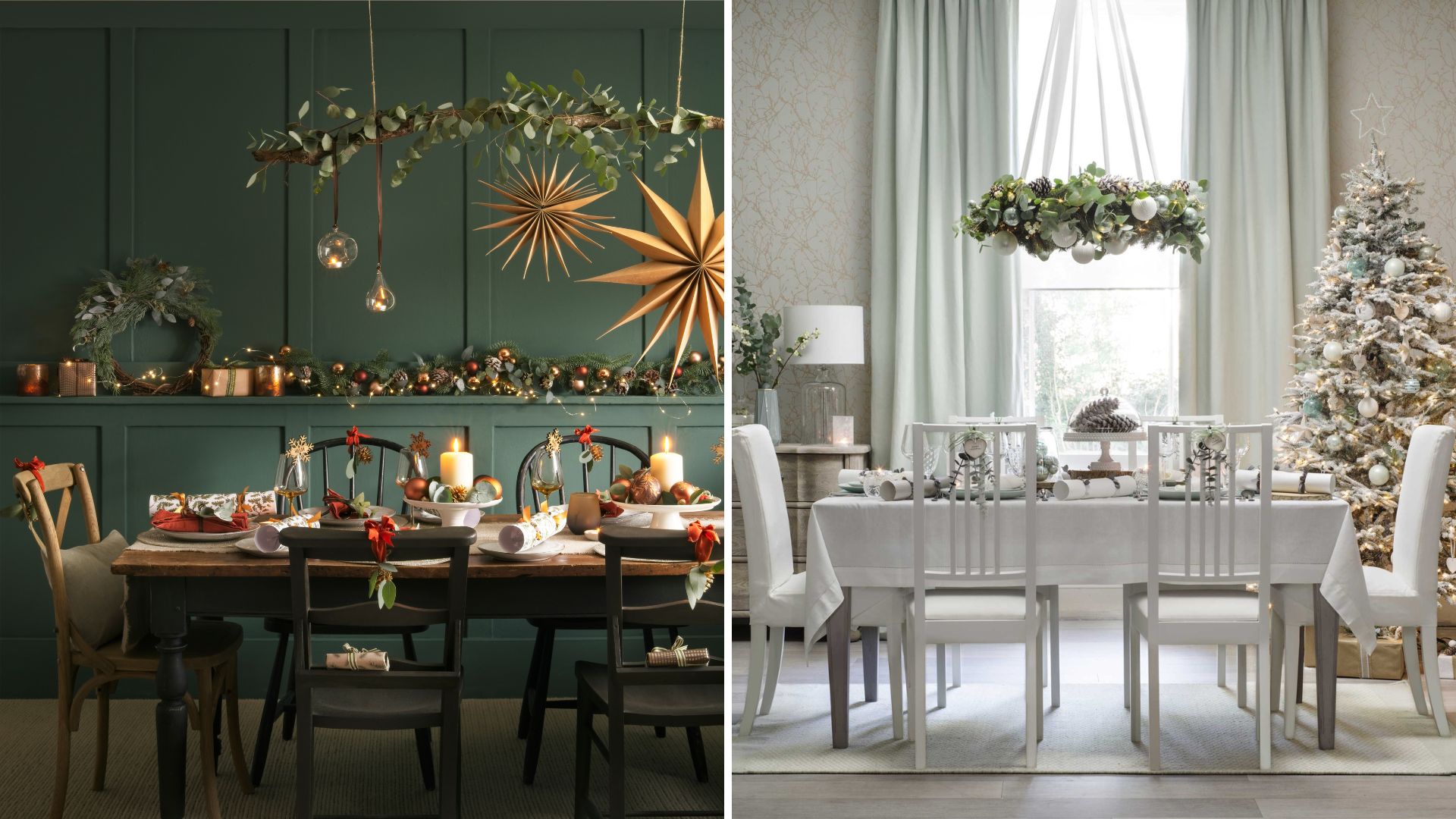
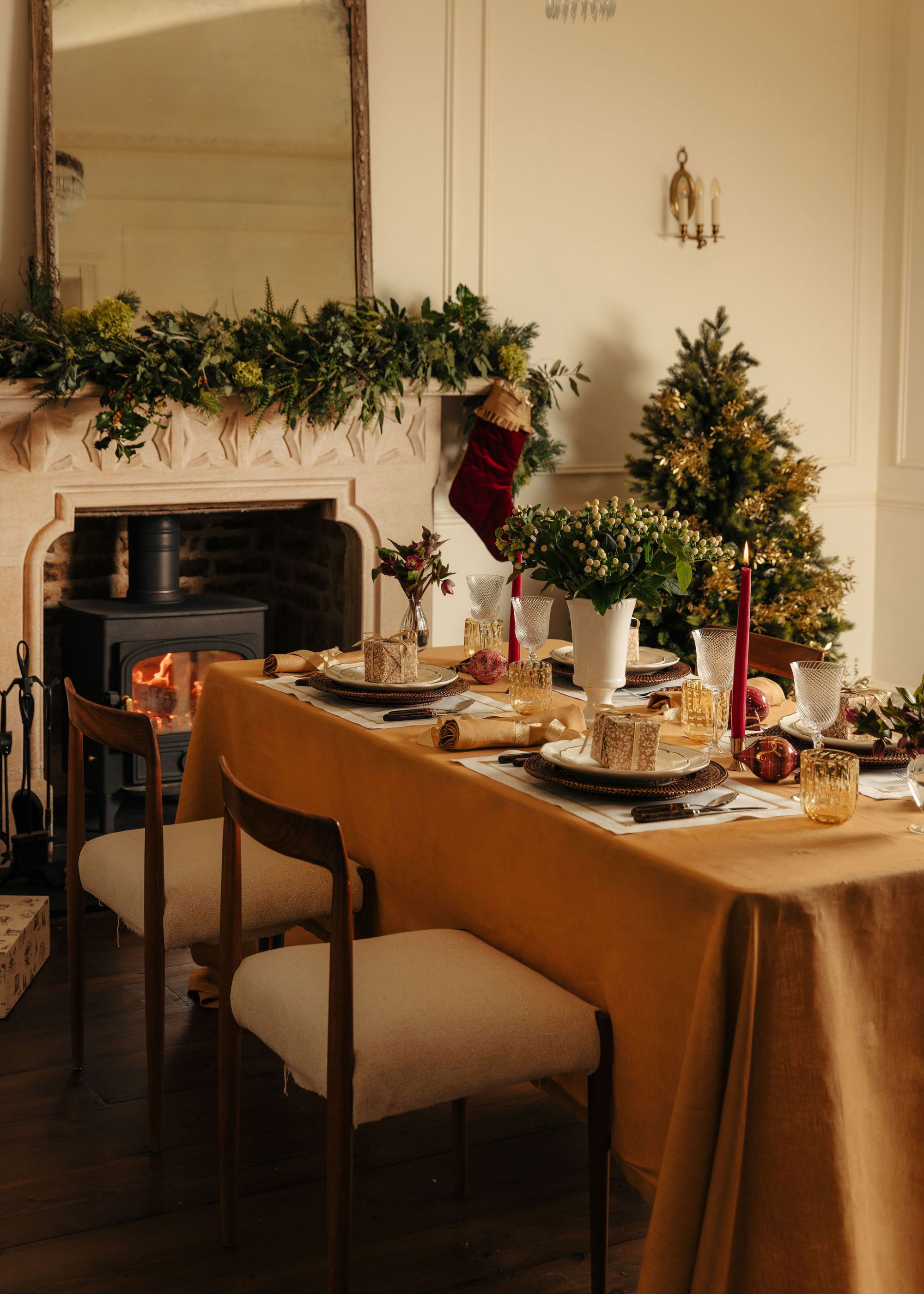
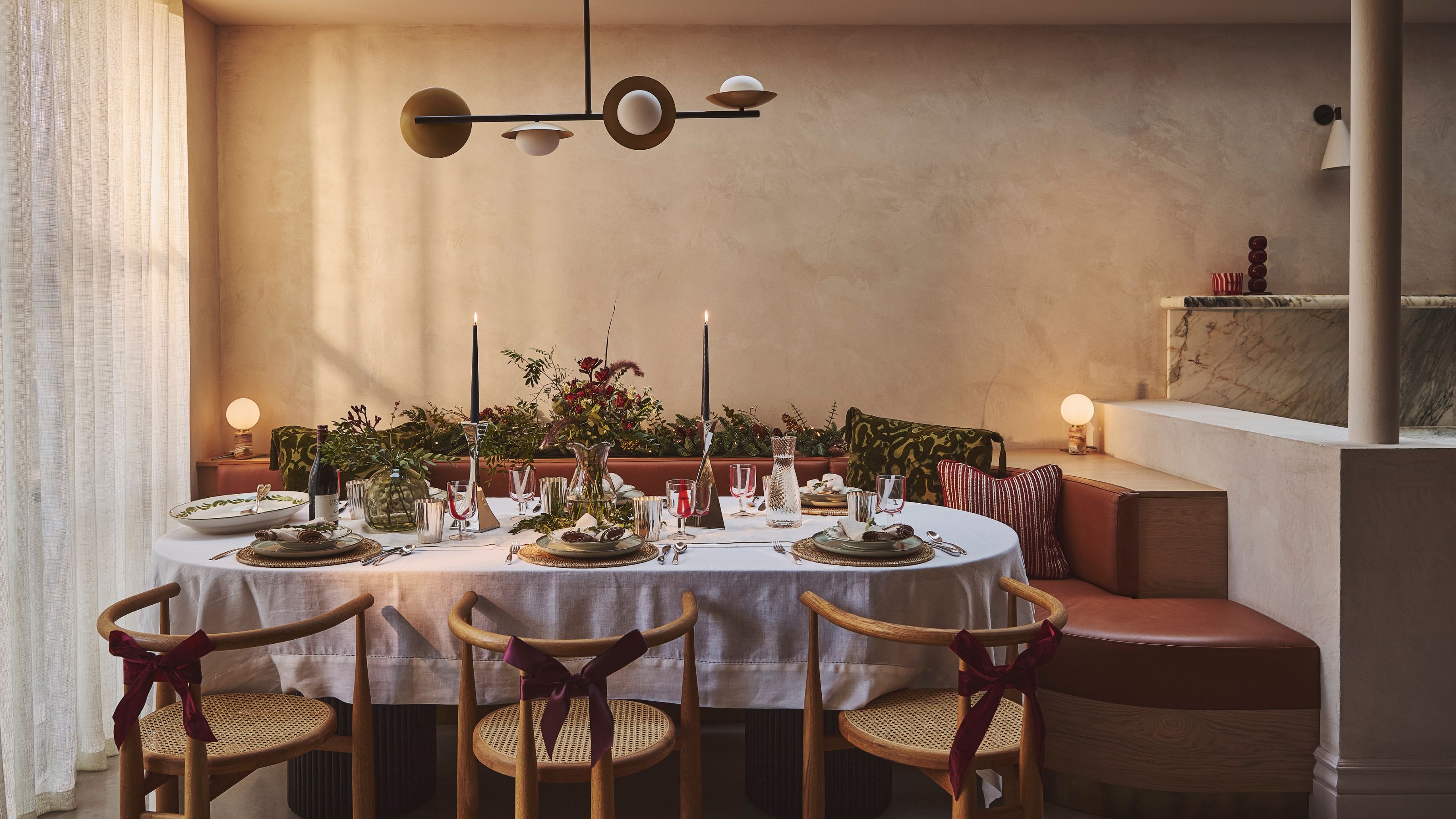
Dining rooms and kitchens, despite a recent trend to incorporate holiday cheer into these social hubs, are also generally not recommended for Christmas tree placement. These areas are primarily functional, and a tree can become an obstruction rather than an enhancement. Liad Schwartz advises reserving holiday magic for rooms where it can truly shine without interfering with daily activities or food preparation.
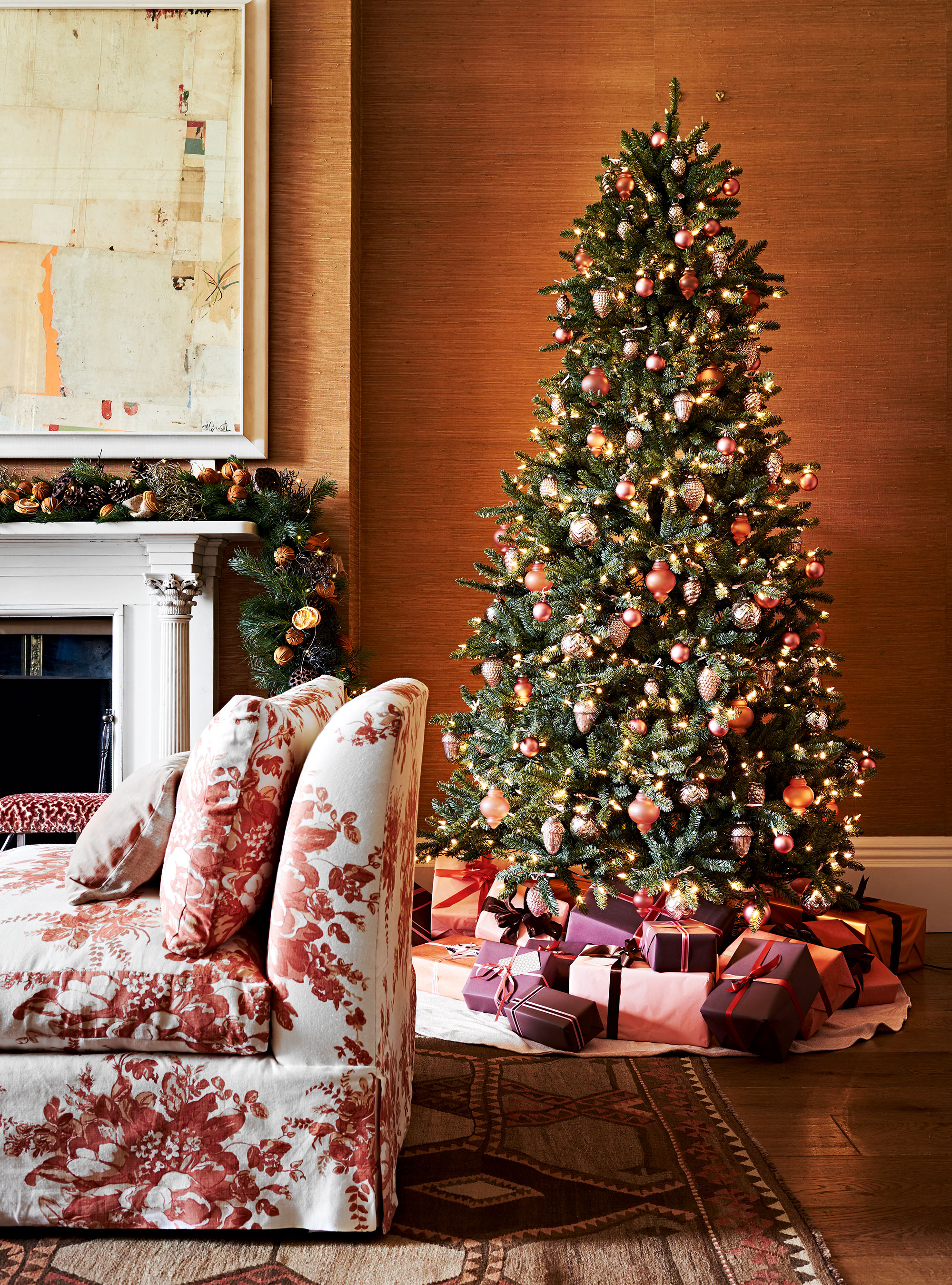
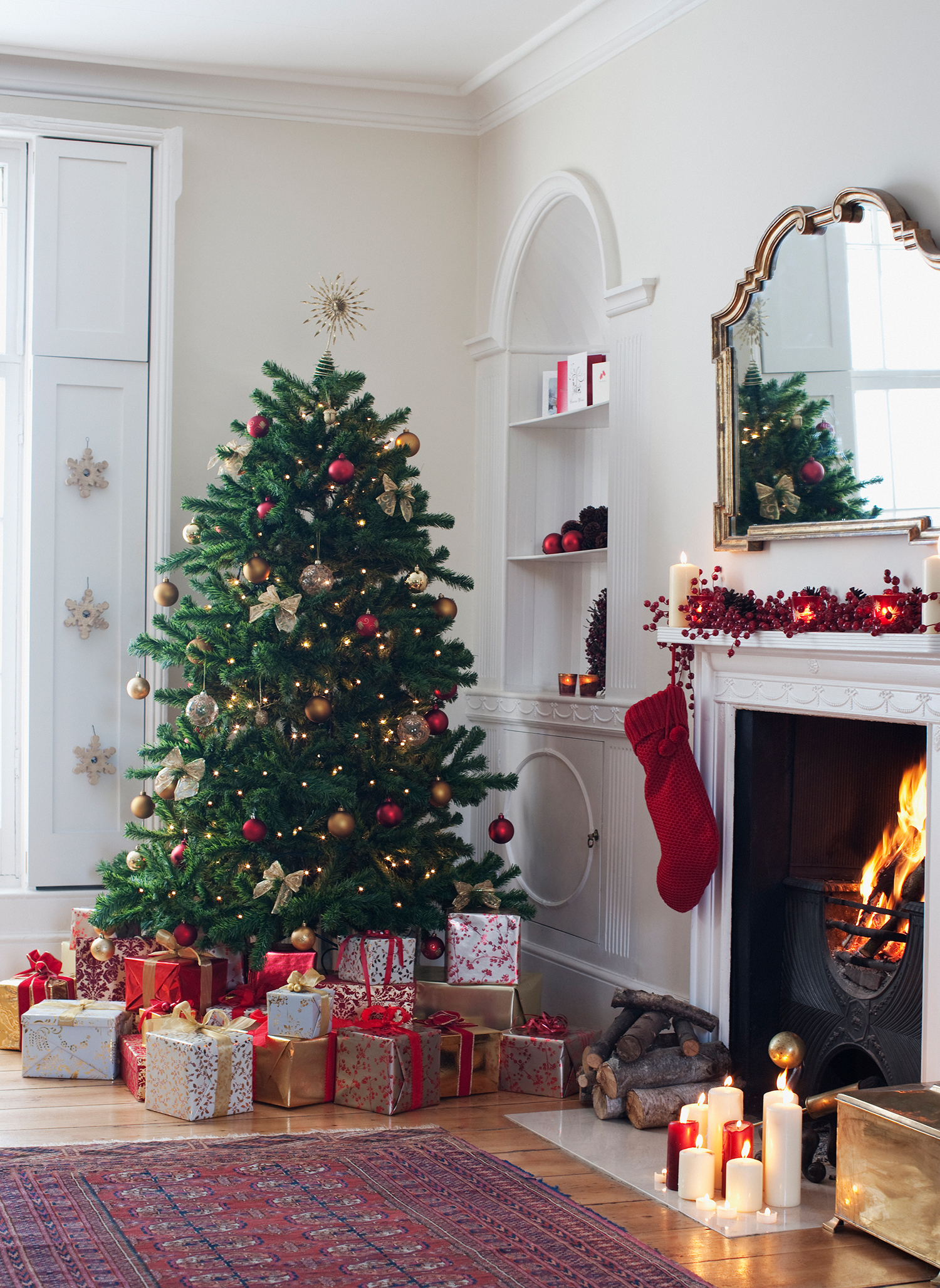
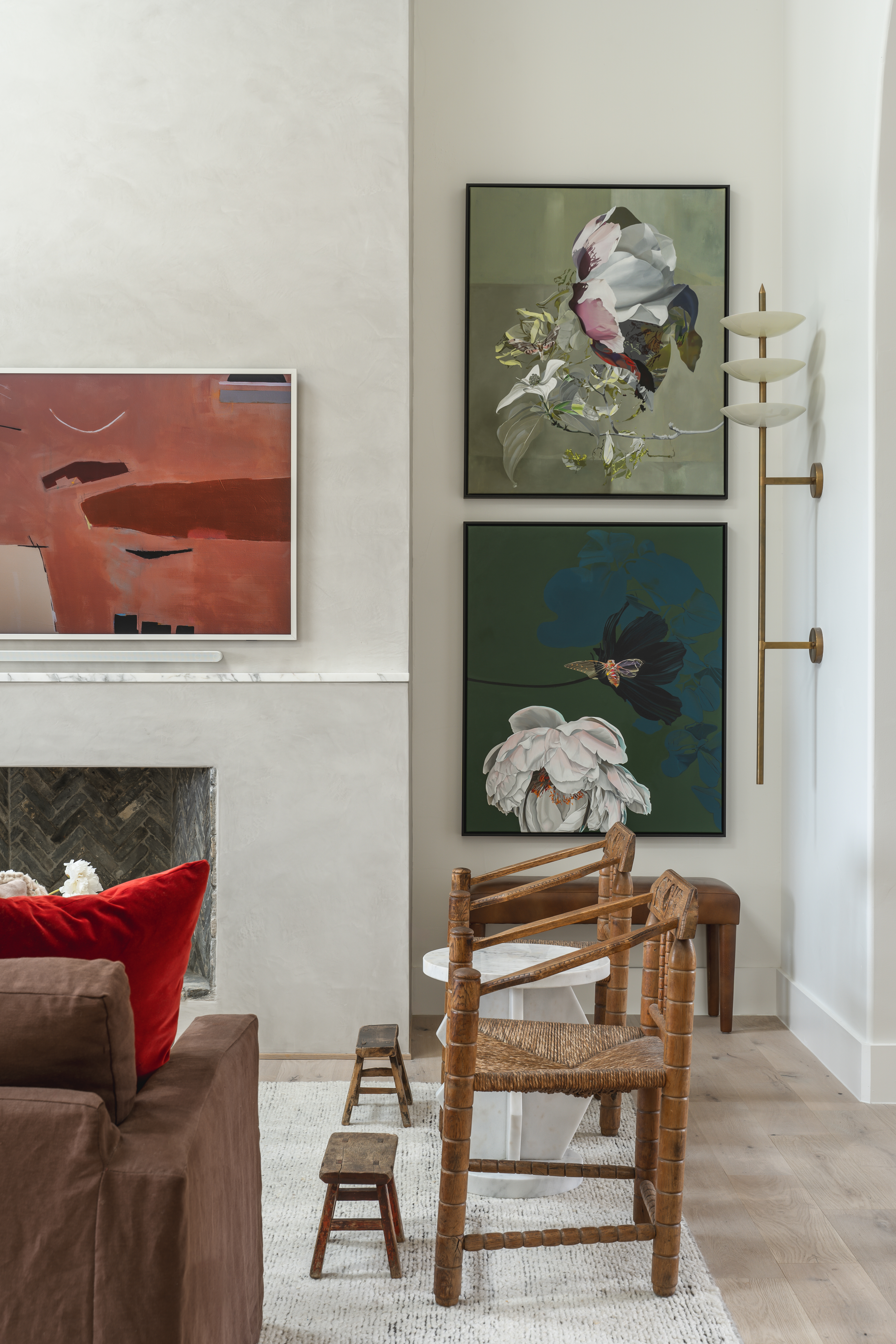
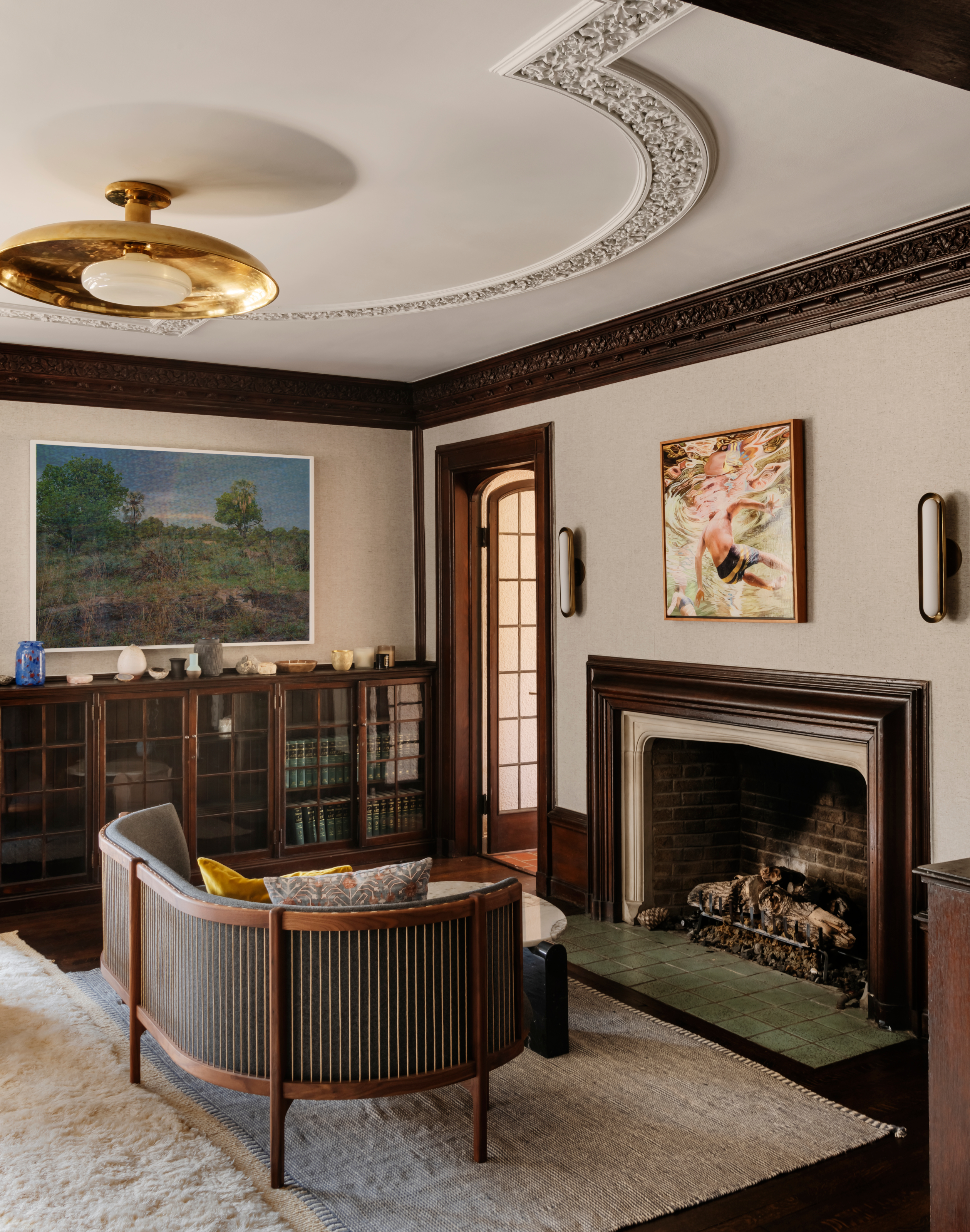
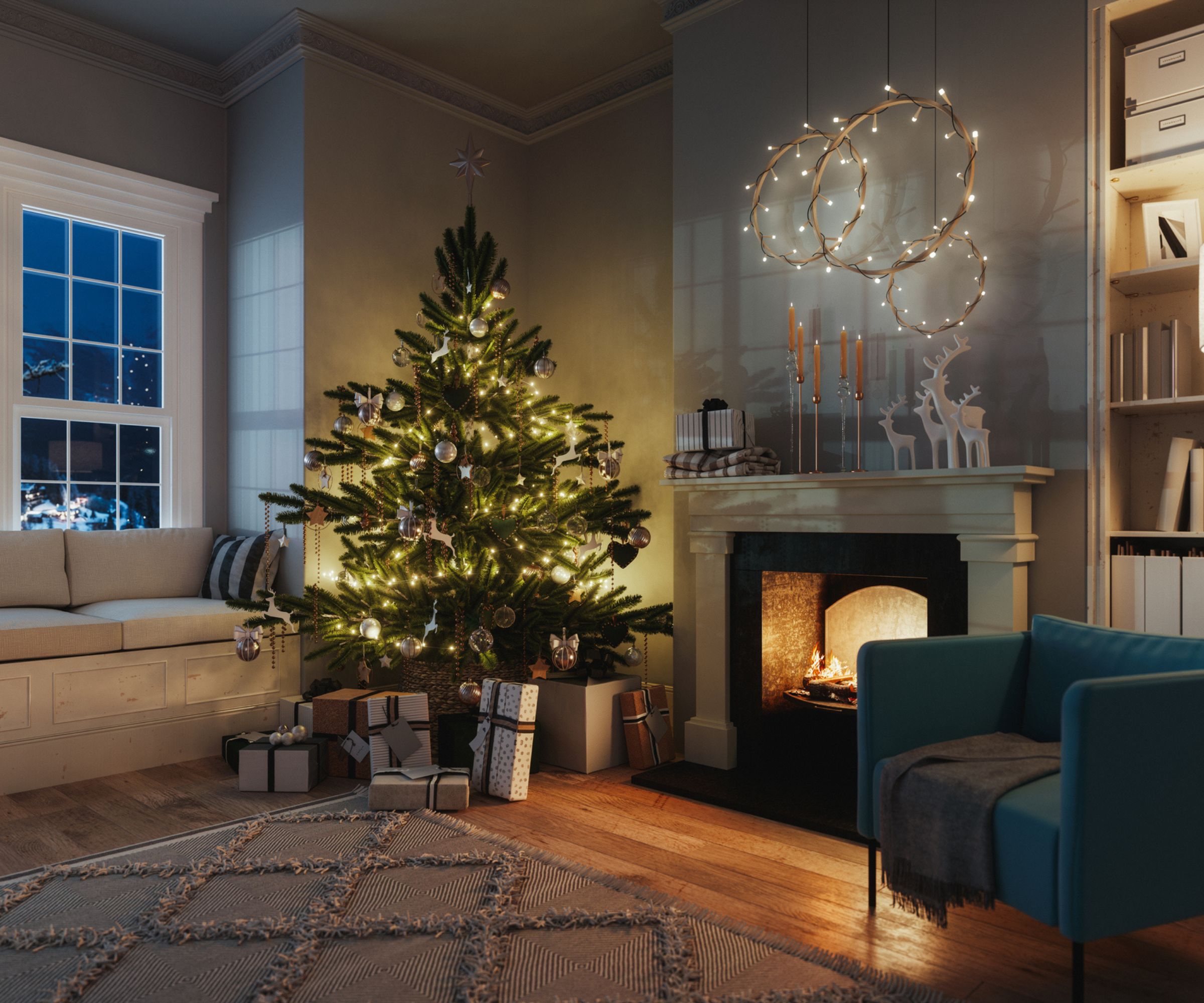
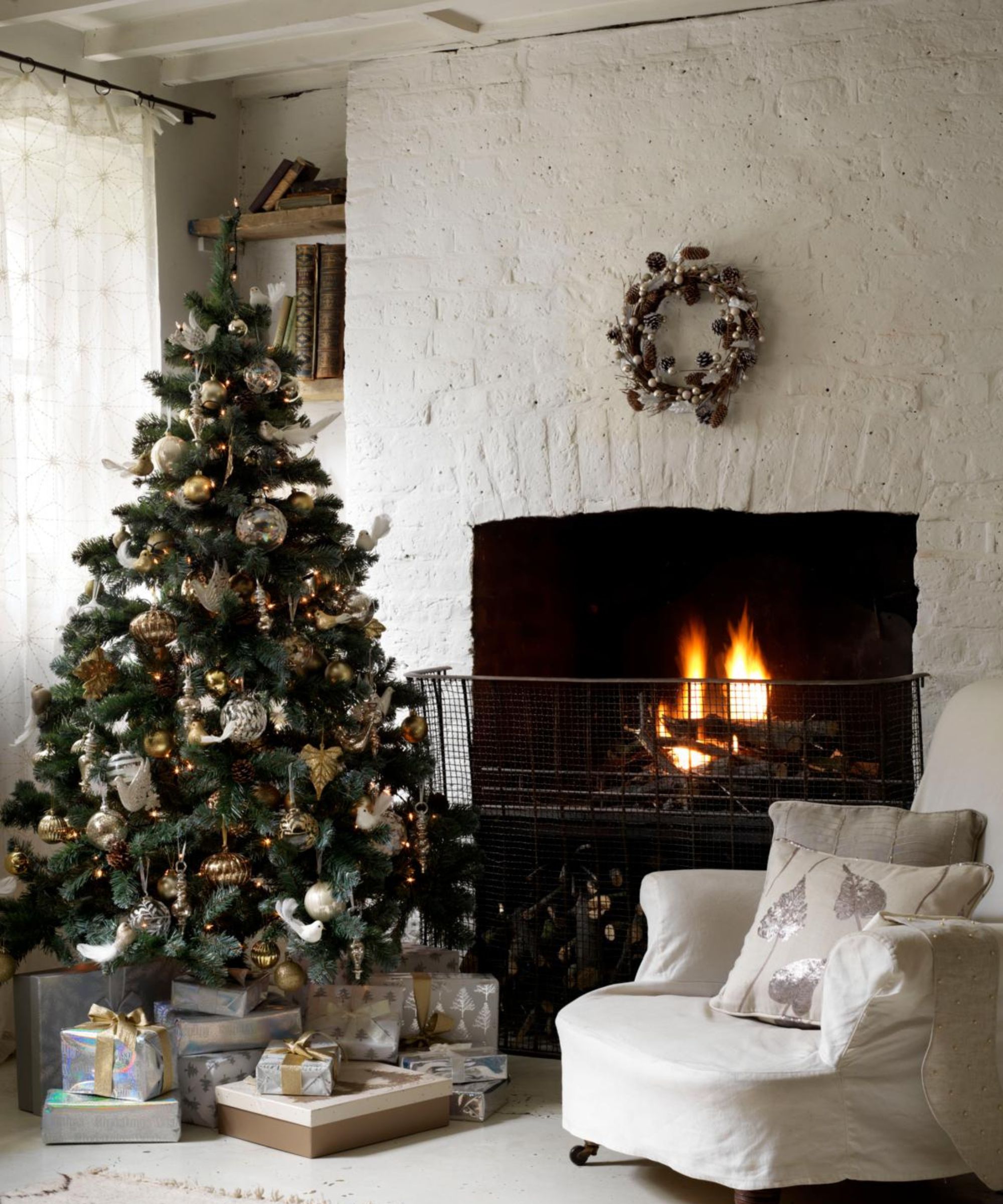
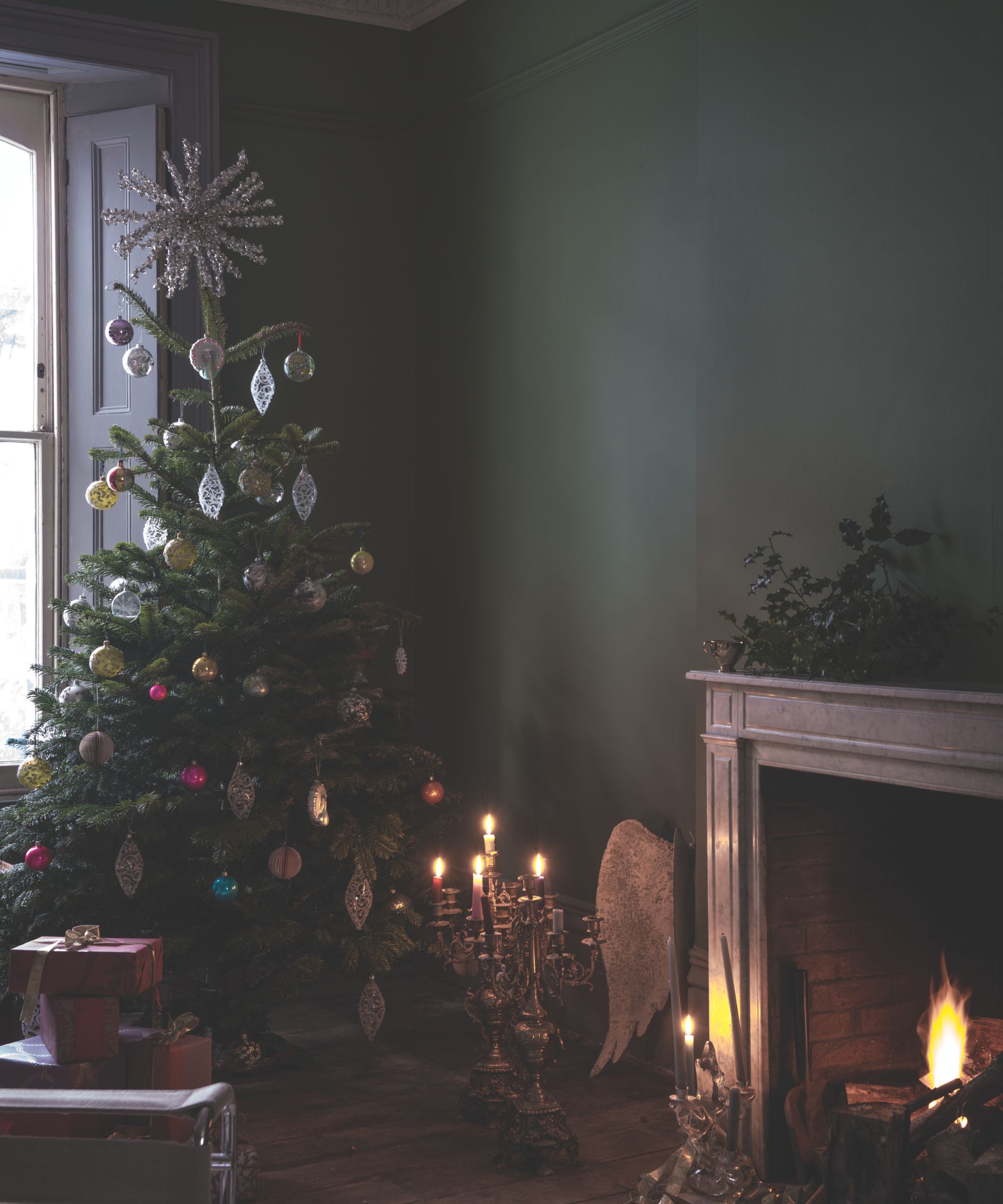
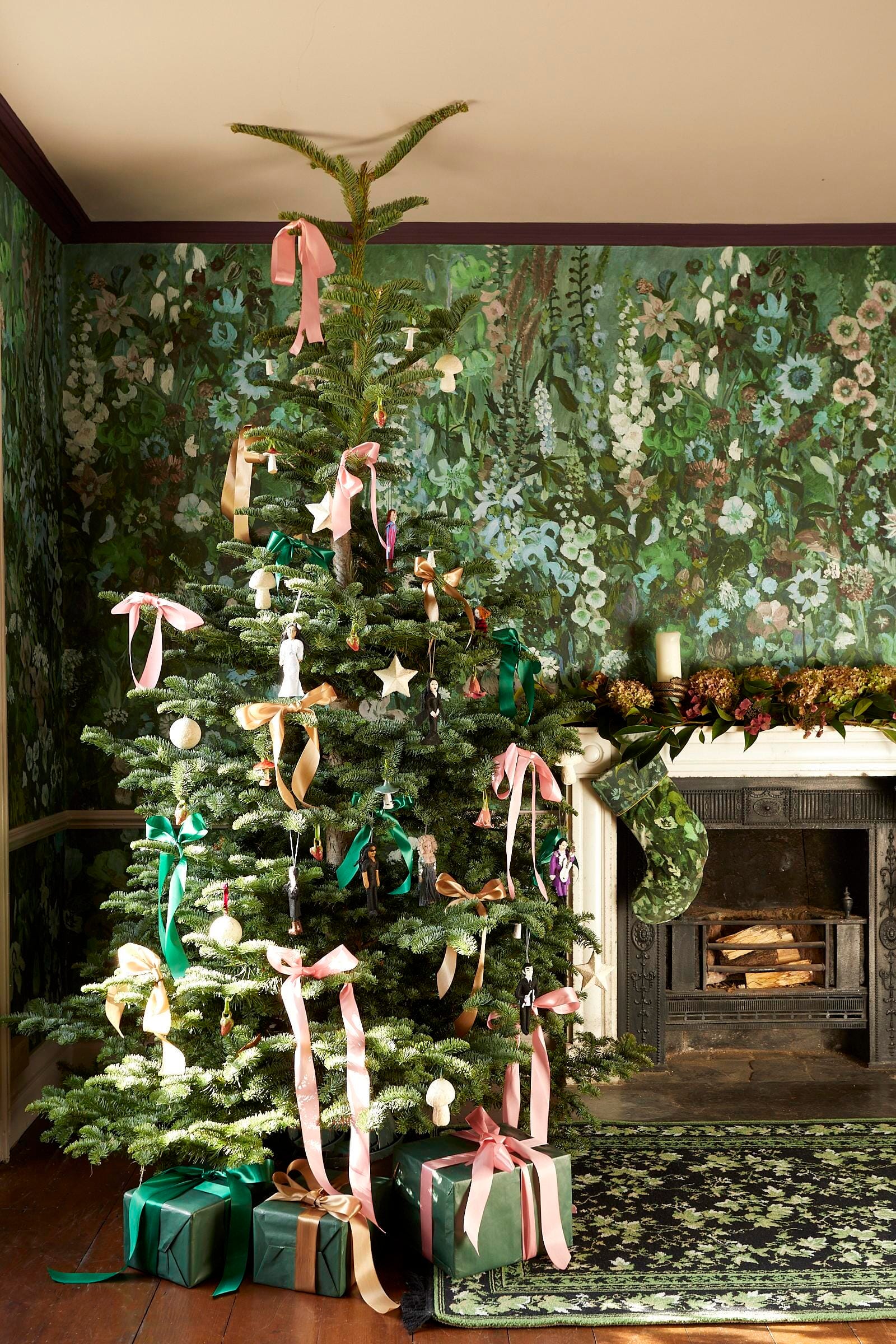
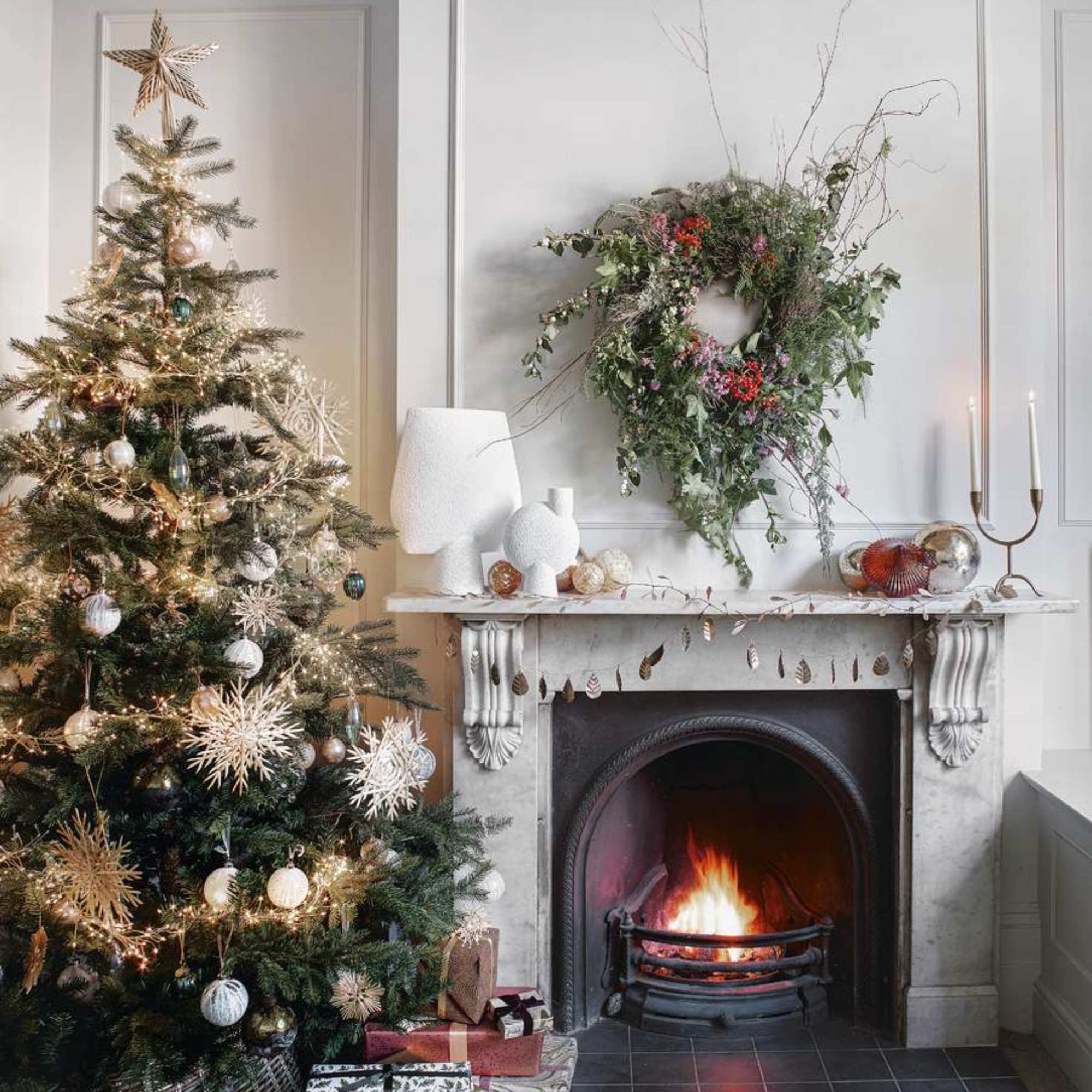
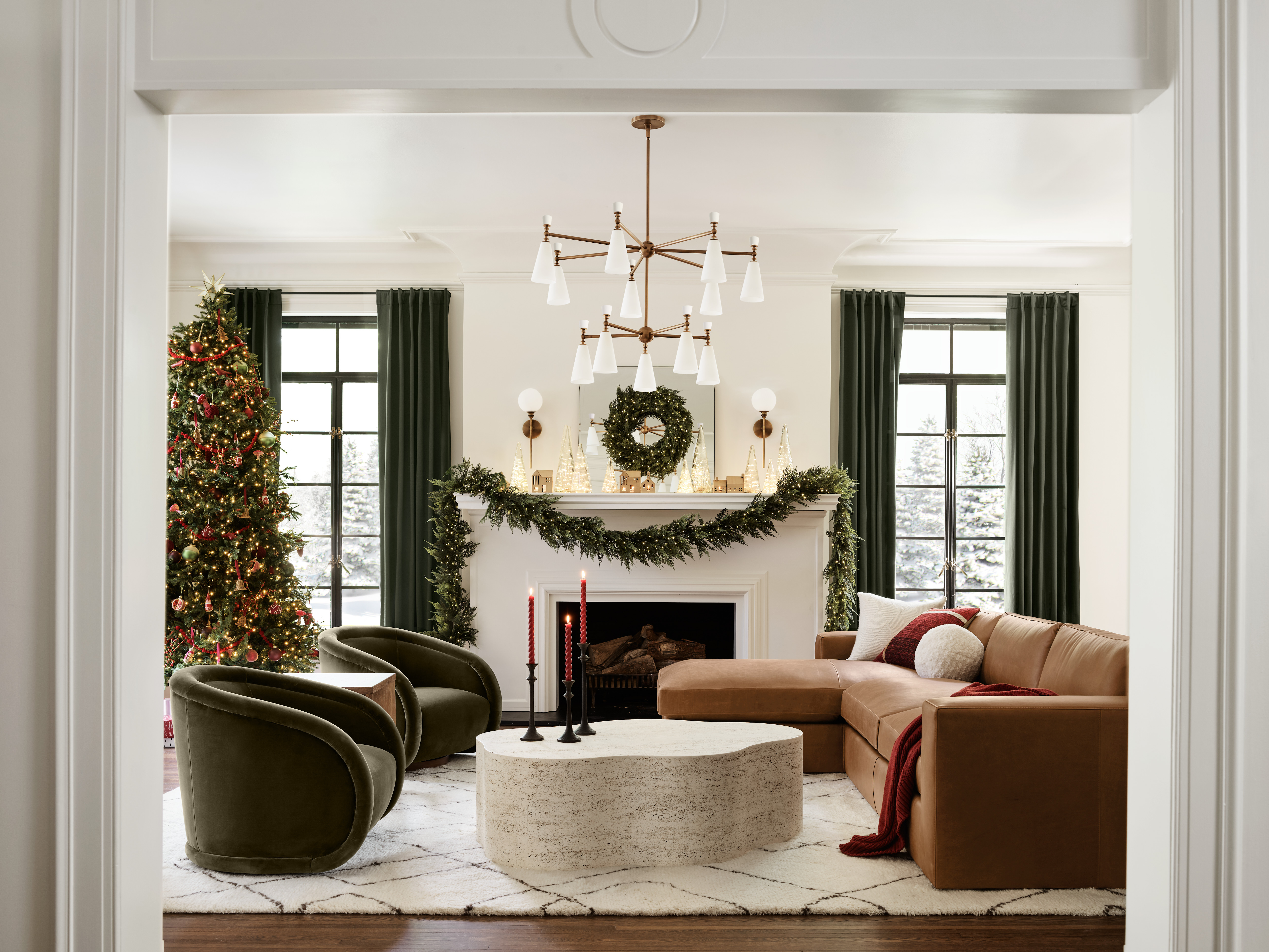
Safety is a paramount concern, making it imperative to steer clear of heat sources. Placing a Christmas tree near fireplaces, radiators, or heating vents can prematurely dry out the tree, leading to increased needle drop and potential fire hazards. Drew Michael Scott and Darren Henault both stress the importance of avoiding such locations to ensure the tree remains lush throughout the season and to prevent obstruction of heat flow, which is particularly relevant during colder months.
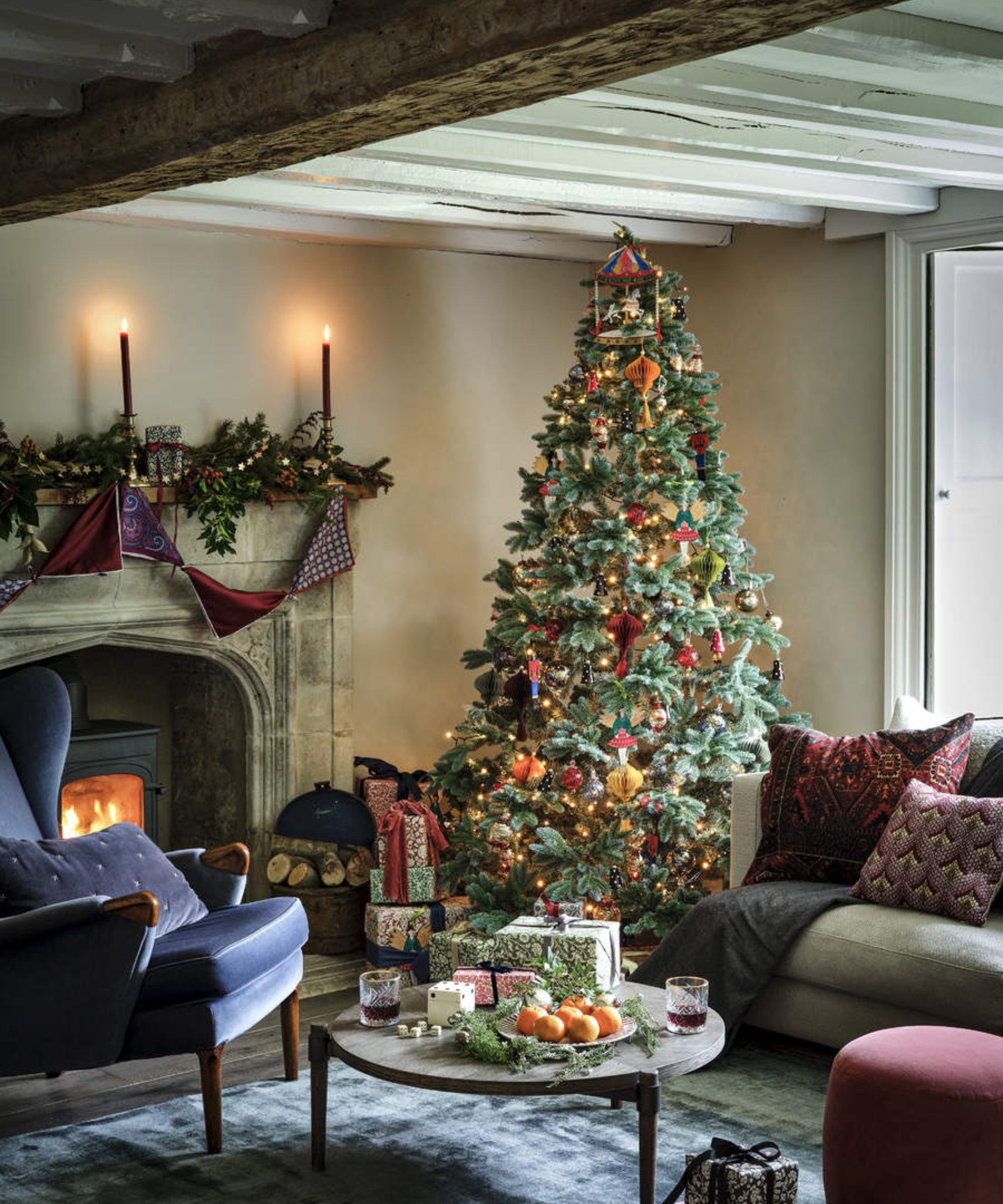
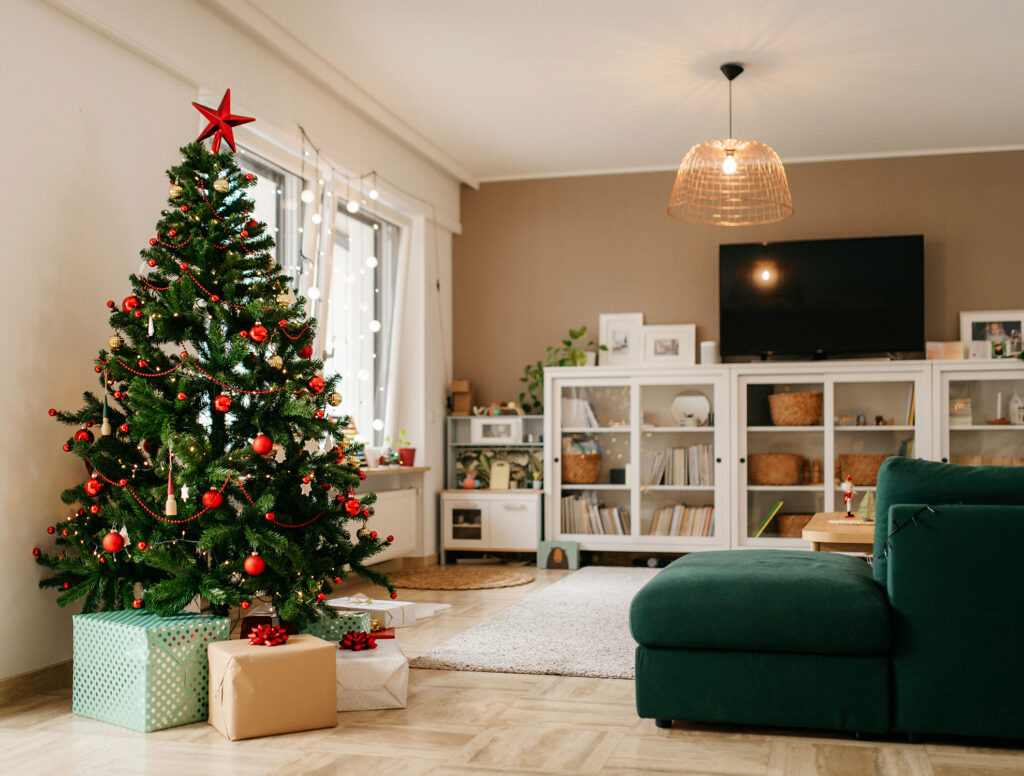
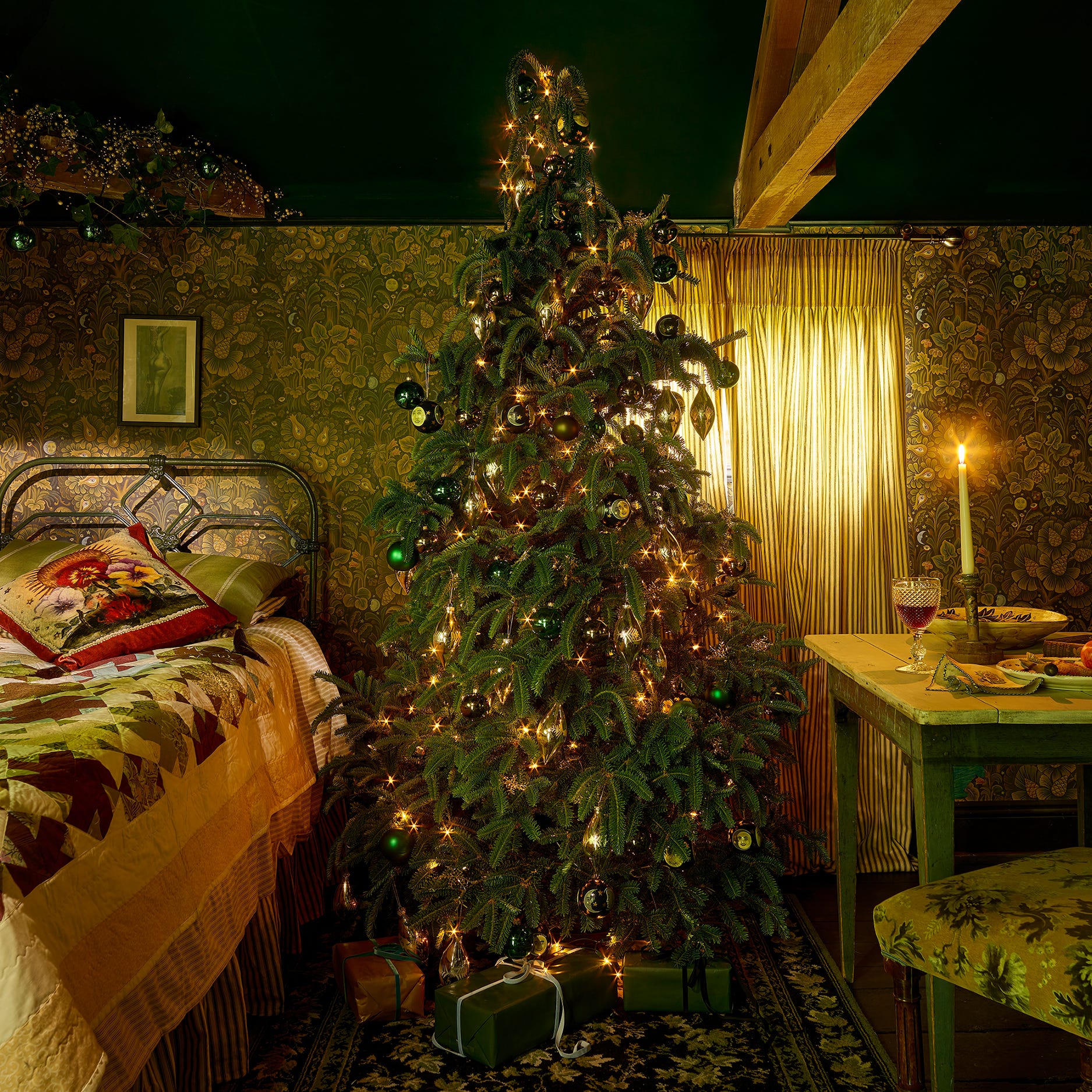
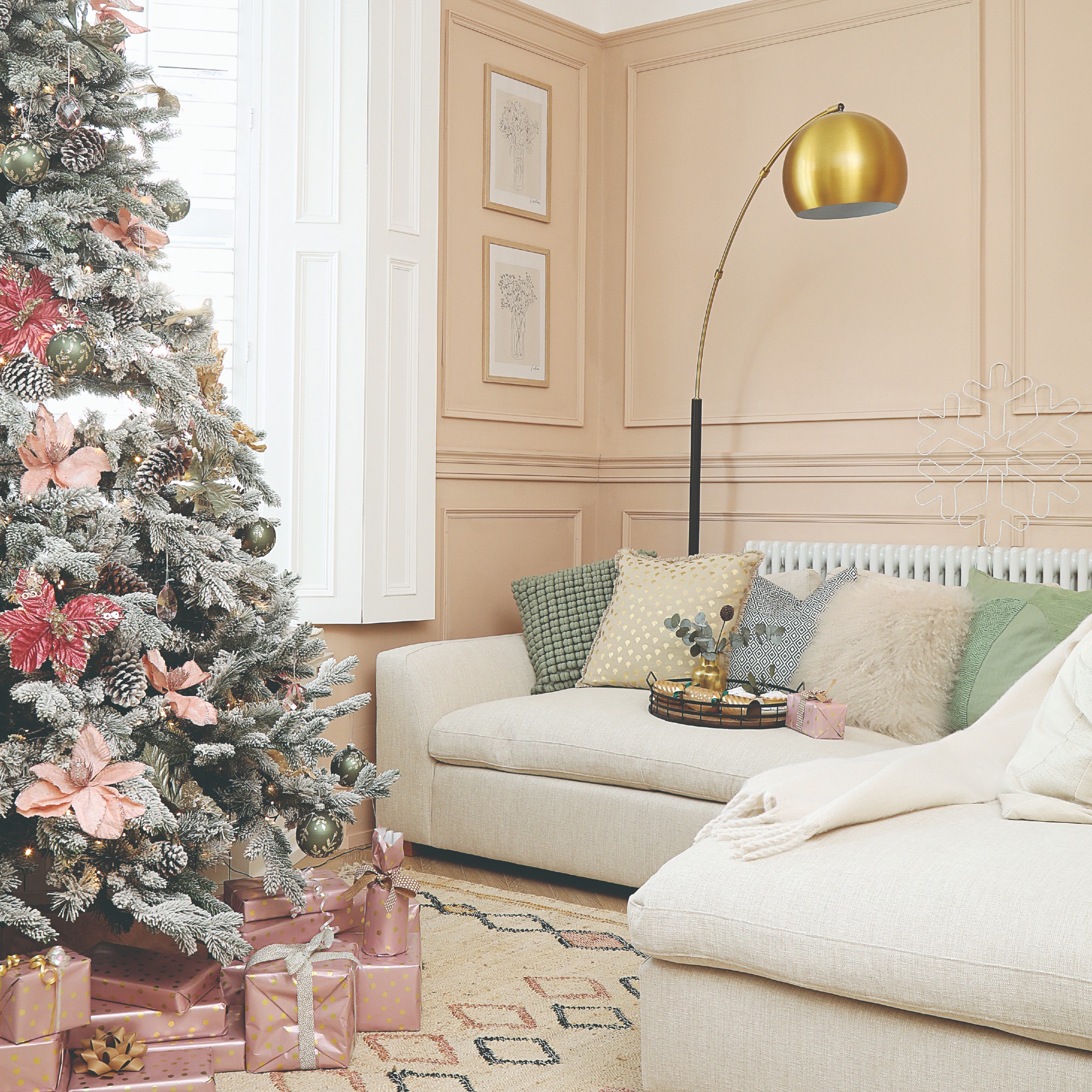
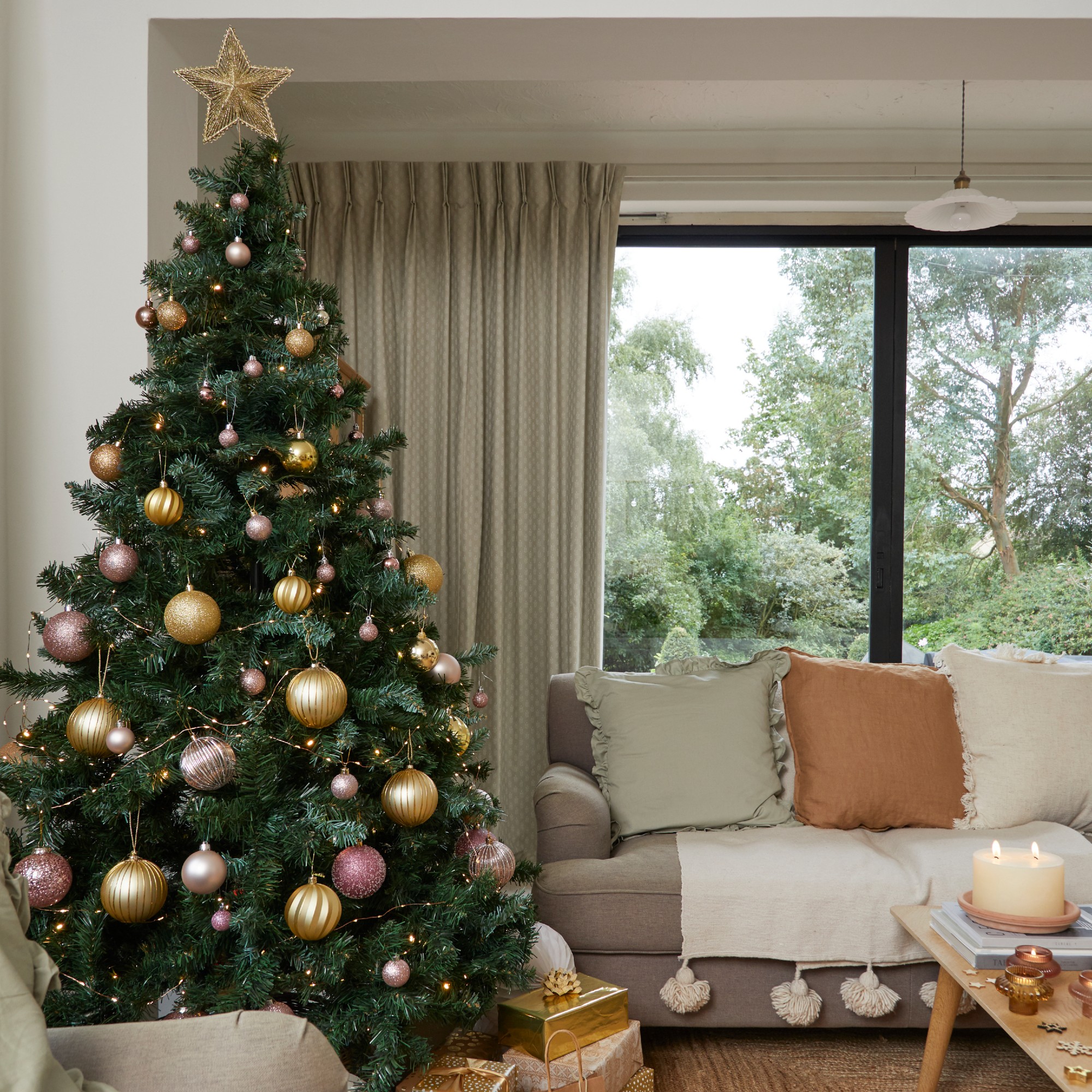
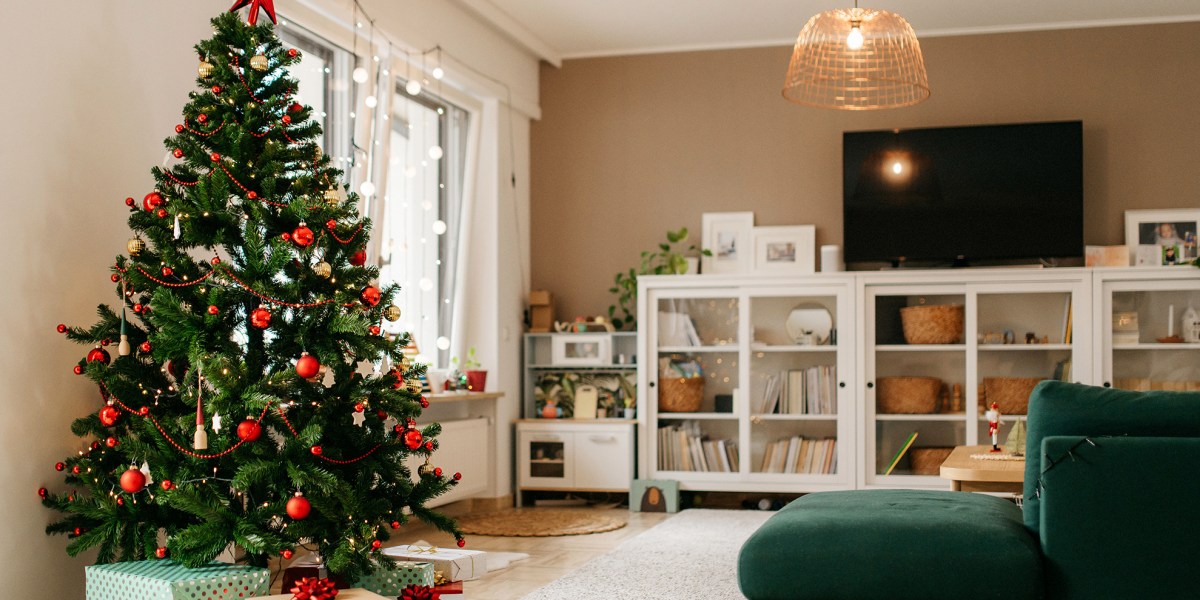
Finally, the placement should maximize enjoyment. Experts recommend situating the tree in frequently used communal areas, such as the living room. Drew Michael Scott suggests the living room or main gathering area, often in a corner, to create a festive zone without overwhelming the space. Catherine Olasky reinforces this by advocating for placement in the family's most used room, allowing for daily appreciation of its glow and making the effort of decorating worthwhile. The consensus points towards placing the Christmas tree where it can be fully appreciated by family and friends, avoiding areas that would hinder movement or limit its visual impact.
#ChristmasTreePlacement #HolidayDecor #InteriorDesignTips #HomeDecoration #ChristmasSafety #TrafficFlow #ArchitecturalFeatures #HeatSources #LivingRoomDecor #ChristmasTreePlacement #HolidayDecor #InteriorDesignTips #HomeDecoration #ChristmasSafety #TrafficFlow #ArchitecturalFeatures #HeatSources #LivingRoomDecor
0 comment in total
 No comments yet
You may also like
Where to Put Your Christmas Tree, According to Feng Shui Experts

3 crucial mistakes to avoid when setting your Christmas table, according to an interior stylist

These 82 Christmas Tree Ideas That Will Make Your Neighbors Jealous

41 Christmas Living Room Ideas to Get Your Home Ready for the Holidays

5 rules for Christmas tree placement, according to Feng Shui principles
6 Feng Shui Christmas decorating rules – and why getting them wrong could ruin the holiday

Christmas 2024: 5 Most Popular X'mas Tree Trends This Season

Succulent Christmas Trees Are Perfect for the Holidays—Here’s Where to Find Yours

This Is the Best Spot in the House to Put up Your Christmas Tree, According to an Interior Designer

5 Places You Should Never Use Peel and Stick Tile—And Where to Put It Instead
These are the 6 mistakes most people make when setting the Christmas table – here's how to avoid them
How to decorate a small living room for Christmas – 14 space-saving festive decorating ideas for a tiny lounge
4 Best Spots in Your Home to Put a Christmas Tree (and Where to Avoid!)
No room for a 7ft Christmas tree? These charming tiny trees are the perfect space-saving solution
Don't Fall Into The Trap Of These Holiday Decor Trends (And What To Try Instead)


15 alternative Christmas tree ideas to try this year

5 Places You Should Never Hang Art in Your Home
5 clever ways to make a Christmas tree look taller – from adding a base to tricking the eye with decor
6 Christmas Table Styling Mistakes, According to Designers

Try This Designer-Approved Tip To Change Up Your Christmas Tree Decor