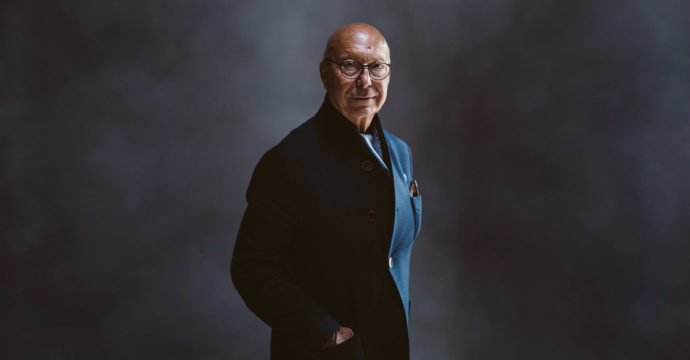
Axel Vervoordt: “I like evolution, not revolution”
Axel Vervoordt, a prominent figure in art dealing, art collecting, and interior design, discusses his multi-faceted profession, emphasizing his dislike for the term "decorator" and his pursuit of harmony in design. He describes his work as deeply architectural, grounded in sacred geometry, aiming to create atmospheres that are not merely beautiful but resonate with positive energy and a thoughtful, respectful meaning. Vervoordt believes in making homes livable, welcoming, and warm, stressing that this goal is independent of monetary cost. He advocates for interiors that feel casual and comfortable, where residents and guests alike feel at ease, contrasting this with houses that resemble museums where only certain rooms are used.
Vervoordt highlights the importance of a home being a "second soul" to its owner, a most preferred place on Earth. He suggests that while an instinctive approach to creating such a soulful atmosphere is ideal, it is also a skill that can be learned, citing examples of clients who, through collaboration, became adept at cultivating this ambiance. He points out common mistakes in home design, primarily the pursuit of excessive perfection, which he finds unnatural, favoring instead the beauty of imperfection. Practicality is another key consideration for Vervoordt, ensuring that every element of a home is livable. When working with old houses, he advises respecting the existing structure and style, allowing for a symbiotic relationship between the resident and the dwelling.
His own home, Gravenwezel Castle, exemplifies his philosophy, showcasing a blend of historical restoration and contemporary art. Vervoordt enjoys regularly moving art pieces to rediscover them and adapt to new acquisitions, though some pieces remain permanent fixtures due to their inherent suitability for specific spaces. He also discusses the journey of a cherished wooden Buddhist monk portrait, which, after being temporarily removed from his home, found a new, deeply spiritual placement in his Kanaal gallery. This relocation underscores his belief that his role as an art dealer is to find the best possible place for objects, whether in private collections or museums, contributing to their documentation and the building of future cultural heritage.
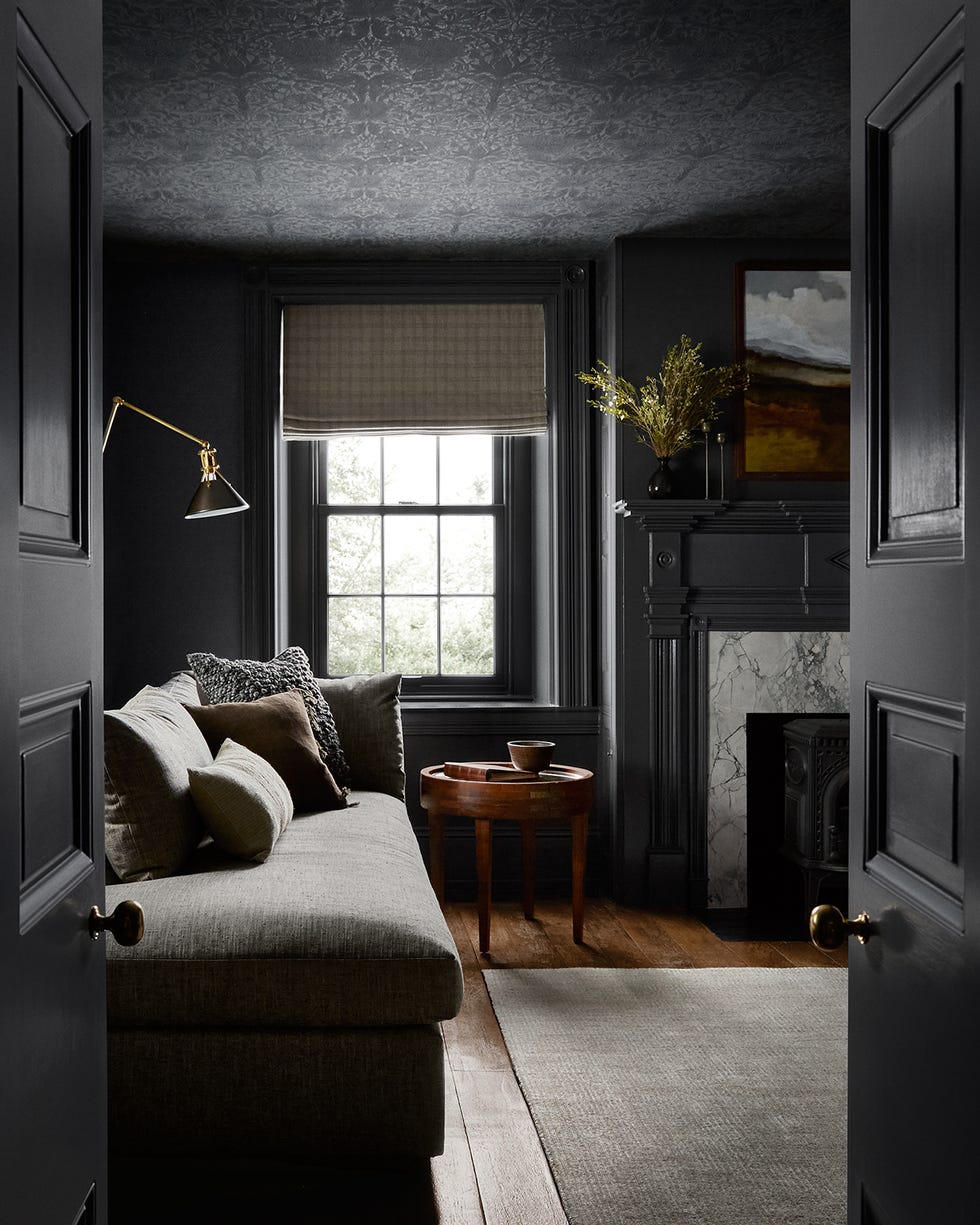
Vervoordt emphasizes his search for eternal and universal qualities in old art, which he enjoys integrating with contemporary works. His preference is for "evolution, not revolution," creating seamless atmospheres where diverse pieces coexist harmoniously. He values the inclusion of both old and new elements for a balanced home, advocating for contrasting spaces, like a light, airy room alongside a darker, book-filled library, to achieve a 'Yin-Yang' effect. His aesthetic choices are guided by the positive energy an object emanates, rather than solely its value or beauty, leading him to avoid acquiring items with negative connotations, such as war artifacts. Ultimately, for Vervoordt, feeling the essence of an object is more significant than merely seeing it.
#AxelVervoordt #ArtDealer #InteriorDesign #ArtCollecting #HomeHarmony #ArchitecturalDesign #SacredGeometry #Antiques #ContemporaryArt #AxelVervoordt #ArtDealer #InteriorDesign #ArtCollecting #HomeHarmony #ArchitecturalDesign #SacredGeometry #Antiques #ContemporaryArt
 No comments yet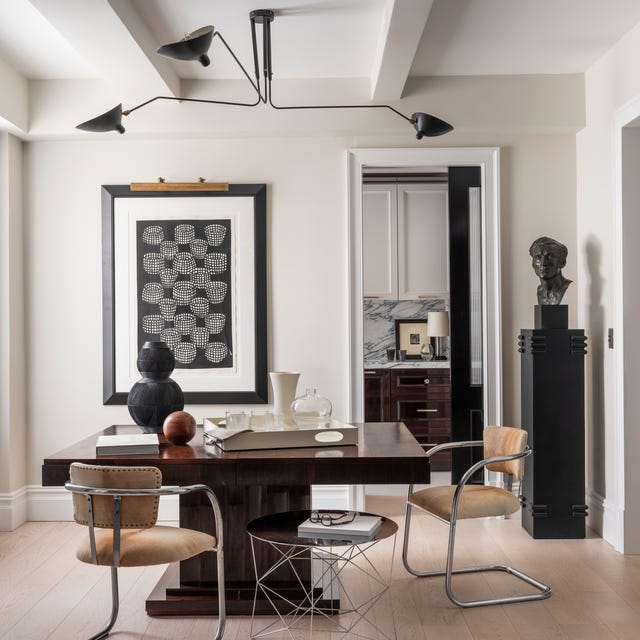
Designers Agree: Open Concept Is Out, Tradition Is In

Paradigm Shift | Tools for Life
Paradigm Shift | Tools for Life
Designers Agree: Open Concept Is Out, Tradition Is In