1/6
The Enduring Sex Appeal of the '70s Conversation Pit
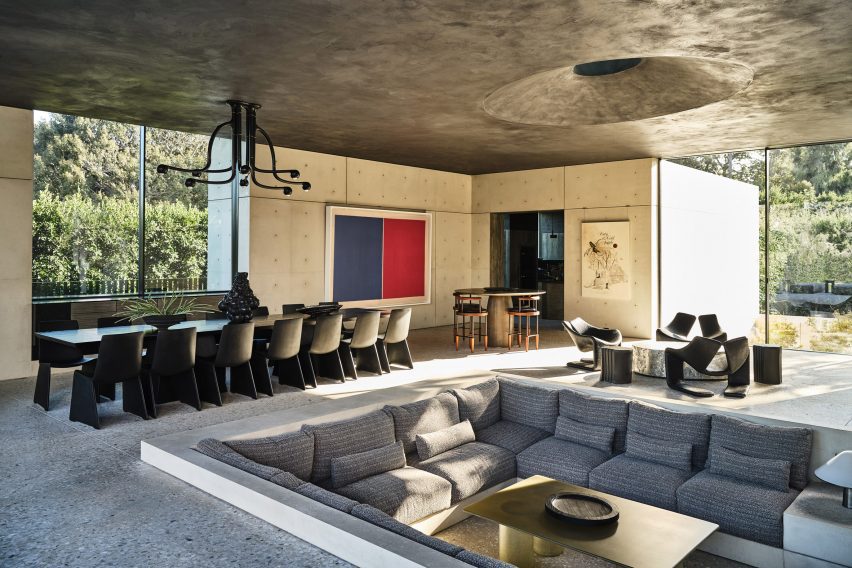
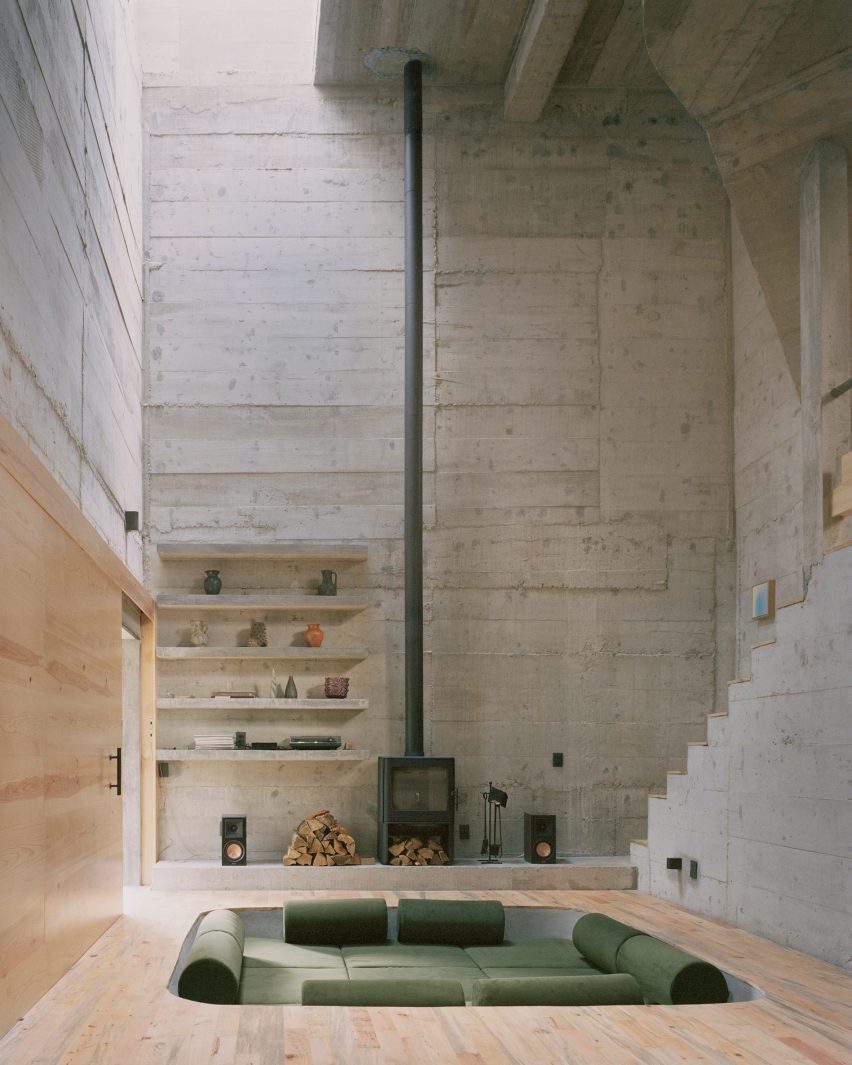
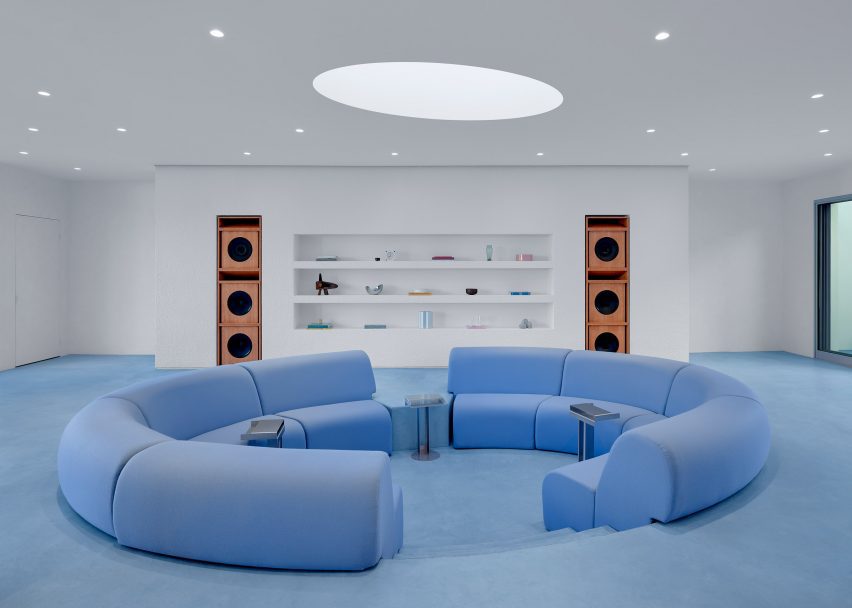
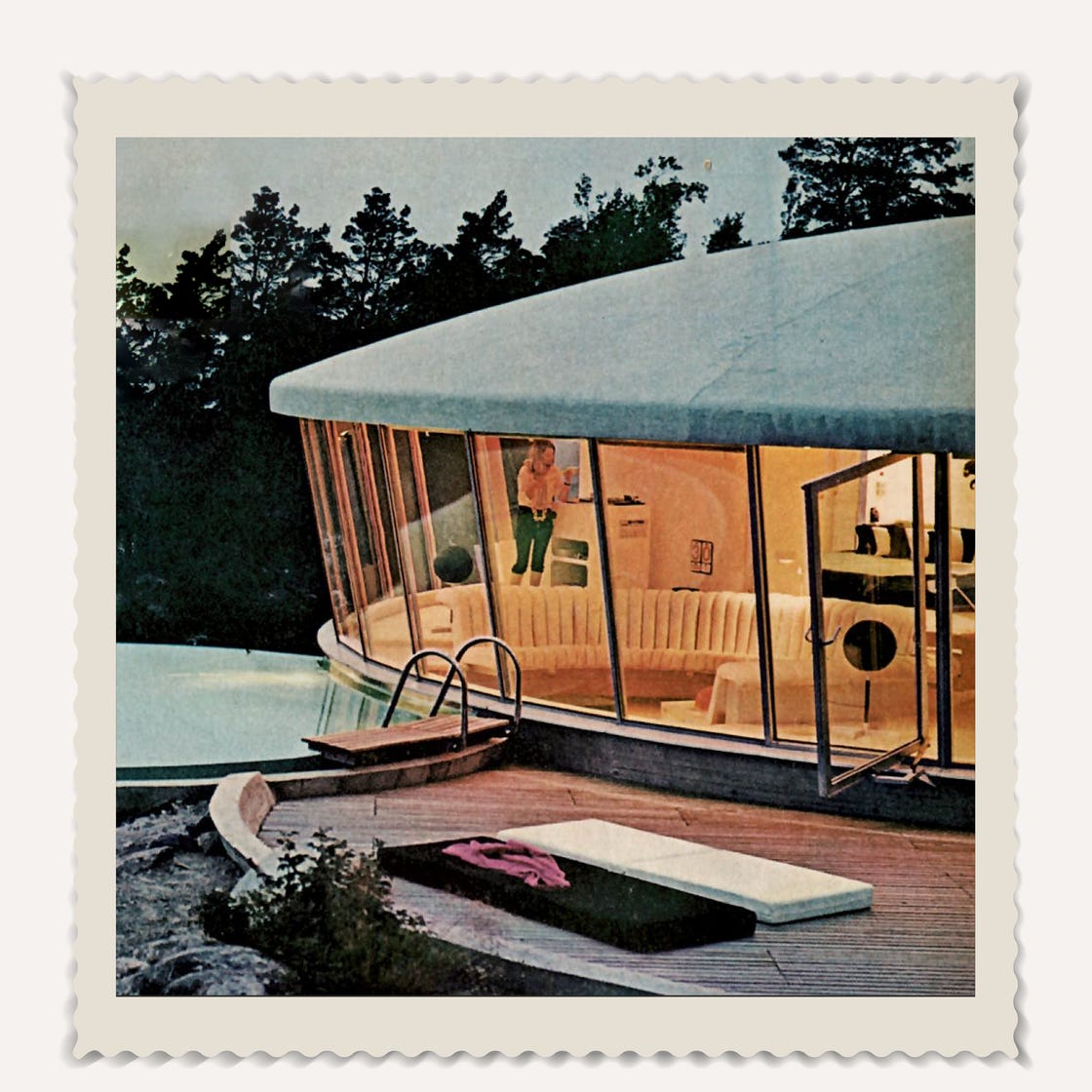
The conversation pit, a distinctive feature of midcentury residential design, has experienced a resurgence in popularity, particularly on social media platforms like Instagram. These sunken lounging areas, once a hallmark of design from the 1950s through the 1970s, are now viewed as symbols of intimacy and connection in an era where living spaces often blend various functions. The appeal lies in their deliberate impracticality and their ability to transport one to a bygone era of leisure and intentional social interaction. In a world increasingly dominated by open-plan layouts, the conversation pit offers a thrillingly specific and dedicated space for human connection, contrasting with the blurred lines between work, play, and living that characterize modern life.
One of the most iconic examples of a conversation pit is found in the Miller House, designed by architect Eero Saarinen in 1958 for industrialist J. Irwin Miller and his wife. The design aimed to create a clear division within an open floor plan while eliminating the visual clutter of furniture legs. Saarinen collaborated with architect and interior designer Alexander Girard to bring this vision to life, incorporating bold colors and graphic prints. The Miller House's conversation pit, featured in a 1959 issue of *House & Garden*, was celebrated as a sophisticated space for social gatherings, strategically designed for comfortable lounging and an unobstructed view of the owners' art collection. Its influence extended to more public spaces, such as Saarinen's TWA Flight Center at JKF Airport, which included a bright red, public version of the conversation pit in its 1962 design, further highlighting the feature's potential to create distinct social arenas within larger open spaces.
Despite its initial popularity, the residential conversation pit saw a decline in mass appeal by the 1970s, with a 1978 Housing Magazine poll indicating a lack of confidence in the feature. However, it experienced a revival in the 1980s, appearing in New York Midtown lofts and celebrity homes, such as Halston's Manhattan penthouse designed by Paul Rudolph. Halston himself articulated the desire for a relaxed, reclining space after a long day, reflecting a shift towards comfort and informality in home design. By 1981, *Architectural Record* optimistically declared a revival of the conversation pit as a simple way to encourage intimate gatherings, signaling its enduring appeal as a design element that fosters closeness.
Today, modern interpretations of the conversation pit are found not only in residential interiors but also in commercial and experiential spaces, such as Spring Studios, PUBLIC Hotel, and Madhappy's flagship store. These contemporary designs maintain the original spirit of inviting people to gather, relax, and engage in designated, informal activity. Designers and cultural commentators note the conversation pit's "effortless and chic" quality, attributing its lasting allure to its ability to make people feel at ease and its confident, elegant form. The feature's ability to create a specific "vibe" and its presence on mood boards indicate that the conversation pit will continue to be a relevant and aspirational design element in the future, prized for its unique blend of comfort, style, and social facilitation.
#ConversationPit #MidcenturyModern #InteriorDesign #ResidentialArchitecture #HomeDecor #DesignTrends #SocialSpaces #EeroSaarinen #AlexanderGirard #ConversationPit #MidcenturyModern #InteriorDesign #ResidentialArchitecture #HomeDecor #DesignTrends #SocialSpaces #EeroSaarinen #AlexanderGirard
 No comments yet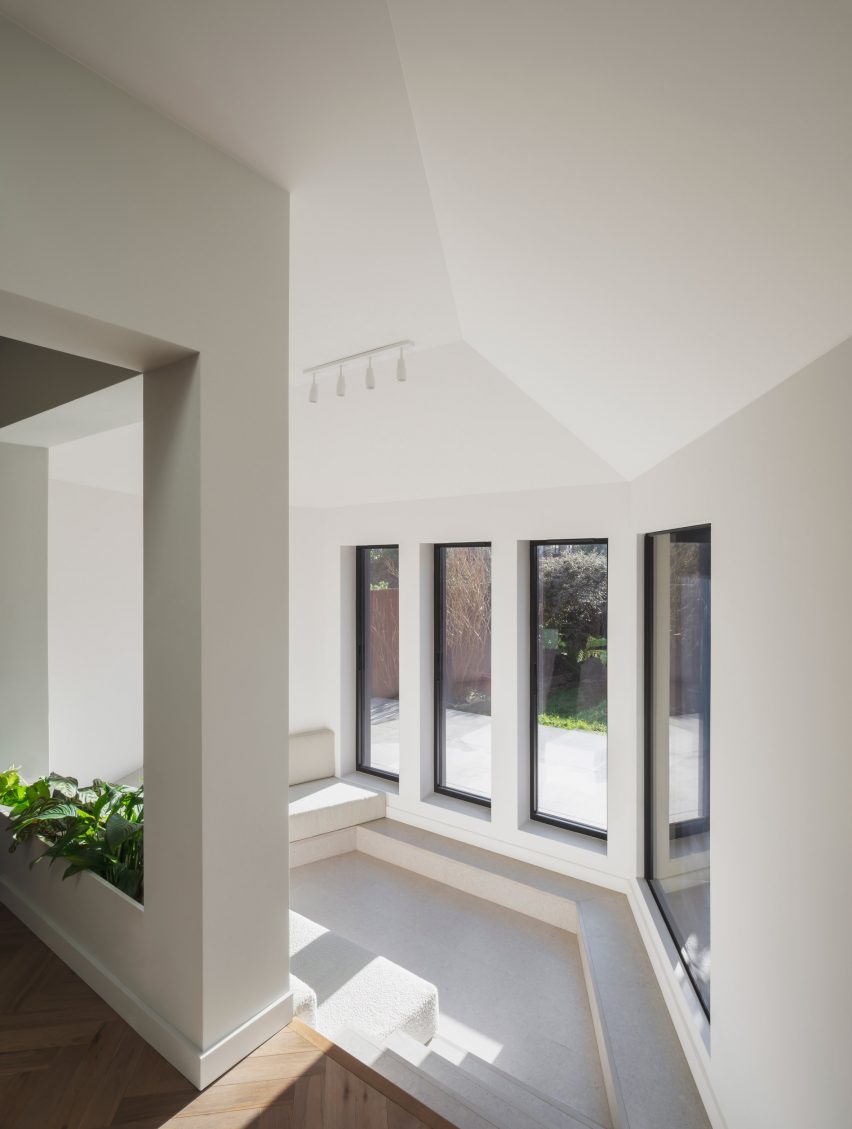
Seven conversation pits that bring people and rooms together

How Conversation Pits Became the Hottest Trend in Interior Design