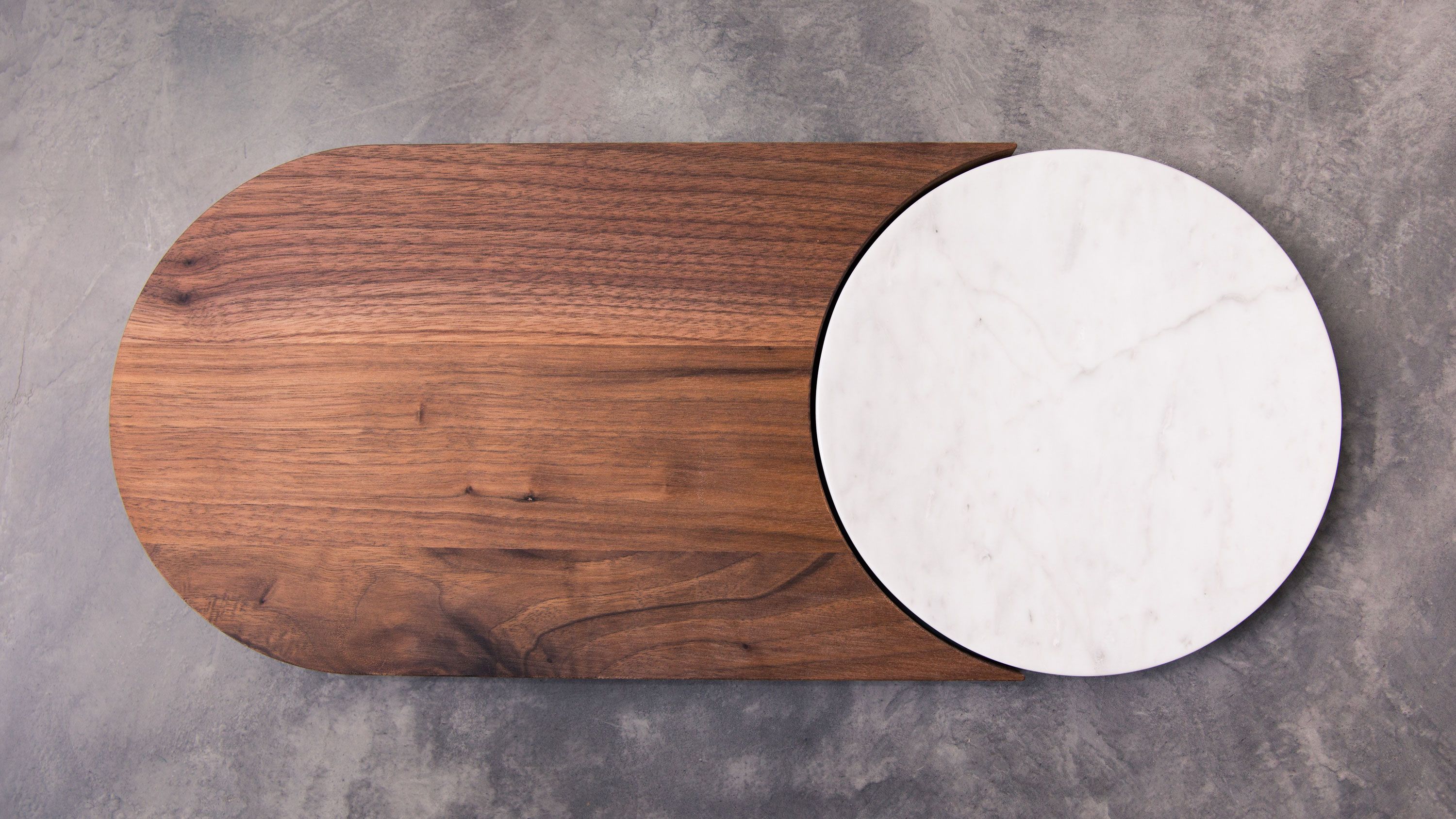
The Story Behind the Mirror You’ve Seen All Over Instagram
Bower, a distinctive furniture design company, was founded in 2013 by former Uhuru designers Danny Giannella and Tammer Hijazi, with Jeffrey Renz joining in 2014 to handle the business aspects. The company's name, Bower, is inspired by the Bowerbird, a species known for the elaborate and beautifully decorated structures males create to attract mates. This ethos of creating unique and attractive pieces is reflected in Bower's designs.
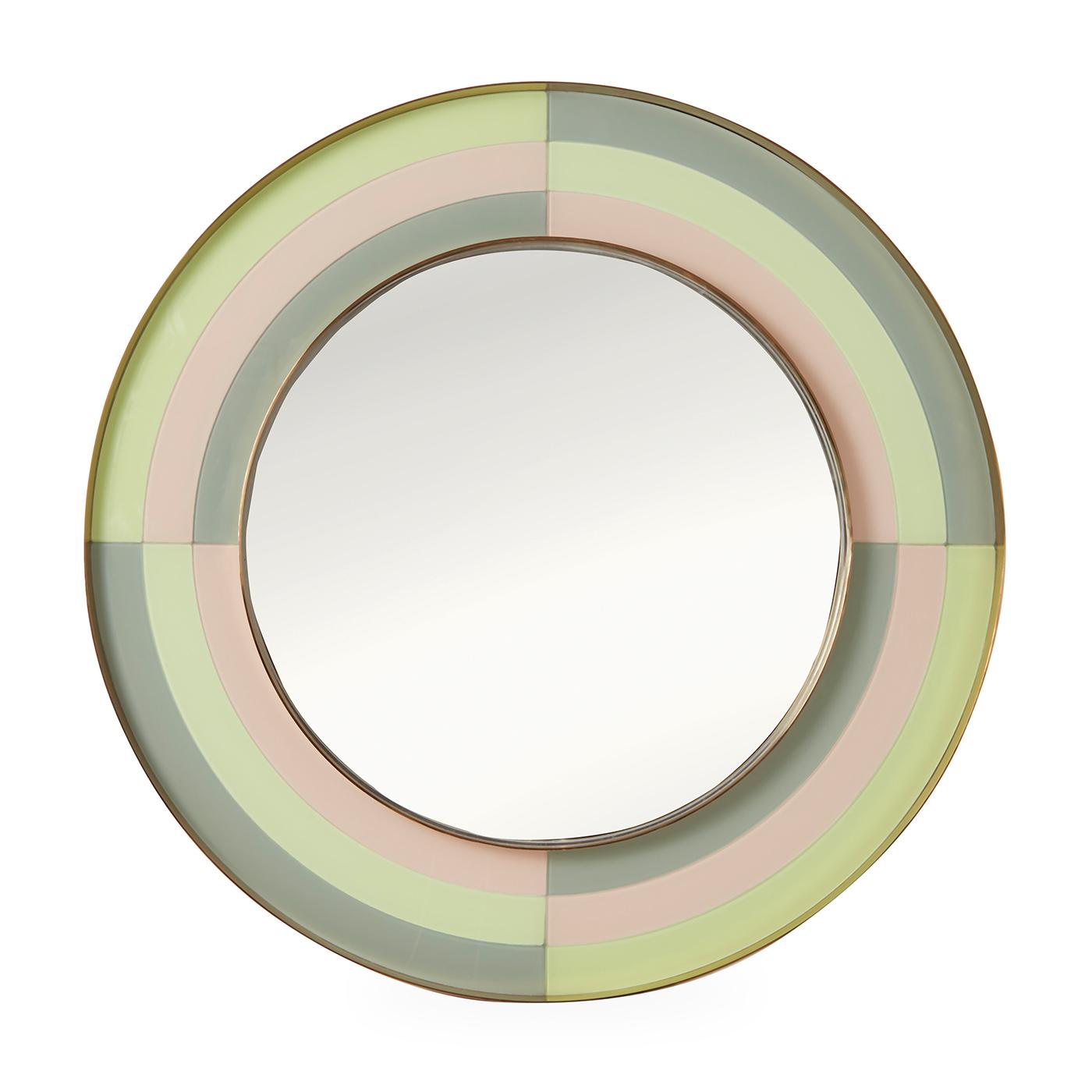
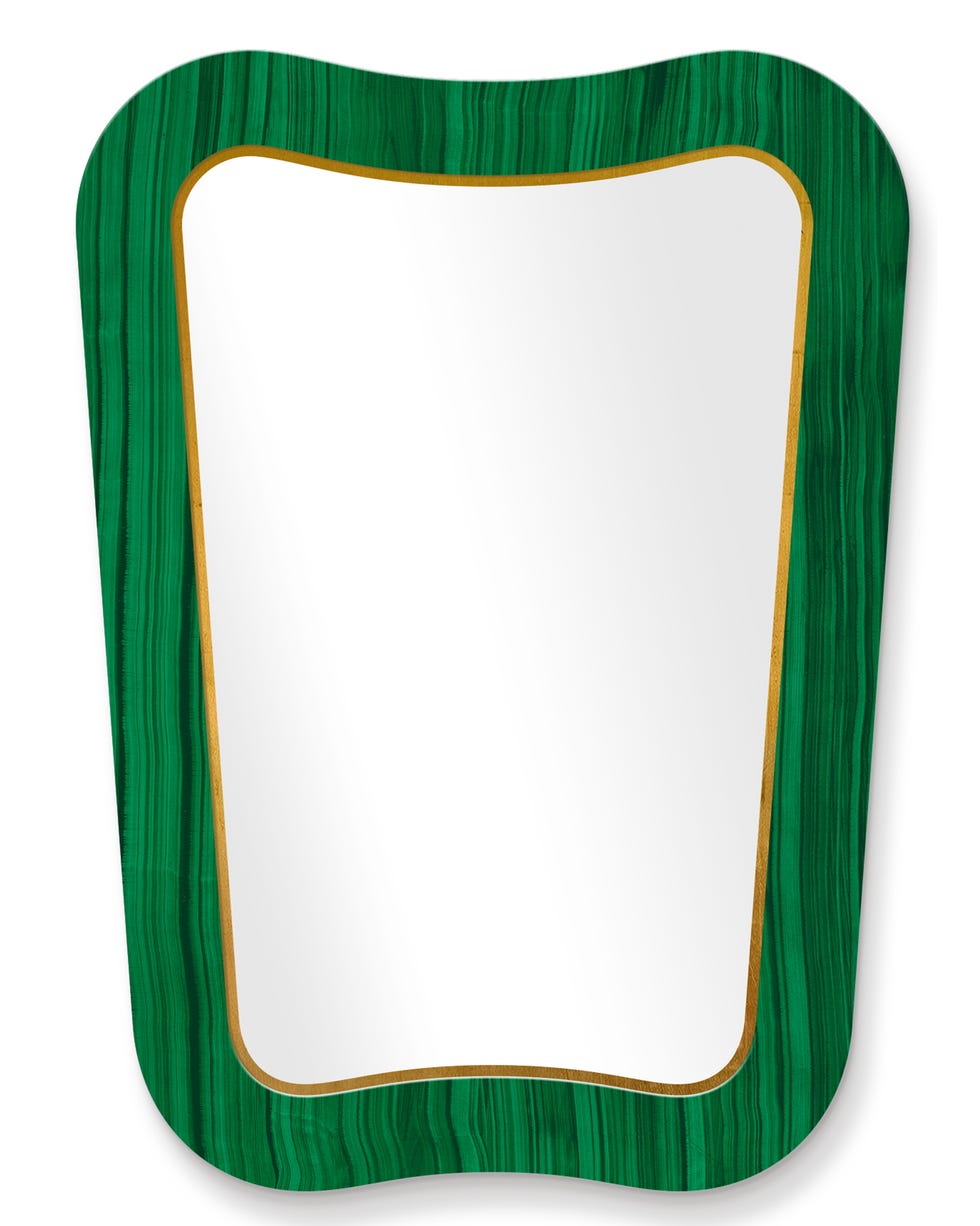
Bower's aesthetic is characterized by its curvaceous and unexpected forms, often incorporating hints of 1970s and 1980s Miami style. The designers employ an experimental approach, utilizing luxe, contrasting materials such as marble and mirrors to produce furniture and objects that are described as dreamy. Their work has garnered significant attention, notably being featured at New York’s Collective Design Fair, where their distinctive style captivated observers.
In an interview conducted at Bower’s studio and showroom in Greenpoint, Brooklyn, Giannella provided insights into the company’s design process and future plans. He explained that he and Hijazi, both fabricators at Uhuru, shared a common desire to design, leading to a collaborative process where their ideas would naturally evolve and gain momentum. Giannella describes Bower's creations as "unusual, yet familiar; innovative and simple; light and luxurious." He noted that women are their primary clientele, speculating that the pieces' lightness, delicacy, curves, and frequent use of peachy colors appeal to this demographic.
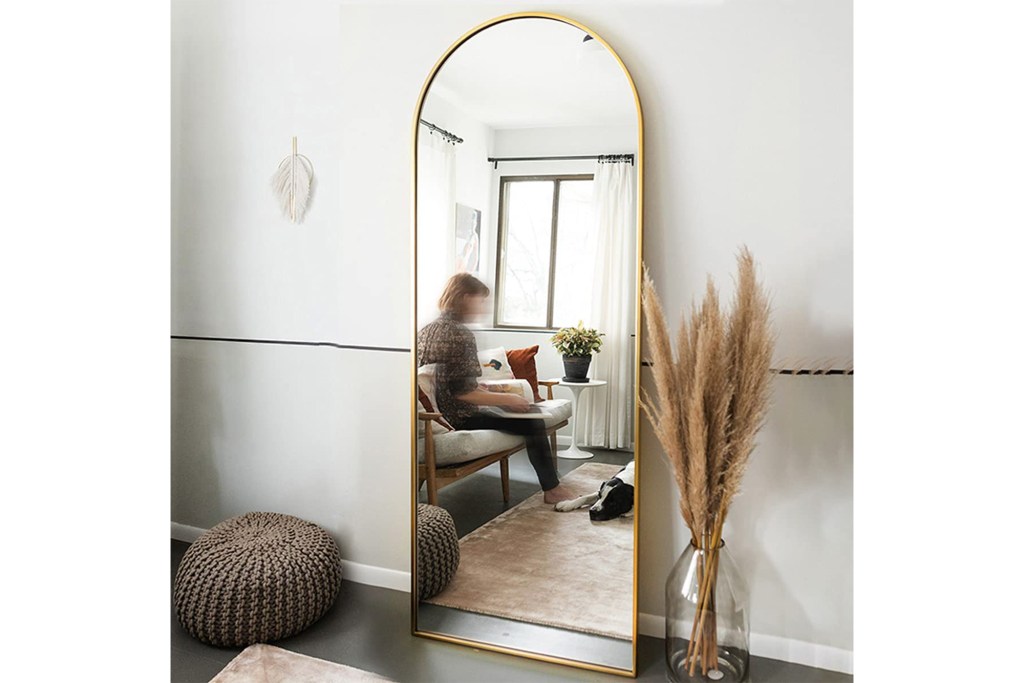
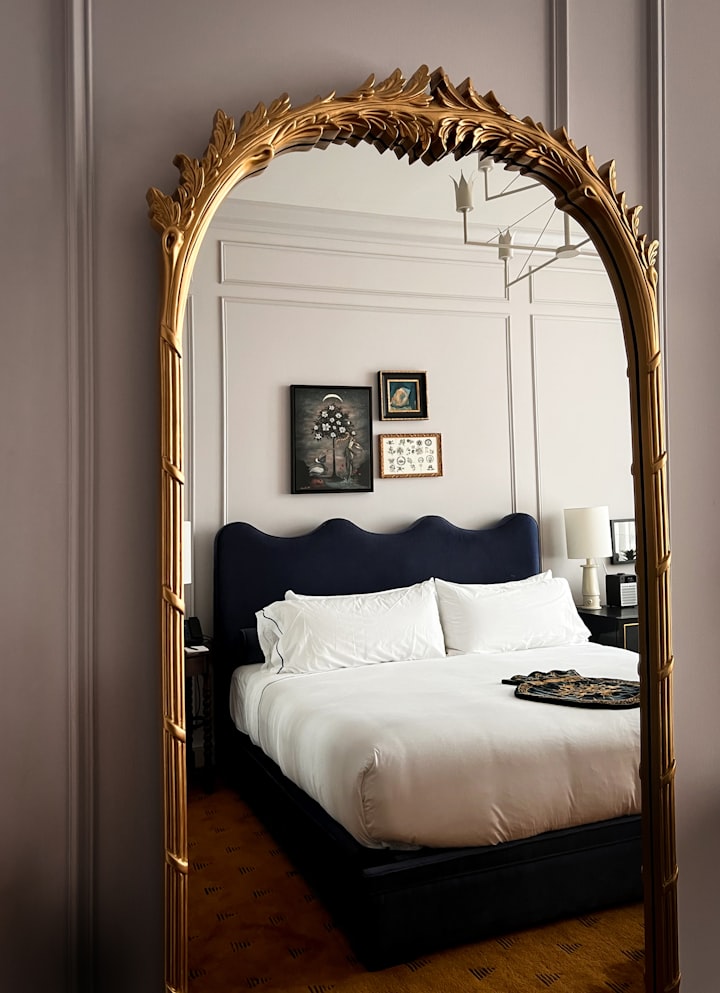
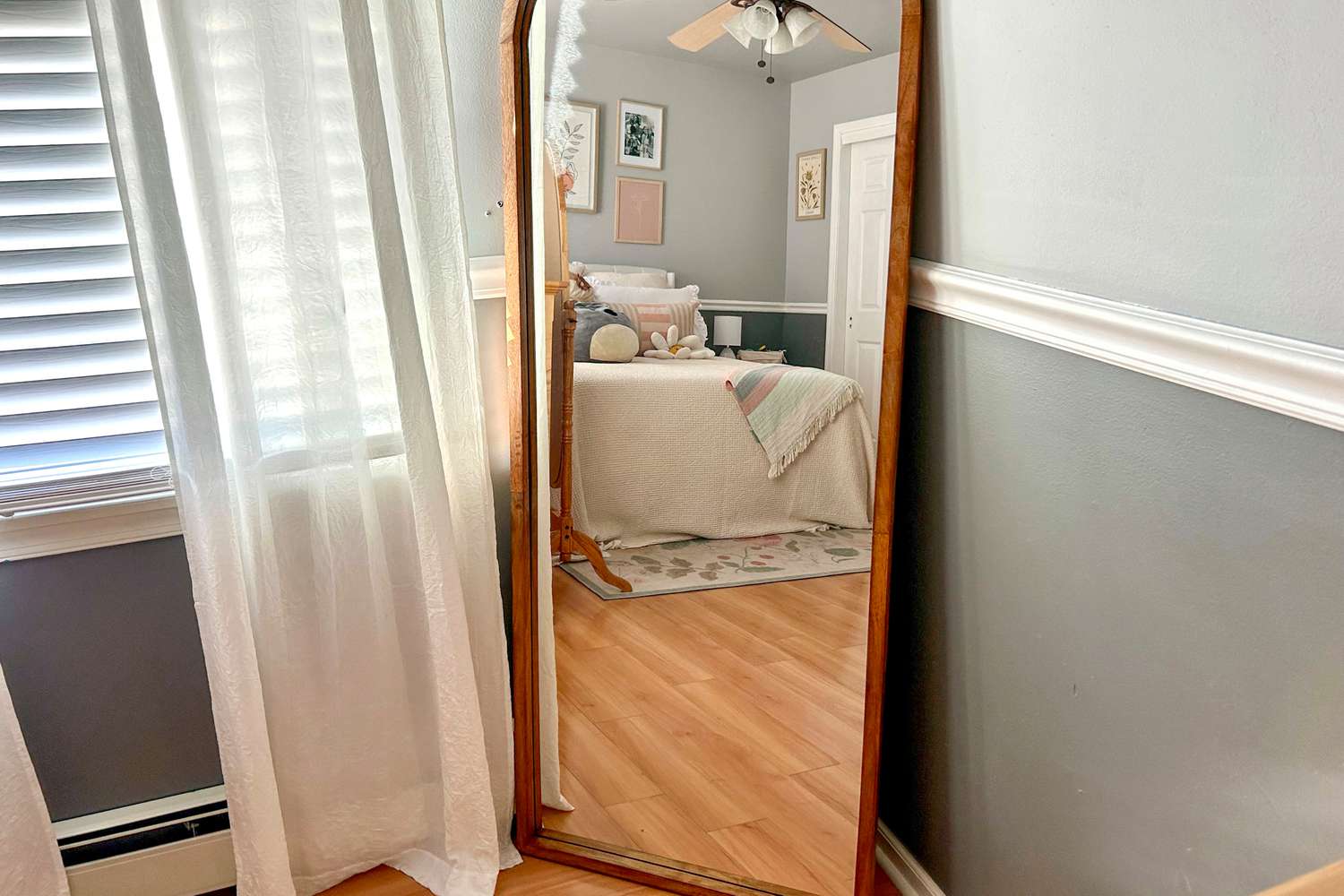
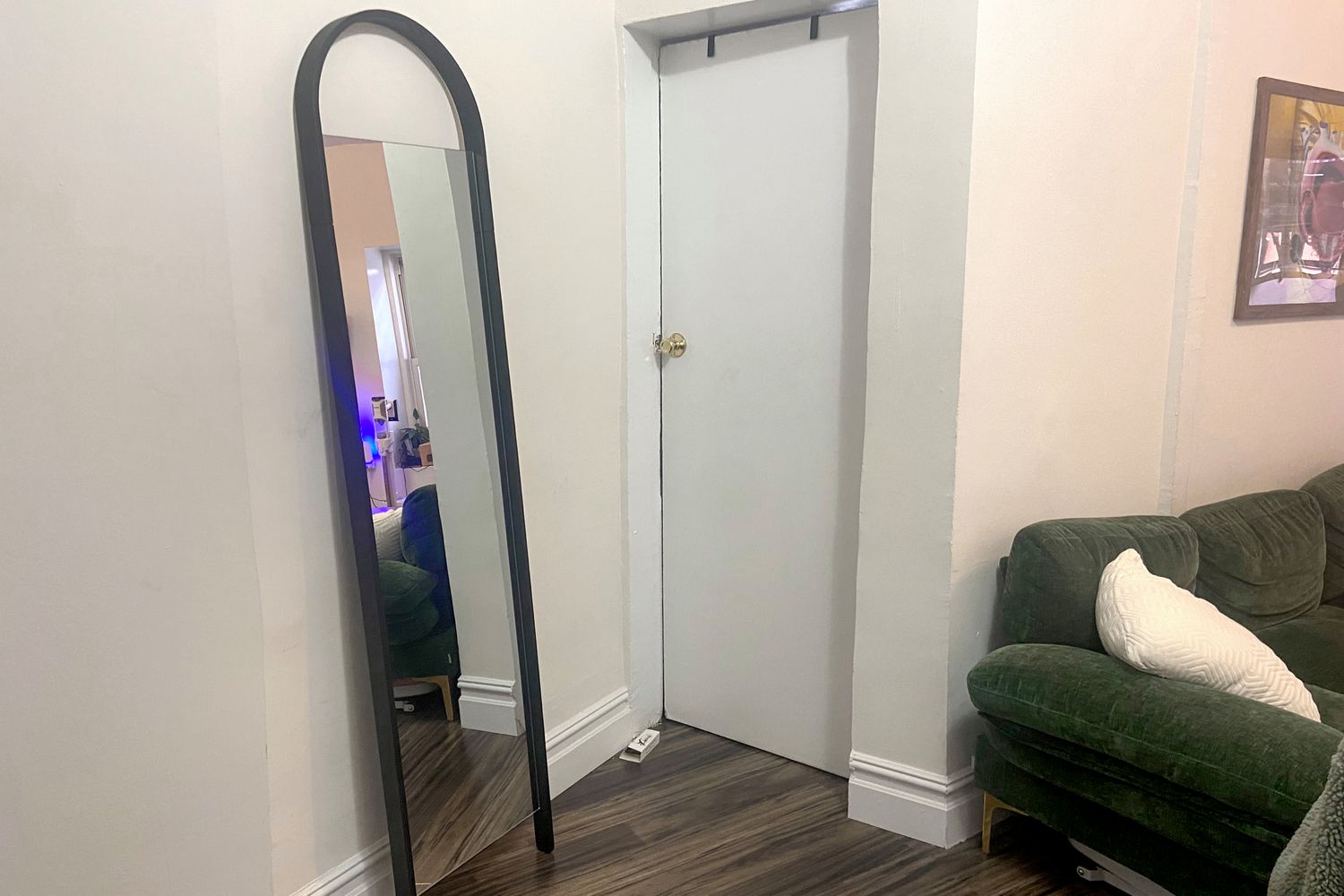
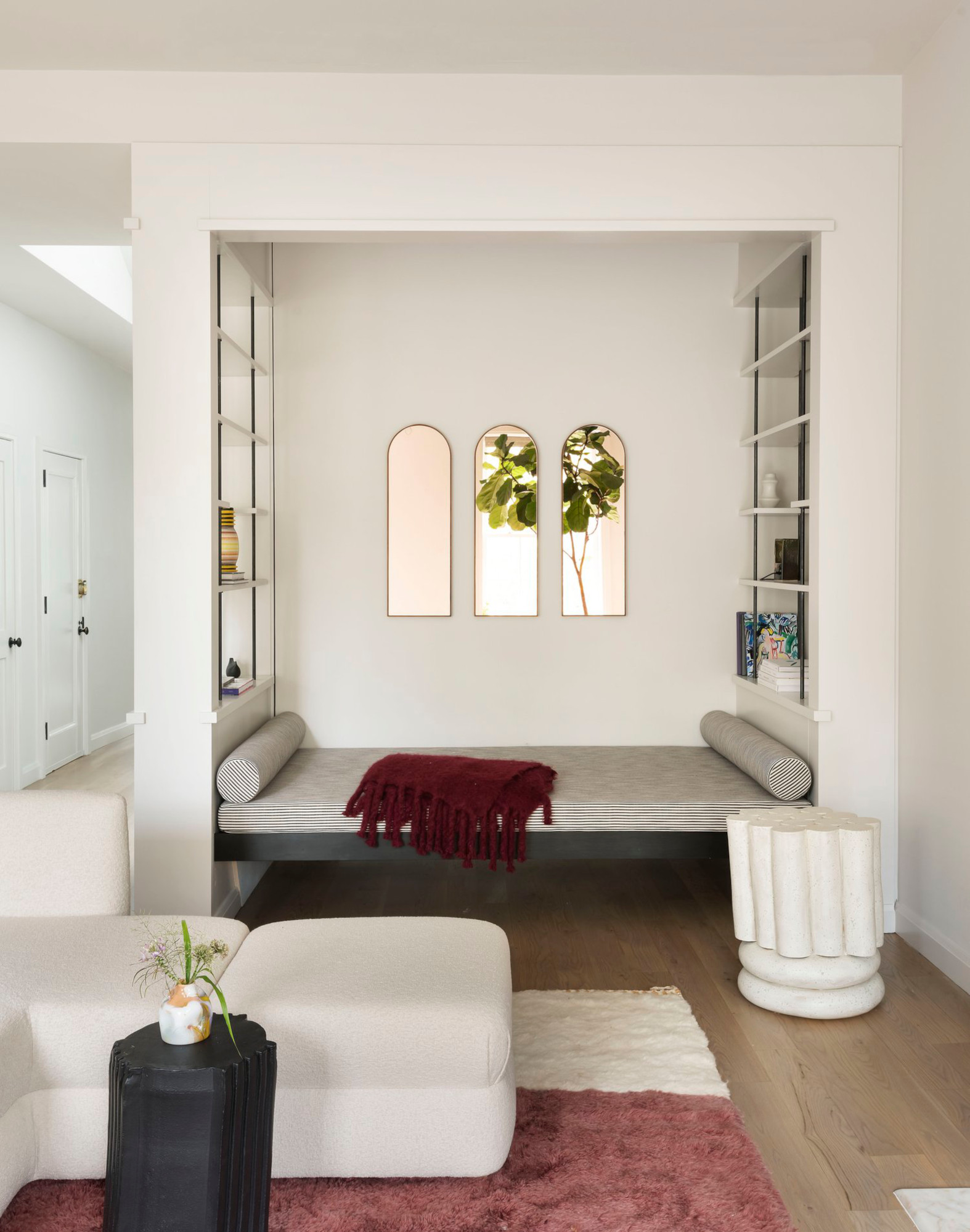
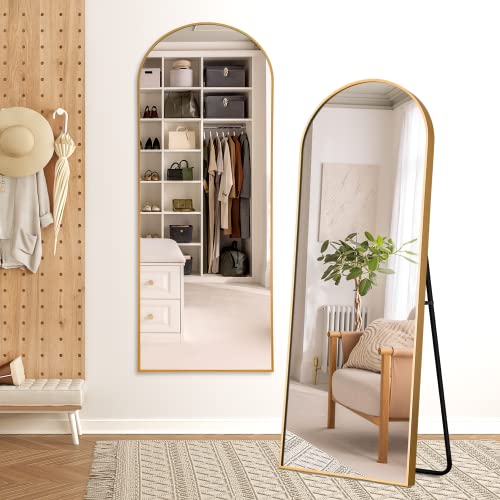
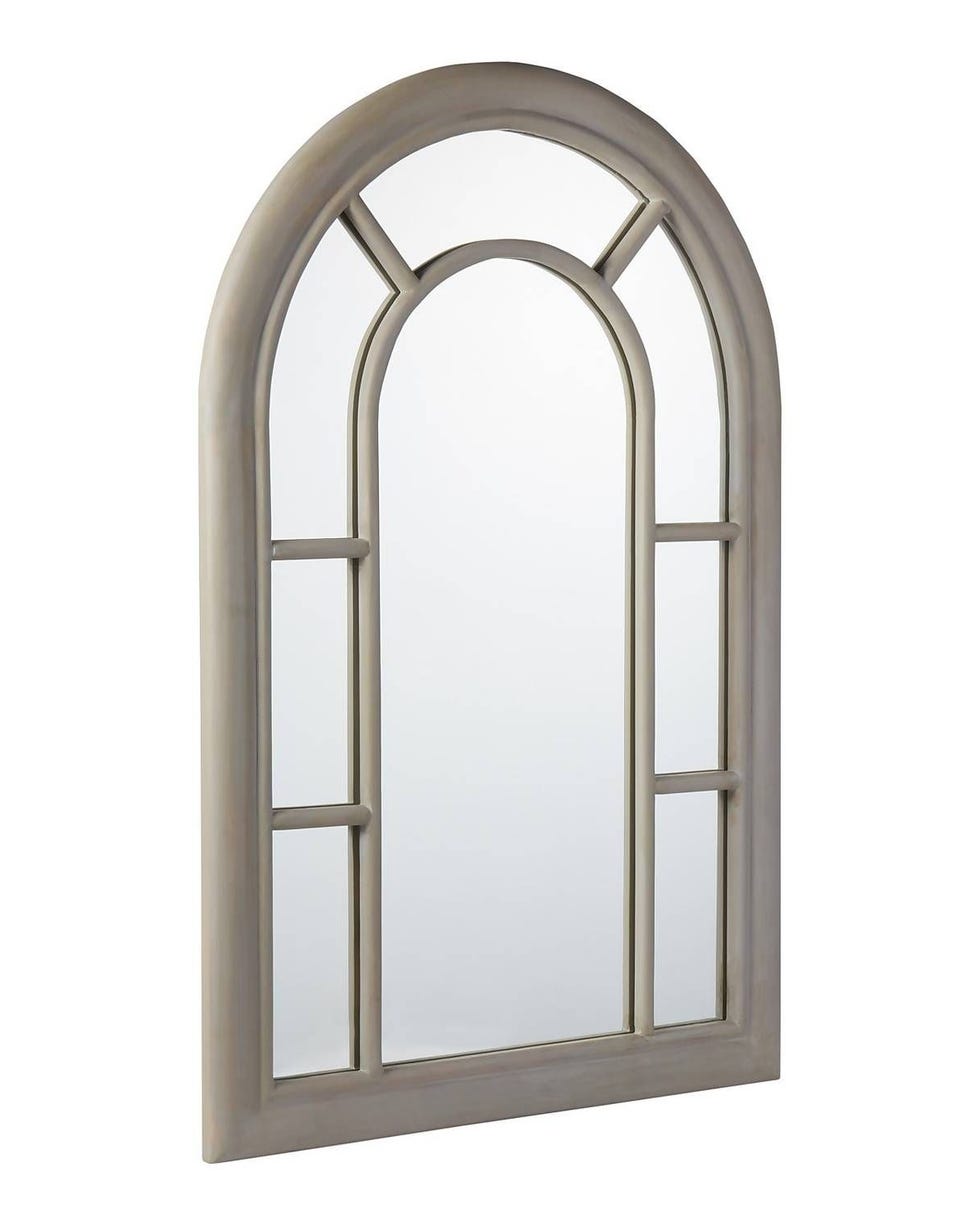
One of Bower's most recognizable pieces is the Arch Mirror, a design that has gained widespread popularity, particularly on Instagram. Giannella revealed that the Arch Mirror evolved from their earlier Stair Mirror concept. The initial idea involved installing the Stair Mirror as a floor mirror to create the illusion of a staircase leading nowhere. This concept further developed into imagining an arched doorway at the top of the staircase within the mirror itself, giving the illusion of a mystical destination. Ultimately, the archway was conceived as a standalone piece, designed to make a space feel larger by creating the impression of an opening to another room, a concept that resonated strongly with the designers and led to the creation of the Arch Mirror.
Regarding his personal collection, Giannella mentioned that his home serves as a "little Bower museum." He possesses a cracked Tribar Mirror, a result of an accidental drop, and several mirror cutoffs adorning his walls, which act as "negative space mirrors" by showcasing the shapes cut out of them. He also keeps various prototypes of smaller products around his home.
Bower's first product was developed for a show themed "fun/functional." The designers aimed to create an everyday household item. They reflected on daily routines, specifically the act of entering an apartment and placing keys. This led to the invention of a magnetized wall-mounted wooden target designed to catch keys, transforming a mundane task into a fun and functional moment. Looking ahead, Bower plans to release past designs in new materials in March and introduce a new collection of furniture, lighting, and mirrors in May. They are also collaborating with a larger retail company on a collection slated for next summer, which will include lighting, tables, lounge chairs, rugs, and tabletop products. The company intends to explore new materials, with concrete being used in upcoming products for Areaware, and further experimentation with glass on a larger and thicker scale.
This article highlights Bower's unique design philosophy, the origins of their popular Arch Mirror, and their ongoing commitment to innovation in furniture and object design, all while maintaining a distinct and appealing aesthetic.
#Bower #FurnitureDesign #InteriorDesign #ArchMirror #HomeDecor #BrooklynDesign #ContemporaryDesign #ExperimentalDesign #ProductDevelopment #Bower #FurnitureDesign #InteriorDesign #ArchMirror #HomeDecor #BrooklynDesign #ContemporaryDesign #ExperimentalDesign #ProductDevelopment
0 comment in total
 No comments yet
You may also like
These unexpected mirror designs deliver the 'wow' factor

These 2025 Mirror Trends Will Make Even the Barest Walls Look Luxe

These Full-Length Mirrors Will Elevate Your Selfie Photos

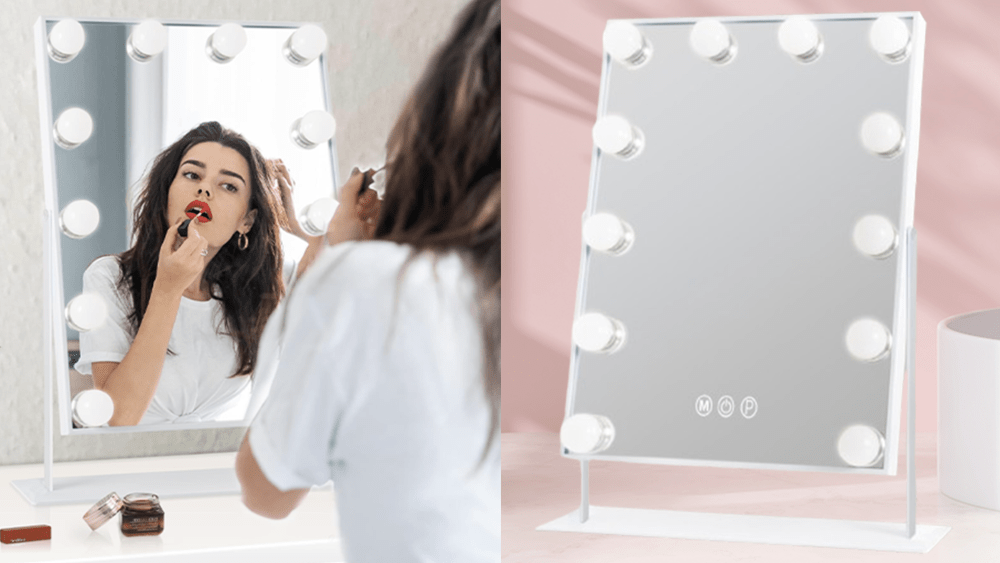
This Bestselling Amazon Vanity Makeup Mirror Is on Sale for Its Lowest Price Ever
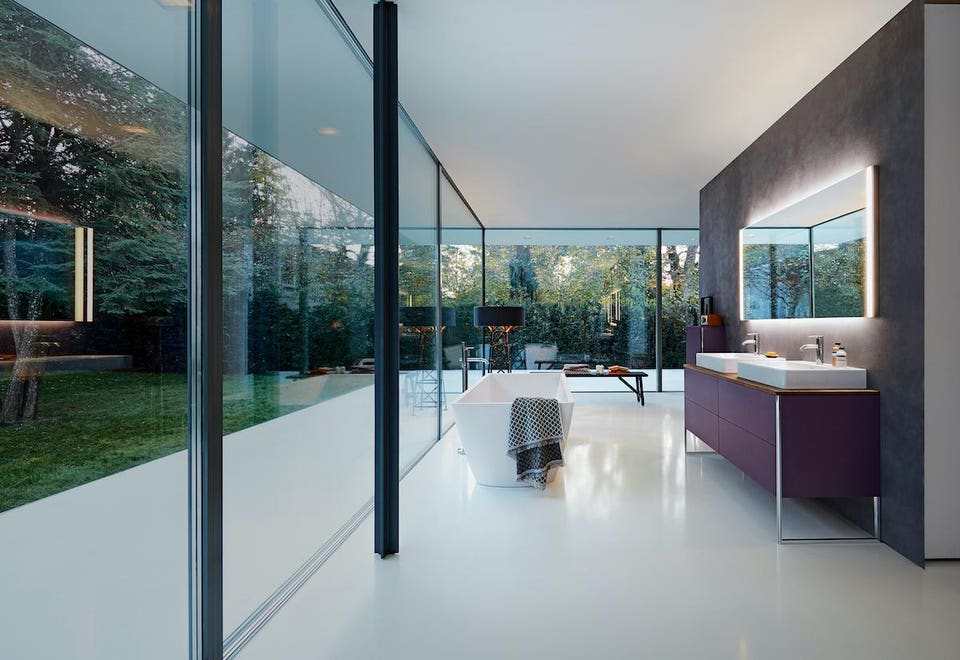
Mirror, Mirror On The Wall...The New Age Of Smart-Mirrors

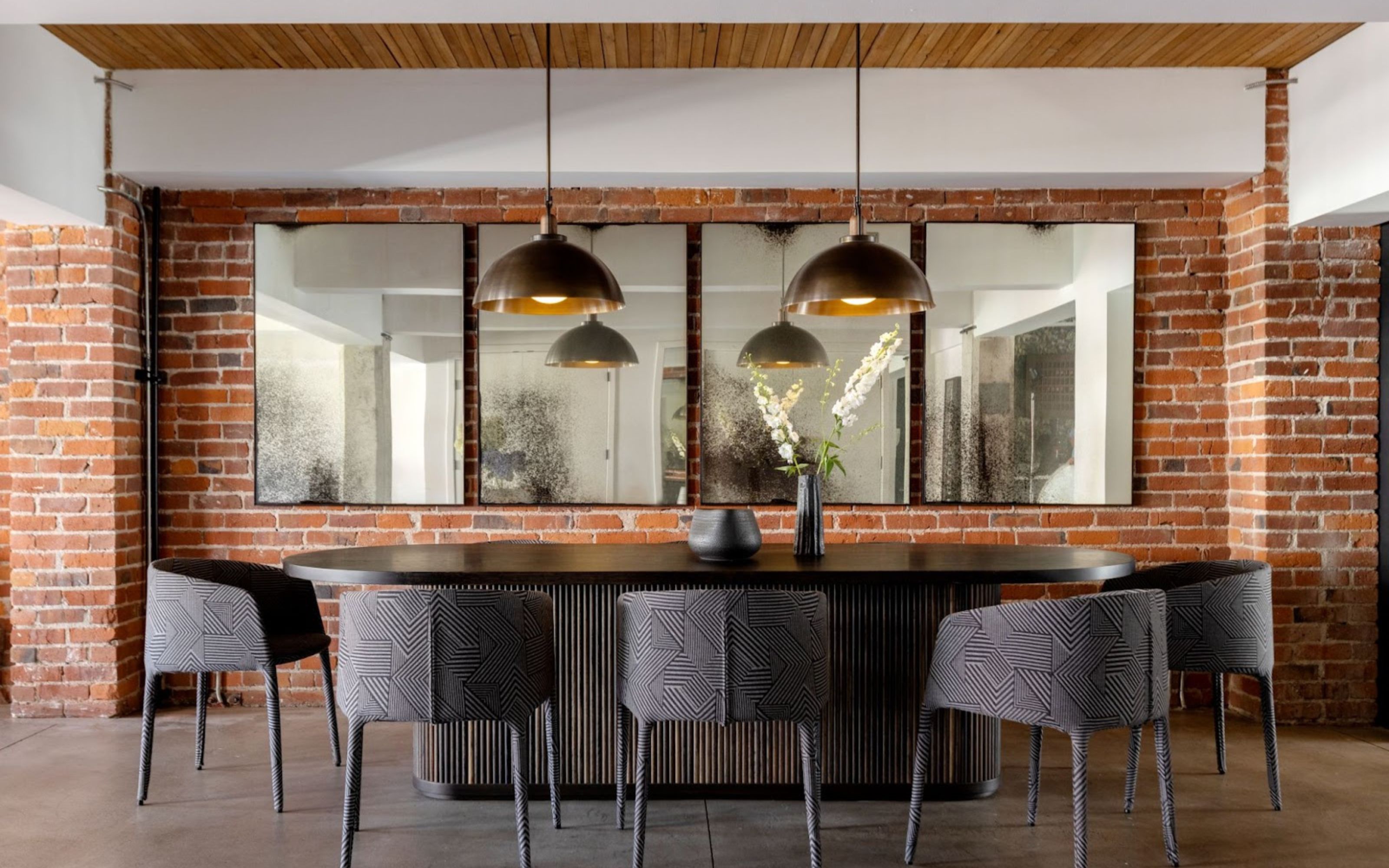
5 places you didn’t know you needed a mirror in your home, but where placing one elevates everything

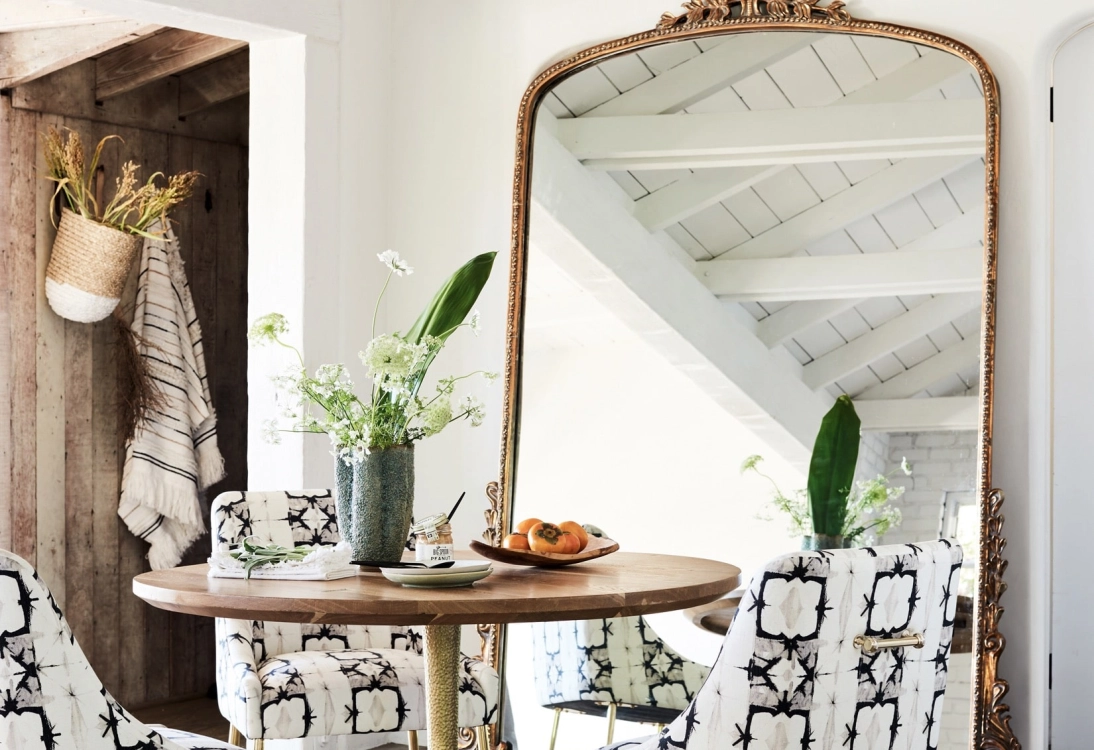
Mirror, Mirror: 8 Statement Mirrors To Elevate Your Space
6 clever ways to use mirrors to make your home feel bigger and brighter
21 best mirrors for your home, from full-length to decorative
I Wear Less Makeup Now Thanks to This Illuminating Mirror
Is it okay to have more than one mirror in a room? This is the one instance designers say it's never okay
19 Gorgeous Mirrors For Every Room of Your Home


5 Mistakes You Might Be Making When Decorating With Mirrors, According To Designers

Top Mirror Trends of 2025: From Vanity to Full-Length Styles


The 4 Best Lighted Makeup Mirrors of 2026 | Reviews by Wirecutter

10 stylish bathroom mirrors to suit any home

Anthropologie's Mirrors Are Everything and More for 2024 — Shop These Style-Editor Approved Mirrors Now

A reflection of good taste: Mirrors to light up your space this holiday season

Upgrade Your 'Fit Pics With These Gorge Full-Length Mirrors
4 Common Mistakes You’re Making When Decorating With Mirrors, According to Designers