
How to Talk Honestly About Budget with Your Interior Designer
Beginning an interior design project is exciting, involving selecting a designer and sharing inspiration. However, the excitement can quickly turn to apprehension when initial cost estimates lead to 'sticker shock.' Many clients find themselves in this situation, regretting not having a candid budget discussion earlier in the process. Interior design is considered a luxury service, and designers like Sara Johnson of Sara Johnson Interiors and Colleen Simonds of Colleen Simonds Design emphasize the importance of openly discussing finances from the outset. They acknowledge that clients often don't fully grasp the total cost of a project, which includes both the furnishings and the designer's fees. To prevent unexpected invoices and ensure a smooth process, clear communication and partnership between the client and designer are crucial.
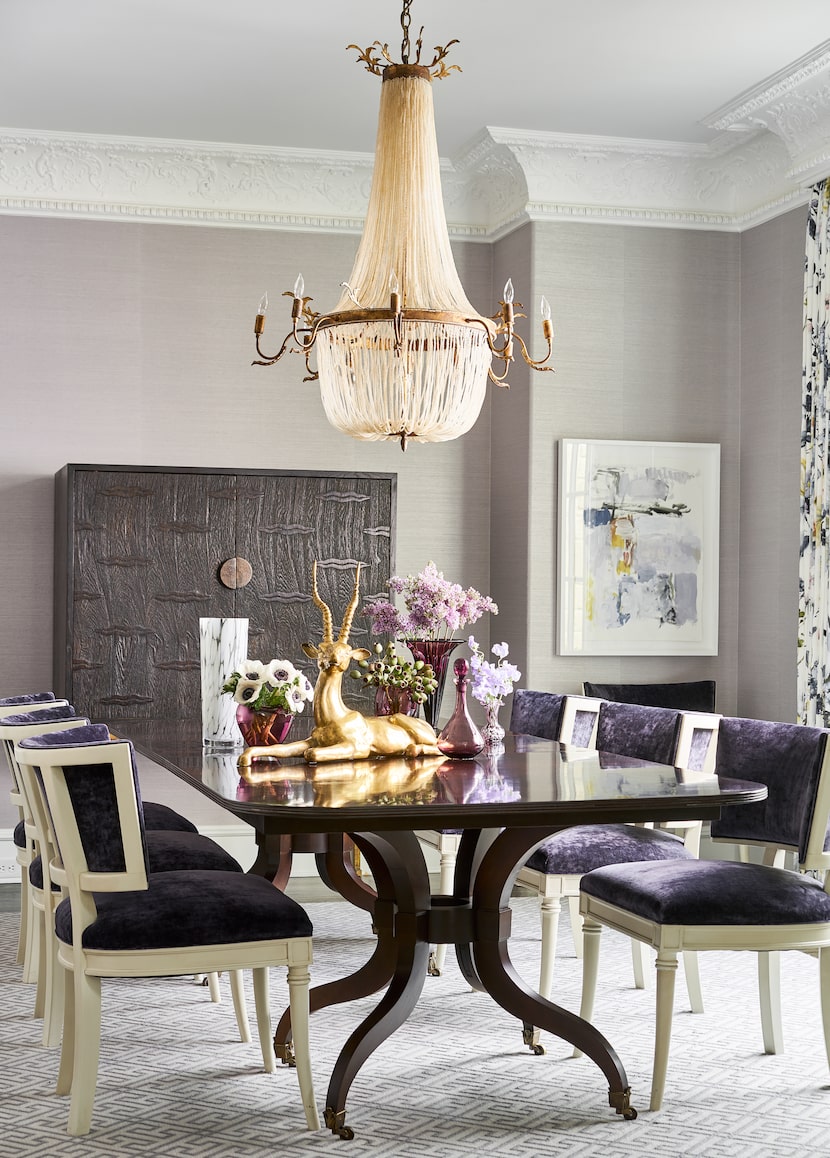
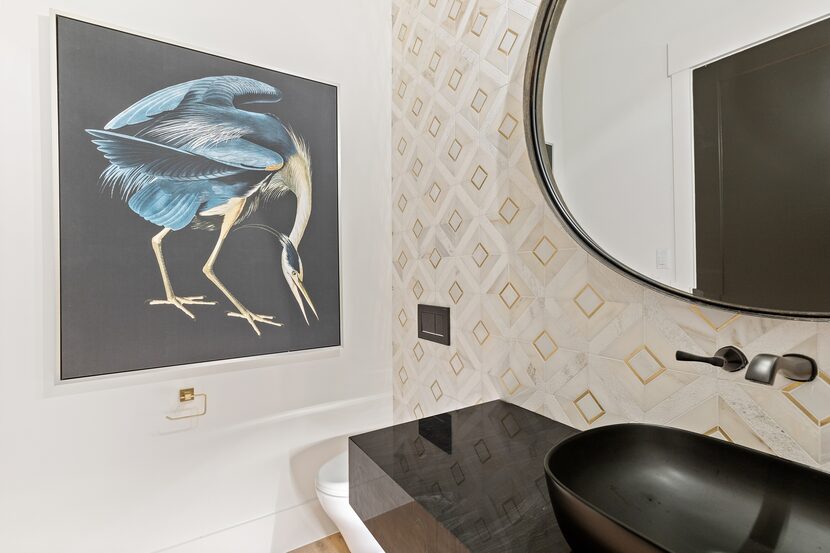
Grey Joyner of Grey Joyner Interiors notes the natural uncertainty clients feel about budgets. She stresses the importance of clients being clear and honest about their financial capabilities, even though unexpected costs can arise. Designers commit to transparency regarding costs and expenses throughout the project, but clients must reciprocate this honesty about what they can spend. An agreed-upon budget established upfront contributes significantly to a smoother project flow. It enables designers to efficiently source vendors within specific price points, manage their time effectively, and potentially allocate savings to more significant or unique pieces, such as vintage chandeliers or antique sideboards. Discussing the budget early on provides a necessary framework for the entire project, whether it's a small powder room or an entire home, as designers cannot begin planning without knowing the client's financial parameters.
To successfully navigate budget discussions, clients should be upfront about their financial expectations. Designers are there to assist in establishing a realistic final budget, so this conversation must occur before any substantial work begins. Waiting to discuss finances can waste time for both parties. Honesty is paramount; clients should never misrepresent what they can afford. A designer's role is to maximize the given budget to achieve the best possible outcome, which requires an accurate understanding of the client's financial limits. Clients should also anticipate and prepare for potential surprise expenses, discussing how to handle them proactively. Joyner identifies common cost factors such as goods, designer fees, transportation, shipping, and temporary storage.
Prioritizing must-have items is another key strategy. If certain elements exceed the current budget, clients should communicate this to their designer. It's acceptable to defer some aspects of the project, focusing on essential or special pieces first and adding others as budget and time allow. Johnson suggests investing in unique or custom items initially and filling in the rest over time. Finally, building trust with the designer is critical for comfortable and honest money conversations. Vetting designers to find someone trustworthy will facilitate these often-difficult discussions. Simonds advises working with a designer in whom one has complete confidence, given that they will be managing a significant amount of the client's investment.
#InteriorDesign #BudgetPlanning #ClientCommunication #DesignerAdvice #HomeDecor #ProjectManagement #FinancialTransparency #LuxuryServices #DesignProcess #InteriorDesign #BudgetPlanning #ClientCommunication #DesignerAdvice #HomeDecor #ProjectManagement #FinancialTransparency #LuxuryServices #DesignProcess
0 comment in total
 No comments yet
You may also like
5 Things Interior Designers Wish You Would Do

19 Tips From A Top Interior Designer

Maximize your home decor budget — here’s where Dallas designers splurge and save

6 Headache-Saving Tips You Should Know Before Starting a Remodel, According to Designers

Is your pricing fixed or fluid?


Where to spend and where to save when planning a living room according to designers


Beware the 4 most expensive words in home remodeling: 'As long as we're ..'

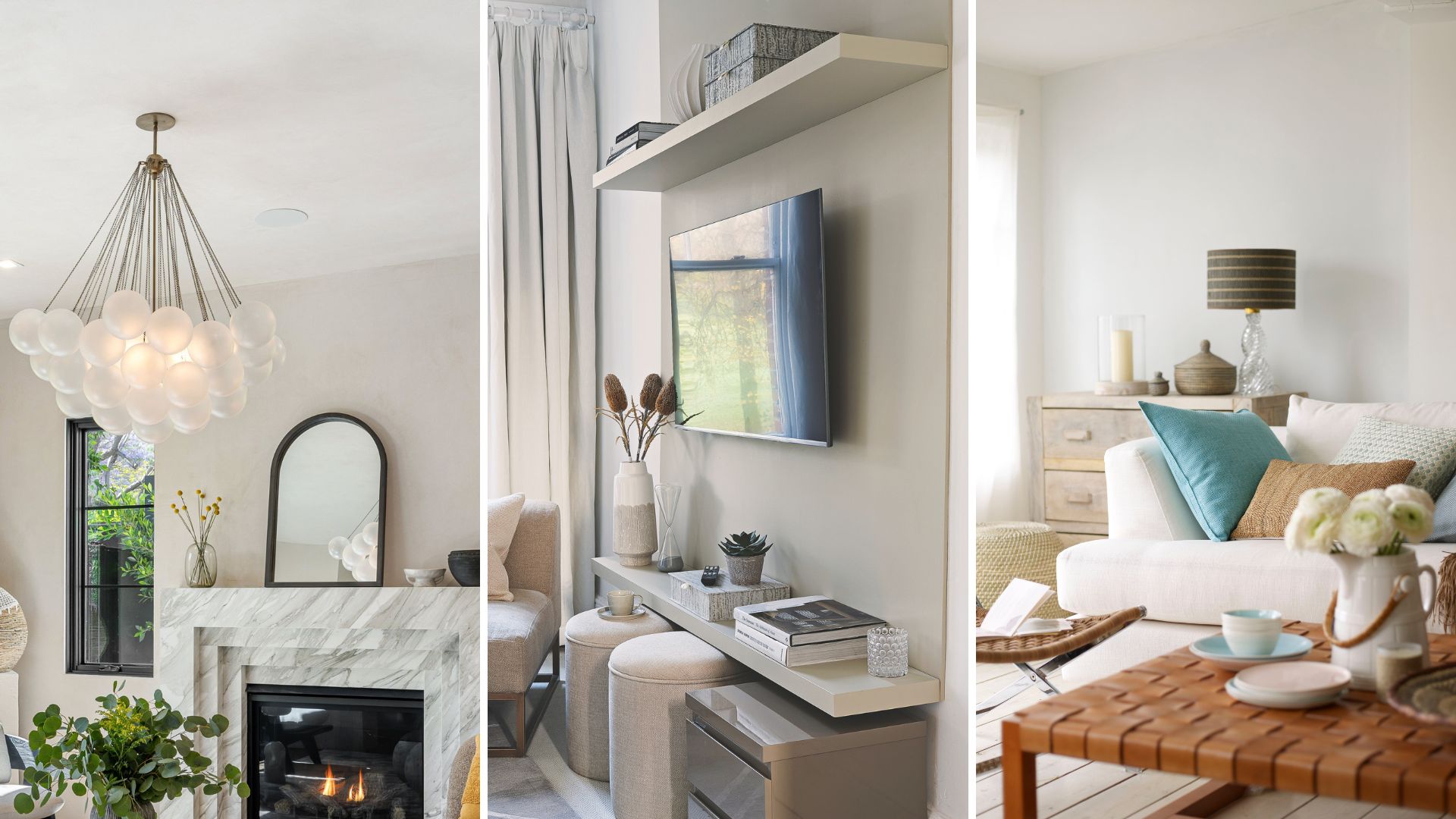
How to make a living room look expensive on a budget: 11 simple interior design tips

A Cool Interior Designer Talks Style, Inspiration & More

David Bromstad's Relatable Advice For Finding Budget-Friendly Interior Decor

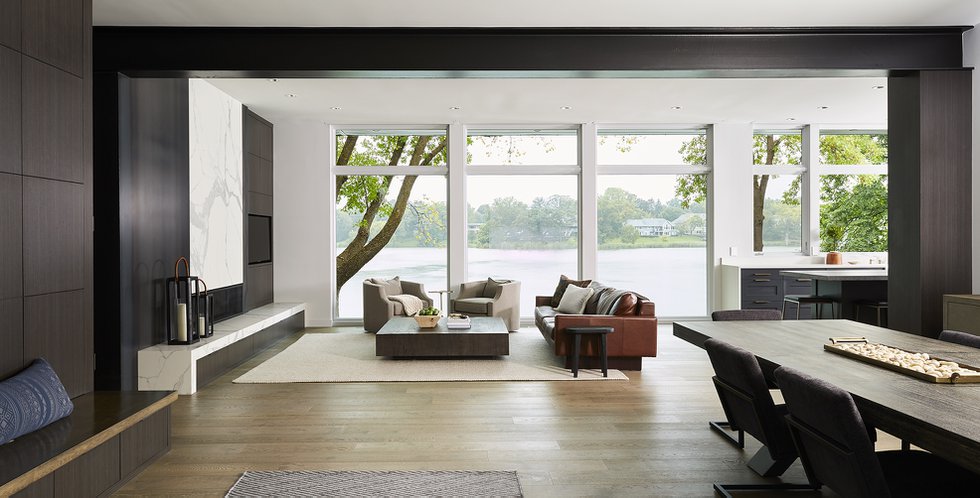
Are You Thinking of Hiring an Interior Designer?
9 common home renovation mistakes to avoid
How to find the right interior designer for your new home 2025


9 Things You Need to Know Before Renovating Your Home, According to Experts
5 Kitchen Appliances You Don't Need to Spend Money on If Money is Tight

An Interior Designer Talks Style Inspiration, Wish List Items & Her Clever New Launch
'You could go for it a little bit more in your home' – why this designer thinks we should all be more nervous about our interior design decisions

Design Insiders Reveal Their SECRETS to Decorating Your Home Like a Pro


This $50,000 Kitchen Remodel Features a Mix of High-End and Affordable Finds

I “Hired” My Friend as an Interior Designer. What She’s Proposed for My House Has Left Me Dumbfounded.