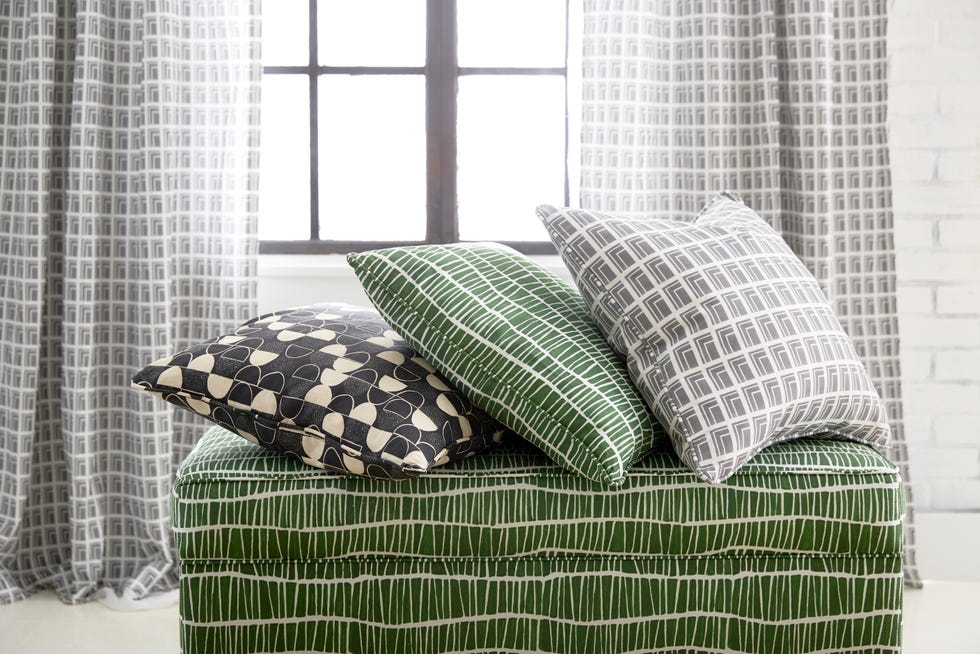

Miranda Cullen found a way to turn a profit on time billing. Now, she’s ready to franchise
Miranda Cullen, a seasoned interior designer, has developed a unique business model to address a common challenge in the design industry: how to profitably handle smaller-budget projects that often get turned down by full-service firms. During a period of growth for her former firm, Cullen noted that 65 projects were declined in a single year, sparking the idea for a parallel venture. This new concept, initially conceived with a partner, aimed to cater to lower-budget clients by creating a service that could generate profit solely through time billing.
The core philosophy of this venture, named “Inside Stories,” is twofold: valuing clients regardless of project size and celebrating the interior designer by offering greater autonomy. This approach stood in contrast to the traditional mindset that often prioritizes large, whole-home projects with substantial budgets as the sole path to success for designers. Cullen and her partner recognized the need for a system that compensated designers fairly for their skills, time, and experience, diverging from some e-design platforms that offered quick-turnaround services at very low prices.
After a decade, Cullen and her partner dissolved their business relationship, leading her to independently refine and expand the “Inside Stories” concept. This transition prompted a re-evaluation of her business strategies and reinforced her commitment to her vision. A crucial insight gained during this refinement process was that profitability for small-format design projects hinges on volume—managing a large number of assignments and employing a sizable team of design associates. This high-volume approach allows the firm to maintain fair compensation for its designers while still being accessible to clients with smaller projects.
Cullen's mission in the latter half of her professional life is to advocate for the value of design work, ensuring that the services provided by interior designers are properly recognized and compensated. She emphasizes that design work should not be undervalued and is worth the investment. Her experience also highlighted the importance of building a brand that extends beyond a single individual. She noted that a company solely tied to her personal name, such as “Miranda Cullen Interior Design,” would face limitations if she wished to reduce her workload or decline projects, as the company’s ability to secure work would diminish. This realization led her to develop a business structure that is more robust and scalable, capable of operating independently of her direct involvement in every project.
Now, Cullen is prepared to franchise this microdesign concept, providing other firms with a framework to adopt a similar structure and achieve comparable successes. The franchising model is designed to empower more designers and firms to tap into the market for smaller projects effectively and profitably, while upholding the value of professional design services. This initiative aims to reshape how the interior design industry approaches and monetizes smaller-scale design work, ensuring both client satisfaction and designer well-being.
#InteriorDesign #BusinessModel #DesignFranchise #TimeBilling #Microdesign #DesignIndustry #Entrepreneurship #FairCompensation #DesignFirmStrategy #InteriorDesign #BusinessModel #DesignFranchise #TimeBilling #Microdesign #DesignIndustry #Entrepreneurship #FairCompensation #DesignFirmStrategy
0 comment in total
 No comments yet
You may also like

Drybar's 48-year-old self-made millionaire launched a $225 million hair styling empire as a stay-at-home mom

The Great Franchisee: Cynthia Maxwell, Drybar, San Antonio
This 23-Year-Old Interior Designer Is Catching The Attention Of Big Brands With Her Side Hustle
sHeroes: A conversation with Jennifer Matthews and Julia Au, twin sisters and co-founders of…
New course means agents can make thousands from home staging

The Surprising Amount Of Money Sandra Lee's Curtain Business Made

The Team That Built Drybar Is Back With Massages


How This Entrepreneur Channelled Grit to Build a Passion-Driven Business


Female Founder Friday: Meet Alli Webb