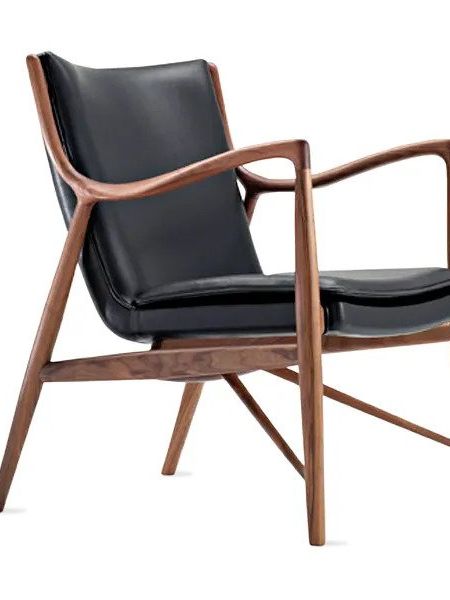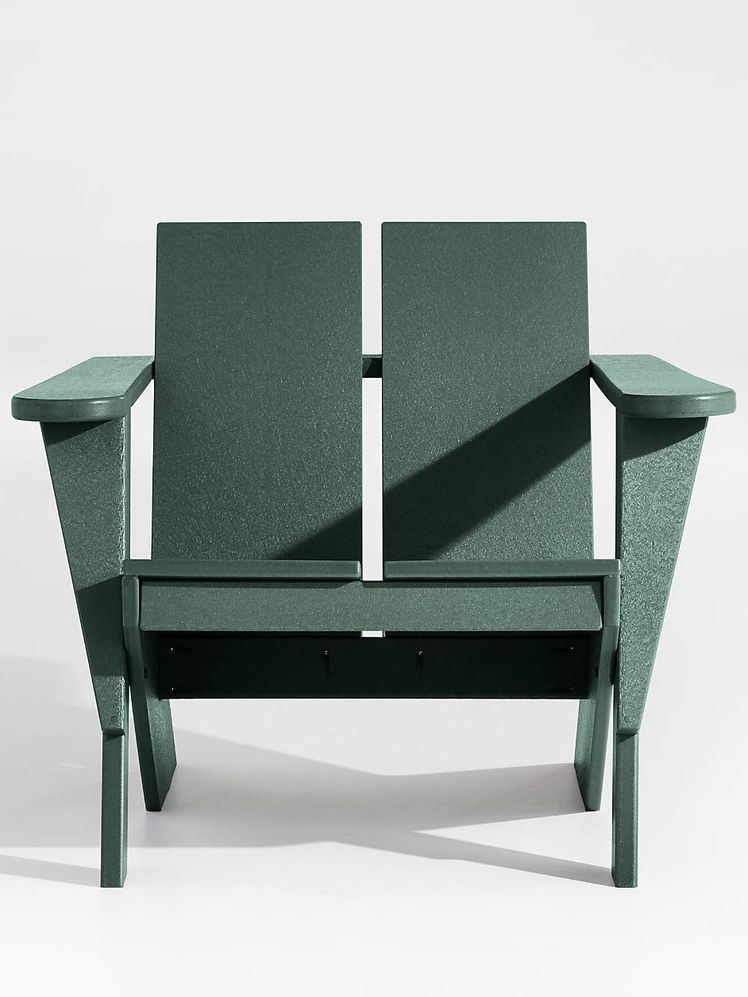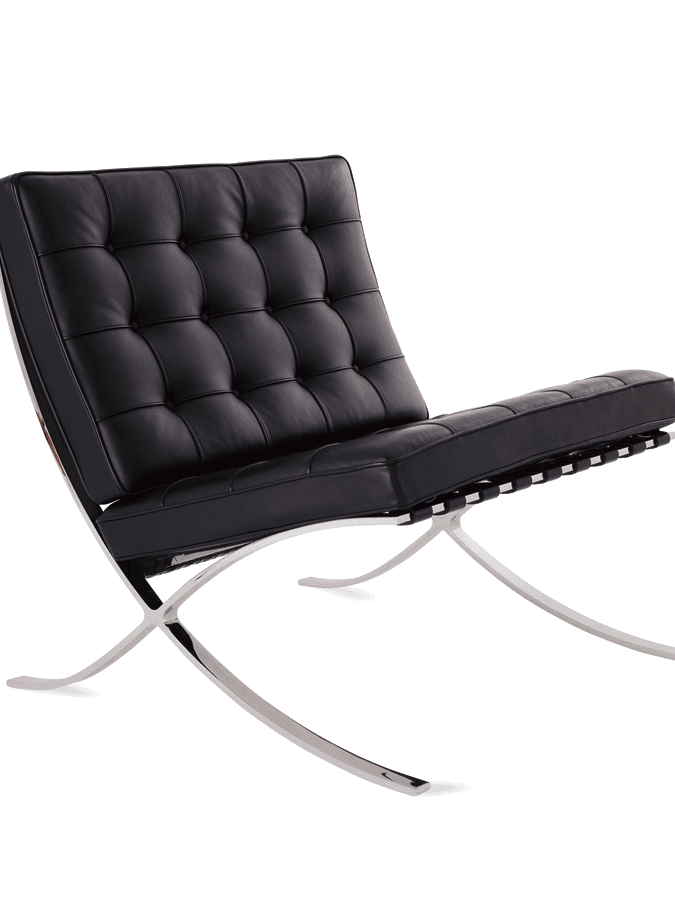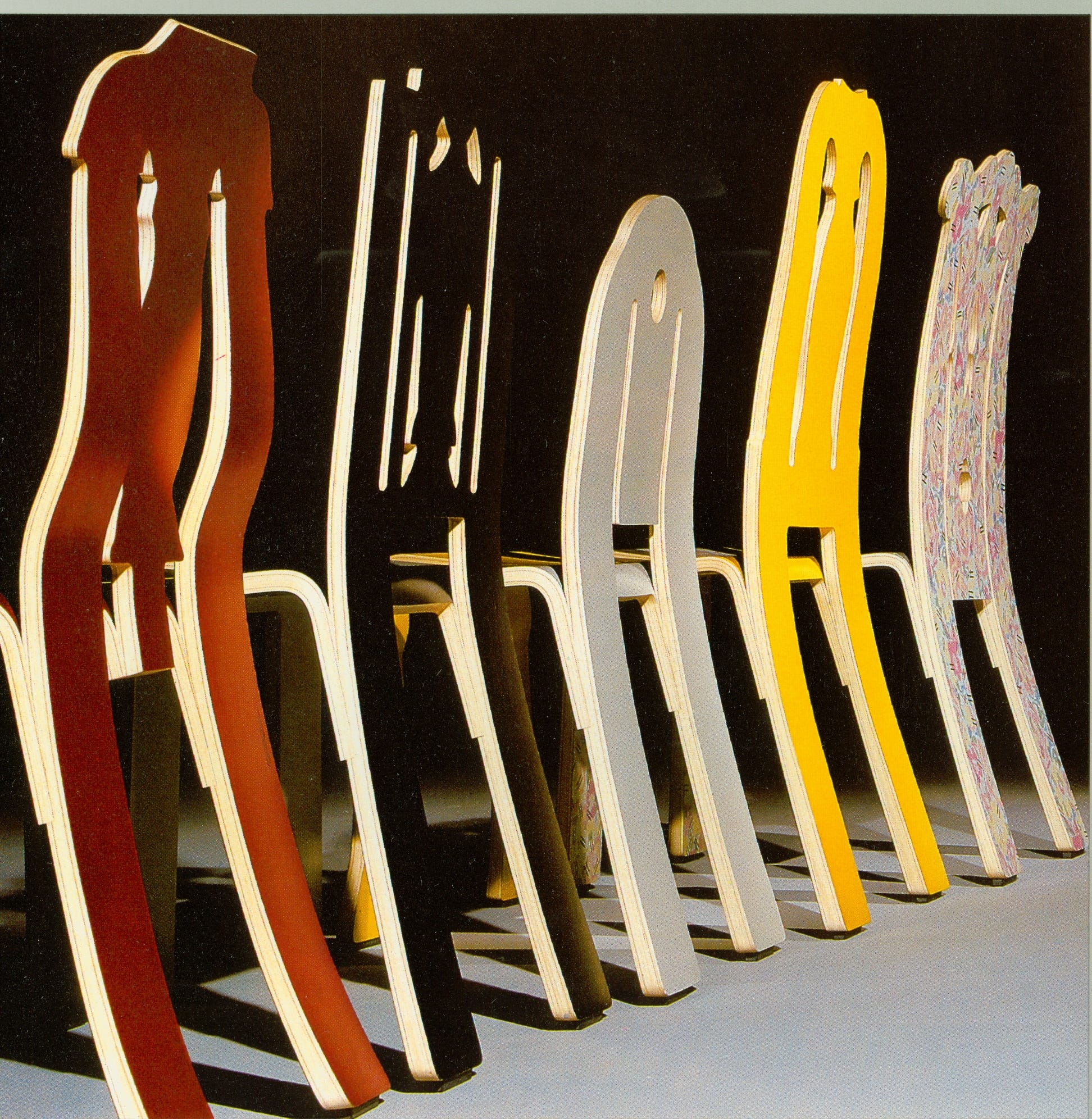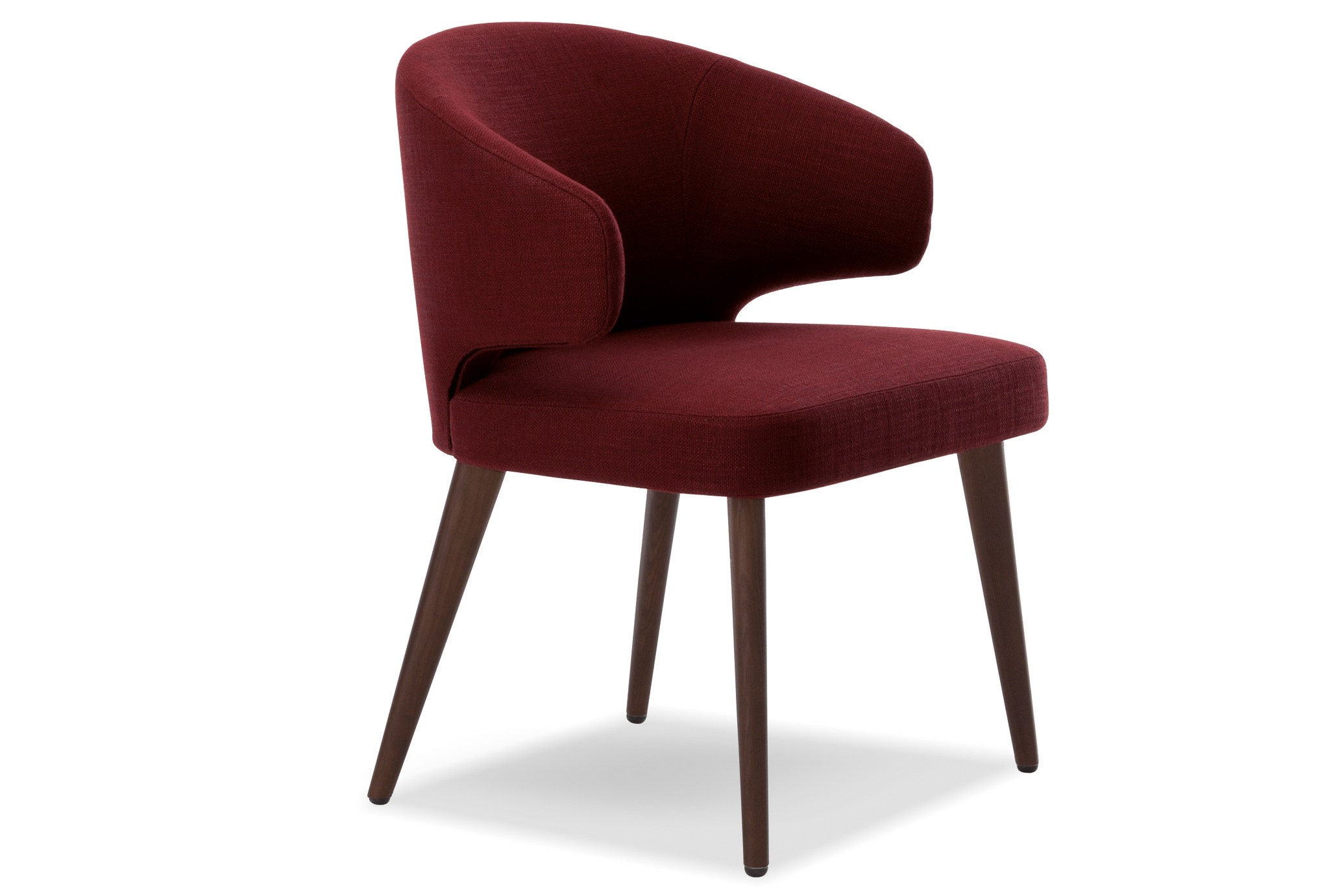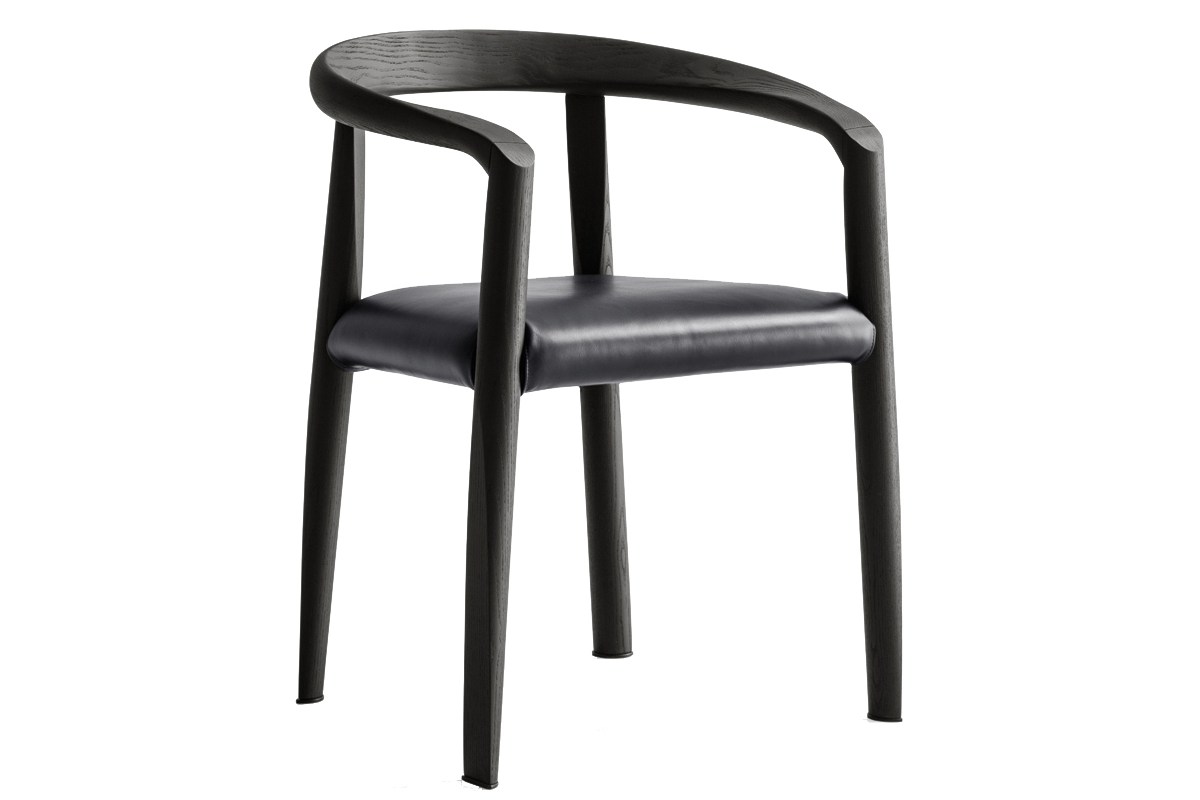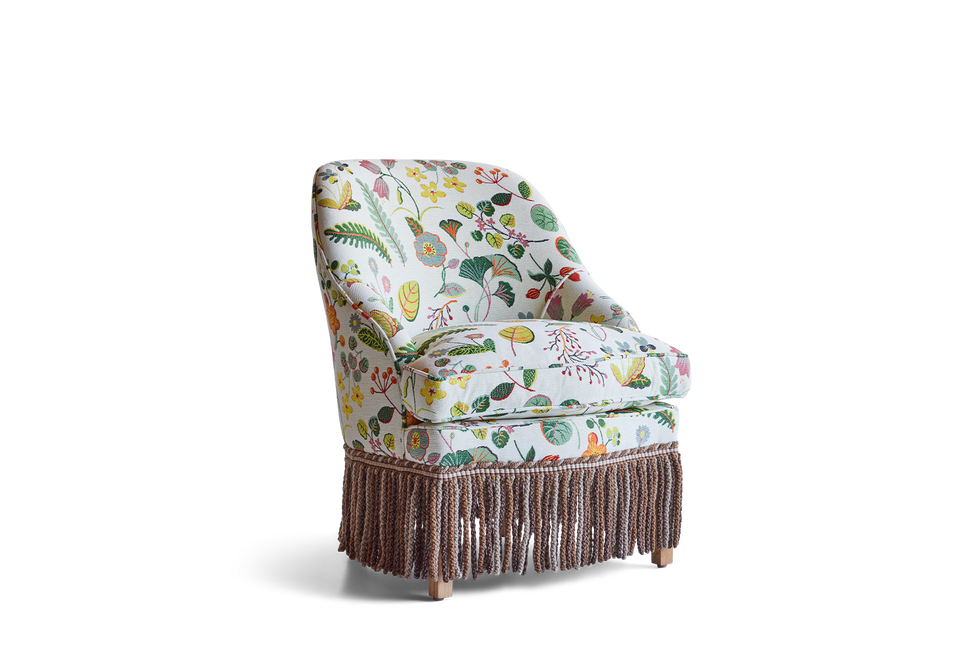

Take a seat: The stories behind design’s most beloved chairs
The article delves into the rich history and cultural significance of chairs, exploring their evolution from ancient Egypt around 2300 B.C. to contemporary design. It highlights the chair not merely as a functional object but as an icon reflecting pop culture, power, and design innovation across millennia. The discussion is framed around the book *Chairpedia*, published by the contemporary furniture company Andreu World to commemorate its 65th anniversary. Jesús Llinares, CEO of Andreu World, explains that the book, a compendium of 101 illustrated stories from curators, designers, and historians, aims to bridge the gap between academic discourse on chair design and a broader audience of design enthusiasts.
*Chairpedia* is presented as an exercise in humility, emphasizing that while chairs are often overlooked, they represent a significant luxury and a valuable object in everyday life, not for their price or exclusivity, but for their constant presence and utility. The book combines fact and fiction, weaving together past and present to create a patchwork history of the chair. The project's inception roughly five years prior sought to make the history of chair design accessible and engaging.
The article then presents four specific stories from *Chairpedia* that illustrate the diverse inspirations and clever solutions behind iconic chair designs. One anecdote details how César Ritz, the renowned hotelier, would instruct decorators to order smaller furniture, including chairs, to create an illusion of spaciousness in intimate settings, such as the bar on Rue Cambon. This tactic made venues feel larger than their actual dimensions, demonstrating an early understanding of how furniture scale influences perception.
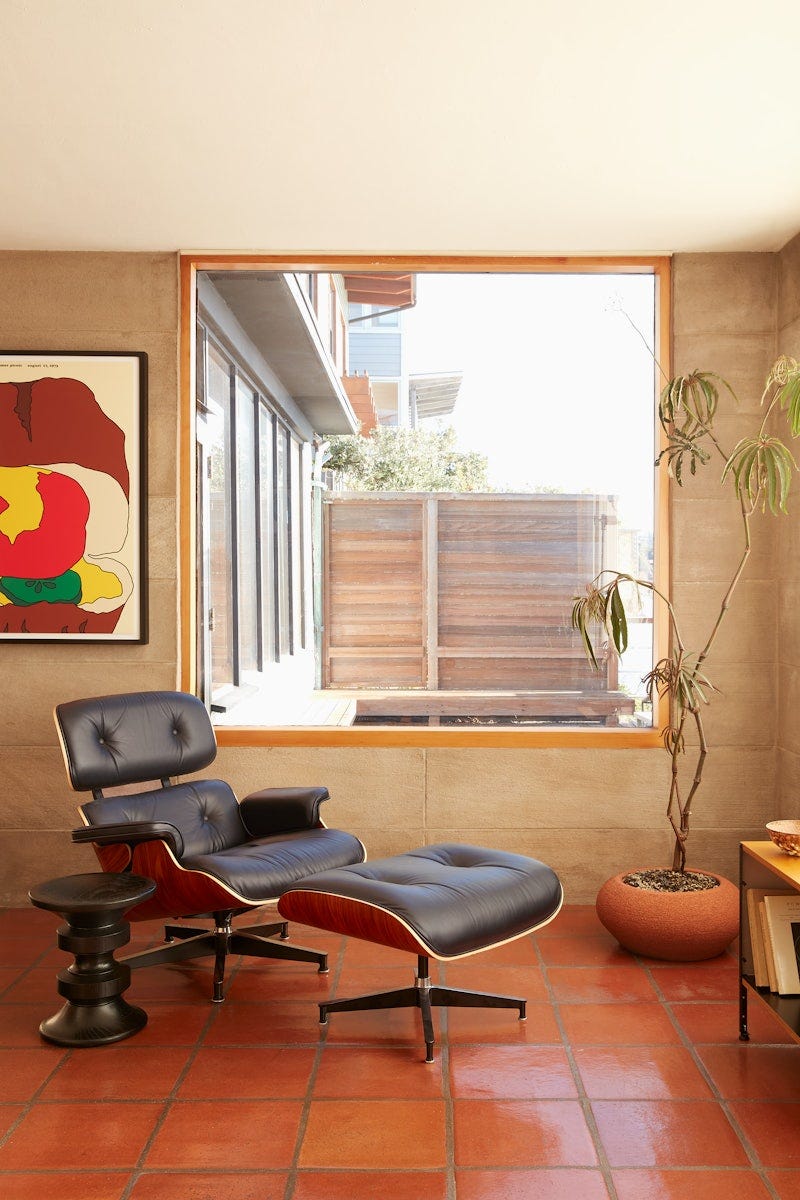
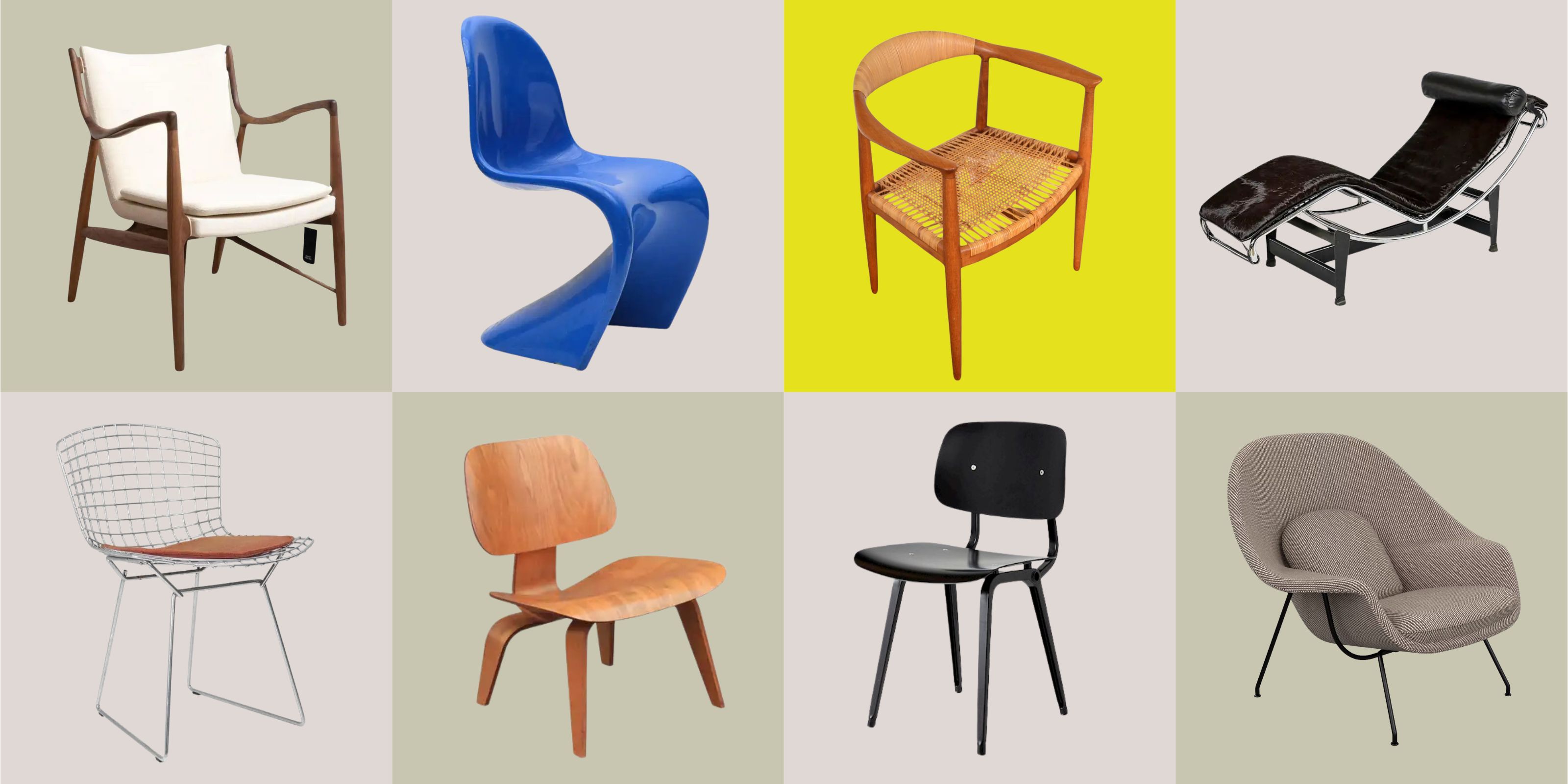
Another story focuses on the Eames Lounge Chair Wood, a symbol of midcentury design. Its development was directly influenced by World War II restrictions, which limited traditional building materials. Designers Charles and Ray Eames ingeniously addressed this challenge by attempting to create a chair entirely from plywood. Initial experiments revealed that a single piece of plywood could not withstand the stress of a sitter, leading to the creation of the chair’s distinctive split seat and seat back, a solution born out of wartime necessity and material constraints.
The article also touches upon Antoni Gaudí, the Catalonian architect and designer, and the legends surrounding his unconventional design methods. One account suggests Gaudí had a female client sit in a mound of fresh plaster, which he then used to sculpt a custom chair. If true, this anecdote positions him as a pioneer of personal ergonomic chair design, showcasing a bespoke approach to comfort and form tailored directly to the user.
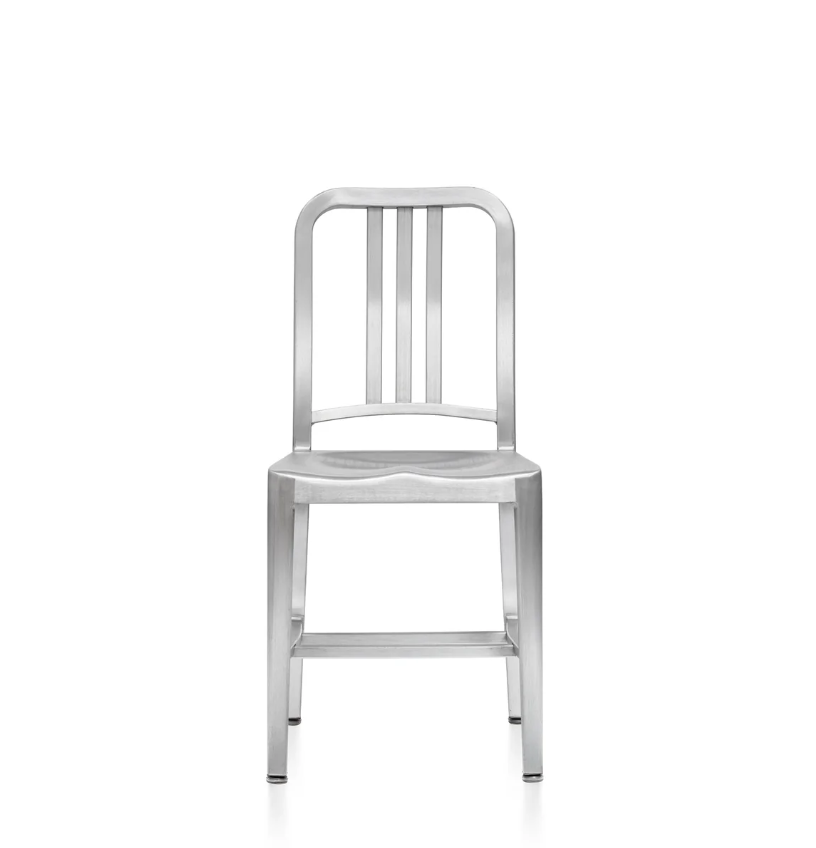
Finally, the piece recounts the story of the Navy Chair, known for its lightweight design and durability. Designed by Wilton C. Dinges, founder of Emeco, under strict practical requirements, the chair had to be fireproof, resistant to sea salt corrosion, and non-magnetic. Dinges developed a 77-step manufacturing process using recycled aluminum, which guaranteed a remarkable 155-year warranty. A popular rumor, spread to encourage sailors to treat the chairs with care, suggests that the curved seat of the 1006 Navy Chair was modeled after Betty Grable’s derriere. These examples collectively highlight the intersection of historical context, material innovation, and human ingenuity in the creation of enduring design pieces.
#BookReview #ChairDesign #FurnitureHistory #DesignIcons #AndreuWorld #EamesChair #AntoniGaudi #NavyChair #DesignCulture #BookReview #ChairDesign #FurnitureHistory #DesignIcons #AndreuWorld #EamesChair #AntoniGaudi #NavyChair #DesignCulture
0 comment in total
 No comments yet
You may also like
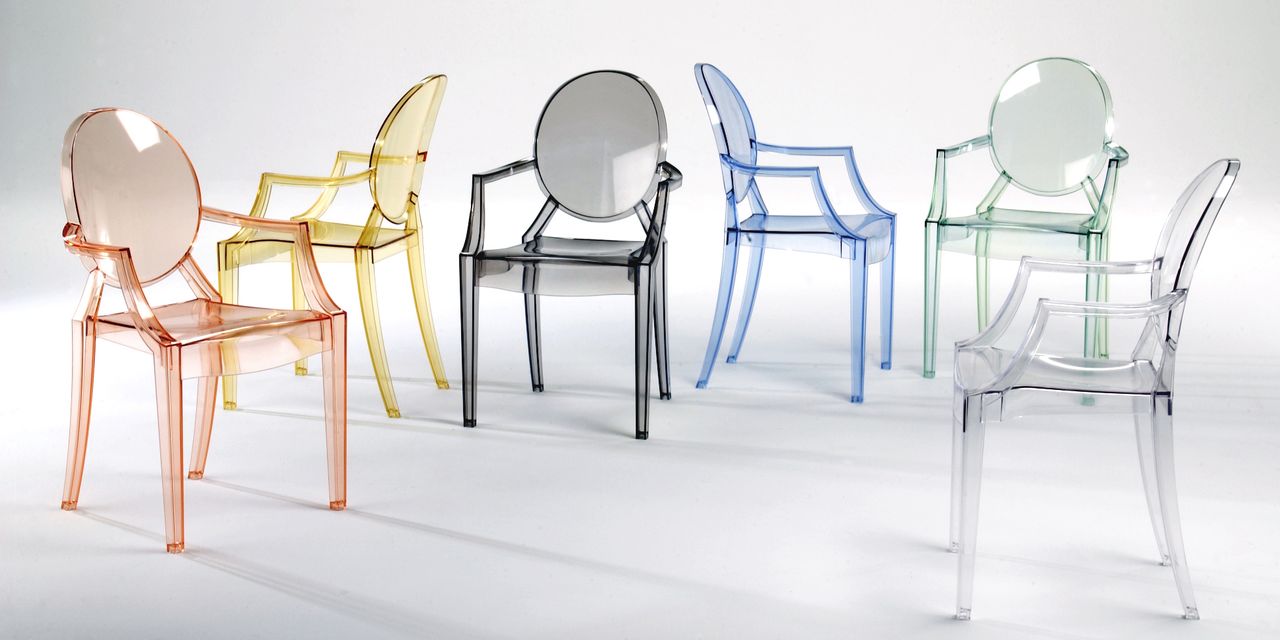
23 Types of Chairs, Explained

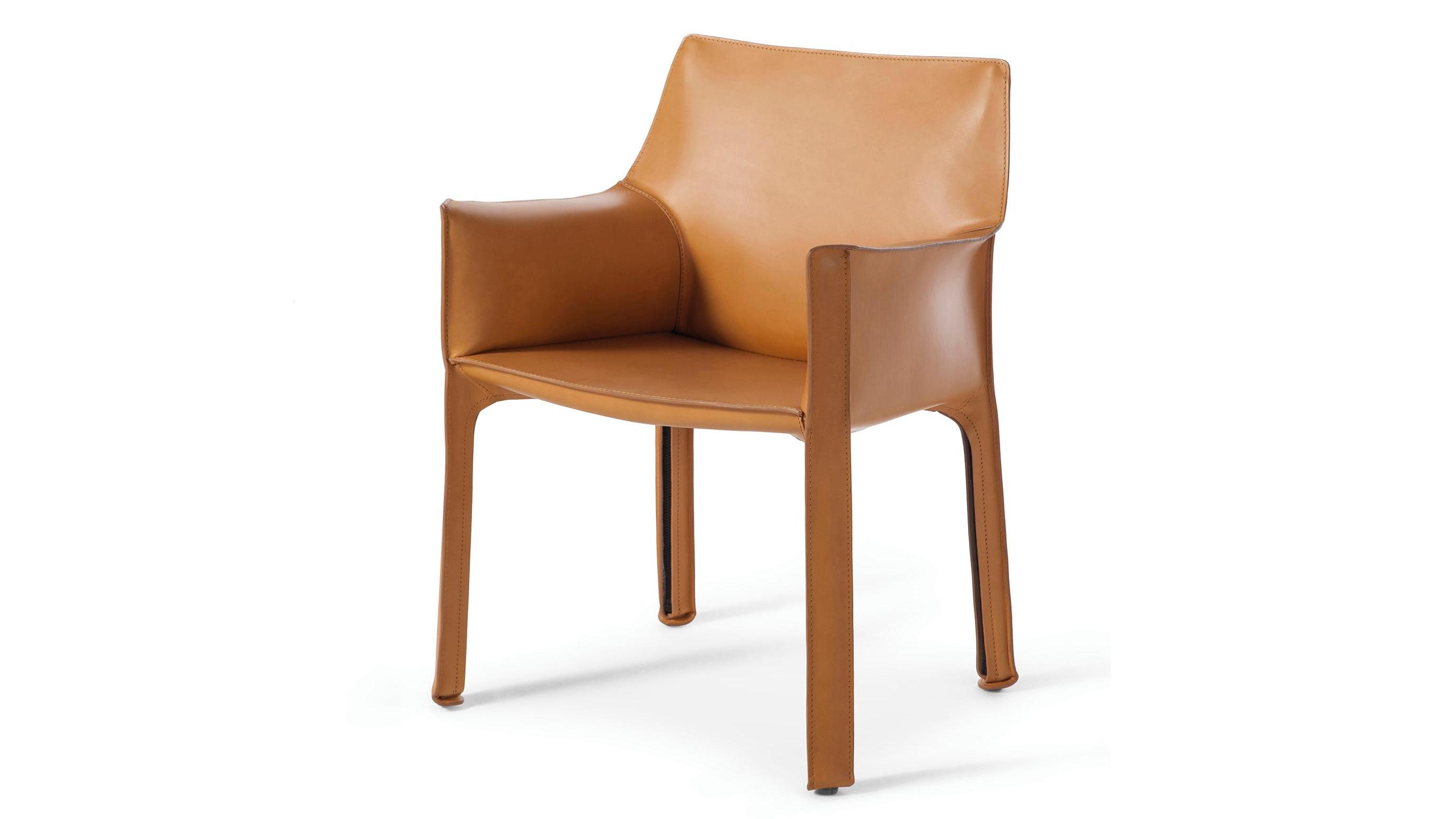
Rear action: the best dining room chairs for aesthetes
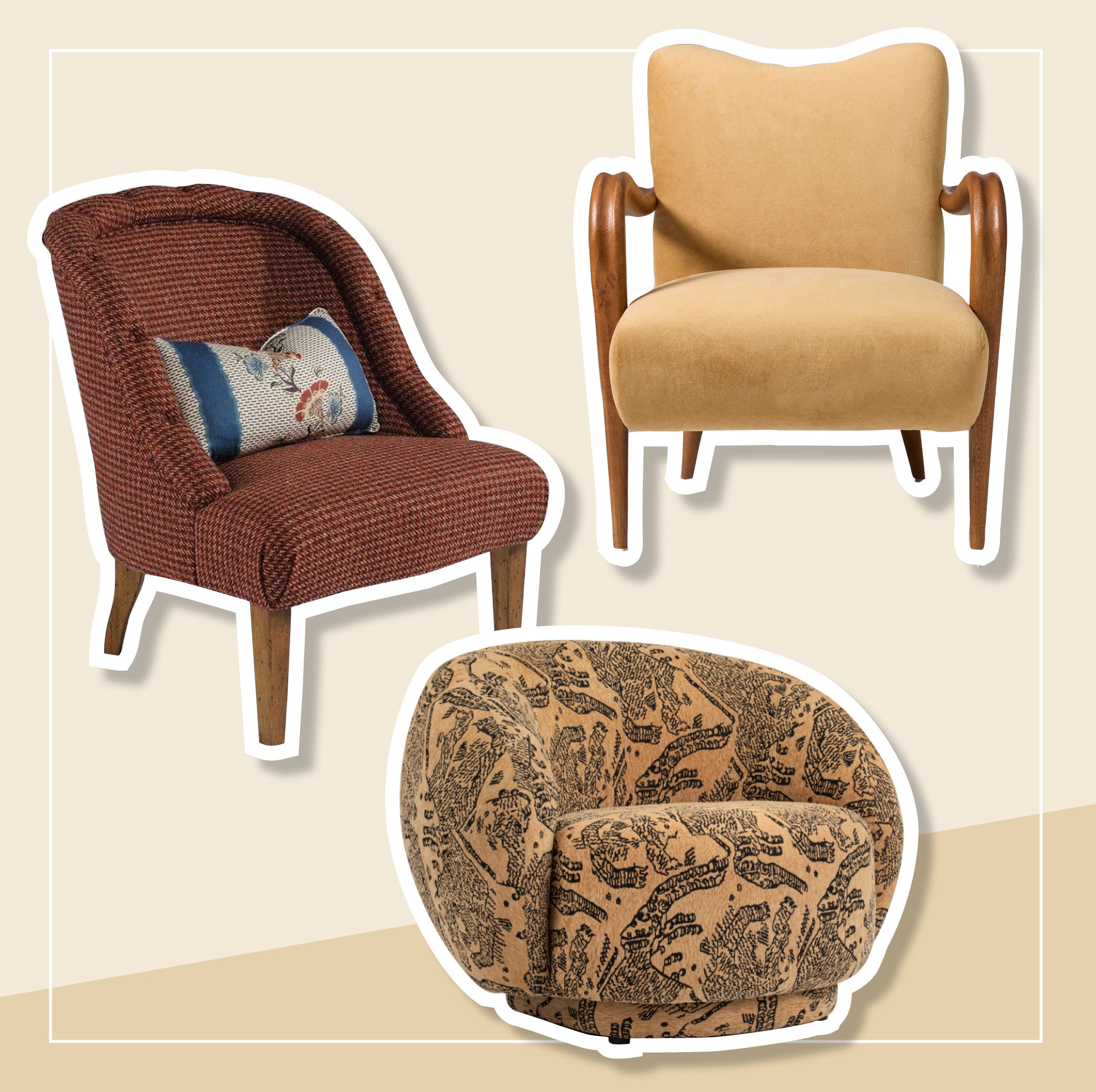
Interior Designers Swear By These 11 Cozy Accent Chairs

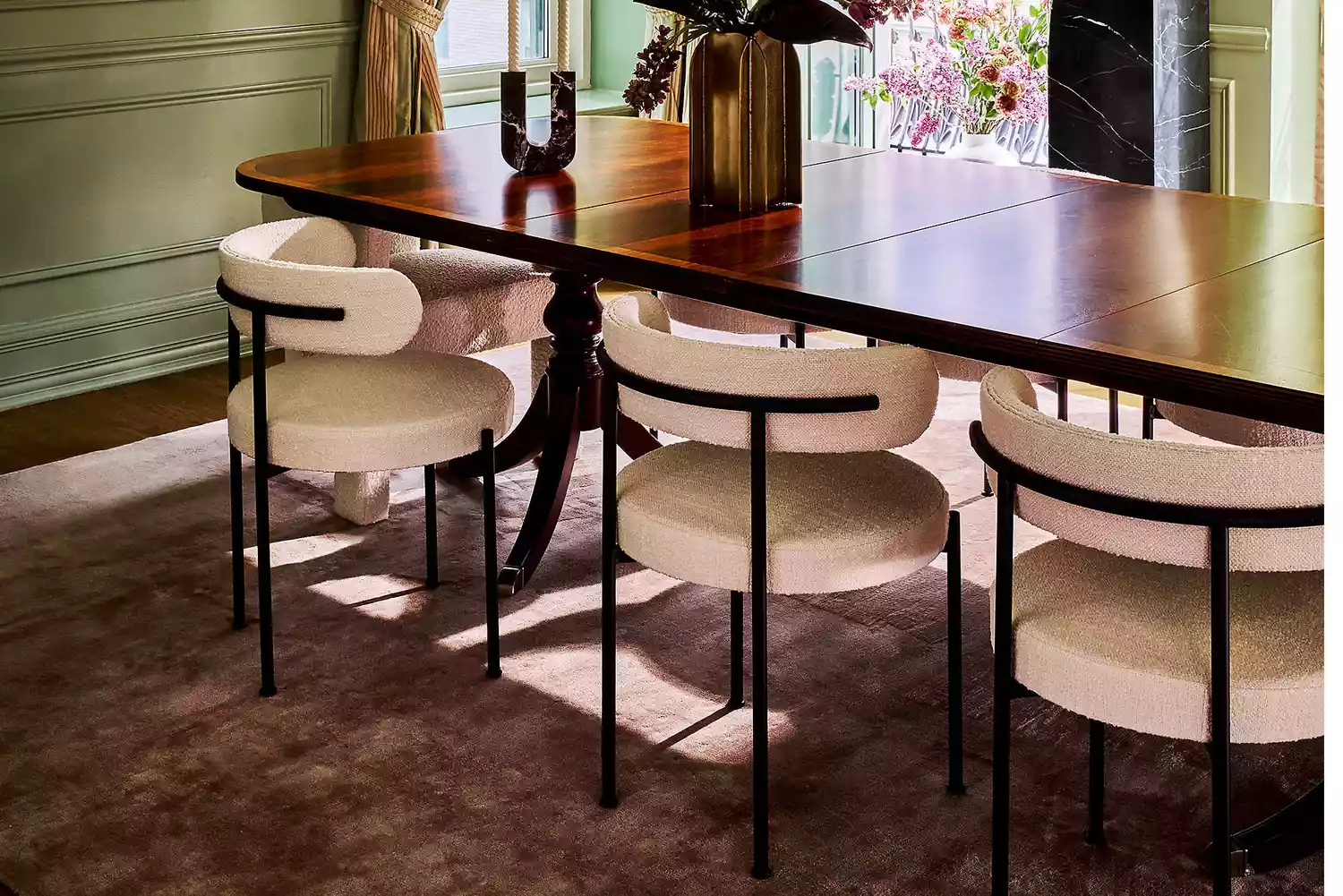
The 15 Best Dining Chairs for Every Style, According to Designers

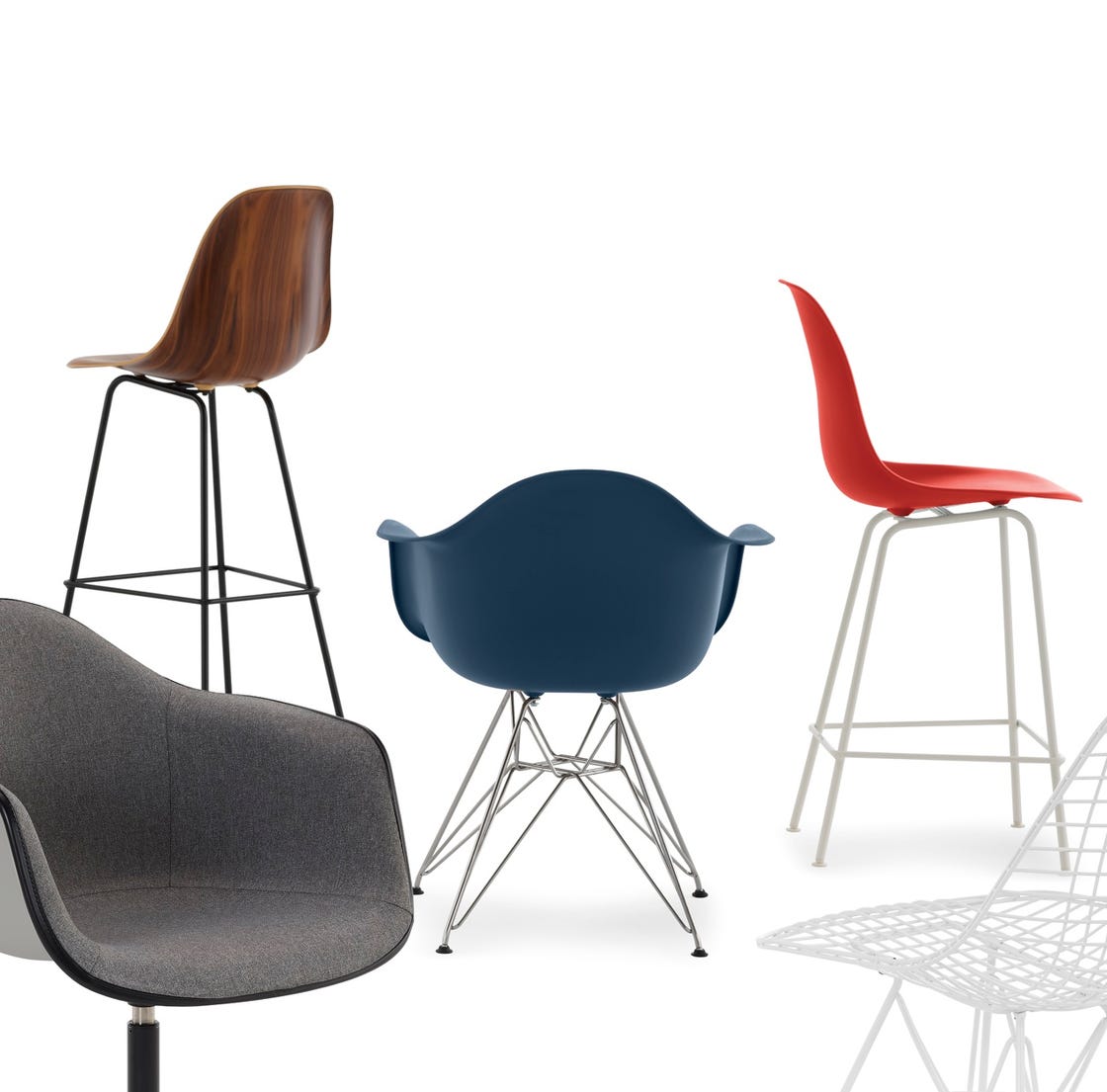
23 of the Most Important Chair Designs of All Time

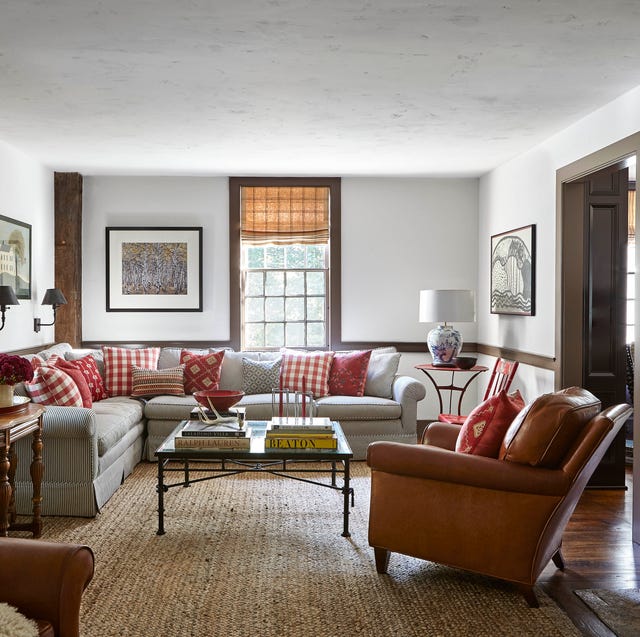
The 15 Best Accent Chairs for Your Living Room, According to Designers
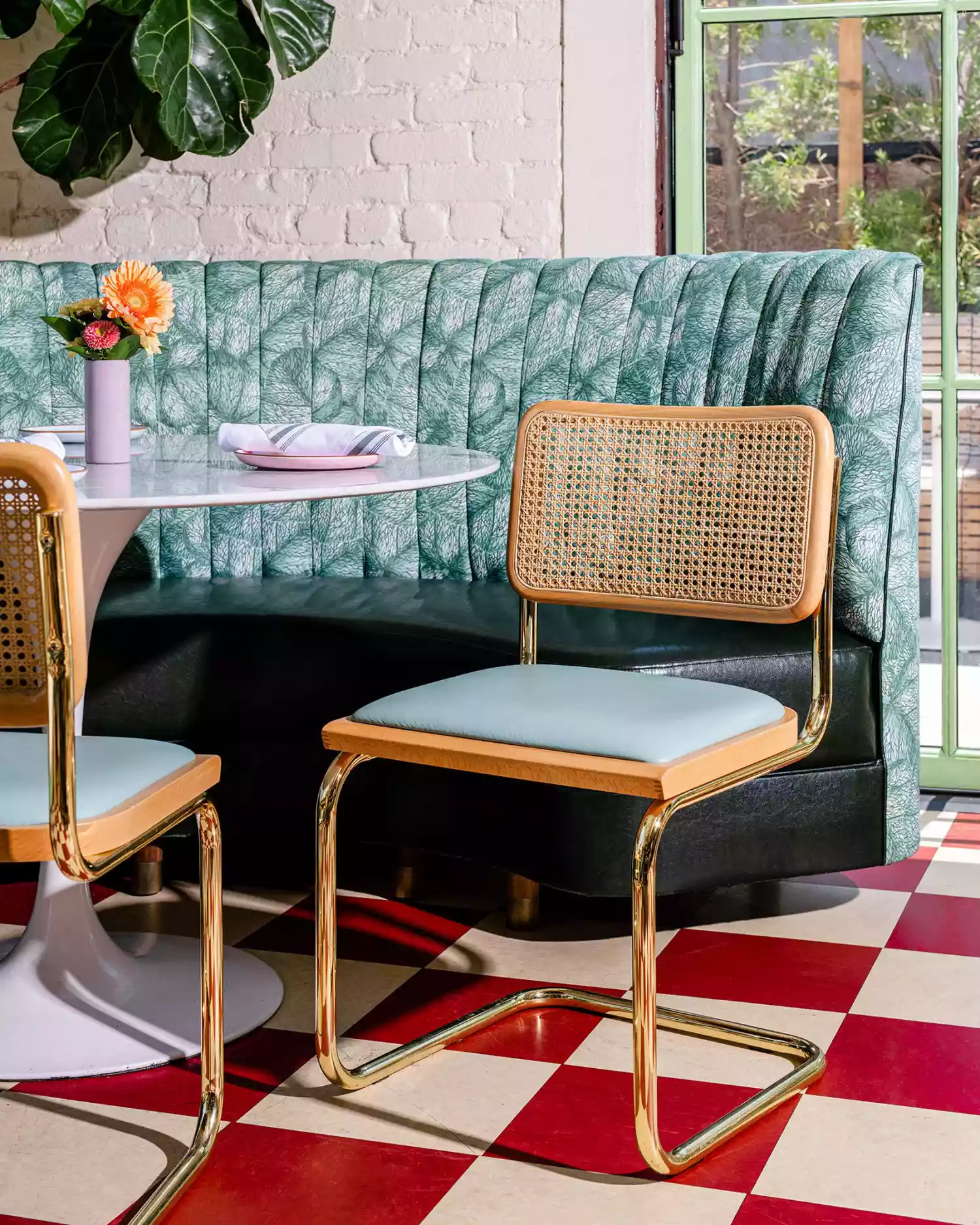
The Best Restaurant Seating, According to Our Restaurant Editor
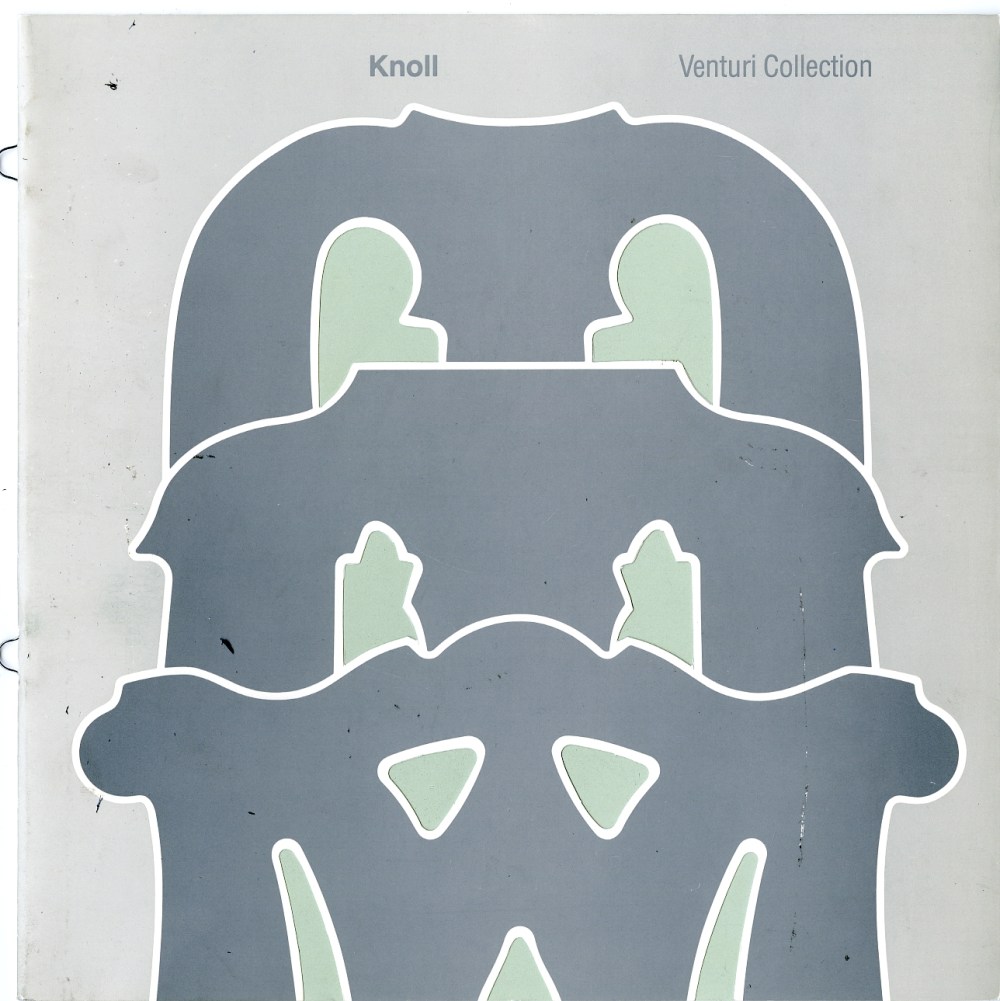
An ’80s Retrospect: Venturi Chairs

Interior Designers on the Most Iconic Furniture of All Time
12 Comfy Accent Chairs We Can't Stop Talking About
These Accent Chairs Are the Definition of a Personality Hire
12 Comfy Accent Chairs We Can't Stop Talking About
15 Swivel Chairs Our Editors Love
New Dining Chairs Bring Support and Comfort to the Table

The 14 Most Comfortable Chairs You’ll Want To Sink Into After A Long Day

Interior Designers Reveal the 12 Most Comfortable Reading Chairs to Curl Up In
Classic club chairs for old-school refinement
10 Iconic Mid-Century Modern Chairs That Are a 'Must-Know' for Any Design Enthusiast


Sculpted and statement chairs can transform rooms in an instant. I'm a homes editor and here are my top picks

Shopping for Wingback Chairs (Published 2017)