



1/6
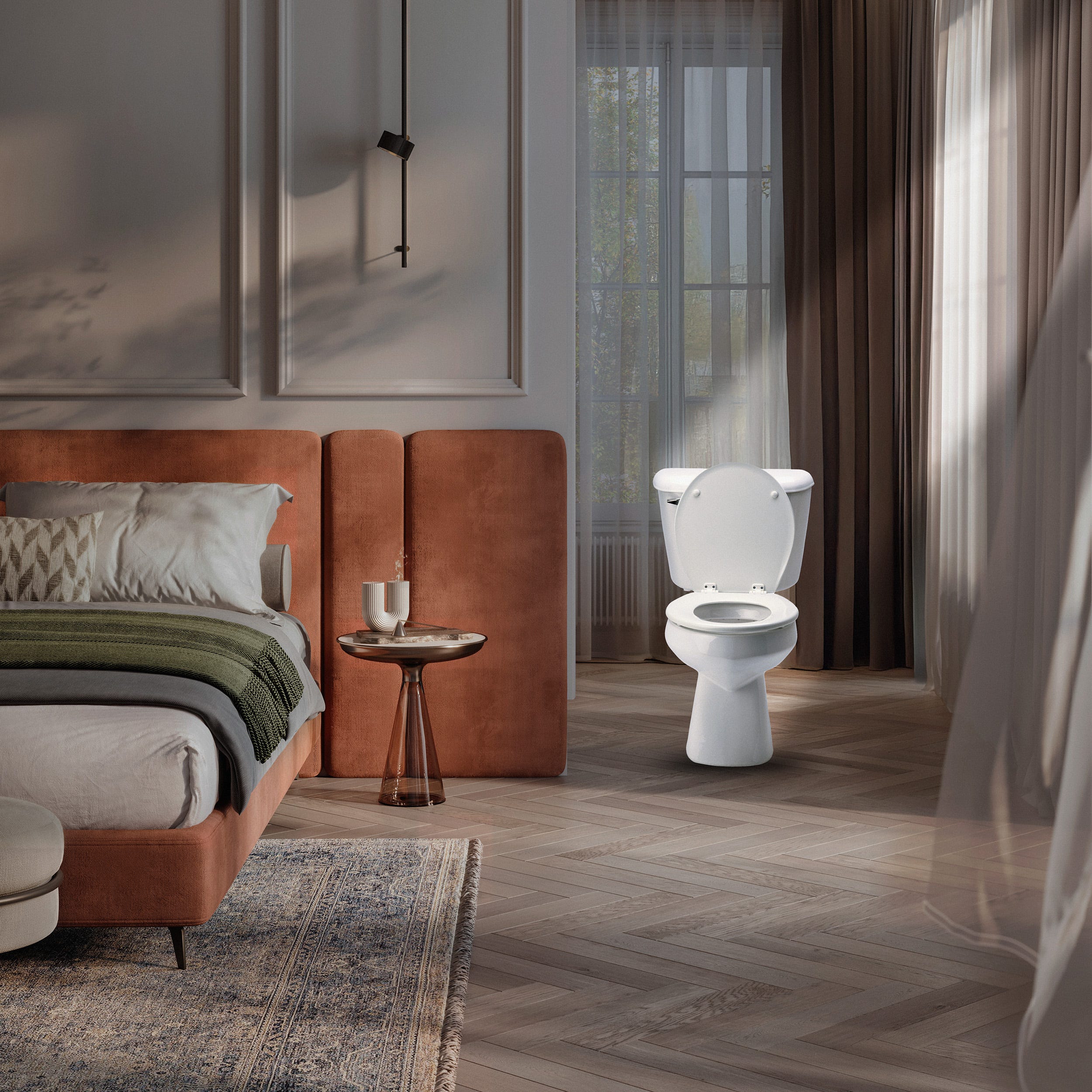
We're Experiencing a "Bathroom Privacy Crisis" in Hotels Now—Experts Explain Why
The article explores a growing trend in hotel design where bathrooms lack proper privacy, featuring transparent doors, frosted glass partitions that don't reach the floor, or even entirely open layouts. This design choice, often encountered in modern hotels, has led to discomfort and frustration among travelers, particularly when sharing a room with friends or family. The author recounts a personal experience in Punta Cana and highlights a social media movement, "Bring Back Bathroom Doors," initiated by Sadie Lowell, to raise awareness and provide resources for travelers seeking hotels with adequate bathroom privacy. Lowell's TikTok page, with over 36,000 likes, and her website, BringBackDoors.com, list hotels based on submitted guest experiences, categorizing them by their bathroom privacy standards.
Several interior designers with experience in hotel projects shed light on the motivations behind this shift in design. Jaque Bethke, with four decades in hospitality design, attributes the trend, in part, to reduced construction and renovation budgets post-2008 market crash and the COVID-19 pandemic. She notes that today's budgets are leaner, impacting the quality and long-term design investments. Jon de la Cruz observes this issue more frequently in Europe, where rooms tend to be smaller and design standards differ, often lacking the clear separation of wet and dry areas and dedicated toilet enclosures that Americans typically expect.
The designers identify several reasons for hotels prioritizing designs that compromise bathroom privacy: practicality, aesthetics, convenience, and cost-saving. From a practical standpoint, glass or barn-style doors are space-efficient, particularly in smaller rooms, as they avoid the large footprint of outward-swinging doors. Aesthetically, glass doors can make a bathroom feel brighter and larger, especially in historic buildings where adding natural light or extensive ventilation is challenging. These modern designs also tend to photograph well, aiding marketing efforts.
Convenience plays a role as well, as sliding barn doors and glass doors are easier to standardize across numerous identical rooms, simplifying the construction process and reducing the need for precise doorway measurements. Financially, Bethke suggests that reduced budgets lead designers to use materials like glass as visual statements because they are relatively inexpensive and create the illusion of intentional, modern design. Lowell, through her "Bring Back Doors" campaign, argues that hotels are intentionally testing guests' willingness to sacrifice privacy, akin to how airlines have reduced space without lowering prices. She posits that by making shared bathroom experiences uncomfortable, hotels might encourage guests to book separate rooms, thus increasing revenue. Ultimately, the article concludes that as more travelers become aware of and actively avoid hotels lacking proper bathroom privacy, the hotel industry will be compelled to reconsider its design choices to prevent financial losses.
For those seeking hotels with good bathroom privacy, the designers offer recommendations. Sarah Stacey points to The Menagerie in Fredericksburg, Texas, a hotel she designed, where every bathroom features a standard locked door. Jon de la Cruz recommends The Hotel de Russie in Rome for its separate toilets and bidets, while Jaque Bethke highlights Kimpton properties in Los Angeles and North Carolina as examples of thoughtful design on a smaller budget. Lowell's website also serves as a continuously updated resource for travelers to find privacy-conscious accommodations and to contribute their own hotel experiences to the movement.
#HotelDesign #BathroomPrivacy #TravelExperience #InteriorDesign #HospitalityIndustry #DesignTrends #CostSavingMeasures #GuestSatisfaction #ConsumerAdvocacy #HotelDesign #BathroomPrivacy #TravelExperience #InteriorDesign #HospitalityIndustry #DesignTrends #CostSavingMeasures #GuestSatisfaction #ConsumerAdvocacy
 No comments yet