How Long Does Primer Take to Dry? Experts Share Their Best Advice
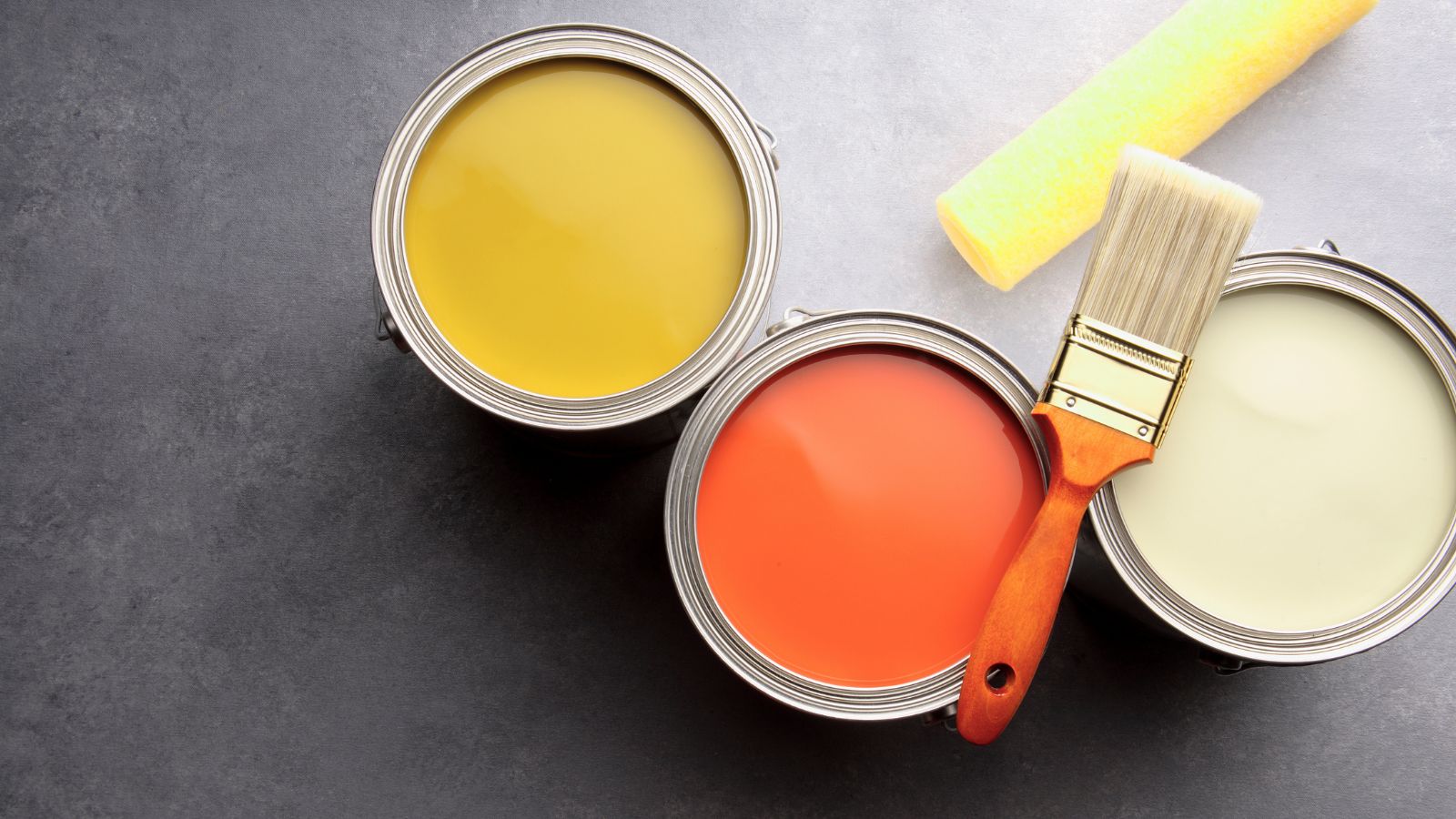
Applying a fresh coat of paint is an effective and impactful method to revitalize a home's interior. To achieve optimal results with a new wall color, a crucial preparatory step is priming the surface. A properly primed surface ensures that the topcoat adheres well and performs to its full potential, both aesthetically and functionally. Primer serves multiple purposes: it seals the surface, conceals imperfections, and allows paint to be applied evenly and smoothly, thereby minimizing the need for frequent touch-ups. Paint industry experts emphasize the importance of understanding primer drying times and provide strategies for accelerating the process. They also discuss the necessity of primer and offer guidance on selecting the appropriate type.
Experts highlight that choosing the correct primer is fundamental for the superior performance of the topcoat. Analogous to a house built on weak foundations being prone to collapse, paint applied to an inadequately primed surface is more likely to fail. A quality primer enhances paint application and spread by effectively sealing the surface and preventing uneven absorption. This also contributes to the longevity of the paint job.
Selecting the right primer can be challenging due to the variety of options available. The appropriate primer depends on the specific job, requiring consideration of the space's characteristics. Key factors include the presence of existing stains, moisture damage, and whether the surface has been previously painted. Experts recommend choosing primers suggested by the paint supplier, as manufacturers typically test their paint systems for compatibility. This ensures that the primer and topcoat work synergistically. The primer's primary role is to provide adhesion and create a stable surface for the subsequent paint layers.
Primer drying times are influenced by several factors, including the type of primer, the surface material, and environmental conditions such as room temperature and humidity. Most water-based latex primers dry to the touch within 30 minutes to an hour. However, for best results, it is essential to wait until the primer is completely dry before painting, which can take up to three hours. Adhering to the manufacturer's recommendations on the primer's label is critical, as these guidelines often specify ideal application conditions, including temperature and humidity, which significantly affect drying times. Following these instructions ensures the primer functions as intended.
Painting over primer that is not fully dry can lead to significant problems. Even if the primer feels dry to the touch, it might still be in the curing phase, where it develops its full strength. Applying paint prematurely can disrupt this curing process, compromising the primer's performance and potentially leading to a flawed finish. To expedite primer drying, begin with a well-prepared surface. Uneven or chipped surfaces can cause primer to pool and dry slowly, so it is important to remove any loose or flaking material and ensure the area is clean and dry before priming. Increasing airflow is another simple yet effective method to accelerate drying, particularly in small or poorly ventilated areas where high humidity can impede the process. Opening windows or using a fan to circulate air can help the primer dry more quickly and efficiently.
#PaintPrimer #HomePainting #DryingTime #SurfacePreparation #PaintingTips #InteriorDesign #HomeImprovement #DIYProjects #PaintPrimer #HomePainting #DryingTime #SurfacePreparation #PaintingTips #InteriorDesign #HomeImprovement #DIYProjects
 No comments yet
How Long Paint Takes to Dry and Cure

How Long Should You Dry Firewood?

Professional painters reveal how to make paint dry faster – without compromising on quality