1/4
The Best TARDIS Interior Designs on Doctor Who
The TARDIS, a central element of the Doctor Who series, functions as more than just a time and space vessel; it is depicted as a living entity that undergoes numerous transformations. Its name, an acronym for Time and Relative Dimensions in Space, alludes to its iconic characteristic of being "bigger on the inside." This article explores the various interior designs of the TARDIS throughout the show's extensive run, highlighting how these designs have evolved in response to both narrative needs and stylistic preferences.
Throughout its history, the TARDIS interior has been presented in diverse styles, ranging from luminous white to industrial steampunk bronze. While the core concept of its internal vastness remains constant, the specific aesthetic details often shift. These changes provide set designers with opportunities to create unique environments that reflect the evolving personality of The Doctor and the overarching tone of each series. Significant overhauls typically occur every few seasons, necessitating the construction of entirely new sets to accommodate these artistic visions. Beyond these major redesigns, subtle modifications might be made between episodes to suit particular story requirements.
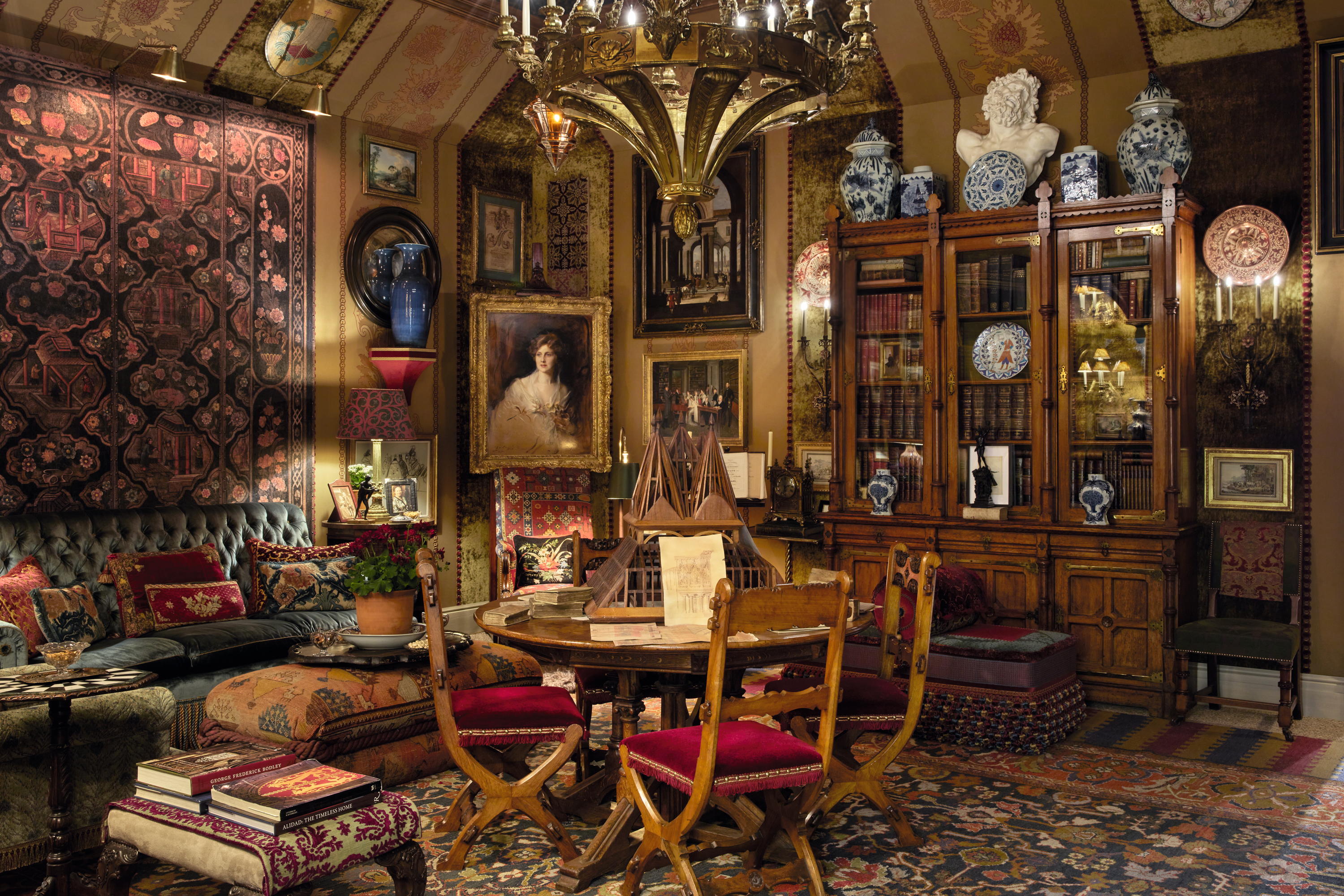
One notable iteration, introduced with the Twelfth Doctor, featured a control room that largely retained the structural elements of the Seventh Doctor’s TARDIS but incorporated substantial additions. This version saw the introduction of bookshelves, chalkboards, and a shift to a darker, redder lighting scheme, contributing to a more scholarly and perhaps more introspective atmosphere for the new Doctor. This design emphasizes a sense of lived-in intellectualism, distinguishing it from previous cleaner or more minimalist interpretations.
The TARDIS interior from Series Five presented a radically different aesthetic, canonically attributed to the ship rebuilding itself after a fire during the Tenth Doctor's regeneration. This redesign embraced a retro-futuristic steampunk theme, integrating a variety of anachronistic elements such as a typewriter, a bell, a 90s-style telephone, and a gramophone-style sound system. This eclectic mix of old and new technology created a visually rich and whimsical environment, reflecting a period of playful innovation in the show’s design.
Upon the return of Doctor Who in 2005 with Series One, the TARDIS underwent a significant modernization. The traditional hexagonal control panel was replaced by a circular design, often described as resembling a "smooshed onion." This iteration marked a departure from earlier, more utilitarian designs, introducing multiple levels within the control room and a distinctive golden lighting scheme that became iconic for this era. This design conveyed a sense of warmth and grandeur, signifying a fresh start for the beloved Time Lord and his adventures. Each of these designs not only served as a backdrop for the Doctor's journeys but also became integral to the character's identity and the show's enduring appeal.
#DoctorWho #TARDIS #ScienceFiction #InteriorDesign #SetDesign #TelevisionSeries #TimeTravel #FictionalArchitecture #DoctorWho #TARDIS #ScienceFiction #InteriorDesign #SetDesign #TelevisionSeries #TimeTravel #FictionalArchitecture
0 comment in total
 No comments yet
You may also like
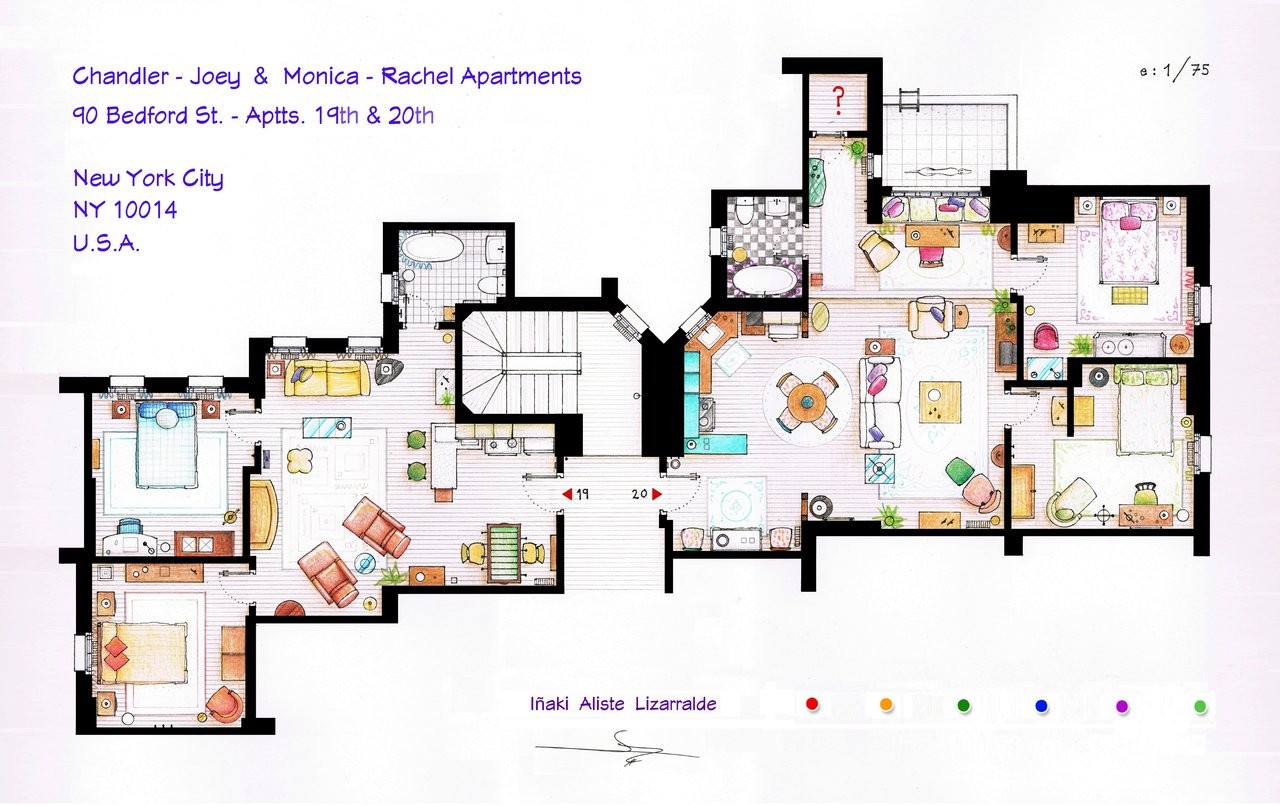
From Friends to Frasier: 13 Famous TV Shows Rendered in Plan

Optical Illusions Hide Everything From a TV to a Daybed in This Cozy London Home

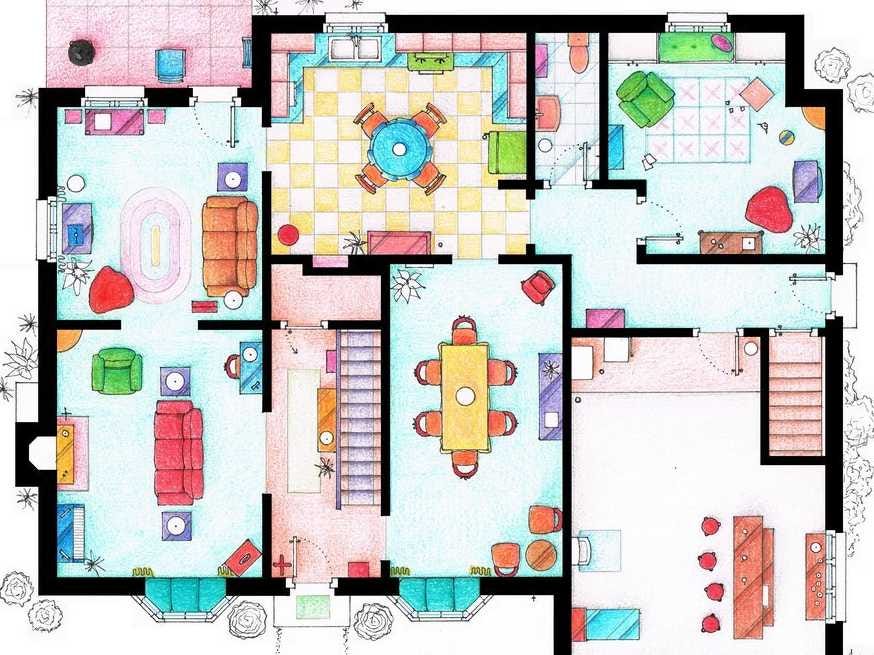
See The Floor Plans From Your Favorite TV Homes
Star Wars Memorabilia Reigns Supreme in This Chic Texas Home

Meet The Interior Designer: Cat Earp
9 of the Most Stunning Examples of Interior Design in Movies

Room Decorating and Design Ideas

The best interior designers in Britain

The best interior designers
Kids Bedroom Ideas from TV Kids' Rooms
10 Disney-inspired bedrooms that prove dreams do come true
13 Worst ‘Trading Spaces’ Designs, From the Sob-Inducing Fireplace to Straw-Covered Walls (Photos)

Explore Interior Design’s Hall Of Fame Icons On Screen


These Are the Best TV Bedrooms of All Time
The Internet May Be on Fire About This, But There Are Actually Cool Ways to Hide Your TV

Inspiration or imitation? See the original nursery Tom and Sarah-Jane were ‘inspired’ by

Home decor styles inspired by Game of Thrones
An Inside Look at Sorority Houses Around the South With PDR Interiors


The Captain's Quarters, Ranked

The original 'Trading Spaces' designers, ranked