Passive House Institute's Look at Kitchen Fans Is Less Than Exhaustive
The performance of kitchen exhaust systems, particularly in highly insulated and sealed buildings like Passivhaus structures, is a subject of ongoing debate. While the author, Lloyd Alter, a design editor and sustainable design educator, has long criticized the inefficiency of typical kitchen exhausts, the Passive House Institute (PHI) has issued guidelines titled “Kitchen exhaust systems for residential kitchens in Passive Houses.” These guidelines address the effectiveness of various exhaust systems and their implications for energy efficiency and indoor air quality.
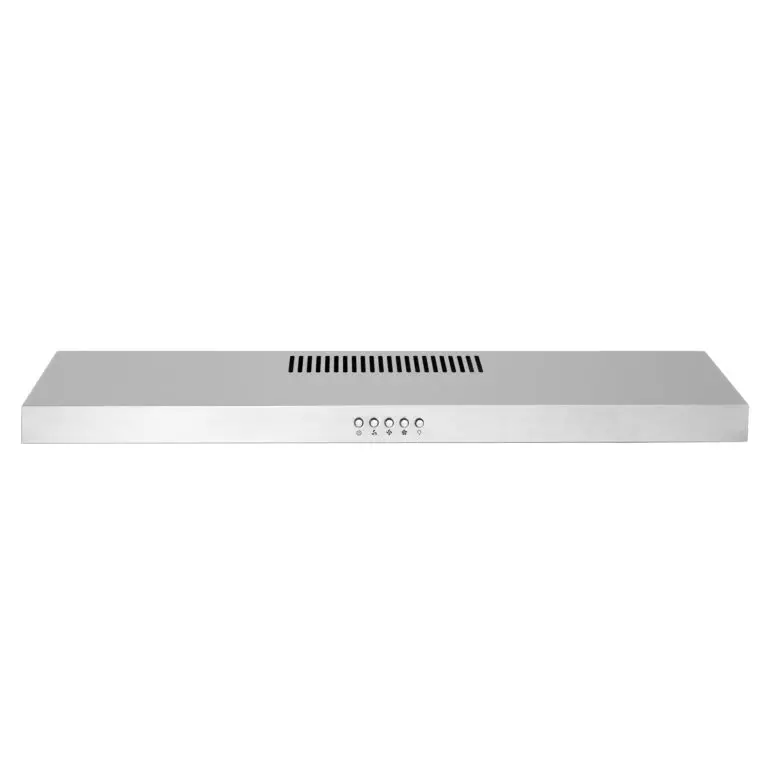
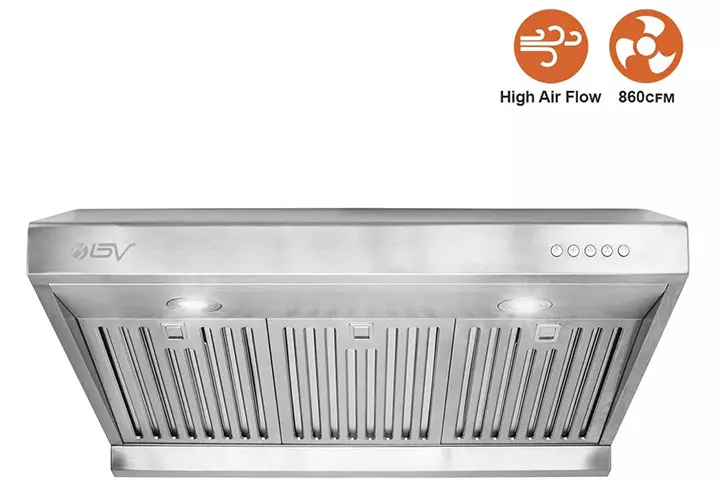
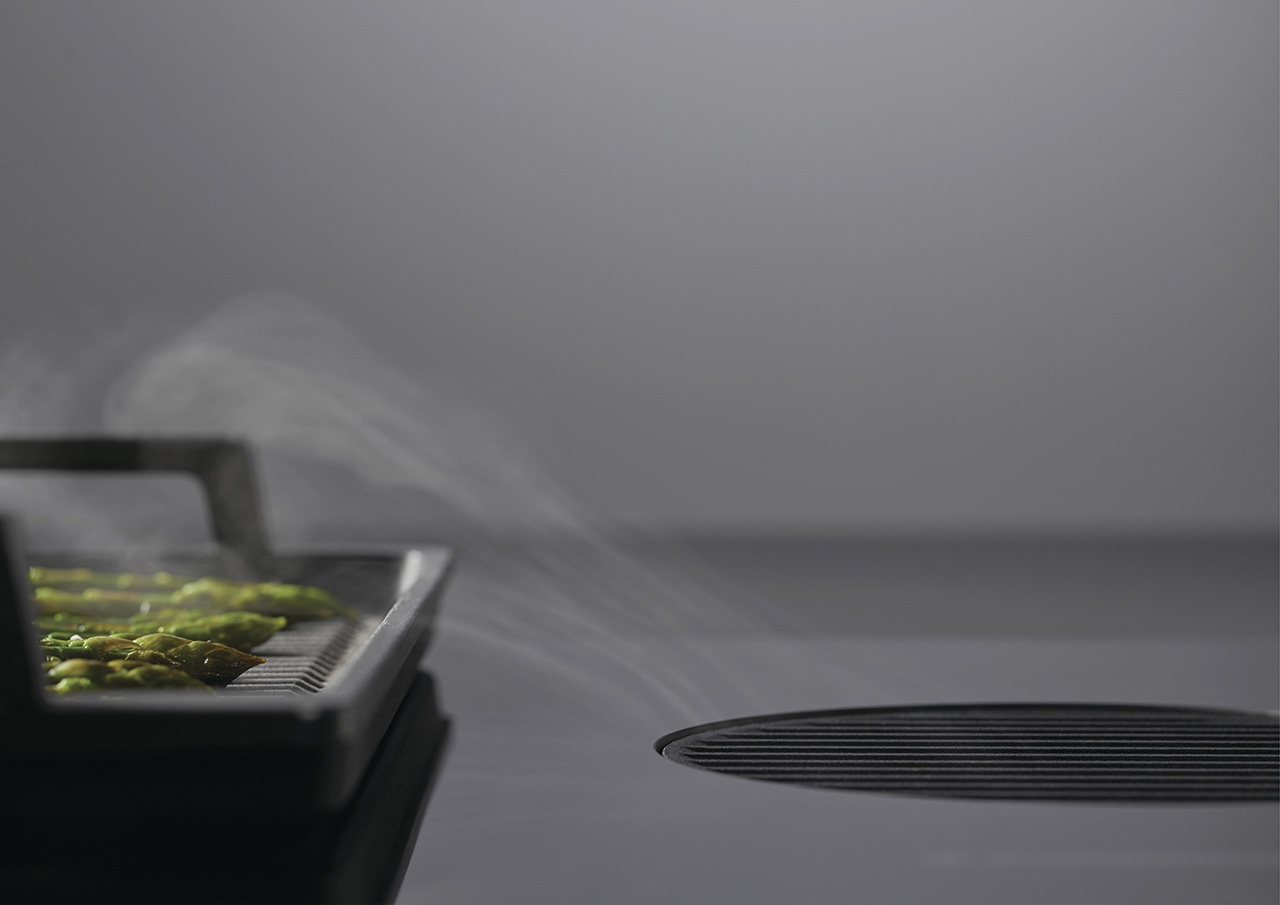
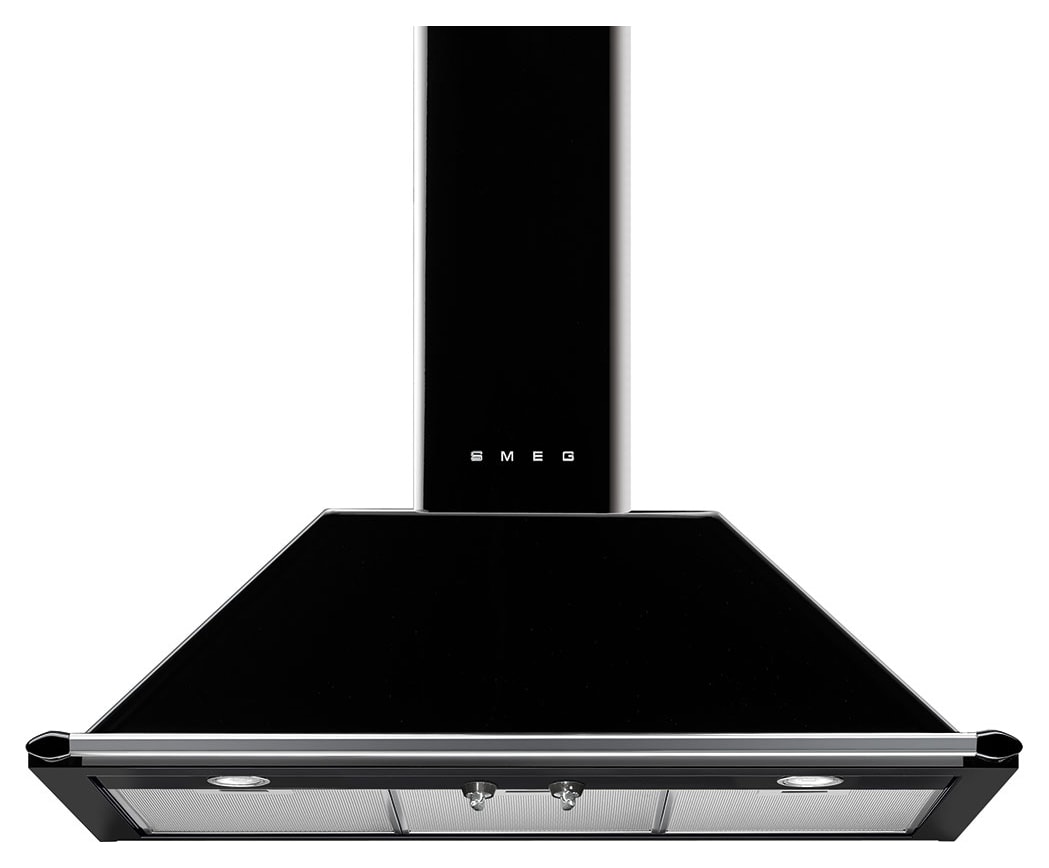
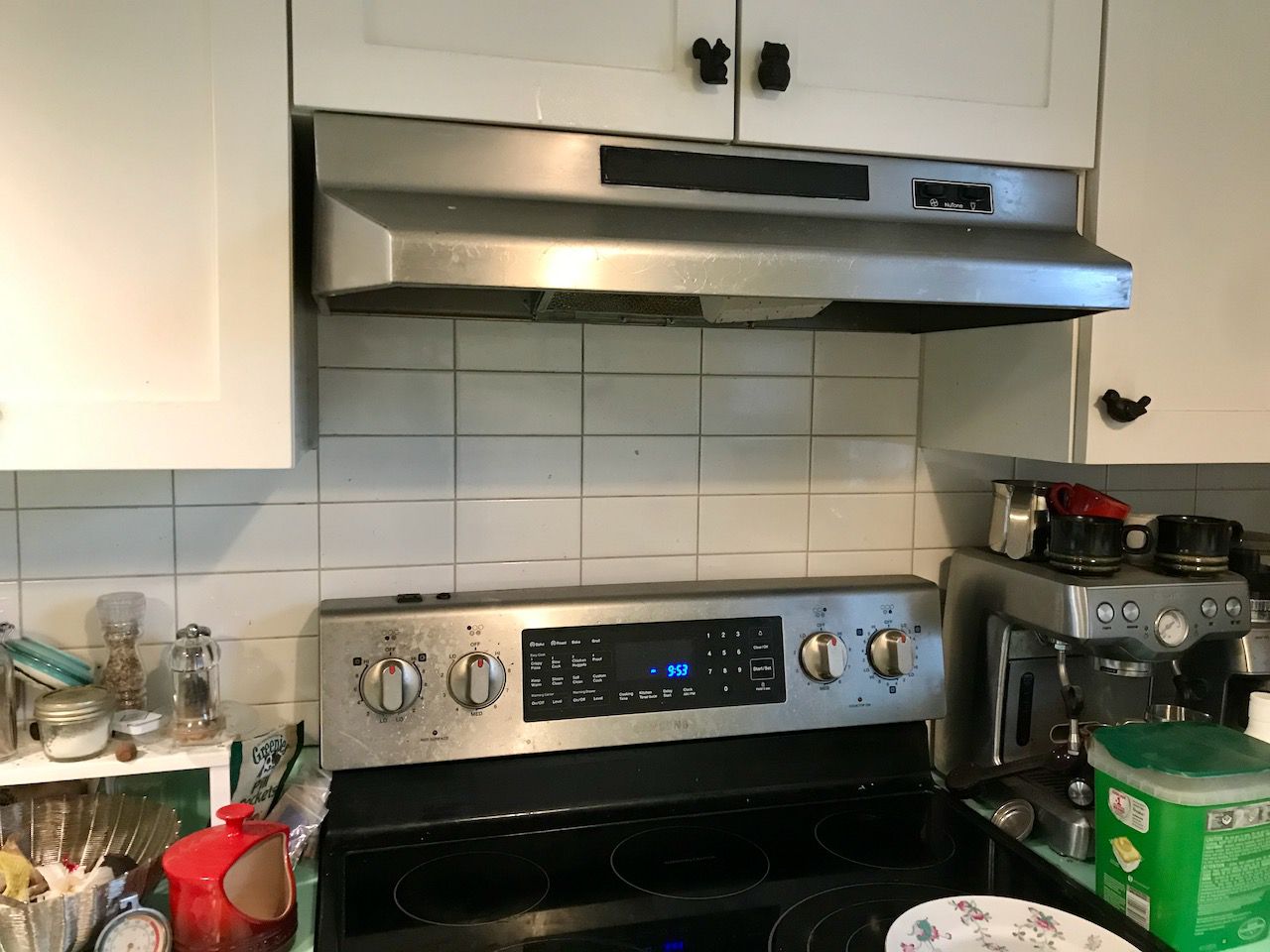
PHI's guidelines analyze three types of kitchen exhaust systems: wall-mounted, island, and downdraft. They assert that wall-mounted hoods are superior to island extractor hoods due to more stable and effective fume capture, requiring approximately 40% less volume flow rate for the same capture capacity. The guidelines suggest that hoods should be installed 50-60 cm (about 2 feet) from the cooktop, noting that higher installations significantly reduce effectiveness. The author supports this, also citing recommendations from Green Building Advisor and Engineer Robert Bean that hoods should extend 6 inches (15 cm) beyond the range on each side. The consensus is that wall-mounted hoods are substantially more effective than island hoods.
Regarding recirculating hoods, PHI's stance is less critical than some experts. While acknowledging that these systems do not remove moisture and require regular filter cleaning/replacement to maintain efficiency and limit pressure losses, they do not dismiss them outright. PHI points out that external exhaust systems can increase heating energy demand in low-heating-demand buildings like Passive Houses, not only due to ventilation heat losses during operation but also through significant infiltration losses at exhaust and intake vents if not sealed properly. Consequently, PHI recommends giving preference to recirculating hood systems, especially in smaller apartments (under 90 m2), where external exhaust systems can significantly increase heating demand and load.
However, the author raises concerns about PHI's guidelines, noting several critical omissions. The guidelines fail to mention the more severe ventilation problems associated with gas ranges, which produce harmful pollutants and absolutely require exterior ventilation, as supported by research from Professor Shelley Miller. Furthermore, PHI's guidelines do not address interior air quality issues in detail, despite findings from Gabriel Rojas at a Passivhaus conference that recirculating hoods are largely ineffective at removing pollutants, and that certain cooking activities like grilling hamburgers severely degrade indoor air quality. Shelley Miller's tests in Passive Houses in Colorado also indicated that while Passive House designs improve thermal comfort and reduce energy use, they do not inherently guarantee good indoor air quality, with cooking events drastically reducing air quality for extended periods, and mechanical ventilators' boost modes proving ineffective against PM emissions.
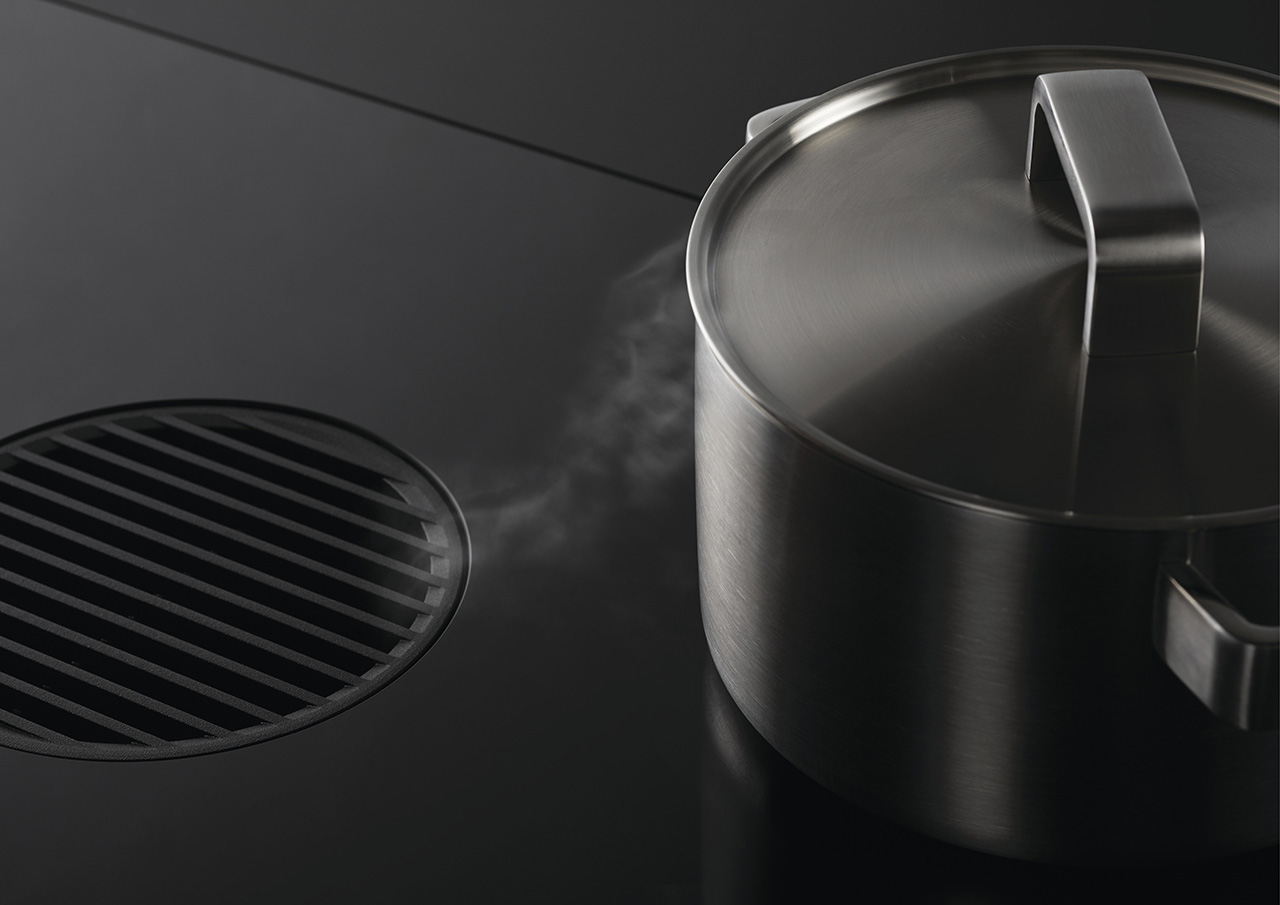
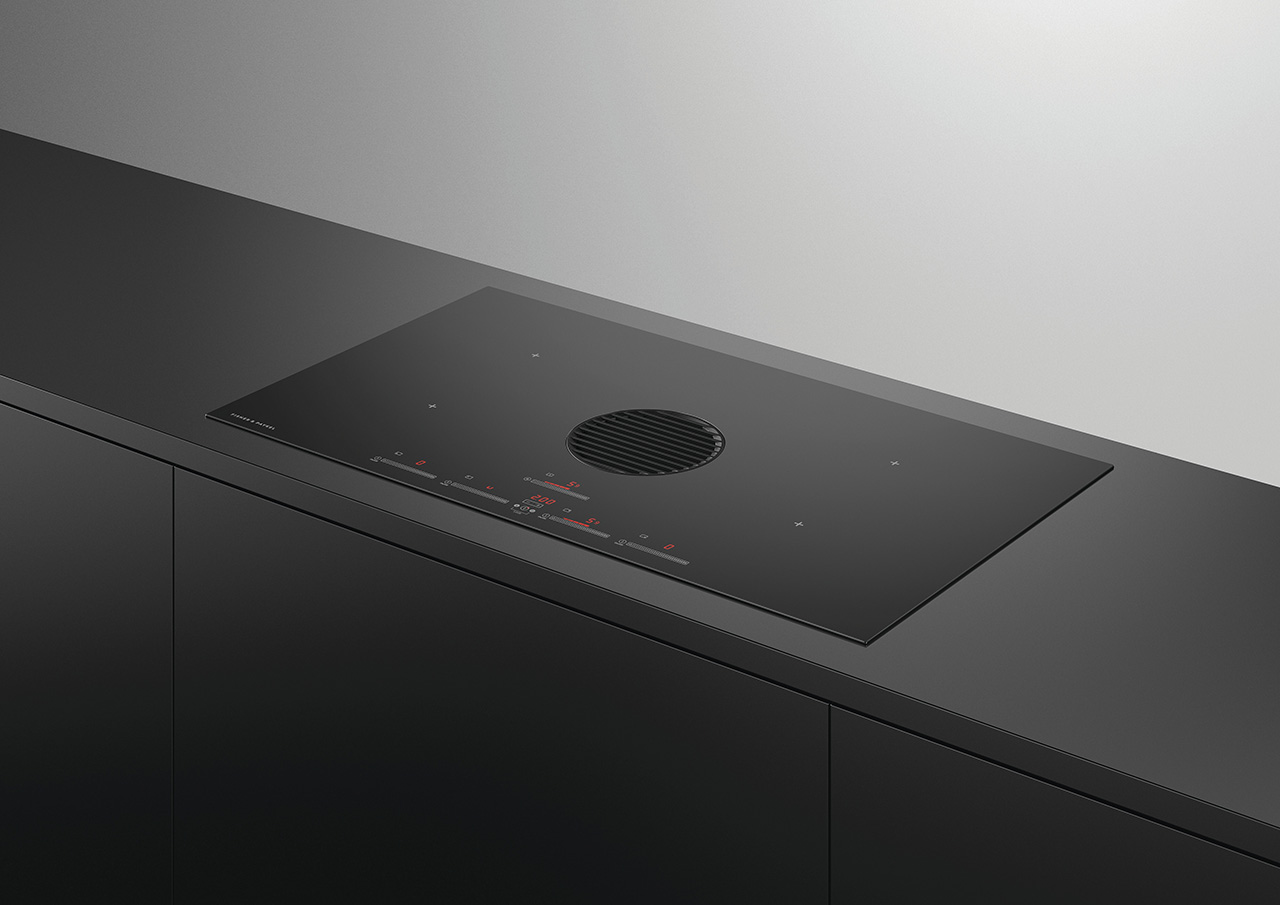
In light of these criticisms, the author offers alternative recommendations. These include the insistence that kitchen hoods must exhaust to the outside. The author also advocates for eliminating gas ranges in homes in favor of induction cooktops, which, with a conventional 4-burner induction range, would only require a 250 CFM fan, minimizing makeup air issues. Placing ranges against a wall is also recommended for better efficacy. The author acknowledges the strict energy limits of Passivhaus and the engineering focus of its proponents, contrasting it with his own emphasis on air quality. He suggests that a compromise between energy efficiency and indoor air quality is necessary, inviting further discussion on the topic.
#KitchenExhaust #PassiveHouse #IndoorAirQuality #EnergyEfficiency #RecirculatingHoods #VentilationSystems #SustainableDesign #GasRanges #InductionCooktops #KitchenExhaust #PassiveHouse #IndoorAirQuality #EnergyEfficiency #RecirculatingHoods #VentilationSystems #SustainableDesign #GasRanges #InductionCooktops
0 comment in total
 No comments yet
You may also like
15 Best Kitchen Exhaust Fans In 2025
After Testing Over 50 Fridges, We Think These 7 Are the Best You Can Buy

We Tested Several Window Fans—Our Favorite Made Warm Days More Bearable

Best Bathroom Exhaust Fans of 2025
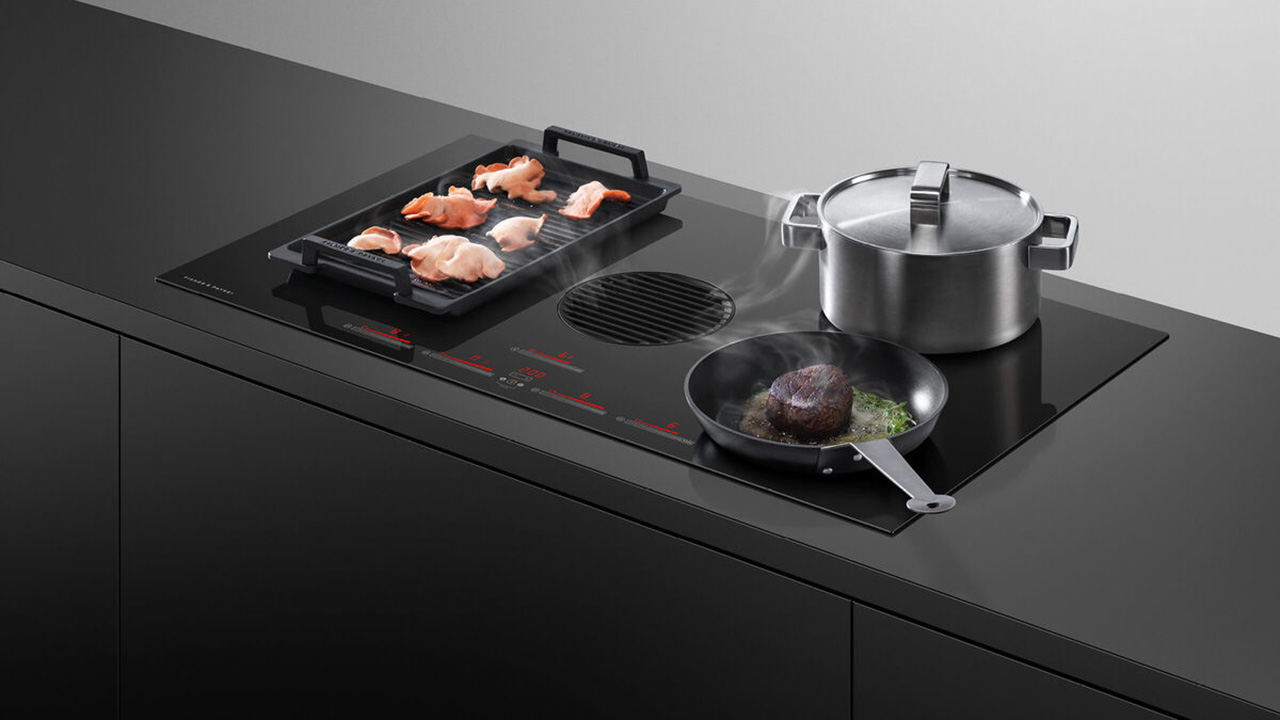
Fisher & Paykel Induction Cooktop Subtracts Need for Vent Hoods

The Best Ceiling Fans for a Breezy, Comfortable Home
Keep Cool All Year Long With These 7 Ceilings Fans, Tested by BHG

The 16 best ceiling fans for extra airflow in 2023, plus expert tips
The Best Box Fans for Any Room in Your Home, Tested

The 10 Best Ceiling Fans We’ve Tested Firsthand—And Actually Recommend—for Cooler Rooms Year-Round
Our 10 Best Fans for Cooling the Home, Tested and Reviewed
Kitchen fumes, begone!

The ultimate guide to choosing the perfect ceiling fan: Top 10 picks in November 2023 | Hindustan Times

10 Modern and Best Ceiling Fans For Home In India 2024

10 Best Ceiling Fans in Singapore
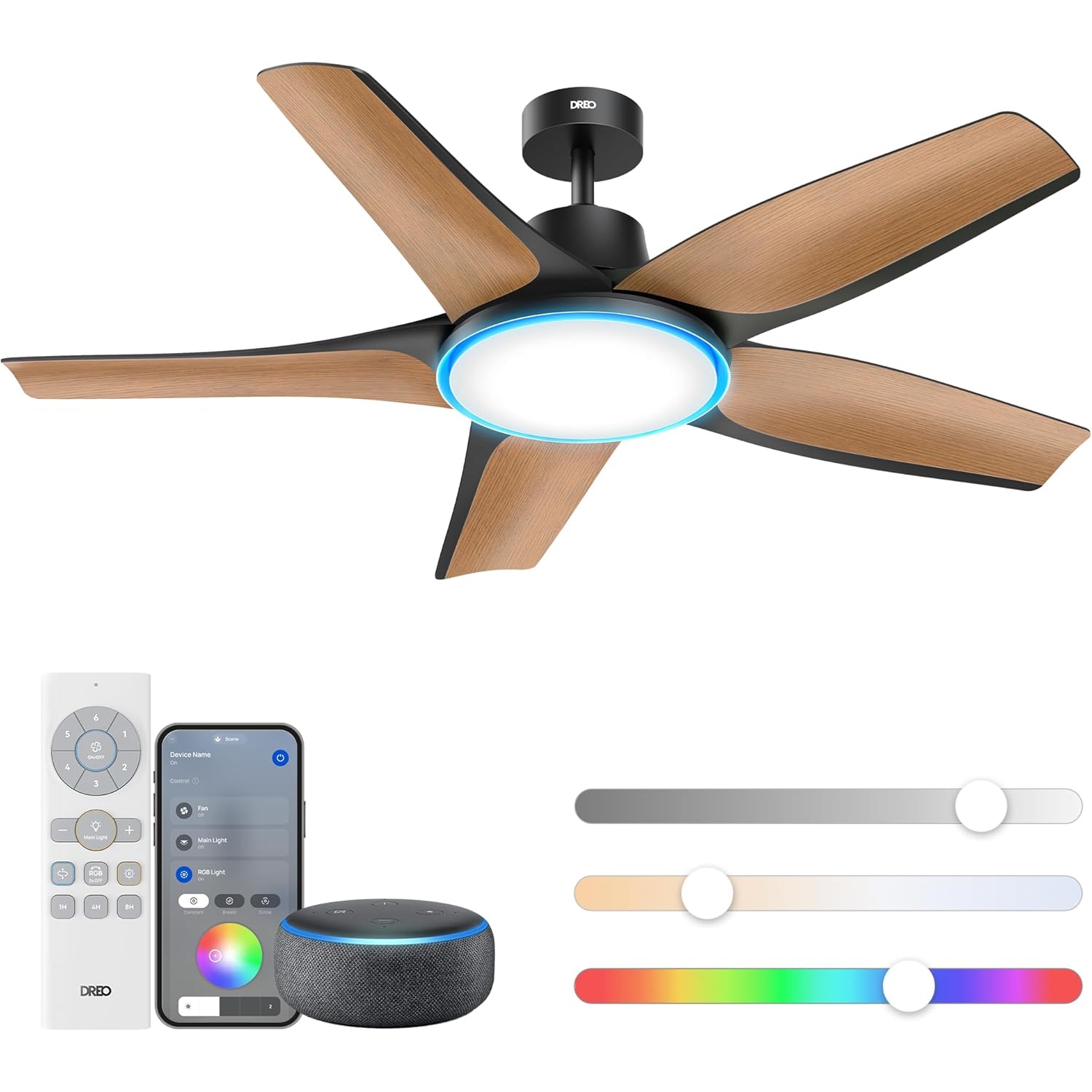
Spin Smarter, Not Harder: Our Favorite Smart Ceiling Fans


Cooker Hoods

The 16 best ceiling fans for extra airflow, plus expert tips
Best ceiling fans in Australia 2025

The ultimate guide to choosing the perfect ceiling fan: Top 10 picks in November 2023 - Hindustan Times