1/5
Ever Wondered Why Wooden Doors Have Raised Panels? Here’s The Real Reason
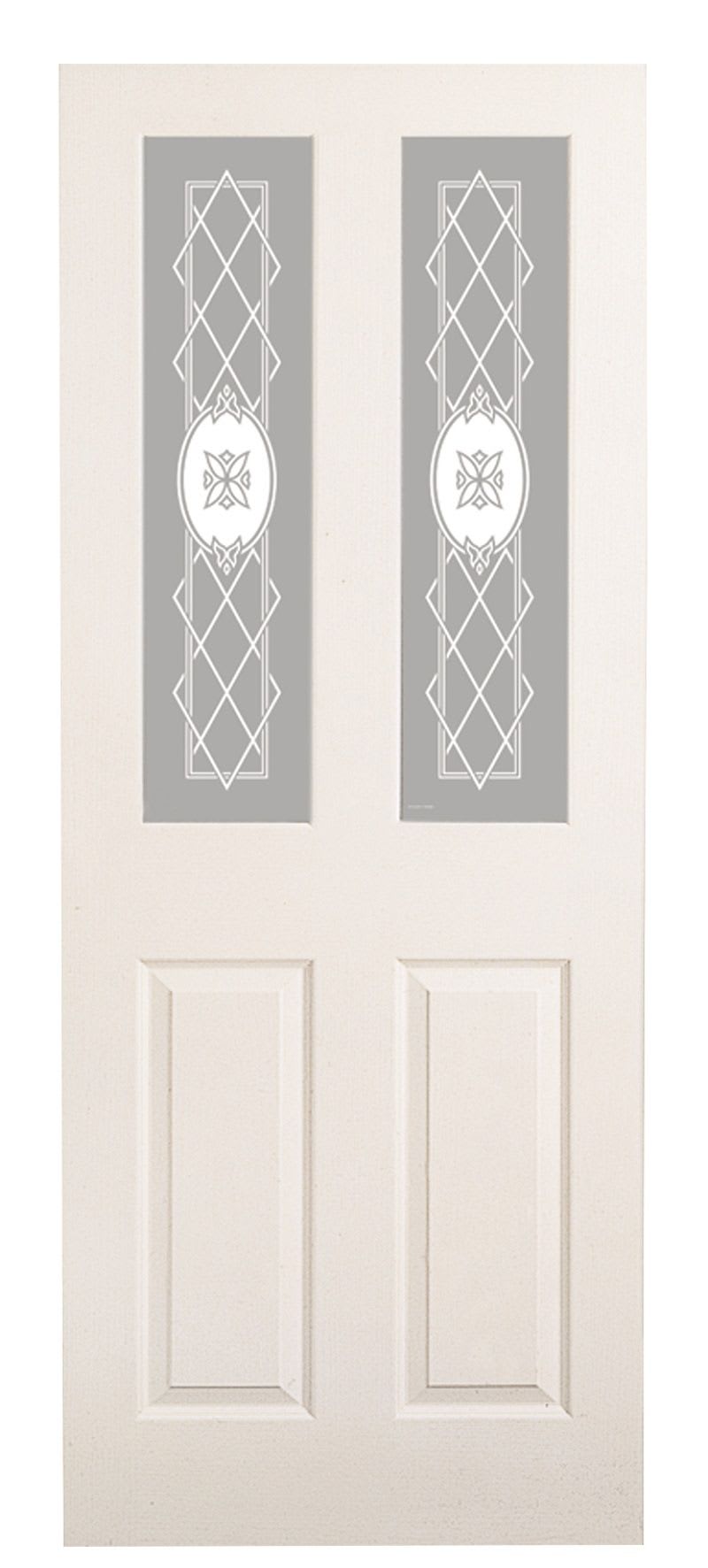
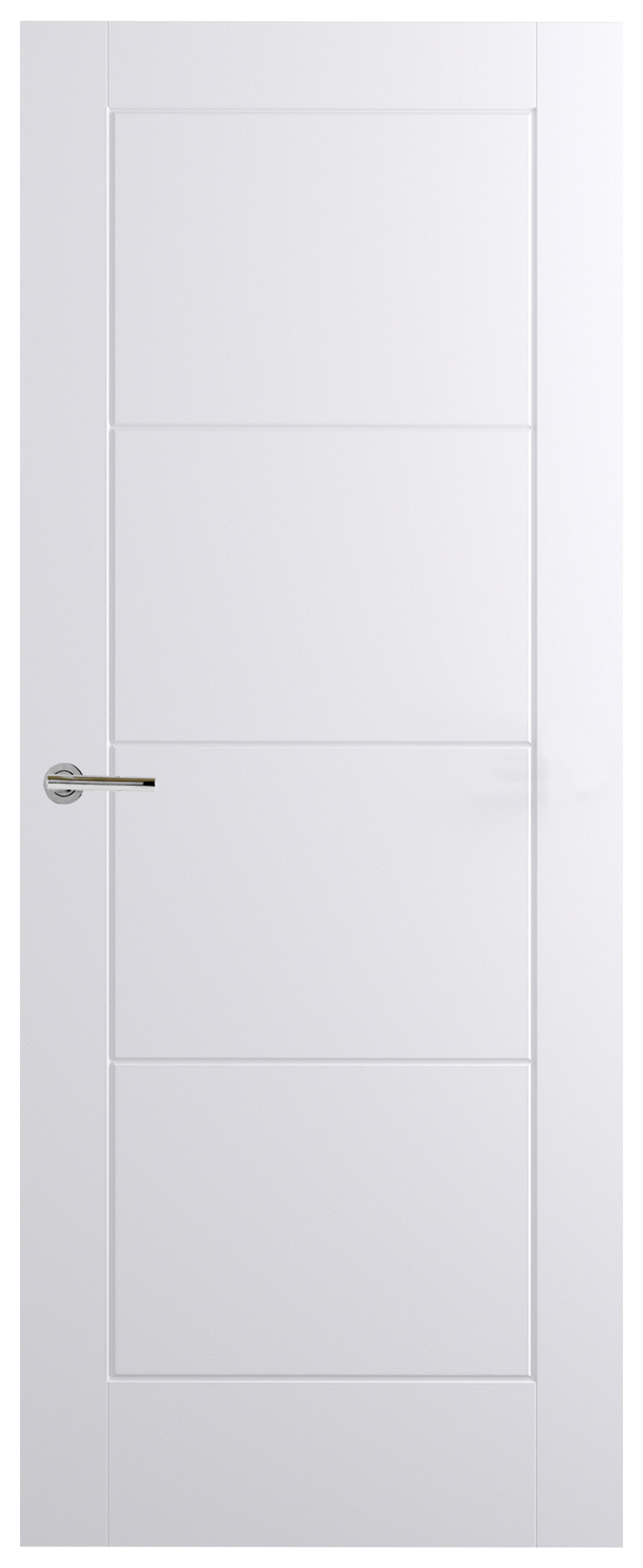
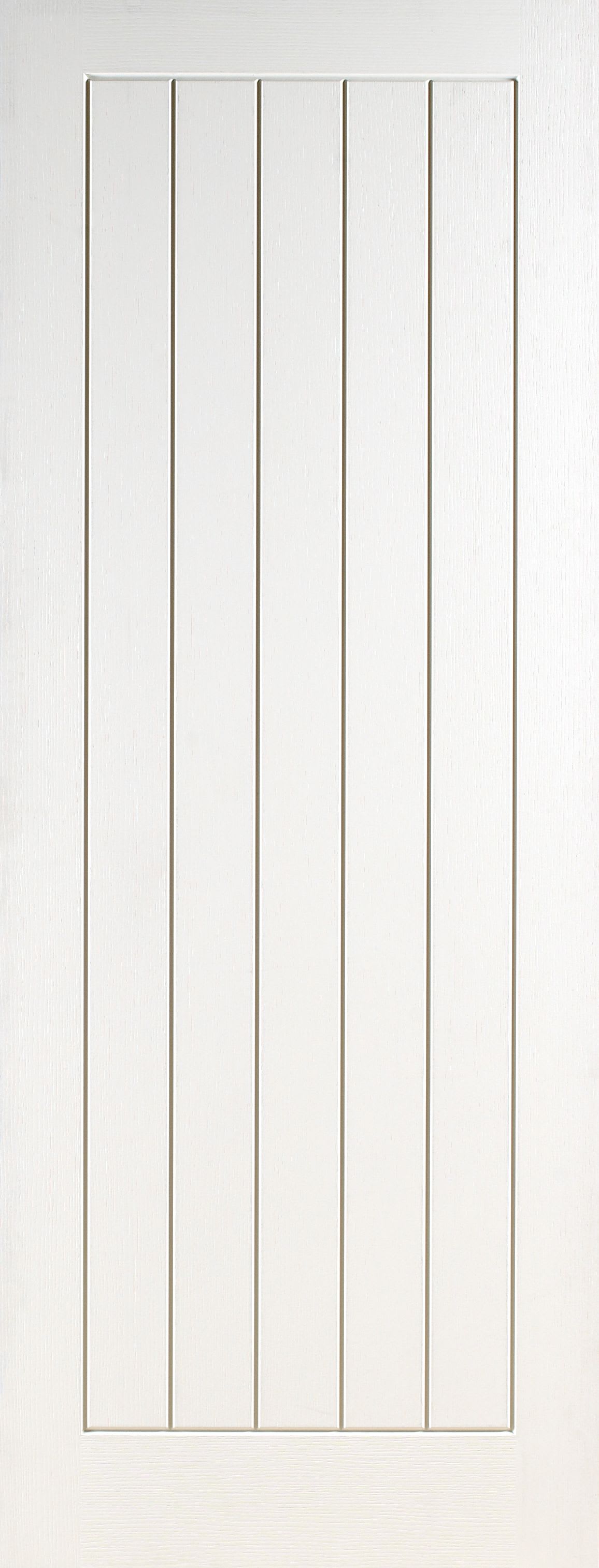
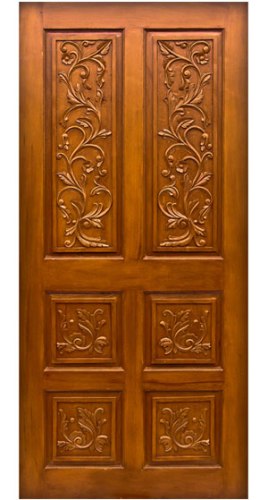
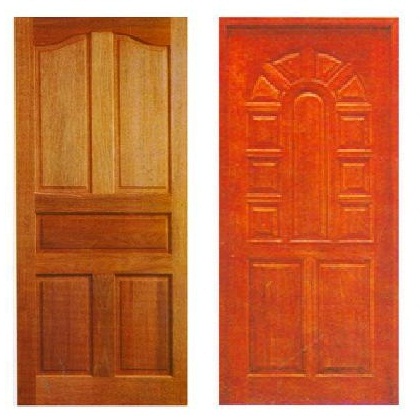
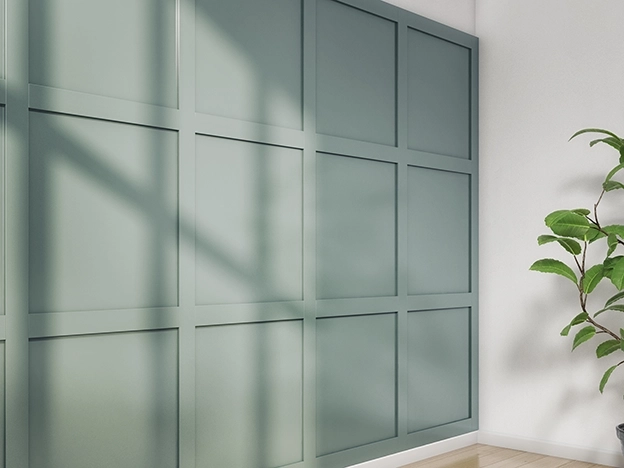
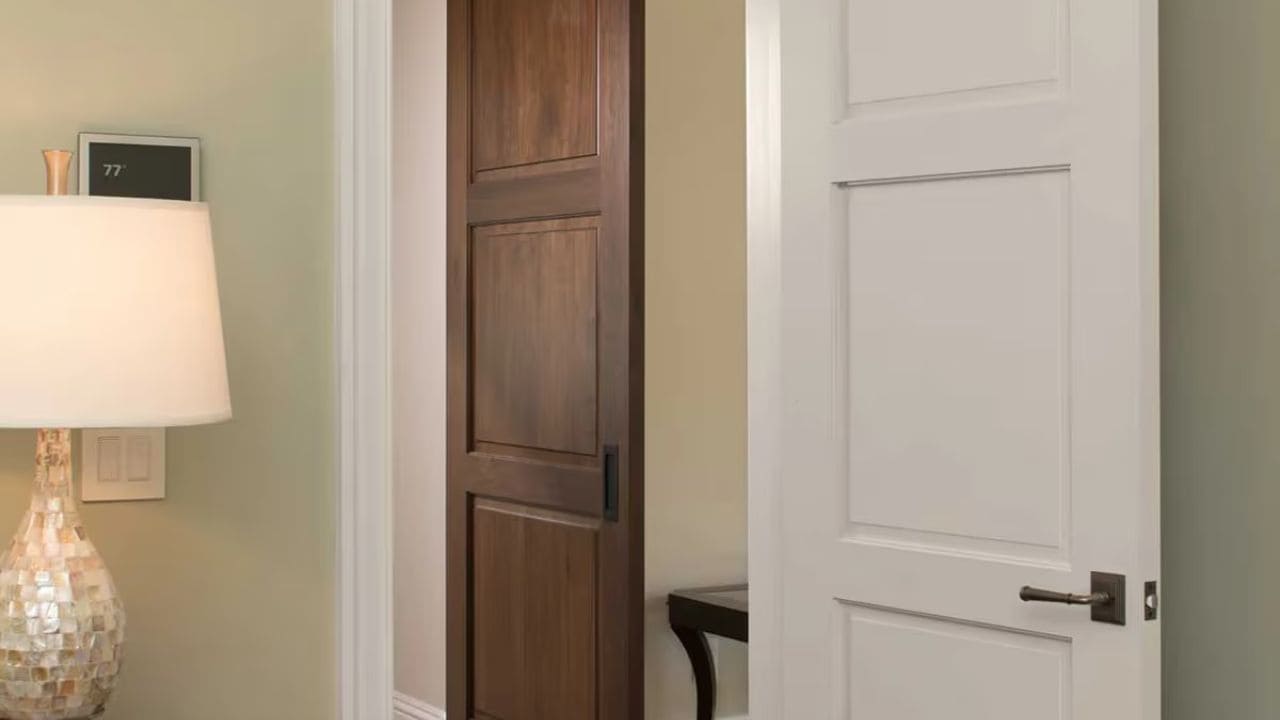
The design of raised panels in wooden doors, often perceived as a decorative element, is rooted in centuries-old engineering principles aimed at mitigating the natural tendency of wood to warp. This feature is not merely an aesthetic choice but a practical solution shaped by physics and the inherent behavior of wood. While modern minimalist design and mass production sometimes overlook this foundational science, understanding the functionality behind such ubiquitous designs, like those found on bathroom doors, cupboards, wardrobes, and garage doors, reveals a sophisticated approach to material challenges.
Wood is a dynamic material that constantly interacts with its environment, particularly in response to changes in temperature and humidity. As moisture levels fluctuate, wood undergoes expansion and contraction. If a door were constructed from a single, solid slab of wood, these movements would inevitably lead to bending, cracking, or warping over time. Within a few seasons, such a door would likely lose its shape, causing misalignment, difficulty in closing, and eventual permanent damage. This susceptibility of solid wood to environmental changes necessitated a more resilient construction method.
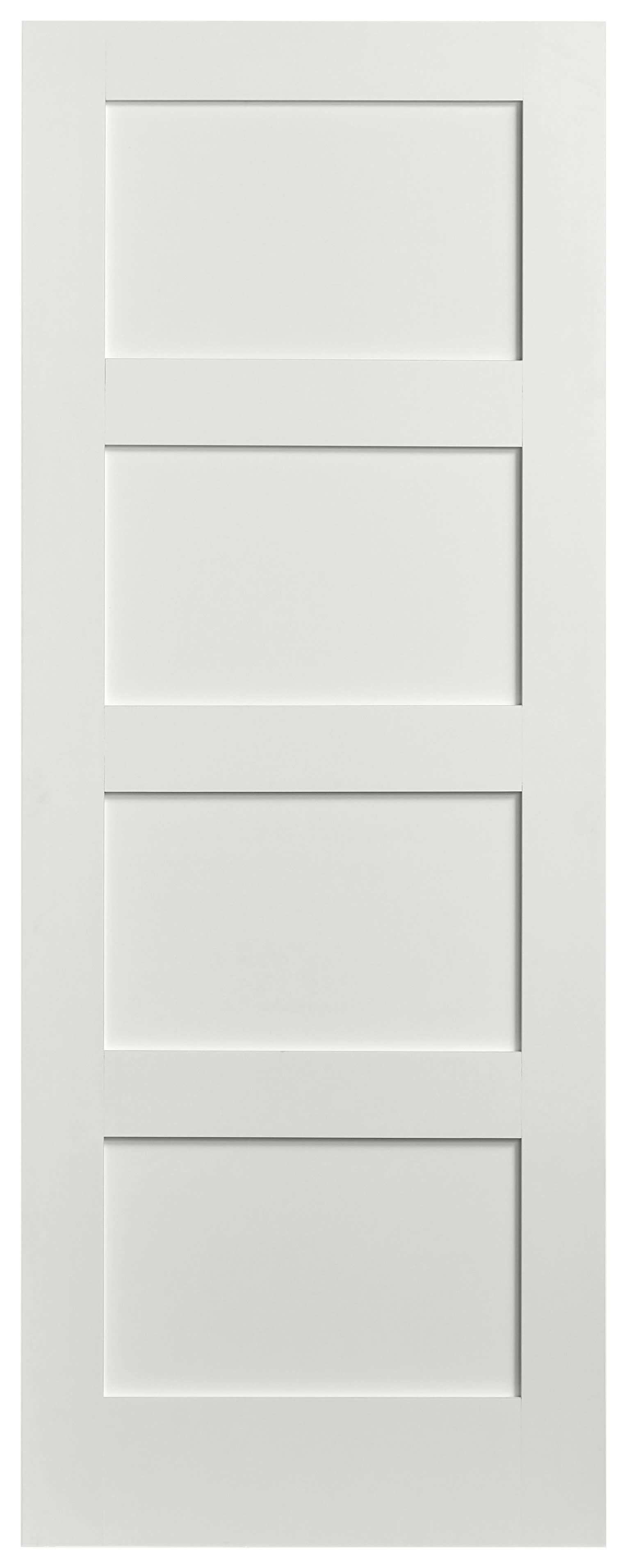
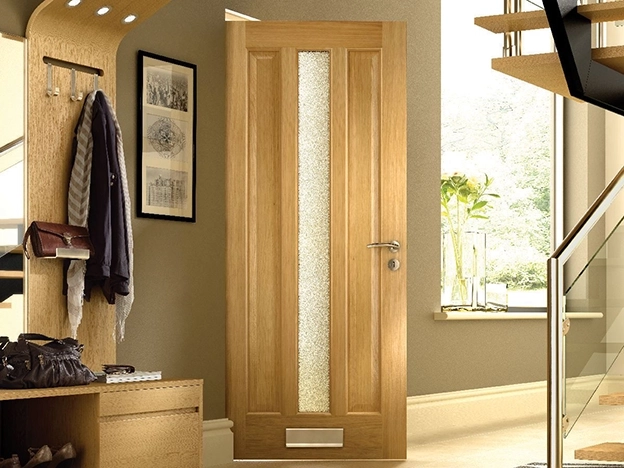
Old-school woodworkers addressed this problem by developing the paneled door structure. Instead of a single piece of wood, this design incorporates a surrounding frame with grooves. A slightly smaller central panel is then fitted into this frame without being rigidly fixed. This allows the central panel to expand and contract freely in response to environmental conditions, while the outer frame, held stable at its four corners, remains consistent. This innovative approach ensures the door retains its structural integrity and shape over extended periods, even in fluctuating climates.
Early versions of paneled doors utilized flat, thin panels, which, although functional, proved somewhat fragile. To enhance durability, craftsmen began using thicker wood and shaving down the edges of the panels. This modification allowed the thicker panels to still fit within the frame, leading to the development of slanted or beveled edges. These beveled edges gradually evolved into the raised panels commonly observed today, demonstrating a continuous refinement driven by practical necessity.
The enduring effectiveness of this design is evident in the survival of antique furniture and wooden chests that remain intact after centuries. Such pieces serve as tangible proof that allowing wood a degree of movement is more effective than attempting to restrict it entirely. While the primary purpose of raised panels was functional, their angled edges inadvertently added to the aesthetic appeal of doors, transforming a practical engineering solution into a standard design feature. The fundamental properties of wood remain unchanged, and thus, the need for effective wood movement management persists. Raised panels continue to be employed in door construction because they effectively prevent warping, thereby preserving the door's functionality and durability. This seemingly simple design element is, in fact, a testament to time-tested principles of everyday science, often overlooked by casual observers.
#WoodenDoors #RaisedPanels #DoorDesign #WoodEngineering #HomeImprovement #MaterialScience #TraditionalCraftsmanship #ArchitecturalDetails #WoodenDoors #RaisedPanels #DoorDesign #WoodEngineering #HomeImprovement #MaterialScience #TraditionalCraftsmanship #ArchitecturalDetails
0 comment in total
 No comments yet
You may also like

Internal Door Frames & Casings | Interior Door Linings

8 Latest Wooden Door Designs With Pictures In 2023

How To Build Modern Barn Doors for Your Home (DIY)


External Timber Doors | Wooden Front Doors

Internal Door Frames & Casings

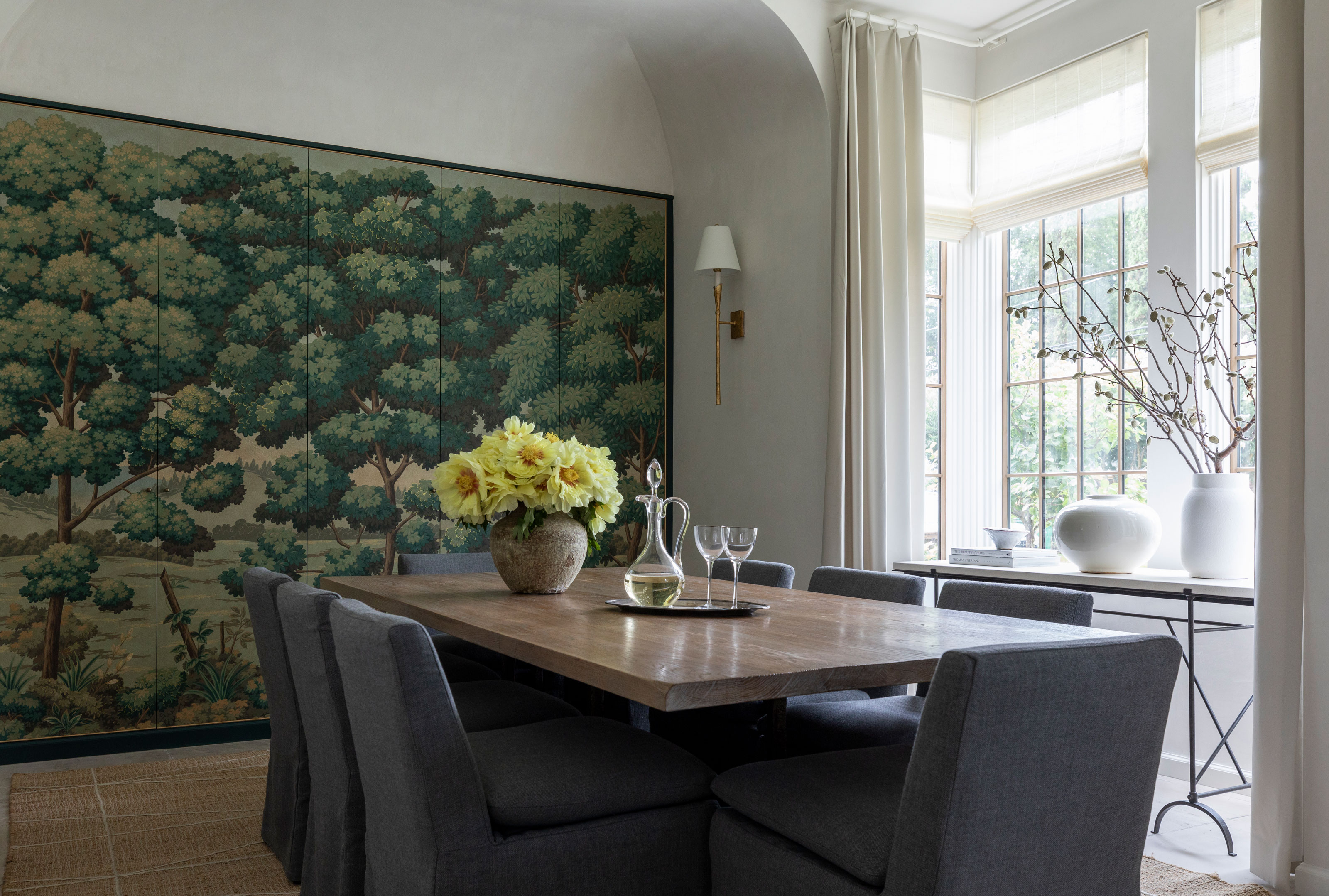
"Wallpapered Doors" Are Trending — And It's the Answer to Making Your Home's Storage Look Beautiful

Why These Windows Are a Cut Above

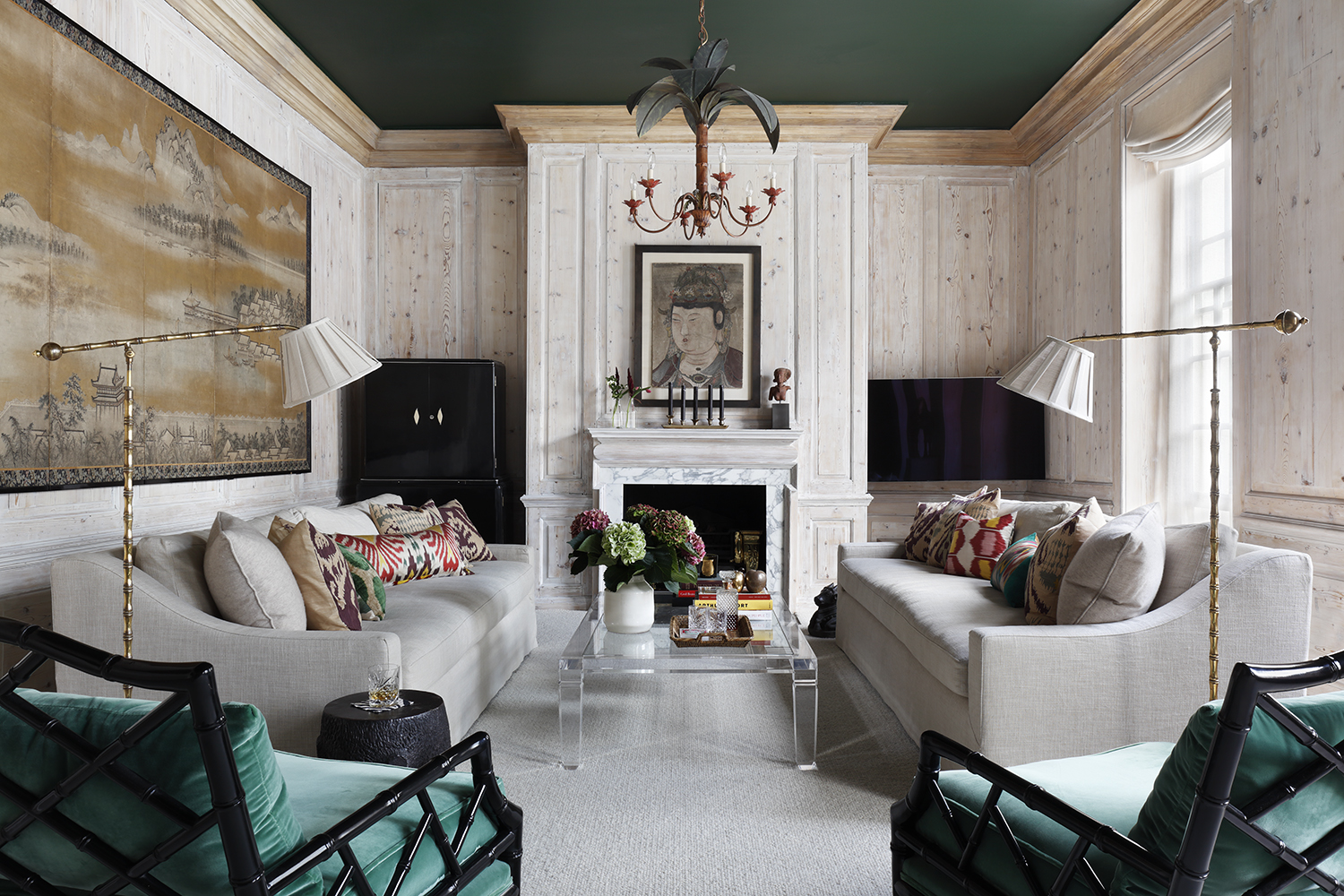
Wood accent wall ideas - 9 ways to add a luxe yet rustic touch to a modern home

Wood Paneling Is Back—and Better Than Ever

Wood Paneling Is Officially Cool Again—Here's How Designers Are Using It Now

Remember the wood-panelled walls from the 1970s? They're back, with a modern twist
Door Frames & Fixings
Woodworker explains how raised panels are functional, not just decorative, and minds are blown

Doors & Windows
Wood Paneling Doesn’t Have to Remind You of Your Parents’ Basement
Wood Paneling - Fluted and Micro-Fluted Wall Panels from MASISA®

Wood panelling: an essential guide to the big decorating trend

Building Big Doors, On Site

Mouldings | Decorative Moulding
This Once-Dated Wall Paneling is Now Making Homes Look so Elegant and Sophisticated