1/9
Quito architecture, eateries and a tiny-home Airbnb in our guide to the city
Quito, Ecuador's capital, is undergoing a significant transformation, marked by the relaxation of height restrictions for towers, the relocation of its airport, and the imminent opening of its metro system. These developments are ushering in a new era of urban densification, attracting global architects and fostering a vibrant local design scene. This guide offers a curated tour of Quito's revitalized cityscape, highlighting key architectural marvels, culinary hotspots, and unique accommodations.
Among the architectural highlights is Iqon, the tallest building in Quito, designed by Bjarke Ingels Group (BIG). This brutalist structure features a distinctive 'pineapple skin' facade, incorporating balconies designed for planting trees. BIG, in collaboration with local developer Uribe Schwarzkopf, is also developing Epiq, another urban forest project. These projects signify a commitment to integrating green spaces within urban high-rises.
The Metro de Quito, an extensive 22.6km long tunnel system with 15 stations, represents the city's largest urbanism project. Completed ahead of schedule in 2019 but delayed in opening, the metro is set to significantly reduce the city's carbon footprint by 60,000 tons of CO2 annually, promising efficient and sustainable transportation for residents and visitors.
Quito's culinary scene is also evolving, with establishments like Foresta offering sophisticated dining experiences. Chef Rodrigo Pacheco's restaurant sources much of its ingredients from his Bocavaldivia regenerative food forest. The indoor-outdoor space, designed by Estudio Felipe Escudero, features a striking glass roof that brings Ecuador's lush forest environment indoors. Roveta, a notable architectural coffee shop, provides an eco-conscious caffeine stop. Designed by Rama Estudio, it occupies a glass triangle at the base of the Alianza Tower, utilizing 100% recycled pine for its interiors and offering views of nearby midcentury architectural masterpieces.
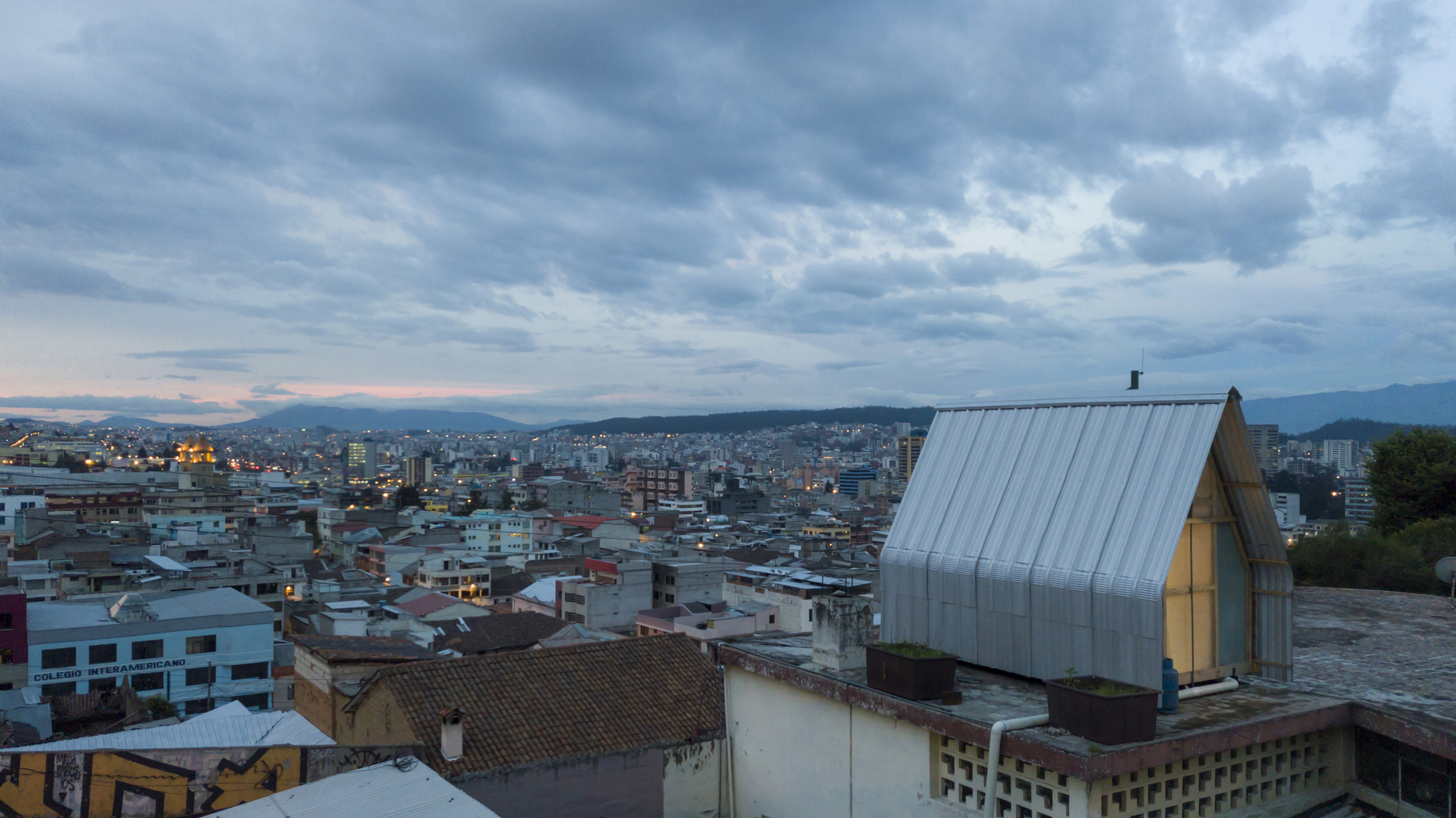
Unique living spaces contribute to Quito's modern appeal. Casa Parasito, a 12 sq m 'parasite' structure built on a shoestring budget on a grandmother's roof terrace, offers a clever contrast to the city's densification. This tiny home, now available on Airbnb, provides impressive views despite its compact size. Similarly, Qorner, designed by Moshe Safdie, offers micro-units for rent. One such unit, a 28 sq m studio named Doméstico, created by Juan Alberto Andrade and María José Váscones, features space-saving foldaway furniture, proving popular on Airbnb.
The city also boasts significant cultural institutions, such as Fundación Guayasamín, the former home and studio of artist Oswaldo Guayasamín. This site, designed by the artist and completed by his nephew, Handel Guaysamín, houses Guayasamín's paintings and murals within his studio and the adjoining Capilla del Hombre, a monolithic chapel constructed from volcanic rocks. Culinary experiences also extend to Somos, a restaurant led by chef Alejandra Espinoza. Designed by Interni, it offers a superb tasting menu and features graffiti by Apitatan, celebrating Ecuador's bioregions and Indigenous wisdom. The establishment also includes a boutique selling local products.
#QuitoArchitecture #UrbanDevelopment #SustainableDesign #TinyHomes #EcuadorTravel #DesignLedCityGuide #ContemporaryArchitecture #CulinaryExperience #QuitoArchitecture #UrbanDevelopment #SustainableDesign #TinyHomes #EcuadorTravel #DesignLedCityGuide #ContemporaryArchitecture #CulinaryExperience
 No comments yet
Casa Toquilla weaves a safe haven in the vernacular architecture of Ecuador