1/13
"Ornament Is Crime:" A Visual Manifesto for the Modernist Home
The book "Ornament is Crime: Modernist Architecture" by Matt Gibberd and Albert Hill presents a visual compilation of Modernist homes, tracing the style from early 20th-century designs to contemporary structures. Inspired by Adolf Loos's 1908 essay "Ornament and Crime," which argued against excessive ornamentation in design, the book emphasizes the purity and heightening of other artistic elements achieved through its absence. Loos's assertion that "absence of ornament has brought the other arts to unsuspected heights" serves as a foundational concept for the collection.
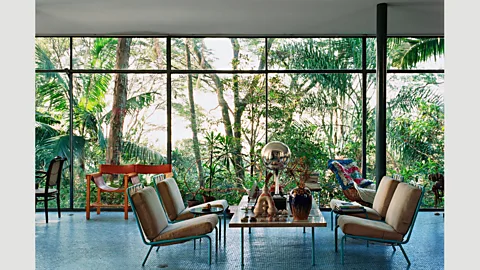
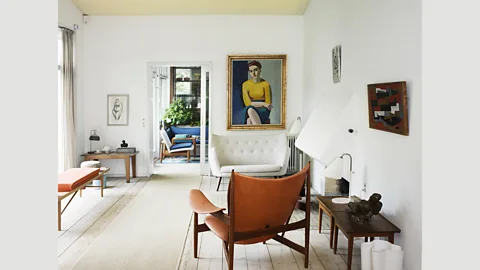
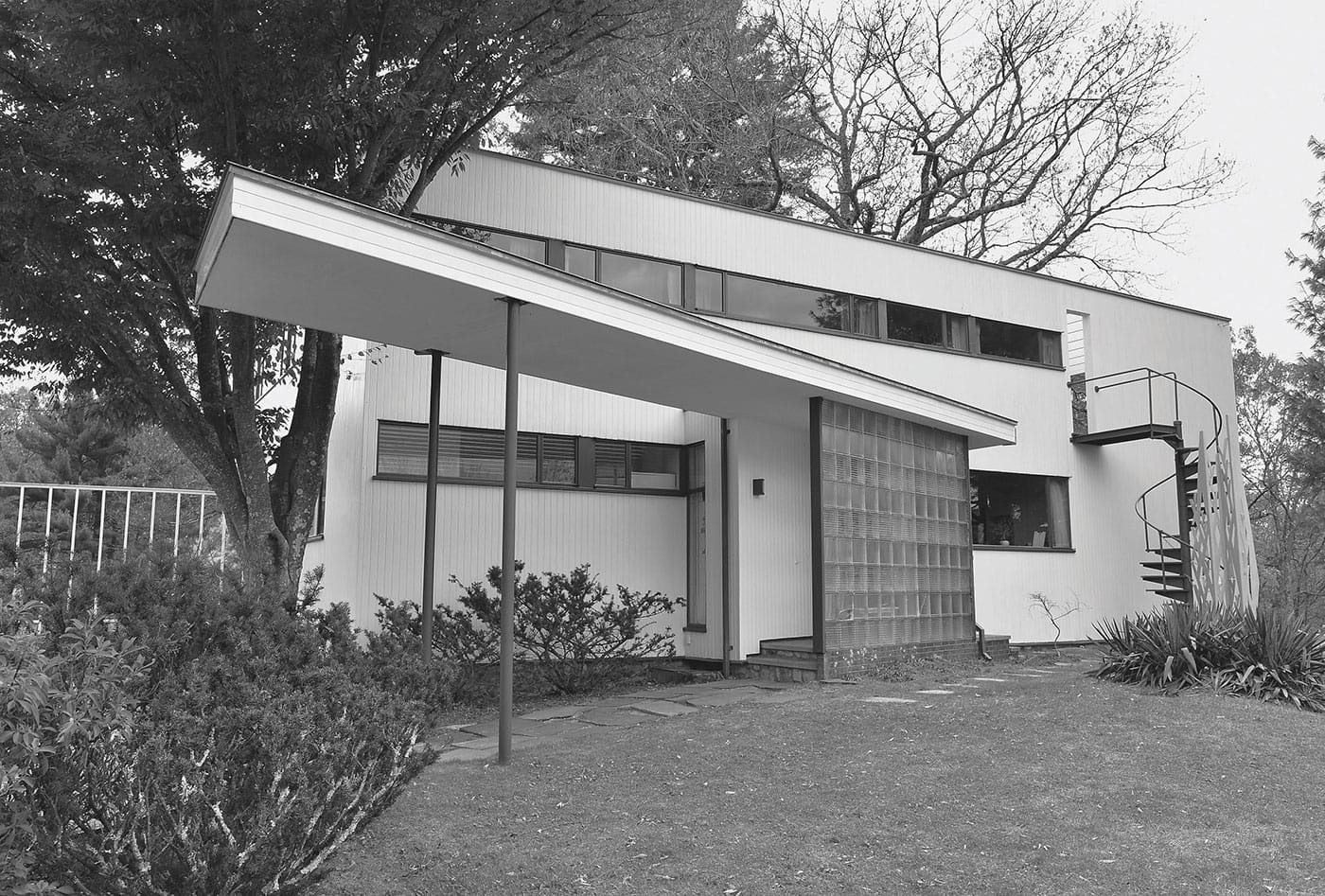
The book, published by Phaidon, broadly defines "modernist" design, encompassing works from Loos himself, iconic figures like Le Corbusier, Eileen Gray, and Mies van der Rohe, and contemporary architects such as Snøhetta, Tadao Ando, and David Adjaye. The photographs in the book are presented in black and white, deliberately blurring chronology and geographical distinctions to highlight overarching stylistic themes. Gibberd, in an essay within the book, describes the compilation as a "visual manifesto" demonstrating Modernism's enduring relevance across generations. Key aesthetic characteristics identified include flat roofs, cubic or cylindrical forms, extensive horizontal window bands, a commitment to material truth, and unadorned exterior surfaces.
Gibberd and Hill, co-founders of the London-based Modern House estate agency, focus specifically on standalone modern homes. The book is not an academic treatise on Modernism; its essay component is concise. Similar to Peter Chadwick's "This Brutal World," another visual compendium by Phaidon, "Ornament is Crime" features brief quotes accompanying its images. These quotes, sometimes isolated on colored pages, are often more aesthetically aligned with the homes themselves rather than directly addressing architectural theory, including diverse sources from Oscar Wilde to Prince lyrics.
While the book offers a compelling visual narrative, readers seeking in-depth discussions on Modernism's impact on 21st-century design may find the textual analysis limited. Nevertheless, the juxtaposition of historical structures like Le Corbusier and Pierre Jeanneret's 1925 Villa La Roche with contemporary designs such as Tidy Arquitectos's 2008 Schkolnick House, or Loos's 1910 Steiner House with Hans van Heeswijk's 2011 Rieteiland House, wordlessly communicates the enduring legacy of the Modernist heritage. The article notes the broader societal discussions surrounding Modernism, including its association with liberal elites in some alt-right media and its historical role in public housing, contrasting this with the niche appeal of Modernism in private homes, despite its utilitarian use of raw materials remaining highly contemporary. Gibberd states that the book's purpose is to delineate Modernism's core aesthetic features and illustrate its continued vitality in the 21st century.
#ModernistArchitecture #ArchitecturalDesign #HomeDesign #AdolfLoos #Phaidon #DesignHistory #ContemporaryArchitecture #VisualCompendium #ModernHomes #ModernistArchitecture #ArchitecturalDesign #HomeDesign #AdolfLoos #Phaidon #DesignHistory #ContemporaryArchitecture #VisualCompendium #ModernHomes
0 comment in total
 No comments yet
You may also like
This Purchase Home Design Is All About the Artwork

Naturals, neutrals, vibrant artworks and vintage classics make a strong statement in this modernist home

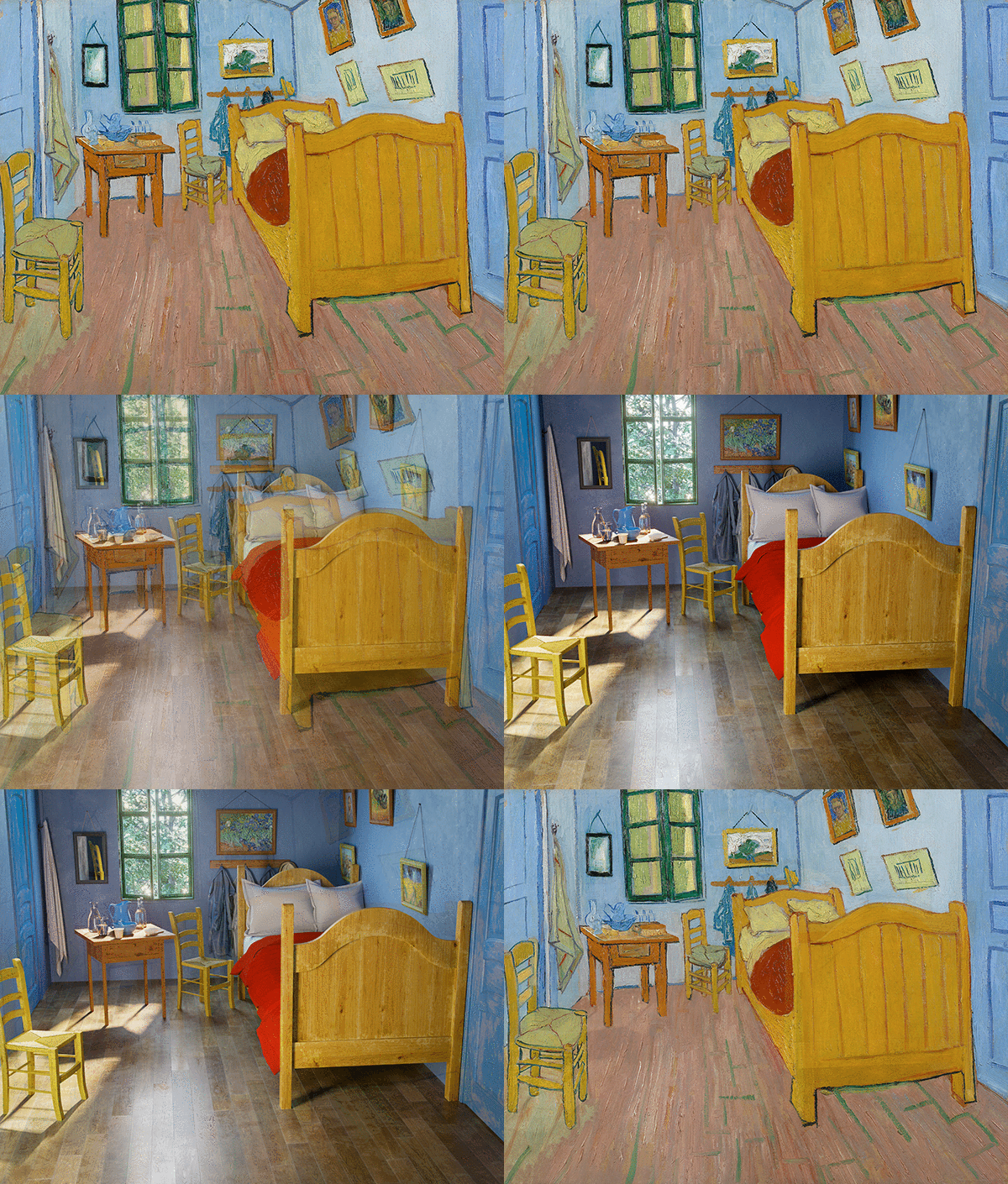
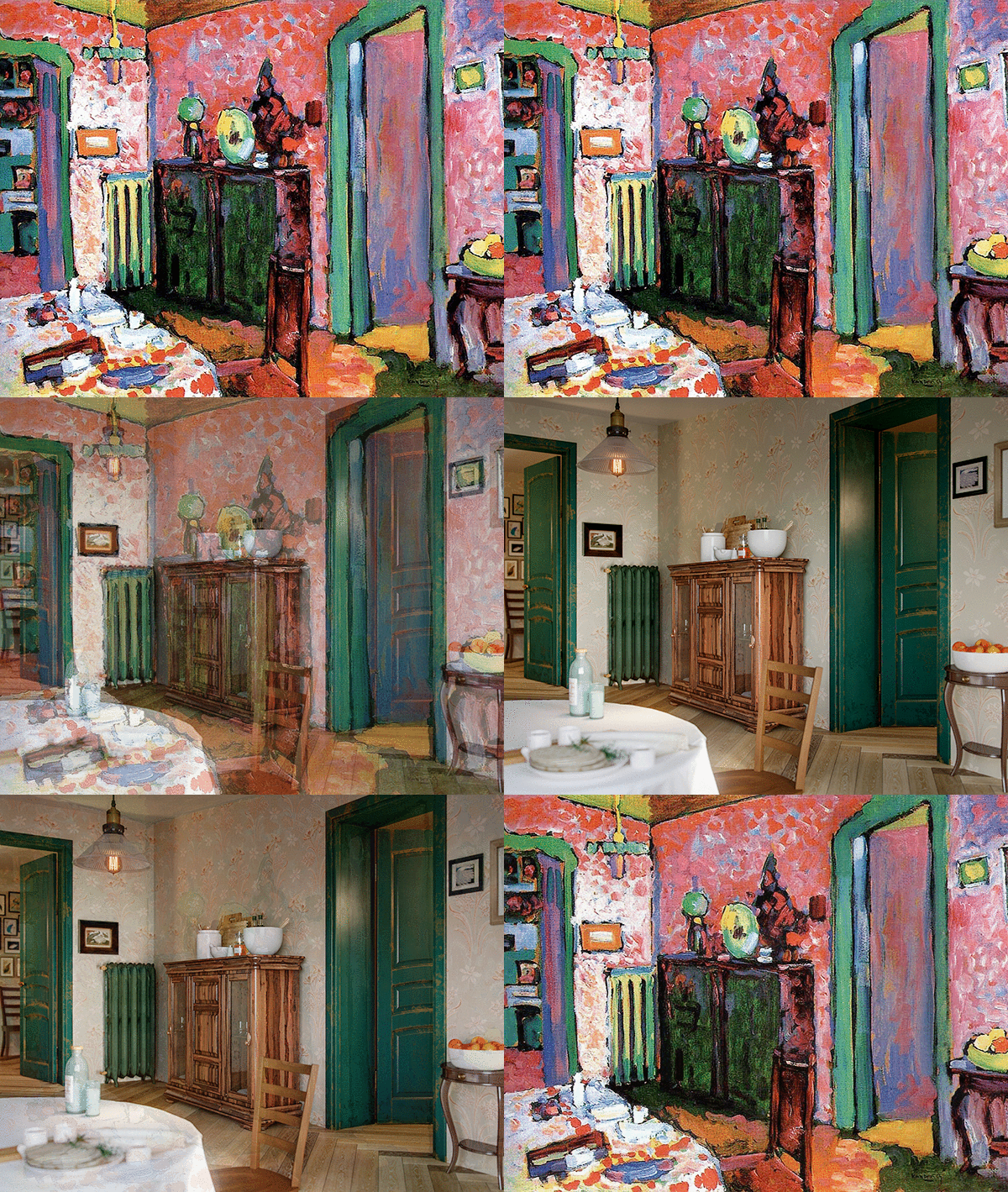
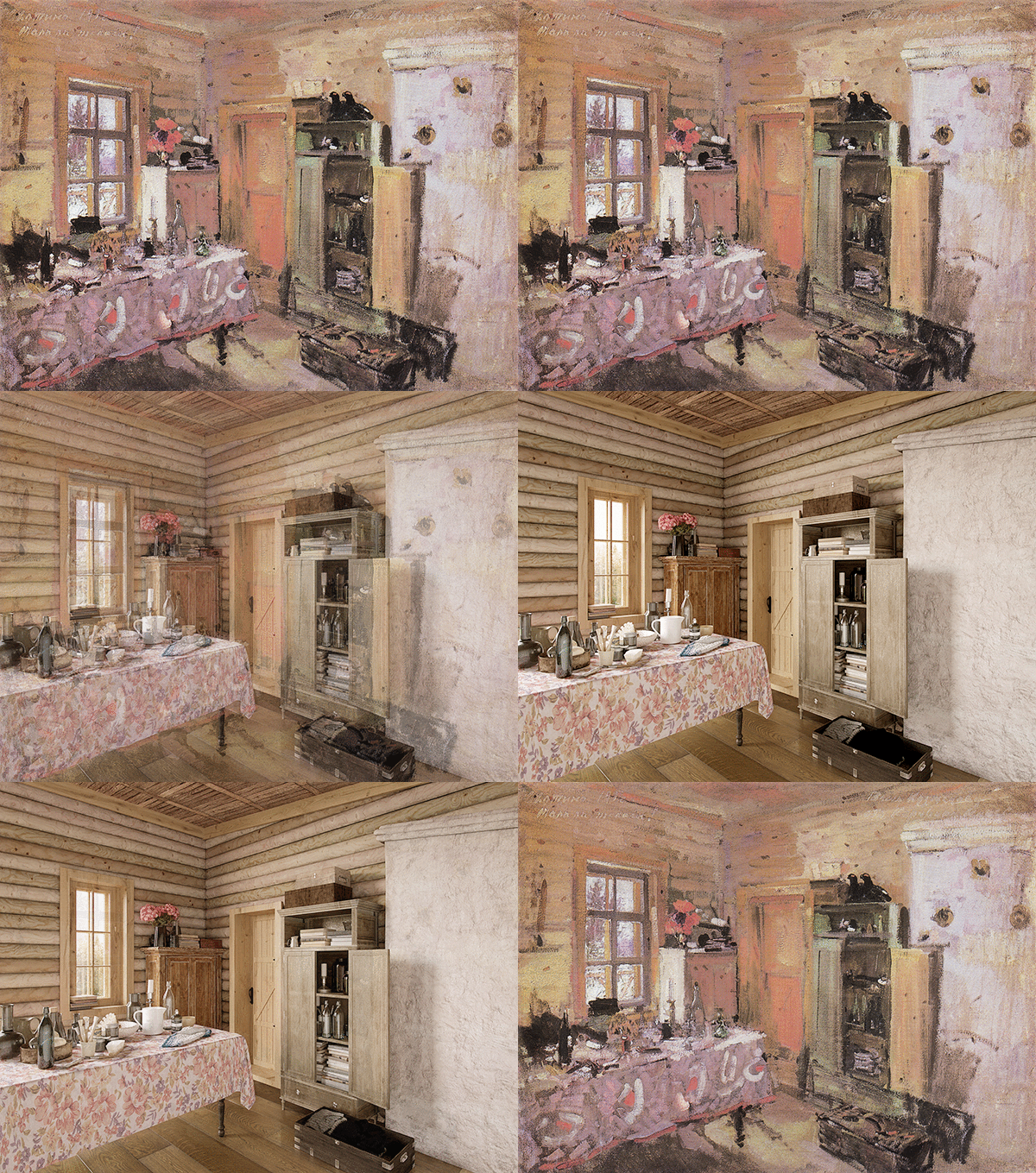
What the Rooms from 6 Famous Paintings Would Look Like Today

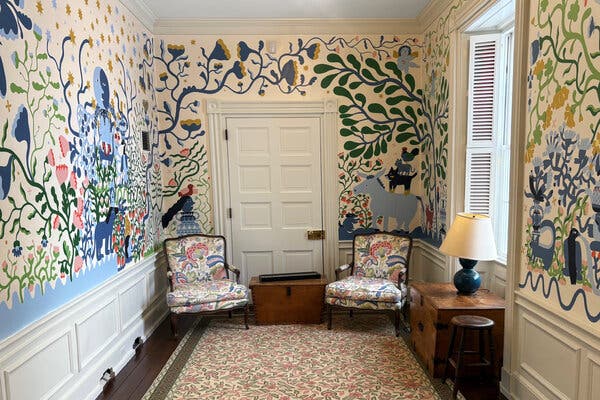
Murals Have Moved In


Sierra Montoya Barela’s paintings are a tribute to interior design, plants and birthday cakes
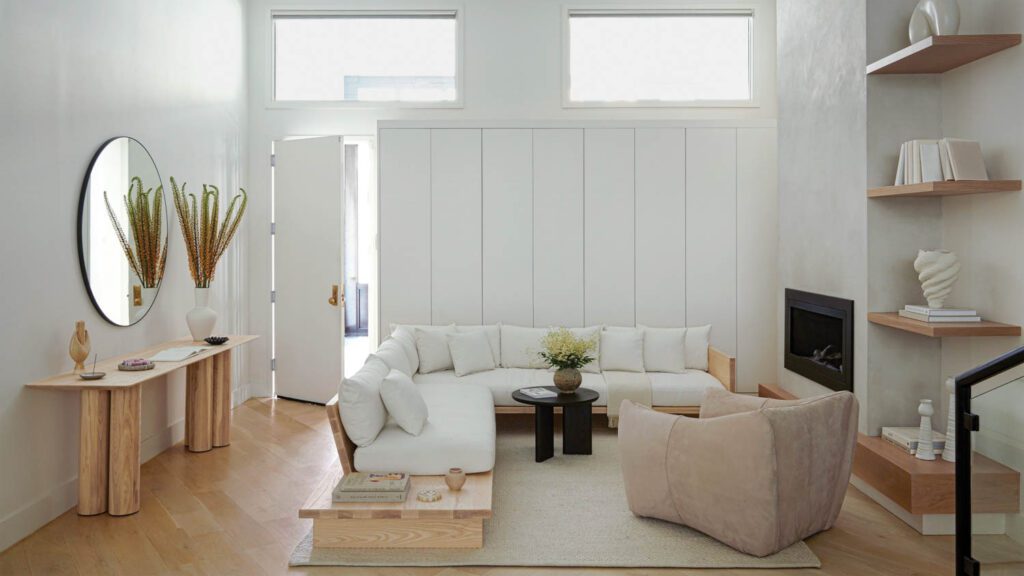
Modern Home Decor Takes Centerstage at a New York Pop-Up from Maiden Home

The death of detail and the takeover of modern architecture
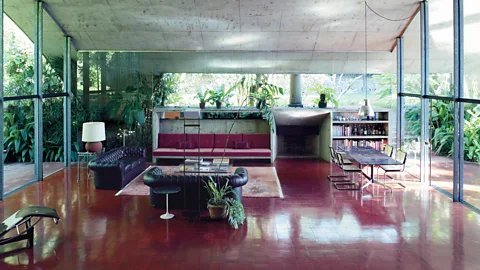
Are these the ultimate fantasy homes?
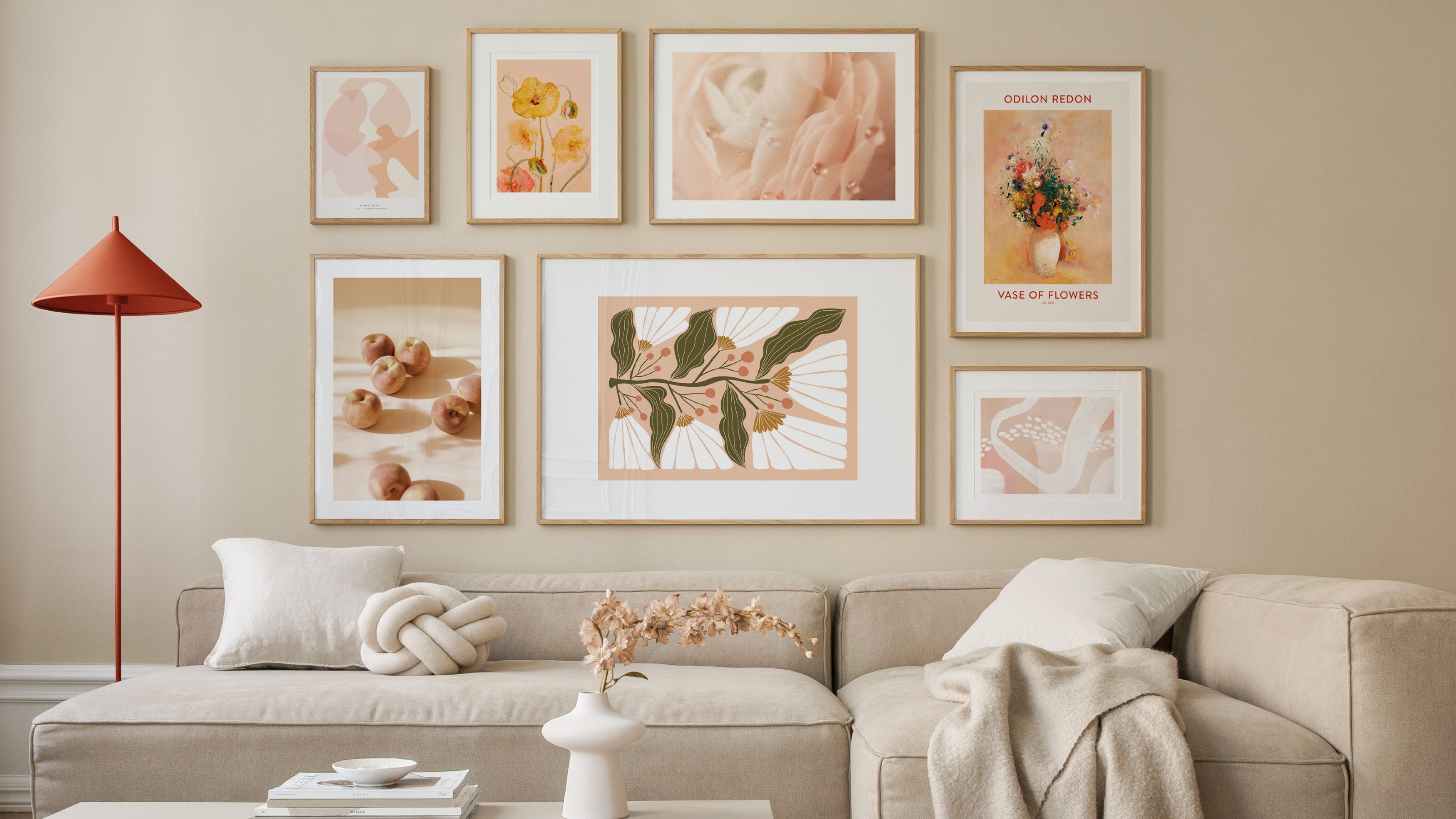
Etsy’s controversial trend report for 2024 predicts gallery walls are on their way out – but are they really?

For This Interior Designer, Home is Where the Art Is

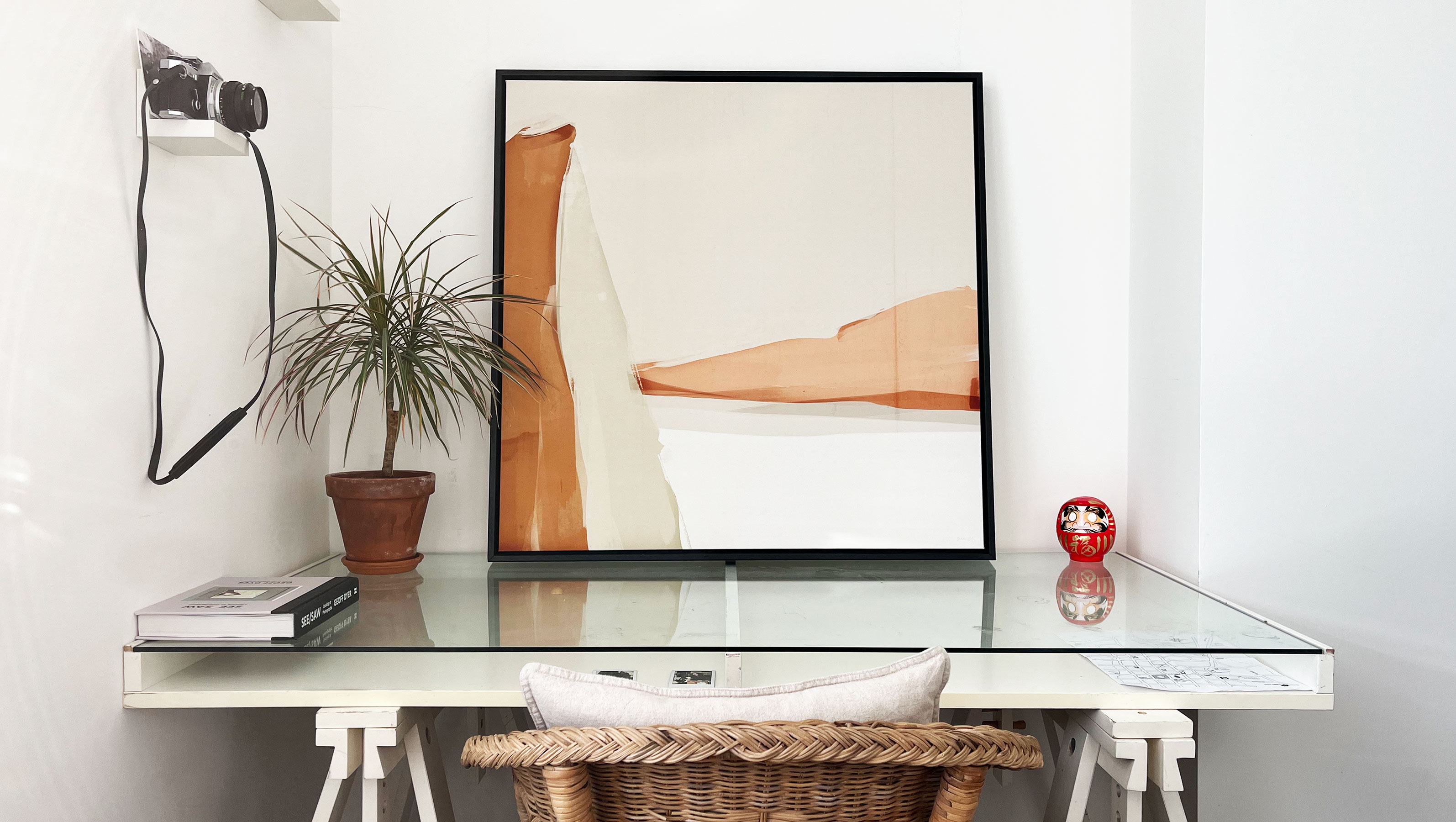
I felt claustrophobic in my small bedroom because of these art mistakes, so I took it all down

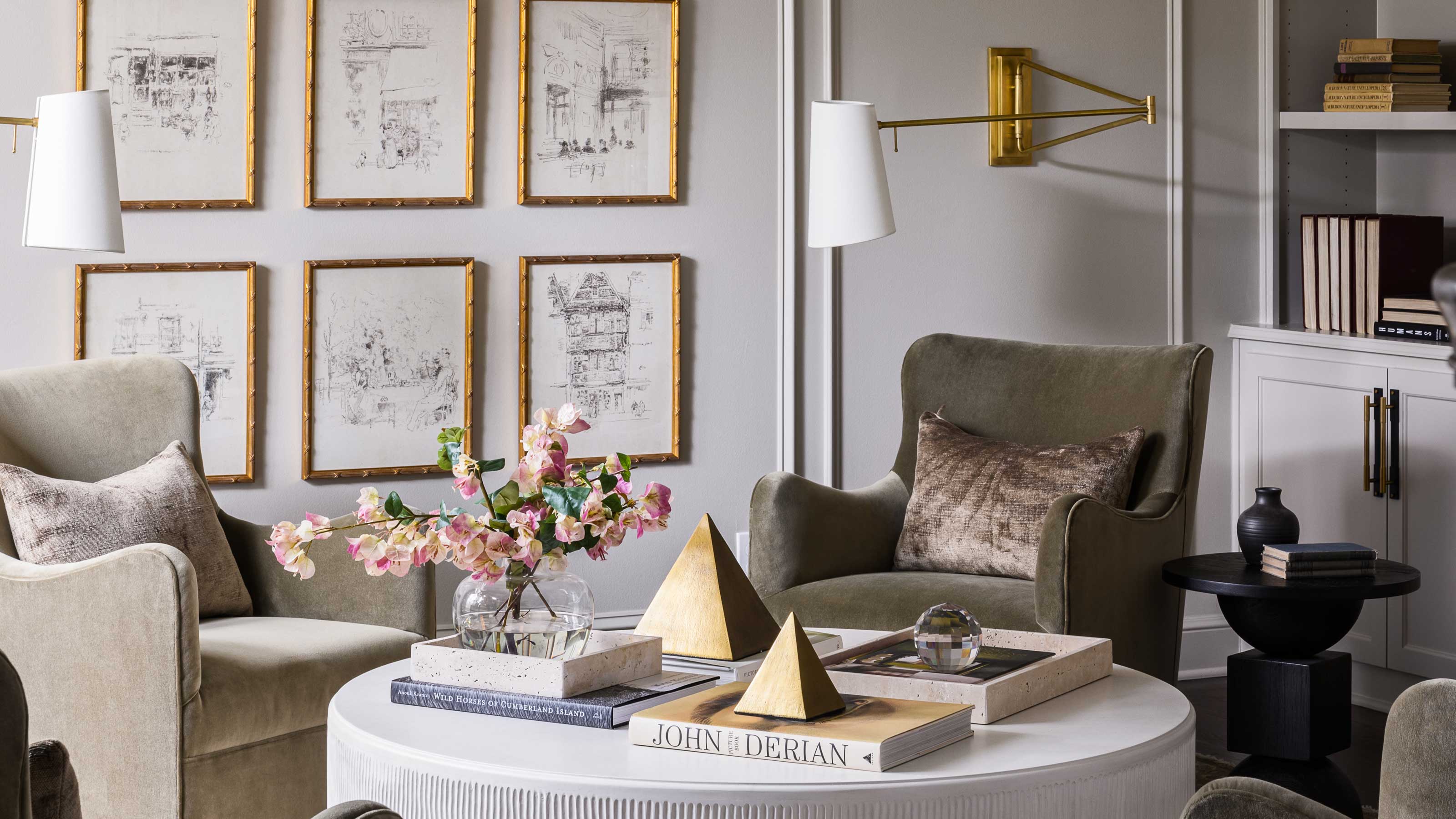
Are gallery walls going out of style? These interior designers all came to the same verdict

Ask Veronica: Is there an art to hanging pictures against curtained walls?

You Don’t Need to Be a Gallerist to Source the Best Wall Art Online

Art Nouveau
Home & Design | Art + Soul

Interior designer says having family photo 'shrines' in your house is tacky

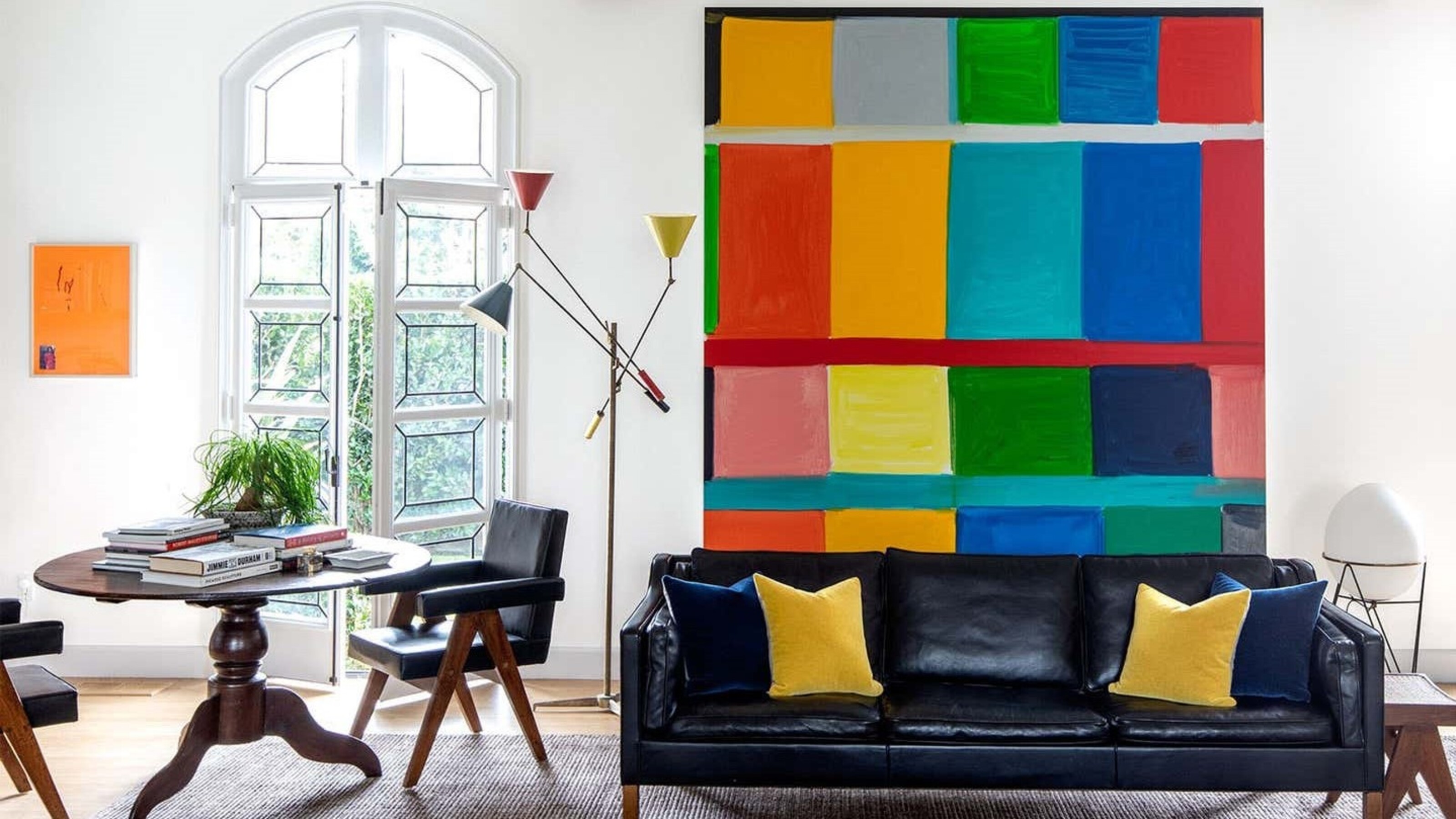
Wall art trends – interior designers on the new ideas to watch for in 2023 and beyond
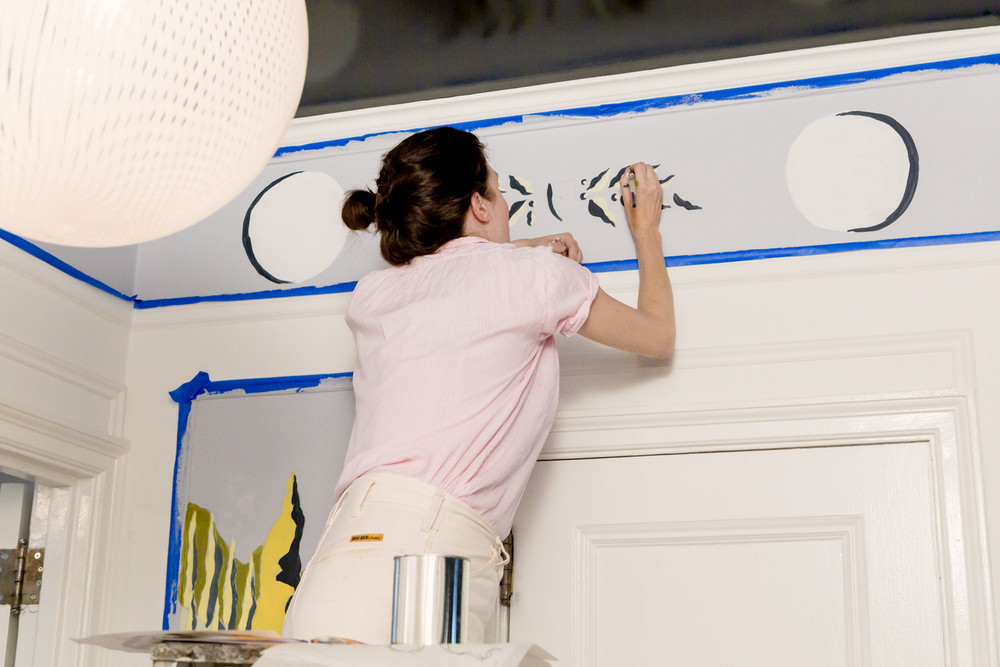
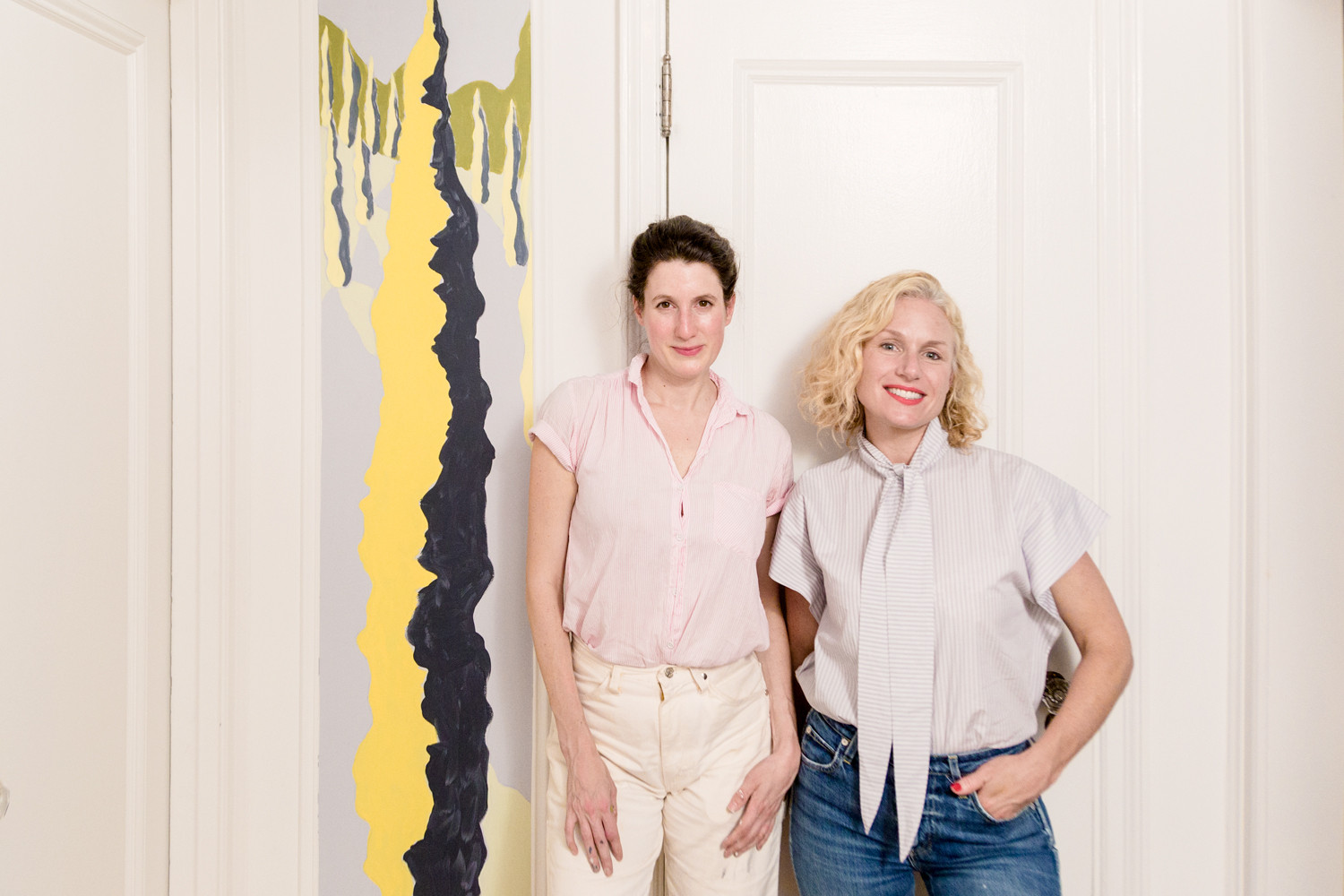
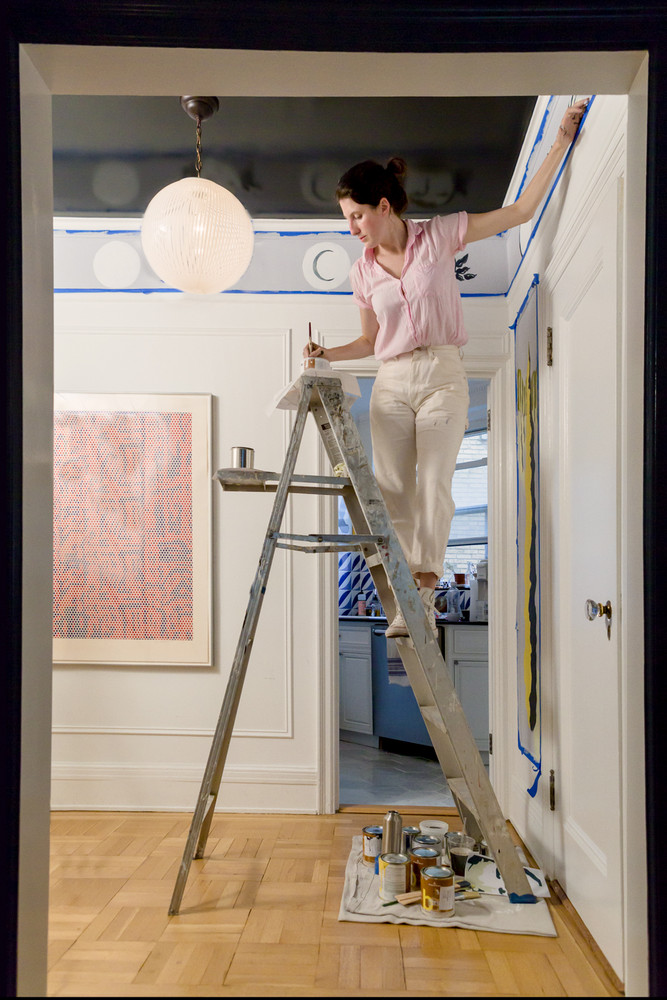
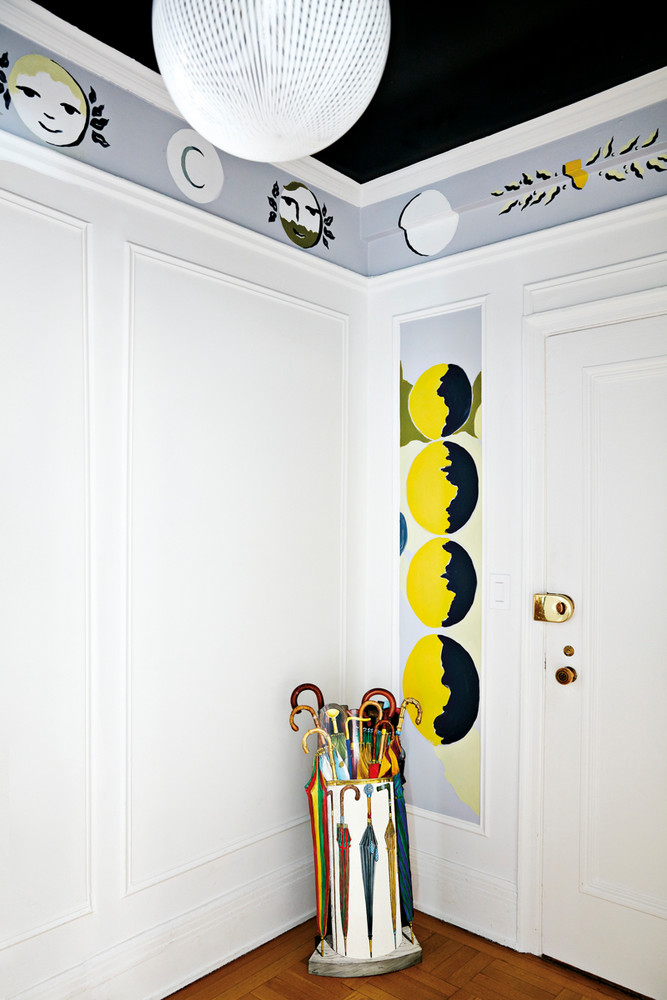
A Playful, Personalized Mural Charms an Upper East Side Entryway
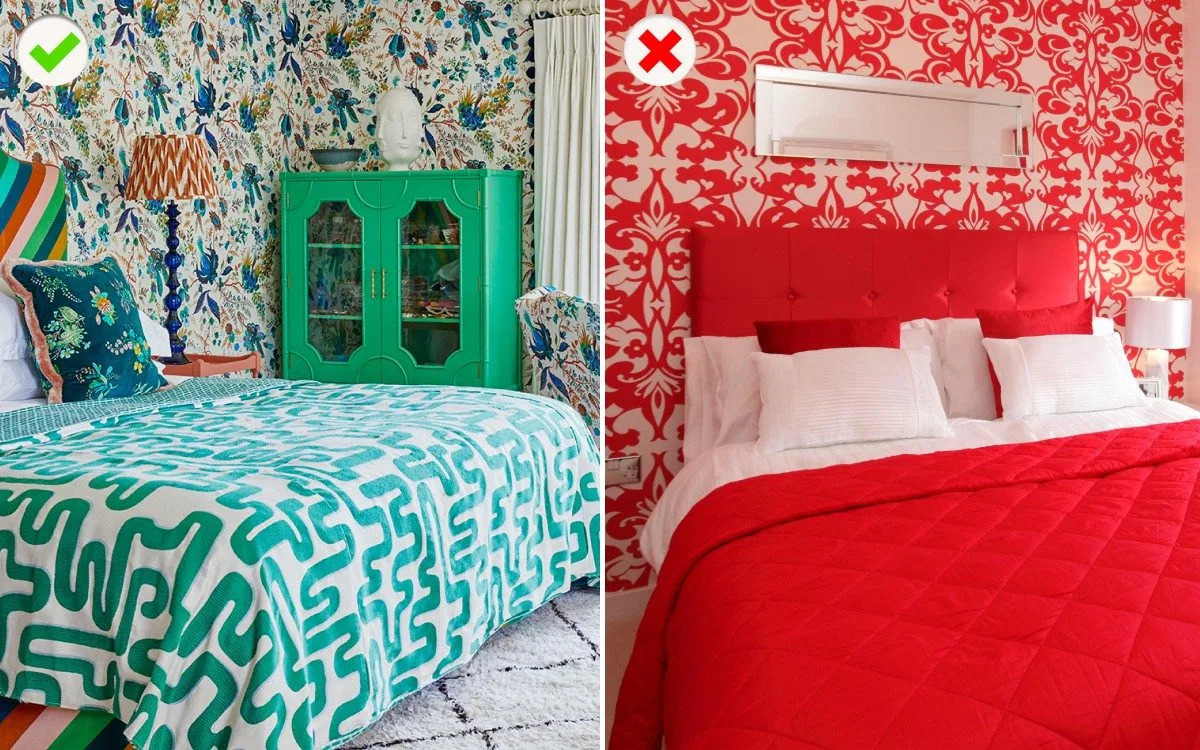
The nine worst decorating no-nos, from feature walls to slogan artwork