1/6
Retrofitting KNX: how radio frequency technology offers a reliable and flexible solution
The integration of radio frequency (RF) technology into KNX systems has significantly enhanced the flexibility and reliability of smart home installations, particularly in retrofit scenarios where traditional wired solutions are impractical. Historically, a preference for wired communication has been a standard in building management systems due to perceived stability. However, advancements in KNX RF have addressed previous limitations, making wireless an increasingly viable and robust option.
A key development is the segment coupler function within KNX RF, facilitated by ETS6. This innovation allows for the seamless integration of RF devices onto existing bus cables without the previous requirement for a dedicated line, thereby removing significant topological constraints. Manufacturers such as Gira, Jung, Theben, ise, and Weinzierl now offer various media couplers that support this functionality, providing a broad selection for integrators. This capability proves invaluable when expanding existing systems or addressing situations where laying new bus cables is difficult or impossible. For instance, when adding external lighting where a bus cable is not readily available, a TP-RF KNX media coupler can be added to the nearest keypad's backbox, and then combined with RF switching actuators to complete the installation.
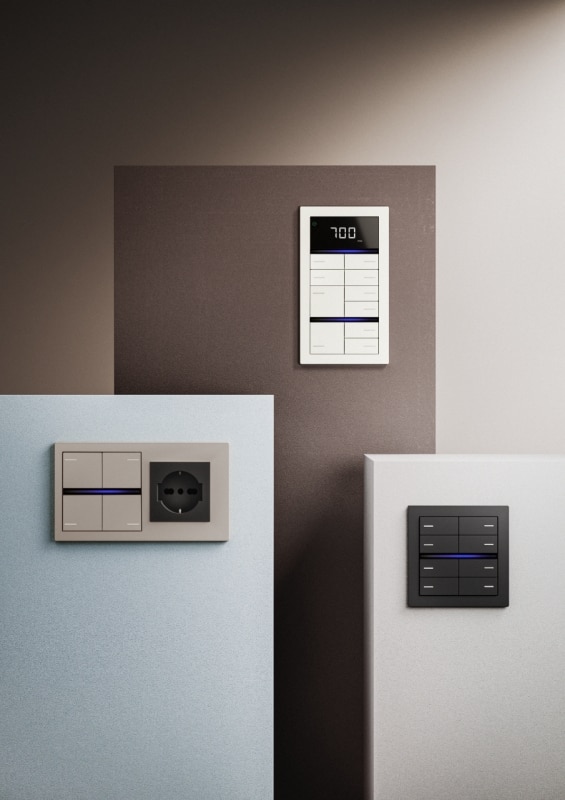
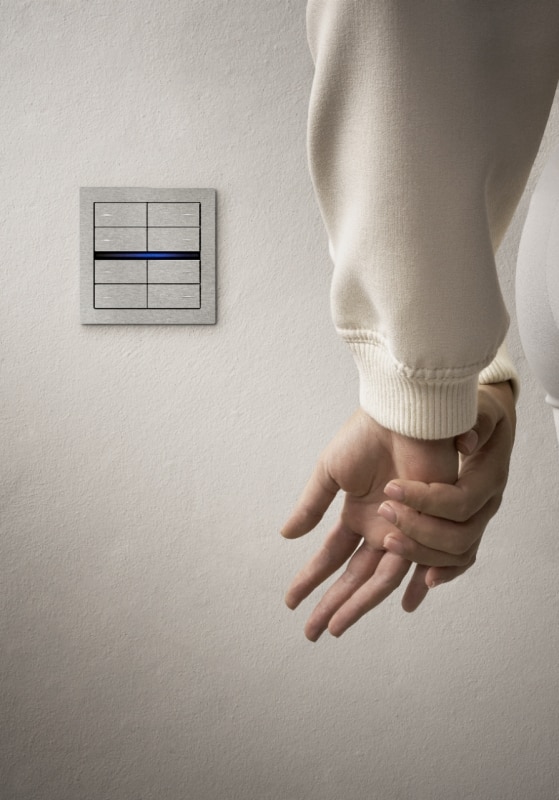
The existing housing stock represents a vast market for smart home retrofits, but it also presents unique challenges. Unlike some European countries where houses are often built with conduits for easy wiring, many older homes, especially in the UK, are difficult to rewire. KNX RF offers a practical solution for this market, with manufacturers now producing product suites that seamlessly combine wired KNX components with RF counterparts. Products like the Jung F40 and F50 family KNX RF wall-mounted transmitters exemplify this, allowing for easy expansion or upgrade of existing systems by affixing them to various surfaces without needing new wiring. These devices can be addressed, parameterized, and diagnosed wirelessly.
Comprehensive solutions are emerging, such as the Theben LuxorLiving system, which includes both traditional KNX actuators and an extensive range of RF options for dimming, switching, blinds control, heating, and even DALI. When combined with RF keypads from manufacturers like Jung or Gira, these systems can create near-complete smart home environments with minimal wiring. Similarly, Gira's KNX RF product set facilitates wireless control of lights, blinds, heating, and other devices. These innovations equip KNX installers with powerful tools to tap into the retrofit market effectively.
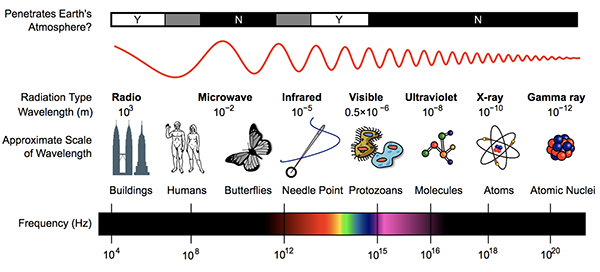
A crucial advantage of KNX RF is its operating frequency of 868MHz, which provides superior penetration through solid objects compared to higher frequencies like the 2400MHz used by Wi-Fi. This lower frequency ensures a more robust and extended range for communications within a home environment, outperforming typical Wi-Fi routers in signal propagation through walls and floors. While wired solutions may remain the primary choice for new constructions, the advancements in KNX RF, particularly the integration of the segment coupler with KNX Secure, make it a highly compelling option for expanding existing systems and addressing the significant, largely untapped retrofit market. With careful design and planning, any home can be transformed into a KNX-enabled smart home, utilizing both wired and wireless technologies effectively.
#KNXRF #HomeAutomation #SmartHome #RetrofitSolutions #WirelessTechnology #BuildingManagementSystems #ElectromagneticSpectrum #SystemIntegration #FlexibleInstallation #KNXRF #HomeAutomation #SmartHome #RetrofitSolutions #WirelessTechnology #BuildingManagementSystems #ElectromagneticSpectrum #SystemIntegration #FlexibleInstallation
 No comments yet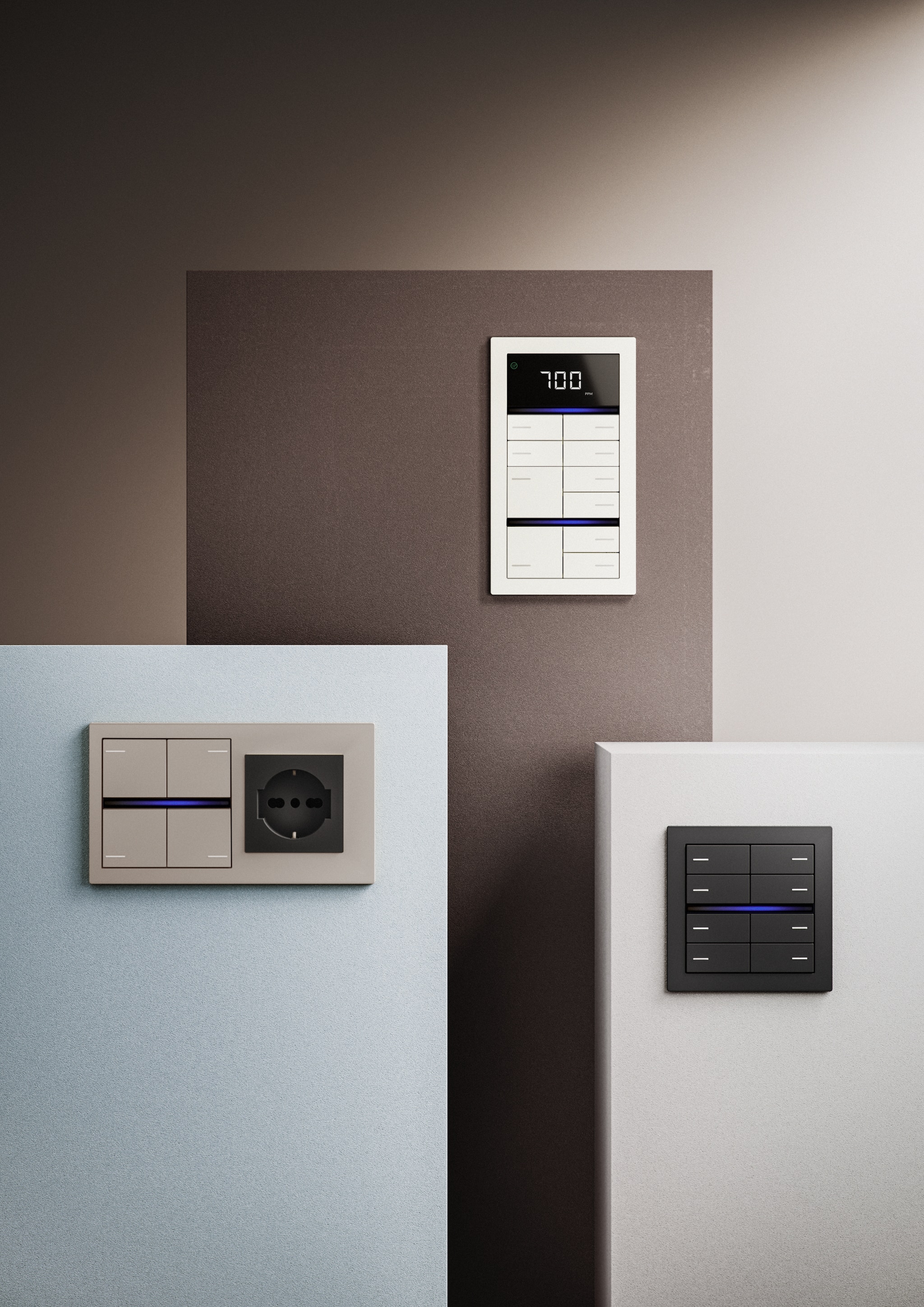
Complete comfort with a touch

From Cupboard to Equipment Hub, This Server Rack Setup is Remarkably Compact