Interior designers share 5 bathroom trends that'll be huge next year and 3 that will be out
The field of interior design is constantly evolving, with new trends emerging and older ones fading out, particularly in spaces like bathrooms. For the upcoming year, interior designers anticipate a significant shift towards integrating technology, embracing personalized and layered designs, and incorporating natural materials and earthy color palettes. Conversely, all-white bathrooms, glossy finishes, and synthetic materials are expected to decline in popularity.
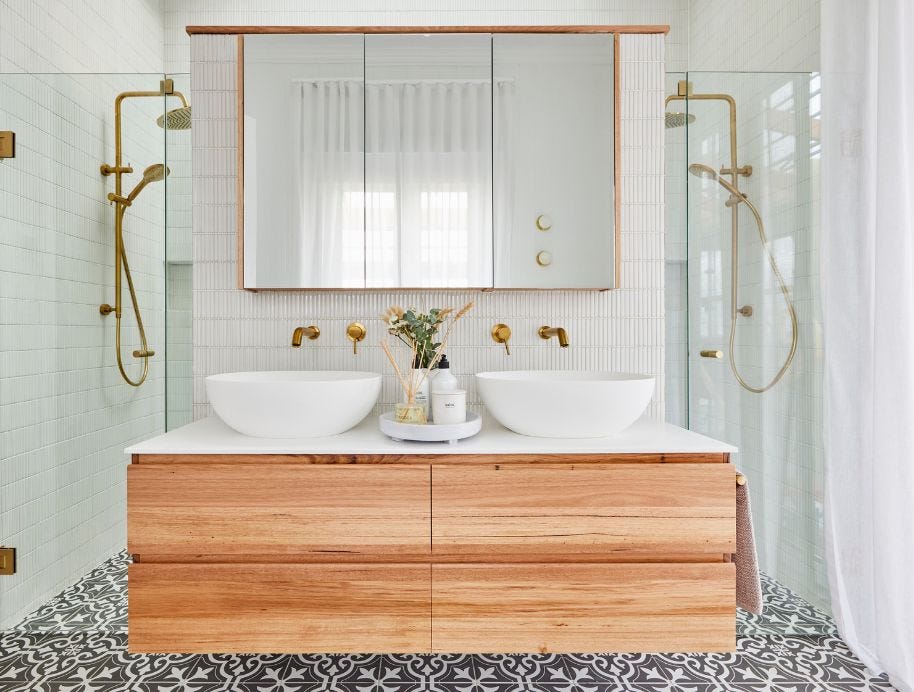
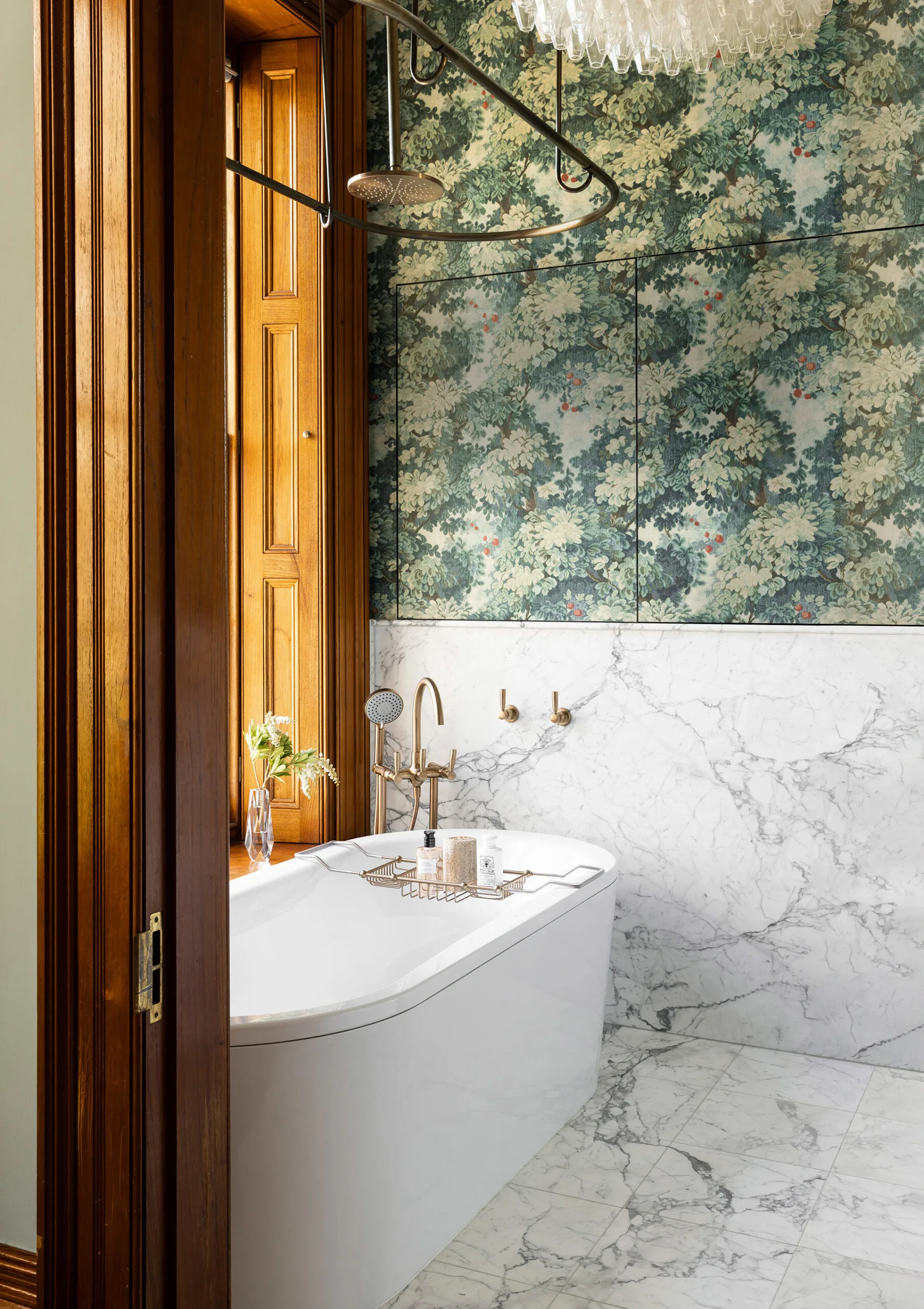
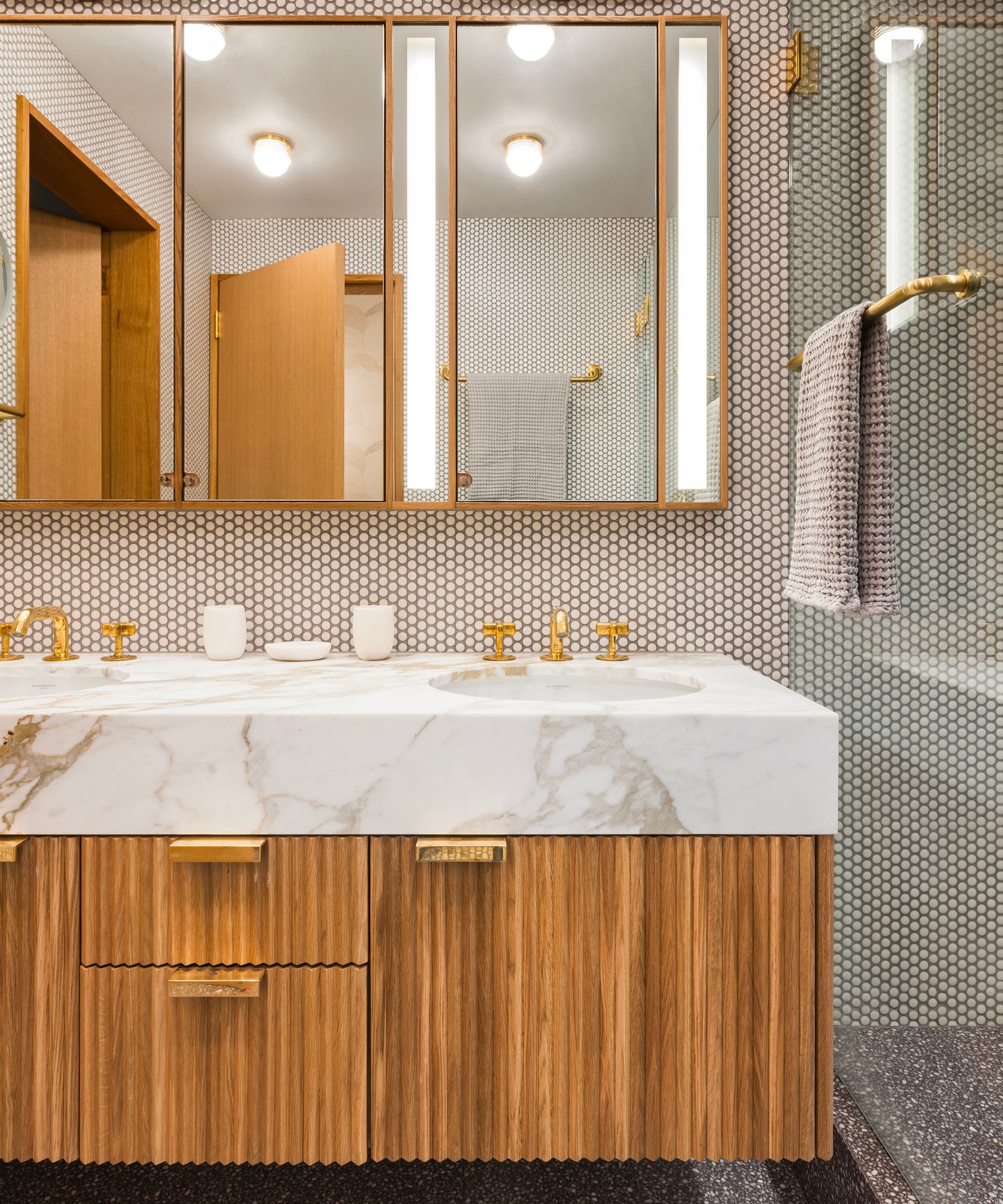
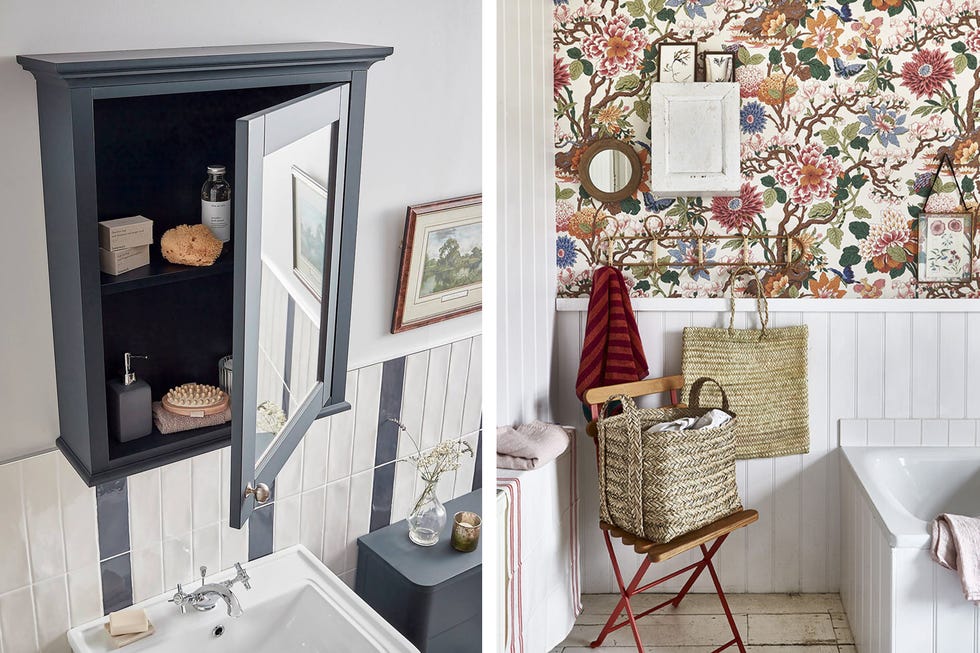
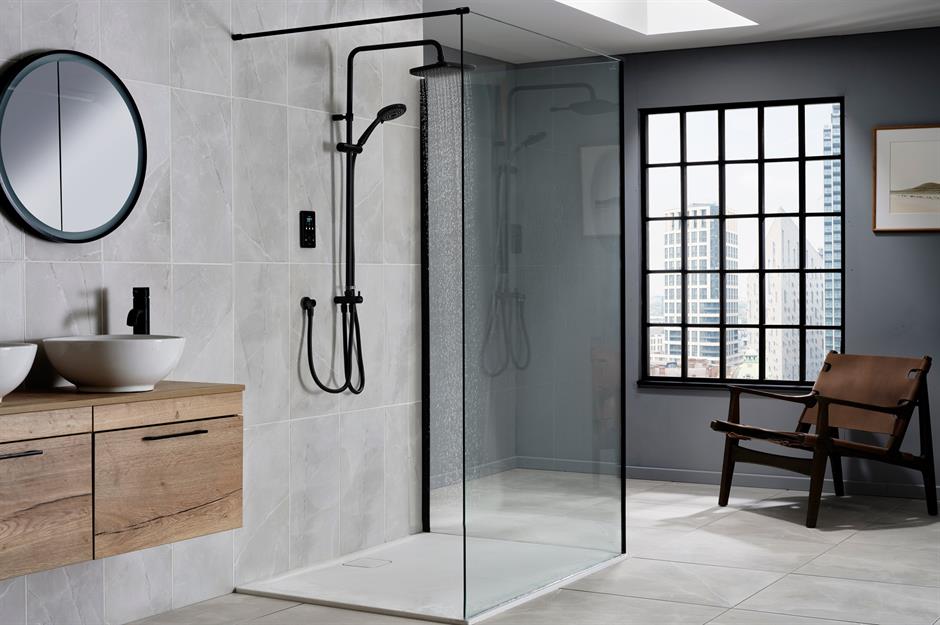
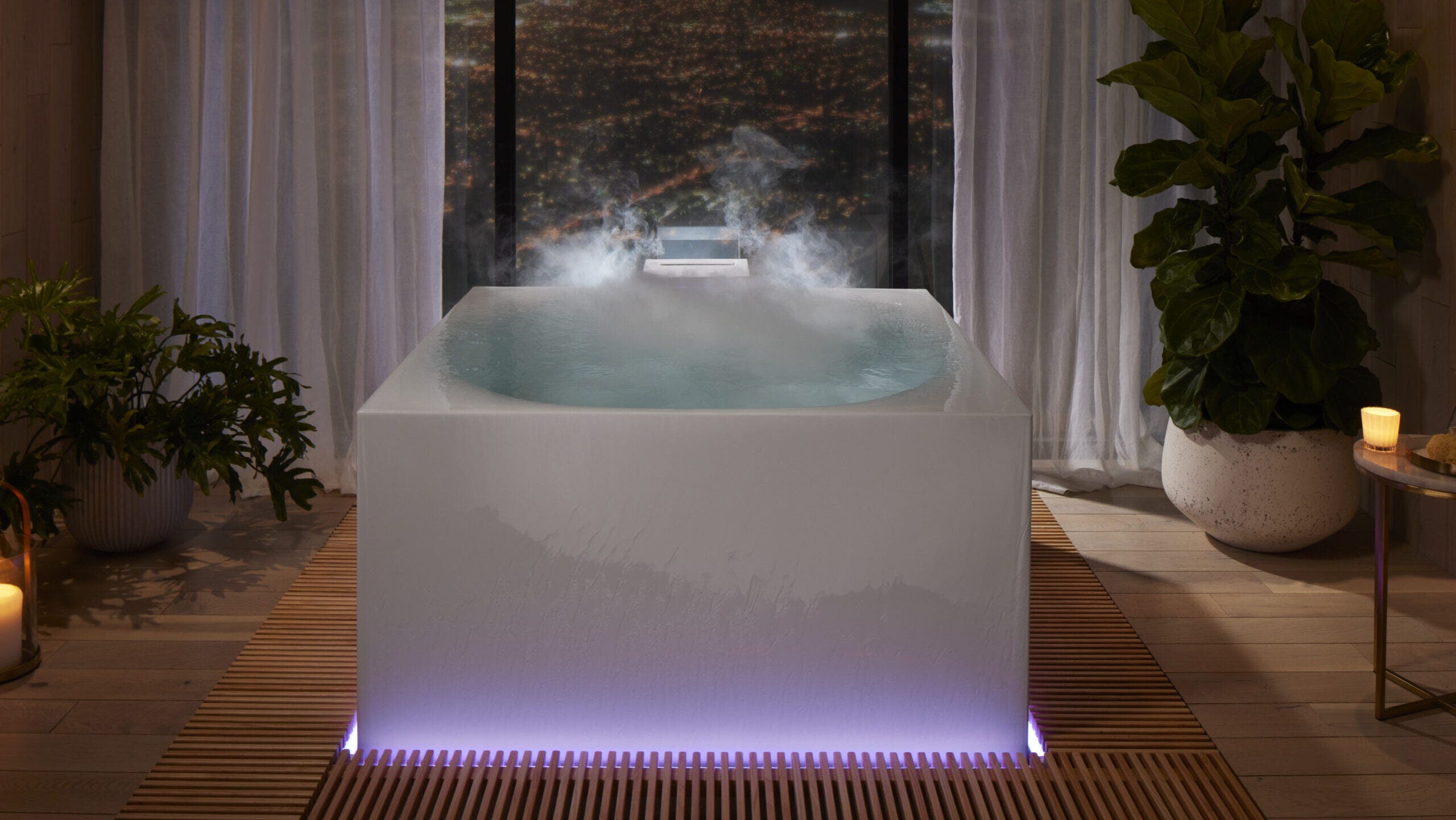
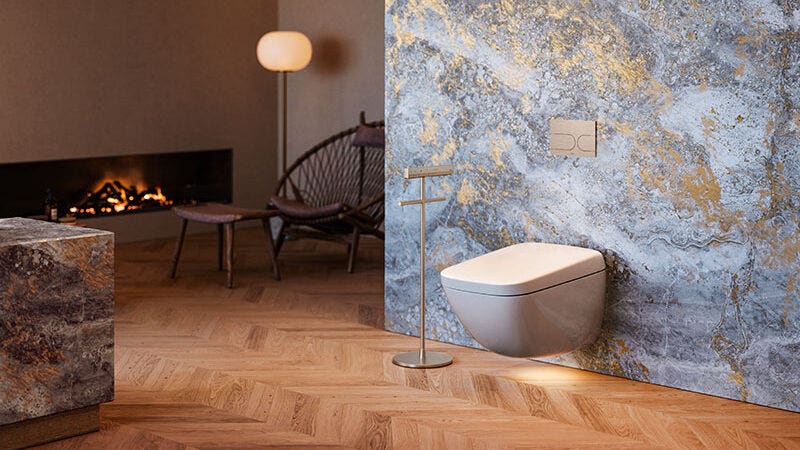
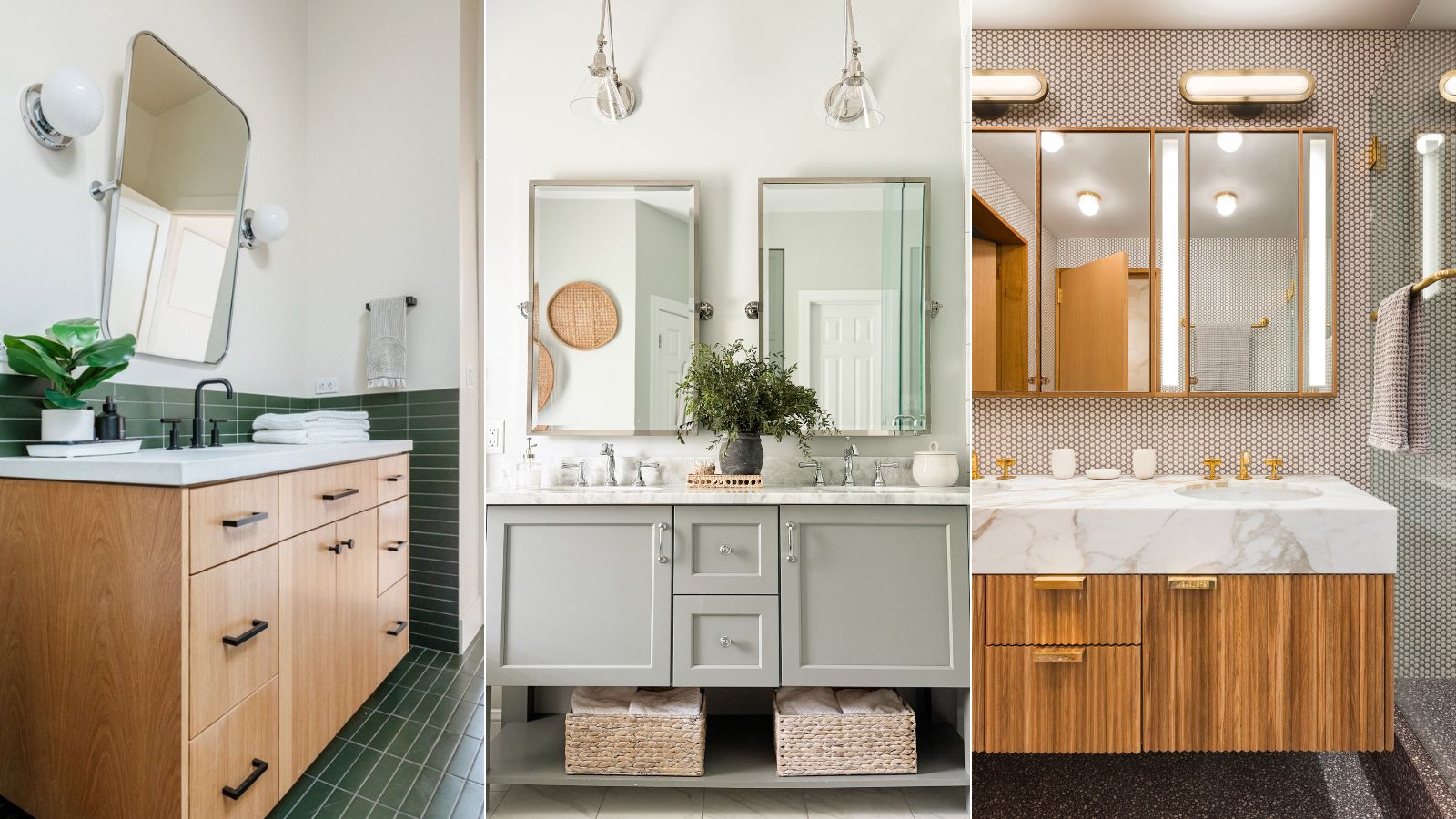
Technology is predicted to be a major trend in bathrooms, with an increasing demand for high-tech features that enhance self-care and relaxation. This includes innovations such as voice-activated shower controls, deodorizing smart toilets, and heated floors. These technological advancements aim to transform bathrooms into more intentional and decompressive spaces, regardless of their size. Alongside new technology, medicine cabinets are set to remain a popular and practical feature. Designers highlight their utility for storage, emphasizing that both custom and ready-made options, whether recessed or mirrored, are valuable for maximizing space, especially for hidden storage.
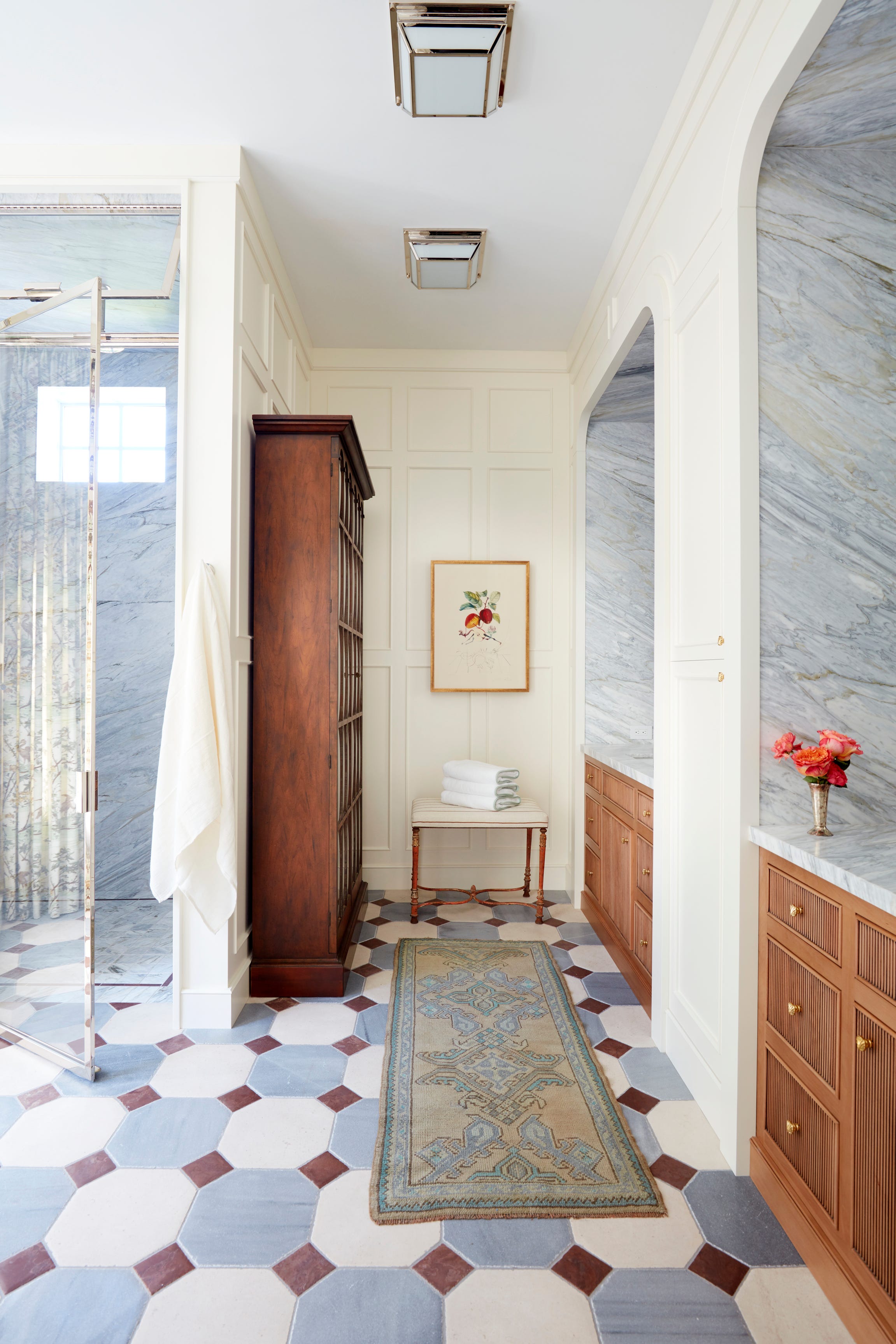
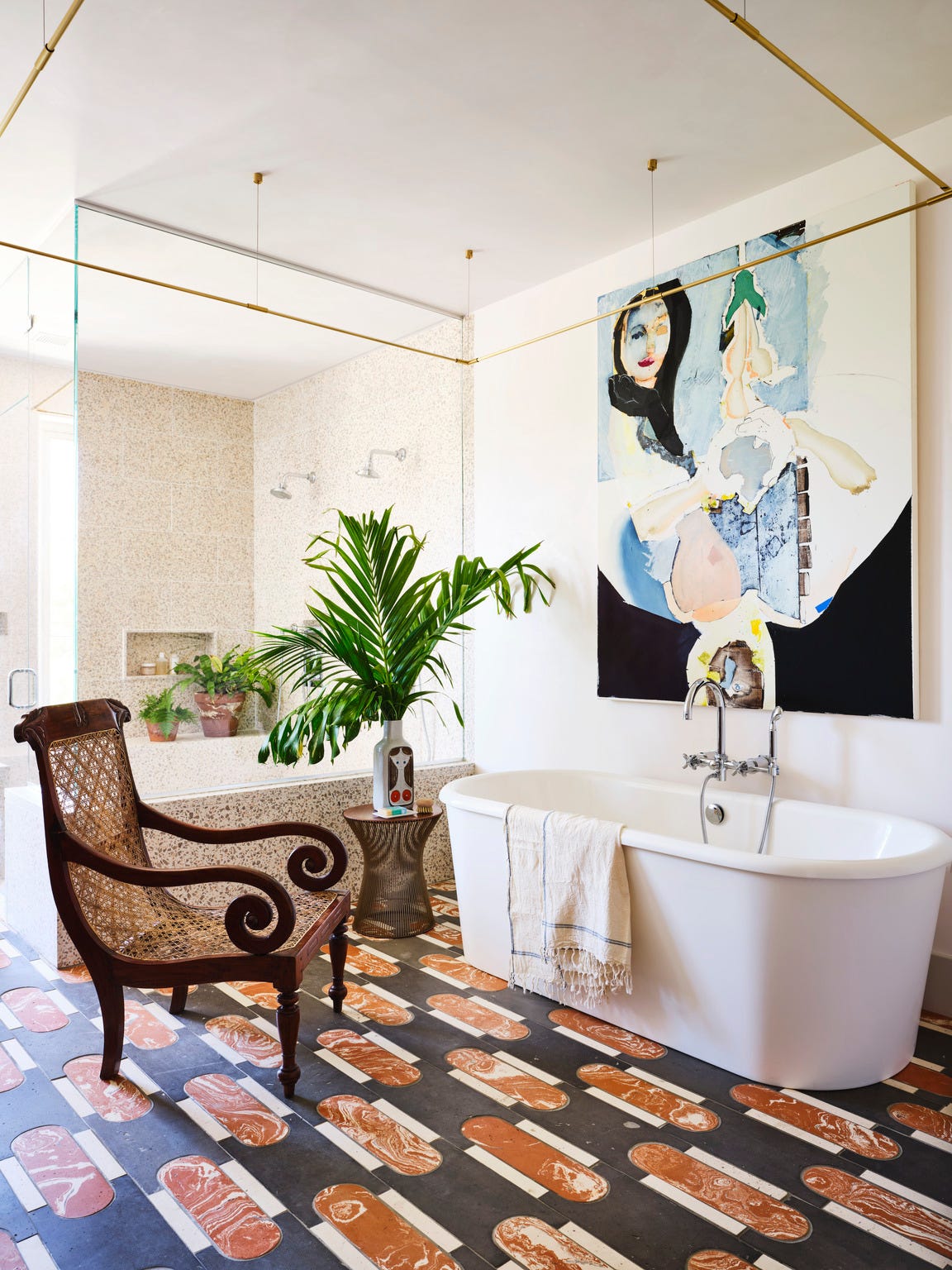
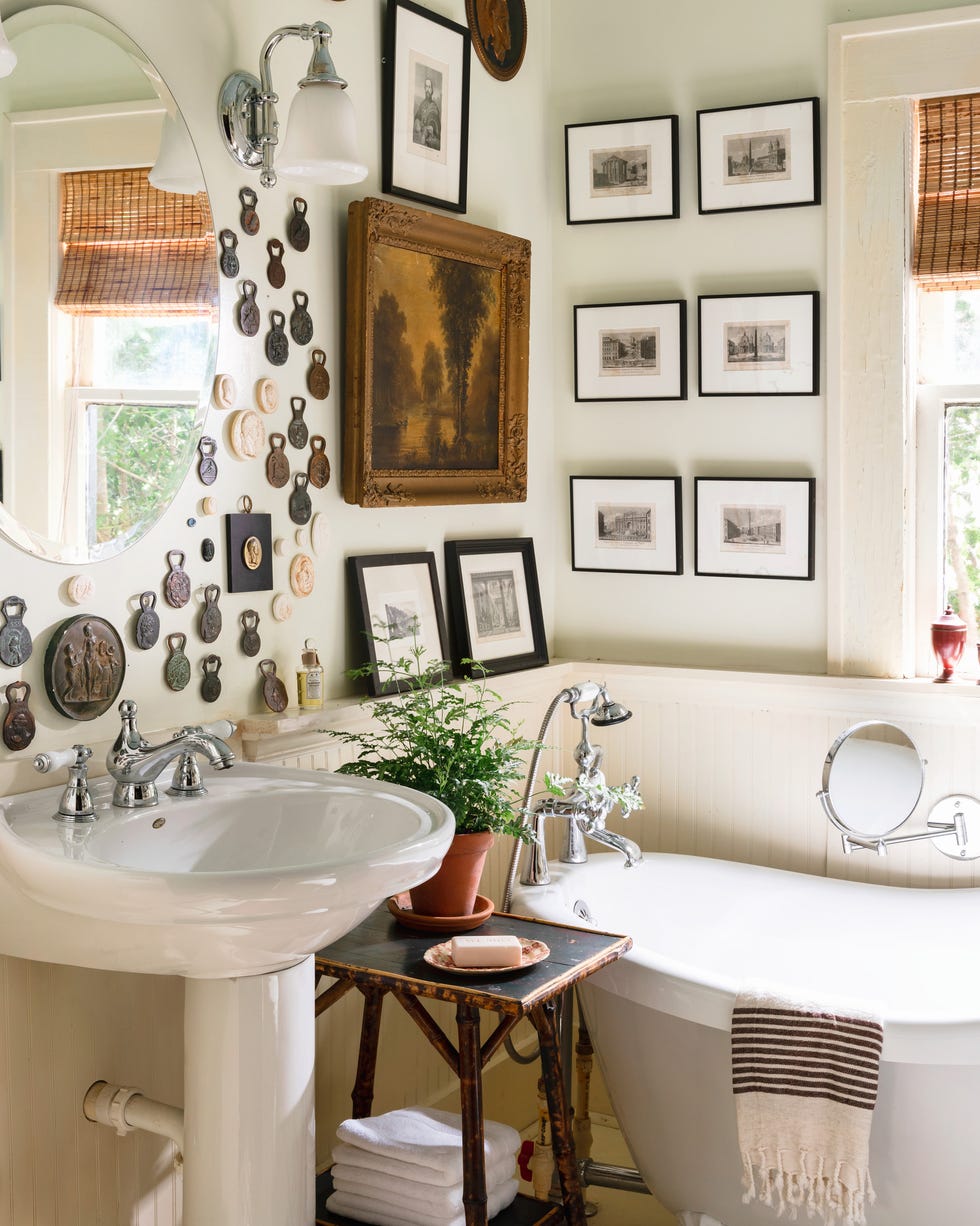
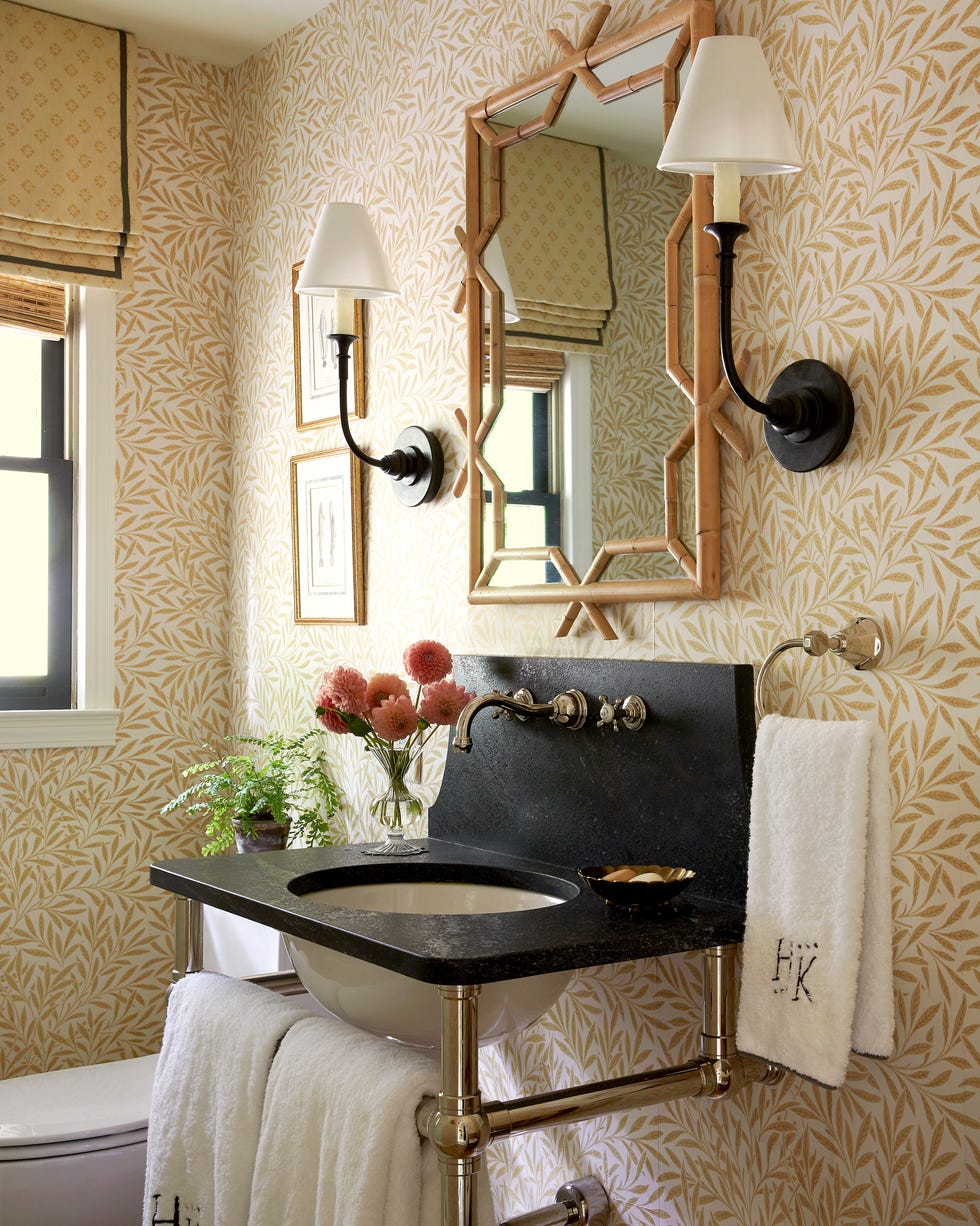
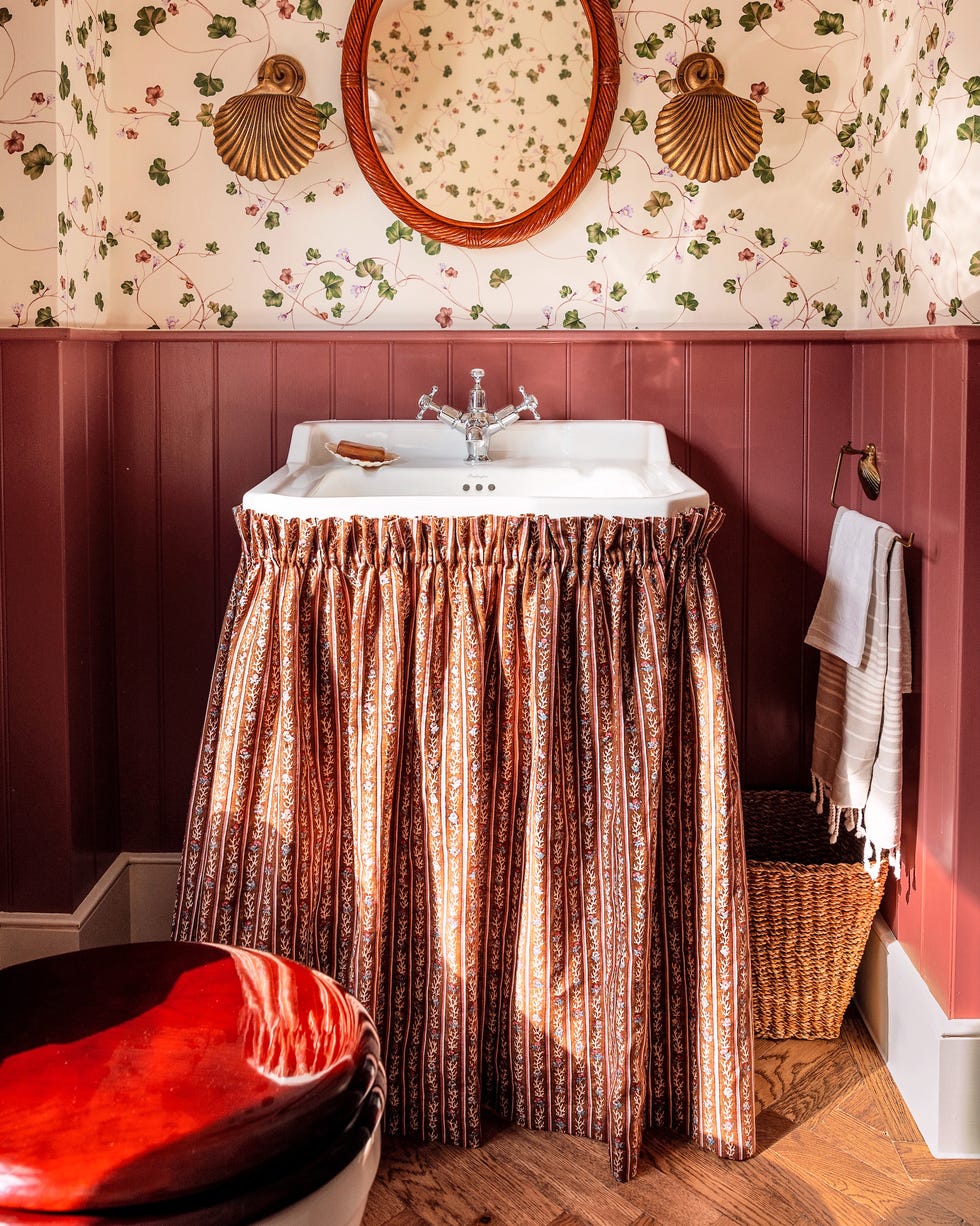
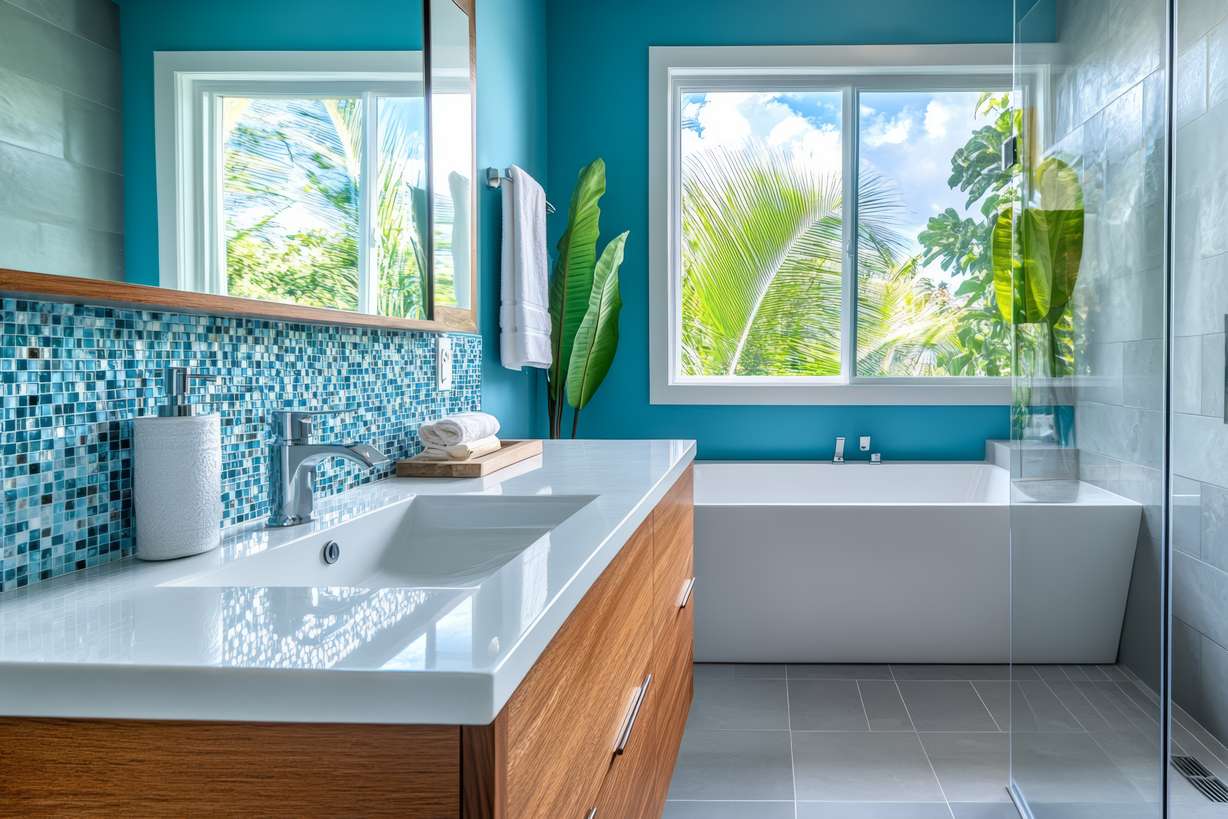
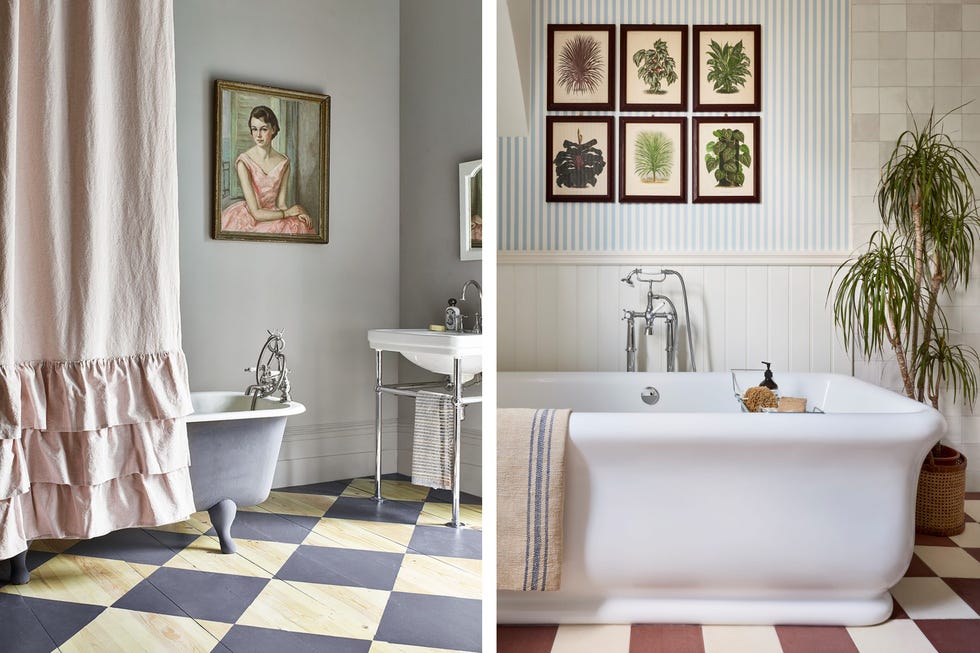
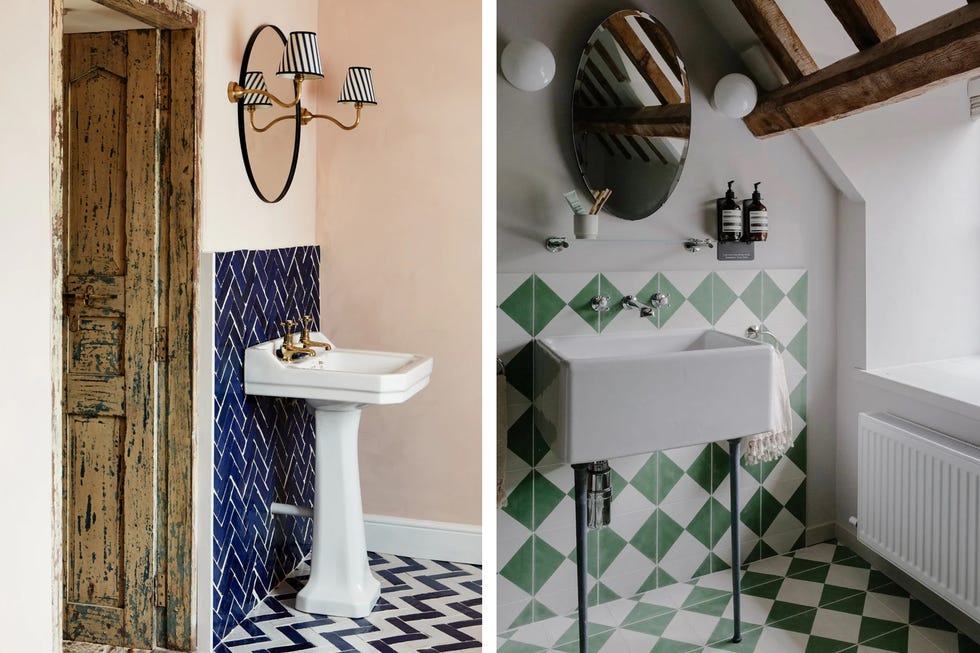
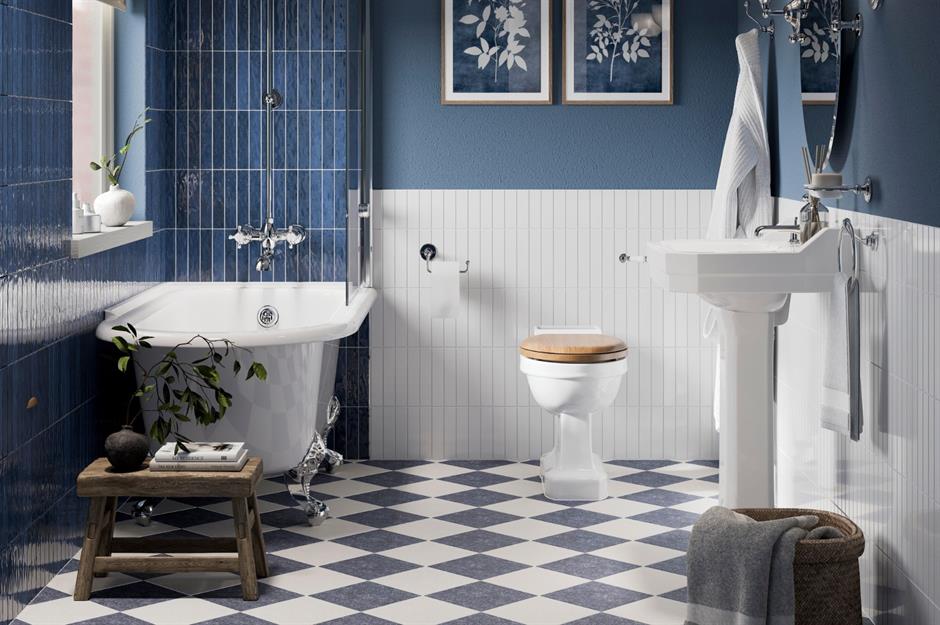
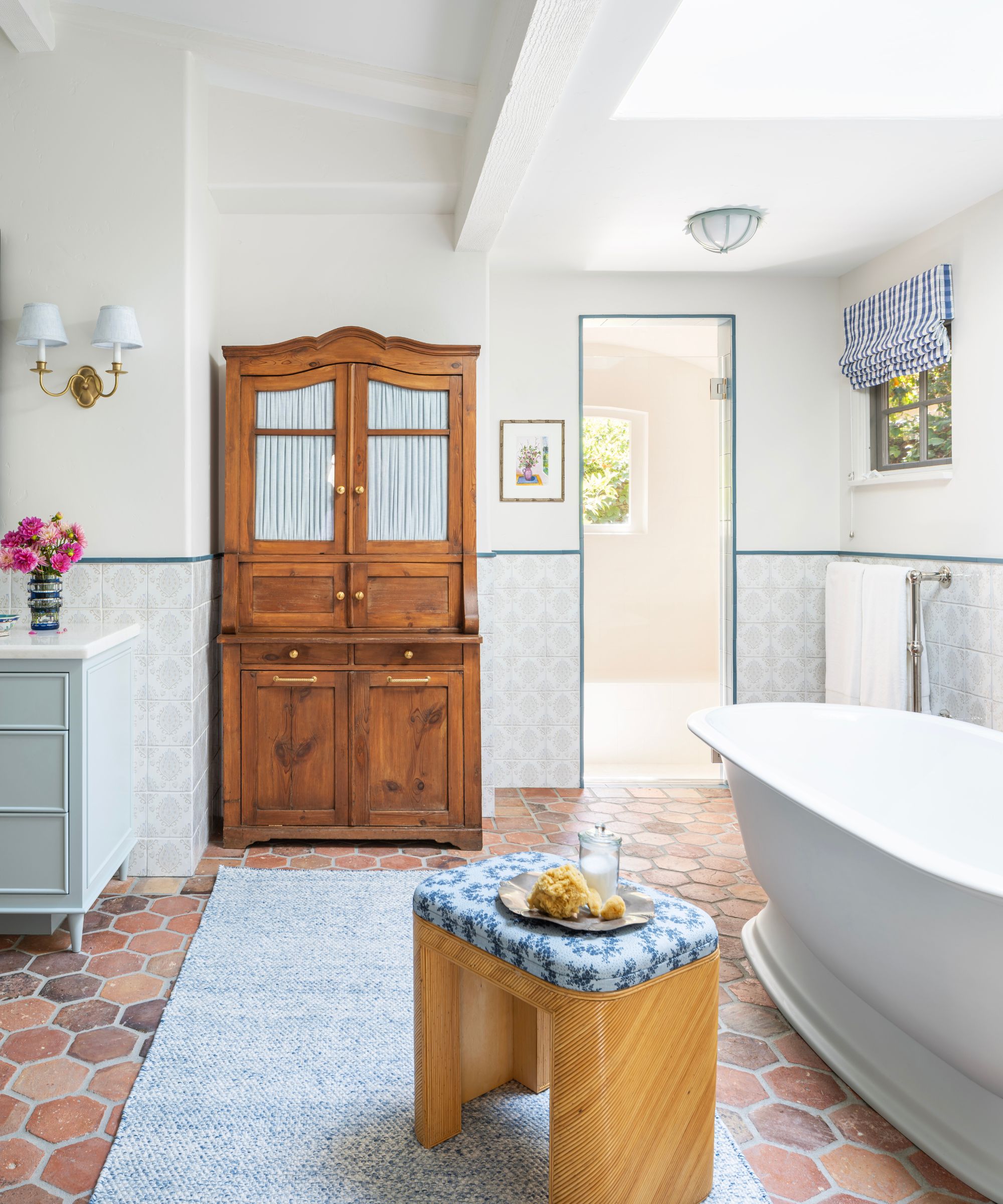
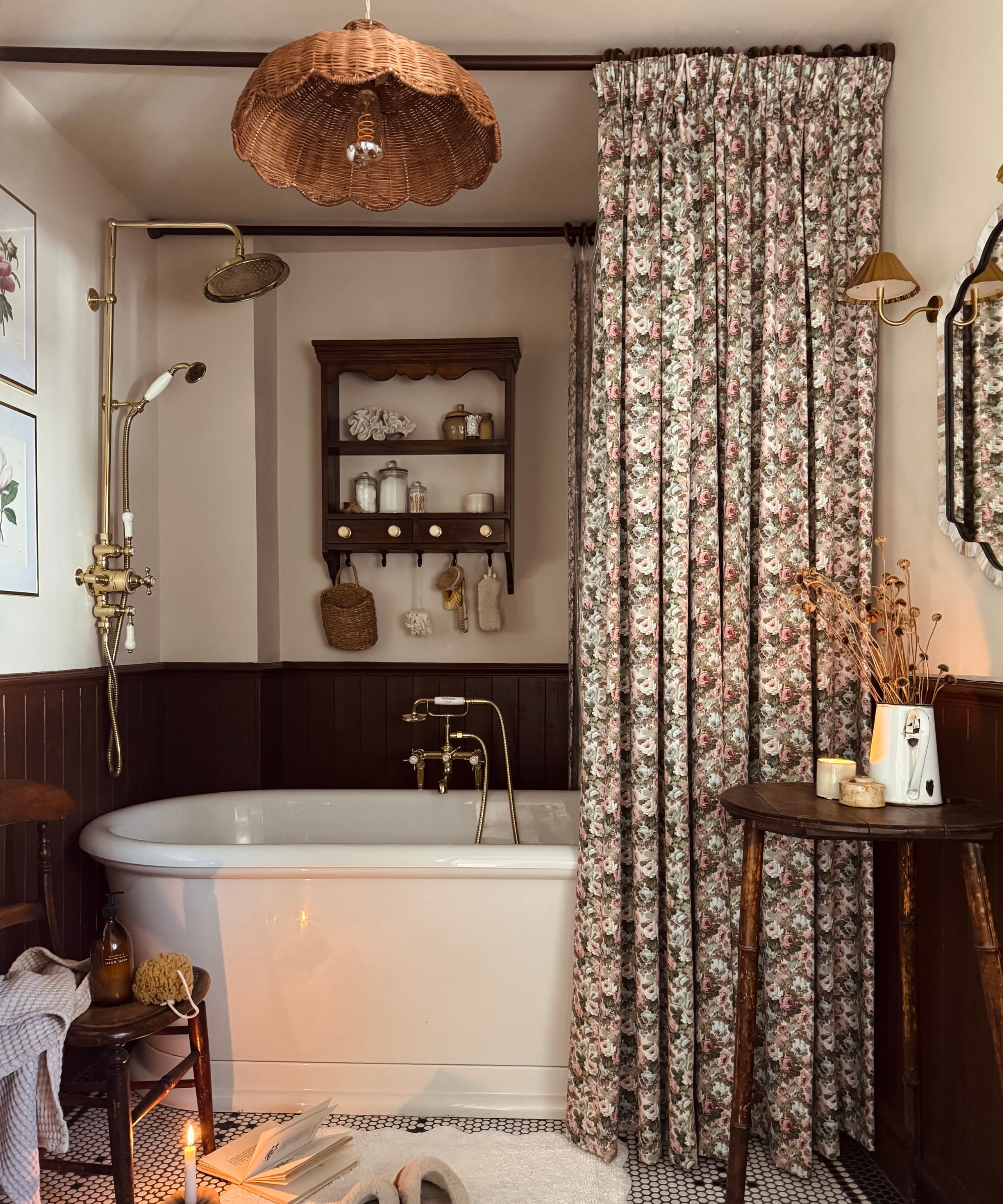
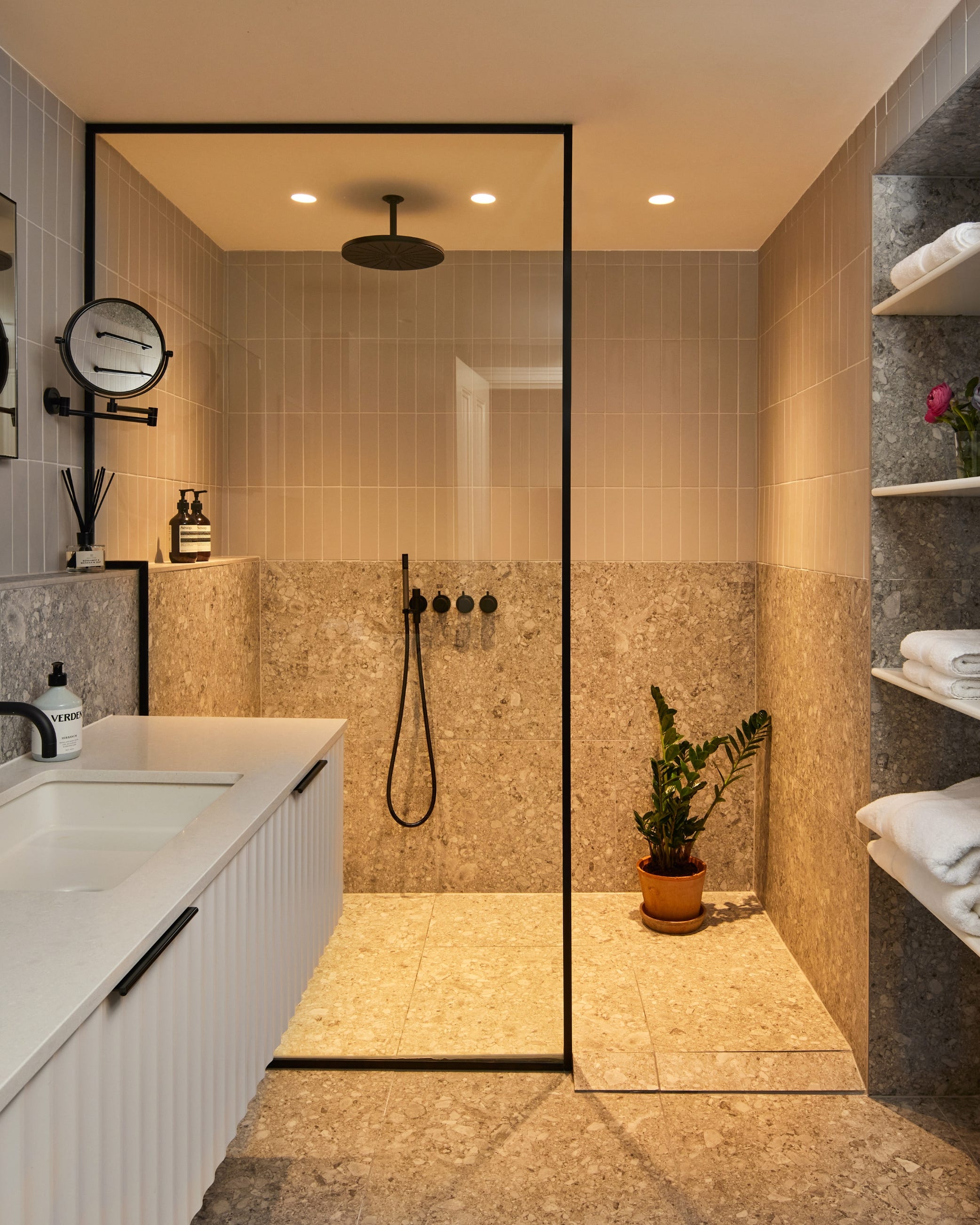
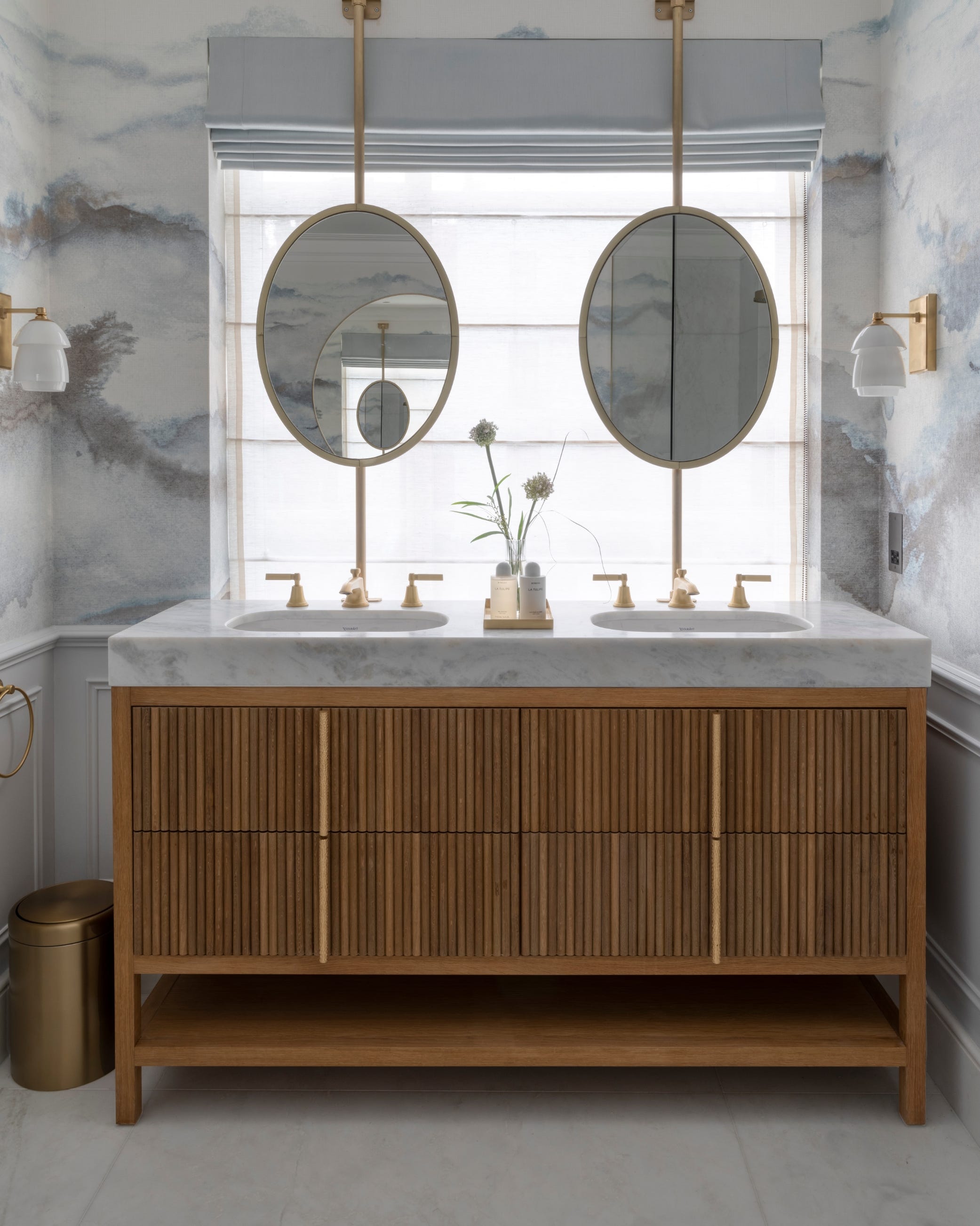
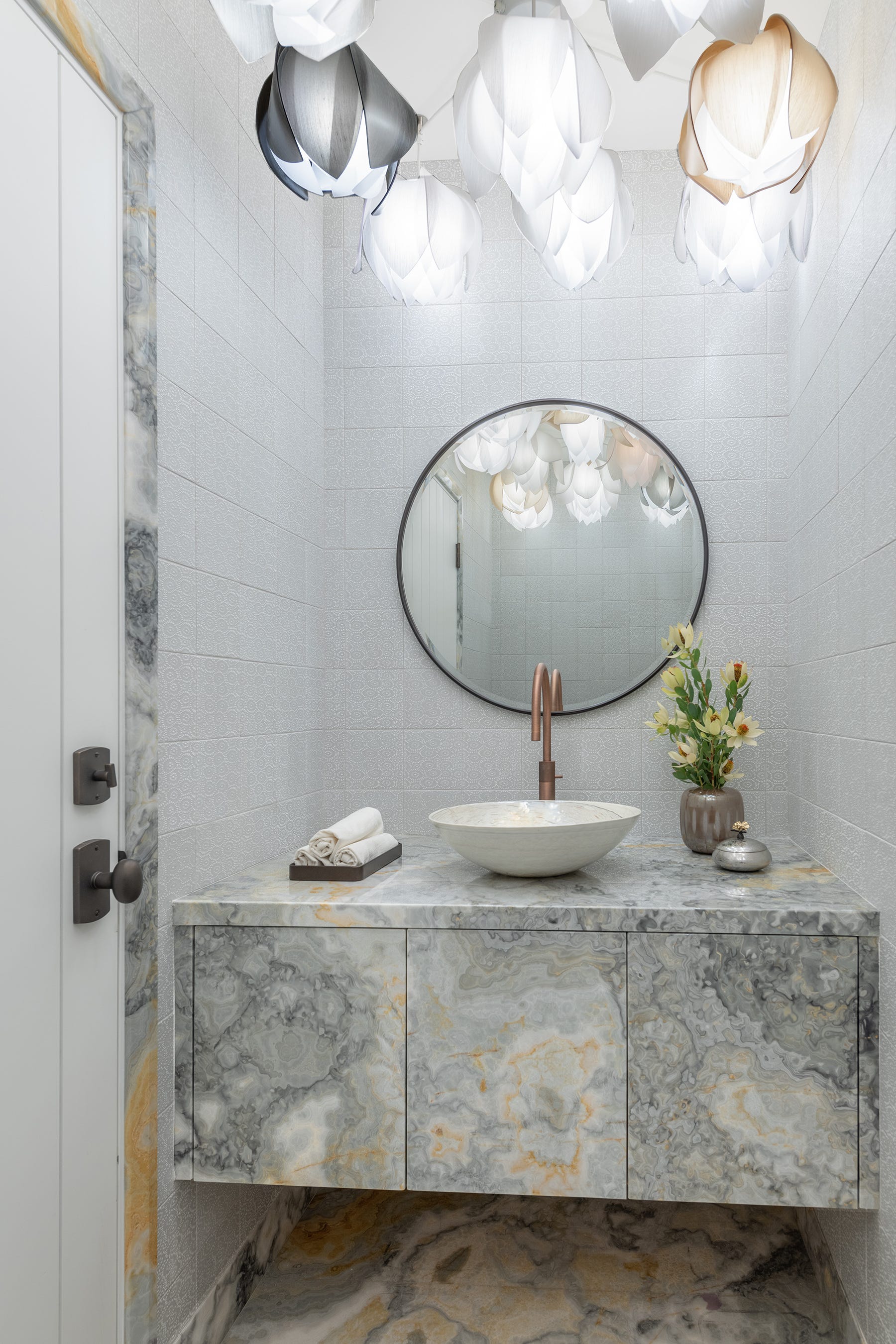
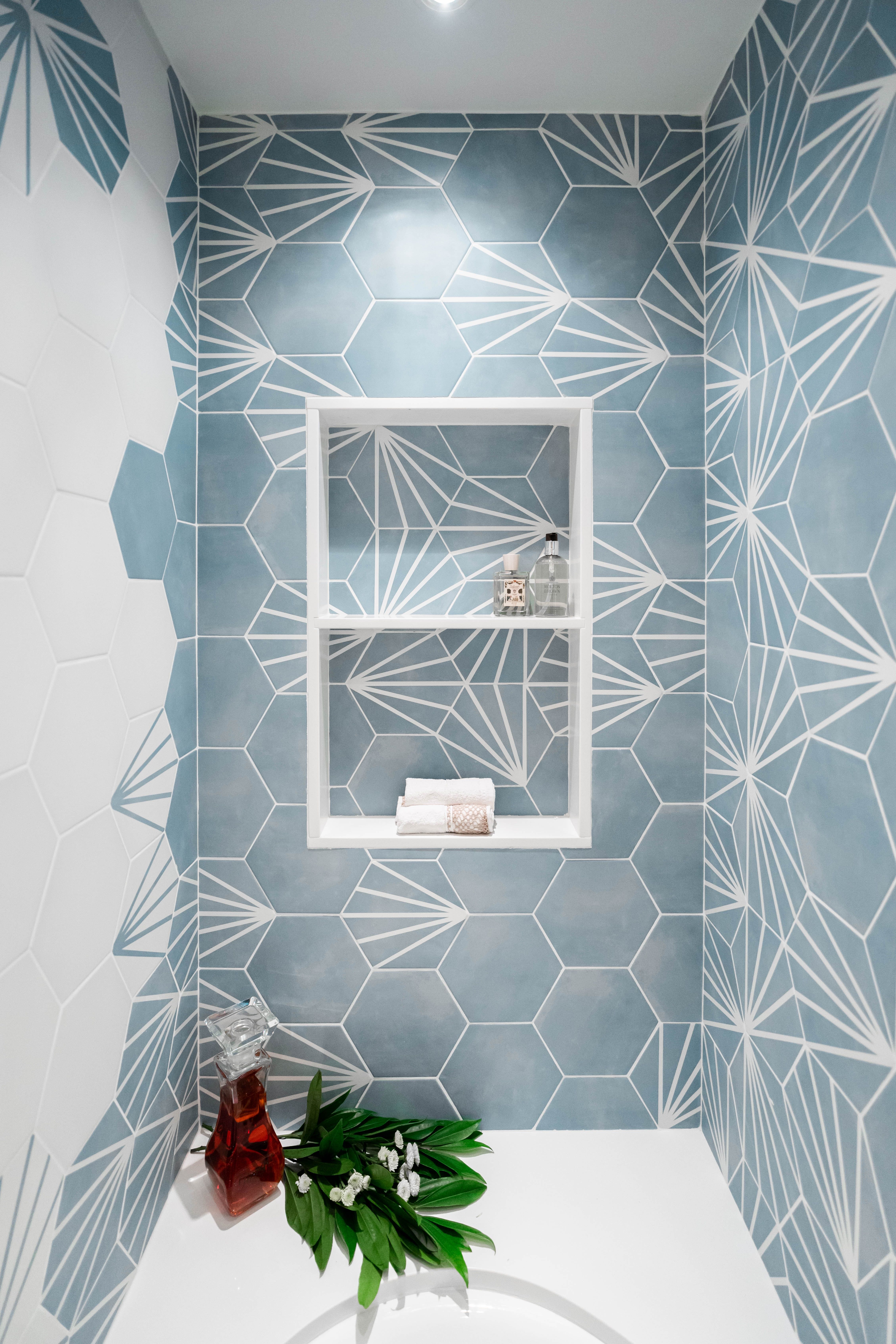
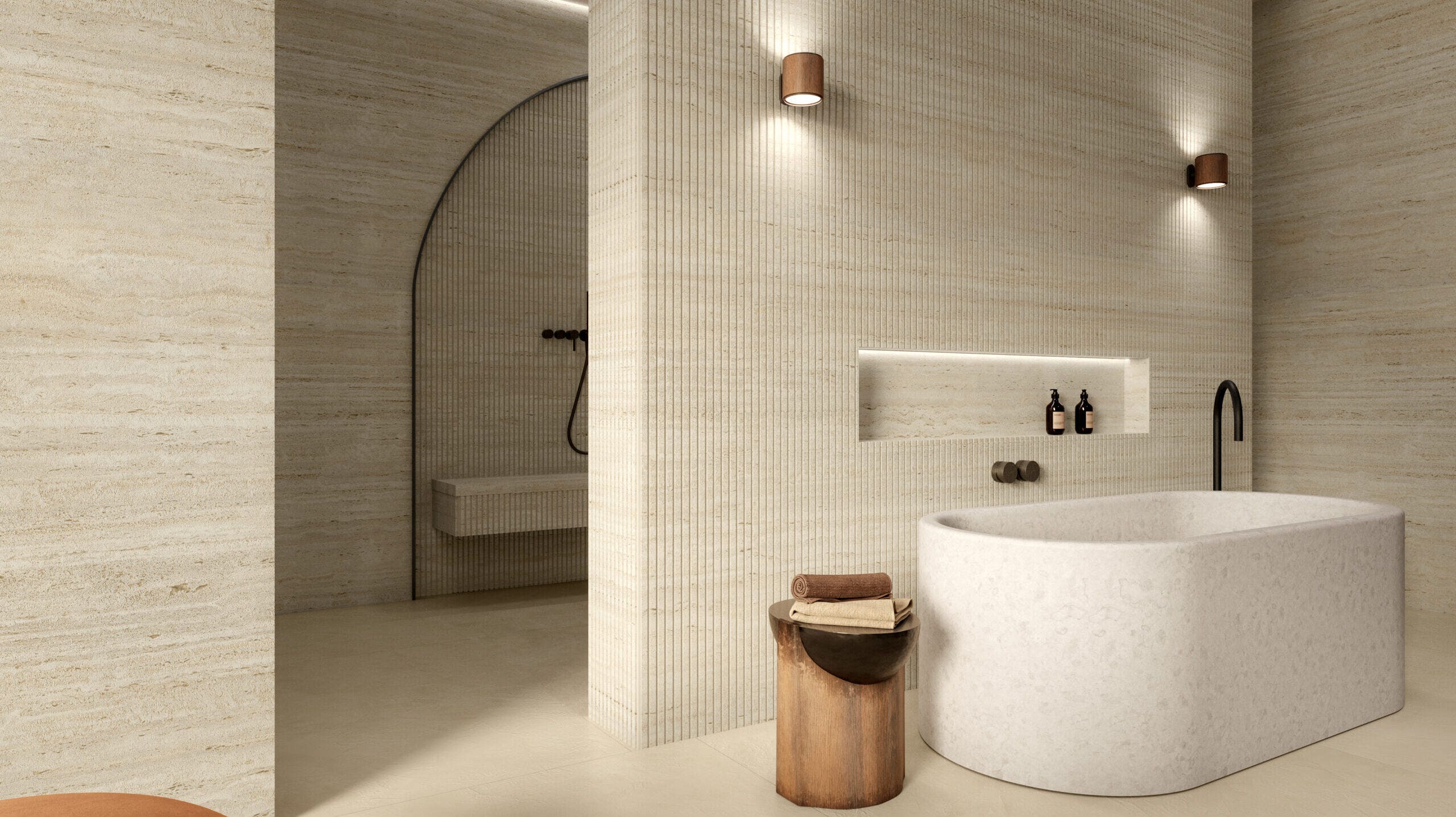
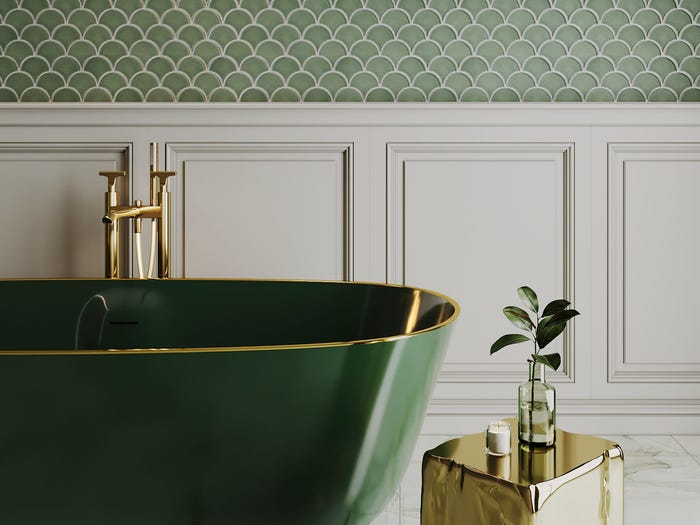
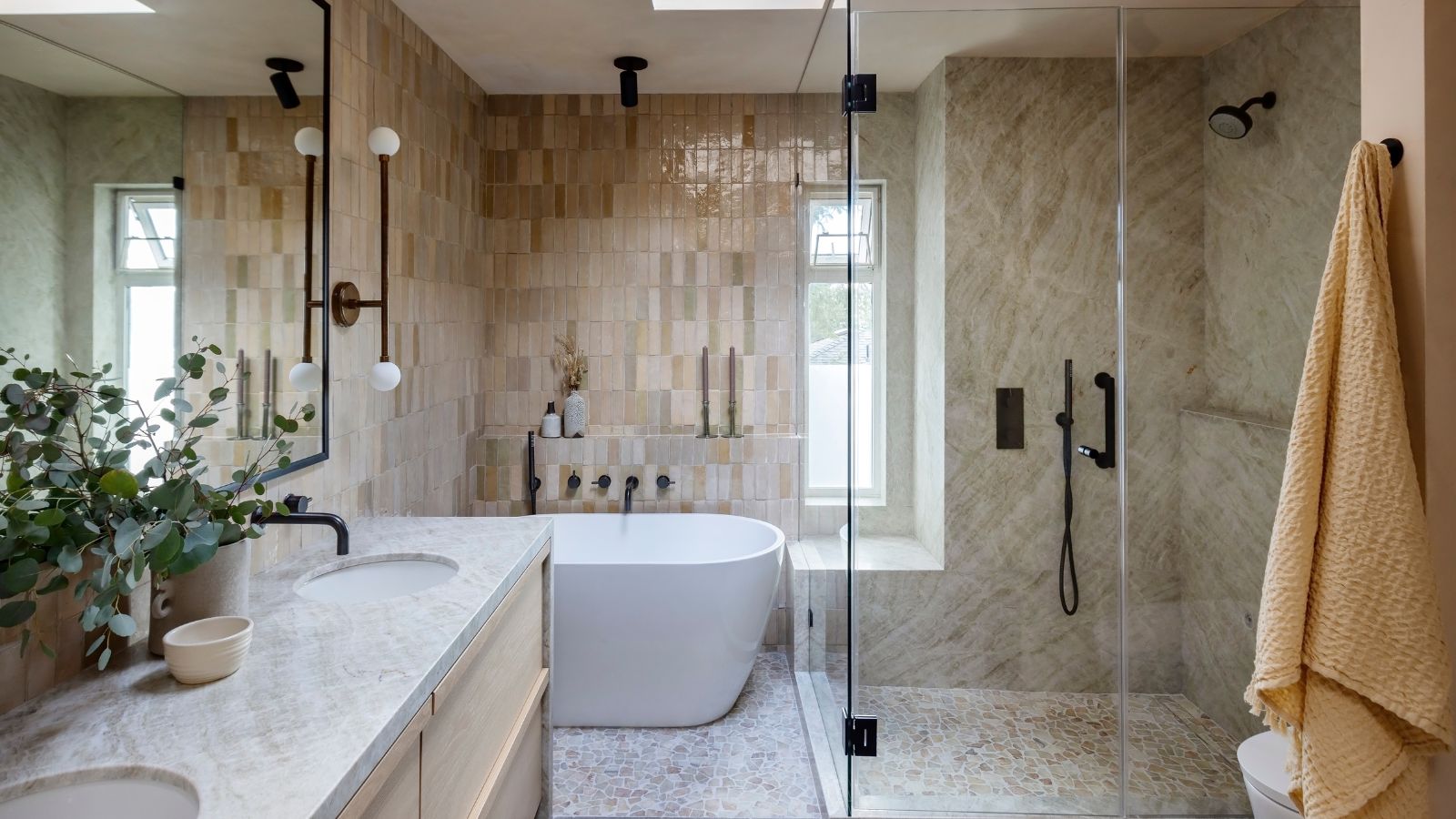
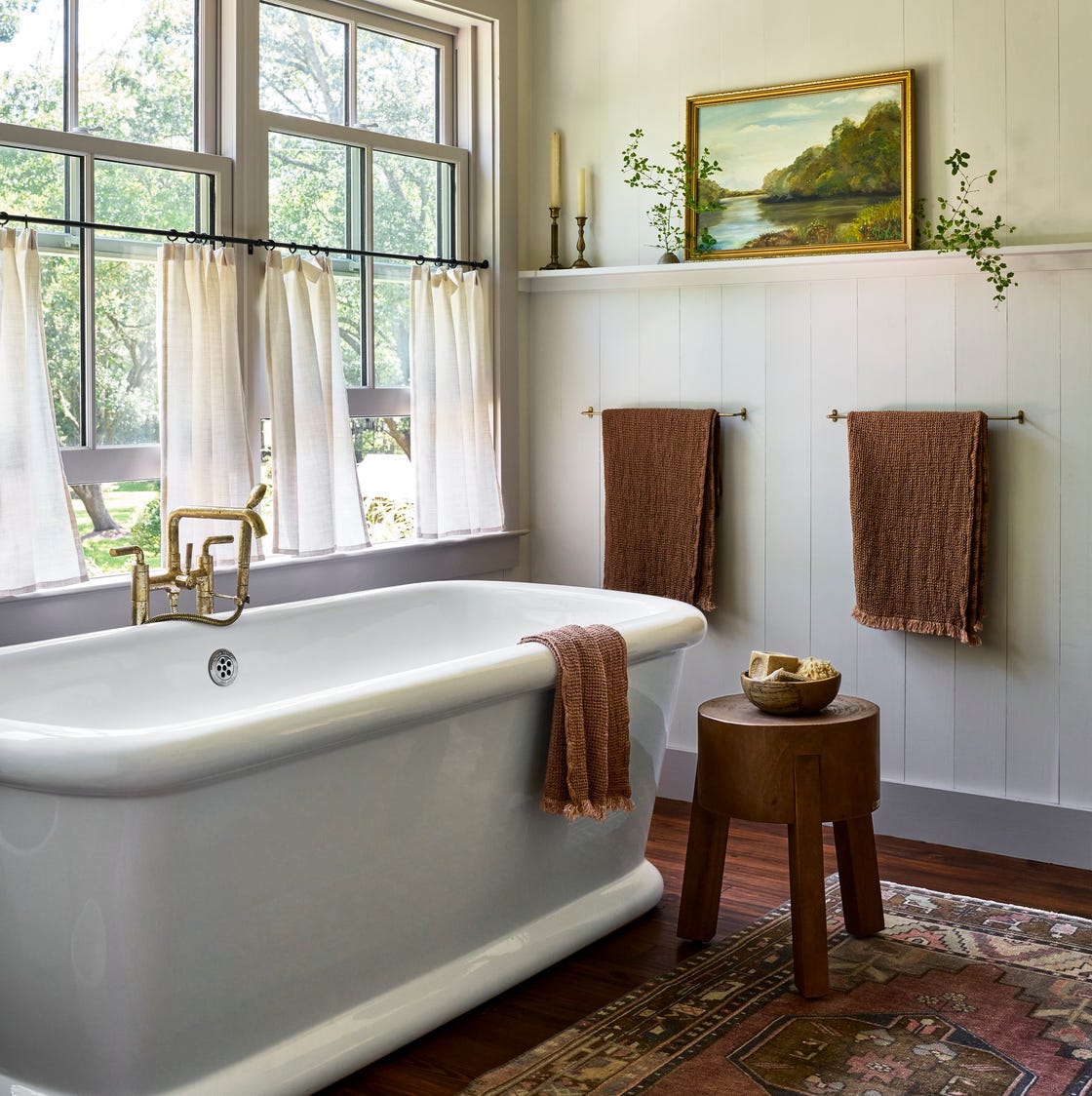
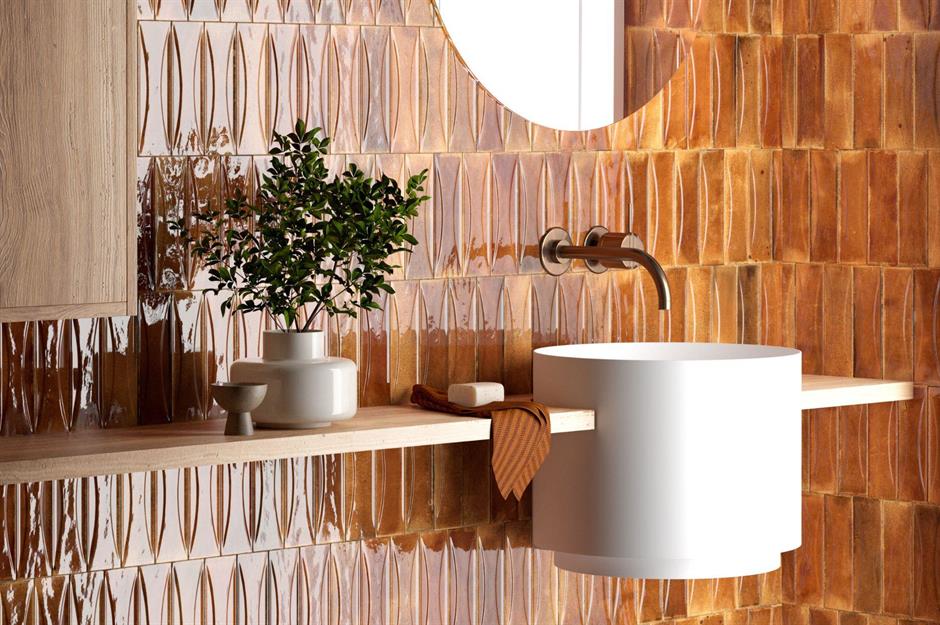
Personalization is another key trend, with statement tiles gaining significant traction. Homeowners are moving away from generic designs and embracing unique, expressive touches in their bathrooms. Patterns like plaid, soft geometrics, and dimensional fluting are expected to add tactile richness and character. Hand-painted tiles will also contribute to this personalized aesthetic, allowing for artistry without overwhelming the space. This desire for individuality extends to overall design, with a growing preference for layered and intentional layouts. The trend moves away from ultra-coordinated, catalog-like appearances towards spaces that feature a cohesive blend of colors, patterns, textures, and lighting, telling a more personal story. This can manifest in elements like antique art pieces or accent rugs, adding depth and uniqueness without creating clutter.
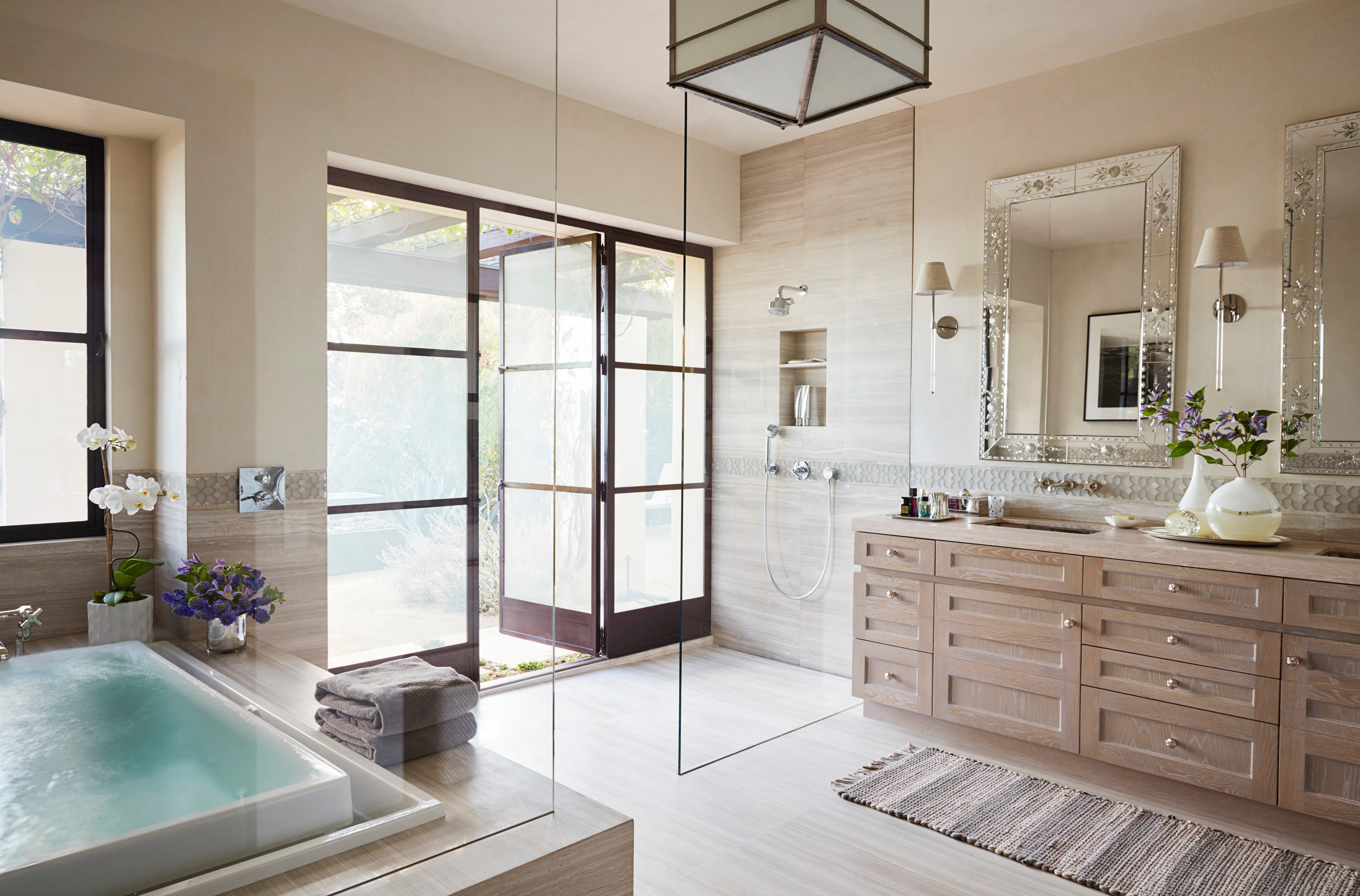
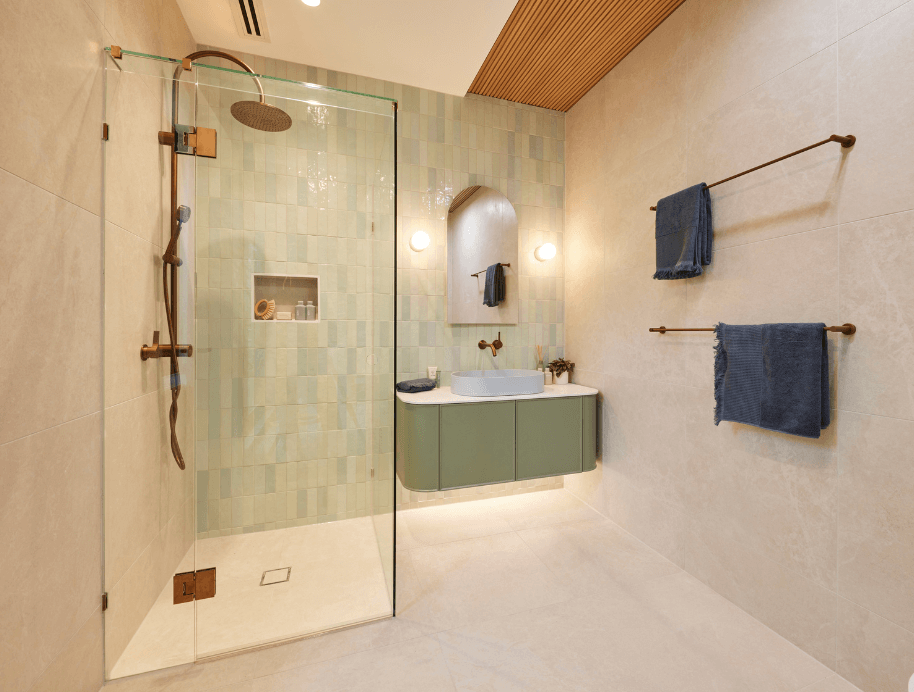
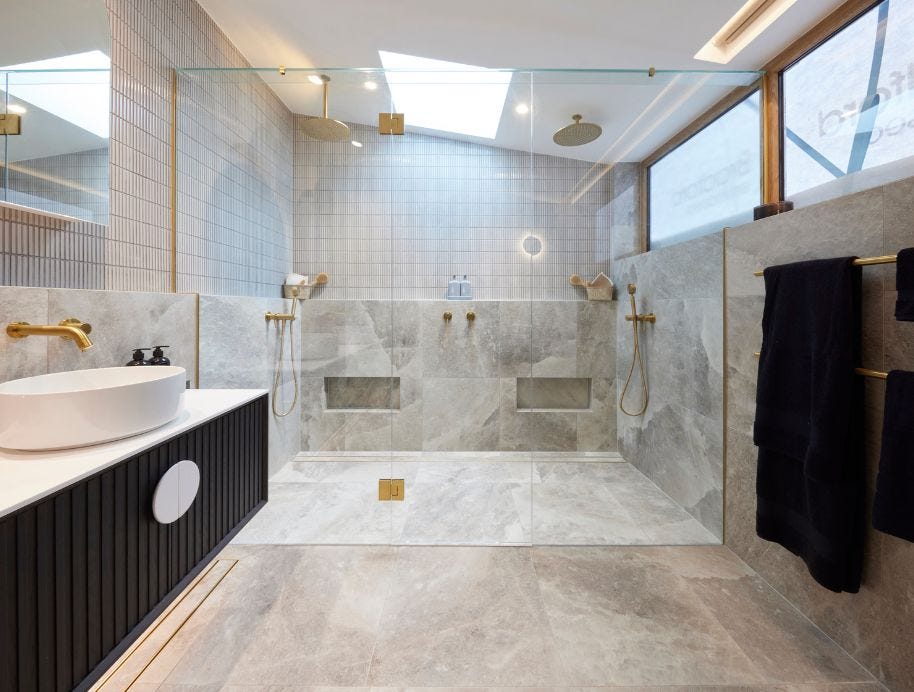
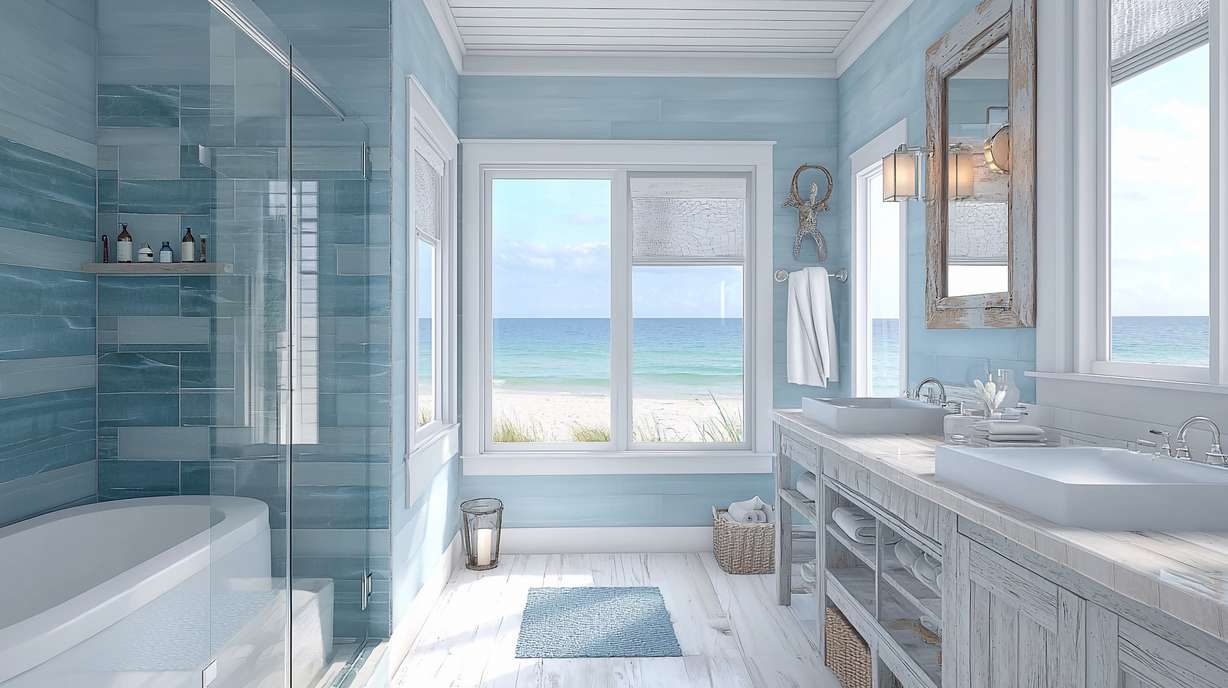
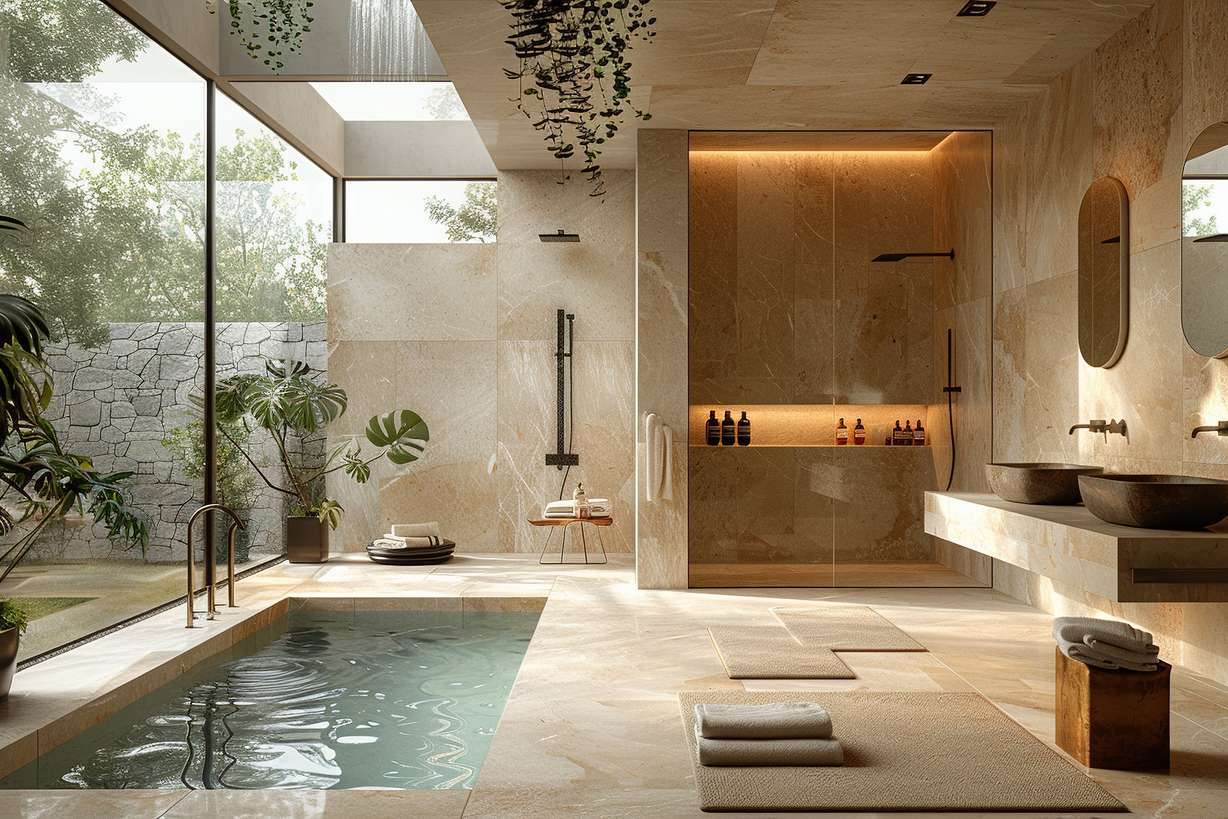
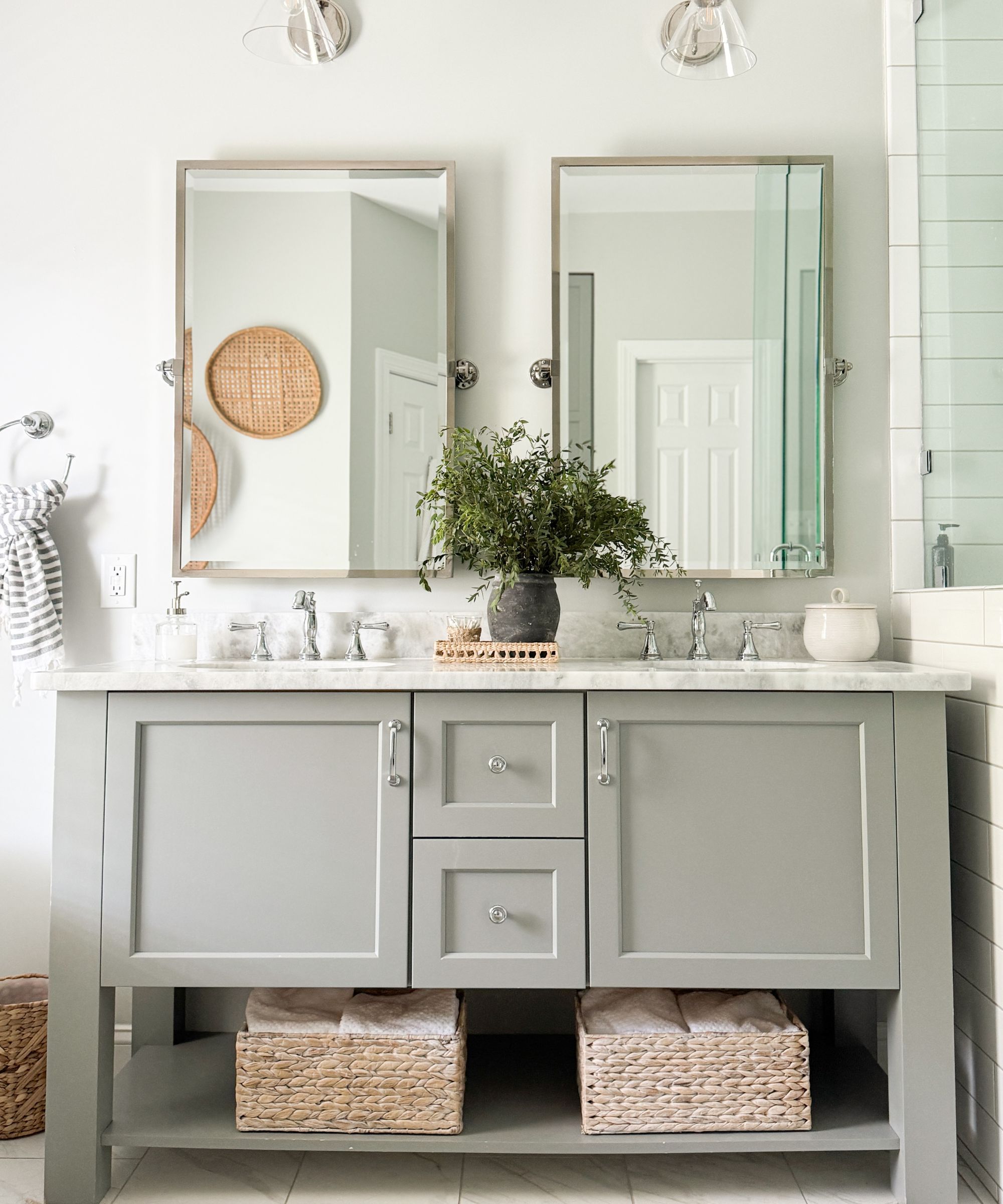
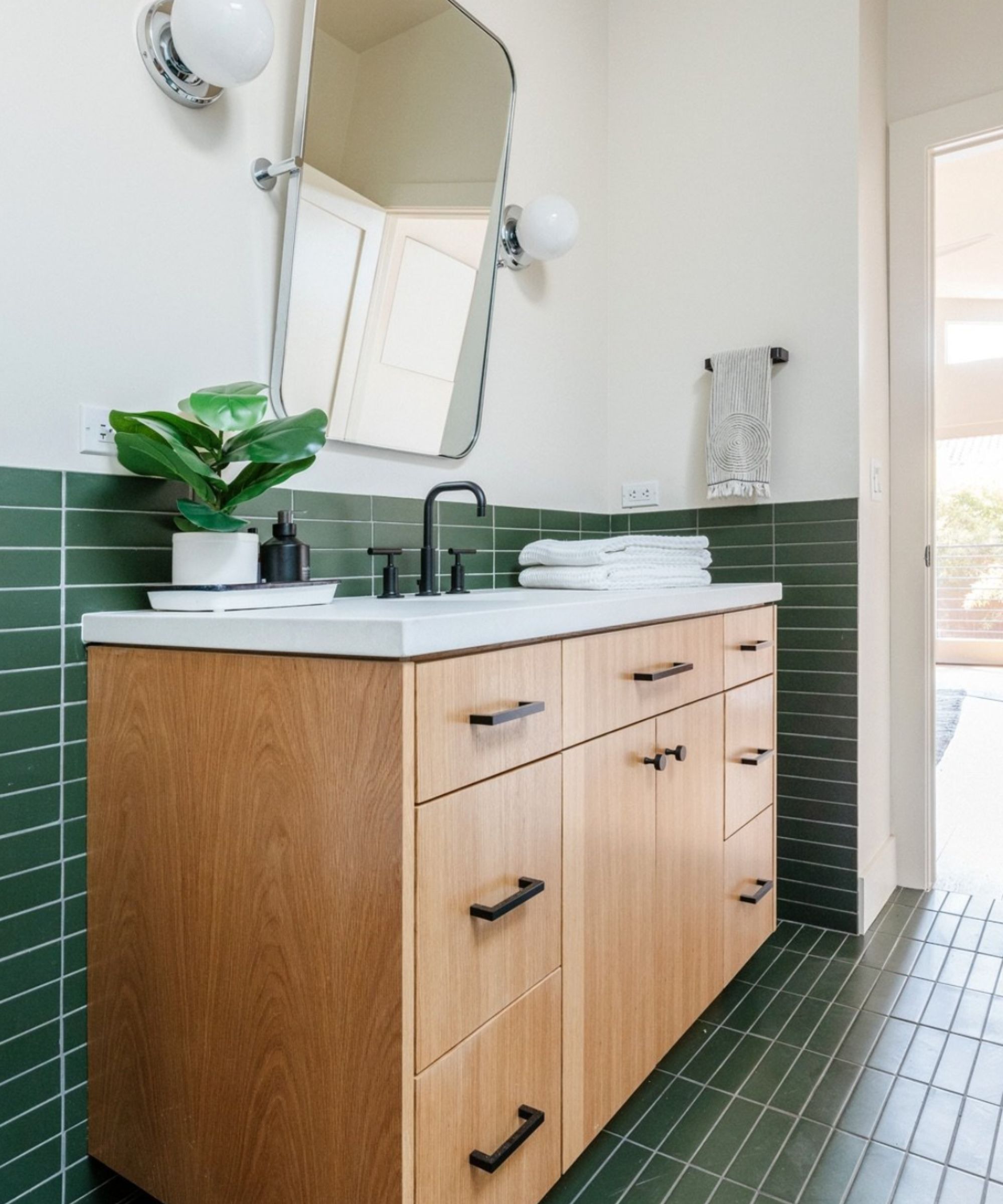
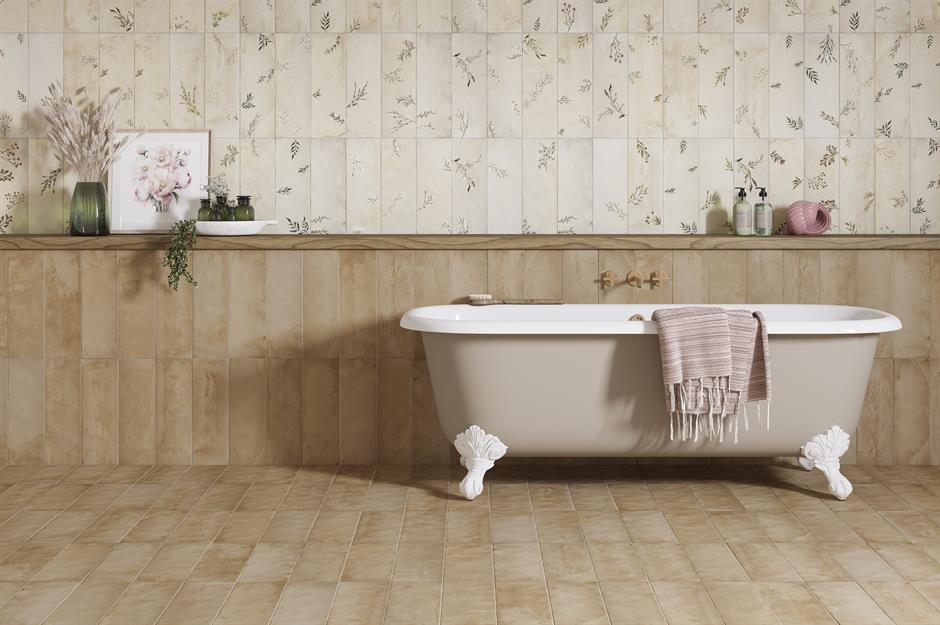
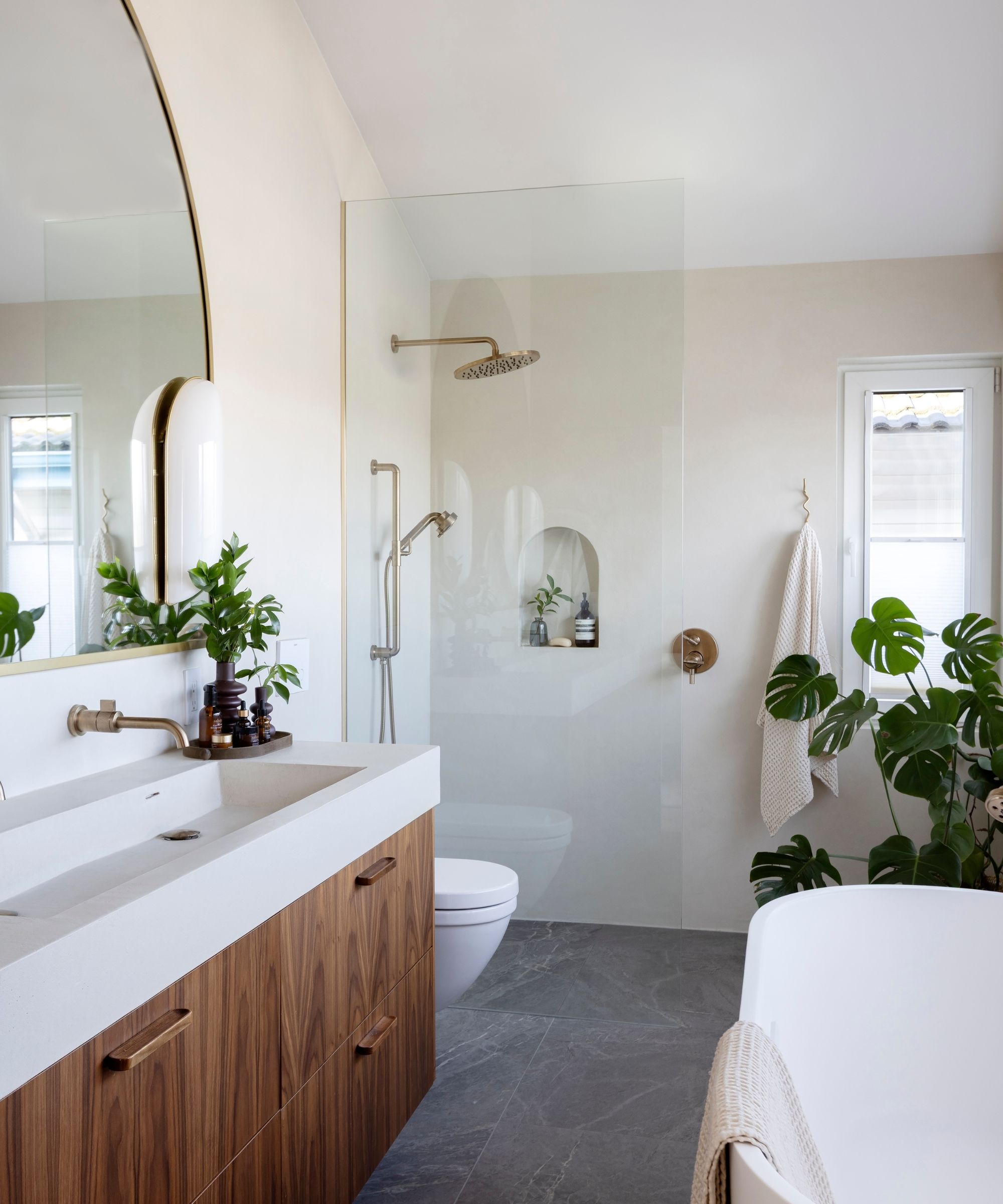
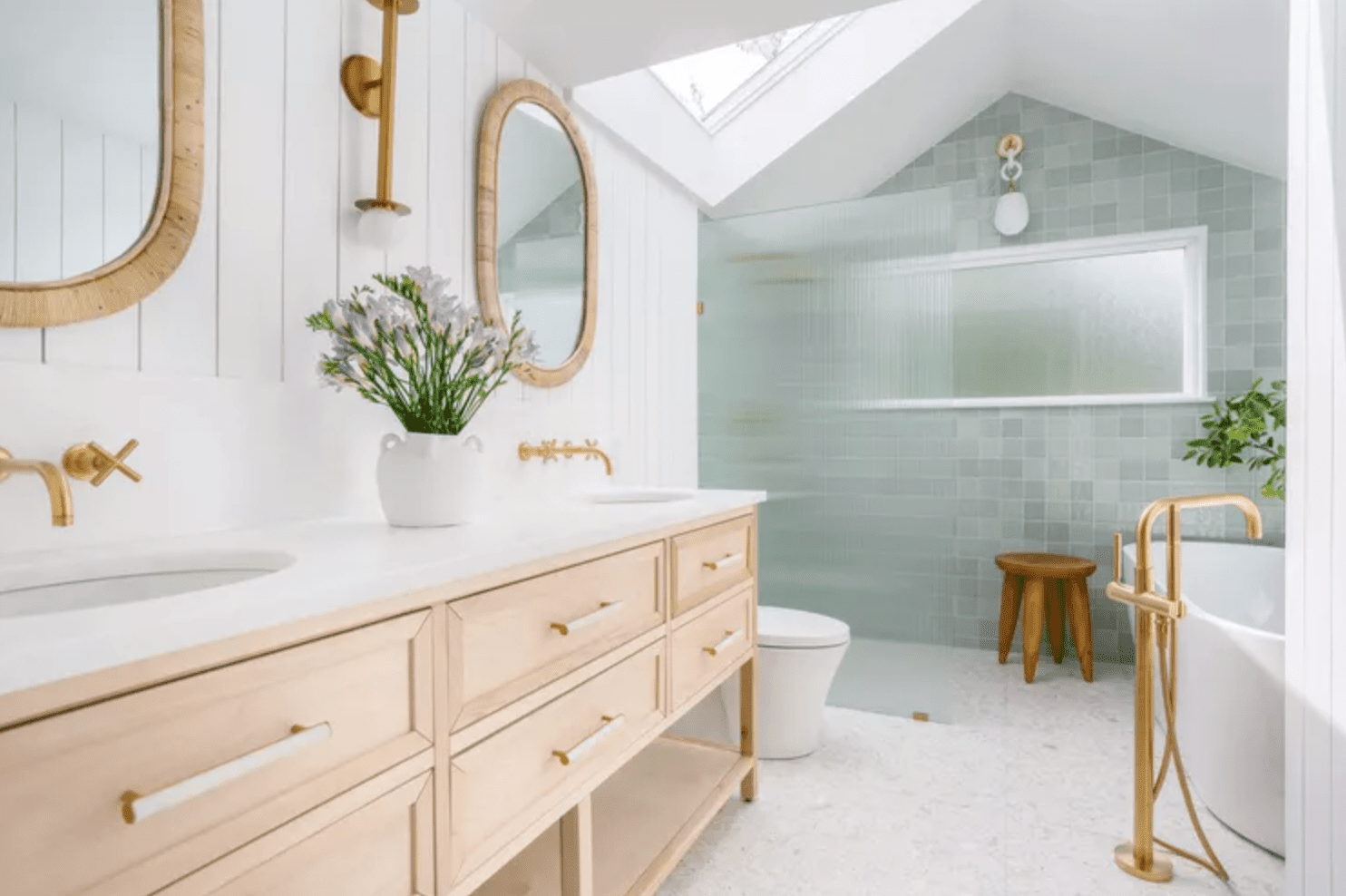
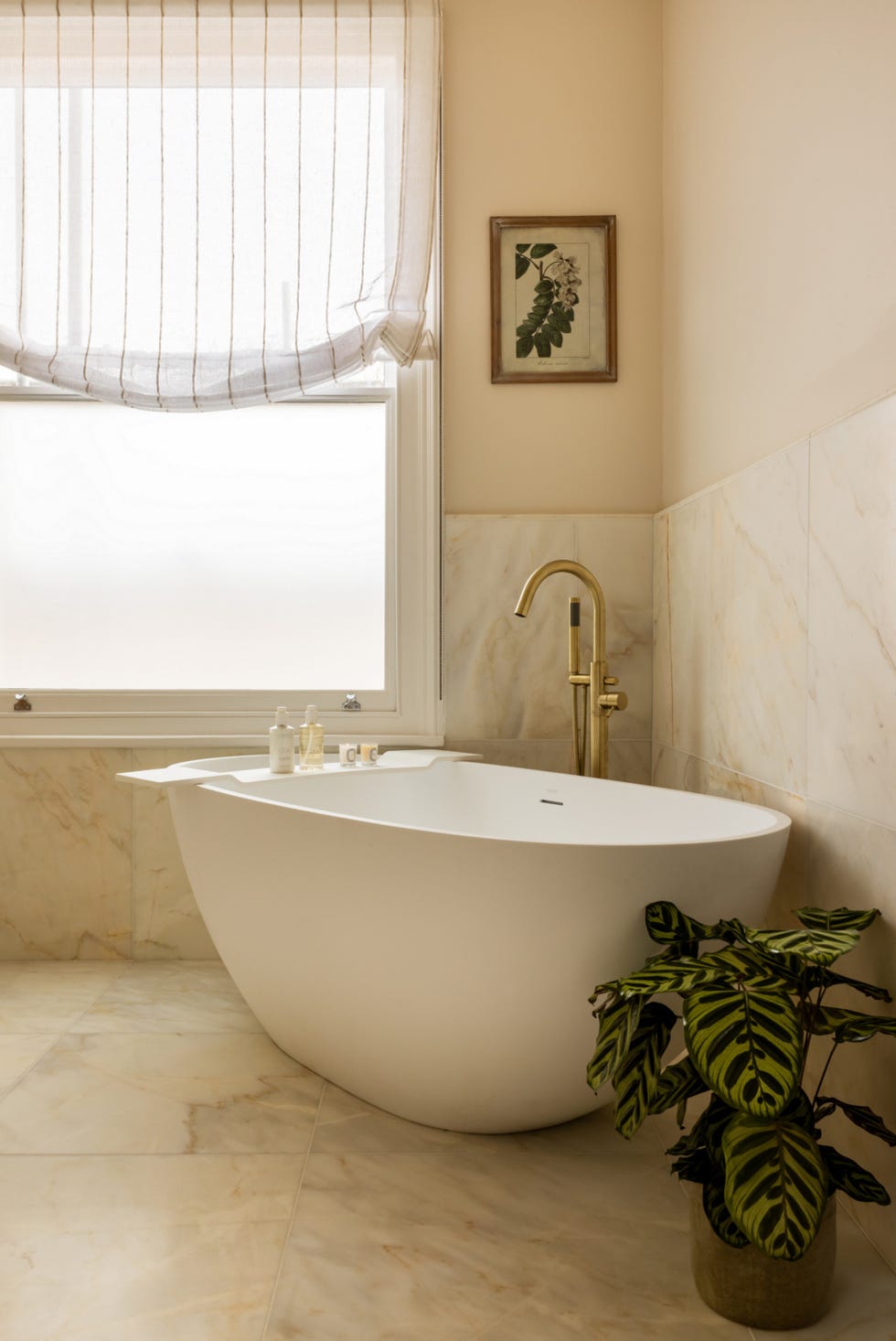
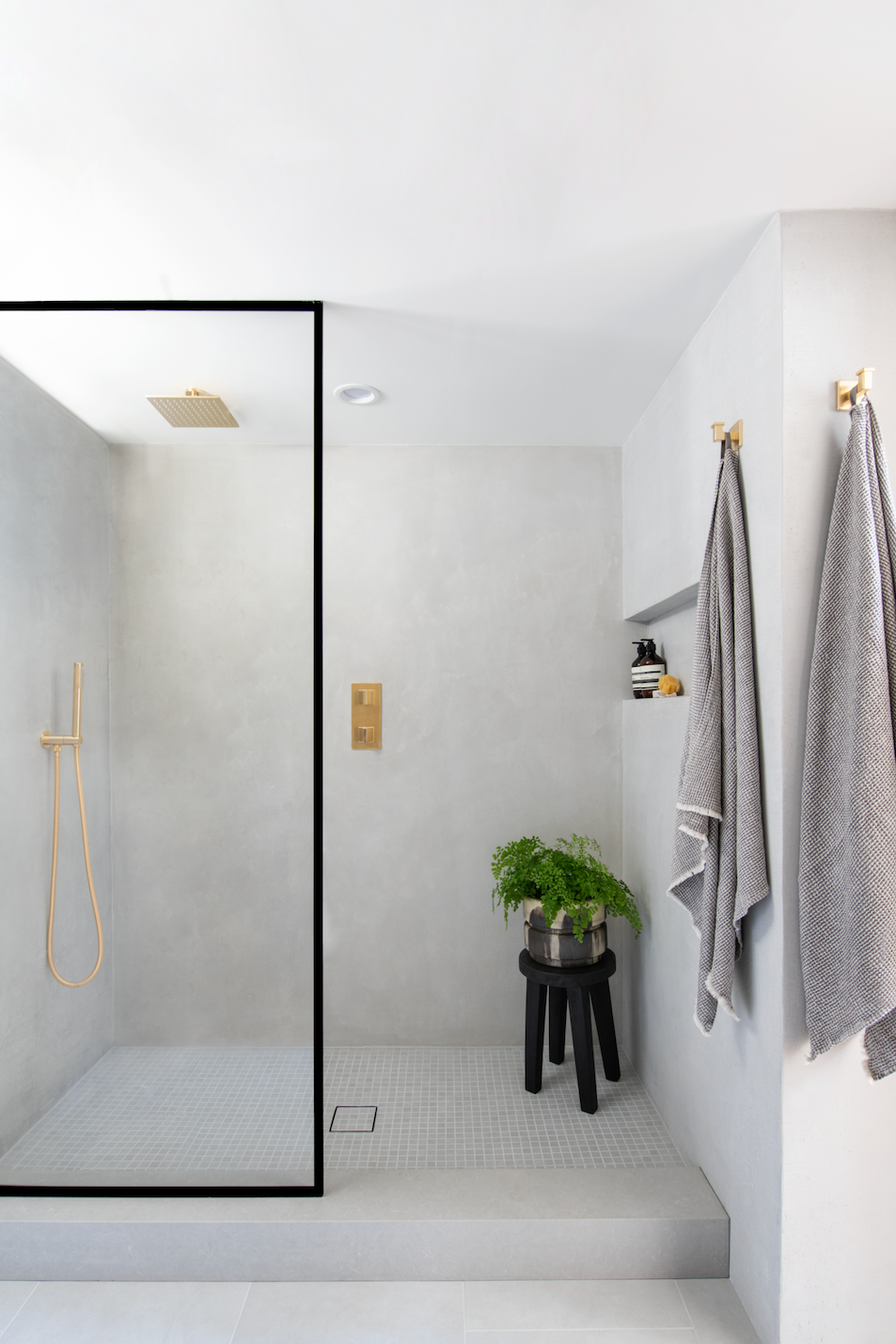
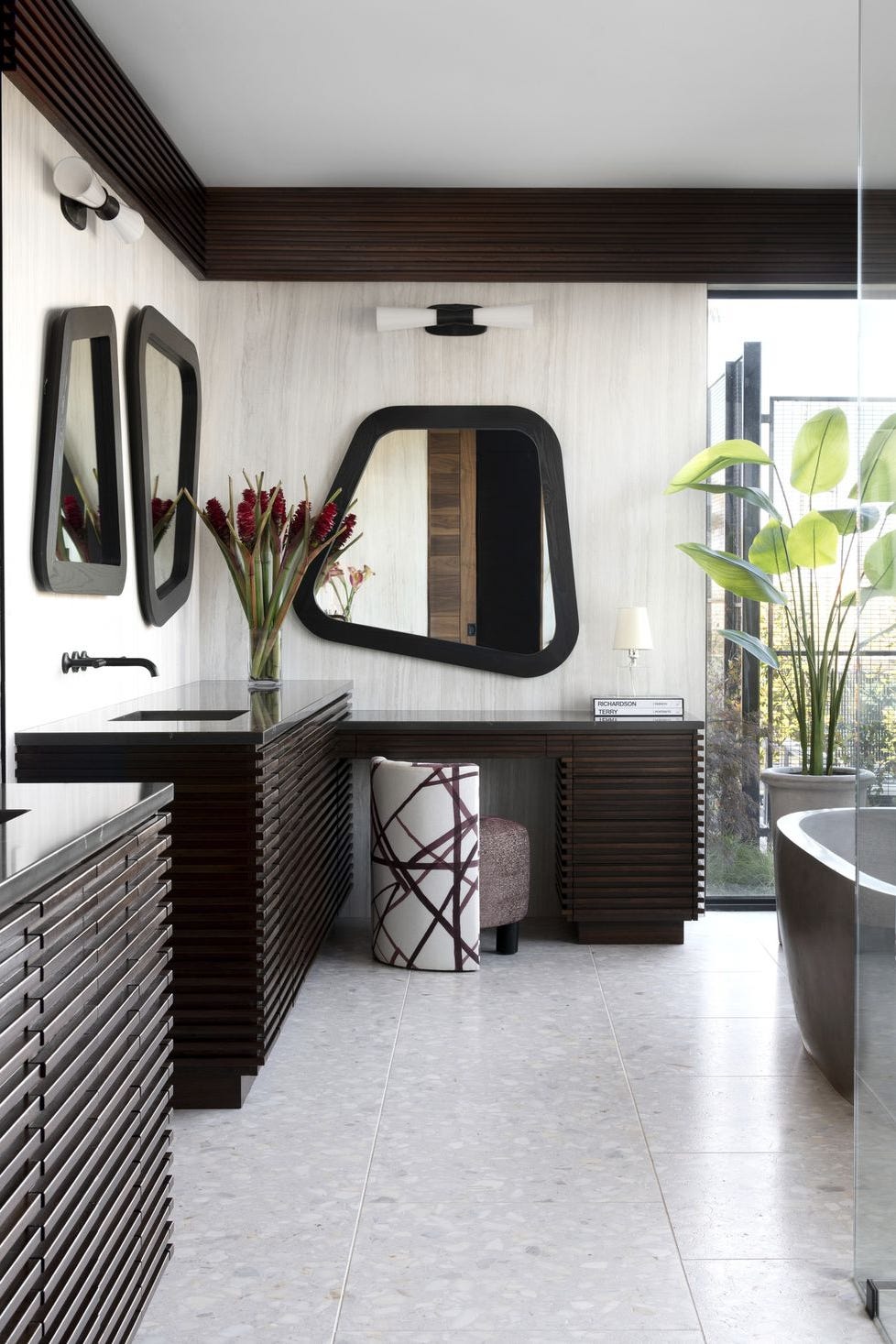
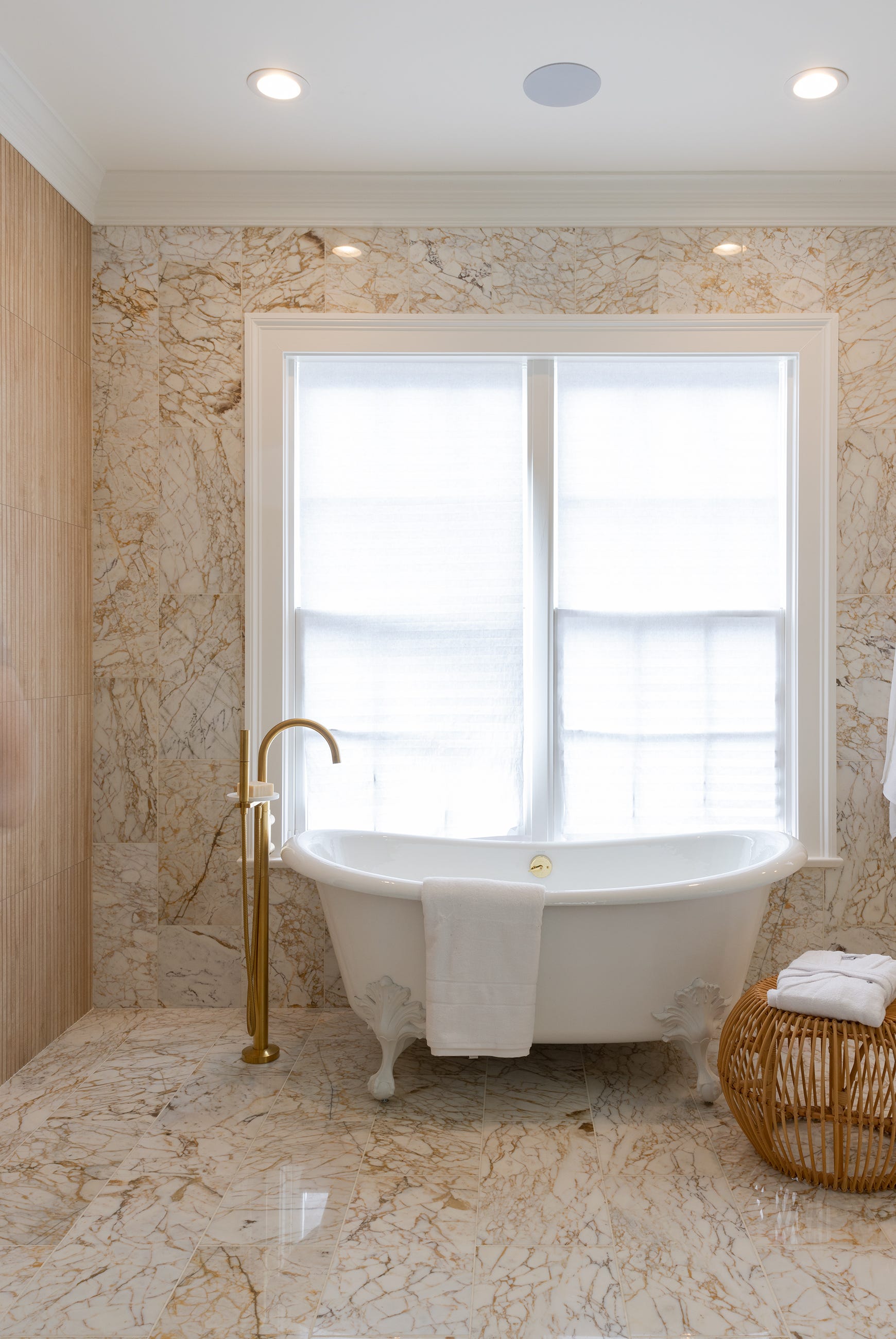
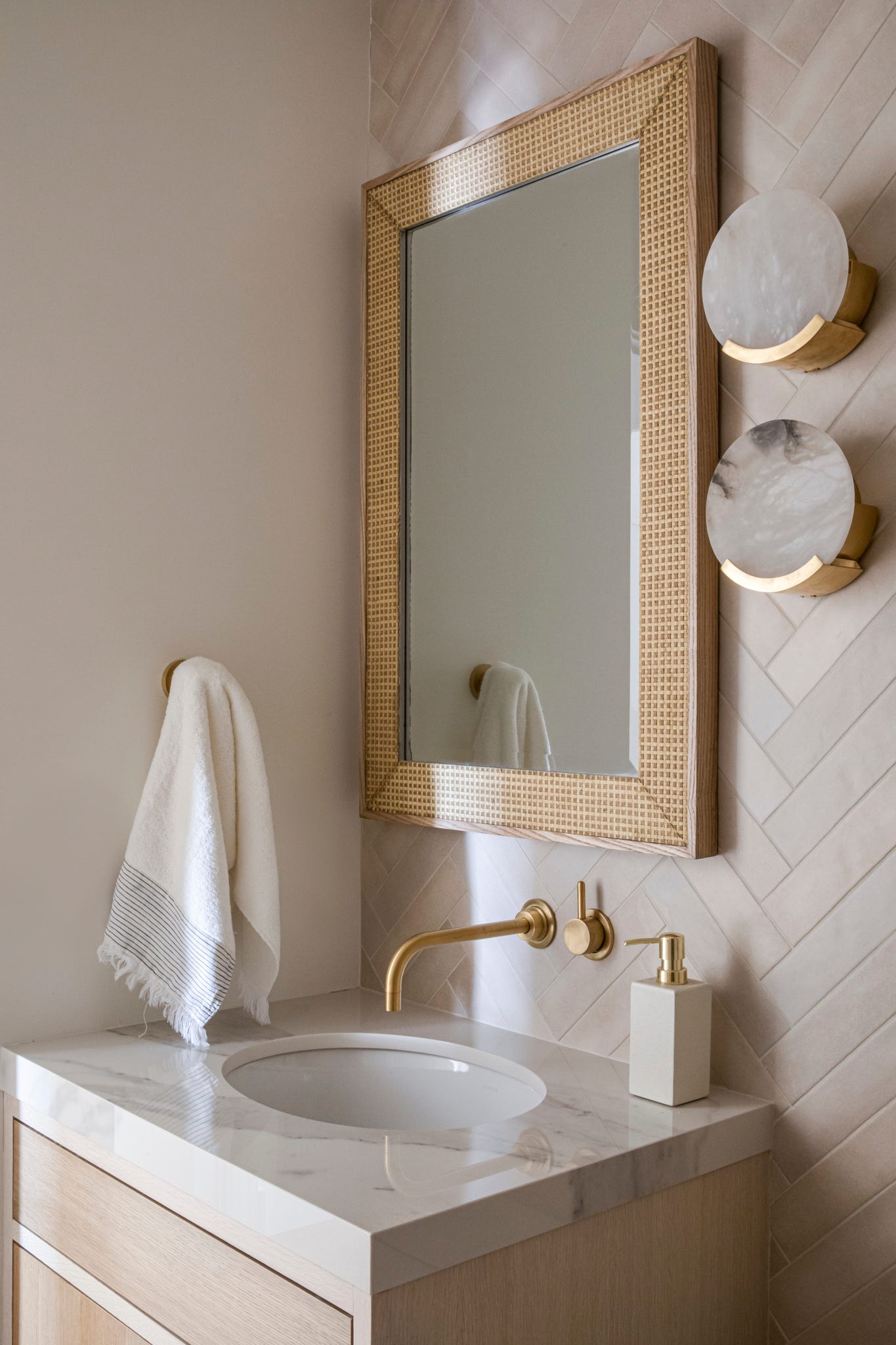
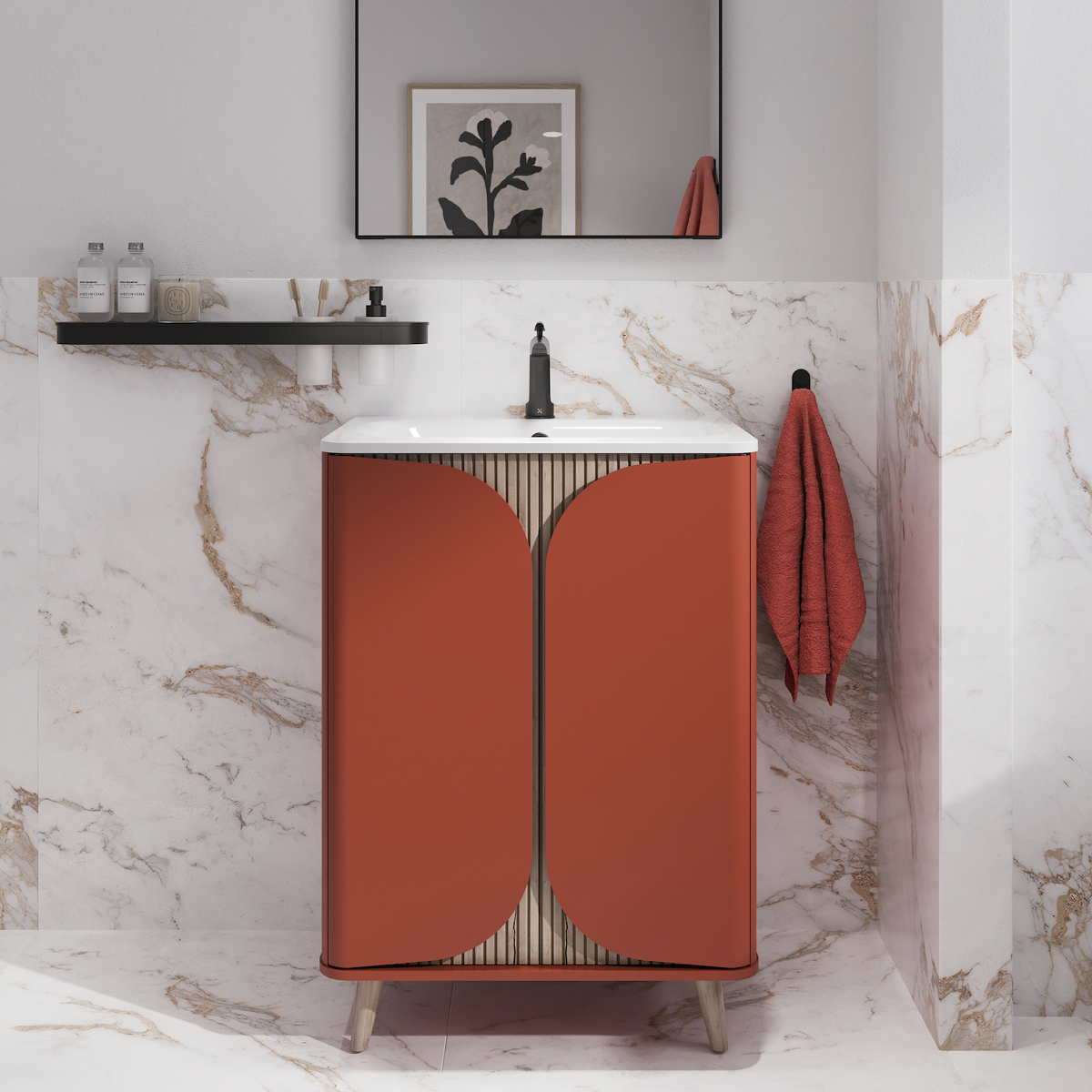
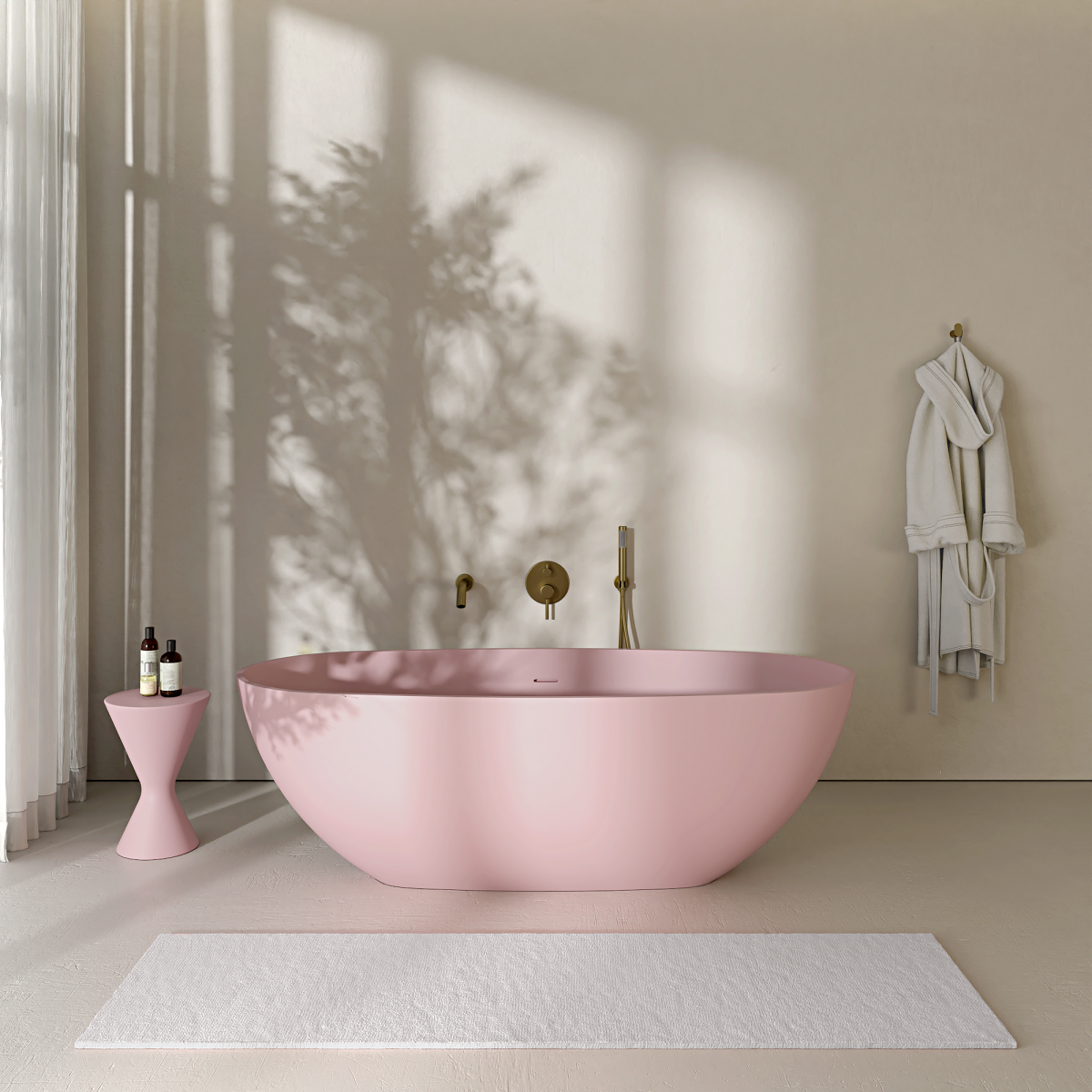
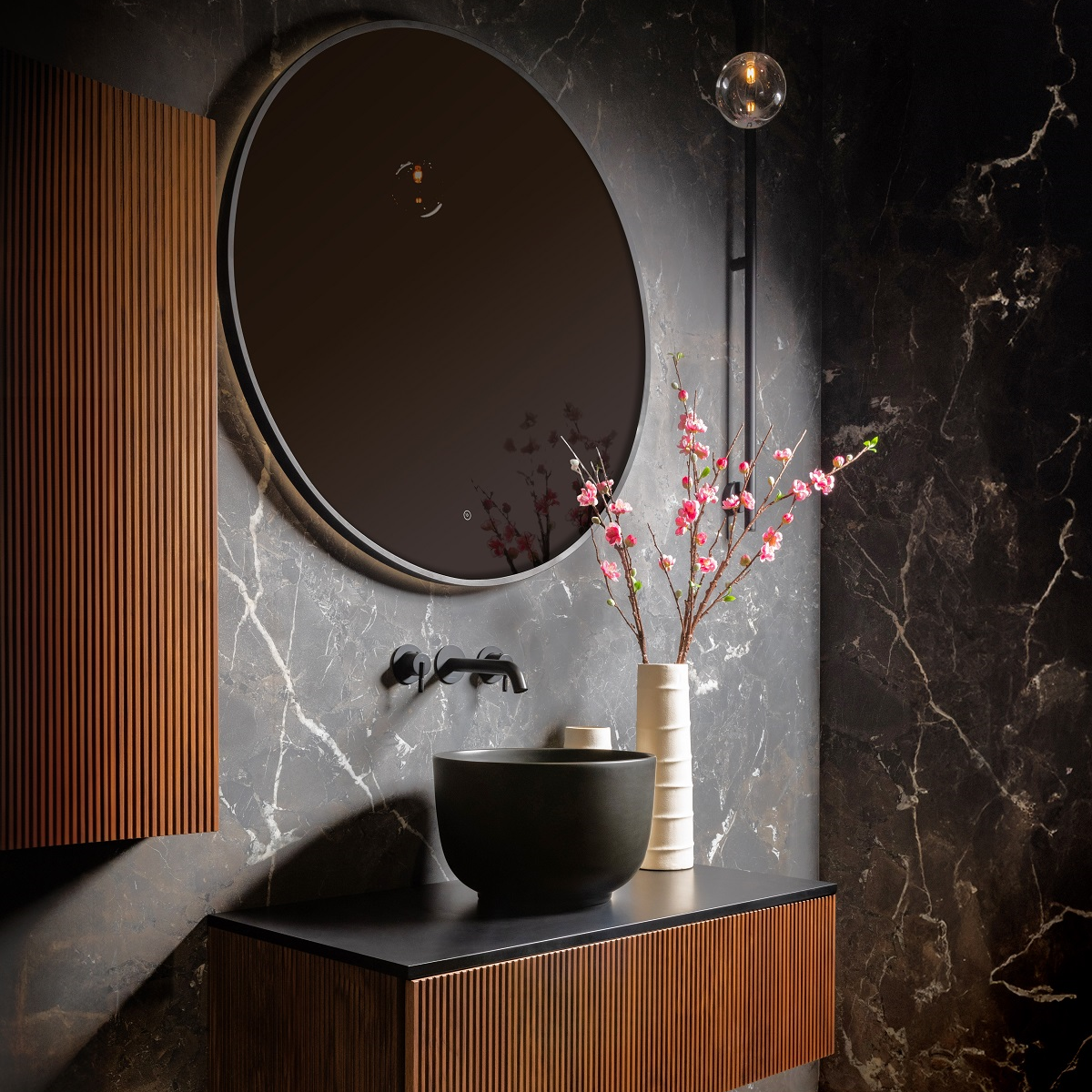
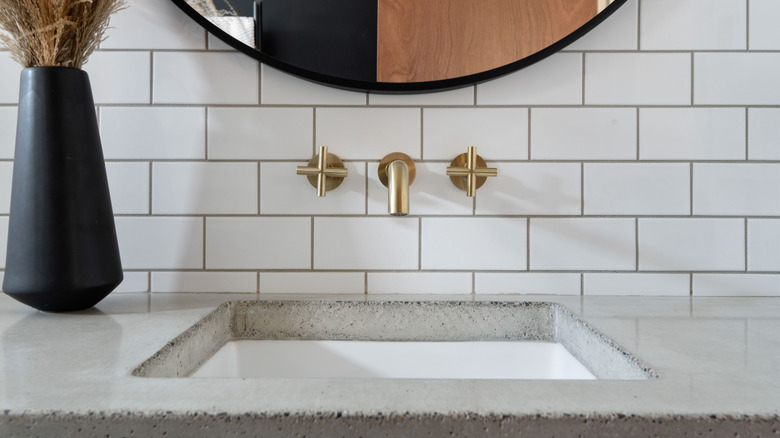
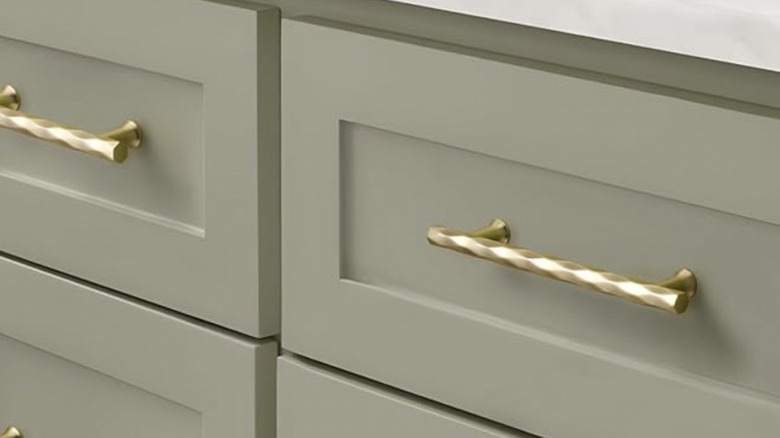
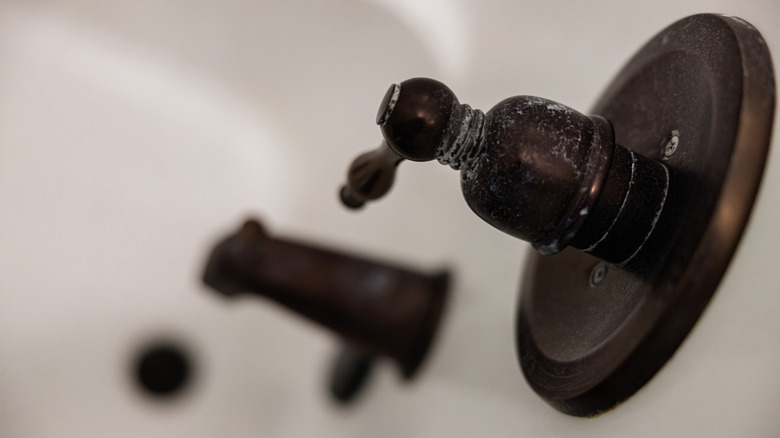
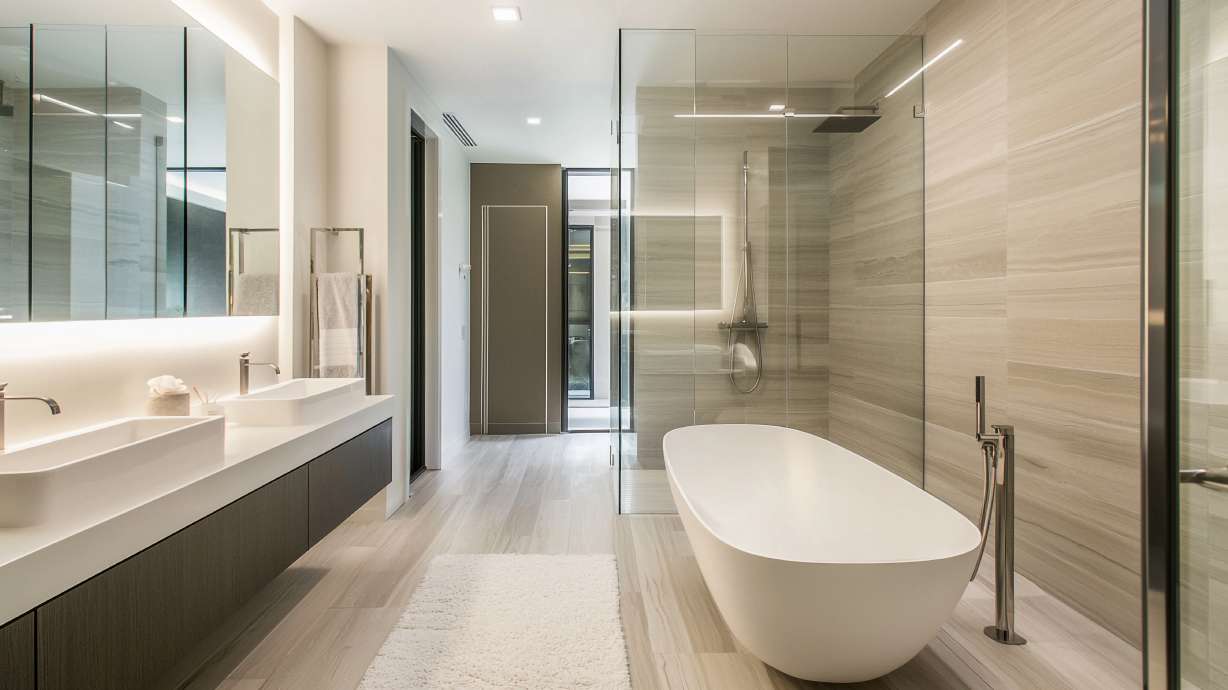
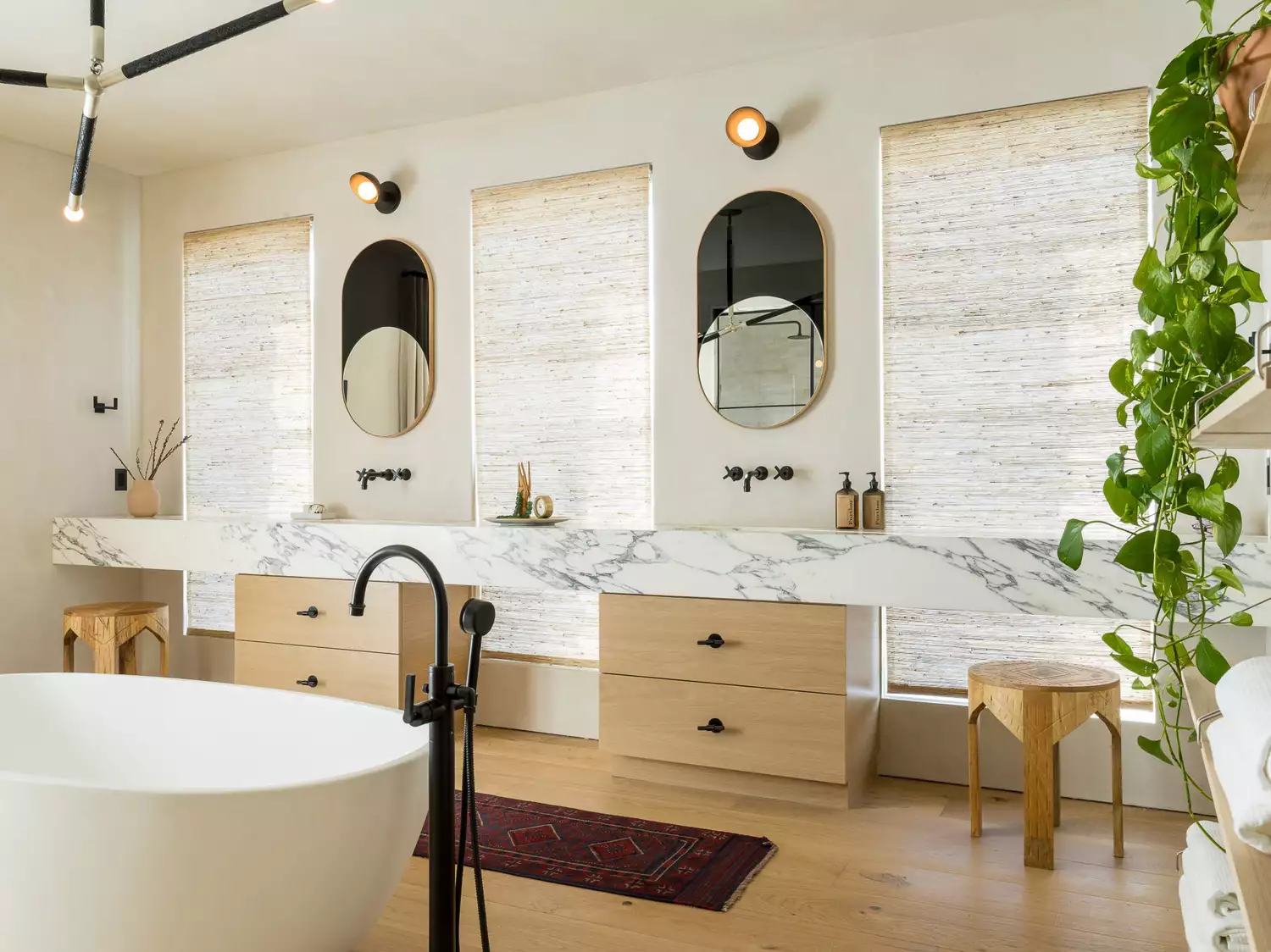
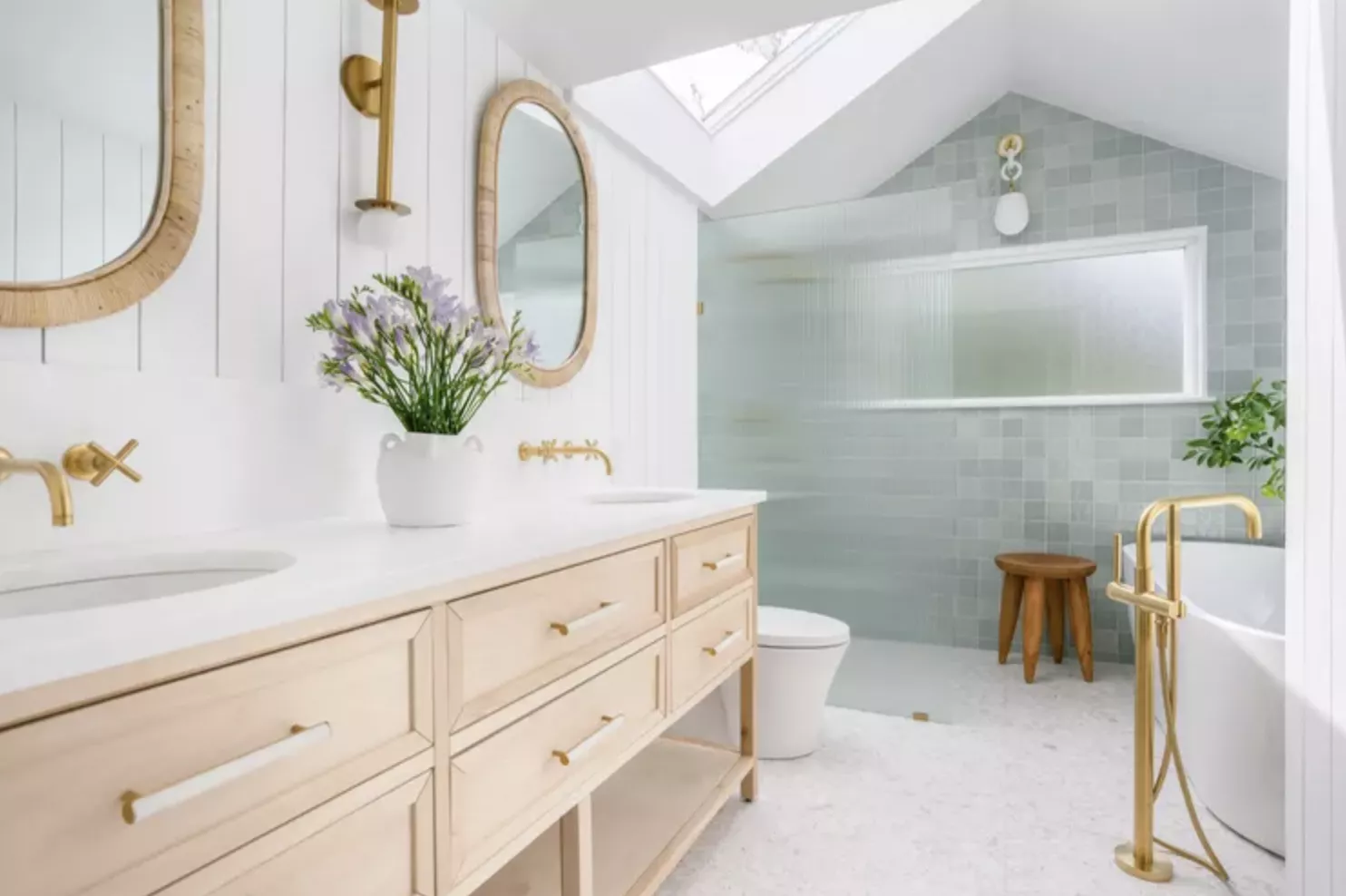
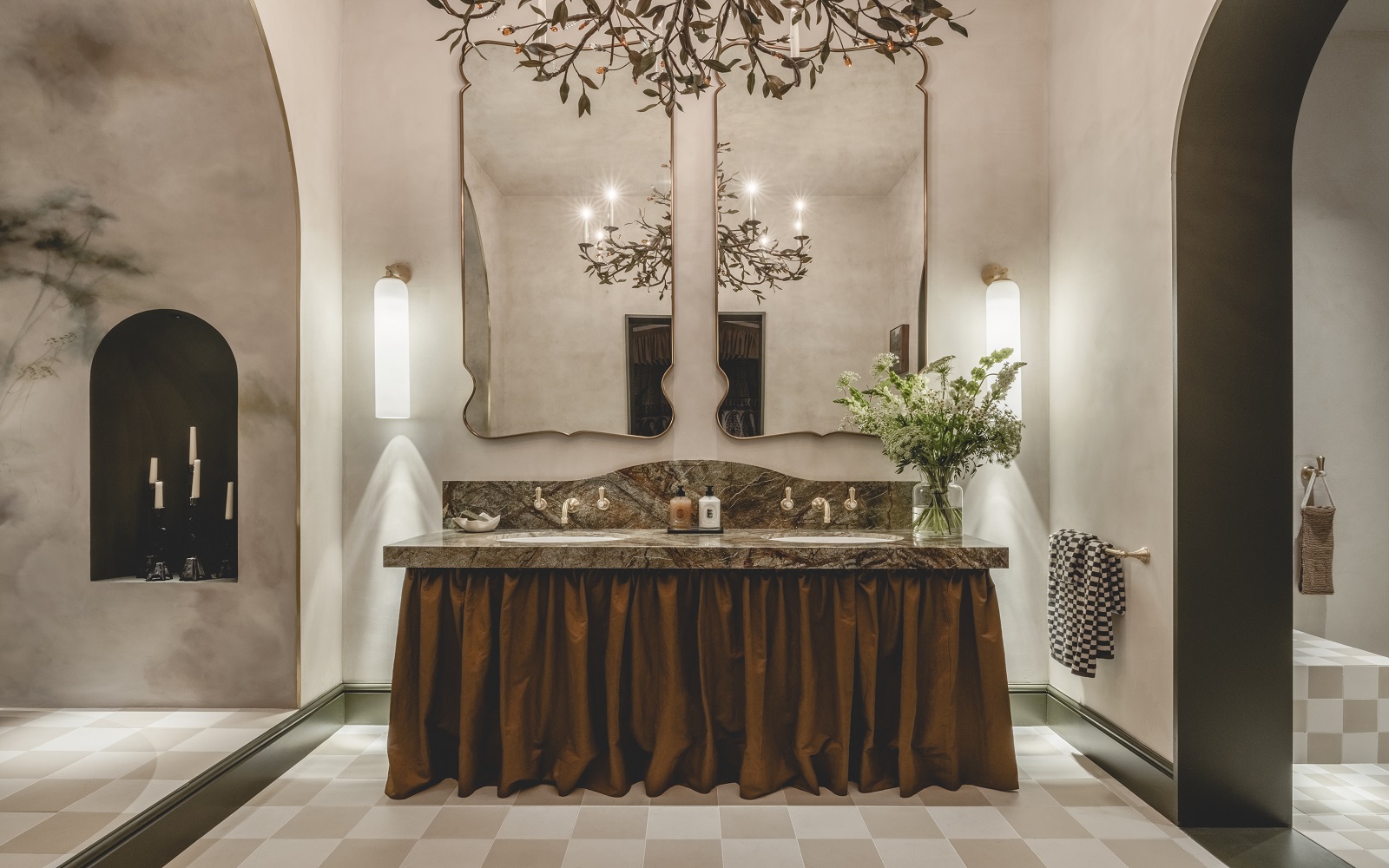
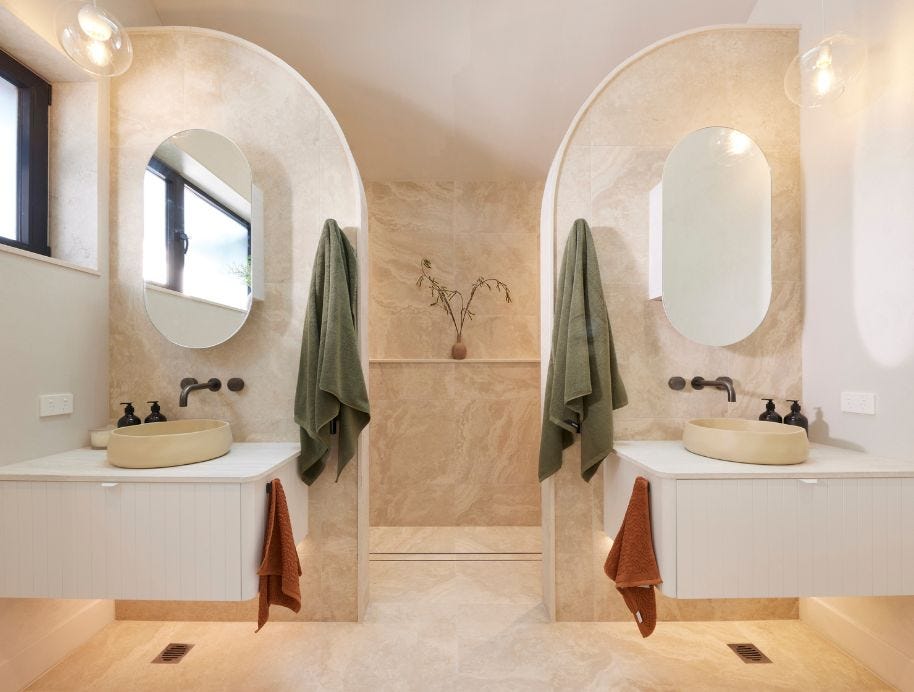
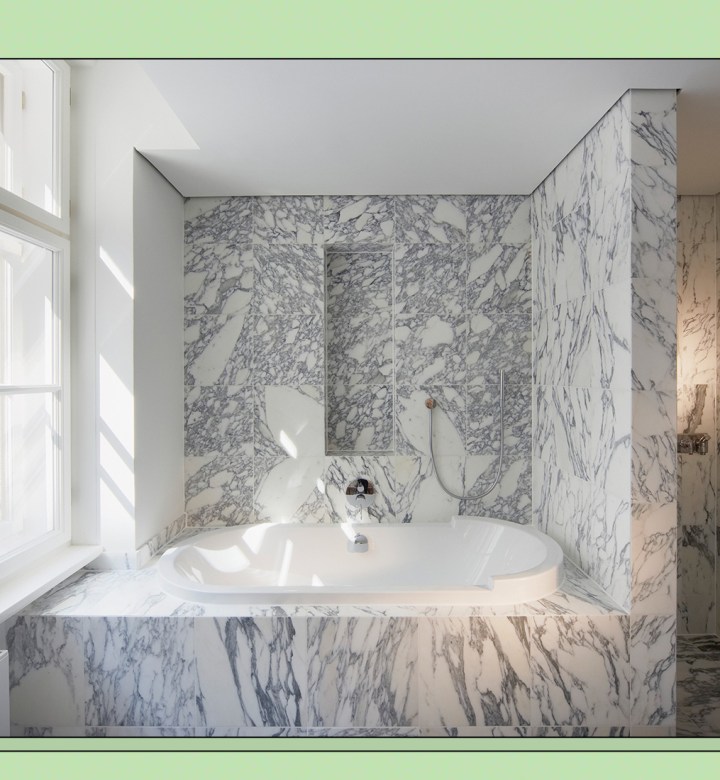
Lighting will play a crucial role in creating inviting and relaxing bathroom environments. Designers recommend incorporating multiple lighting sources, such as overhead lighting and accent lighting like sconces, to achieve balanced illumination. Integrated LED lighting, including backlit mirrors and under-vanity strips, is expected to become more prevalent, contributing to a welcoming ambiance. In terms of color palettes, the clinical, bright-white, and stark-gray bathrooms are losing favor. Instead, there is a strong shift towards warmer, earthier tones such as soft clays, muted greens, and warm taupes. These palettes are often paired with natural materials like honed natural stone, warm oak or walnut, and unlacquered metals, creating grounded and restorative spaces. This emphasis on natural elements also means a decline in the use of man-made materials, such as plastics and acrylics. Homeowners are increasingly opting for natural alternatives like dark-stained oak, wabi-sabi wood, or marble, valuing the quiet longevity and deeper connection these materials offer. Finally, glossy, high-sheen finishes are being replaced by tactile, matte textures. While polished surfaces were once popular, they are now perceived as cold and monolithic, with consumers preferring finishes that feel calming, authentic, and offer a richer sensory experience.
#BathroomTrends #InteriorDesign #HomeRenovation #SmartHomeTech #SustainableMaterials #PersonalizedDesign #EarthyPalettes #AccentLighting #BathroomTrends #InteriorDesign #HomeRenovation #SmartHomeTech #SustainableMaterials #PersonalizedDesign #EarthyPalettes #AccentLighting
0 comment in total
 No comments yet
You may also like
The 5 Biggest Bathroom Trends for 2023, According to Designers
Top bathroom design trends in 2025
According to interior designers, these are the most coveted bathroom trends for 2026 and beyond
These Will Be The Biggest Bathroom Trends in 2025, According to Designers
5 Bathroom Design Trends Already Taking Over in 2026
5 bathroom cabinet trends interior designers are loving for 2025
5 Bathroom Trends Designers Can't Wait to Try in 2025 (And You Should Too)

Year in review: 5 design-led bathroom products from 2024
2025 Best Bathroom Trends
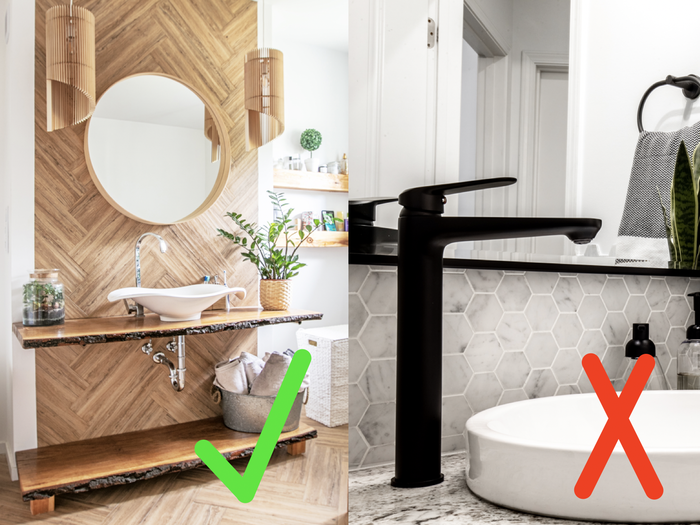
Interior designers share 6 bathroom trends that'll be huge this season and 4 that will be out
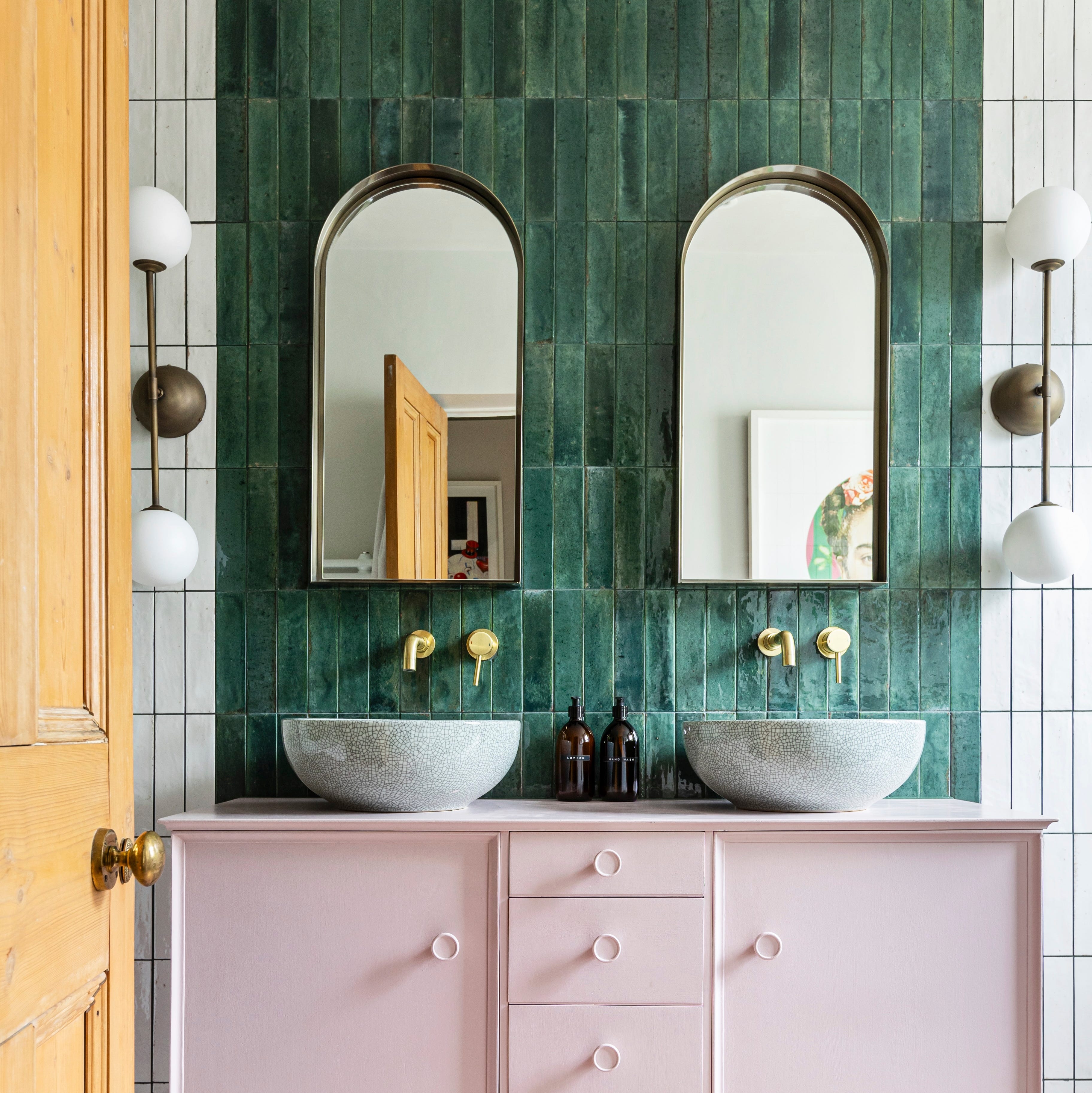
6 Biggest Bathroom Trends Of 2025 – From Walk-In Showers To Double Basins

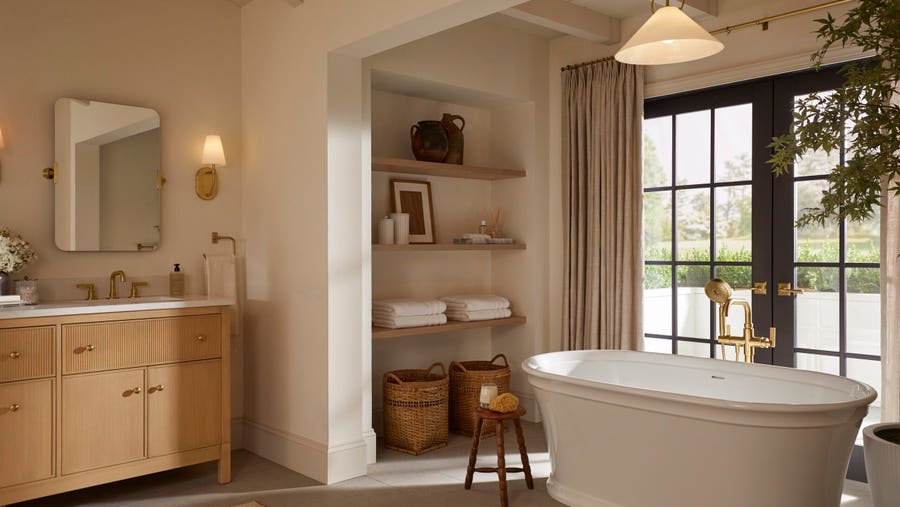
Here Are The Biggest Bathroom Design Trends, According To Experts

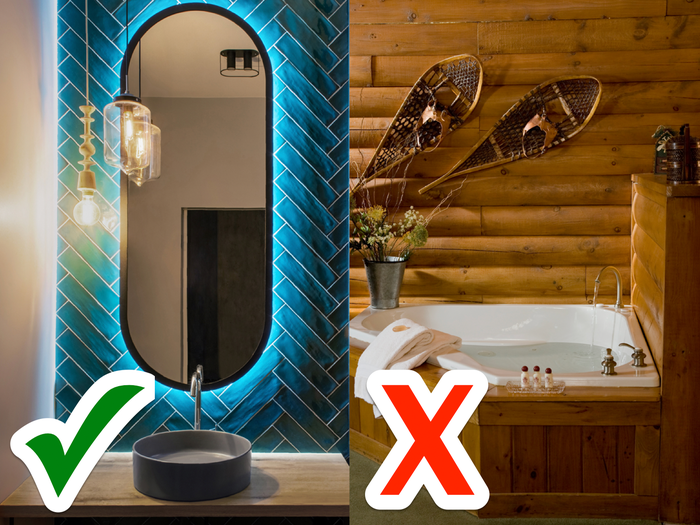
Interior designers share 5 bathroom trends that'll be huge next year and 5 that will be out
6 bathroom trends that will lead the way in 2023
This Year's Best Modern Bathroom Trends, According to Home Design Pros

Bathroom Hardware Trends Set To Dominate In 2025

The bathroom trends set to dominate from now ’til the new year

Beautiful new bathroom trends for 2025 | loveproperty.com
Here Are the Hottest Bathroom Trends for 2023, According to Design Pros
5 Bathroom Trends That Will Be Everywhere in 2025 (And One We're Definitely Saying Goodbye To)