1/9
Shower lighting ideas – 10 ways to turn your shower into a feature
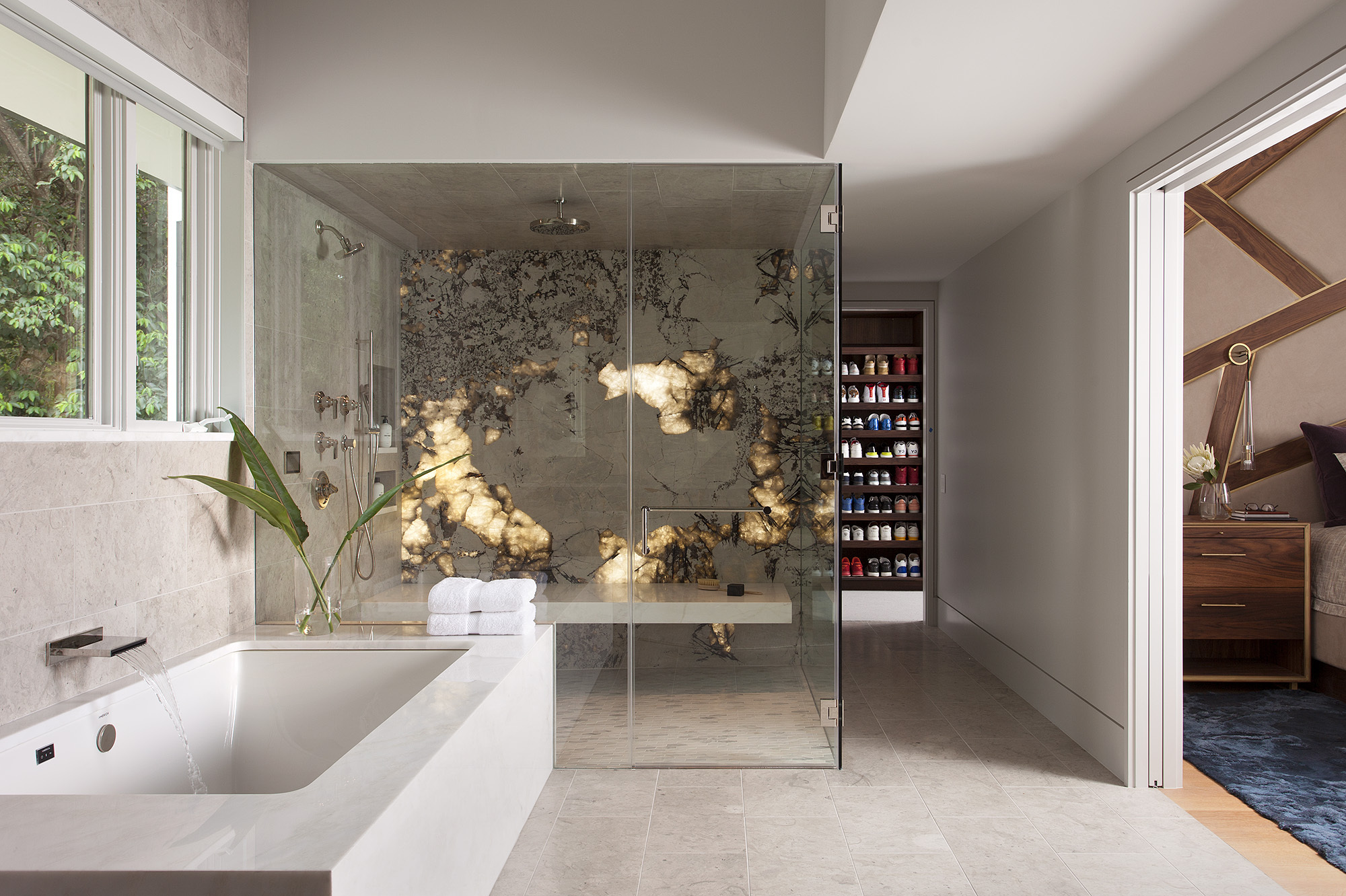
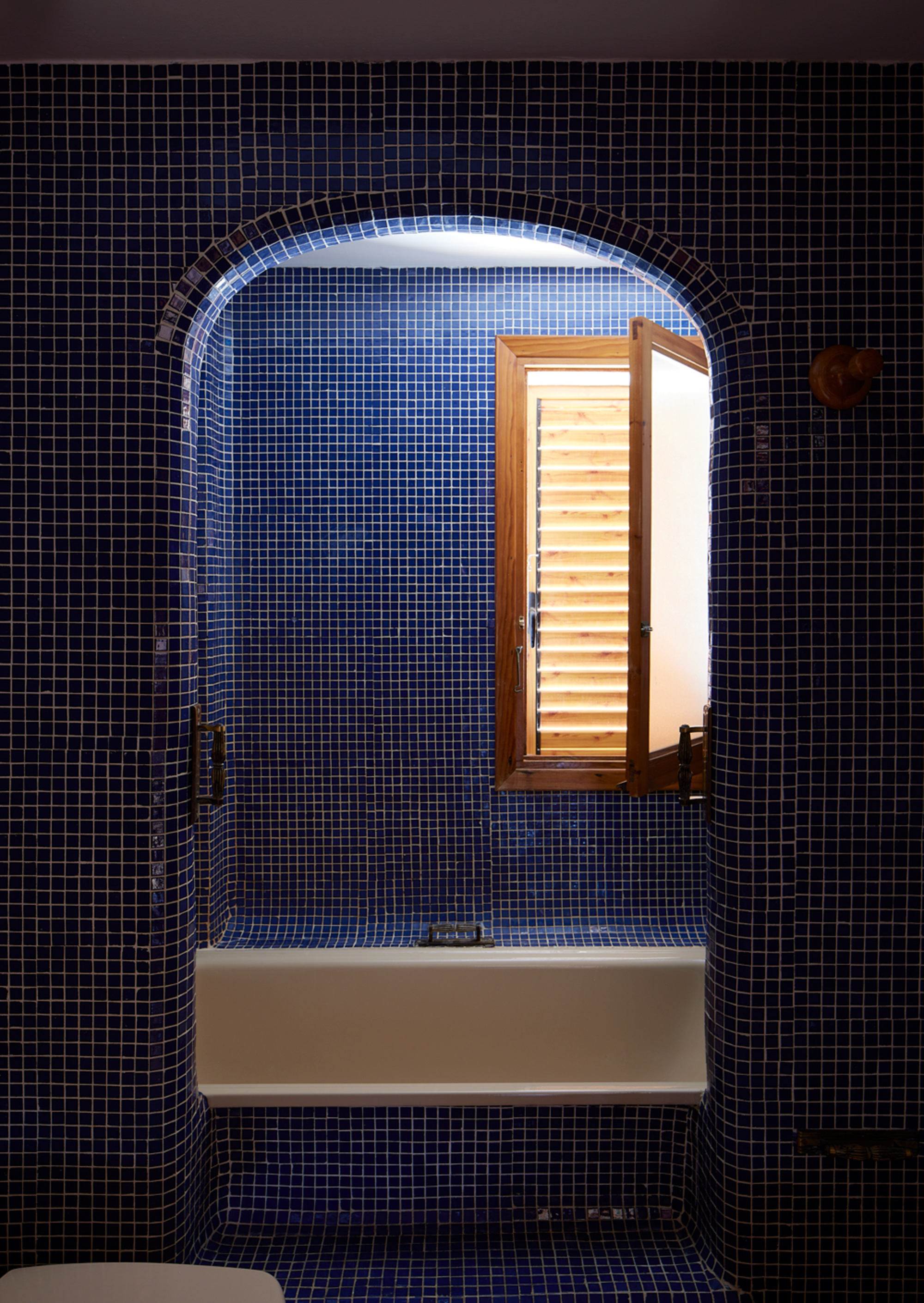
This article explores ten distinct shower lighting ideas designed to enhance both the functionality and aesthetic appeal of a bathroom's shower area. Often overlooked in favor of bathtubs, the shower is highlighted as a primary component in many homes, emphasizing the importance of thoughtful lighting during bathroom planning. The piece advises against treating shower lighting as an afterthought, urging homeowners to consult with qualified electricians early in the design process to address practicalities such as IP ratings and fitting types, including recessed or semi-flush options. It underscores that while functionality is paramount, lighting should not compromise style, as it can significantly contribute to mood and highlight specific architectural features, such as recessed niche shelving.
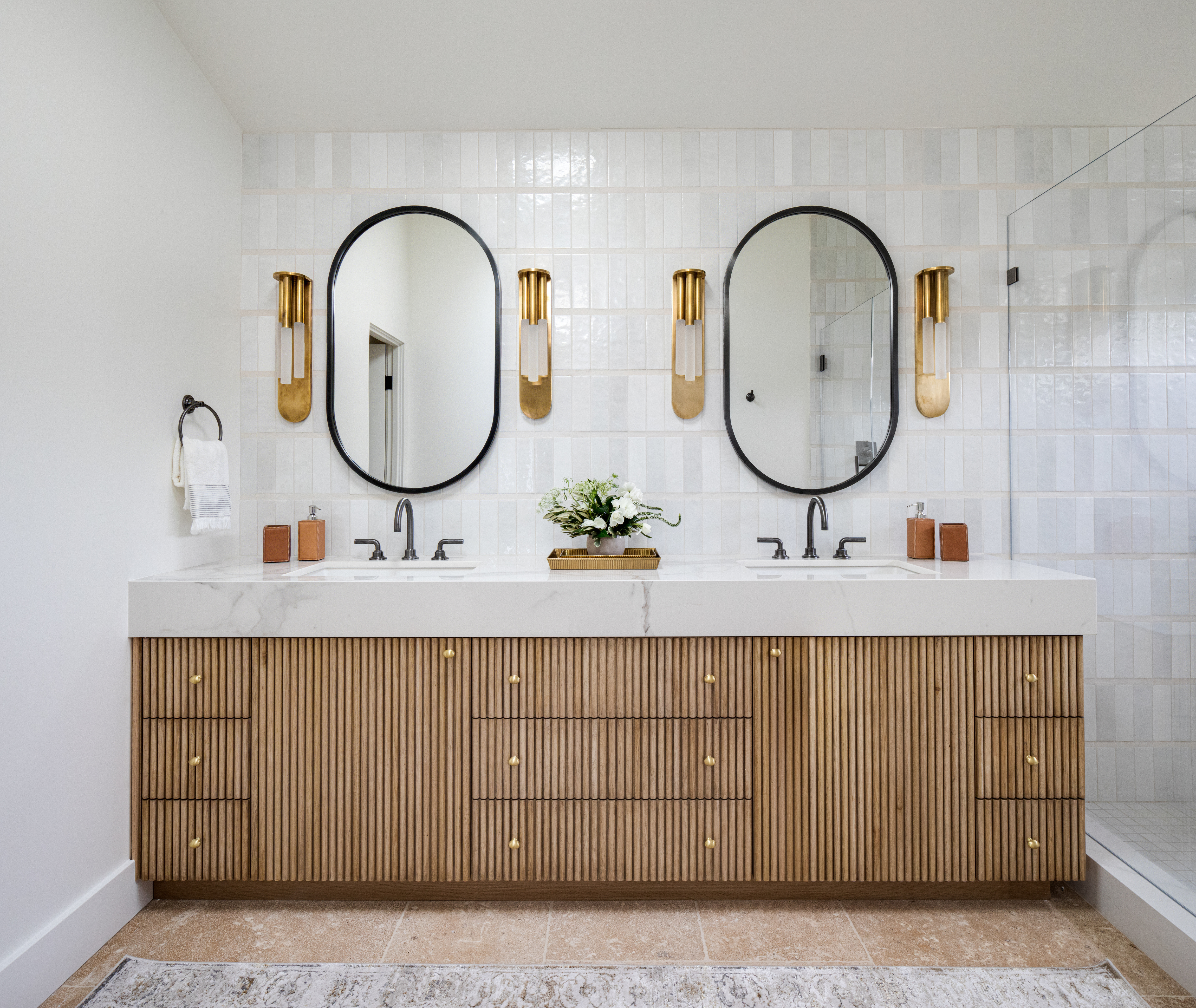
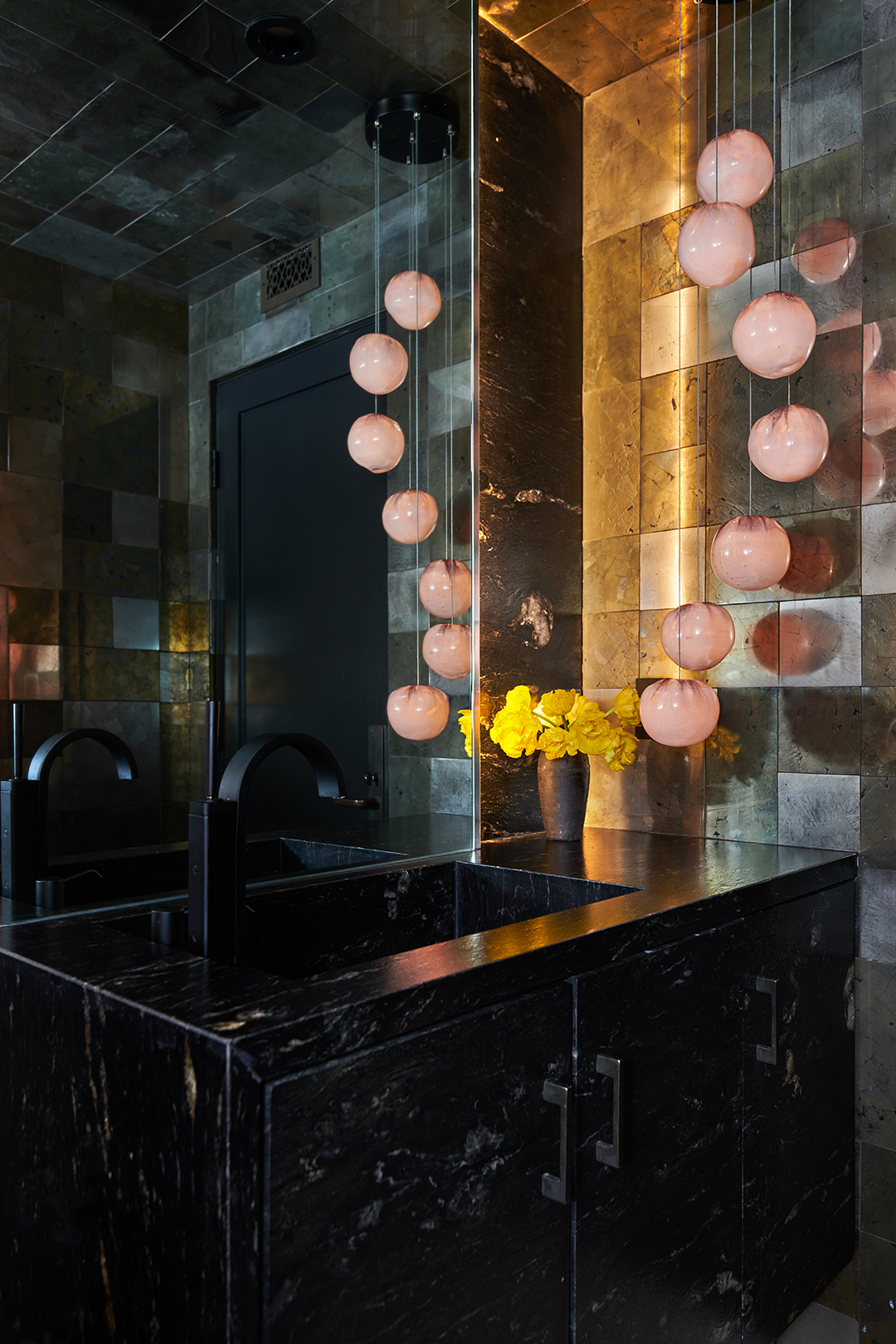
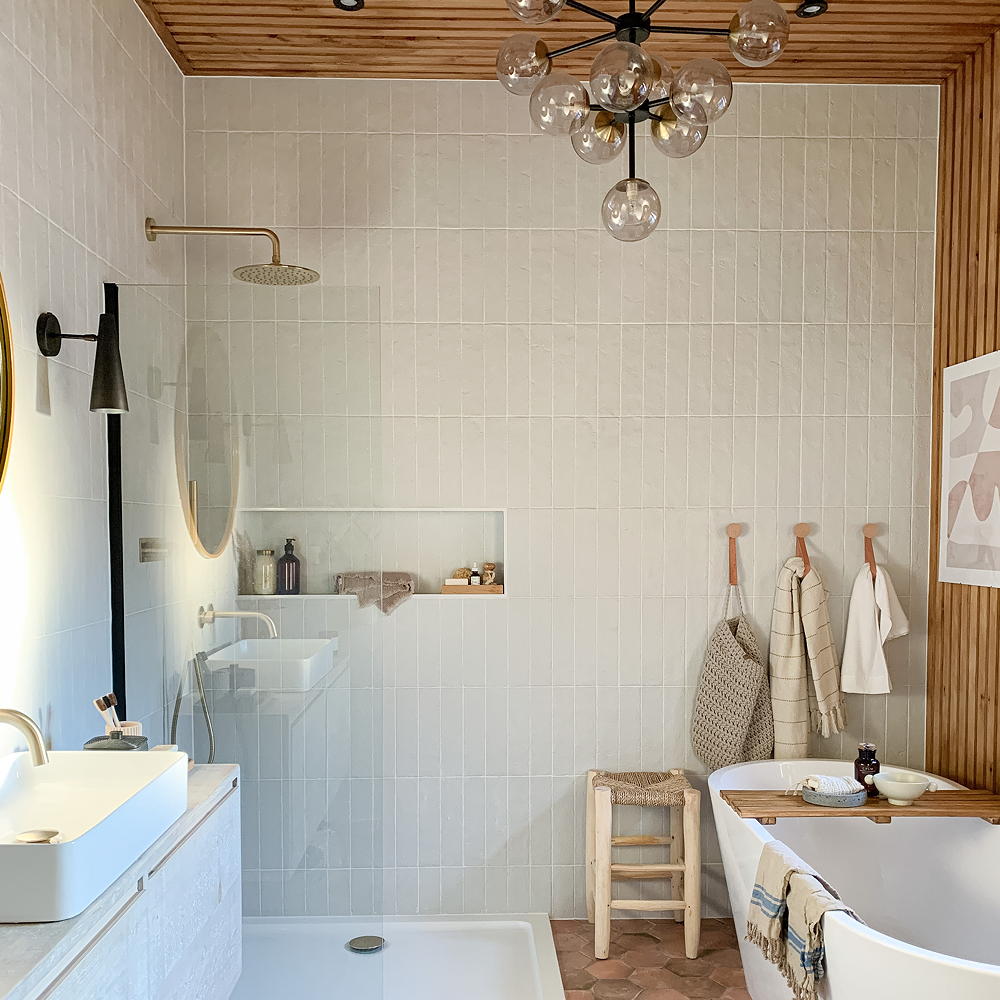
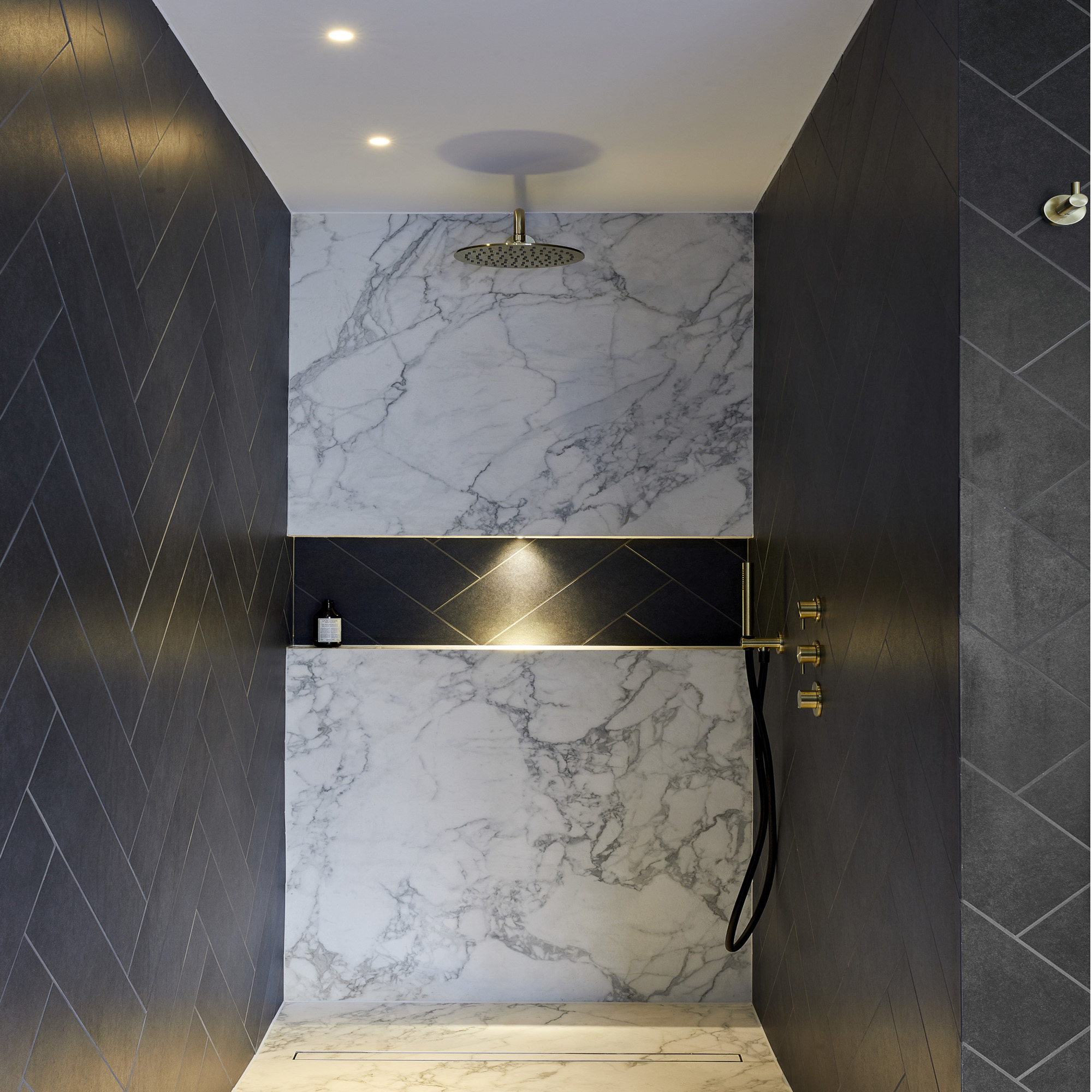
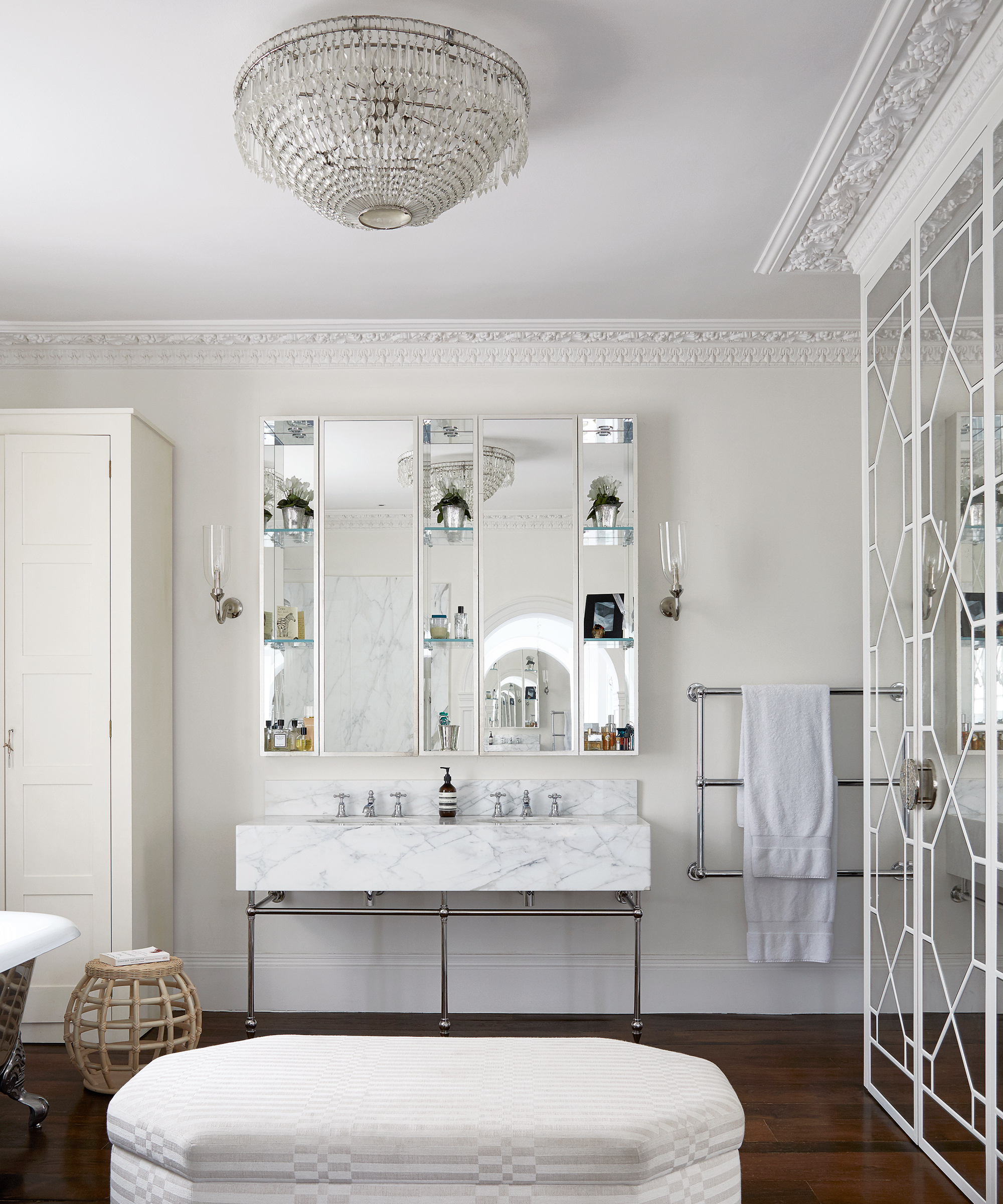
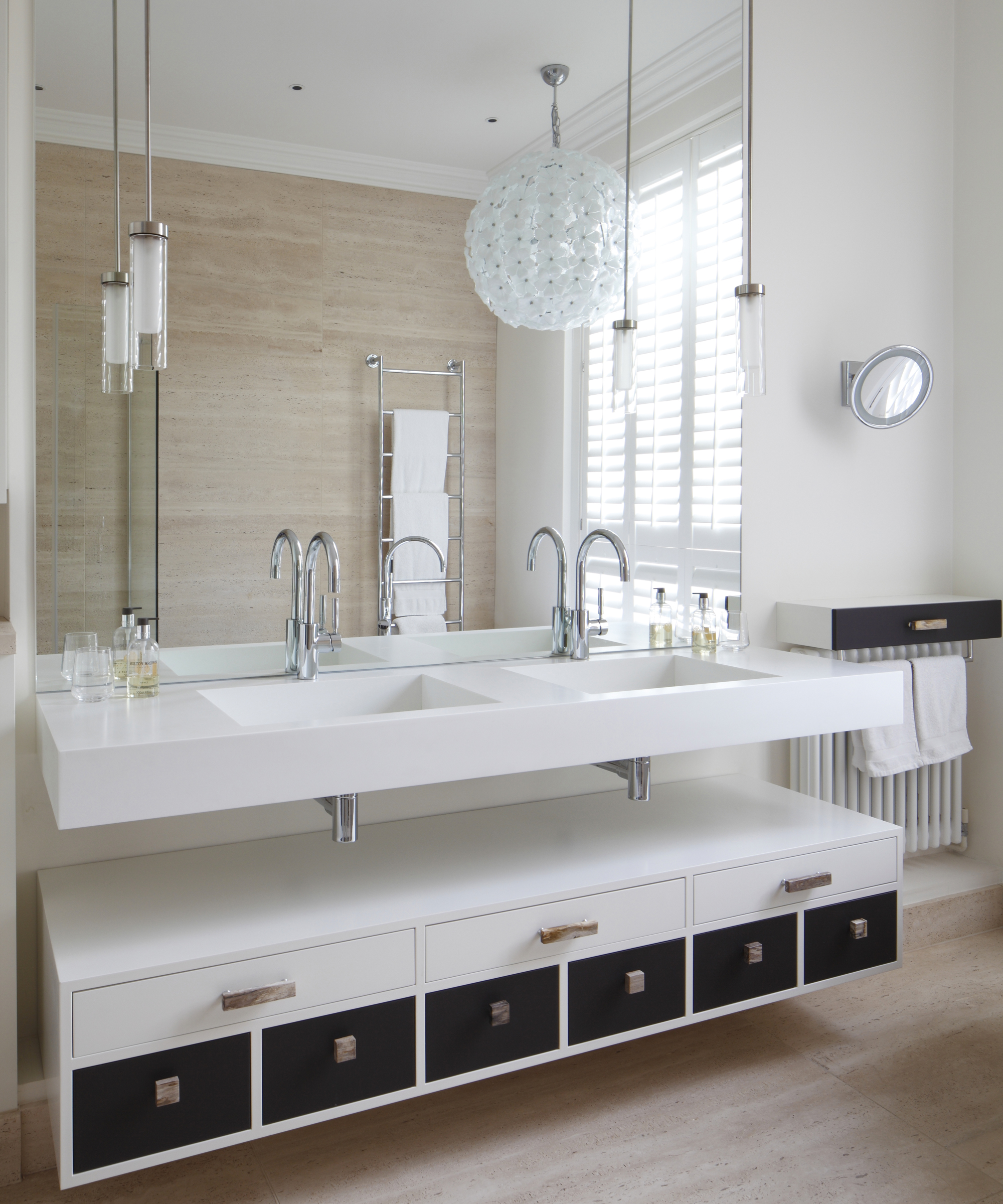
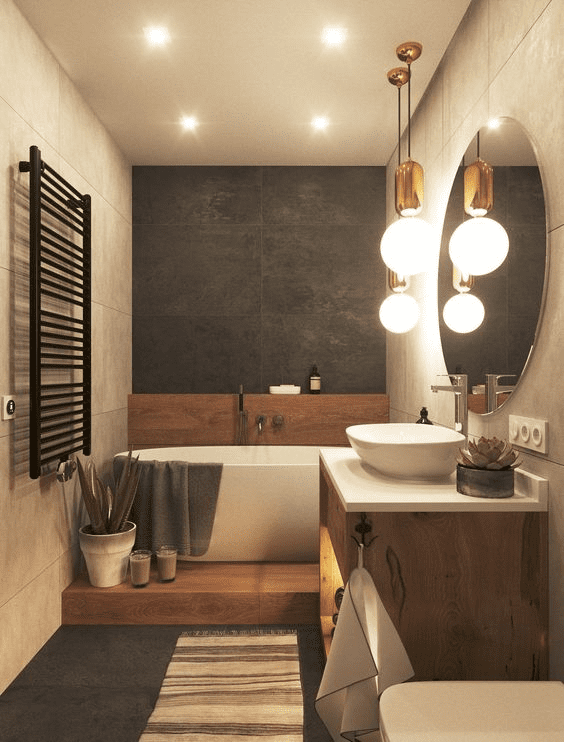
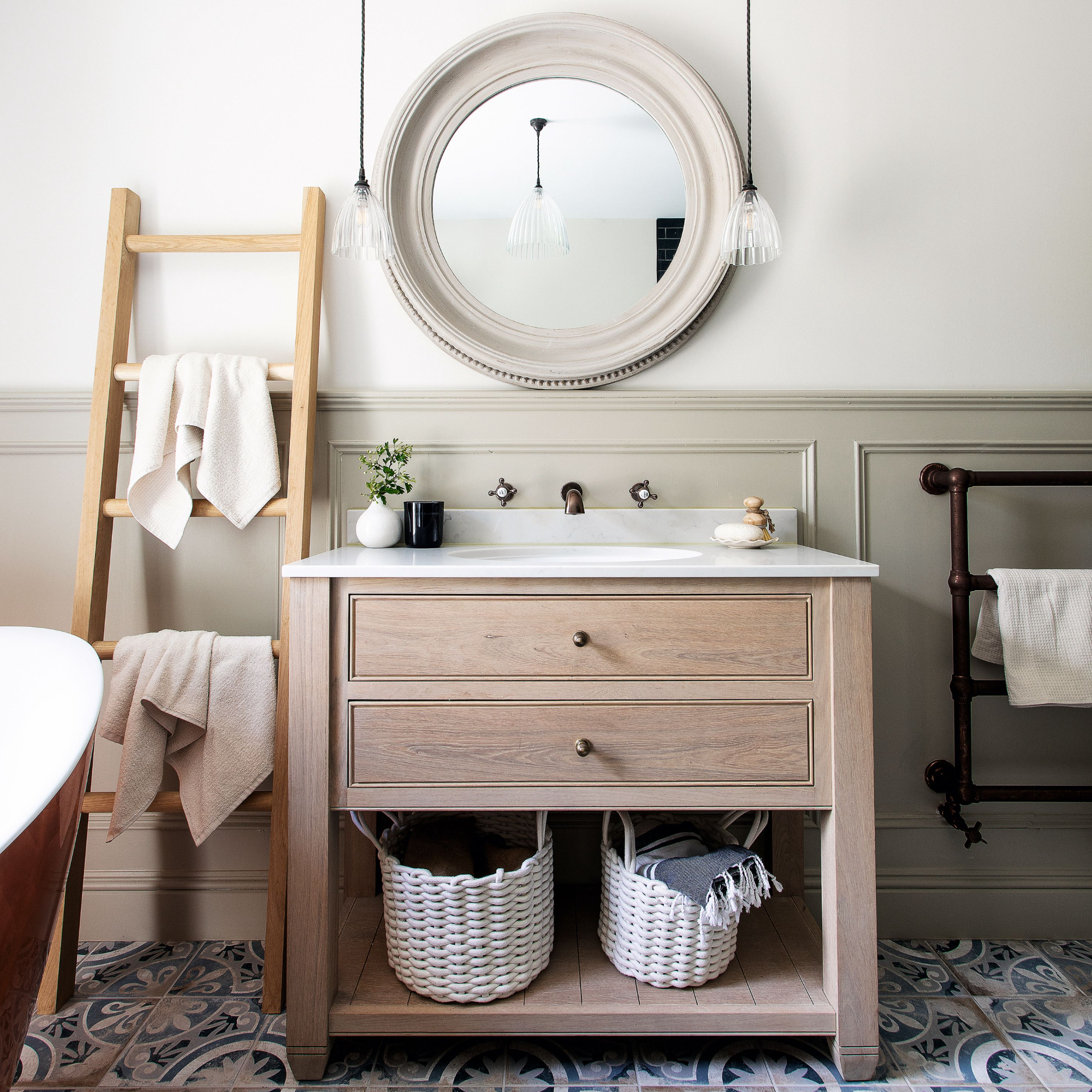
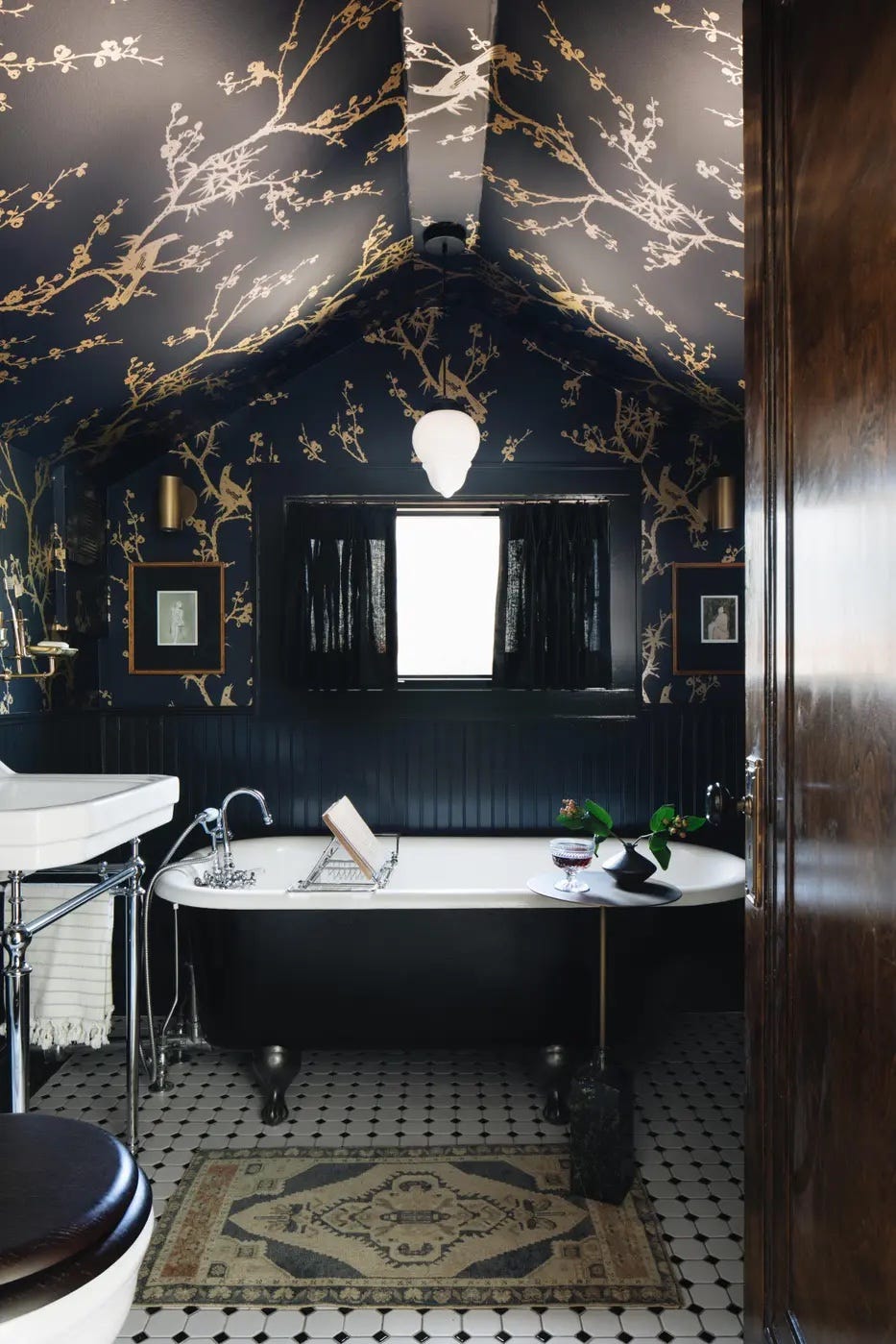
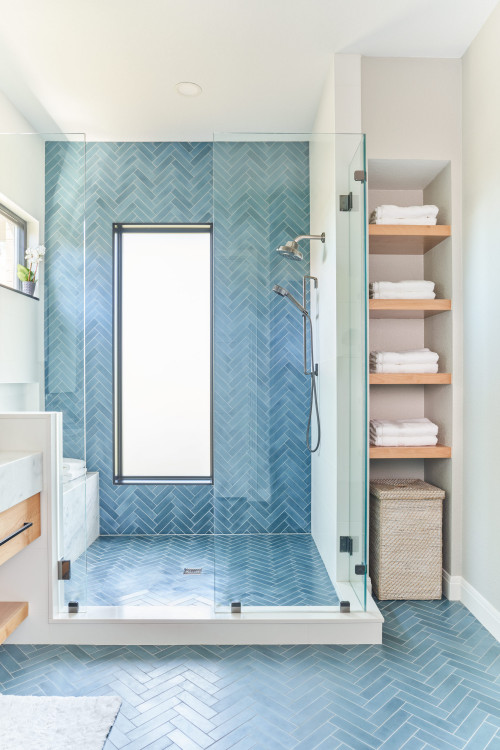
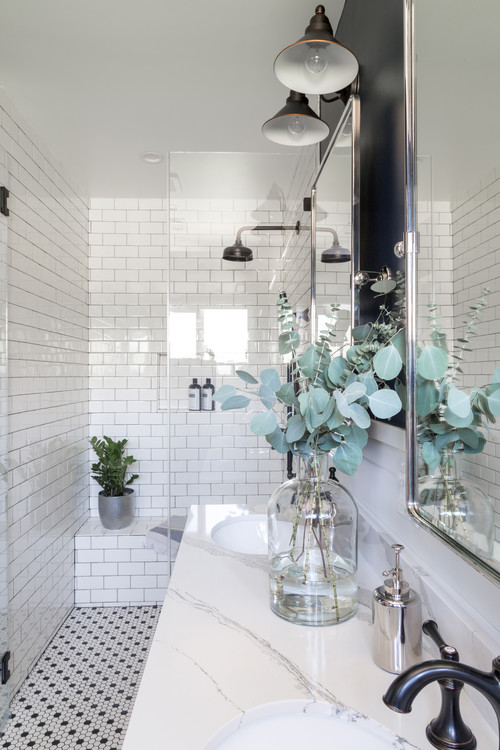
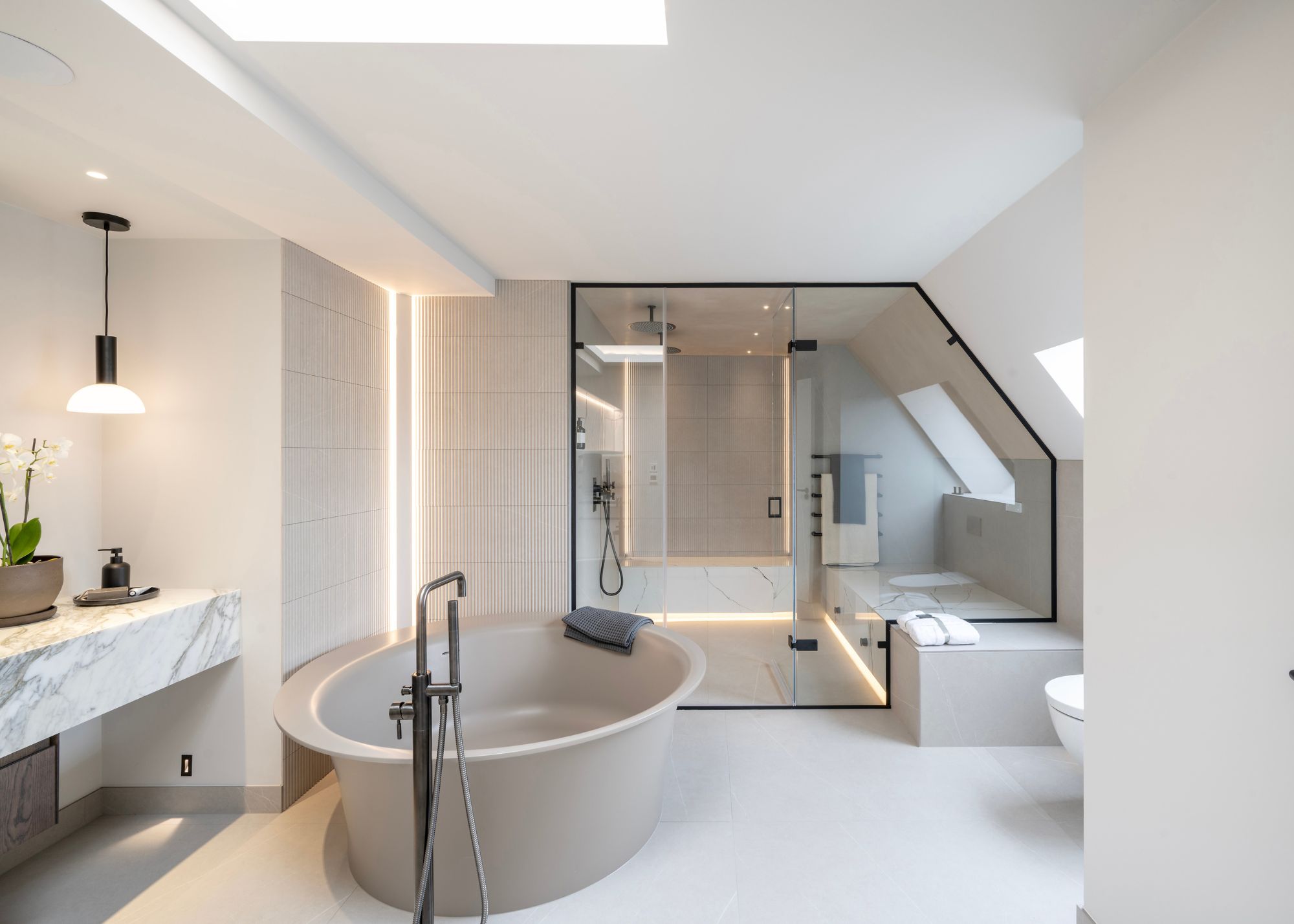
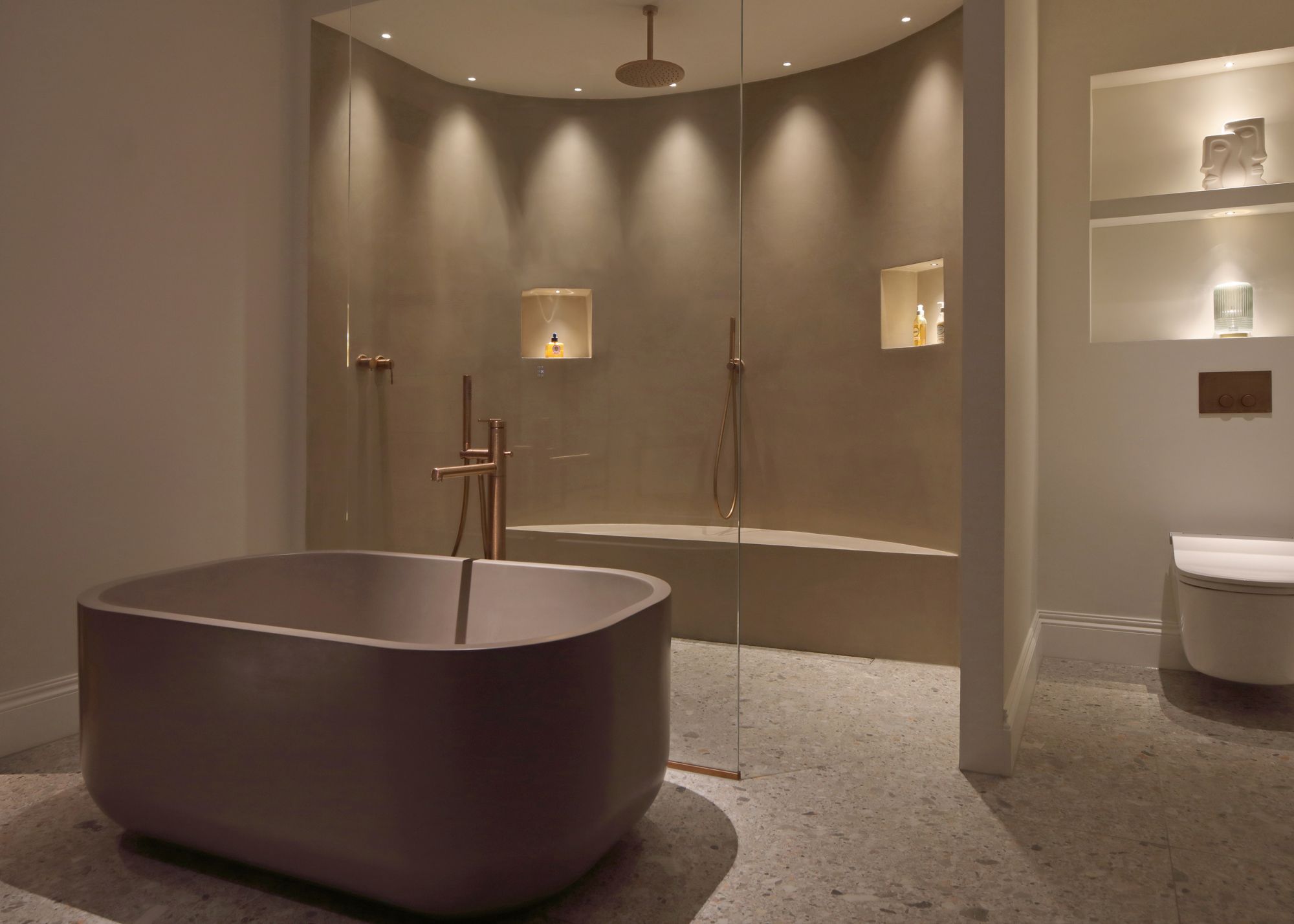
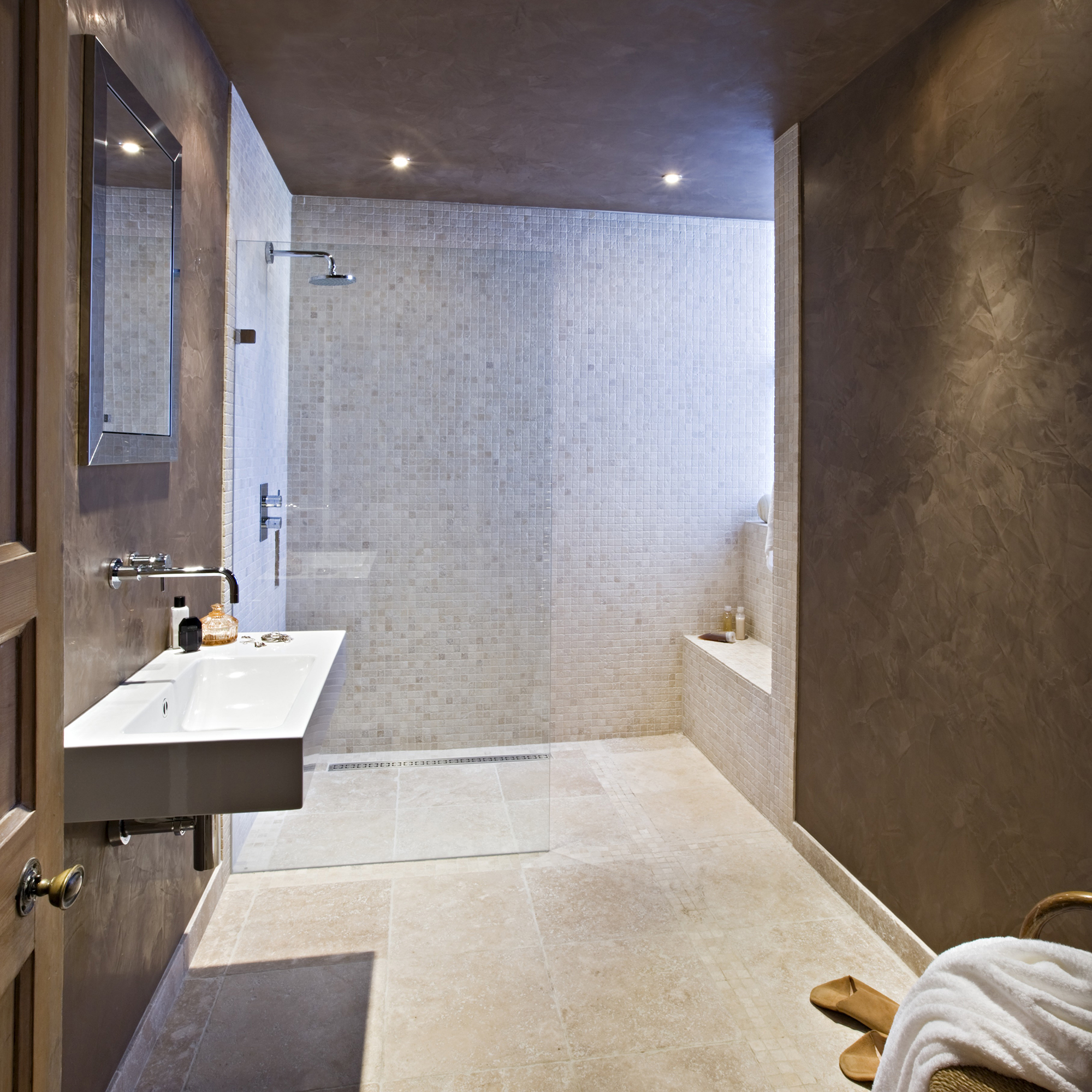
The first suggestion involves using simple spotlights to create a spa-like atmosphere, particularly when combined with walk-in shower designs and calming neutral tiling. Painting the ceiling a darker shade can make these spots pop, while lighter tiles can further emphasize the shower area as a focal point. A second approach advocates for balancing spotlights within the shower with a pendant light near the basin, demonstrating that diverse ceiling fixtures can coexist effectively. Spotlights provide task lighting within the shower, and careful consideration of their projection is advised. Pendant lights, on the other hand, add a decorative touch, and mixing finishes like chrome and brass is encouraged, provided the texture (brushed or shine) remains consistent.
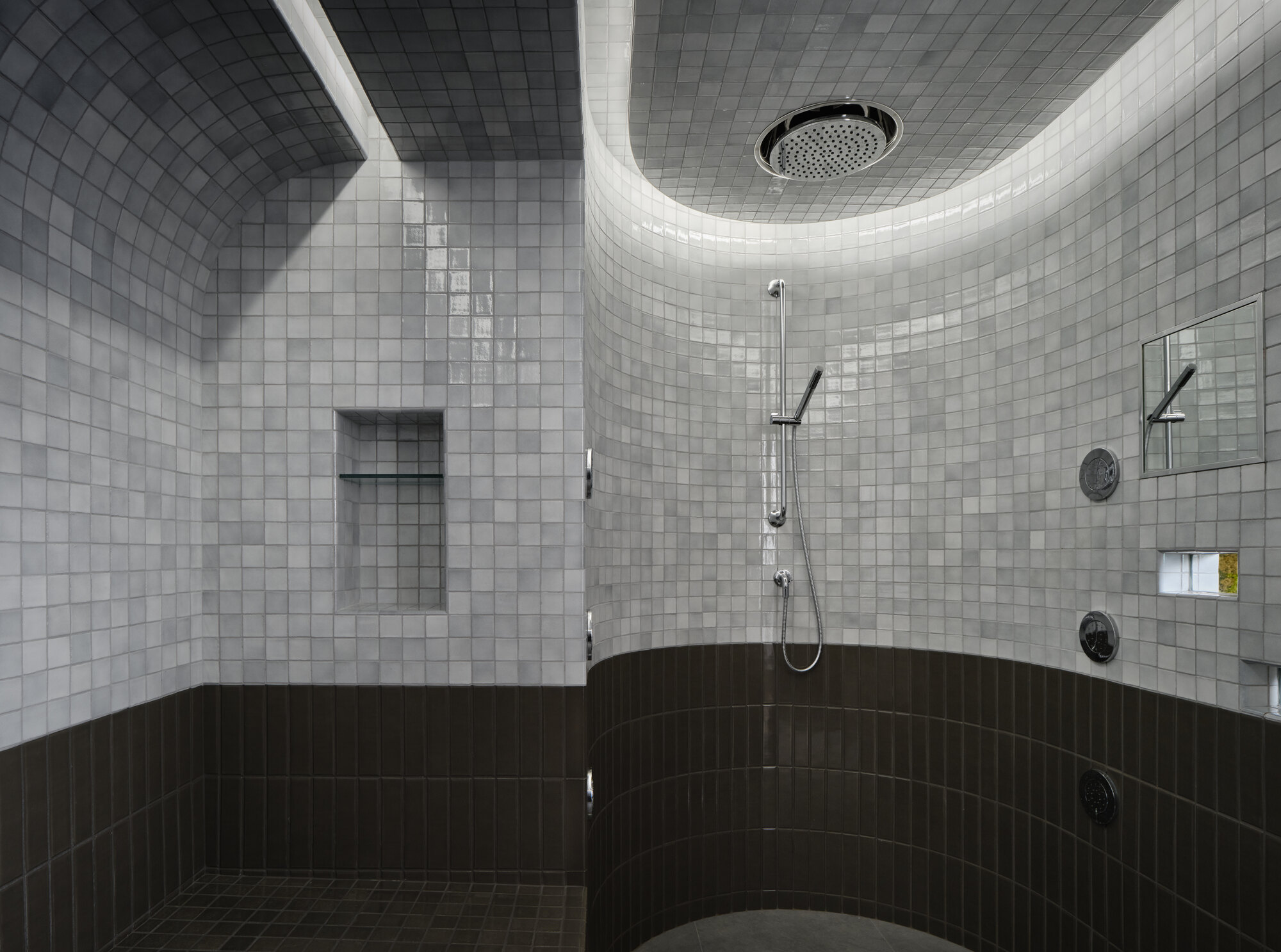
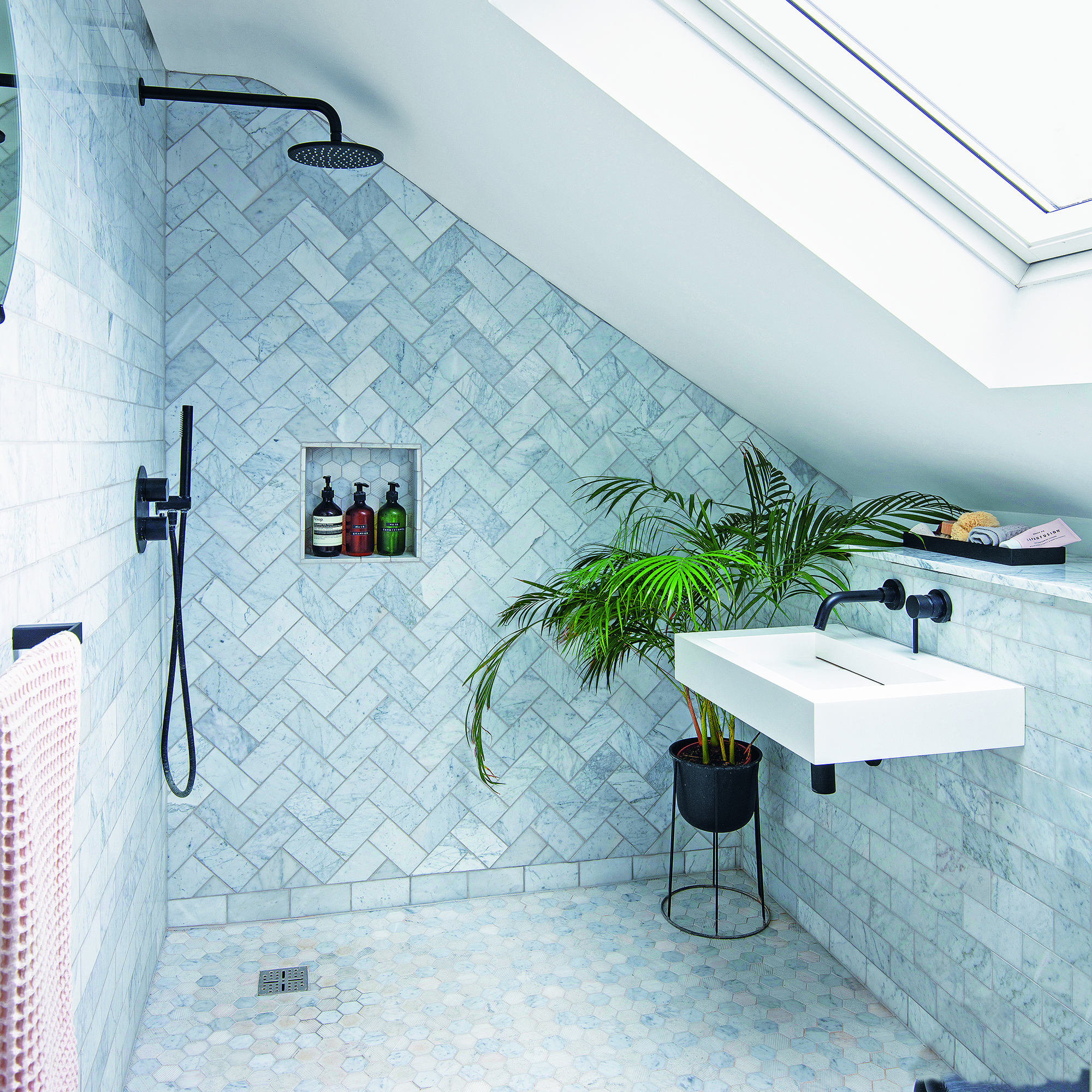
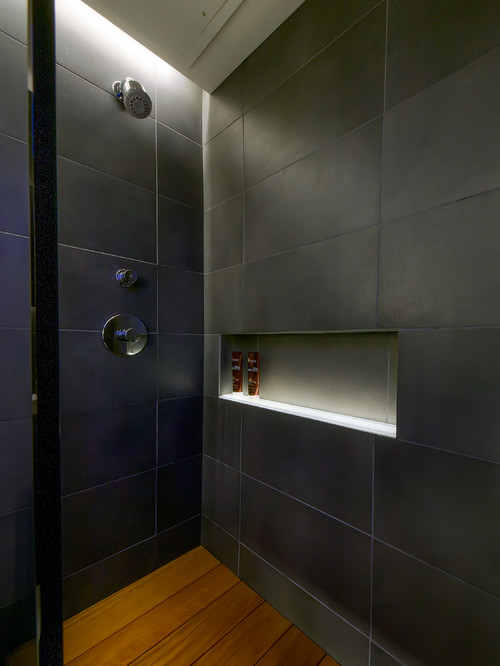
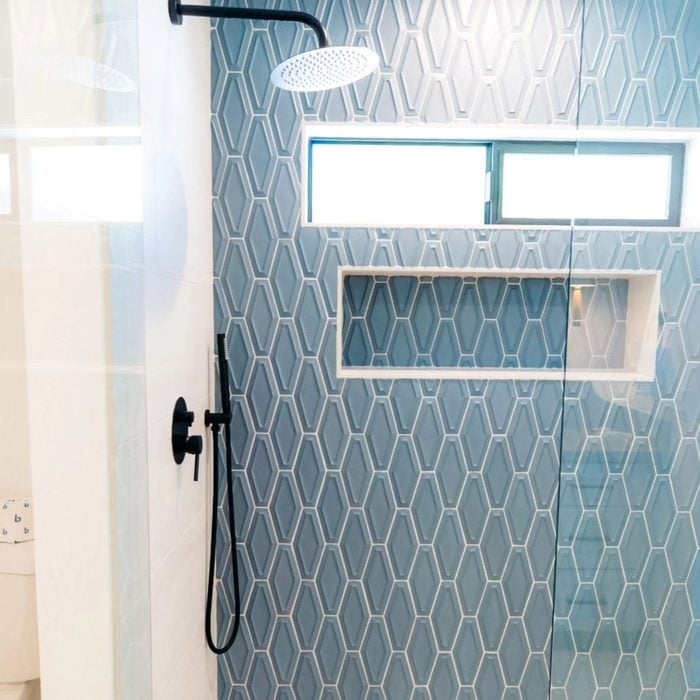
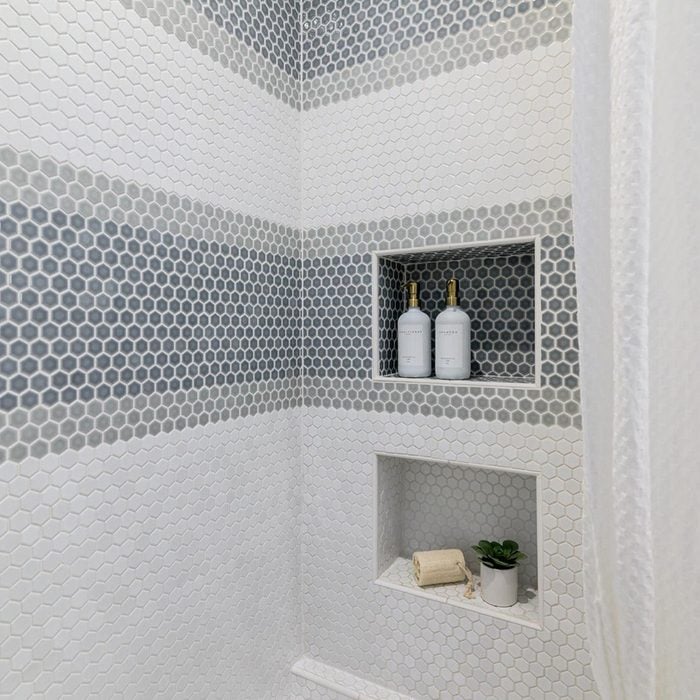
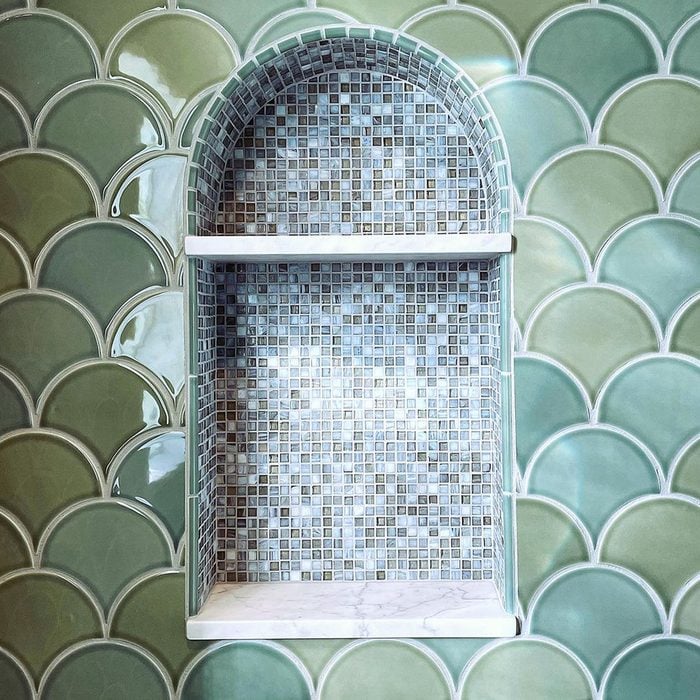
Thirdly, the article suggests illuminating niches and nooks within the shower with LED lighting strips and spotlights. These can be wired to a separate circuit for mood control, and tiling niches with shimmering mosaics can add a luxurious detail, often requiring only a small quantity of expensive tiles. A fourth tip addresses lighting in shower enclosures with dividing walls, recommending a spotlight on each side to ensure adequate illumination and avoid common bathroom lighting mistakes. For situations where central placement is not possible due to structural elements like joists or pipework, a simple white spotlight that blends into the ceiling is recommended.
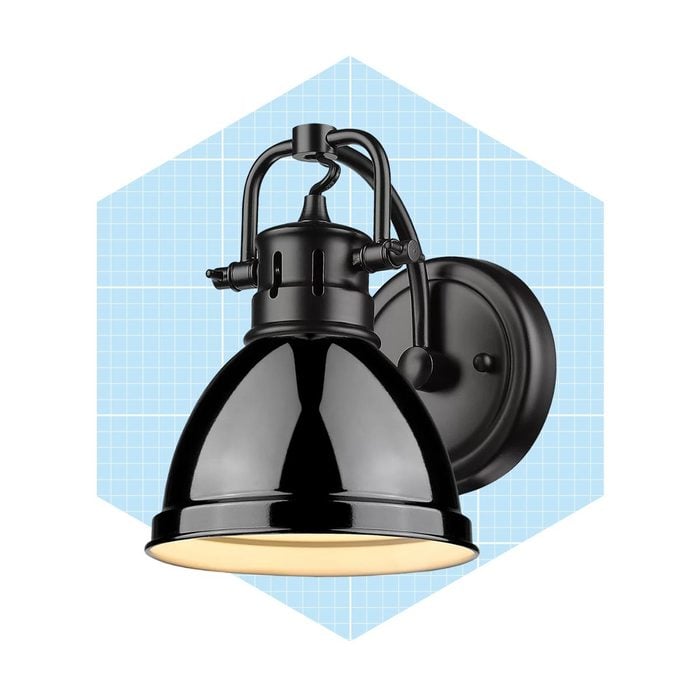
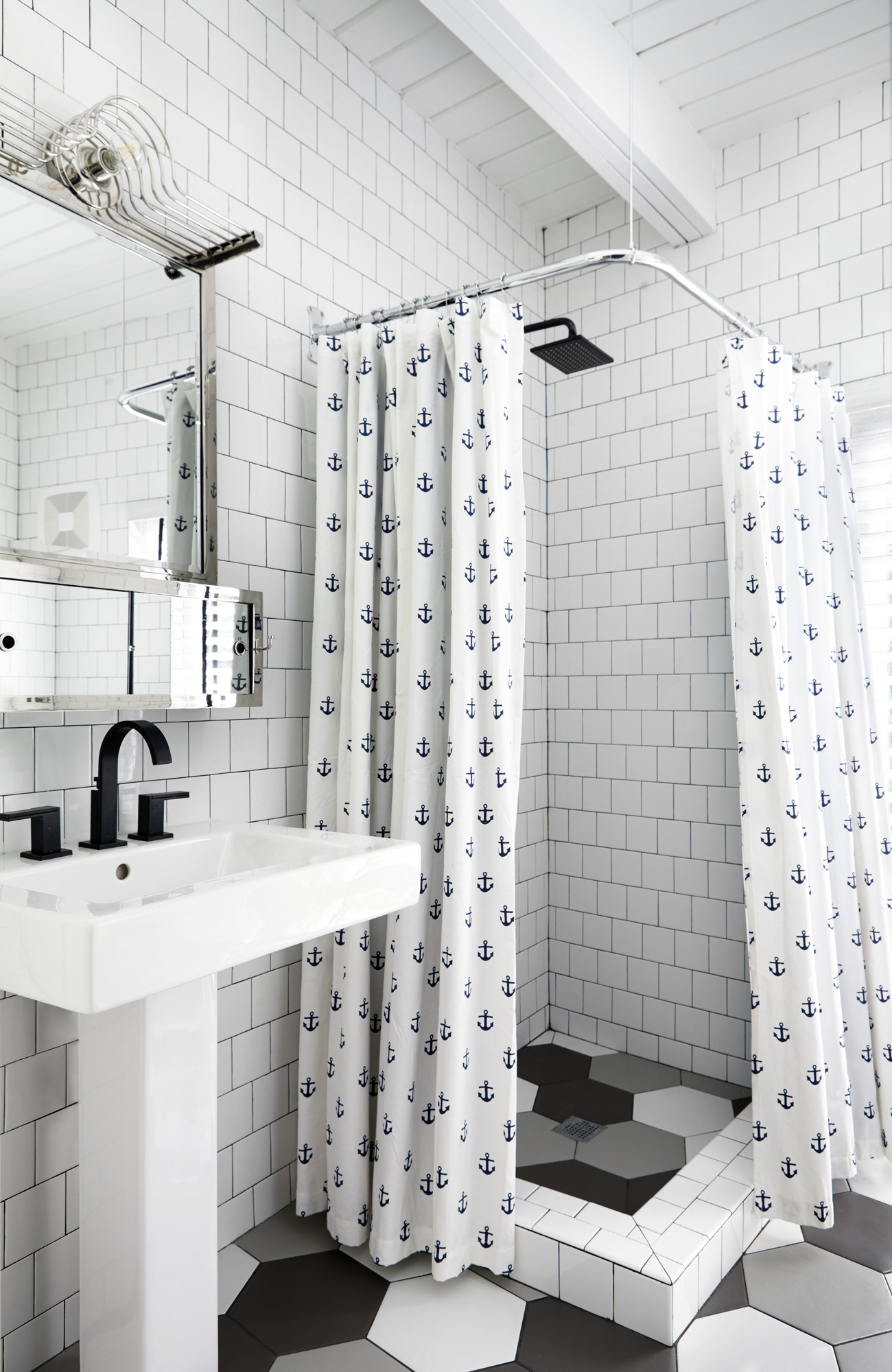
The fifth idea proposes a bulkhead fitting for a nautical theme, noting its suitability for damp environments and the availability of various finishes and shapes. Sixth, the article delves into creating a 'light show' effect with smaller recessed black spotlights positioned on either side of the showerhead, some of which can be color-changing or chromotherapy-enabled for mood adjustments. Seventh, to achieve a spa-like experience, the article suggests incorporating multi-colored showerheads, which provide a spectacular effect, particularly in walk-in enclosures or wet rooms, alongside minimalist fixtures.
Eighth, the piece advises against stressing over perfect symmetry in shower lighting, especially when structural constraints make even placement difficult. It suggests choosing fixtures with the same finish as the showerhead and enclosure brackets to visually unify the space. Electricians can assist with ideal placement and provide lighting diagrams for future reference. The ninth idea focuses on dual-purpose lighting, such as illuminated bathroom shelf rails that combine storage and light, or illuminated mirrors. Finally, the tenth suggestion is to light the floor with low-level spots fitted into tiles, creating a soft ambiance or acting as uplighters, particularly effective when placed on a separate lighting circuit for mood control.
The article concludes by addressing common questions regarding shower illumination. It reiterates that IP-rated spotlights are excellent for shower areas, offering intense, localized lighting. Homeowners are encouraged to consider the desired mood – relaxation or revitalization – and to utilize dimmers or color-changing LEDs for versatility. For areas within the shower enclosure, simple recessed spots are an effective solution. Crucially, the article details IP ratings, specifying IP65 for Zone 1 and IP45 as a minimum, with IP67 required for Zone 0 (inside the bath or shower itself) using low-voltage fittings. It confirms that waterproof LED lights, typically IP67 encapsulated, are suitable for showers, offering options for single colors or remote-controlled color changes, ideal for illuminating plinths or niches.
#ShowerLightingIdeas #BathroomDesign #HomeLighting #InteriorDesign #LEDLighting #SpaBathroom #BathroomRenovation #IPRatings #ArchitecturalLighting #ShowerLightingIdeas #BathroomDesign #HomeLighting #InteriorDesign #LEDLighting #SpaBathroom #BathroomRenovation #IPRatings #ArchitecturalLighting
0 comment in total
 No comments yet
You may also like
10 of the most beautiful bathroom lighting ideas that will totally elevate your space

Bathroom light ideas for your home
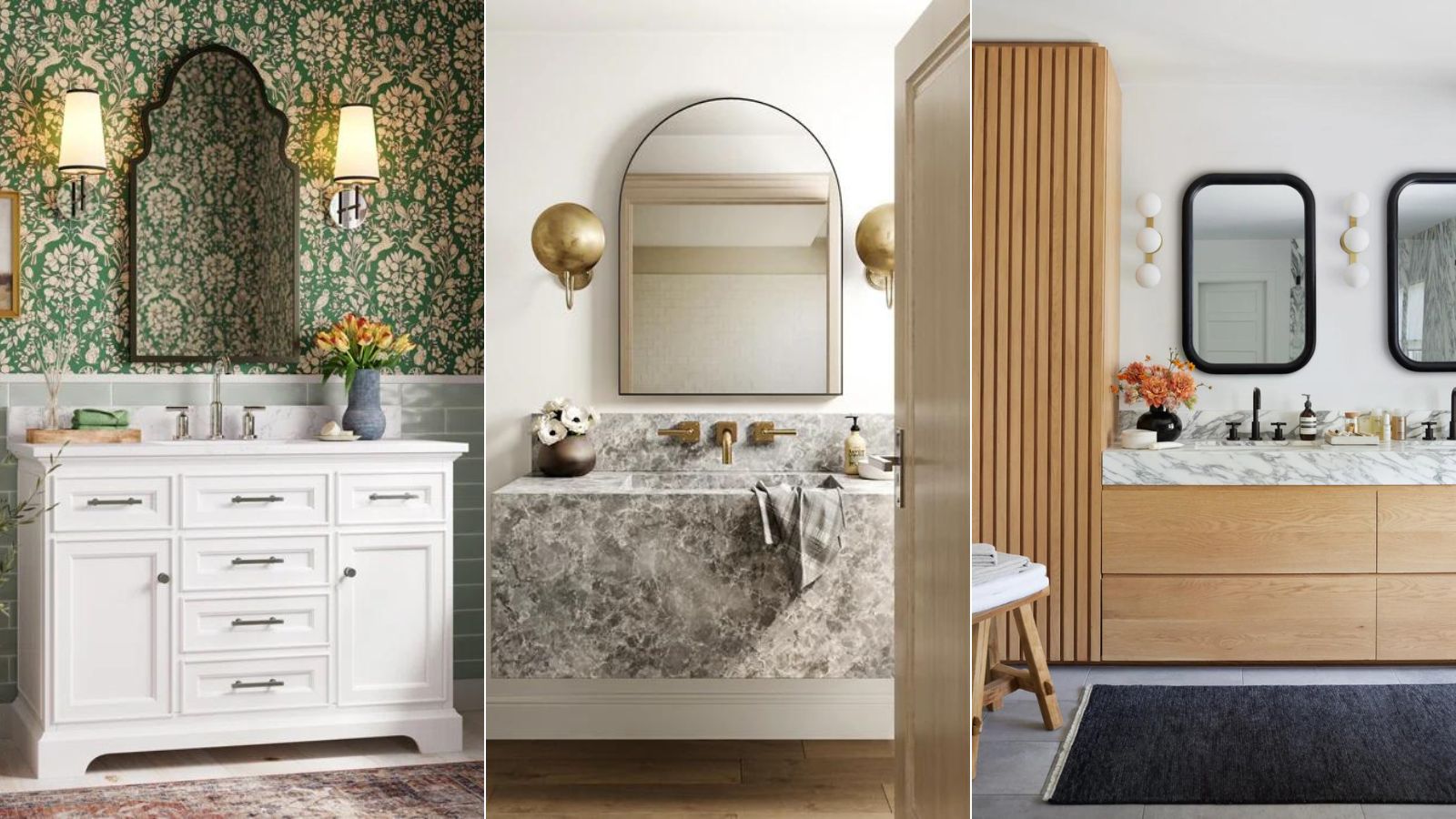
Looking for stylish bathroom lighting? These are the brands to shop for the most beautiful designs

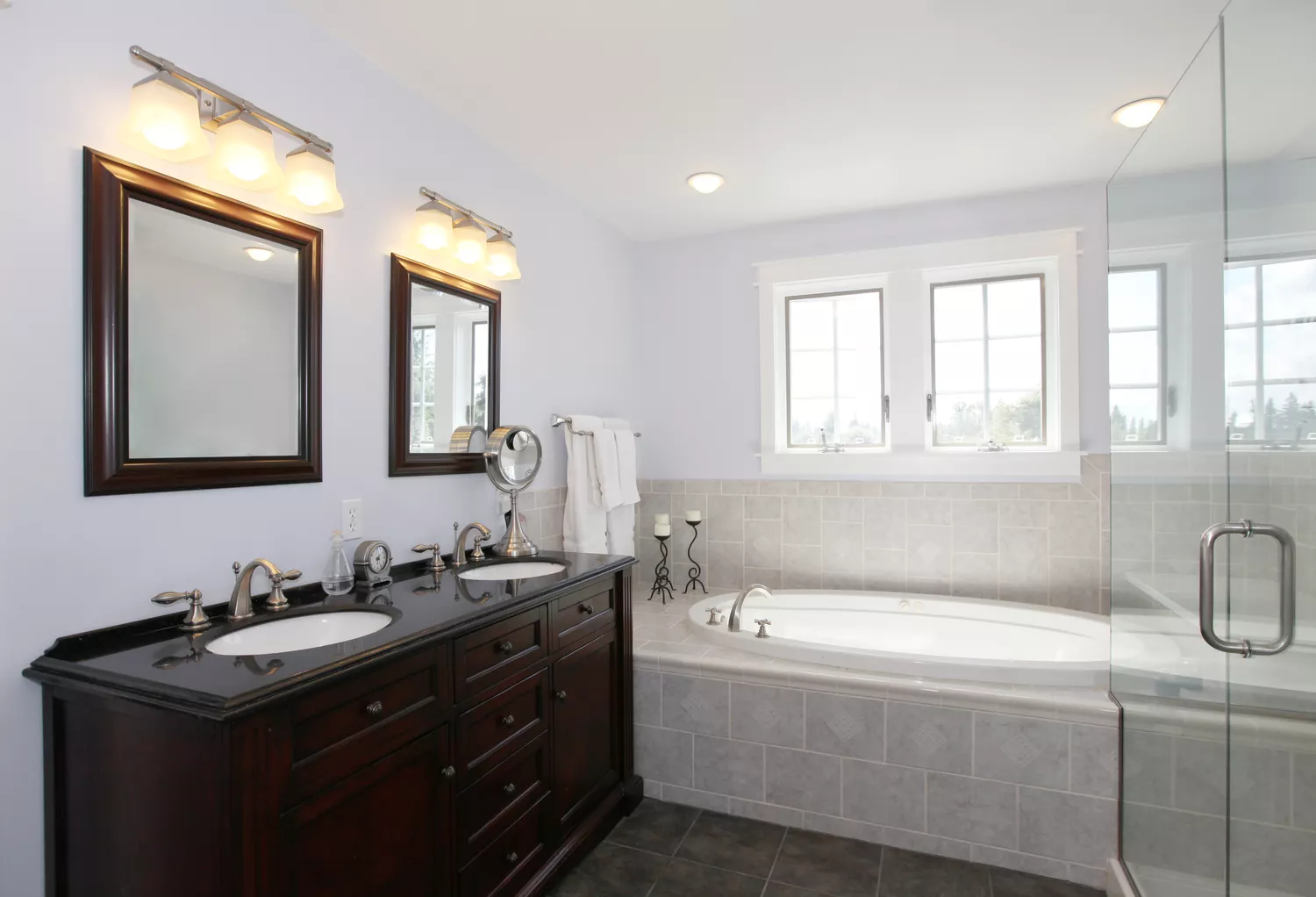
4 Fixtures That Instantly Date Your Bathroom
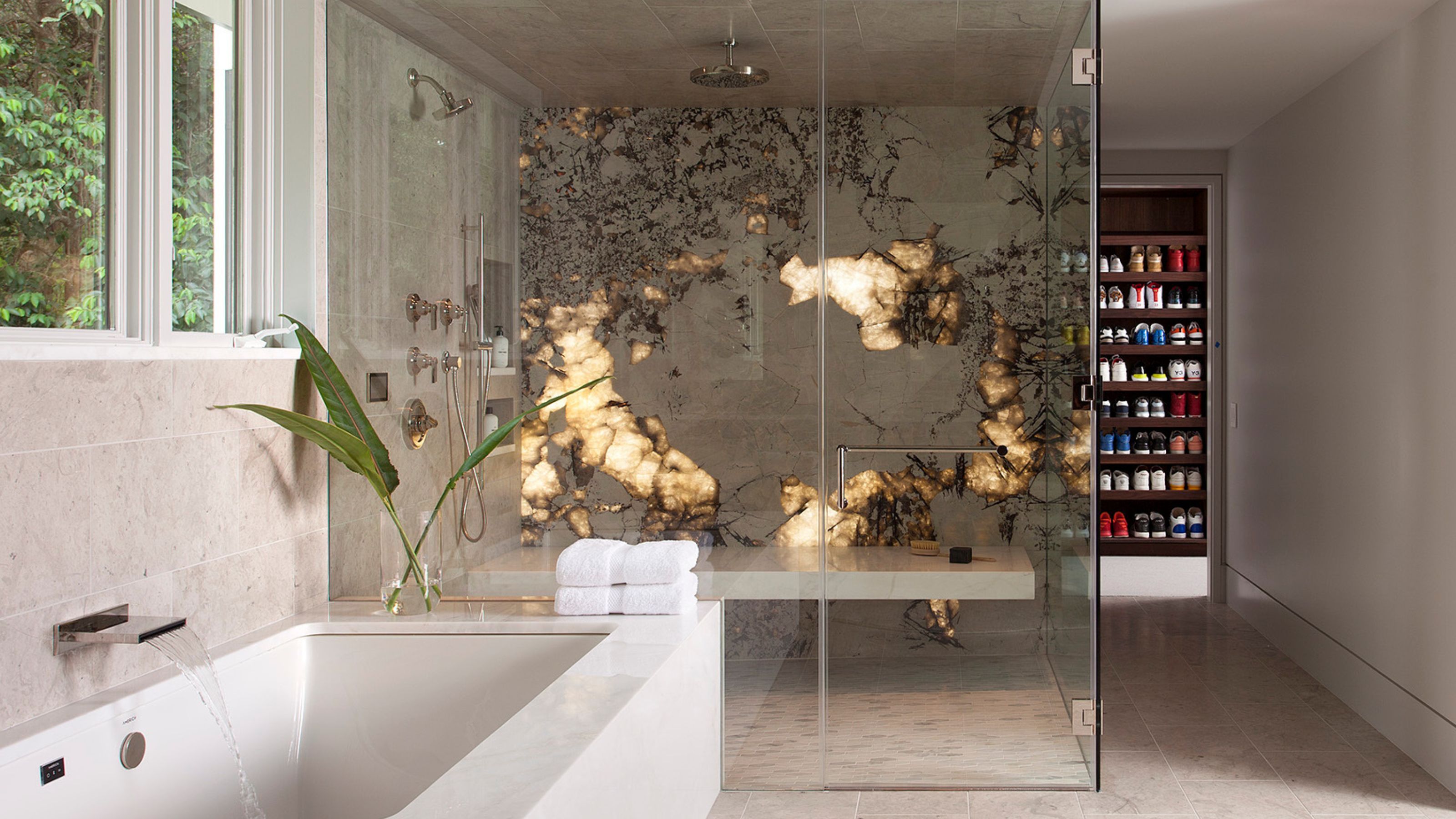
17 Shower Lighting Ideas That Will Give Your Space an Expensive, Spa-Like Glow
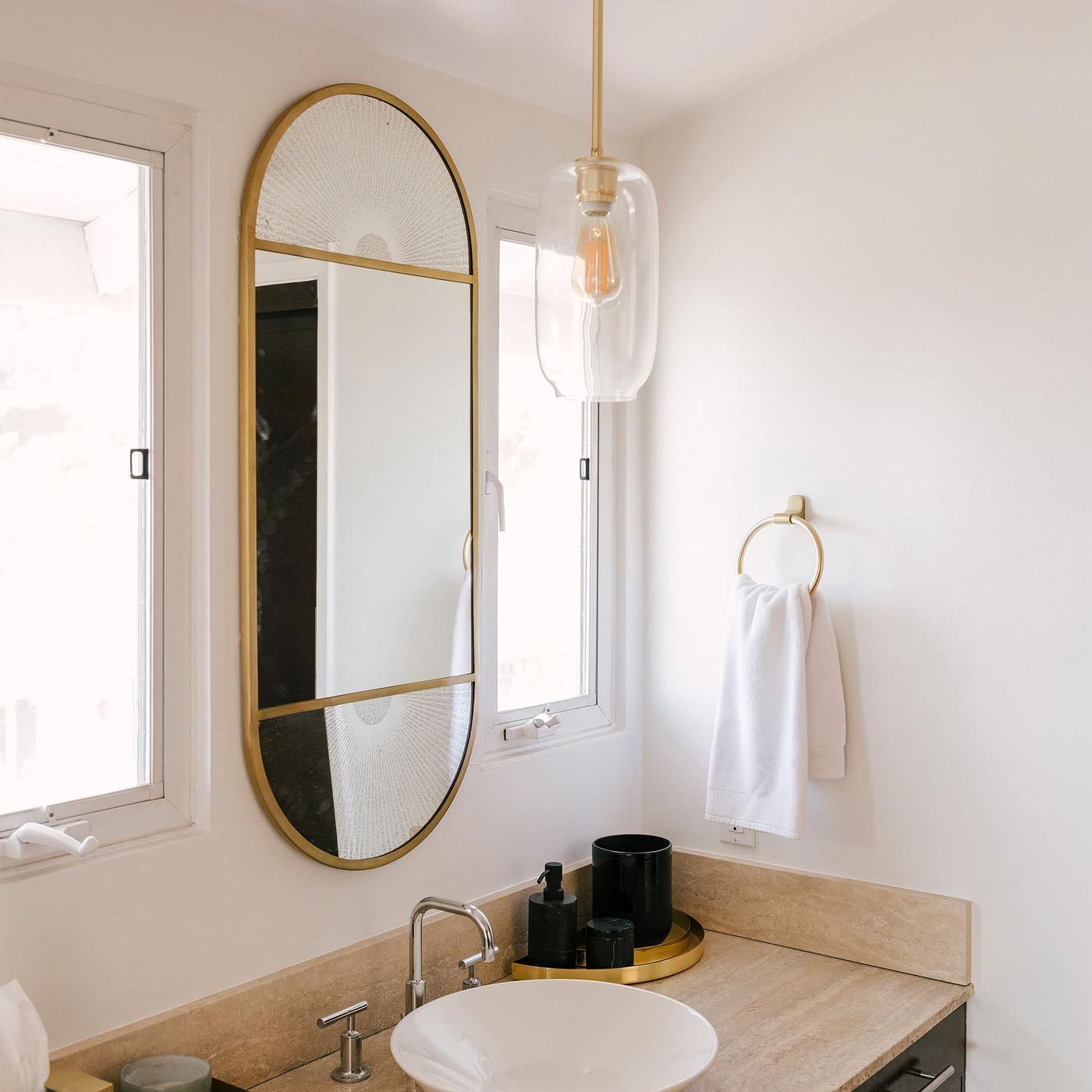
12 Best Bathroom Lighting Design Ideas

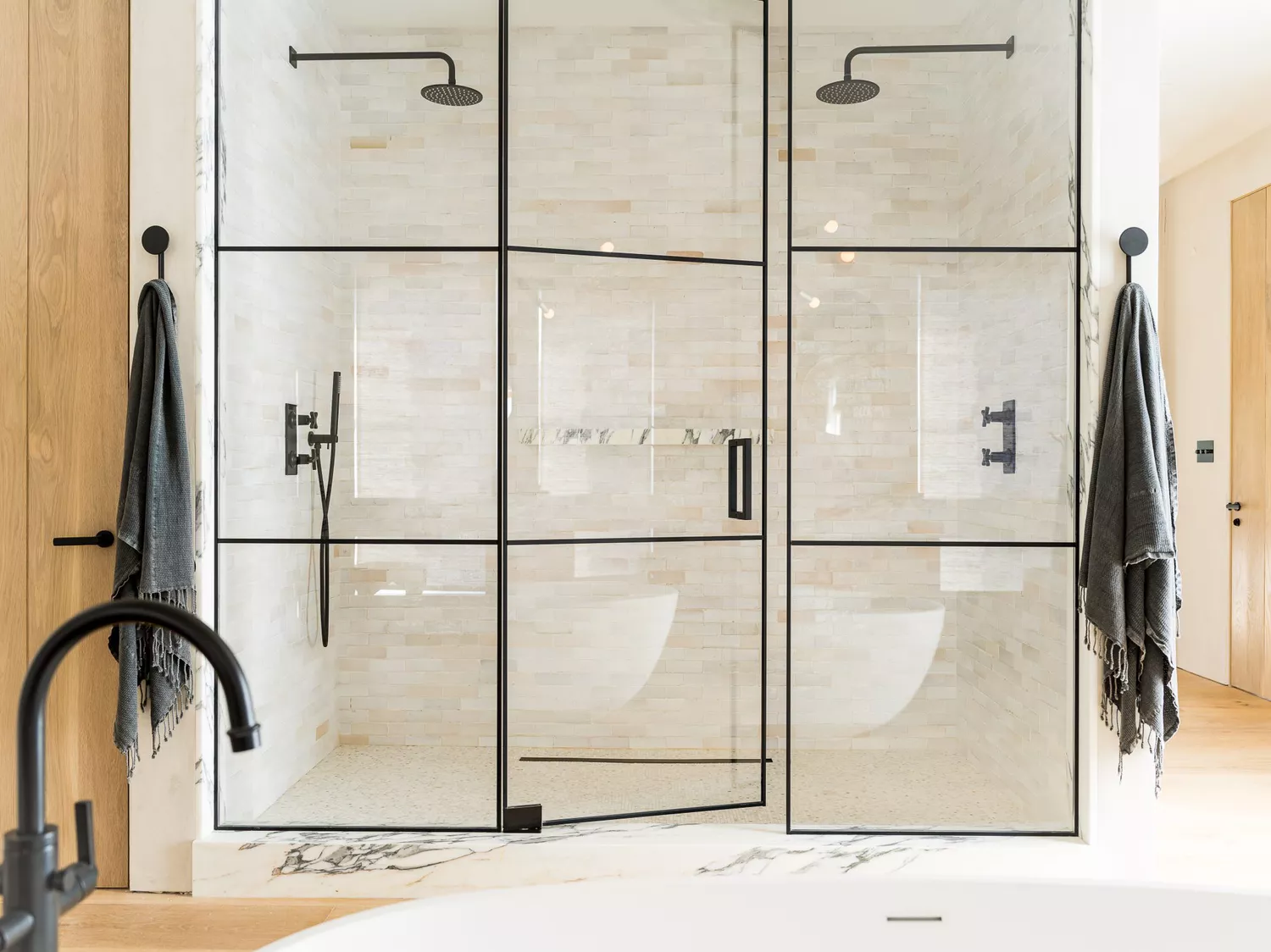
15 Incredible Shower Ideas That Will Make You Forget About a Soaking Tub

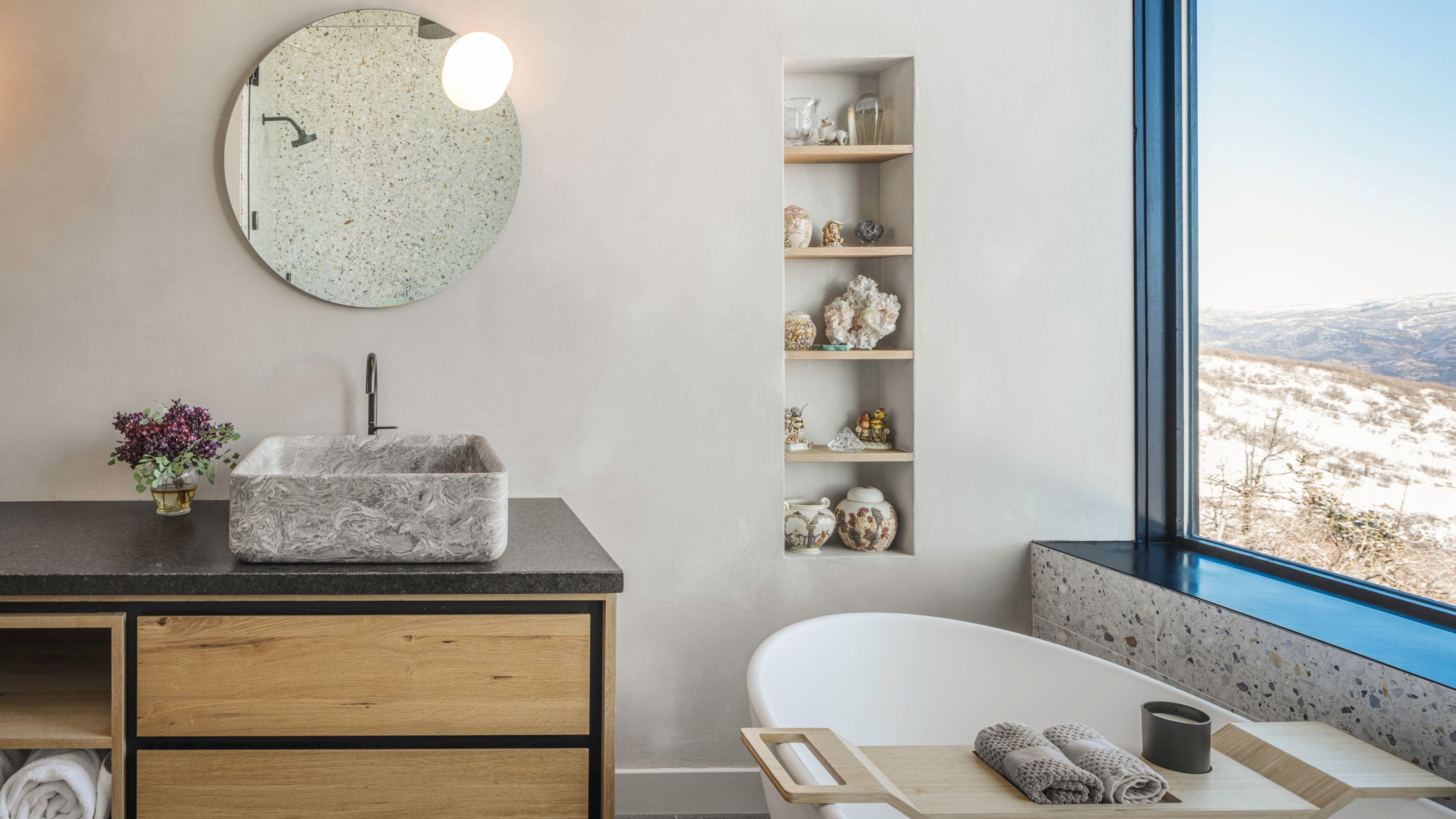
How to Light Your Bathroom Like a Spa — 11 Ideas That Will Take Your Space From Everyday to Luxurious Retreat
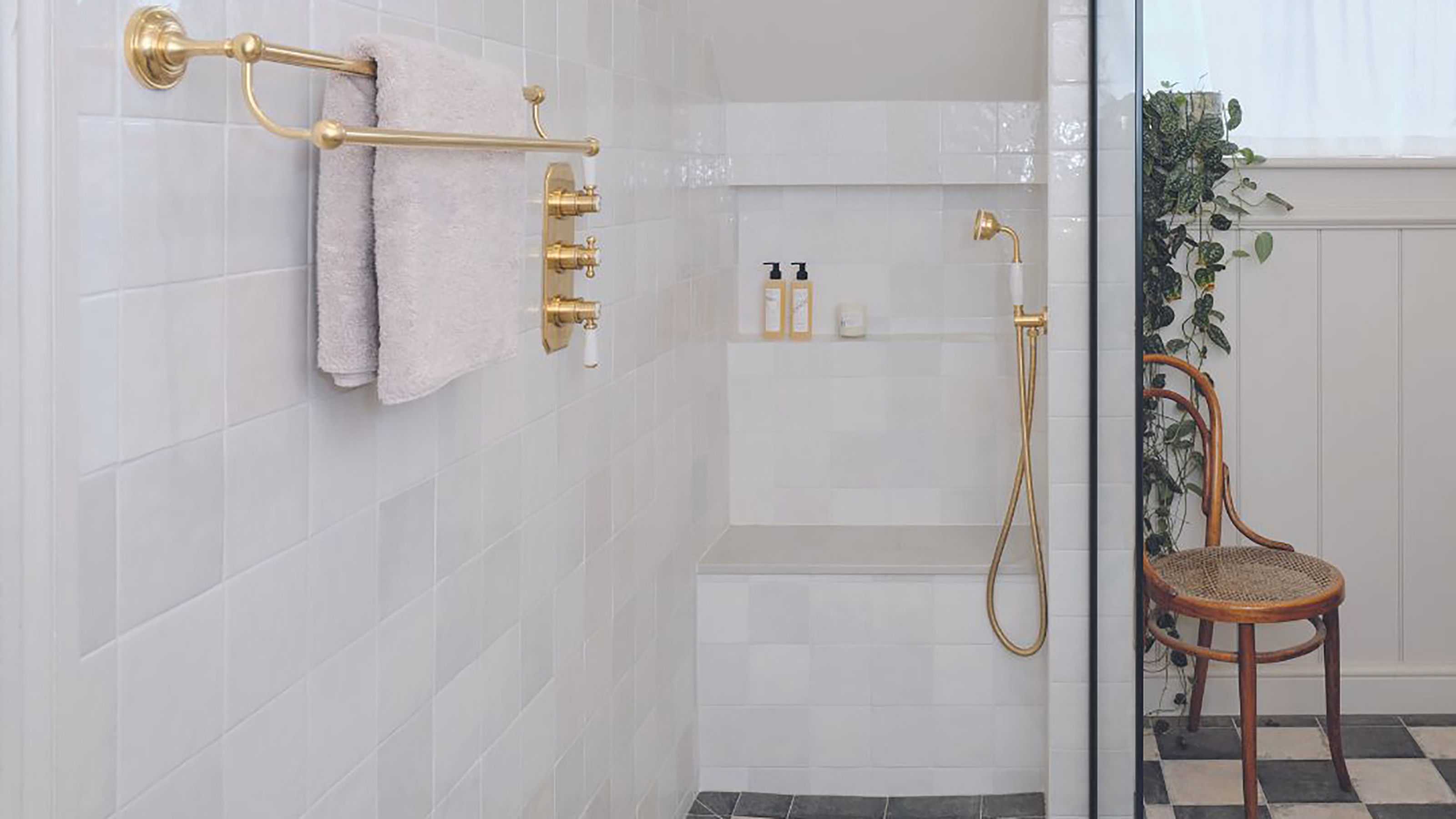
23 chic shower ideas to revamp your bathroom with style
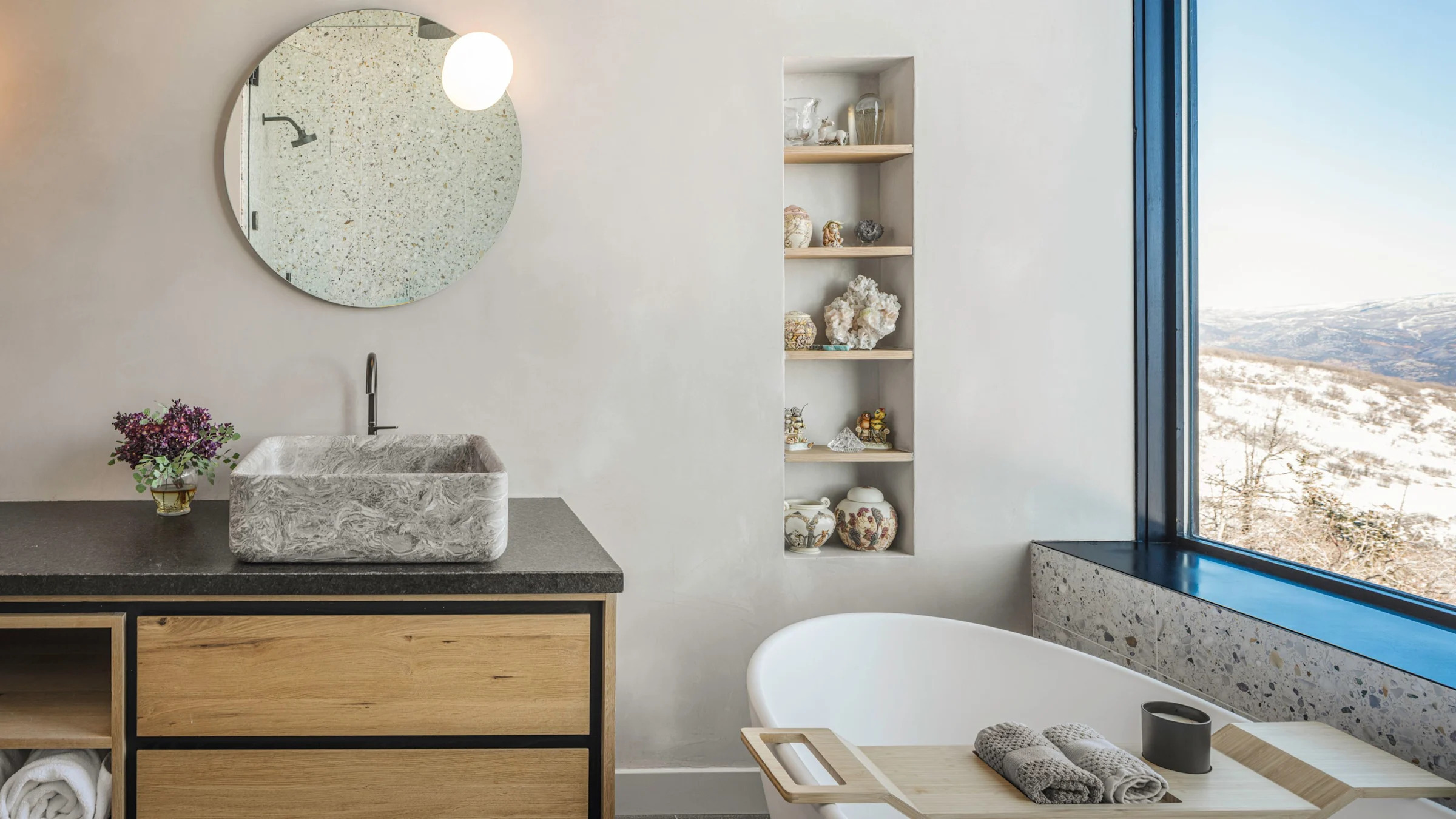
How to Light Your Bathroom Like a Spa — 11 Ideas That Will Take Your Space From Everyday to Luxurious Retreat

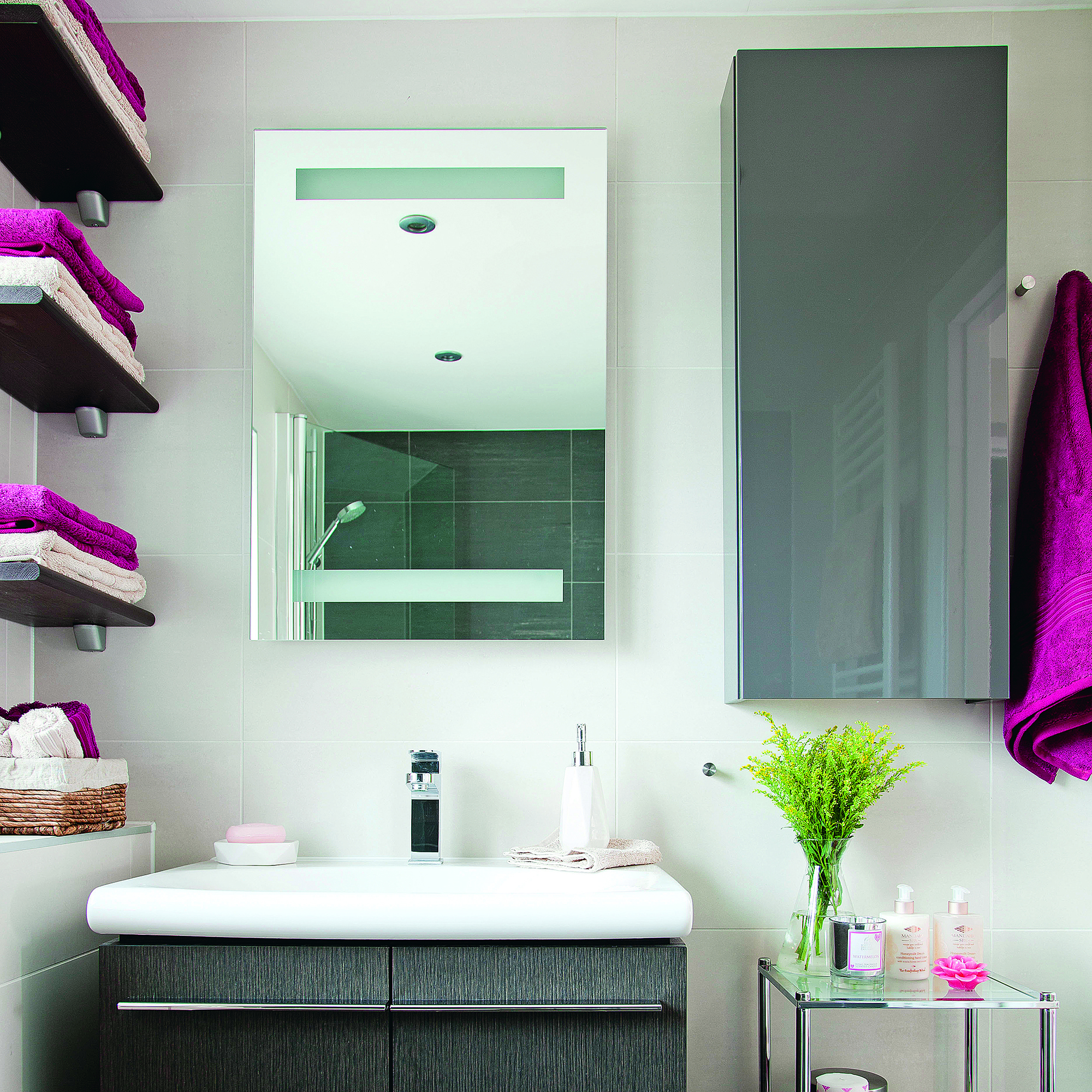
Small bathroom lighting ideas – 10 ways to make your small bathroom shine
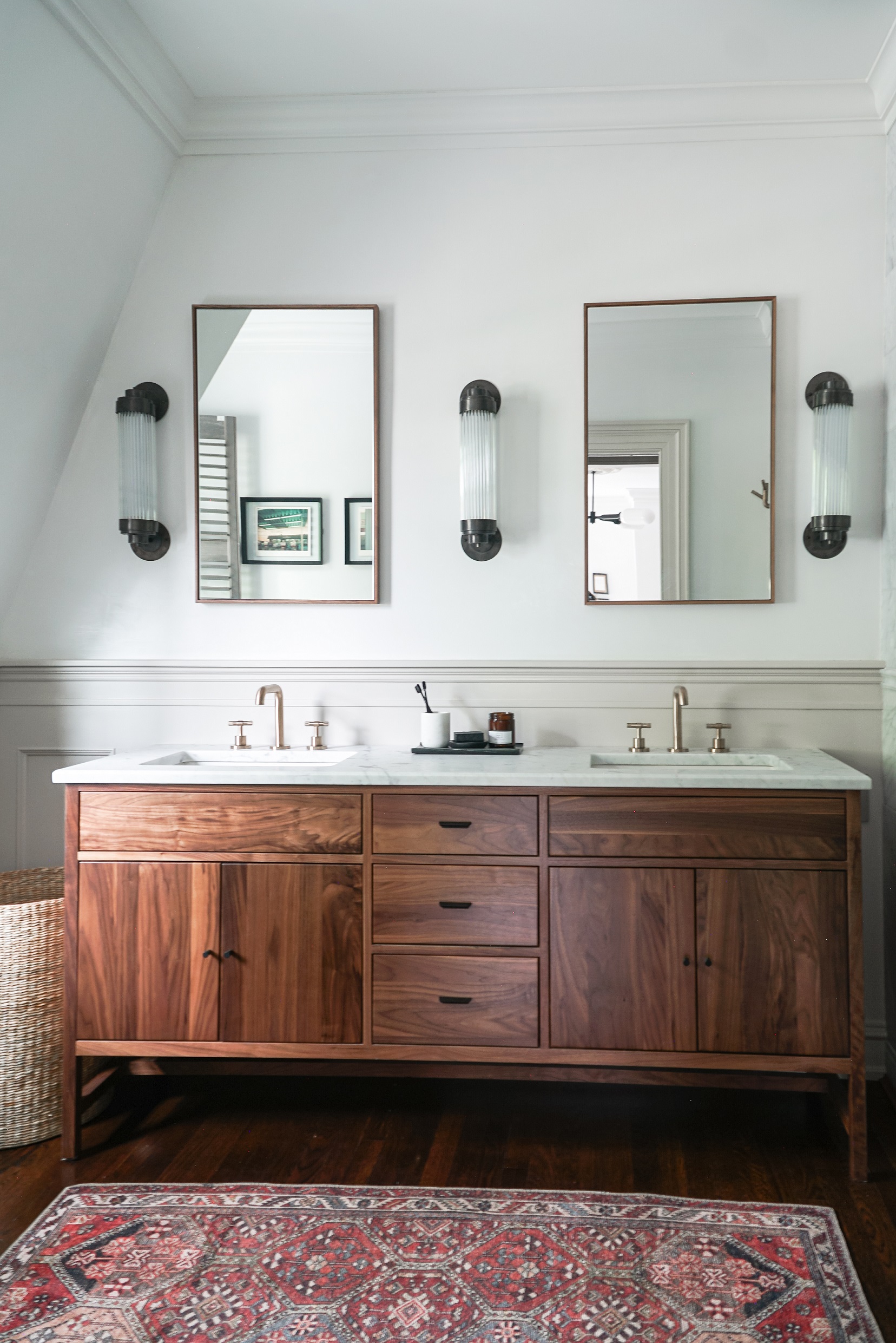
20 bathroom lighting ideas – beautiful ways to brighten up your space

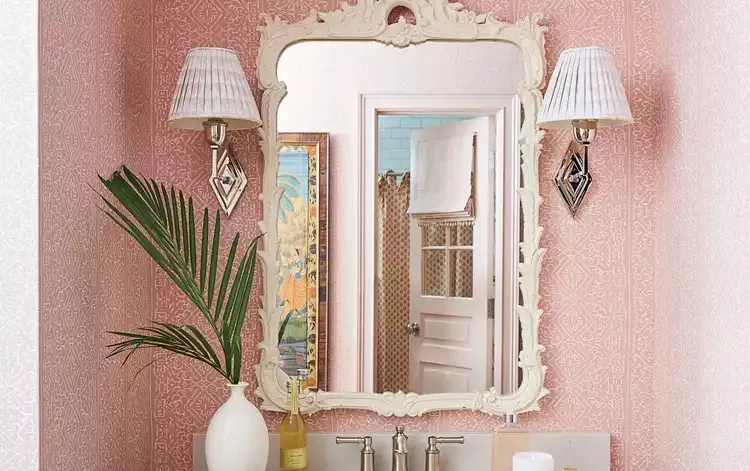
40 Bathroom Lighting Ideas To Brighten Your Space
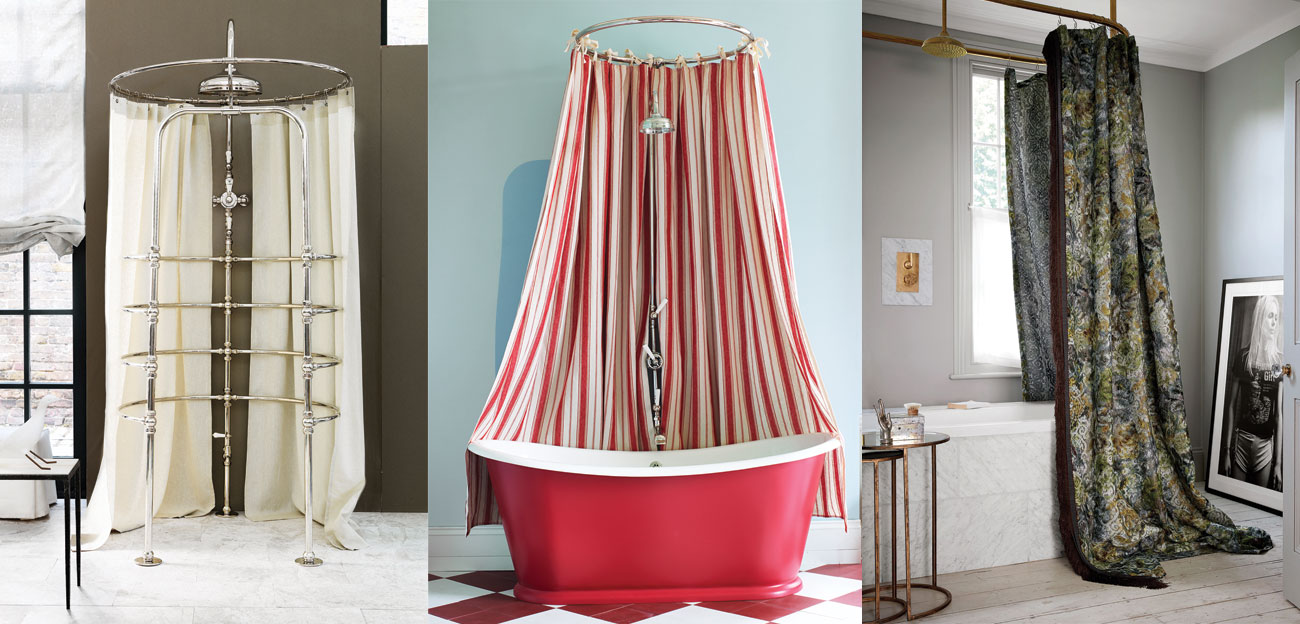
Shower curtain ideas – 10 designs that will instantly upgrade your bathroom
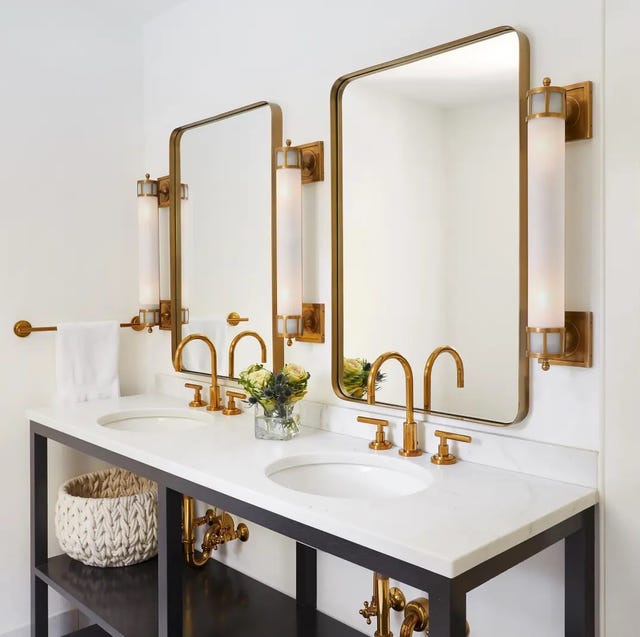
20 Interiors That Display Brilliant Bathroom Lighting Ideas for Every Style

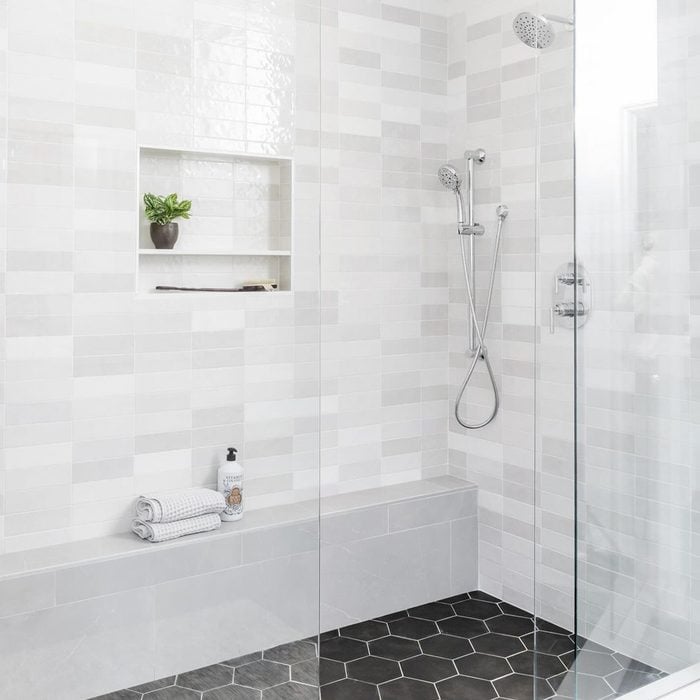
10 Shower Niche Ideas for Your Bathroom
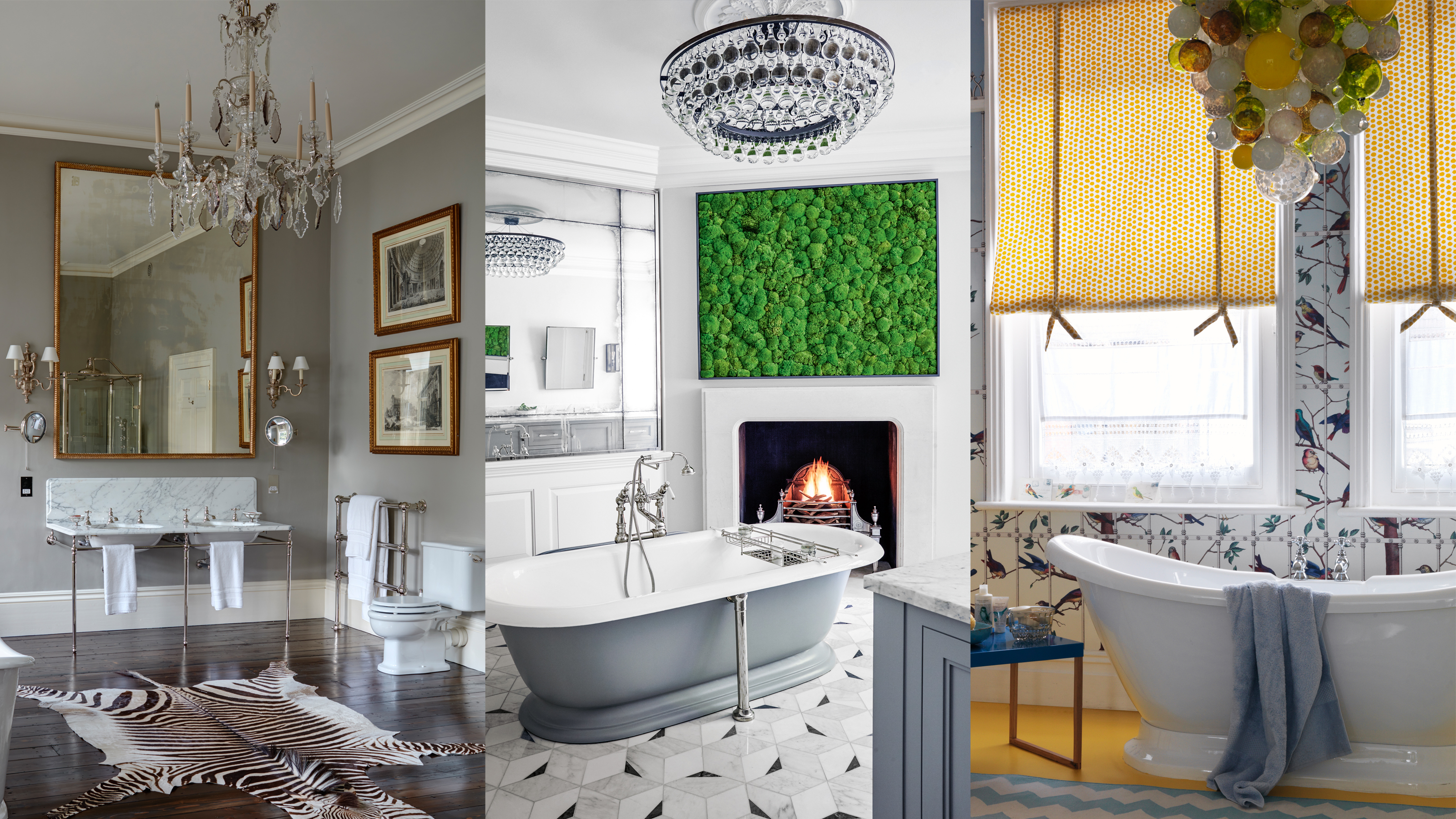
Bathroom chandelier ideas – 10 ways to add opulent lighting to your wash space
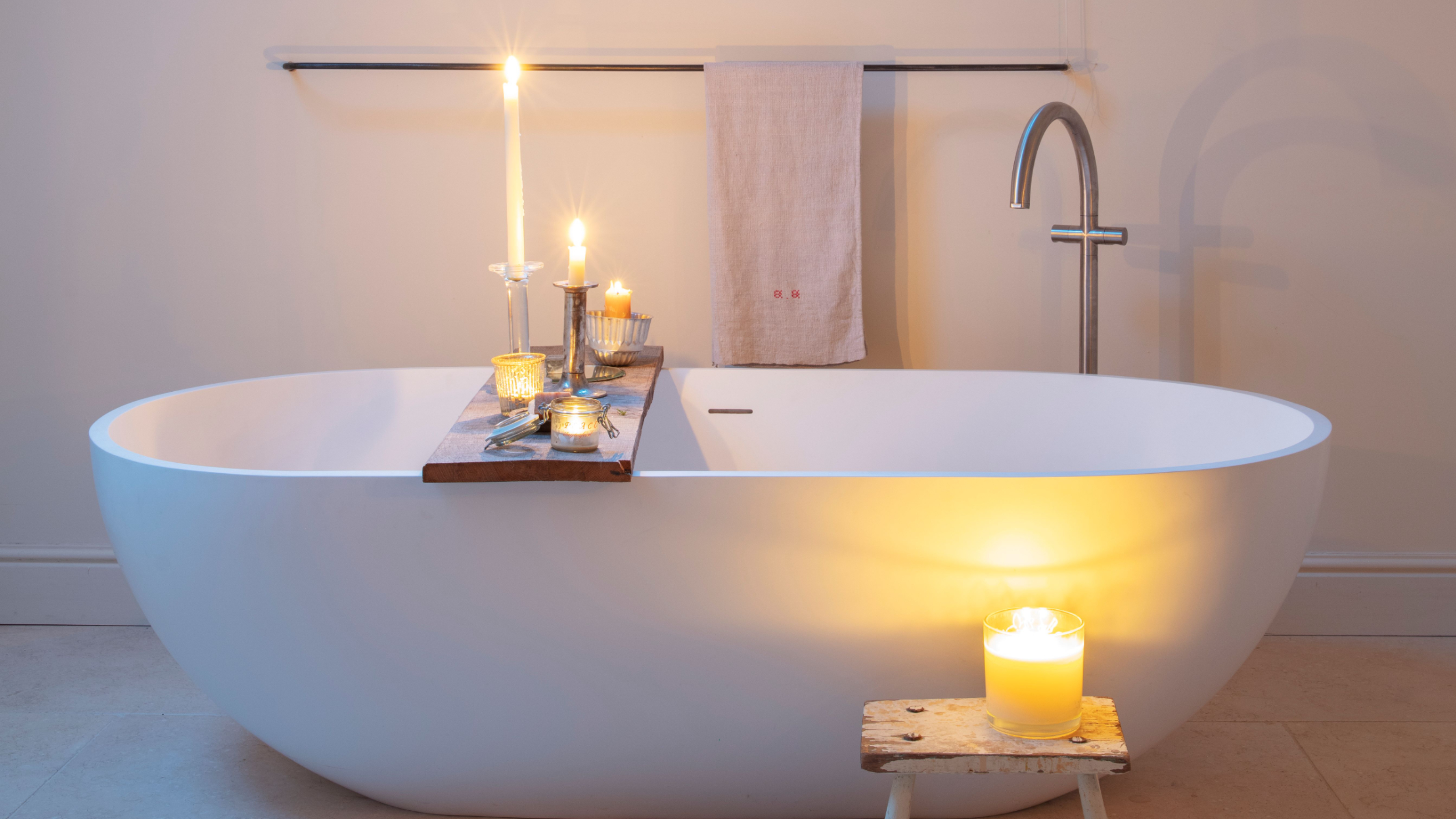
Shower lamps are trending on TikTok – and they might have just solved our biggest problem for reading in the bath
No Bath? No Problem! 4 Ways To Elevate Your Shower Regardless of Your Budget
These 5 Bathroom Trends Are So Outdated, According to Interior Designers