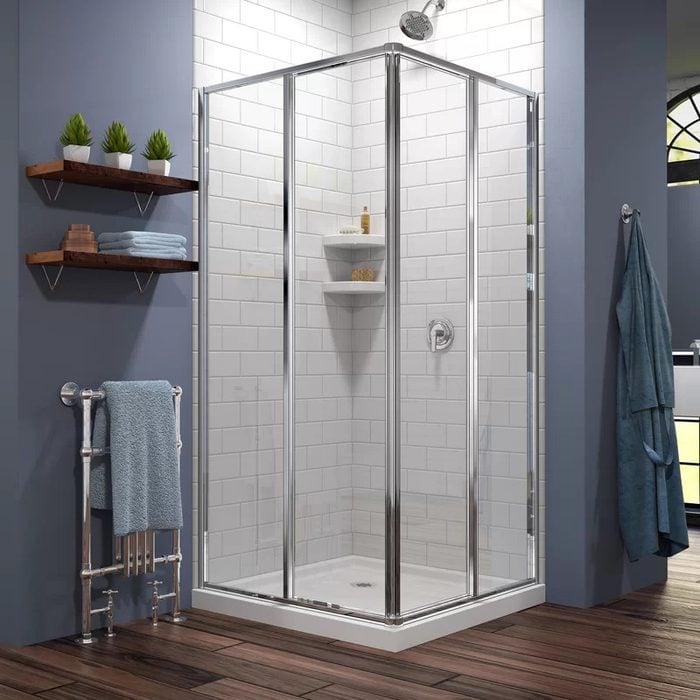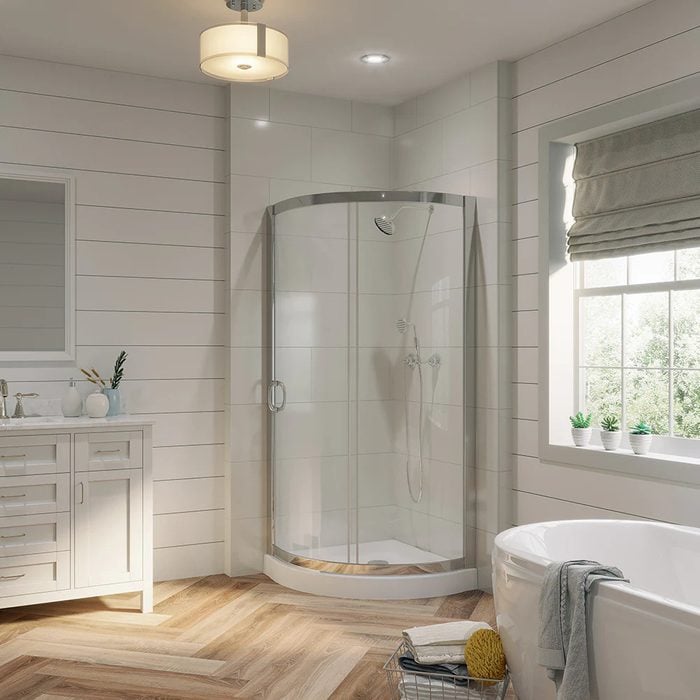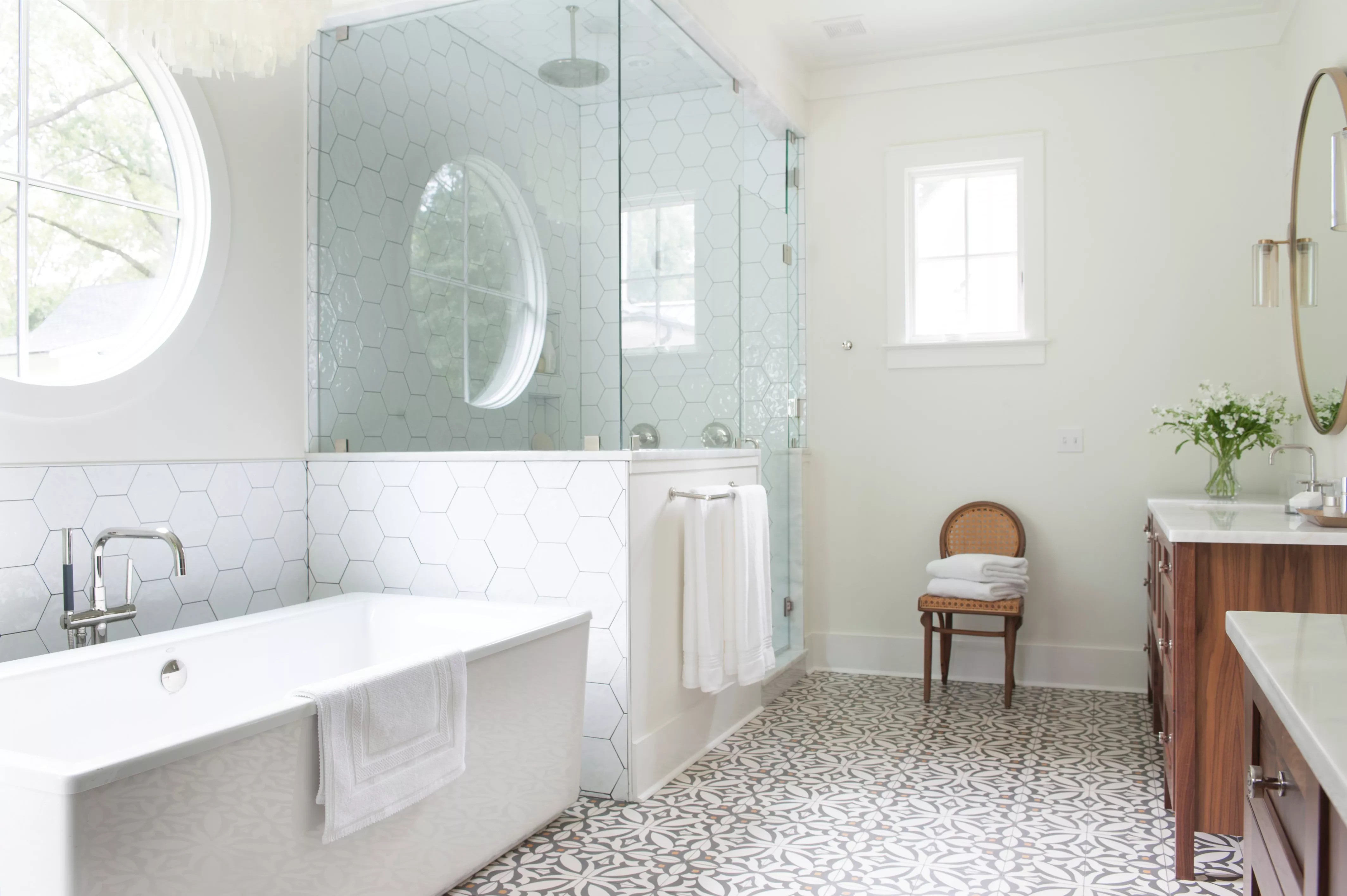
8 Types of Showers to Consider for Your Bathroom
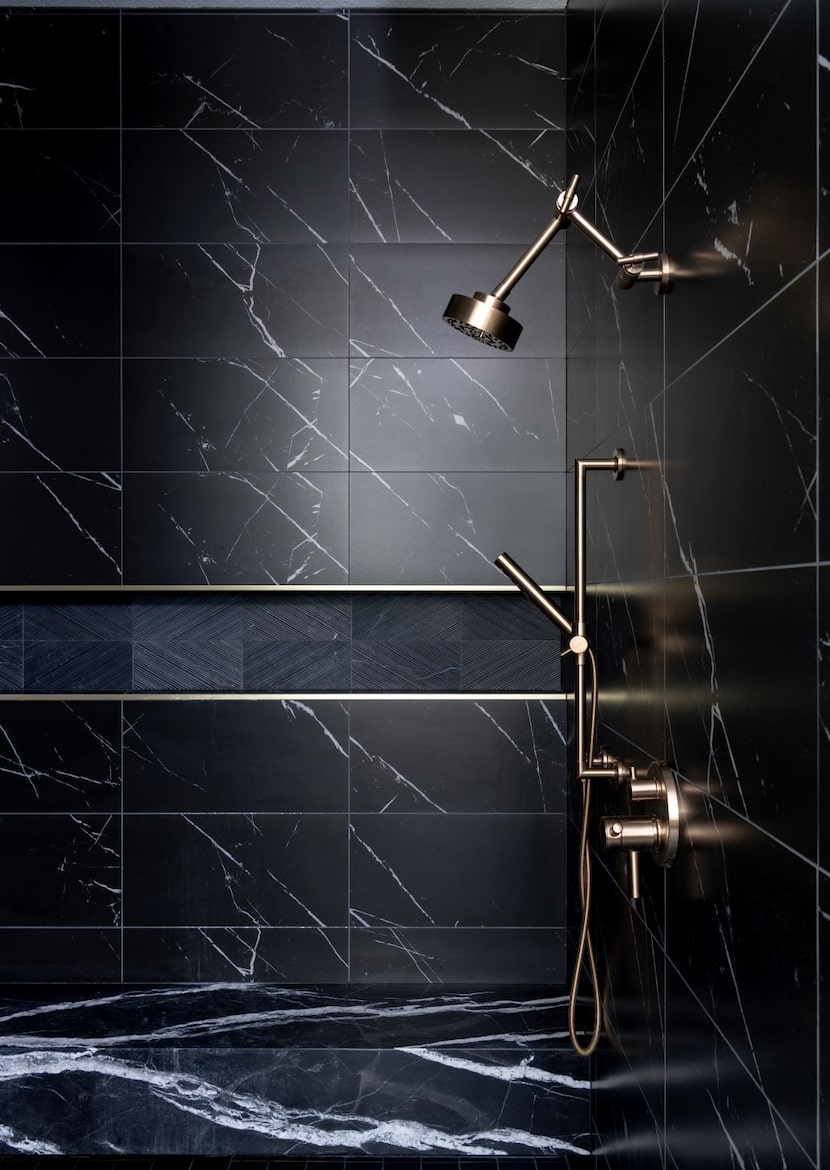
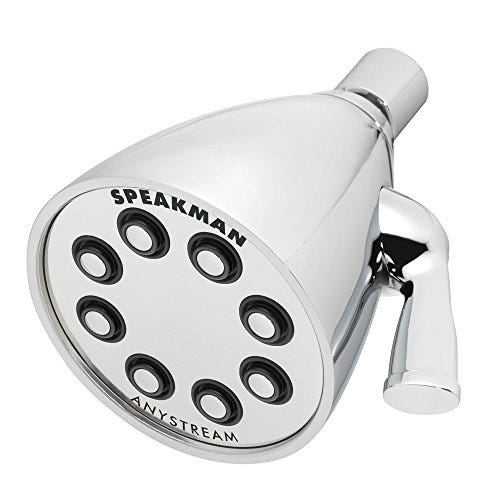
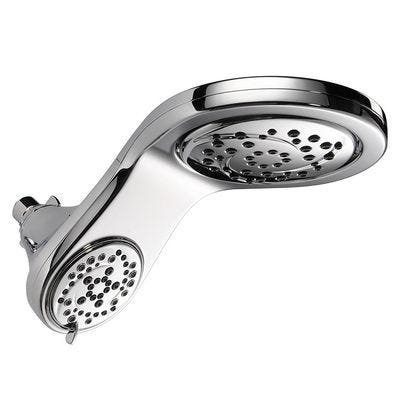
Choosing the right shower type is a significant decision when remodeling or designing a bathroom, impacting both functionality and aesthetic appeal. This guide outlines eight popular shower types, each offering distinct benefits and considerations. Body showers, for instance, feature multiple adjustable spray heads for hydrotherapy, muscle relaxation, and efficient full-body cleansing. They are particularly beneficial for individuals with limited mobility, allowing them to reach all body parts easily. These can be integrated into a main shower panel or built directly into the wall, offering versatility in installation.
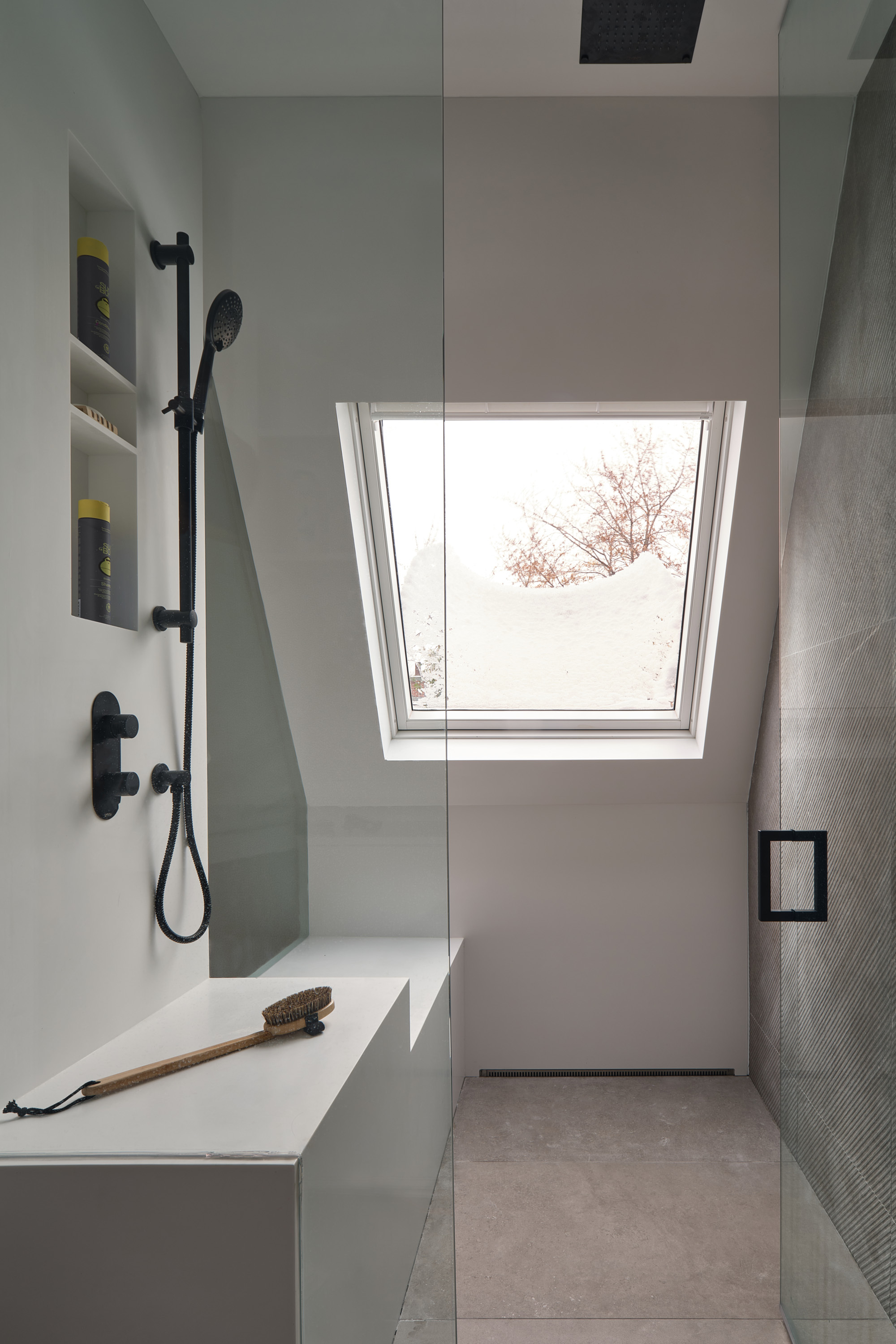
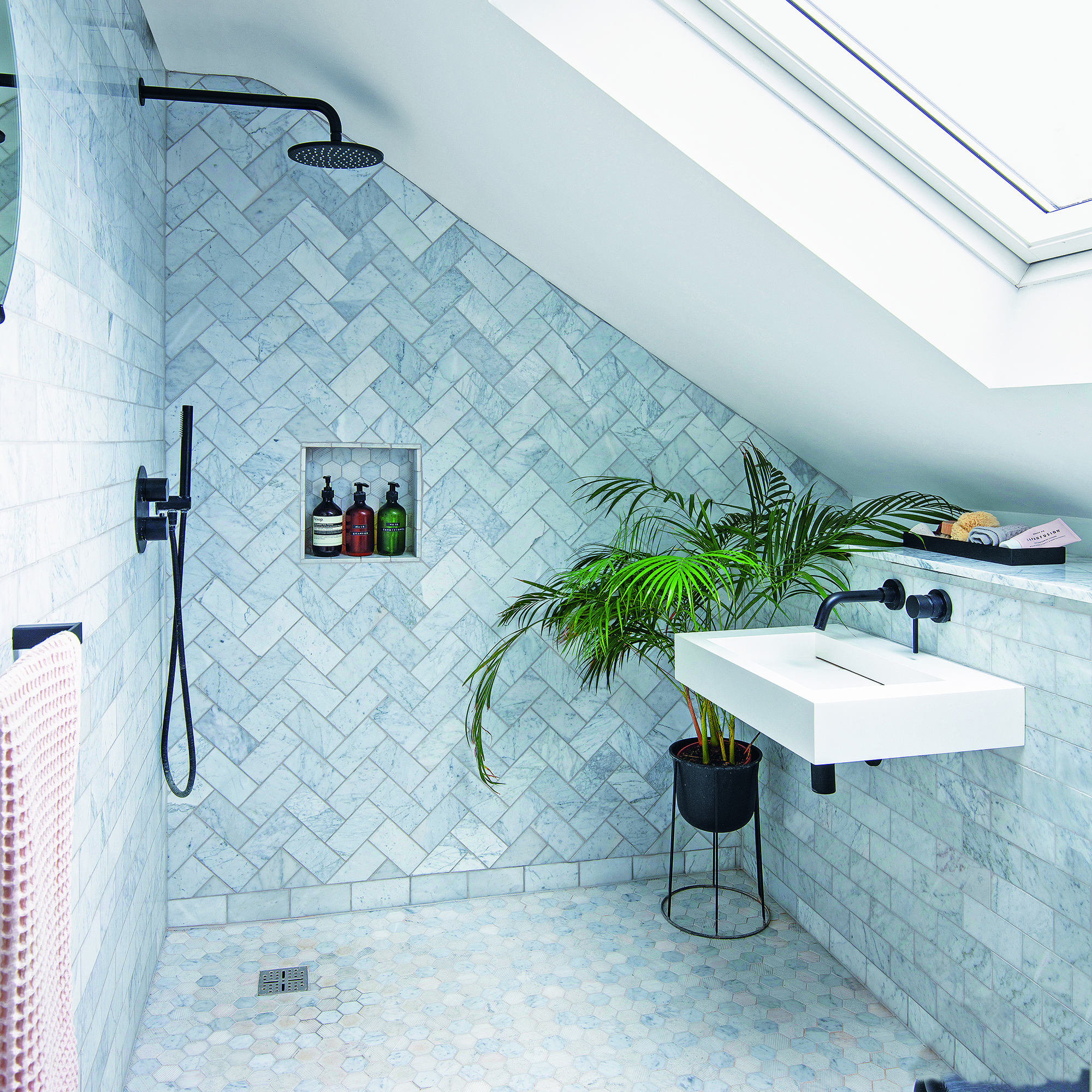
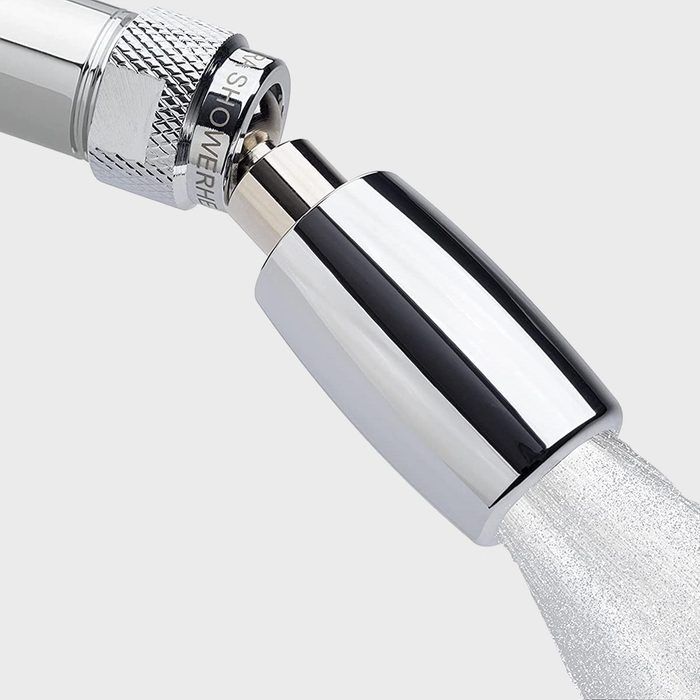
Curbless showers, also known as barrier-free or zero-entry showers, provide a seamless transition from the bathroom floor, enhancing accessibility, especially for the elderly or those with mobility challenges. Their open-concept design simplifies cleaning but may lead to reduced privacy and a cooler shower experience. Proper professional installation is crucial to ensure adequate sloping and waterproofing, preventing water spillage and drainage issues. Eco-friendly showers cater to environmentally conscious users by incorporating features like low-flow showerheads, aerators, and smart water control systems to minimize water and energy consumption, leading to lower utility bills without compromising performance.
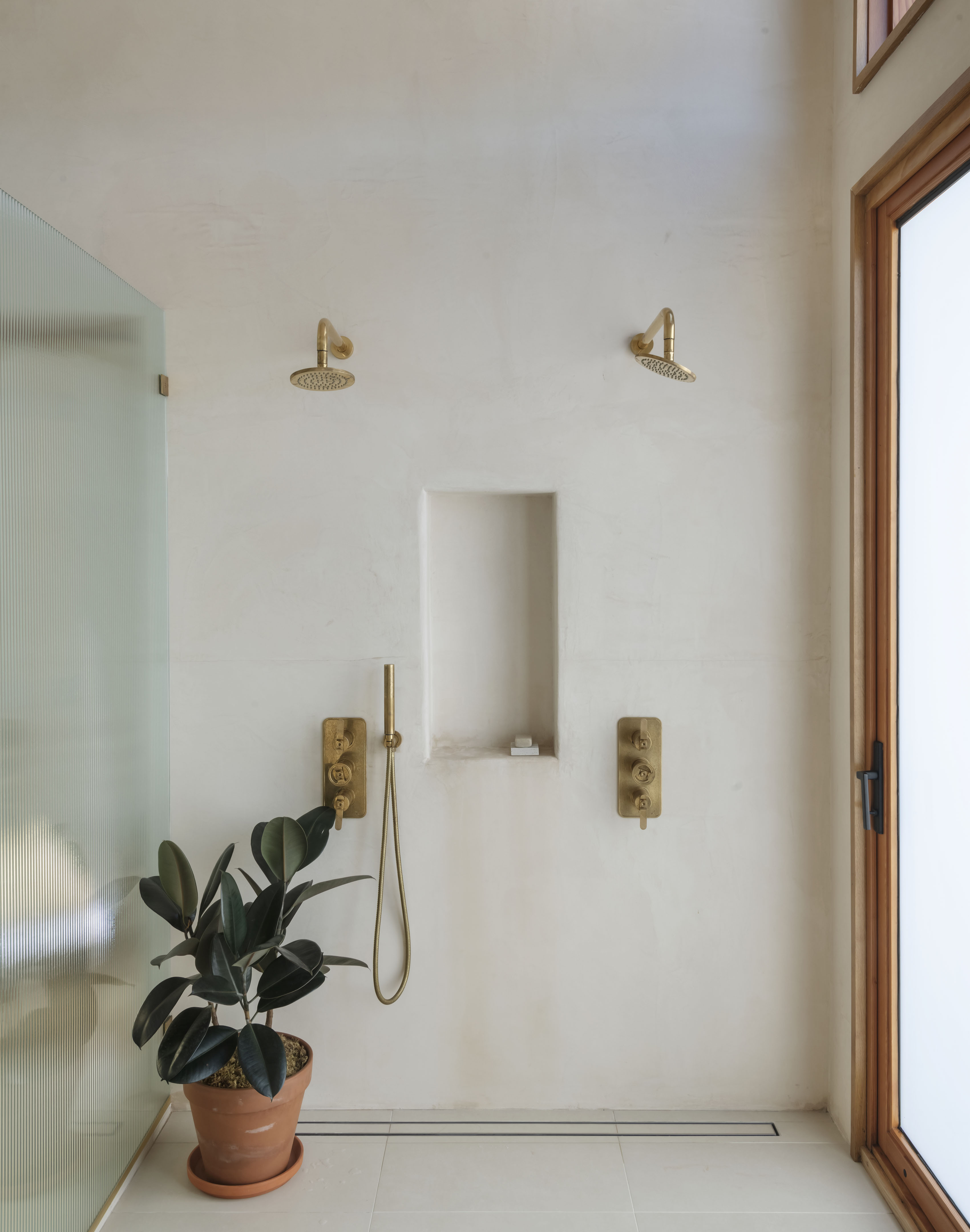
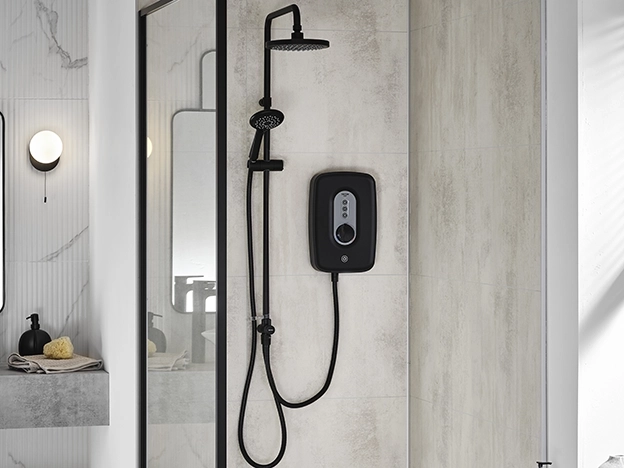
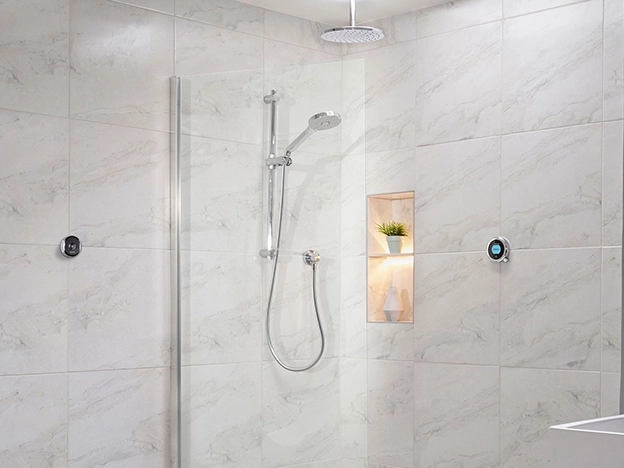
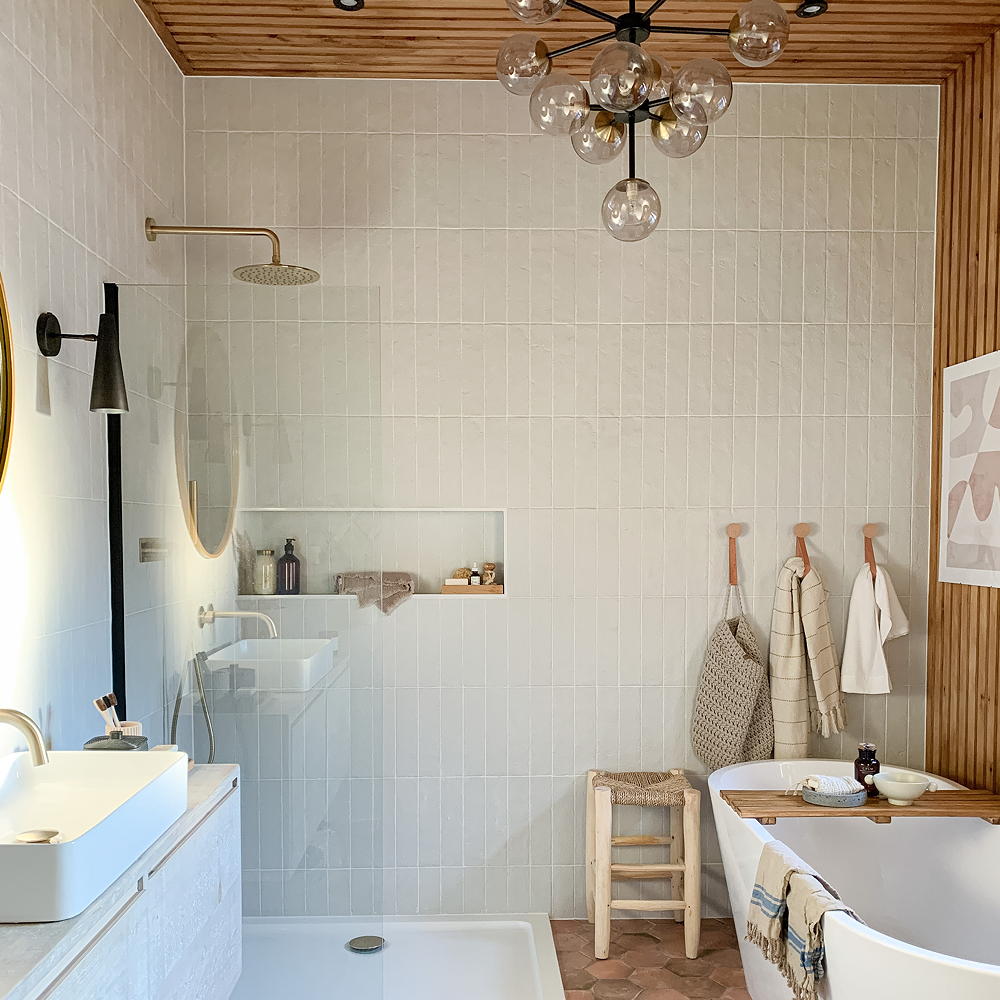
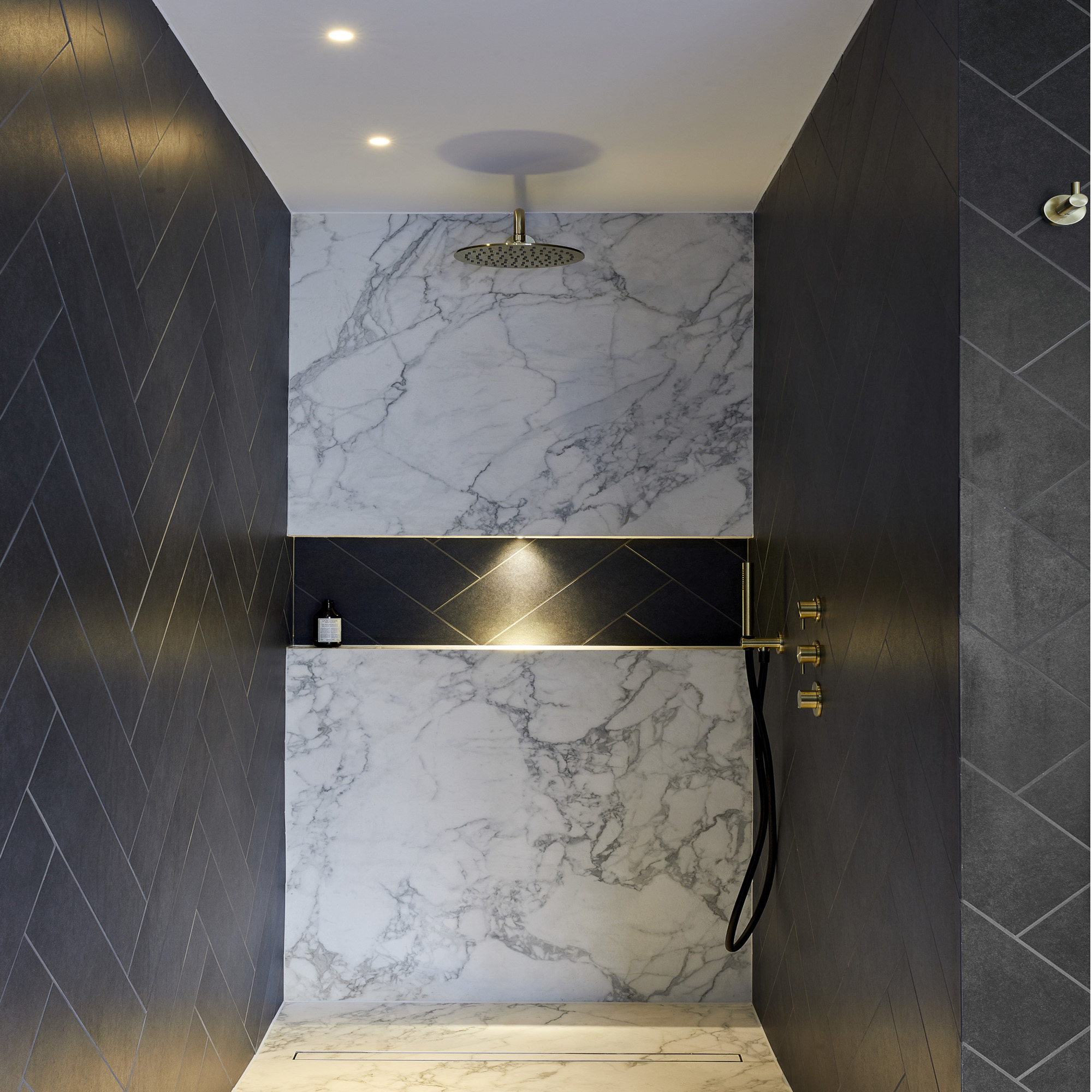
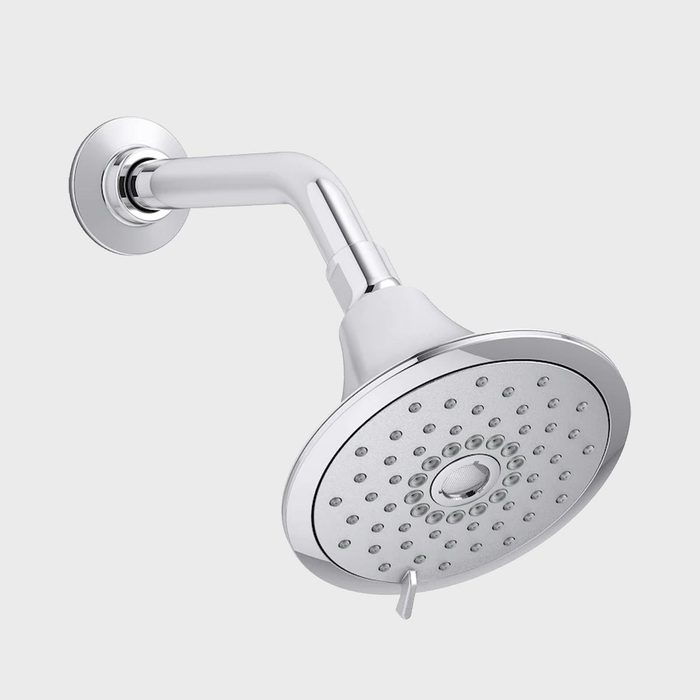
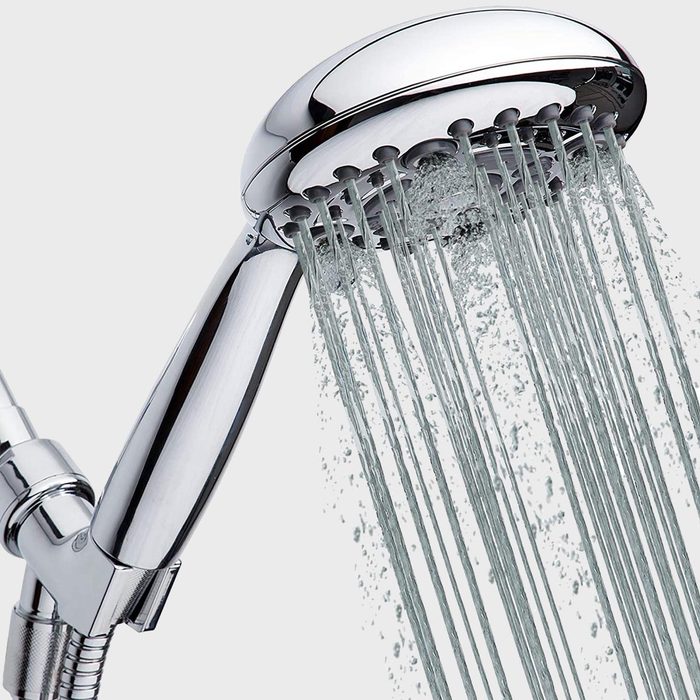
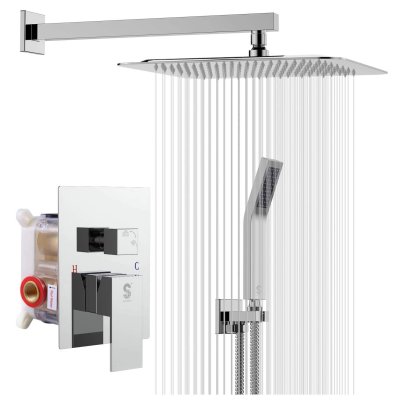
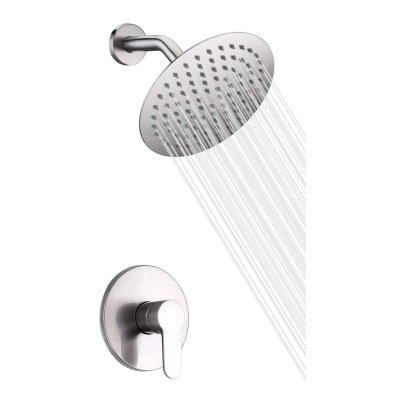
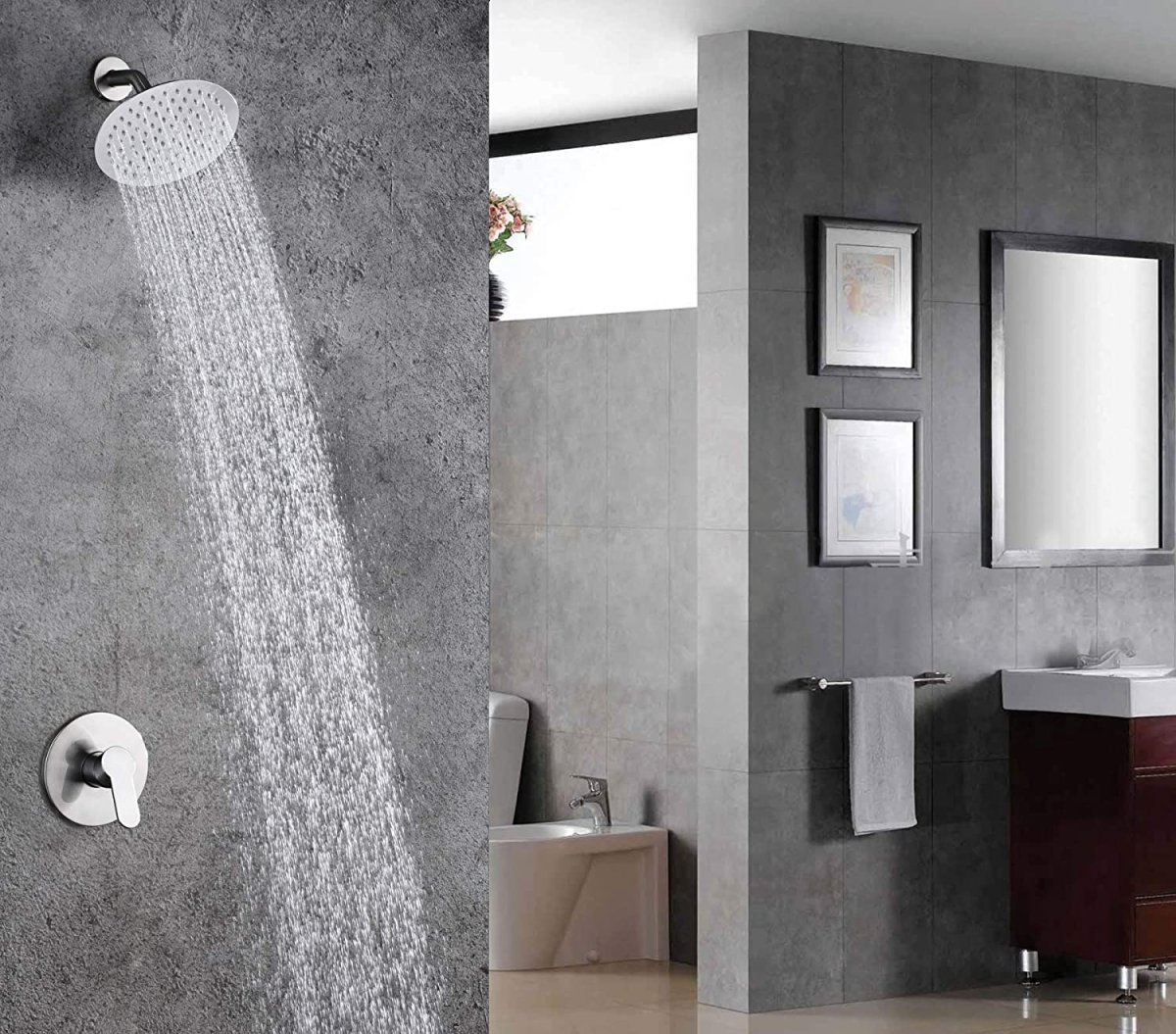
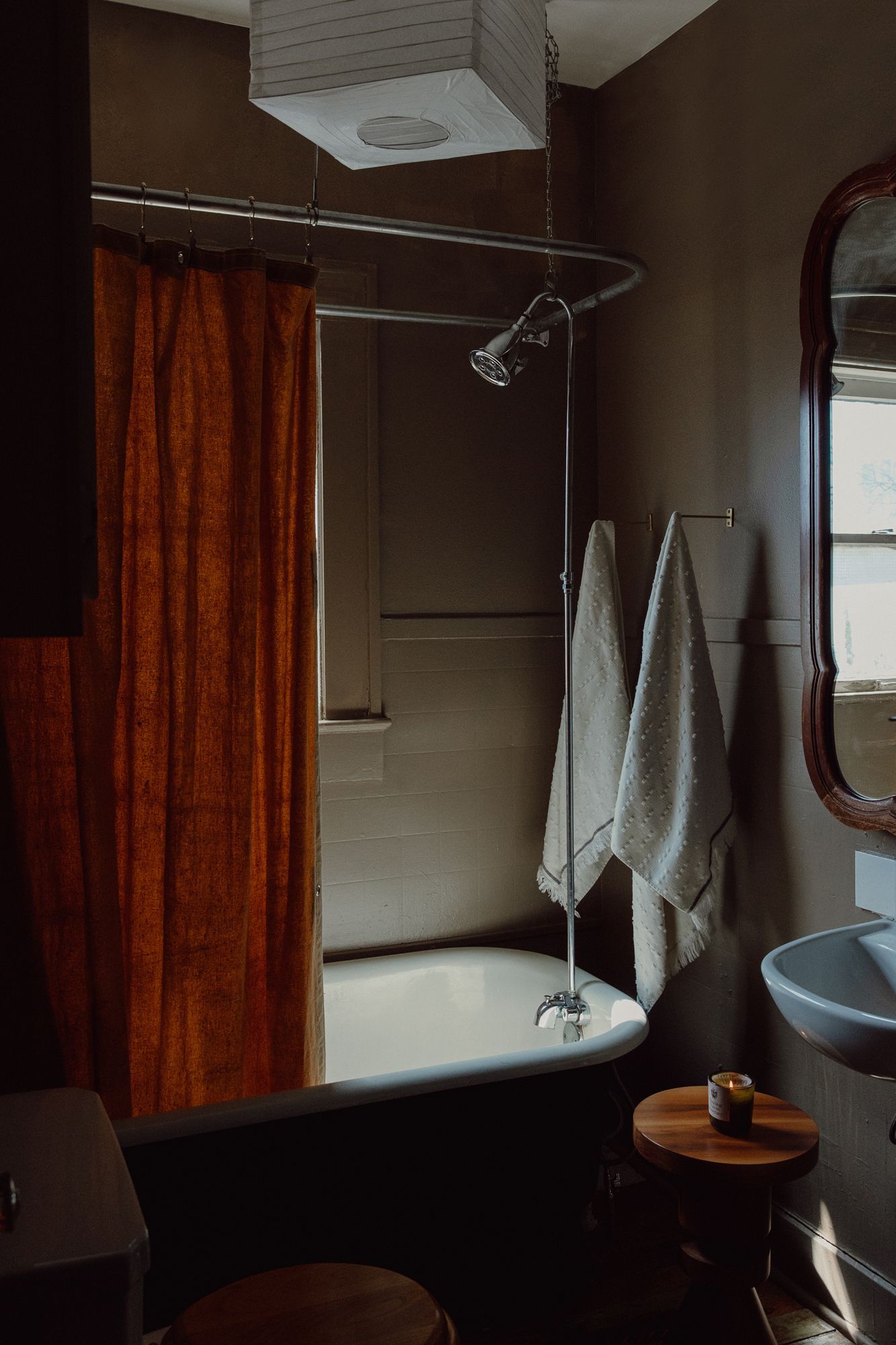
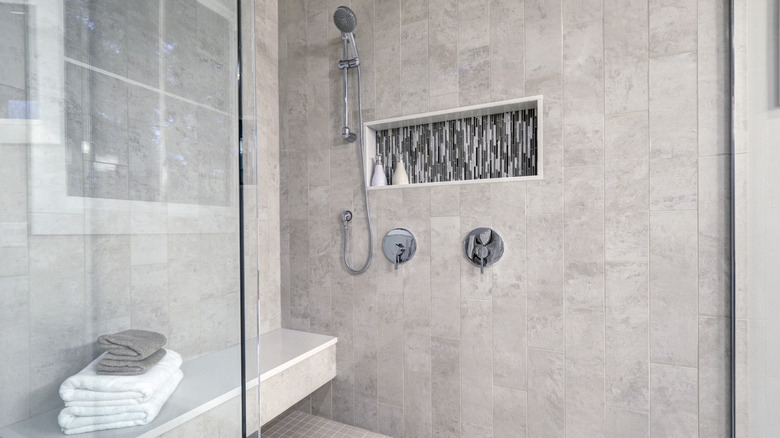
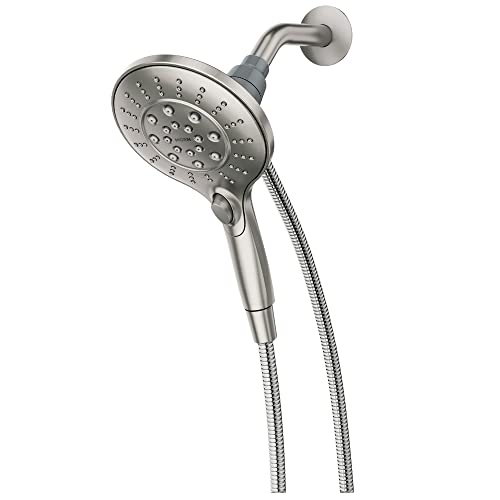
Handheld showers offer flexibility and directional control, making them ideal for targeted cleaning, assisting individuals with mobility issues, showering children, or washing pets. They can be mounted on a wall bracket or held, and their installation typically involves adding a bracket and in-wall plumbing connections. Rainfall showers are designed to mimic the soothing sensation of gentle rain with their large, overhead showerheads, creating a luxurious, spa-like atmosphere. They cover a wide area, making them suitable for washing and conditioning hair effectively, and generally require ceiling-mounted installation for optimal water distribution.
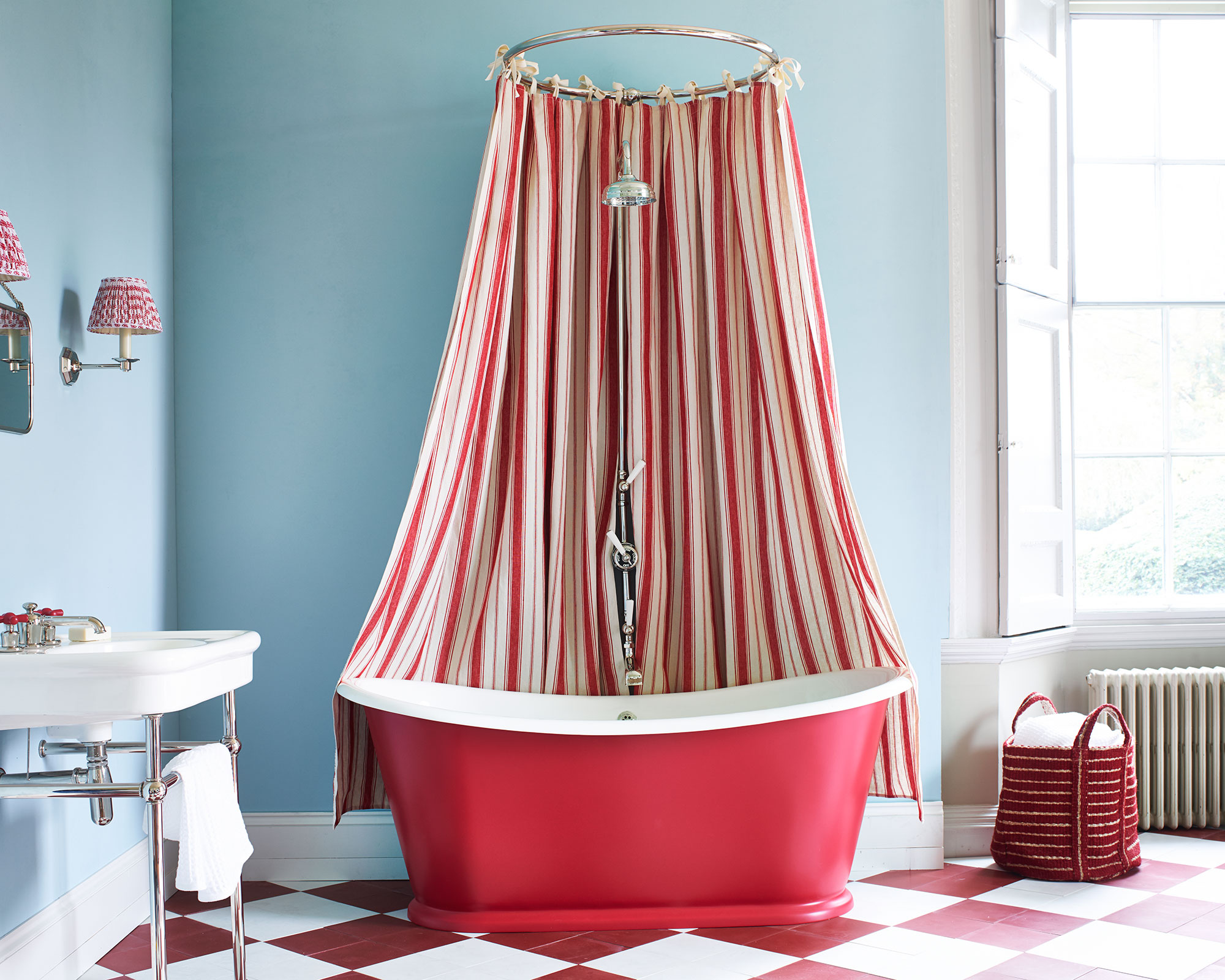
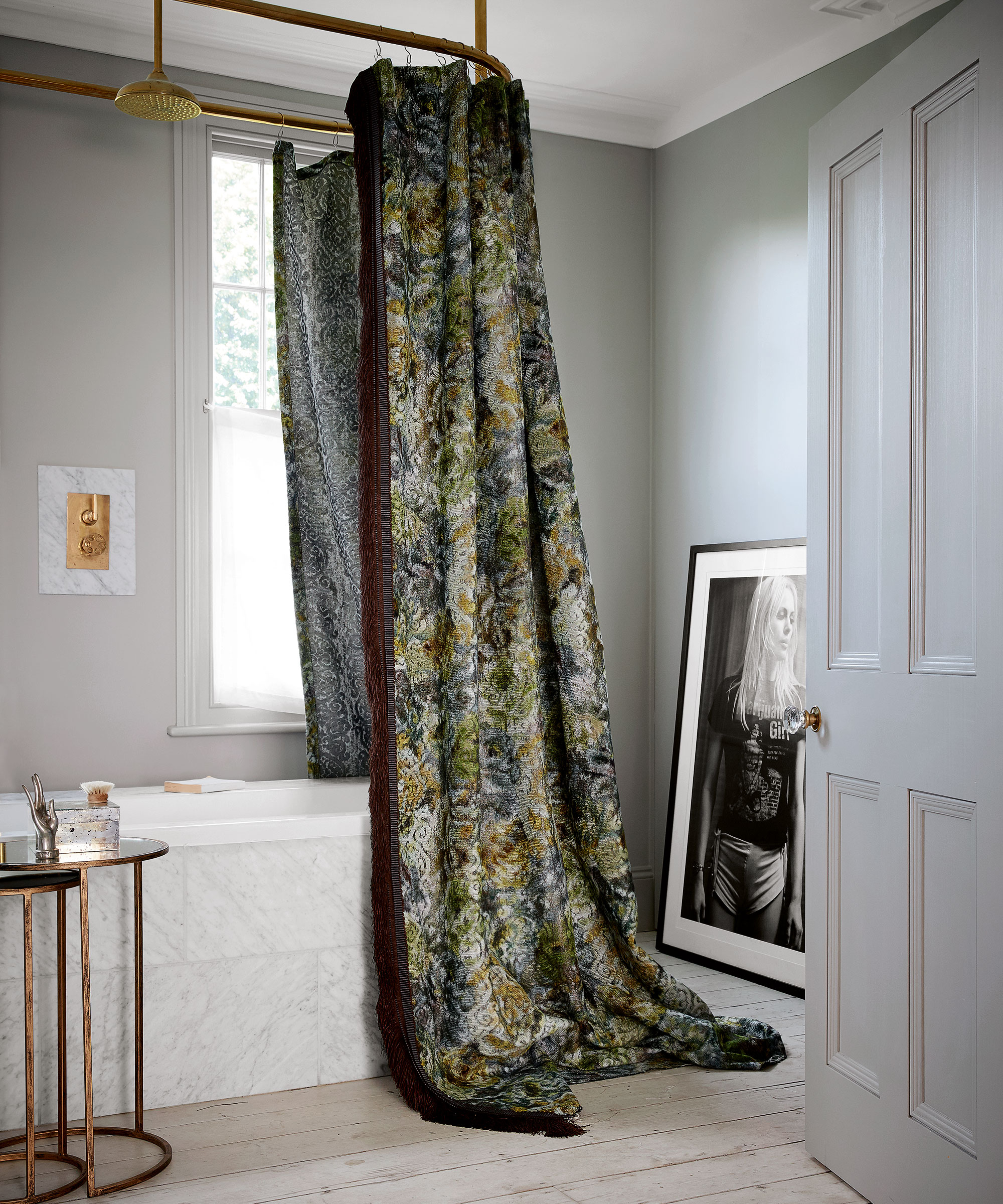
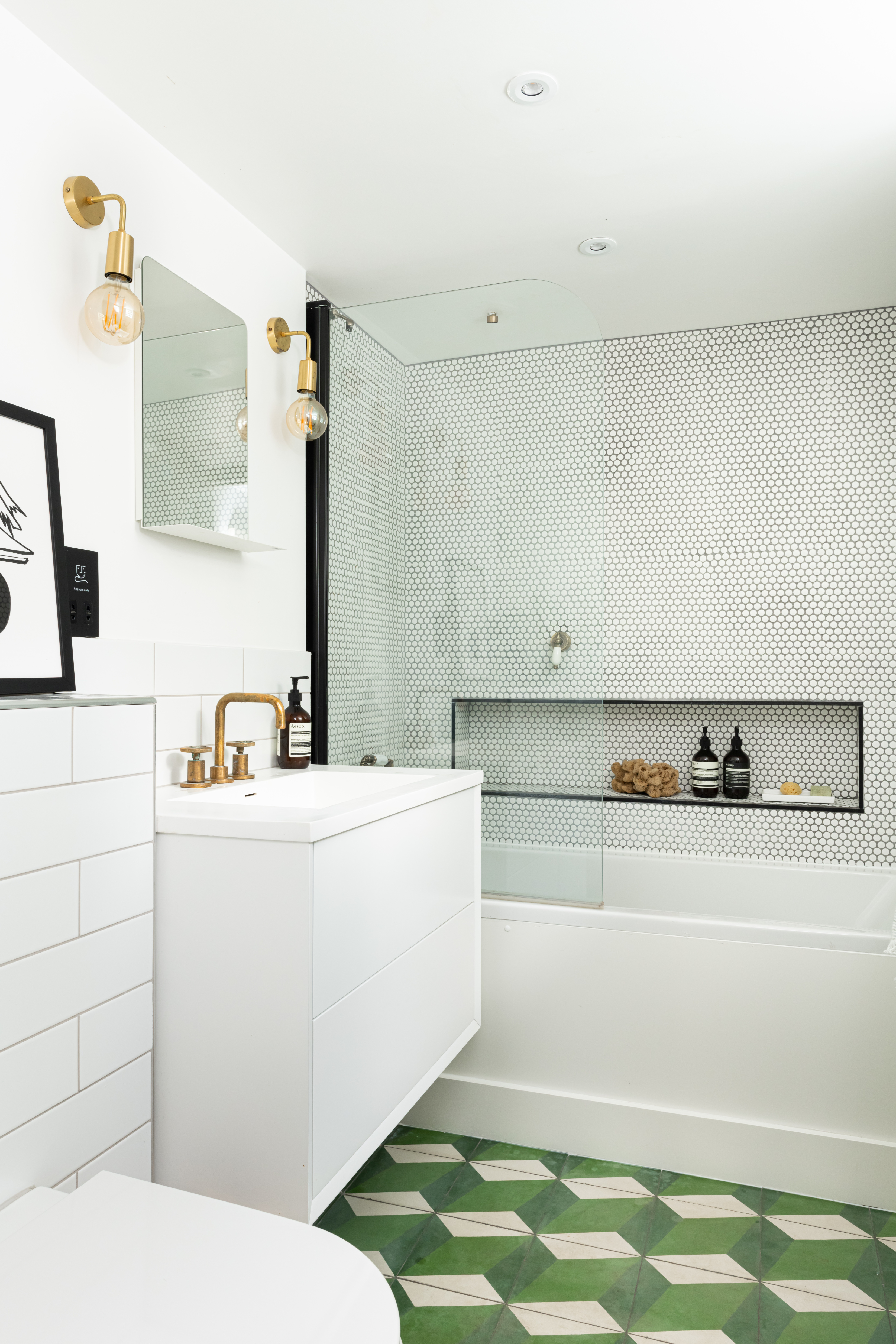
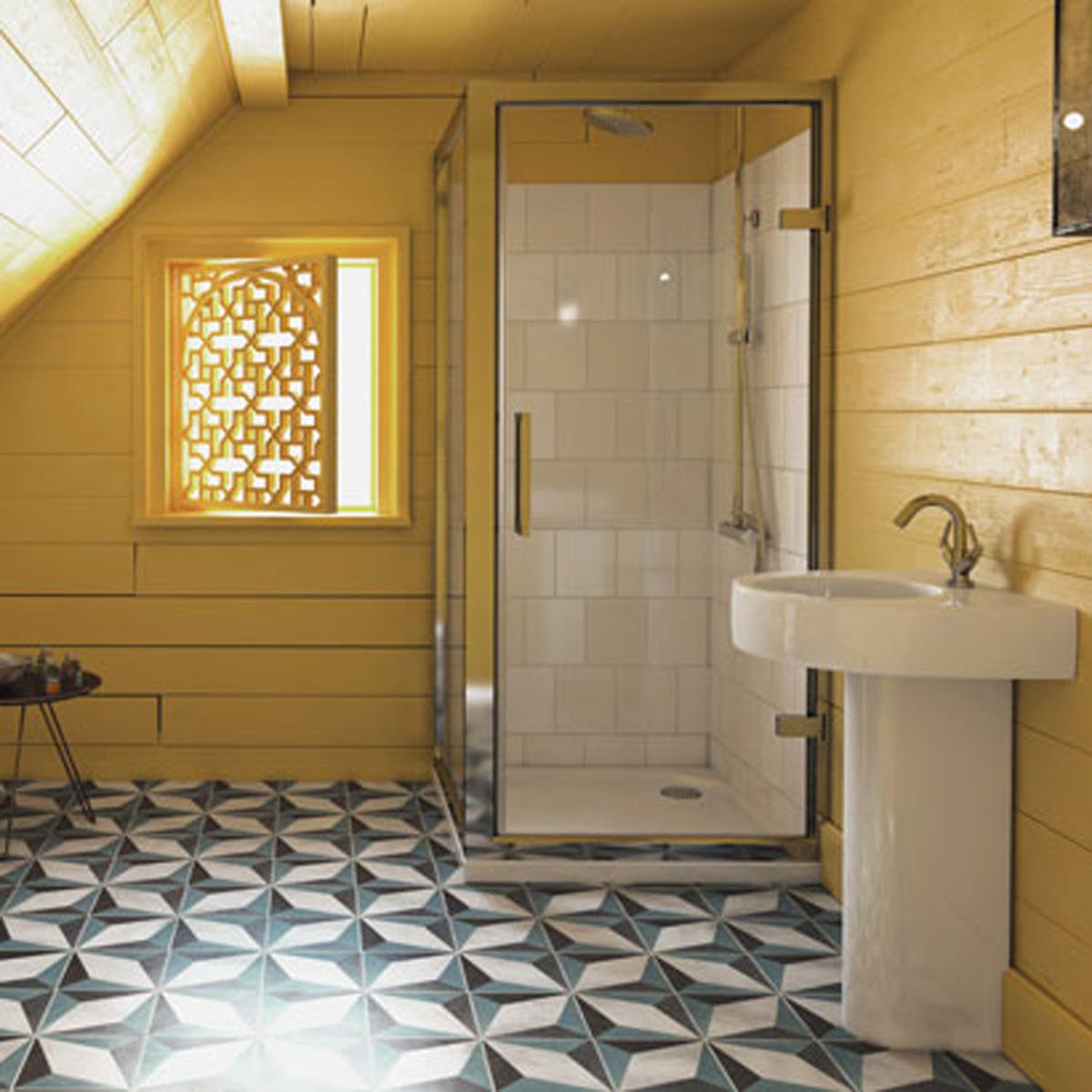
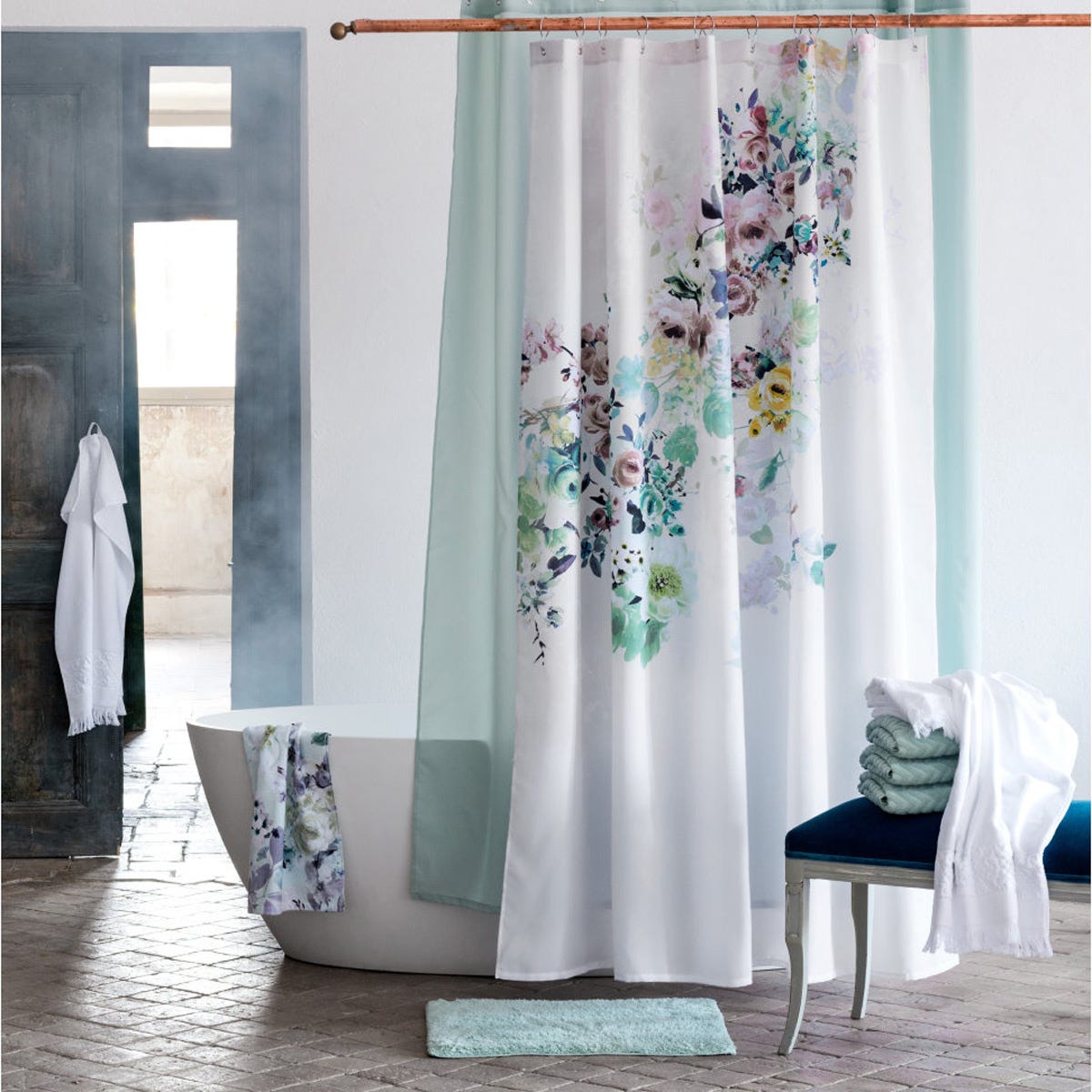
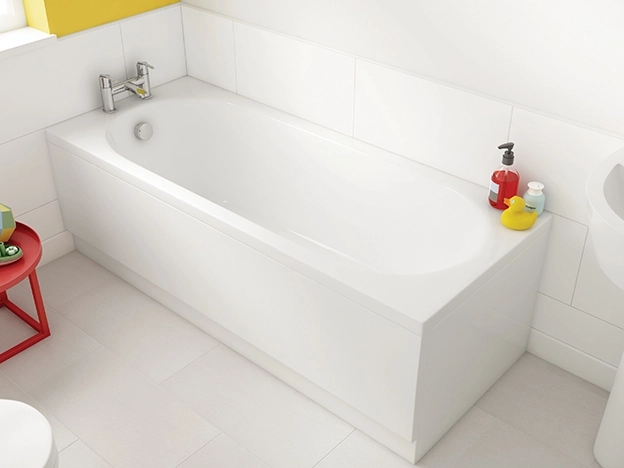
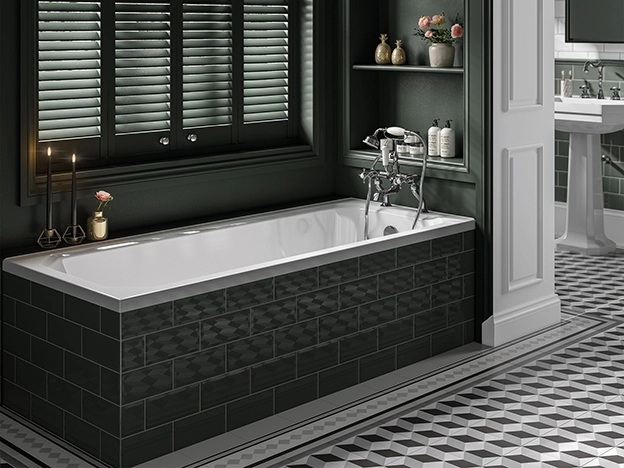
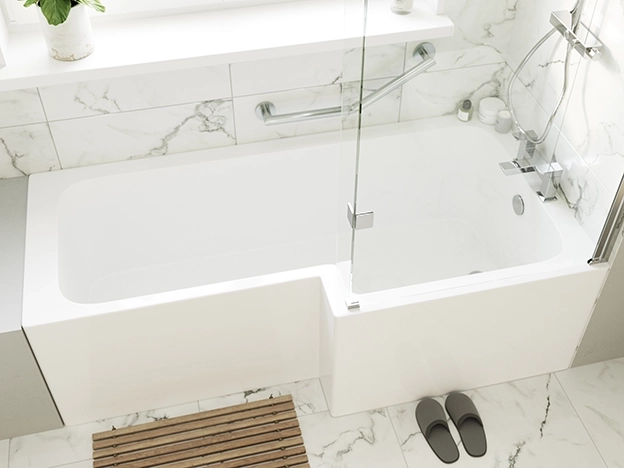
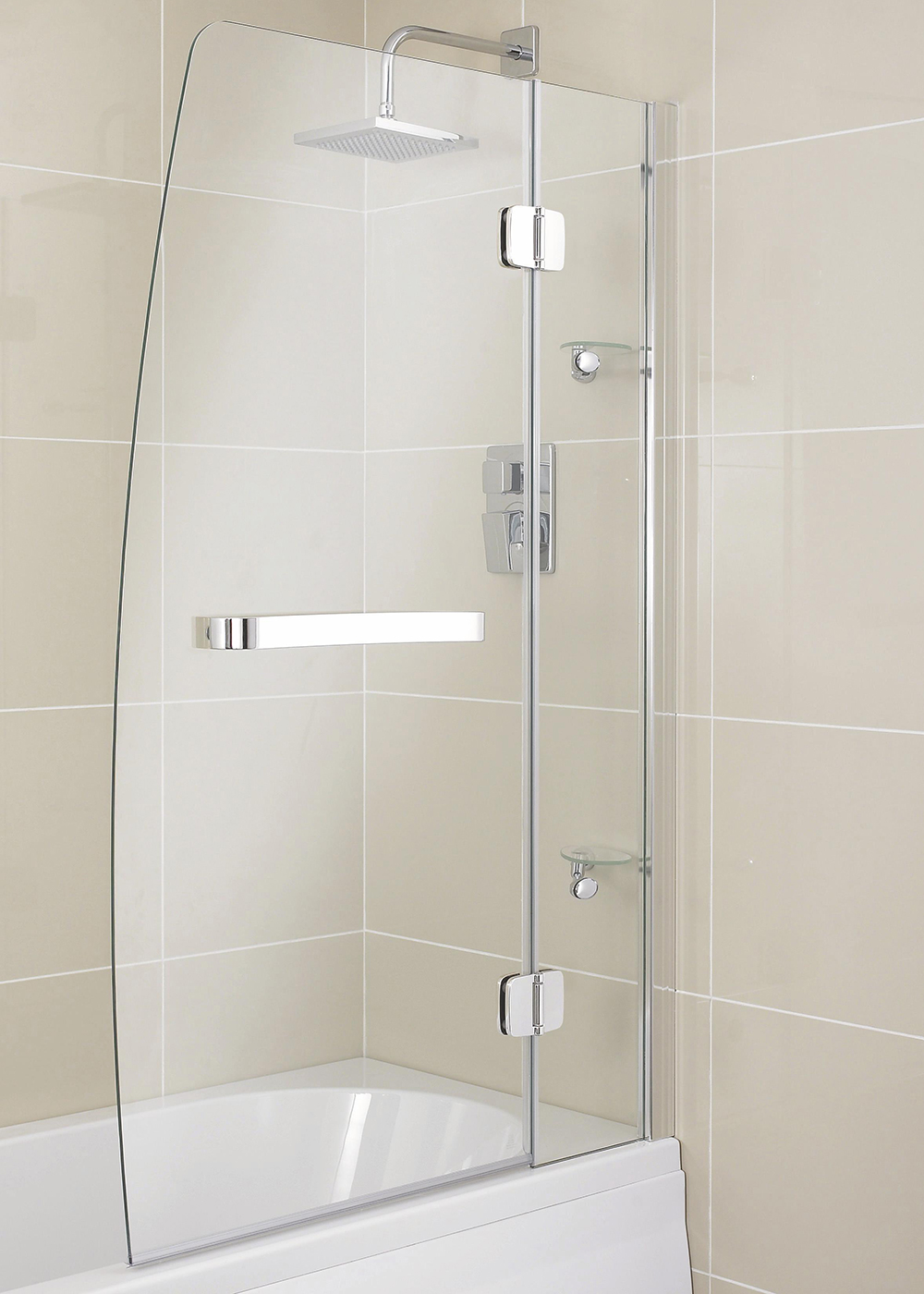
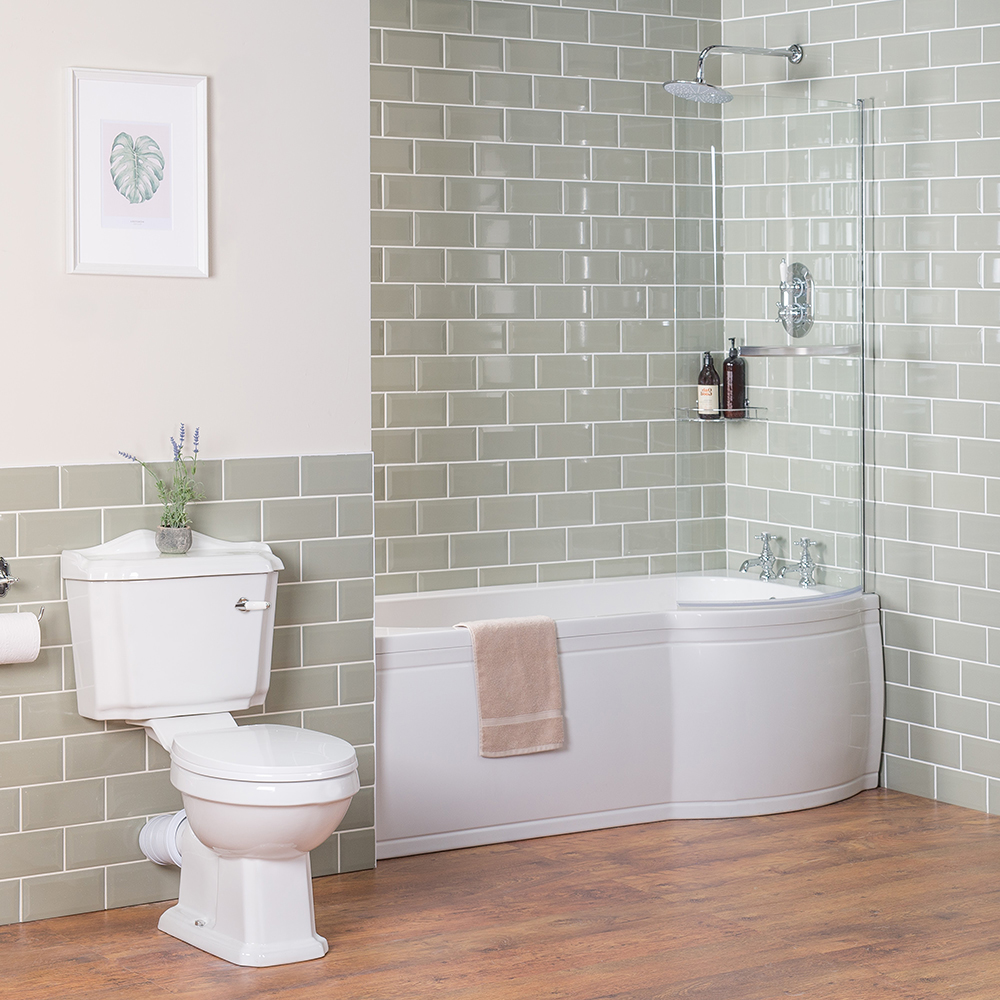
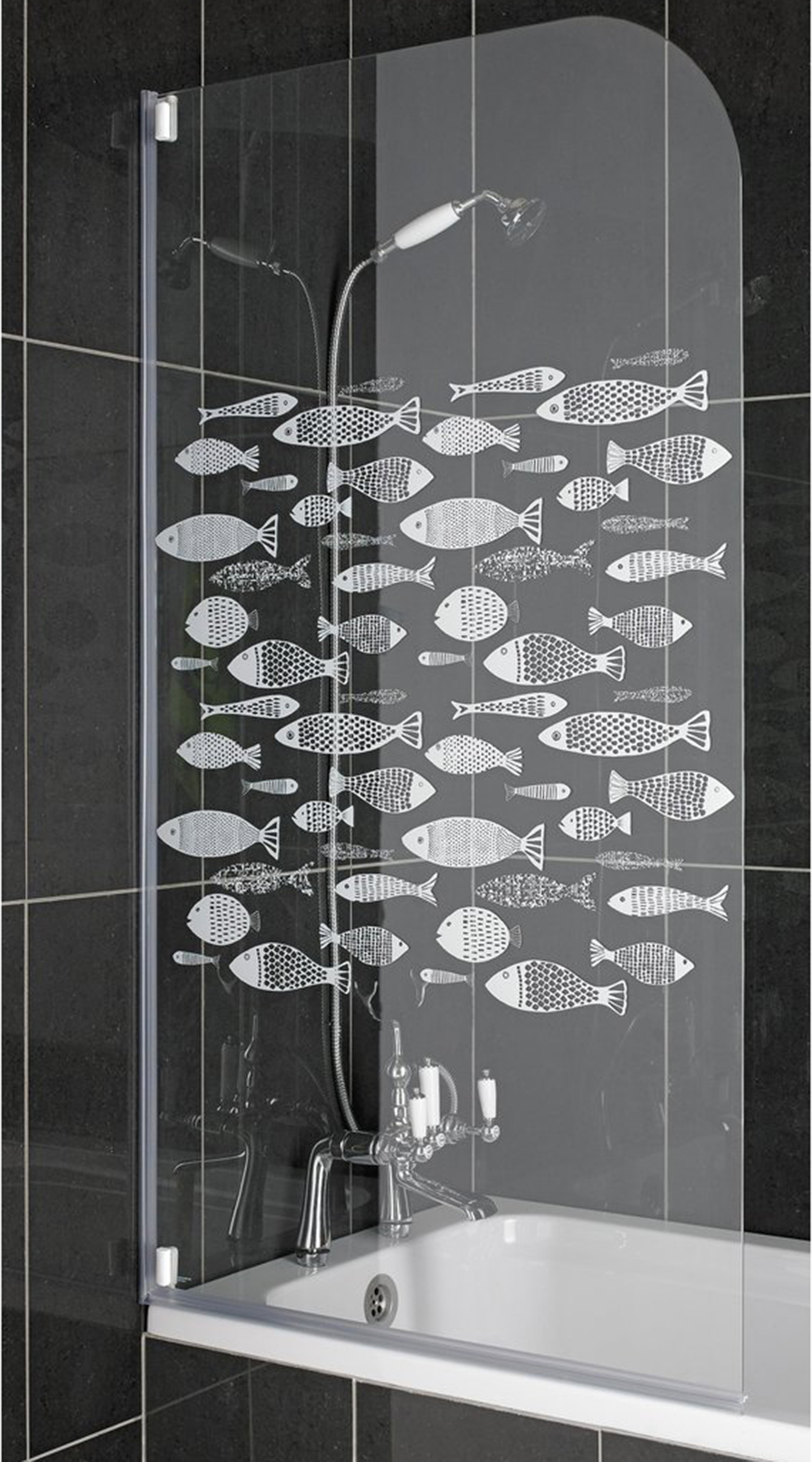
Steam showers transform a bathroom into a personal spa, utilizing a steam generator to create a relaxing environment. These are beneficial for muscle recovery, respiratory issues, and skin hydration. Essential considerations for steam showers include proper ventilation, waterproofing, and an airtight enclosure to contain the steam effectively. Tub-shower combos provide the convenience of both a quick shower and a leisurely bath, making them a practical choice for families or smaller bathrooms where space is a premium. Their installation is straightforward, involving the integration of a showerhead and faucet into the tub area, and they can be customized with a shower curtain or glass enclosure.
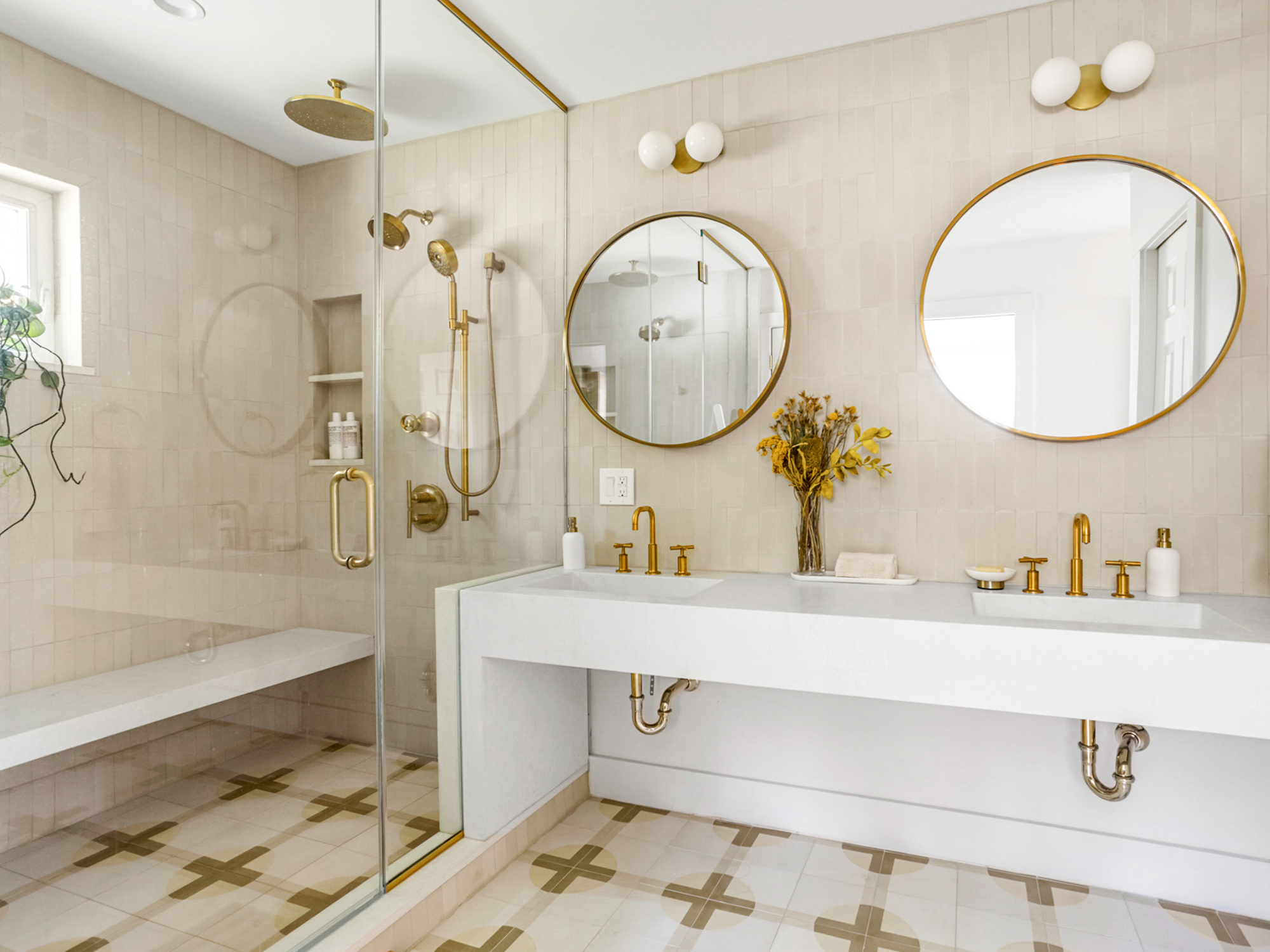
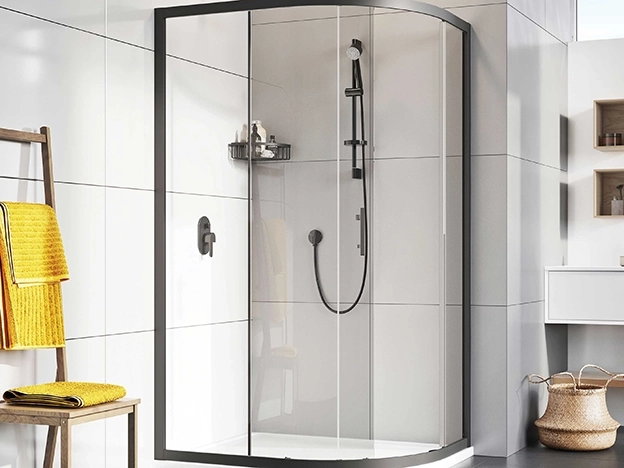
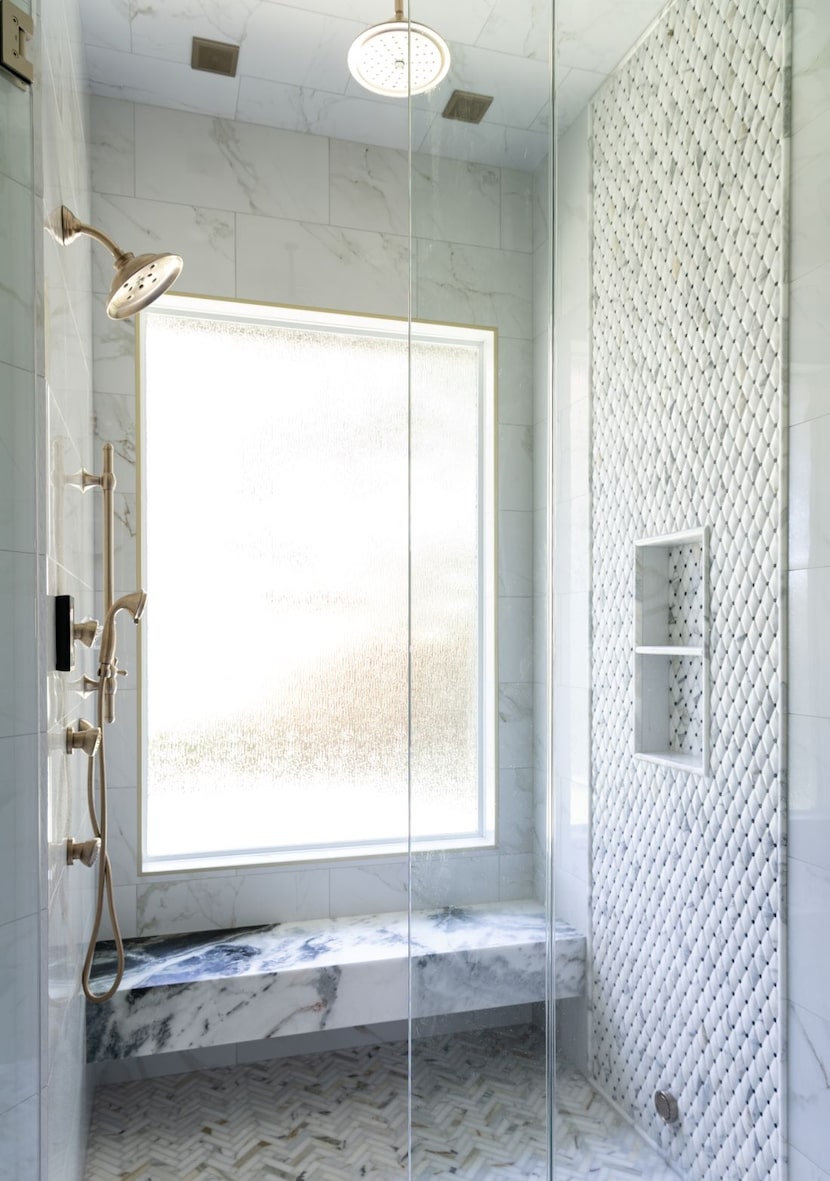
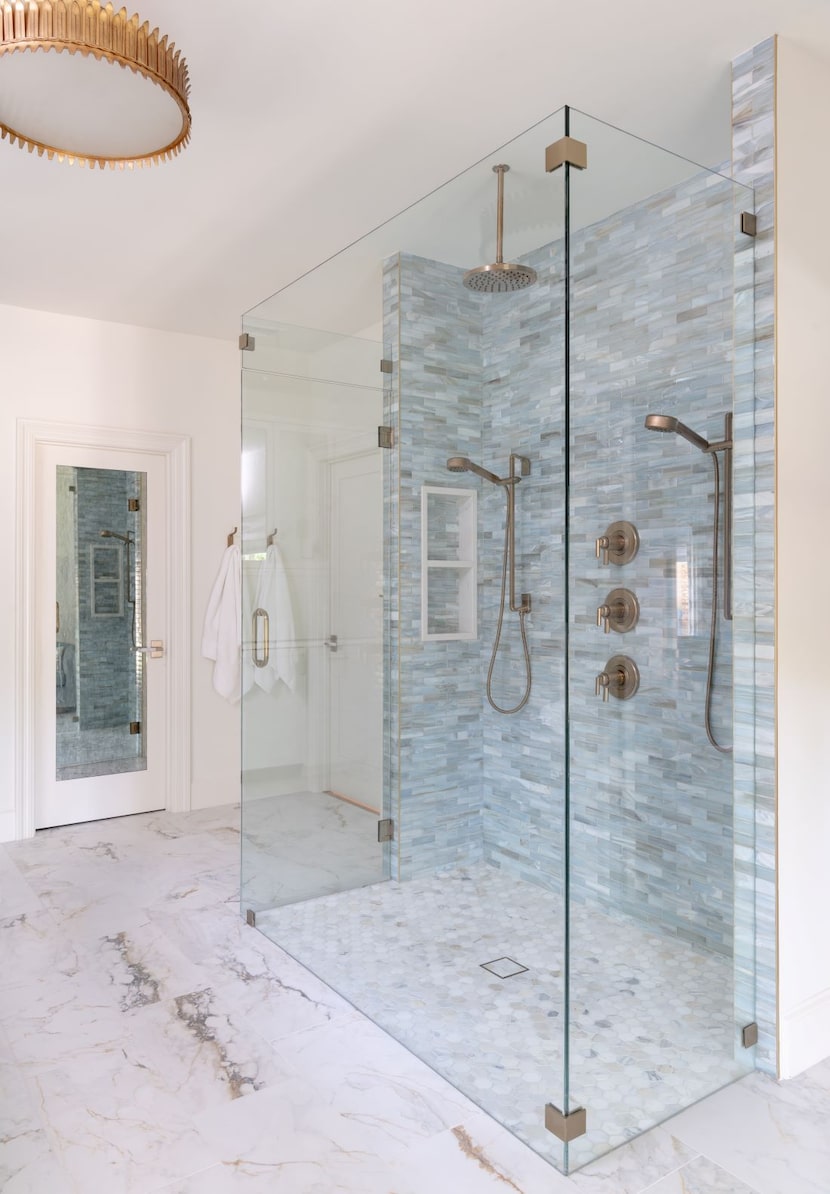
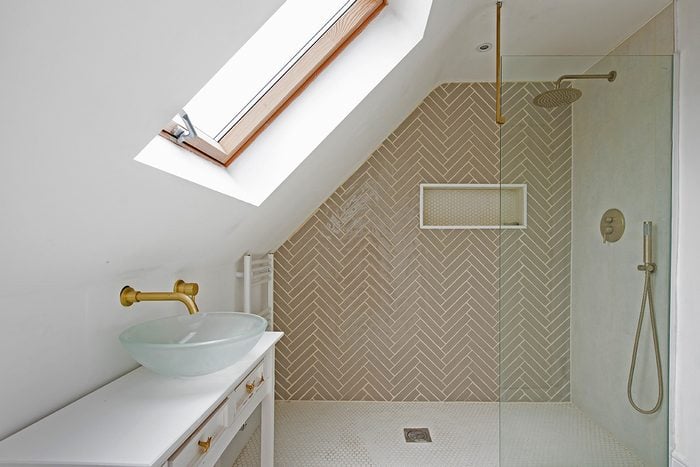
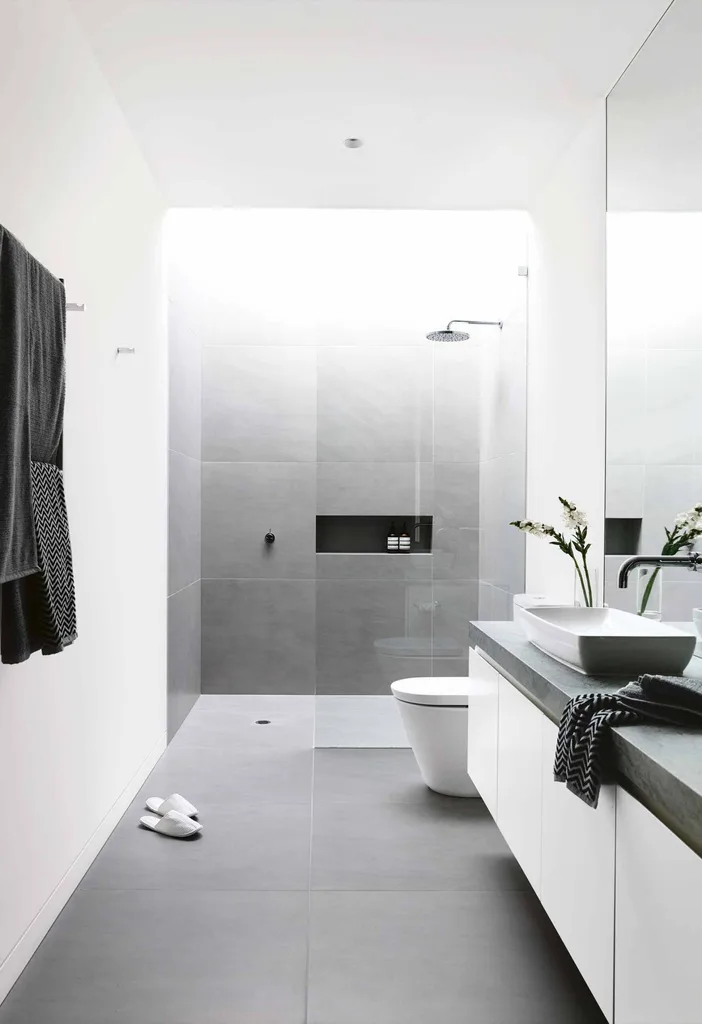
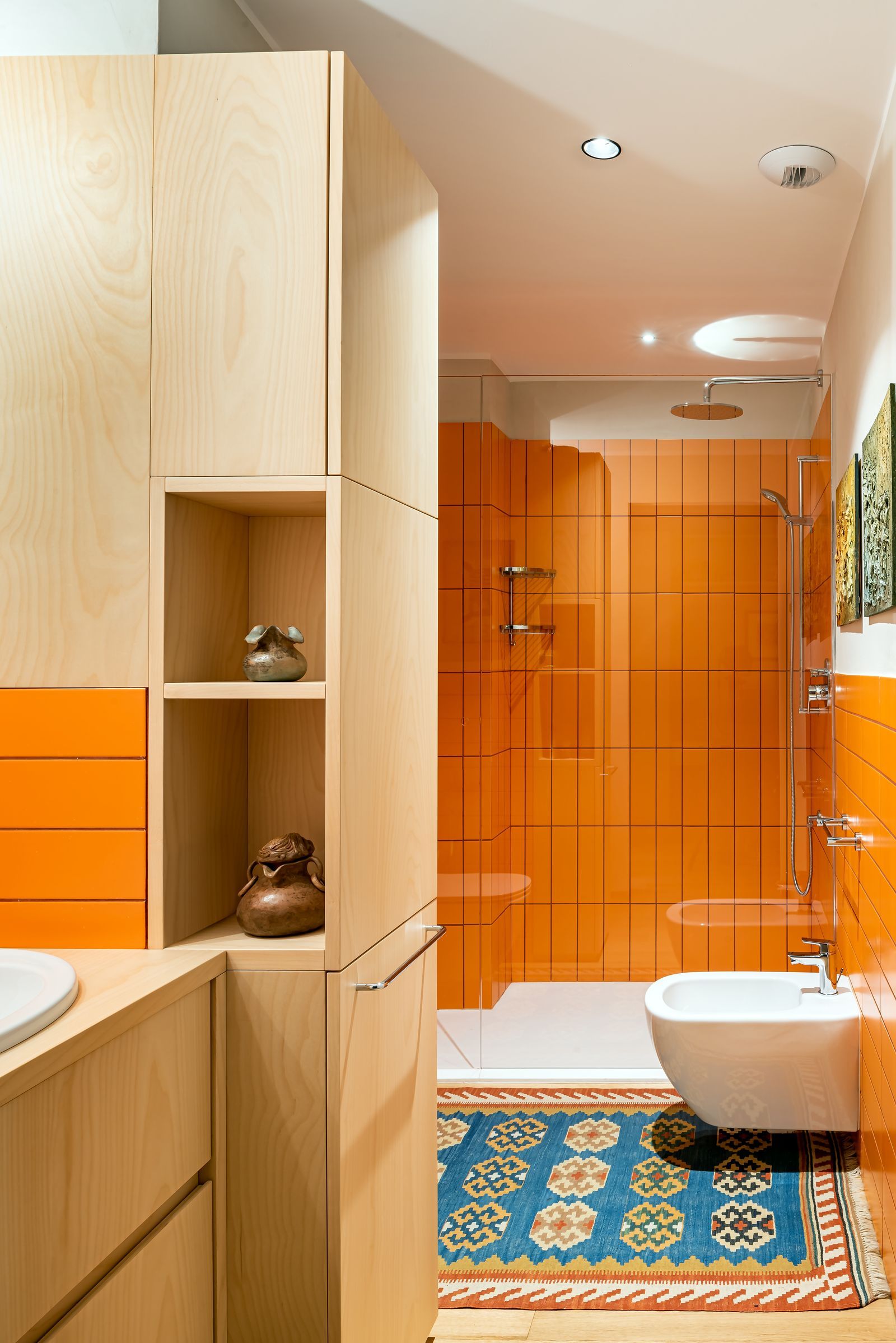
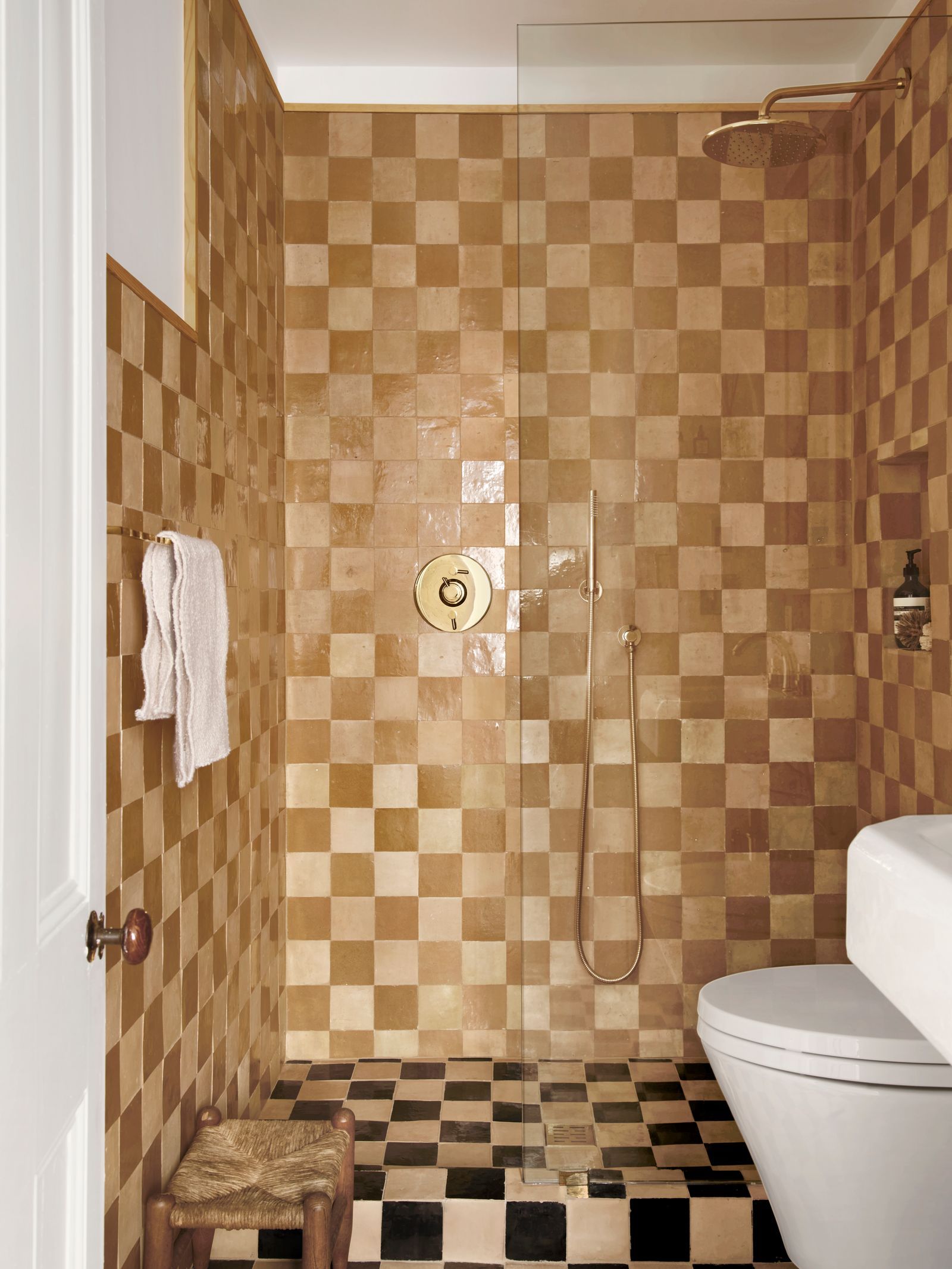
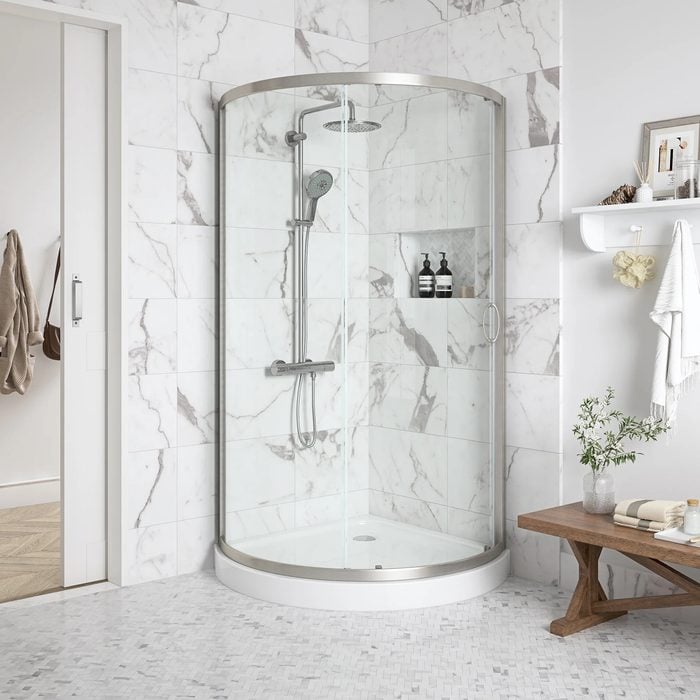
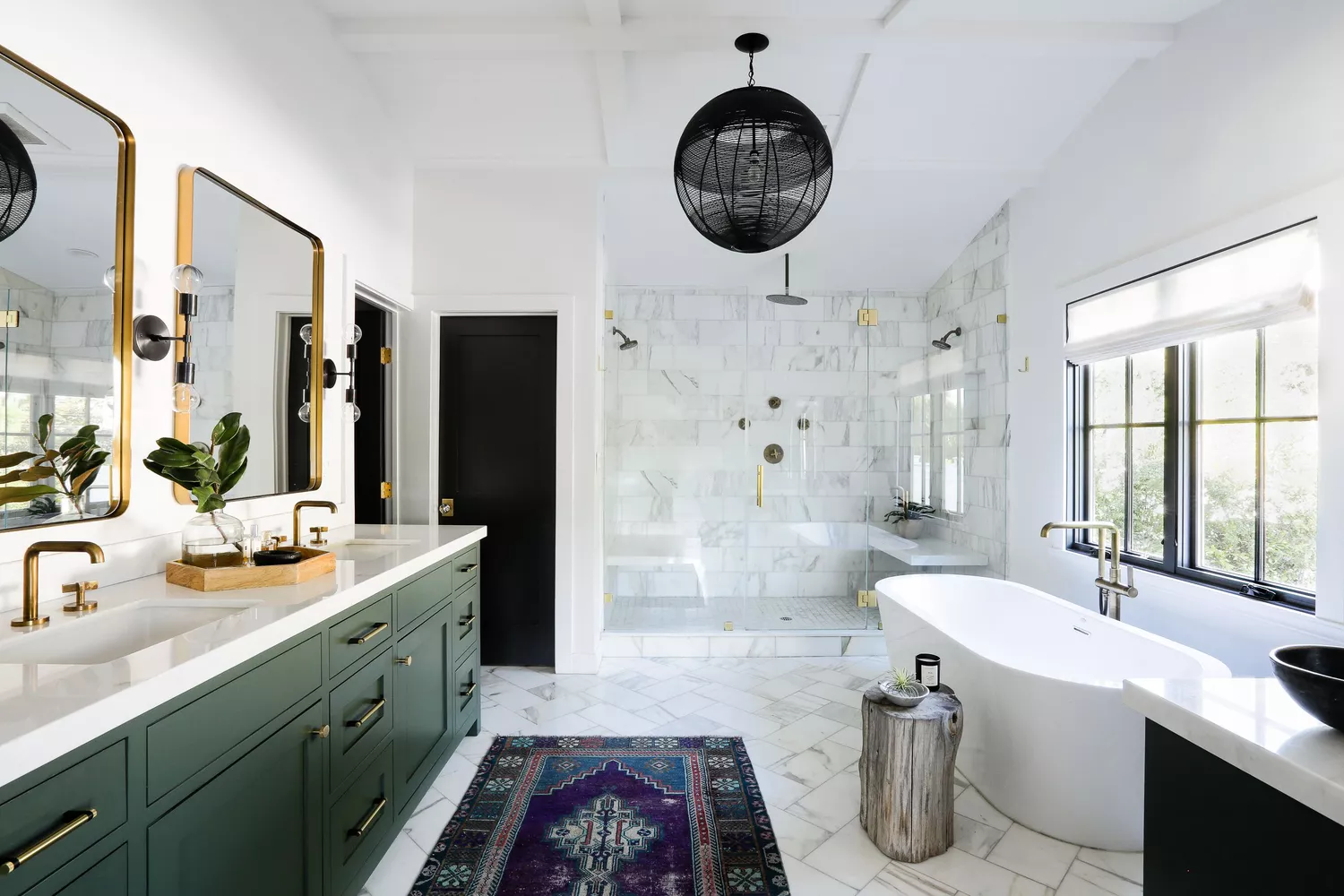
Finally, walk-in showers offer a modern, minimalist look and a spacious feel. They can be curbed or curbless and may or may not include a door. These are particularly advantageous for individuals with limited mobility or those planning to age in place, promoting independence. Curbless walk-in showers are especially beneficial for wheelchair users. Regardless of the type chosen, understanding the installation requirements, benefits, and potential drawbacks of each shower option is essential for making an informed decision that aligns with personal needs and bathroom aesthetics.
#ShowerDesign #BathroomRemodel #HomeImprovement #AccessibleDesign #EcoFriendlyHome #LuxuryBathrooms #SpaLikeBathroom #ModernHome #ShowerDesign #BathroomRemodel #HomeImprovement #AccessibleDesign #EcoFriendlyHome #LuxuryBathrooms #SpaLikeBathroom #ModernHome
0 comment in total
 No comments yet
You may also like
Bathroom shower ideas – 11 statement schemes that center around the bath

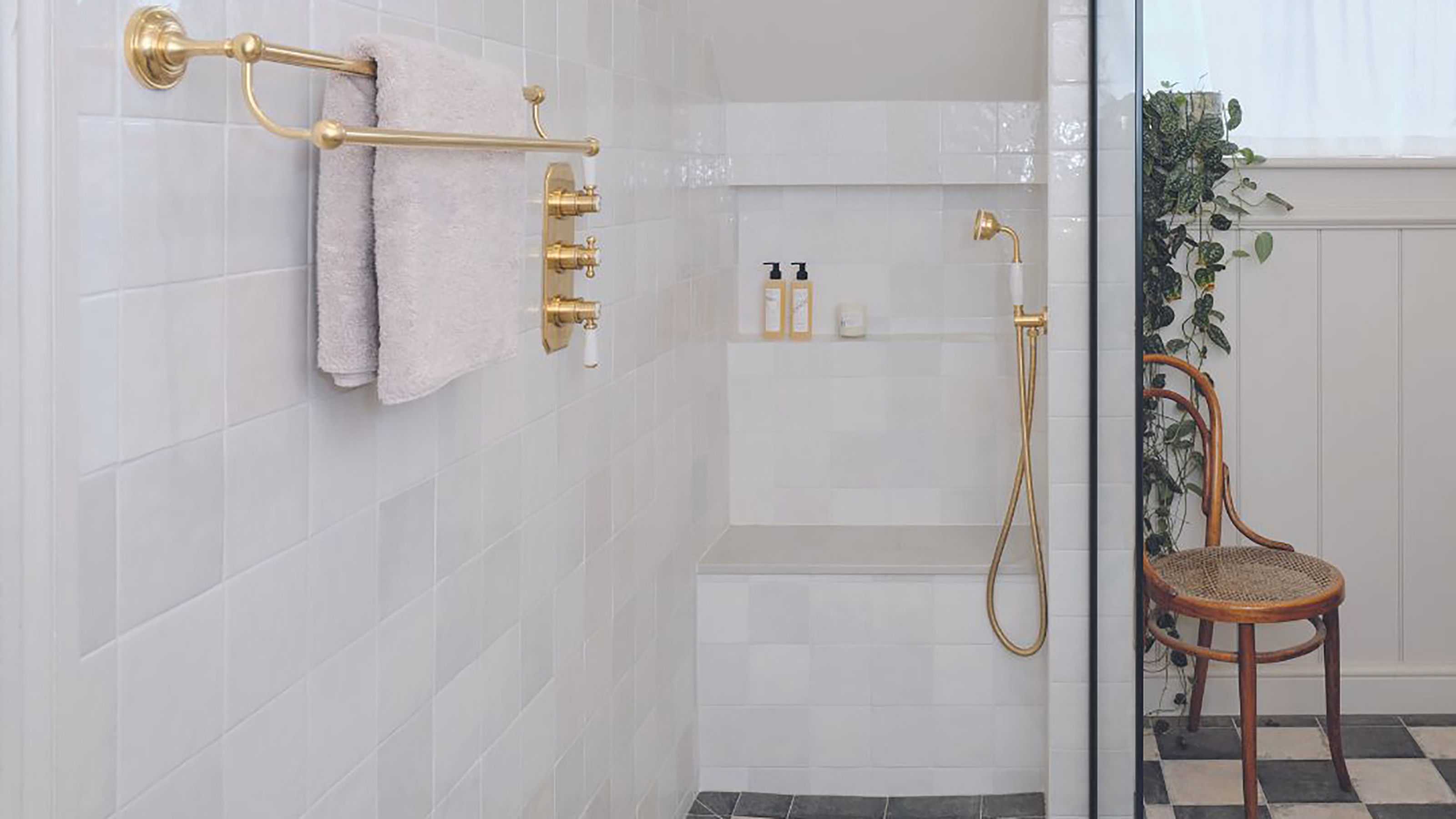
23 chic shower ideas to revamp your bathroom with style
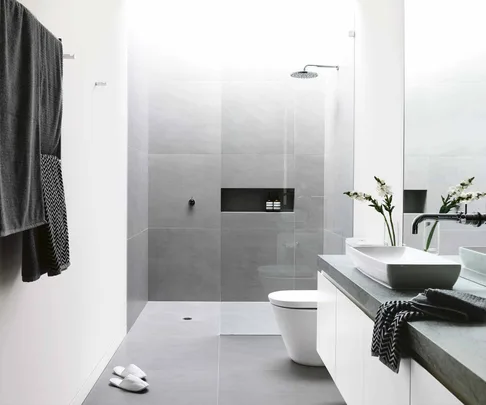
8 popular bathroom styles to steal and why they work

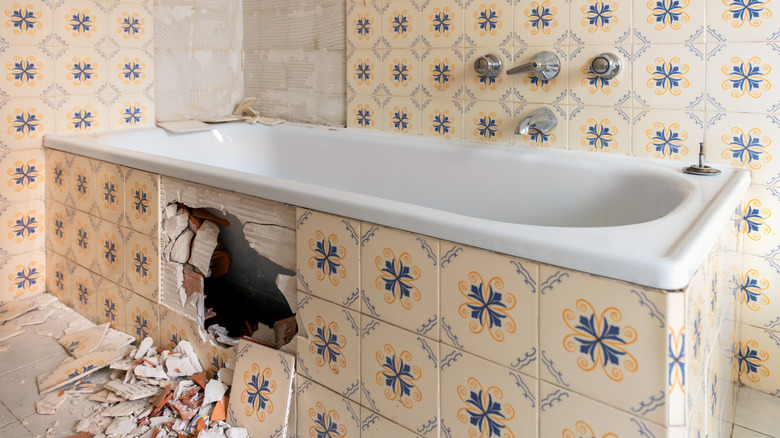
No More Tubs: The Shower Trend You'll See In More And More Bathrooms In 2026
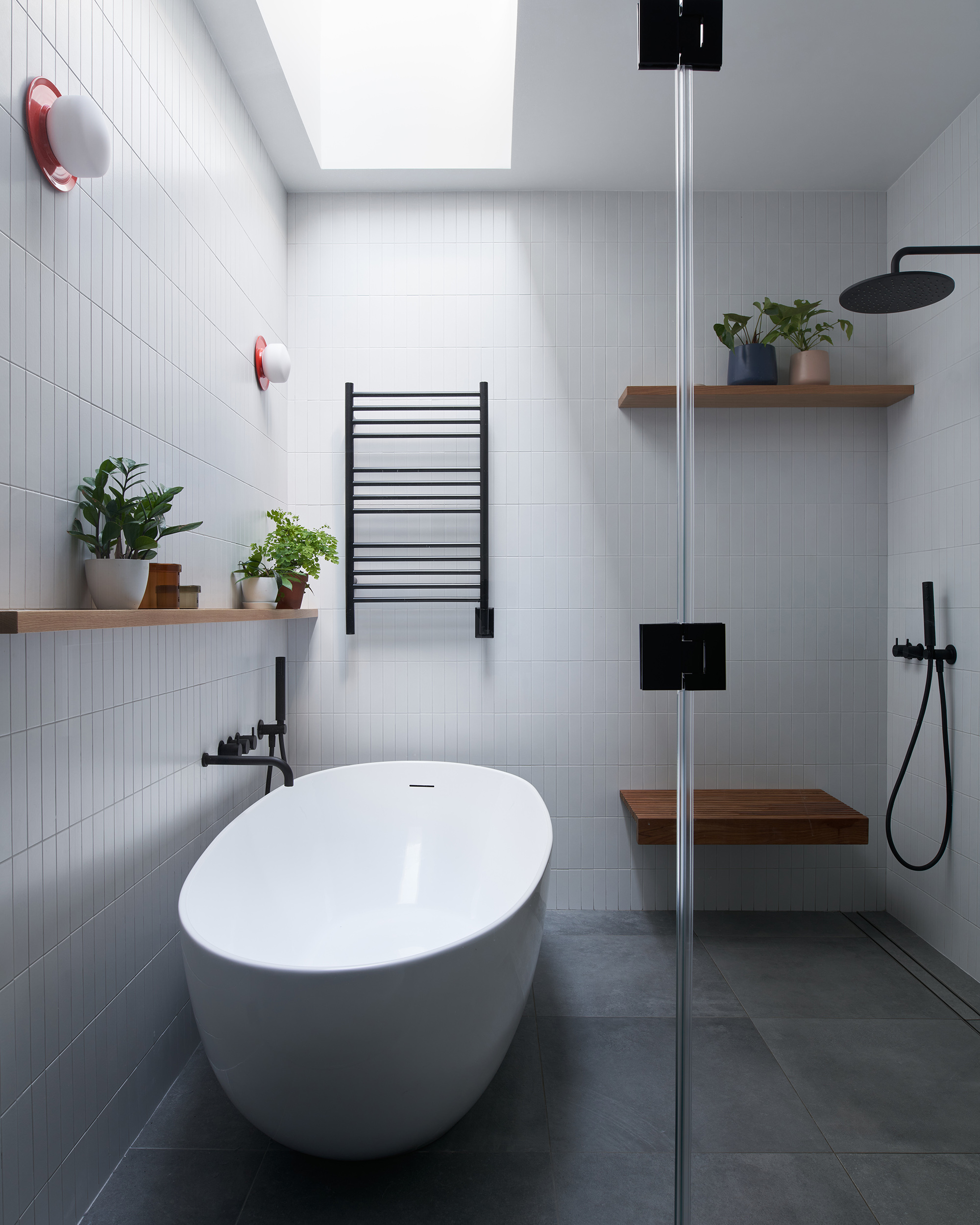
15 Modern Bathroom Shower Ideas

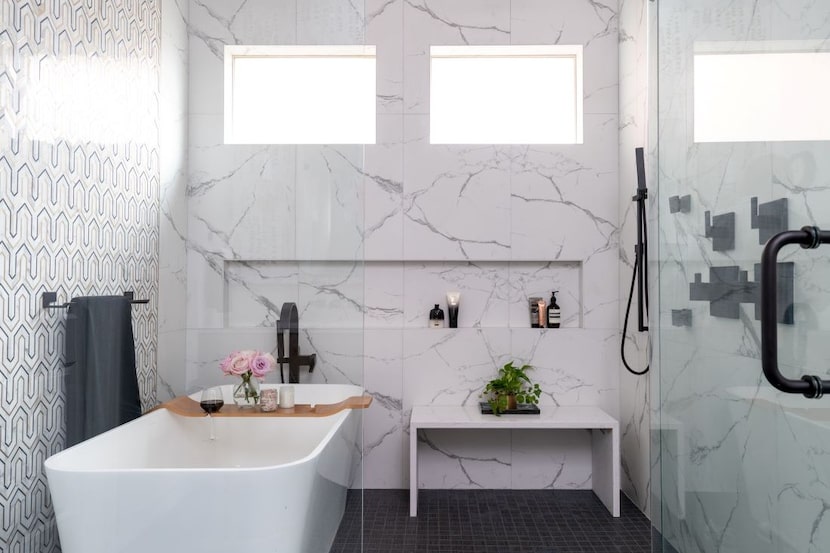
Considering a bathroom reno? Take inspiration from these gorgeous shower designs
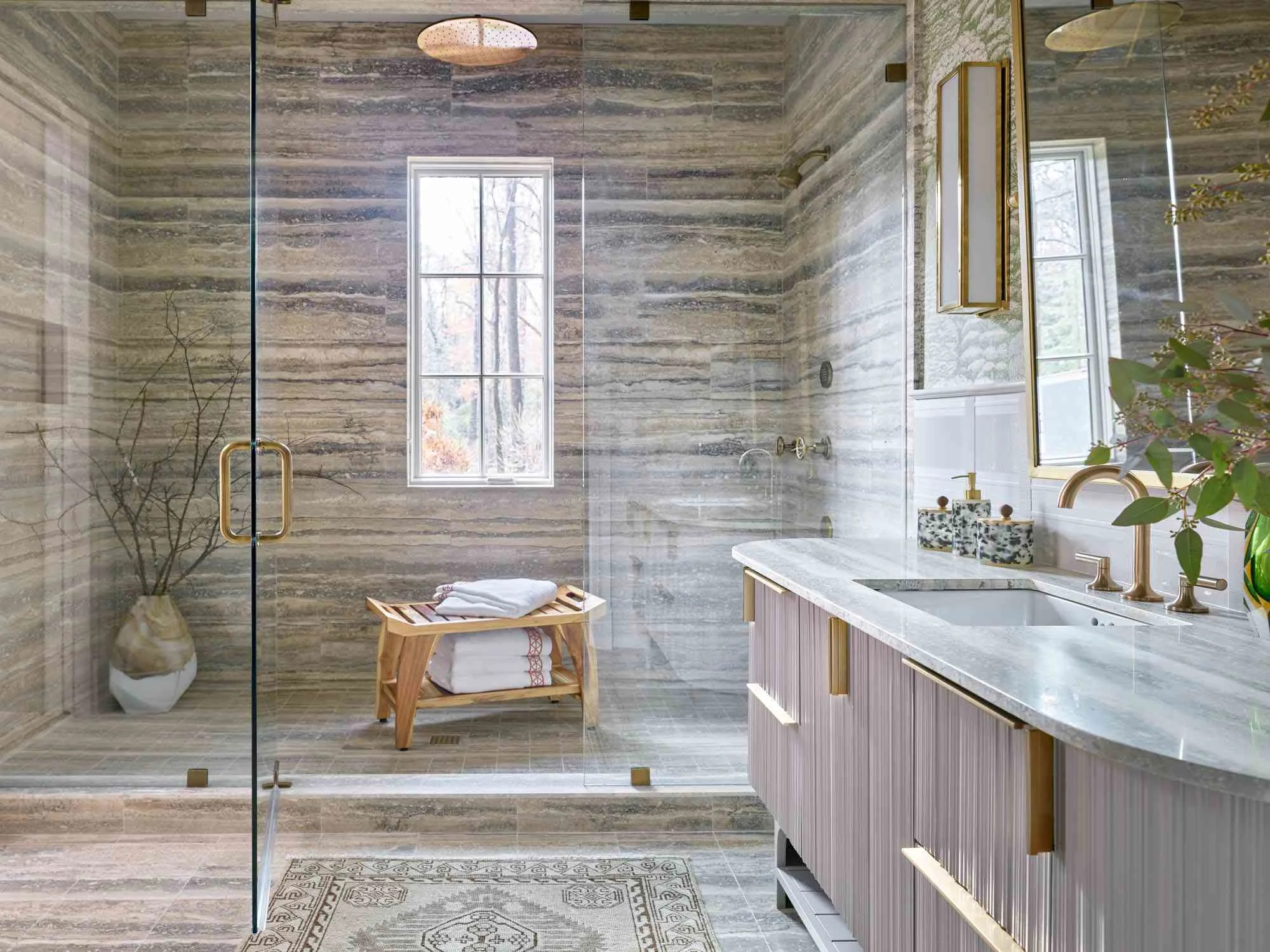
35 Walk-In Shower Ideas For Any Size Bathroom

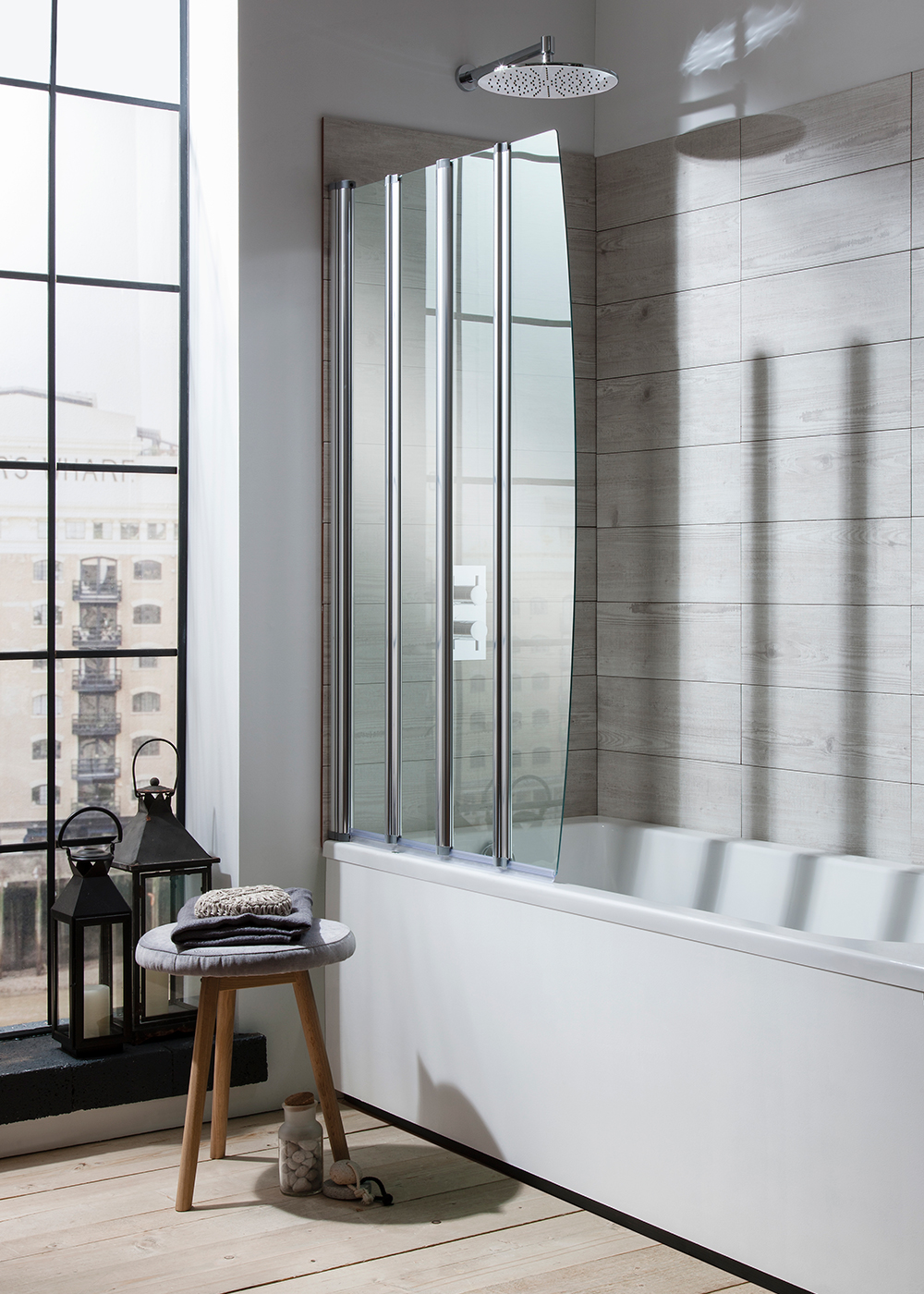
Bath shower screens – our pick of the best
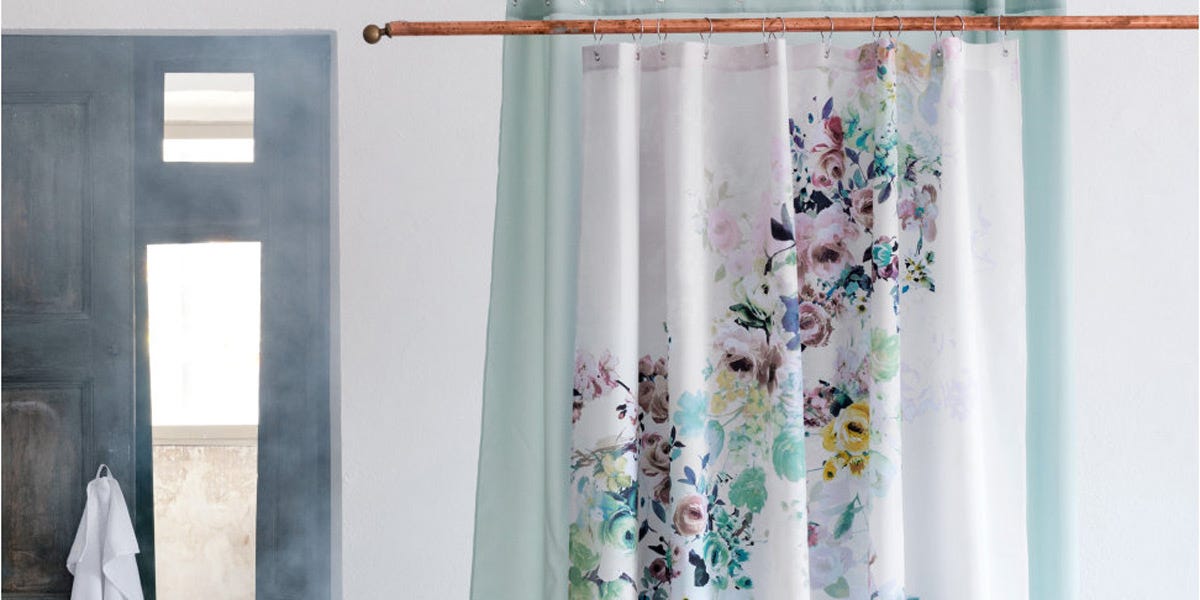
10 amazing shower rooms for your dream bathroom

Upgrade Your Shower With These 8 Gorgeous Tile Design Ideas

The 11 Best Shower Faucets to Add Style and Function to Your Bathroom

15 Top-Rated Showerheads That Give Your Bathroom the Total Spa Treatment
15 Incredible Shower Ideas That Will Make You Forget About a Soaking Tub


Remodel Your Bathroom And We'll Tell You Which Shower Routine You *Should* Have

Baths & Accessories

10 Best Shower Kits of 2022
Showers

8 Best Shower Heads of 2021
6 small showers that deliver a spa-like feeling

20 Shower Tile Ideas to Inspire Your Bathroom Remodel