1/17
How to create a country kitchen – the key features from cabinets to taps to handles
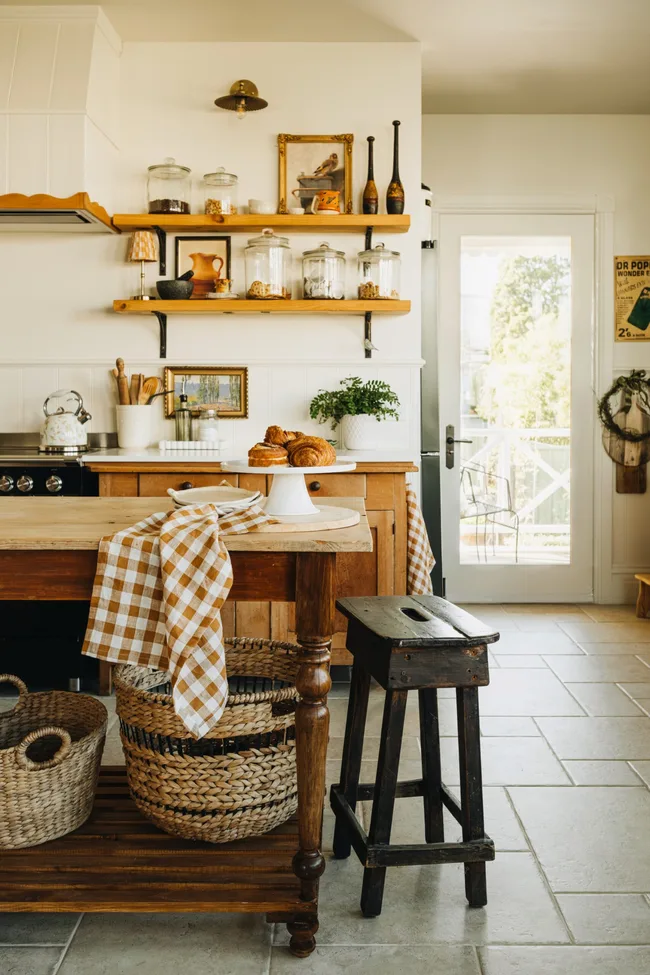
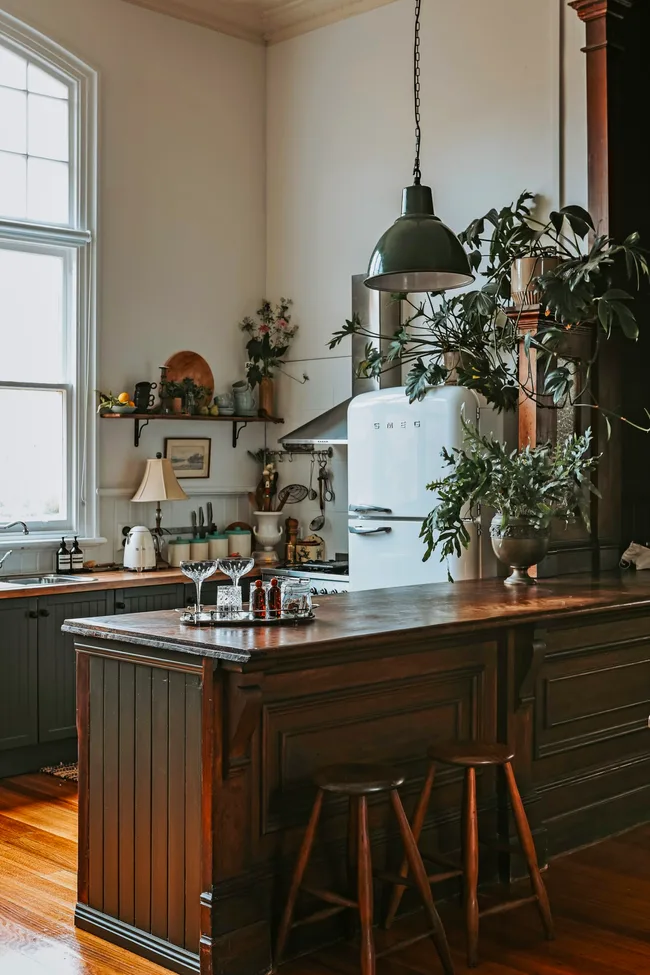
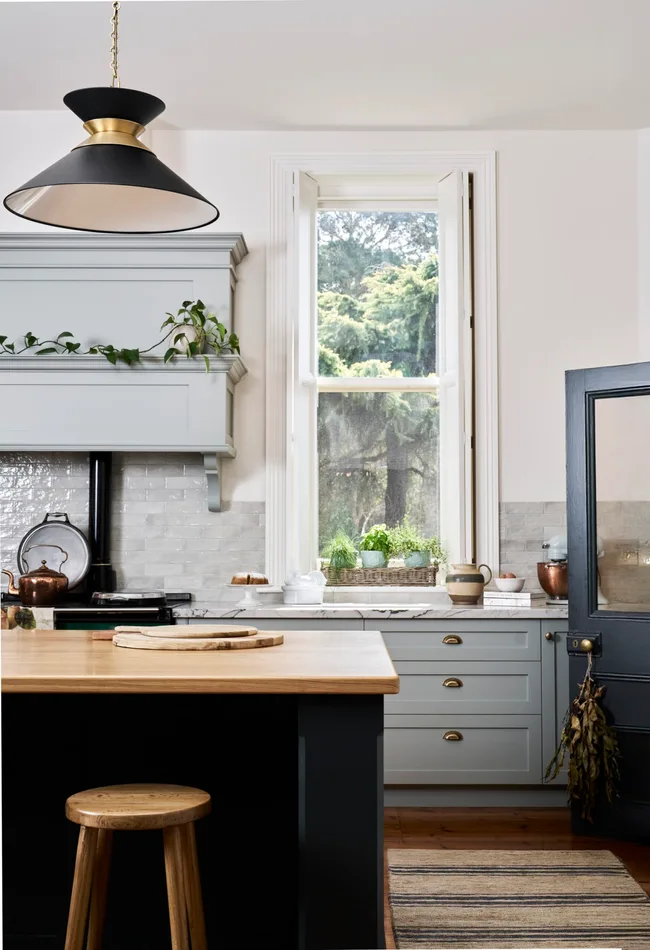
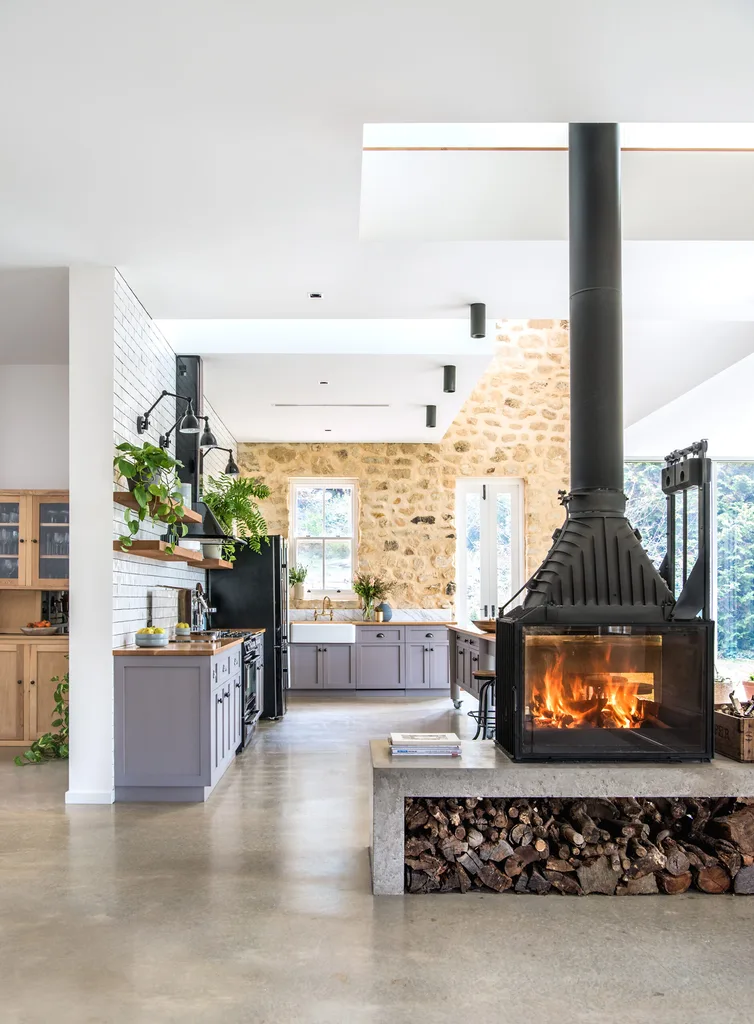
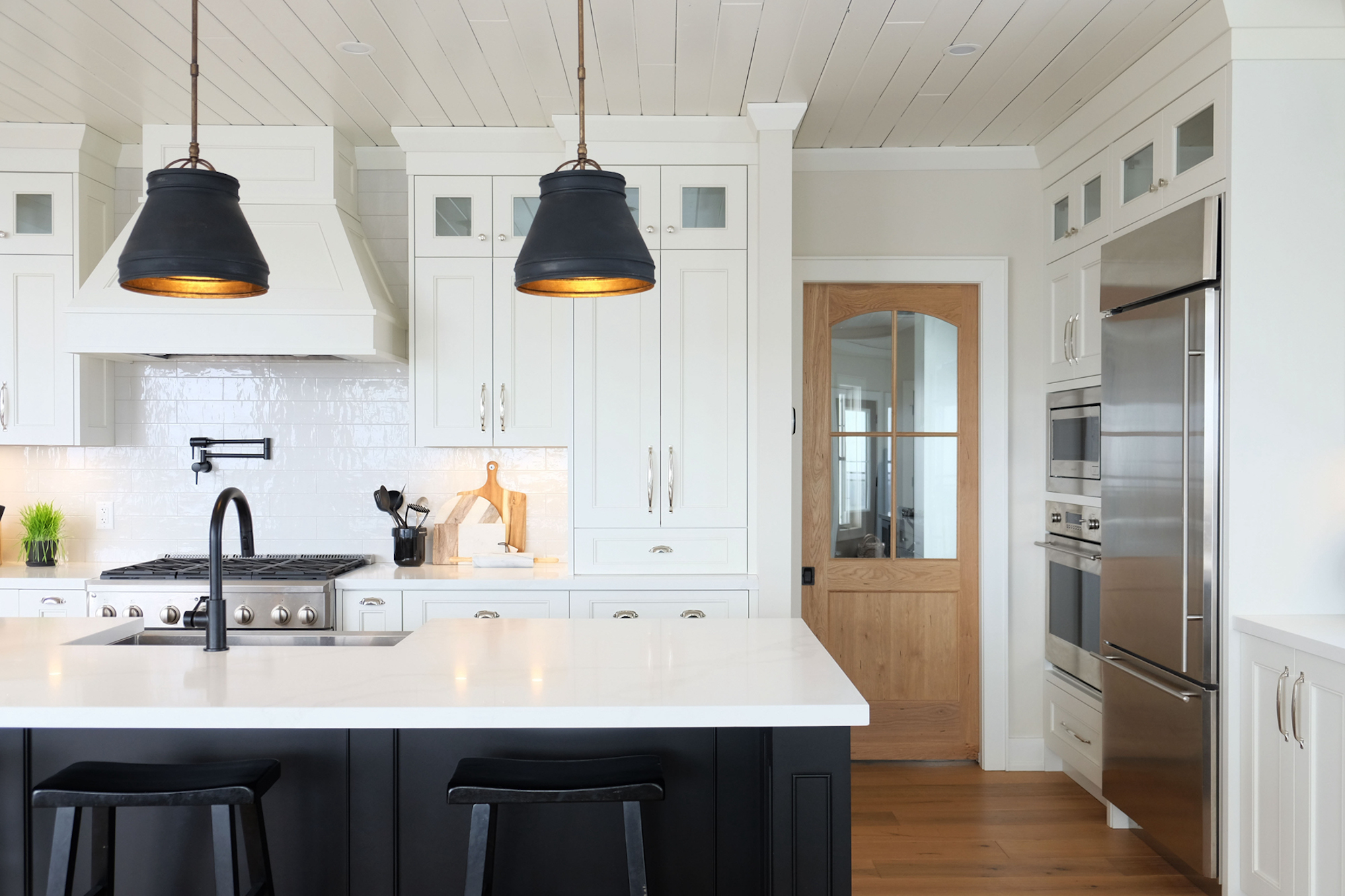
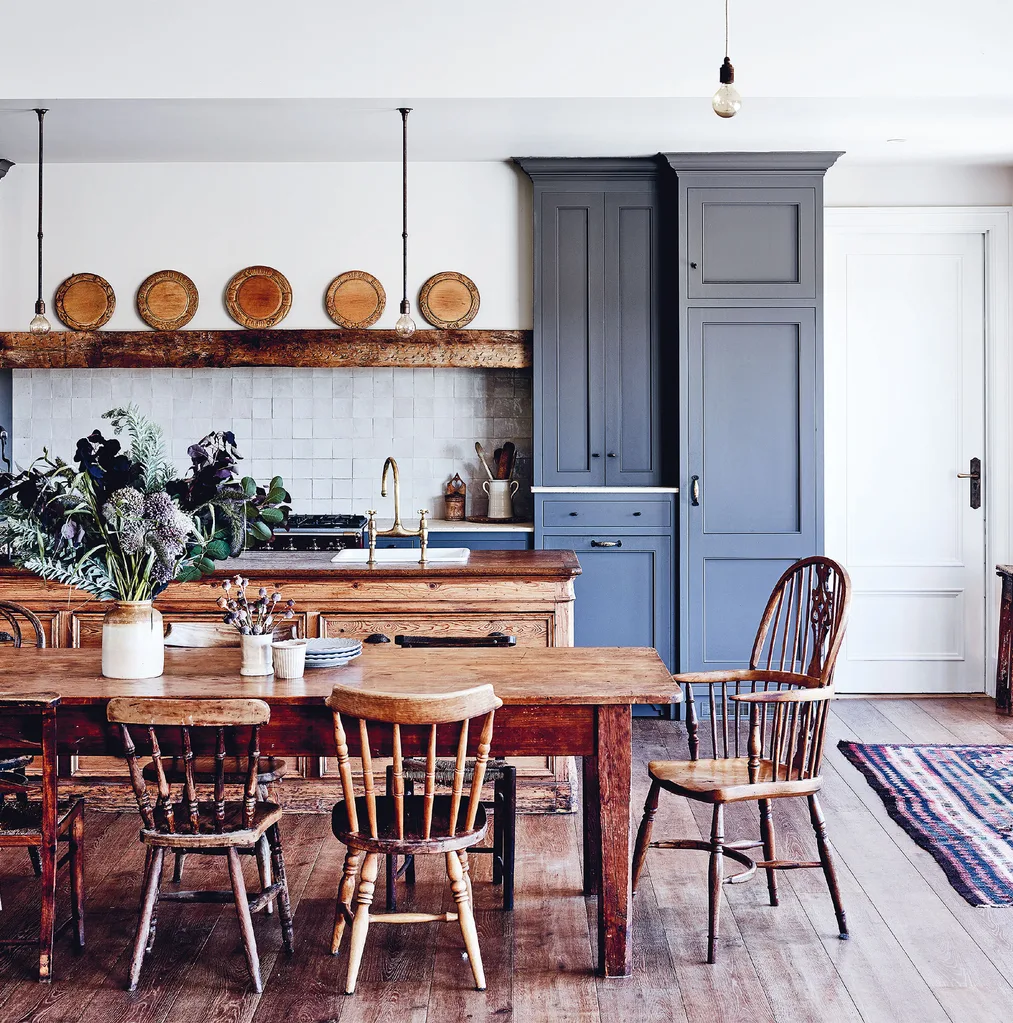
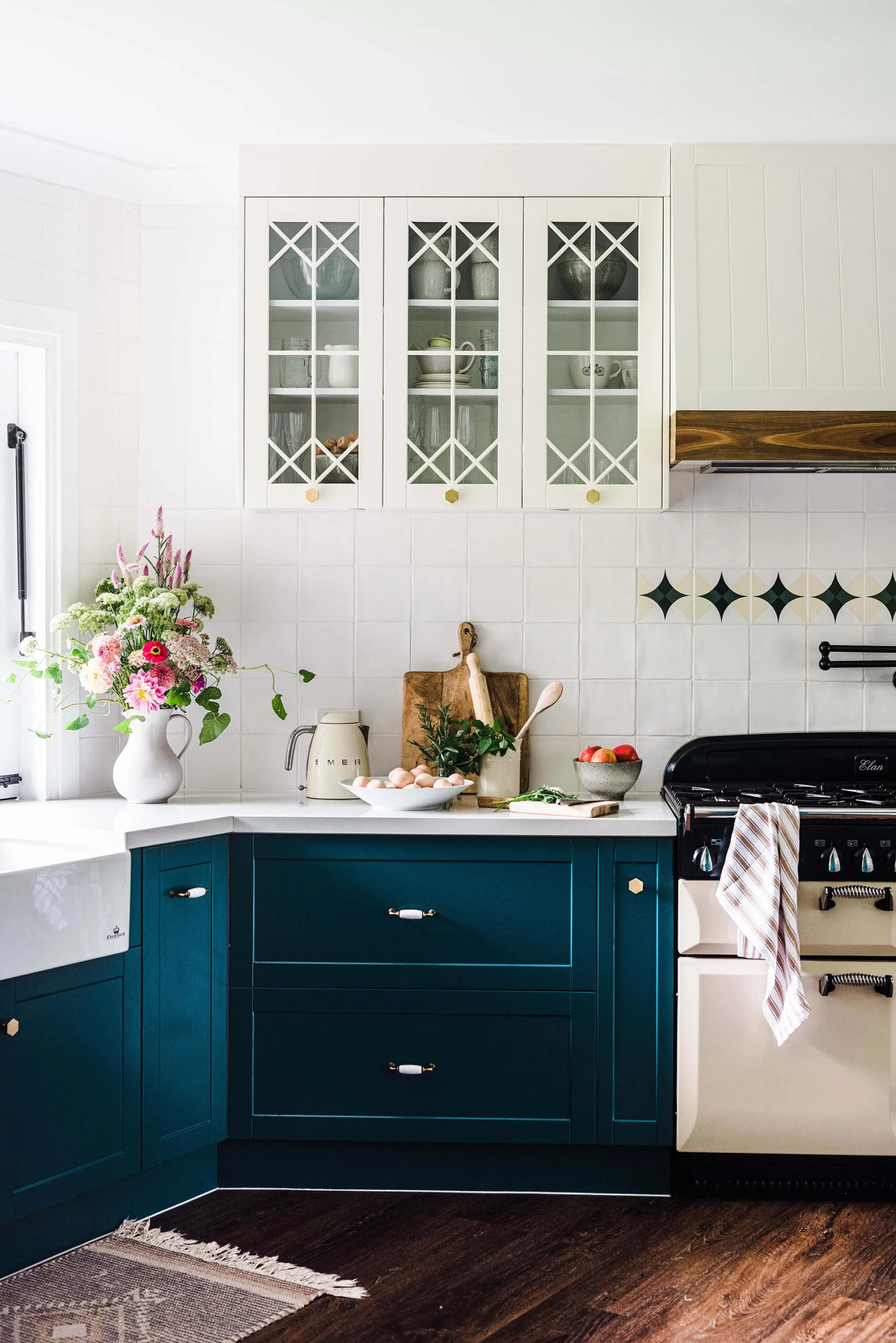
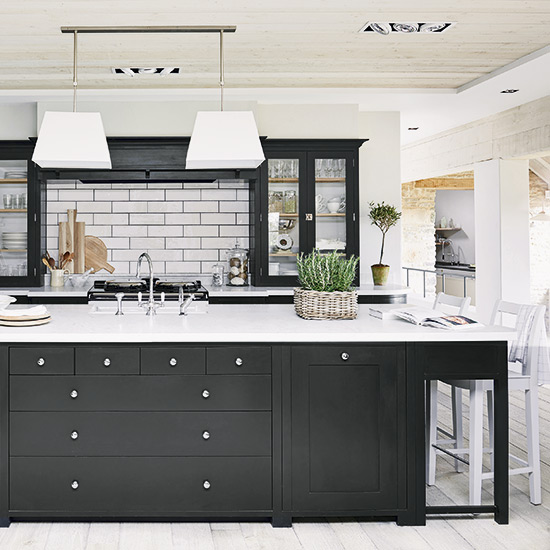
Creating a country kitchen involves a careful selection of elements that combine to produce a cohesive and authentic aesthetic, whether aiming for a modern country look or a traditional manor house atmosphere. Central to this design is cabinetry, with beautifully crafted Shaker painted or wood options serving as a foundational choice that suits both modern and period styles. Beyond cabinetry, specific fixtures and finishes are crucial for achieving a stylish yet rustic feel.
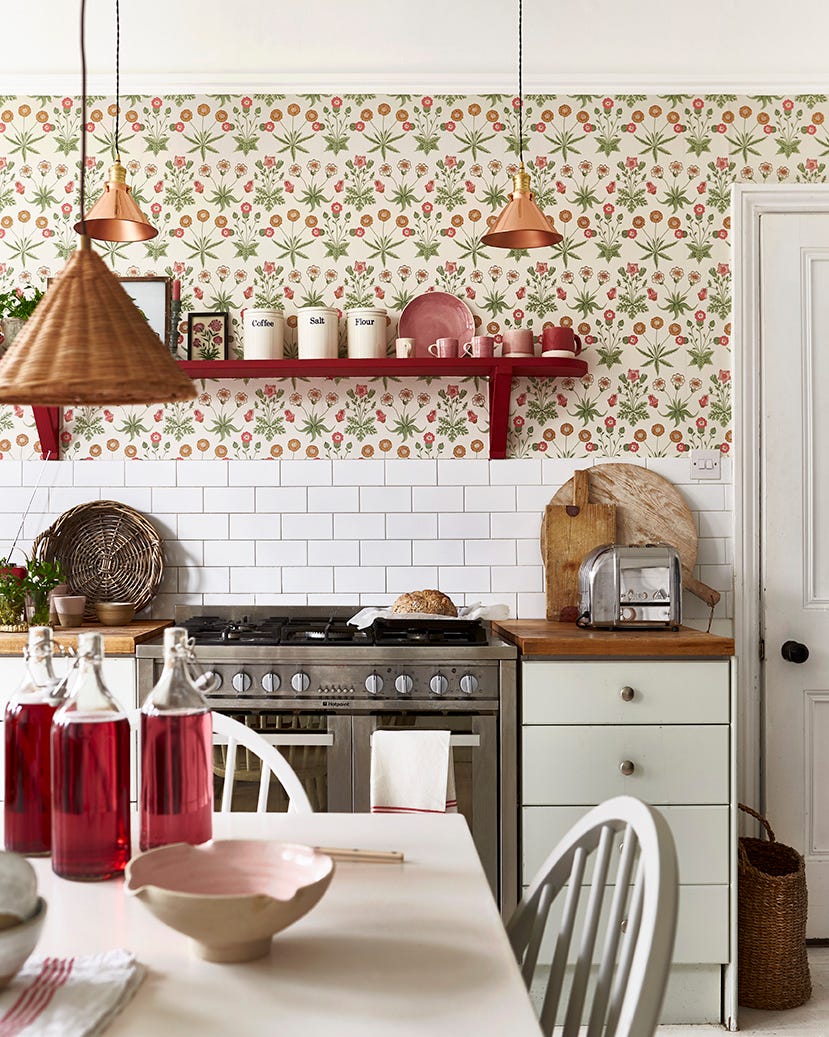
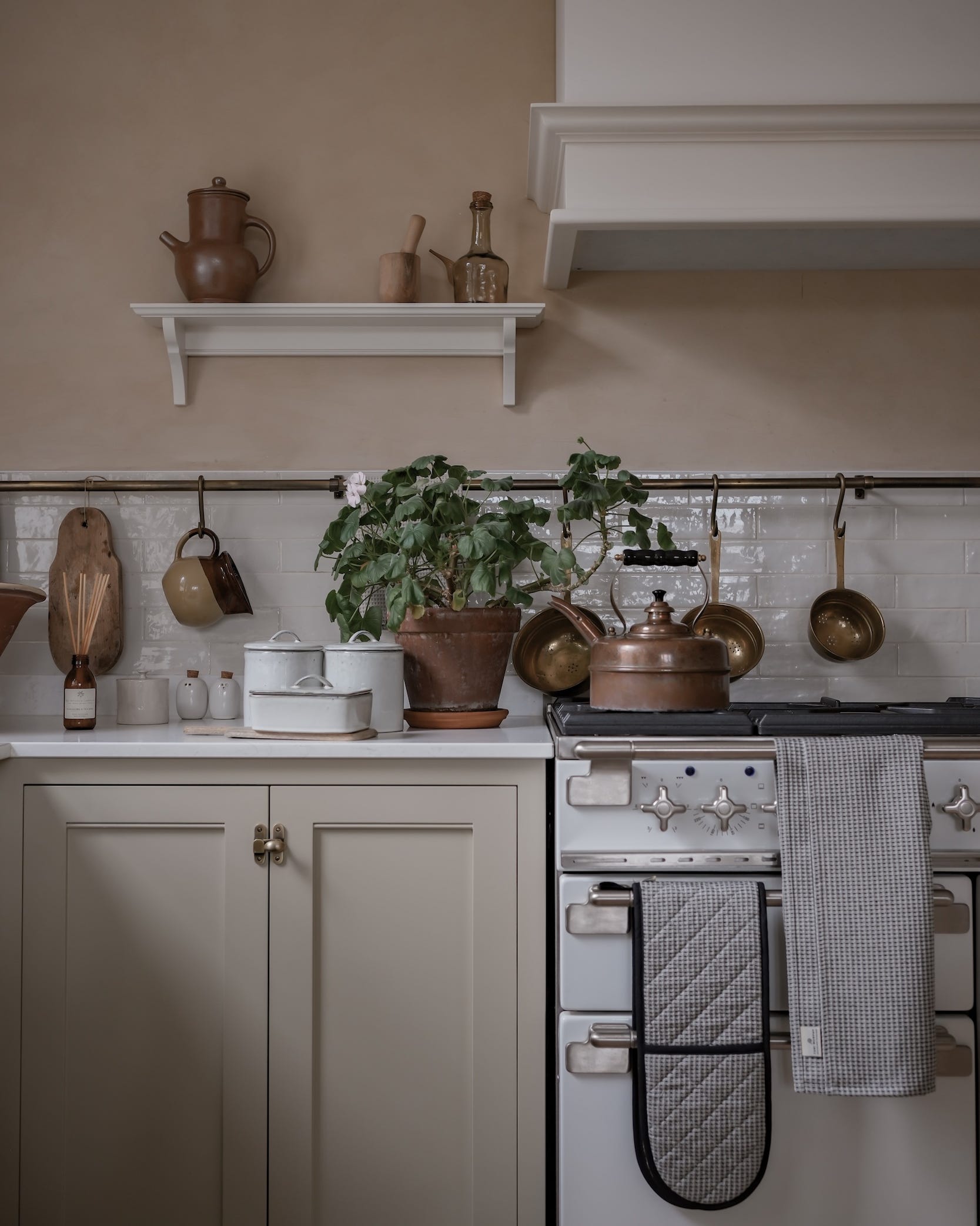
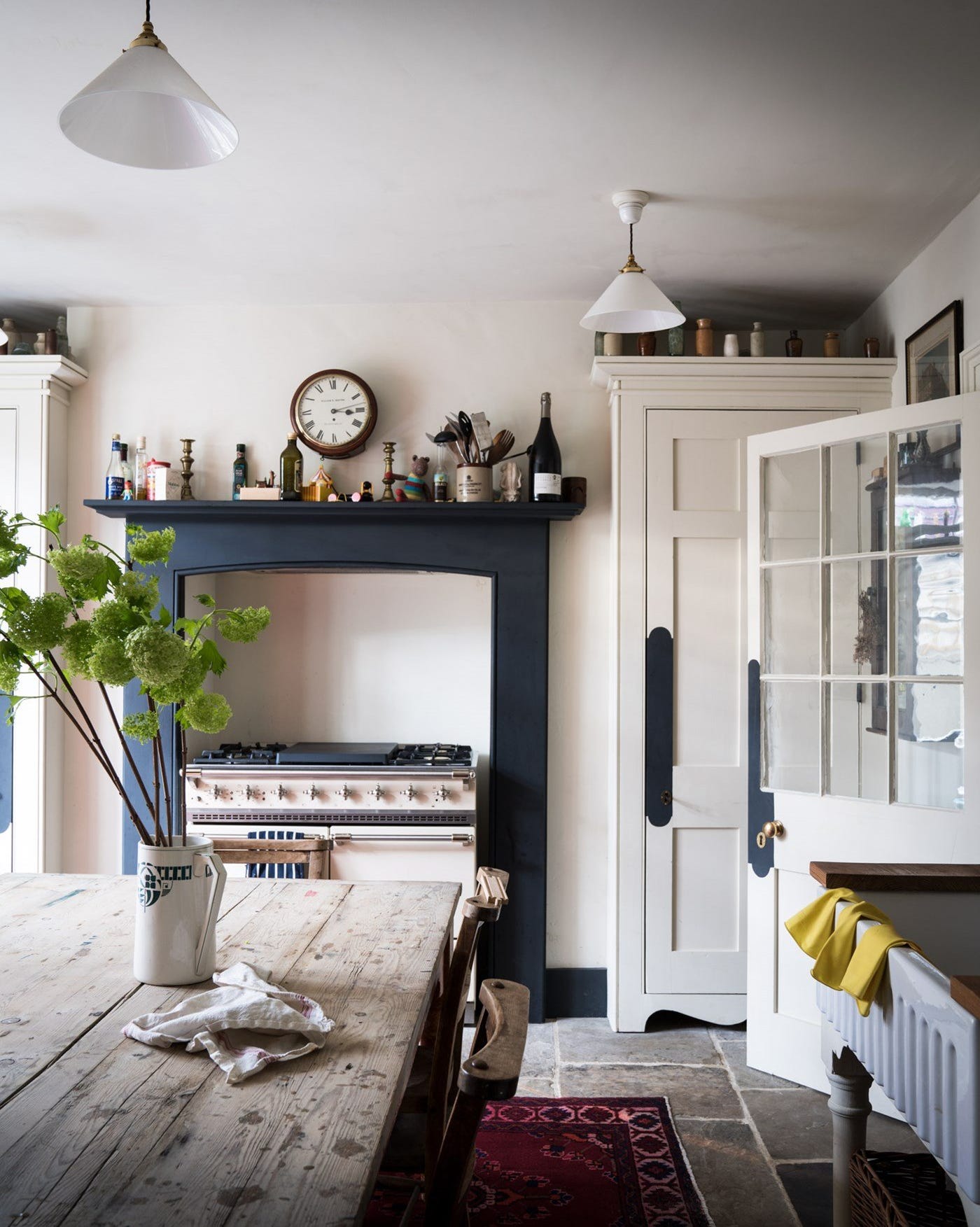
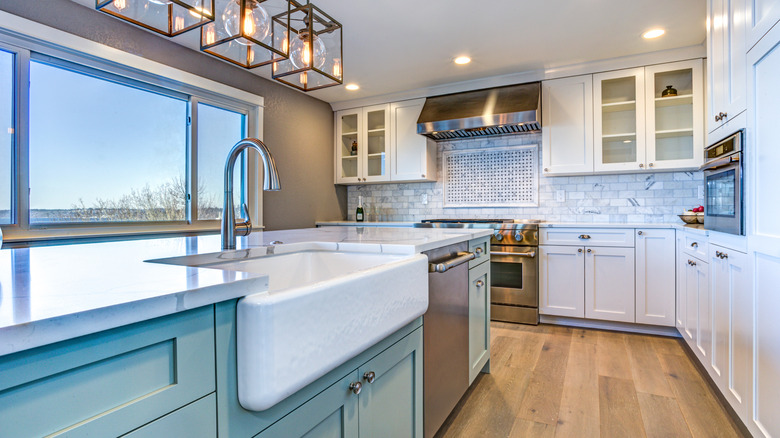
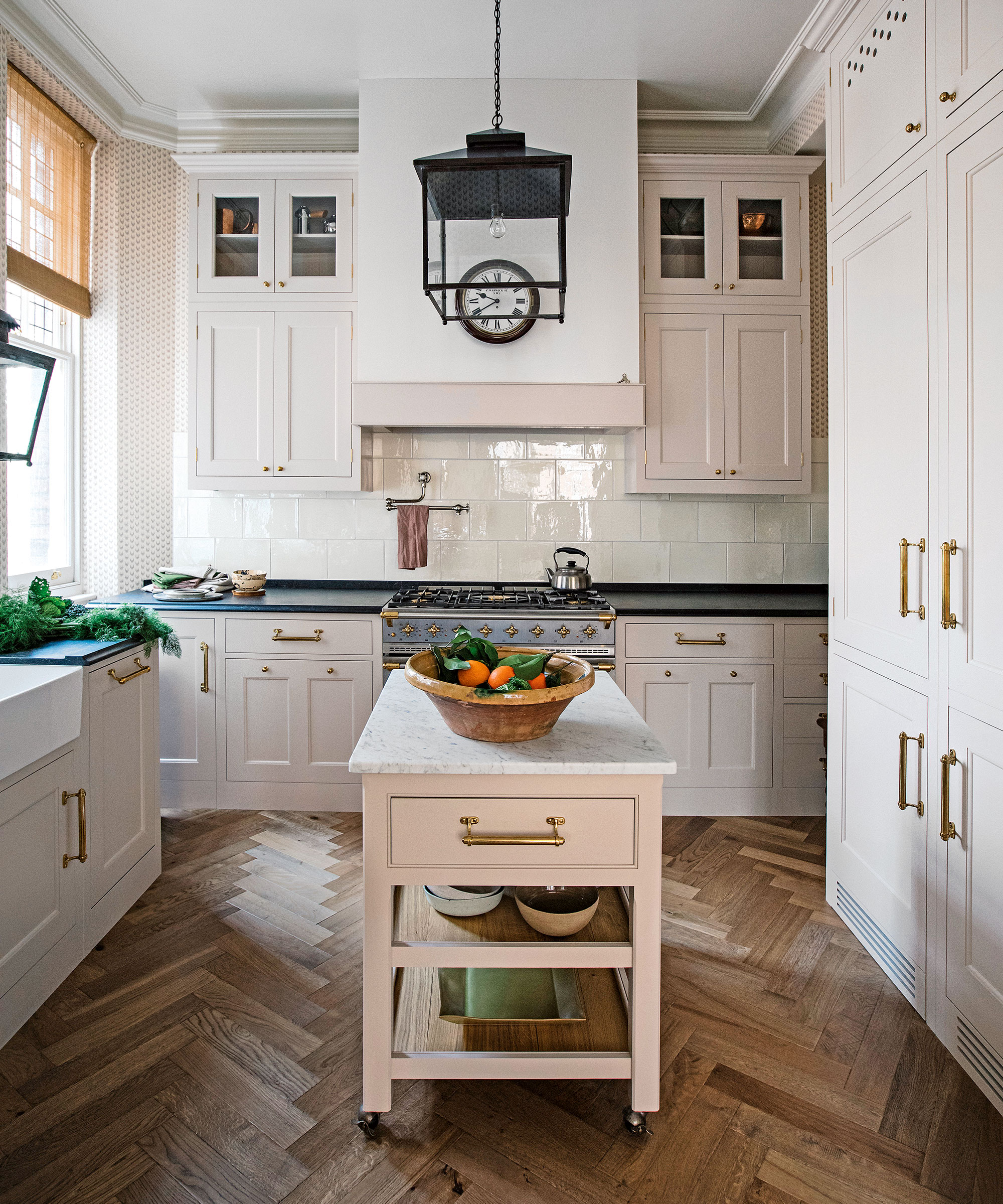
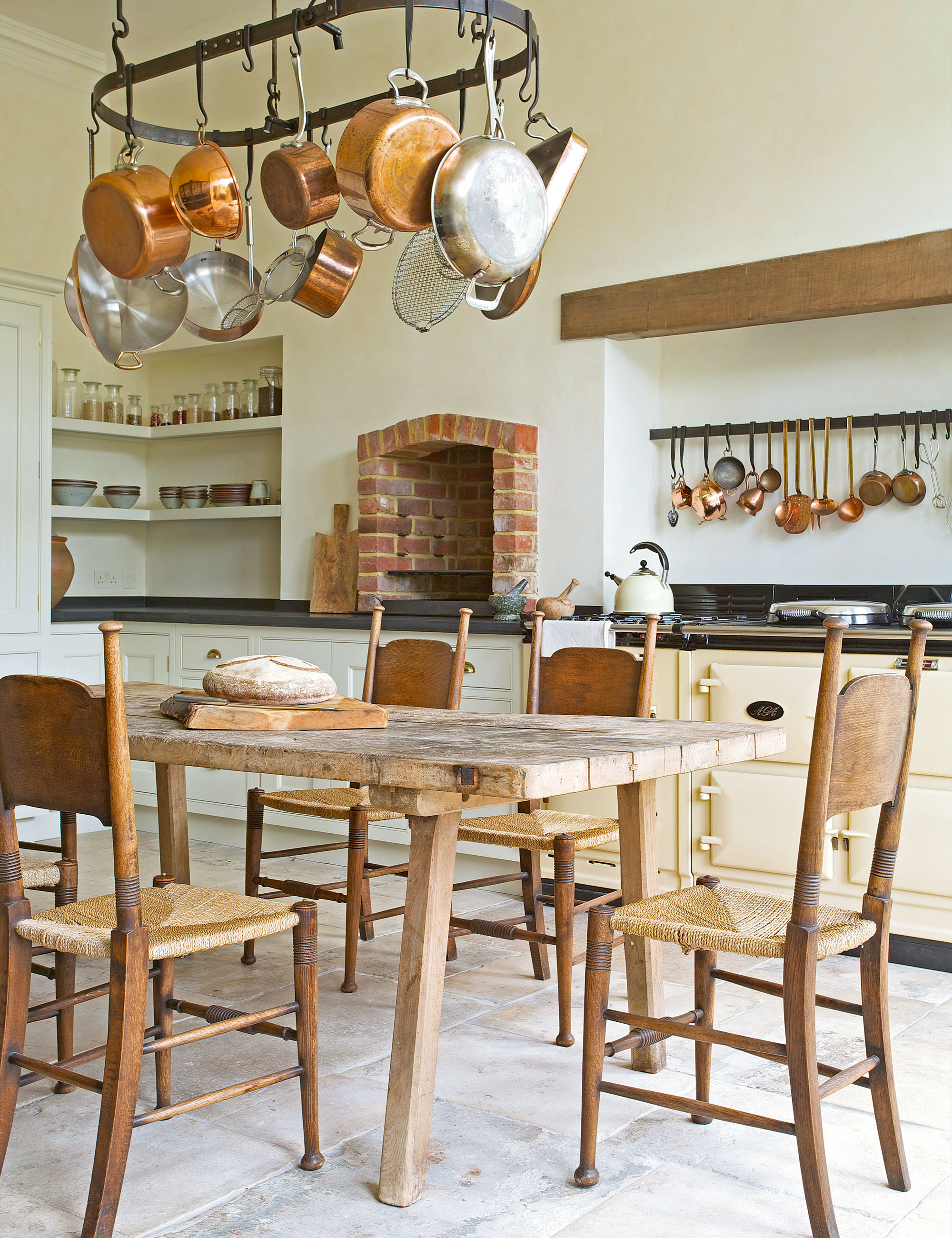
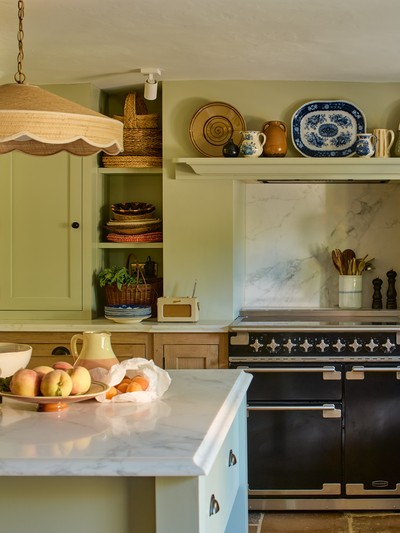
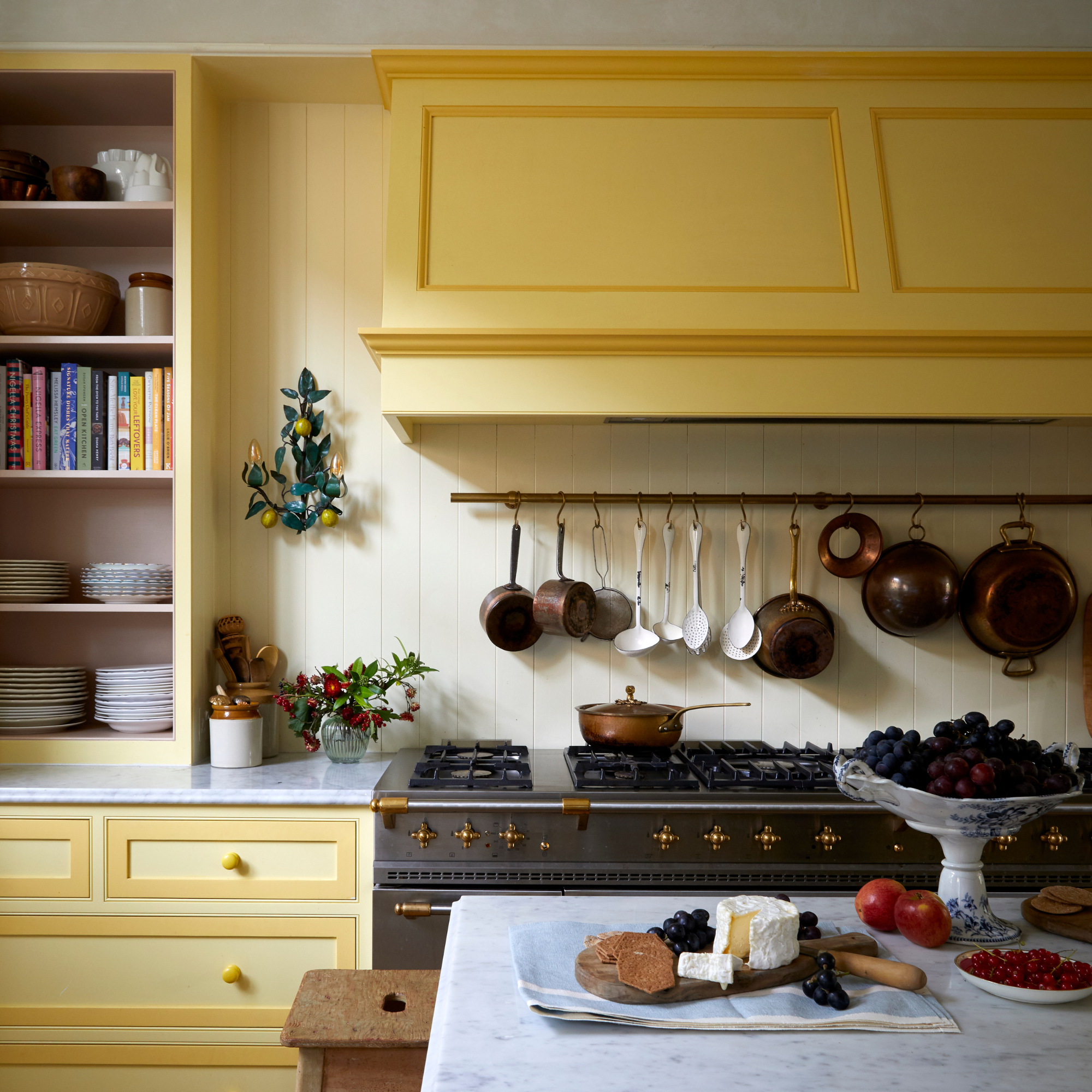
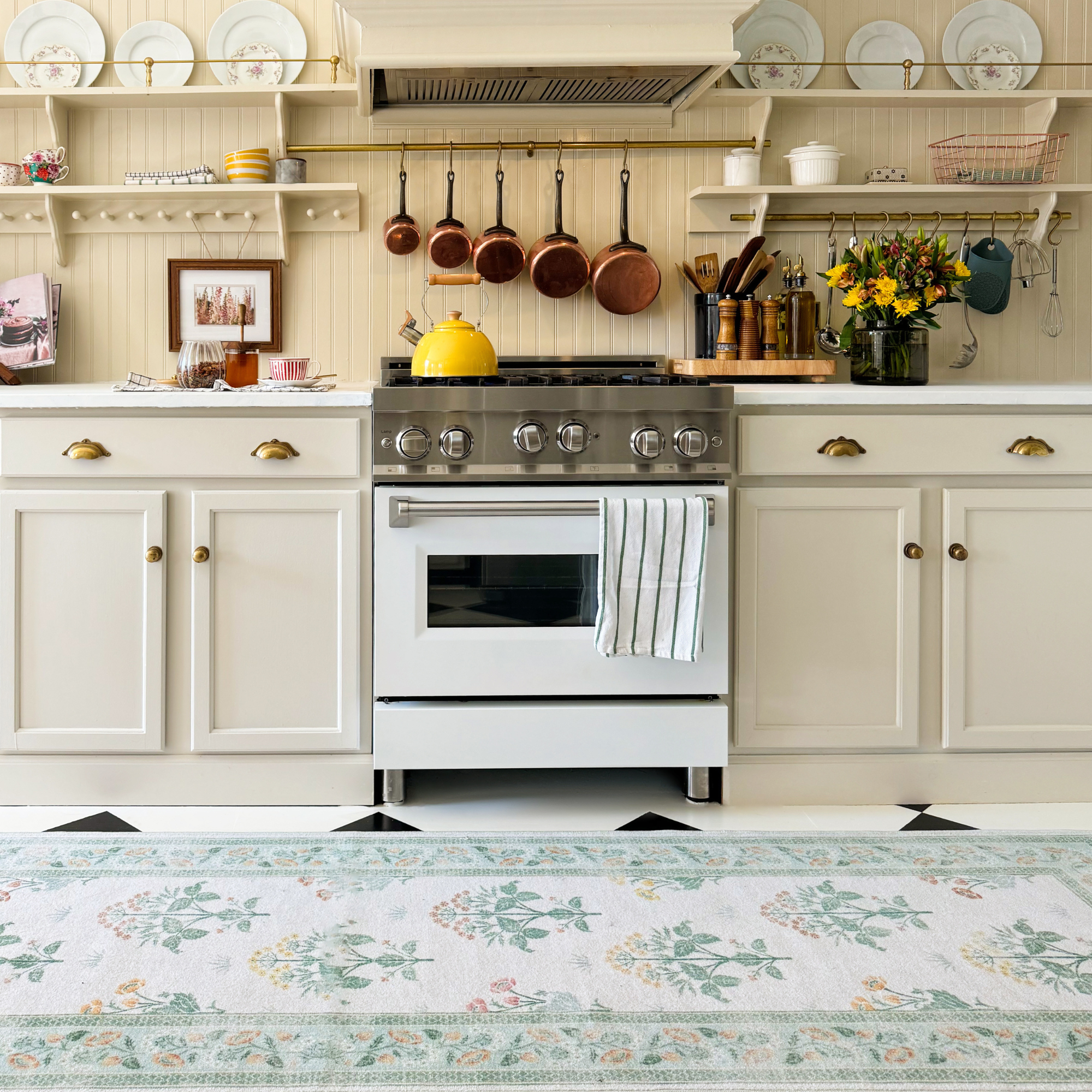
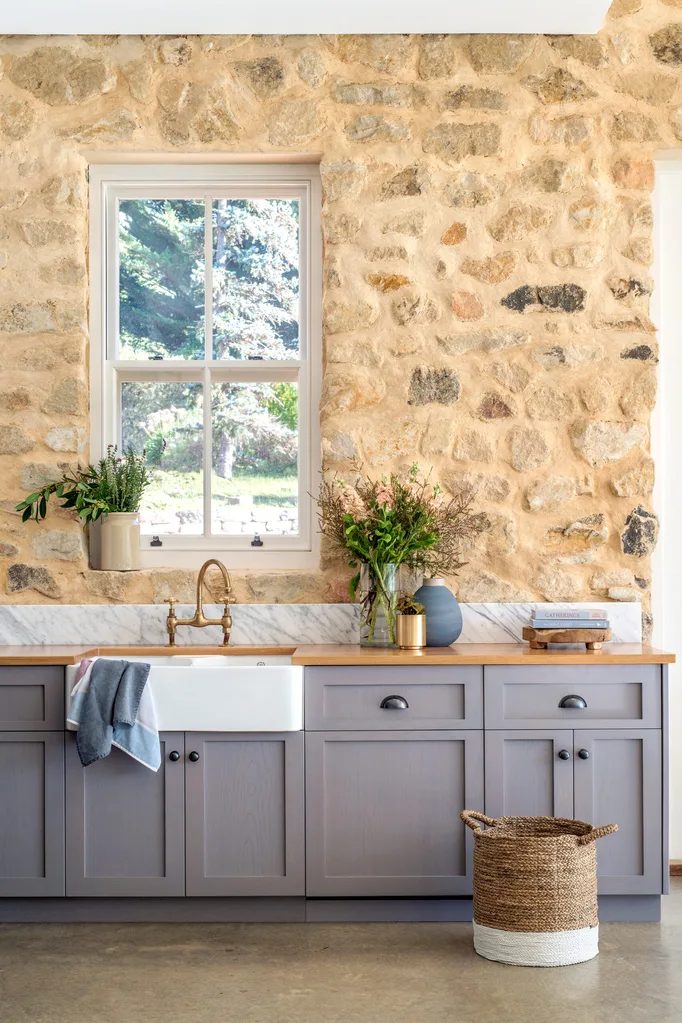
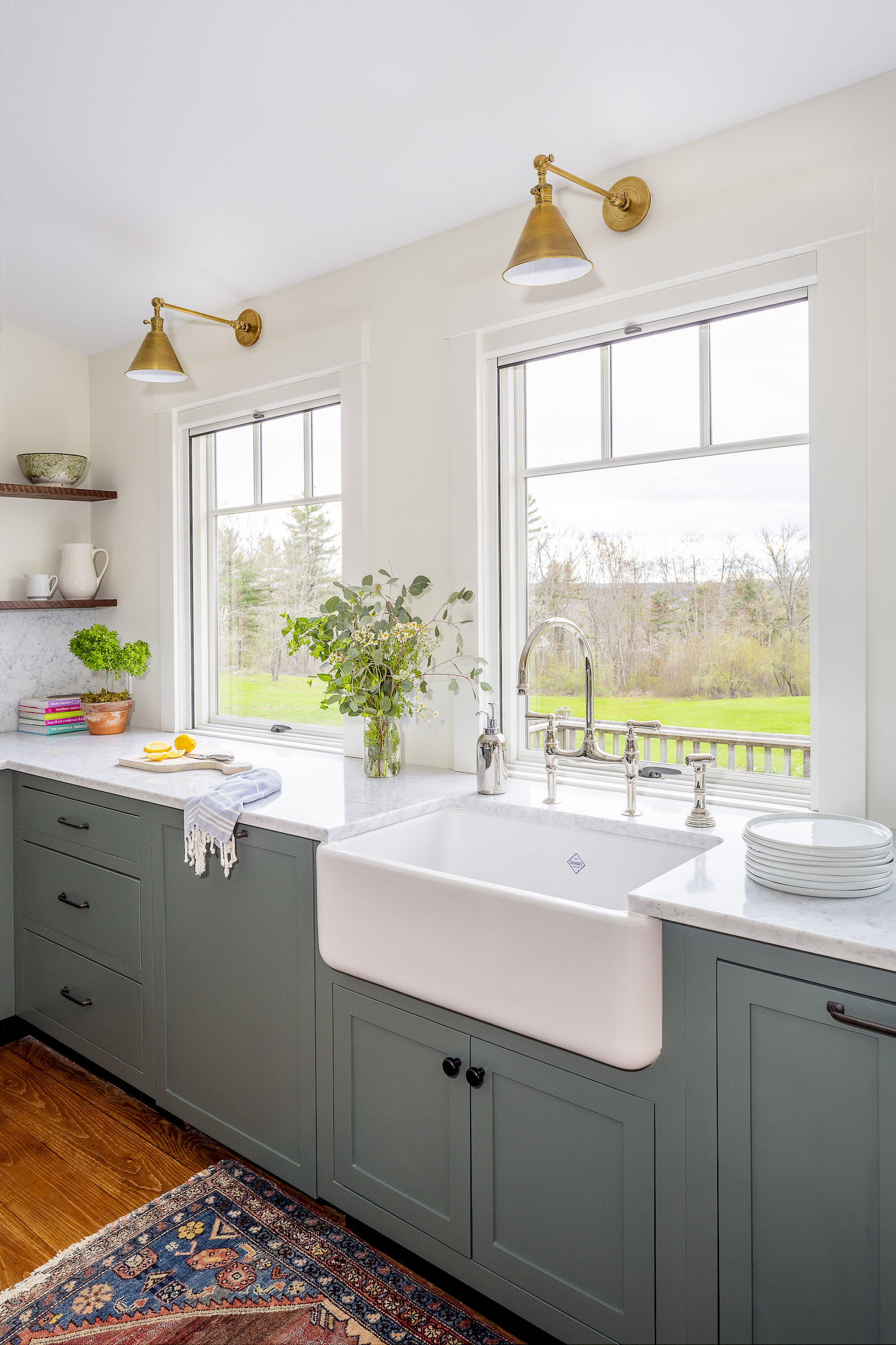
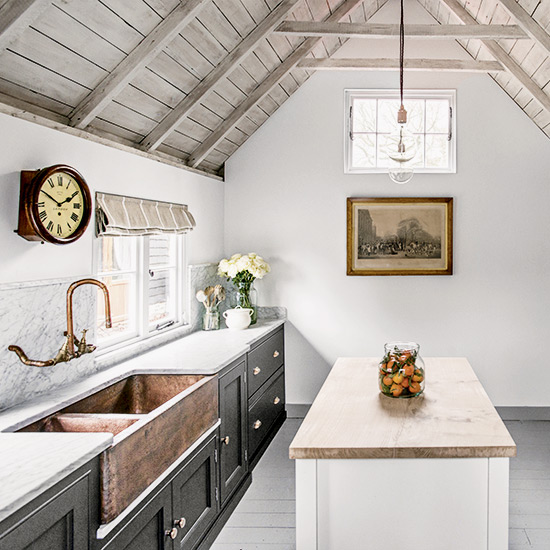
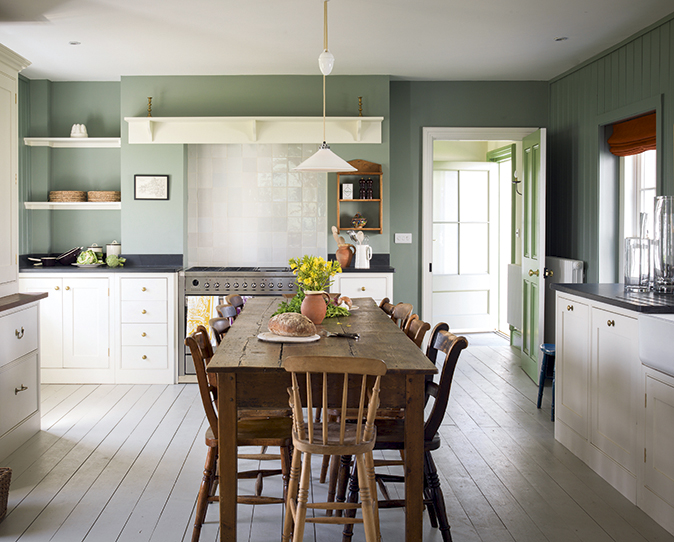
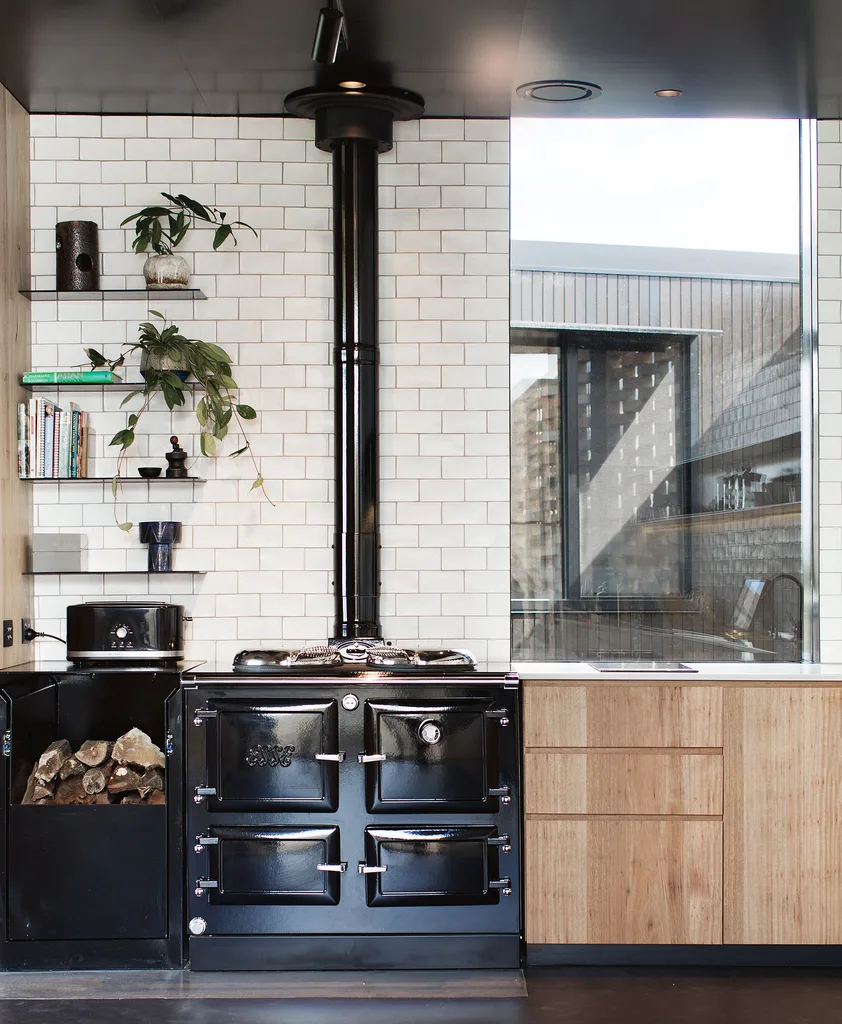
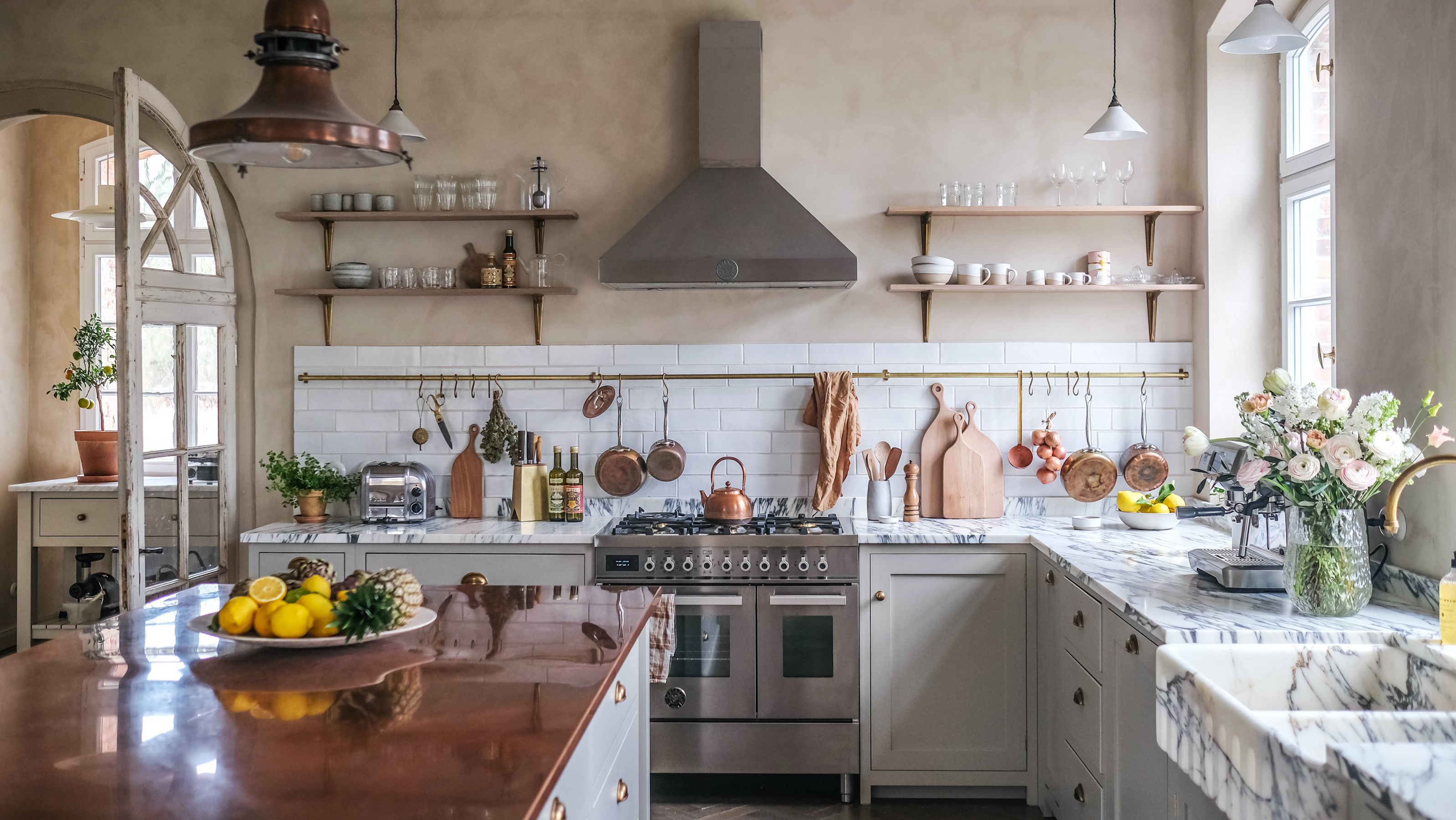
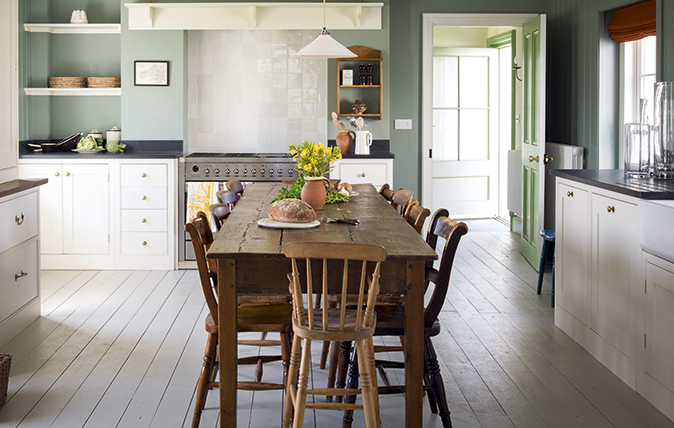
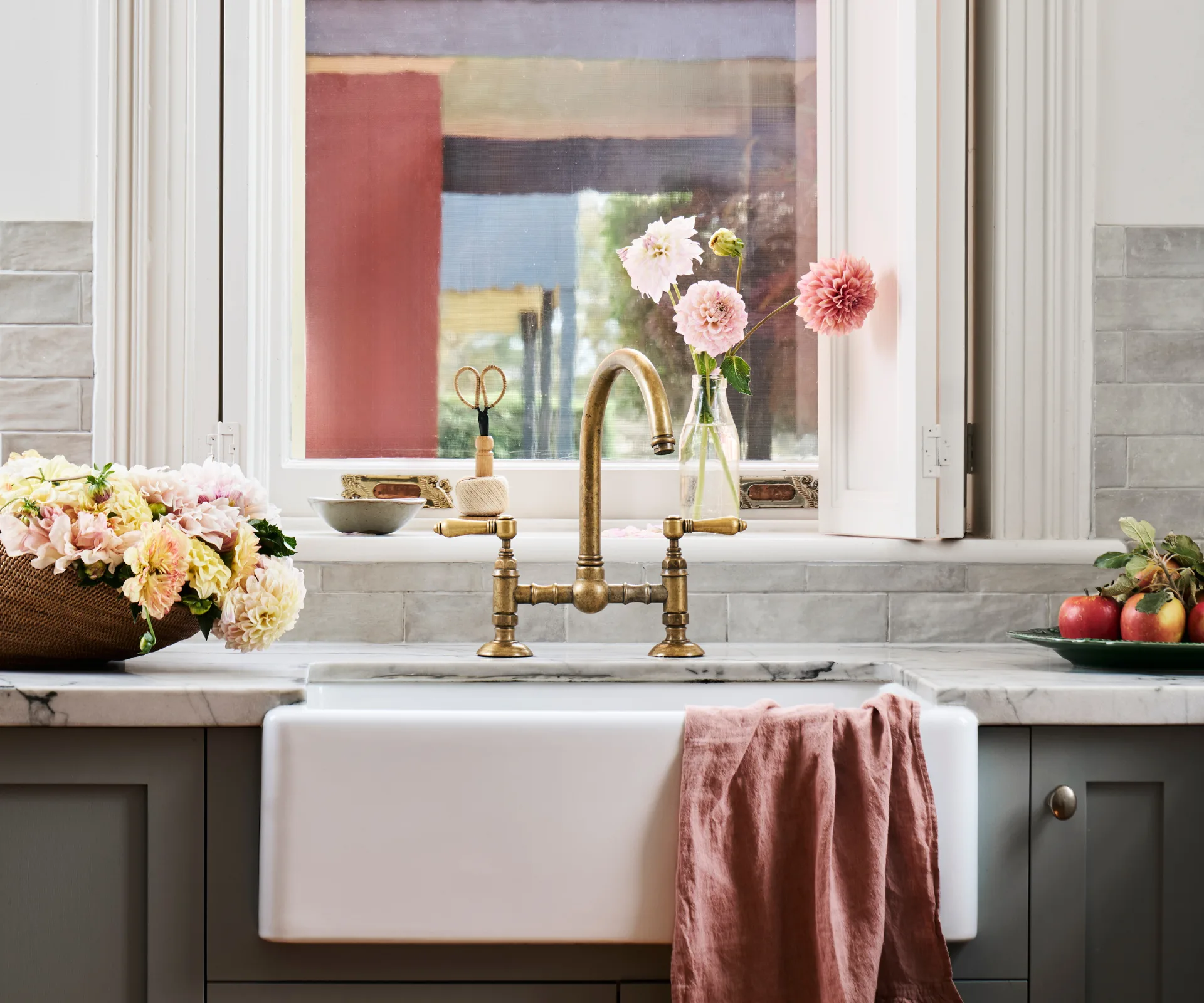
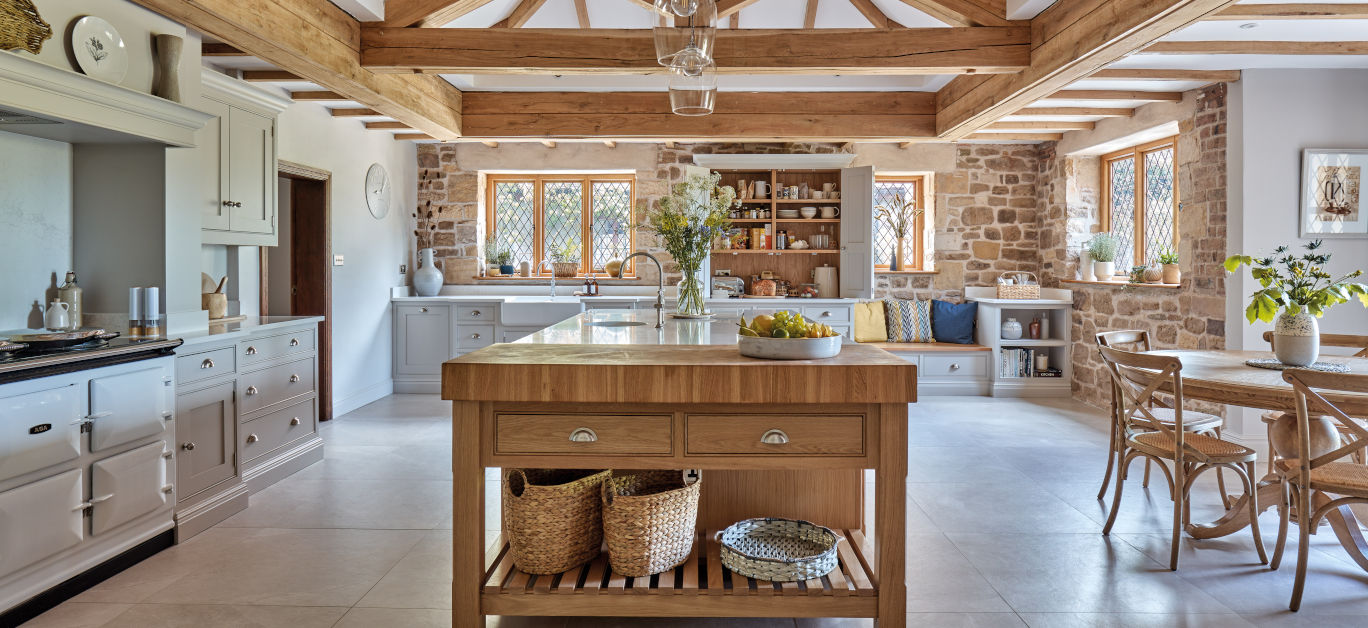
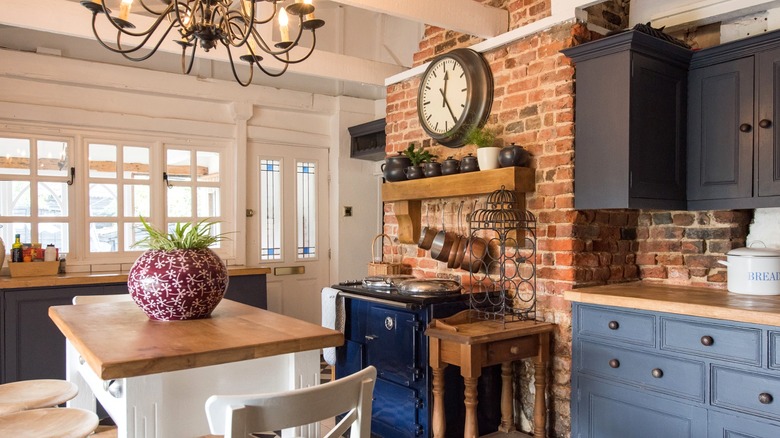
A traditional range cooker is often considered the heart of a country kitchen, instantly imparting a country ambiance. These can be chosen in neutral tones for a modern country aesthetic or in bolder colors to serve as a focal point. Modern range cookers also offer energy-efficient options, including fan ovens and induction hobs, addressing concerns about continuous operation and energy costs. Complementing the range cooker, a large white ceramic butler or apron sink is a quintessential feature. These sinks can be simple and plain-fronted or feature ribbed designs, often paired with timber worktops and traditional swan-neck or pillar taps. For an elevated touch, a marble sink can introduce a luxurious statement.
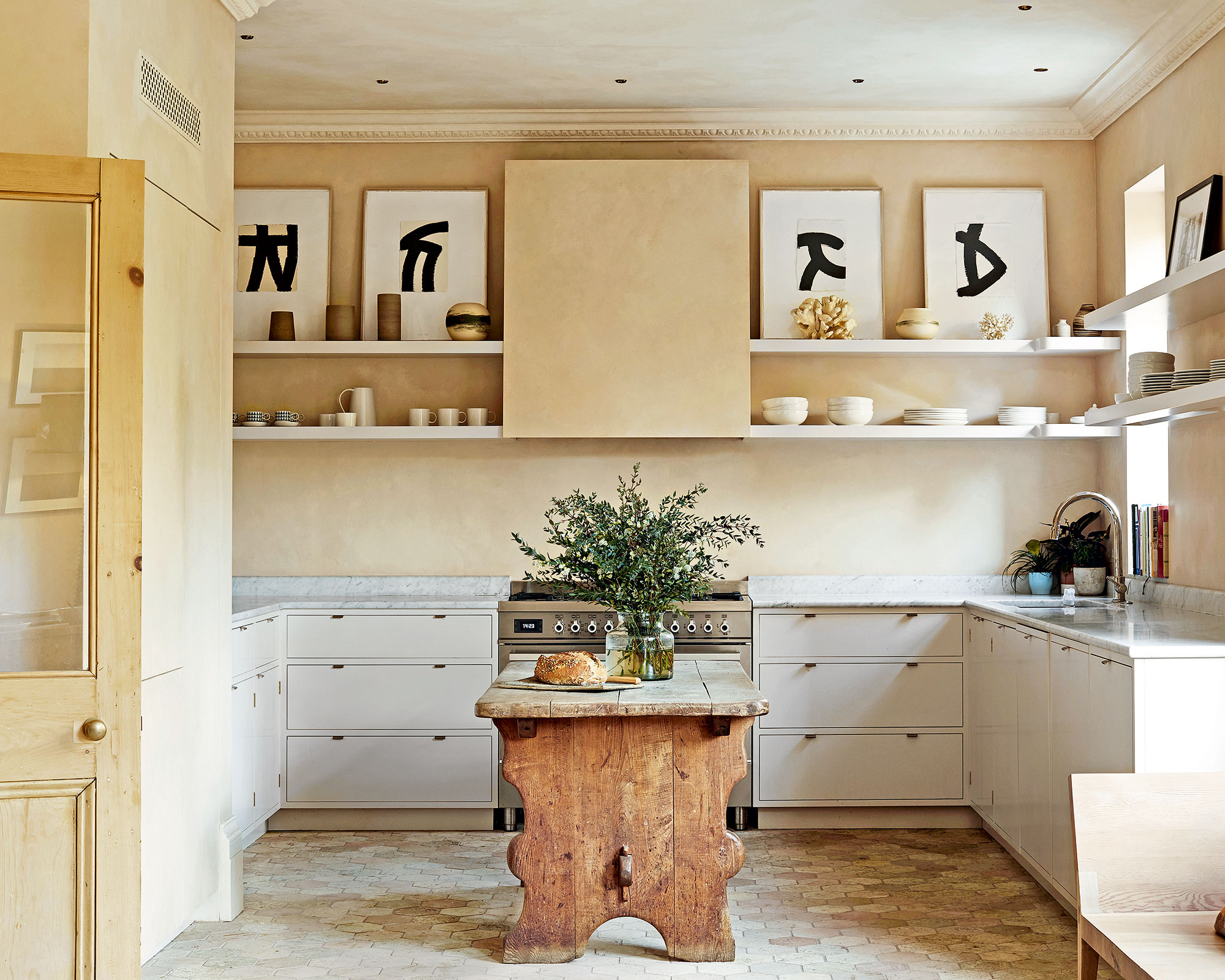
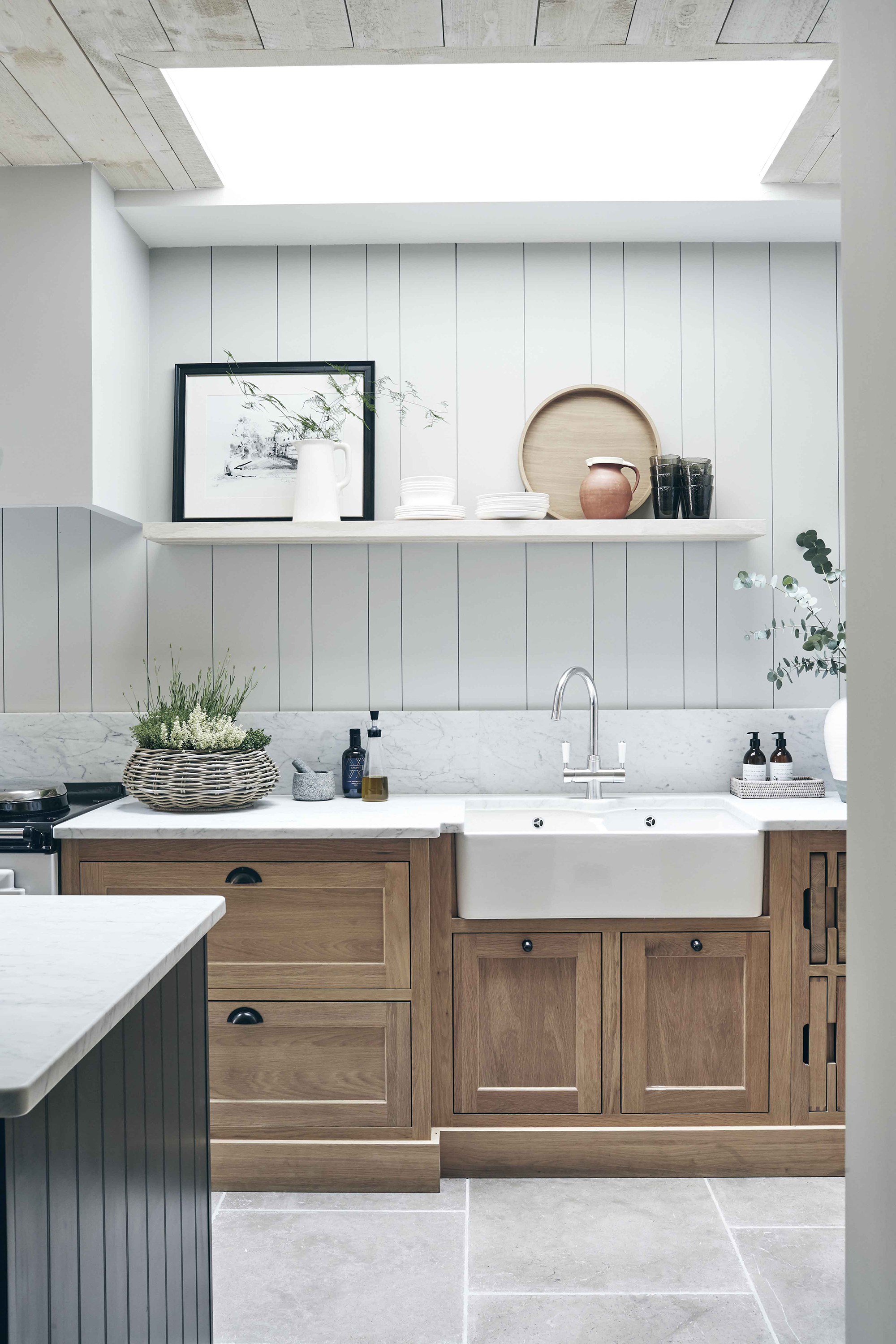
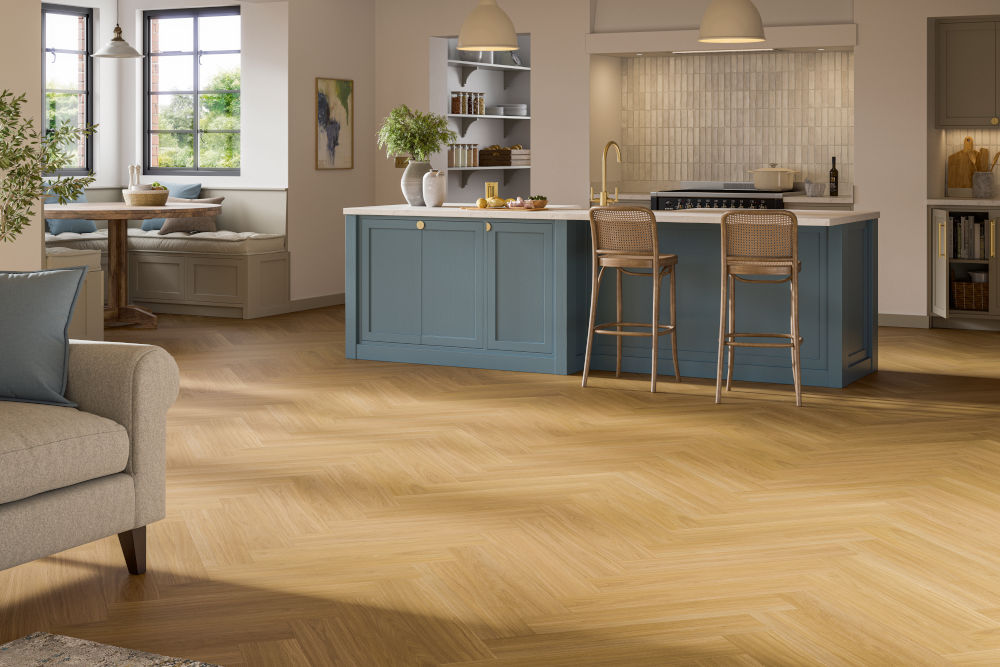
Flooring plays a significant role in defining the country kitchen style. Stone floors, especially when combined with underfloor heating, offer warmth and practicality. Neutral-colored stone is recommended as a long-term investment, allowing for color changes through paint and accessories. Choices range from rustic, tumbled finishes, which are forgiving of daily wear and tear, to sleeker, more contemporary looks that integrate modern touches into the country setting. Natural stone flooring is also a key element in French country style kitchens.
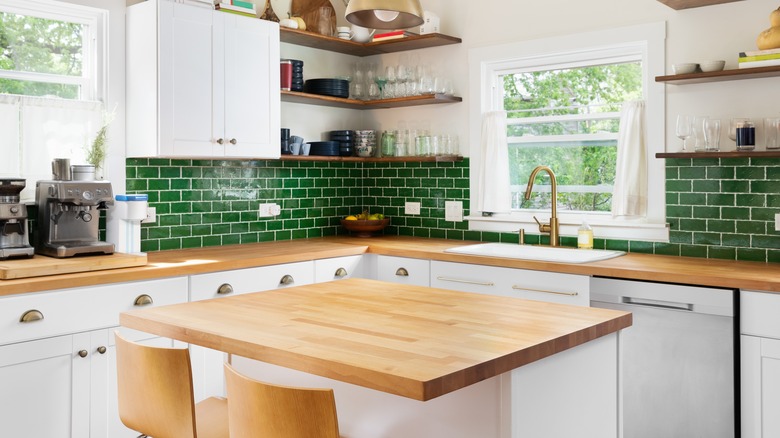
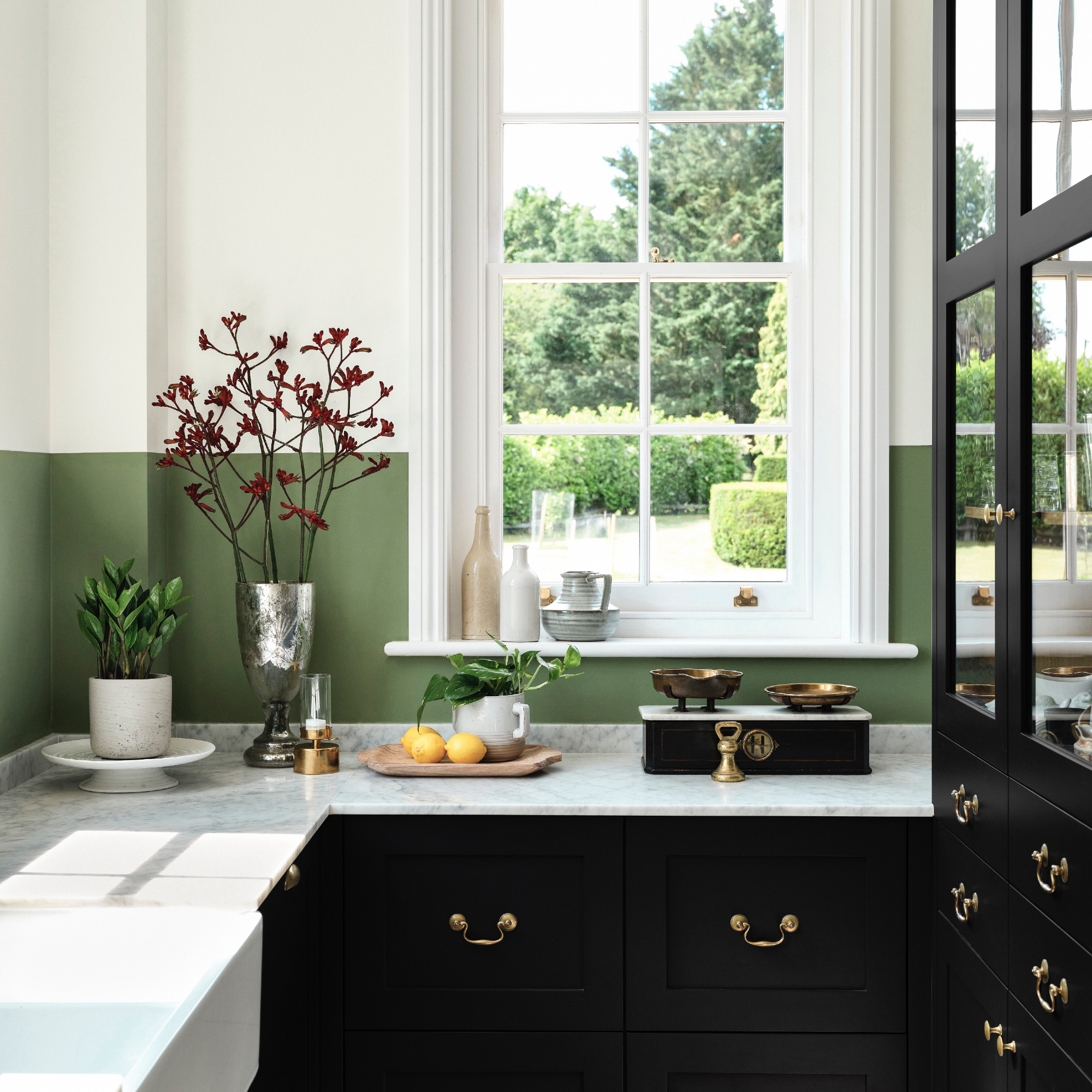
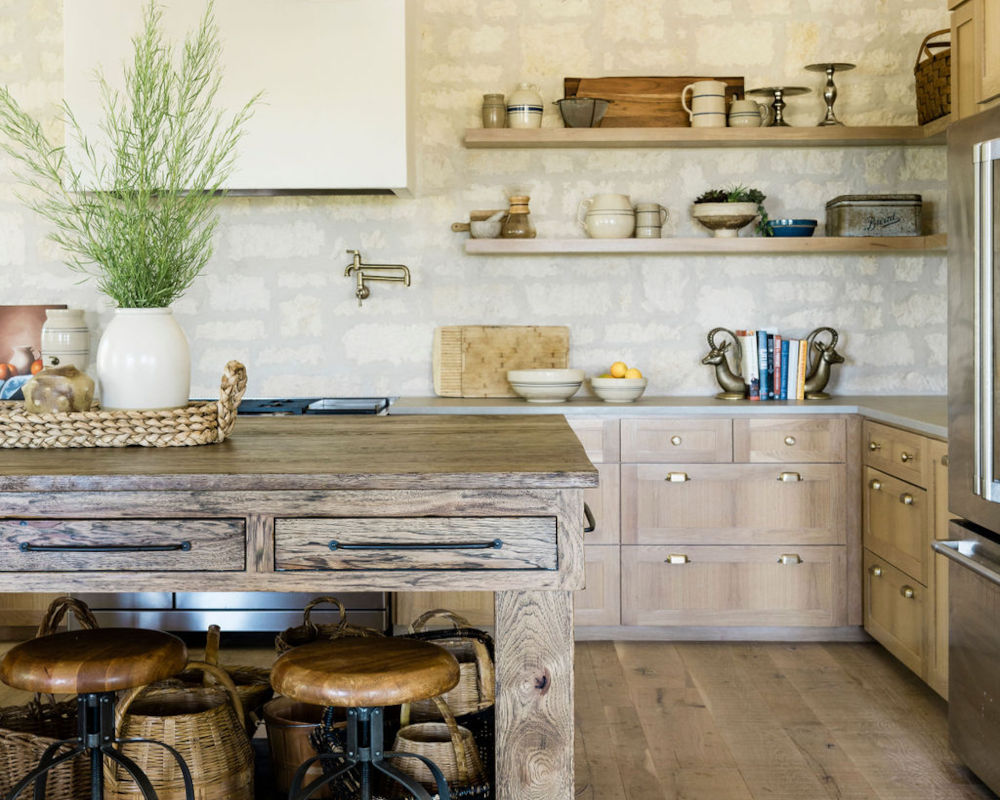
Vintage-look taps, moving away from conventional stainless steel and chrome, contribute significantly to the country aesthetic. Brushed gold and brass designs are favored for their soft hues and ability to blend with vintage styles, while modern features are often incorporated for functionality. Similarly, natural stone counters, with their unique detailing and varied color glints, add character and charm, pairing well with other natural materials like reclaimed wood or paneling.
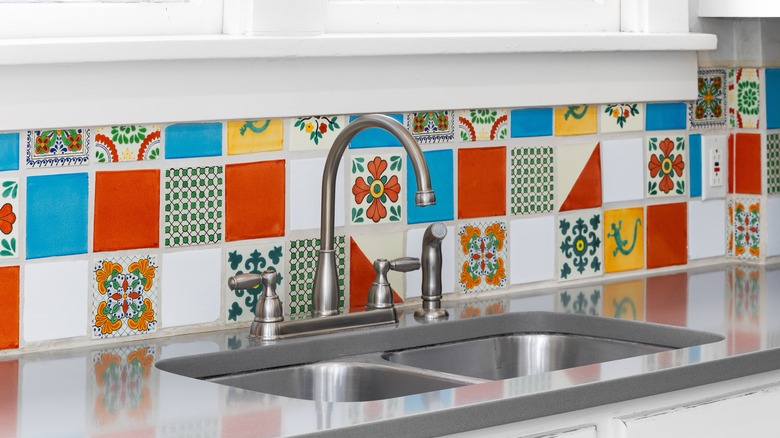
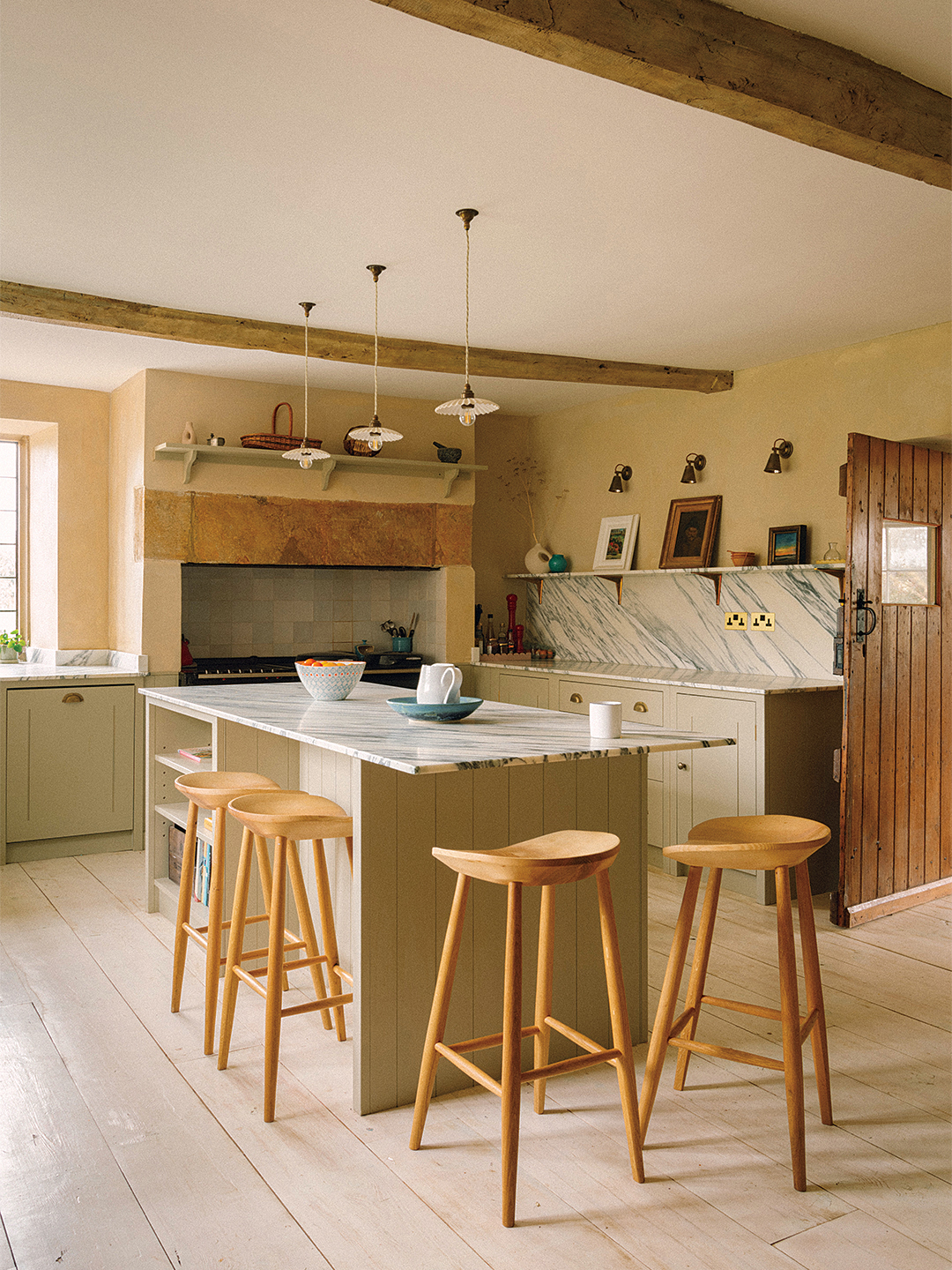
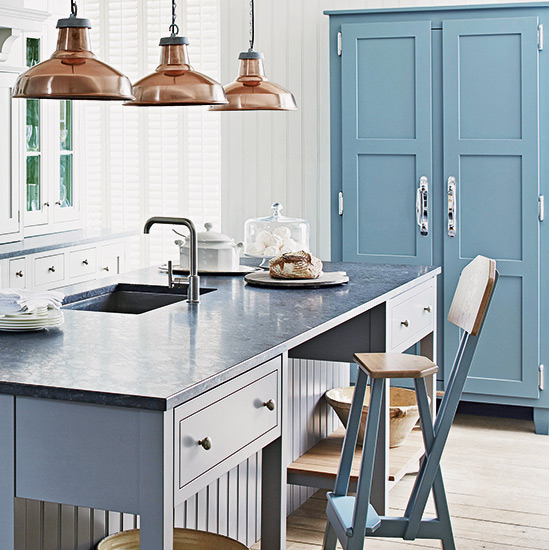
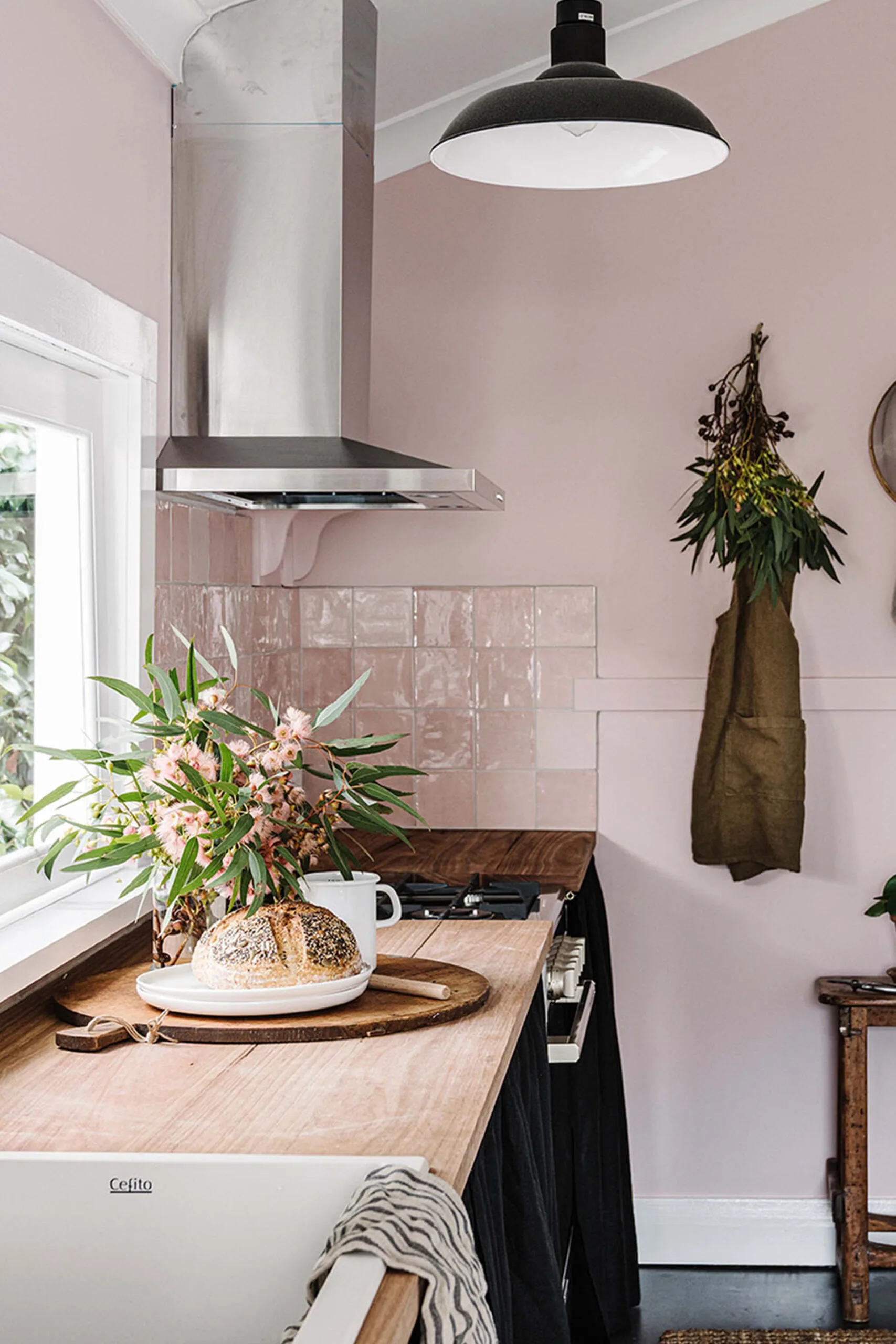
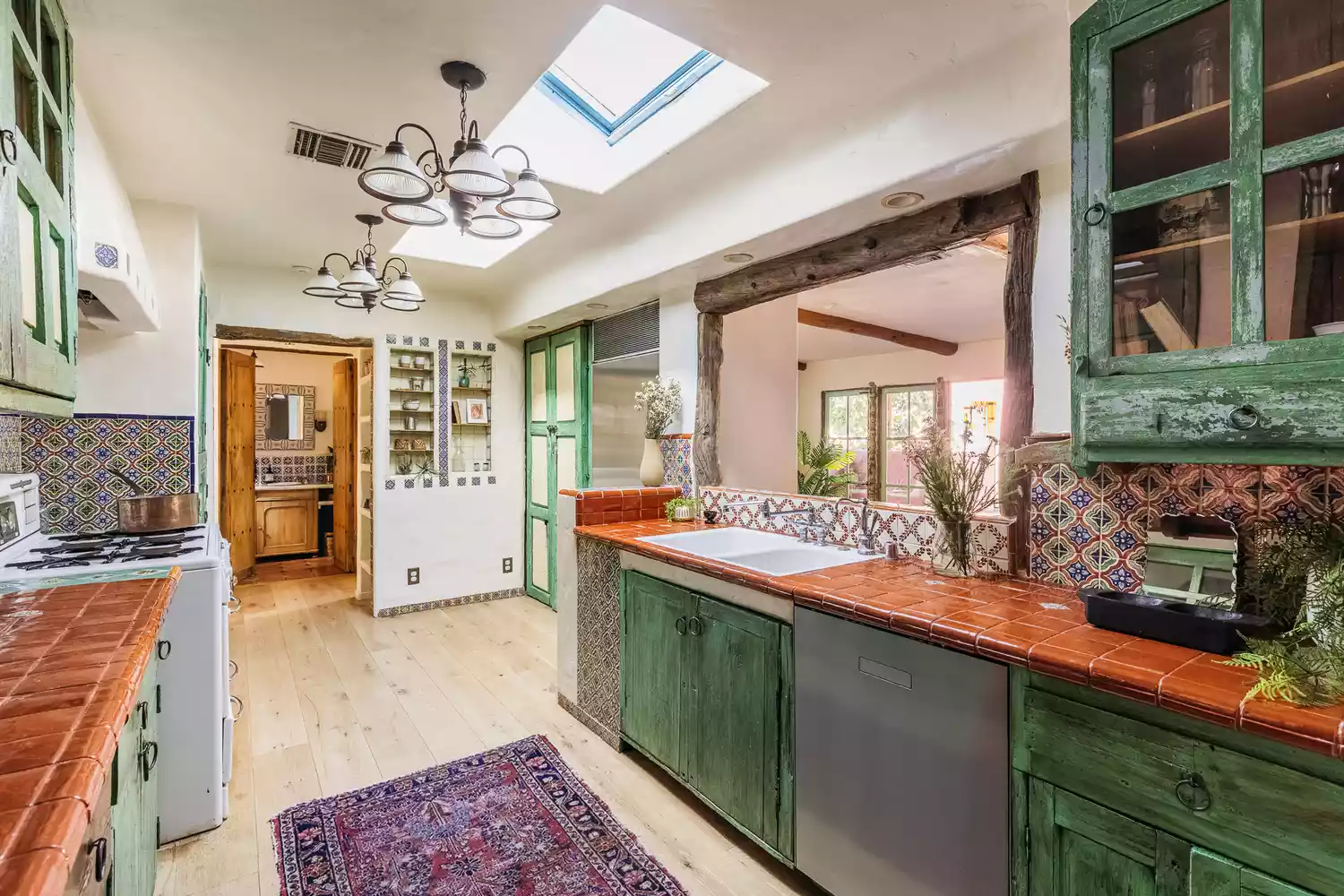
Lighting should also reflect the desired ambiance. Vintage-style wall lights are preferred over modern spots and downlighters, as they soften light quality and create an ambient glow suitable for relaxed country living. Adjustable wall lights are particularly effective for illuminating work areas. Backsplashes offer an opportunity to introduce color and pattern through tiles, ranging from classic patchwork to modern-country herringbone designs. Bold single-color tiles can create a statement when framed within architectural features or above a range cooker.
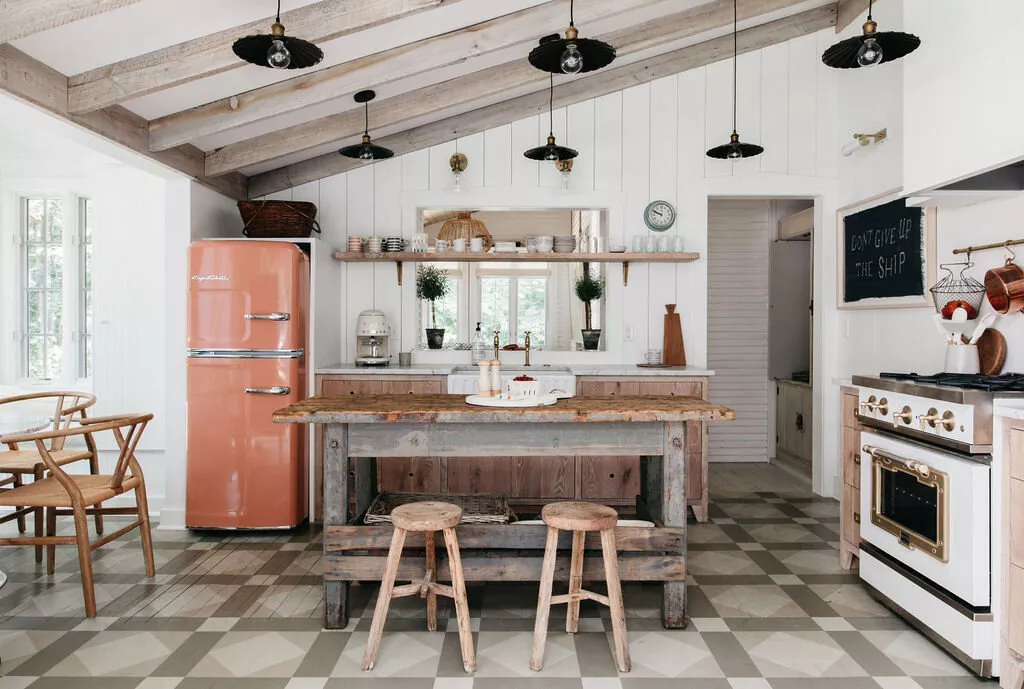
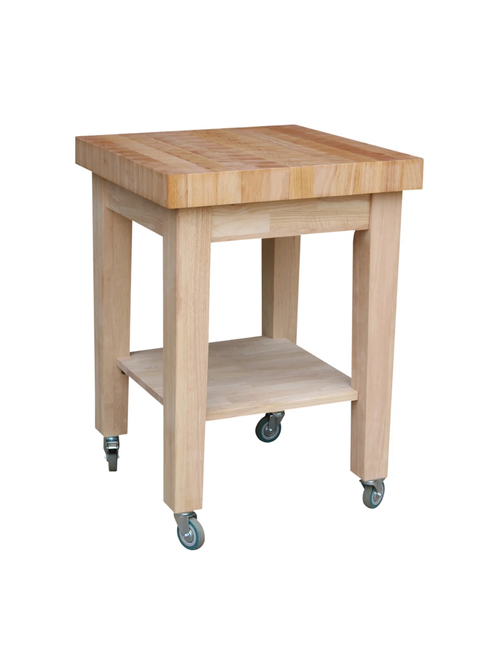
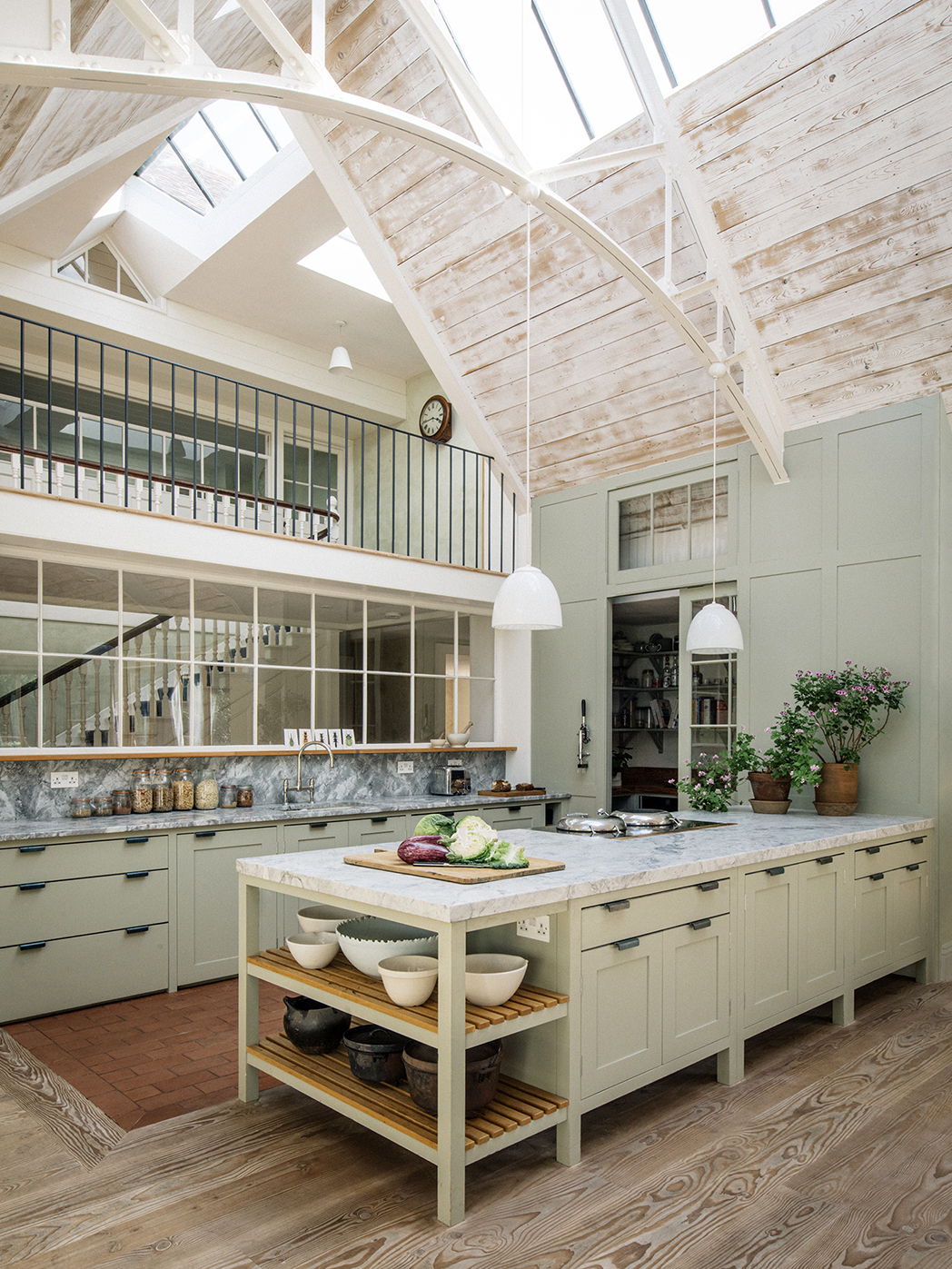
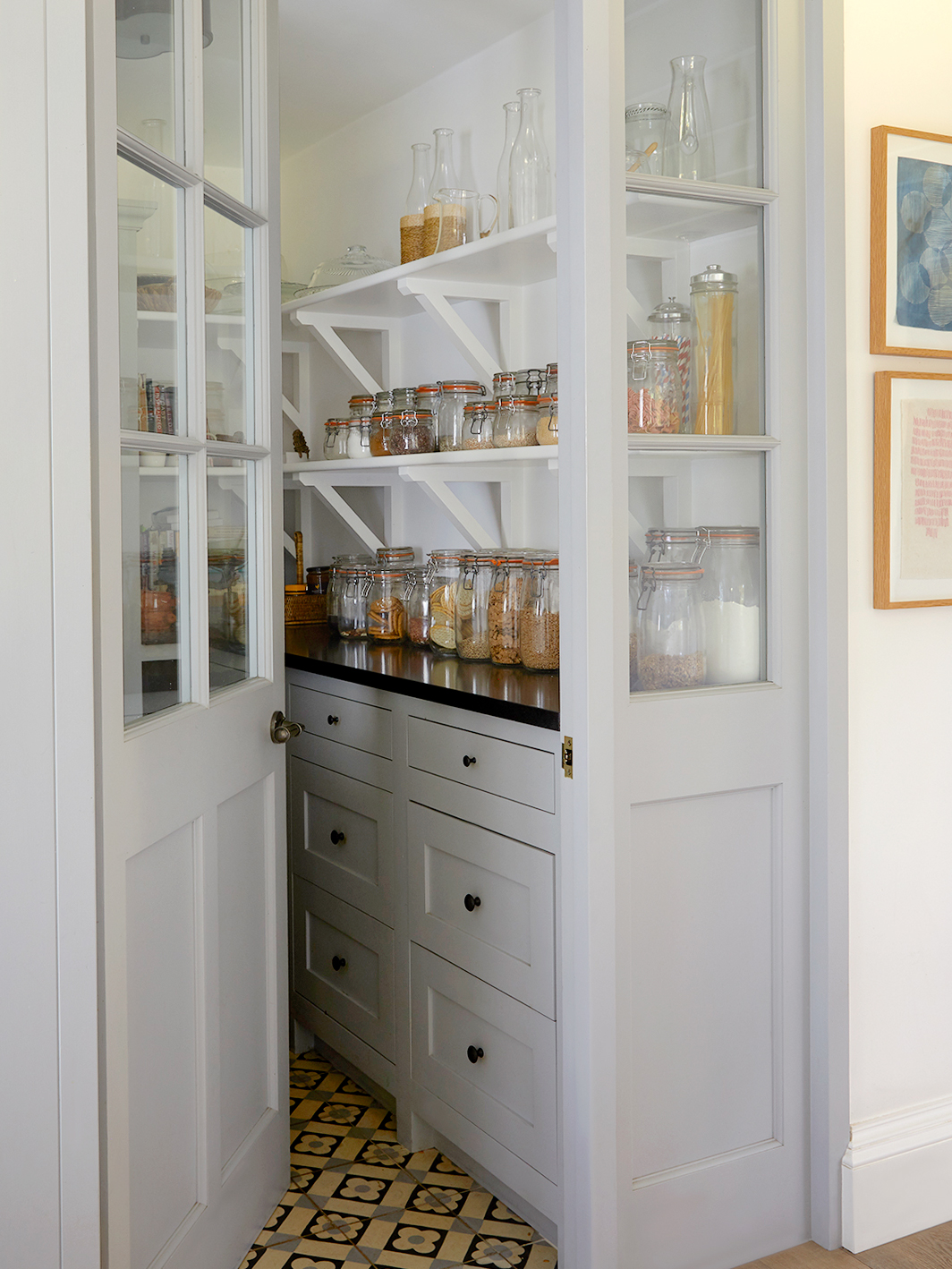
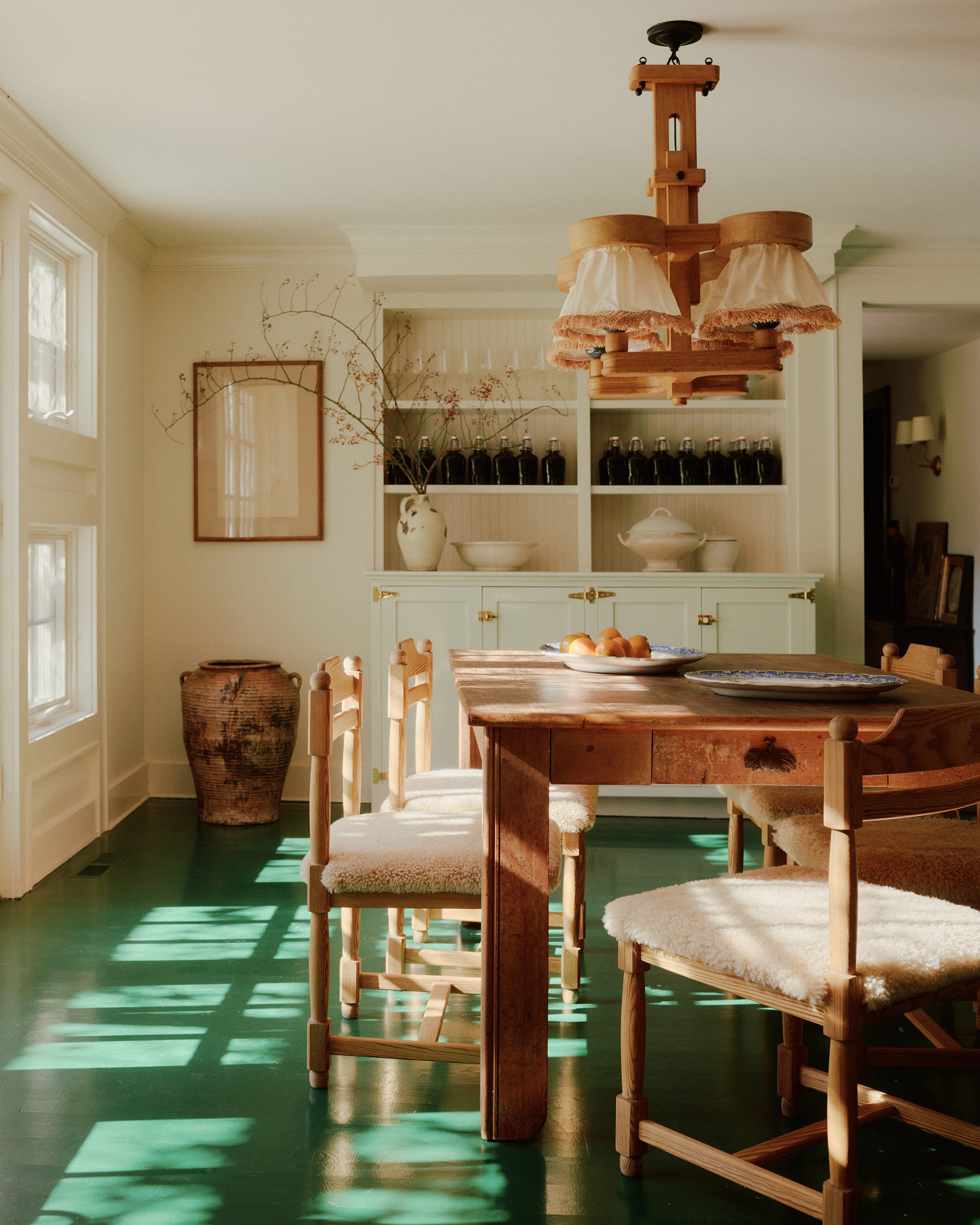
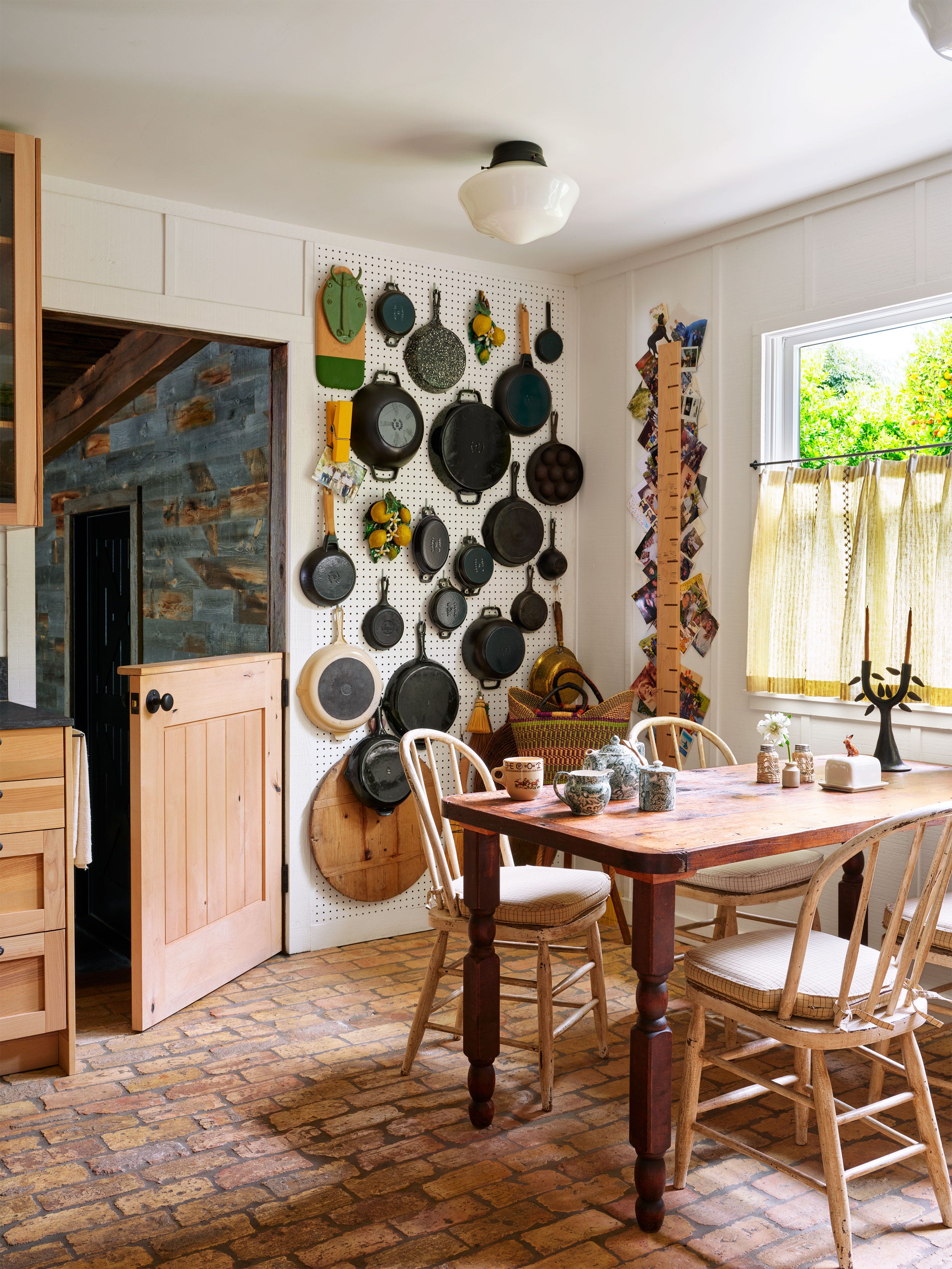
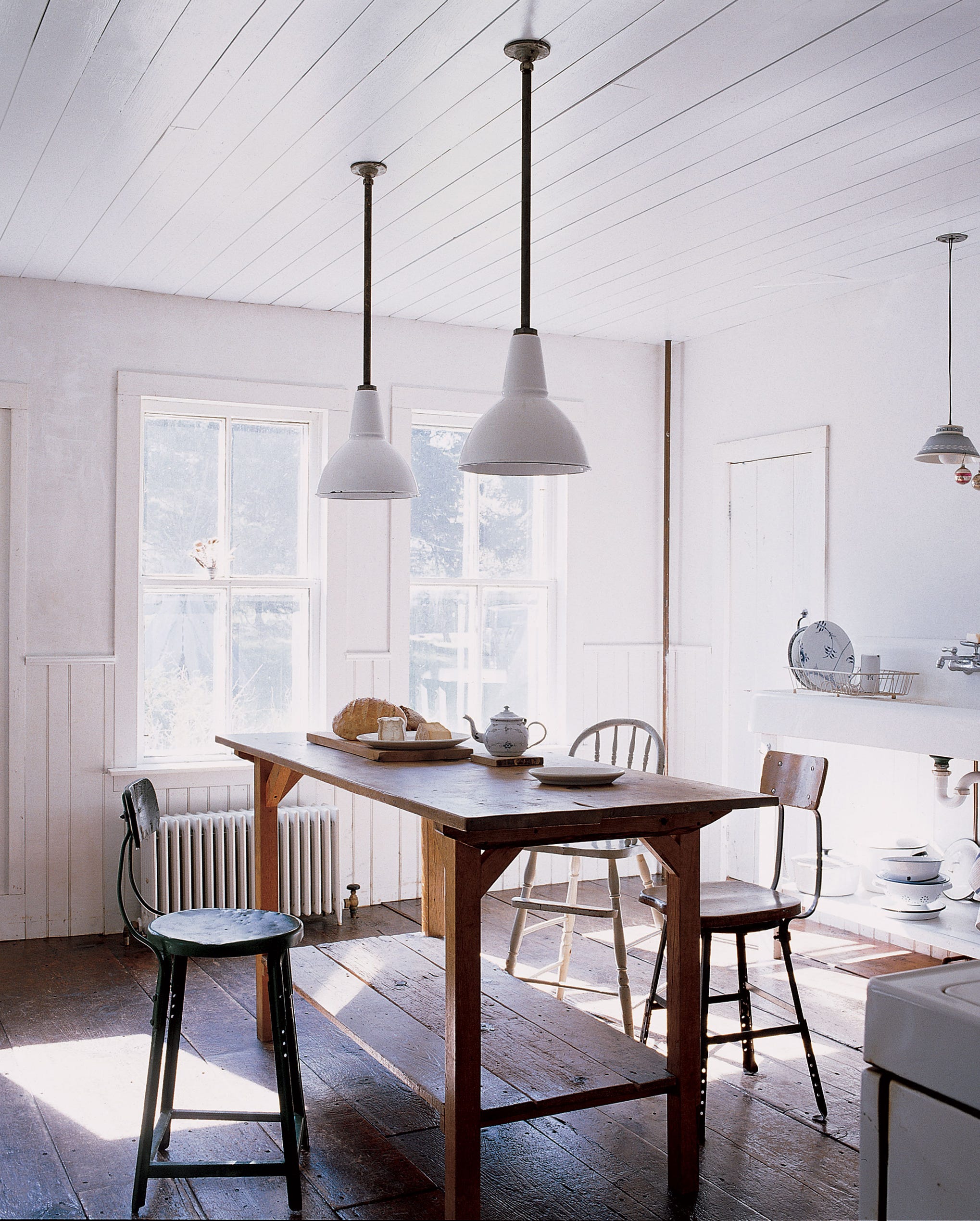
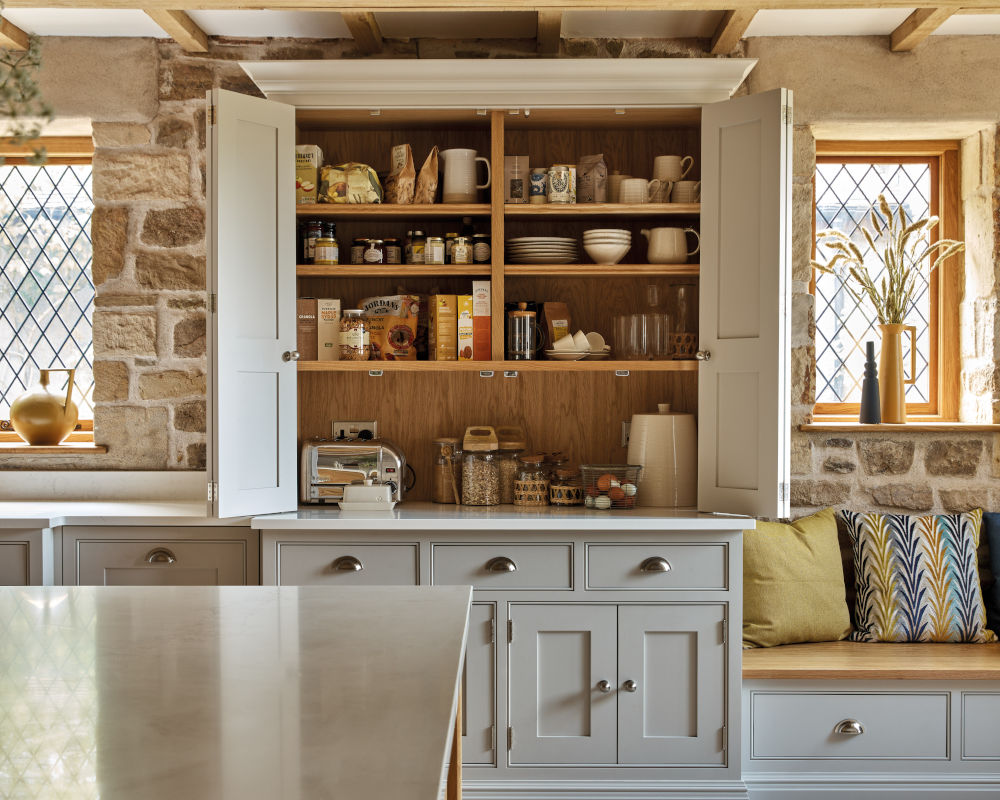
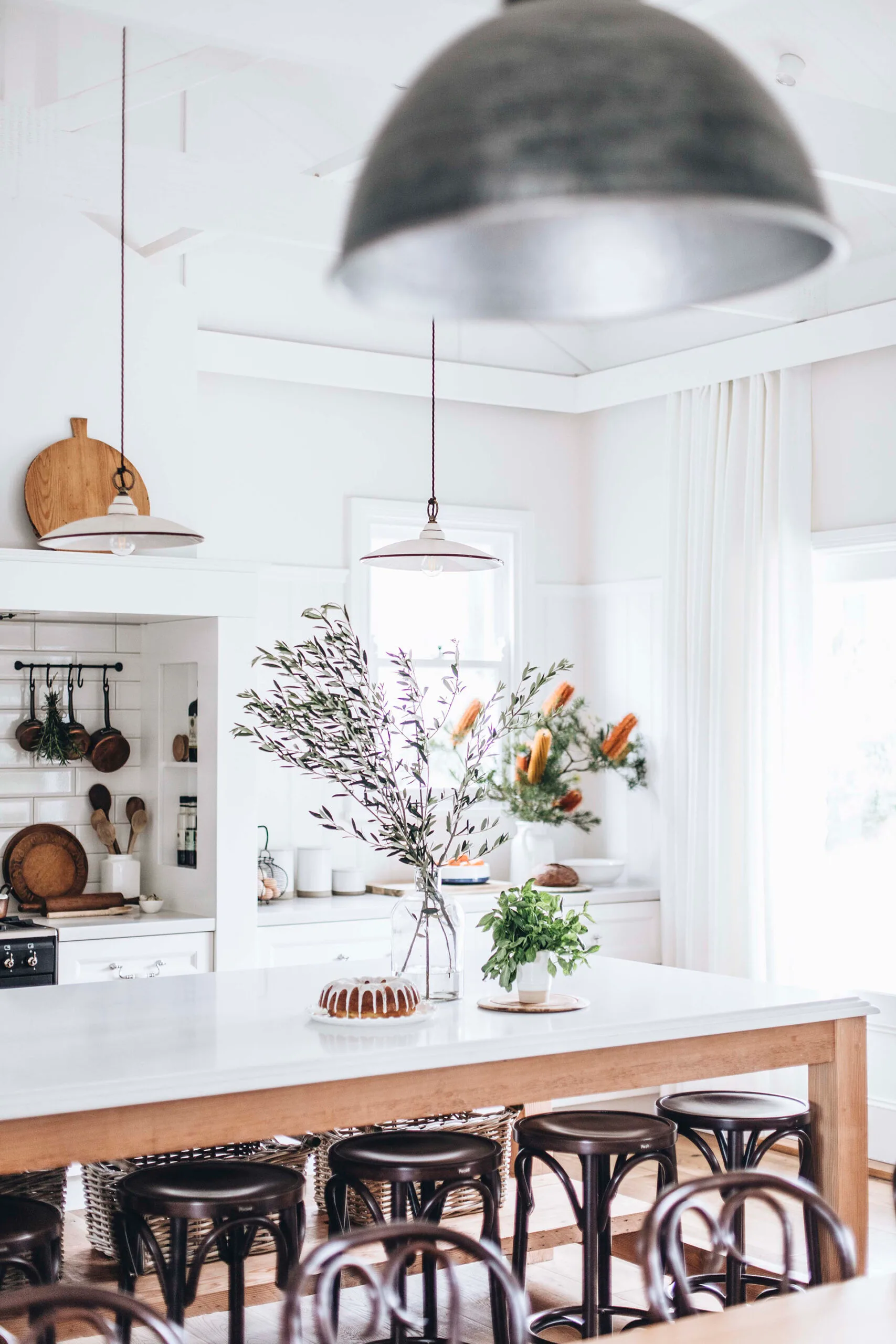
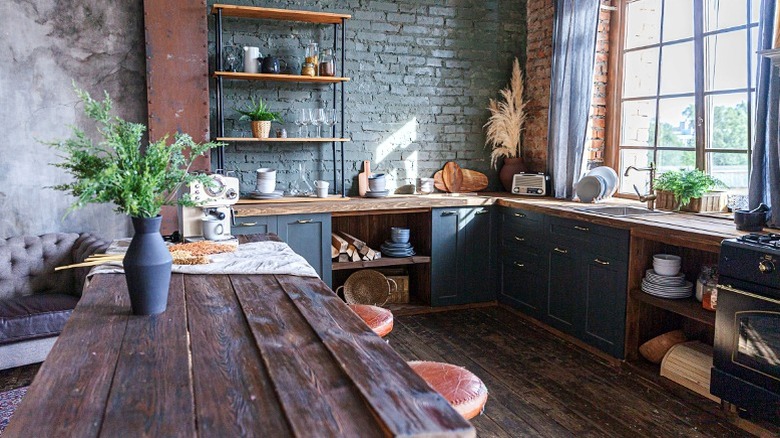
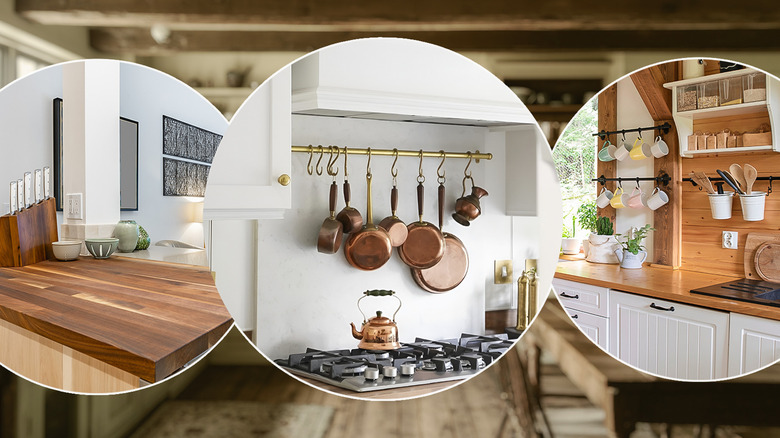
Storage solutions in a country kitchen often include a larder cupboard, either freestanding or fitted. These serve as versatile storage for dry goods, linens, or even breakfast stations, harking back to traditional cold larders. Decorative details such as brass rails, complete with hooks for cookware, nod to historical farmstead kitchens while offering a modern, relaxed utility. Handles, drawer pulls, and knobs also allow for personalization; vintage-style designs, mixed handle types, and naturally aged metals like brushed brass or wood and leather options enhance the rustic charm without overwhelming the design. Introducing a rustic wooden table serves as a central gathering point, functioning as a work surface, dining area, and casual coffee spot, with antique pieces adding character through their natural wear.
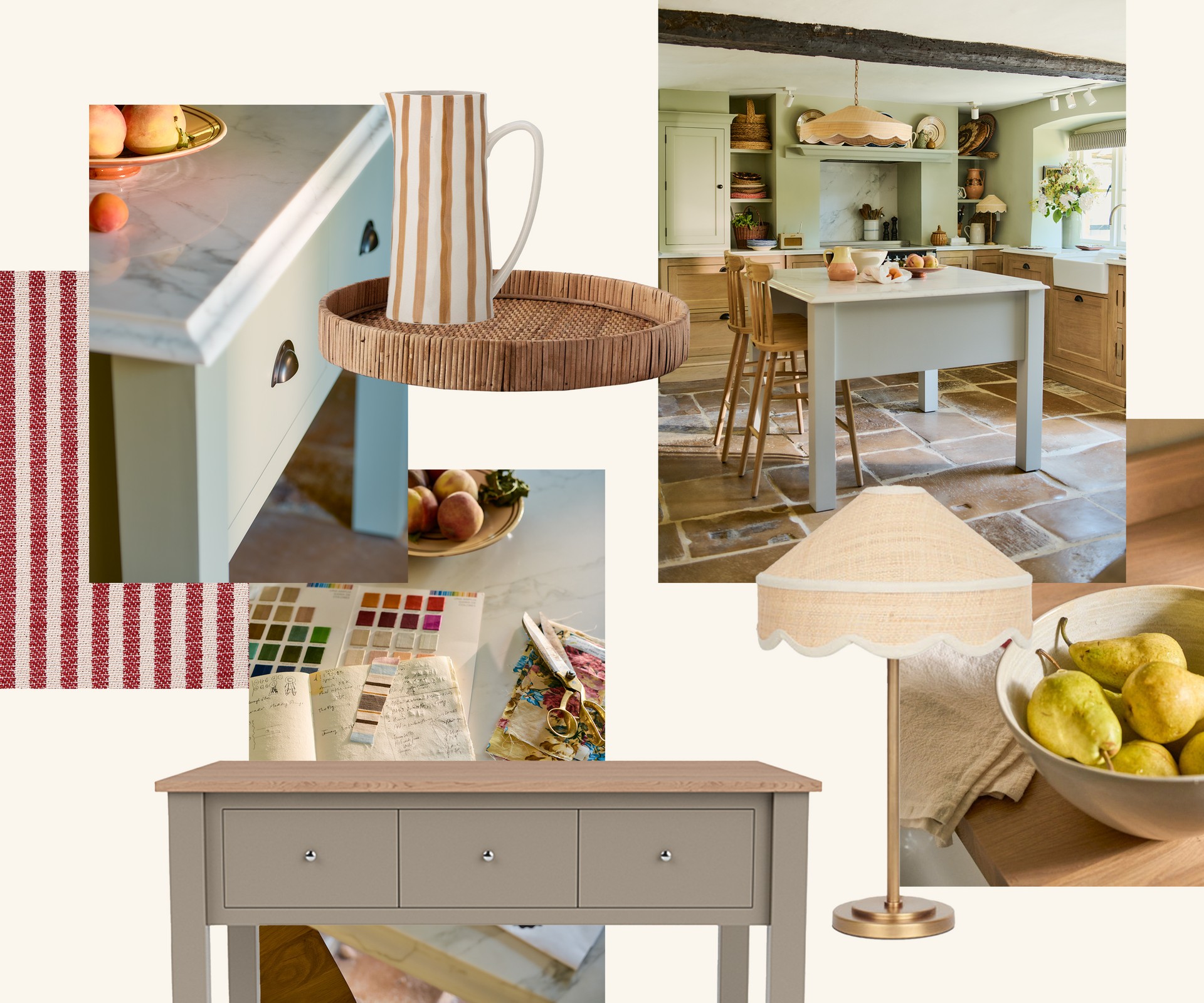
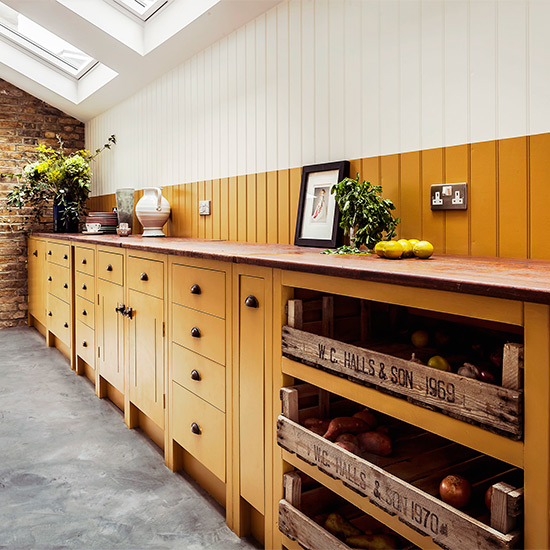
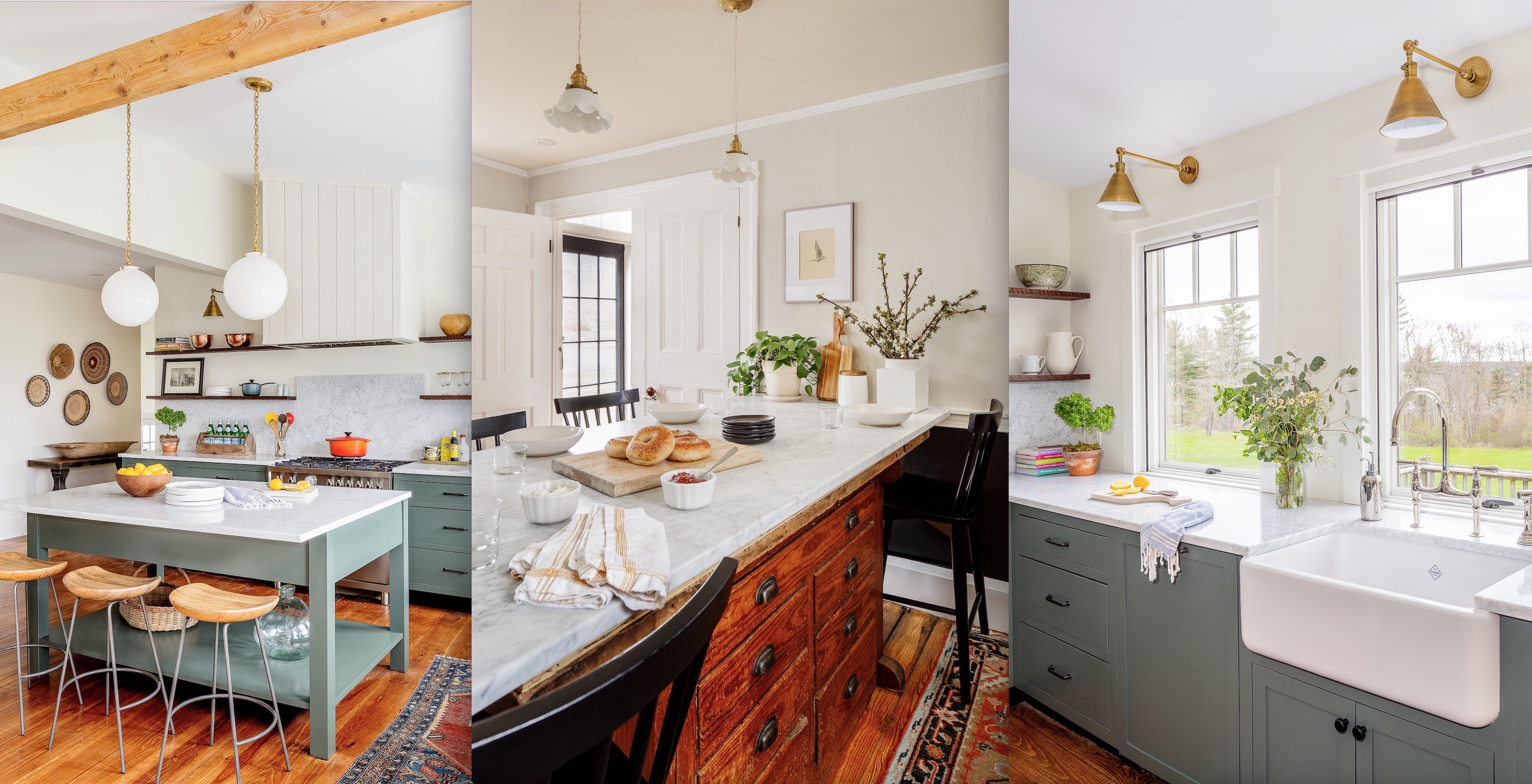
Overall, a country kitchen is defined by its use of honest, natural materials and simple finishes, such as wavy-edged timbers, flagstone, or terracotta floors. While dark colors are currently popular in general kitchen design, paler shades, particularly off-white and warm green-grays, form the ideal base for country kitchen cabinetry, allowing for vibrant accents through accessories. Wood tones in flooring tend to be darker, like oak with a conker hue, avoiding overly red shades.
#CountryKitchen #KitchenDesign #InteriorDesign #HomeDecor #KitchenCabinetry #RangeCooker #ButlerSink #StoneFlooring #VintageTaps #NaturalStoneCounters #CountryKitchen #KitchenDesign #InteriorDesign #HomeDecor #KitchenCabinetry #RangeCooker #ButlerSink #StoneFlooring #VintageTaps #NaturalStoneCounters
0 comment in total
 No comments yet
You may also like
47 Country Kitchen Ideas To Fall In Love With
21 warm and inviting country kitchen ideas to add charm to the heart of your home
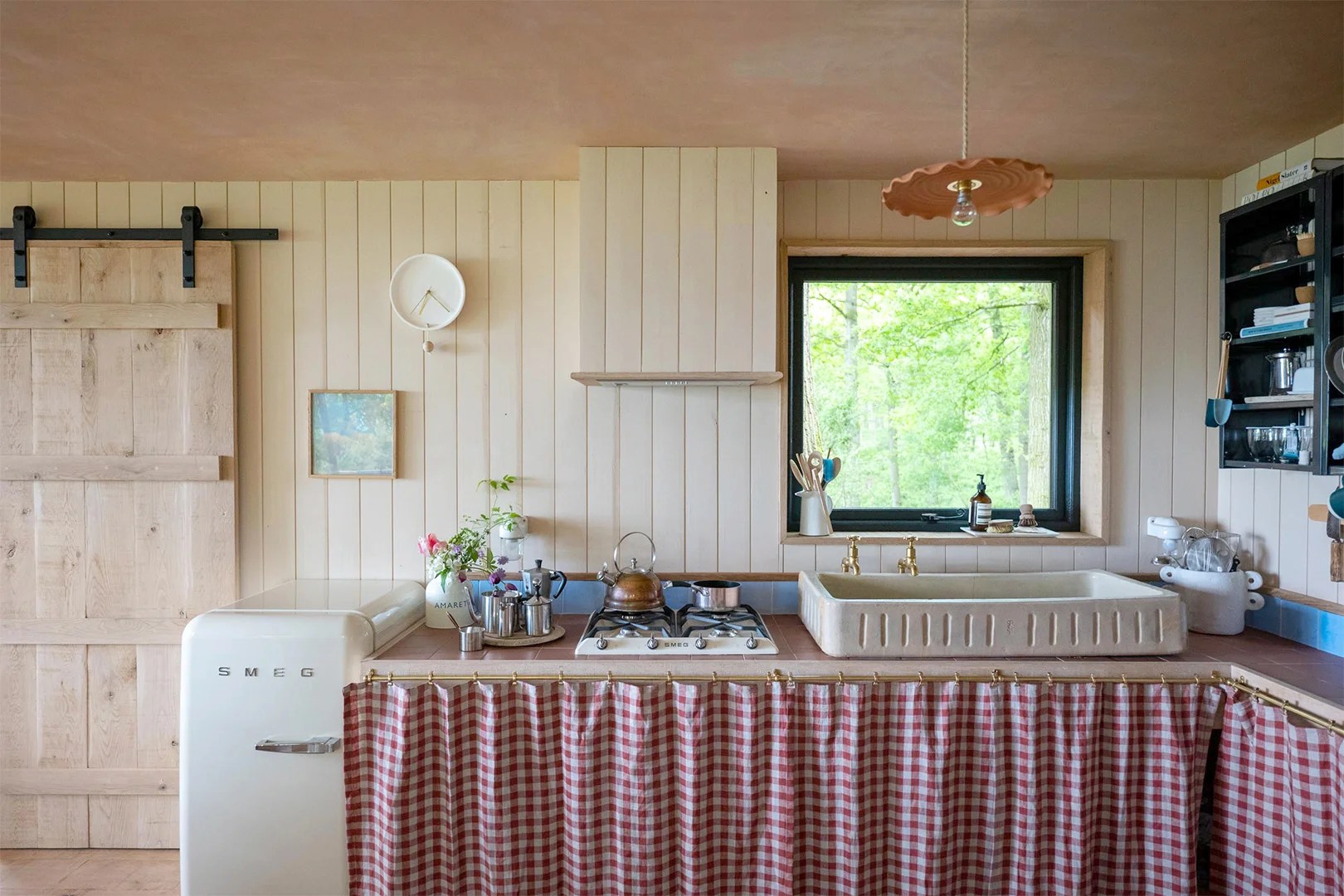
Table-Like Islands and 5 More Details You’ll Almost Always Find in an English Country Kitchen

Farmhouse kitchen design ideas and tips
17 Country Kitchen Design Trends We Can't Get Enough Of

29 warm and cosy country kitchens to add to your moodboard

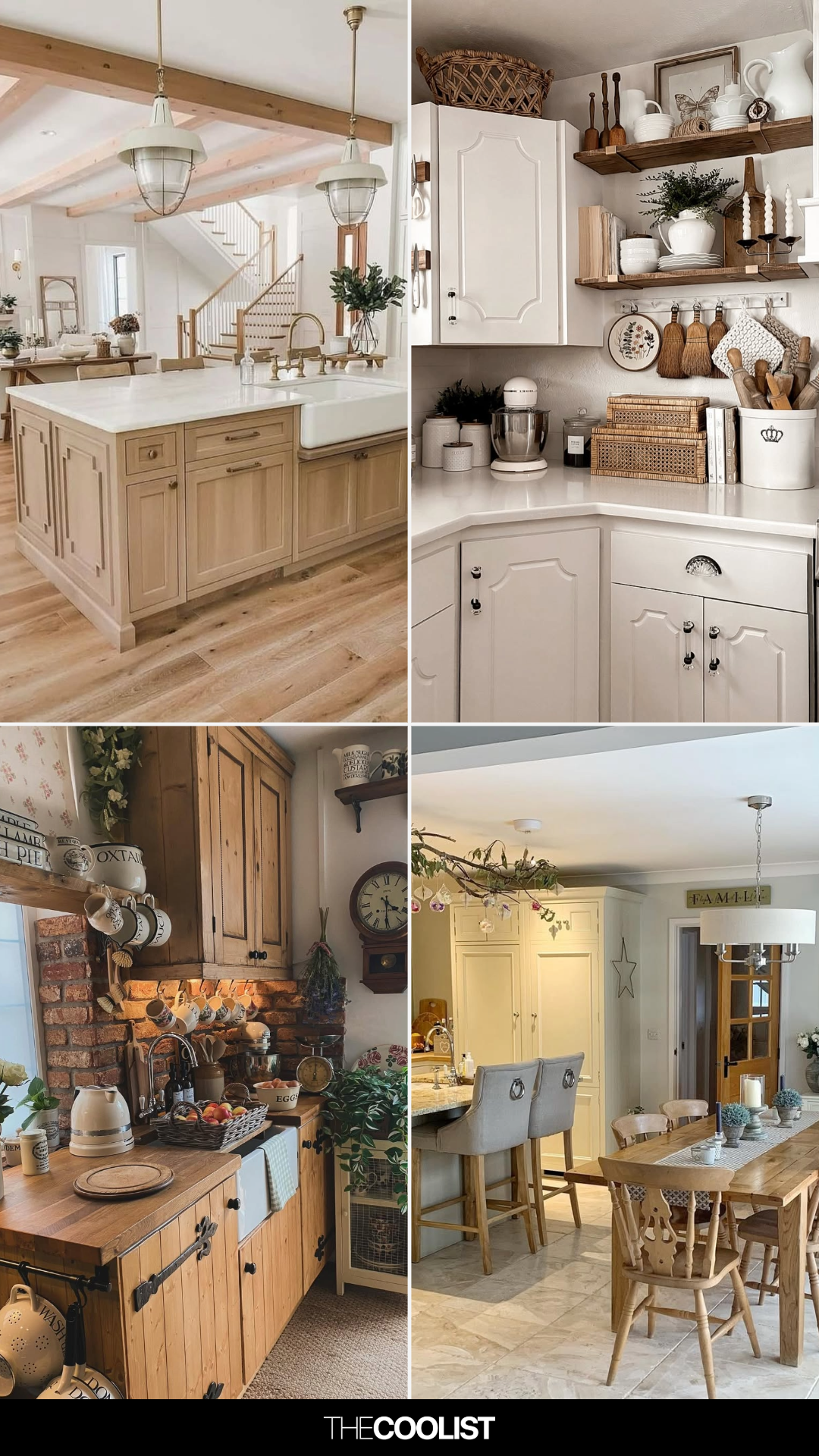
30 Farmhouse Kitchen Ideas That Work for Both Modern Farmhouse and Traditional Country Styles
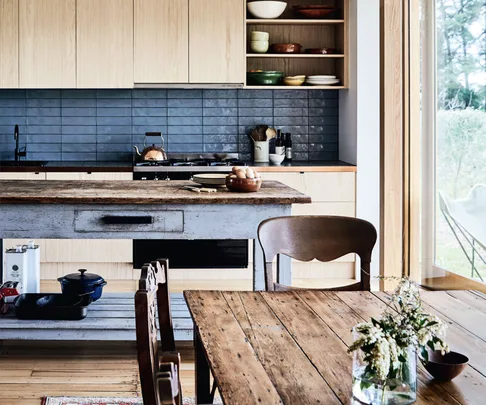
Sneak preview: Dream Kitchens by Country Style

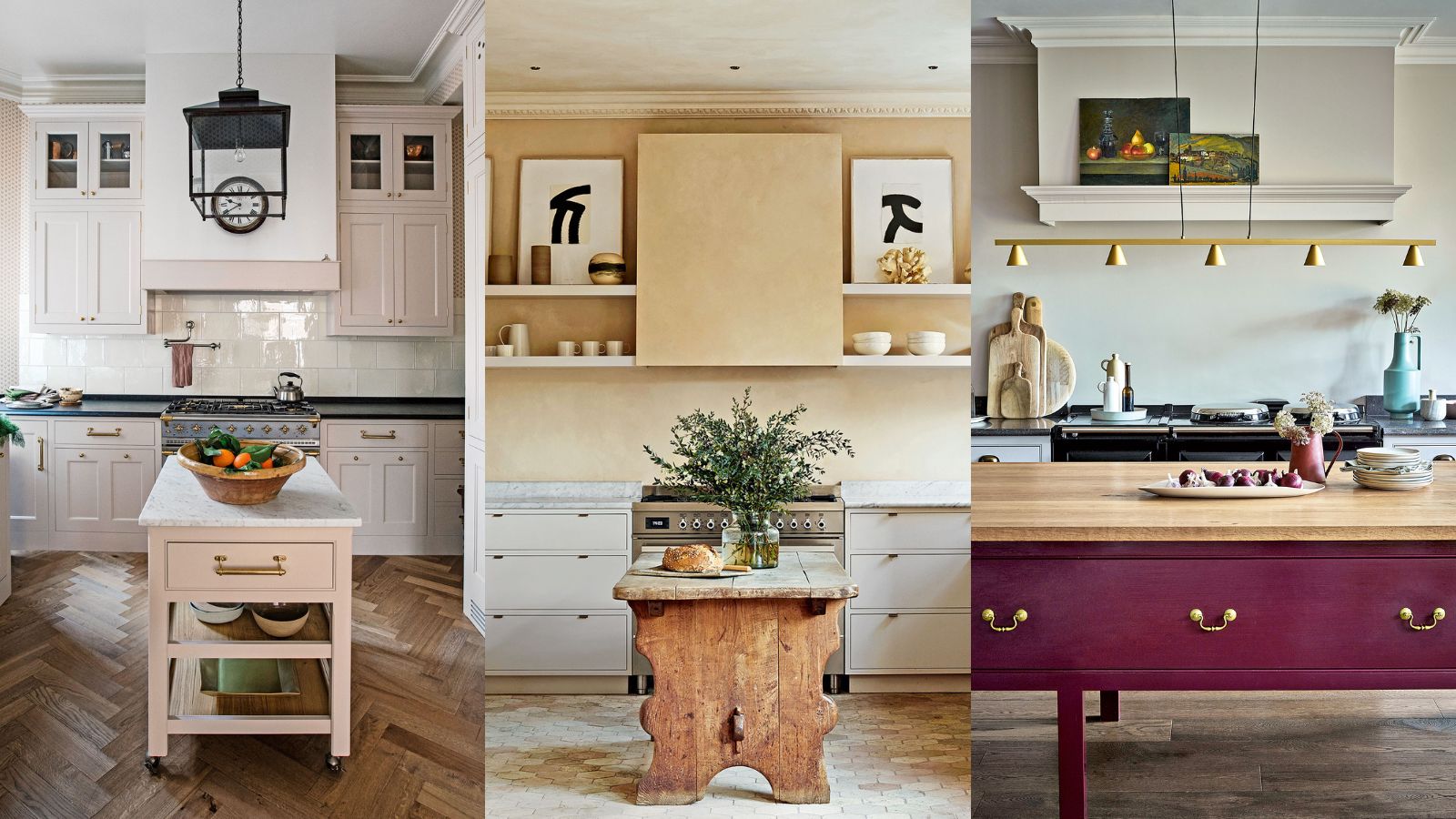
Country kitchen ideas – 42 ways to ultimate rustic inspiration
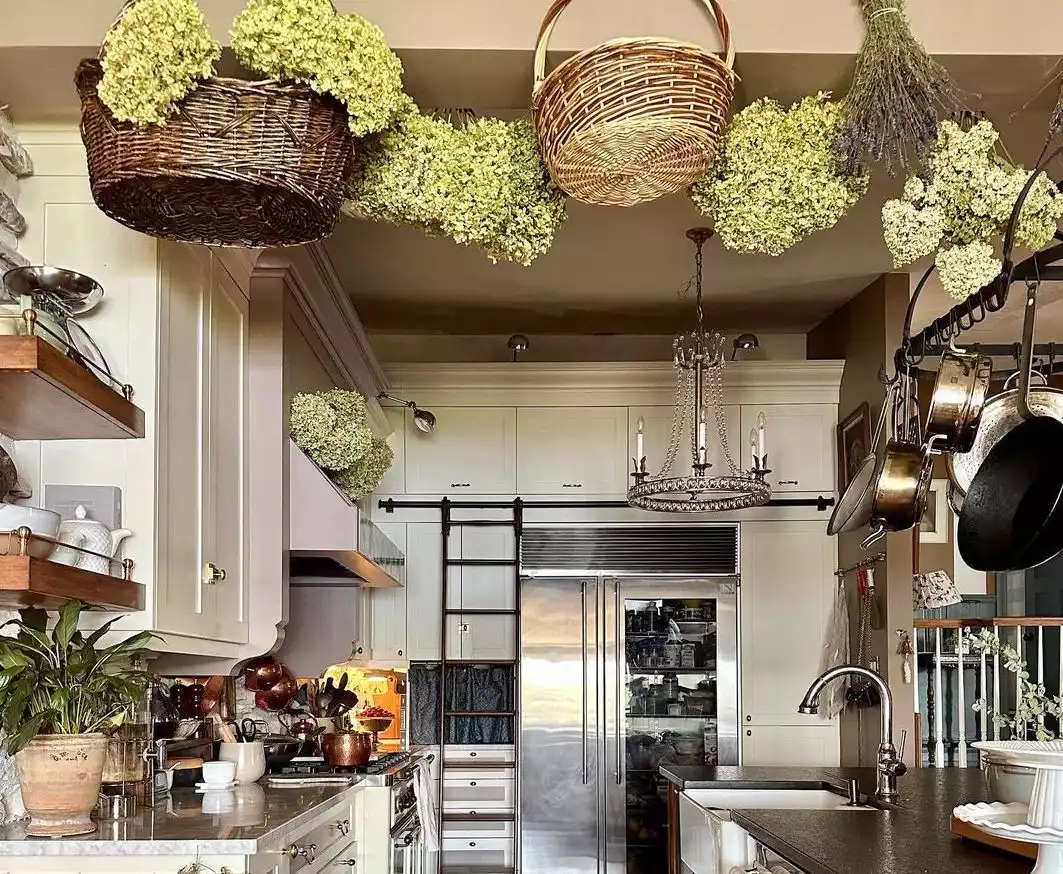
32 Country Kitchen Ideas to Create a Cozy and Warm Retreat You'll Love Cooking In

How do I make my kitchen look farmhouse? 12 elements experts always include
Design inspiration: How to create a farmhouse-style kitchen

23 Country Kitchens That Feel Homey and Warm
24 Perfectly Rustic Pieces That Will Make Your Kitchen Look Like It Belongs in A Countryside Farmhouse
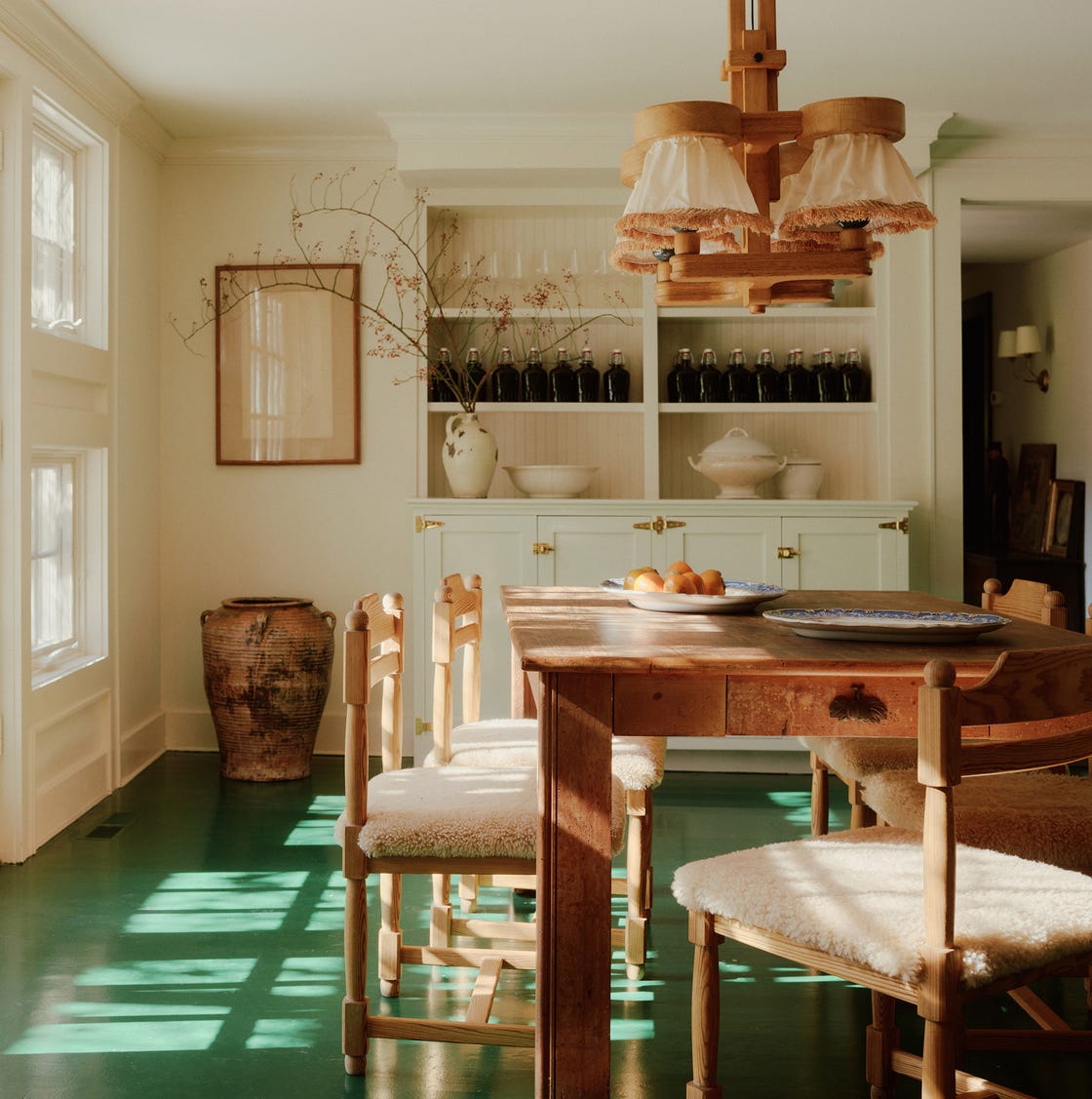
30 Totally Charming Farmhouse Kitchen Ideas

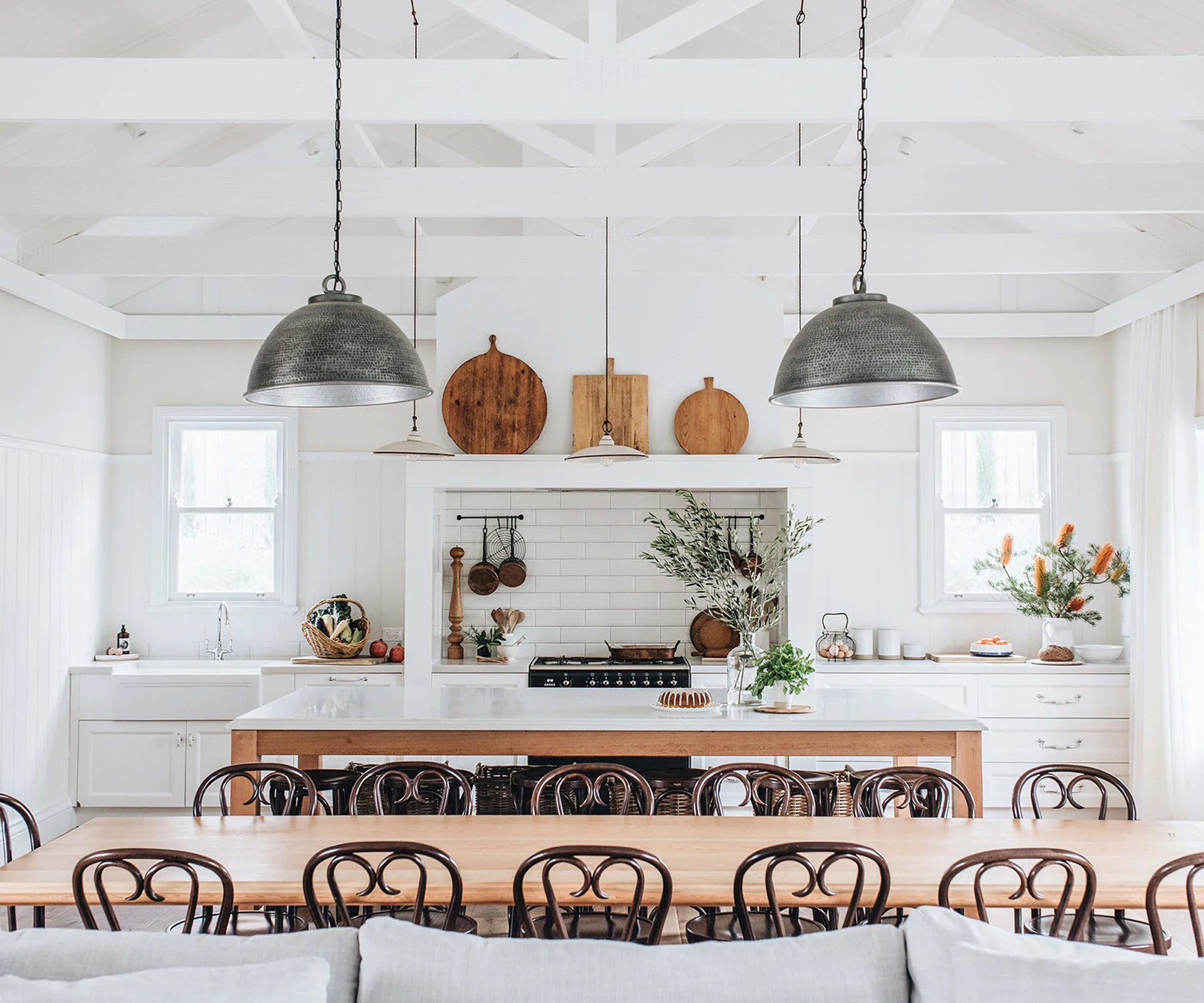
10 farmhouse kitchens with design ideas to steal
Interiors Get The Look: Country Kitchen

Open plan Country-style Kitchen
The latest looks for modern country kitchens
Rustic Vs Country-Style Kitchens: What's The Difference?