1/13
Embrace the dark wood comeback: 12 ways to use the decor trend in your home
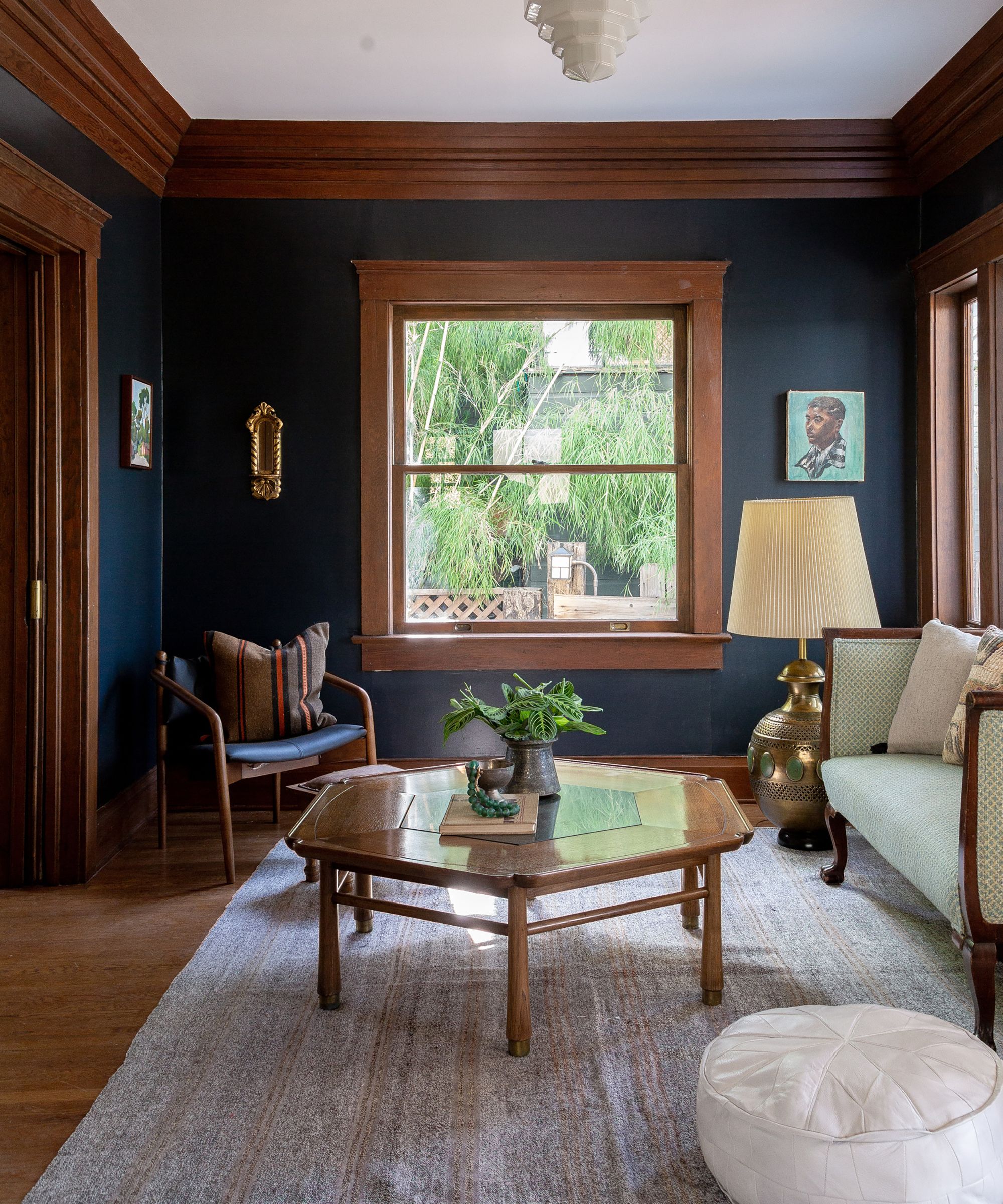
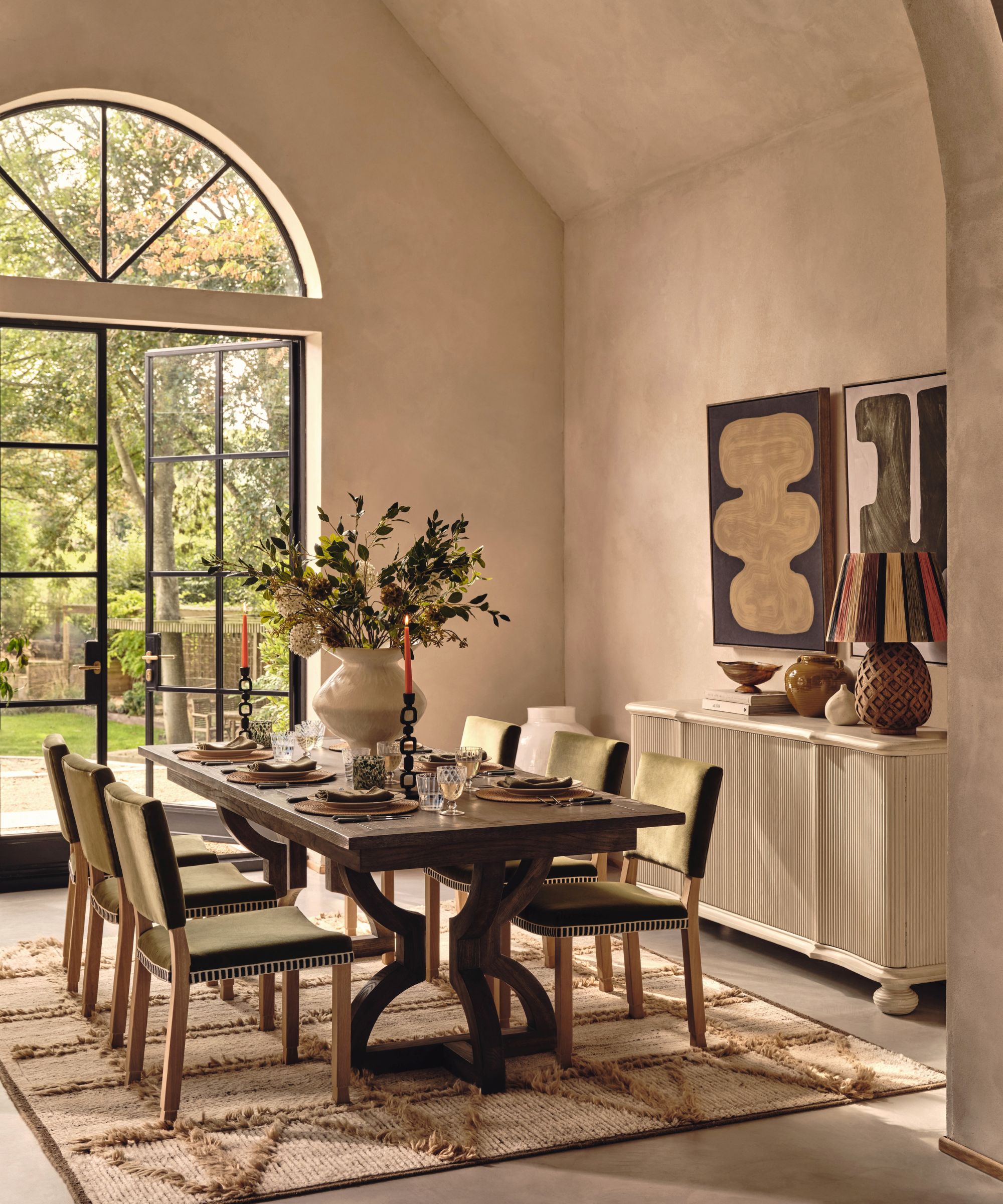
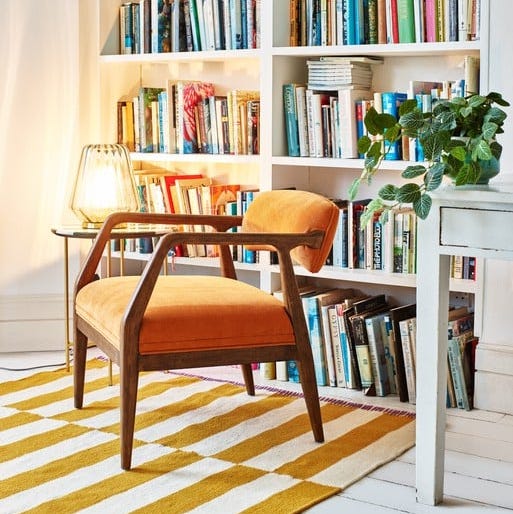
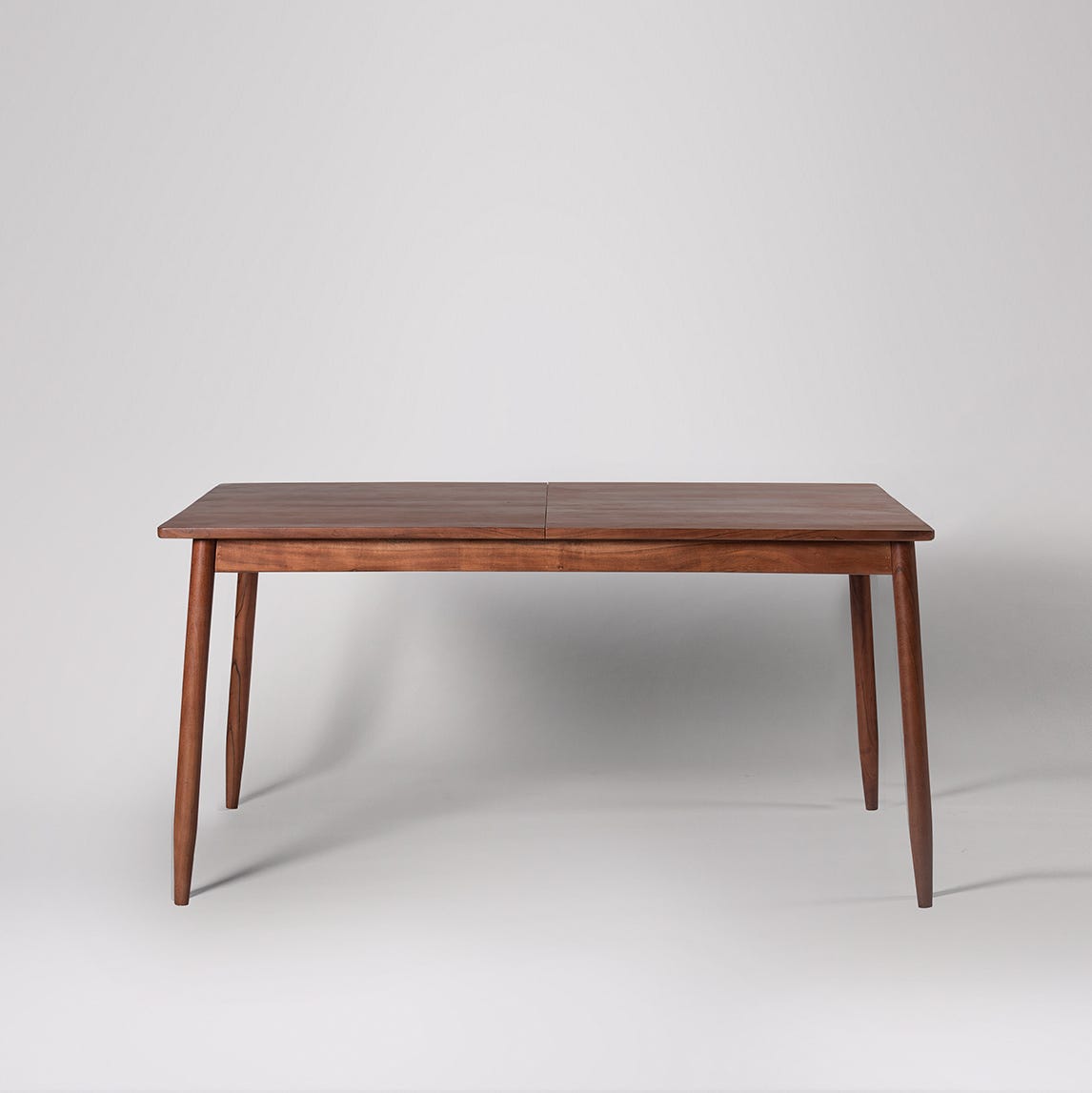
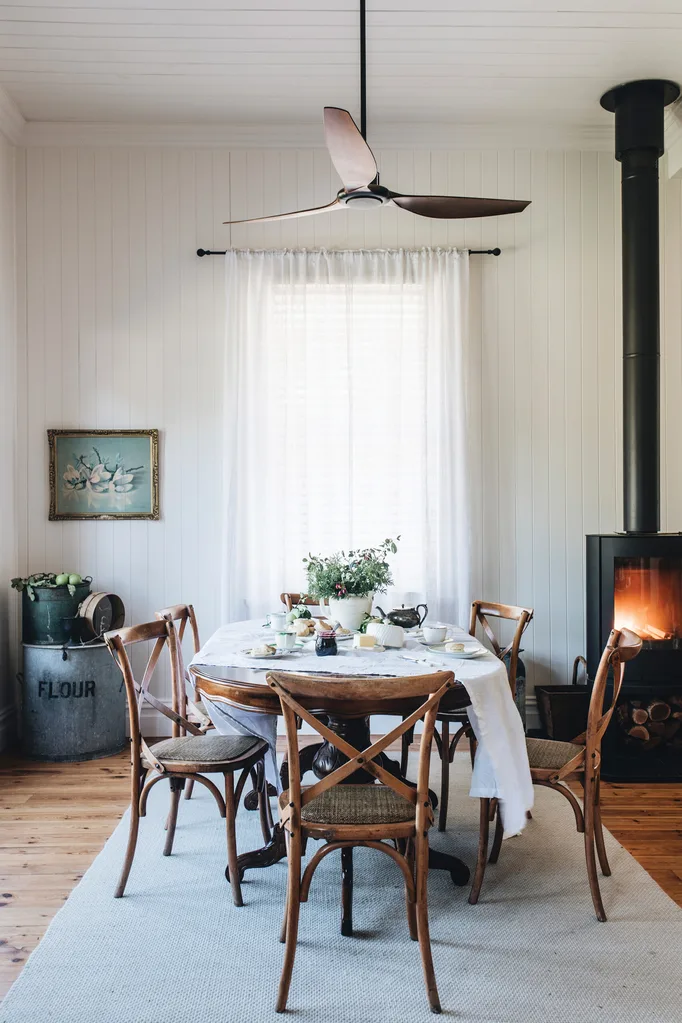
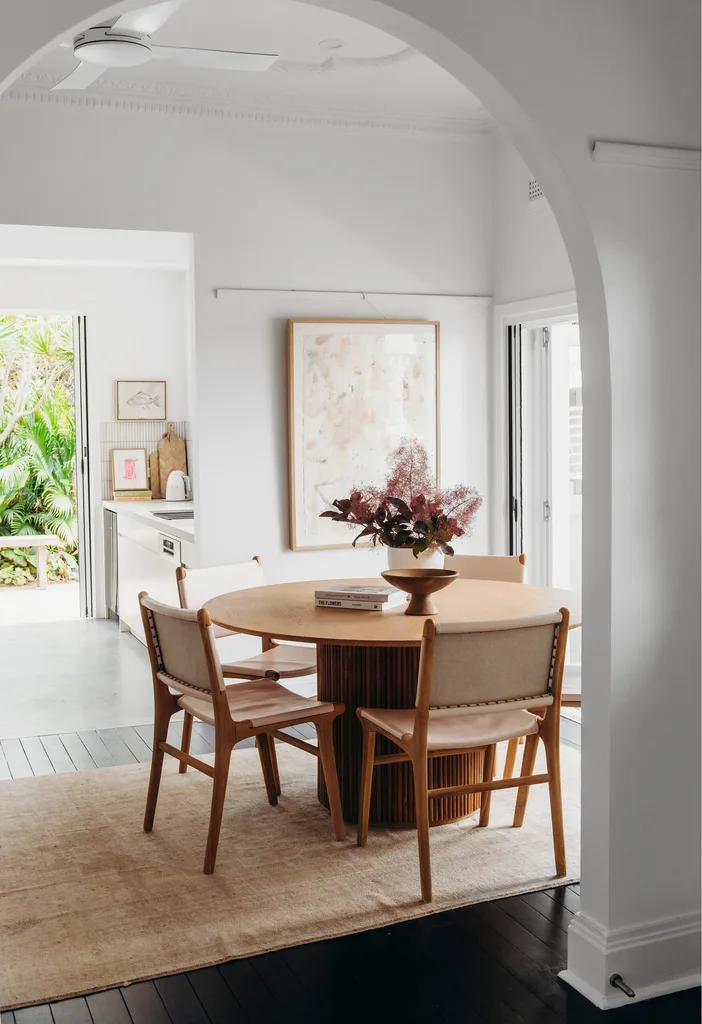
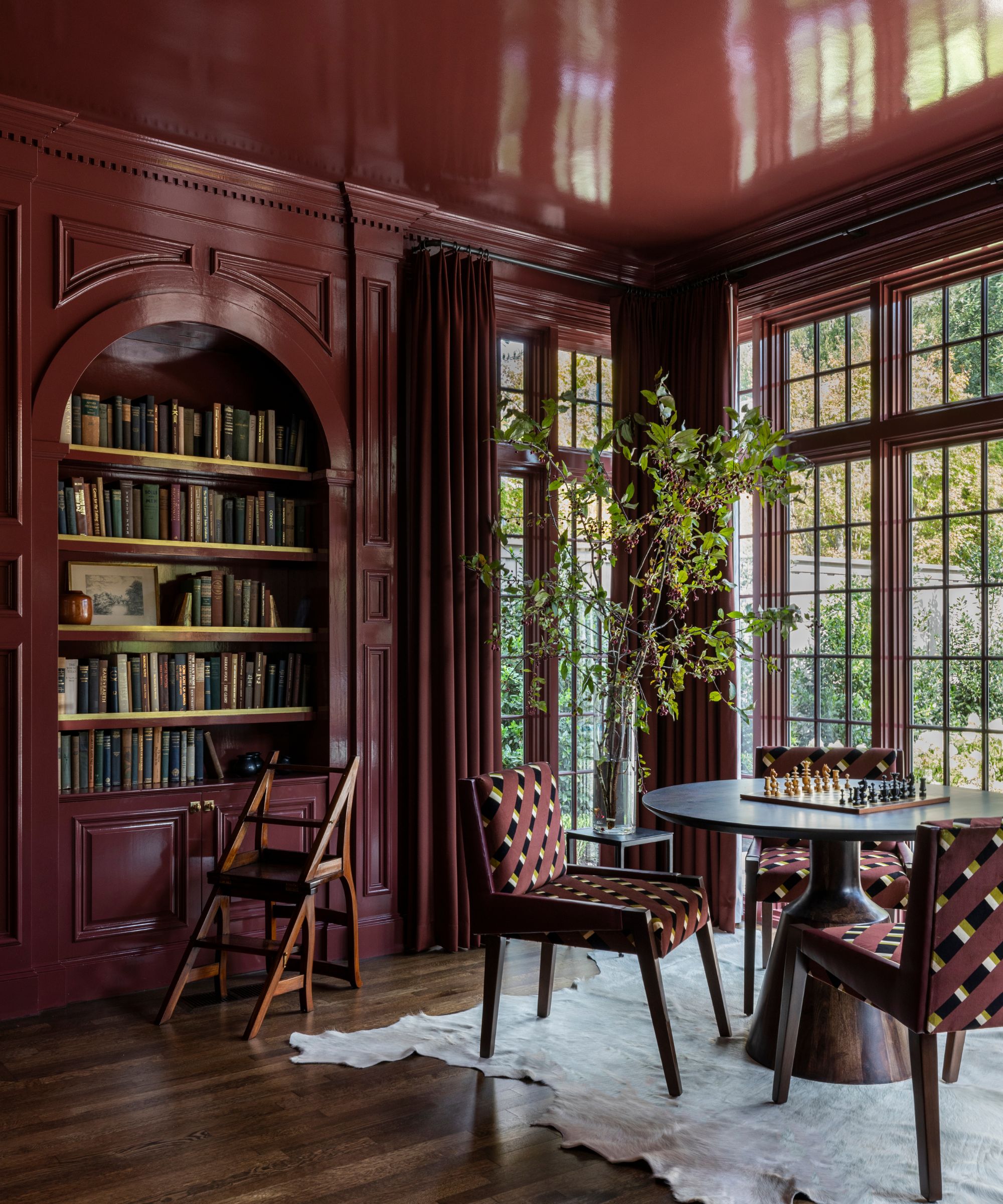
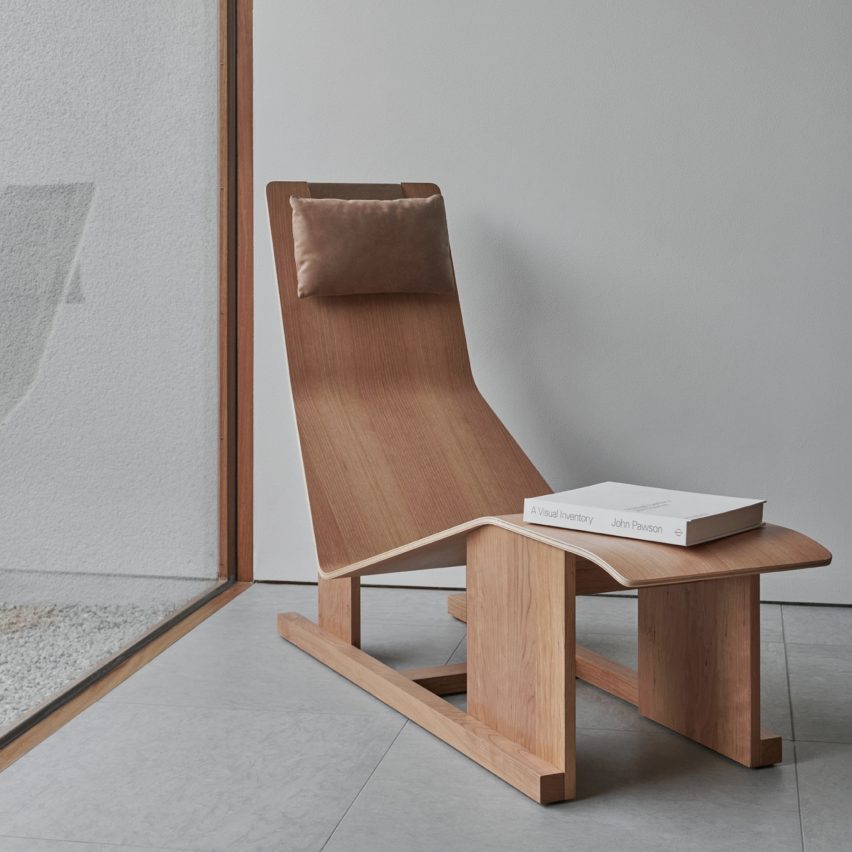
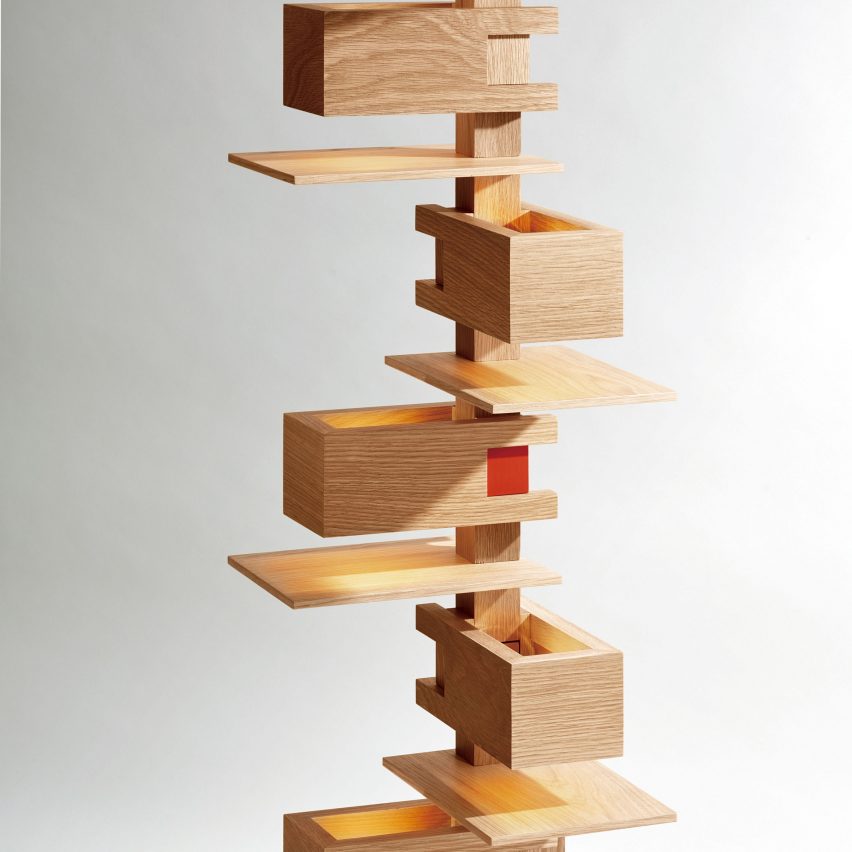
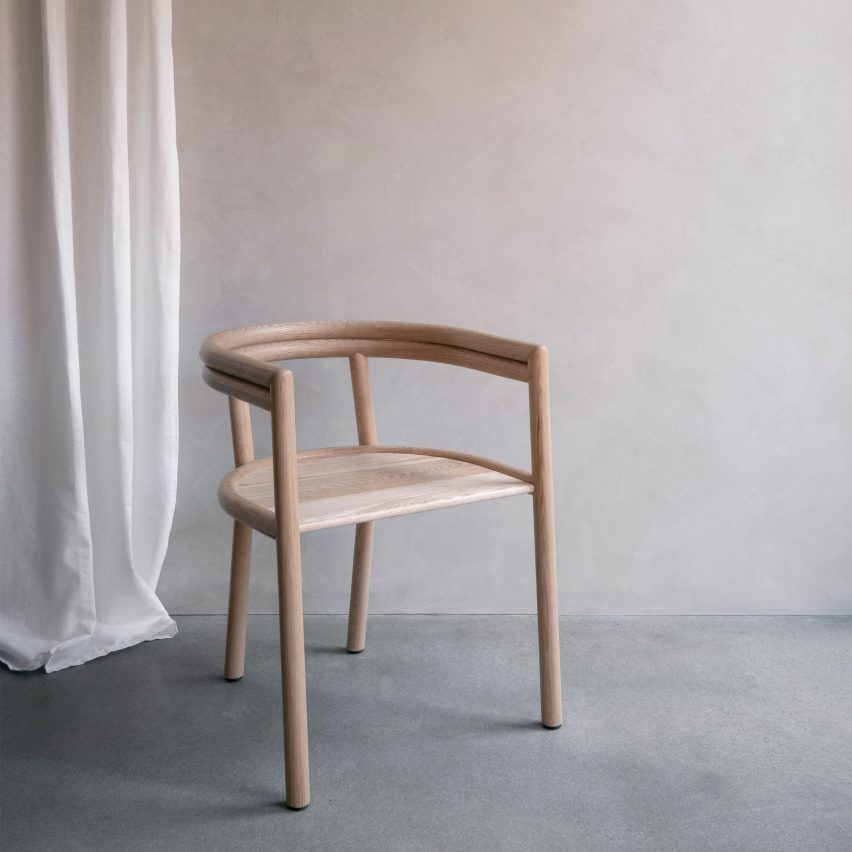
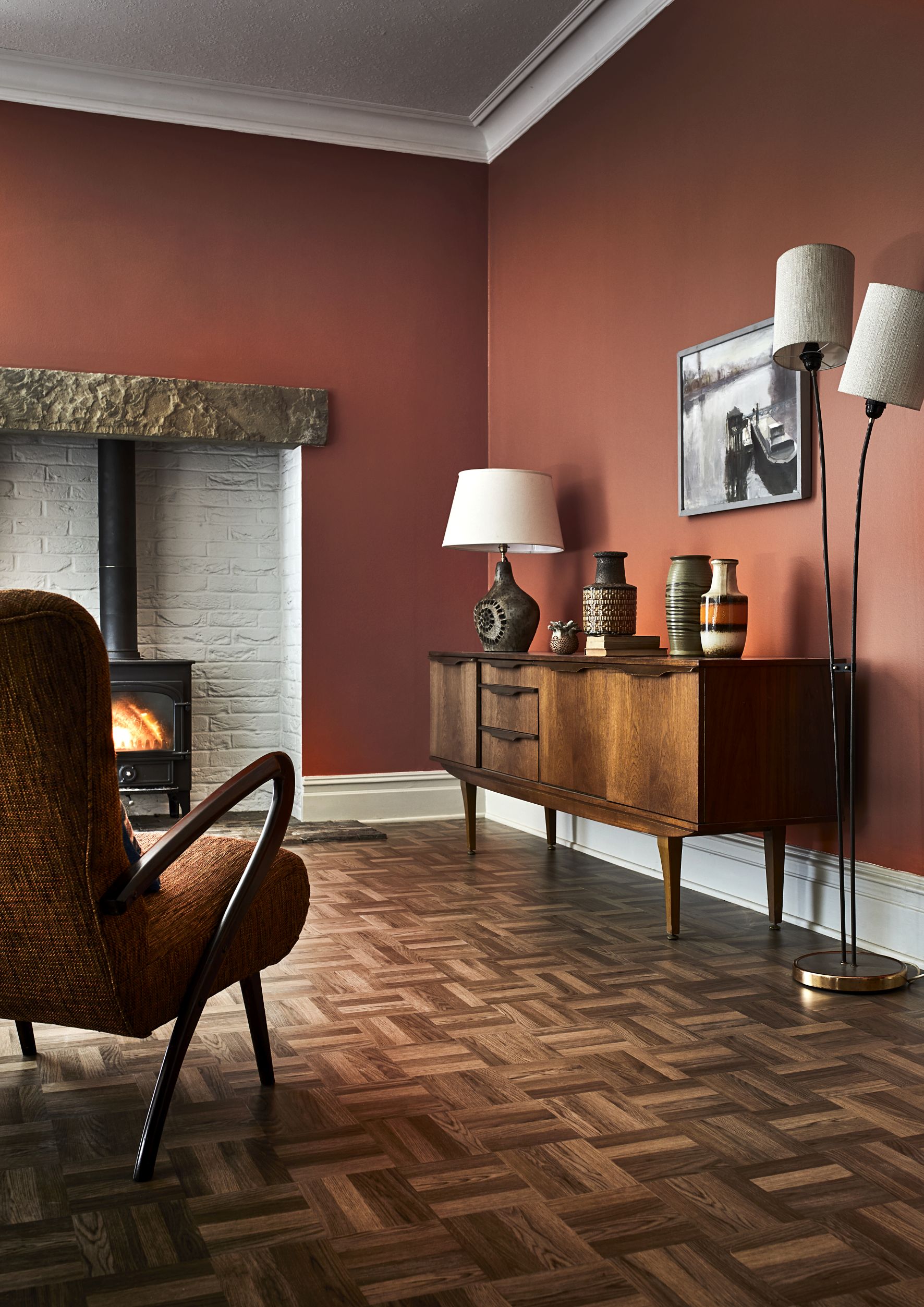
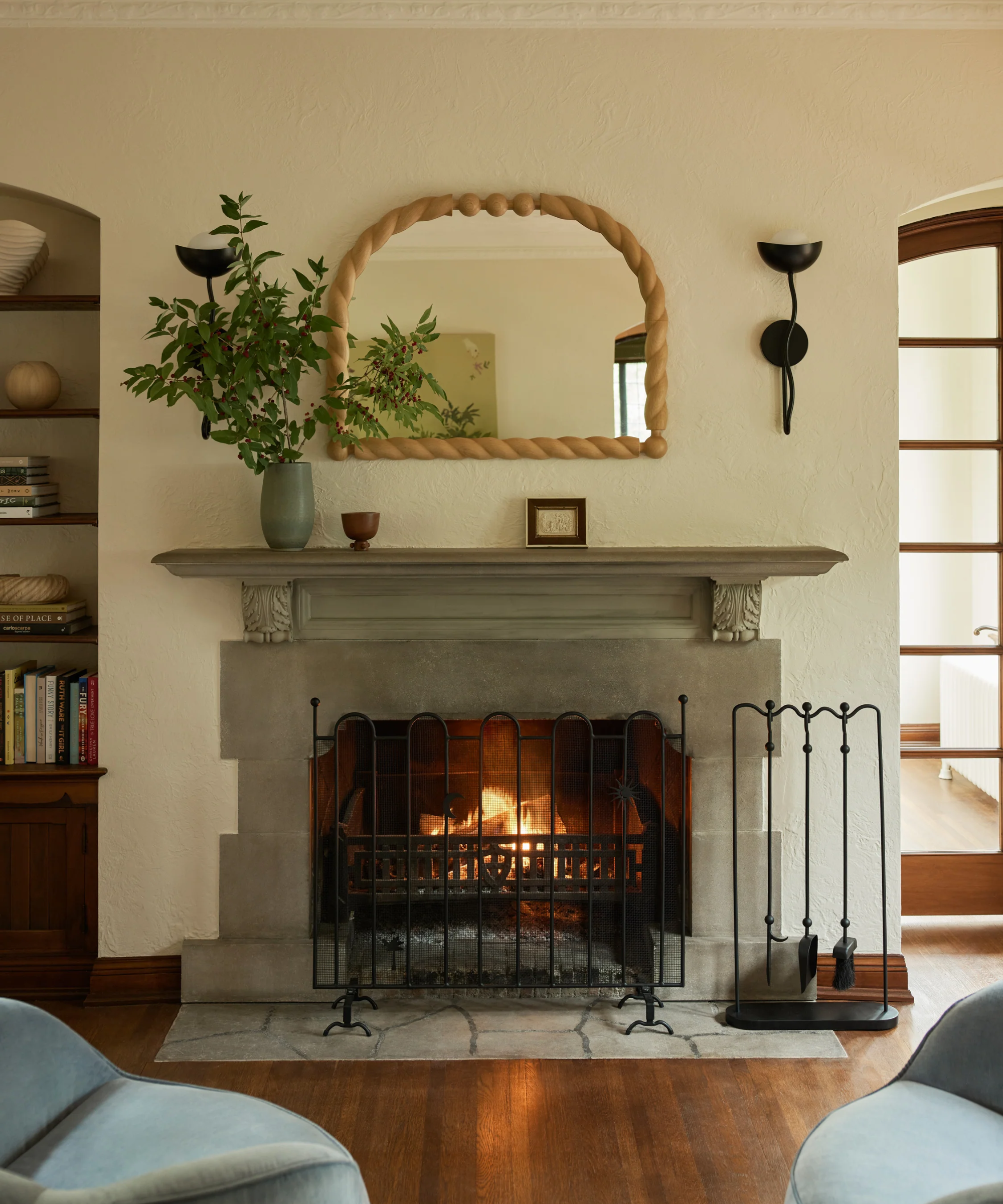
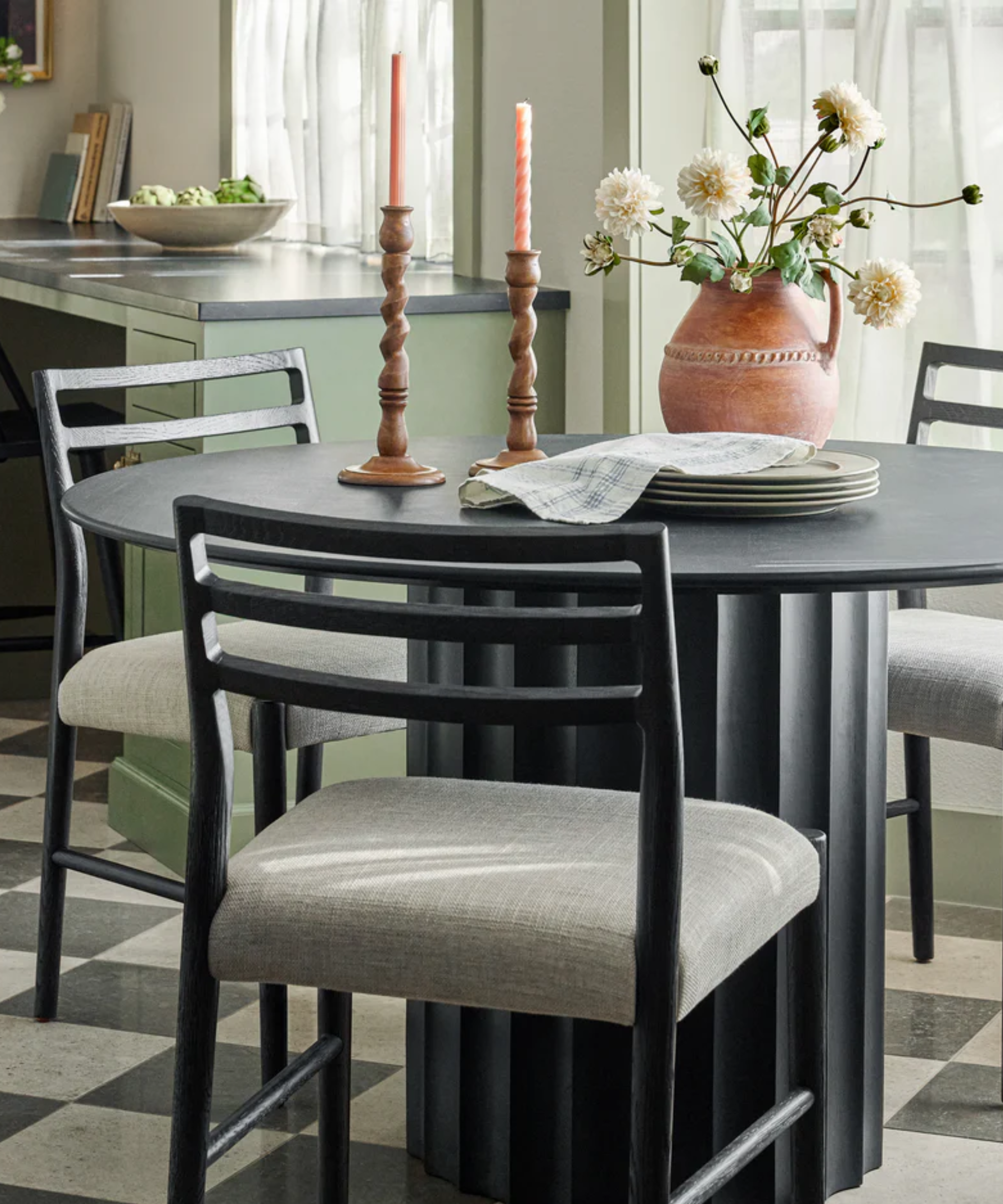
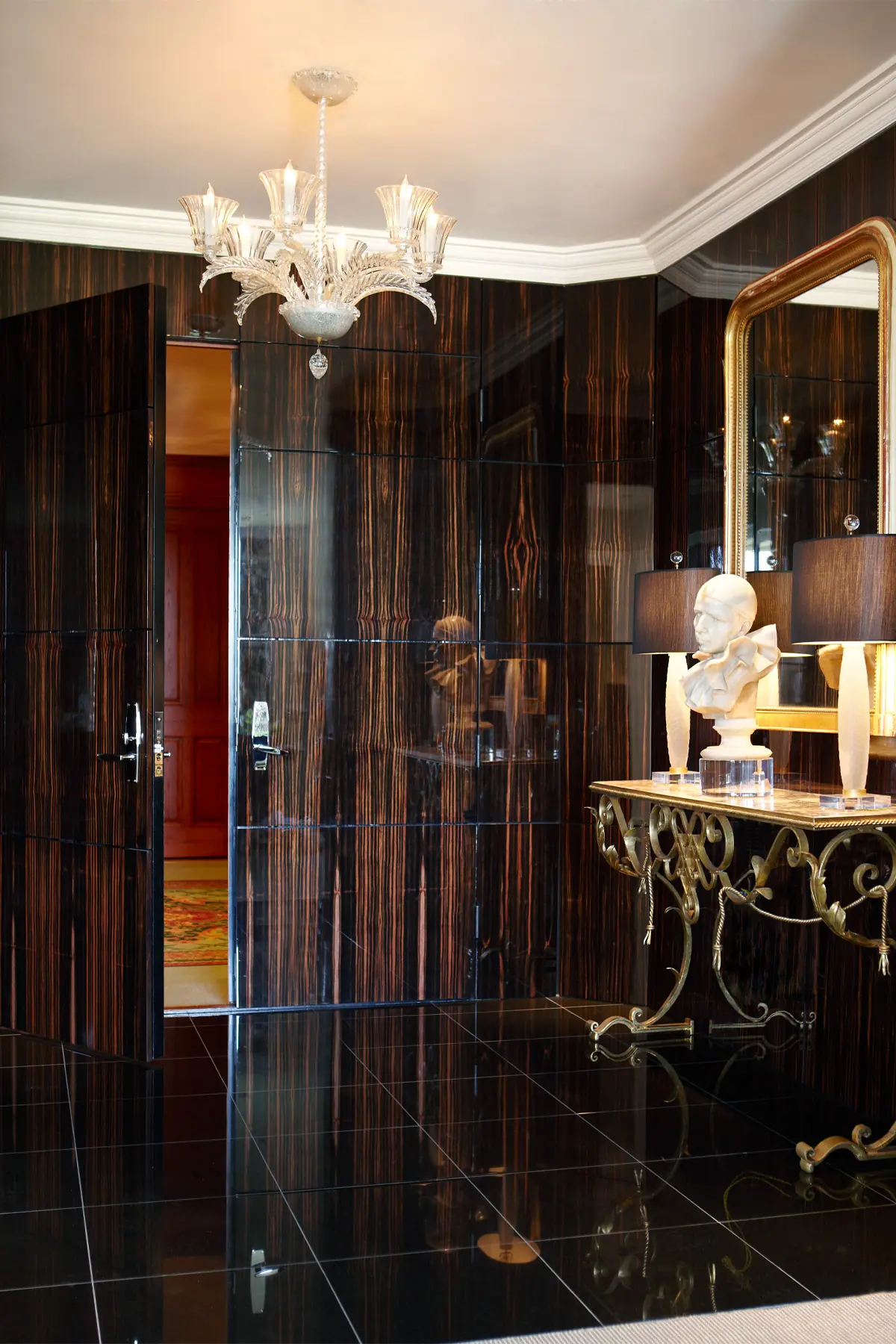
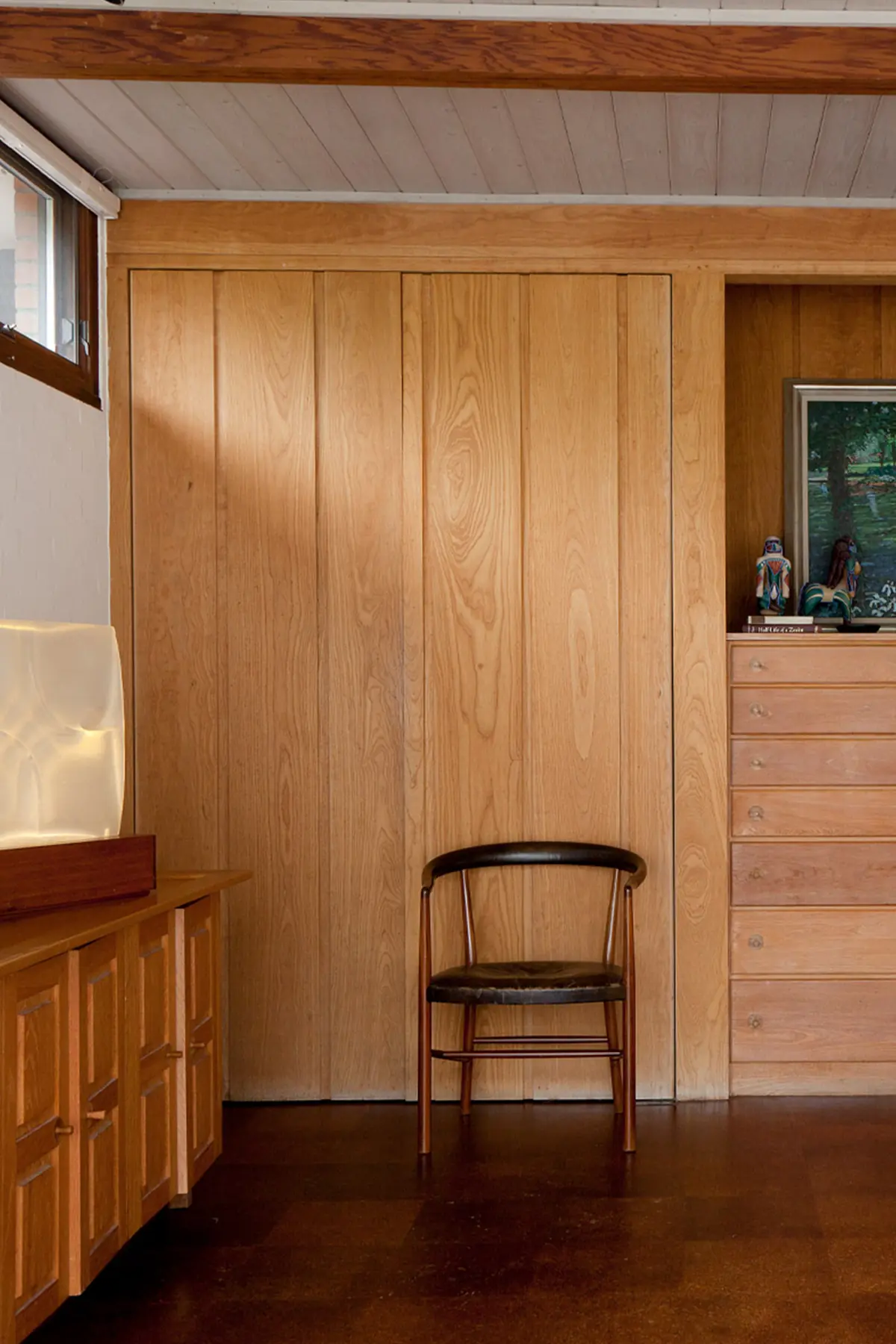
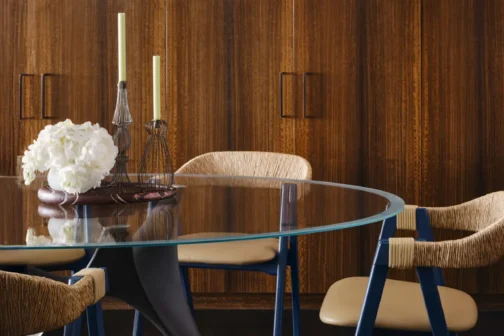
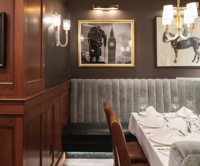
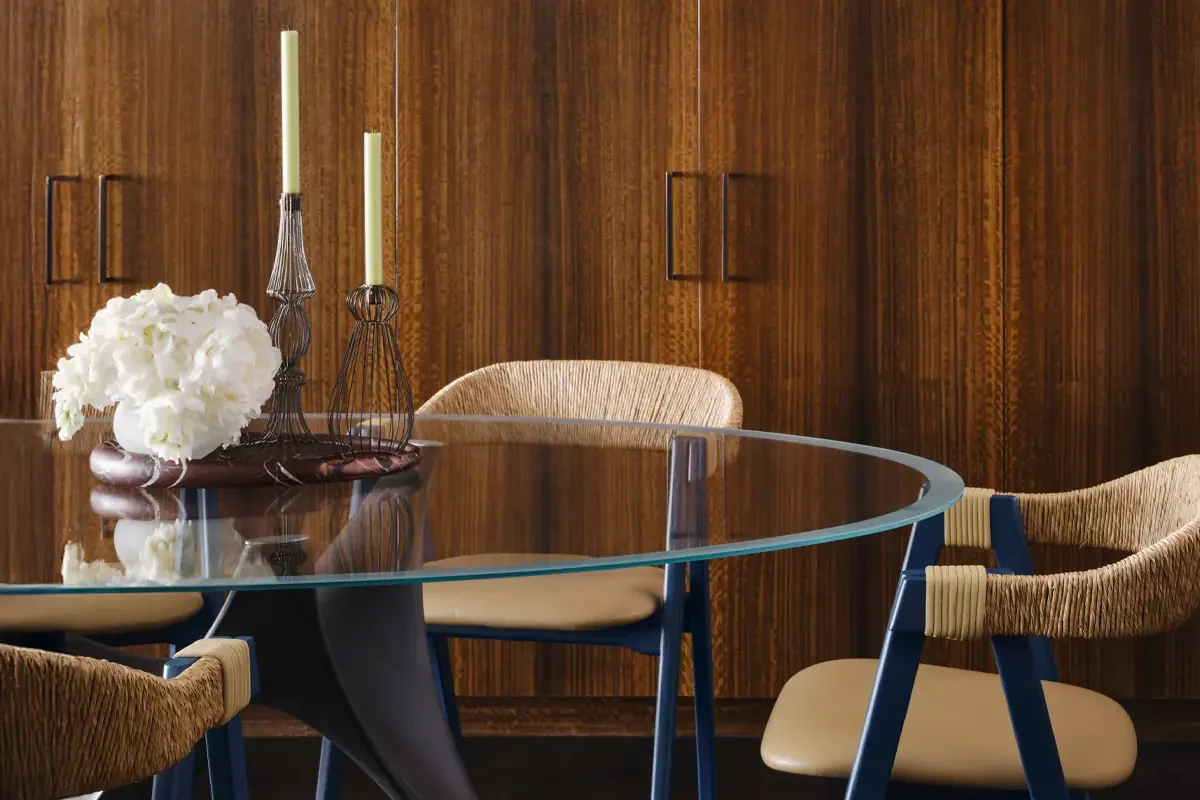
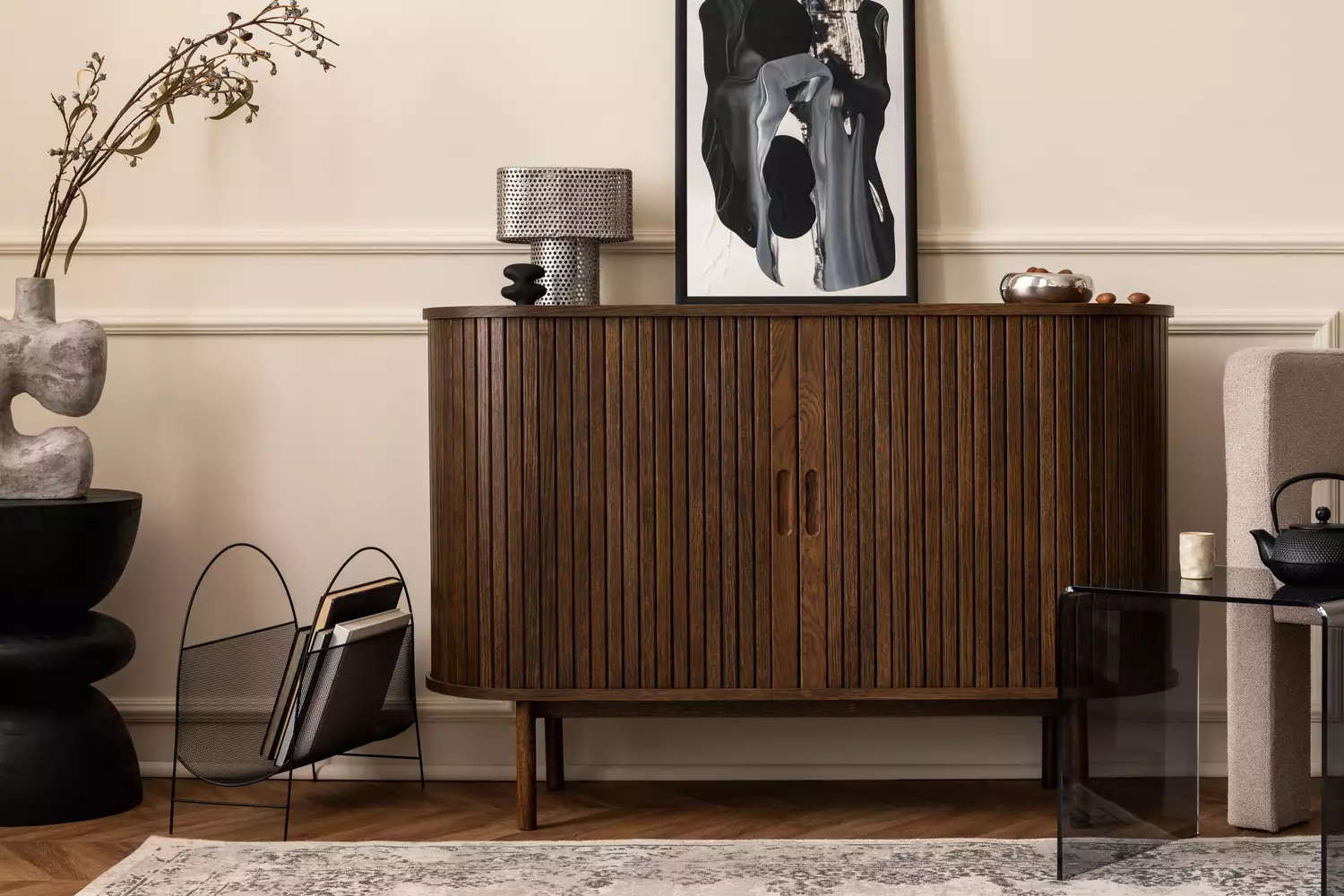
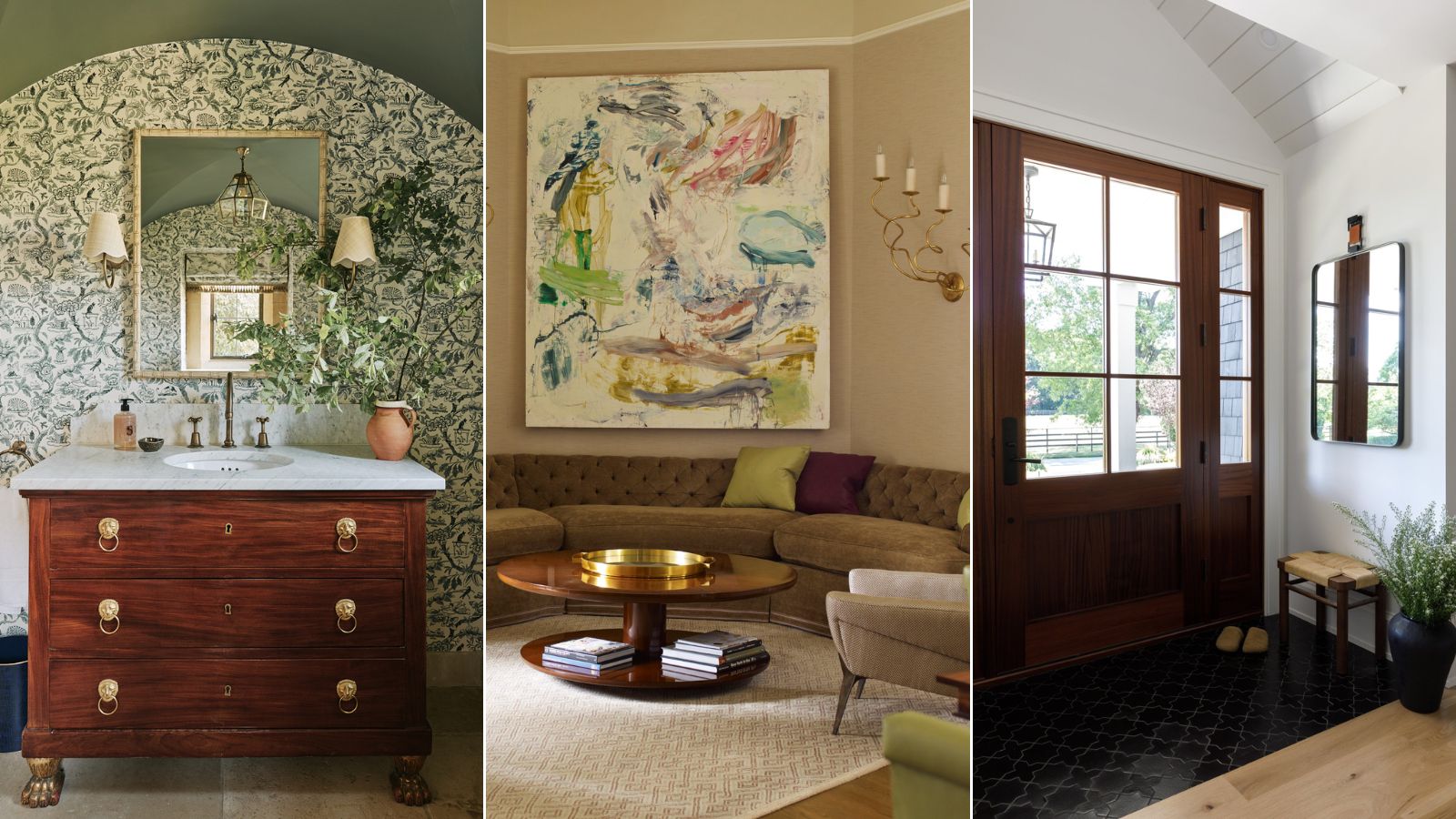
Dark wood, encompassing varieties such as walnut, mahogany, and oak, is experiencing a resurgence in interior design, moving away from the previously popular pale wood tones. This shift aligns with the growing appreciation for antiques, which frequently feature deep, reddish woods. Historically, dark wood has sometimes been perceived as making rooms feel heavy or old-fashioned. However, its inherent visual weight can be leveraged to create cozy, intimate spaces, particularly through wall panelling, or to provide balance in otherwise bright or delicately designed rooms. Interior stylists, like Amanda Smith Corston of Ted Todd, anticipate a significant return of warm dark woods in 2025, not only for flooring but also for room cladding. The introduction of dark wood elements, such as dining tables or bookshelves, can add depth, warmth, and a touch of elegance. To prevent a room from feeling too heavy, these darker pieces should be balanced with lighter elements, including upholstery and rugs. The versatility of dark wood makes it a robust foundation for various room styles.
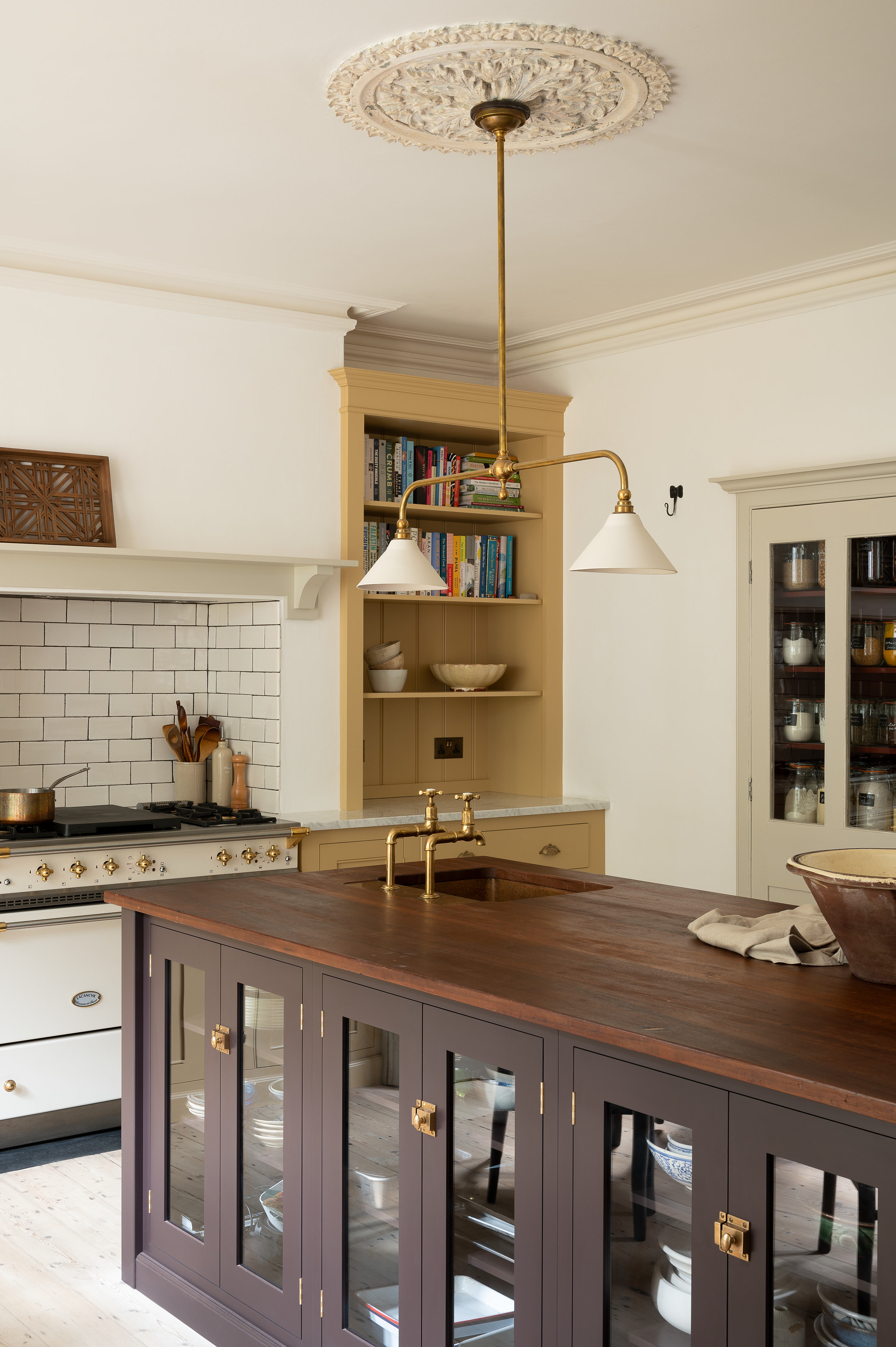
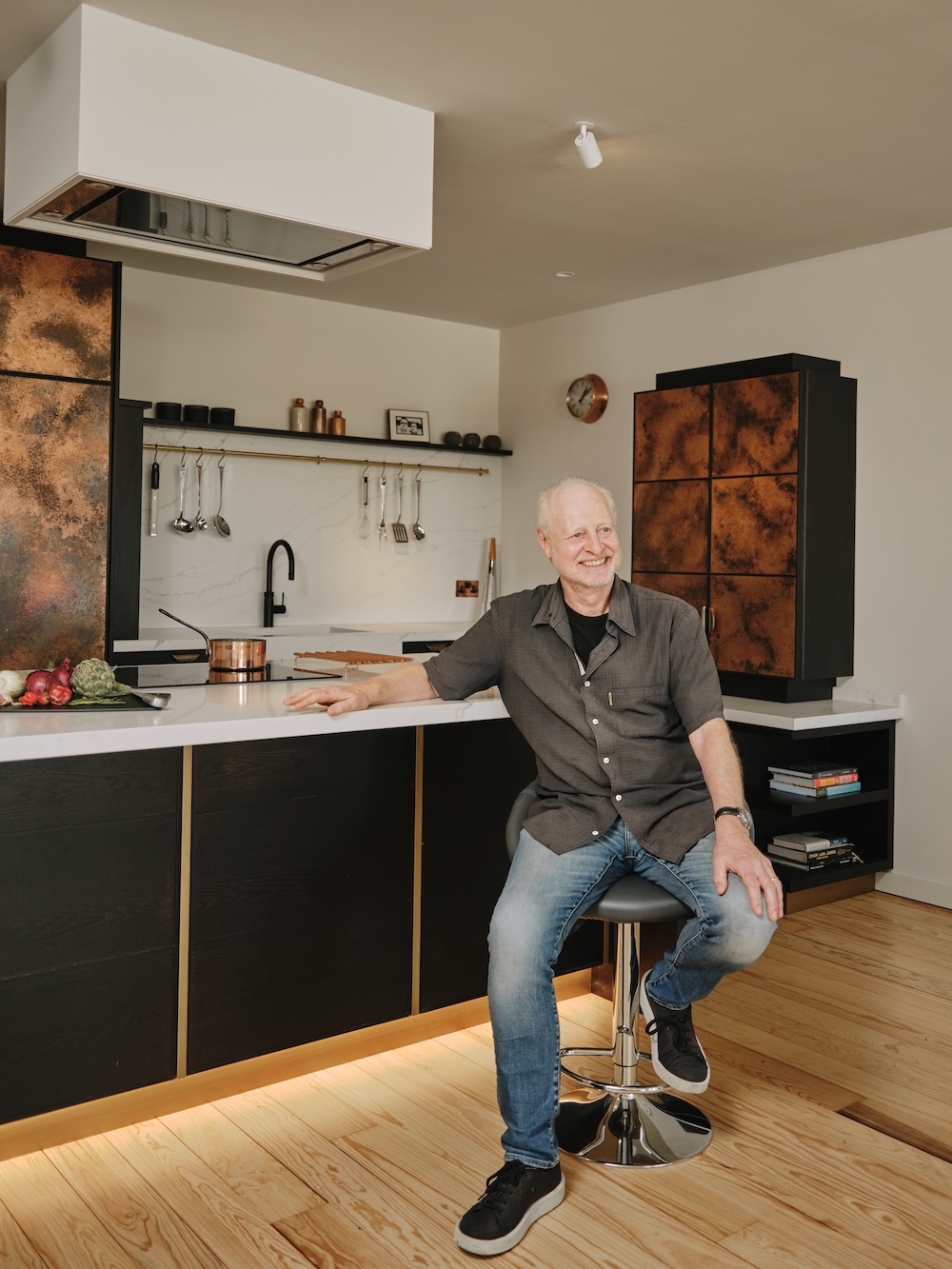
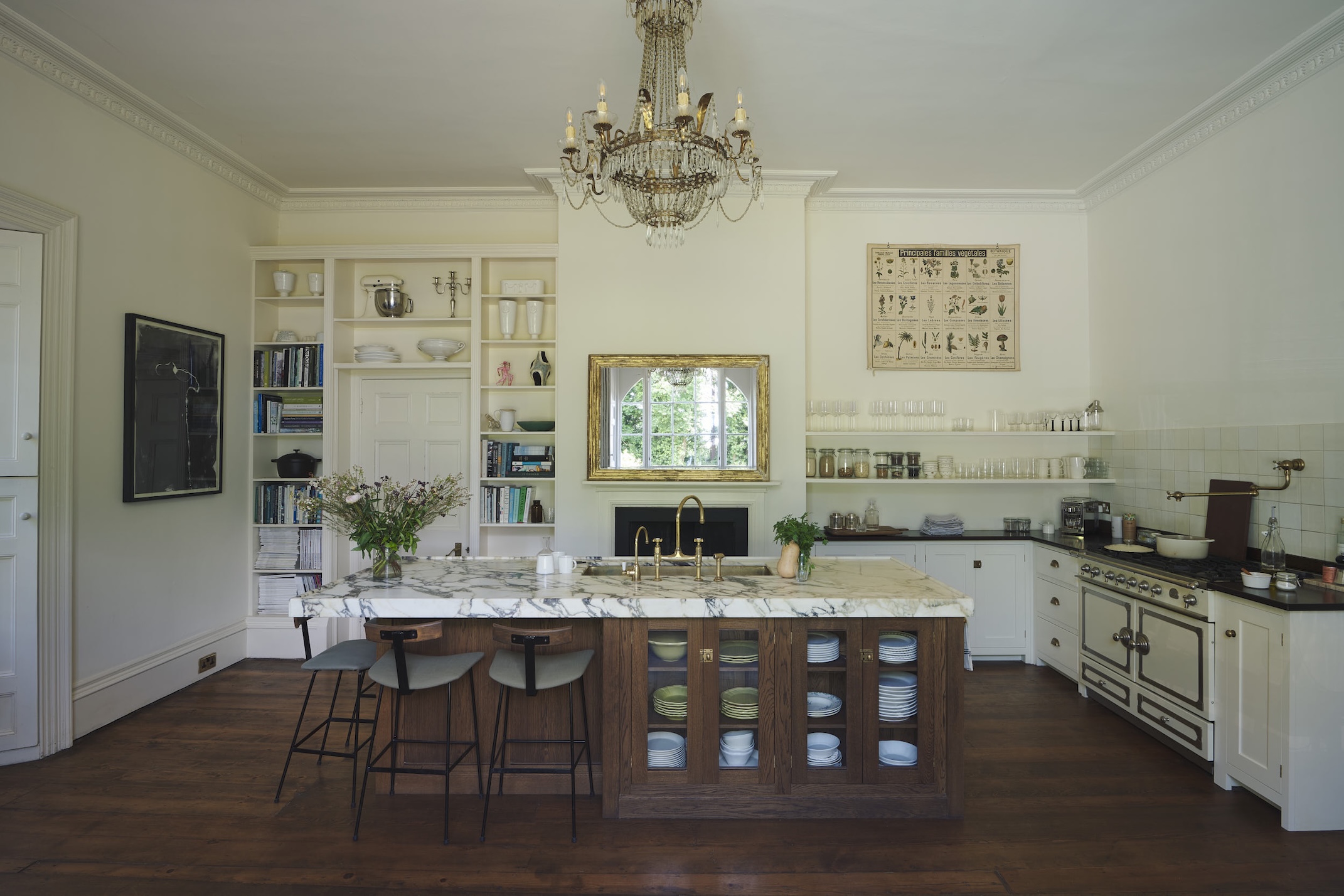
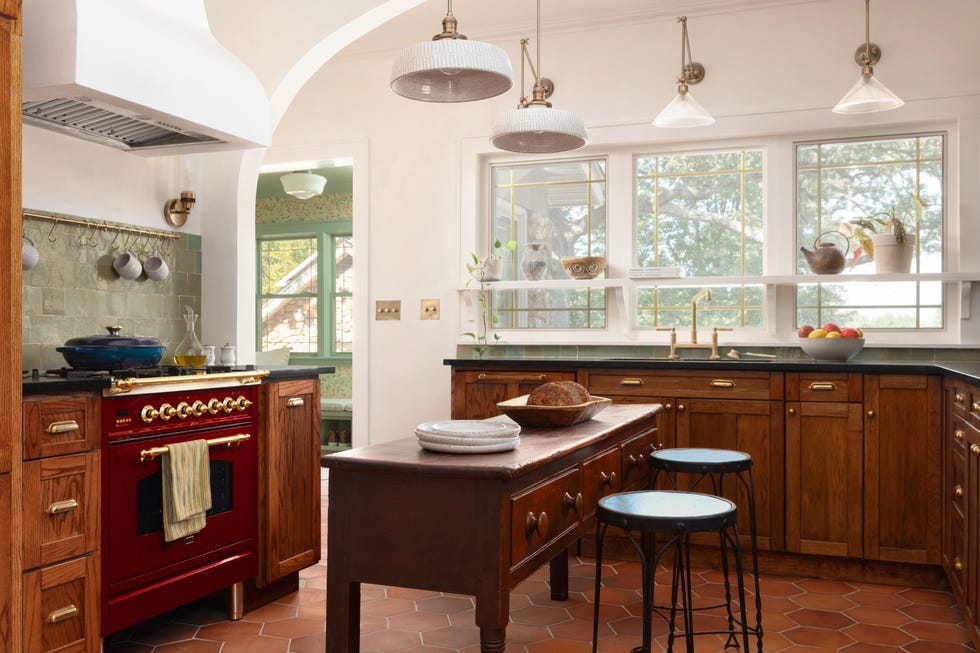
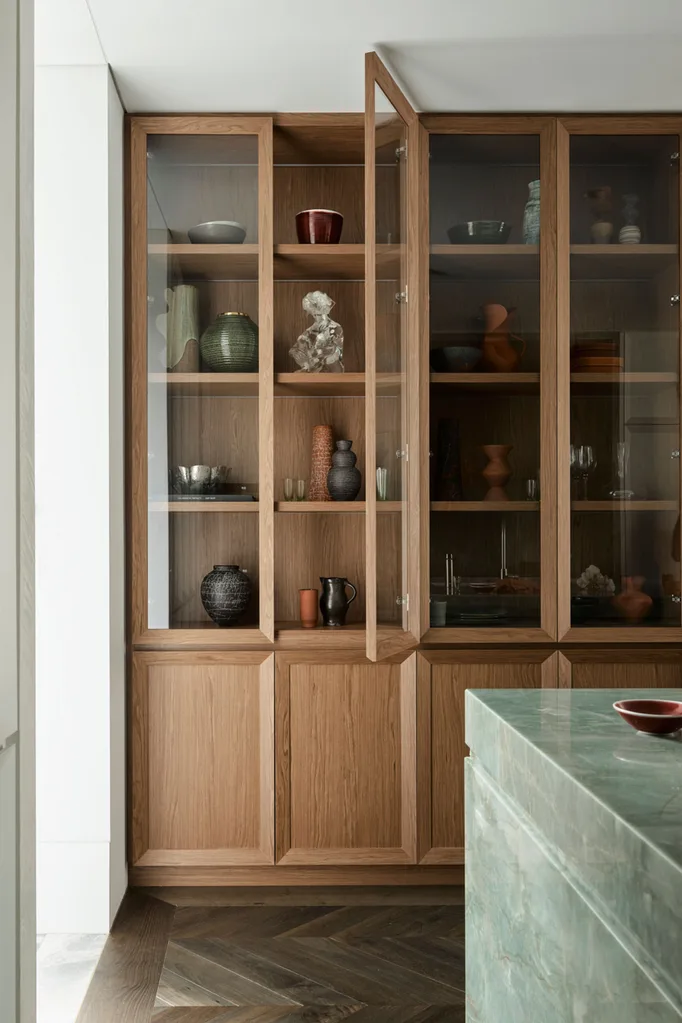
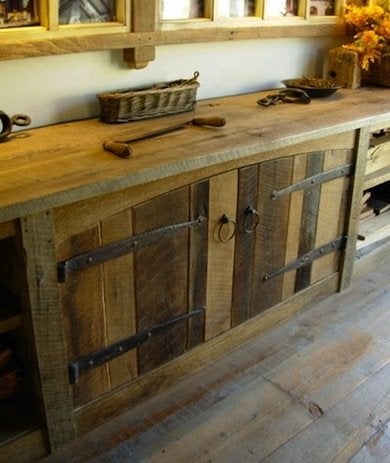
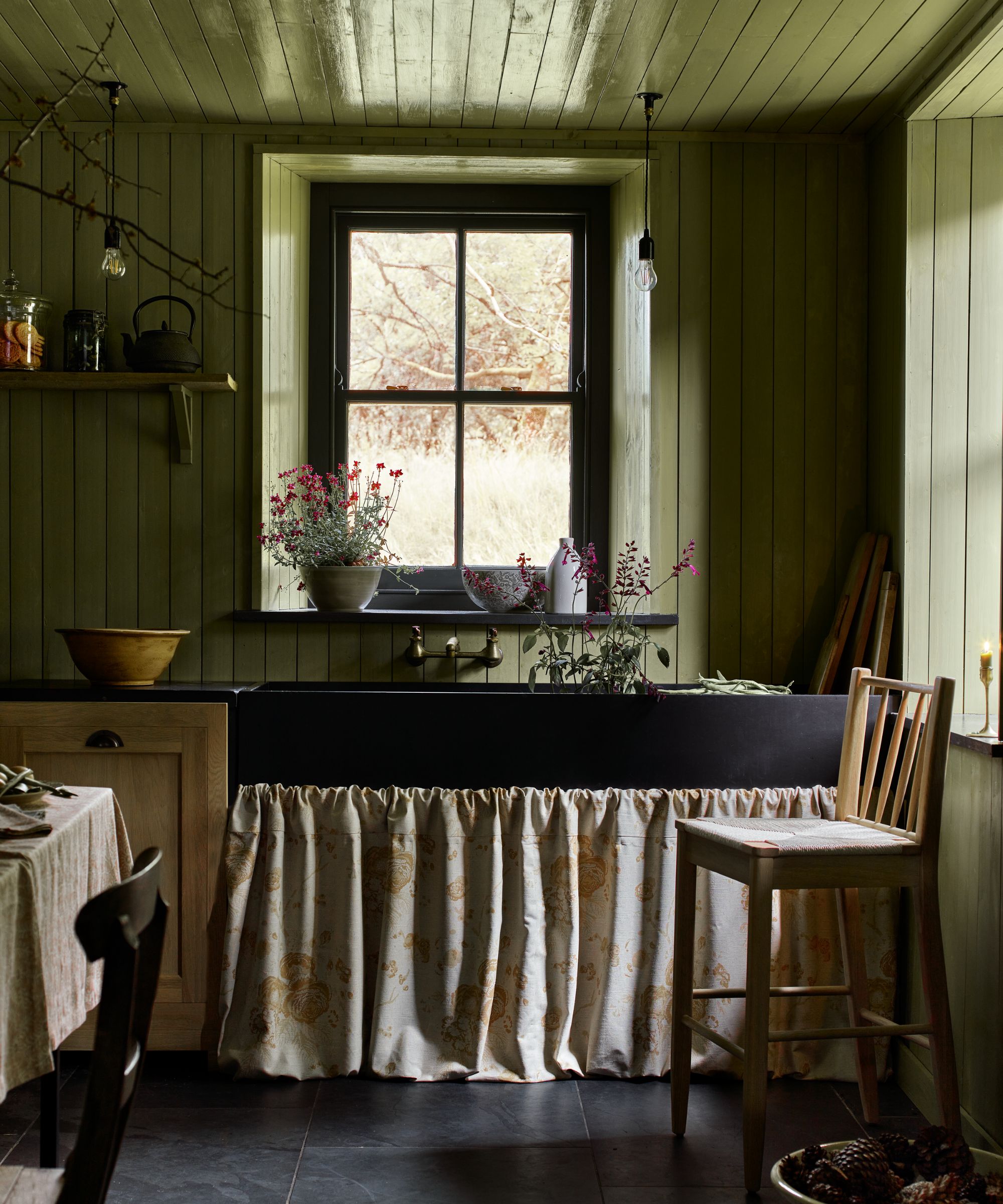
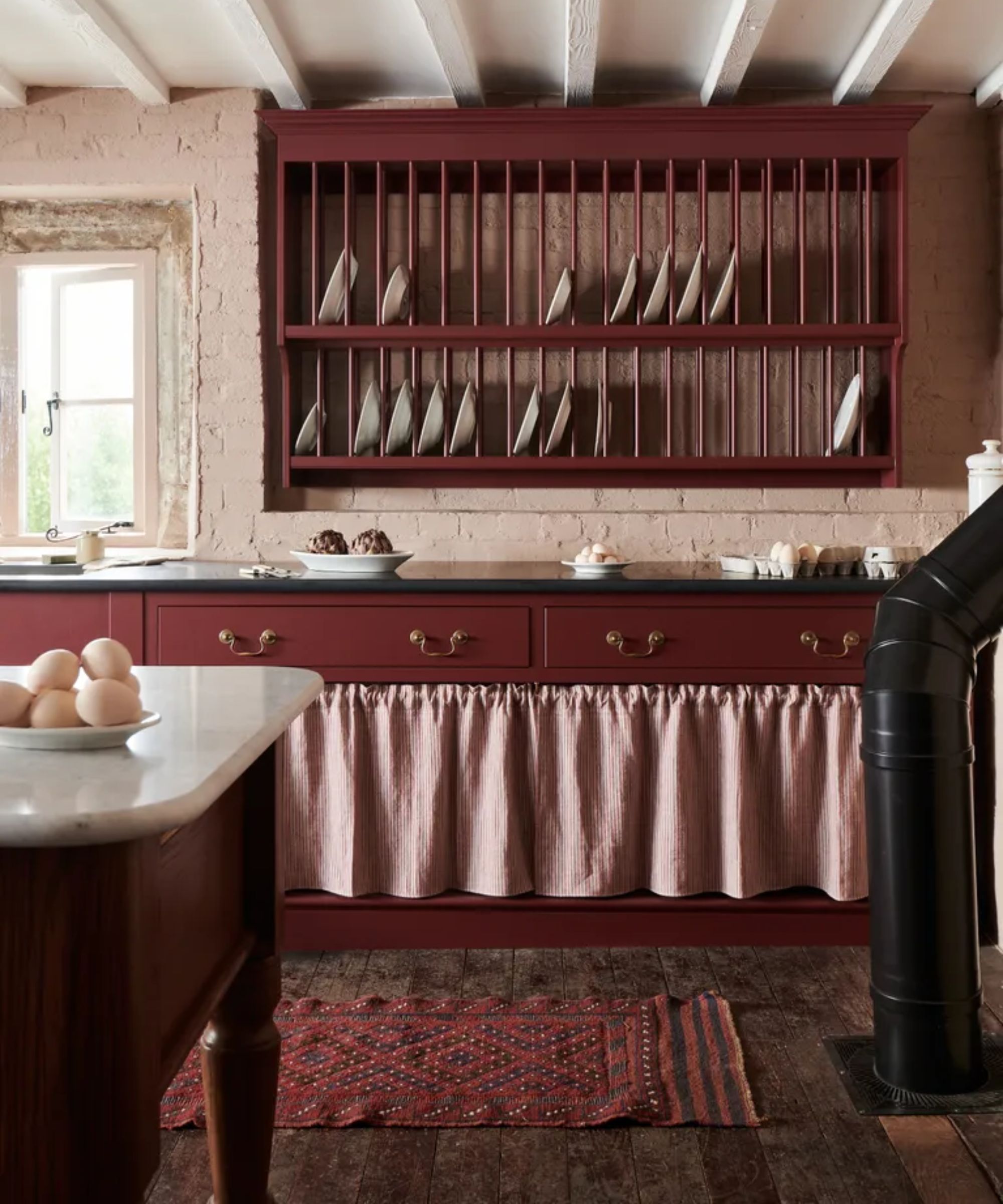
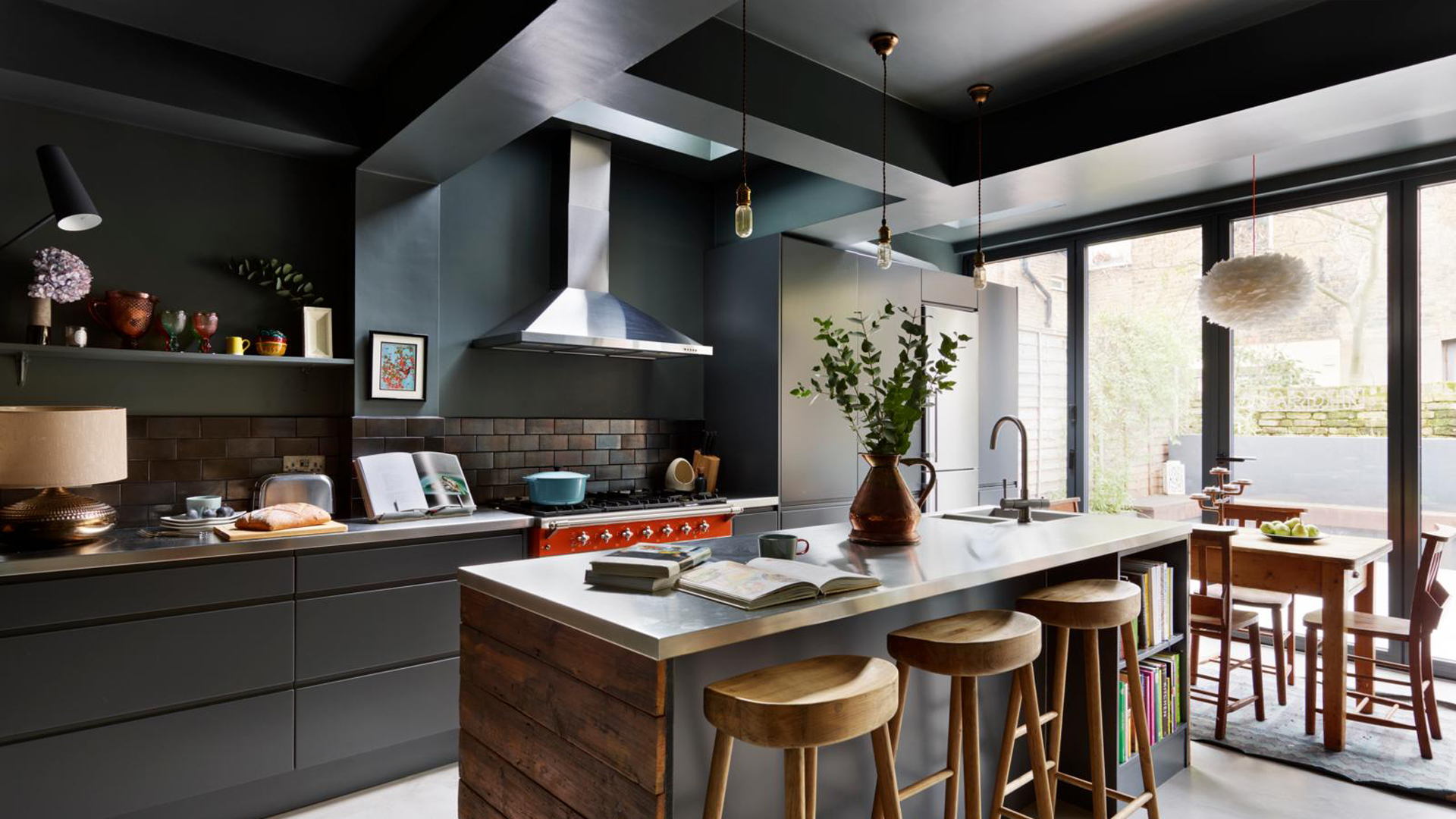
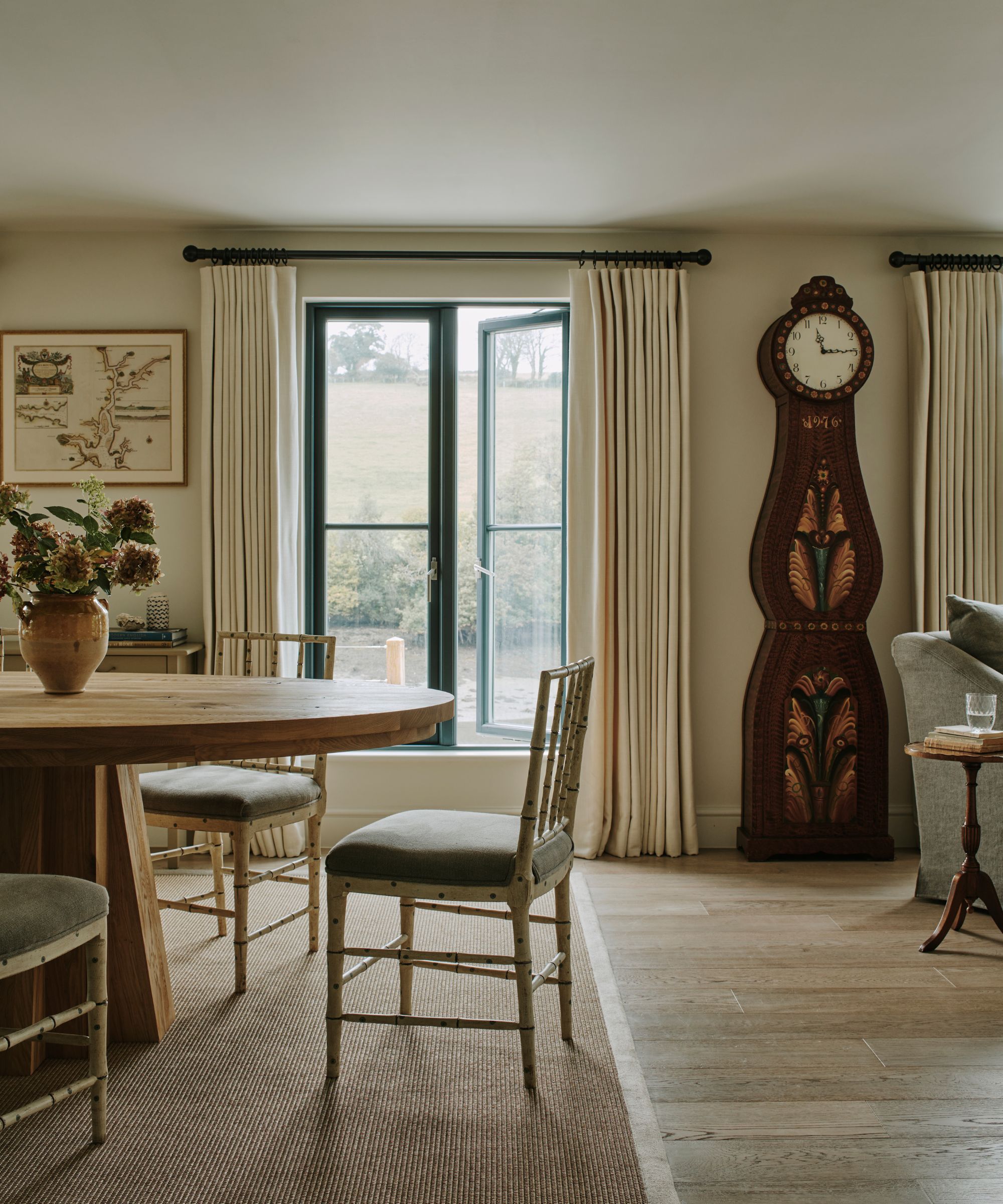
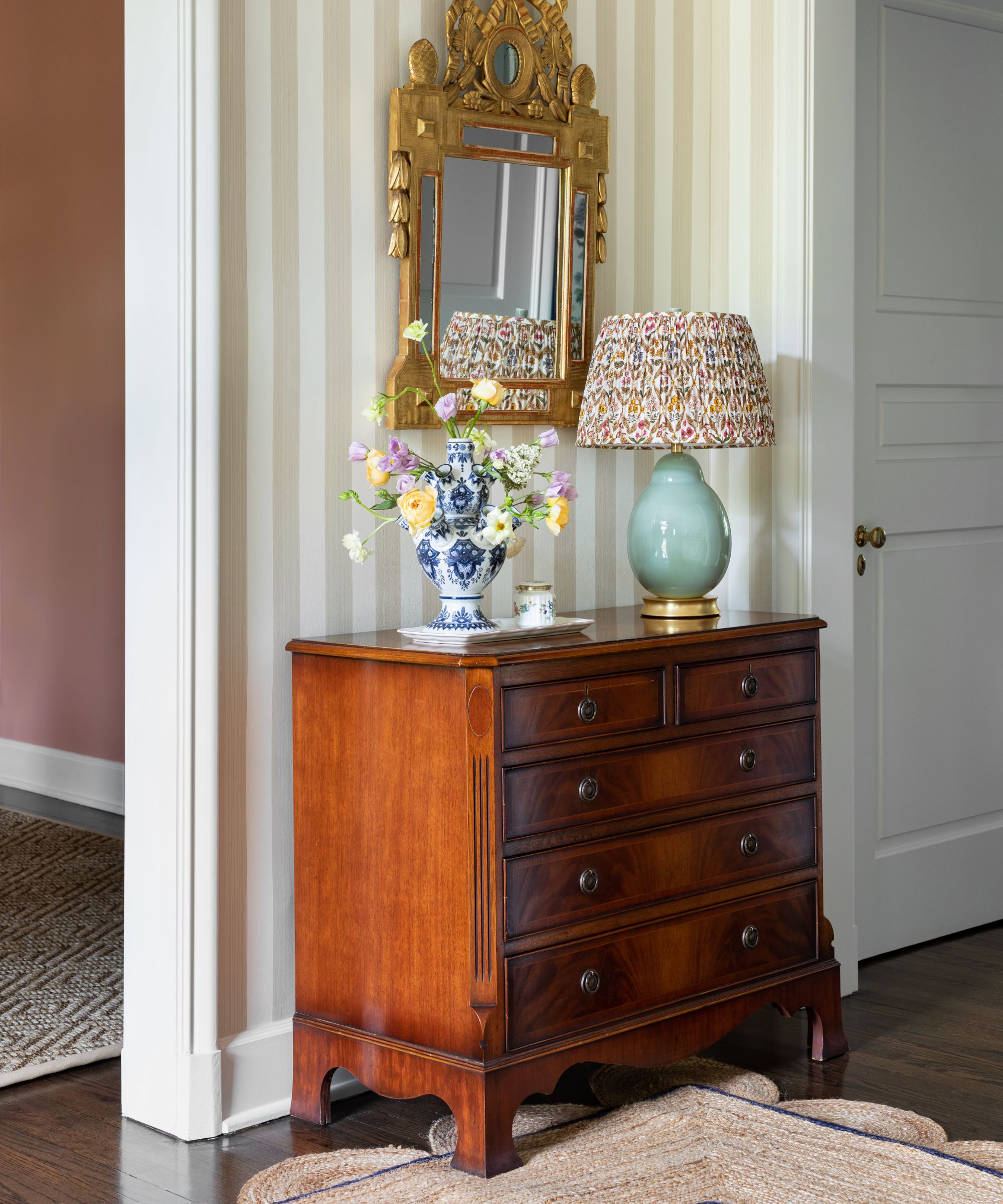
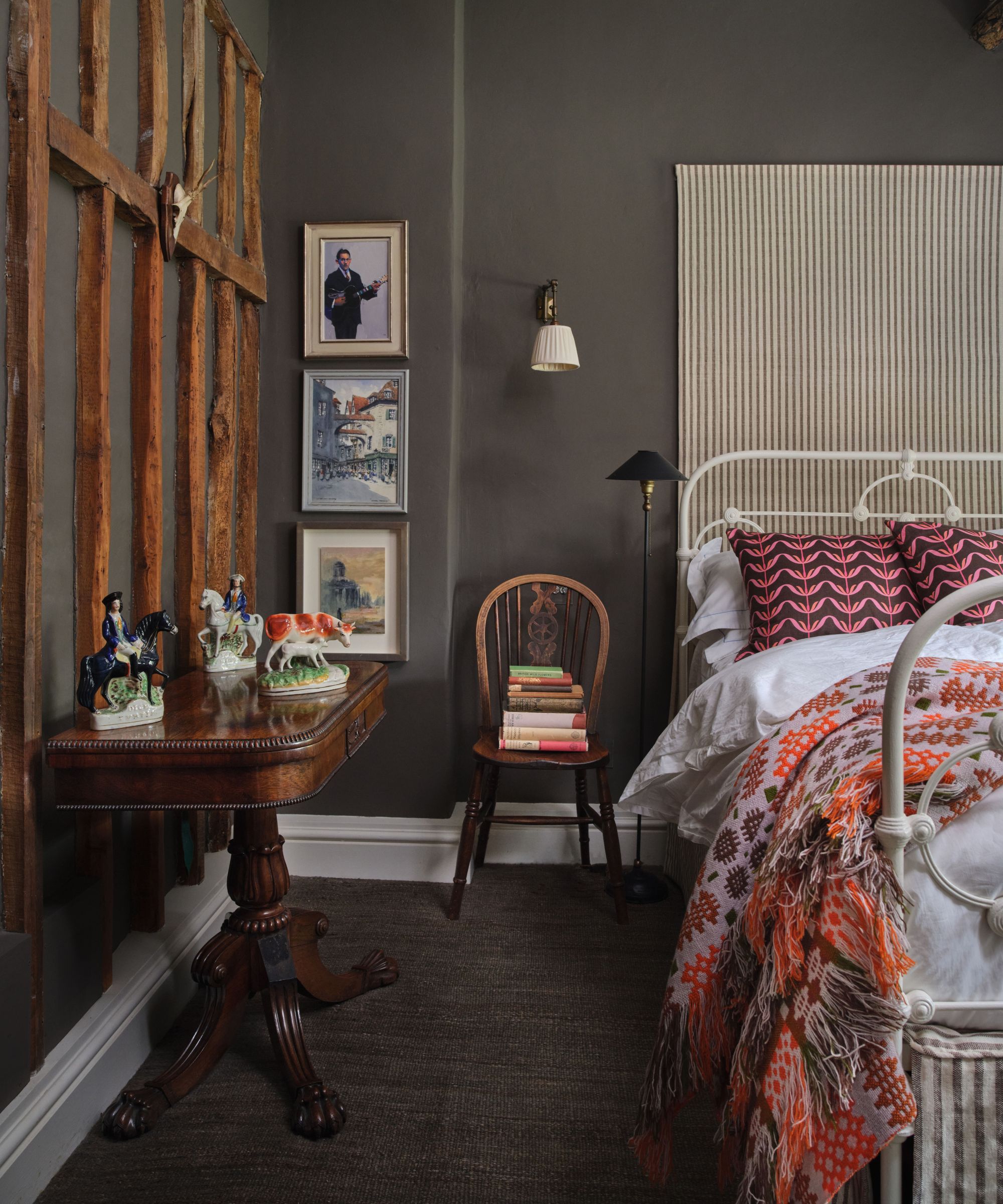
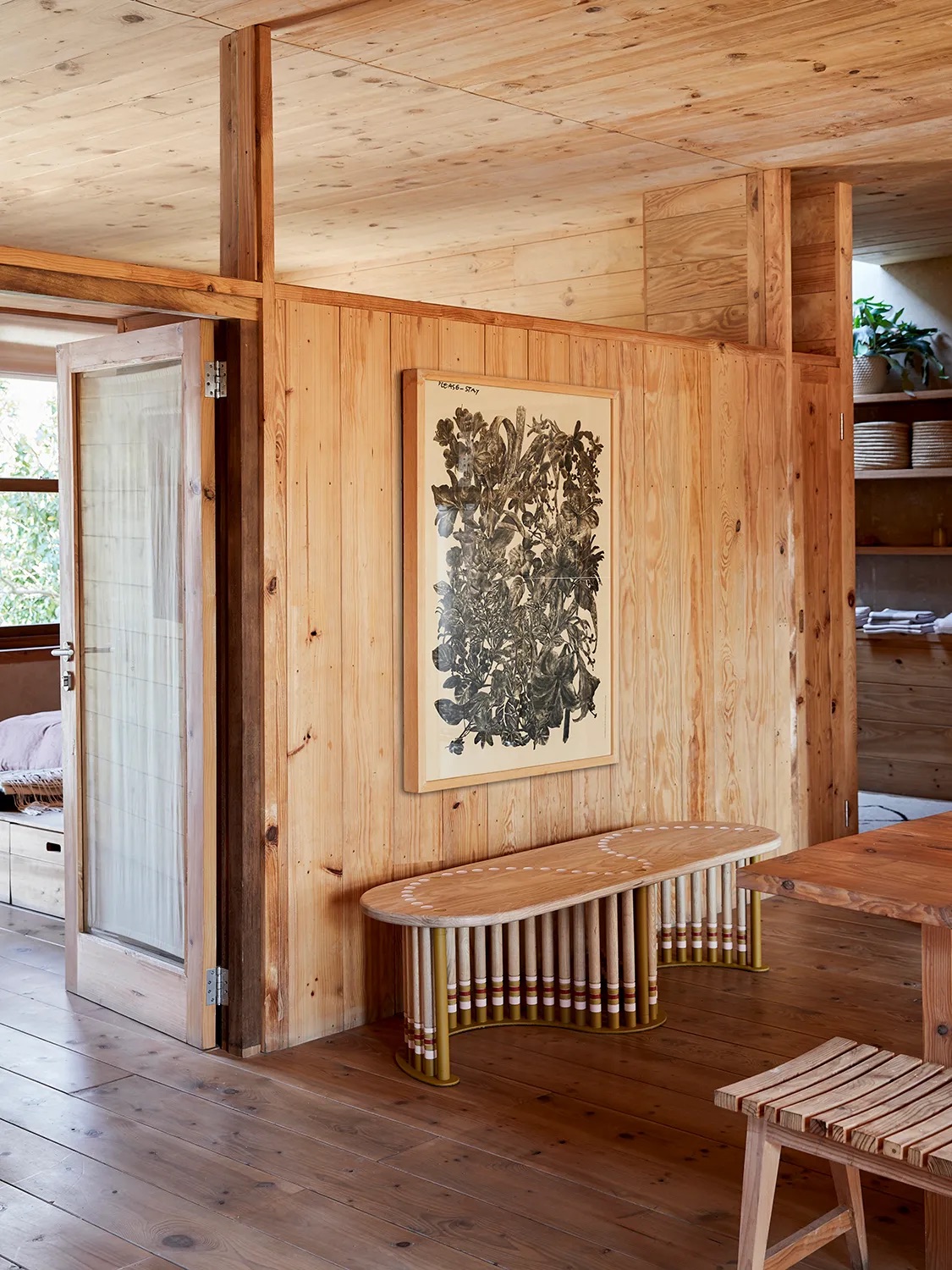
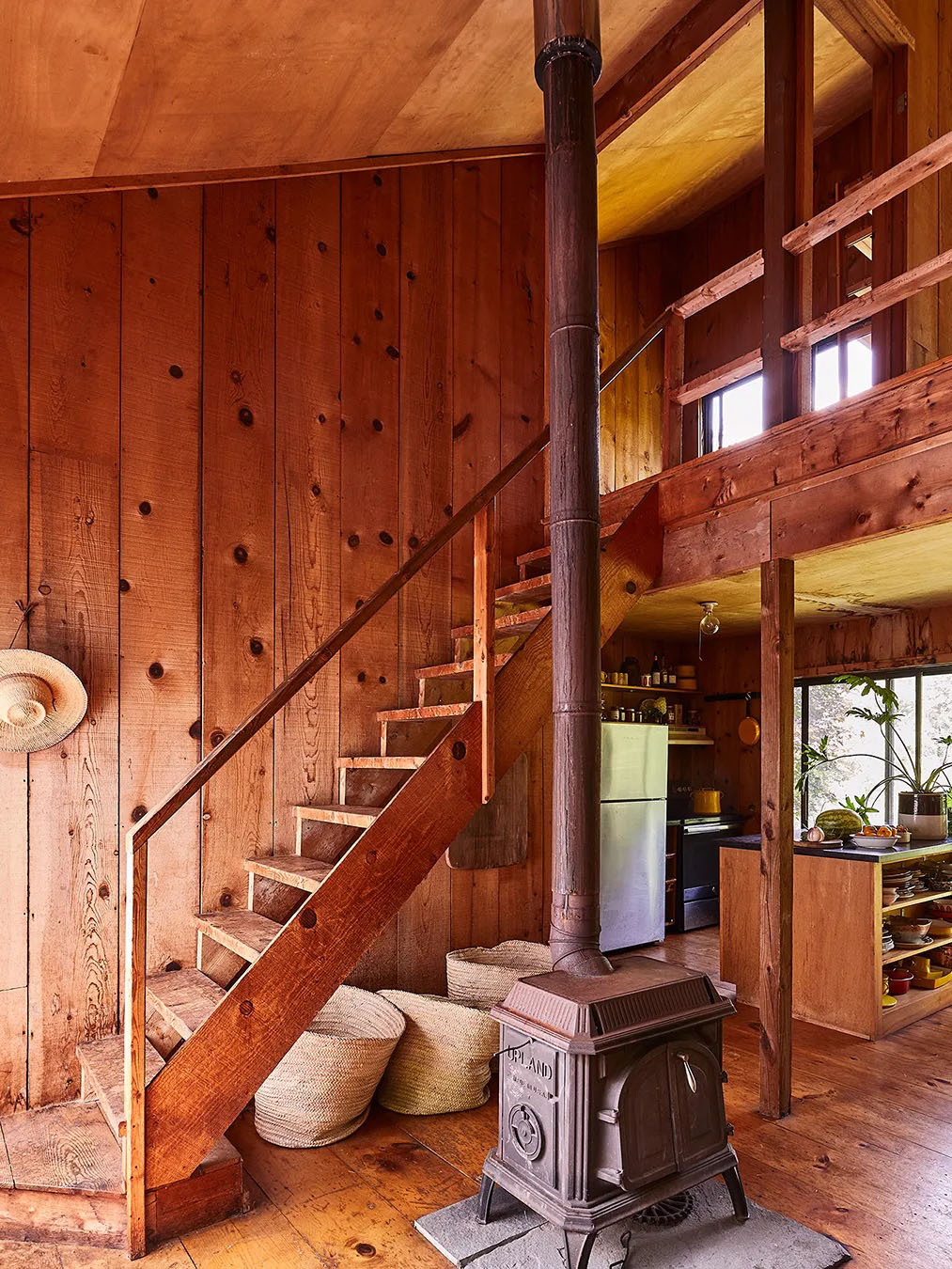
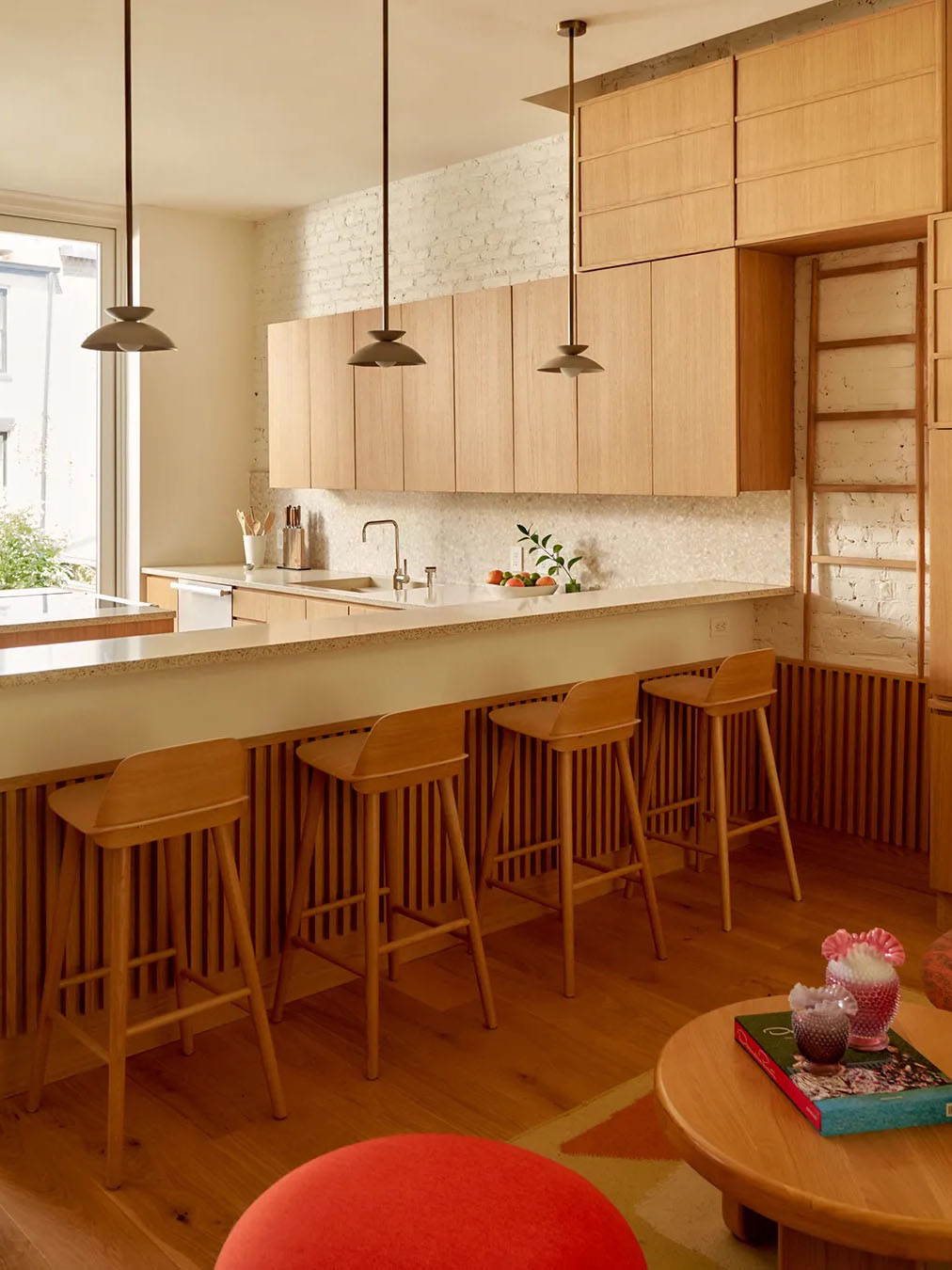
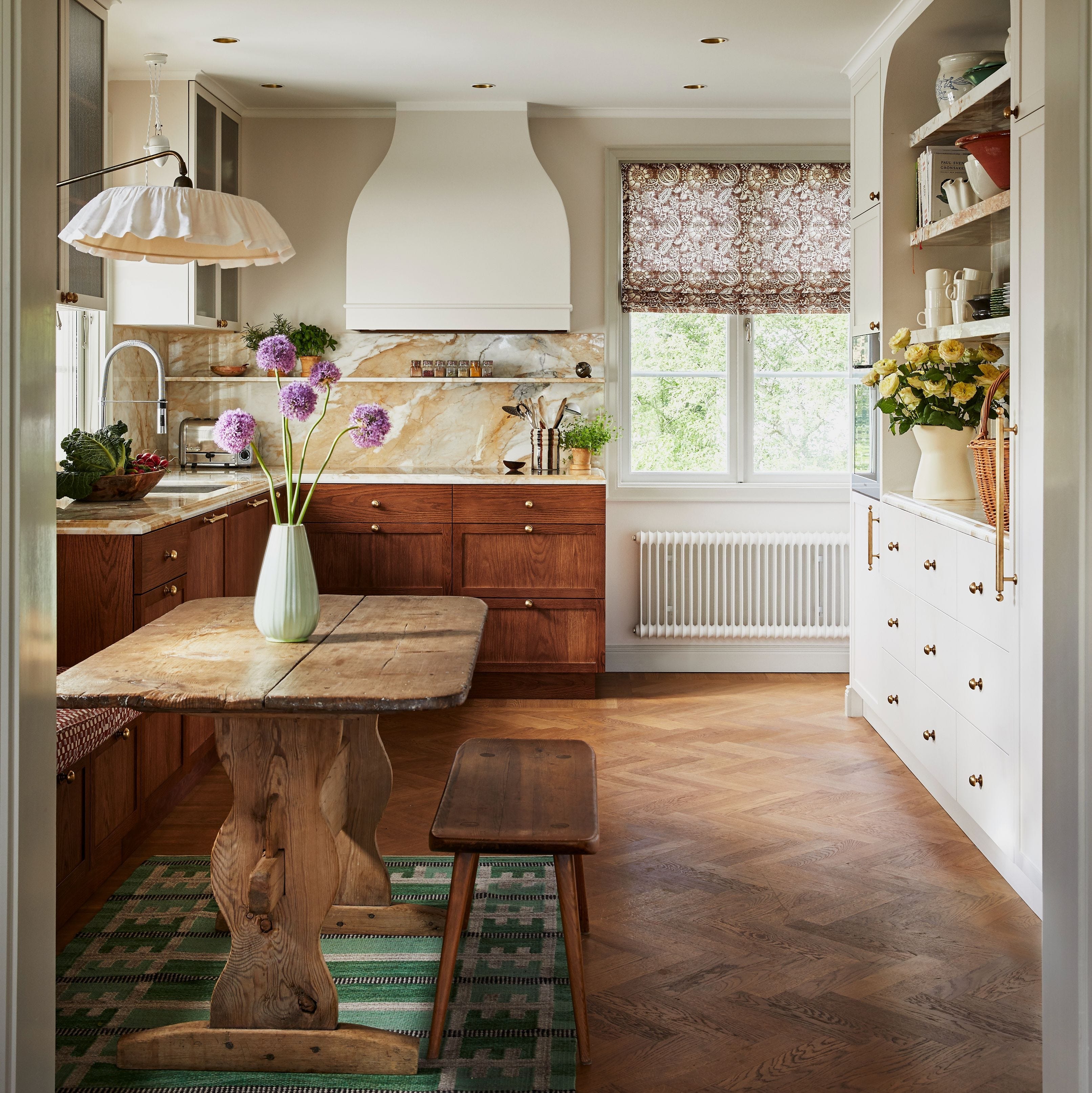
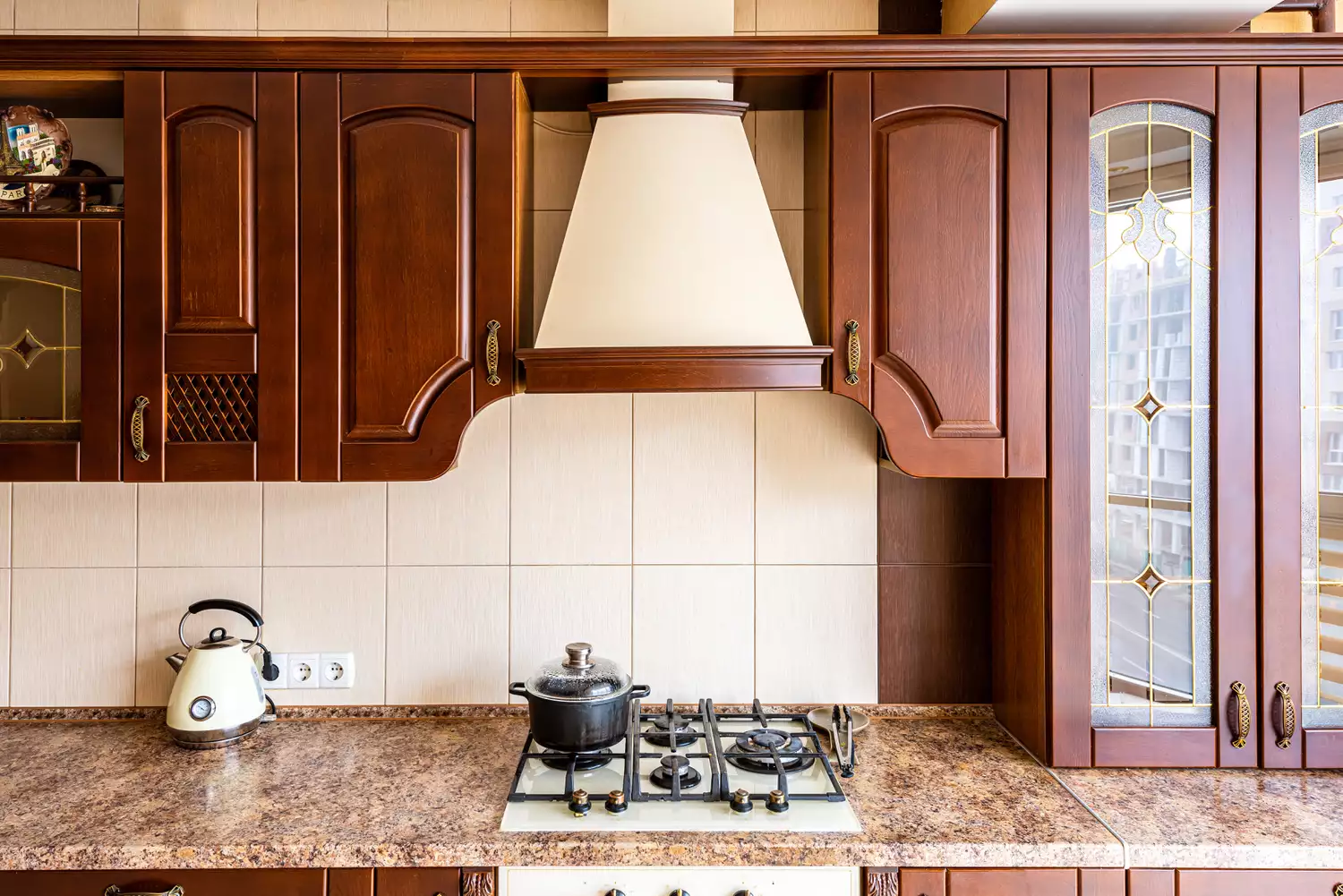
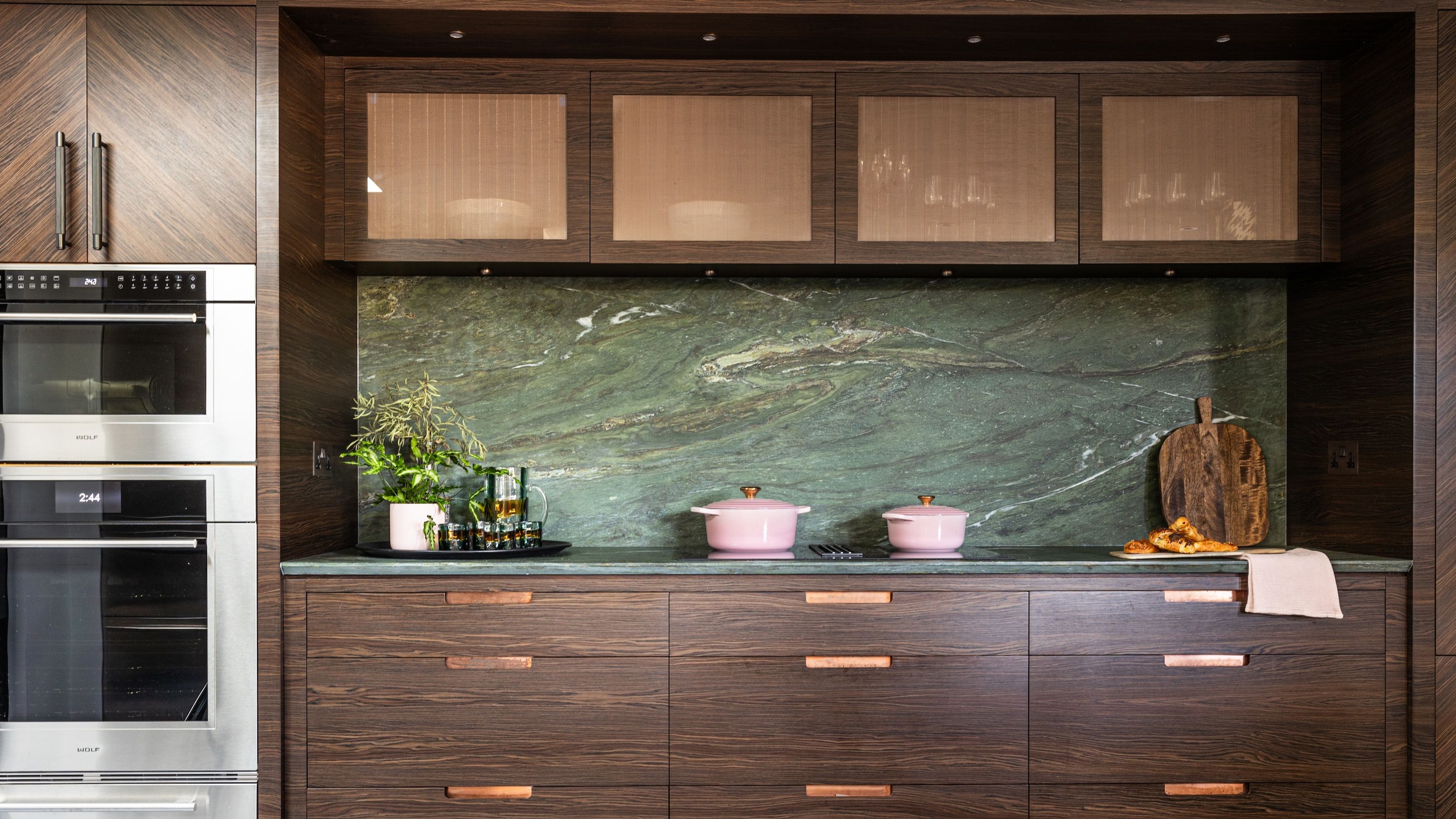
The article outlines twelve distinct applications for dark wood in home decor. One approach involves using dark wood wall panelling to define small rooms or nooks, creating an enveloping and cozy atmosphere, despite its potentially intimidating appearance. Another method highlights the functional and aesthetic benefits of dark wooden beams, which offer structure and a sense of order, balancing other decorative elements and making a room feel more intimate by drawing attention to its boundaries. Antiques provide an accessible way to incorporate dark wood, adding character and history in manageable doses and serving as structural anchors within a space. When used in kitchens, dark wood can be strategically confined to lower elements, such as cabinetry, dining tables, and flooring, to provide warmth and ground the brighter upper sections. Bed-boxes and sleeping nooks benefit significantly from dark wood, which enhances their quiet, confined, and whimsical nature.
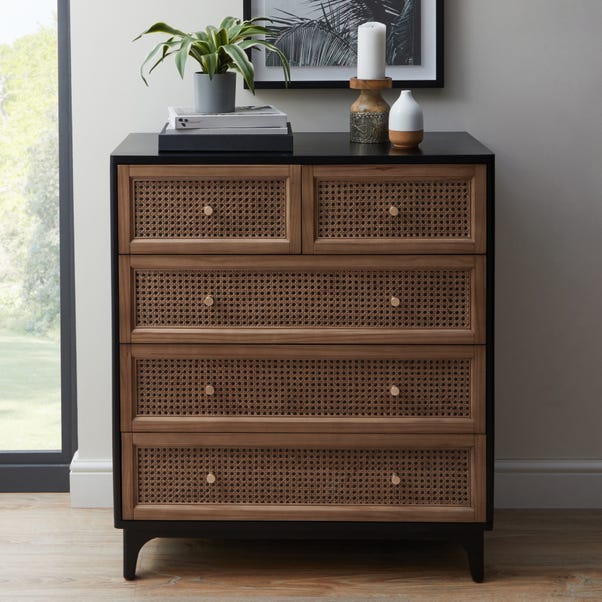
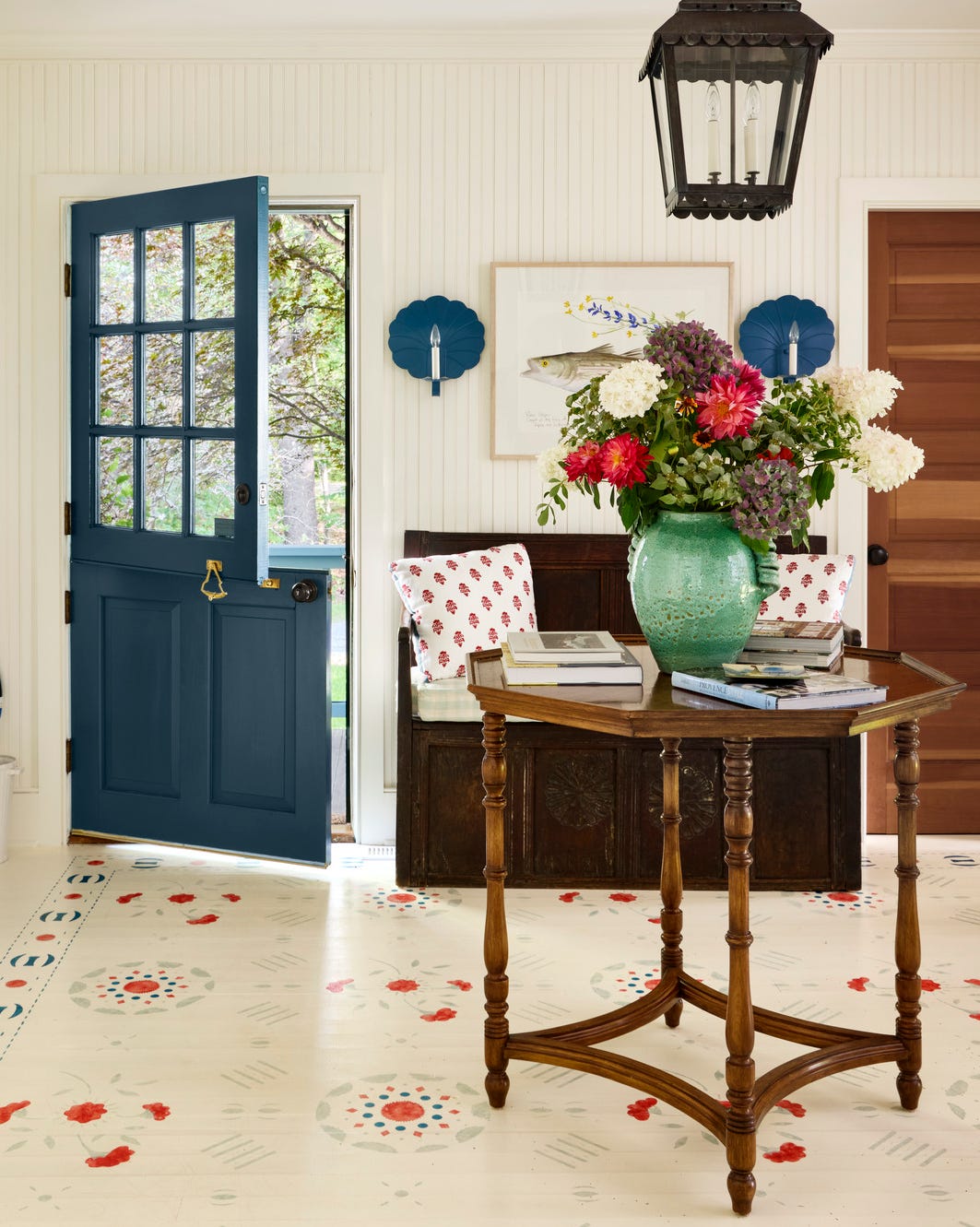
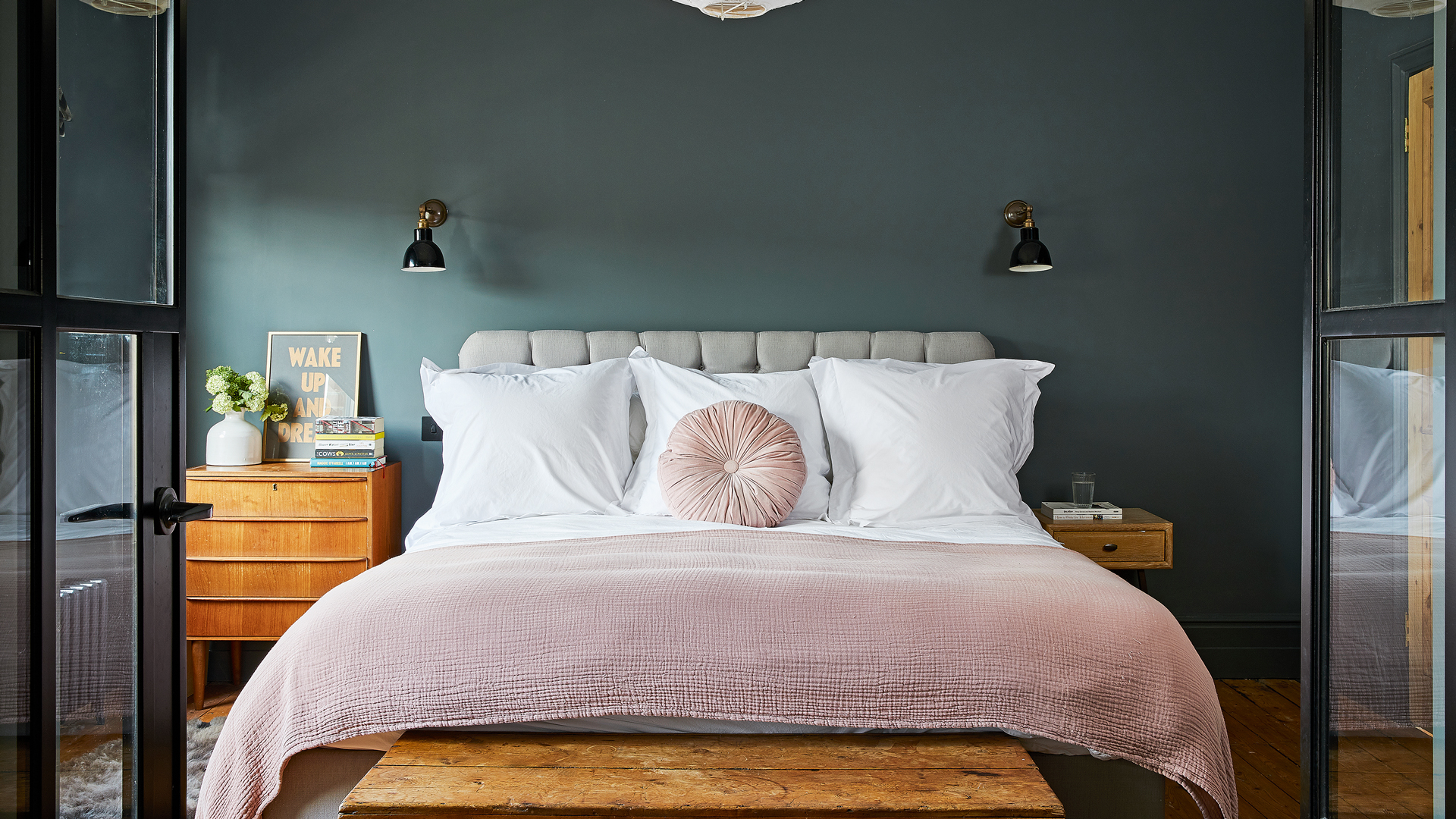
Dark wood also excels in adding contrast to a room; for instance, heavy wood beams can introduce a rustic texture that complements an otherwise delicate bedroom scheme without overwhelming its softness. For flooring, dark wood can temper brilliant white walls, with variations in color and tone, particularly in herringbone patterns, adding visual interest. A glossy finish on dark wood floors can help balance light and dark elements. Mediterranean design, with its use of intricately carved walnut or oak pieces, offers inspiration for integrating dark wood by pairing it with humble materials like wool, linen, and ceramics, and muted, nature-inspired colors. Mixing dark and light woods can create dynamic spaces, as seen in kitchens where neat light wood cupboards are juxtaposed with rustic antique islands. Dark wood can also appear raw yet refined, utilized in sleek built-in elements that retain a time-worn patina, especially in moisture-resistant varieties for bathrooms. Incorporating dark wood for woodwork and doorframes, rather than painting over them, can restore character and add depth and elegance, fostering a nostalgic, inviting atmosphere. Finally, the strategic combination of brown and black, traditionally considered a design challenge, can be successful when selecting tones with sufficient contrast, such as warm cedar alongside ink black, to avoid a muddled appearance.
#DarkWoodDecor #InteriorDesignTrends #HomeDecorIdeas #AntiqueFurniture #CozyInteriors #WoodPanelling #RusticElements #FlooringDesign #KitchenDesign #BedroomDesign #MediterraneanStyle #ContrastInDesign #DarkWoodDecor #InteriorDesignTrends #HomeDecorIdeas #AntiqueFurniture #CozyInteriors #WoodPanelling #RusticElements #FlooringDesign #KitchenDesign #BedroomDesign #MediterraneanStyle #ContrastInDesign
0 comment in total
 No comments yet
You may also like
Are darker woods back on trend? Designers say this once-dated finish is in fact perfect for creating character

5 tips for mixing timber floors with timber furniture

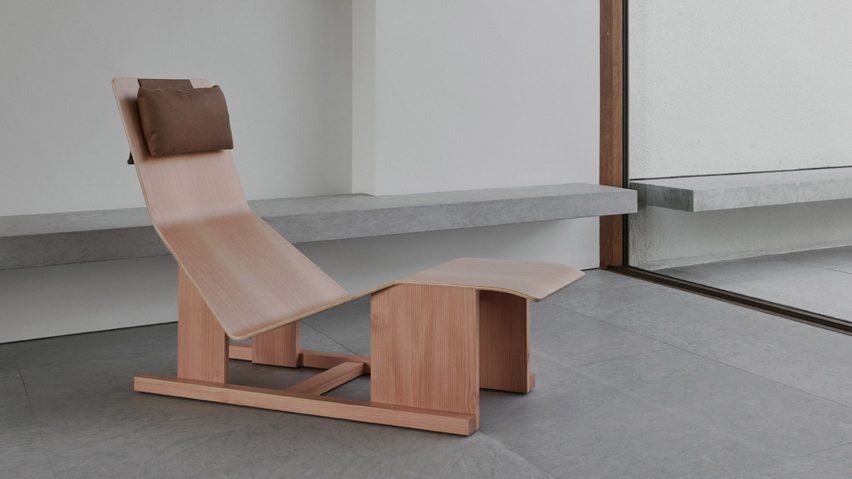
12 designs made from wood that showcase the versatility of the material
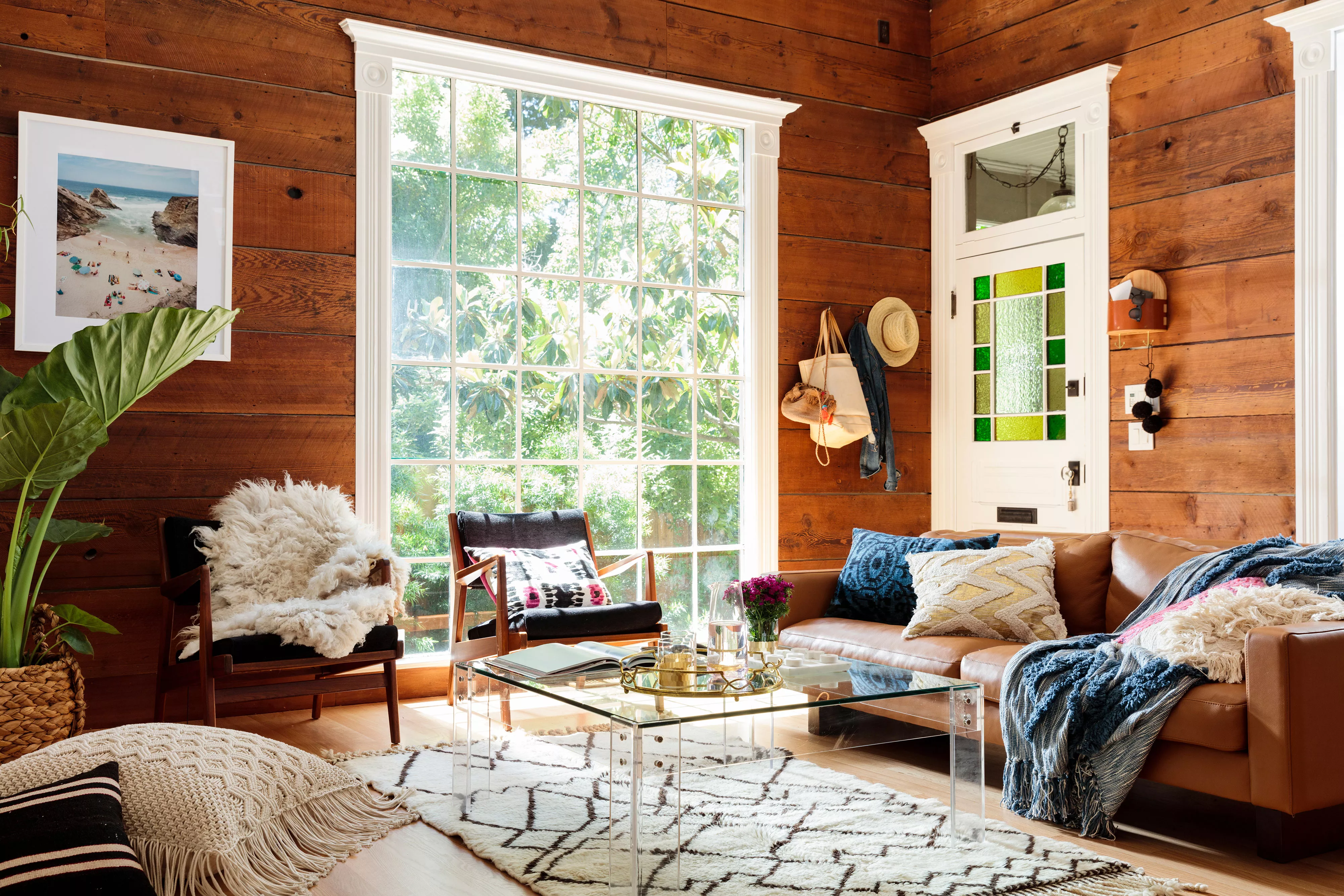
If You Love a Warm, Earthy Space, You Have to Try Wood Drenching

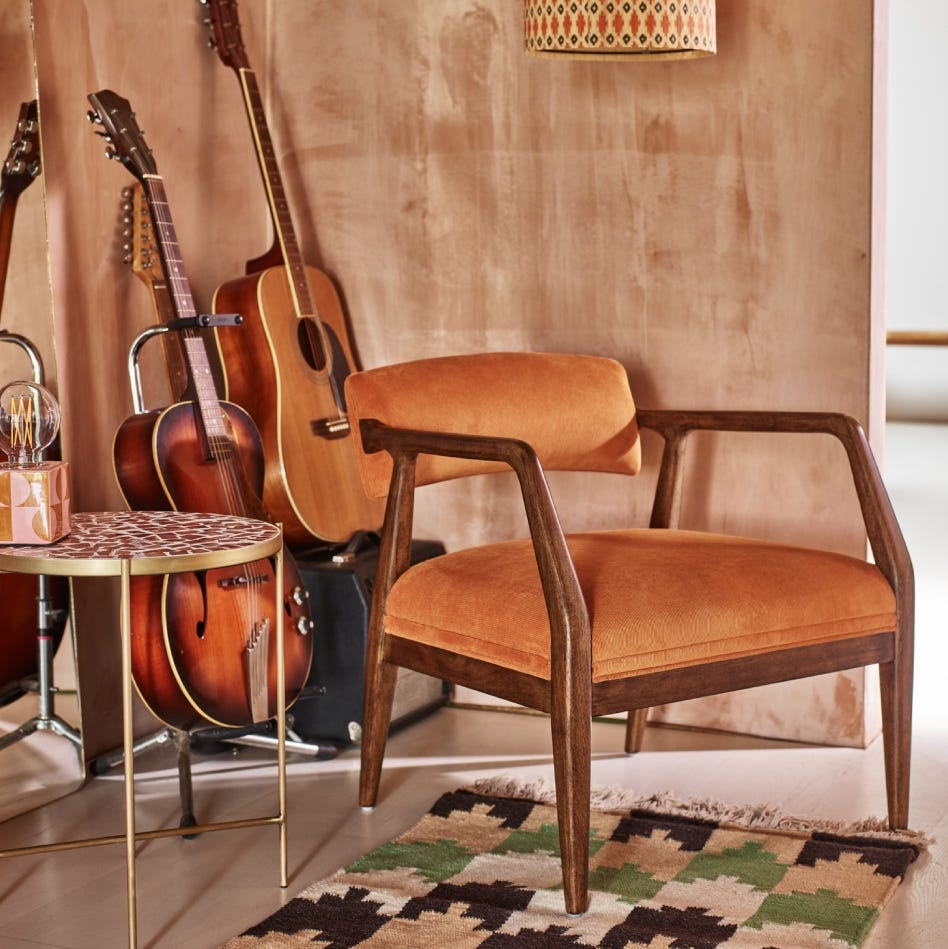
Raw, light woods out? Darker, traditional woods in?

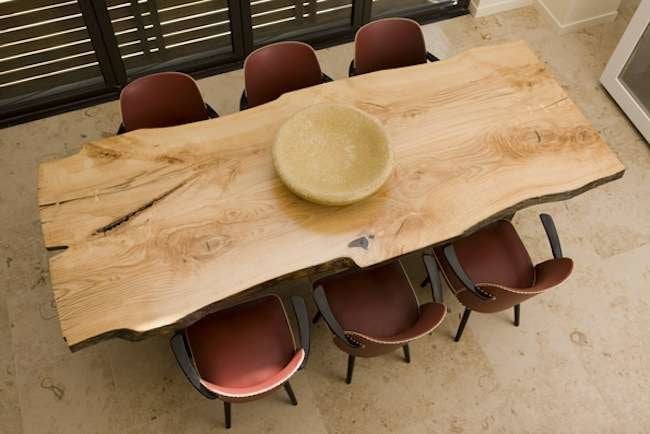
15 Ways to Use Salvaged Wood in Your Home

7 Wood Finishes That Are Making Your House Look Dated, According to Designers

Wood as a Home Design Trend: Through the Archives to Today
6 Dark Wood Kitchens and Why We're Drawn to Them

8 Paint Colors That Pair Beautifully With Dark Wood, According to Designers

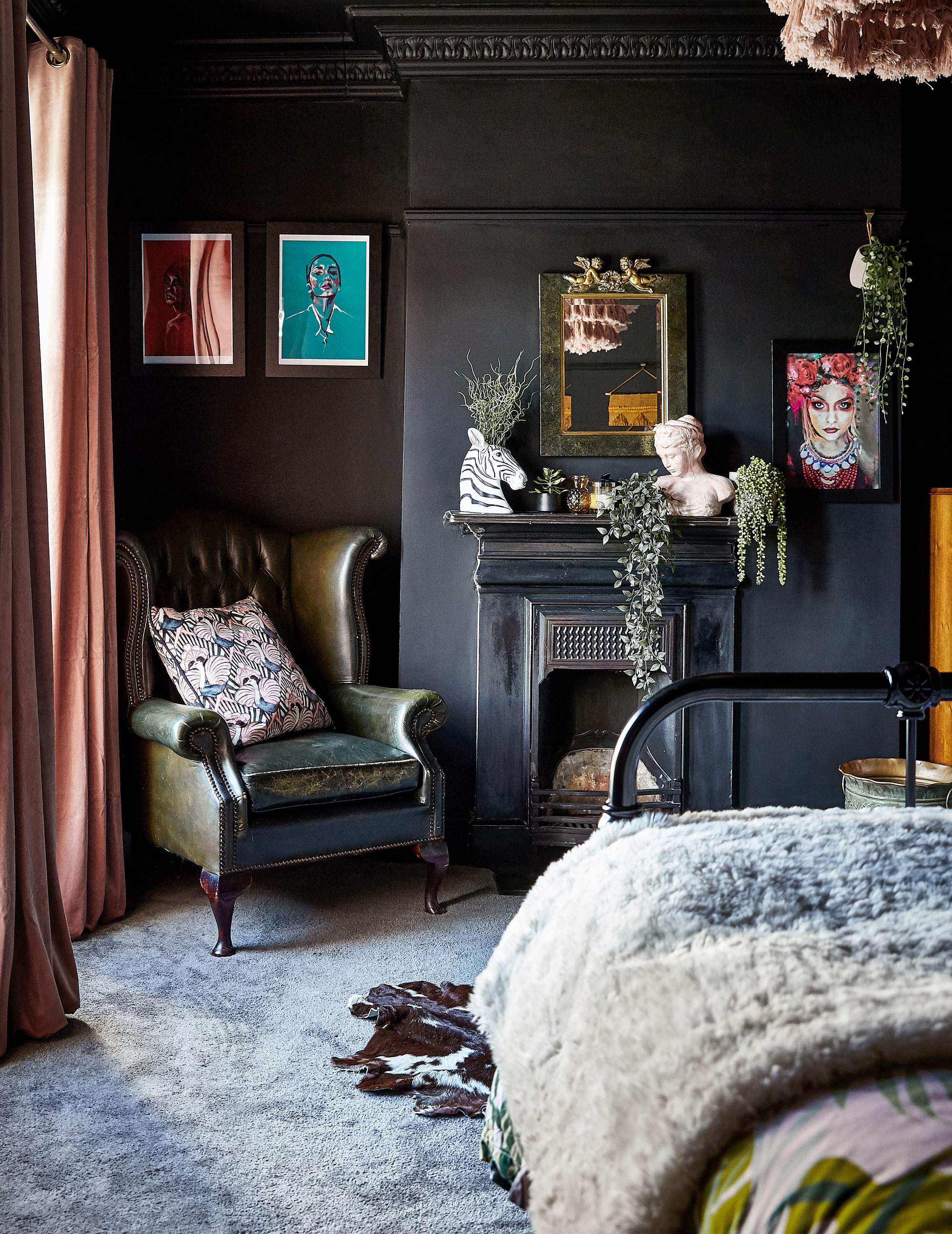
16 dark interior design ideas to embrace this winter

Rich colors and sumptuous textures are on designers' minds
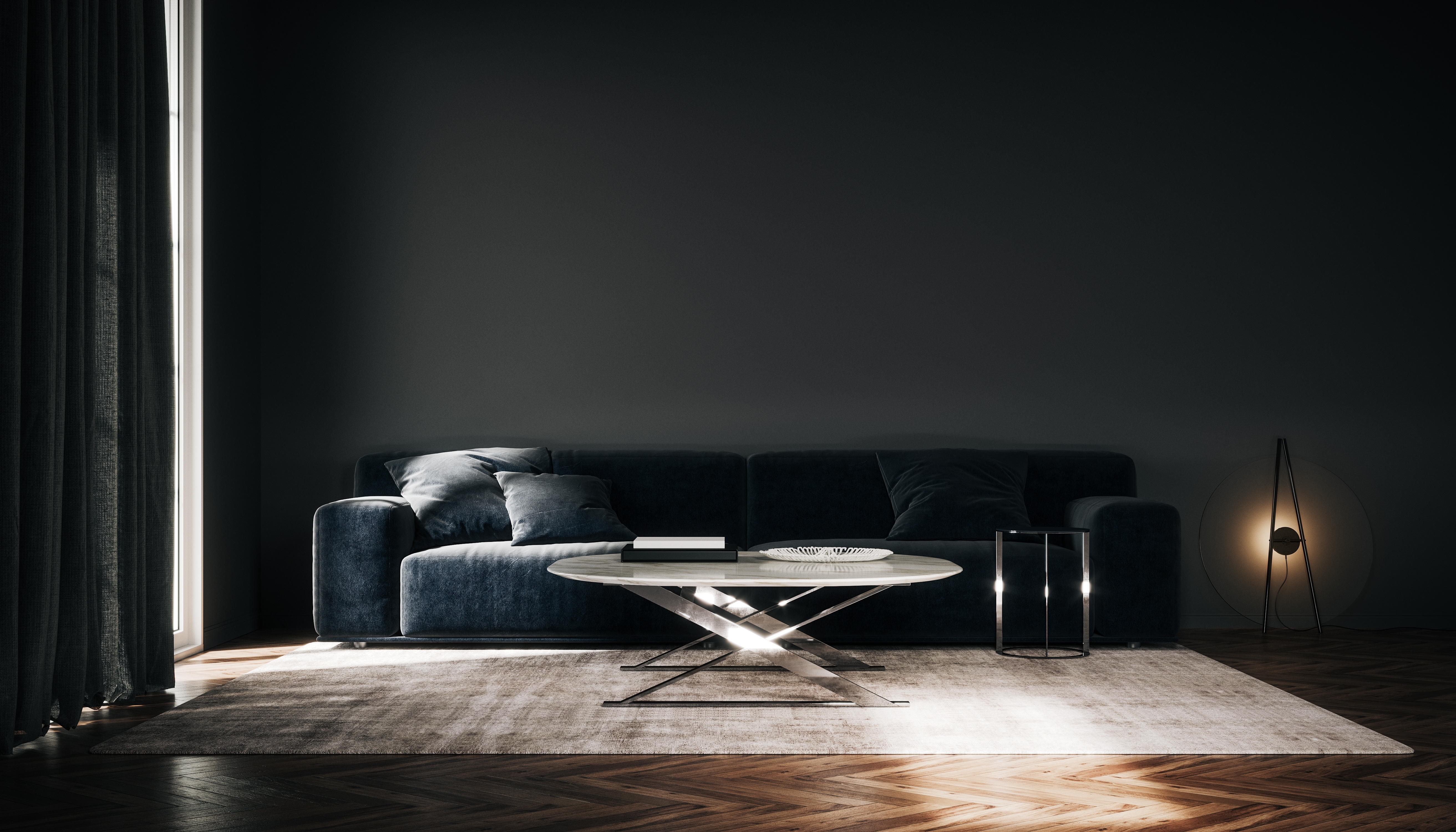
Are dark woods making a comeback?

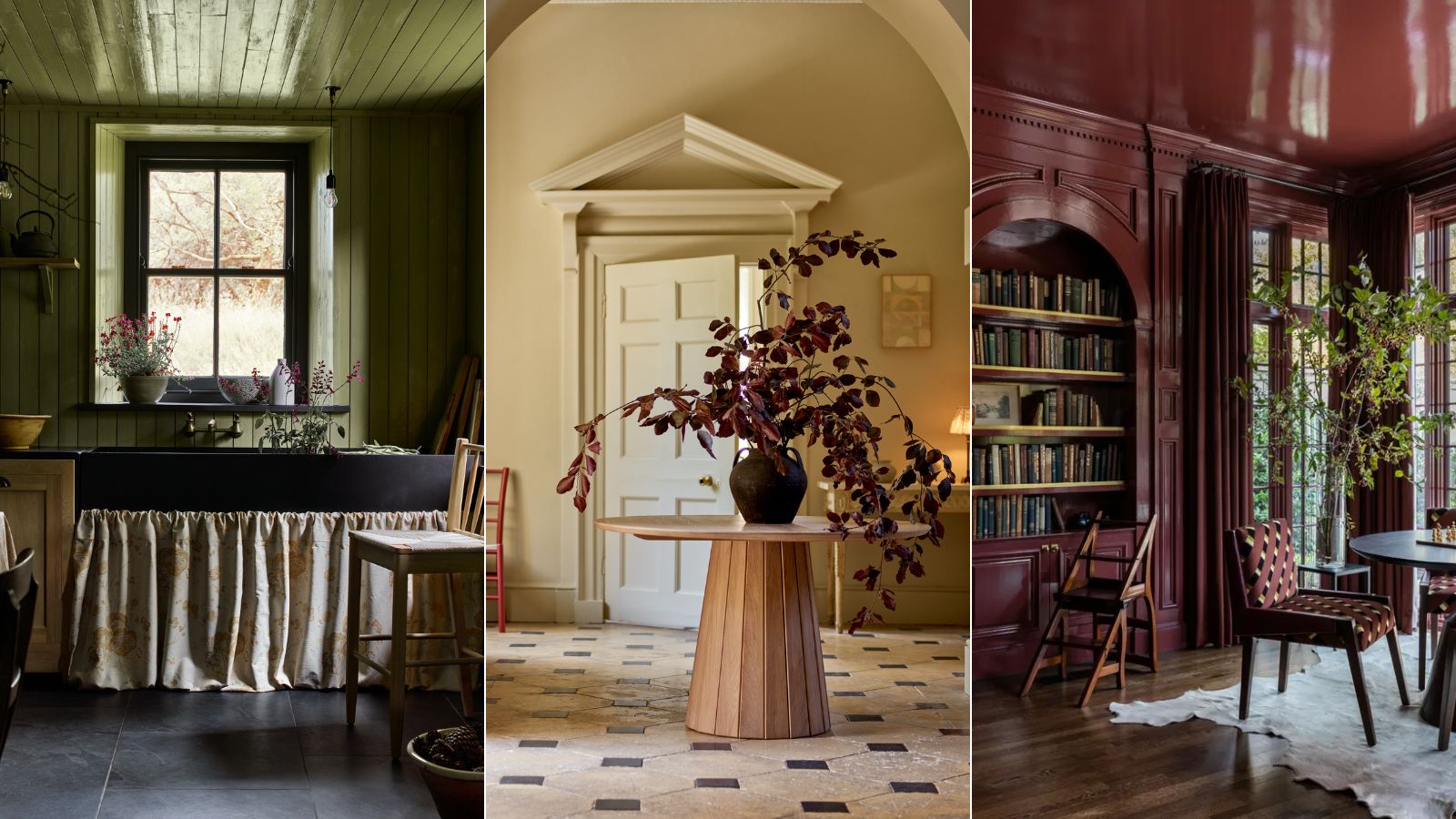
11 fall interior design trends that will help you to create elegant, warm looks for your home this autumn
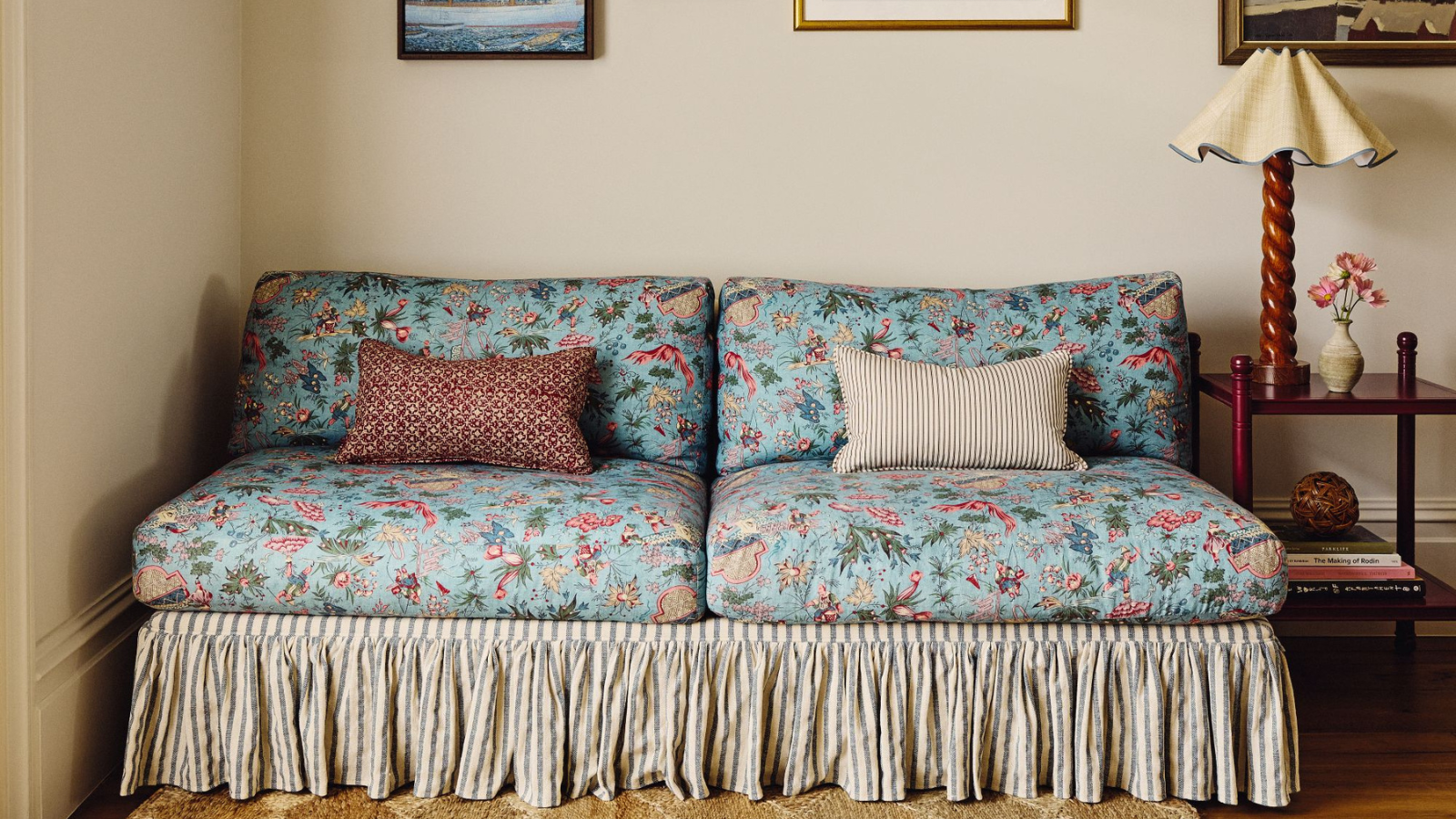
Flip the script on classic interiors – how the twisted wood trend brings a welcome whimsy into our homes
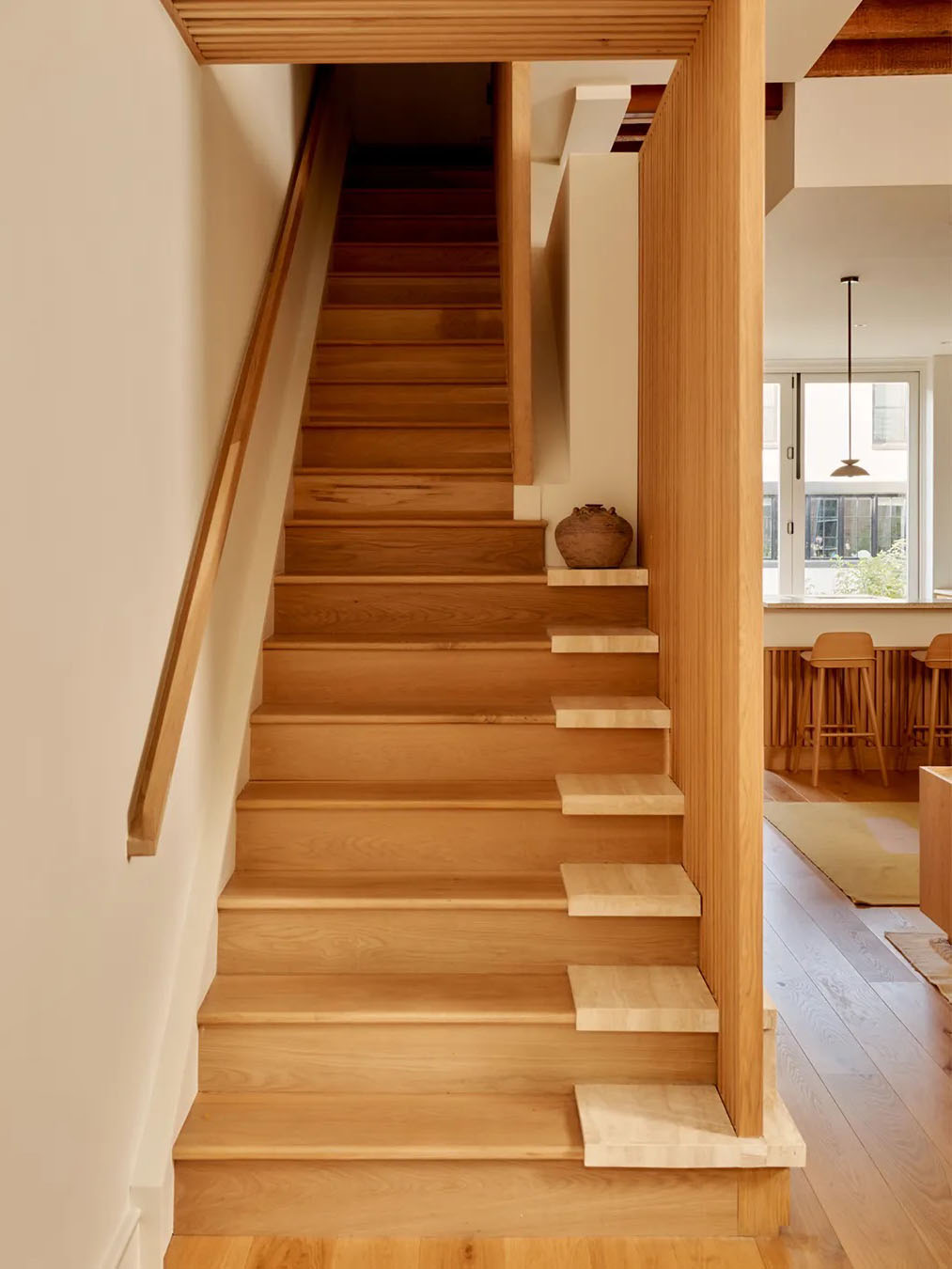
80% of Design Pros Agree This Pared-Back Material Will Rule Construction in 2025

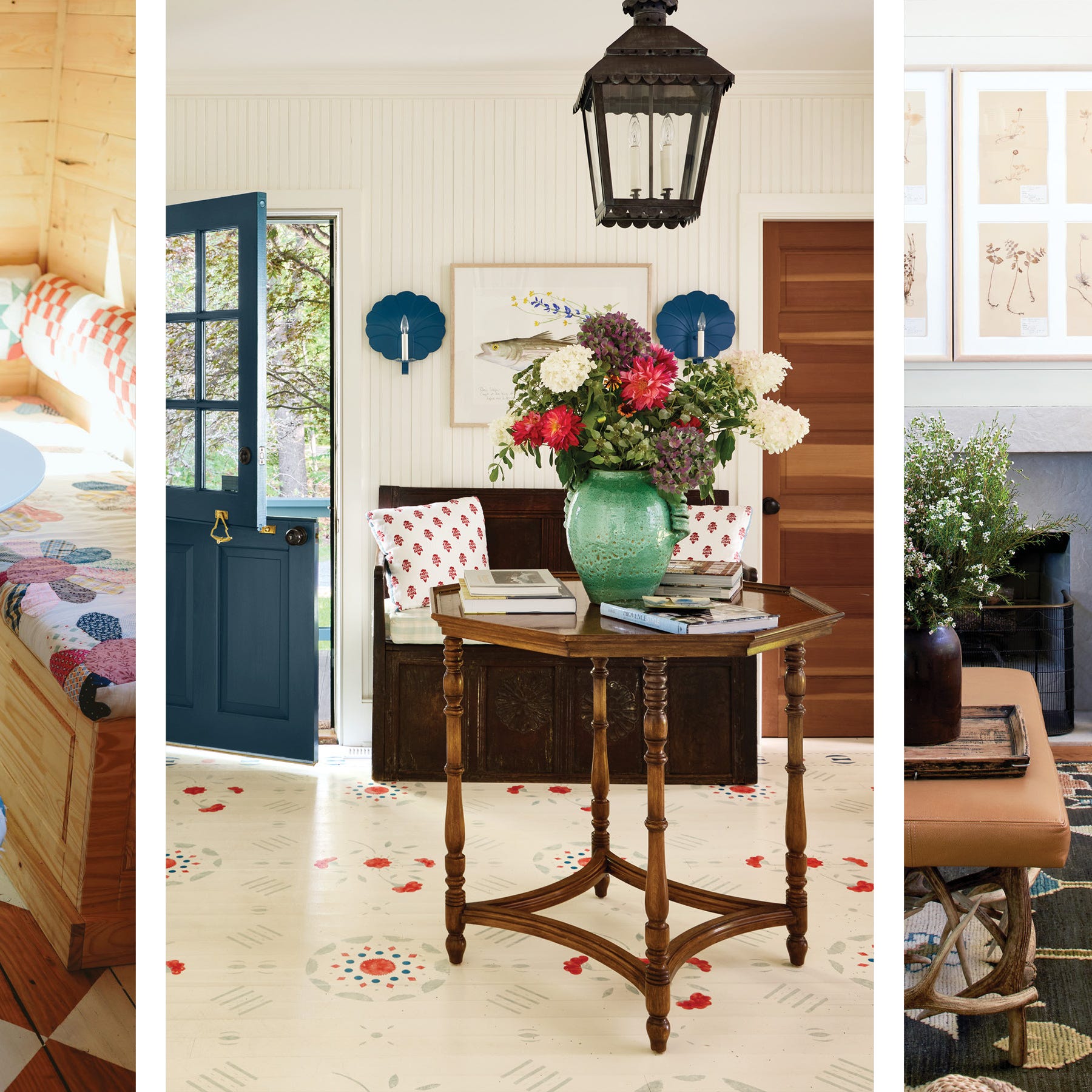
Wood Paneling and 11 More Vintage Decor Trends Making Huge Comebacks
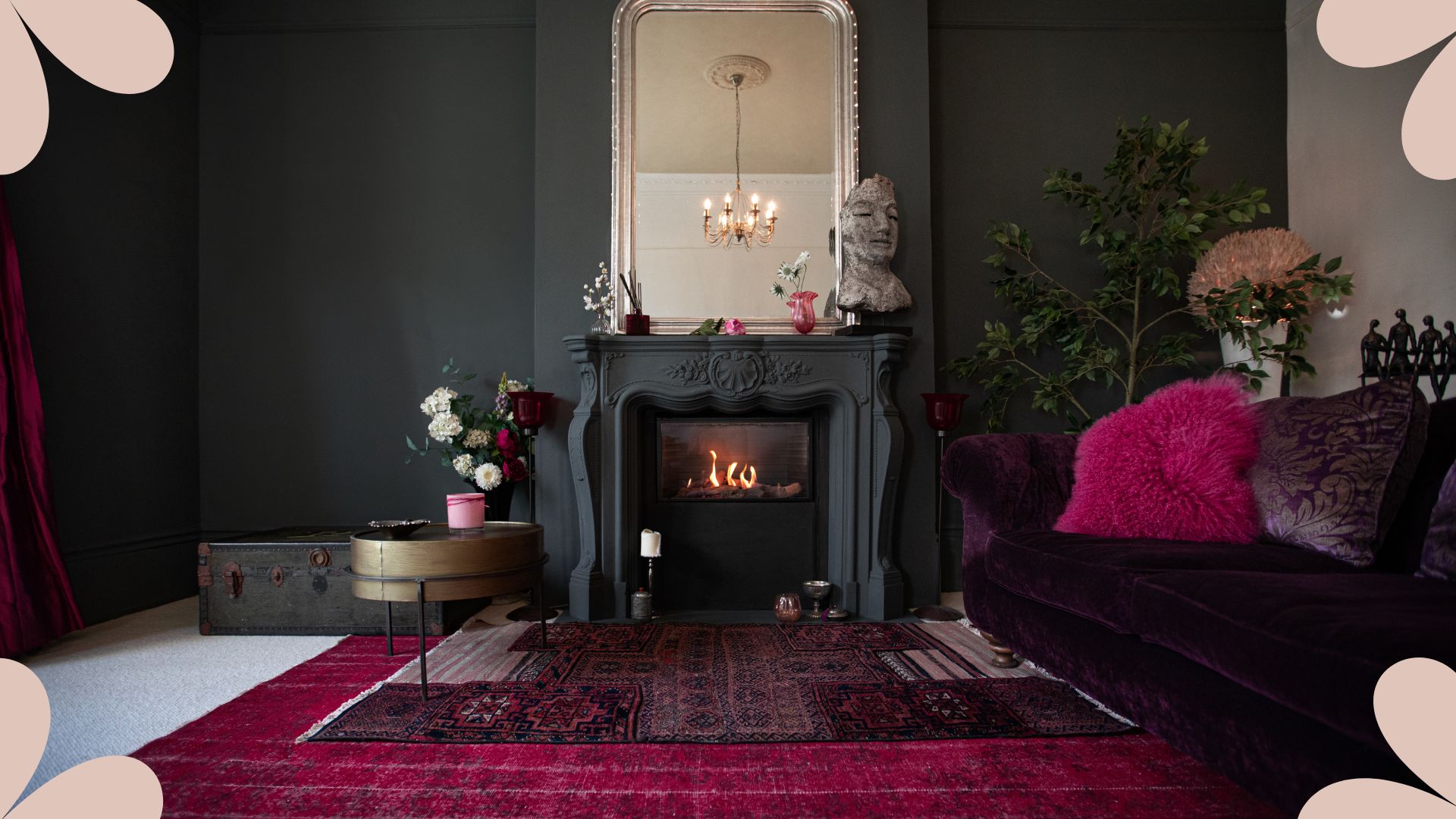
An interior designer reveals the 5 mistakes to avoid when painting with dark colours

Is mahogany wood back on trend in 2025?
Five fresh interior design trends using wood