
1/5
Furniture Boards
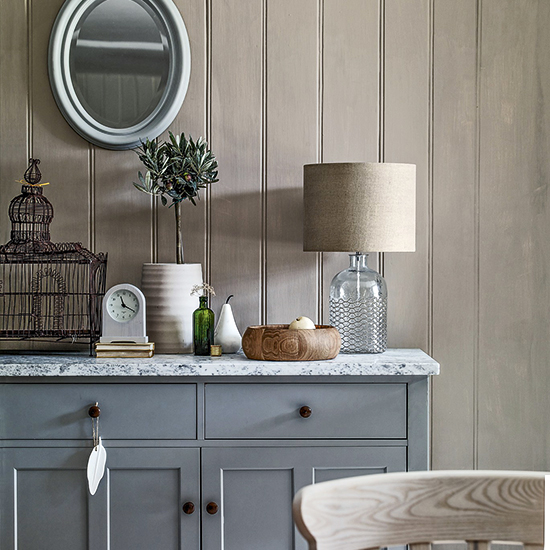
This article focuses on the versatility and practicality of furniture boards, offering guidance for both shelving and custom wardrobe frames. The selection process for furniture boards involves considering various characteristics such as material, size, and finish, all of which contribute to the final aesthetic and functional outcome of a project. Common materials include melamine-faced chipboard (MFC), MDF, and birch, each providing distinct benefits in terms of durability, appearance, and ease of customization. For instance, MFC boards are known for their decorative finish and resistance to wear, making them a popular choice for visible surfaces.
Furniture boards come in an extensive range of dimensions, with widths varying from 19 mm to 1830 mm and lengths up to 2790 mm. Thickness options typically range from 15 mm to 30 mm, allowing for structural integrity tailored to specific applications, such as heavy-duty shelving or lightweight decorative panels. The color palette available includes classic shades like white, grey, and various oak effects (e.g., Lancaster Oak, Vicenza Grey Oak), as well as more unique options like Alby blue and Reed green, enabling seamless integration with diverse interior design schemes.
These boards are particularly well-suited for creating bespoke shelving units. When used for shelves, it is crucial to pair them with appropriate brackets to ensure stability and safety. The market offers dedicated shelf boards designed for this purpose, often pre-finished and ready for installation. Customization is a significant advantage of using furniture boards; many products can be cut to specific sizes, and accessories like iron-on edging tape are available to achieve a polished, professional look even after cutting. This allows for personalized designs that perfectly fit unique spaces and requirements.
Beyond shelving, furniture boards are frequently employed in constructing wardrobe carcasses and other modular furniture components. Their consistent quality and varied finishes make them suitable for creating durable and aesthetically pleasing furniture pieces. The ease of installation, combined with the availability of relevant tools such as handsaws and adhesives, supports DIY enthusiasts in undertaking home improvement projects. Additionally, resources like 'how-to' guides for installing shelves and upcycling tips further assist users in maximizing the potential of these materials.
The article also addresses frequently asked questions, clarifying that furniture boards are essentially engineered wood components used for building furniture, offering superior stability and a high-quality finish. While most furniture boards feature a decorative finish, they can be painted to match specific decor if desired. This flexibility in application and finish makes furniture boards a valuable component in both practical construction and decorative enhancements within the home.
#FurnitureBoards #ShelvingSolutions #CustomWardrobes #HomeImprovement #DIYProjects #InteriorDesign #Woodworking #BuildingMaterials #HomeDecor #FurnitureBoards #ShelvingSolutions #CustomWardrobes #HomeImprovement #DIYProjects #InteriorDesign #Woodworking #BuildingMaterials #HomeDecor
0 comment in total
 No comments yet
You may also like

Skirting Boards
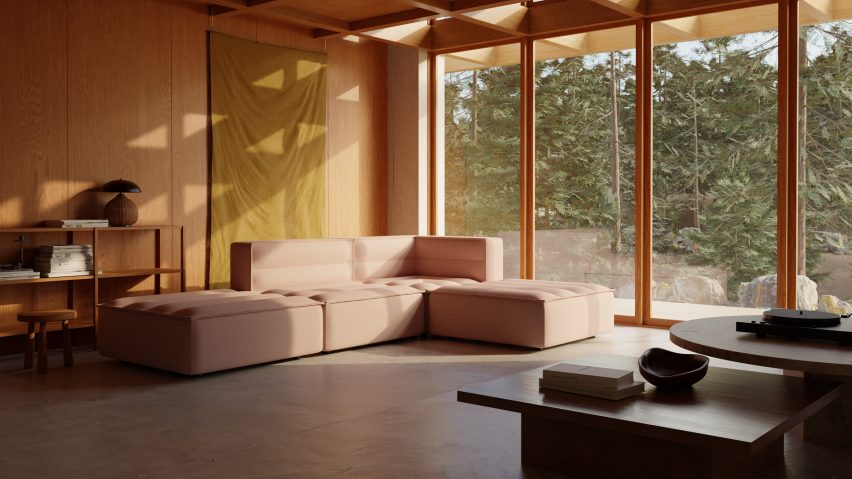
Ten modular furniture designs that adapt to any interior space
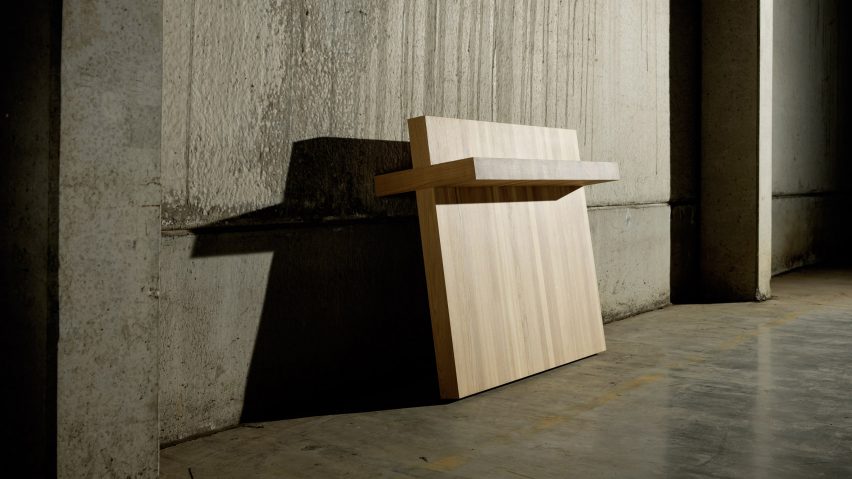
Casimir celebrates 30 years as a designer with oak and walnut furniture collection
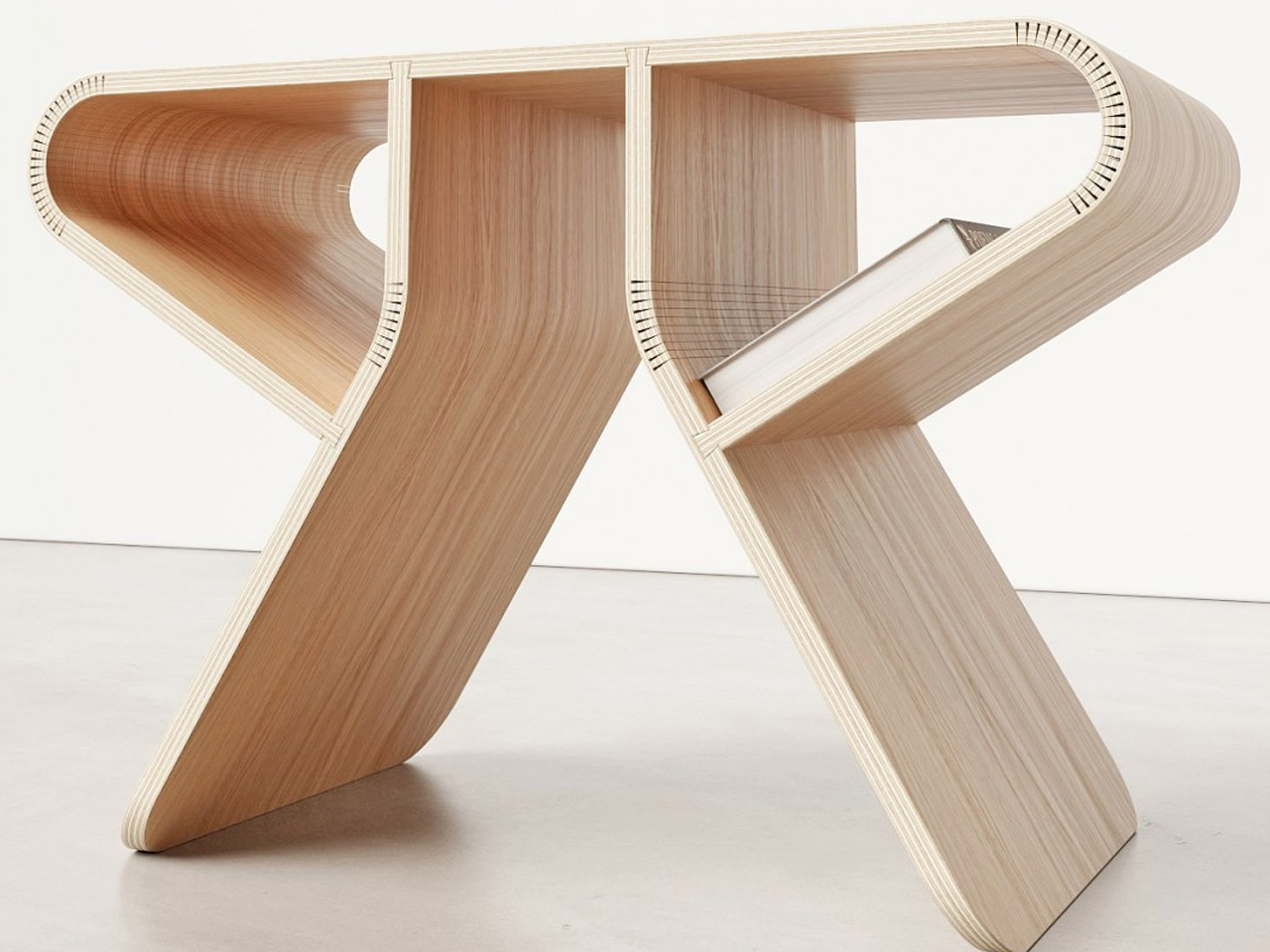
Top 10 Innovative Wooden Furniture Designs To Elevate Your Home Décor

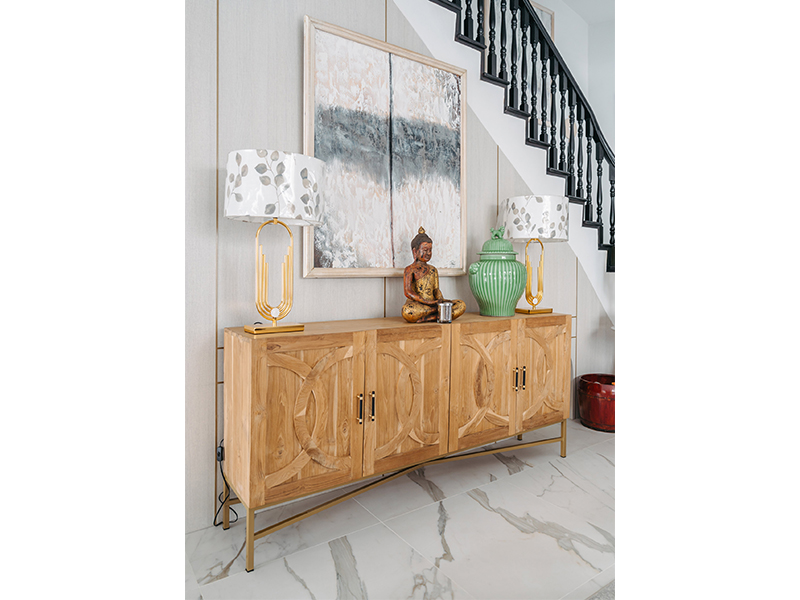
Buyers' Guide: Sideboards, benches and consoles

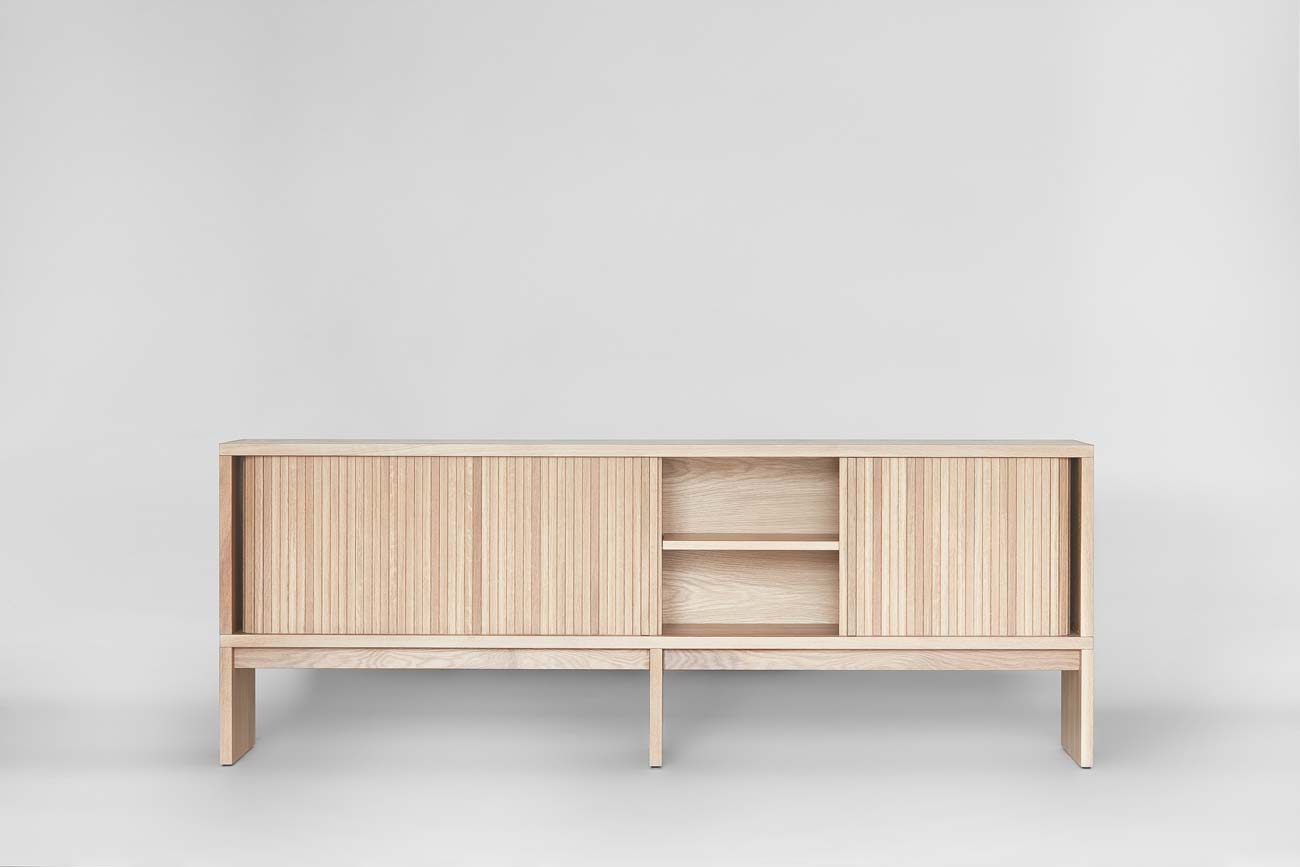
Where to Find Scandi-Style Sideboards, From Mid-Century to Modern
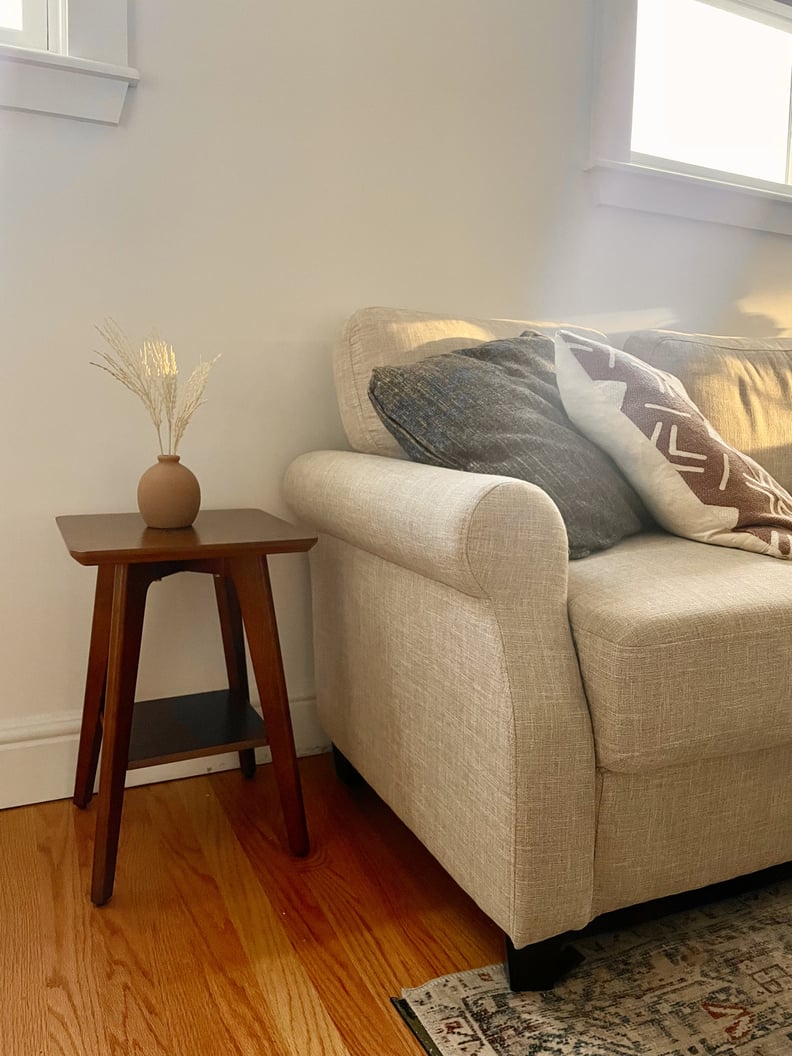
I Built This Side Table in Less Than 10 Minutes, and It Looks So Pretty
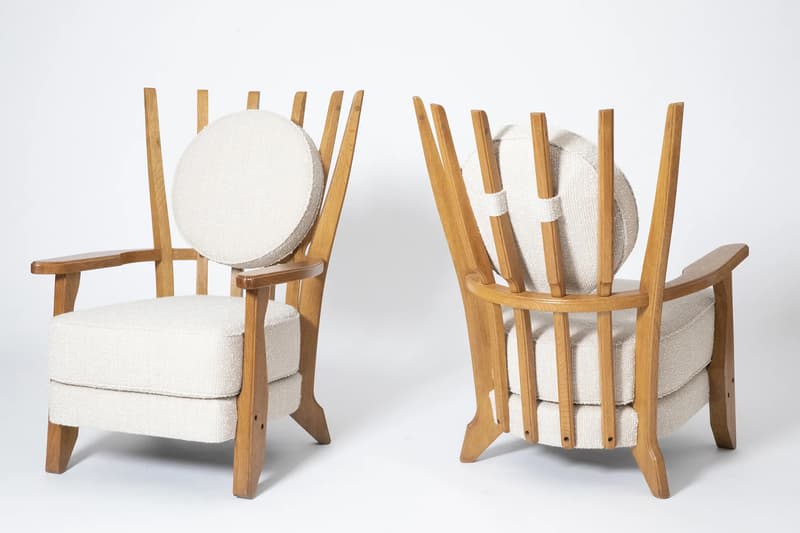
The Row Has Dropped a Curated Vintage Furniture Line
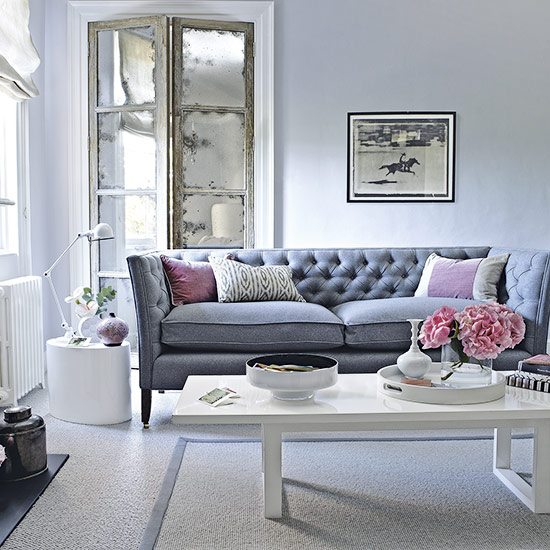
Celia Rufey answers your furniture questions

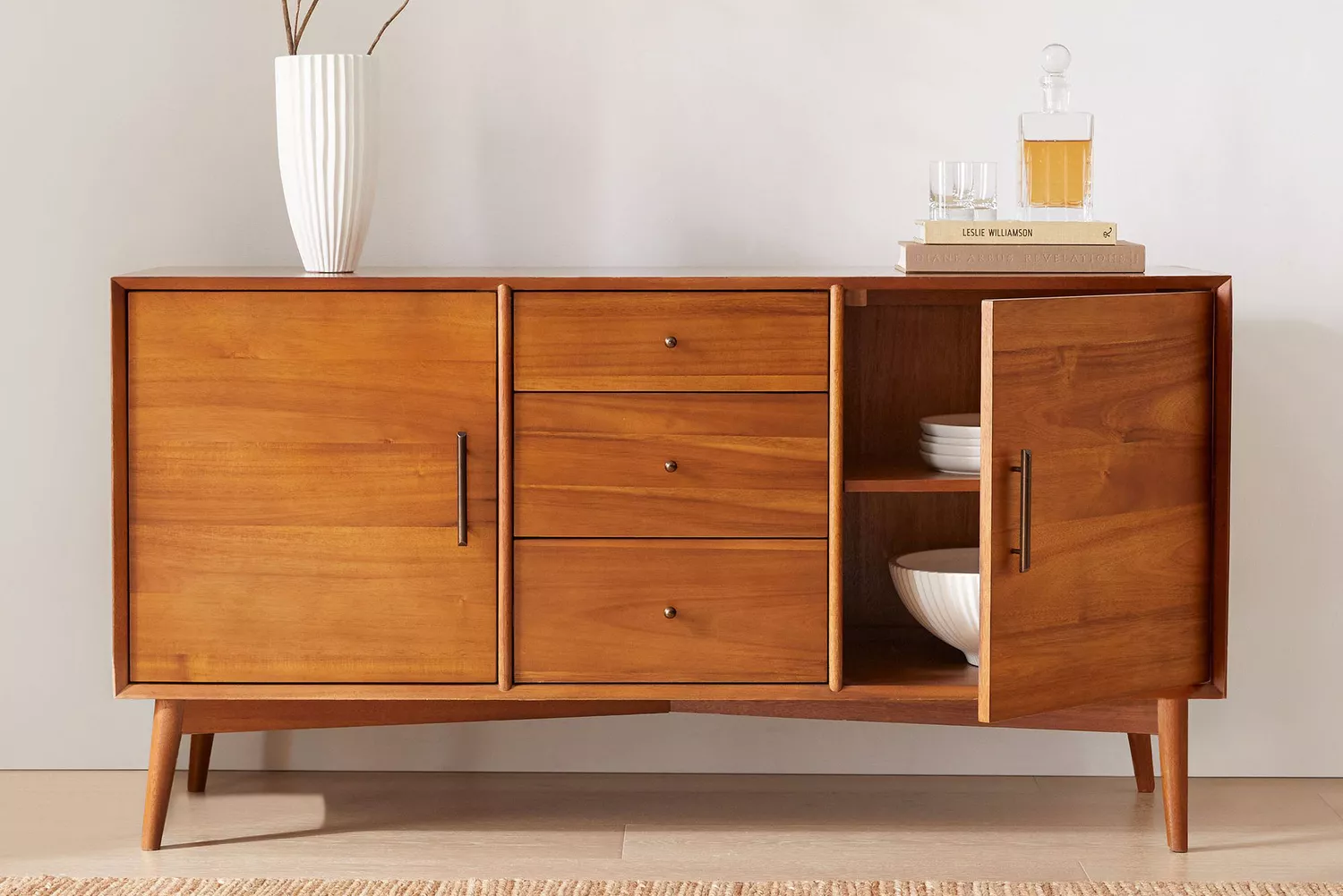
A Sideboard Is Great for Storage, Entertaining, and More — Our Top Picks Are Designer-Approved

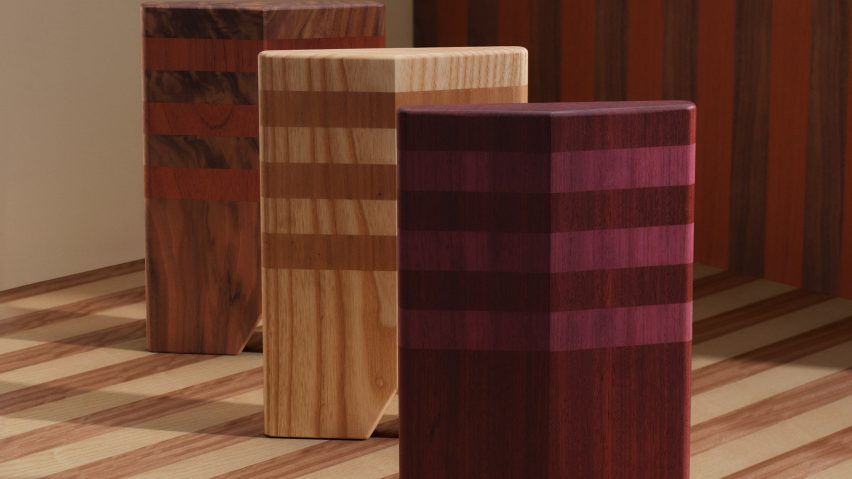
Eight wooden furnishings that go against the grain
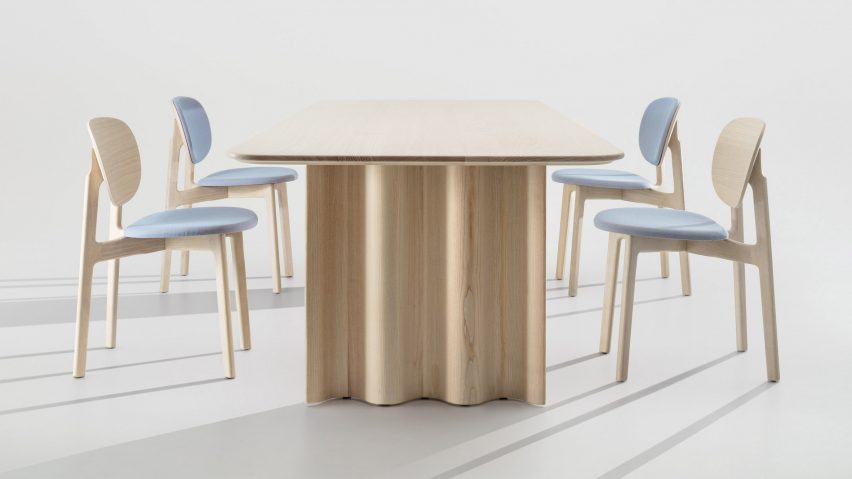
Curtain table by Läufer & Keichel for Zeitraum
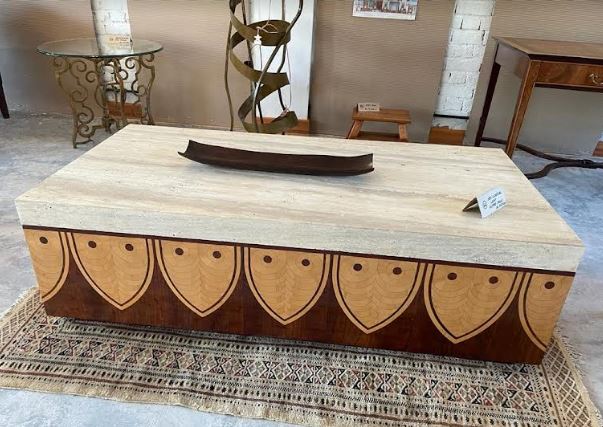
Pieces of wooden furniture on display

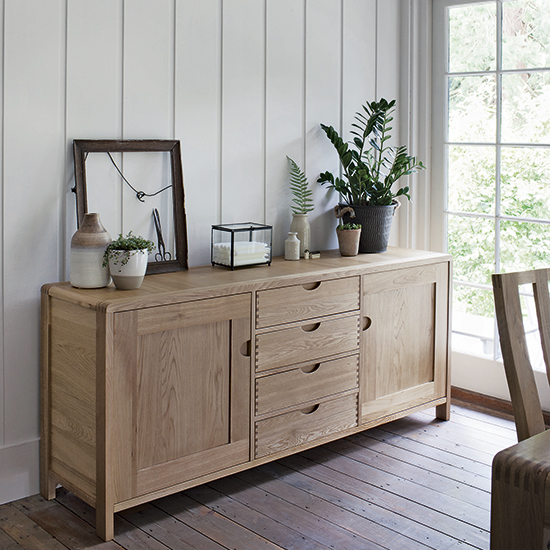
Good-looking furniture for storage and display
Interior Designers Reviewed the Best Furniture Brands, So You Don't Have to
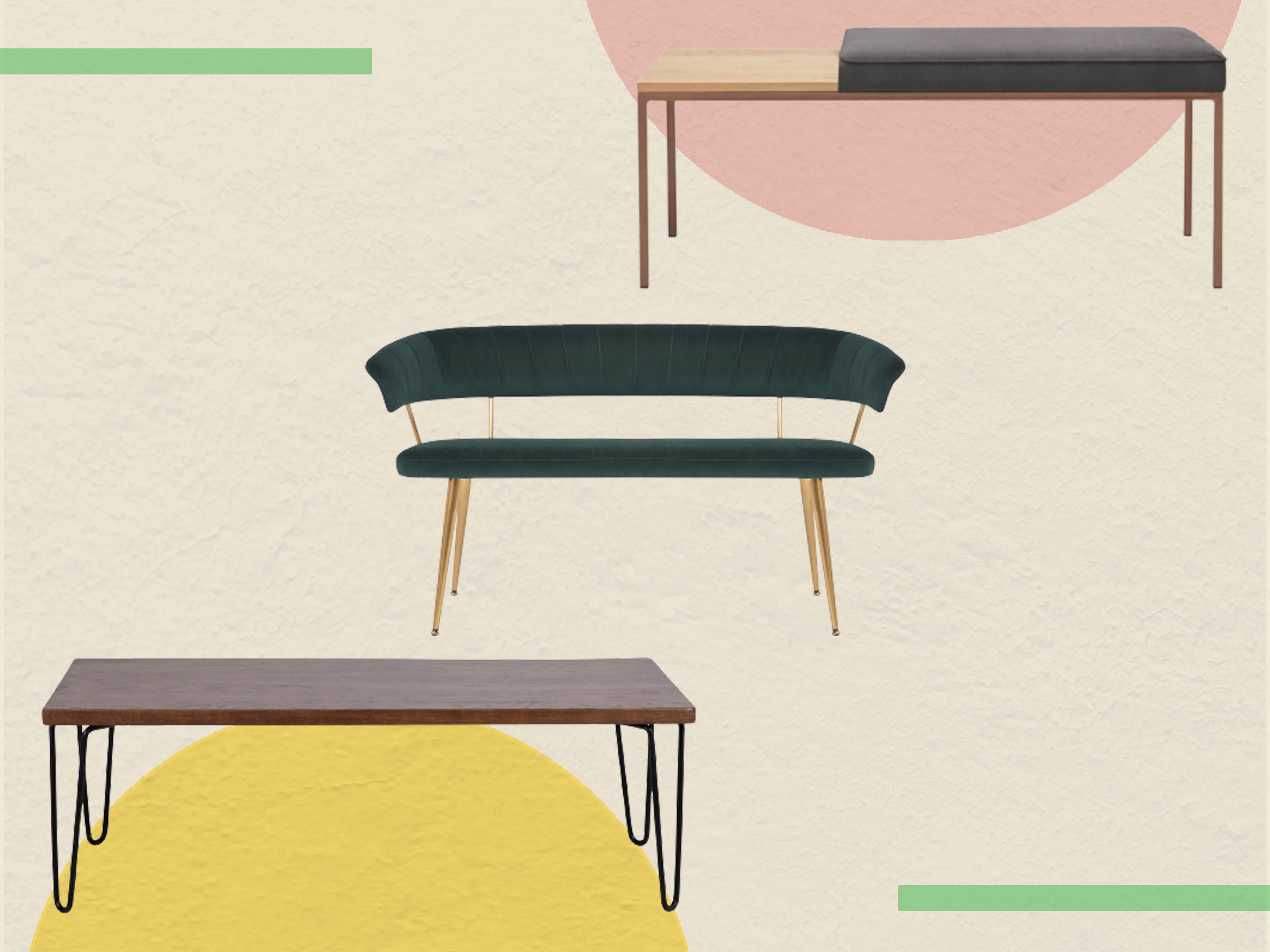
9 best benches for a functional upgrade to your living space
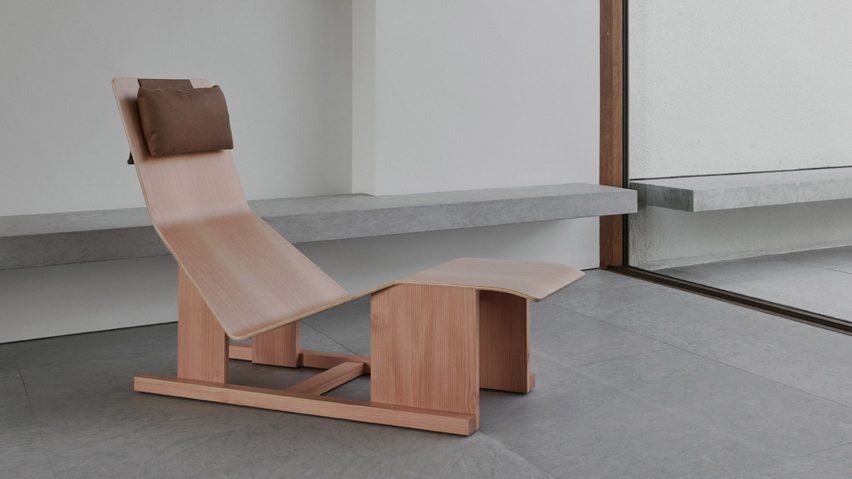
12 designs made from wood that showcase the versatility of the material

My Hunt For a Deep (But Not Too Deep) Sofa
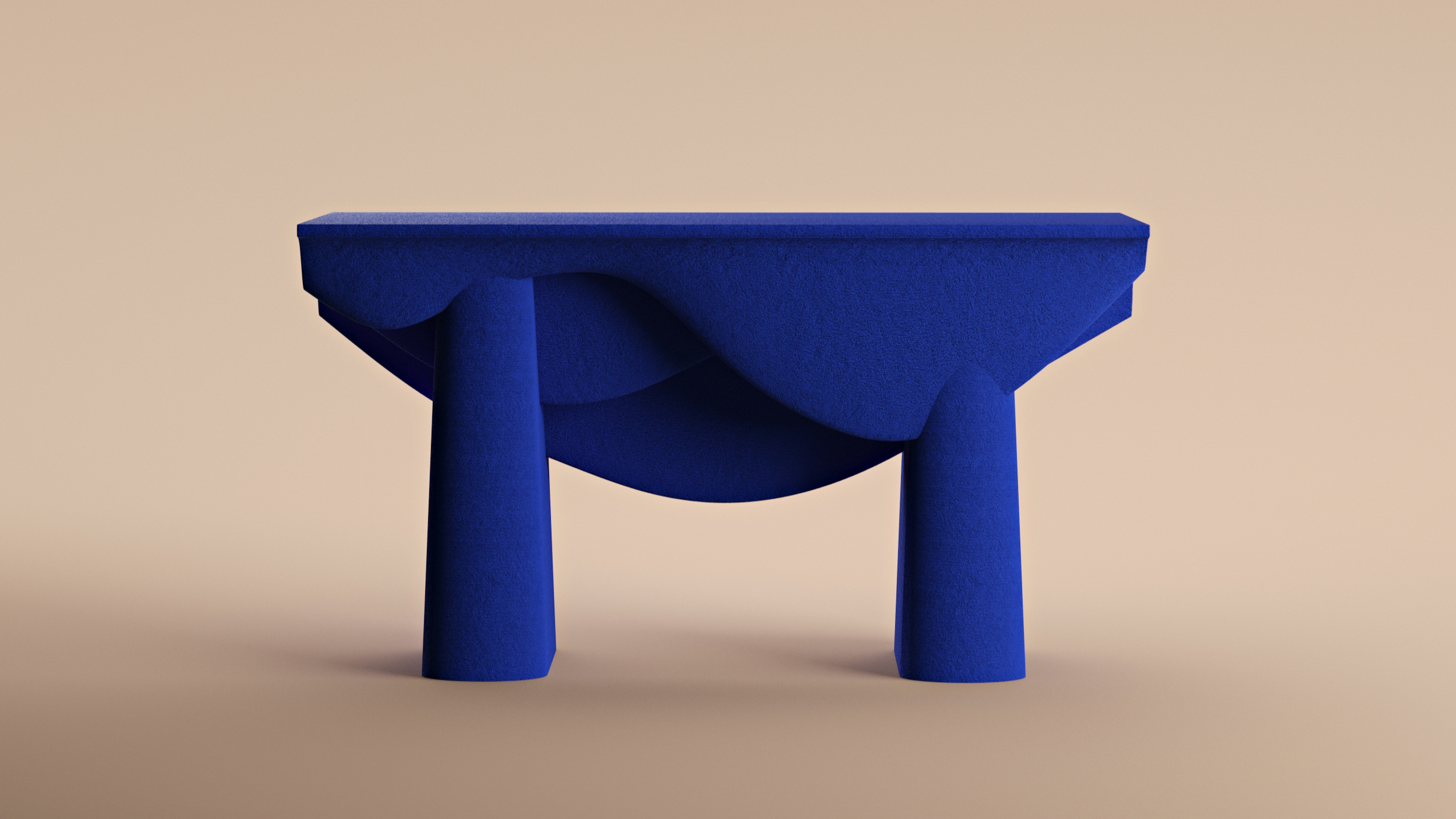
Considered console tables: beautiful designs for every space

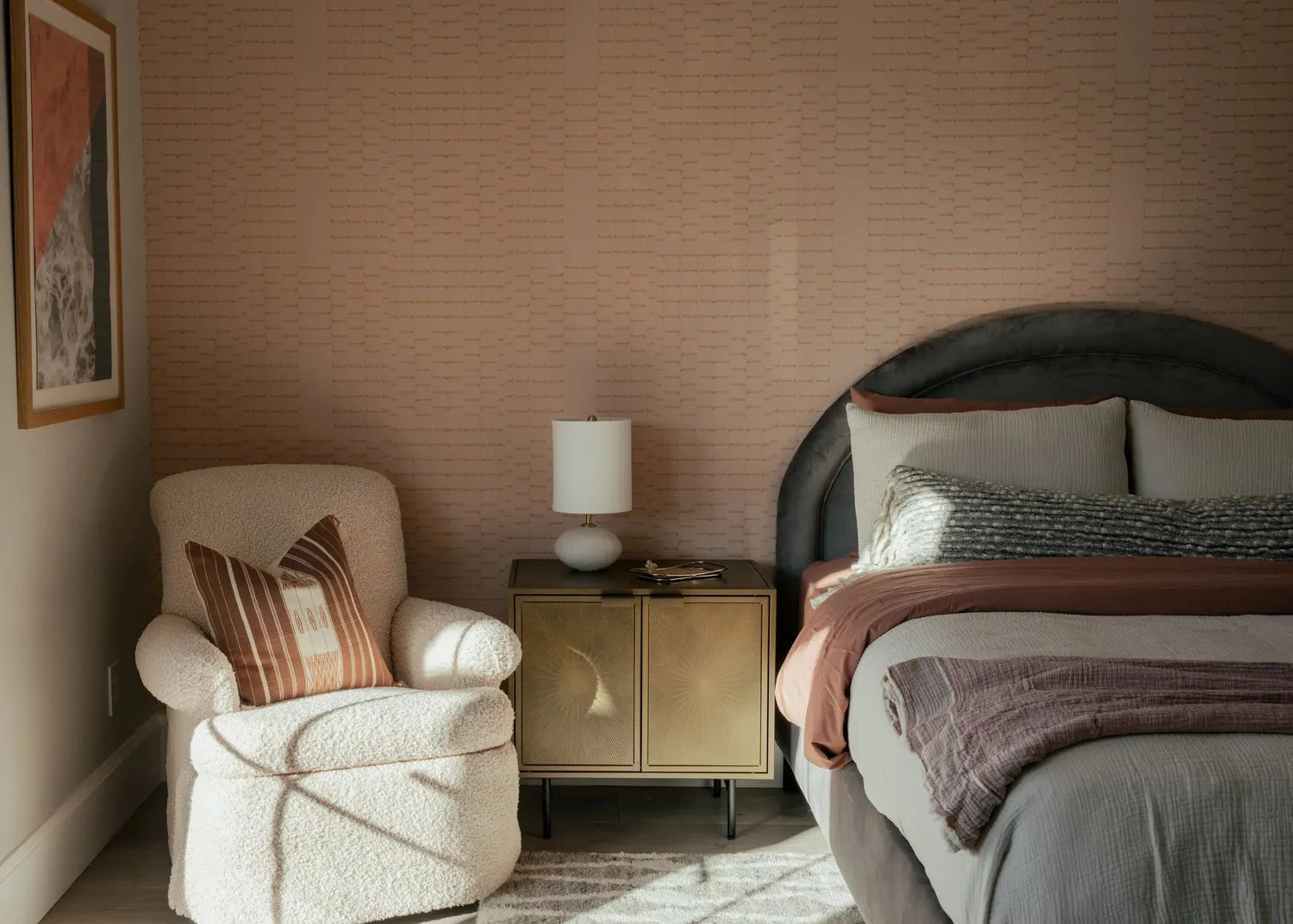
8 Furniture Trends That Will Be Everywhere in 2026, According to Designers