1/6
5 things you need to know about Corian countertops (from someone who has them in their own kitchen)
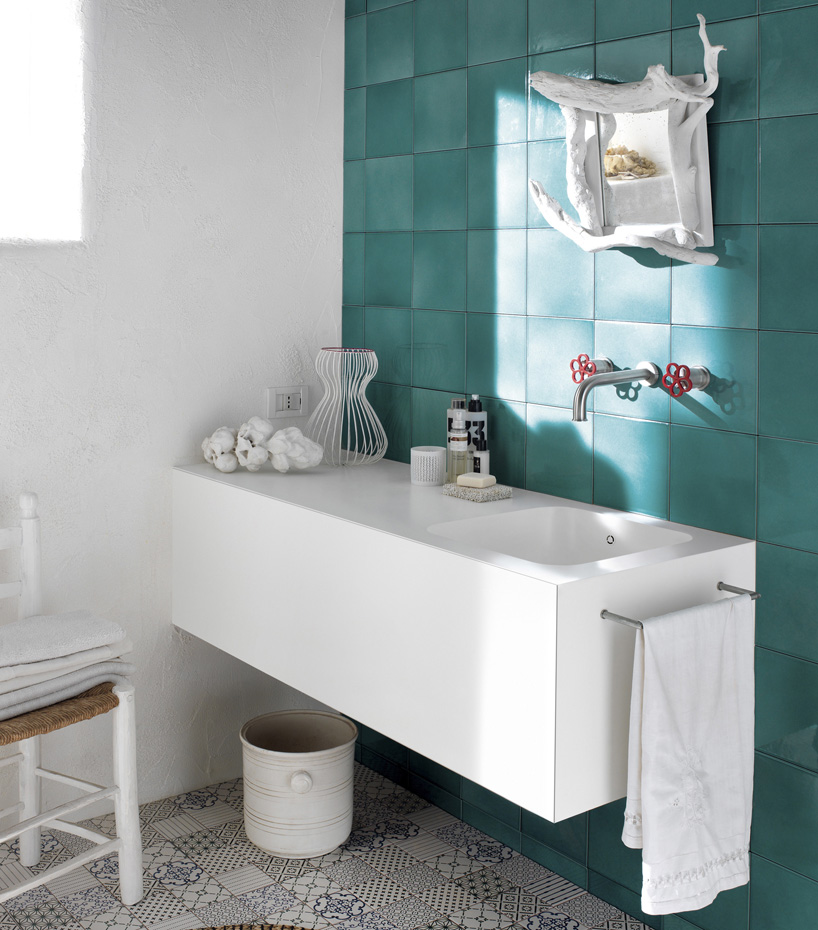
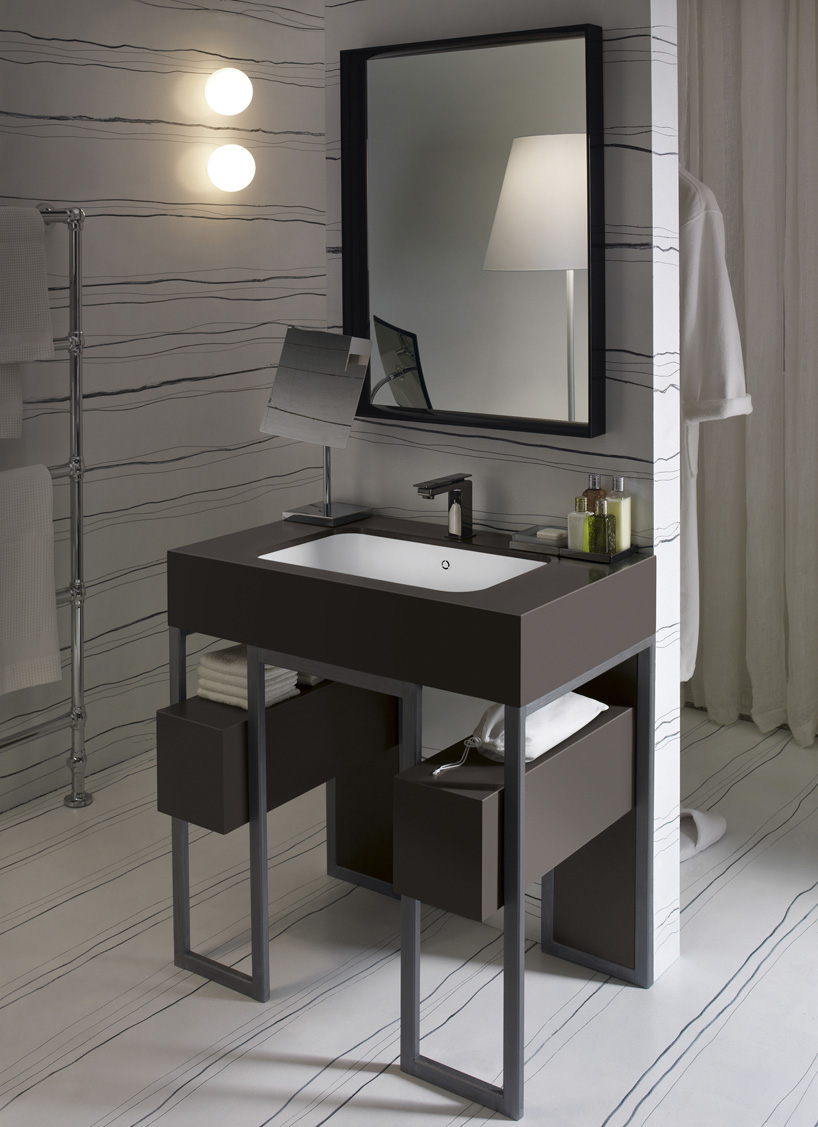
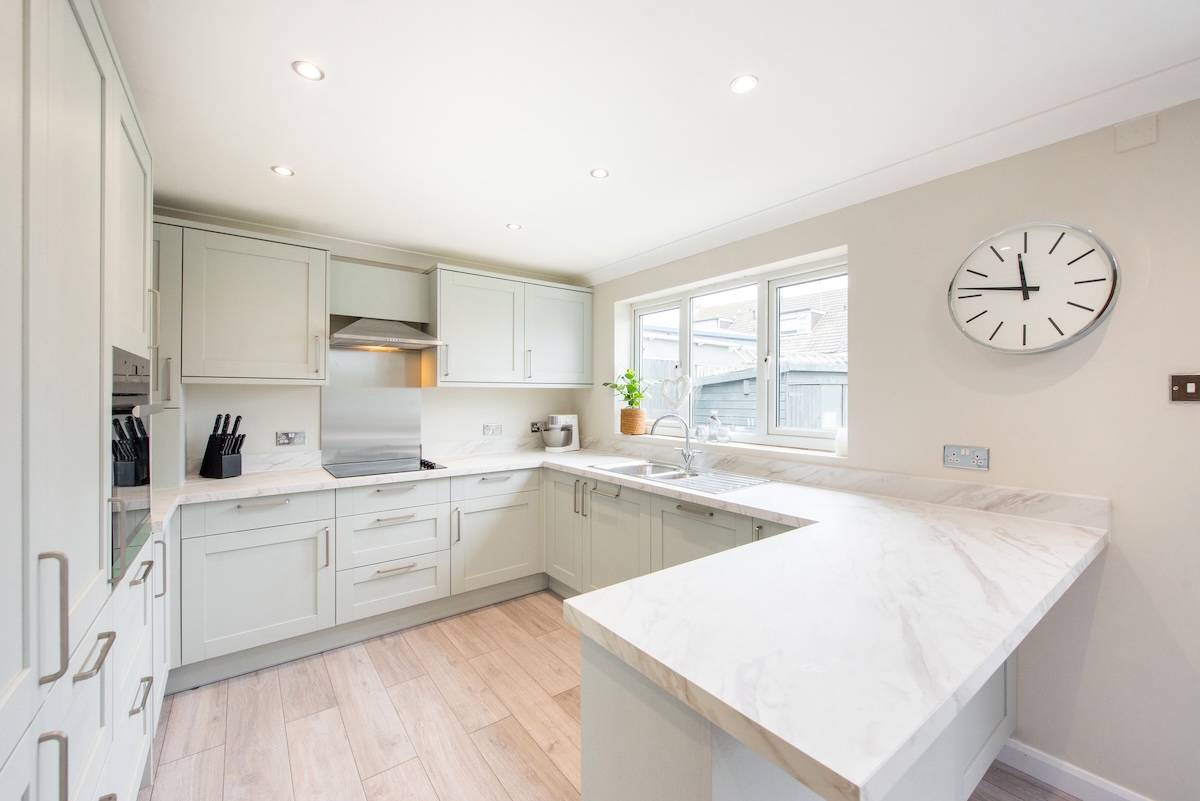
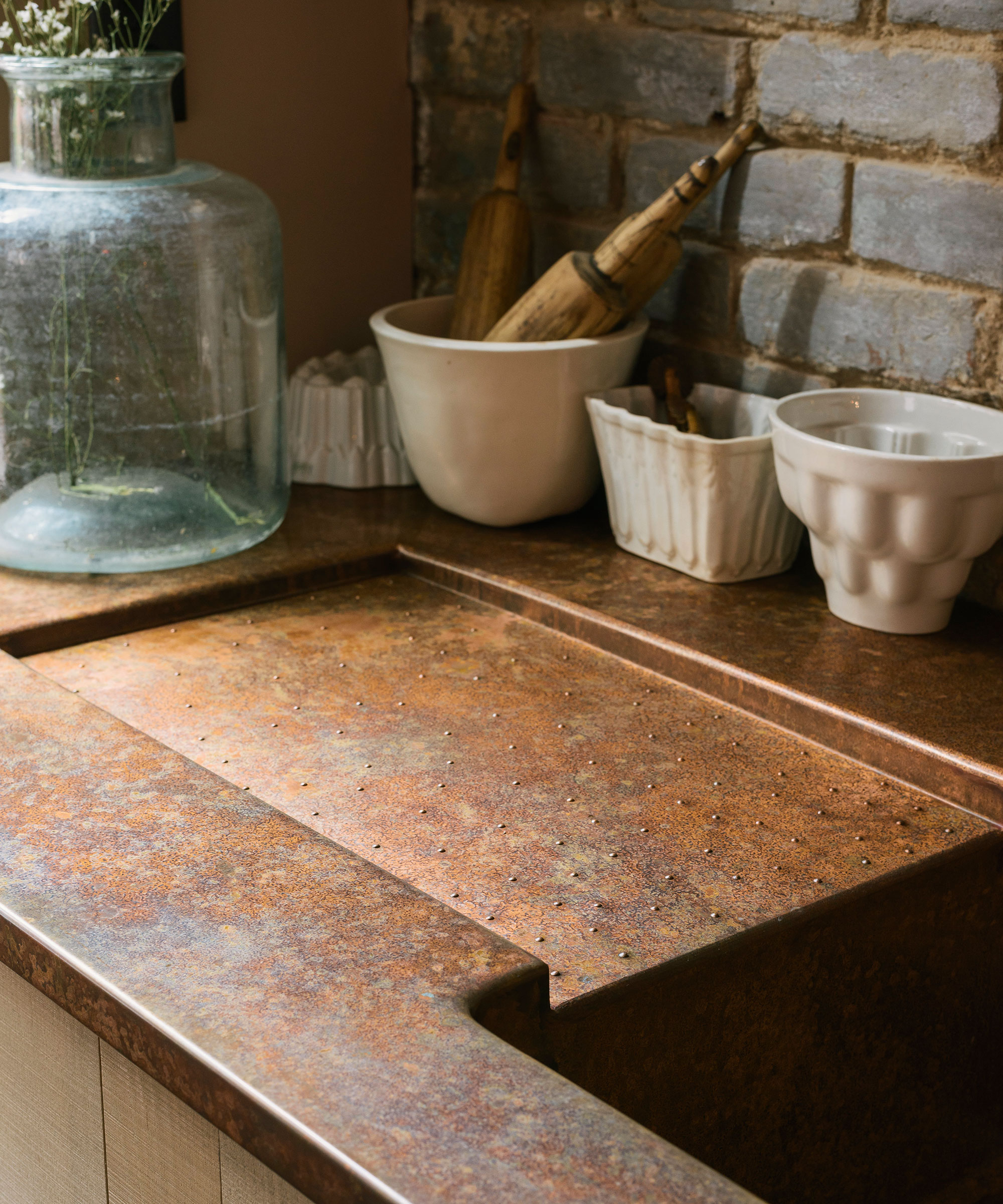
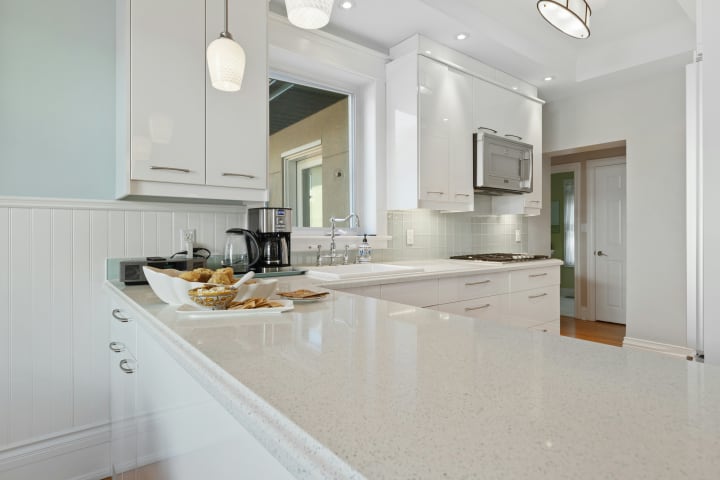
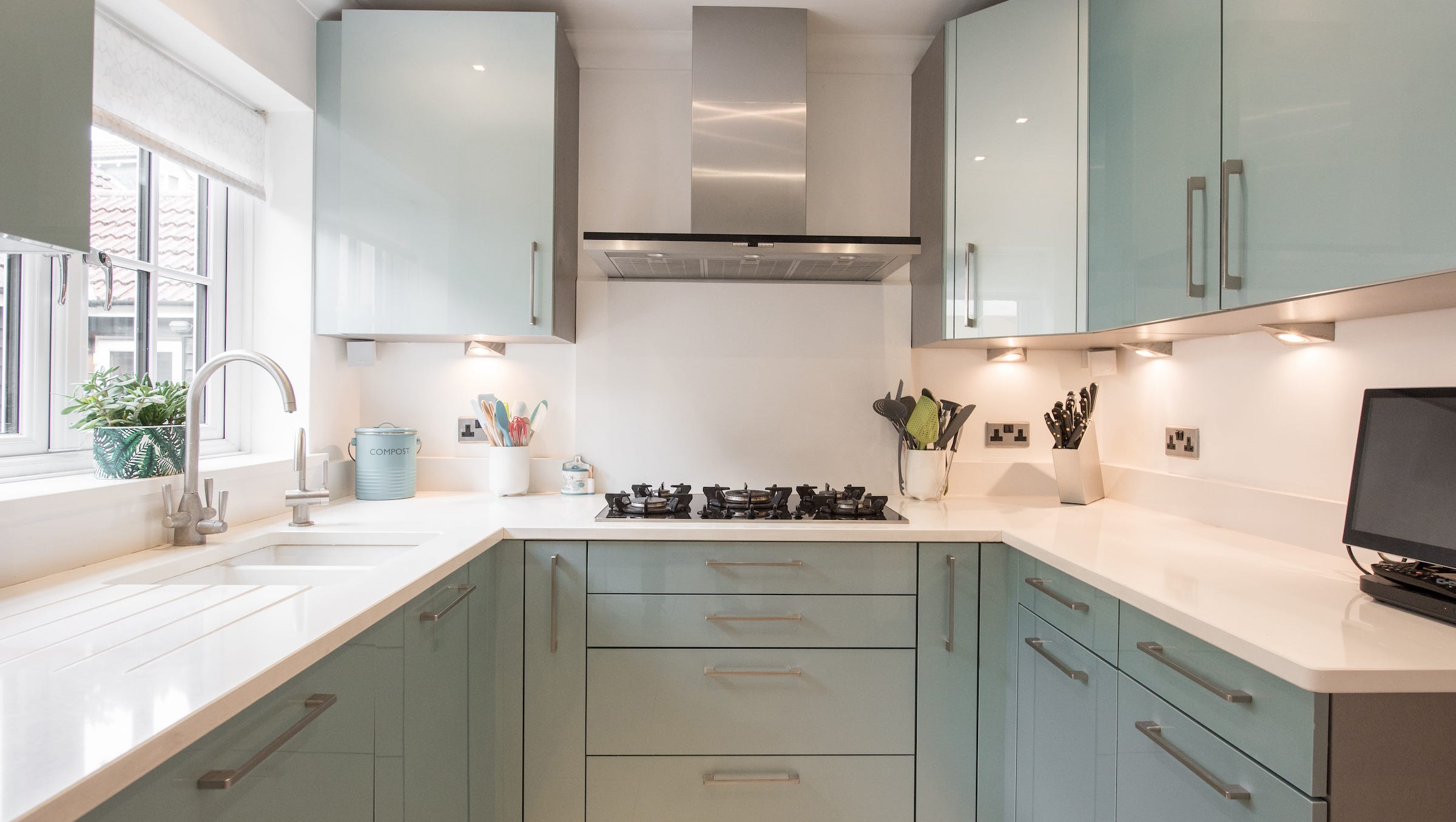
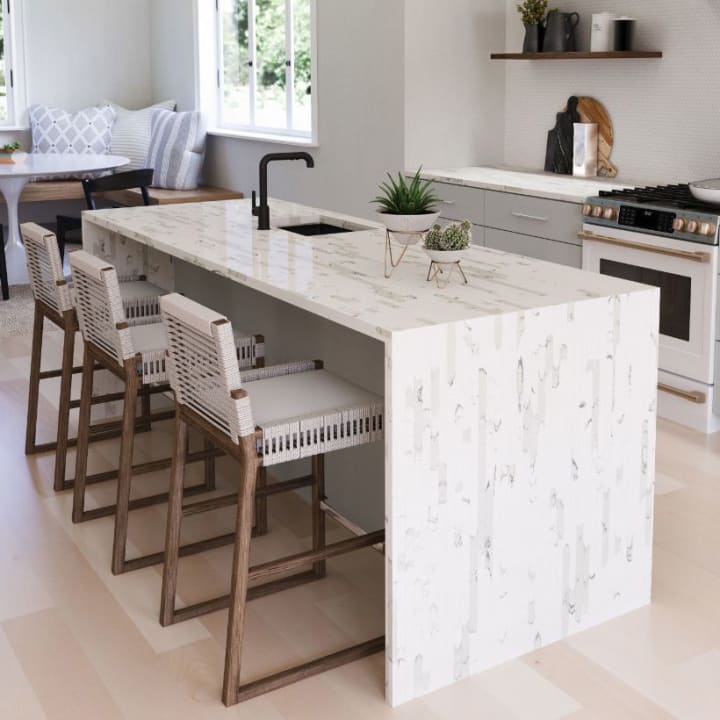
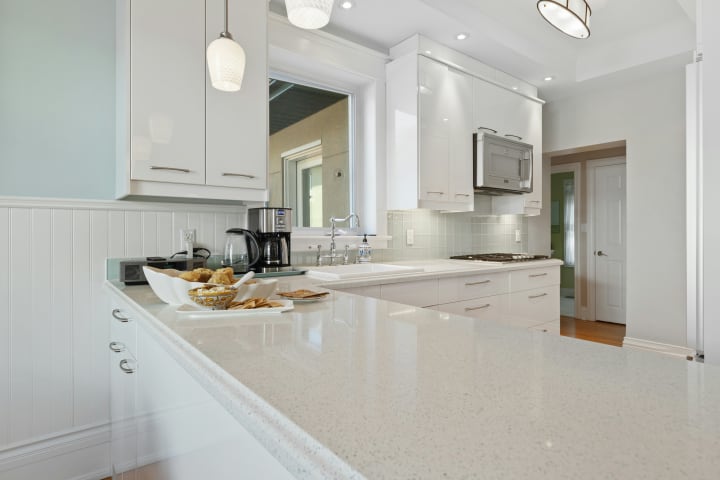
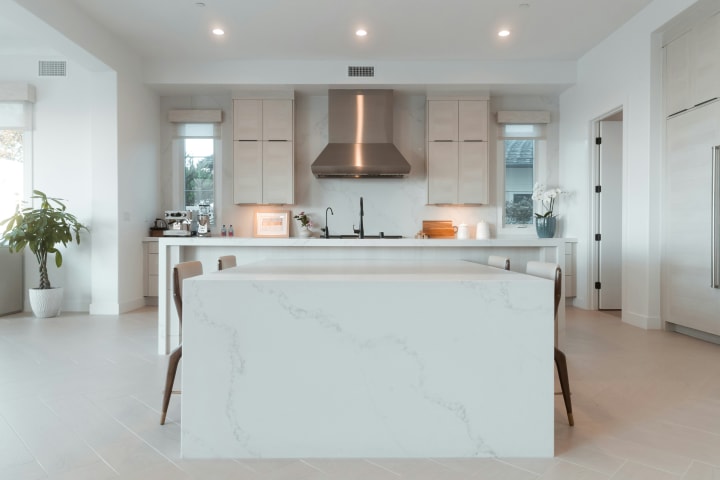
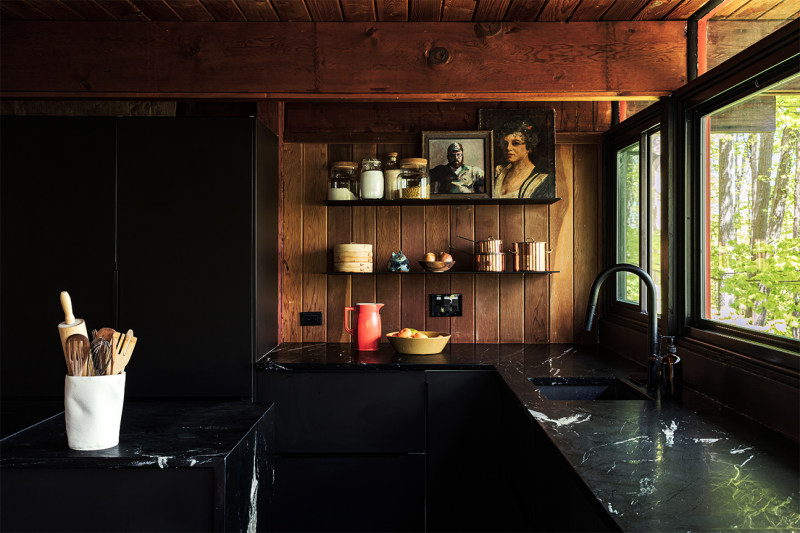
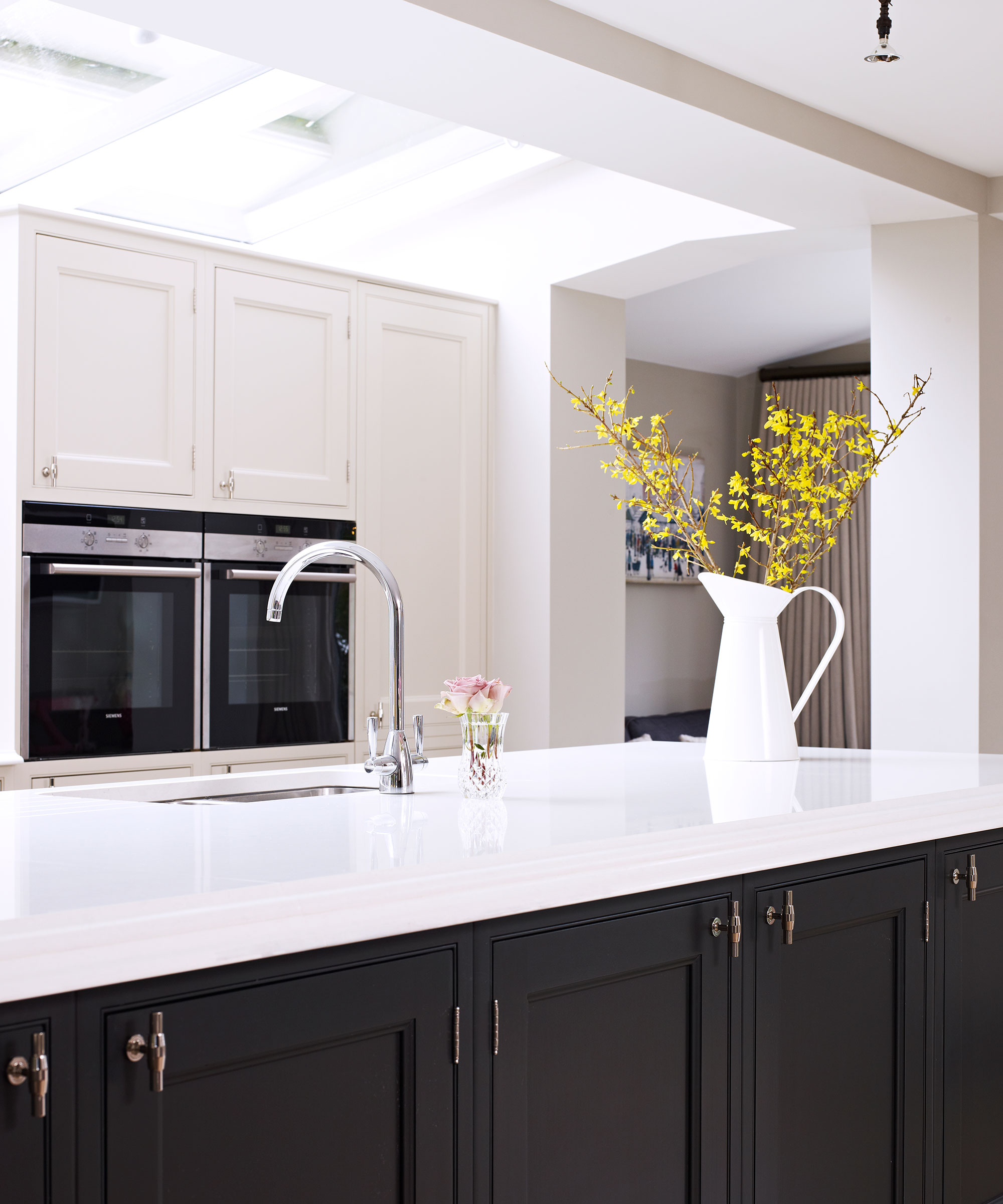
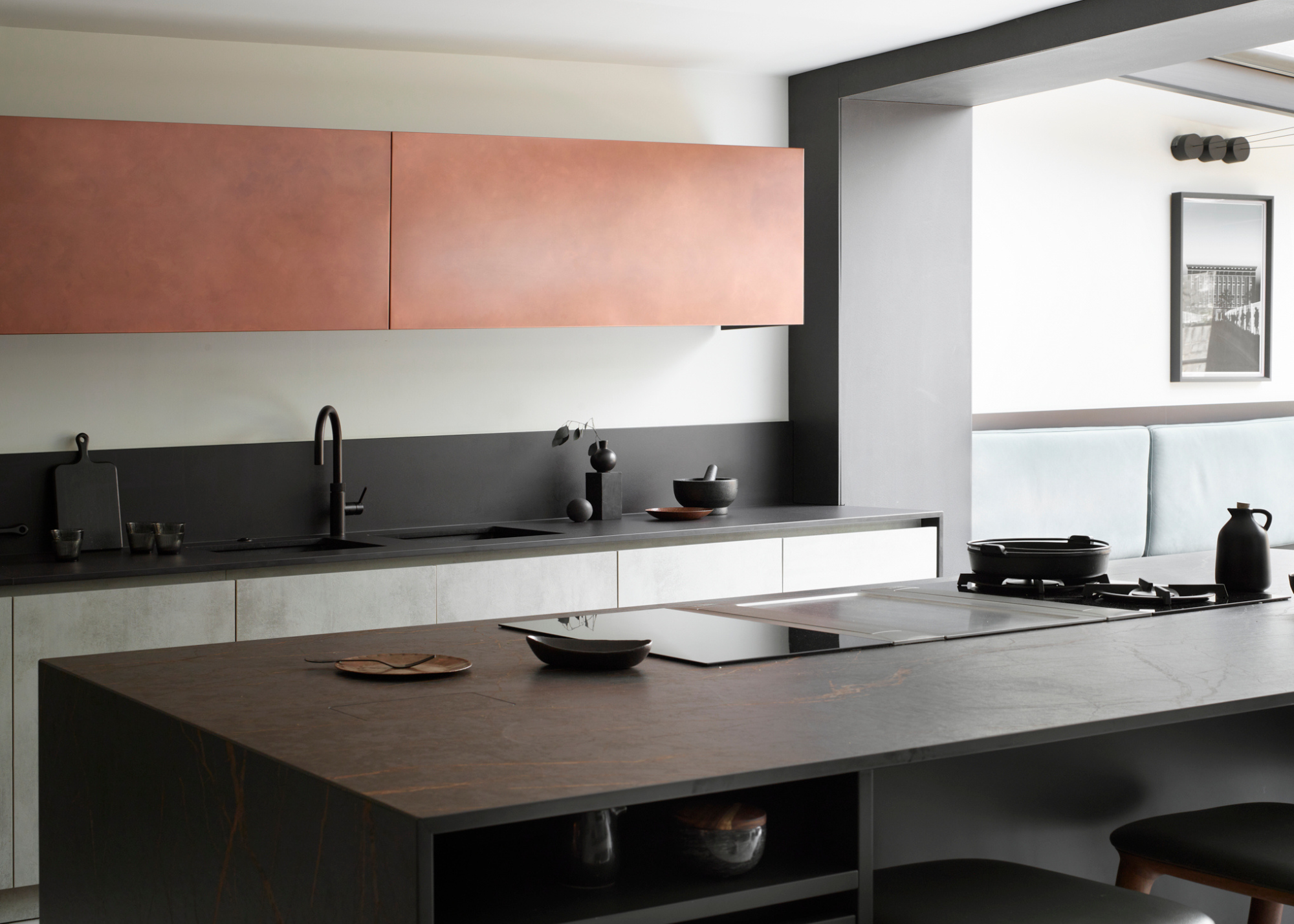
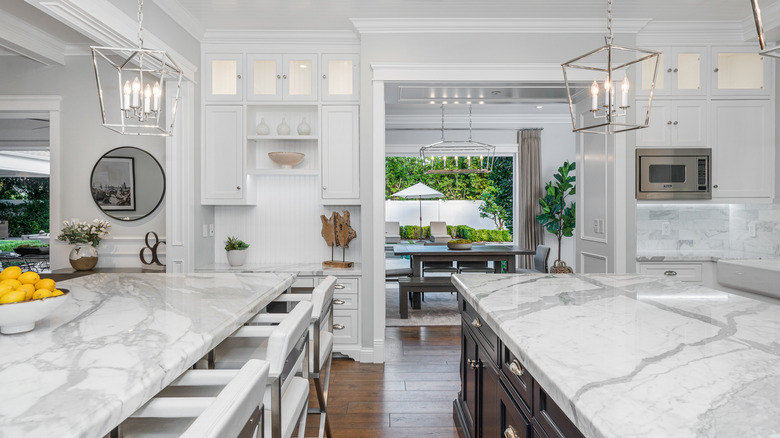
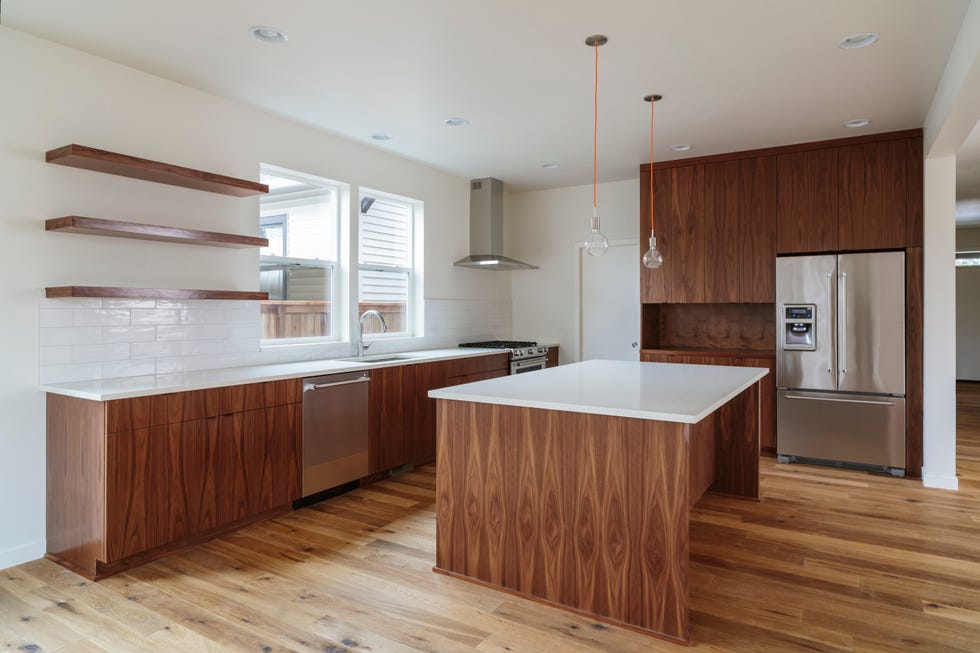
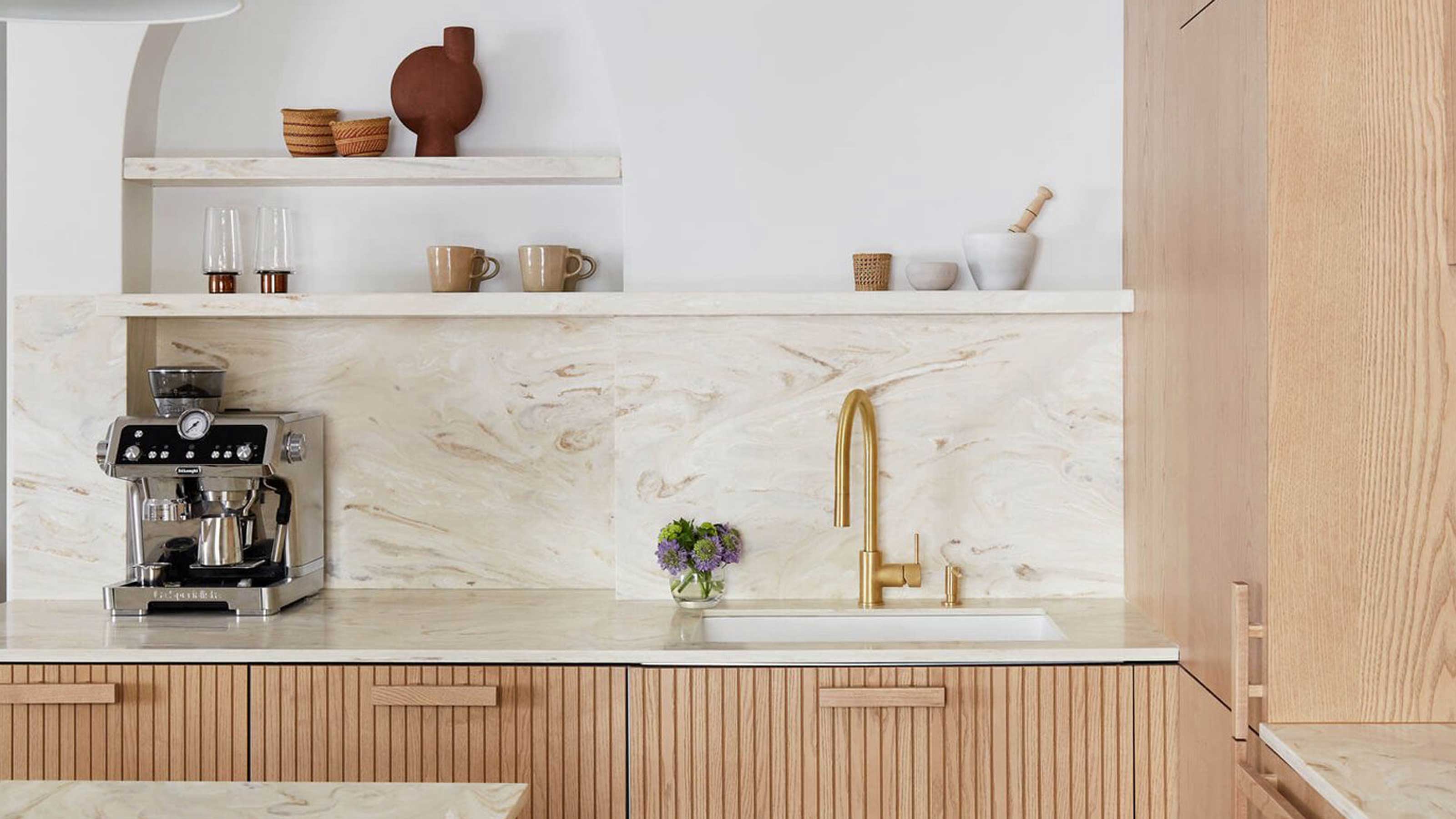
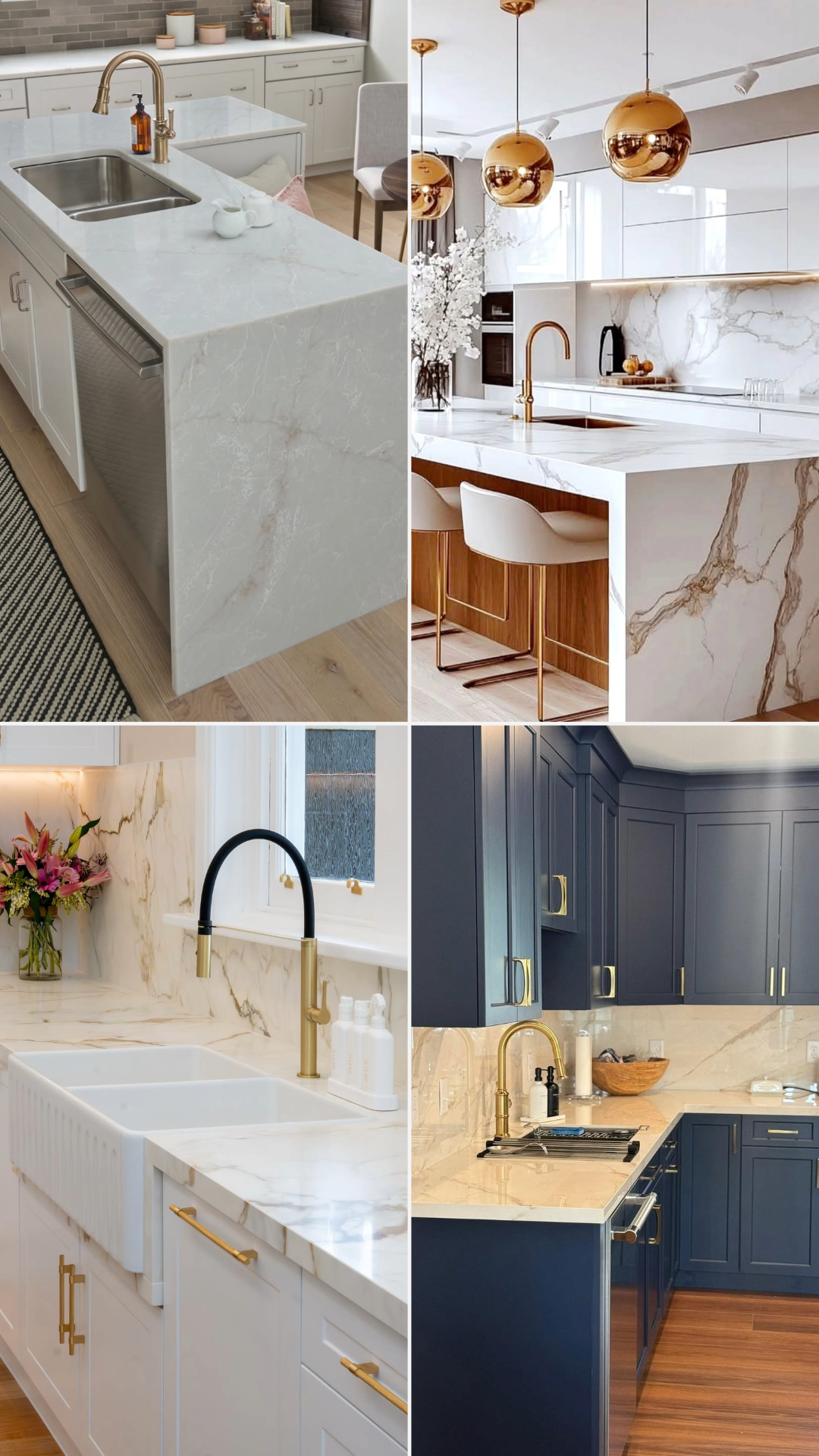
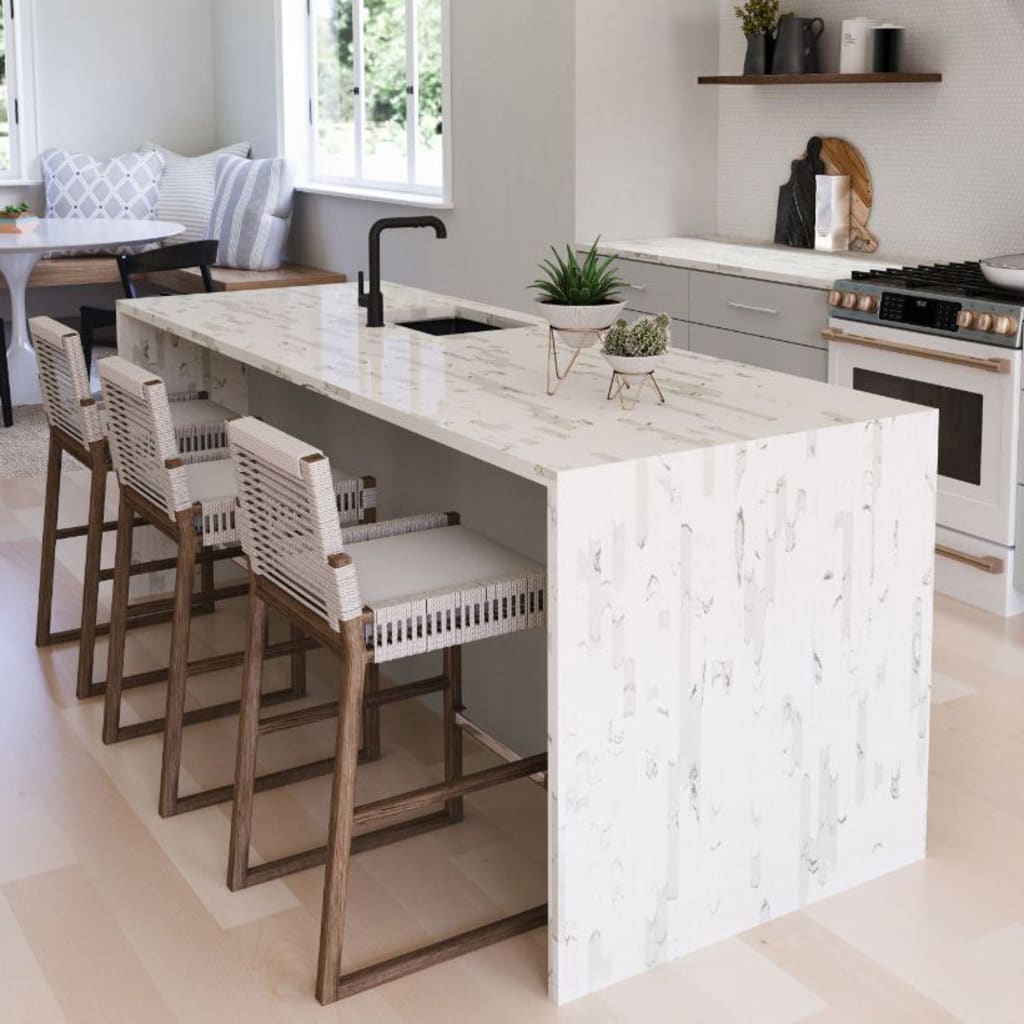
Corian, a solid surface countertop made from a blend of acrylic and natural minerals, offers an alternative to natural or engineered stone options for kitchen surfaces. Despite being a brand name, it has become a general term for this type of material, known for its non-porous nature and relatively low maintenance requirements. One of its key advantages is the almost invisible seams, which is particularly beneficial given the material's slab size limitations that often necessitate joining pieces. This seamless integration allows for applications like inset sinks and etched draining grooves, enhancing its aesthetic appeal and functionality.
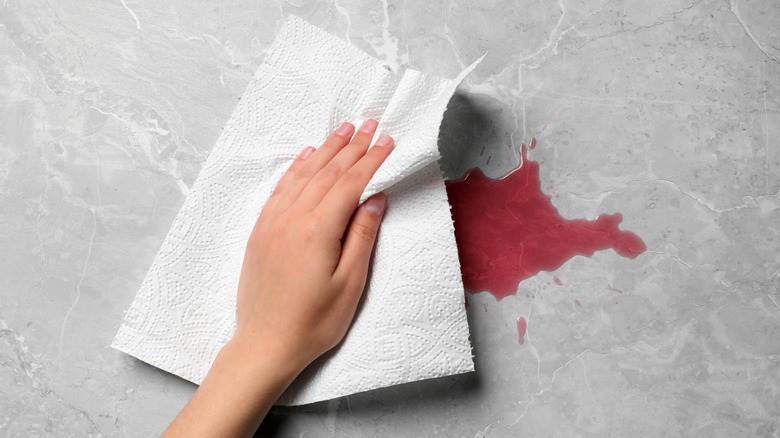
While Corian is largely stain-proof due to its non-porous surface, certain kitchen ingredients, such as spices and avocado, can leave marks if not cleaned promptly. Unlike some other materials, these stains tend to fade over a few days. For more stubborn stains, a tougher cleaner like Bar Keepers Friend is effective. However, it's crucial to understand that Corian is not as resilient to heat as materials like Quartz. Direct contact with hot items can lead to "thermal shock," causing the material to crack. Therefore, the use of trivets is strongly recommended for hot pots and pans, even though Quartz is generally more heat-resistant, it's still good practice to use trivets with any countertop material.
Durability-wise, Corian is somewhat more prone to chipping and scratching than Quartz. Despite this, it boasts a significant advantage in terms of repairability. Minor damage, such as scratches, can often be sanded away to restore the surface to its original condition. For deeper gauges or cracks, repair kits are available. In cases of more significant damage, sections can be cut out and replaced with new Corian pieces, with the seams then finished to blend seamlessly with the existing countertop. This repair process is particularly effective for countertops without elaborate patterns.
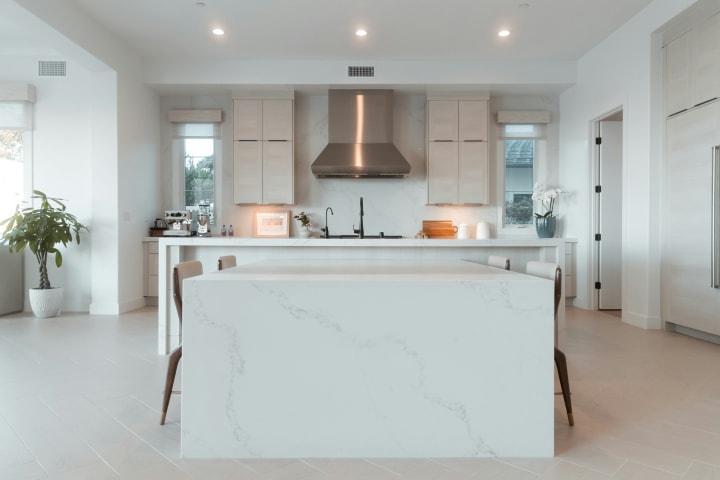
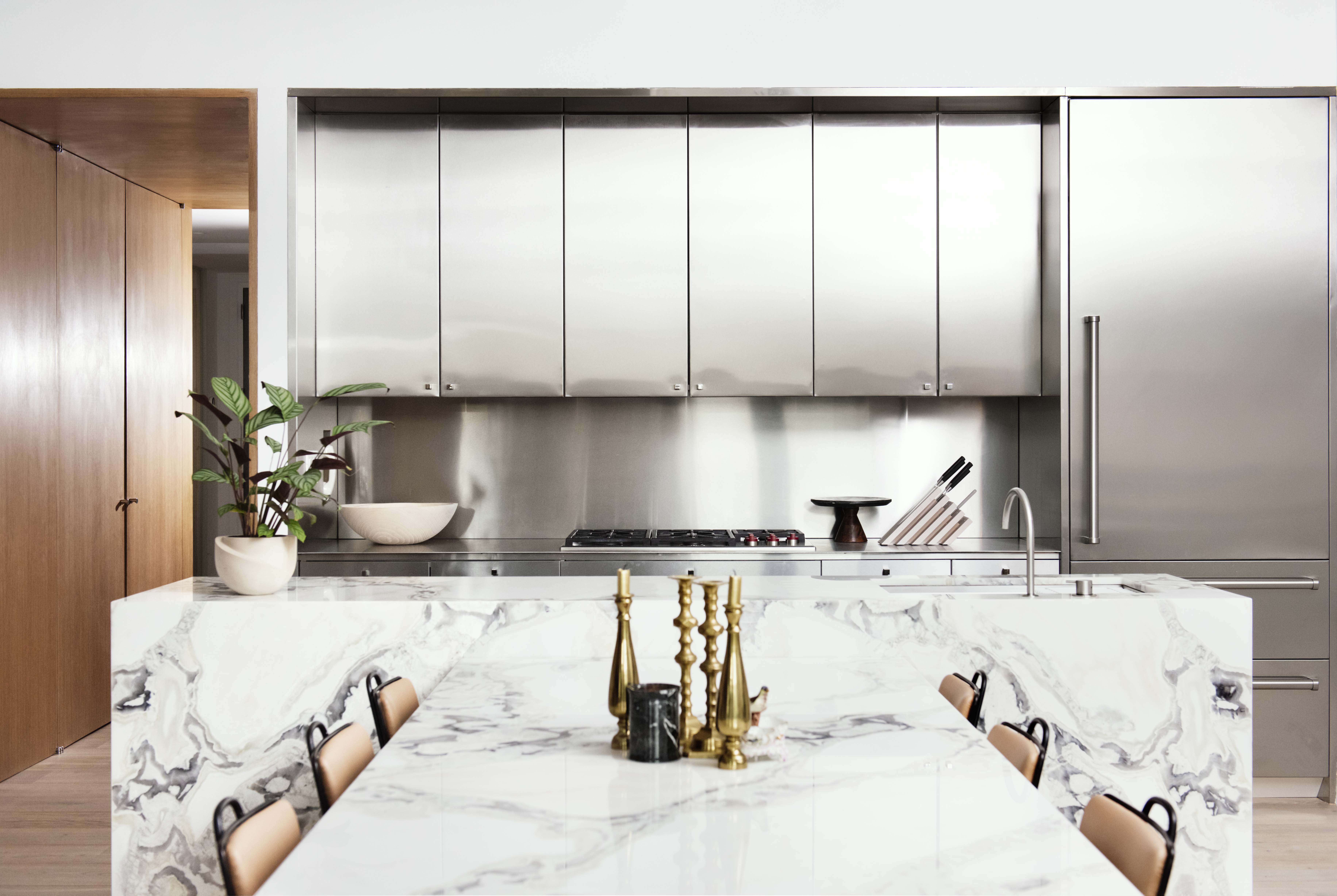
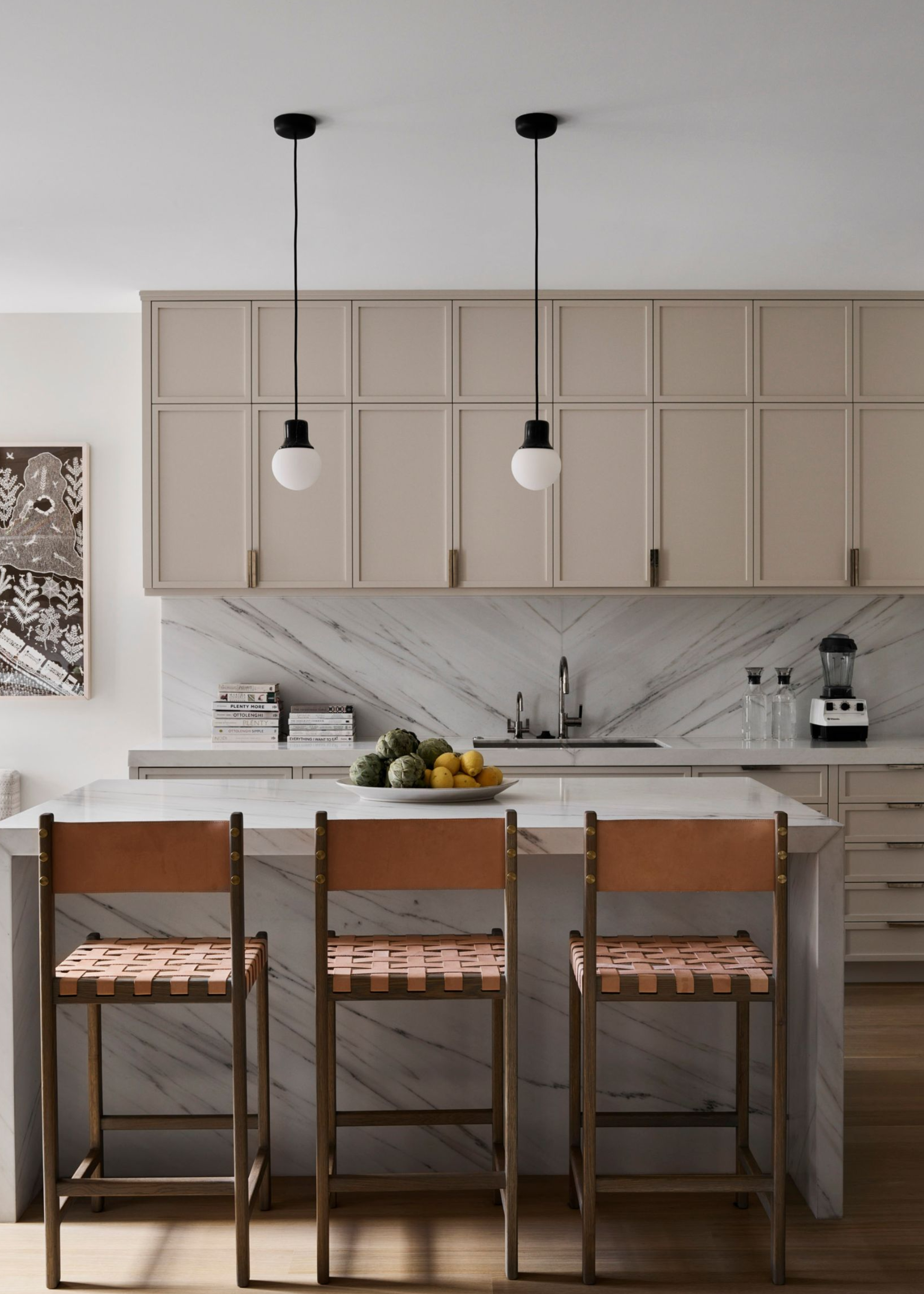
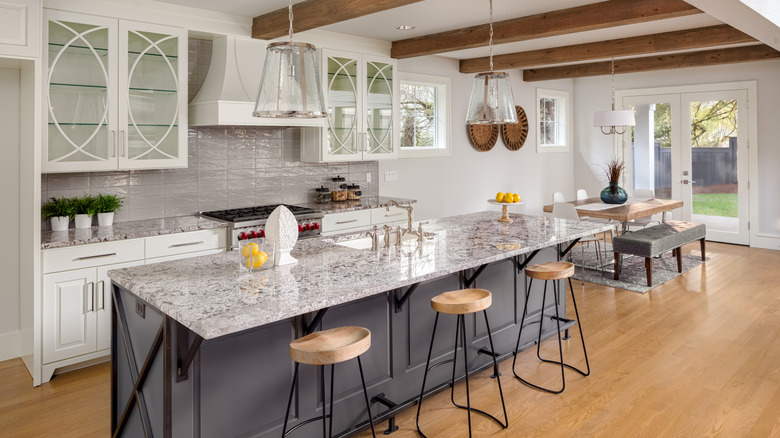
From a cost perspective, Corian is not significantly cheaper than Quartz, although a small price difference might exist, especially when comparing it to high-end Quartz finishes. Corian typically ranges from $40 to $65 per square foot, while Quartz can start at $50 per square foot and go upwards of $100 or even $200 for premium options. Therefore, if budget allows and there isn't a specific design preference for Corian, Quartz is generally considered a more robust option, offering greater peace of mind regarding damage resistance. Nevertheless, Corian remains a durable choice for individuals who are careful in the kitchen and committed to its maintenance, making it a viable consideration for kitchen remodels.
#CorianCountertops #KitchenDesign #CountertopMaterials #KitchenRemodel #HomeImprovement #InteriorDesign #MaterialComparison #KitchenMaintenance #SolidSurface #CorianCountertops #KitchenDesign #CountertopMaterials #KitchenRemodel #HomeImprovement #InteriorDesign #MaterialComparison #KitchenMaintenance #SolidSurface
0 comment in total
 No comments yet
You may also like
Best in class: Kitchen countertops
Kitchen countertop ideas – 21 worktops in marble, granite and composite materials

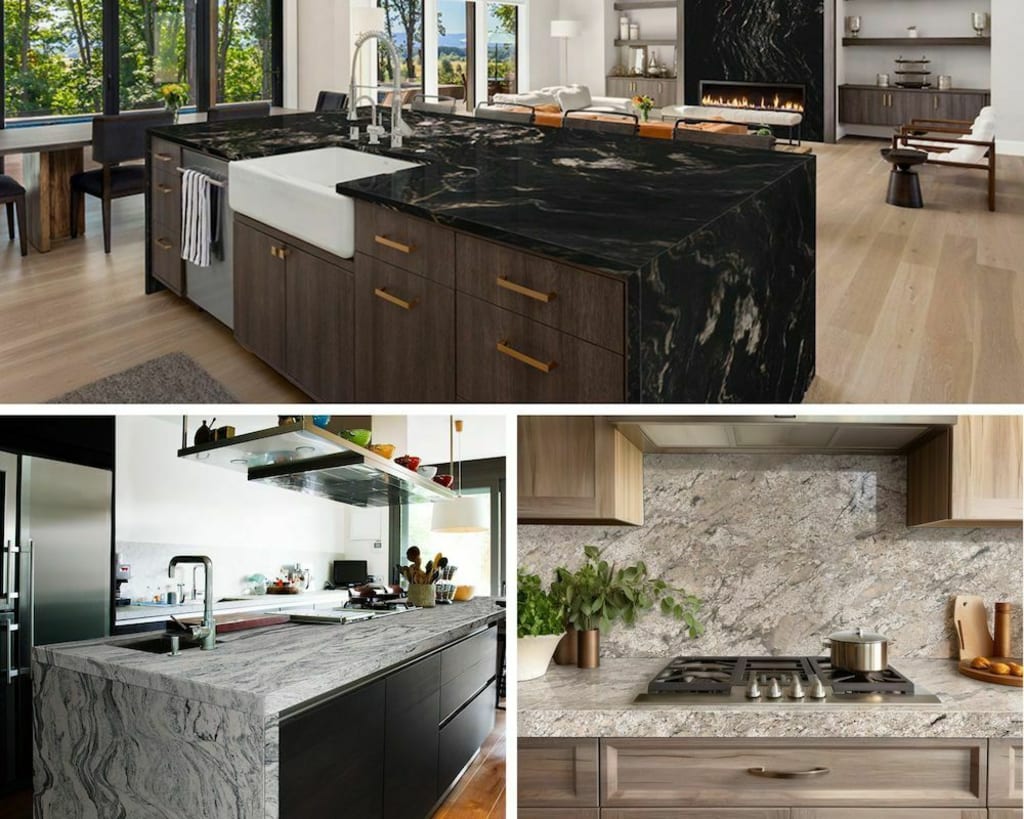
Top 10 Countertop Ideas to Transform Your Kitchen in 2025
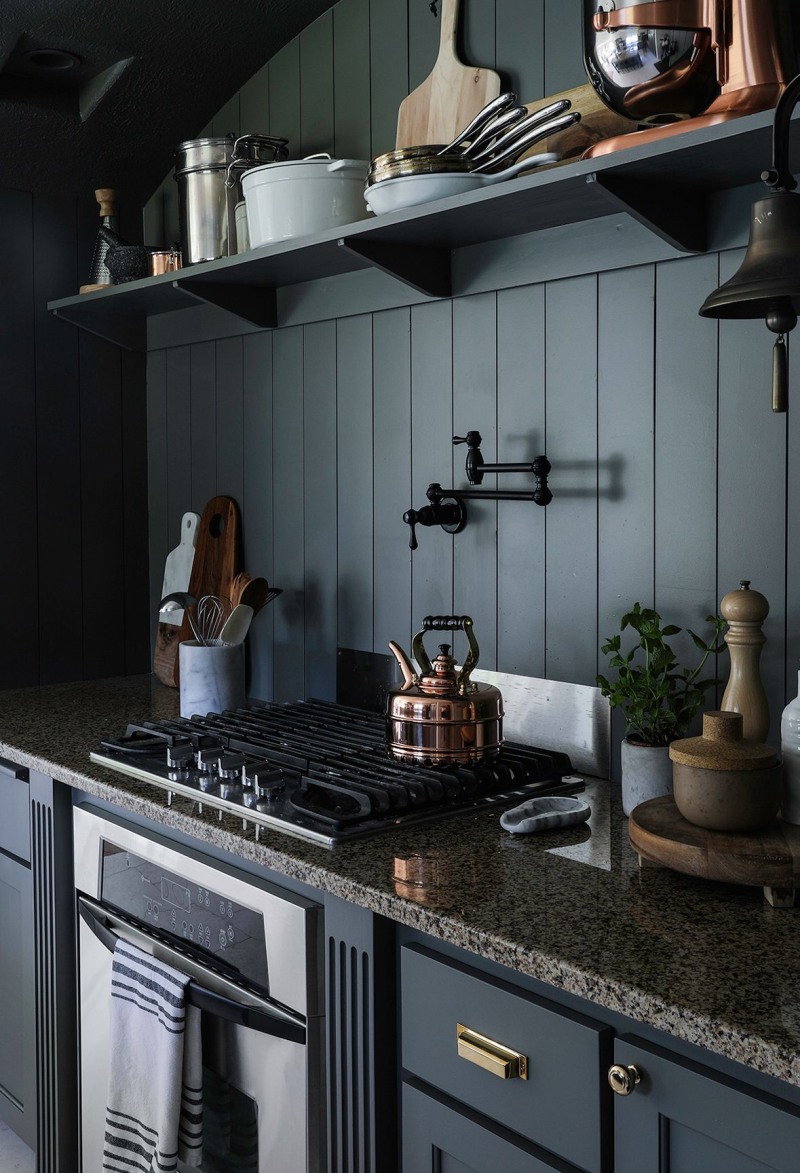
Homeowners Agree: This Dated Countertop Material One-Ups Trendy Quartz
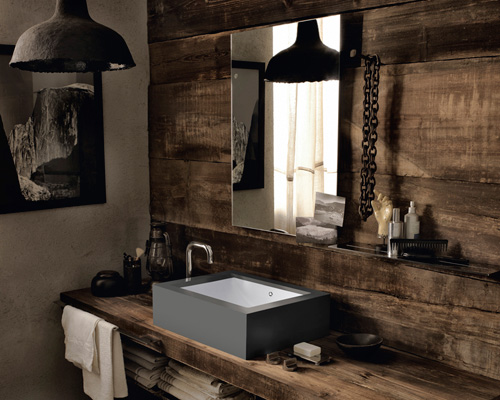
DuPont™ Corian® renews and expands collection of ready-made basins + sinks
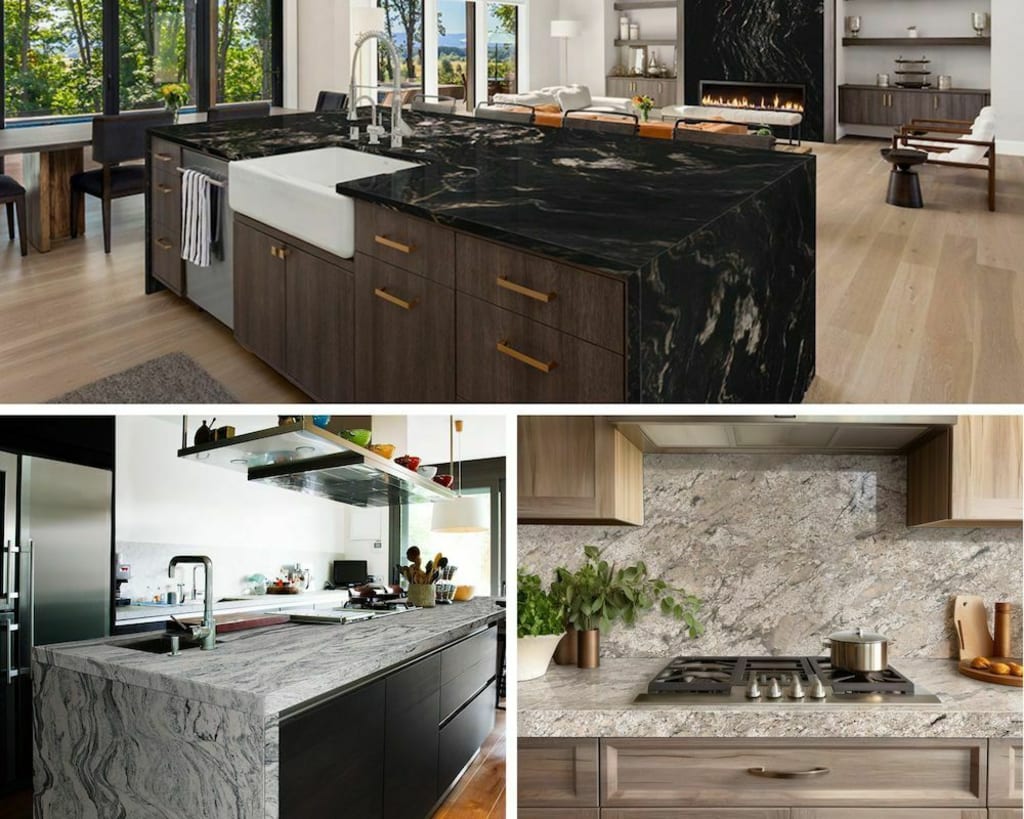
Top 10 Countertop Ideas to Transform Your Kitchen in 2025

30 Kitchen Countertop Ideas You Should See Before Picking a Slab, Color, or Pattern
I'm Calling It, Porcelain Is the Most Underrated Material for Countertops — These Are the Pros and Cons to Know

5 kitchen countertops that never go out of style – timeless choices to suit any homeowner

corian® solid surface shapes, curves and backlights hotels from spas to sculptural walls
For Every Kitchen Cabinet Style, We Found the Perfect Countertop

How To Pick The Perfect Countertop Material For Your Kitchen

How To Clean & Maintain Countertops: From Corian to Quartz
Kitchen countertop ideas – 14 worktops in marble, granite and composite materials
6 outdated kitchen countertop trends to leave behind in 2025
From Natural Stone to Plastic Laminate, We're Helping You Choose the Best Countertop Material for Your Kitchen
The Best Countertop Materials for Every Type of Kitchen

The Best Types of Kitchen Countertops

Are Granite Countertops Outdated?

Best 5 Quartz Countertops to Upgrade Your Kitchen