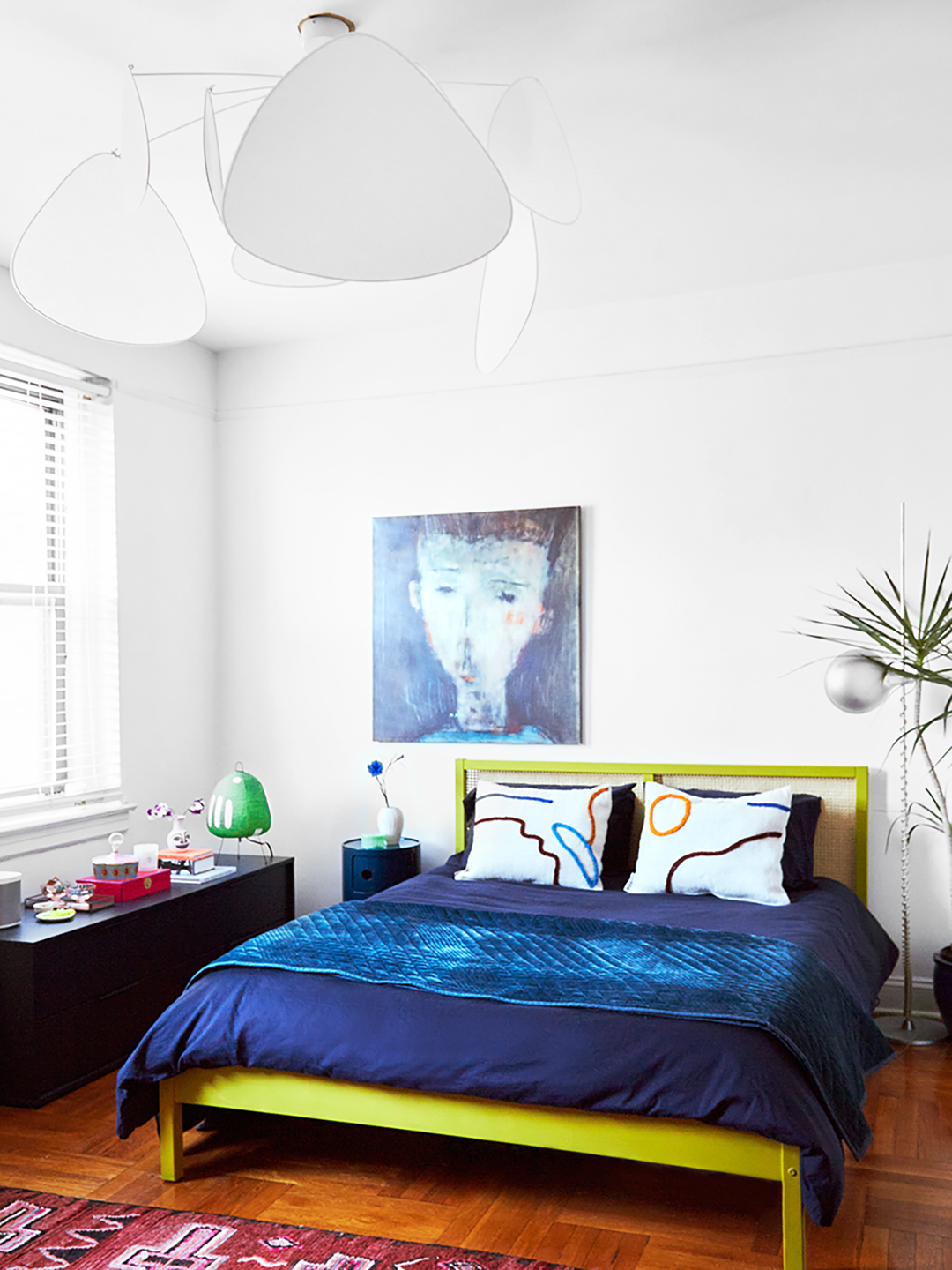
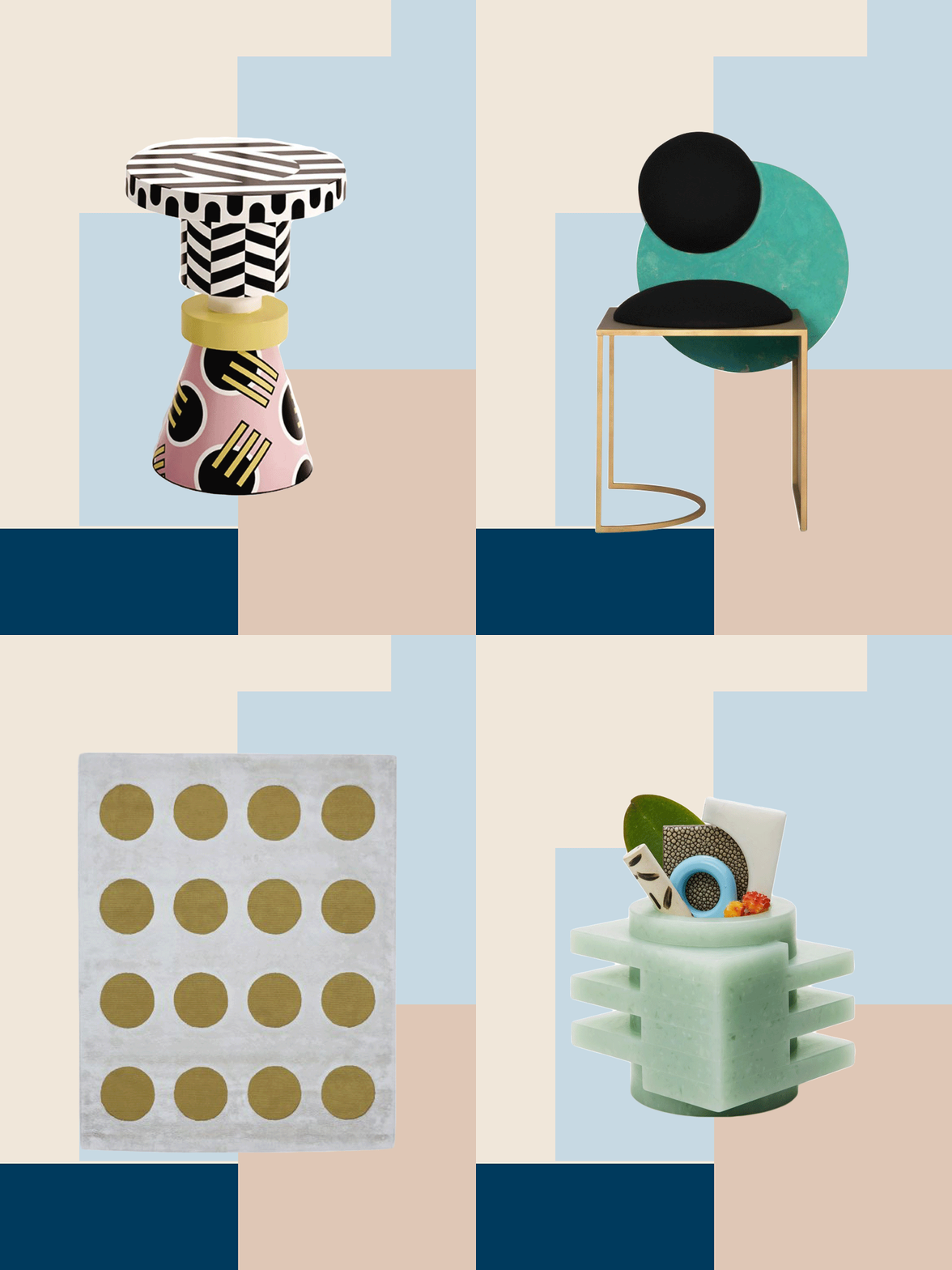
Unpopular Opinion: Can We Please Say Goodbye to Memphis Design Already?
The article discusses the resurgence of the Memphis Movement in interior design, an aesthetic characterized by postmodern shapes, clashing saturated colors, and distinctive patterns. Originating in the early 1980s with the Italian design and architecture firm led by Ettore Sottsass, the style initially gained mainstream recognition through popular culture such as TV shows like _Pee-Wee’s Playhouse_ and _Saved By the Bell_. Despite its niche appeal at the time, the Memphis Movement has seen a significant comeback in recent years.
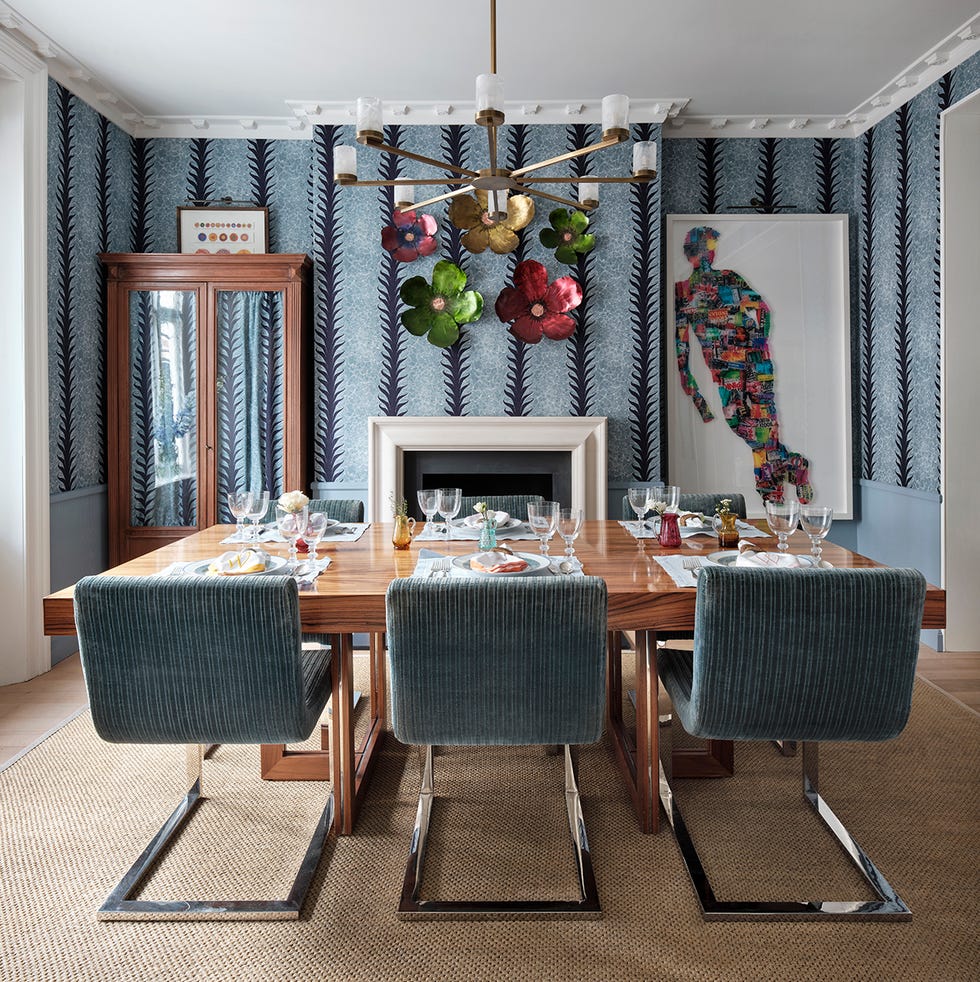
This revival began around 2012 with an exhibition at London's Victoria and Albert Museum, followed by its prominent display at Salone del Mobile by 2015, featuring new interpretations from brands like Kartell and Cappellini. The trend has since permeated broader consumer markets, with collections from household names such as Supreme, Acme, and West Elm. Contemporary designers including Katie Stout, Ella Van Dusen, and Anna Karlin are also incorporating elements of the Memphis style into their work. Notable recent examples include Raquel Cayre’s “Racquel’s Dream House,” an Instagrammable space dedicated to modern Memphis aesthetics, and Sasha Bikoff’s psychedelic Memphis-inspired staircase at the Kips Bay Decorator Showhouse, as well as her _Miami Vice_-infused fitness studio in Manhattan.
The author acknowledges the importance of recognizing and honoring past design movements and their influence on newer generations. However, a critical perspective is presented regarding the long-term viability of fully embracing the Memphis style. The article suggests that, for many, an all-out commitment to this bold aesthetic might lead to regret within a few years, unless one is a true maximalist or a particularly carefree decorator.
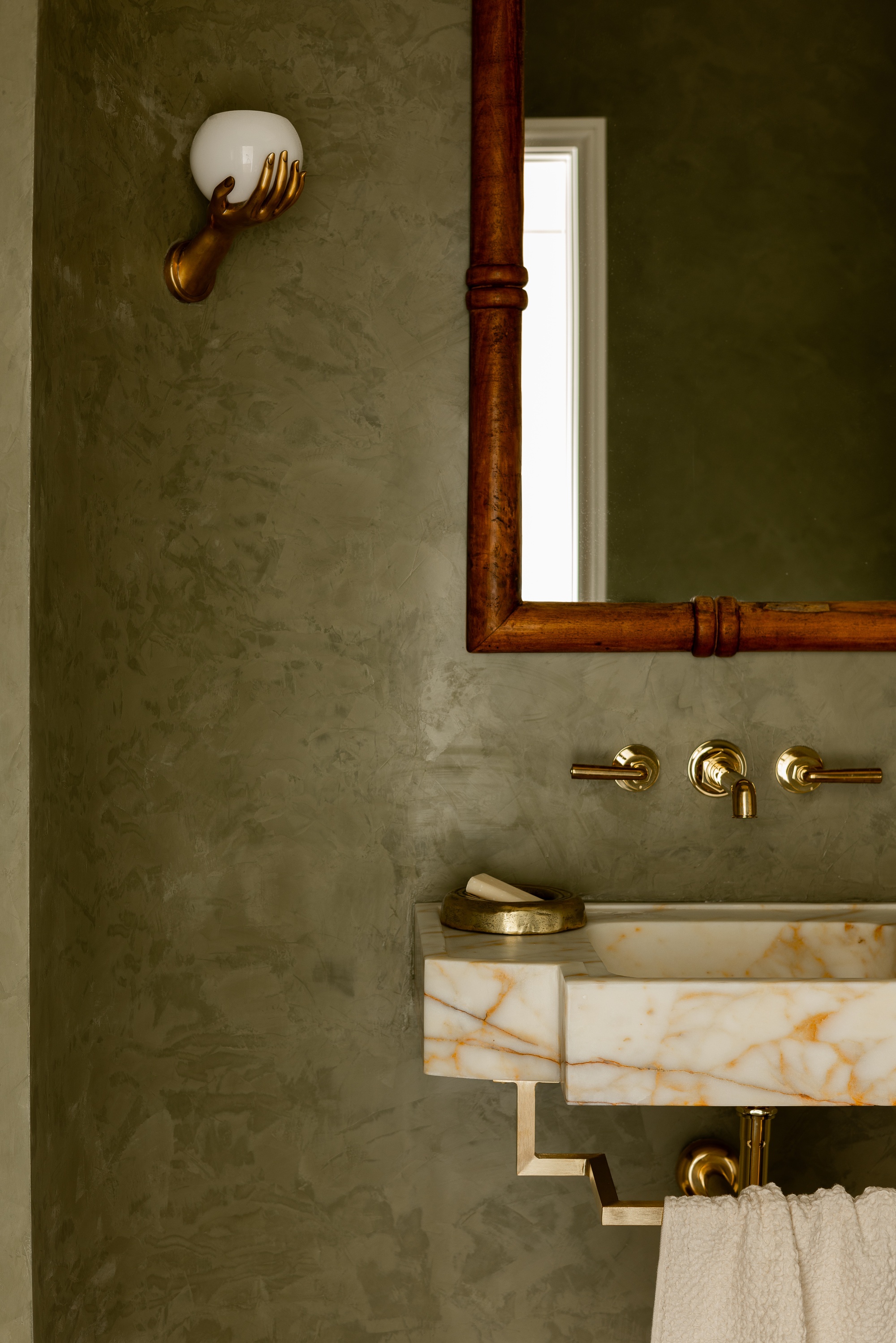
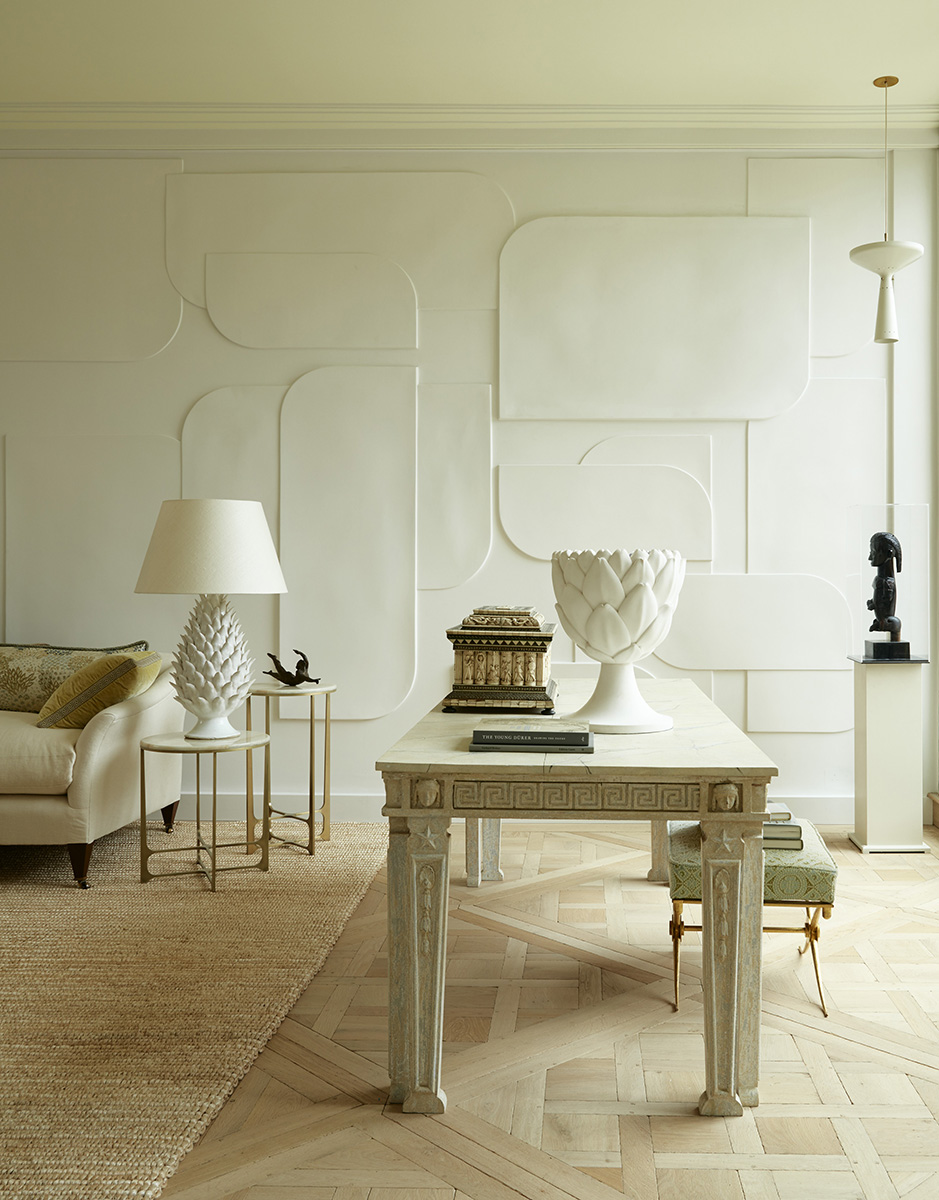
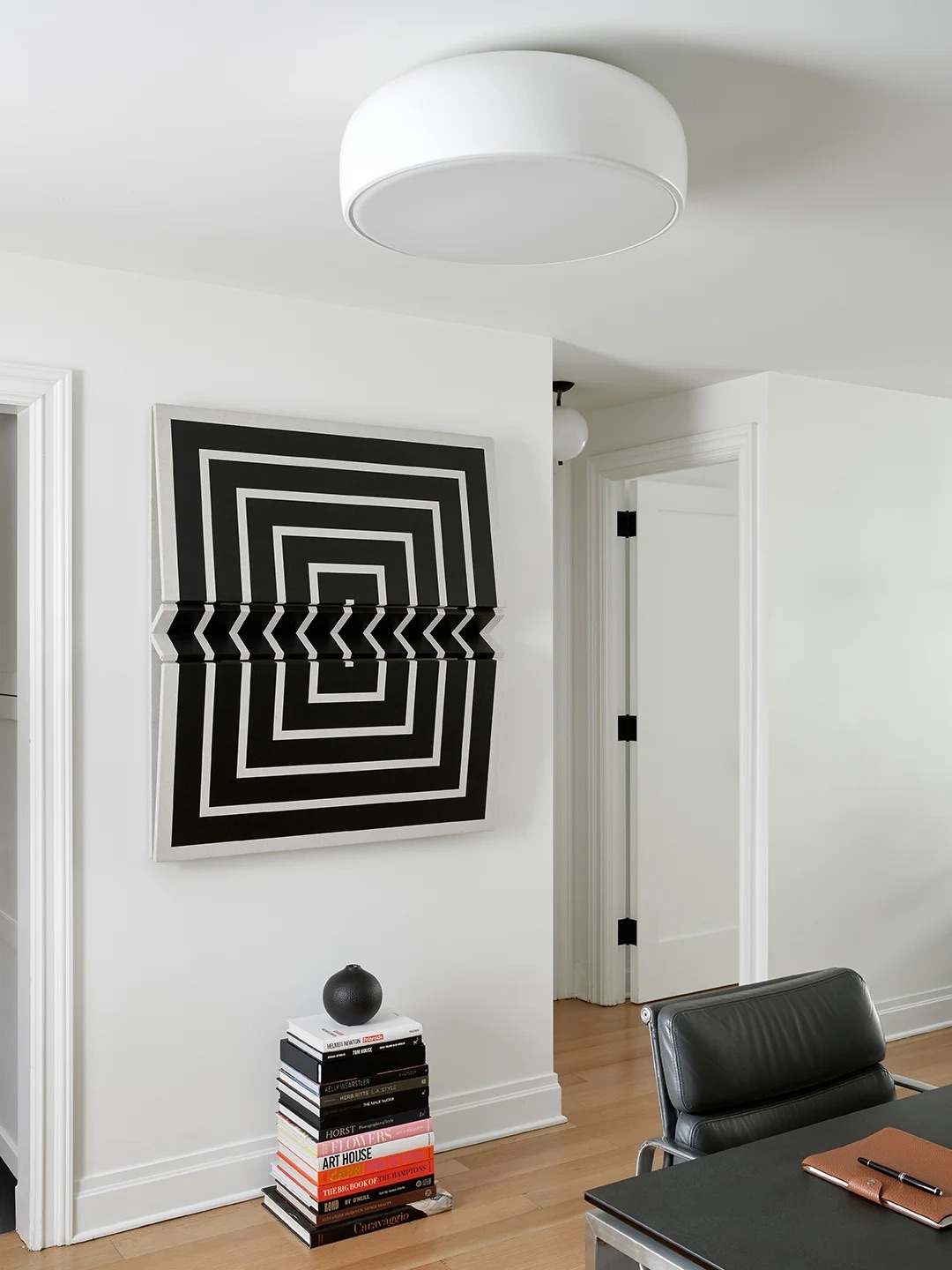
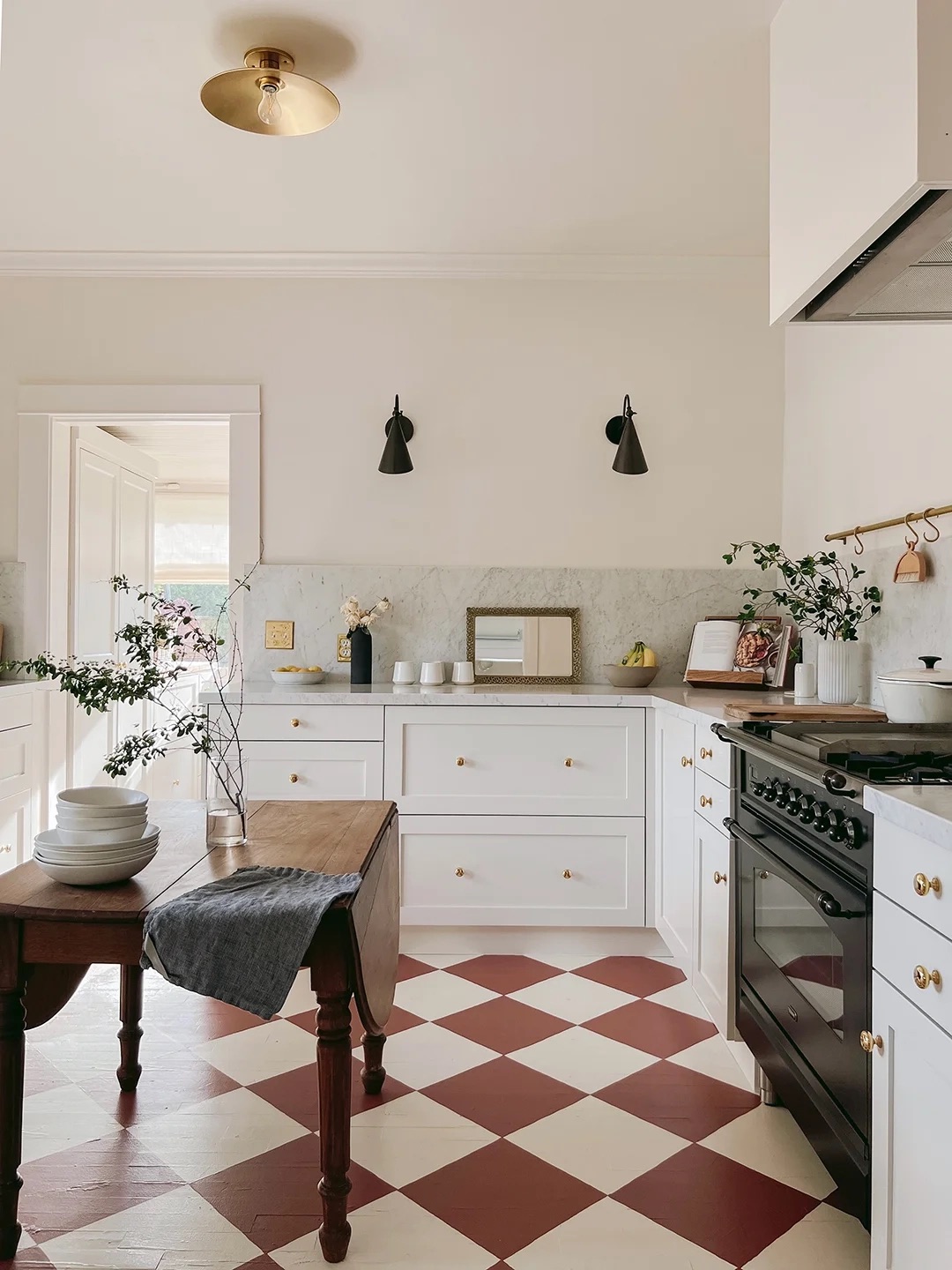
Instead of full-scale adoption, the article recommends a more cautious approach for incorporating Memphis-inspired elements into home decor. It advises opting for smaller accessories that can add character without requiring a complete overhaul. Examples of such items are not explicitly given but implied through the suggestion of “slightly more subtle Memphis-inspired pieces” with “comparatively subdued color palettes and their small scale.” The rationale is that these smaller, less dominant pieces would be more palatable and sustainable within a home’s decor over a five-year period, minimizing the risk of future dissatisfaction with bold, potentially fleeting design choices.
#MemphisDesign #InteriorDesignTrends #Postmodernism #DesignRevival #HomeDecor #EttoreSottsass #DesignHistory #StyleAndShopping #TrendAnalysis #MemphisDesign #InteriorDesignTrends #Postmodernism #DesignRevival #HomeDecor #EttoreSottsass #DesignHistory #StyleAndShopping #TrendAnalysis
0 comment in total
 No comments yet
You may also like
It’s Time to Say Goodbye to These Outdated Design Trends in 2024
Designers Agree: Open Concept Is Out, Tradition Is In

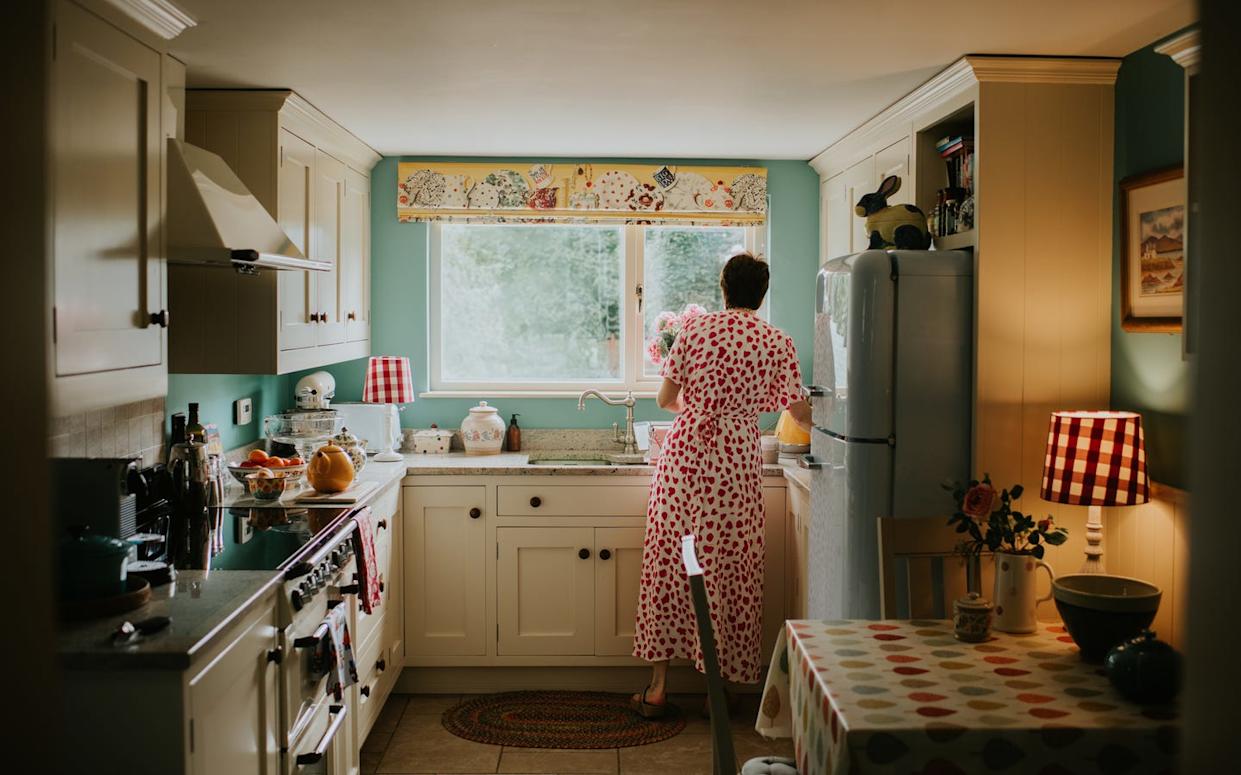
Designers Agree: Open Concept Is Out, Tradition Is In

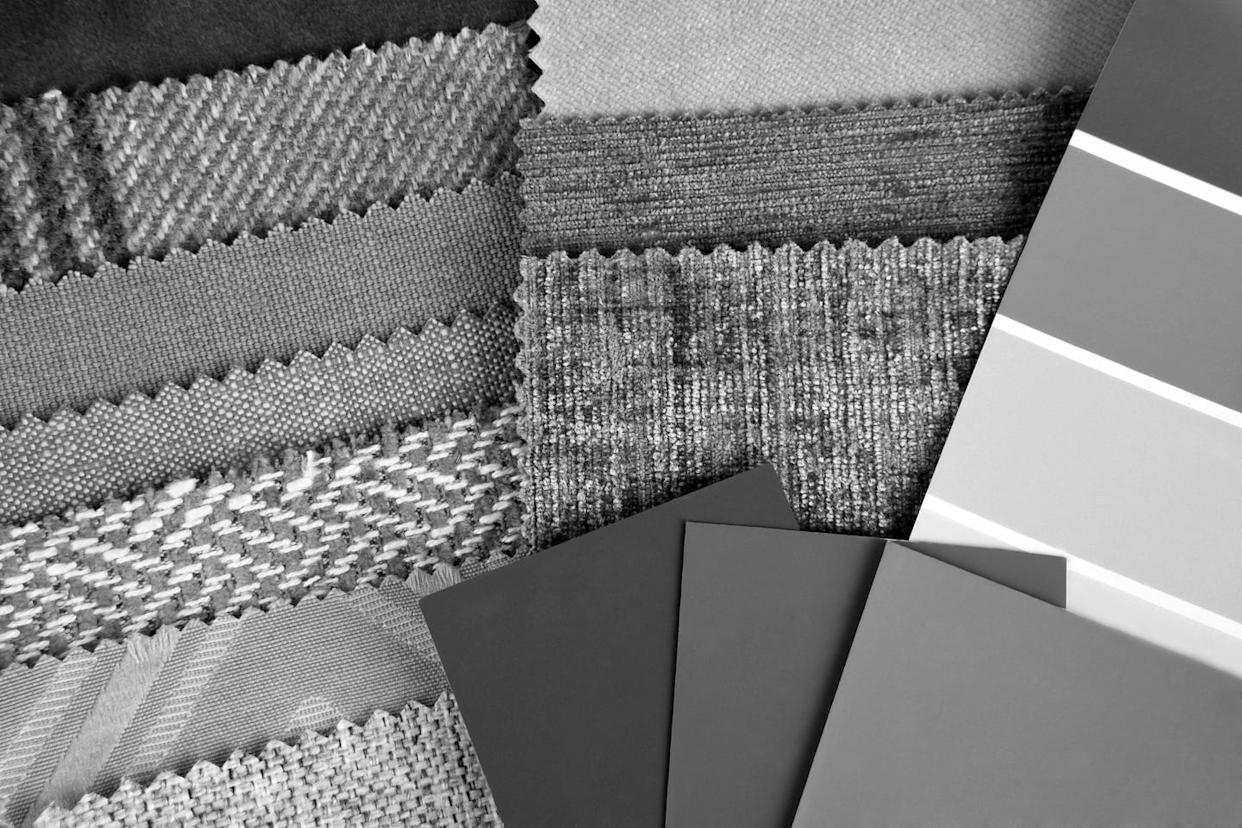
Every Designer I Talked to Said This Popular Paint Color Is on Its Way Out
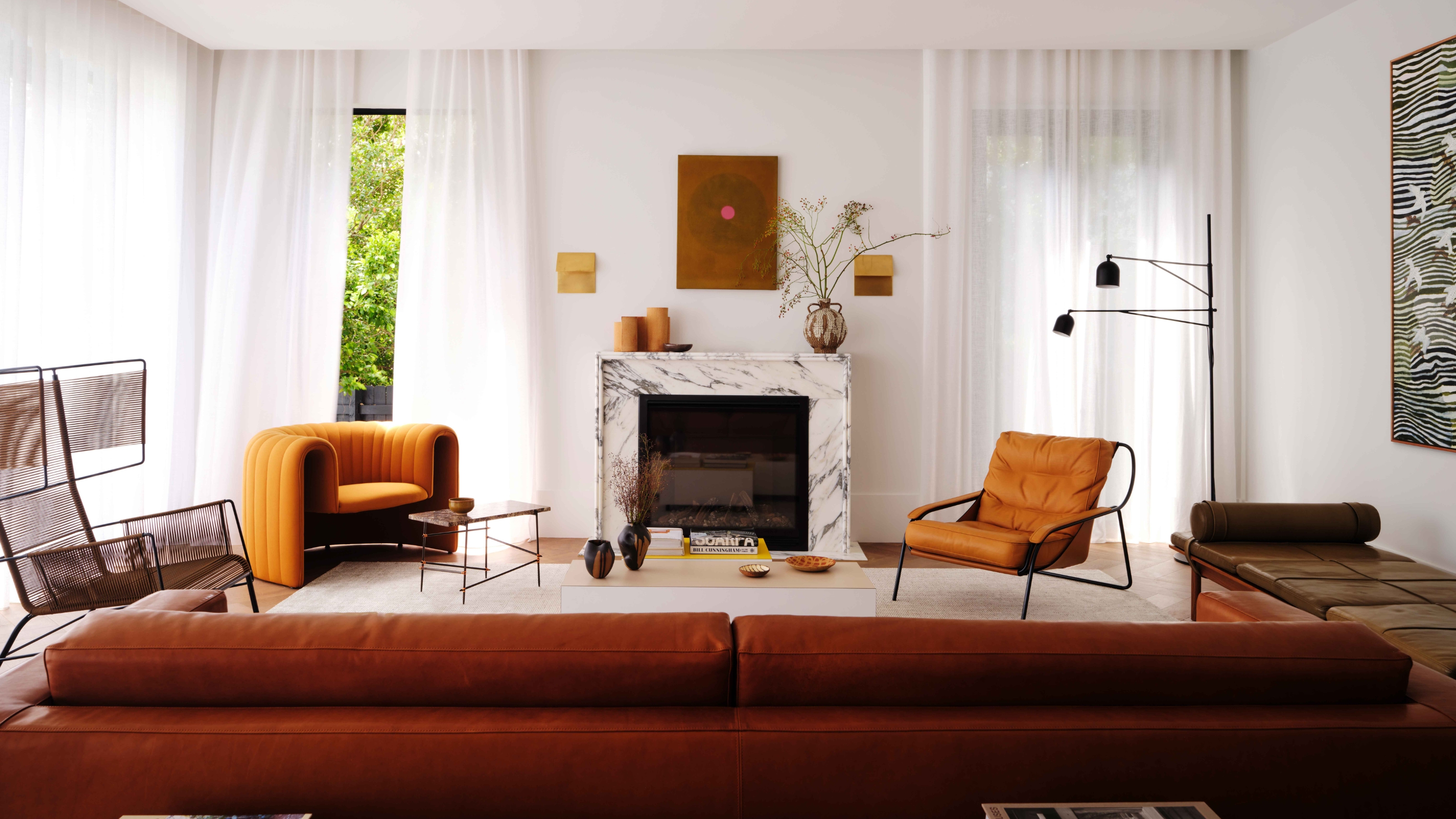
Sorry, but It's 2025 — These Outdated Interior Design Rules (Too Many People Still Swear By) Should Be Ignored


How SCAPE Flipped the Design Script In Memphis

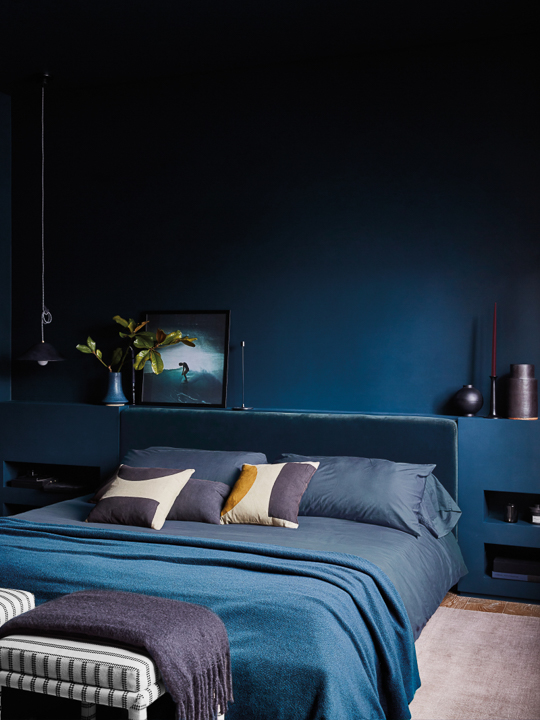
It’s Official: Designers Are Ditching This Once-Classic Color
Designers Notoriously Hate This Feature—Here’s Why I (Respectfully) Disagree

The Controversial Design Style That's Out for 2025, According to Designers
Sorry, but These Design Trends Will Be Outdated in 2025

This Outdated Stair Trend Is Fading Fast—and Designers Say It's Time to Move On

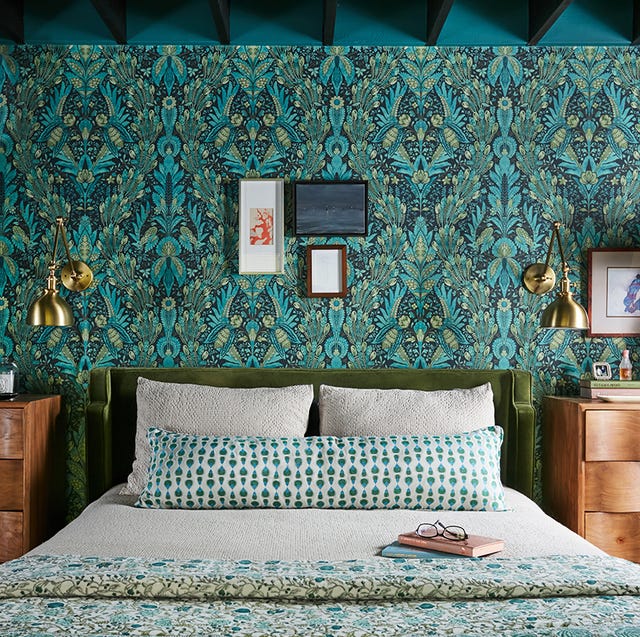
Designers Are Officially Ditching This Design Trend in 2024

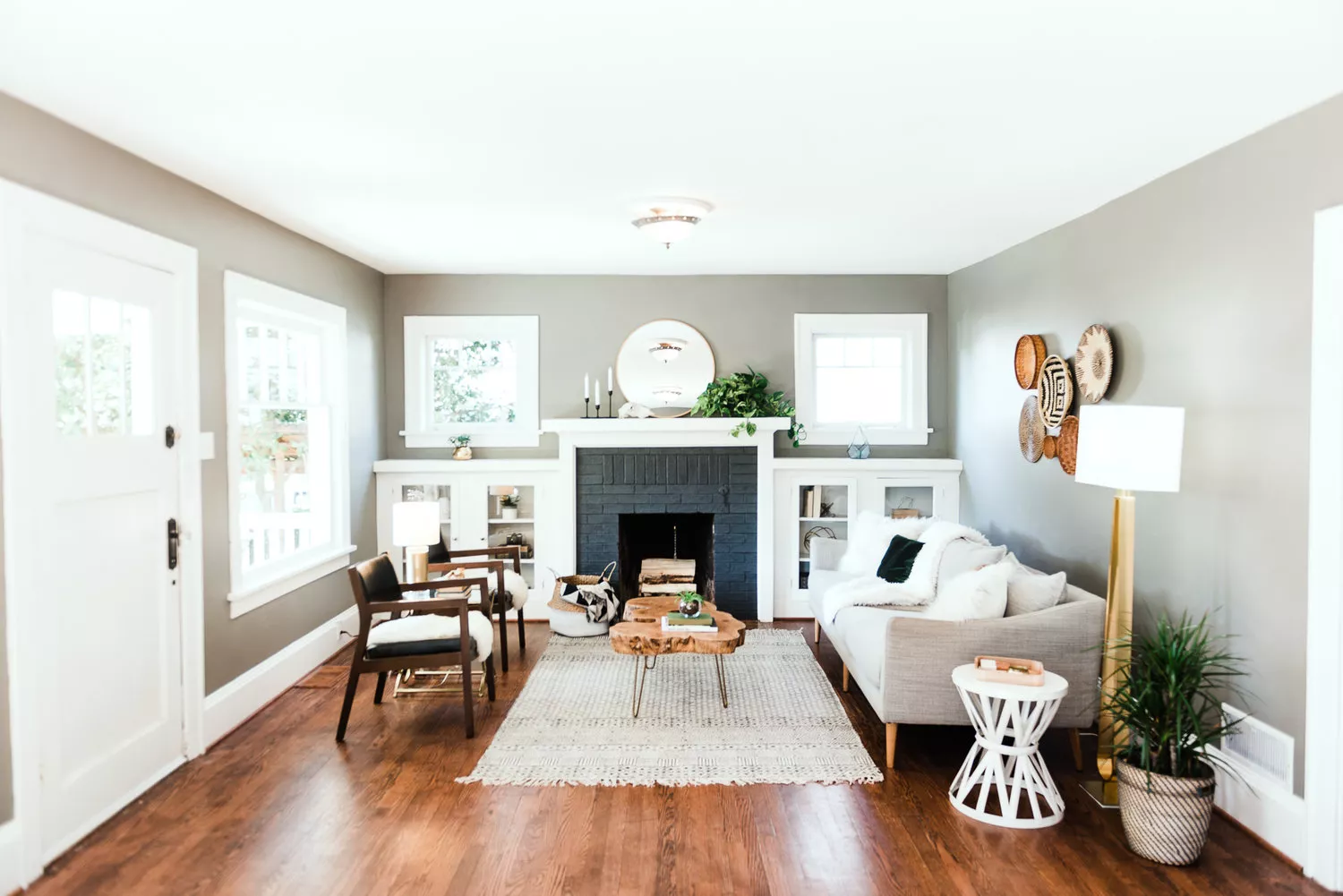
Is Gray On Its Way Out? Designers Tell Us Their Opinions

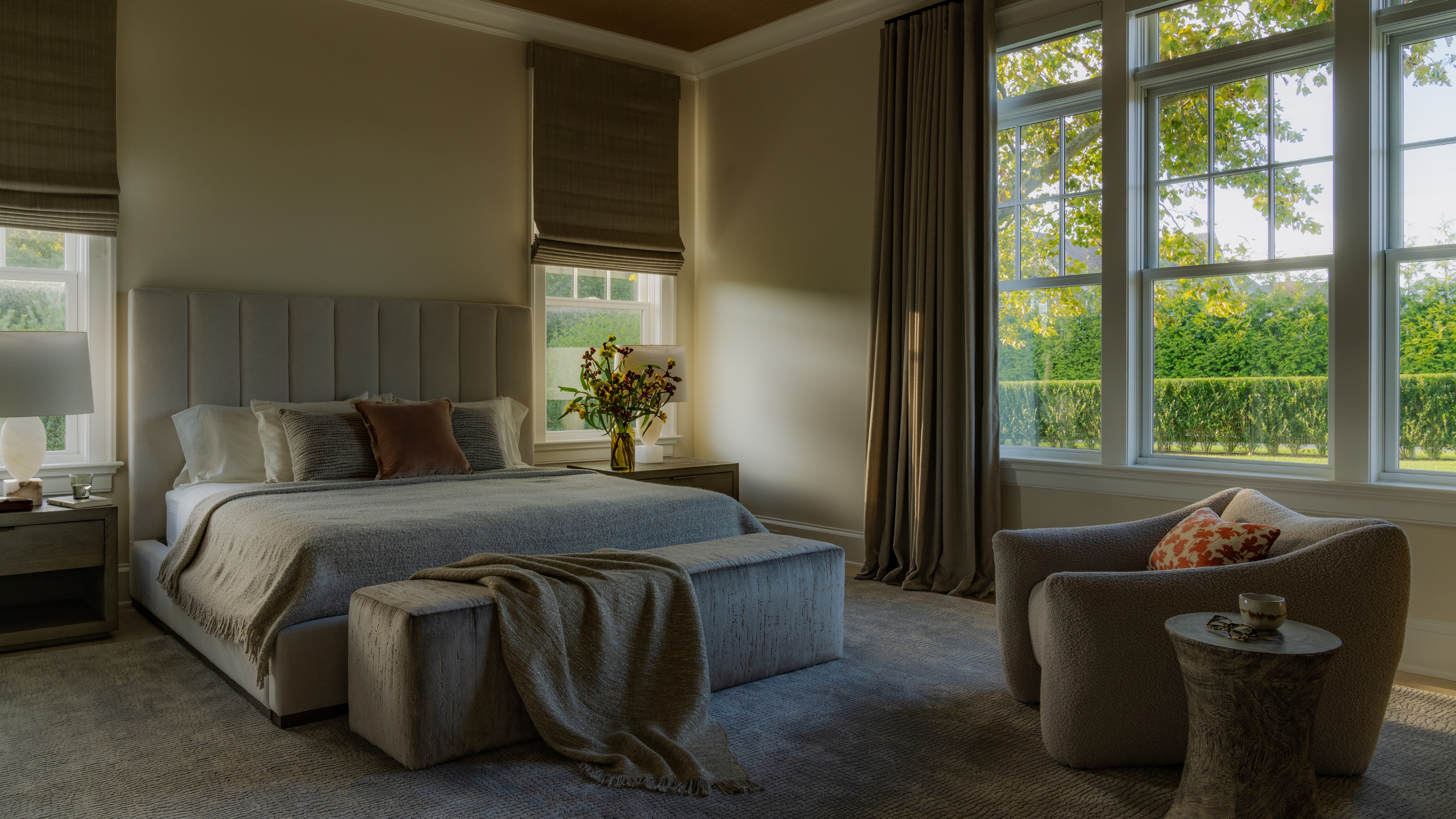
No More of These, Please — 4 Outdated Window Treatments Designers Don't Want to See You Using Anymore
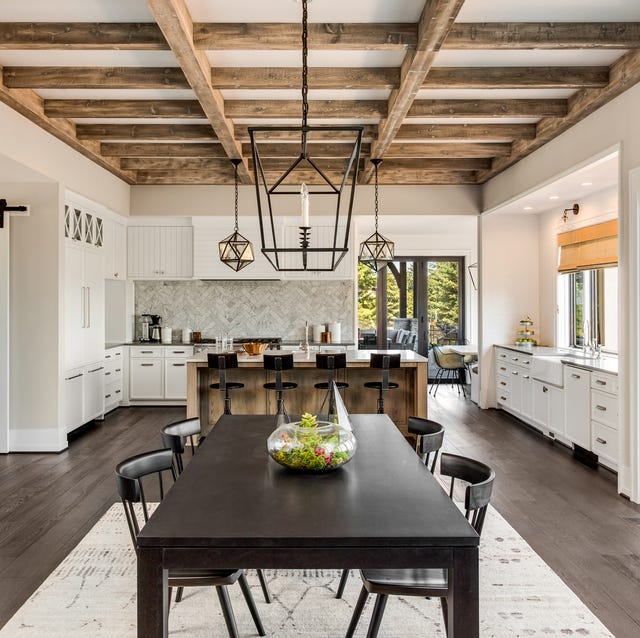
Designers Say This Beloved Style Is Completely Out for 2025
People Are Revealing The "Outdated" Home Design Trends They Want Brought Back, And It's Controversial