1/5
Upper Kitchen Cabinets Are on Their Way Out in 2025 — Here’s What’s Replacing Them
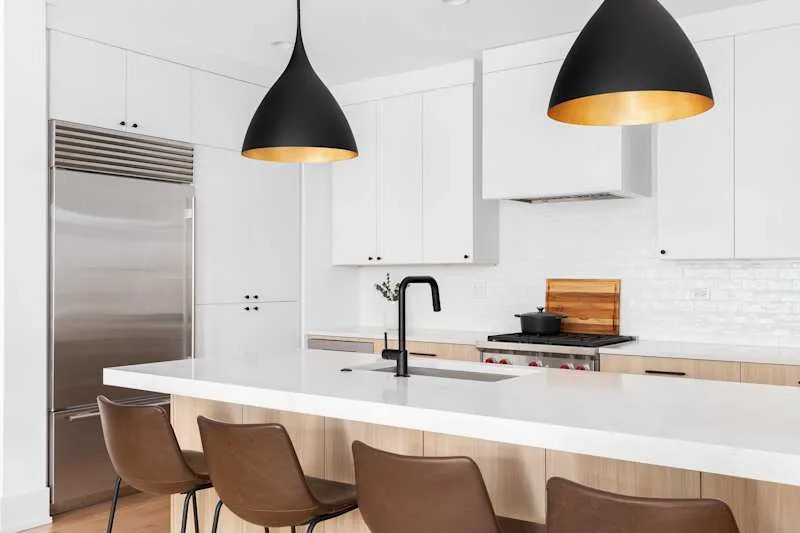
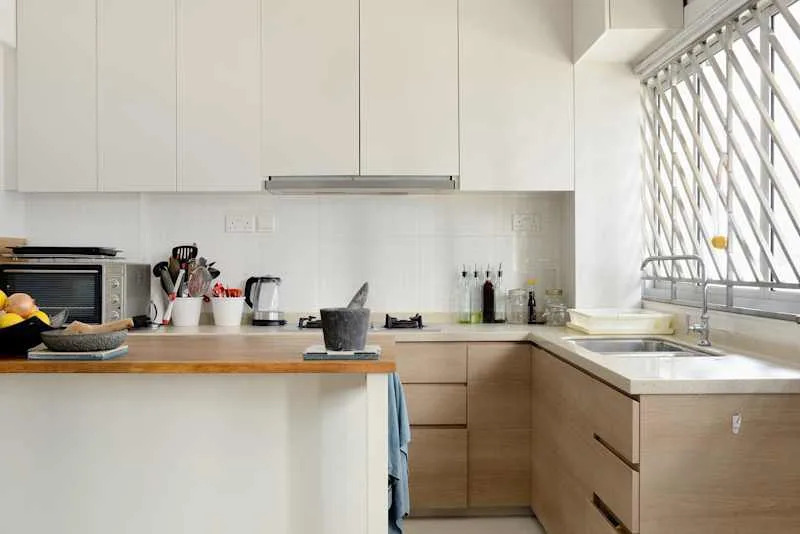
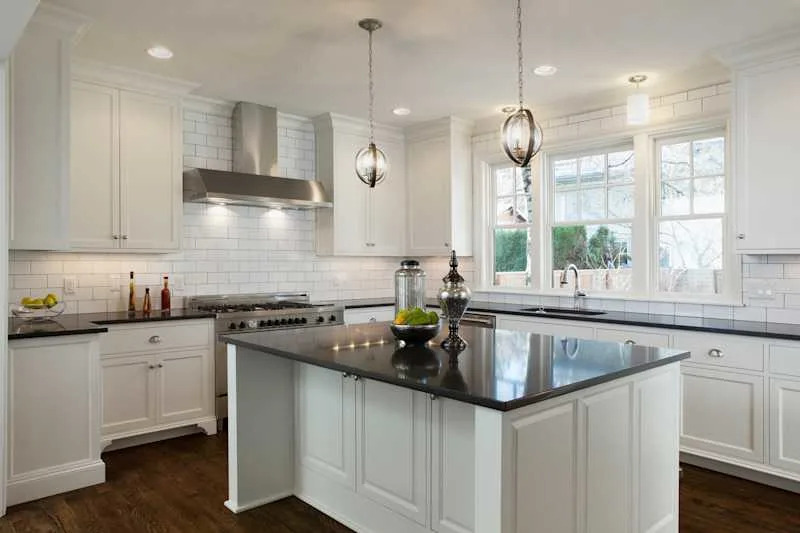
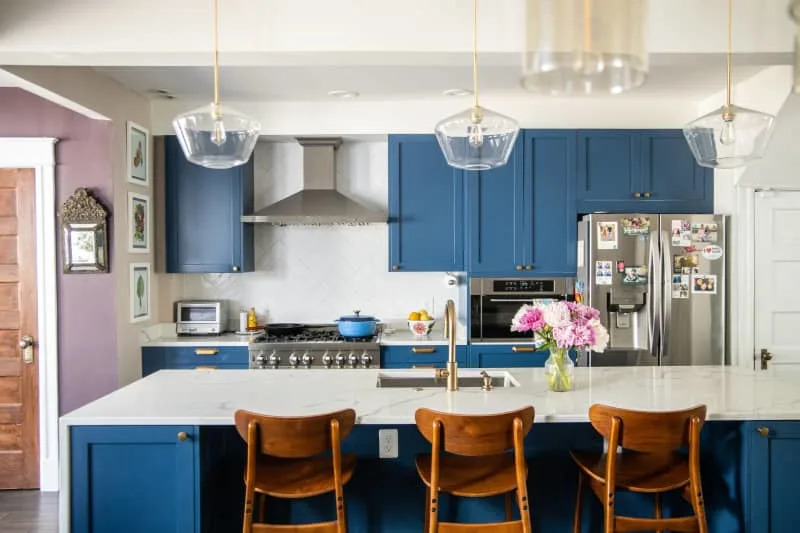
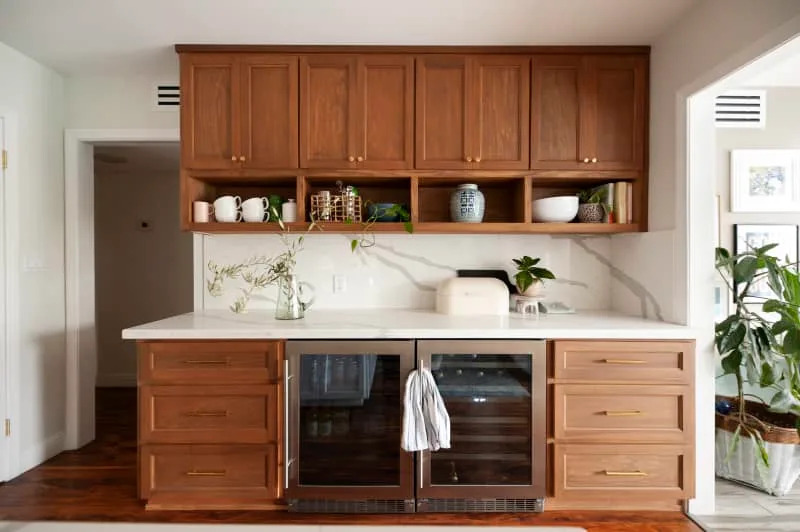
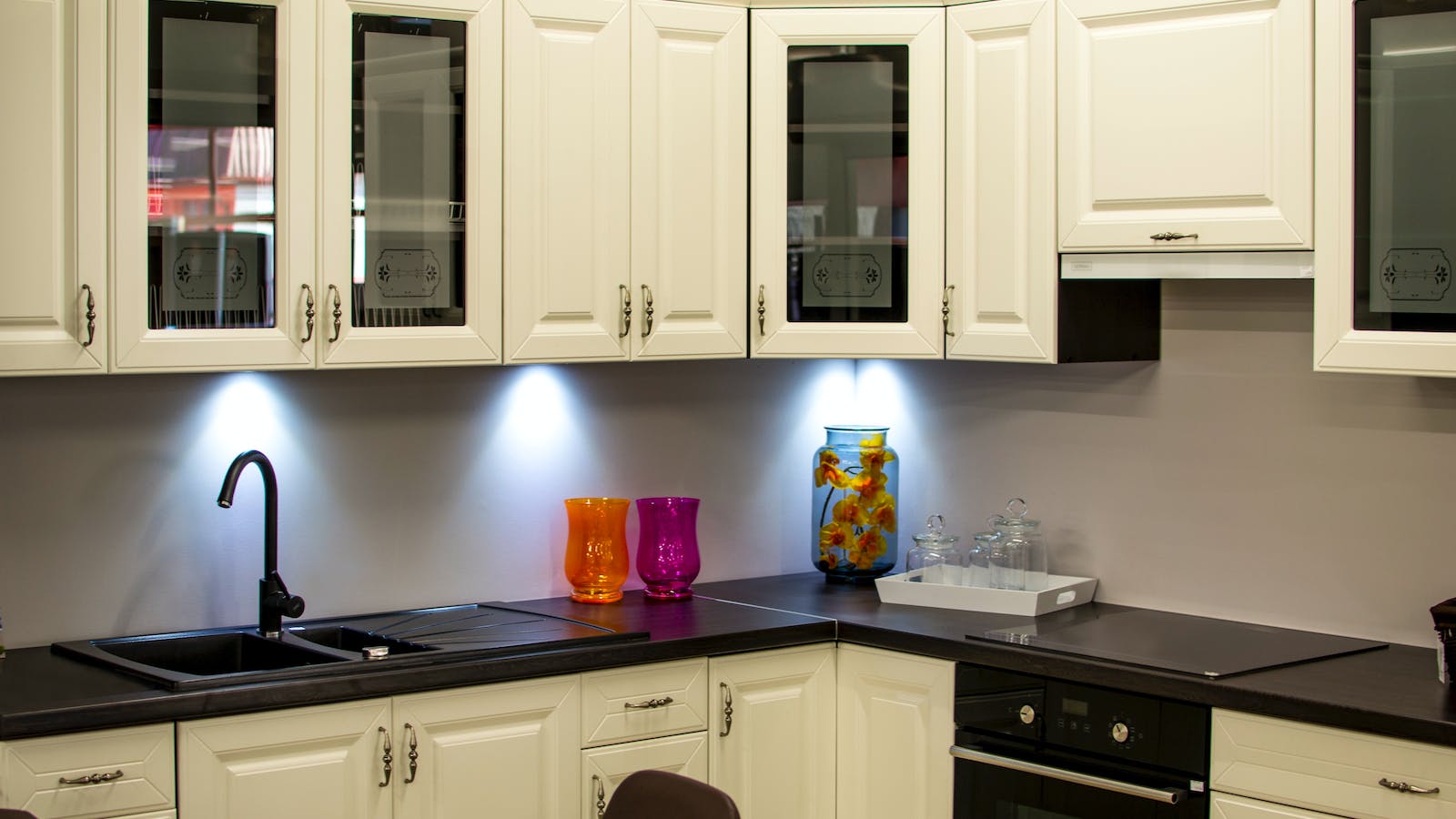
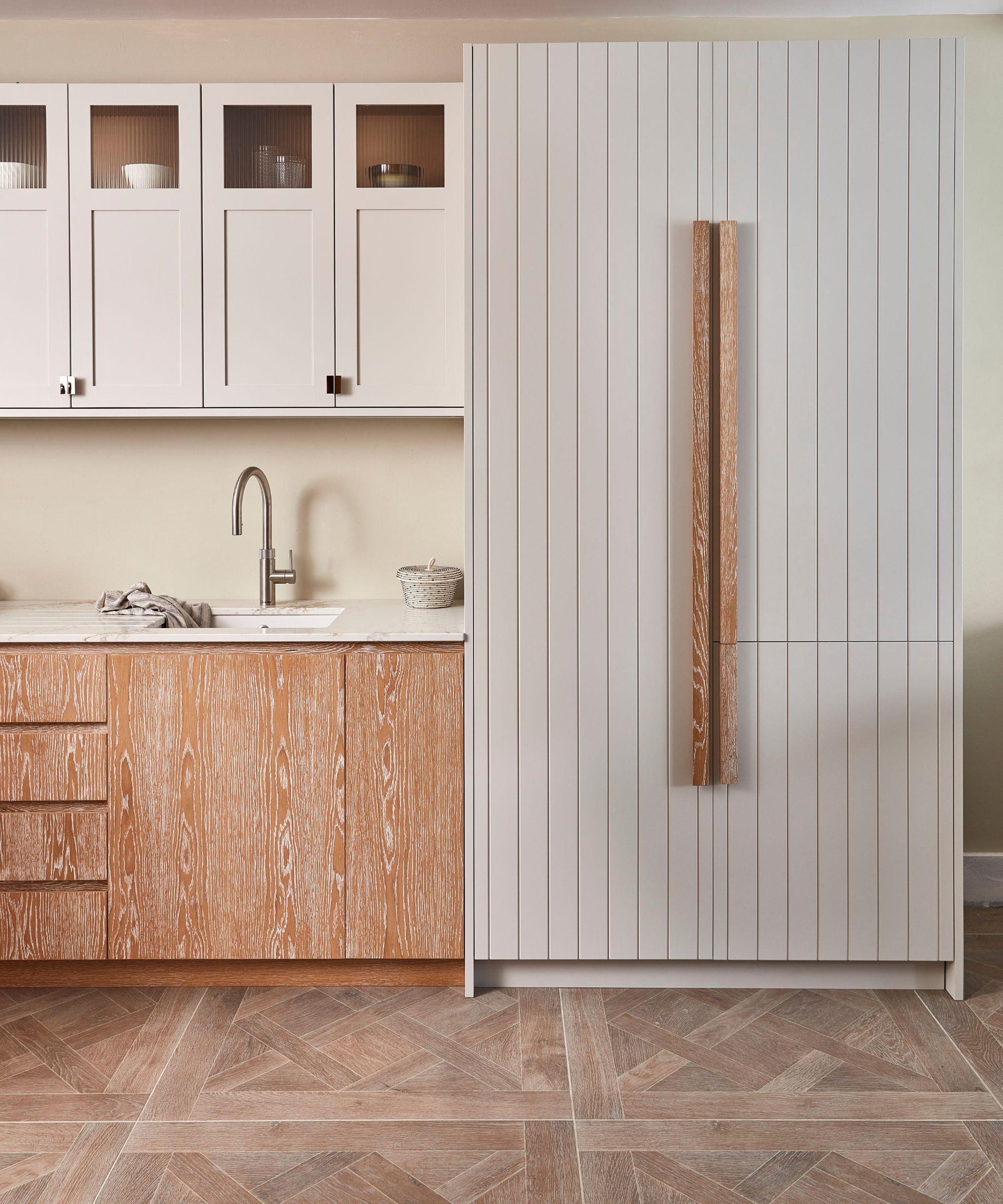
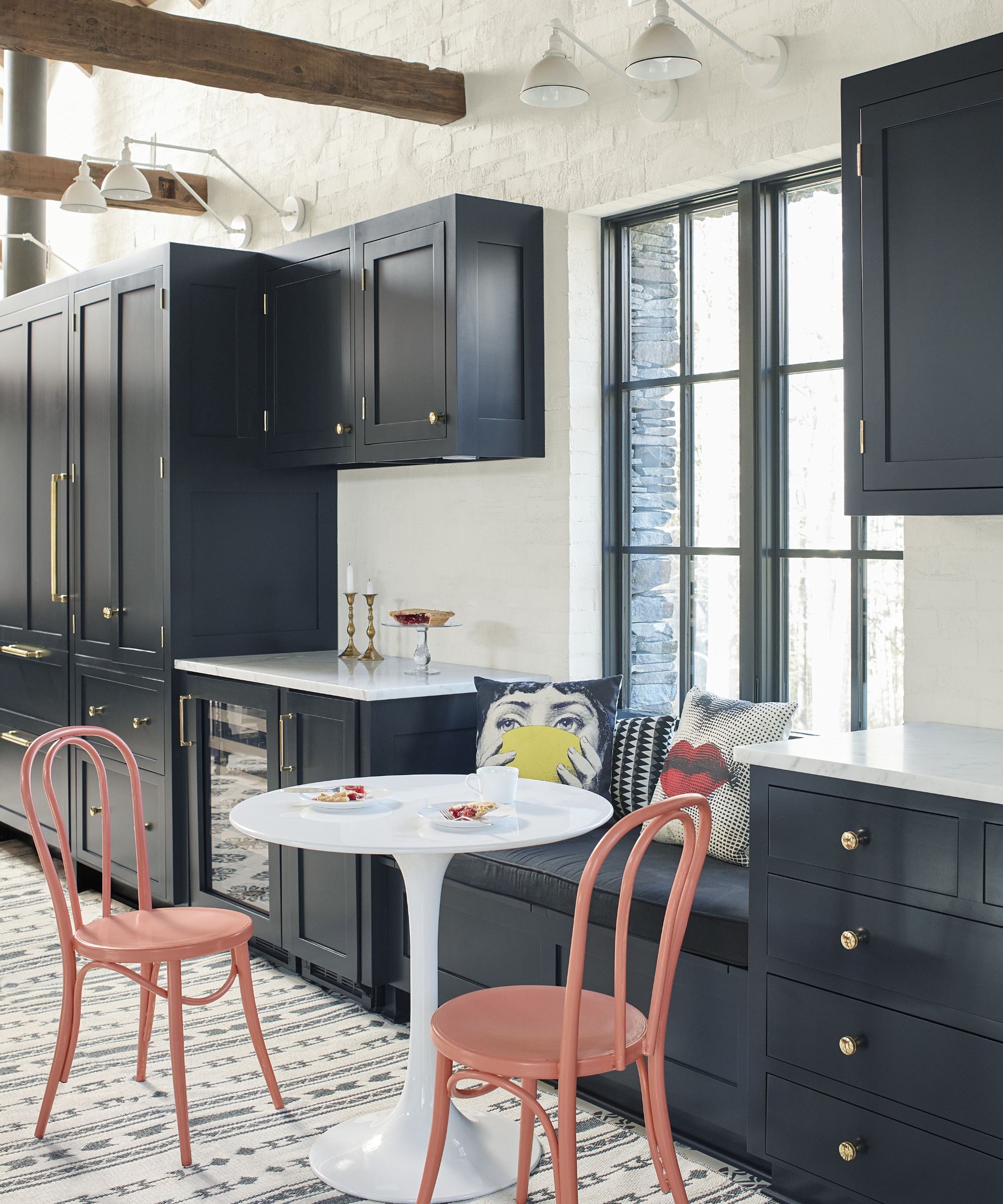
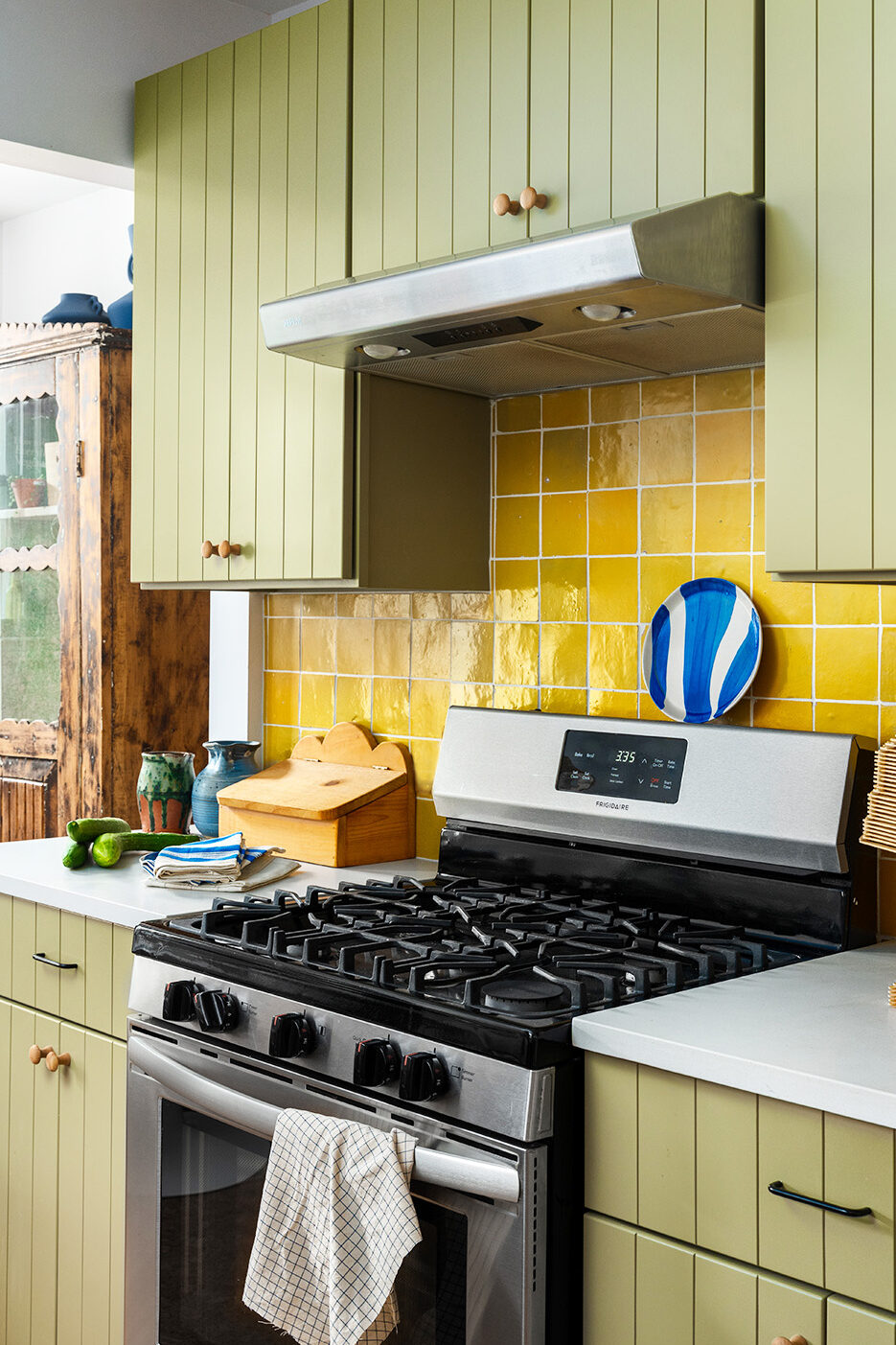
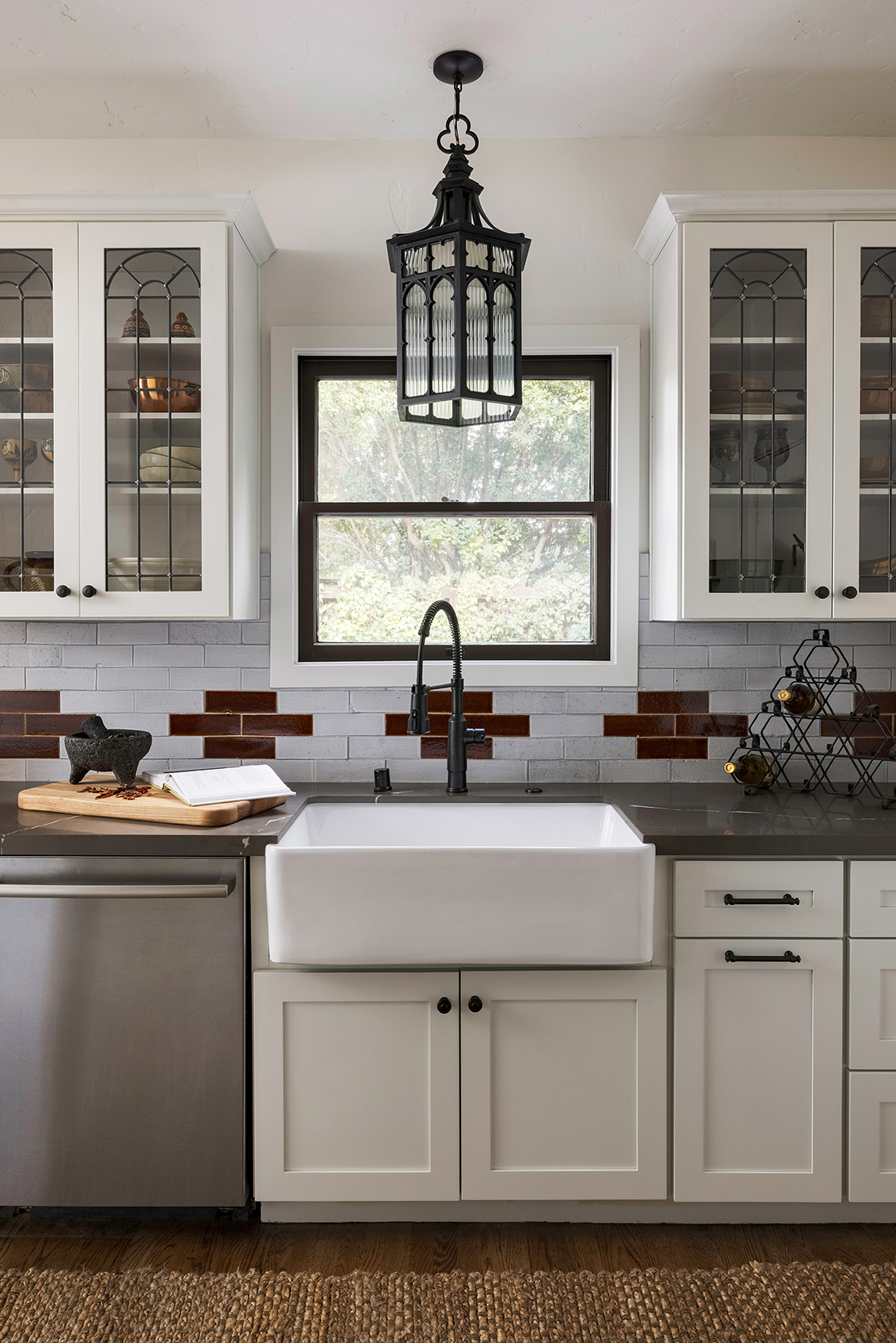
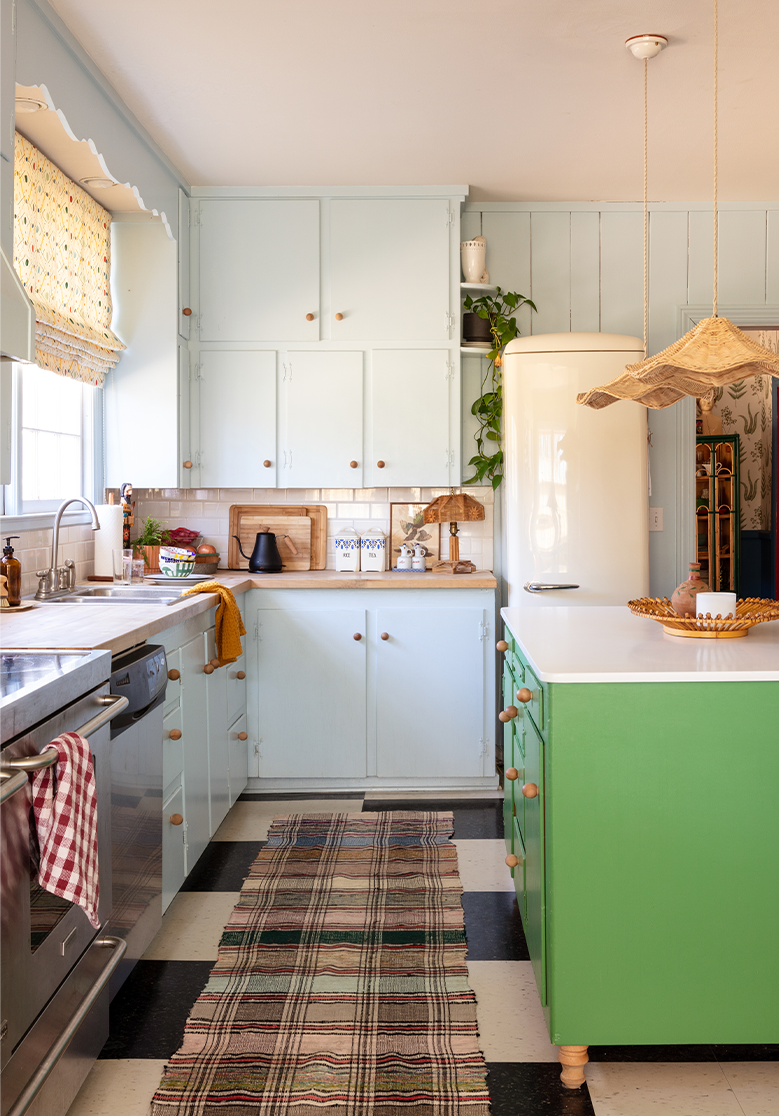
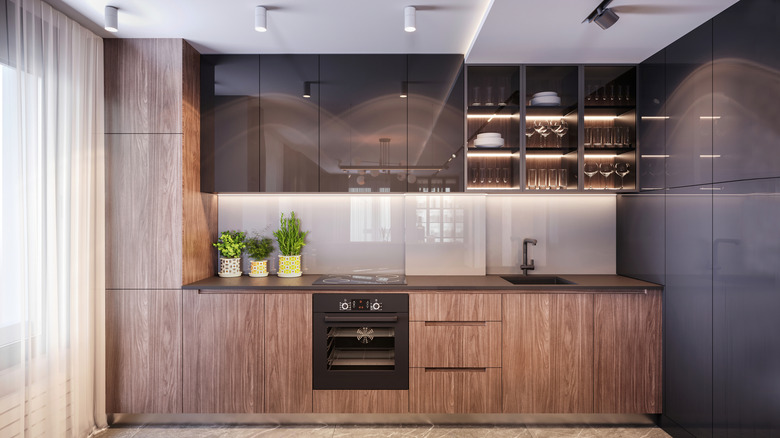
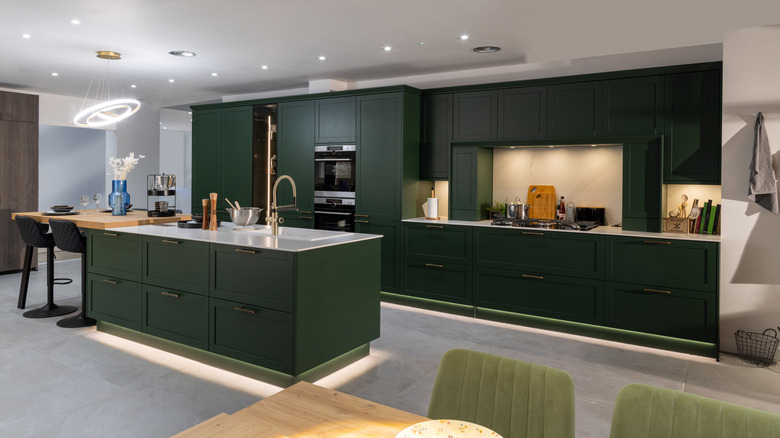
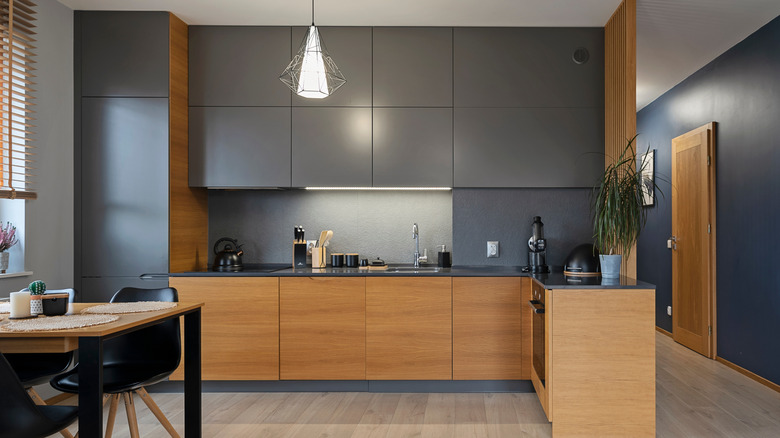
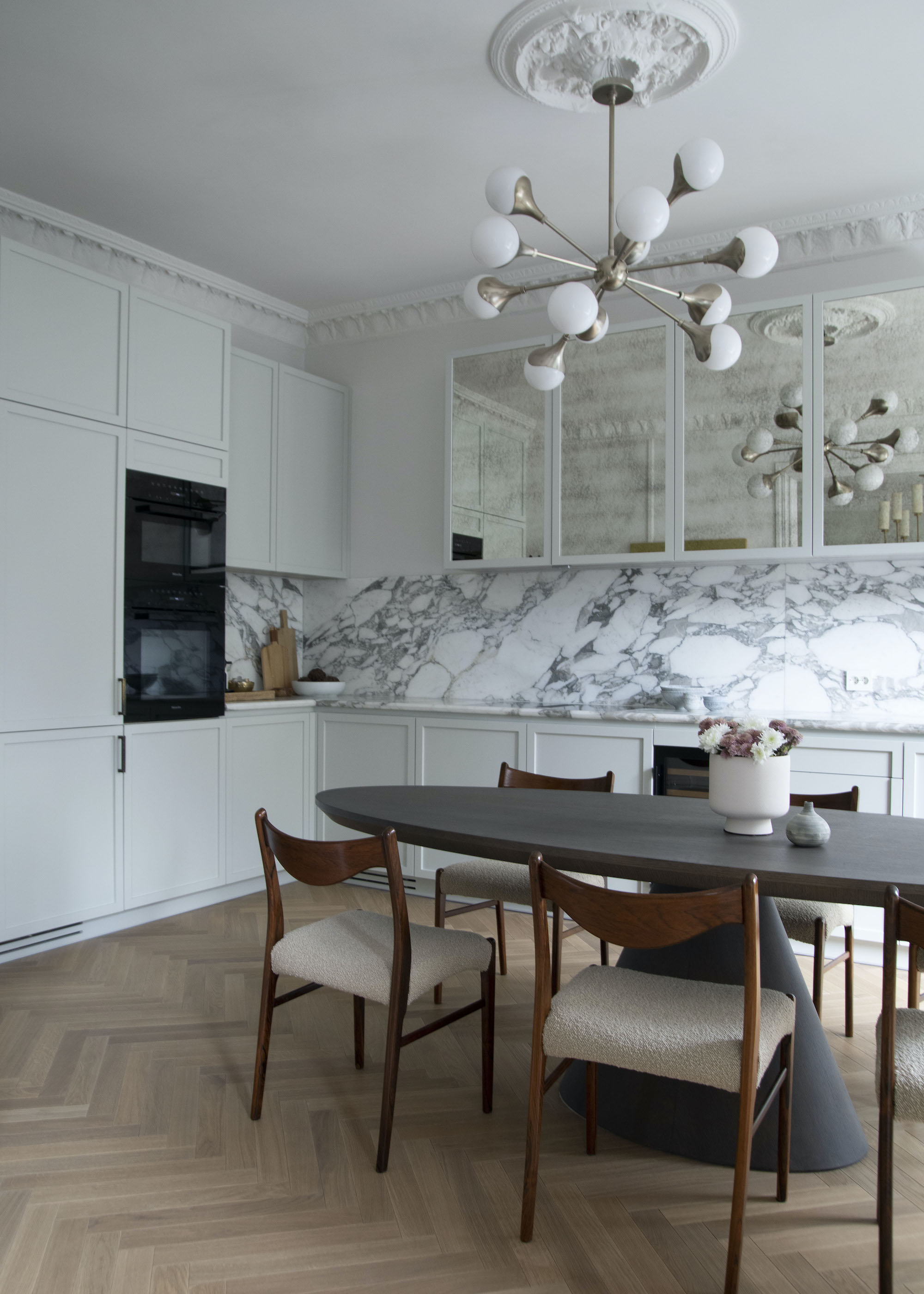
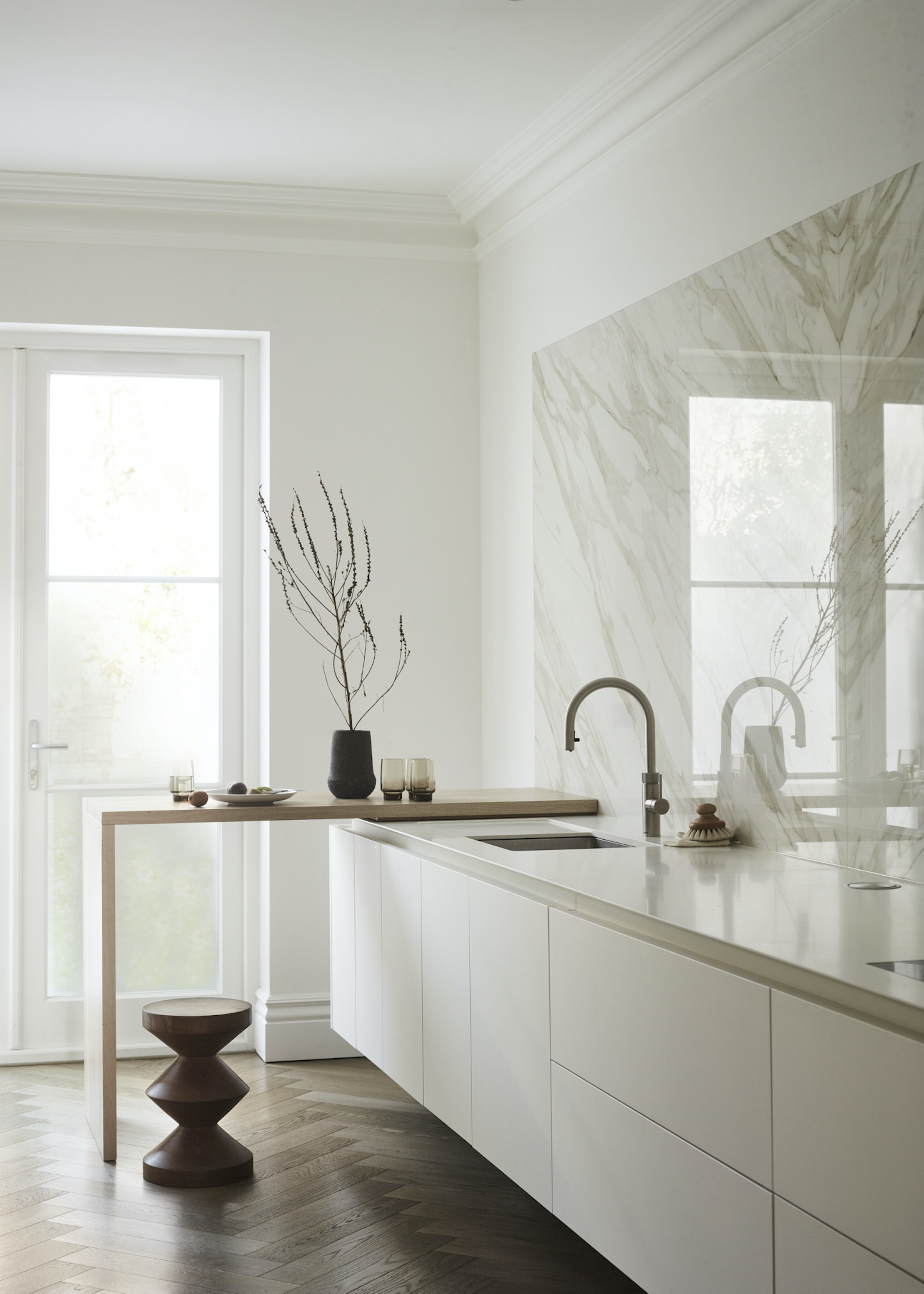
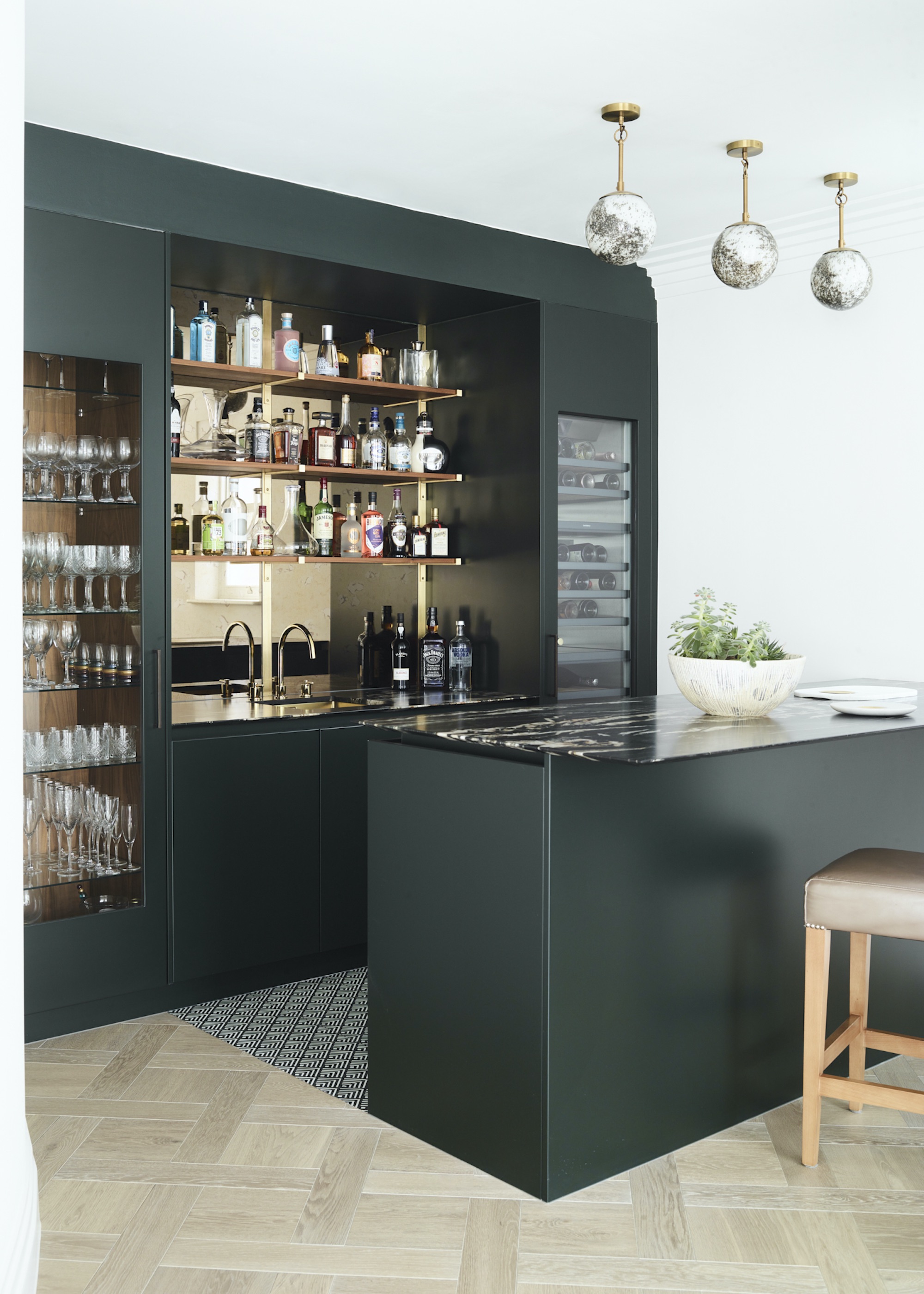
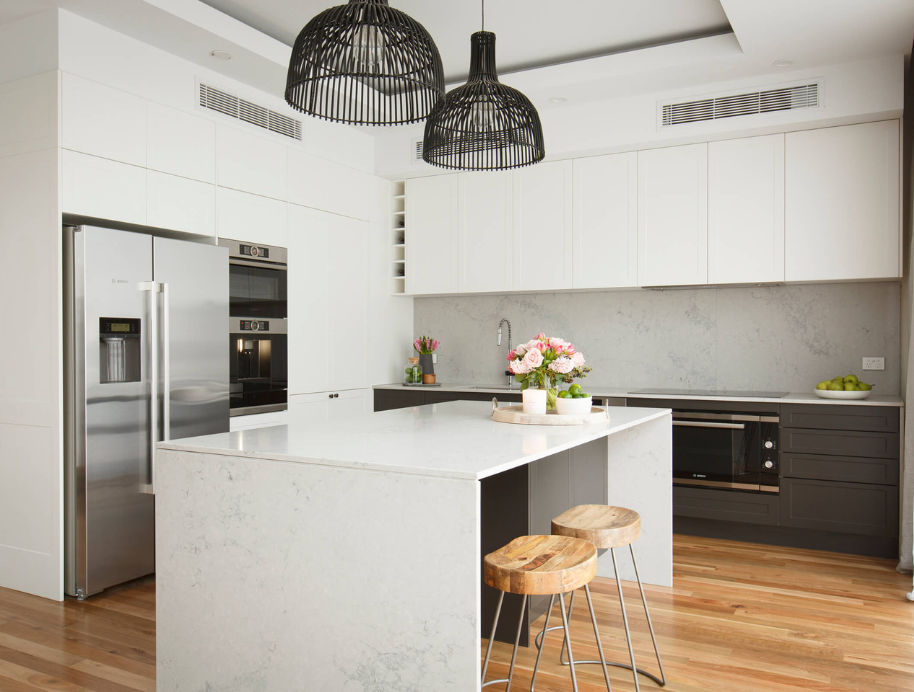
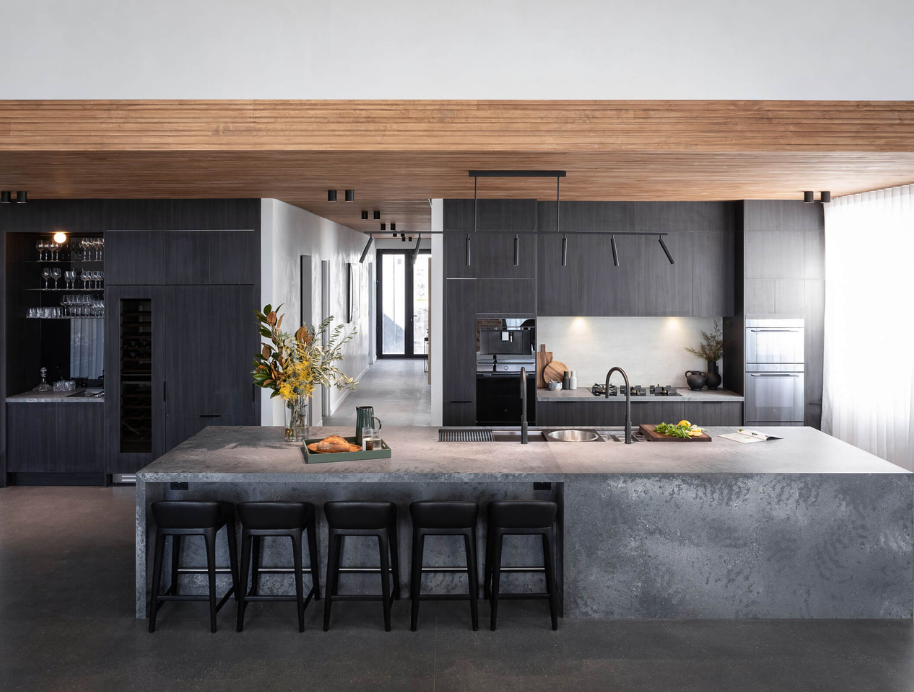
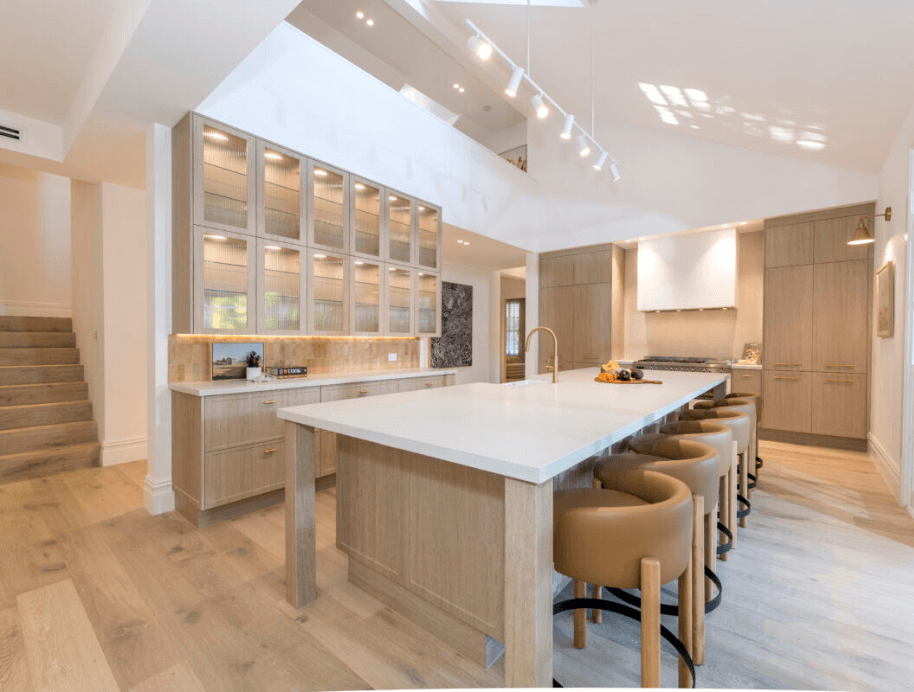
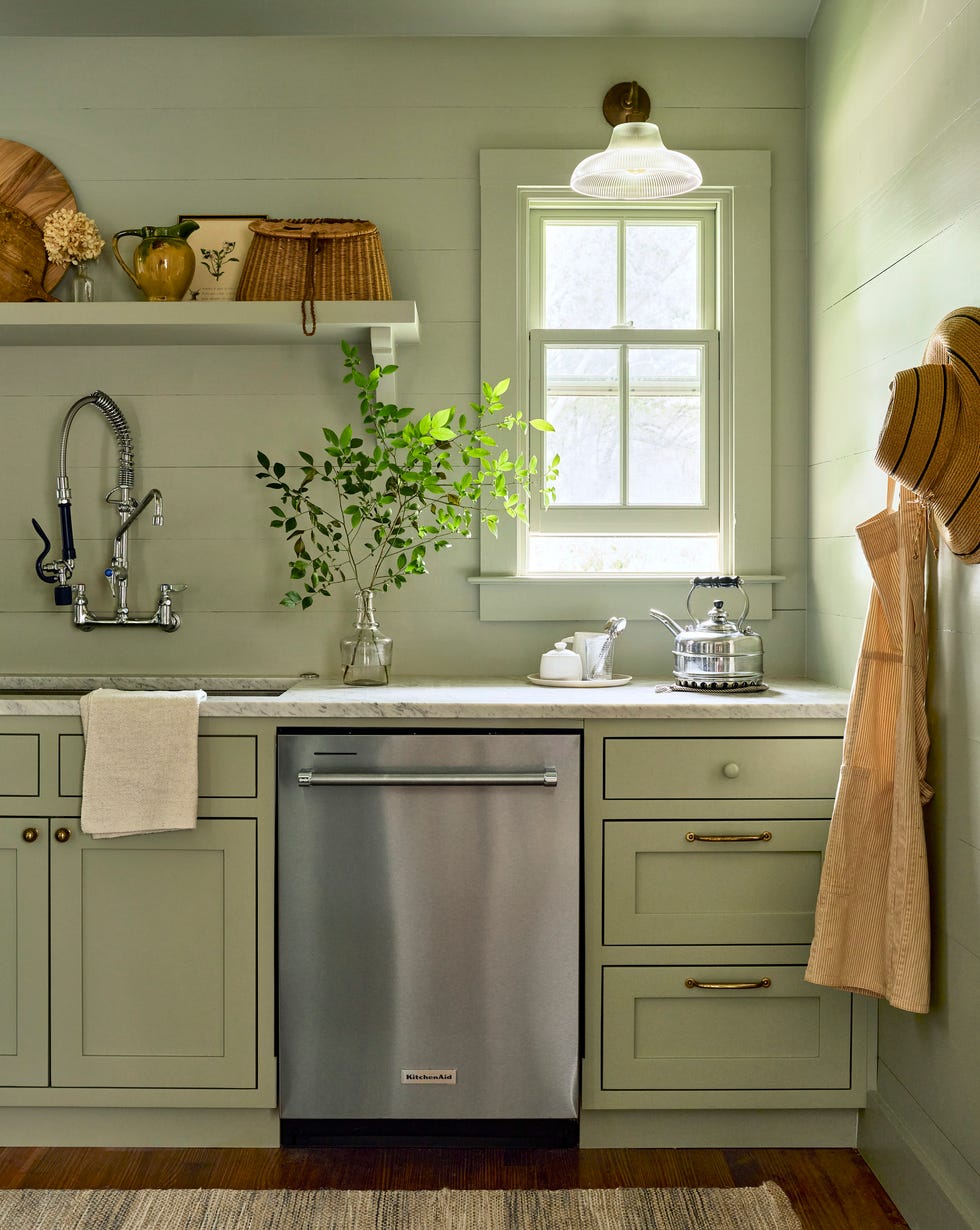
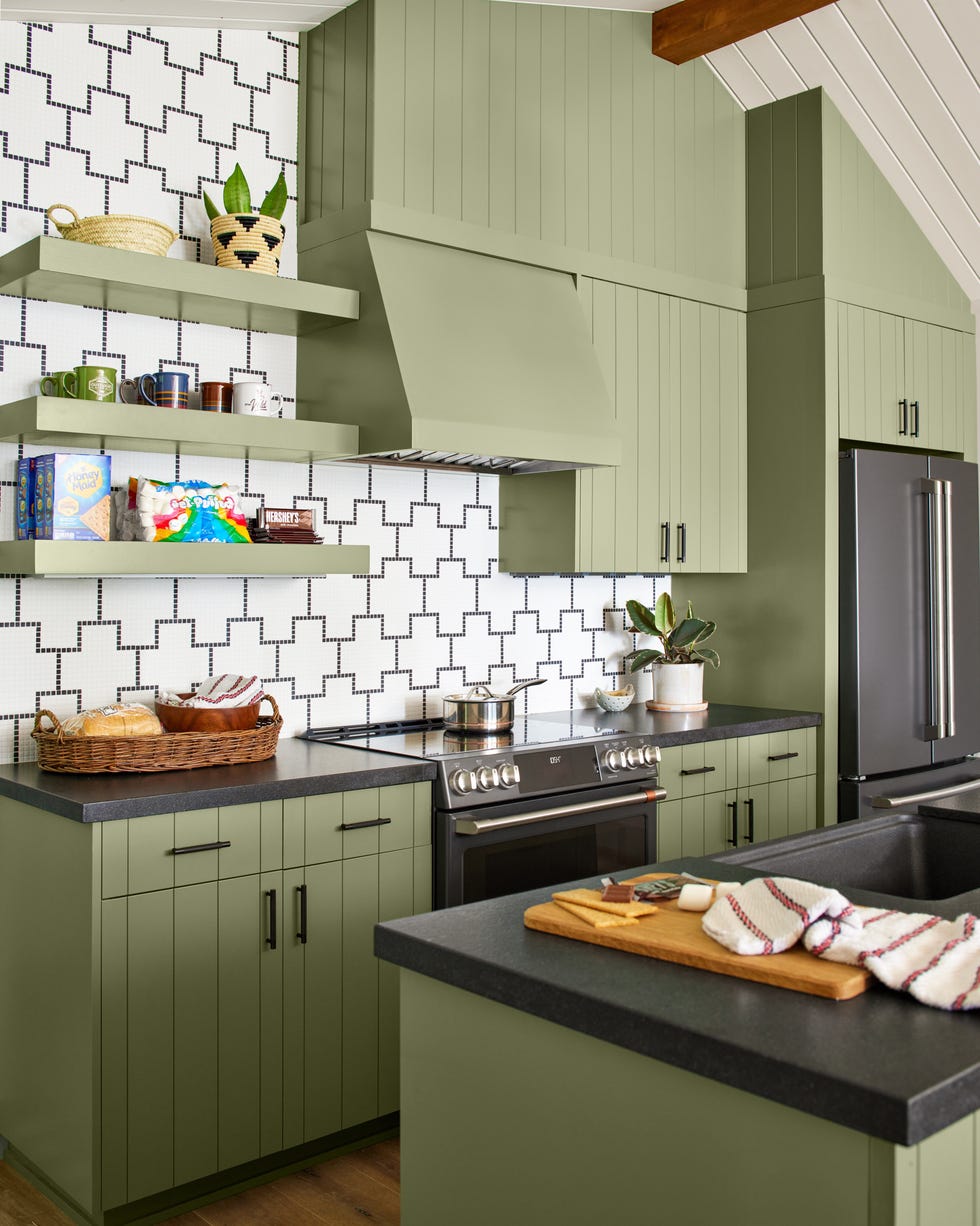
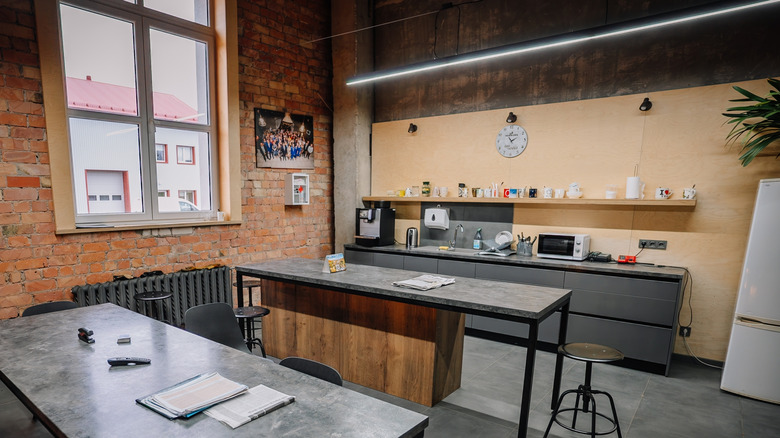
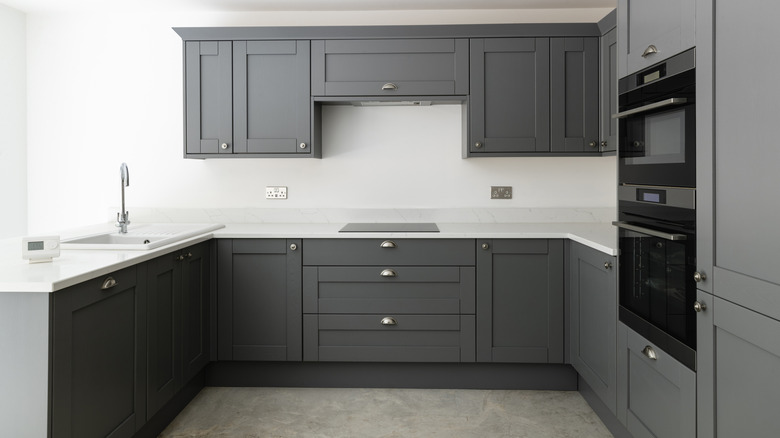
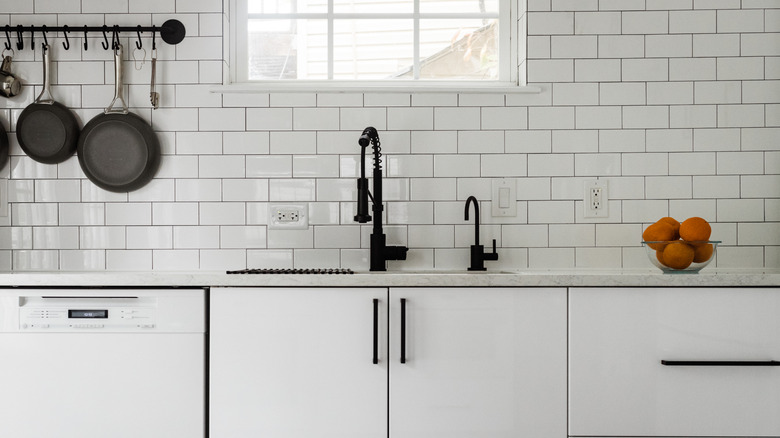
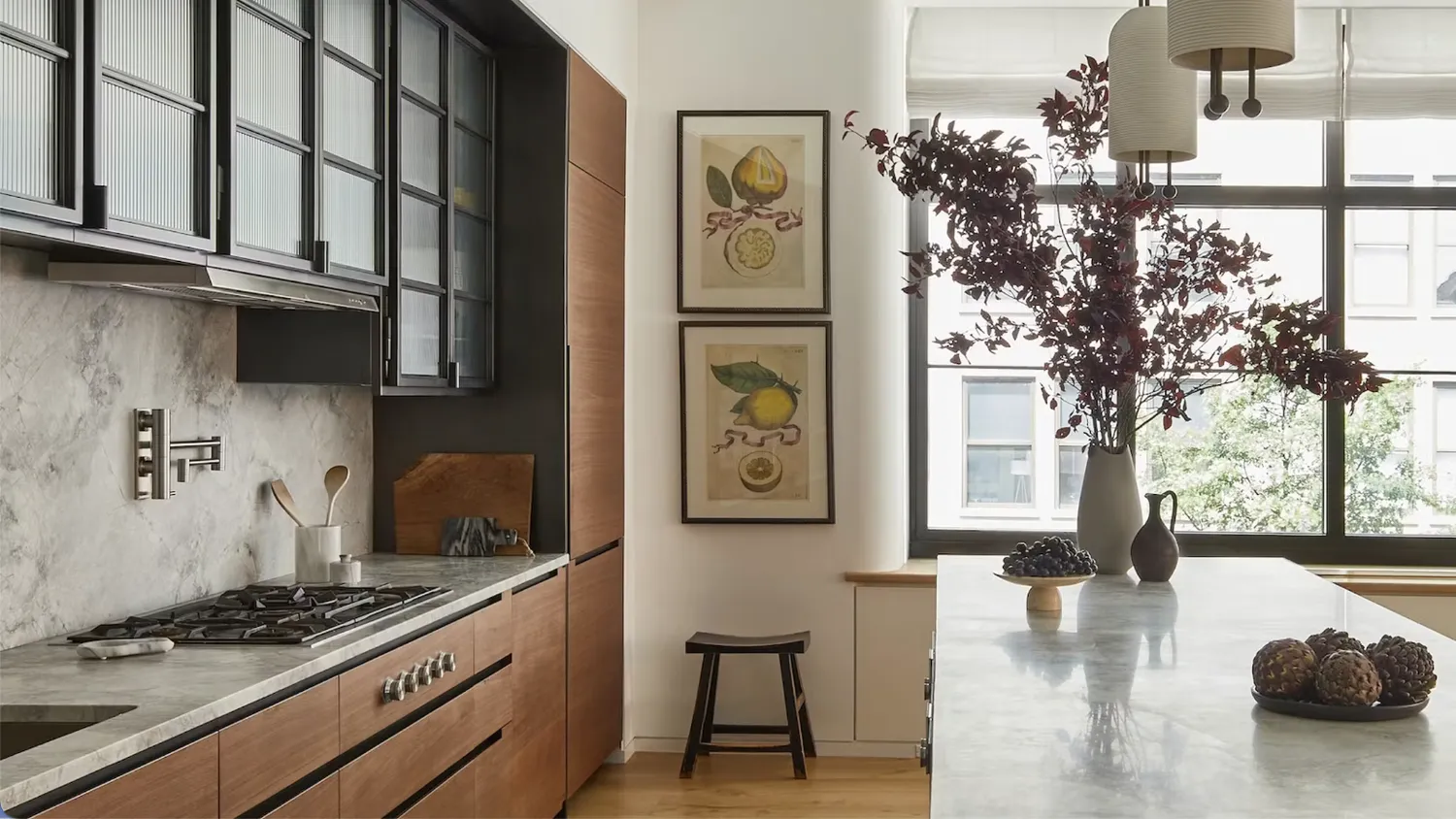
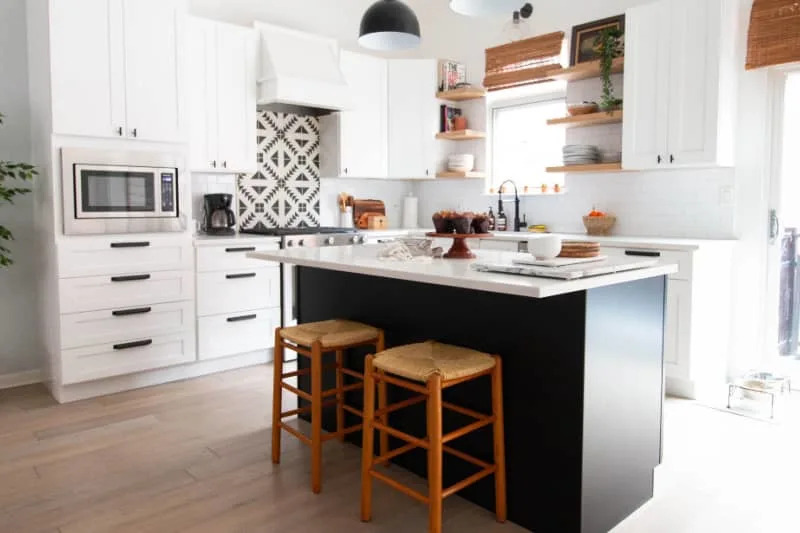
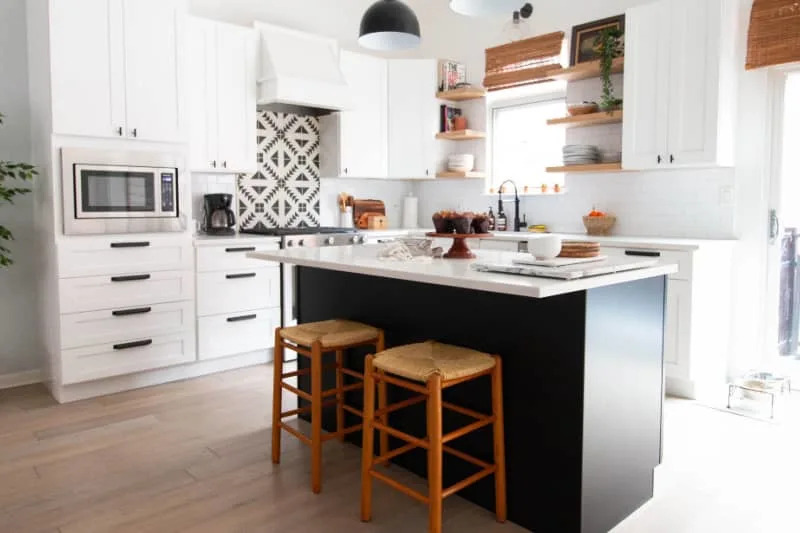
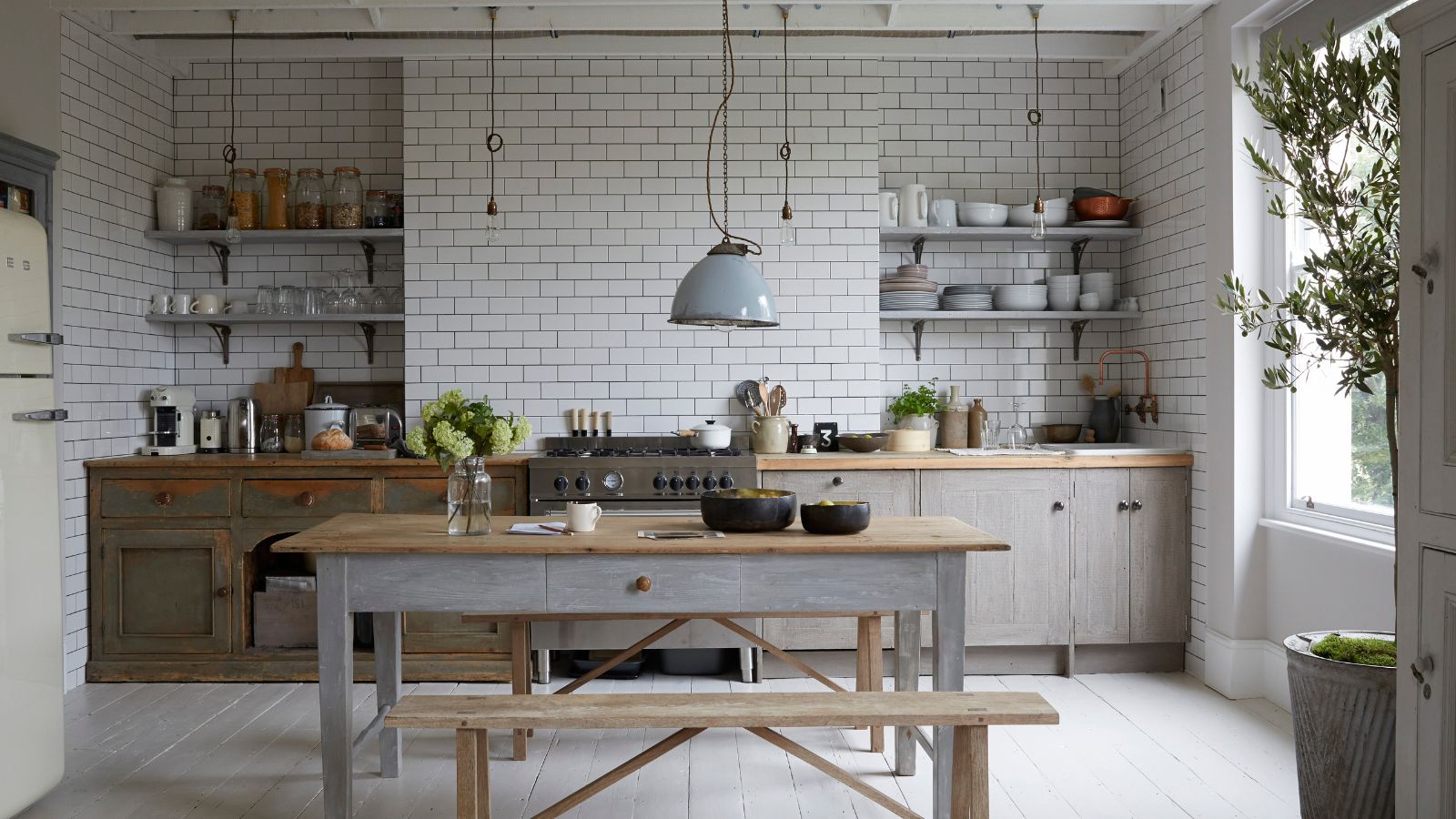
A notable shift in kitchen interior design is currently underway, with homeowners increasingly opting to remove upper kitchen cabinets in favor of open shelving. This trend, gaining momentum on social media platforms, represents a move away from traditional enclosed storage solutions toward more visually accessible and personalized display options.
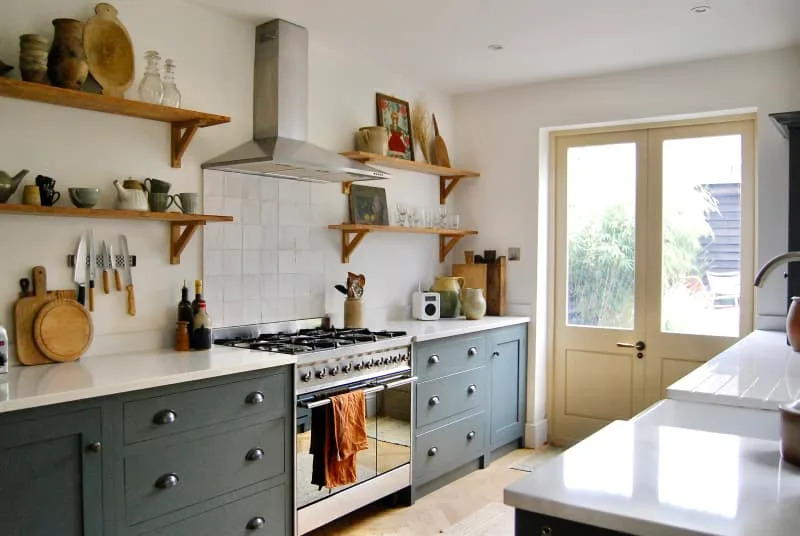
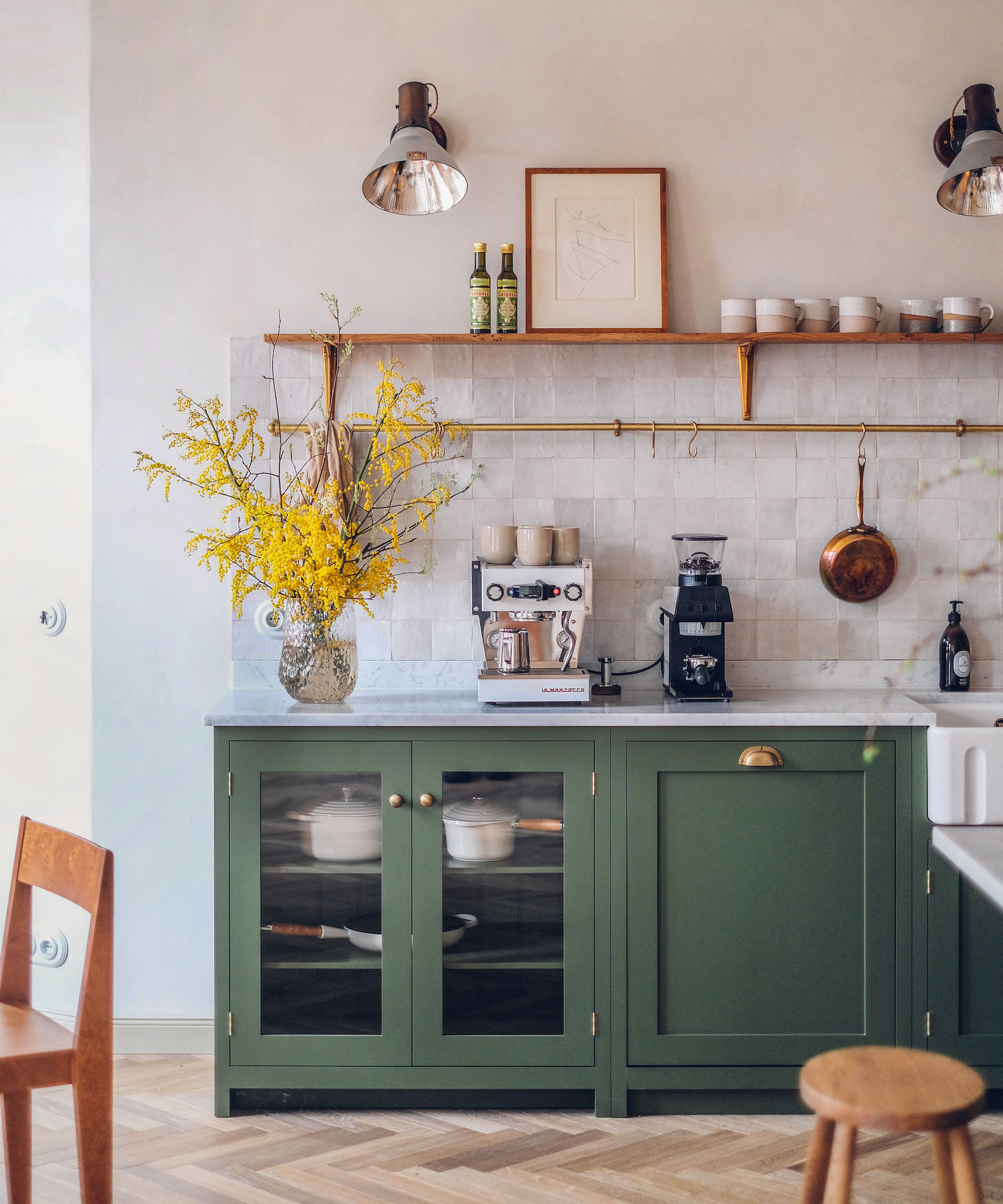
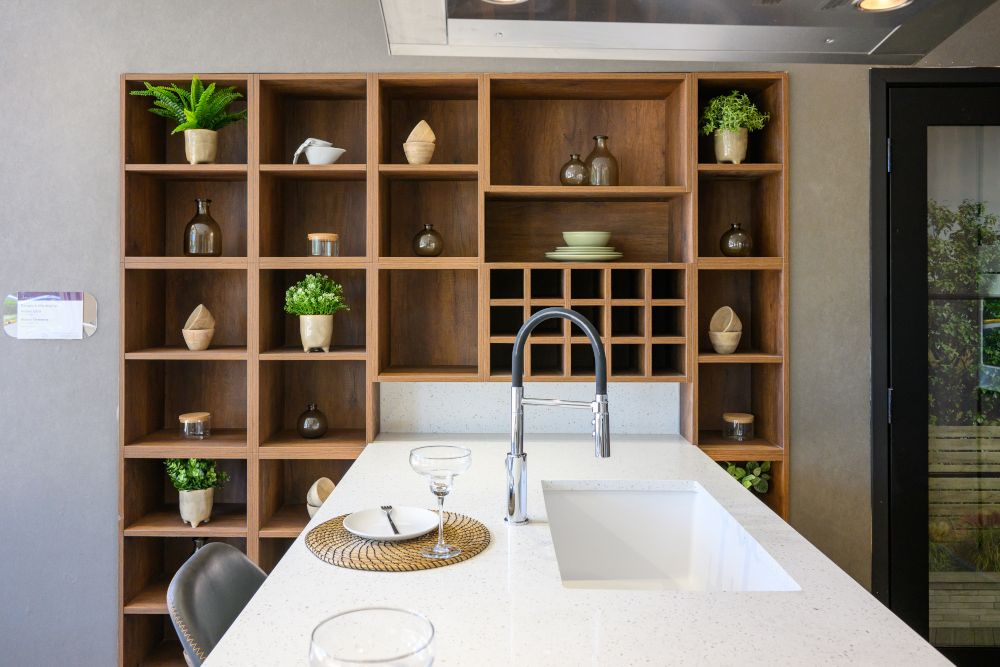
Experts in kitchen design suggest that the popularity of open shelving is a response to the prevalent monochromatic minimalism of recent years. Matthew O’Grady, director at Thomas Matthew Kitchens & Furniture, views it as an “anti-minimalist” counter-trend, enabling individuals to infuse more character into their living spaces. Open shelving facilitates personalization, as a wide array of items can be displayed, allowing homeowners to showcase their aesthetic preferences.
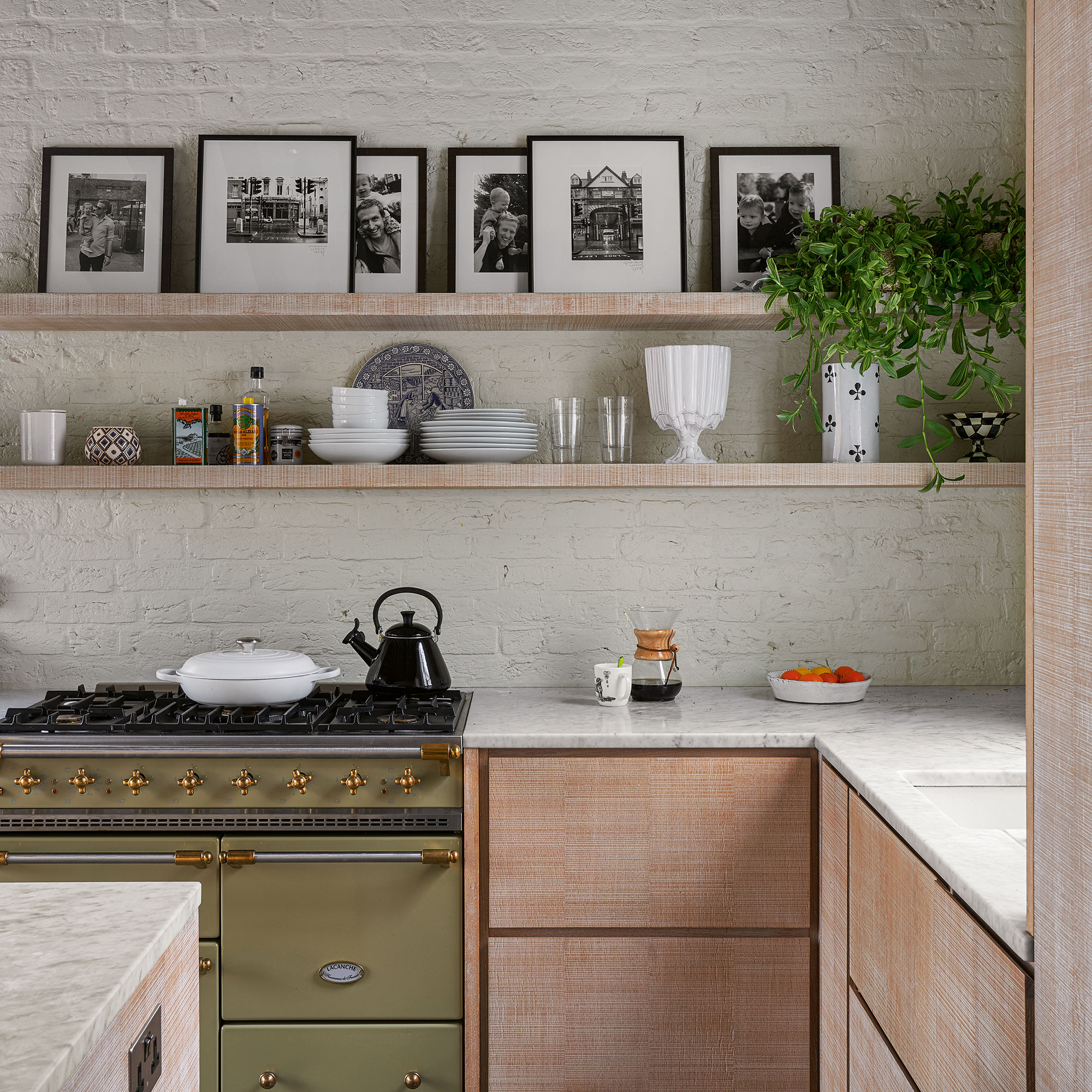
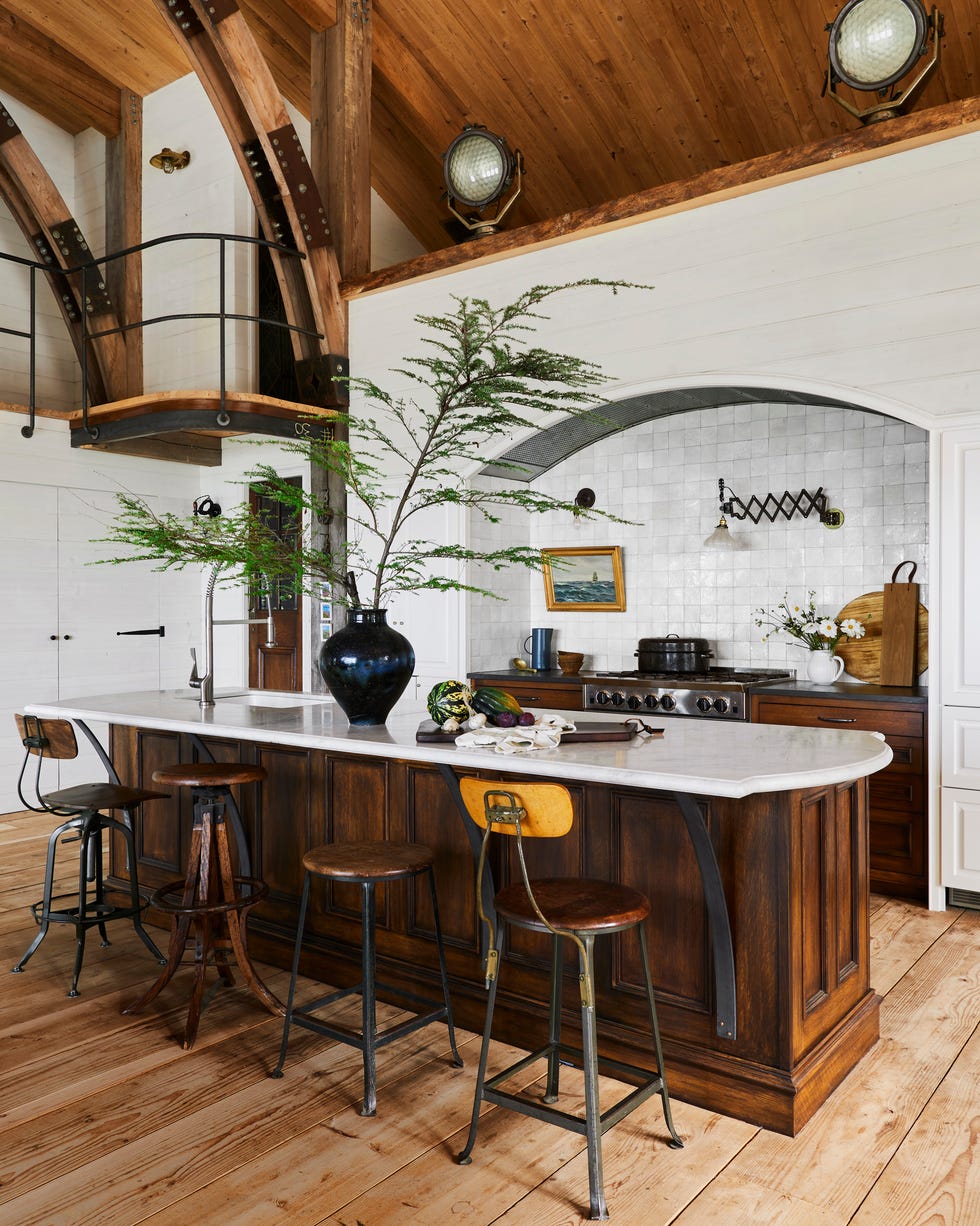
Richard Davis, vice president and director of design at Remodeling Consultants, notes that open shelves contribute to a more modern, open, and airy kitchen ambiance. Their sleeker profile, compared to bulky wall cabinets, creates a dramatic impact, particularly since eye-level elements are often the first to be noticed. Beyond aesthetics, open shelving offers practical advantages. It provides immediate visual access to kitchen inventory and simplifies cleaning. Moreover, it is generally more budget-friendly than traditional cabinetry due to reduced material requirements and ease of installation, making it a viable DIY project for many.
However, open shelving also presents several considerations. A primary challenge is the necessity for constant tidiness and organization, as all contents are openly displayed. Items typically stored out of sight, such as less aesthetically pleasing cereal boxes or cleaning supplies, become part of the visual landscape. This can influence grocery shopping habits, encouraging the purchase of products with more attractive packaging to maintain a cohesive look. Additionally, open shelves are prone to accumulating dust more quickly than enclosed cabinets, requiring more frequent cleaning.
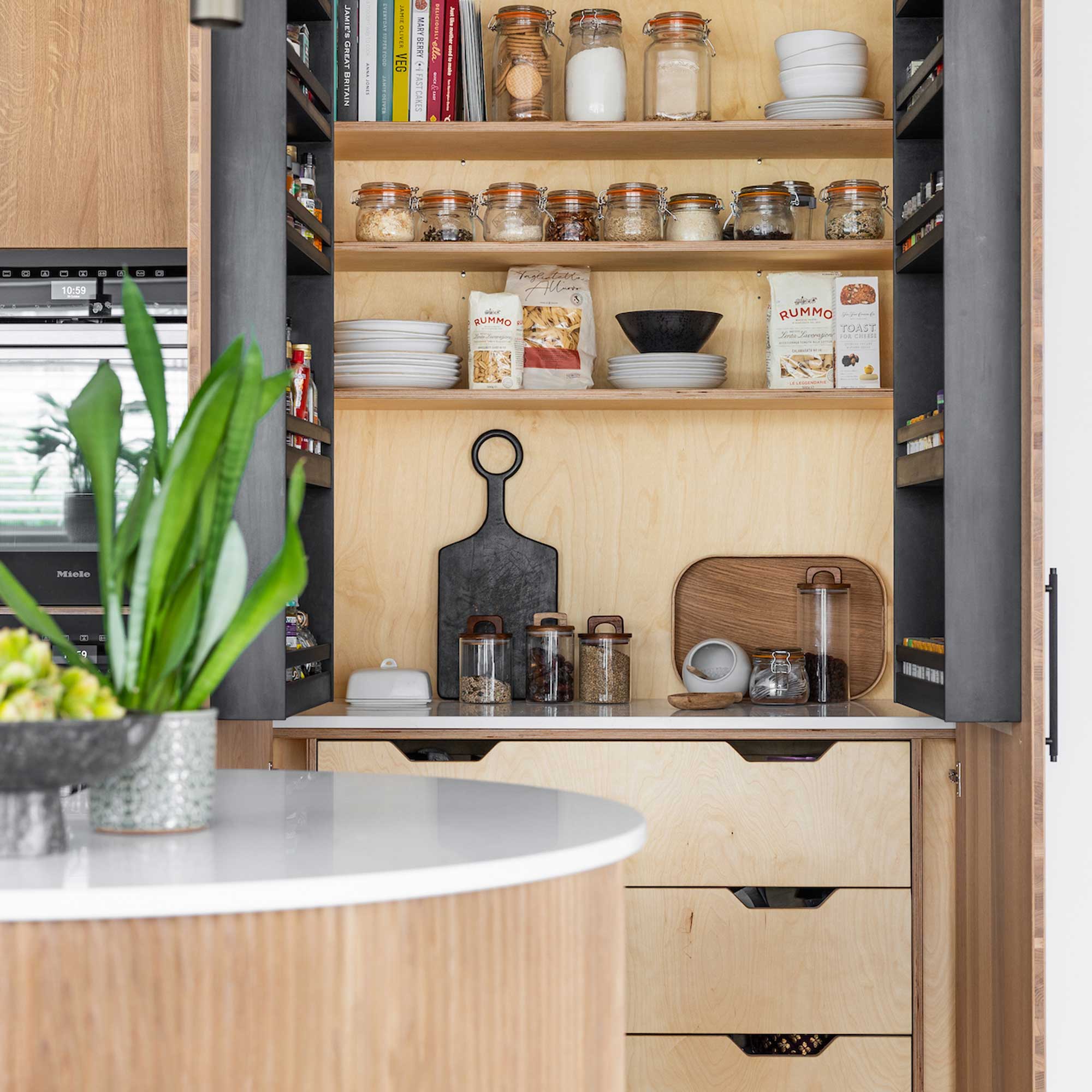
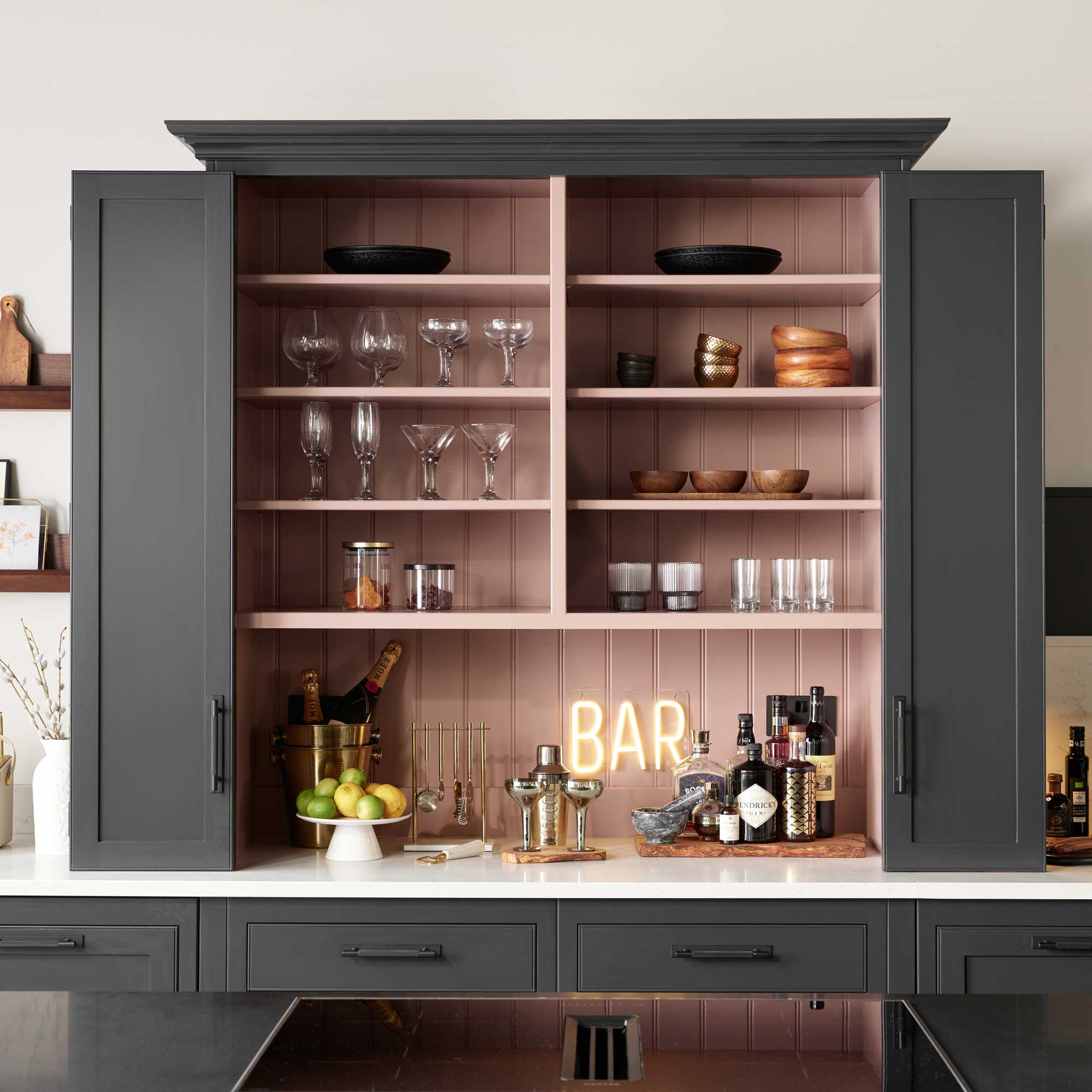
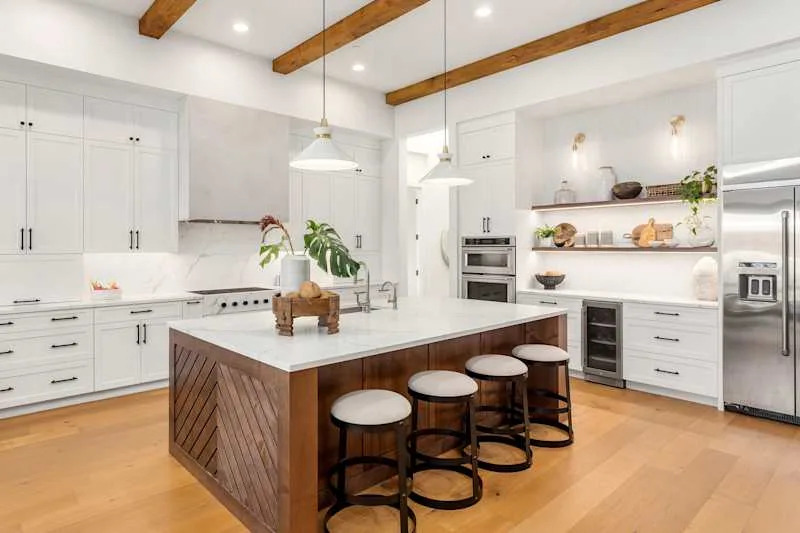
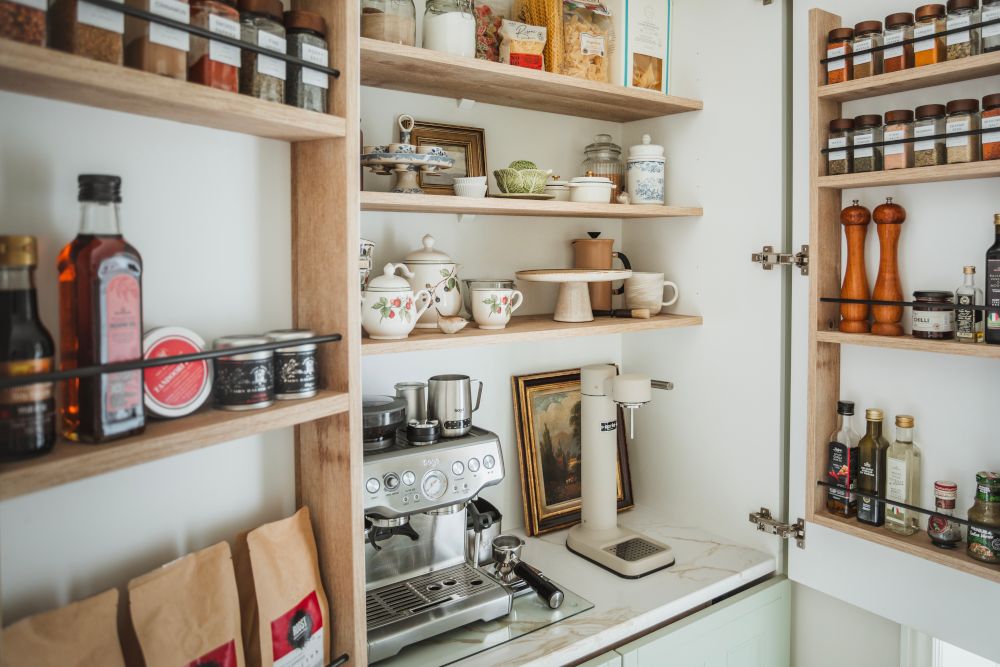
To mitigate these downsides, Davis recommends a balanced approach, integrating both open and closed-door shelving. This strategy allows homeowners to display curated items like attractive ceramics or decanted baking ingredients on open shelves, while less visually appealing or regularly used items can be stored behind closed doors. Properly designed open shelves can offer comparable storage capacity to traditional cabinets, although opting for shallower shelves may reduce overall storage volume. The absence of swinging doors can also free up valuable space, a significant benefit in smaller kitchens.
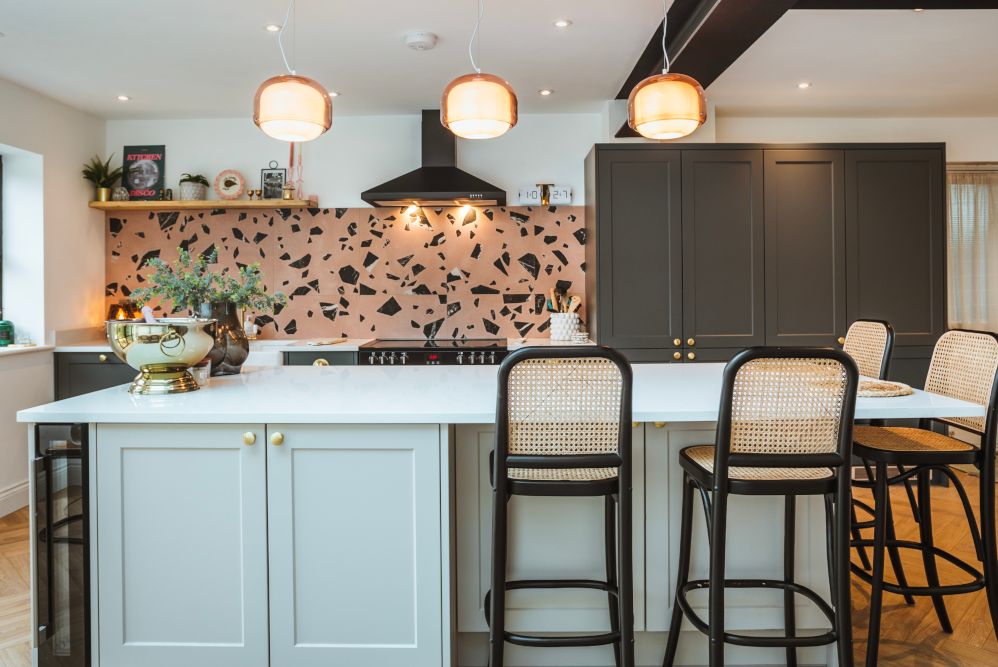
When designing and installing open shelving, a variety of material and support options are available. Shelves can be painted, stained, or left natural, utilizing materials such as wood, glass, or even rough-hewn pieces. Support structures range from minimalist floating shelves to those with decorative brackets, offering diverse aesthetic possibilities. For spaces adopting the maximalist display of open shelving, O’Grady advises maintaining a minimalist backdrop to avoid visual clutter, especially if the backsplash is intricate. To enhance the visual appeal of displayed items, homeowners can use attractive storage solutions like large glass jars for bulk goods, colorful glassware, or wicker baskets for cutlery and utensils. This trend reflects a desire for more expressive and functional kitchen spaces, where personal style and practicality converge.
#KitchenDesign #InteriorDesignTrends #OpenShelving #HomeDecor #KitchenRenovation #CabinetAlternatives #HomeImprovement #KitchenStorage #MaximalistDesign #KitchenDesign #InteriorDesignTrends #OpenShelving #HomeDecor #KitchenRenovation #CabinetAlternatives #HomeImprovement #KitchenStorage #MaximalistDesign
0 comment in total
 No comments yet
You may also like
The trends replacing kitchen wall cabinets in 2025
We Predict This Kitchen Cabinet Trend Will Take Over in 2024

Designers Are Shifting Away From Classic Shaker Kitchen Cabinets in 2023
The “Outdated” Kitchen Cabinet Trend That’s Making a Huge Comeback in 2025

5 Kitchen Countertop Trends on Their Way Out in 2025 (and What’s Replacing Them)
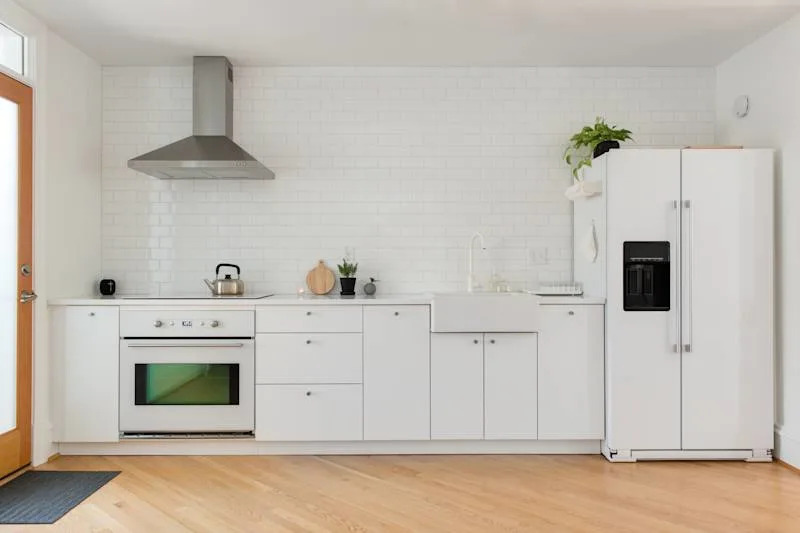
5 Kitchen Cabinet Trends on Their Way Out This Year (and 4 Replacing Them), According to Contractors
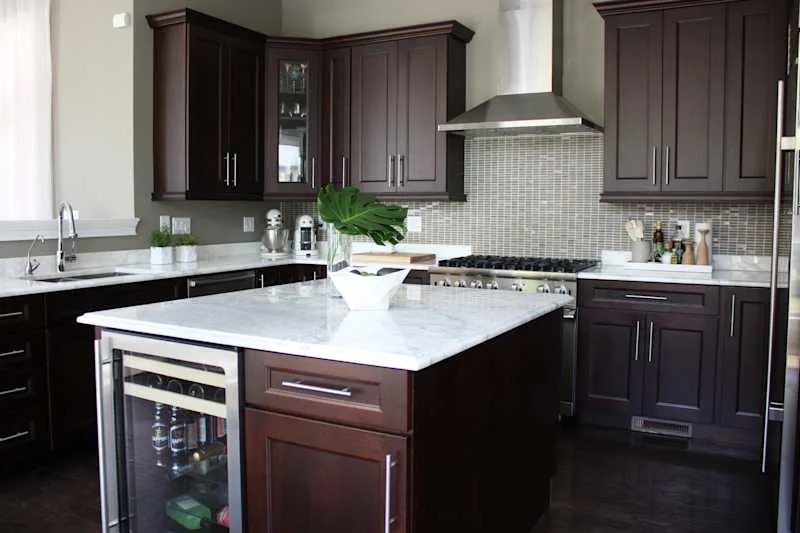
The “Outdated” Kitchen Cabinet Trend That’s Making a Huge Comeback in 2025

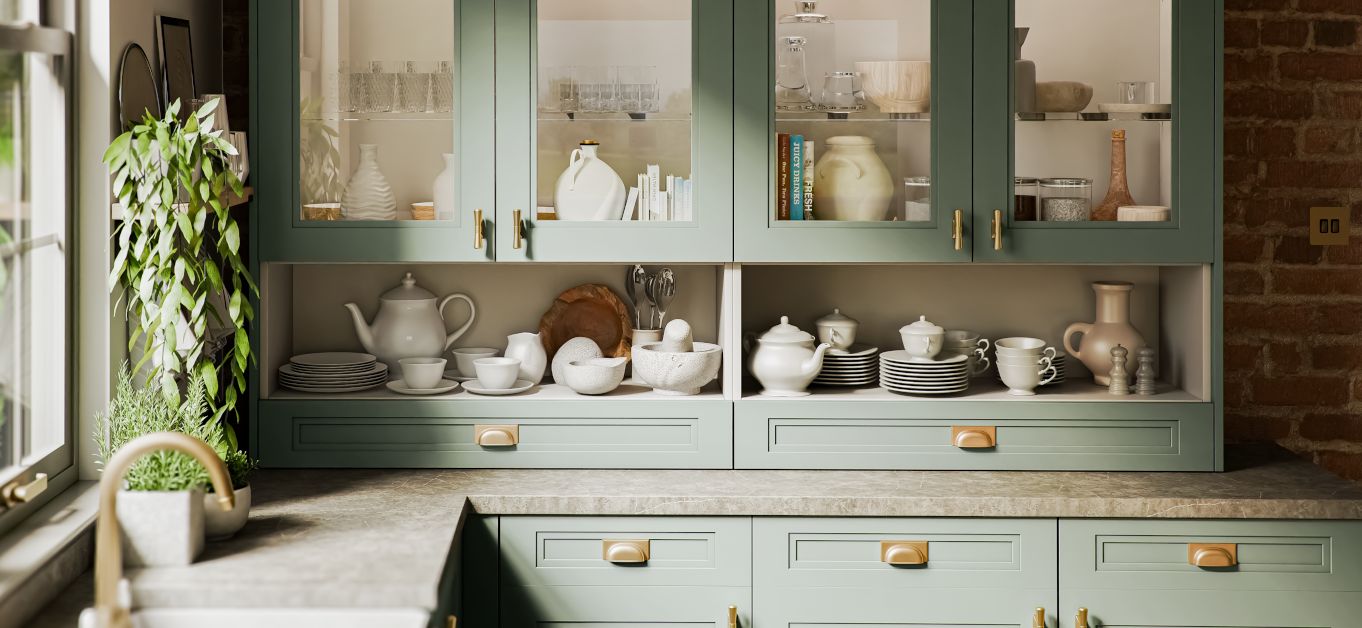
Bold splashbacks and open shelving will dominate kitchens in 2025

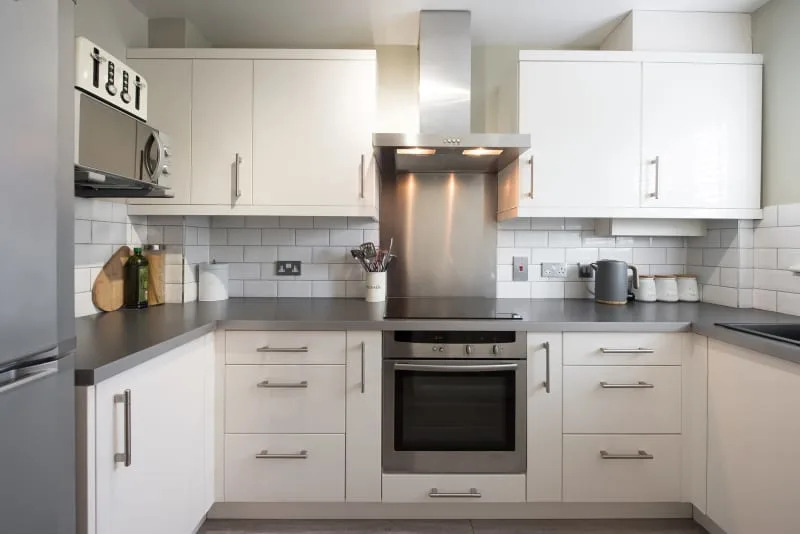
5 Kitchen Countertop Trends on Their Way Out in 2025 (and What’s Replacing Them)
5 Kitchen Cabinet Trends on Their Way Out in 2025 (and 6 Replacing Them)
7 Gorgeous Cabinet Trends Set To Take Over Kitchens In 2026
Say Goodbye to White Cabinetry, Plus More Kitchen Trends for 2025
Upper Kitchen Cabinets Are on Their Way Out in 2025 — Here’s What’s Replacing Them
2025 Kitchen Cabinet Trends: Transform Your Space with These Top Styles
What's Replacing the Kitchen Island? Meet the Stylish Alternatives Stealing the Spotlight in 2025

Kitchen Trends That Are Being Left Behind In 2025 And Beyond
7 Kitchen Cabinet Trends That Are Predicted To Blow Up In 2025 (& 4 We'd Skip)

These are the outdated kitchen cabinet trends designers say you should ditch in 2025
Kitchen Trends in 2025
Say Goodbye to Bland Kitchens: 5 Kitchen Cabinet Trends You're About to See Everywhere in 2026