1/13
Iridescence Is Chrome’s More Playful, Hard-to-Define Cousin — And You're About to See It Everywhere
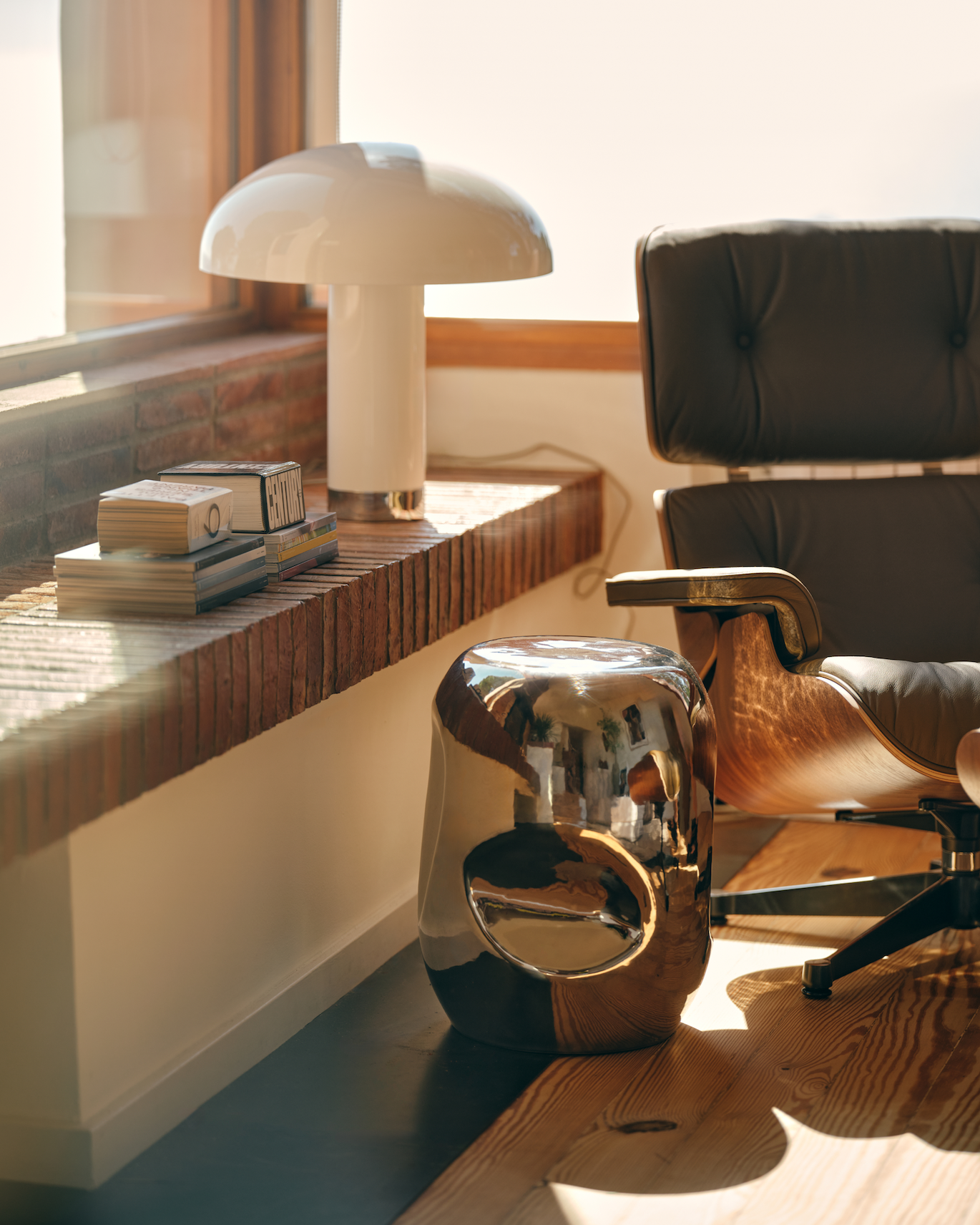
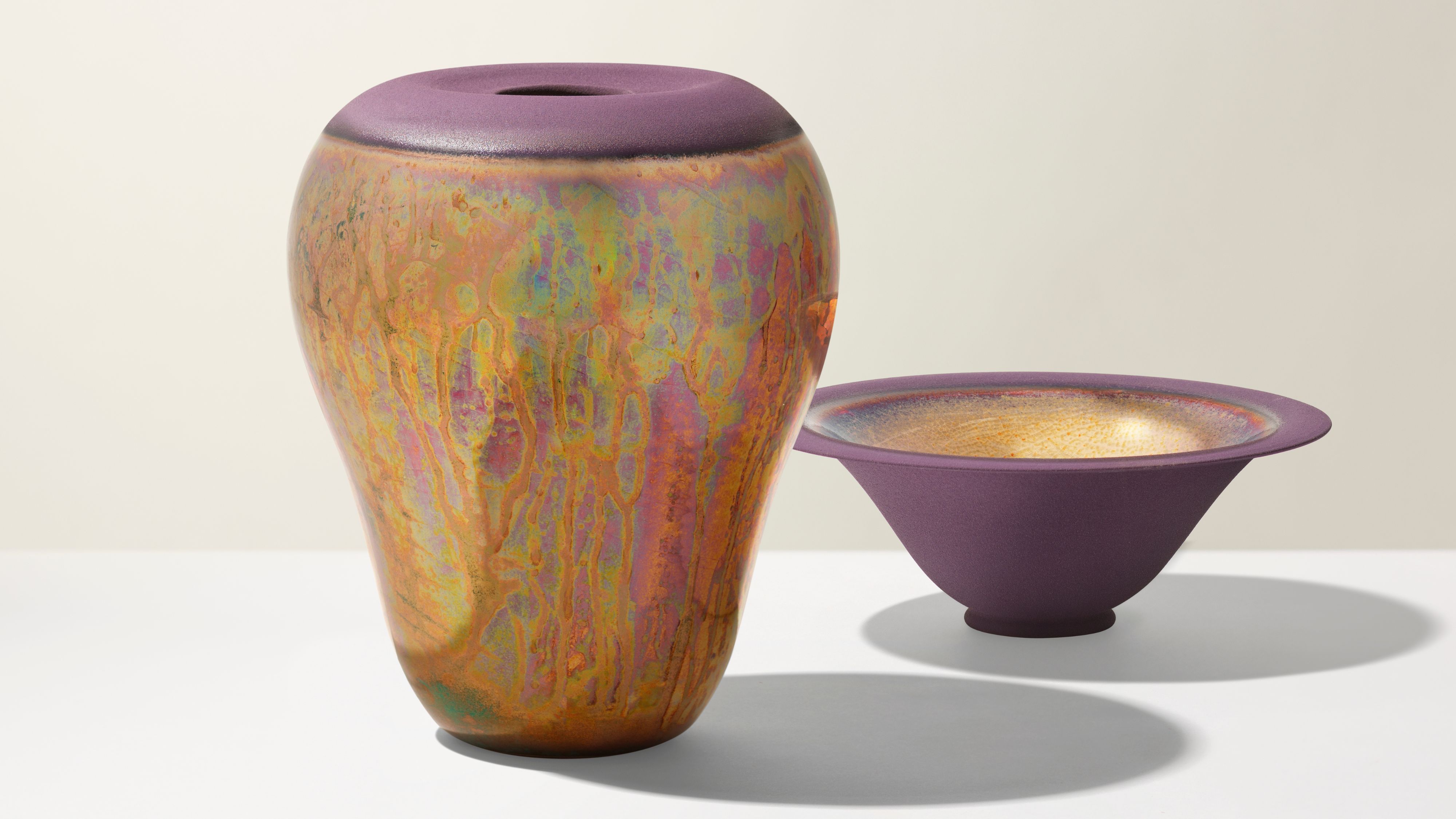
Iridescence is emerging as a significant interior design trend, marking a departure from static finishes towards dynamic, mutable surfaces. This kinetic finish, as seen at Salone del Mobile 2025 with Italian design house Ghidini1961's "Candy" collection, offers a fluid interplay of colors, constantly shifting with light and viewing angle. Unlike the sharp linearity of chrome or the traditional warmth of brass, iridescence occupies a unique space, blending futuristic appeal with organic fluidity.
Giuseppe Ghidini, VP of sales and marketing at Ghidini1961, highlights that iridescence fulfills a growing desire for dynamism in design, imbuing furniture and decor with a sense of movement, fluidity, and surprise. This trend suggests a move away from the flat uniformity of minimalism, embracing expressive and one-of-a-kind color stories. The "Candy" collection, for instance, features a multi-color metal finish that evokes the changing hues of a mood ring, transforming mundane objects like paper baskets and coat racks into sculptural conversation starters.
The appeal of iridescence lies in its ability to offer an ever-evolving effect, allowing for a broader spectrum of color integration. This characteristic makes it feel both cutting-edge and natural simultaneously. Examples such as Vaporetto’s Luna sculptures, crafted from flame-worked borosilicate glass, demonstrate how materials can mimic iridescence by subtly shifting colors, in this case from pink to purple, even without overt shine.
This trend is also observed in the broader cultural landscape, particularly among younger generations like Gen Alpha, who gravitate towards a diverse and simultaneous display of colors rather than singular, defined hues. This preference, already evident in sectors like beauty, is now translating into interior design, where iridescence serves as an interior design equivalent to maximalism.
Designers predict increased experimentation with light-reactive surfaces, high-tech coatings, and finishes that impart movement to stationary objects across various materials, including glass and fabric. The raku technique in ceramics, exemplified by Daria Dazzan’s Onda series and Nino Basso’s vases for Design Center 1991, further illustrates this trend. These ceramic pieces feature polychrome finishes that beautifully transition between vibrant and muted tones, with the raku process ensuring each piece is a unique fusion of fire, glaze, and texture.
Iridescence offers an element of surprise and personality that traditional finishes cannot match, aligning with a design era that prioritizes customization and individual expression. Ghidini1961 envisions a future where materials are active participants in their environment, engaging and reacting to it. This new wave of finishes, including items like iridescent candle holders, wall sconces, decorative tiles, wine glasses, and tables, suggests a softening of the material world, with iridescence leading the way in creating surfaces that are not merely shiny but actively perform and transform.
#IridescentDecor #InteriorDesignTrends #HomeDecor #MilanDesignWeek #Ghidini1961 #DynamicSurfaces #MaximalistInteriors #KineticFinishes #MaterialInnovation #IridescentDecor #InteriorDesignTrends #HomeDecor #MilanDesignWeek #Ghidini1961 #DynamicSurfaces #MaximalistInteriors #KineticFinishes #MaterialInnovation
 No comments yet
This SURPRISING Color Is About to Be Everywhere, According to Designers

The Chrome Comeback: The Interior Trend Taking Over This Autumn

Designers Say There's a New "It" Light Popping Up in Every Bar Worth Instagramming
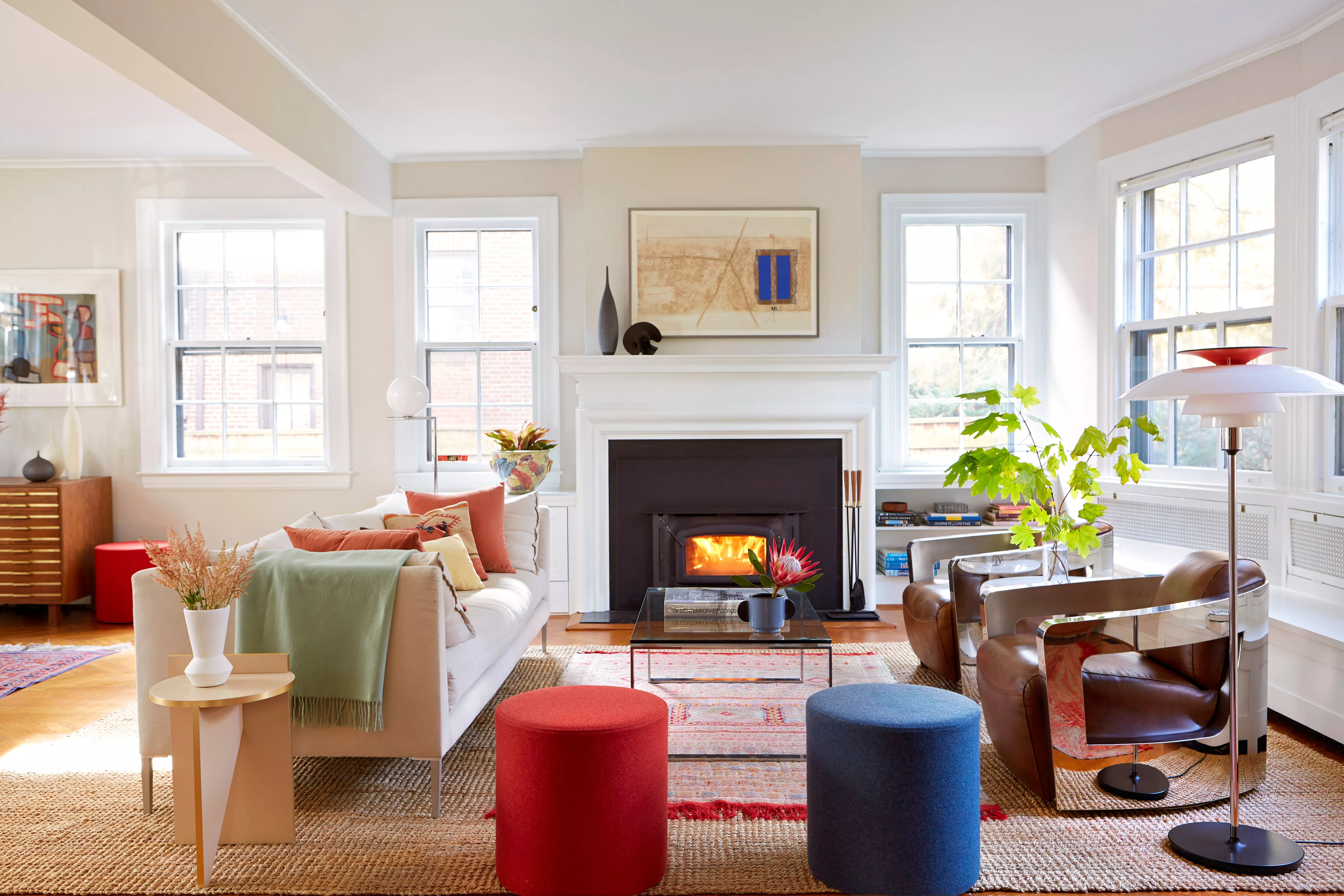
We're Crowning Chrome the Most Popular Finish of 2025—Here's How to Make It Shine