1/9
Is outdoor furniture weatherproof? We ask the experts
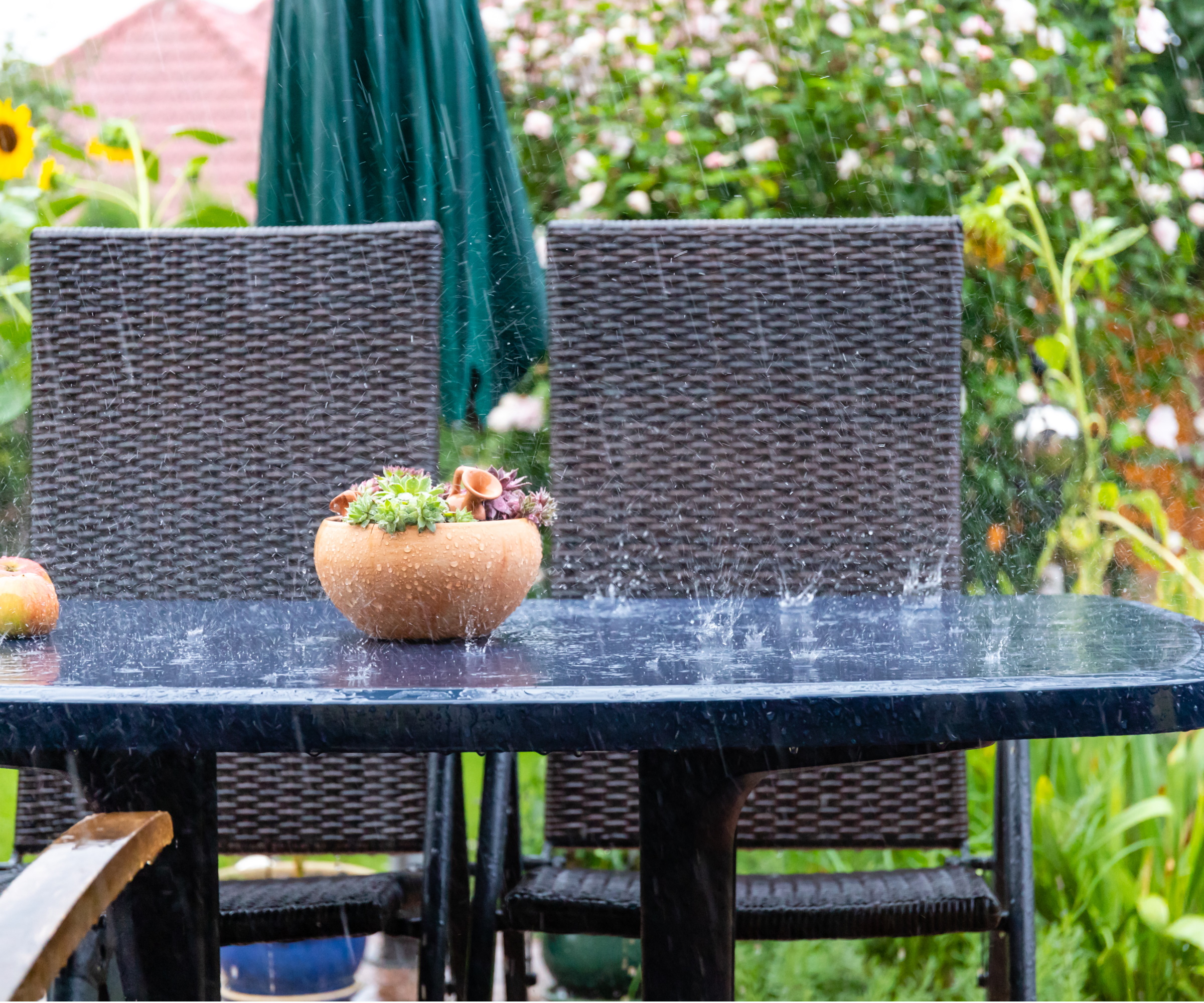
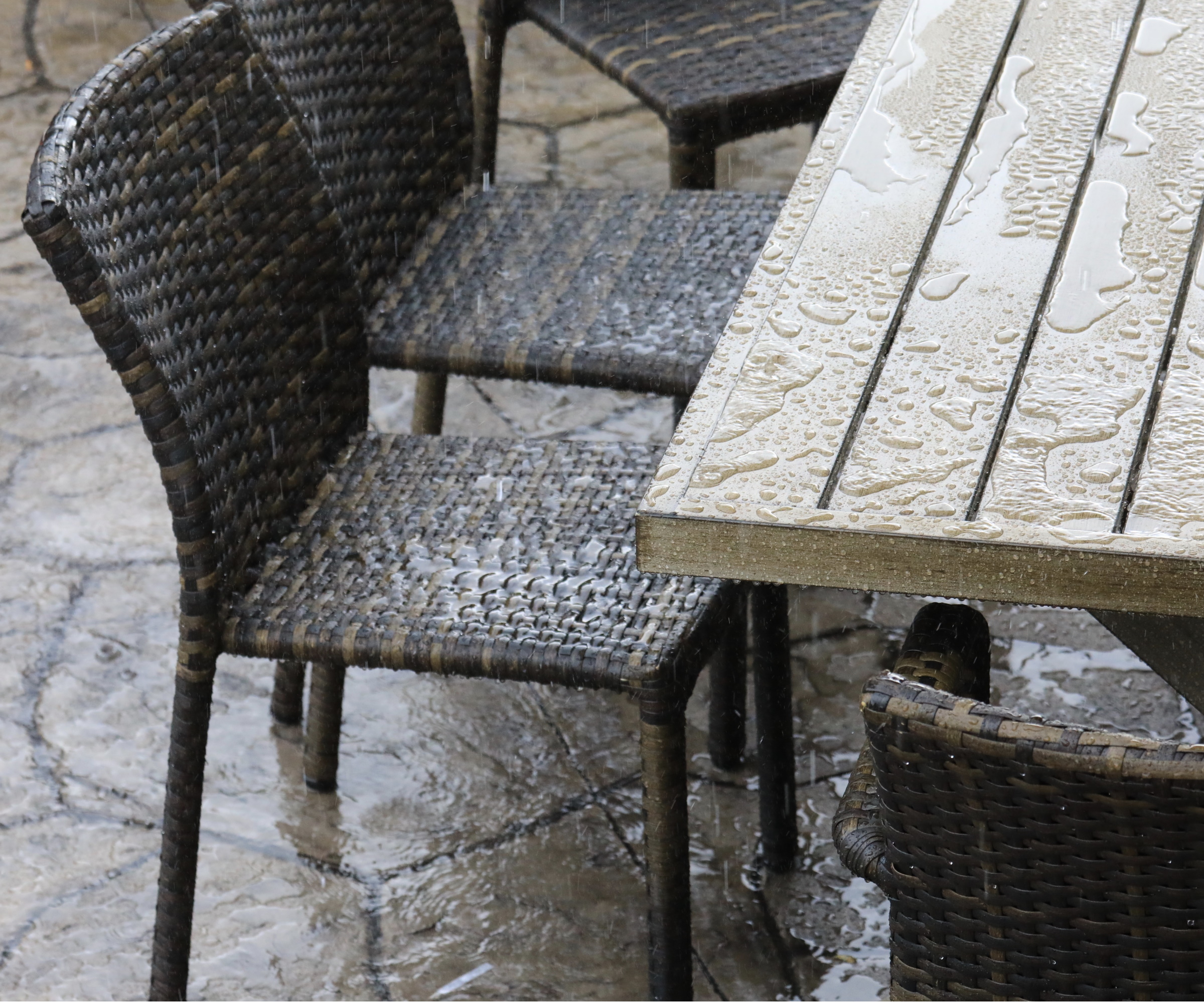
Selecting outdoor furniture requires careful consideration of its weatherproofing capabilities to ensure longevity and suitability for varying environmental conditions. Different materials possess distinct properties that determine their resistance to elements like water, sun, and temperature fluctuations. The primary concern is protecting furniture from water, whether in the form of rain, snow, humidity, or dew, as absorption can lead to deterioration, rust, rot, or mold.
Jennifer Newman, a designer specializing in outdoor furniture for challenging climates, emphasizes that outdoor furniture needs to repel water absorption. While inherent water resistance varies among materials, finishes such as paint, heat treatments, or preservatives can enhance durability. Without these, most water-absorbent materials will degrade over time. Coastal properties face additional challenges due to corrosive salt, which accelerates damage. In colder regions, water absorption followed by freezing can cause cracking and splintering due to expansion. Sun and heat also pose threats, causing fading, warping, and cracking, and can make materials too hot to touch if they have high thermal conductivity.
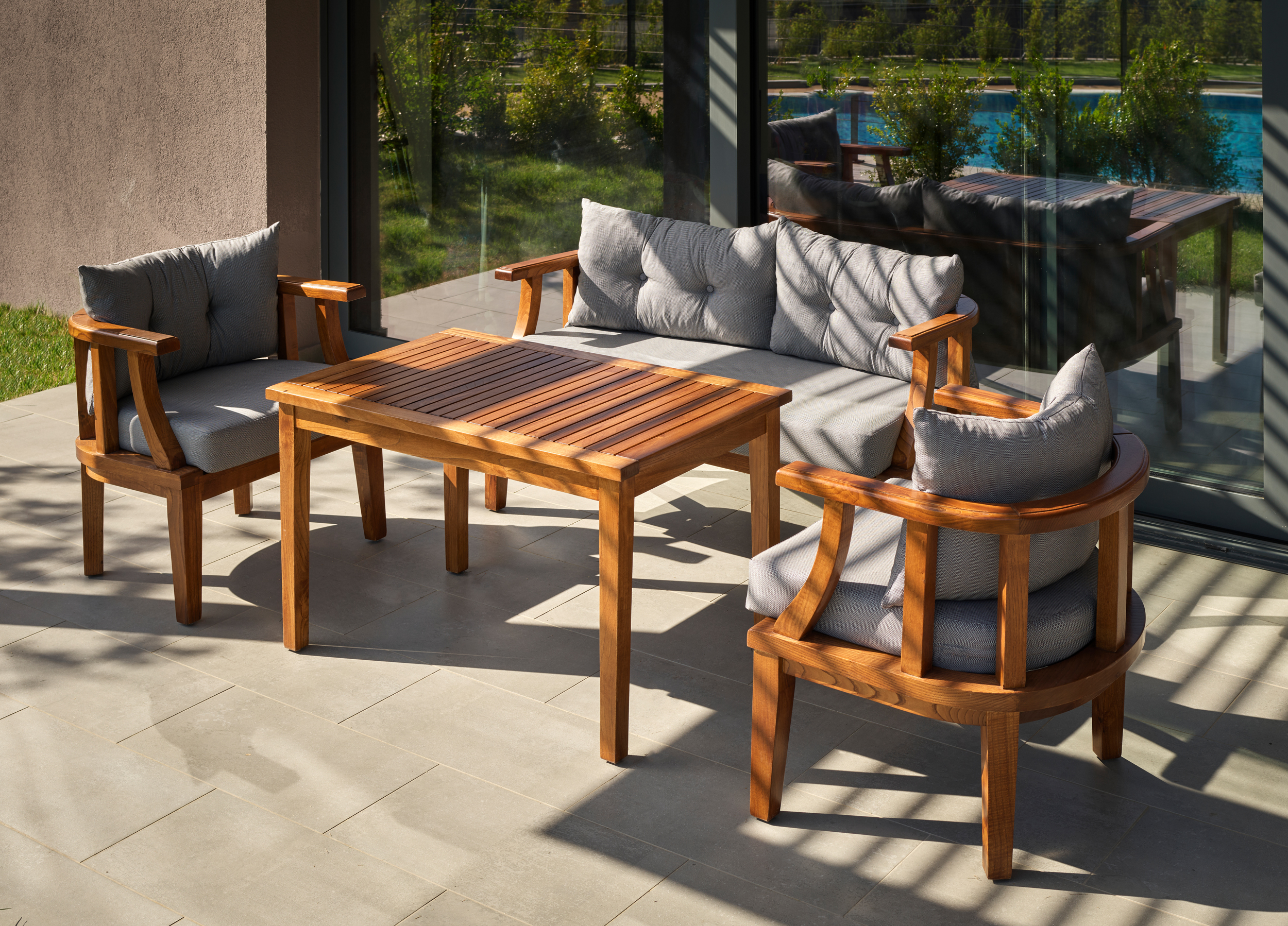
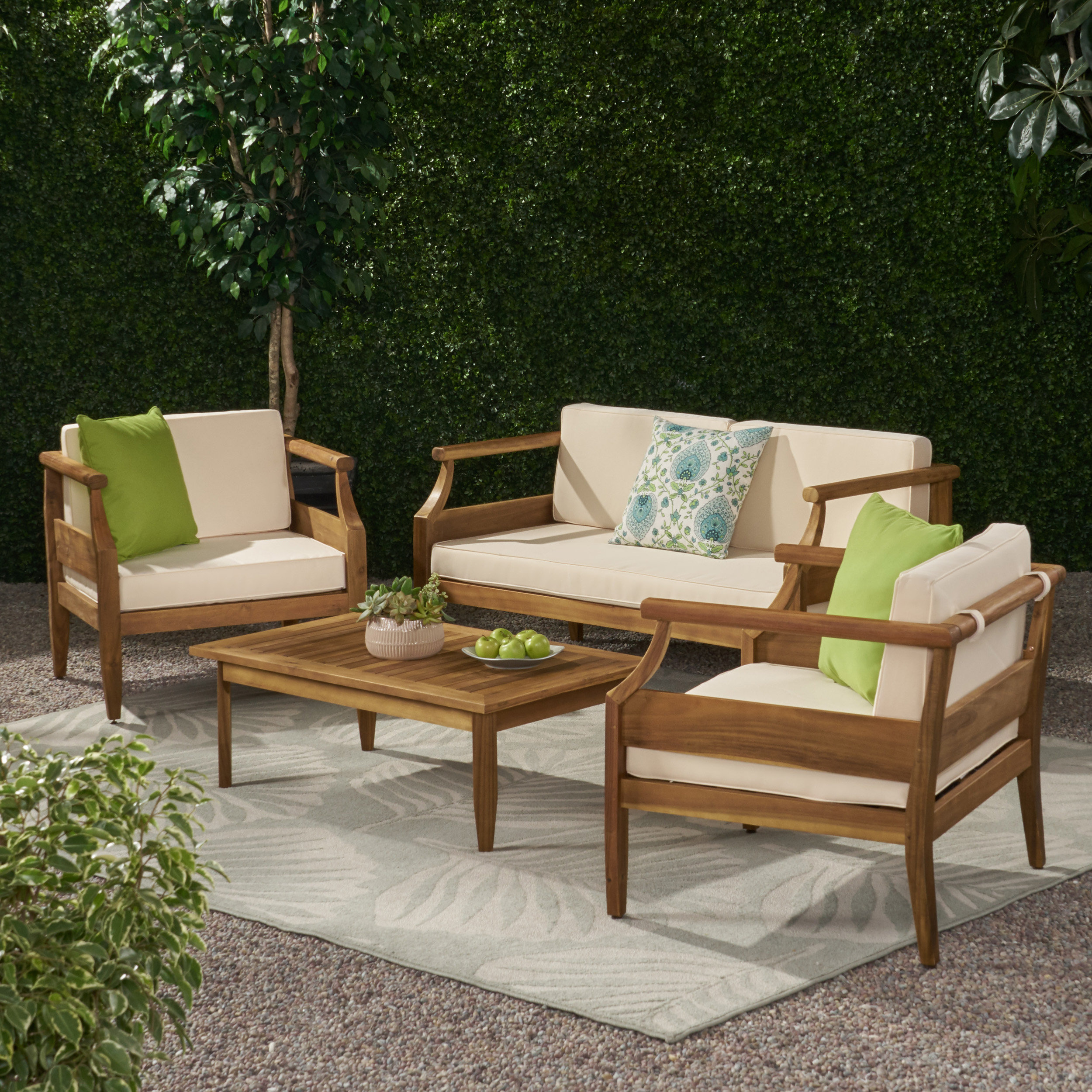
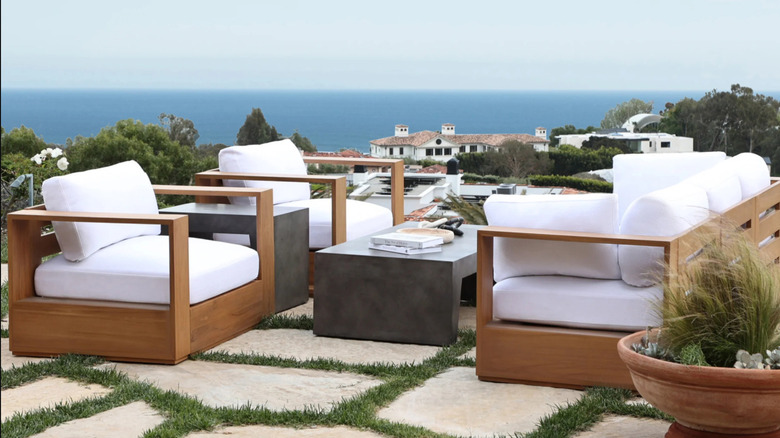
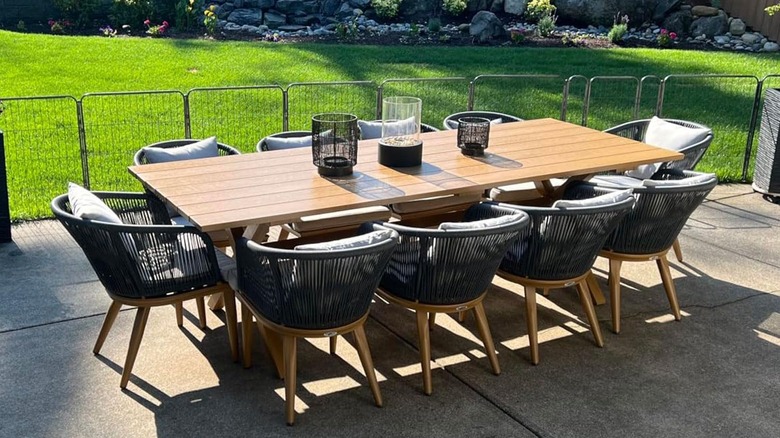
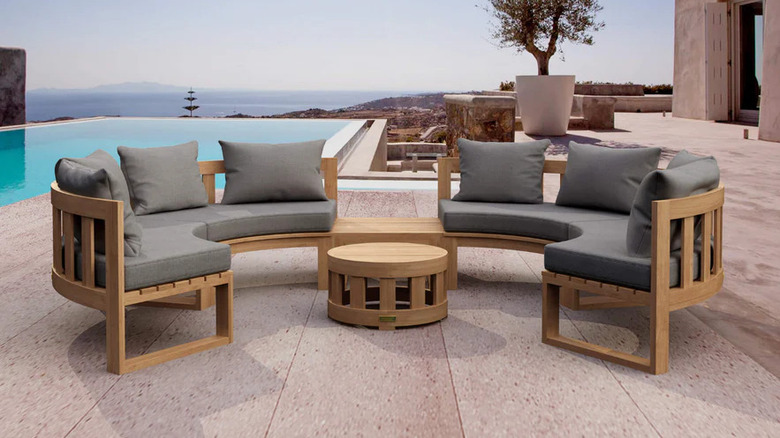
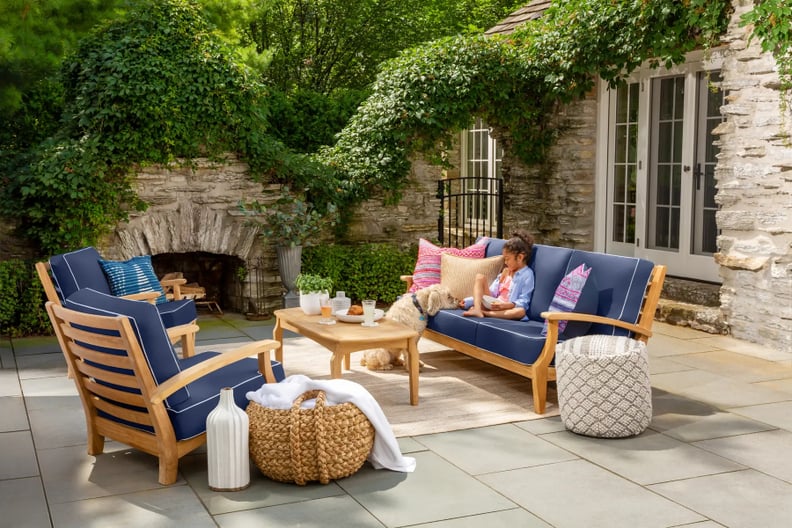
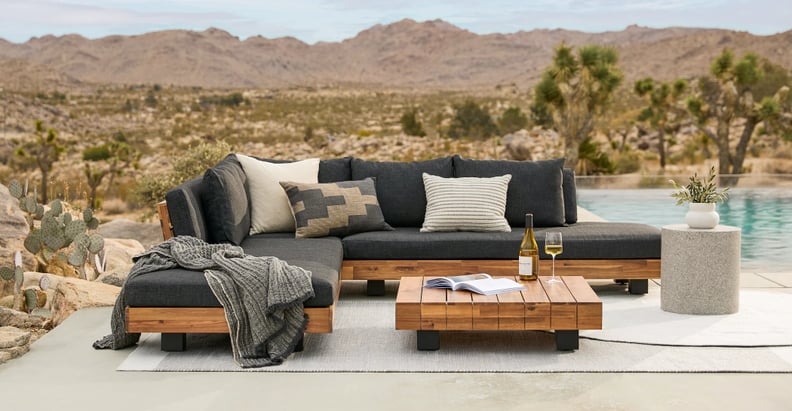
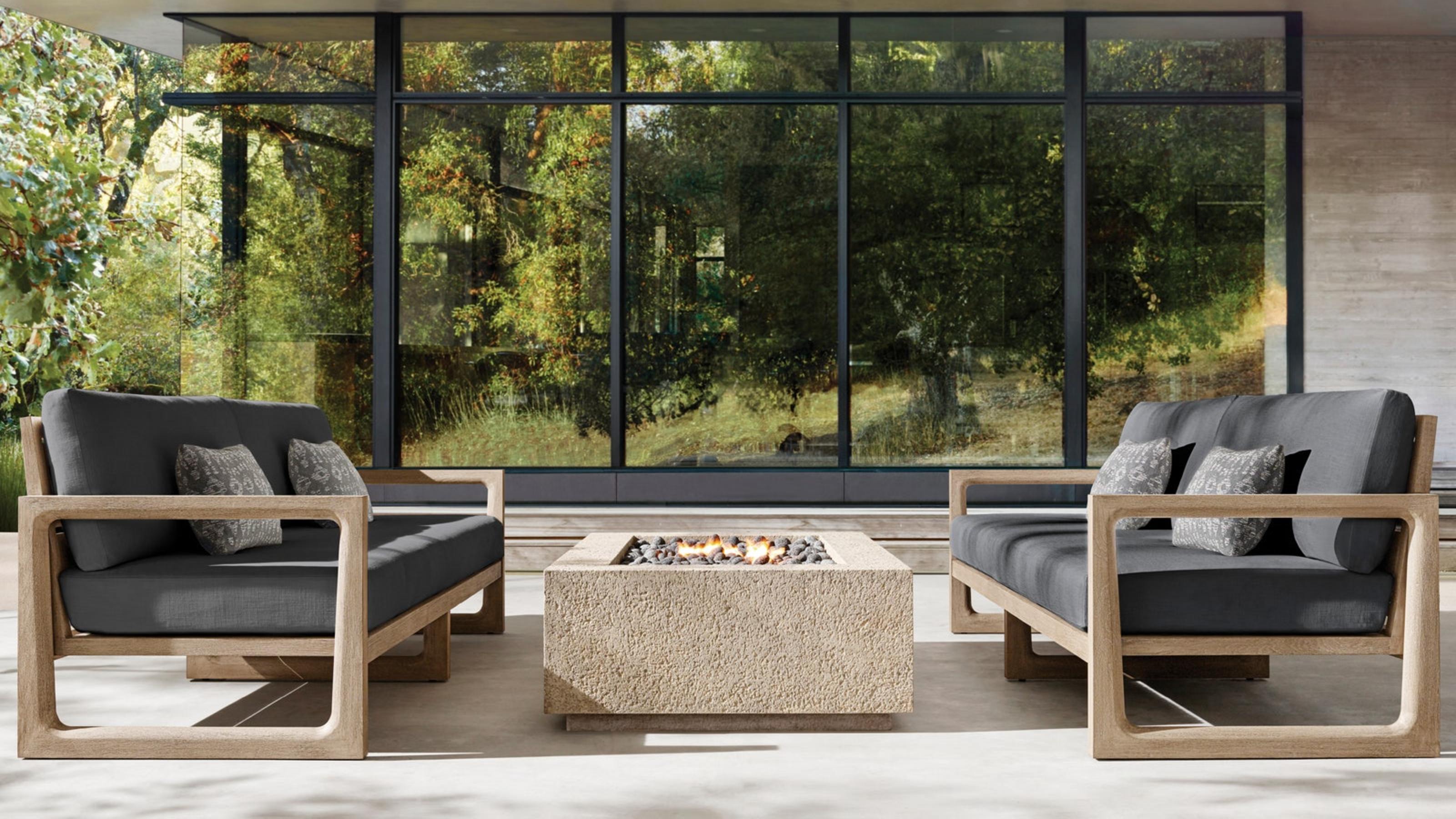
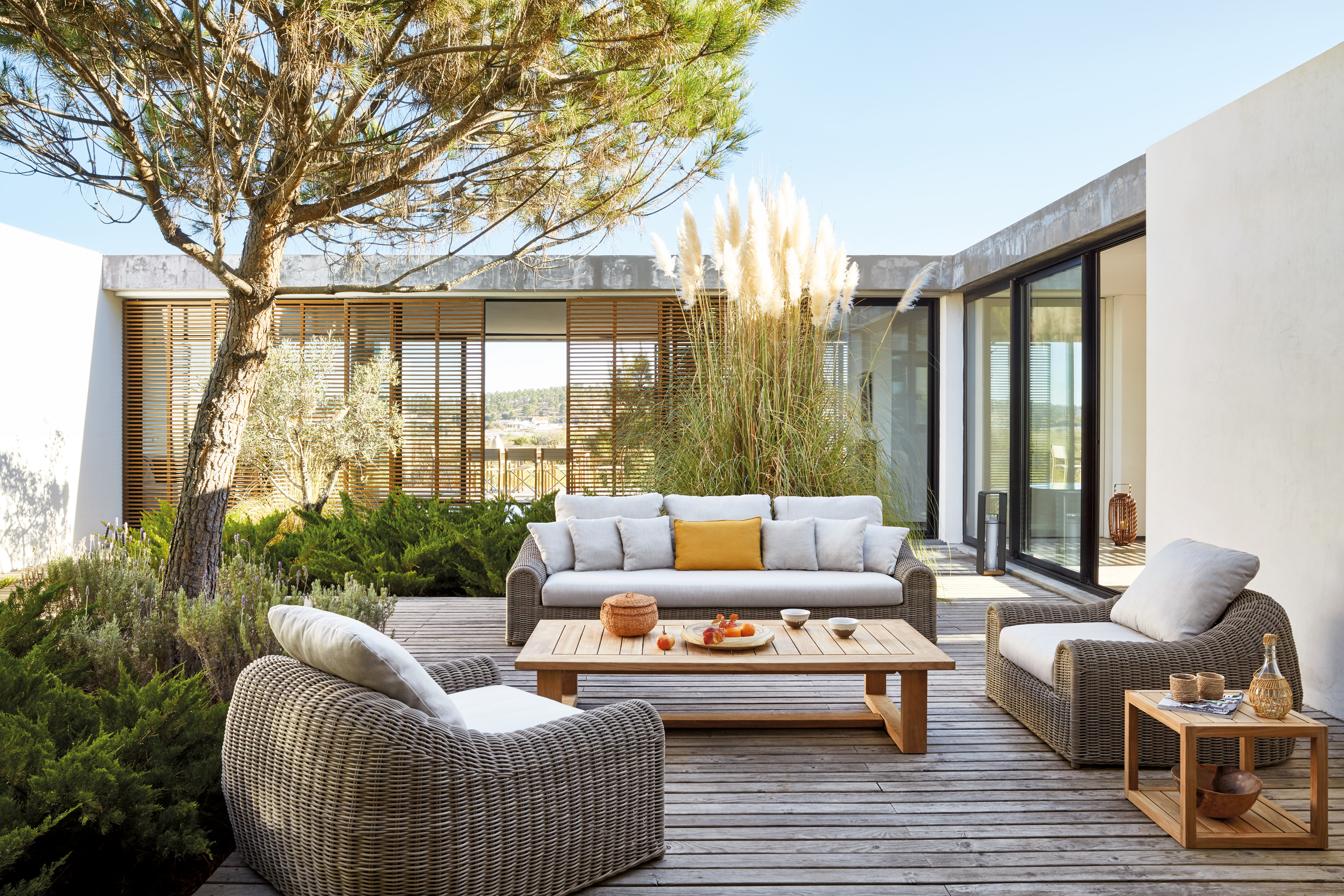
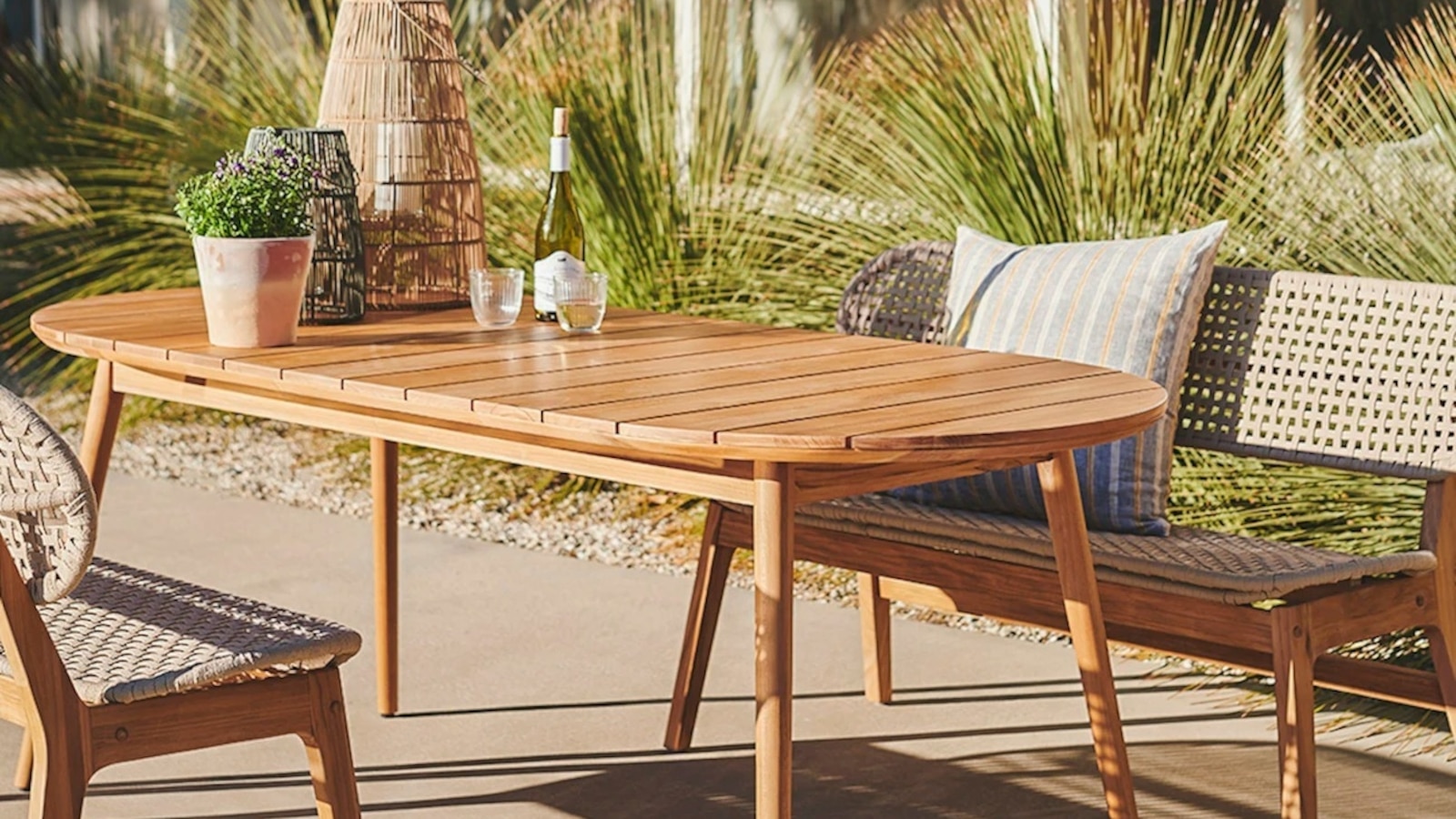
Wood, a popular choice, offers natural weatherproof qualities and aesthetic appeal. Hardwoods like teak, acacia, and eucalyptus are preferred for outdoor use due to their high oil content and dense structure, making them water and rot-resistant. Teak, in particular, is highly valued for its strength, durability, and natural oils that repel moisture and offer sun protection. However, its slow growth makes it expensive, necessitating a focus on sustainably sourced or reclaimed options. Softer woods are generally unsuitable for prolonged outdoor exposure. Hardwoods have low thermal conductivity, meaning they remain comfortable in varying temperatures, but require maintenance such as teak oil or preservatives to maintain their golden hue and durability over time.
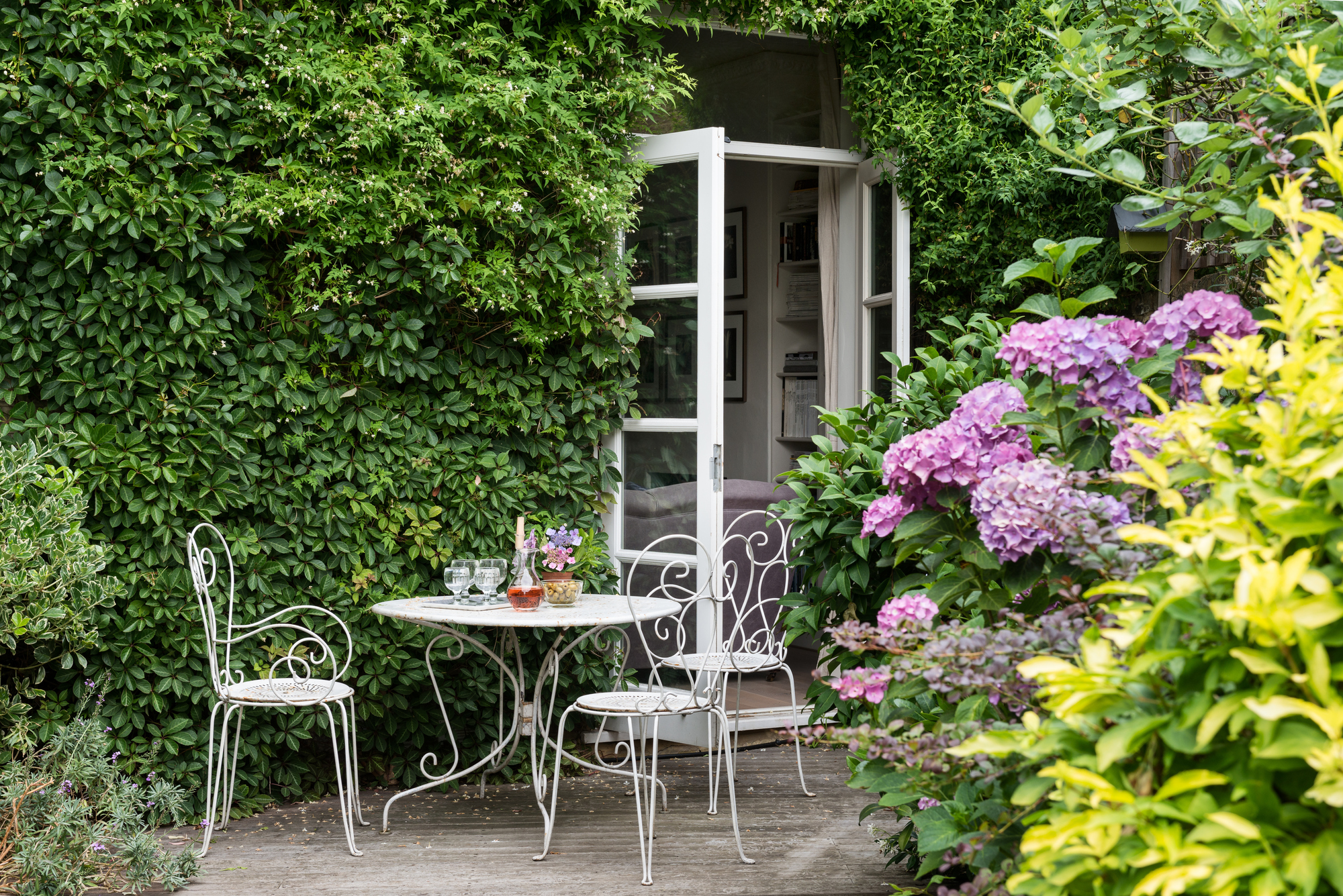
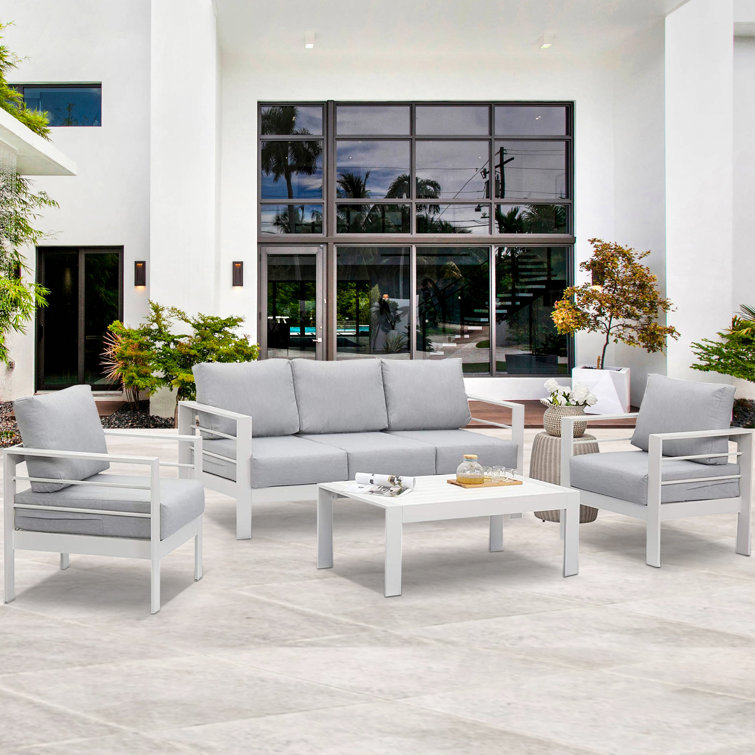
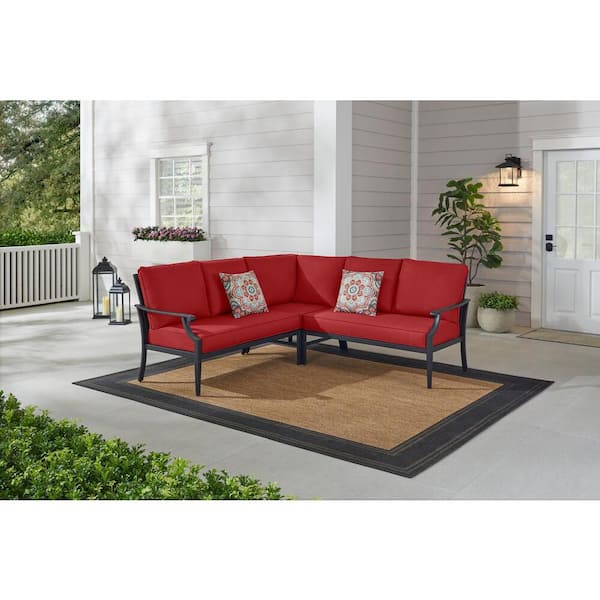
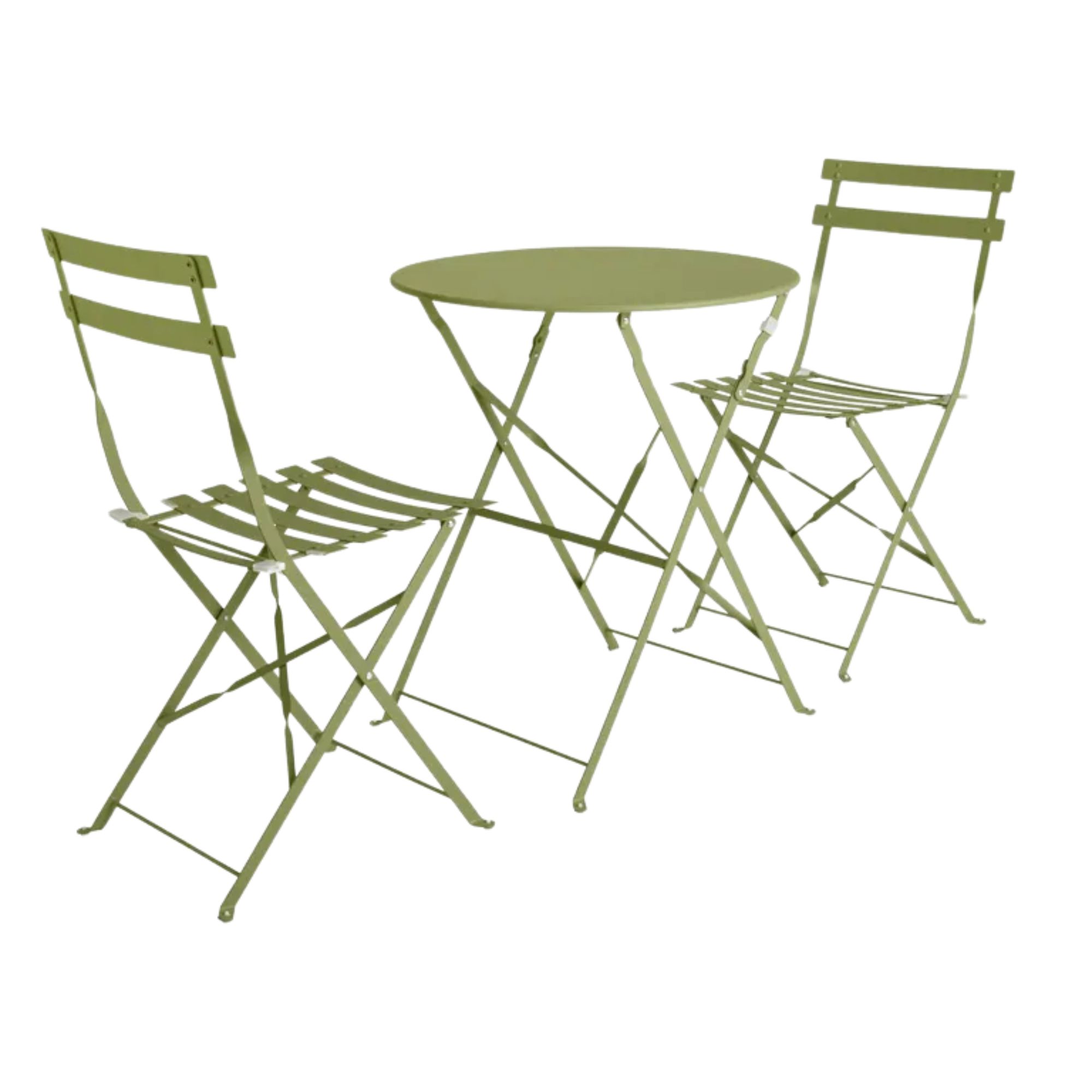
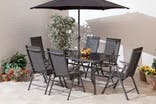
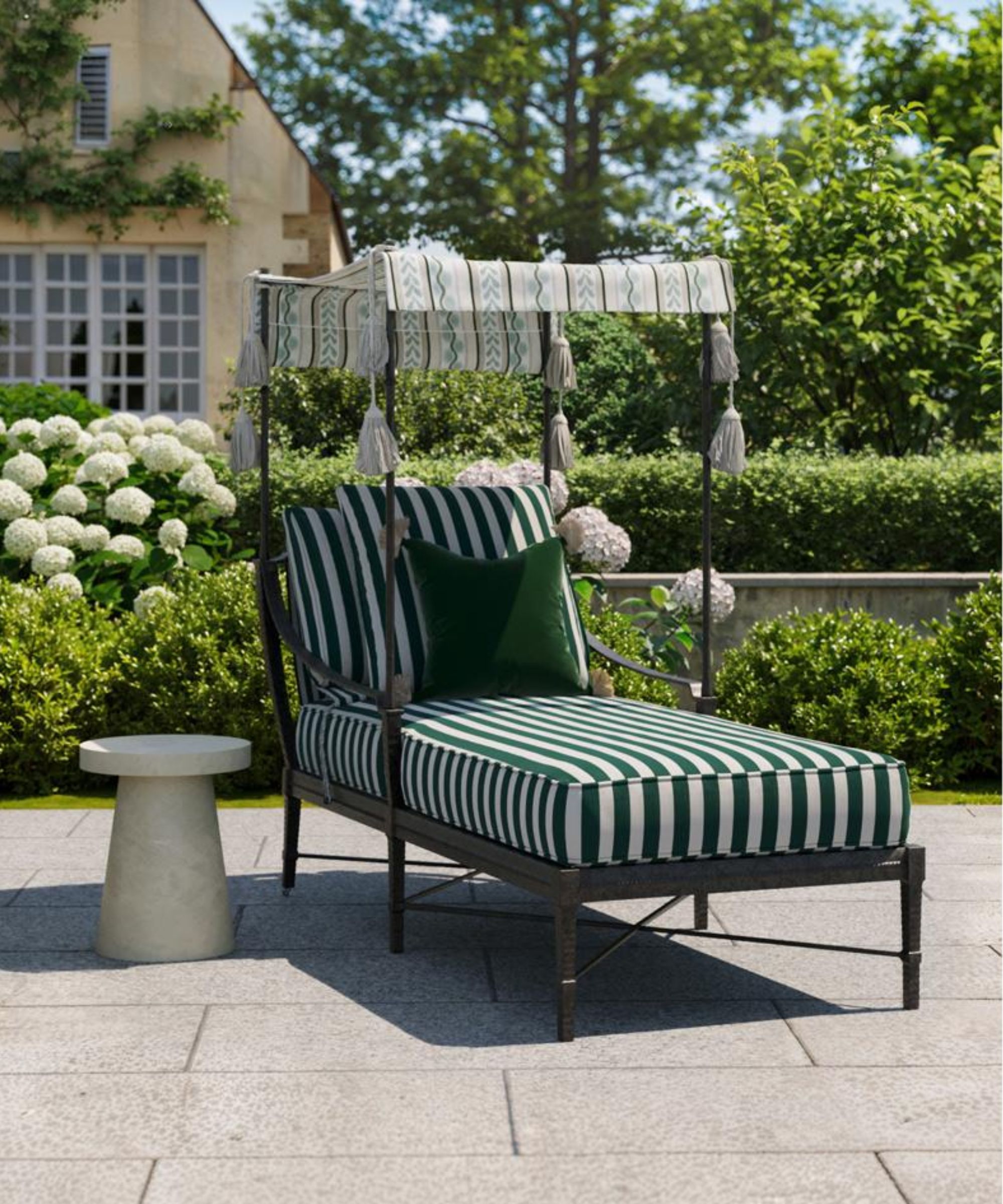
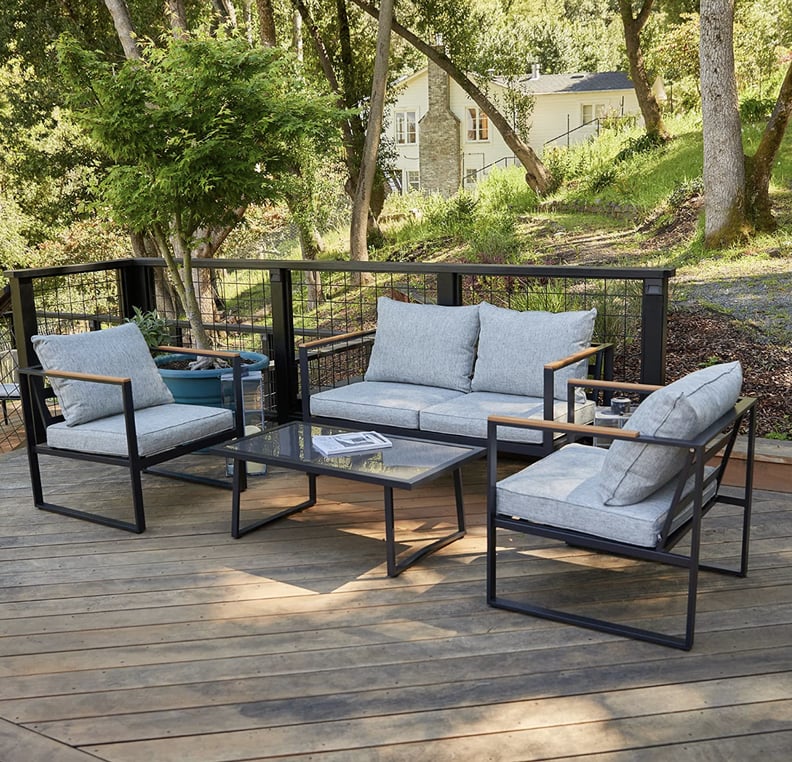
Metal furniture, commonly made from steel, wrought iron, or aluminum, is robust but presents challenges related to thermal conductivity and oxidation. Steel and wrought iron, despite their strength, require powder-coated finishes to prevent rust, as they oxidize when exposed to moisture. Chips in the coating must be addressed promptly to avoid water ingress and subsequent rust. Aluminum stands out as highly weatherproof due to its natural ability to form a protective oxidized layer, preventing further corrosion. It is also lightweight and strong, making it easy to move. Jennifer Newman advises seeking all-welded aluminum designs to minimize weak points caused by screws and fixings, which are susceptible to moisture penetration.
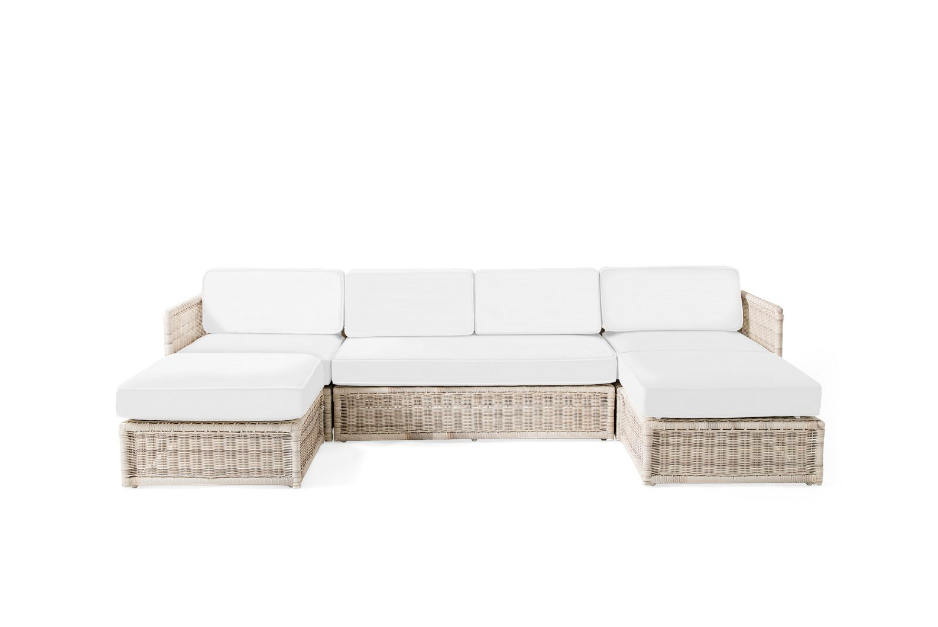
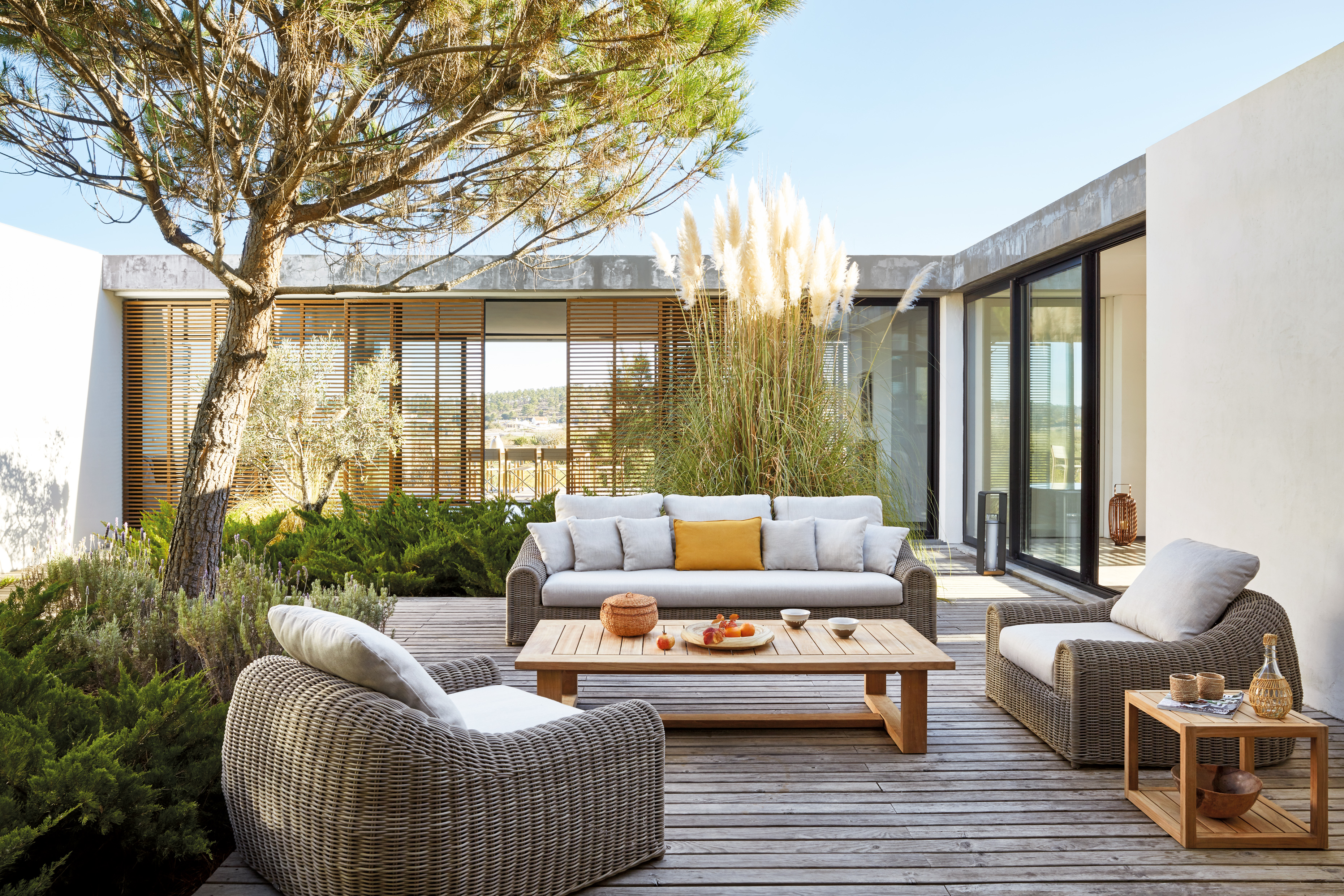
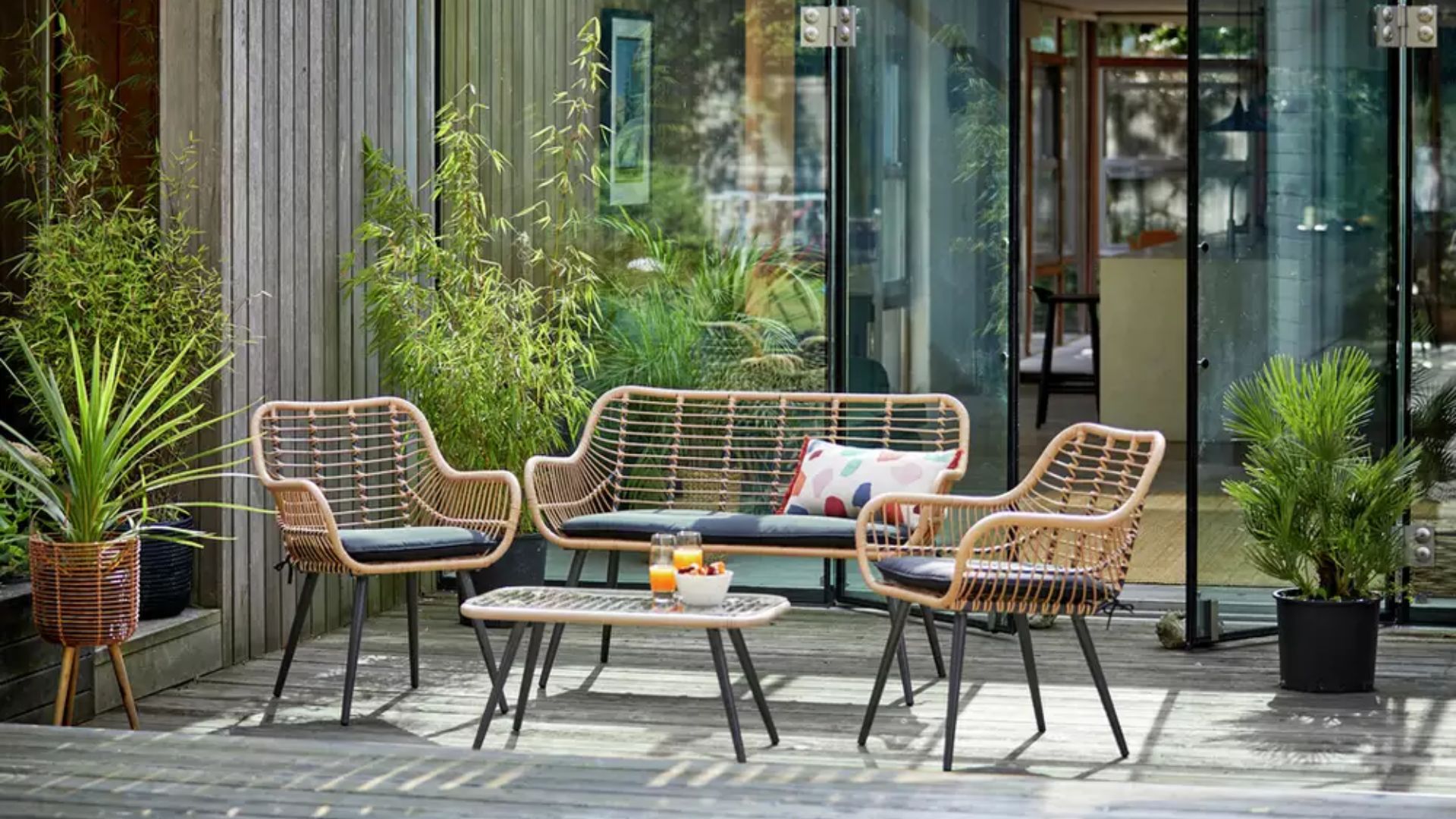
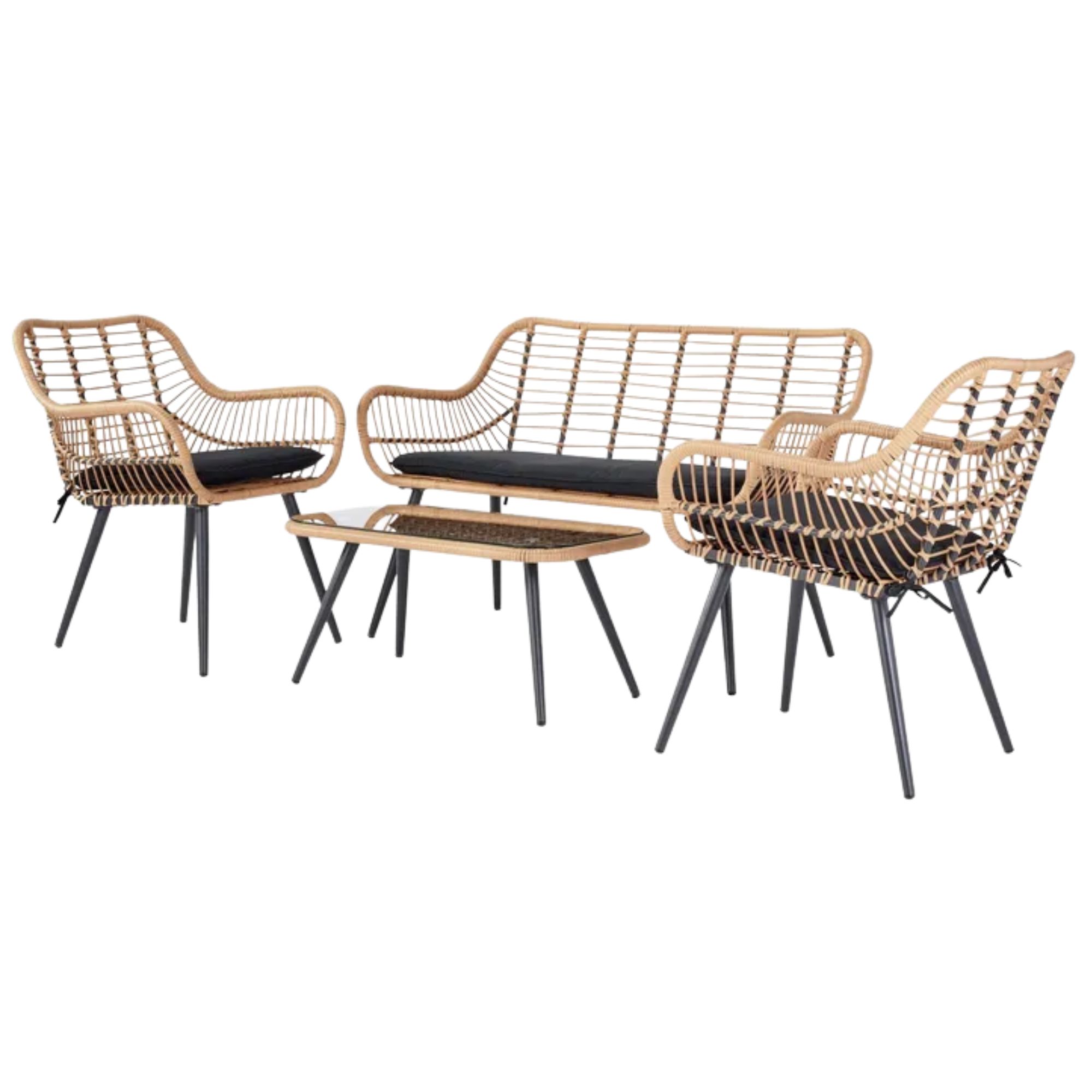
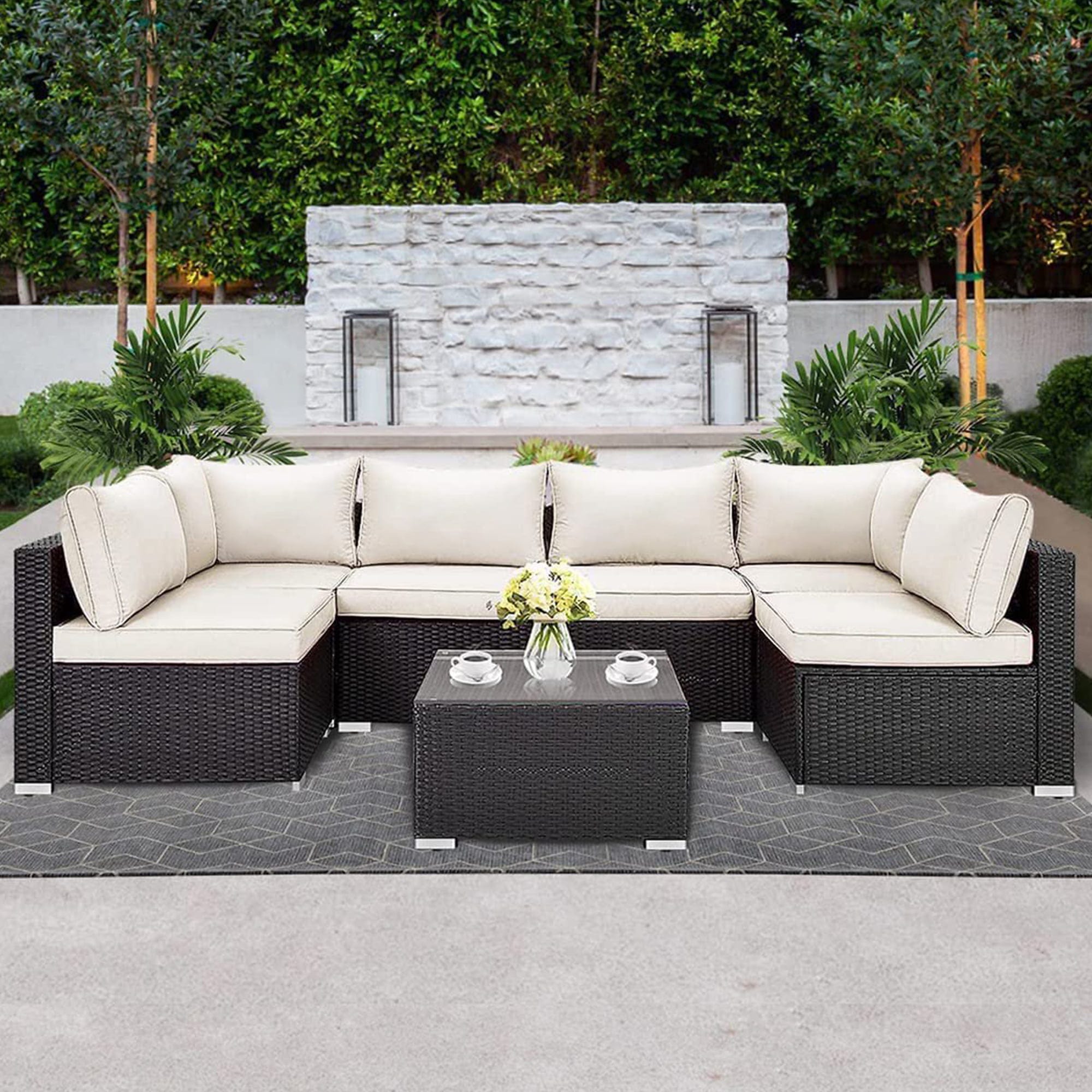
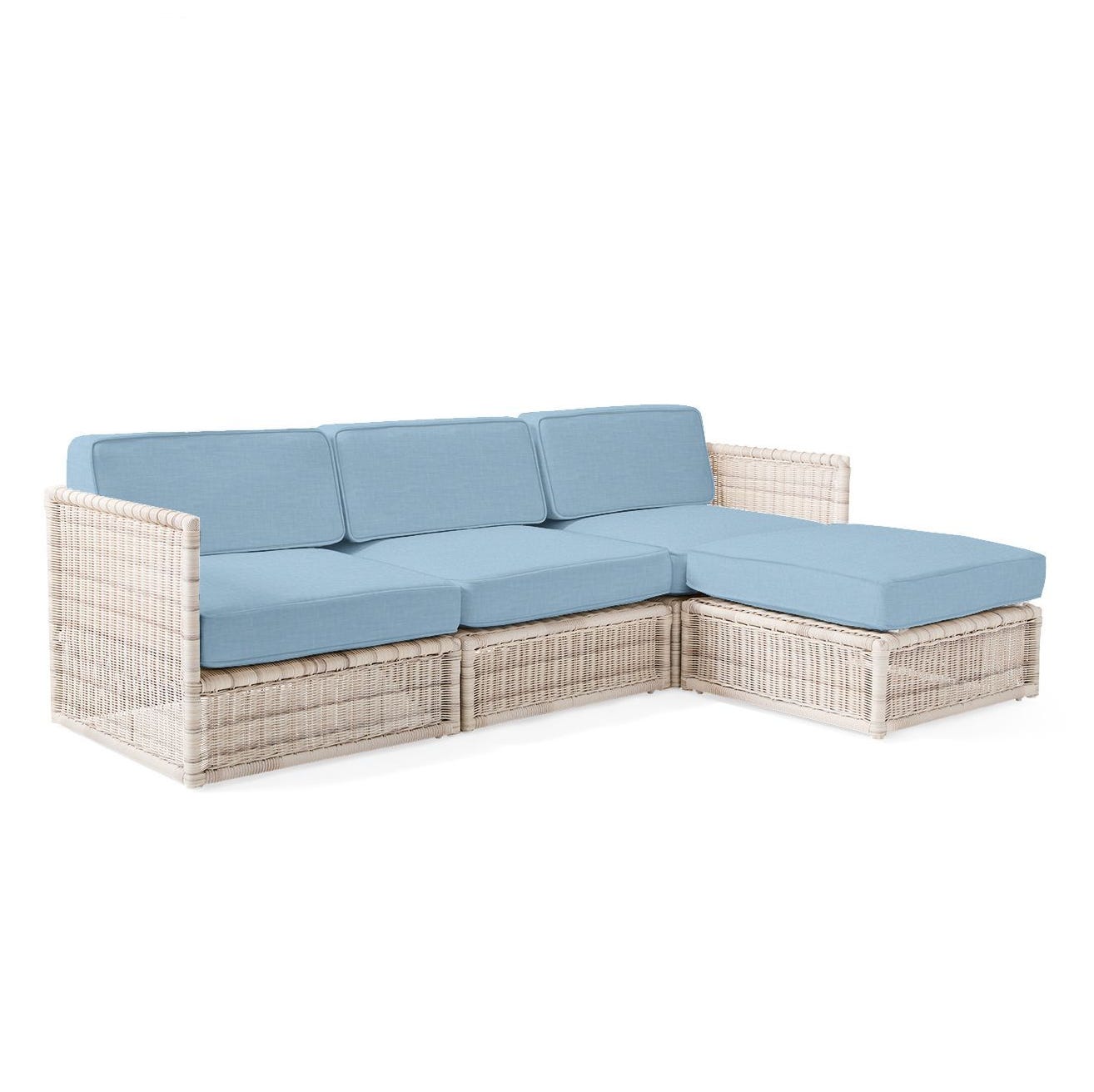
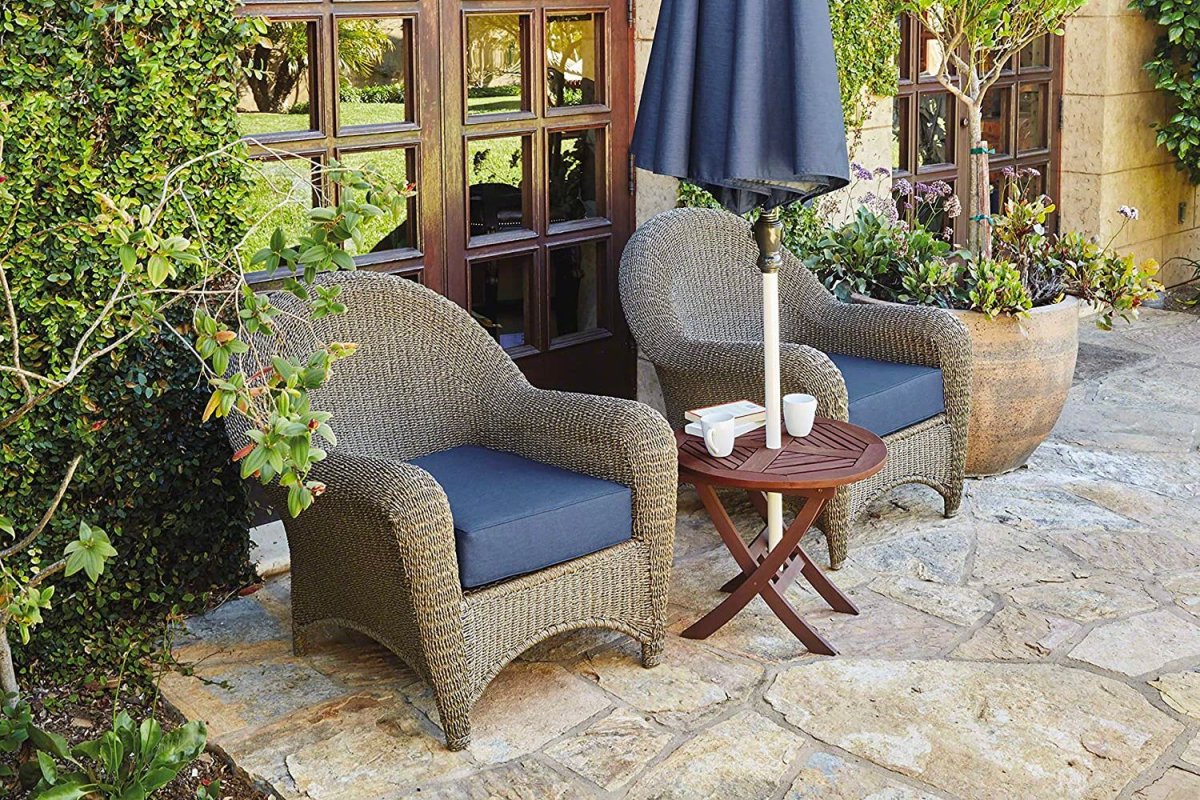
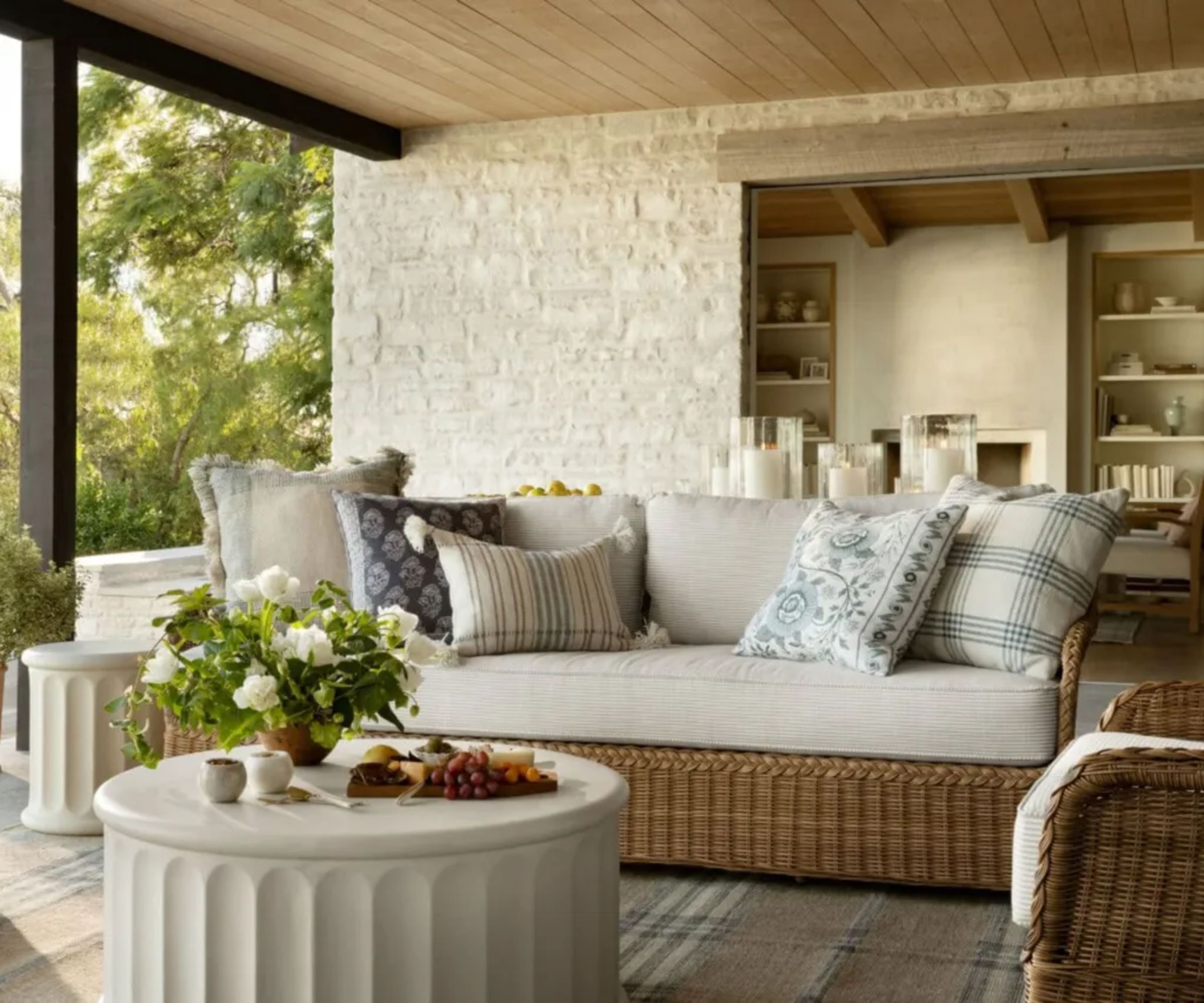
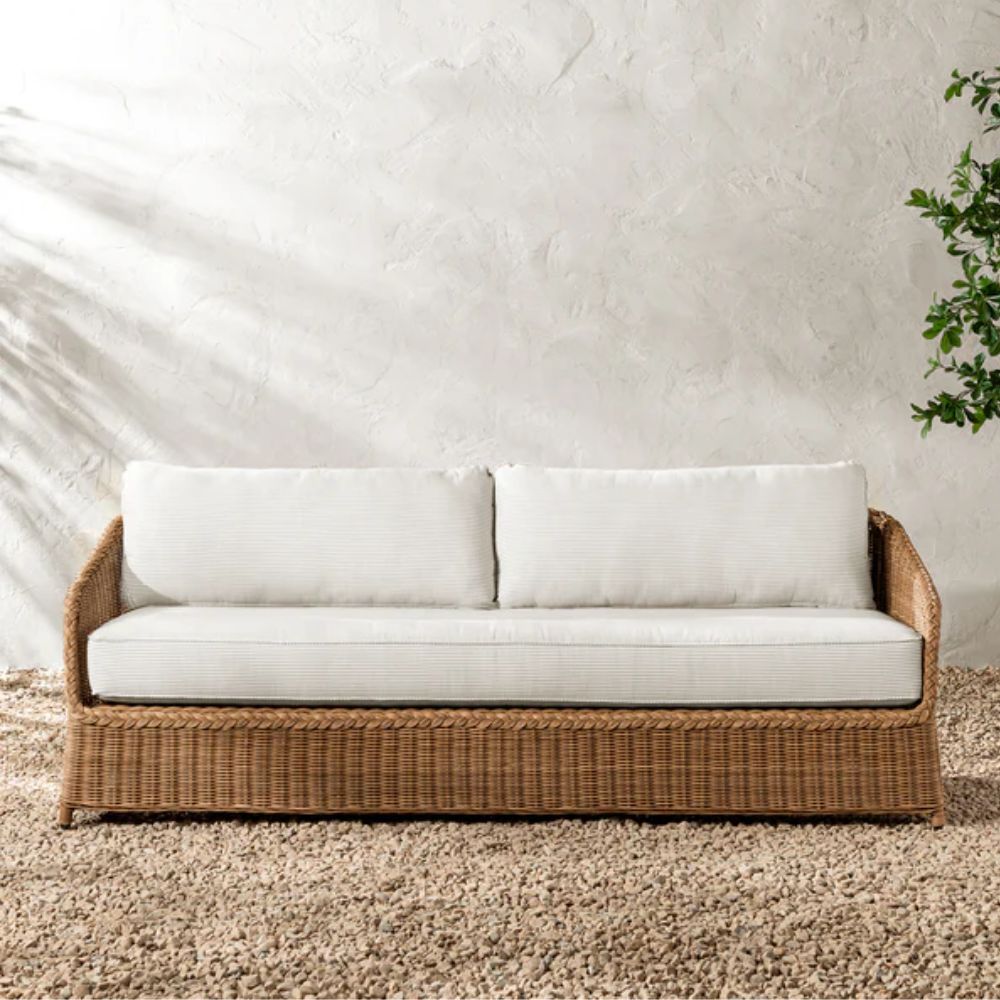
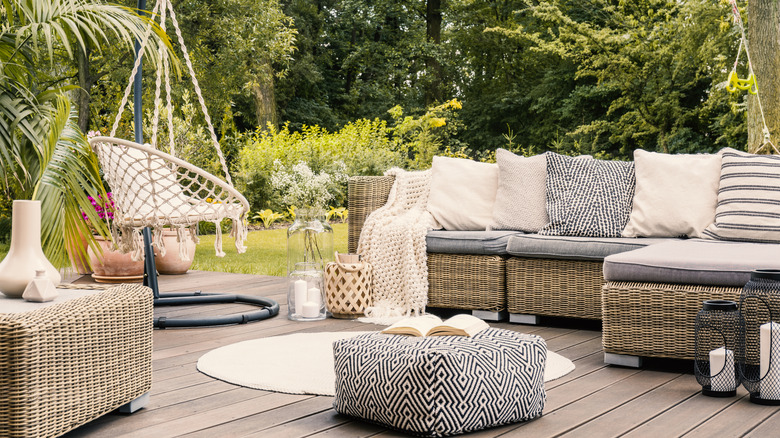
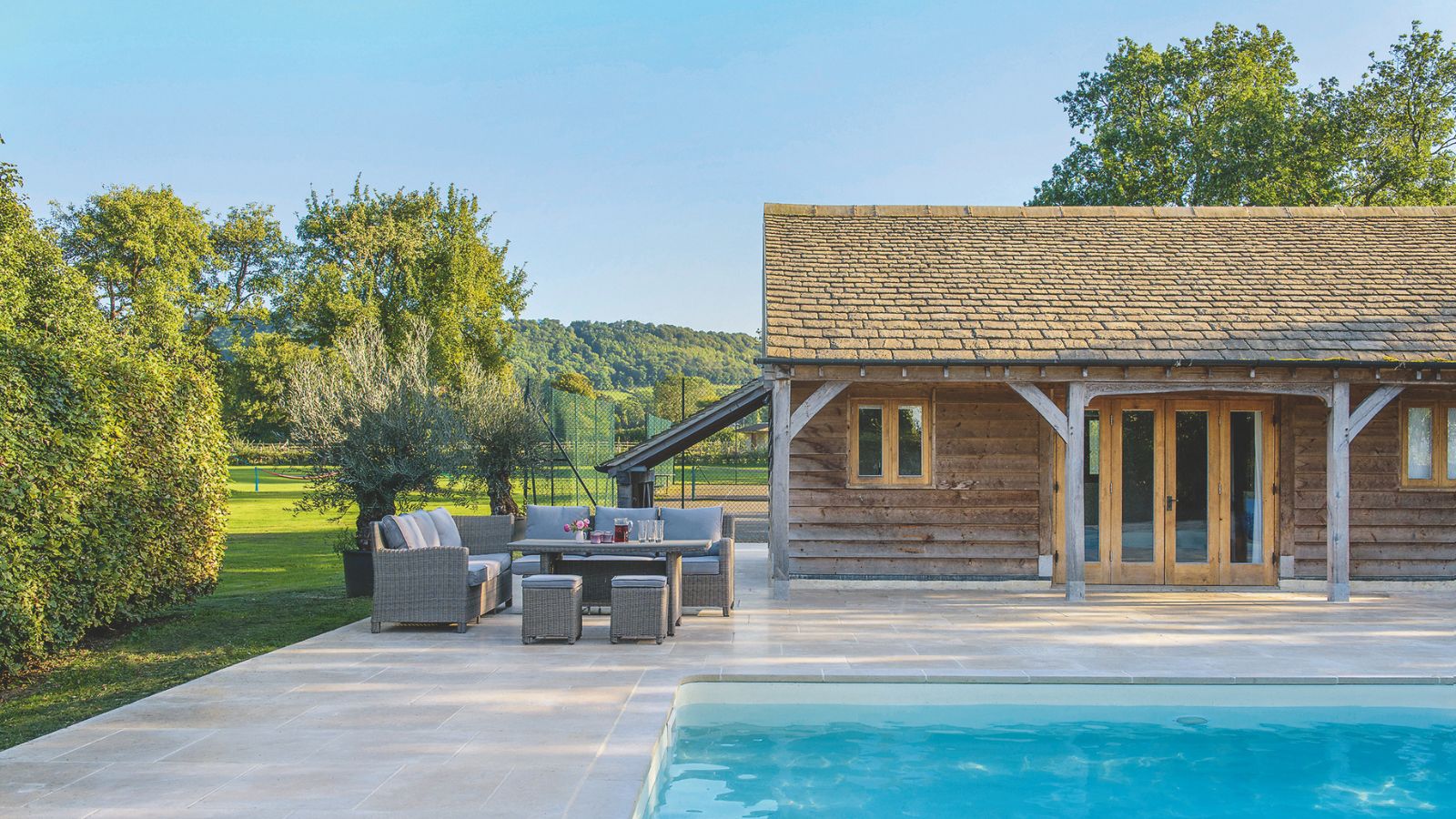
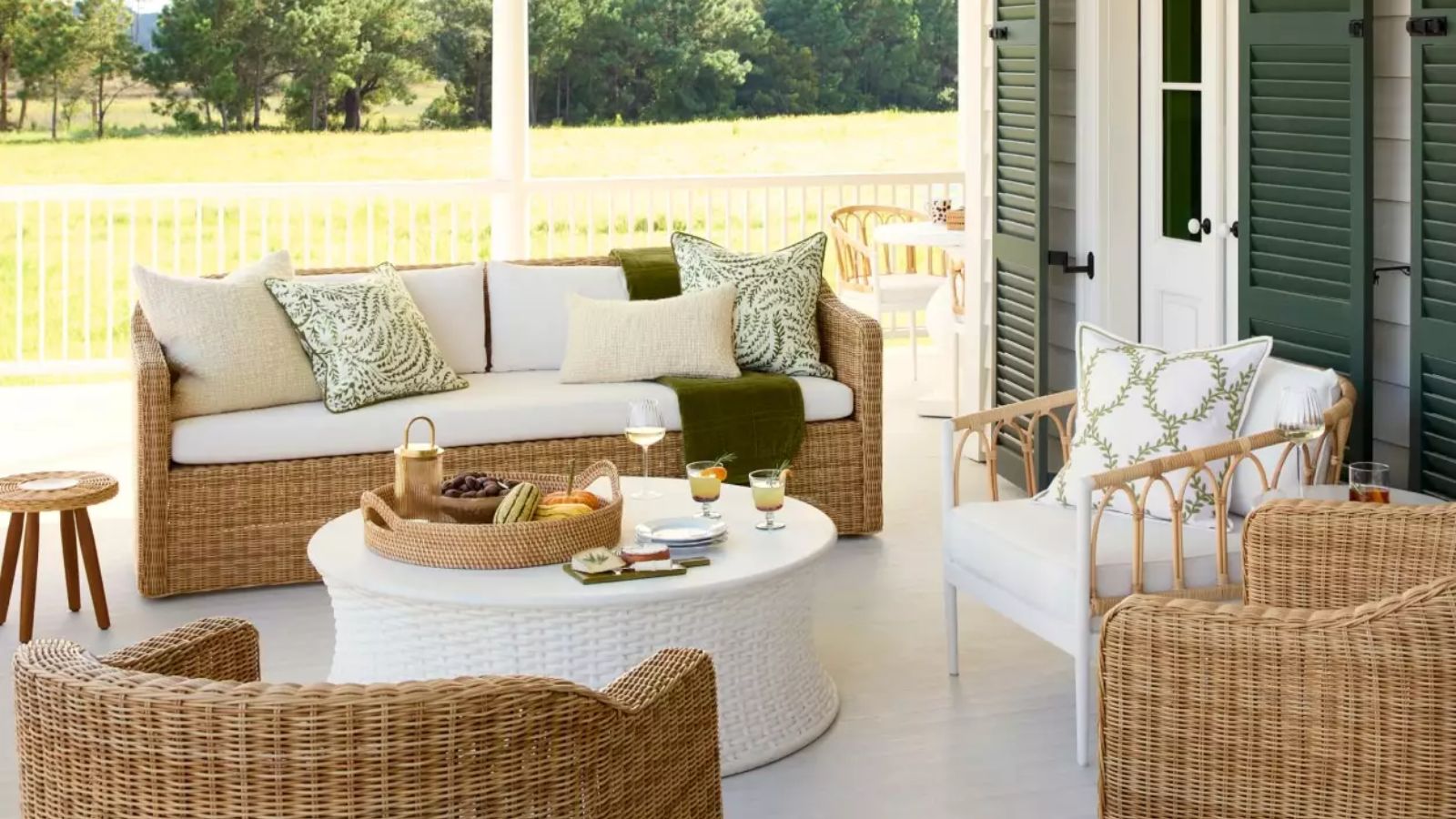
Natural rattan, a fast-growing plant material, offers an attractive, relaxed aesthetic. However, it is prone to drying out, becoming brittle, and developing mildew or rot when exposed to sun and rain. While painting can offer some protection, it is generally recommended for sheltered outdoor spaces or to be brought indoors during inclement weather. In contrast, 'all-weather' or polyrattan, a synthetic plastic material, is moisture-resistant and significantly more durable for outdoor use. Its low maintenance and resistance to heat conduction make it practical. The quality of polyrattan varies, with higher-end products more effectively mimicking the natural material's texture and tone. The durability of polyrattan furniture often depends on the underlying metal frame; aluminum frames offer superior rust resistance and lightness compared to steel, especially uncoated steel.
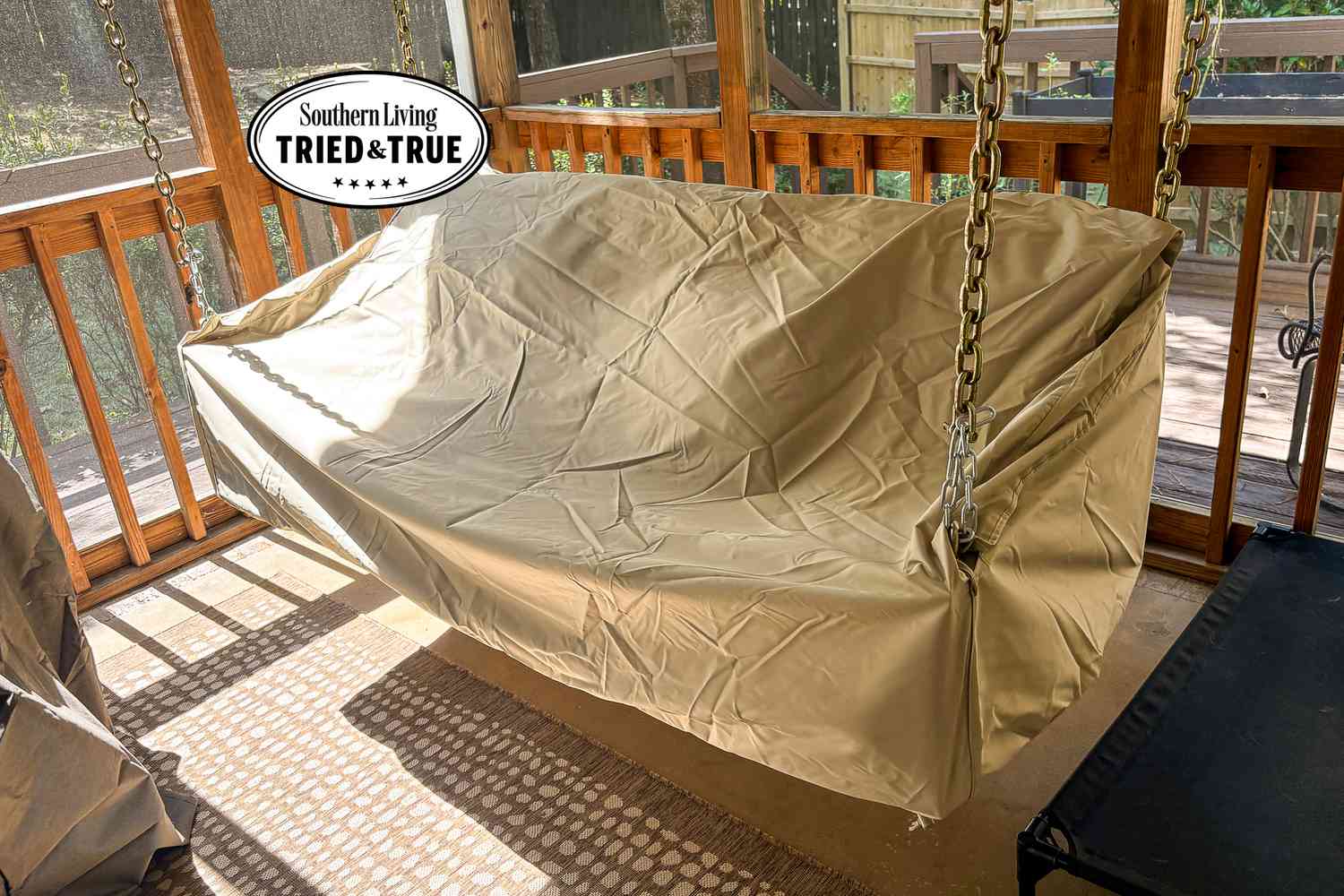
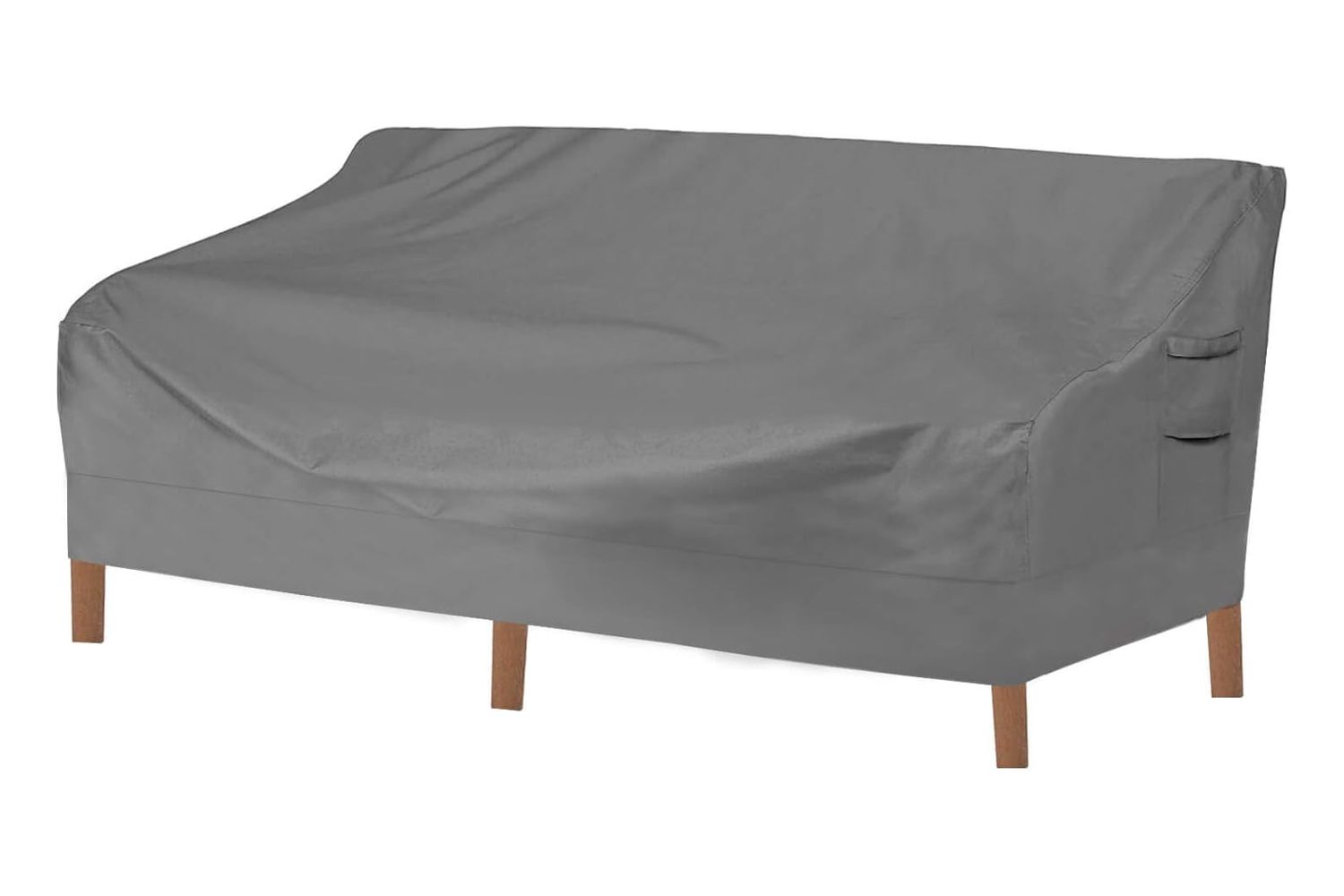
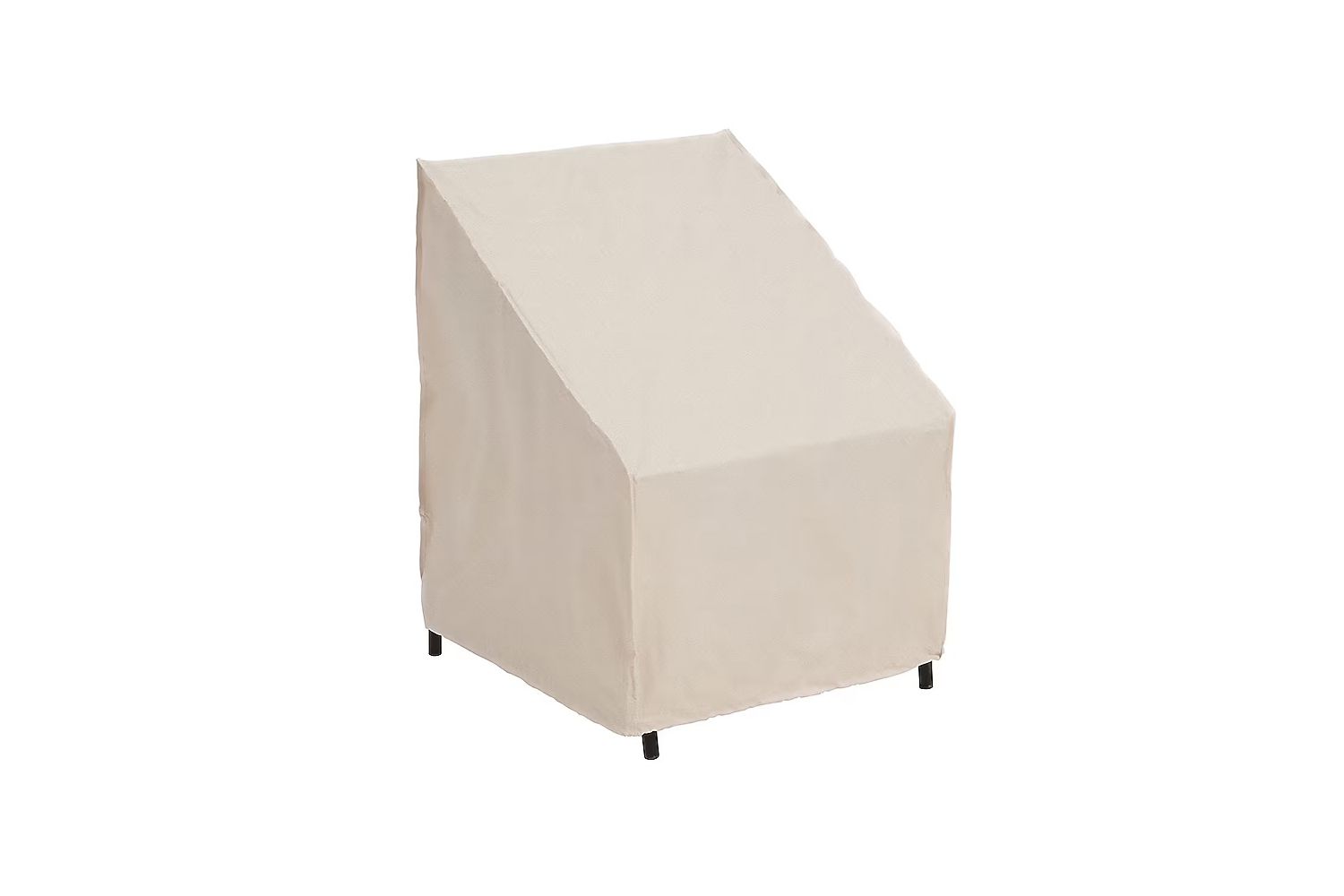
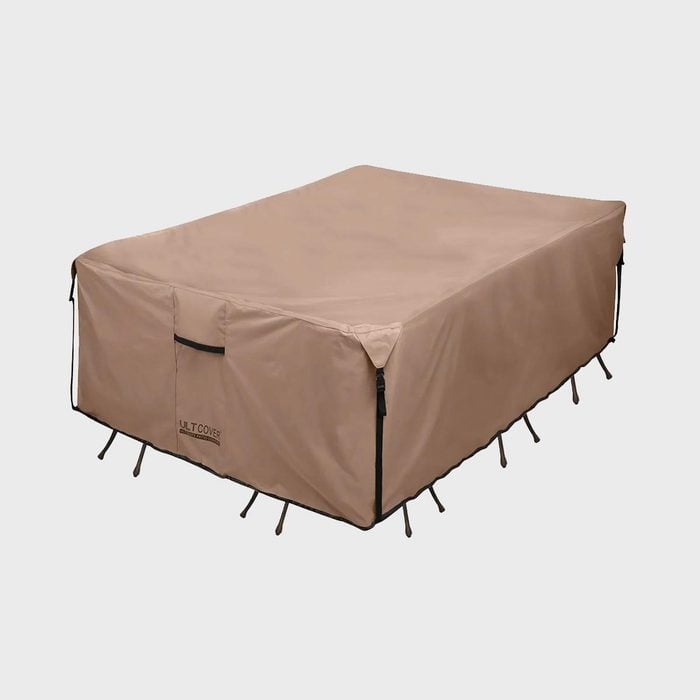
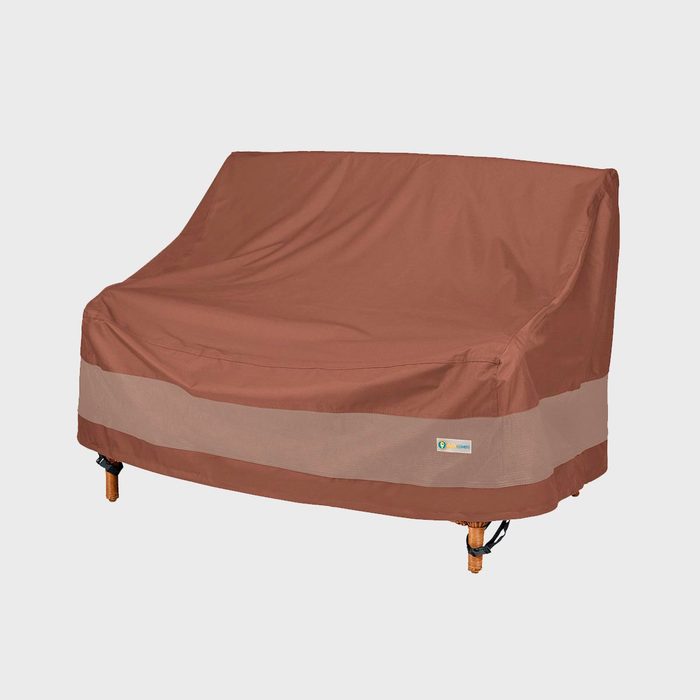
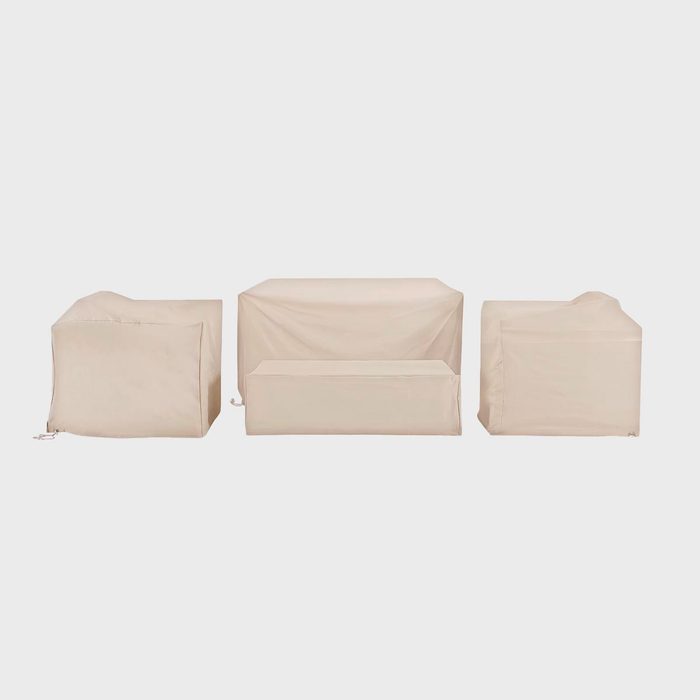
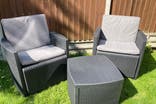
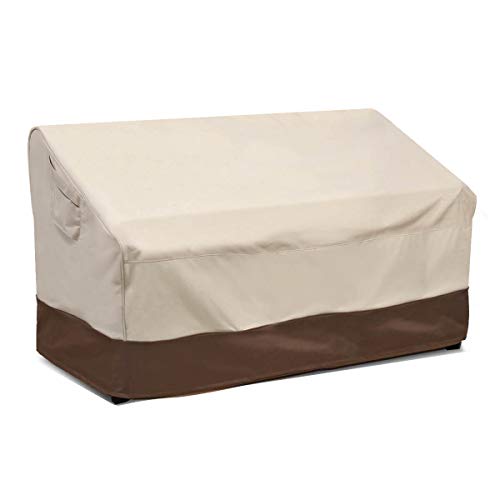
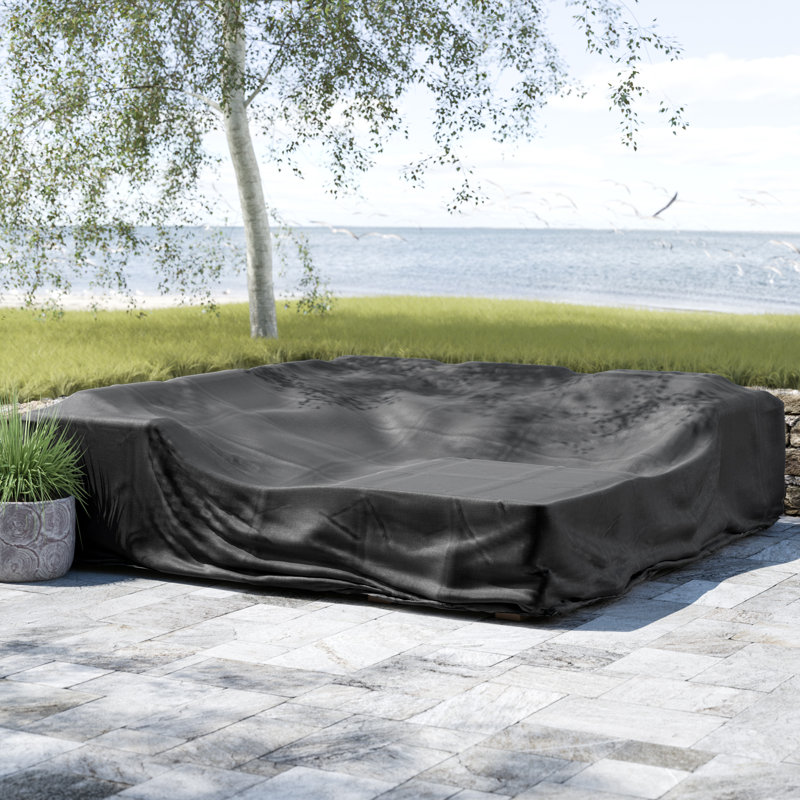
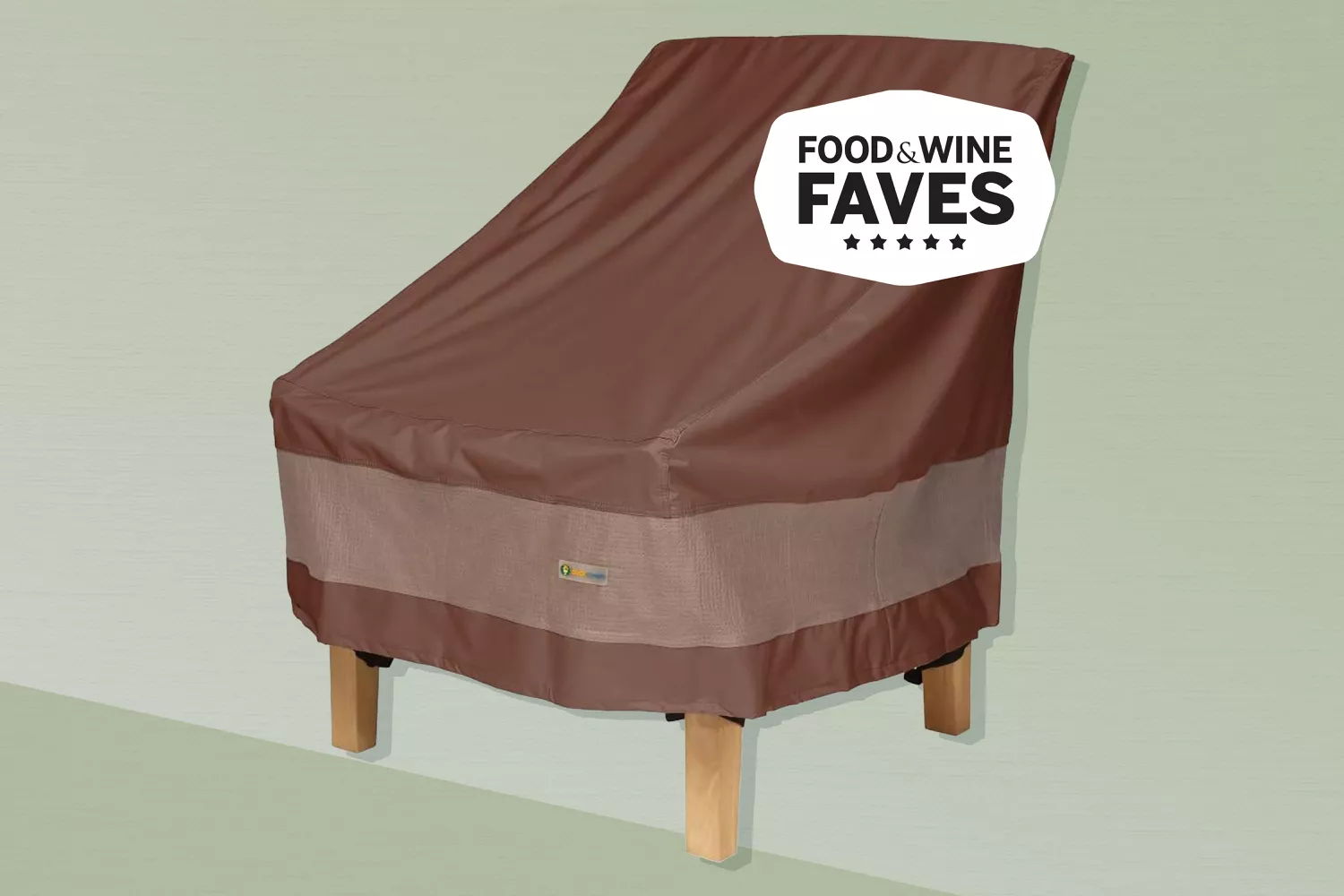
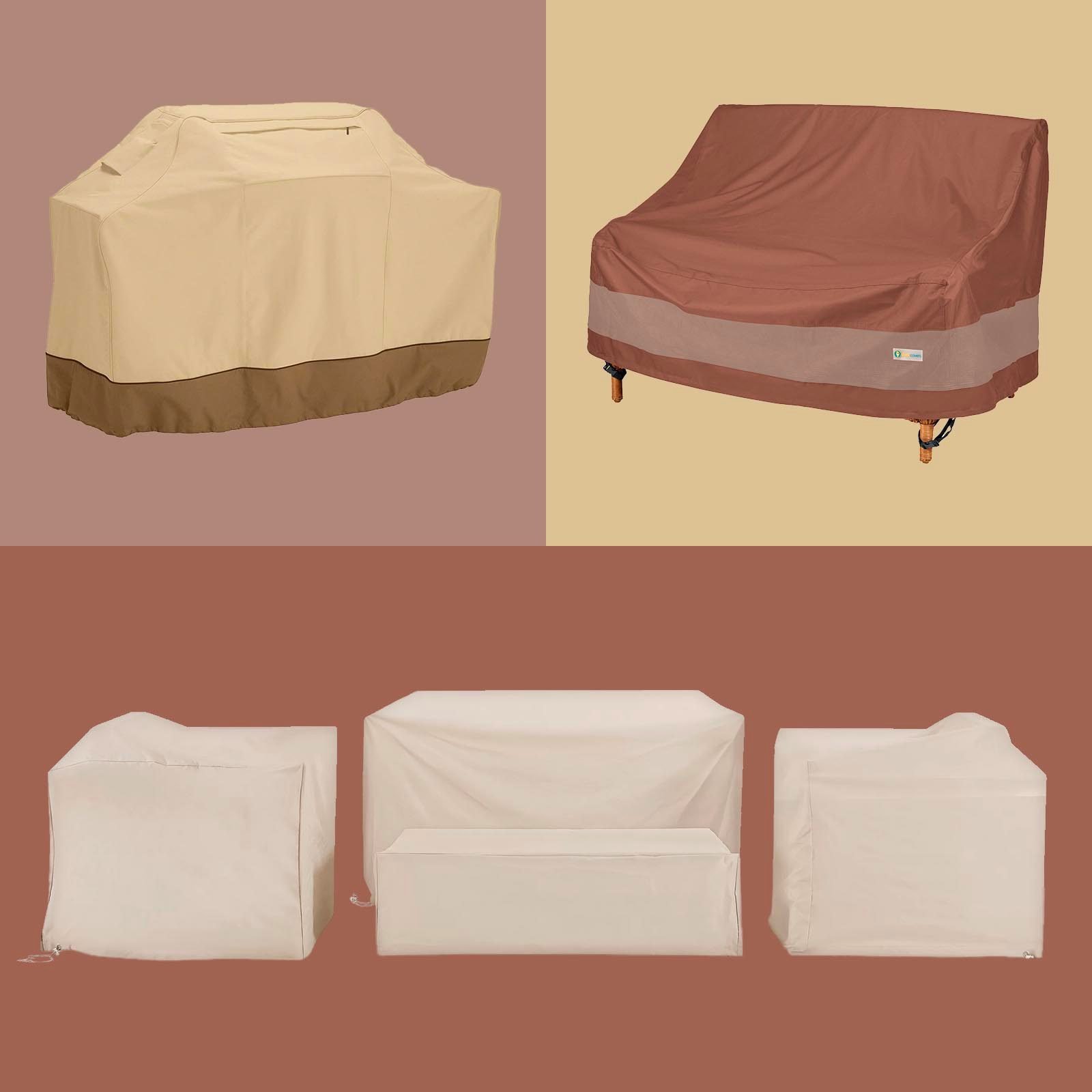
High-density polyethylene (HDPE), also known as polylumber or POLYWOOD®, is a man-made material derived from recycled plastics, offering a sustainable option when sourced carefully. HDPE is highly durable, low-maintenance, and resistant to rotting, chipping, or peeling. Its color is integrated throughout the material during manufacturing, ensuring long-lasting vibrancy and resistance to breakdown, similar to materials used in playgrounds. HDPE excels in contemporary designs, embracing its artificial nature with bright colors and molded shapes, rather than imitating wood. For any outdoor furniture, while material choice is crucial, additional measures like covers or storage during harsh weather conditions can significantly extend its lifespan. For ultimate peace of mind, covering furniture when not in use or storing it in a sheltered area like a porch or veranda combines aesthetic appeal with maximum protection.
#OutdoorFurniture #Weatherproofing #PatioFurniture #Hardwoods #TeakWood #AluminumFurniture #Polyrattan #HDPEFurniture #SustainableMaterials #GardenDesign #OutdoorFurniture #Weatherproofing #PatioFurniture #Hardwoods #TeakWood #AluminumFurniture #Polyrattan #HDPEFurniture #SustainableMaterials #GardenDesign
0 comment in total
 No comments yet
You may also like
We Tested 20 Outdoor Furniture Covers—These 5 Held Up Best
The 12 Best Outdoor Sectionals to Shop Now, According to Designers

Your Outdoor Space DESERVES One of These Super-Cozy Sectionals

The Weather's Finally Right—These Are The Outdoor Furniture Pieces Worth Putting Out Now
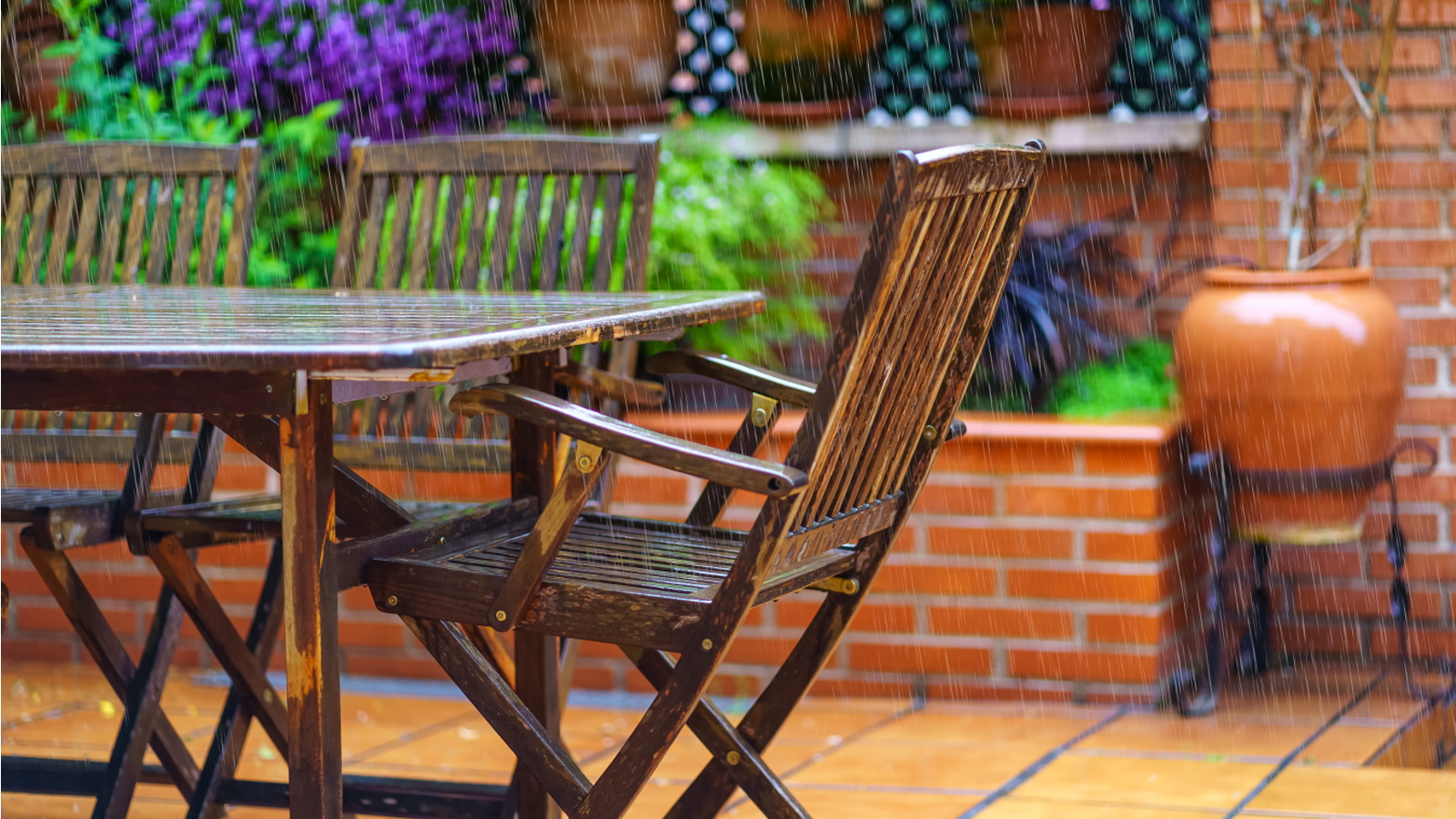
Can you leave outdoor furniture in the rain? Experts reveal which can withstand the elements, and types to keep dry
What outdoor furniture lasts the longest? Every landscape designer we asked picked one of these 5 durable options
We Put 15 Outdoor Furniture Covers to the Test — These Are the 5 That Kept Our Tables and Chairs Looking Great

The Most Reliable Outdoor Furniture Brands, According To Reviews
8 Best Outdoor Furniture Covers For All-Weather Protection

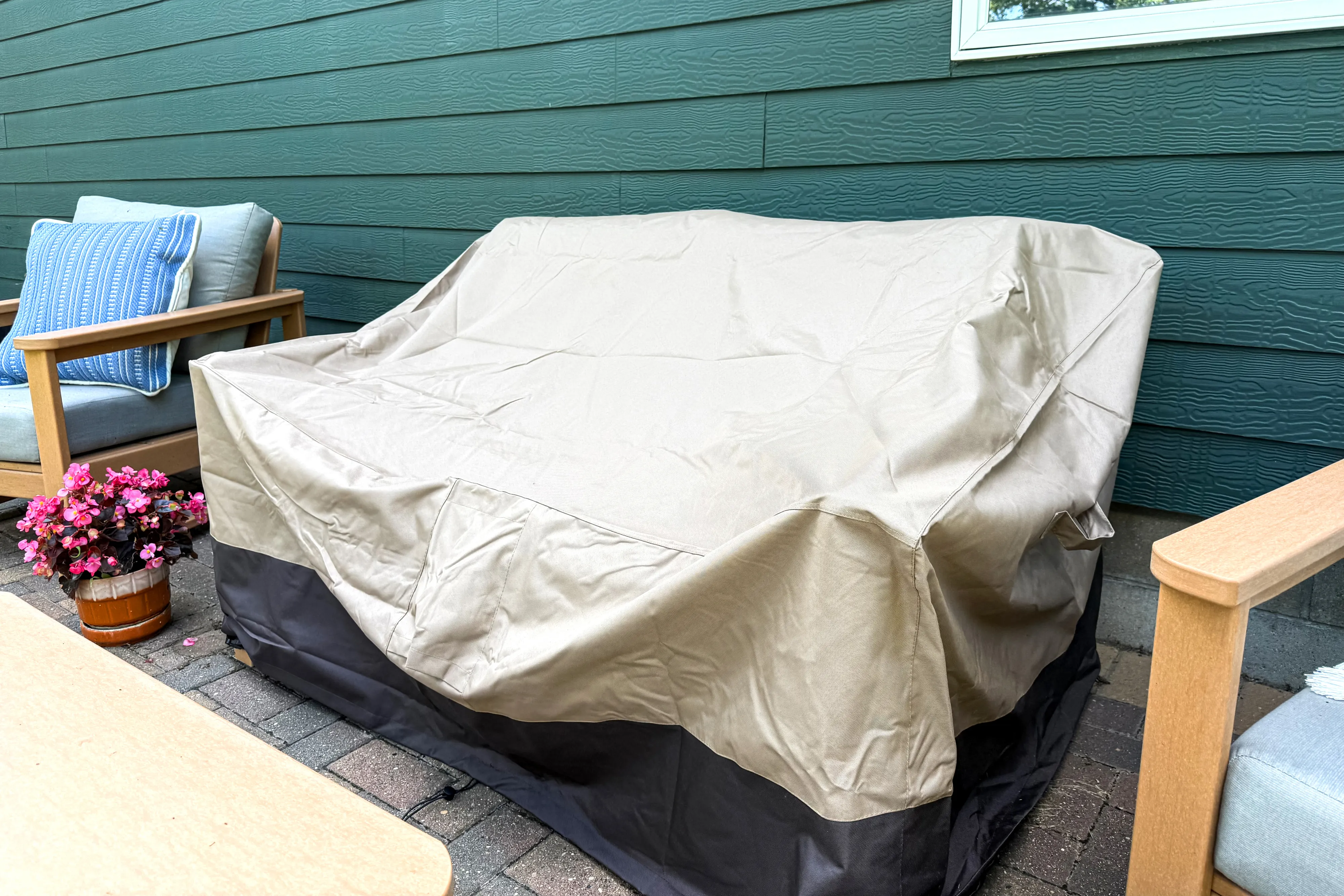
The 5 Best Outdoor Furniture Covers We Tested to Keep Your Patio Furniture Protected, No Matter the Weather

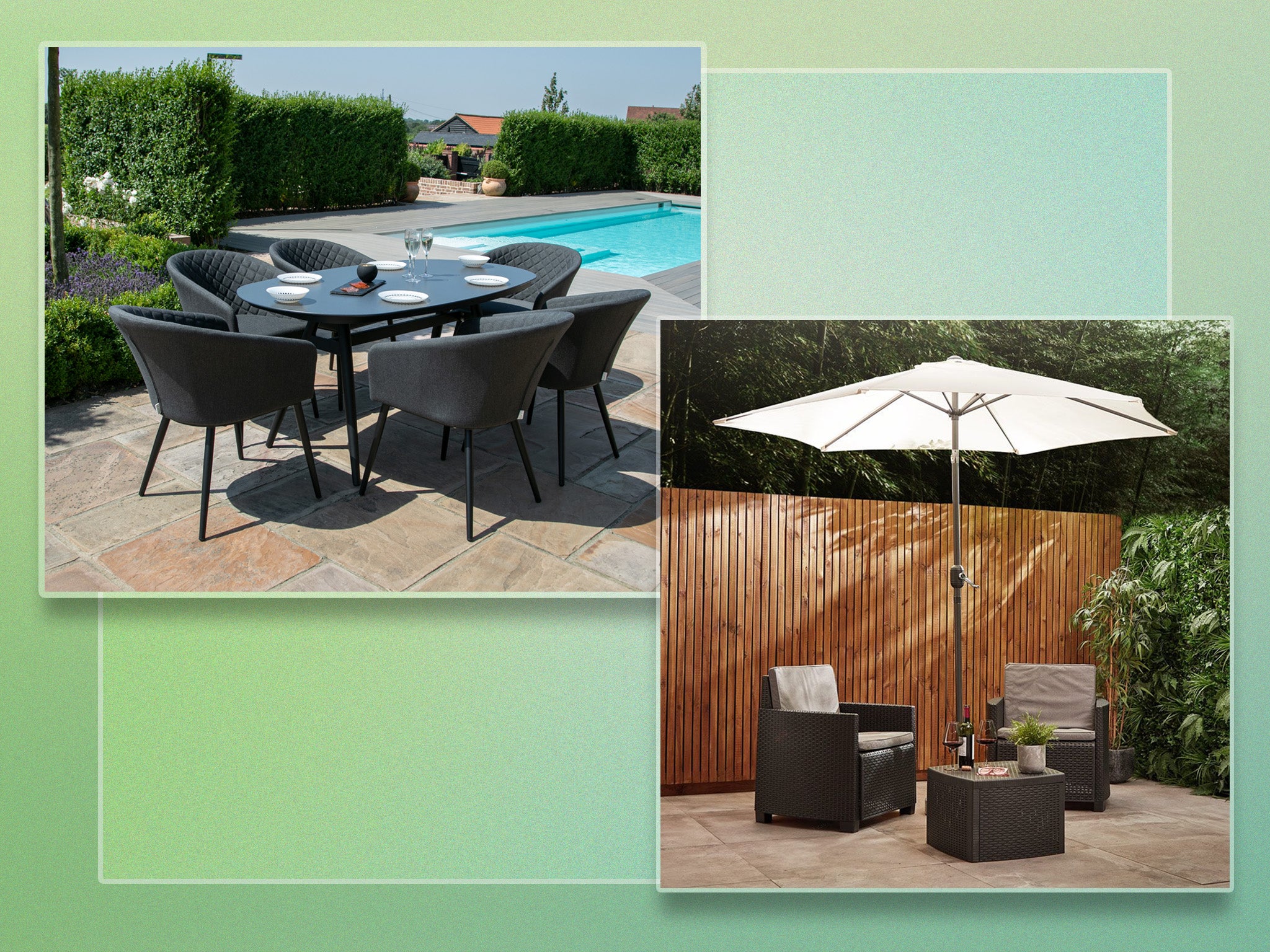
8 best garden tables and chair sets for dining alfresco

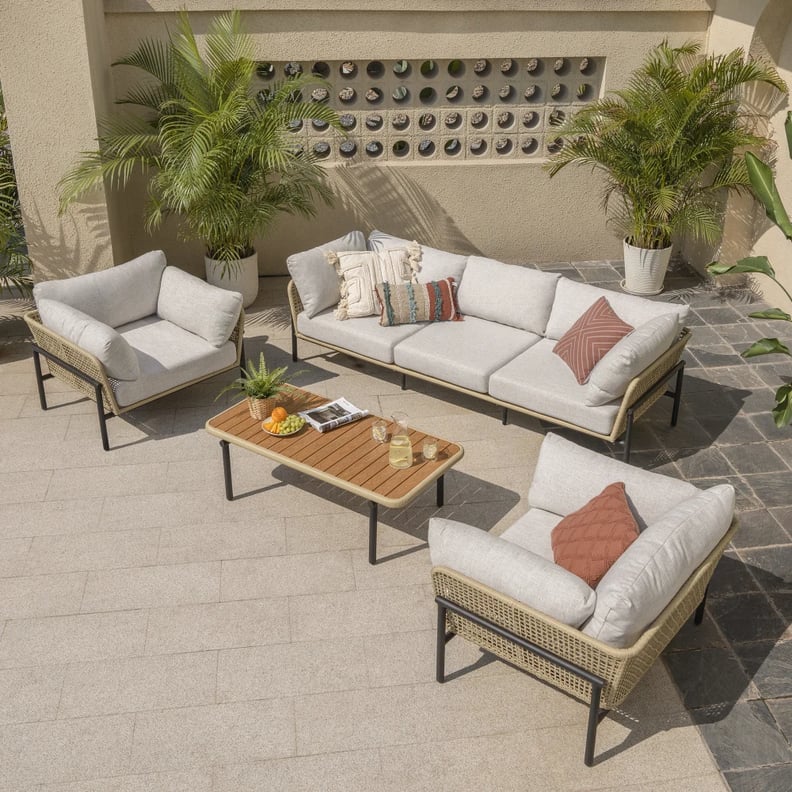
The Best Outdoor Sofa Sets For Summer
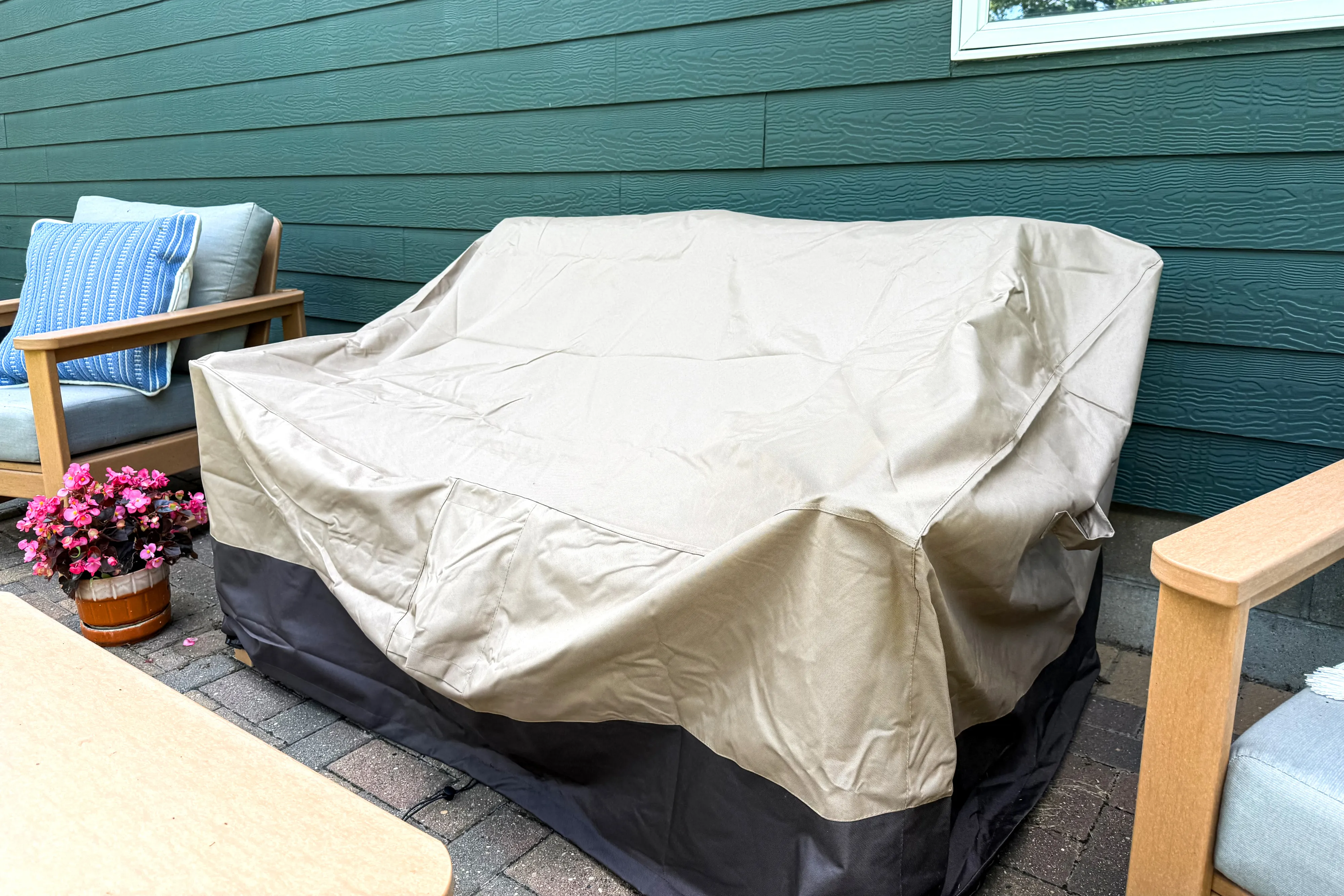
The Best Outdoor Furniture Covers We Tested for All-Weather Protection
Everything you need to upgrade your patio for summer and how to protect it
This is the one mistake that could make your patio furniture wear out twice as fast
Best outdoor furniture: our top picks of where to shop
The 16 retailers we're shopping at to upgrade our outdoor furniture before summer ends
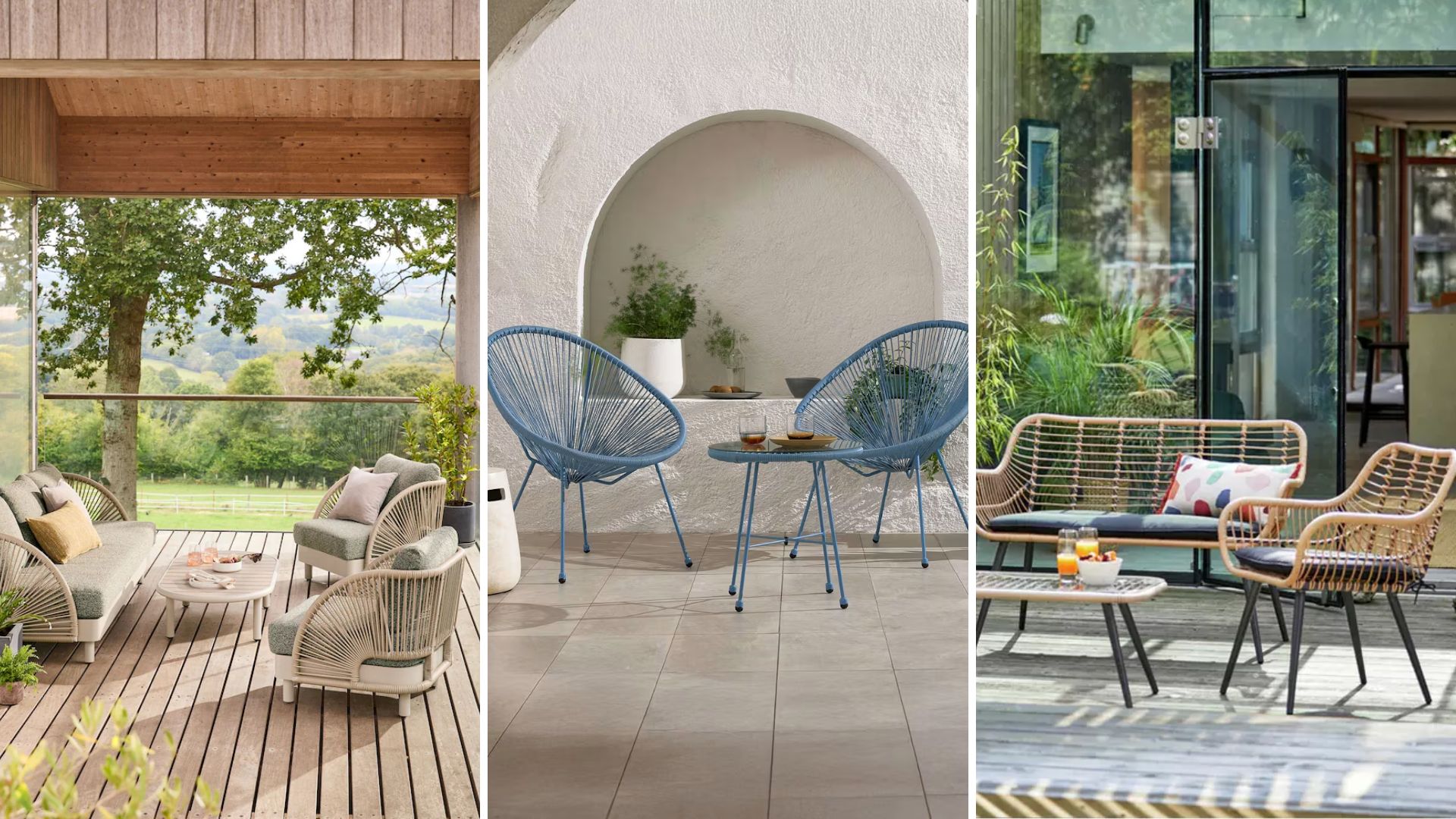
Best outdoor furniture: to add style and comfort to gardens this summer

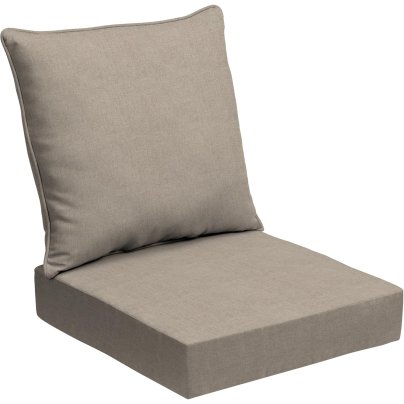
Our Favorite Outdoor Cushions Are Made From an Unusual Material to Prevent Fading

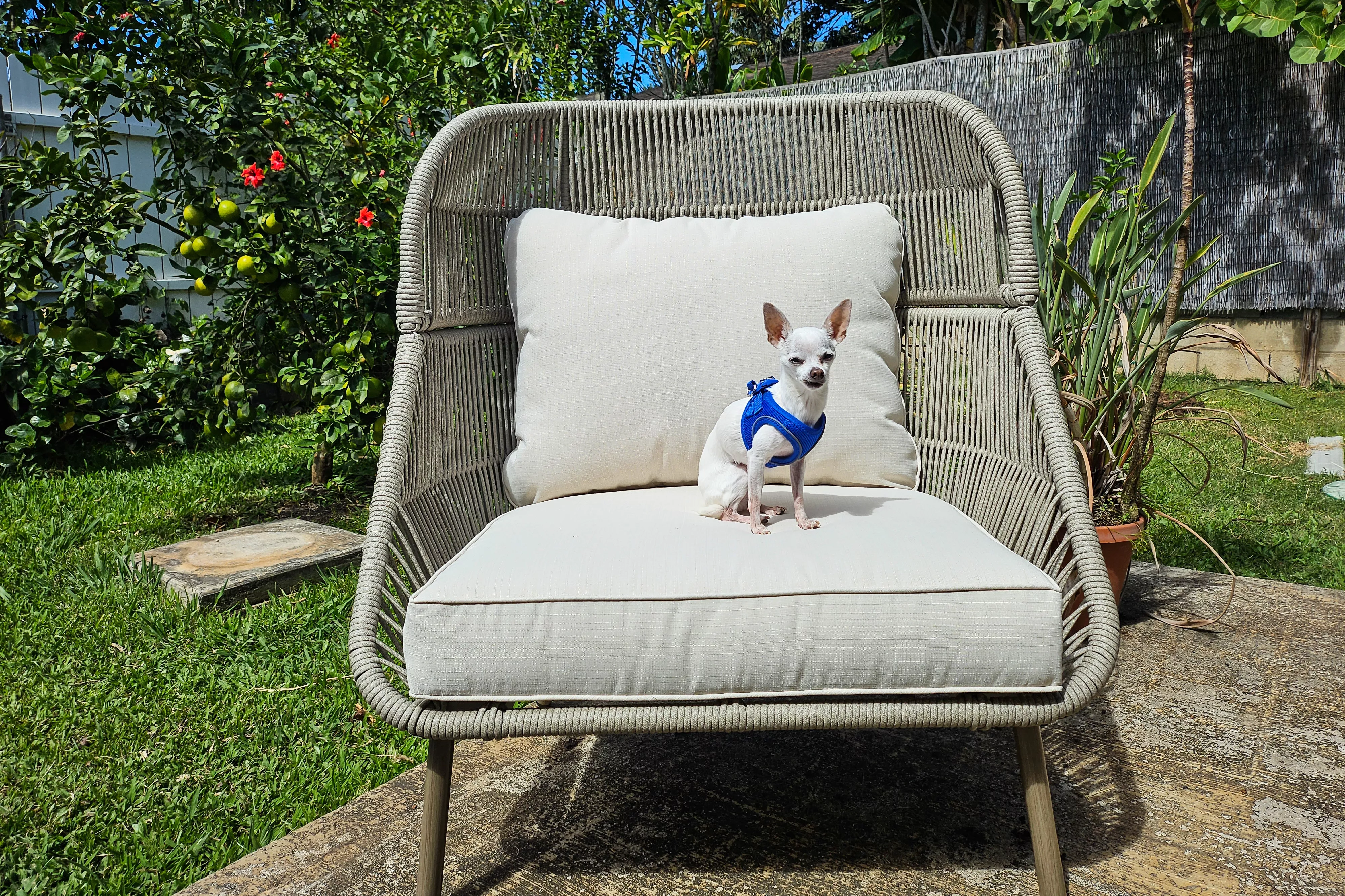
We Tested 29 Outdoor Furniture Pieces to Transform Patios into Paradises—These 9 Delivered