



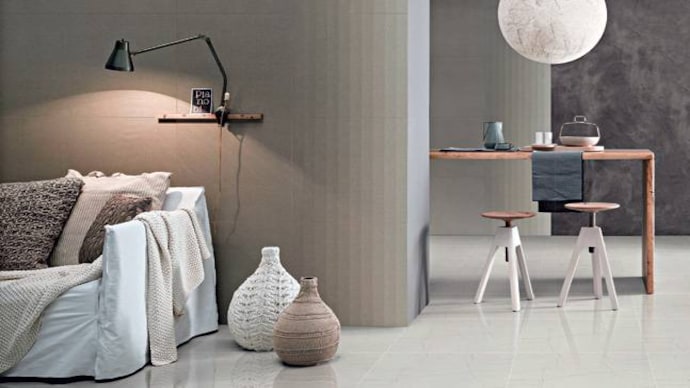
Art underfoot
The article explores the evolving landscape of flooring design, highlighting how floors have transitioned from mere functional elements to integral components of a home's aesthetic and overall ambiance. It features insights from Dinesh Vyas, Vice President of H&R Johnson, a prominent tile manufacturing brand, who discusses current trends and innovations in the industry. The discussion emphasizes the significant role flooring plays in defining the character and style of a living space. Vyas underscores that modern flooring options offer a vast array of choices, moving beyond traditional materials to incorporate advanced technologies and diverse aesthetics.
The evolution of flooring materials is a central theme, with a focus on how materials like vitrified tiles, once primarily functional, are now leading the charge in design innovation. These tiles are praised for their durability, low maintenance, and ability to mimic natural materials such as wood and marble, offering both aesthetic appeal and practical benefits. The article notes a growing preference for large-format tiles, which create a sense of spaciousness and reduce grout lines, contributing to a seamless and expansive look in contemporary interiors. This trend is driven by a desire for minimalist designs and easy cleaning.
Sustainability is another key aspect of modern flooring trends. Consumers are increasingly seeking eco-friendly options, and manufacturers are responding with products made from recycled materials or produced through environmentally responsible processes. The article touches upon the demand for tiles that not only look good but also contribute to a healthier indoor environment. This includes options that are resistant to allergens and easy to clean without harsh chemicals, catering to a wellness-conscious demographic.
Technological advancements have significantly impacted flooring design, enabling the creation of tiles with intricate patterns, textures, and realistic finishes. Digital printing technology, for instance, allows for high-definition replication of natural wood grains, stone veining, and other complex designs, offering homeowners unprecedented customization possibilities. Vyas likely elaborates on how these technologies are making premium aesthetics accessible to a wider audience, democratizing luxury in home design.
Finally, the article suggests that the future of flooring lies in continued innovation, blending aesthetic versatility with enhanced functionality and environmental responsibility. Homeowners are encouraged to view flooring as an investment in their home's character and comfort, choosing materials that reflect their personal style while meeting practical demands. The collaboration between manufacturers and designers is crucial in pushing the boundaries of what is possible in flooring, ensuring that floors continue to be a foundational element in creating beautiful and sustainable living spaces. The insights provided by Dinesh Vyas serve as a guide for understanding these dynamic shifts in the flooring industry.
#FlooringTrends #TileDesign #HomeDecor #InteriorDesign #H&RJohnson #DineshVyas #SustainableFlooring #VitrifiedTiles #FlooringTrends #TileDesign #HomeDecor #InteriorDesign #H&RJohnson #DineshVyas #SustainableFlooring #VitrifiedTiles
 No comments yet