1/8
Le goût Rothschild: defining the dynasty’s legendary style
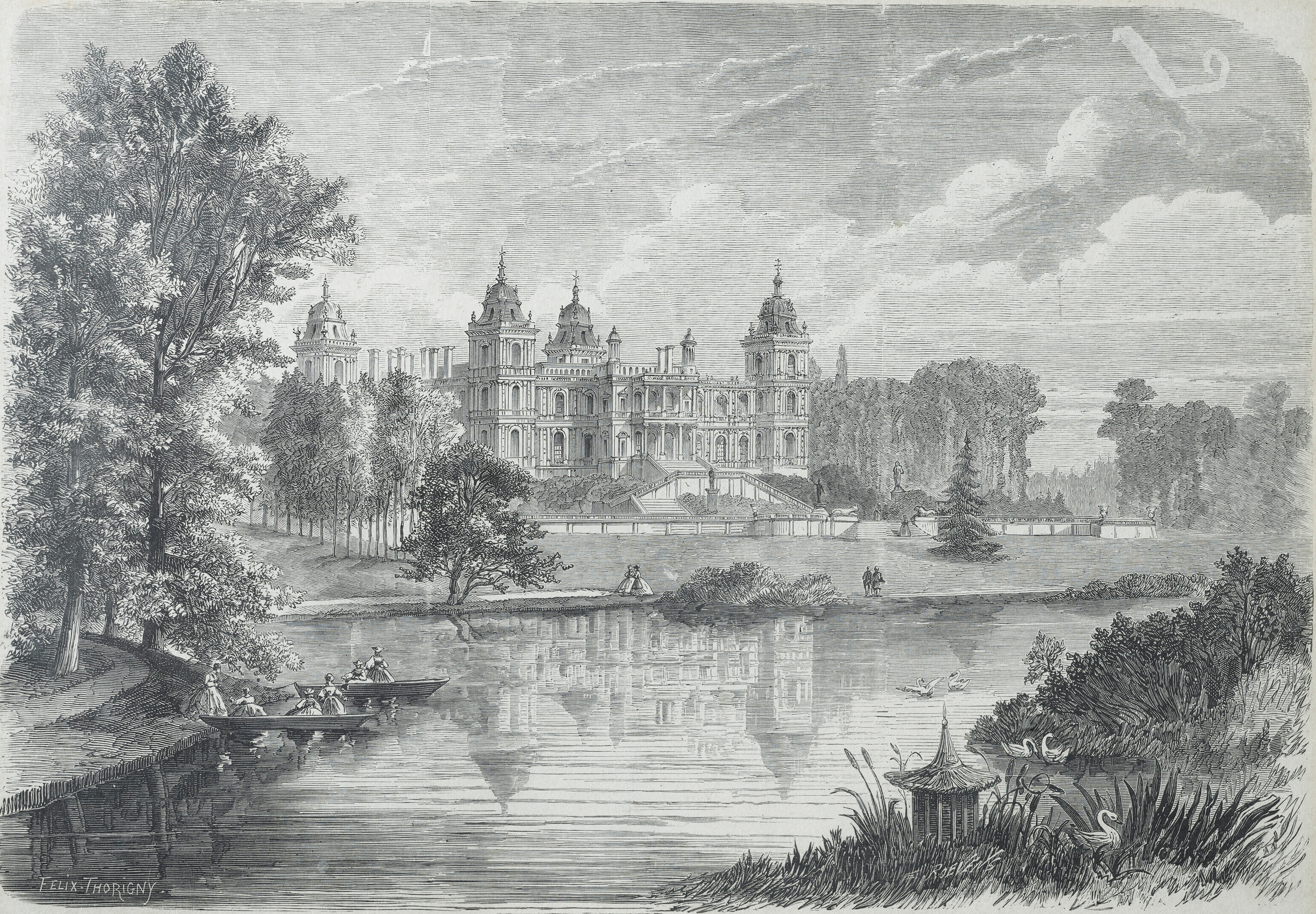
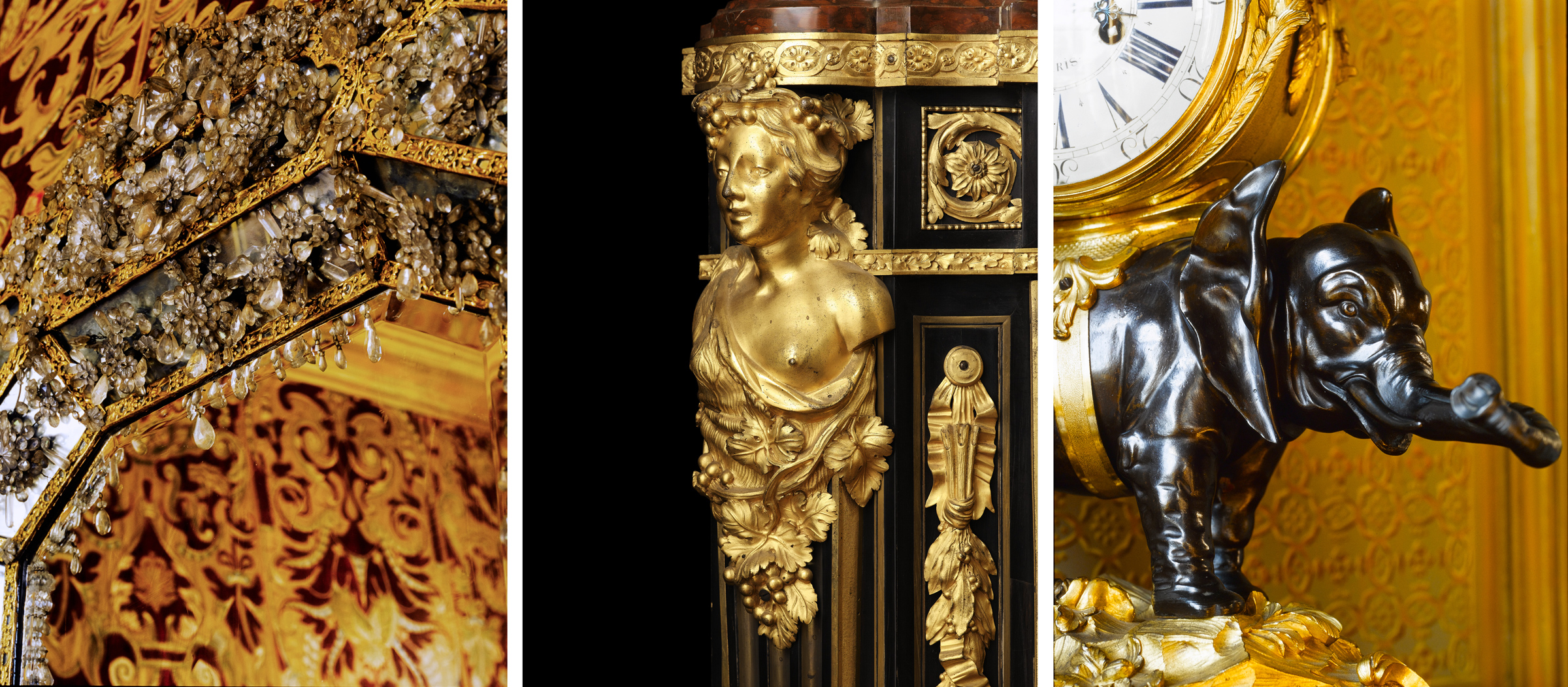
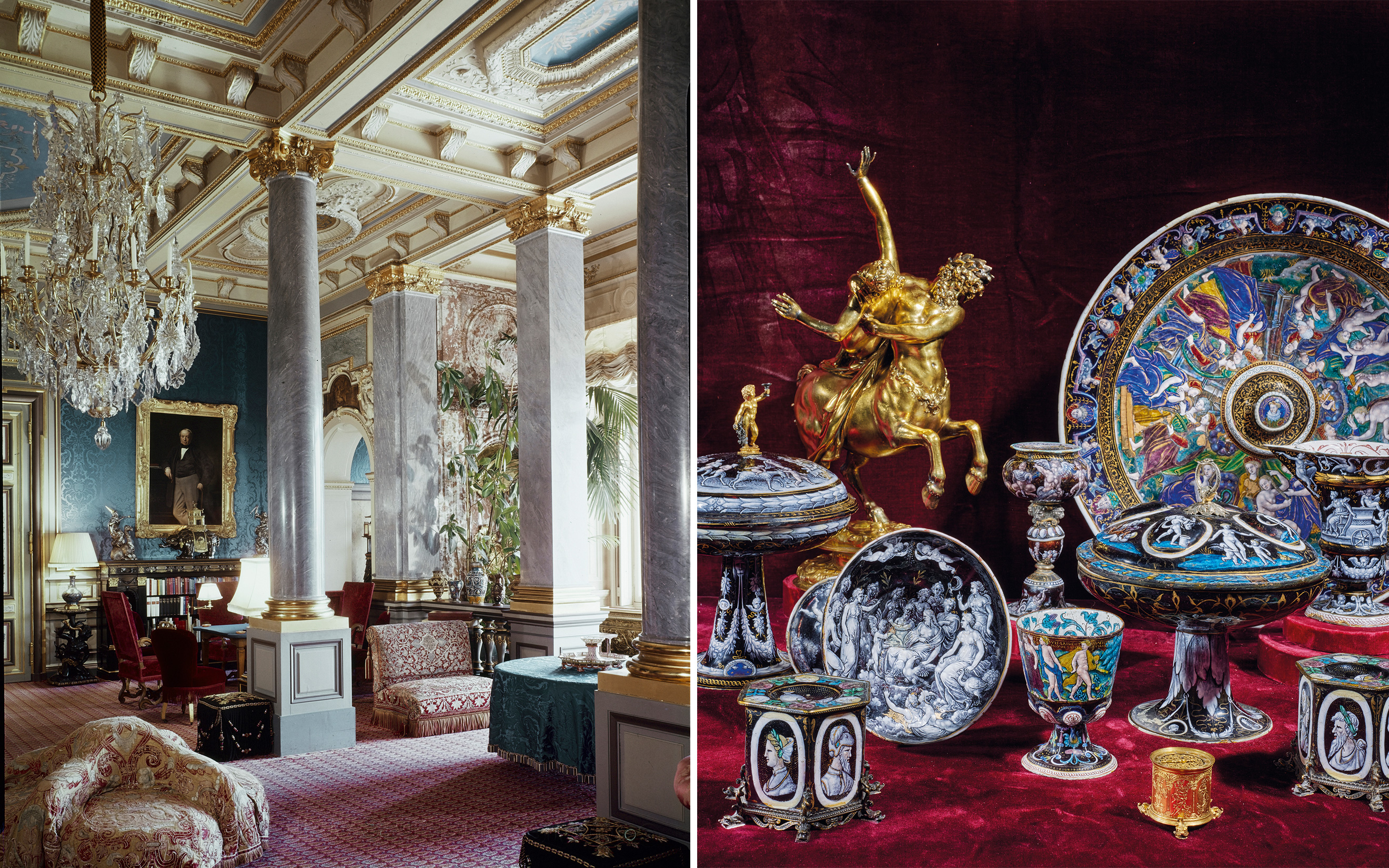
Since the 19th century, the Rothschild name has been synonymous with a world-class collection of art and objects, characterized by an unparalleled taste and approach to collecting that continues to influence today. Baron James Mayer de Rothschild and his wife Betty meticulously curated their residences in Paris and the grand Château de Ferrières, filling them with treasures that rivaled the most opulent European courts. The interior design at Ferrières was largely orchestrated by Eugène Lami, considered the first modern decorator. Lami's aesthetic, a blend of historic styles from the Renaissance to Rococo, prominently featured marble, gilding, and ornate textiles, creating dramatic yet comfortable spaces that served as both showcases for their patrons and functional living areas.
The Rothschild interiors established a stylistic benchmark for the era, built upon the concept of the _kunstkammer_—the treasure houses prevalent among German Renaissance princes. This foundational approach led to what is now known as _le goût Rothschild_, a style distinguished by an exceptional sense of sophistication and comfort, deeply rooted in global curiosities, French decorative arts, and Old Master paintings. The Rothschilds were known for showcasing their extensive collections within luxurious, impressive, yet comfortable homes. However, their 'goût' was not solely about extravagance; it was primarily about discerning and acquiring the finest works of art, appreciated for their historical and cultural significance.
This sumptuous and erudite style permeated generations and various branches of the Rothschild family. Upcoming sales, such as 'Rothschild Masterpieces' at Christie’s in New York, will offer a diverse array of objects embodying all facets of this celebrated aesthetic. This marks the first North American auction of the family’s esteemed collection, providing an opportunity to acquire rare pieces that have shaped this iconic style.
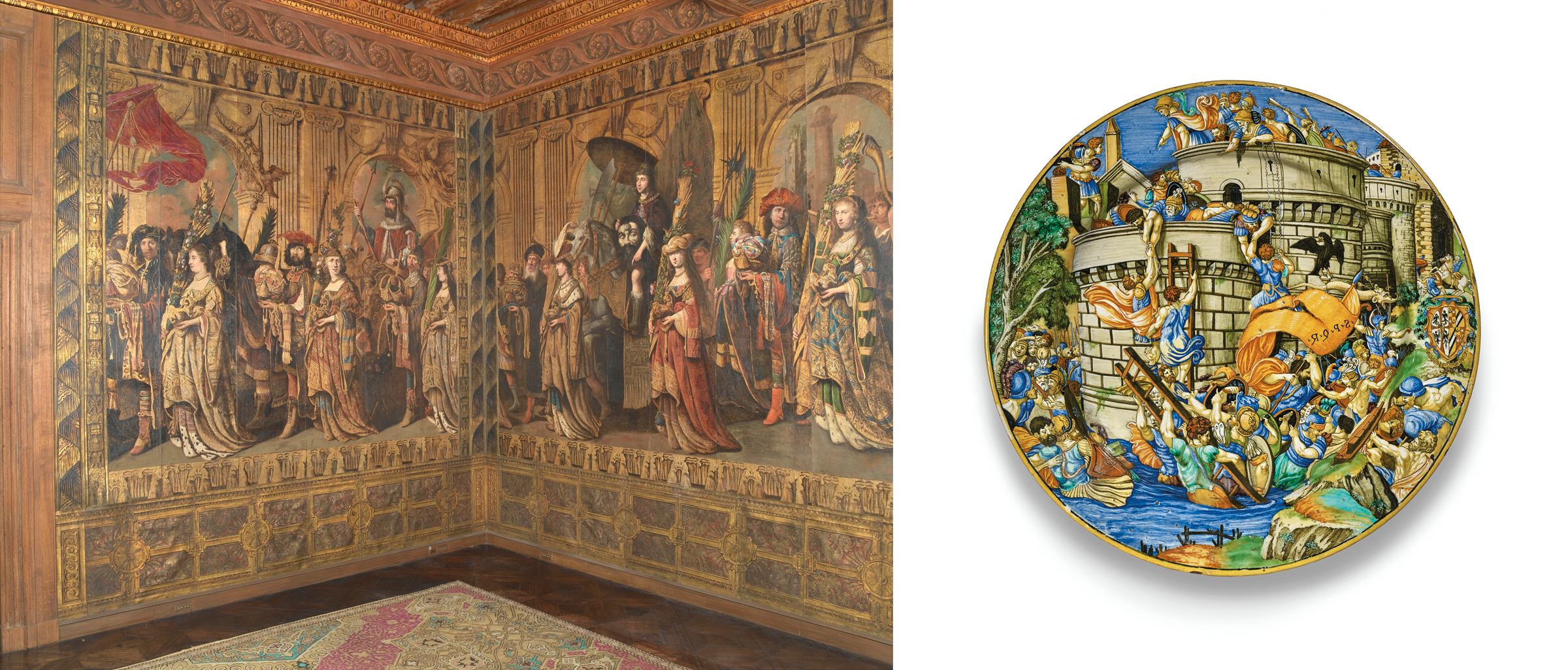
Central to the Rothschild collection was the _kunstkammer_, or cabinet of curiosity, which emerged in the 16th century as spaces dedicated to exotic and notable objects. The Rothschilds emulated Renaissance princes by creating their own, such as Alphonse’s room of curiosities in his Parisian _hôtel particulier_. This room housed Limoges enamels by renowned artisans like Léonard Limosin and Pierre Courtoys, Renaissance ceramics including Italian maiolica, an exquisite suite of Sèvres porcelain, and Dutch silver. The Rothschilds consistently sought out the finest examples, including significant pieces of Hispano-Moresque pottery and Italian maiolica from the 15th and 16th centuries, often with royal or noble provenance, as evidenced by coats of arms.
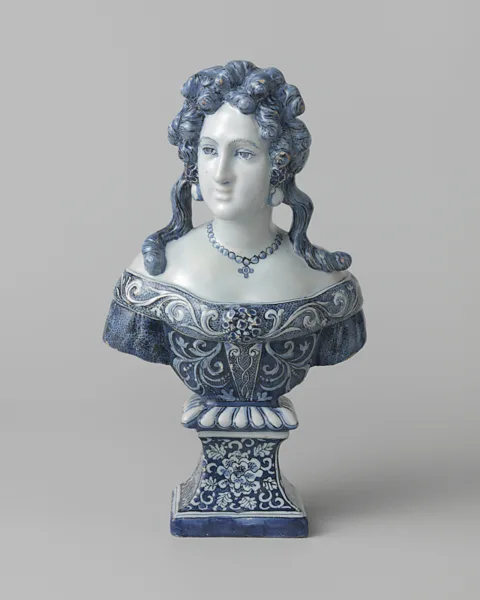
The collection also includes unique items that reflect both historical importance and a sense of amusement, such as a covered bowl for a new mother or a whimsical ewer in the form of a harpy. Another notable piece is a silver-gilt mounted Nautilus Cup from 1607, one of only six recorded Delft Nautilus cups, showcasing the beauty of the shell in an ornate goblet form, made popular by expanding Asian and Middle-Eastern trade routes.
The furniture within the collection epitomizes the Rothschild interiors' signature blend of sophistication and comfort. They favored 18th-century French craftsmanship and a distinct '_goût tapissier_', or taste for fabrics. This is exemplified by a needlepoint-upholstered slipper chair from around 1860, adorned with a crowned ‘R’ for Rothschild. Lavishly upholstered in crimson damask with tasseled fringe, it also served a practical purpose, designed without arms for easy access to the sitter's feet.
Provenance was paramount to the Rothschilds, and their collection boasts items previously owned by prominent families and royal households. This includes a pair of fauteuils commissioned by Madame du Barry, Louis XV’s last mistress, from Louis Delanois, a leading _menuisier_ of his time and an early adopter of the neoclassical style. Delanois’s works for du Barry are also displayed at Versailles.
The collection further incorporates Old Master paintings by artists such as Gerrit Dou, Adriaen van Ostade, and Aelbert Cuyp, illustrating a continuous tradition of collecting. Alphonse expanded upon the categories initially curated by James and Betty. Adriaen van Ostade’s 1658 painting, _Peasants smoking, drinking and playing games before an inn_, highlights the Rothschilds’ appreciation for artistic refinement and esteemed provenance. This work, appearing at auction for the first time in over a century, has a distinguished ownership history, including successful merchant Gerrit Braamcamp, politician Pieter de Smeth van Alphen, and the Leuchtenberg Collection before its acquisition by the Rothschilds.
The Rothschild collecting habits were defined by an appreciation for virtuosity, discernment, and a profound understanding of historical context. This enduring style has influenced prominent American families like the Vanderbilts and Morgans, and contemporary figures such as Yves Saint Laurent. The upcoming series of sales offers modern collectors the opportunity to continue this distinguished legacy.
#RothschildStyle #ArtCollection #DecorativeArts #EuropeanFurniture #OldMasterPaintings #Kunstkammer #ChateauDeFerrieres #LuxuryInteriors #CollectingTradition #RothschildStyle #ArtCollection #DecorativeArts #EuropeanFurniture #OldMasterPaintings #Kunstkammer #ChateauDeFerrieres #LuxuryInteriors #CollectingTradition
 No comments yet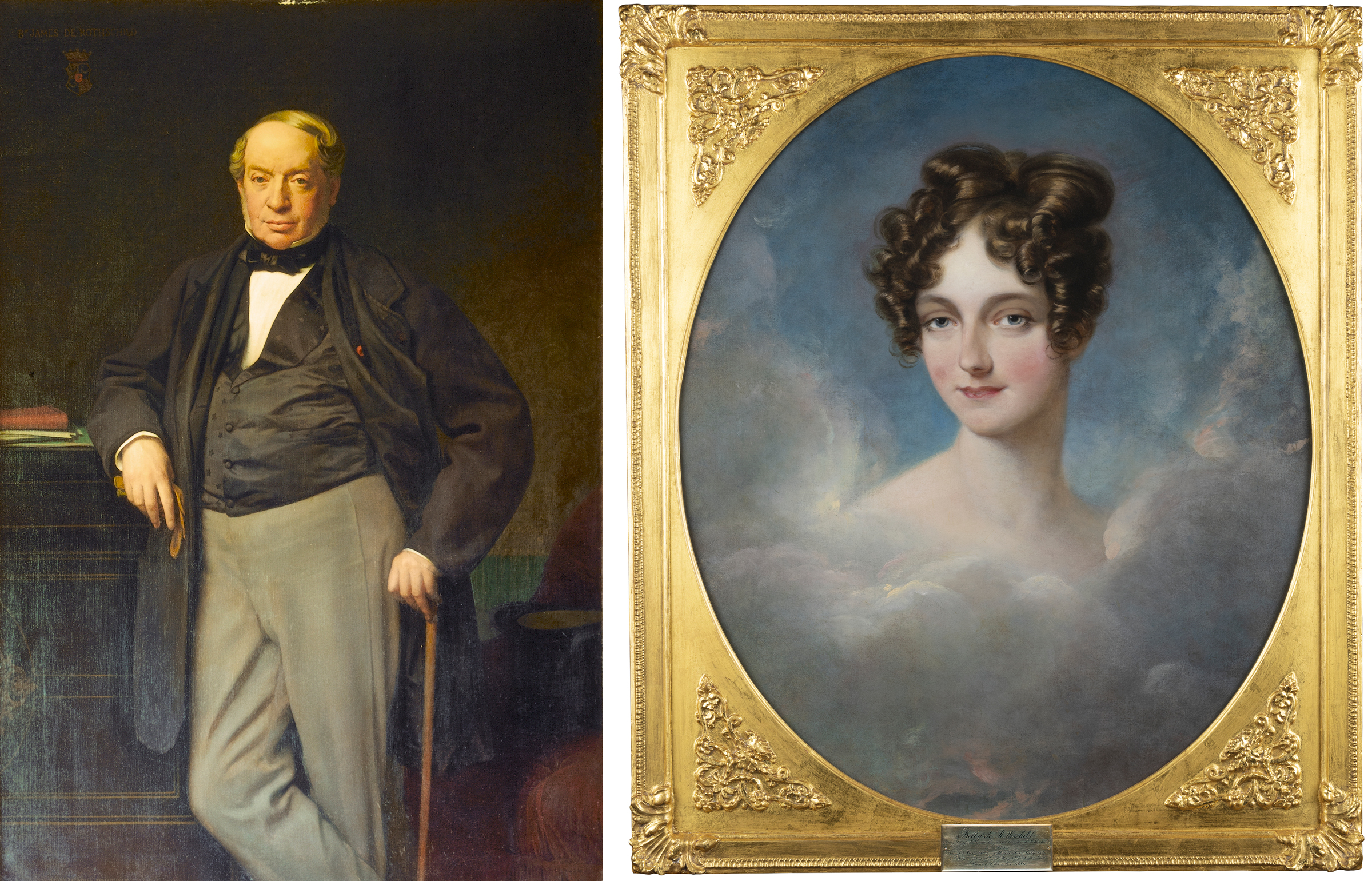
How an ‘appetite for the best’ fuelled the Rothschild family’s renowned collecting style
This New Rochelle Tudor Is Designed With Family in Mind

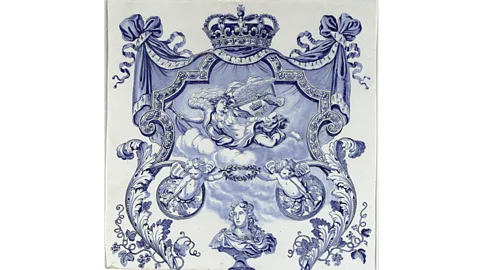
Delftware porcelain – the global story of a Dutch icon