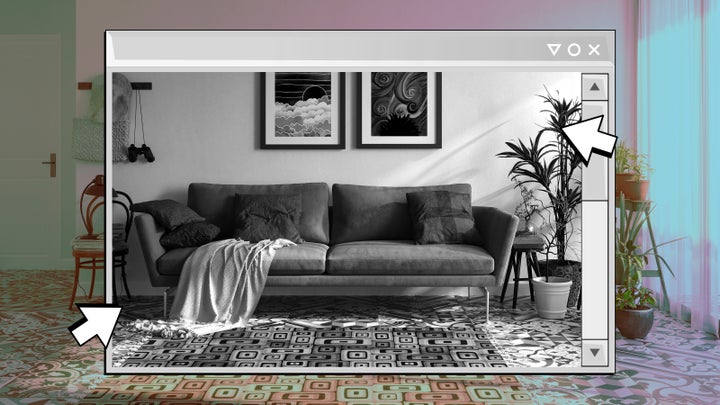
1/5
Are They OK? The Psychology Behind ‘Millennial Gray’ Homes
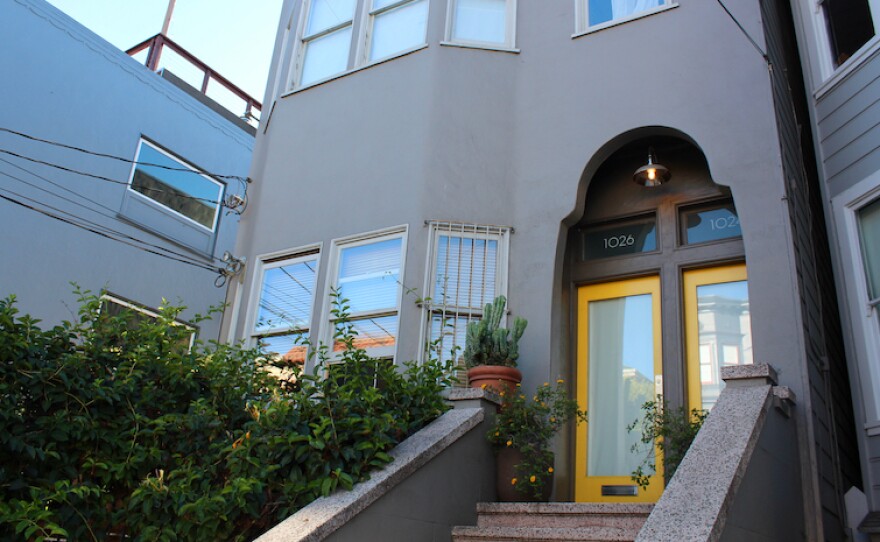
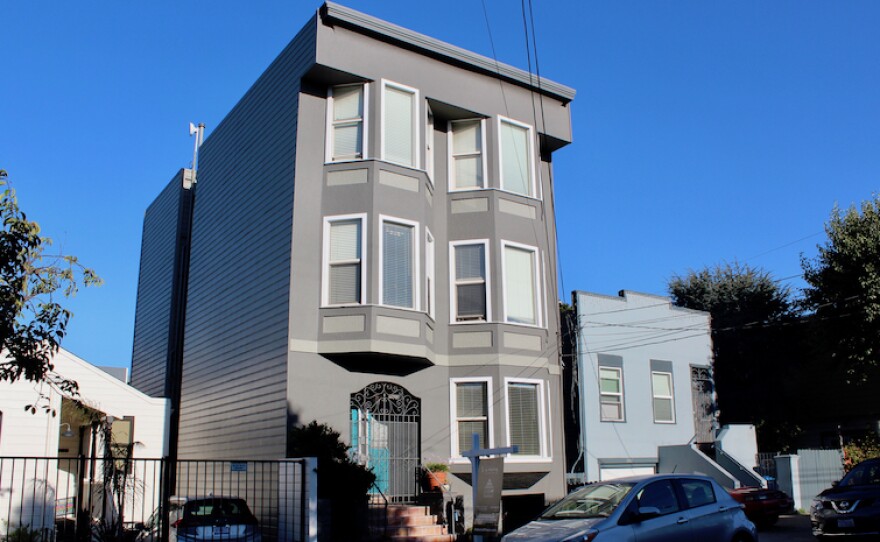
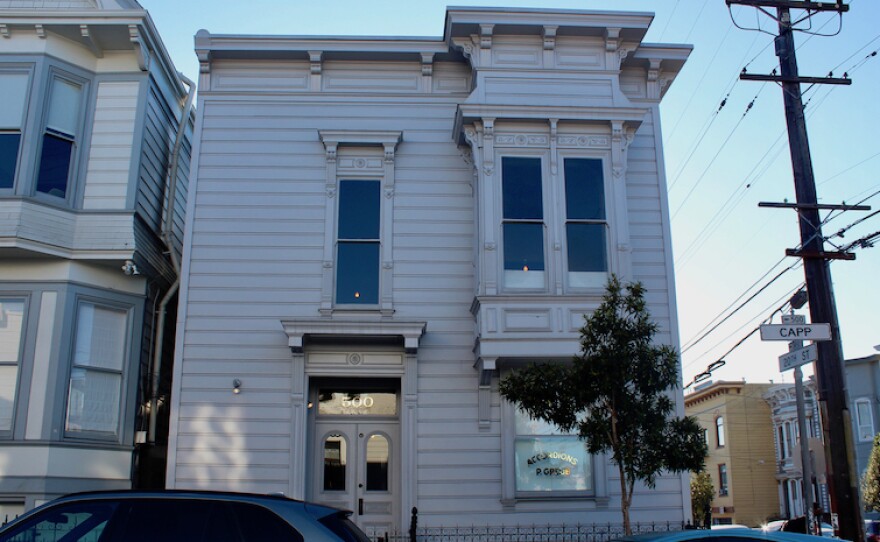
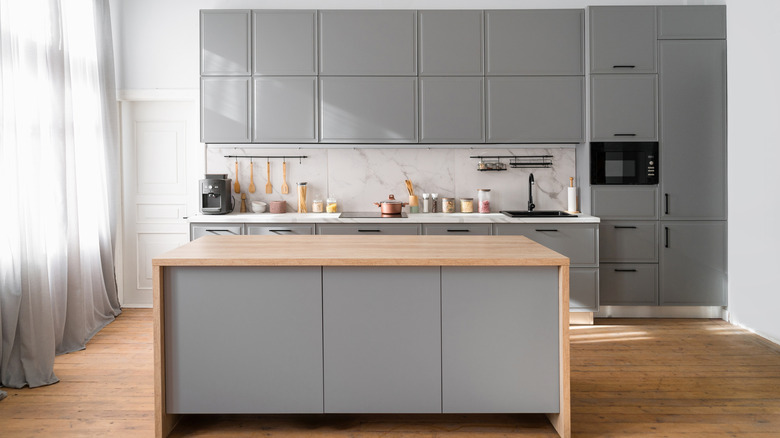
The article explores the widespread prevalence of gray and neutral color palettes in millennial home design, a phenomenon often referred to as 'millennial gray.' This design choice extends from interior walls, floors, and furniture to exterior elements like modern farmhouses, sparking debate and criticism, particularly from younger generations like Gen Z, who often perceive it as bland or depressing. The article delves into the psychological and sociological factors contributing to this aesthetic preference among millennials.
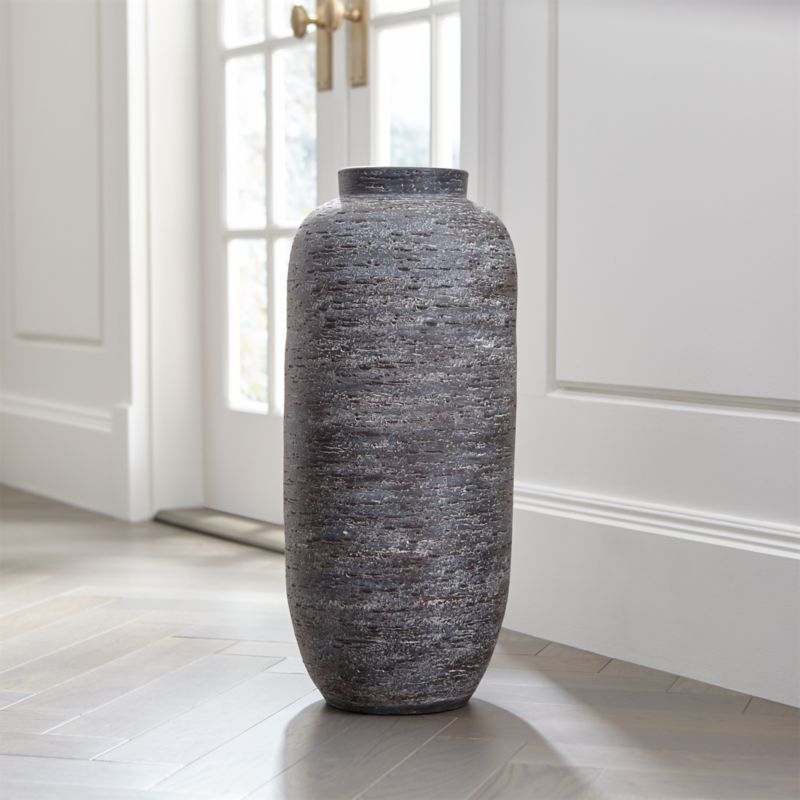
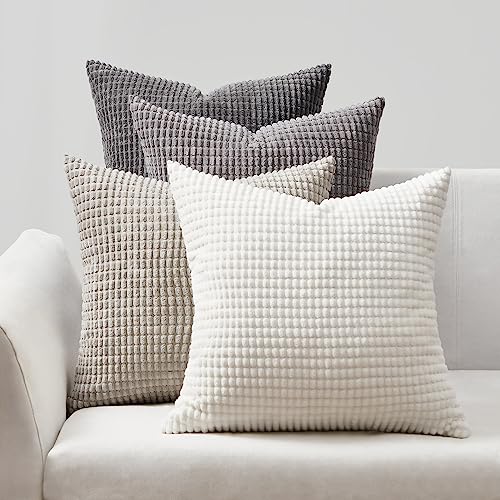
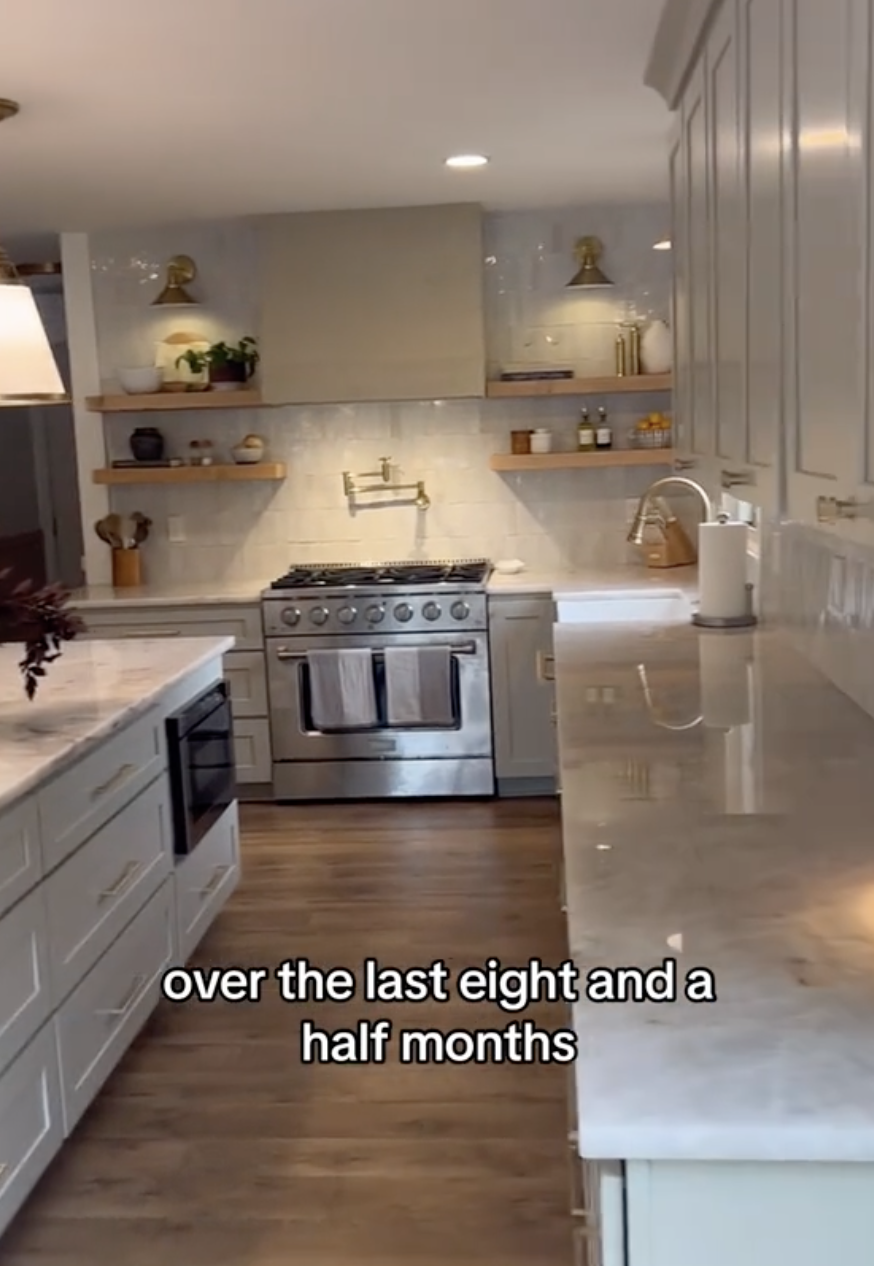
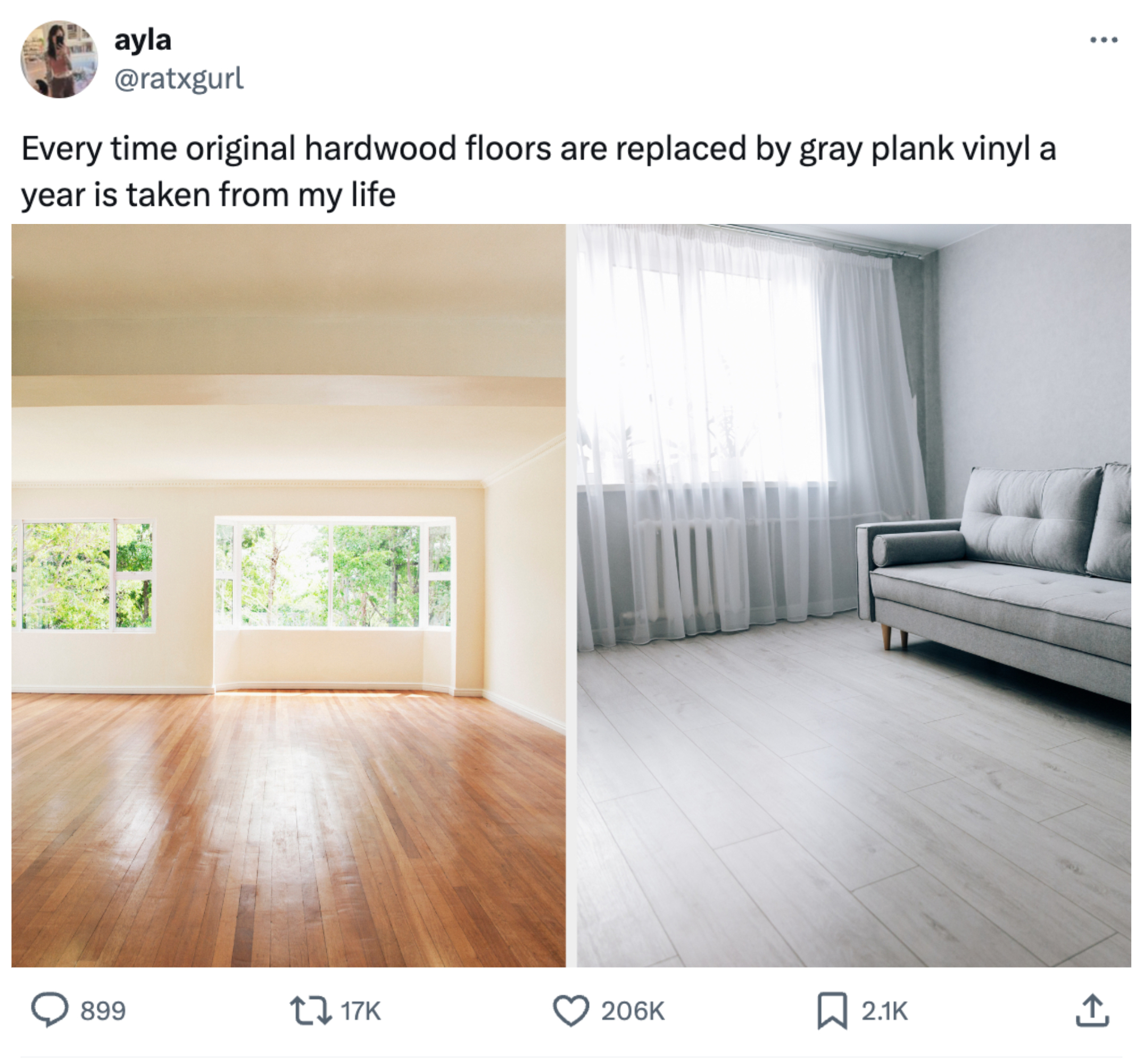
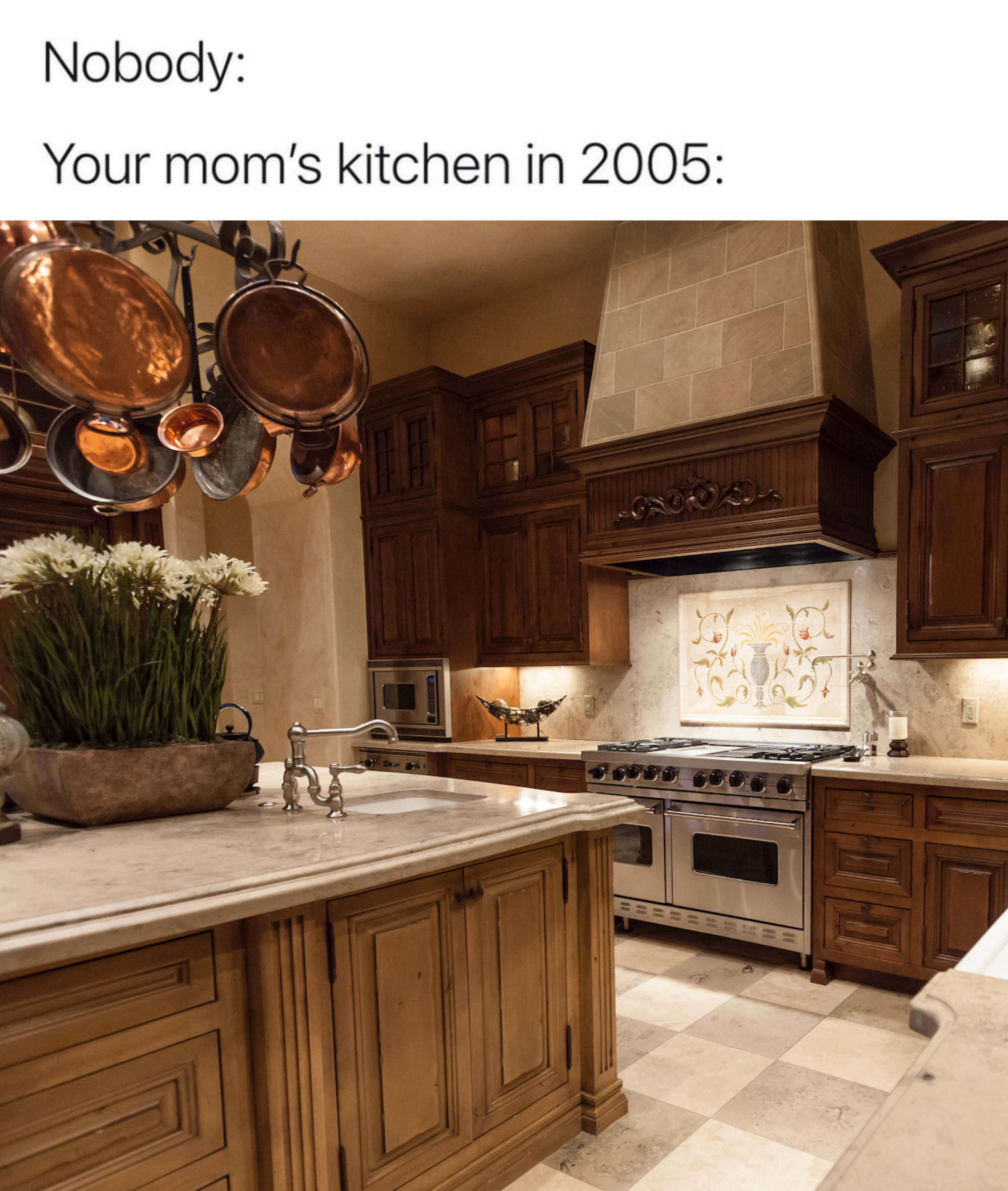
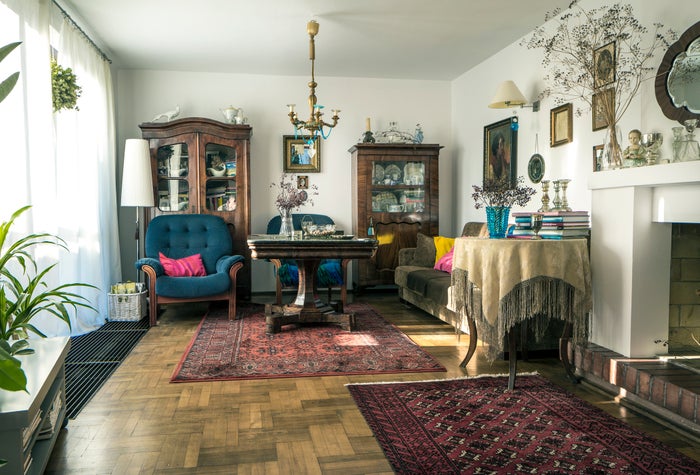
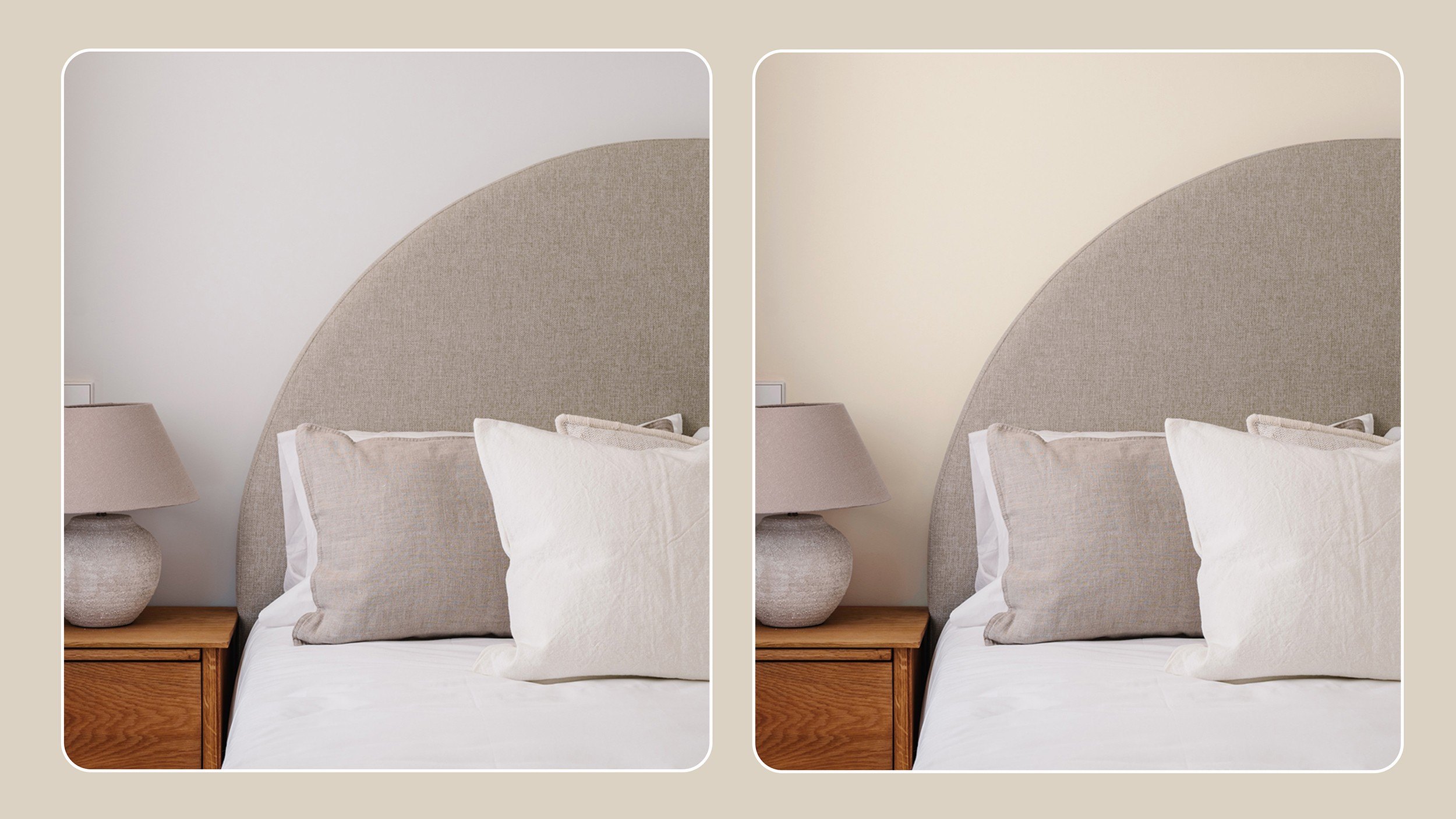
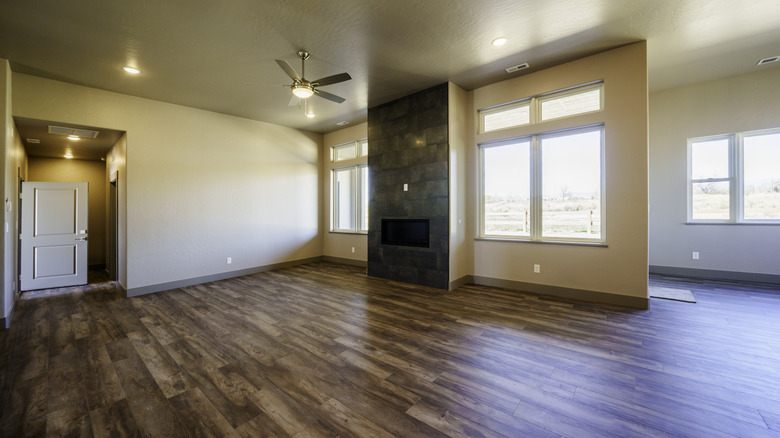
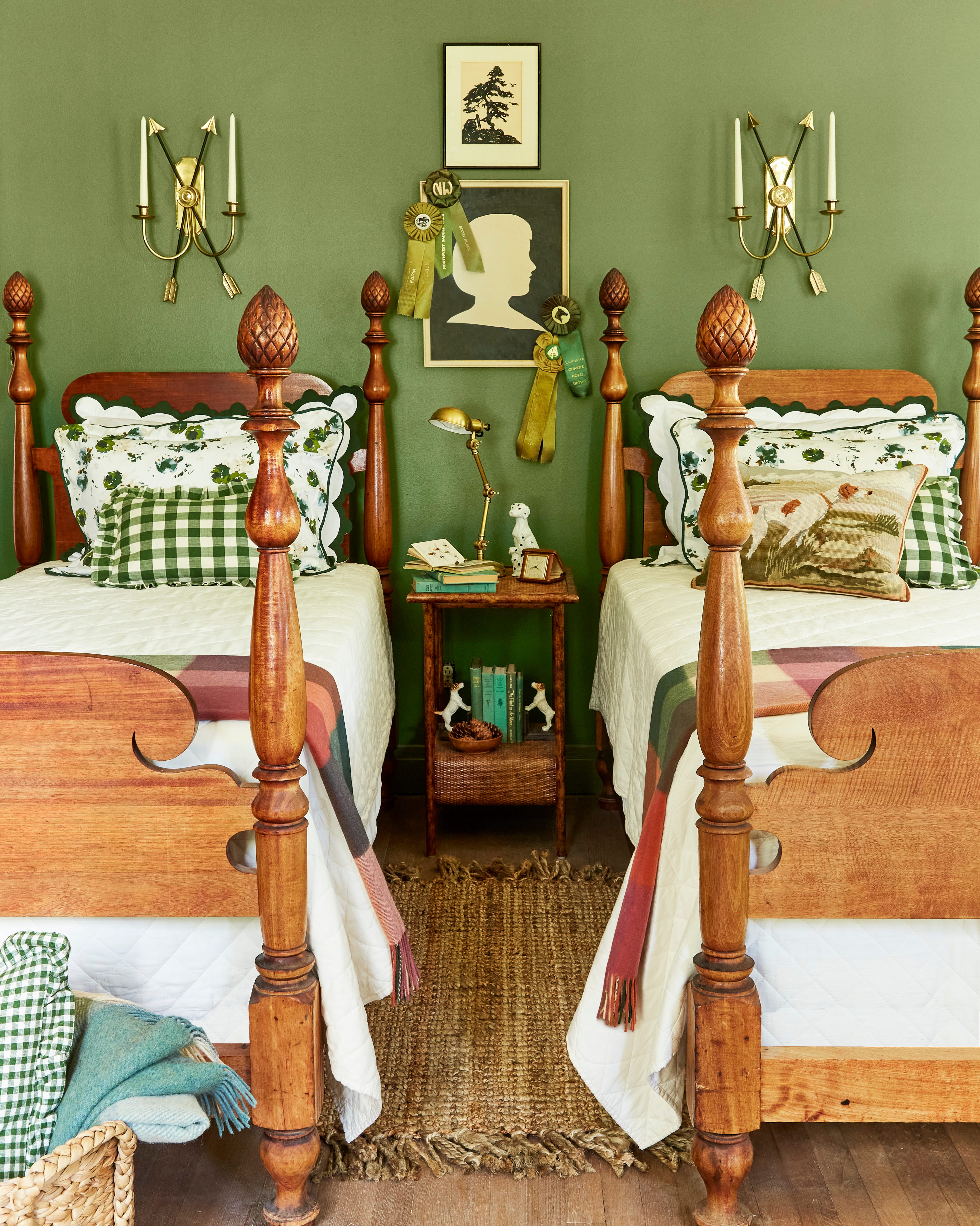
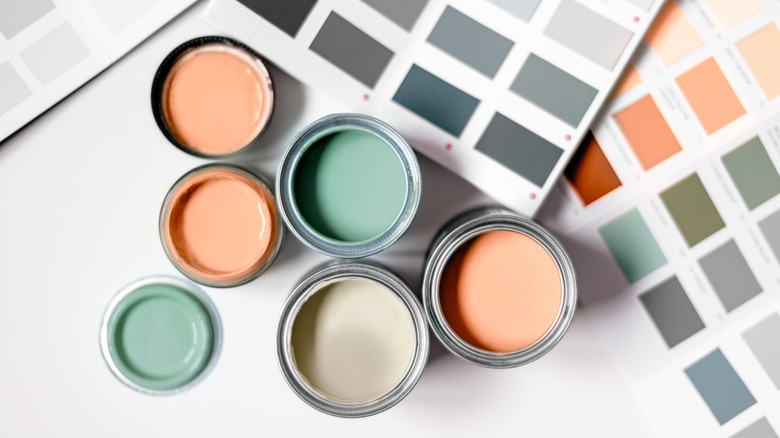
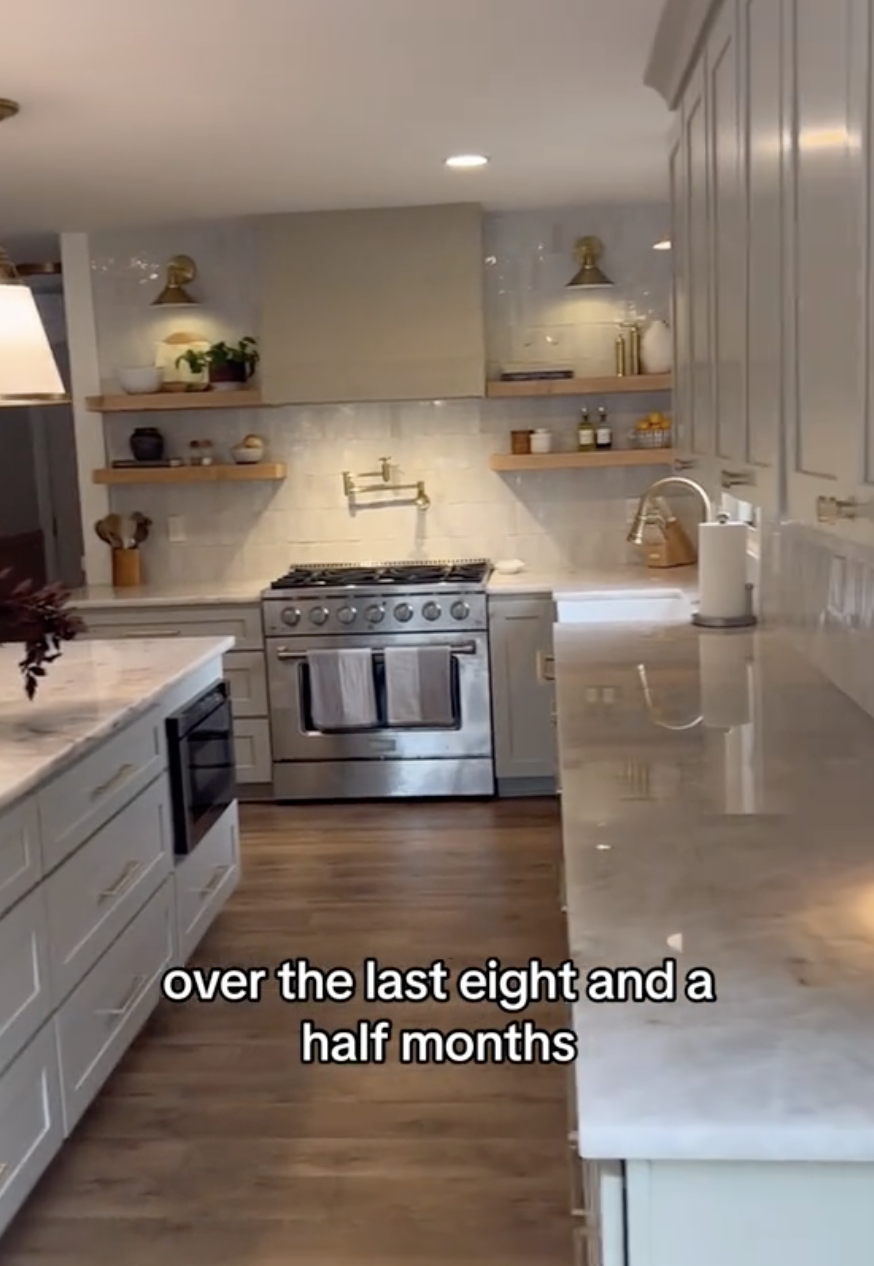
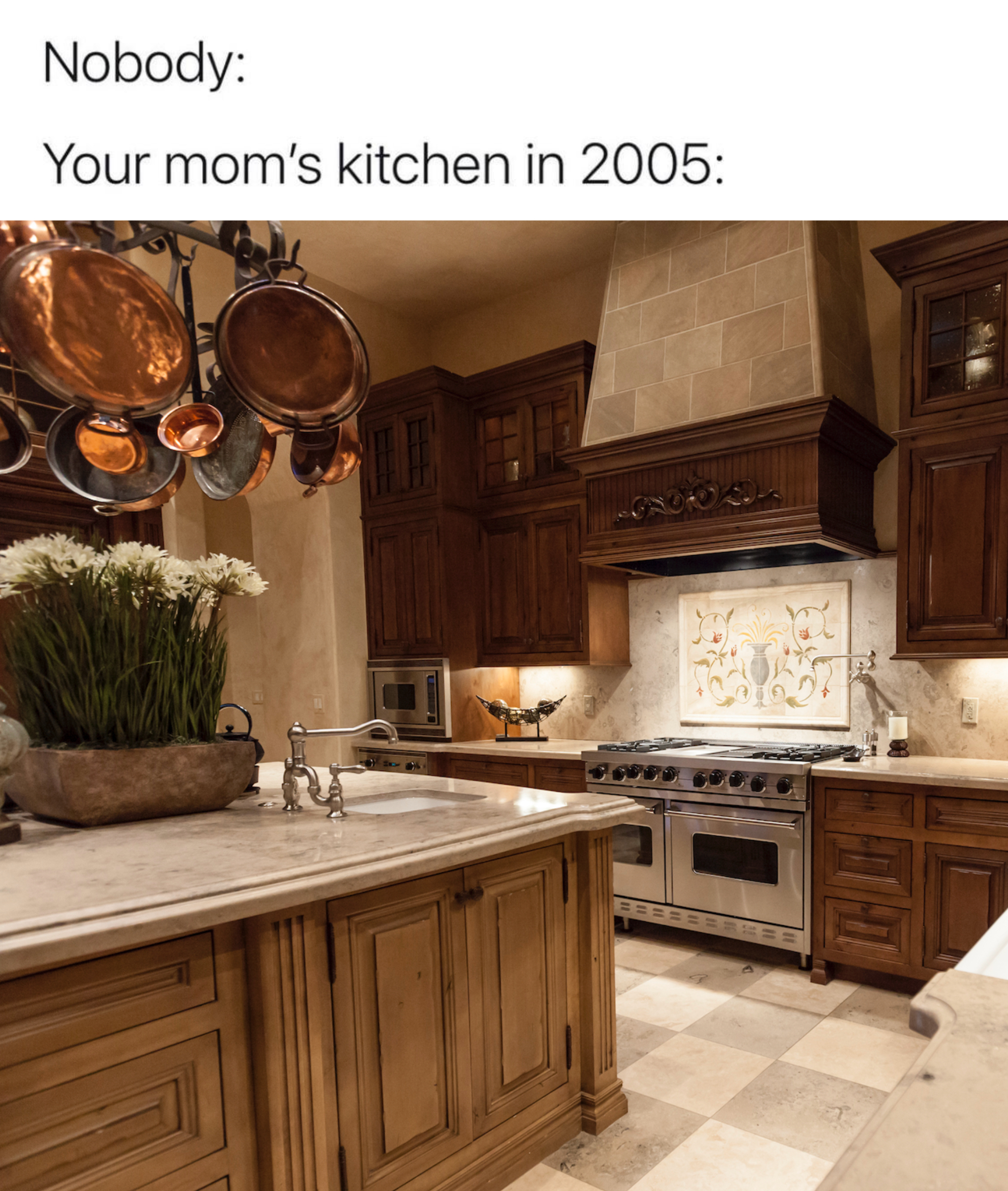
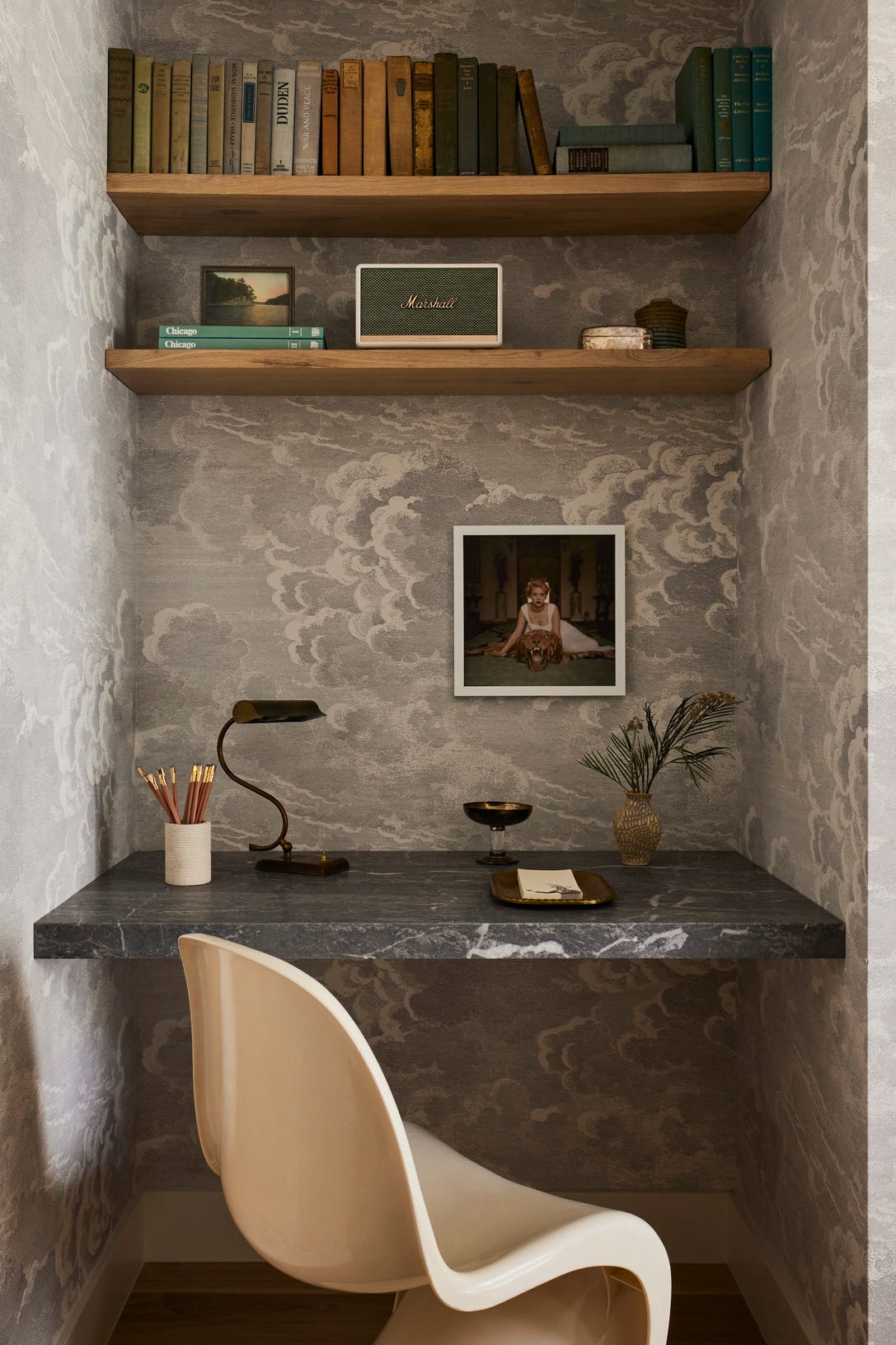
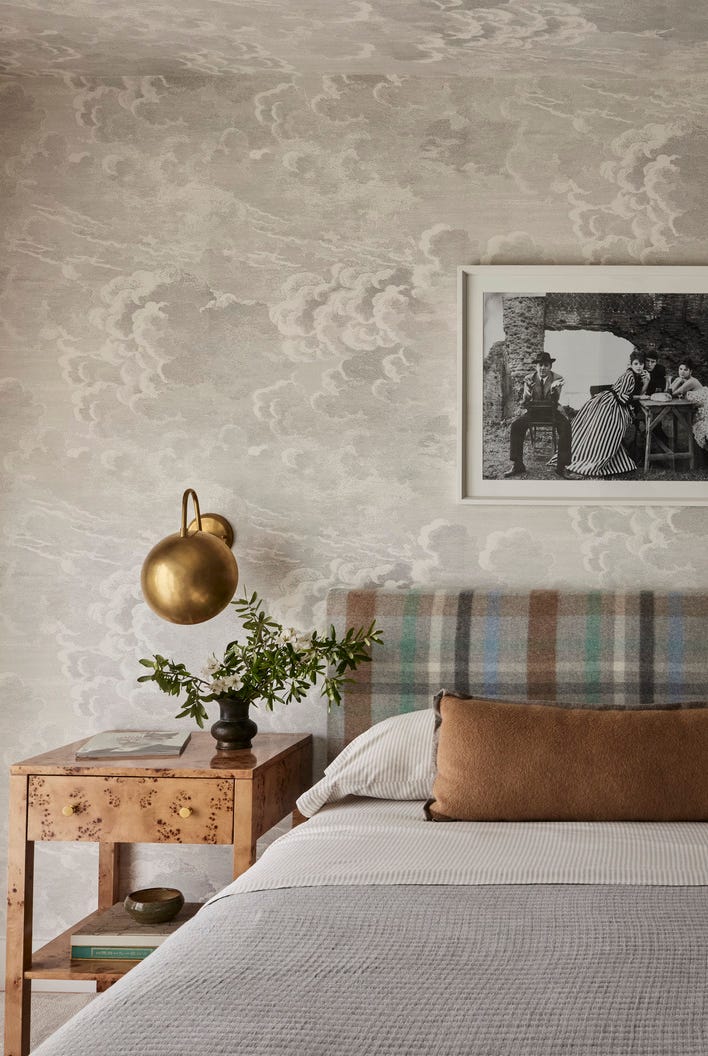
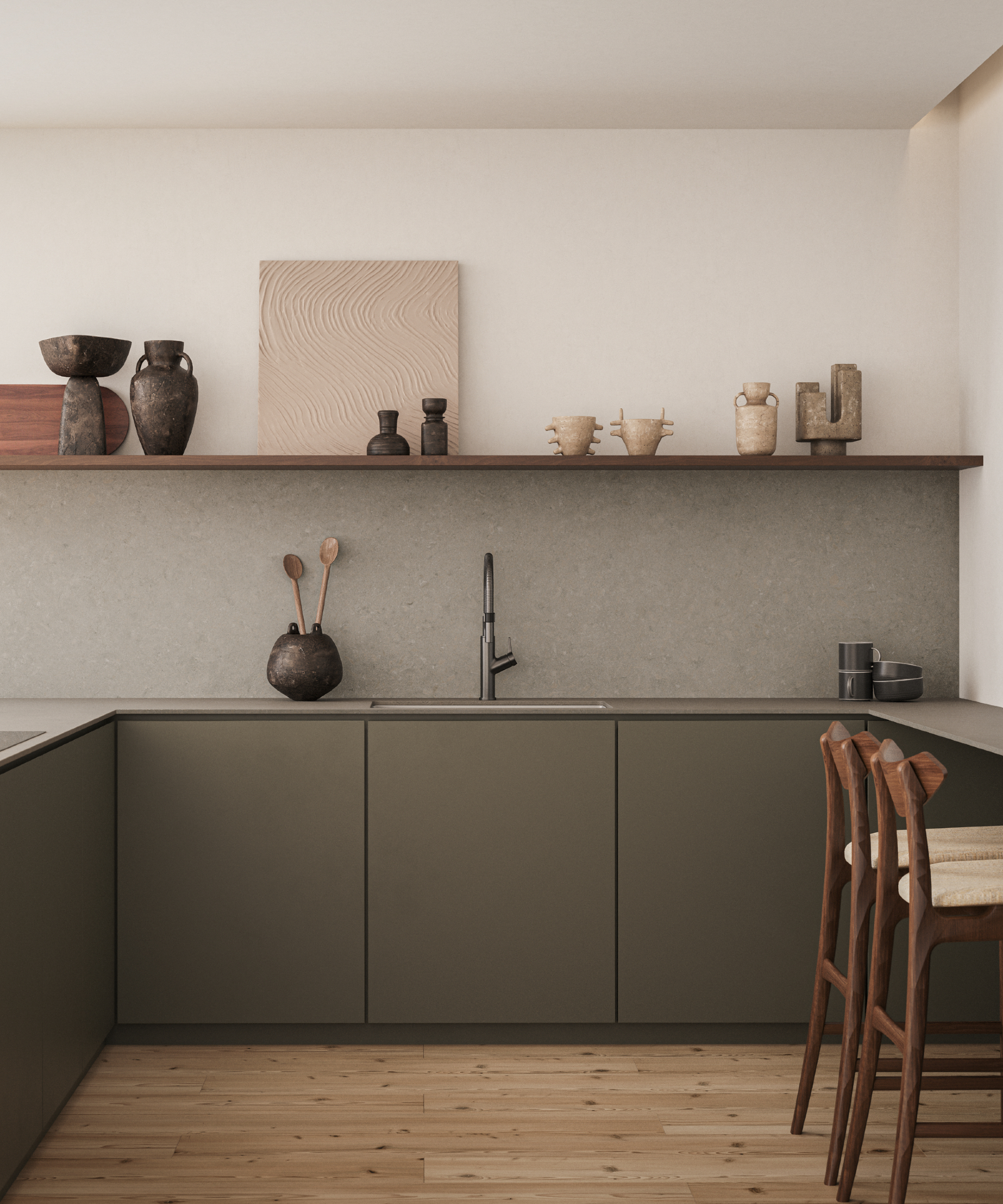
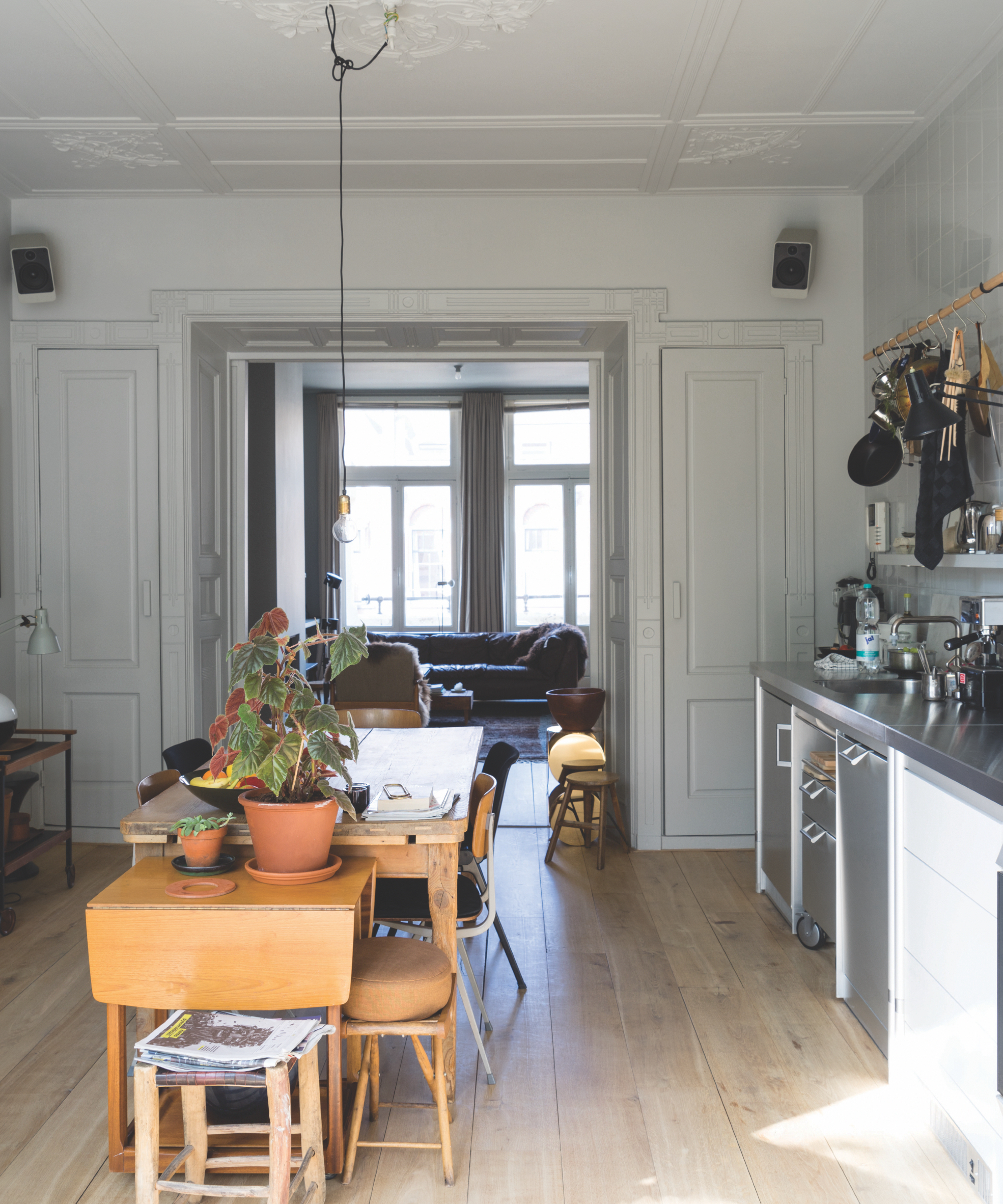
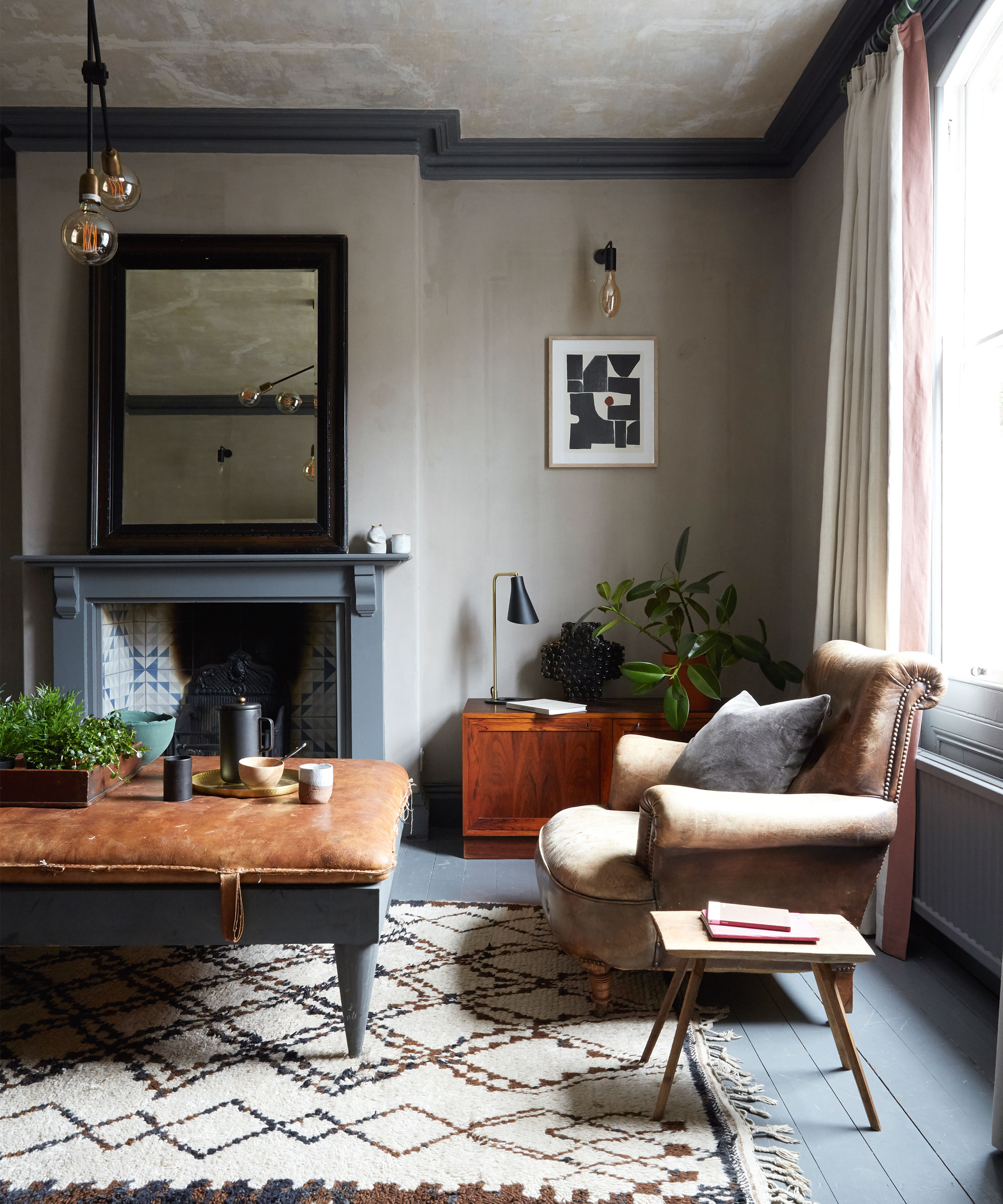
One primary reason identified for the millennial preference for gray is a conscious rejection of the maximalist and often visually chaotic design trends prevalent during their childhoods in the 1990s. These trends included shabby chic with its lace and gingham, Tuscan-villa styles characterized by opulent textures and warm tones, and Southwestern aesthetics with salmon, turquoise, and geometric patterns. In contrast, millennials seek simplicity and serenity in their living spaces, viewing gray as a neutral that offers a calming alternative to the sensory overload of their youth. The article highlights that this choice is also a direct repudiation of the ubiquitous 'builder beige' that dominated many homes during the 90s, leading to a natural aversion to warm colors.
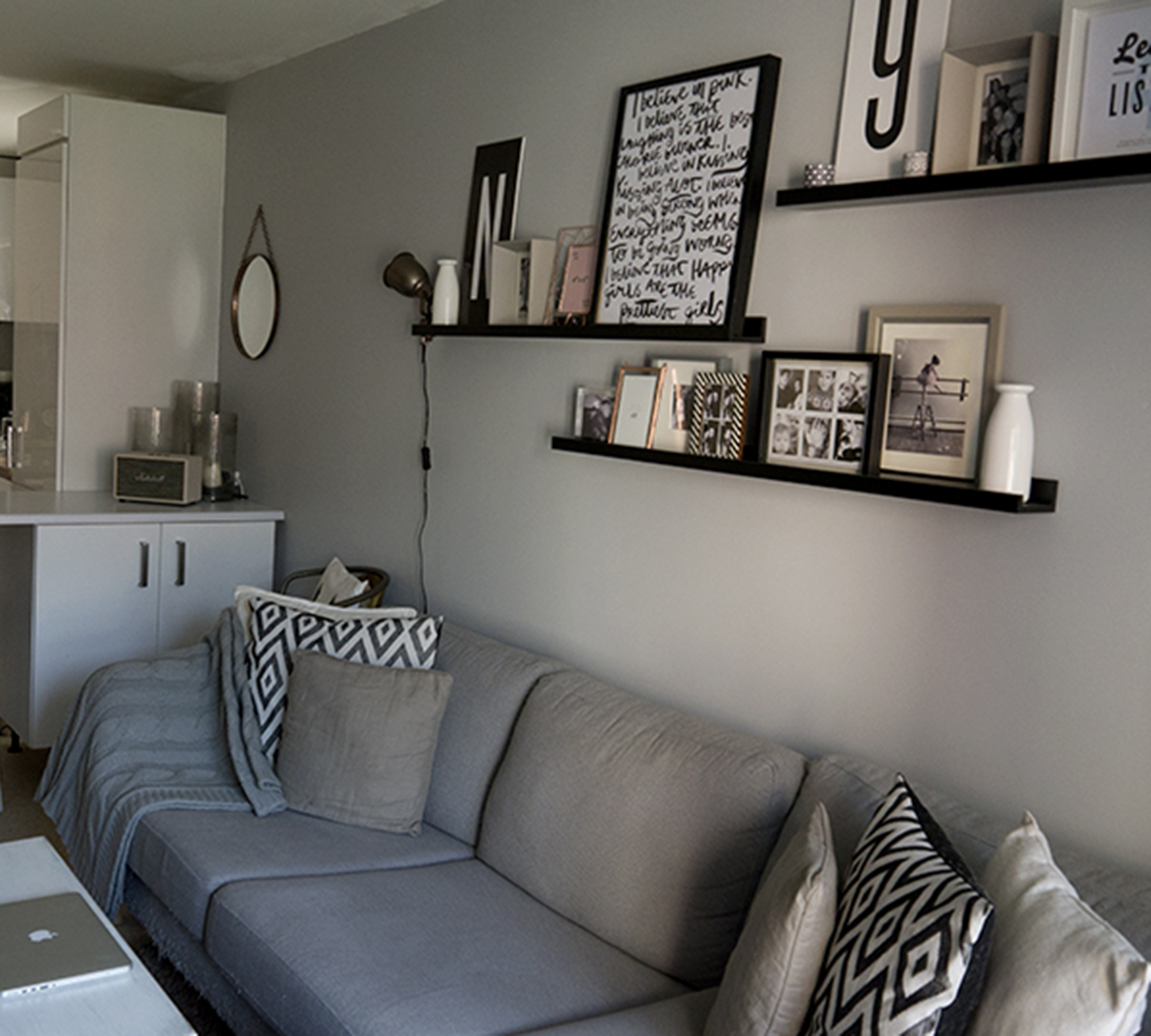
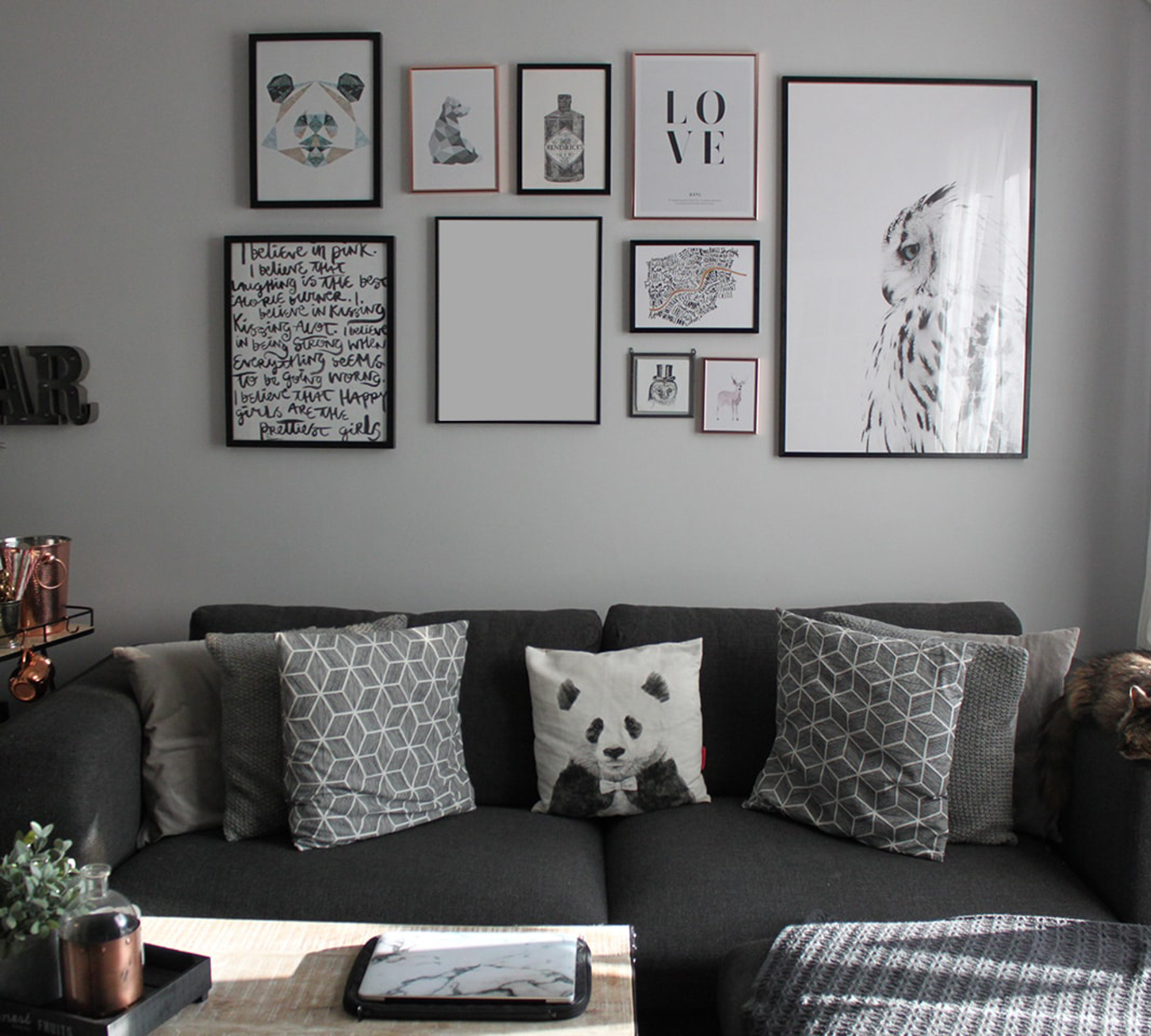
Furthermore, the psychological impact of gray is discussed in relation to the millennial generation's high stress levels. Millennials have navigated significant economic challenges, climate anxiety, student loan debt, and housing crises, contributing to a collective sense of anxiety. In response, they seek to create stable, uncluttered, and aesthetically simple home environments. Gray, being a neutral and minimalist color, provides a sense of order and control amidst external uncertainties, reducing stress and offering a visual refuge. This aligns with broader millennial values of minimalism and mindfulness, where a streamlined home environment can act as a buffer against external chaos.
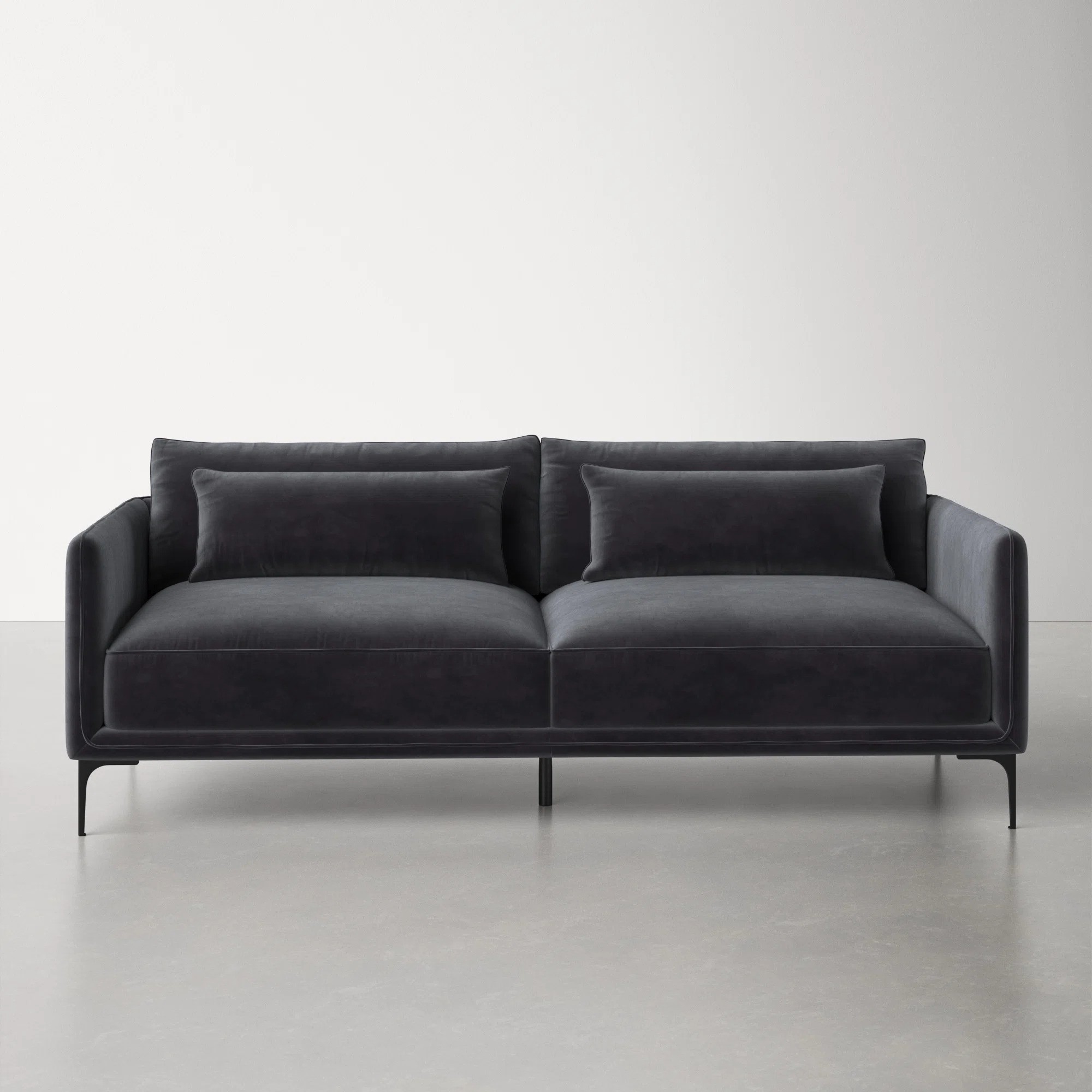
The article also connects the preference for neutral tones to millennials' emphasis on environmental sustainability and thoughtful consumption. Gray and other neutral colors offer versatility, allowing them to complement various trends over time, thereby reducing the perceived need for frequent replacements or repainting. This aligns with a desire for longevity and reduced environmental impact in their purchases. Additionally, practical considerations like stain resistance for expensive items, such as couches, make darker grays a logical choice for families, further supporting sustainable and durable consumption.
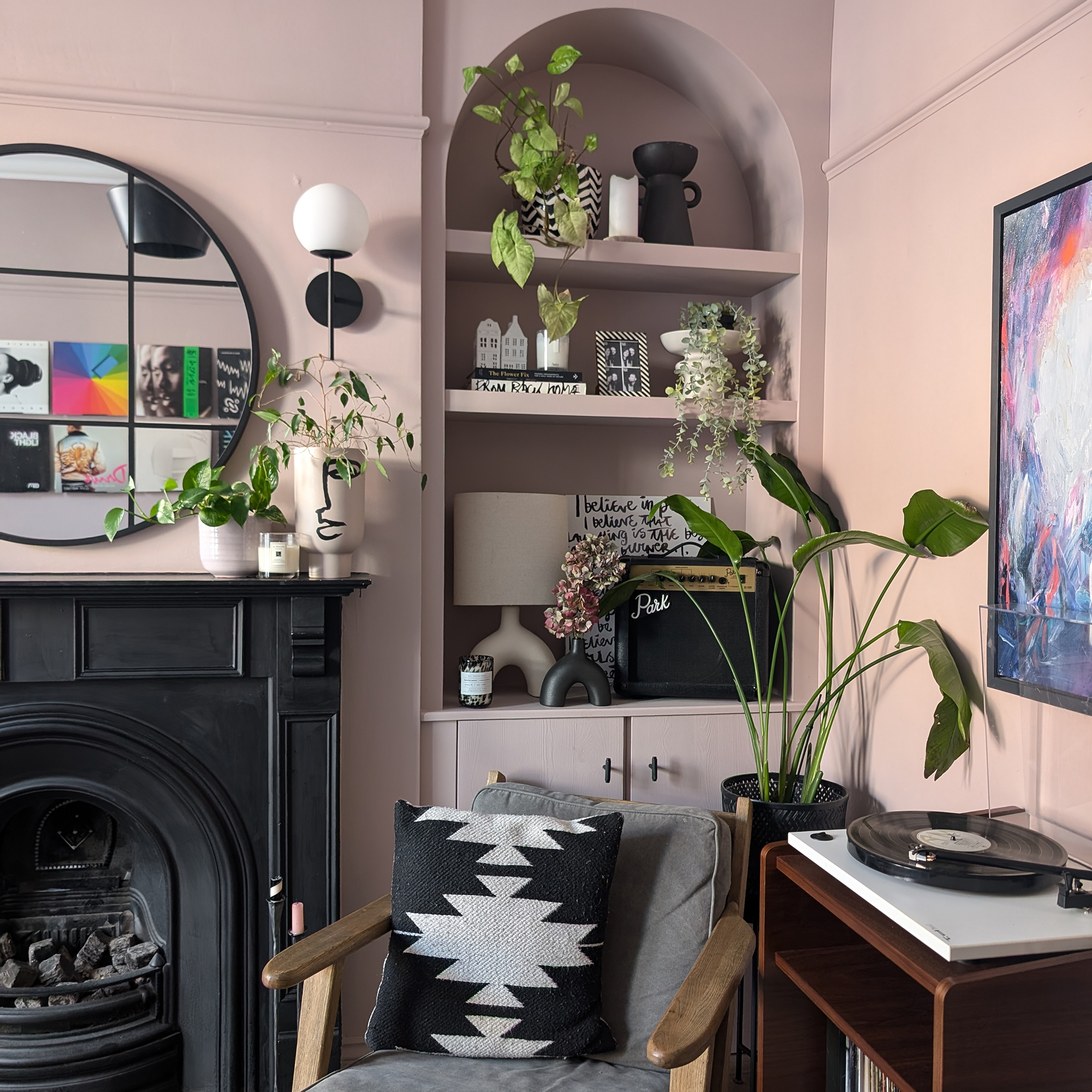
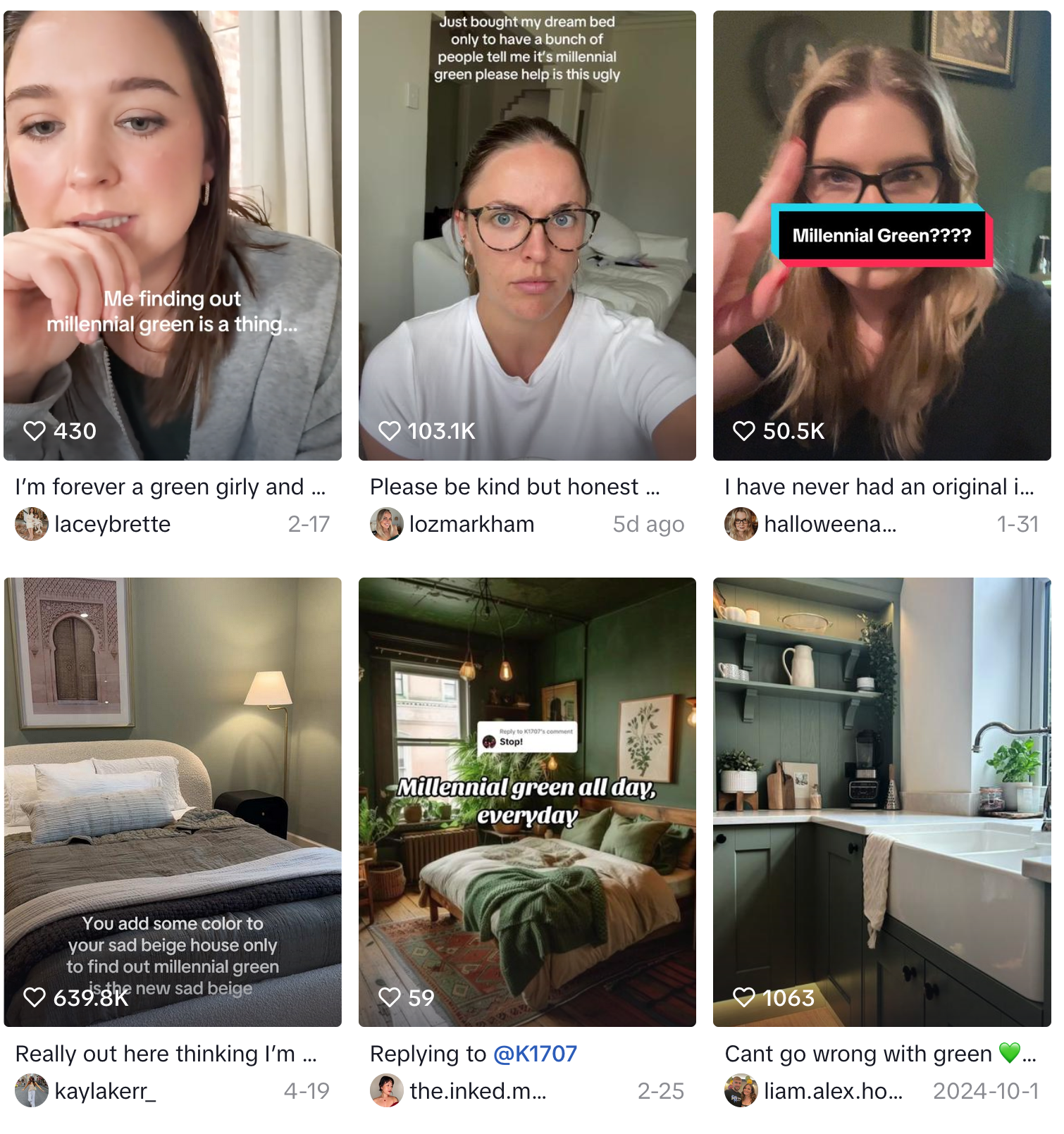
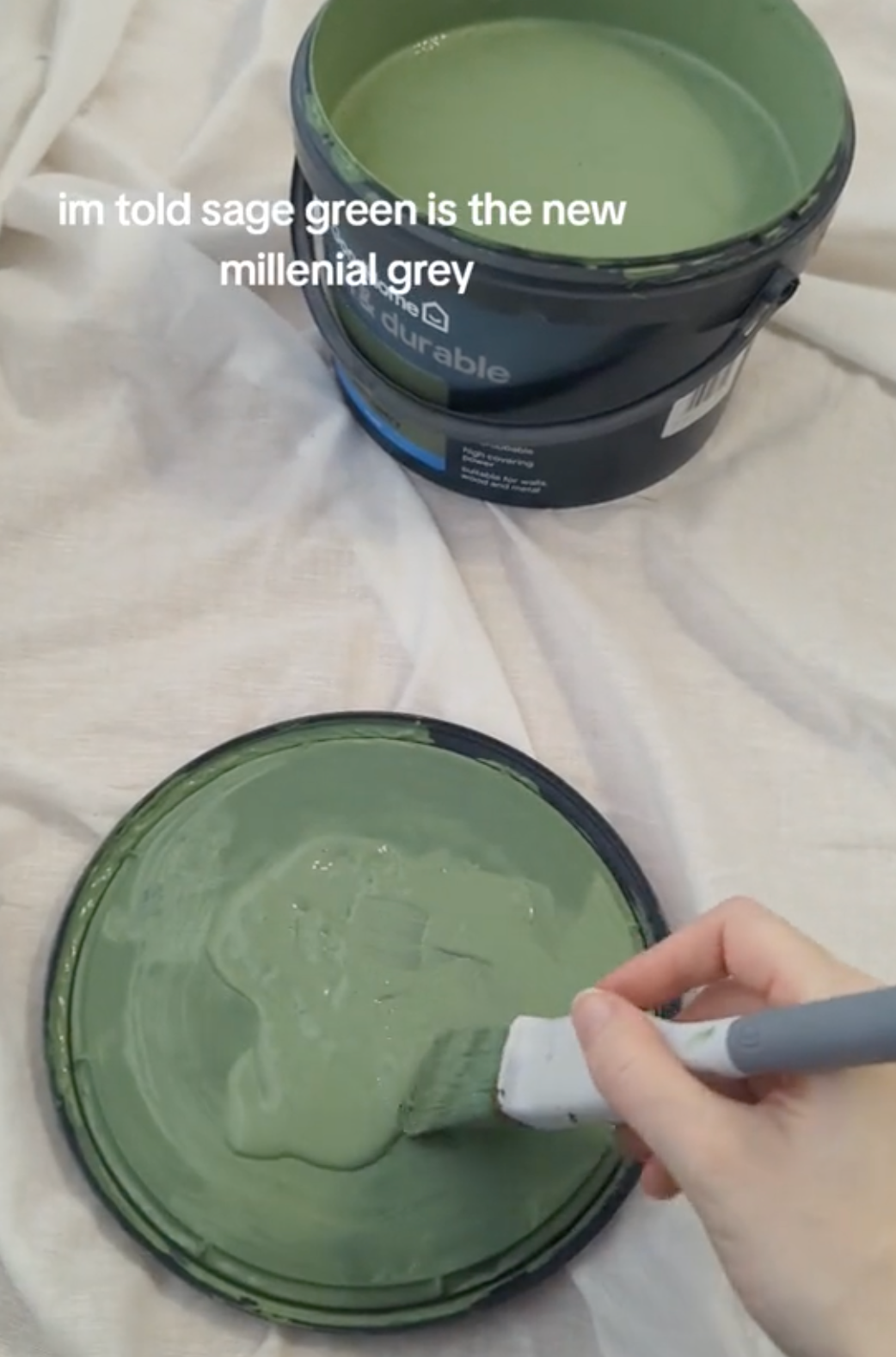
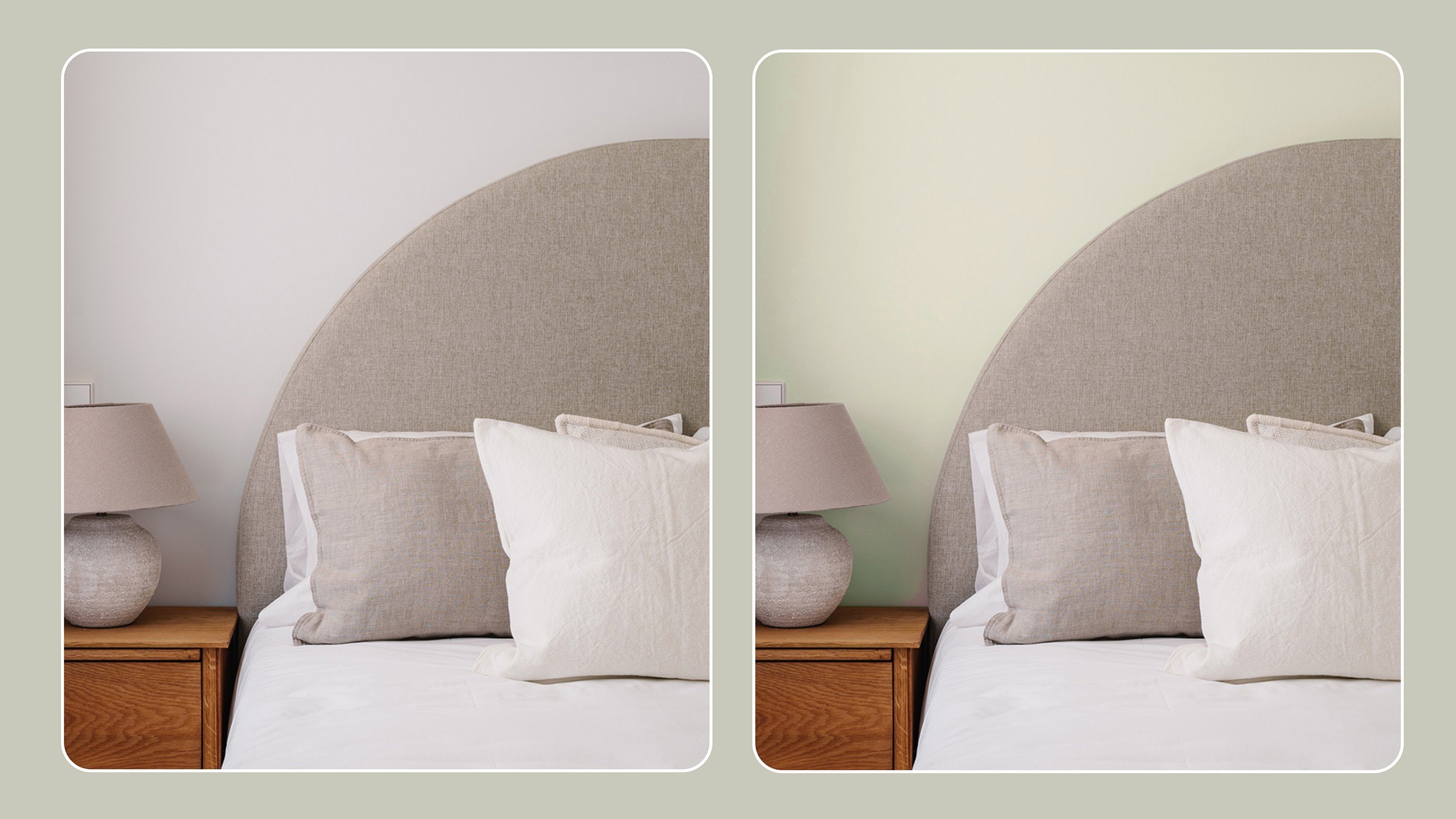
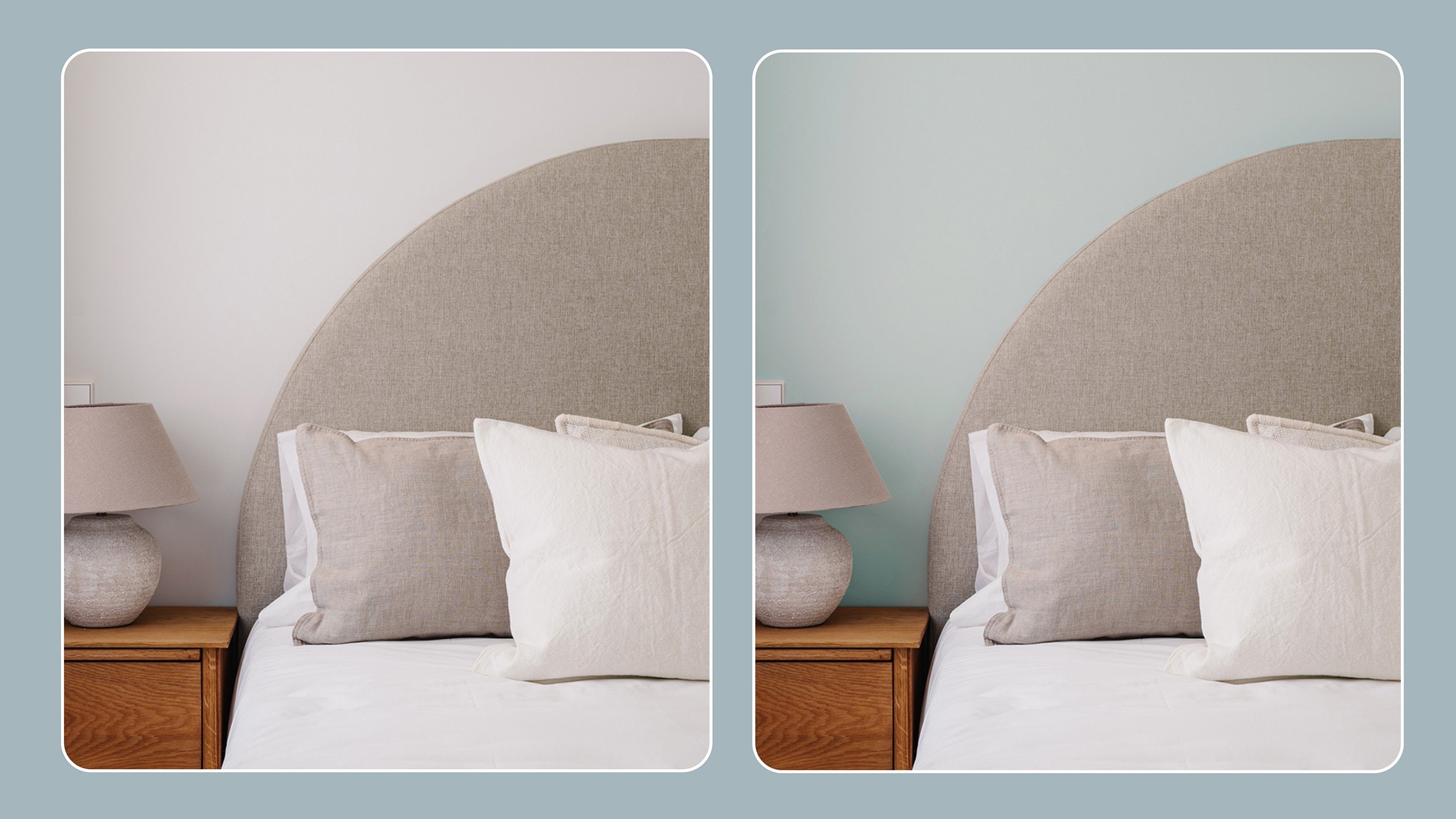
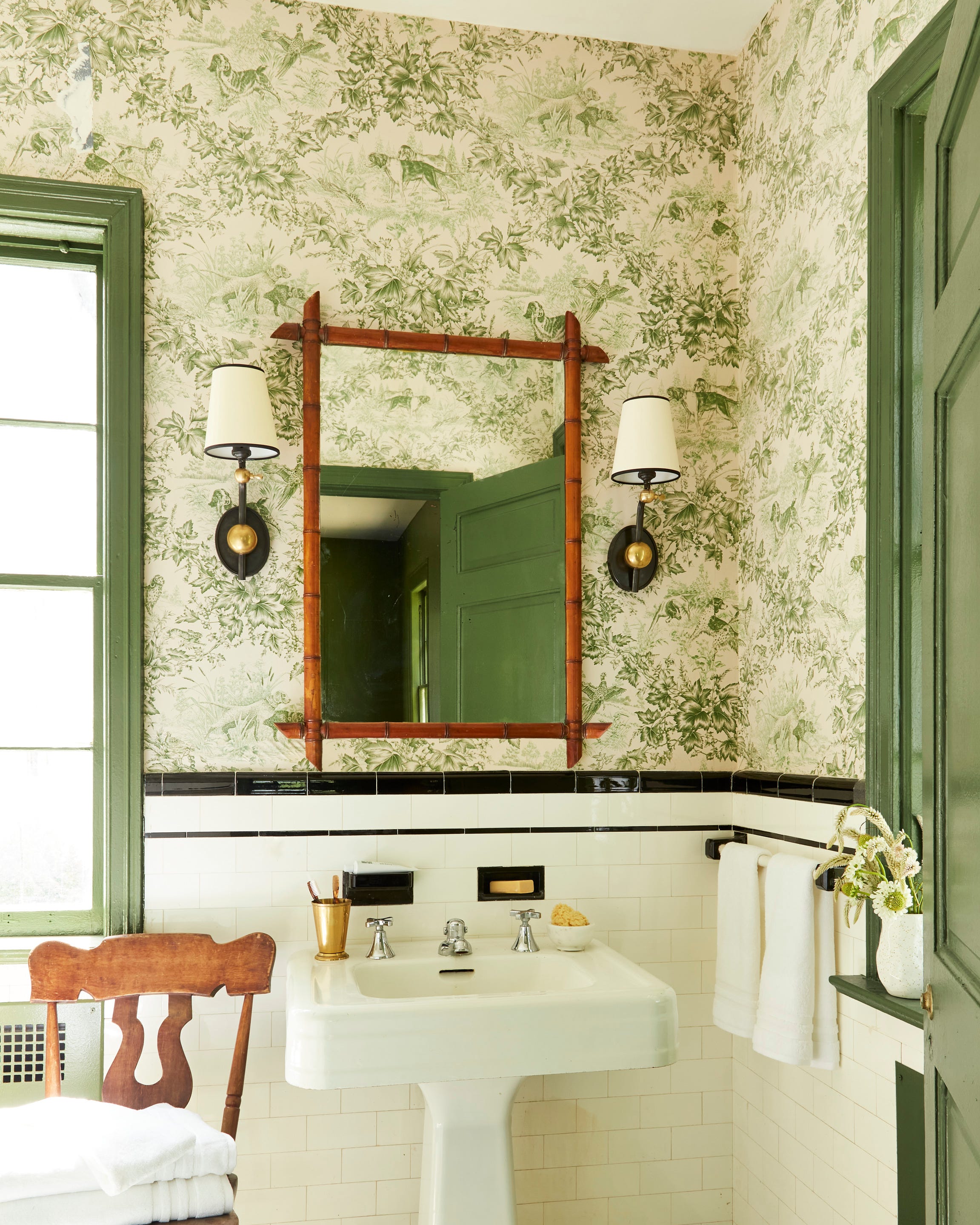
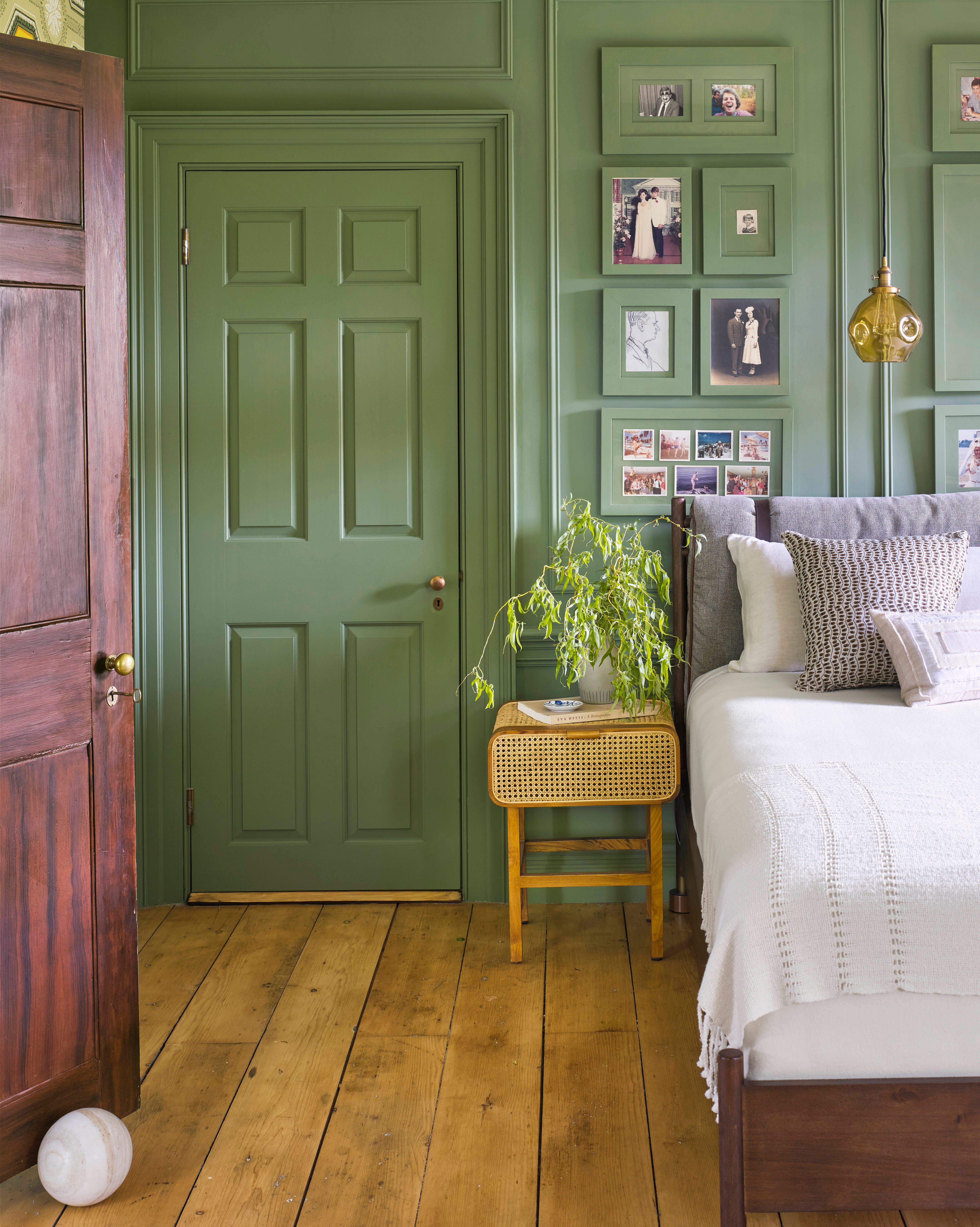
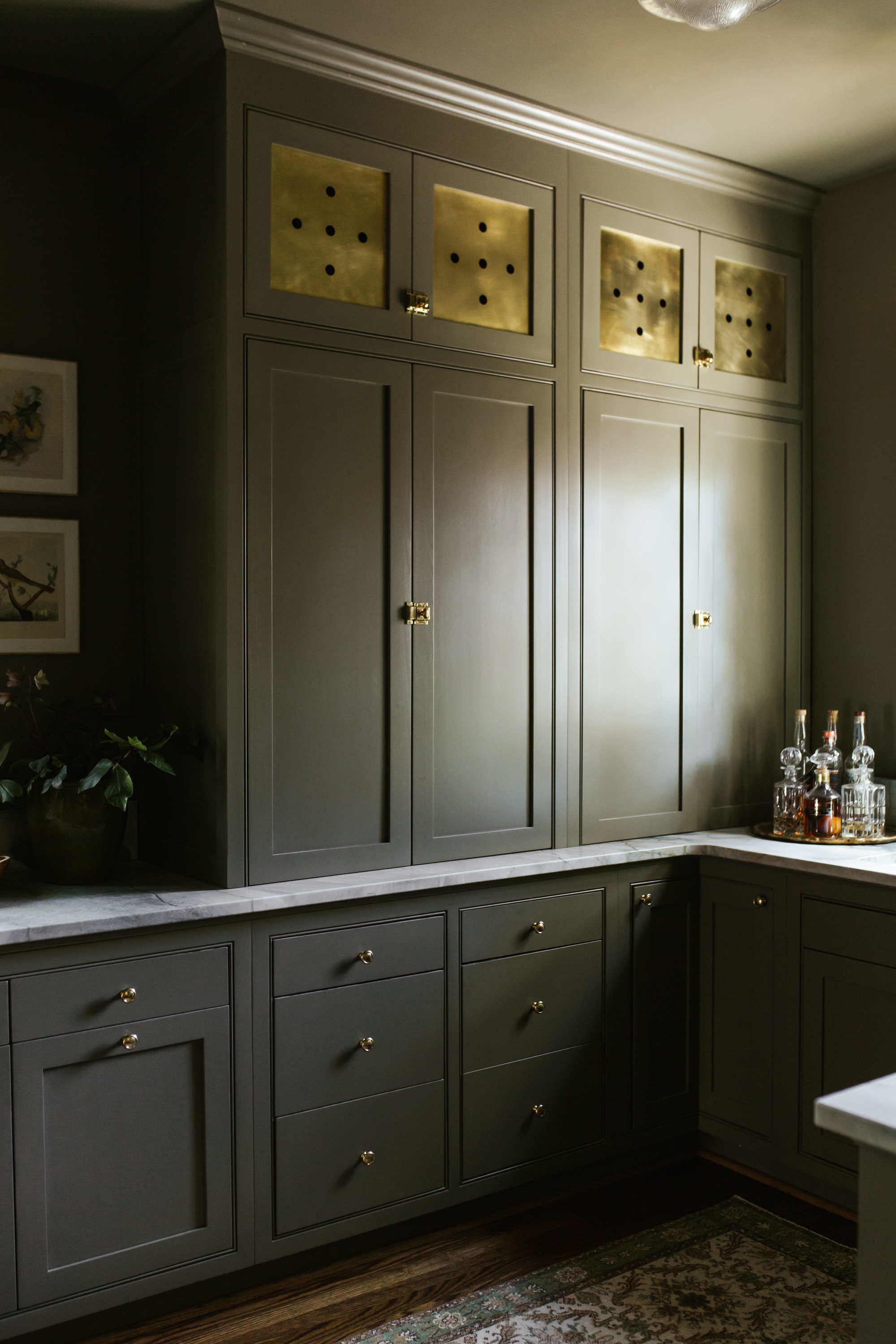
Finally, the gender neutrality of gray is presented as another significant factor, particularly for millennial parents and couples. In an effort to foster equitable environments and move away from traditional gender stereotypes, gray provides a blank canvas that avoids prescribing specific gender roles. This is mirrored in the 'sad beige parenting' trend, where neutral colors are chosen for children's clothing and bedrooms to allow for the child's personality to develop independently of color-coded norms. The article concludes by acknowledging the ongoing presence of 'millennial gray' in new construction and home flips, while also noting emerging shifts towards maximalism and 'grandma-core' in urban areas. For those seeking to update gray homes, subtle additions of color, such as sage green or incorporating curated, handmade, or vintage pieces, are suggested to add character and personal meaning.
#millennialGray #homeDesignTrends #interiorDesignPsychology #neutralPalette #minimalistDesign #sustainabilityInDesign #anxietyAndHome #genderNeutralDesign #colorPsychology #millennialGray #homeDesignTrends #interiorDesignPsychology #neutralPalette #minimalistDesign #sustainabilityInDesign #anxietyAndHome #genderNeutralDesign #colorPsychology
0 comment in total
 No comments yet
You may also like
I was on the fence about this 'dated' sofa color, but Kevin Bacon and Kyra Sedgwick's living room has convinced me of its timelessness
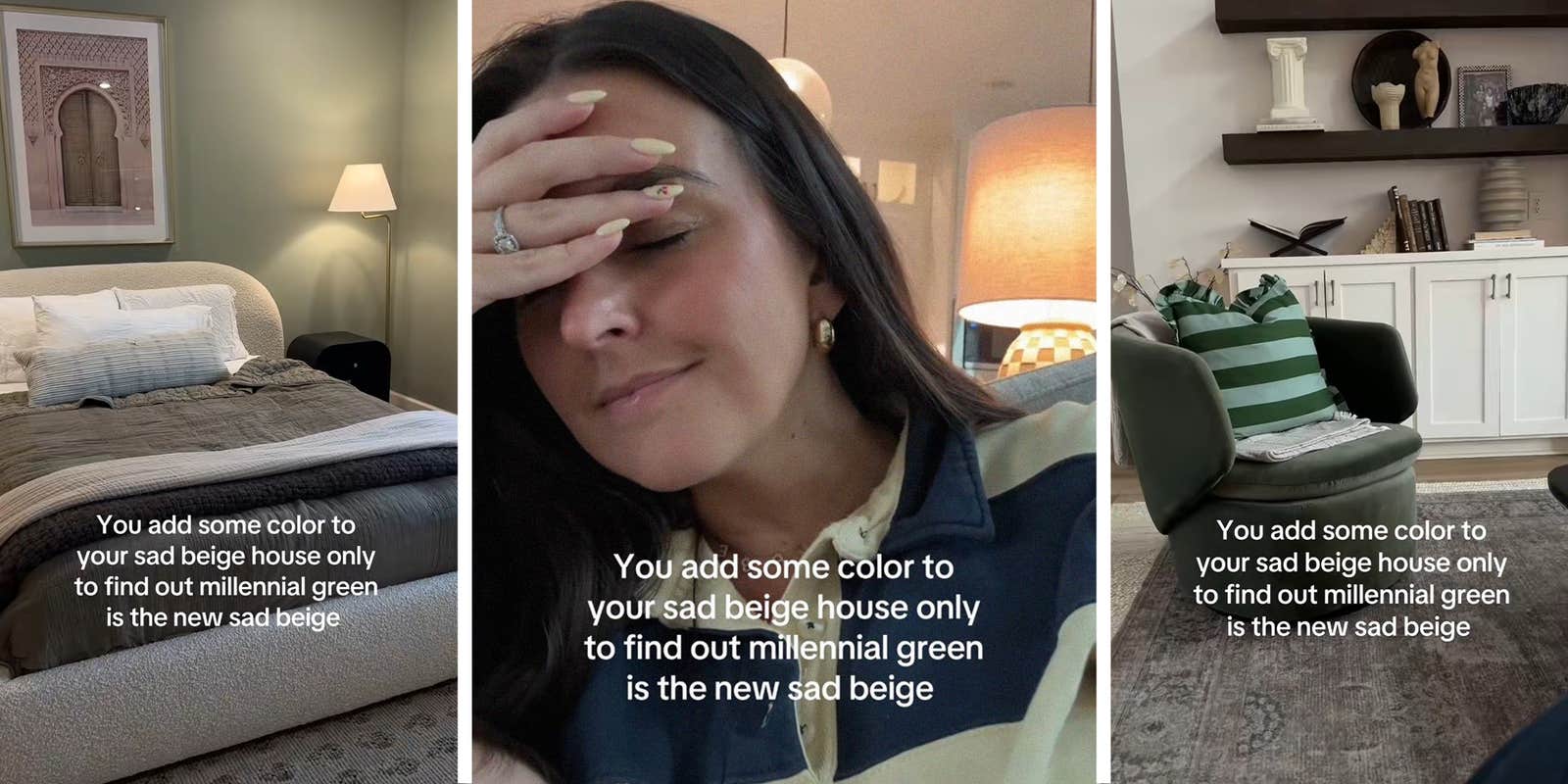
Is millennial green the new ‘sad beige’?
"It's Literally Infuriating": 15 Modern Home Design Trends Gen Z'ers Are Truly Sick And Tired Of

War on beige: Why are all of today’s houses cream-colored?

People Are Sharing Their Before-And-After Home Renovation Photos, And They’ll Either Make You Angry Or Envious
Millennial Gray Is So Over—Here Are 5 Paint Colors to Try Right Now
The Exterior Paint Color That Looks Severely Outdated Going Into 2025
From Gen Z To Boomers, Here Are The 16 Home Decor Choices That Perfectly Summarize Each Generation
20 Millennial Home Trends That We'll All Be Cringing At In 20 Years
This Is The Real Reason Gray Vinyl Flooring Is So Depressing
This "trend-defying" kitchen color could make your home sell for thousands of dollars more, say experts

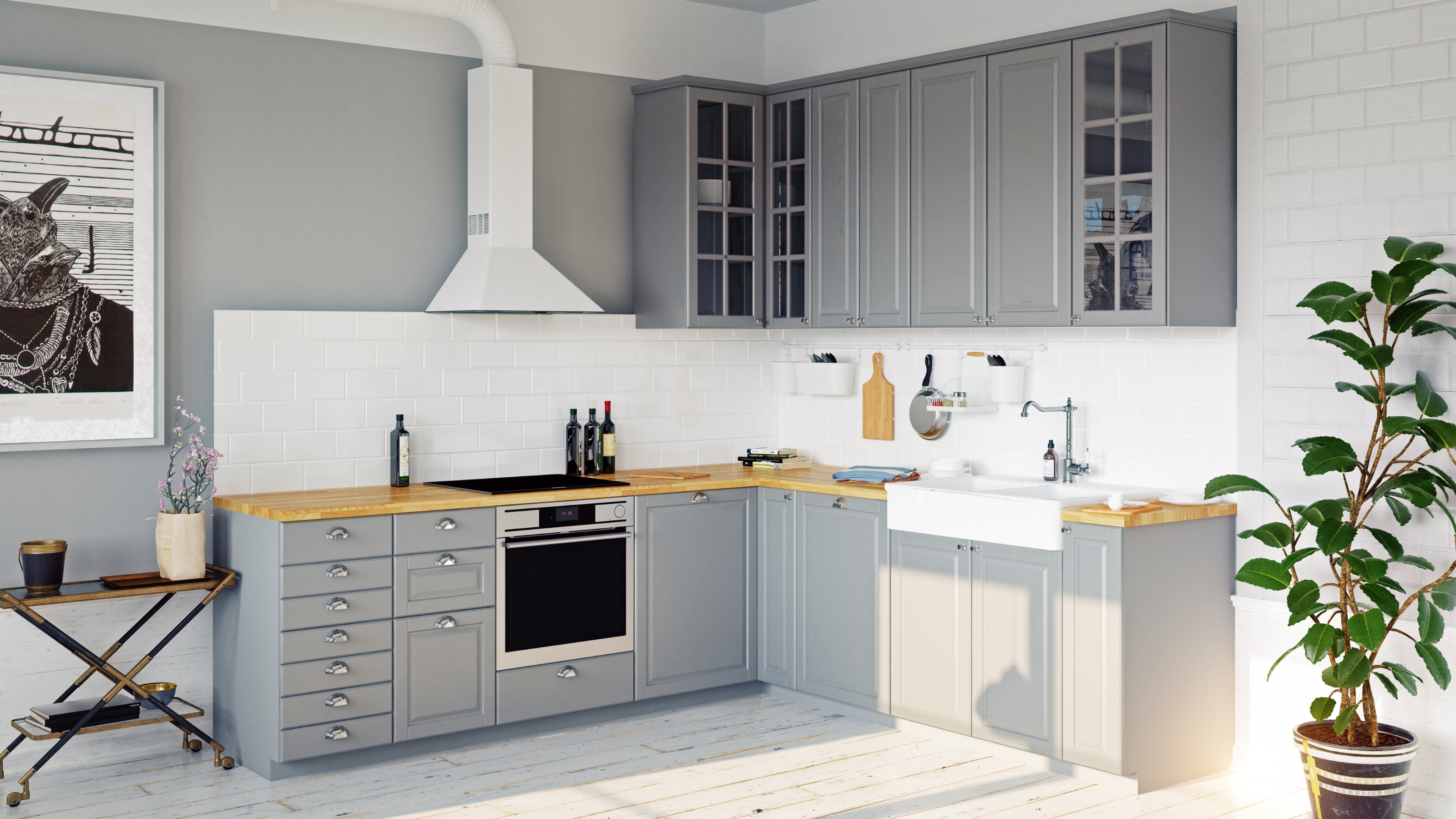
Are gray kitchens out of date? We get the low-down from design experts

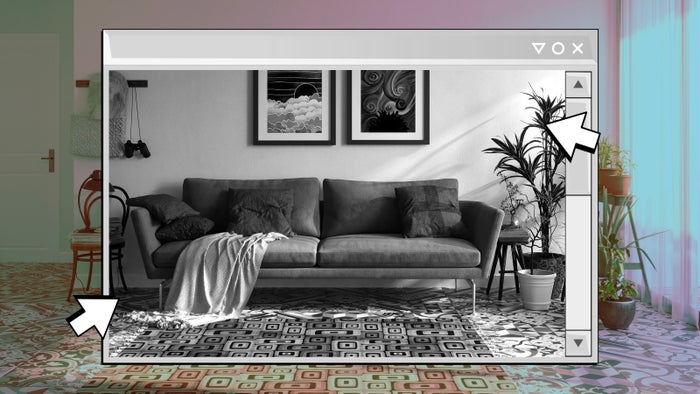
Millennials Are Obsessed With Gray Homes, And The Psychology Behind It Is Fascinating
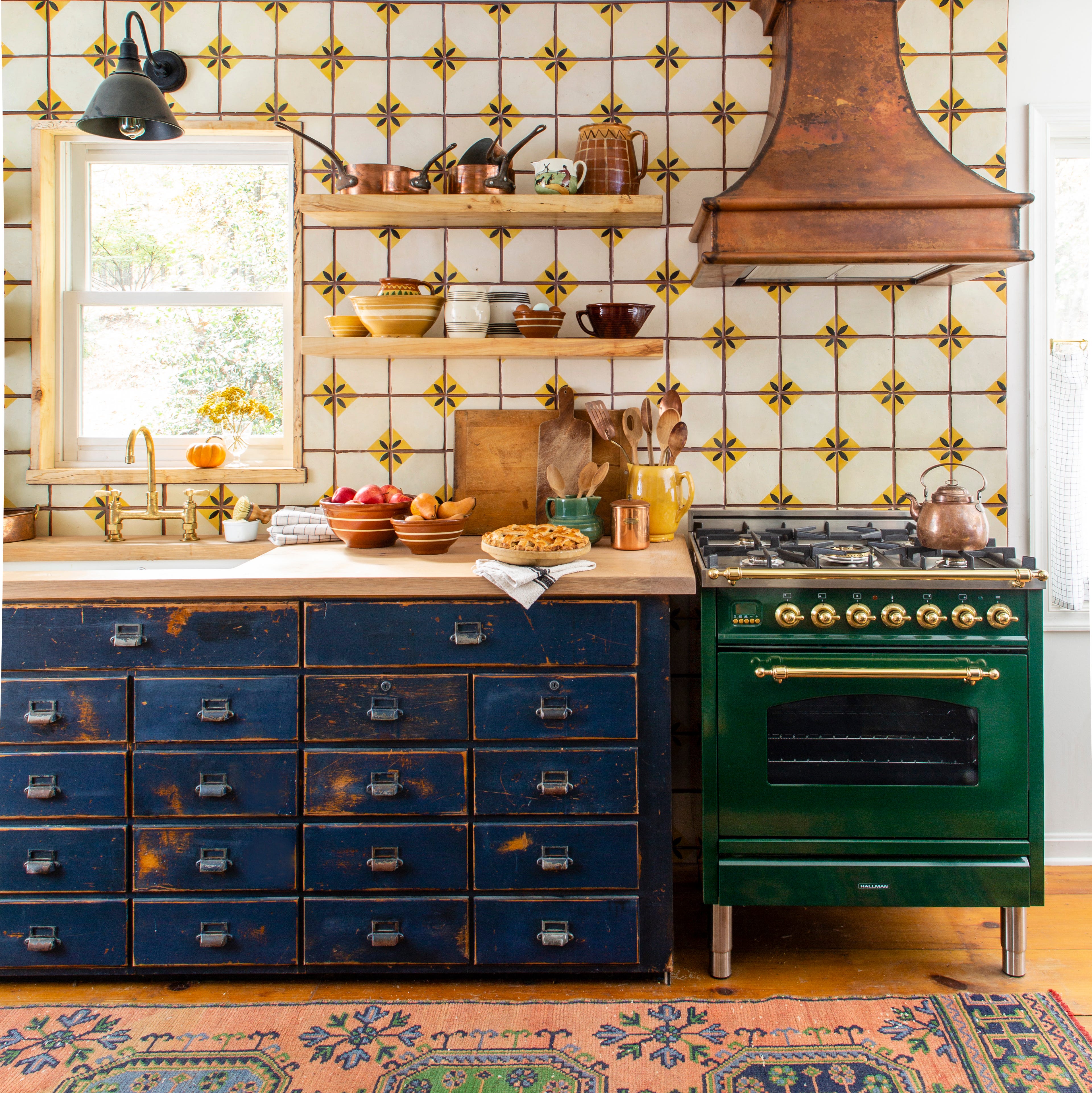
Gen Z Just Declared This “Boring“ Color the New Millennial Gray and I Am So Upset
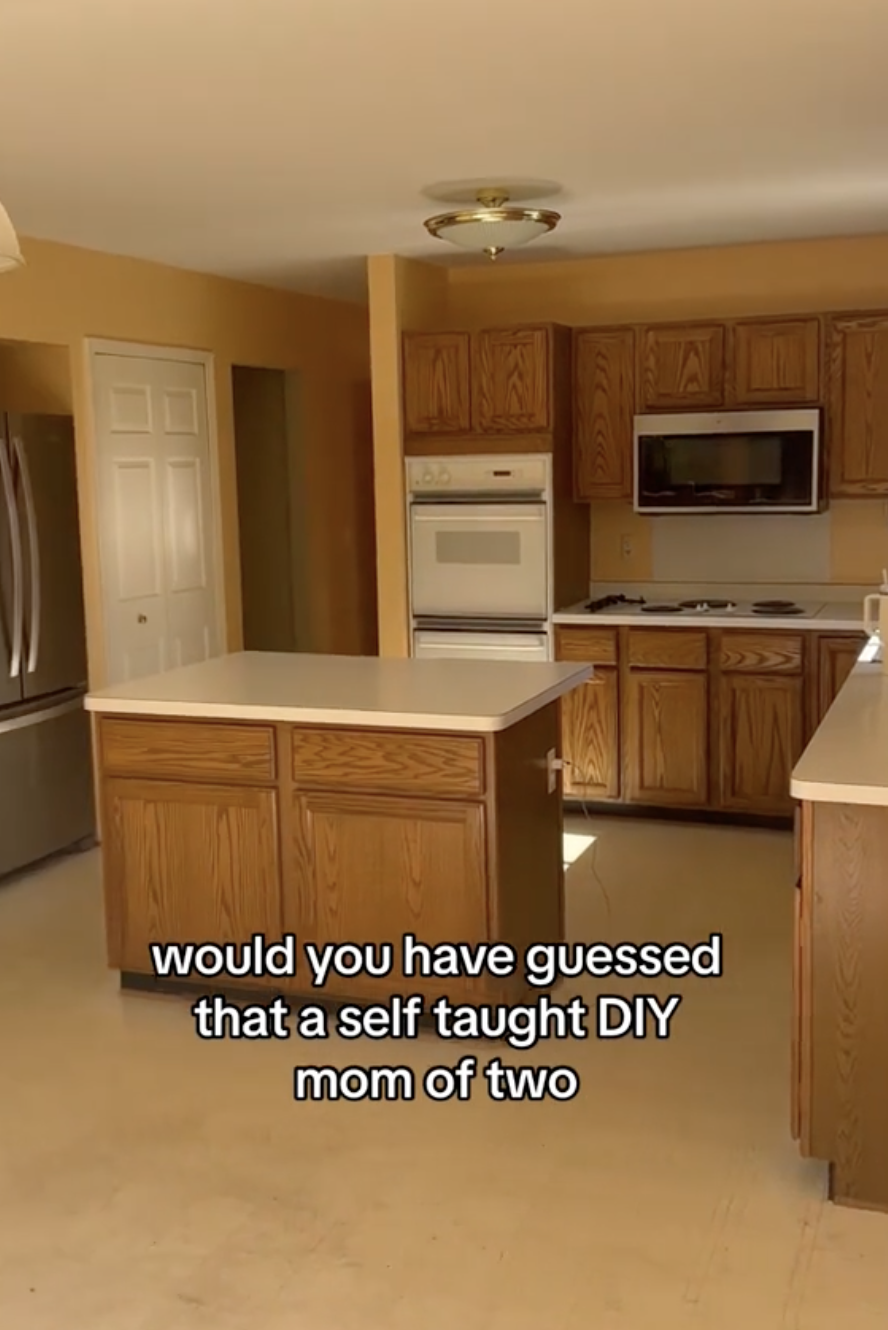
12 Before-And-After Home Renovation Photos That Will Either Make You Angry Or Envious
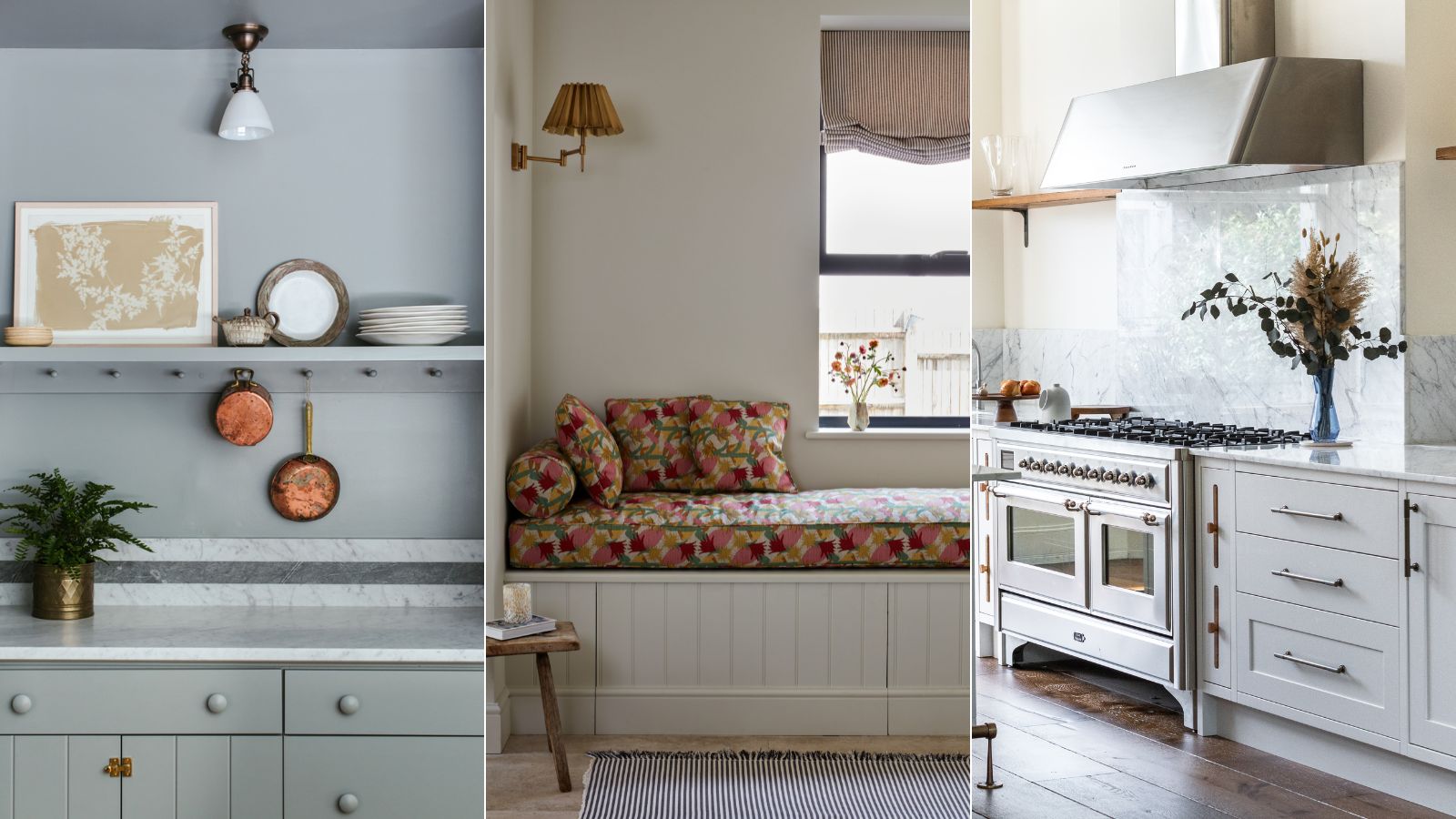
Are gray interiors really out of style? Interior designers weigh in on how to use this cool shade

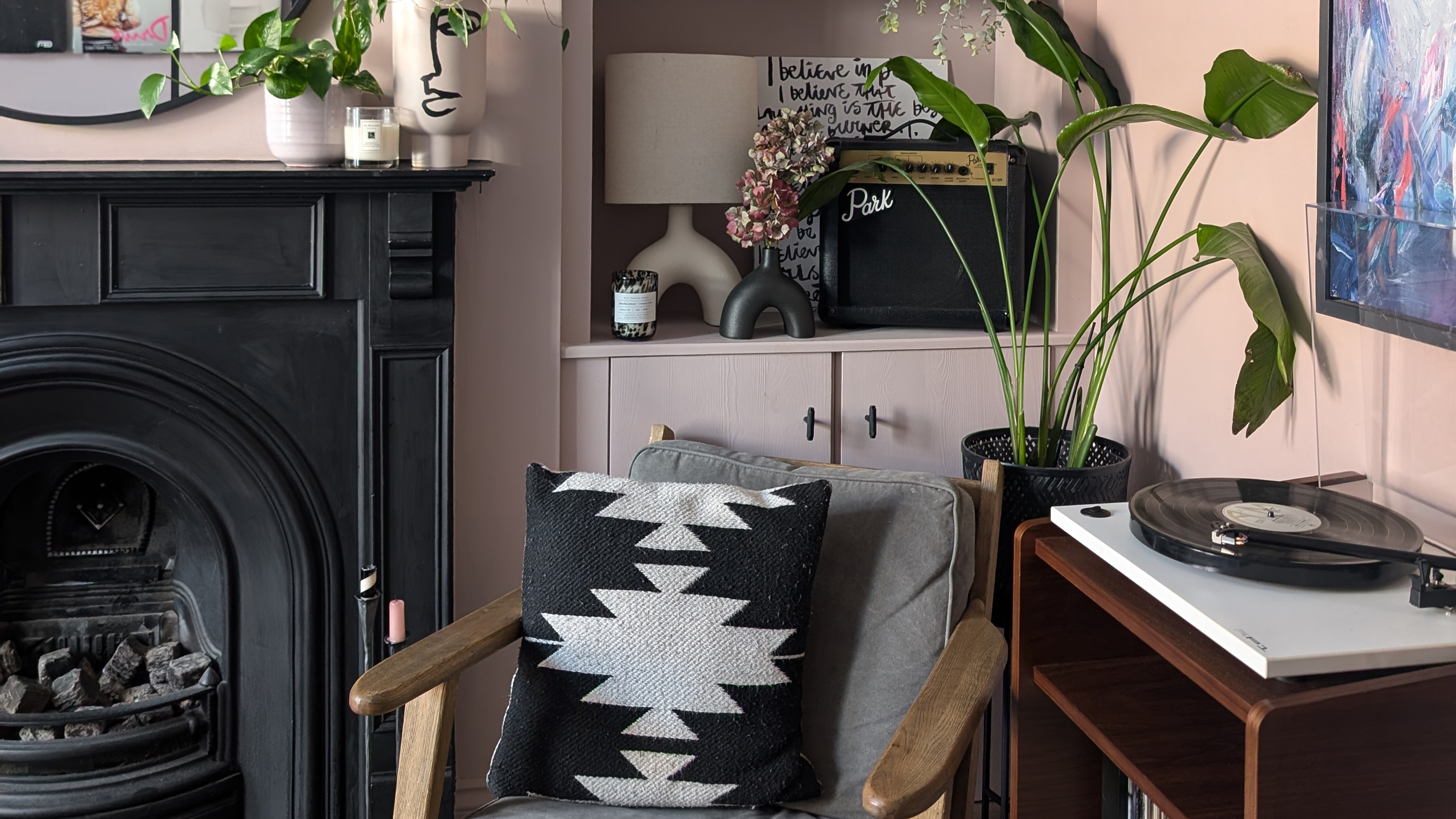
Why I'm finally leaving millennial grey behind, and what I've learnt about how to be bolder with colour
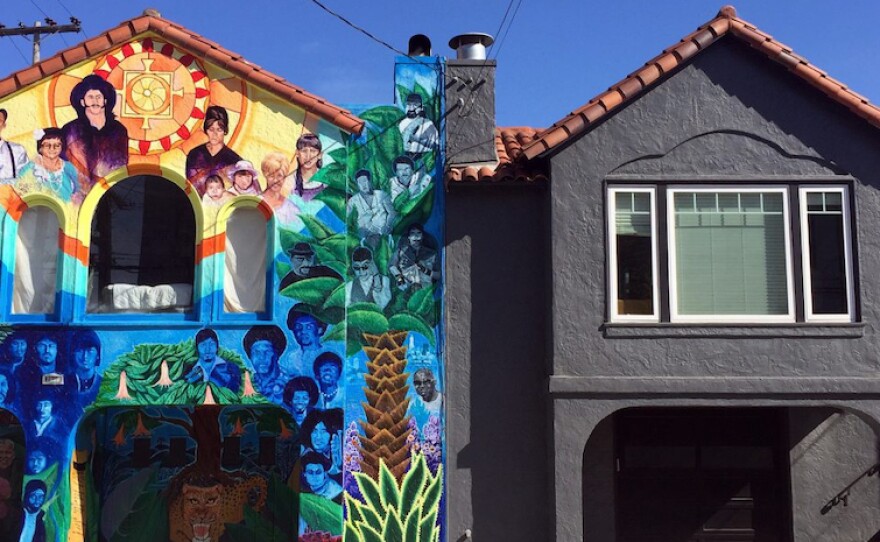
San Francisco Is Turning Gray — One House At A Time

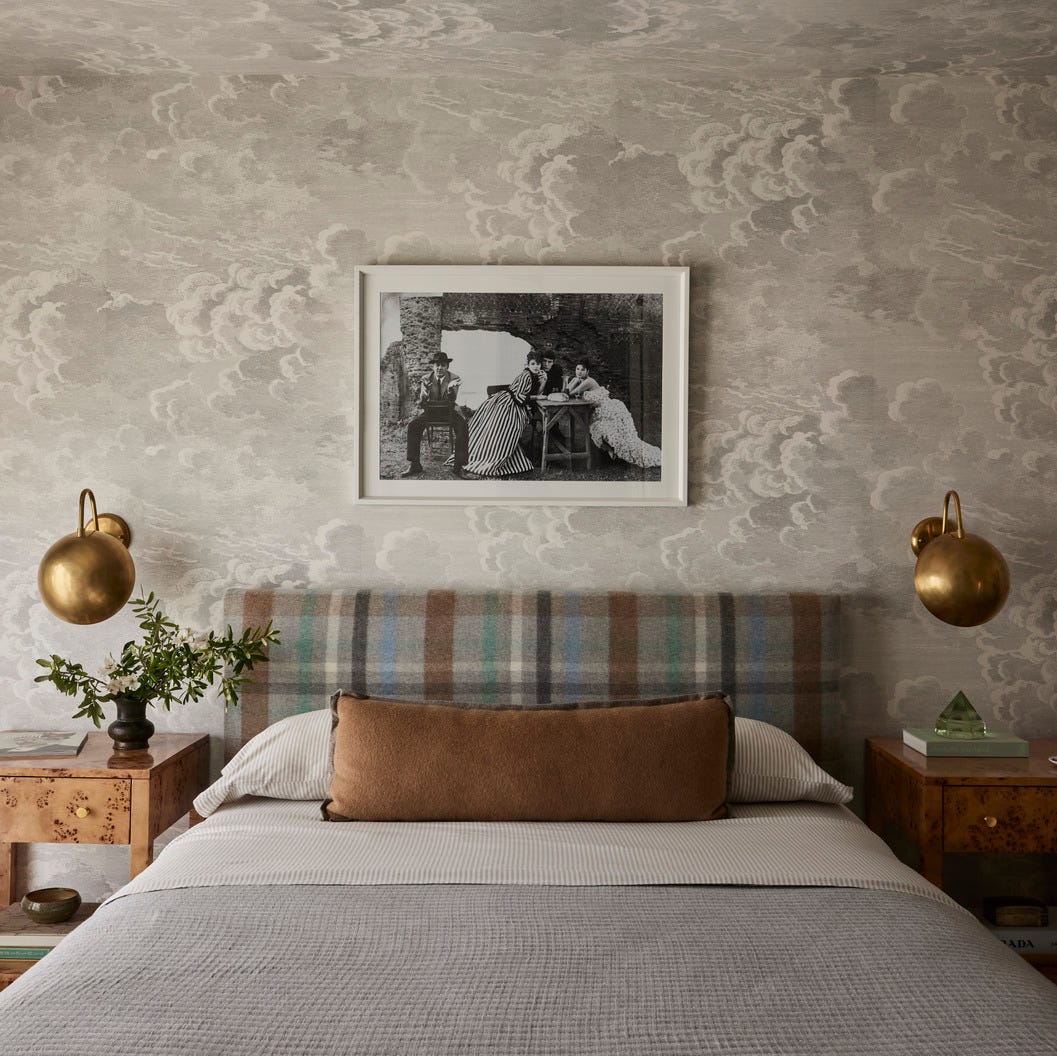
Committed to Your Millennial Gray Walls? Designers Share the Best Colors to Pair With It

The Kitchen Cabinet Color Trend That Made Sense In 2015 But Now Feels Totally Overdone