1/3
Embracing the ‘Fifth Wall’ in Your Home
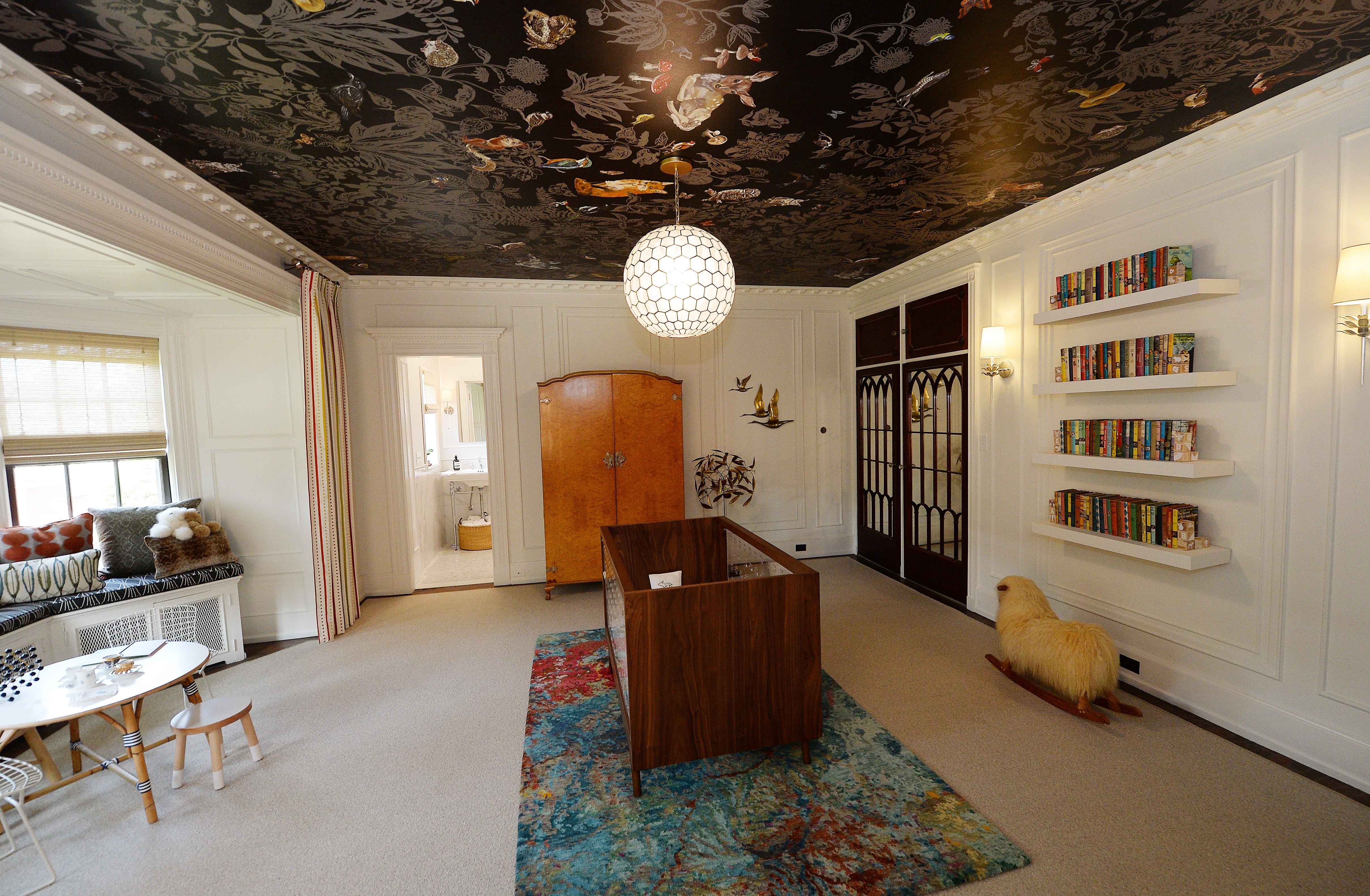
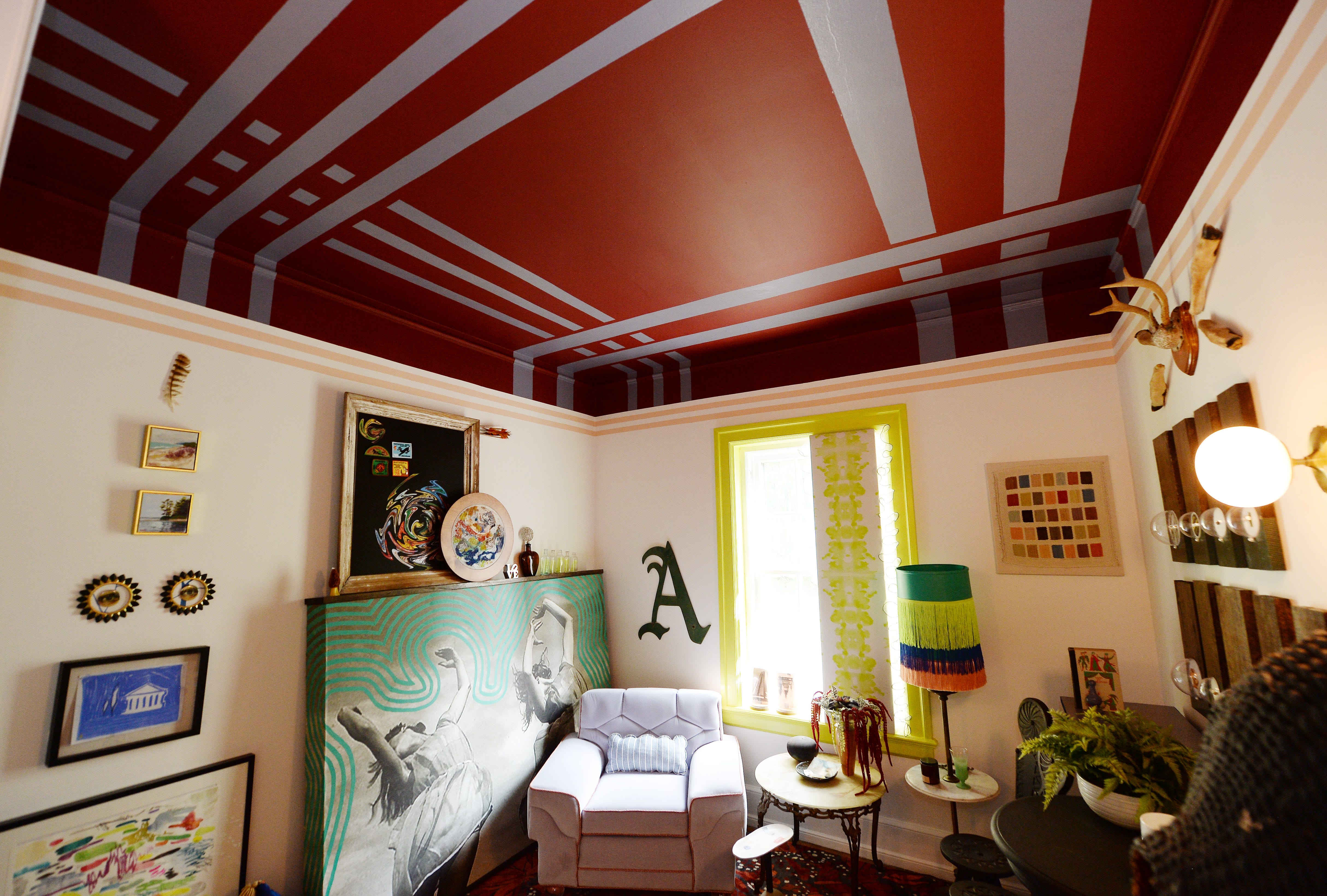
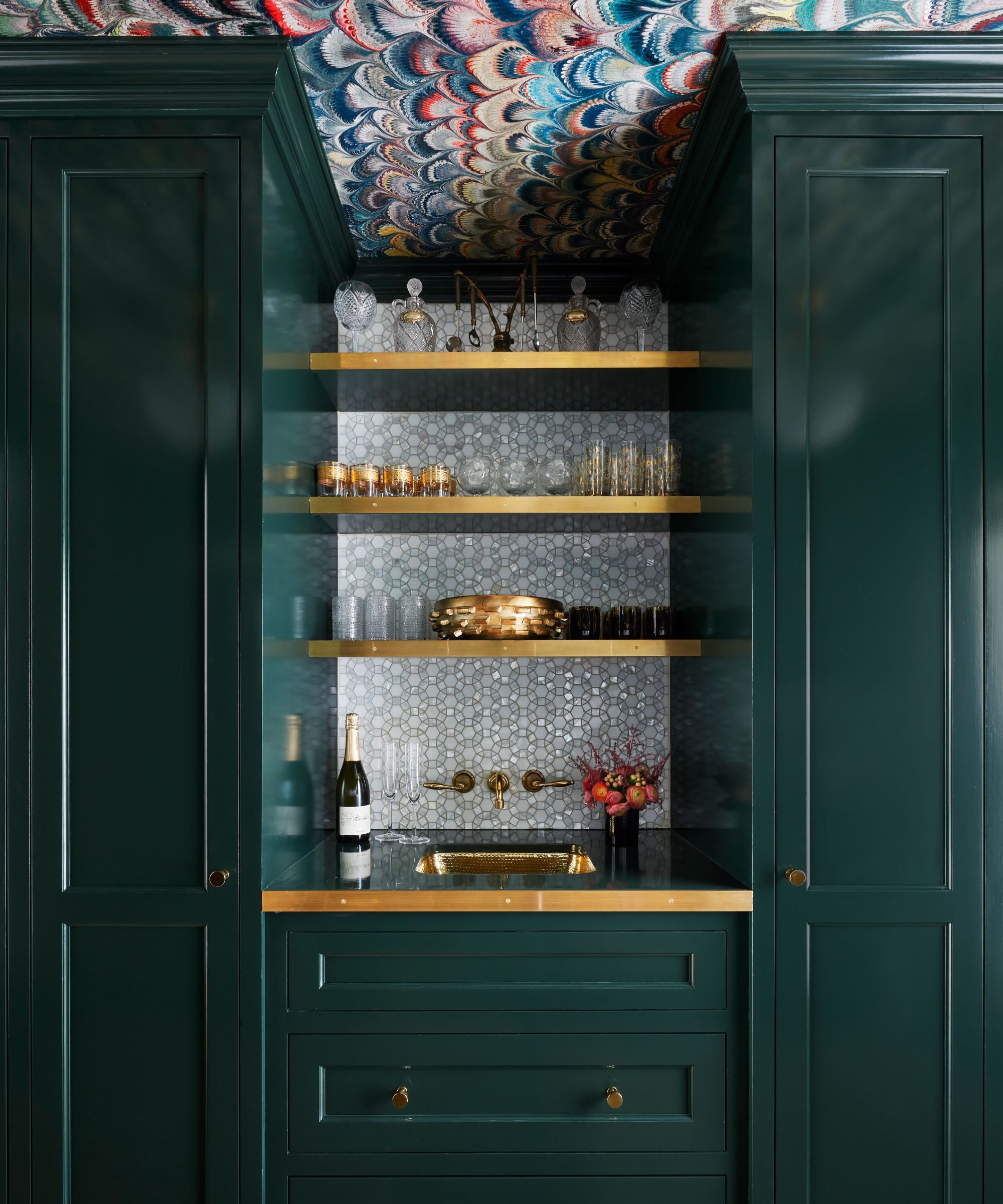
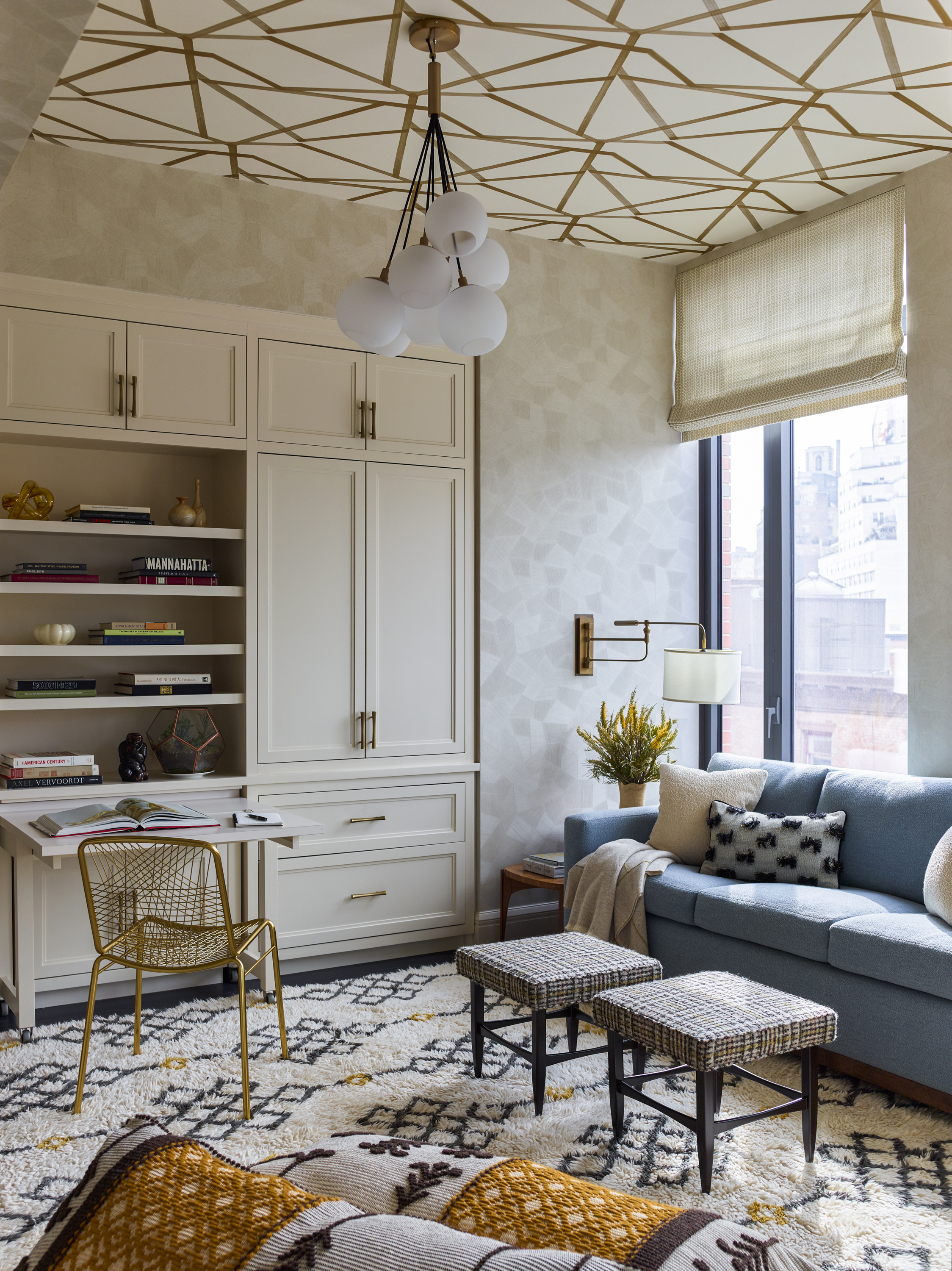
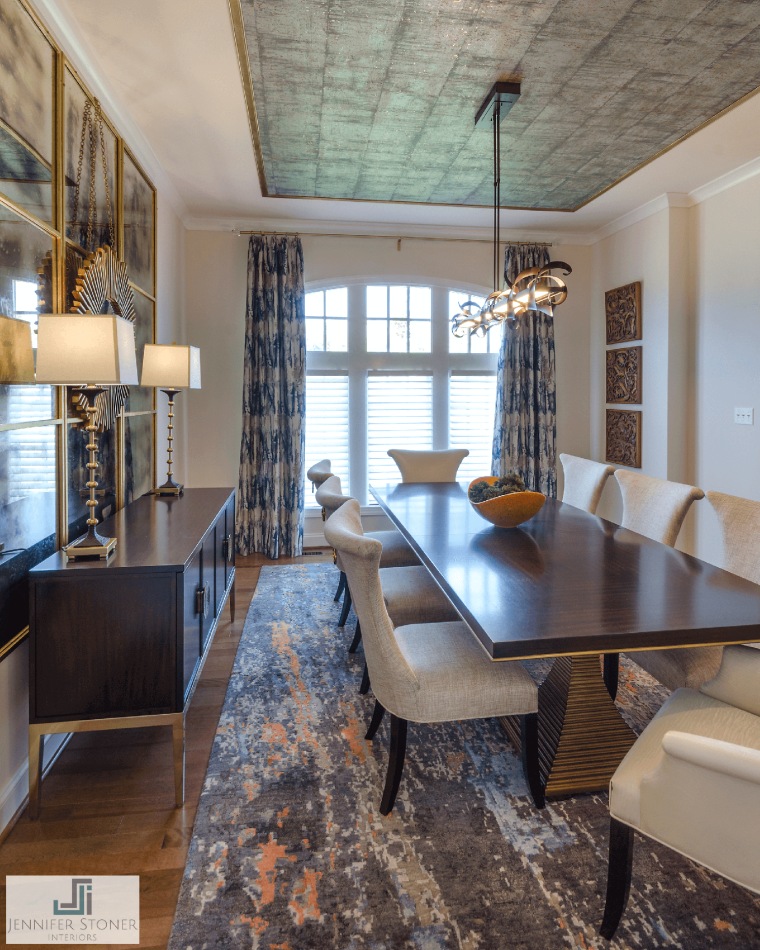
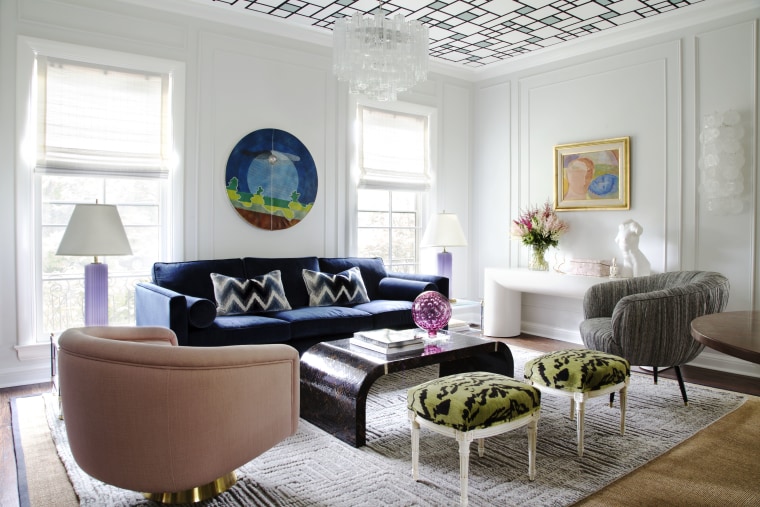
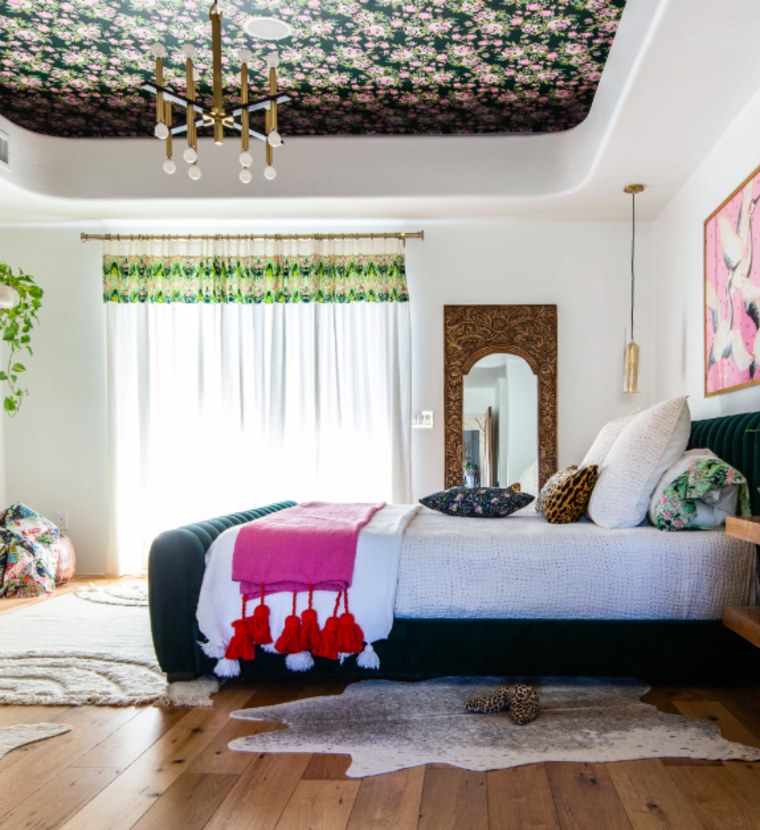
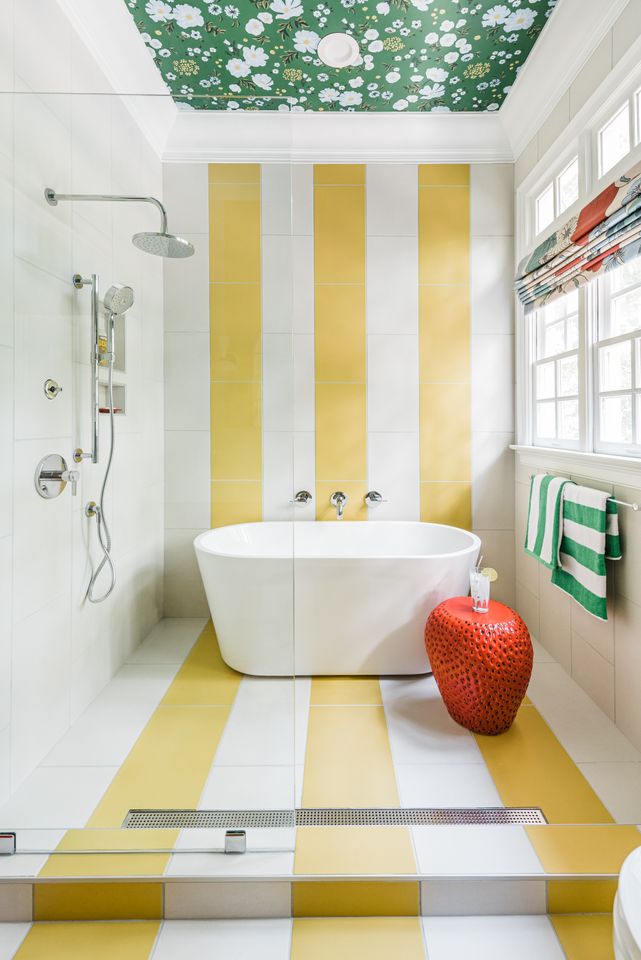
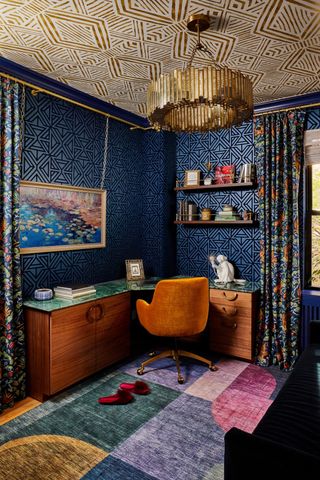
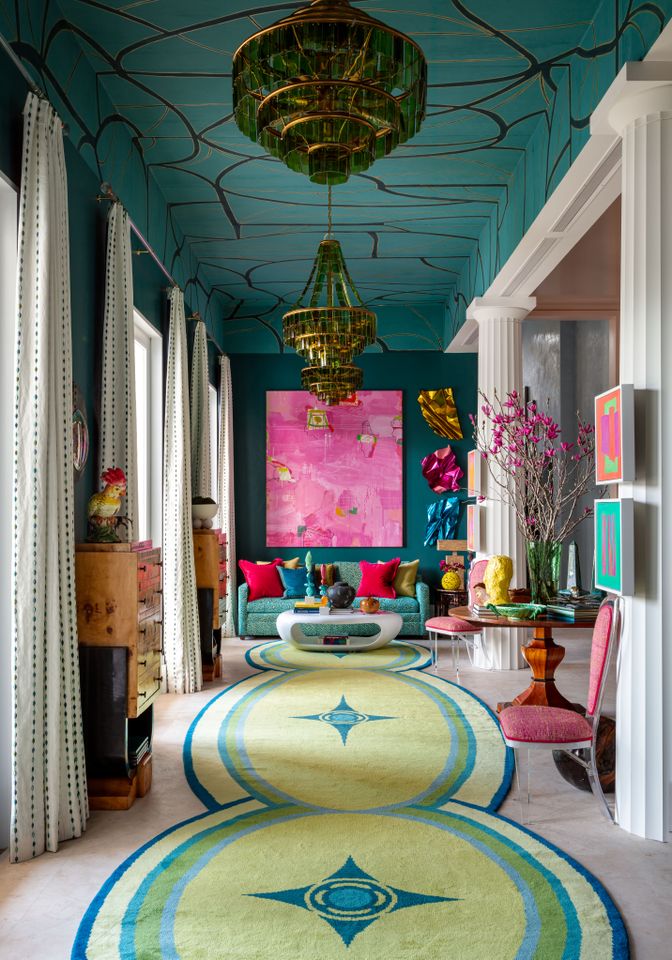
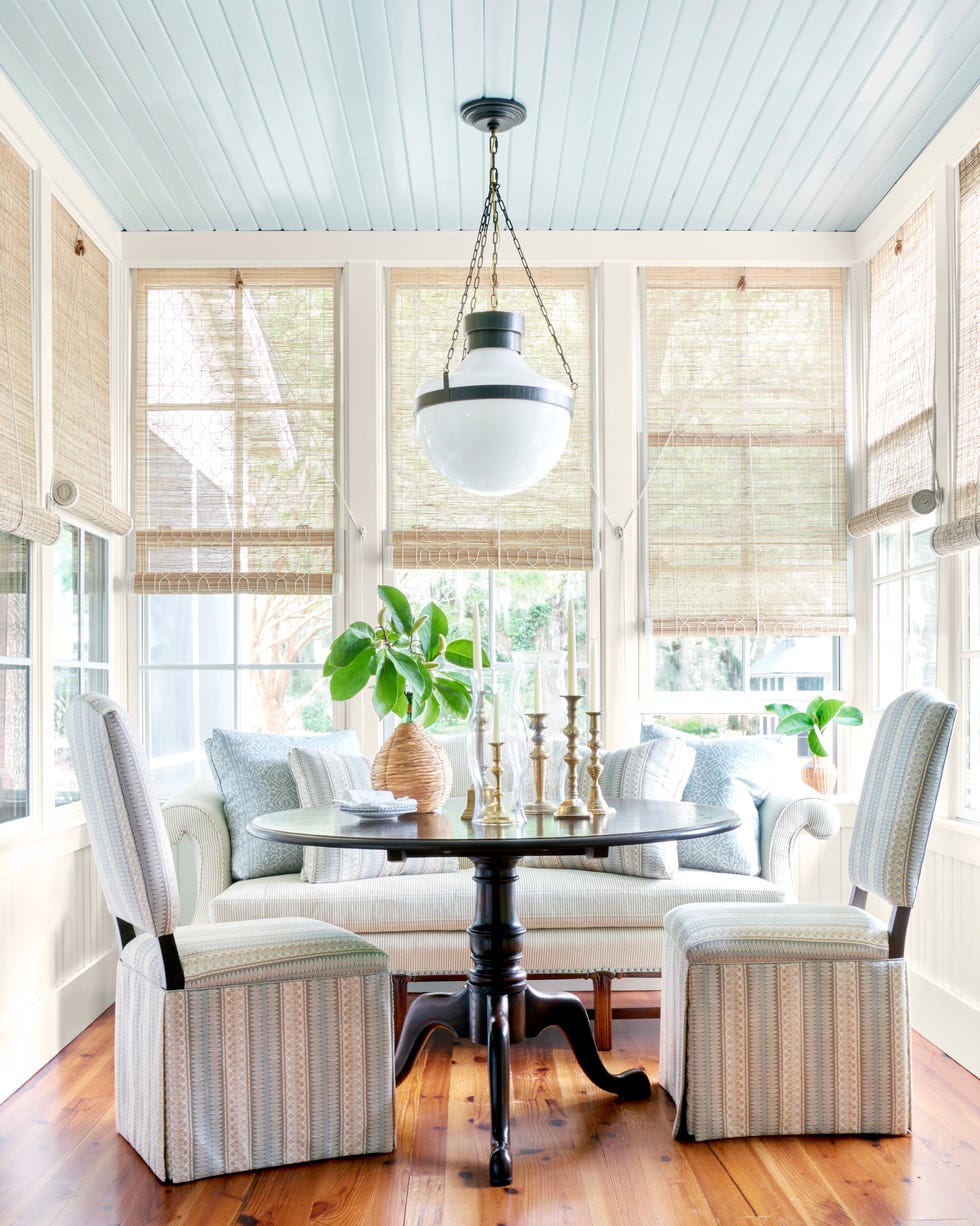
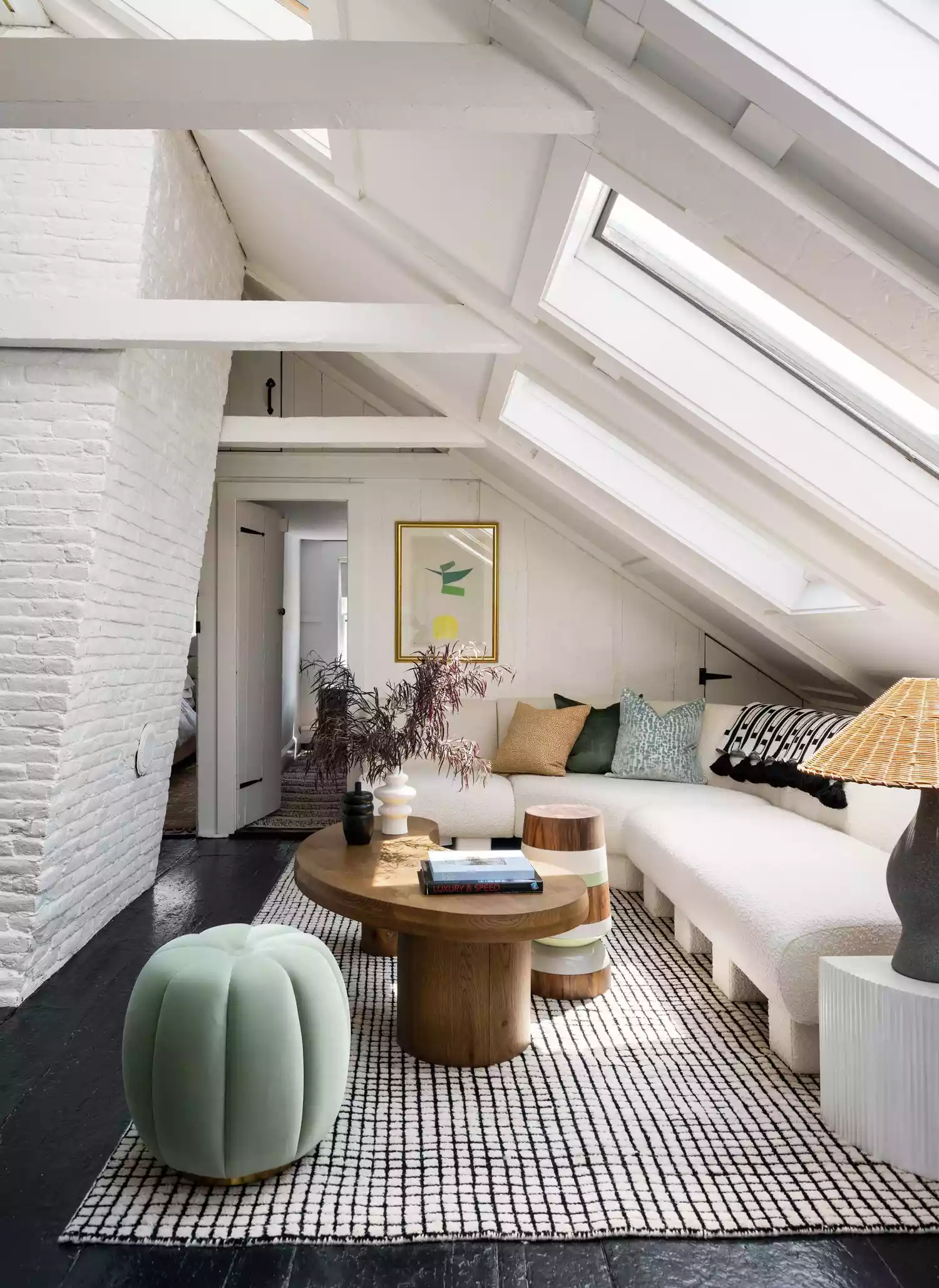
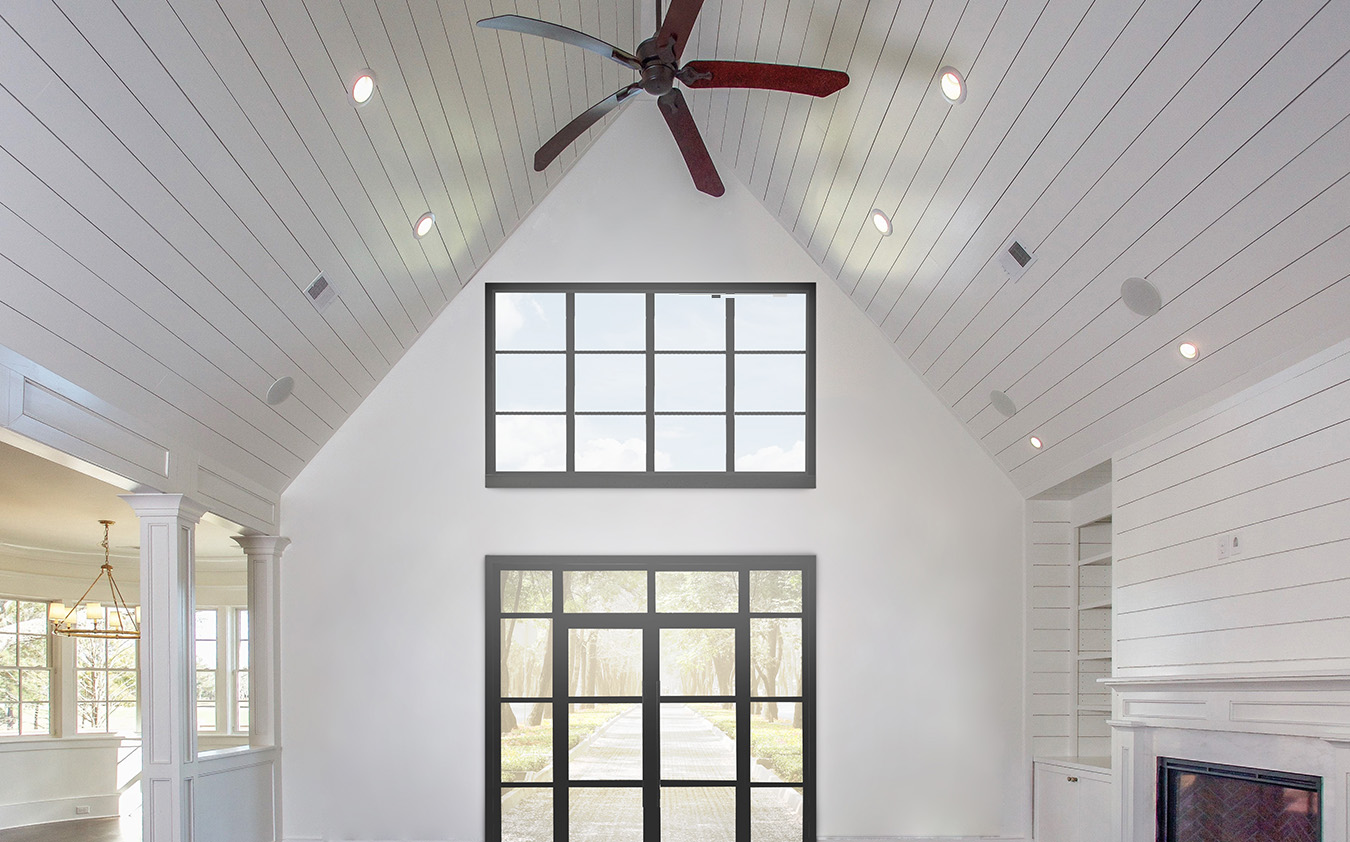
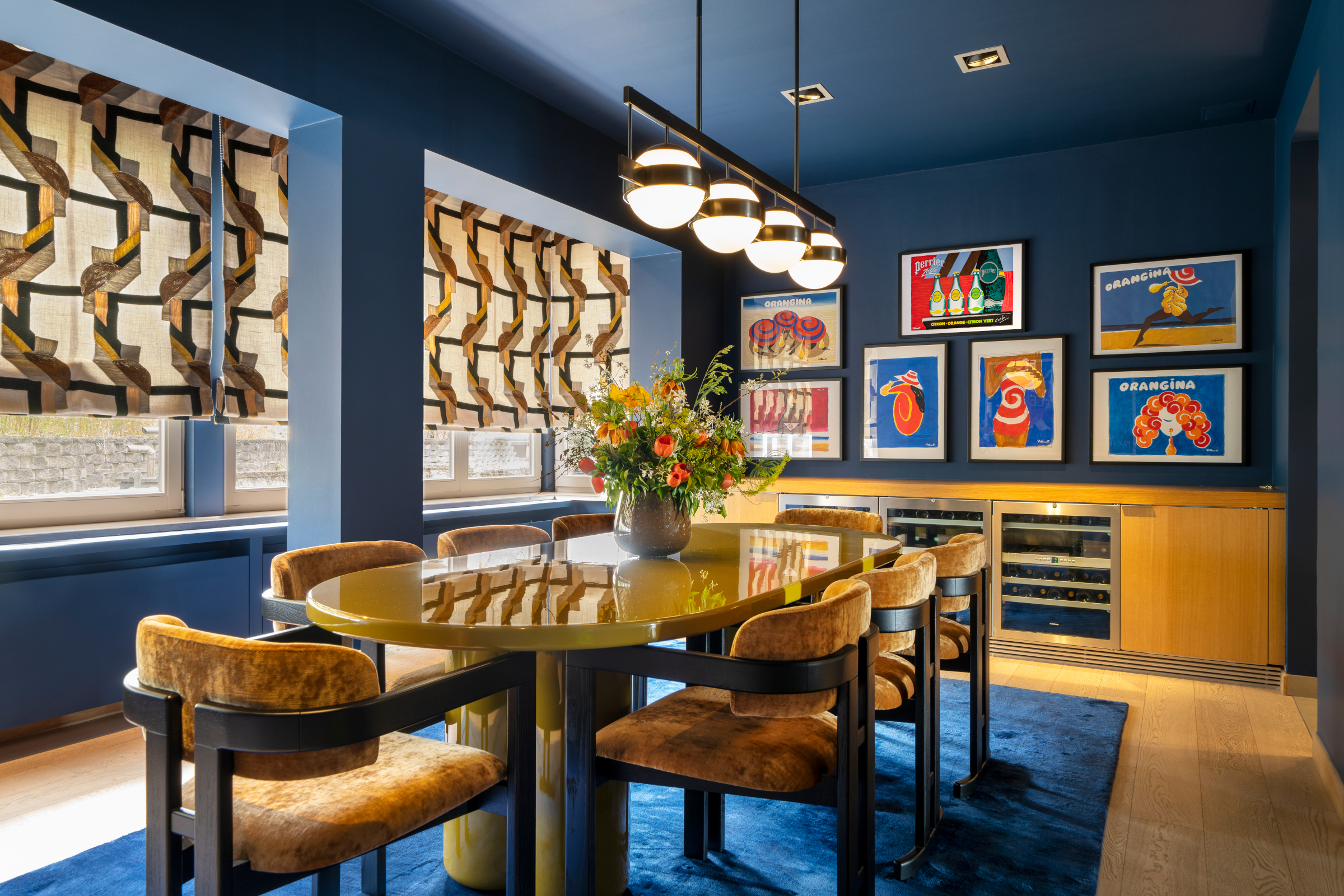
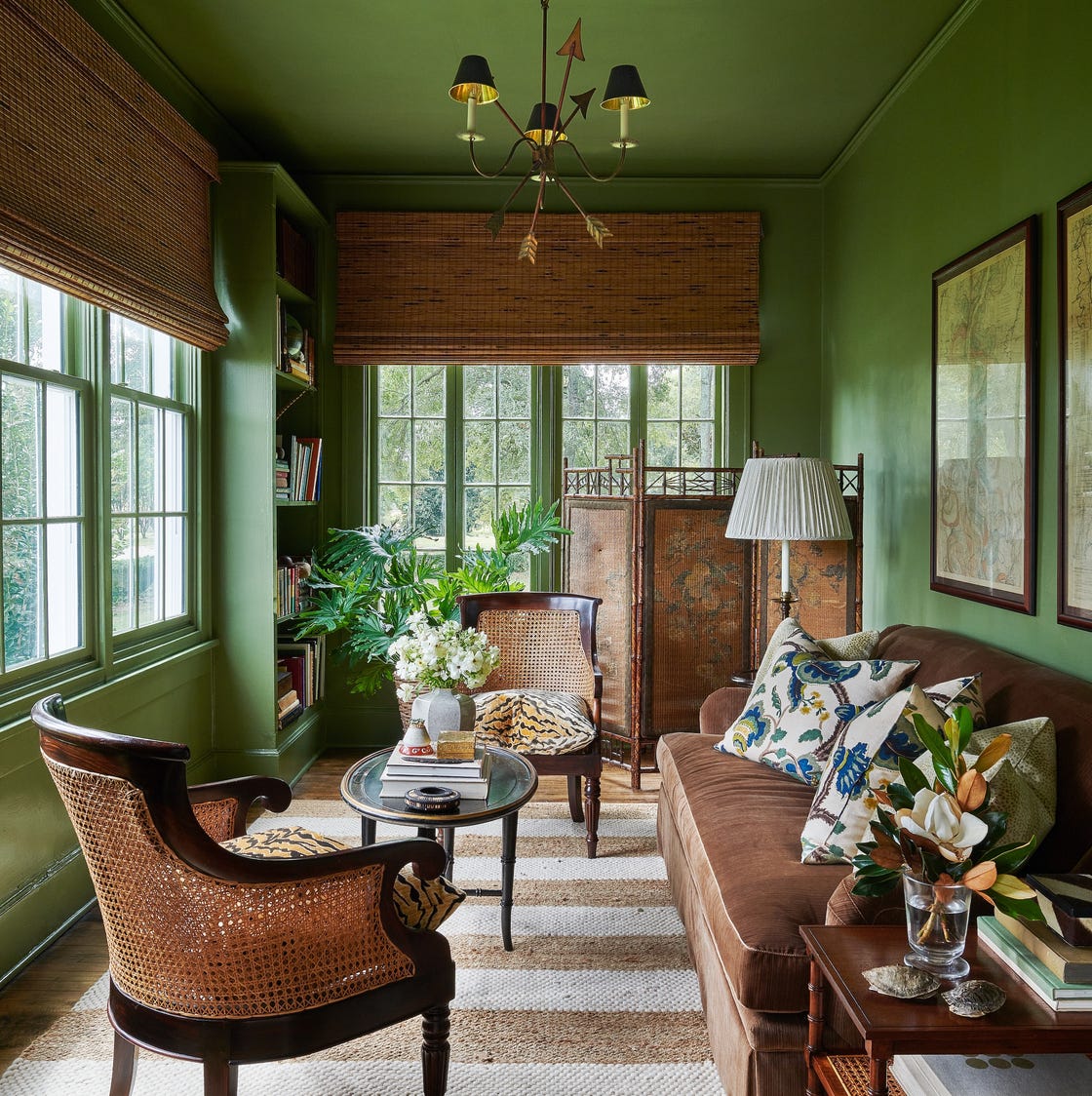
When decorating a home, the ceiling, often referred to as the 'fifth wall,' is frequently overlooked, yet it plays a crucial role in shaping a room's aesthetic and ambiance. Ignoring this surface means missing a significant opportunity to create a more distinctive and engaging space. Lauren Rubin, an architect based in Manhattan, emphasizes the potential of ceilings and offers methods to enhance them, from making low spaces appear taller to adding depth and visual interest. Rubin notes that many individuals are hesitant to decorate ceilings because changes like wallpapering or adding architectural details can be more permanent and seem daunting compared to a simple paint job. This often leads to conservative choices, resulting in plain white ceilings.
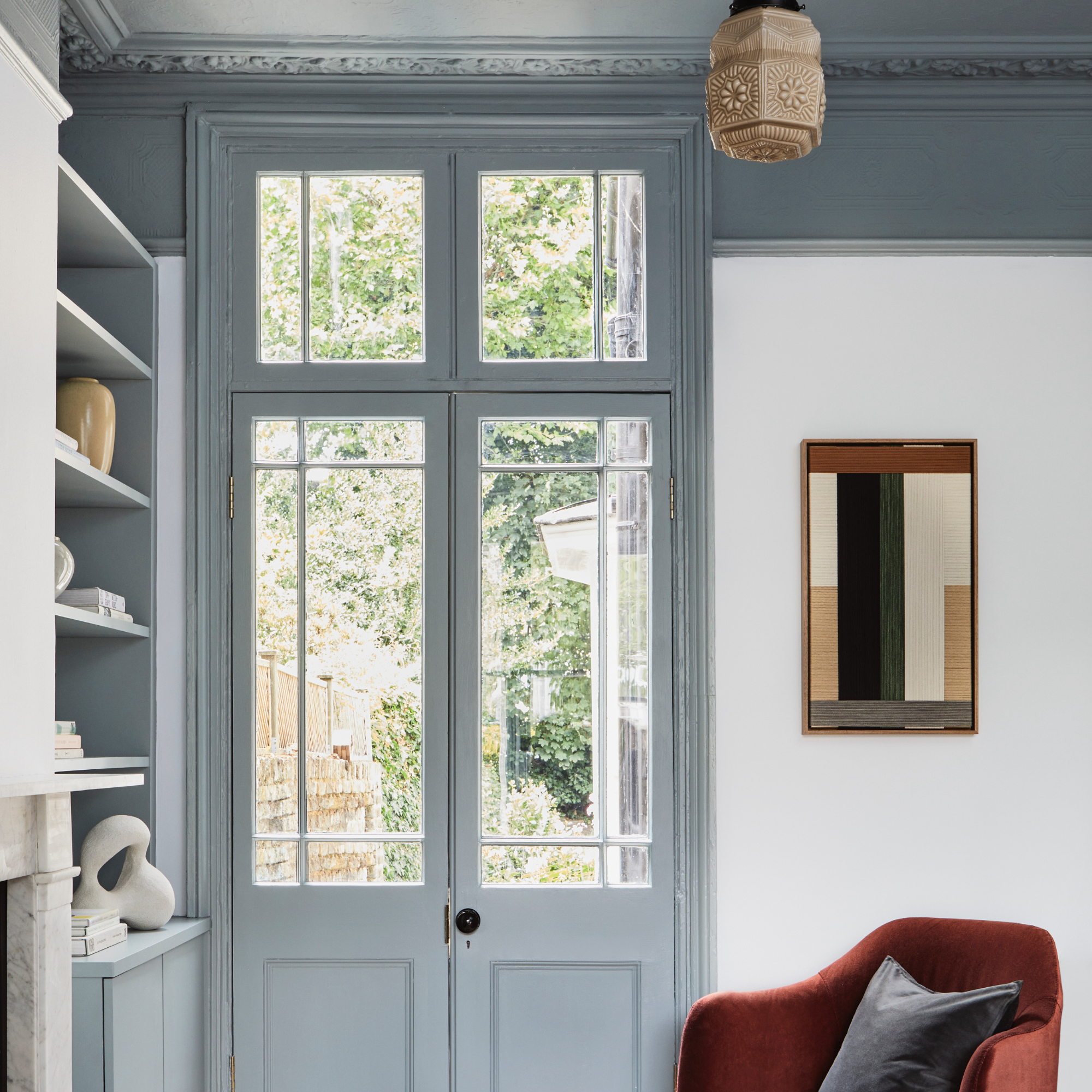
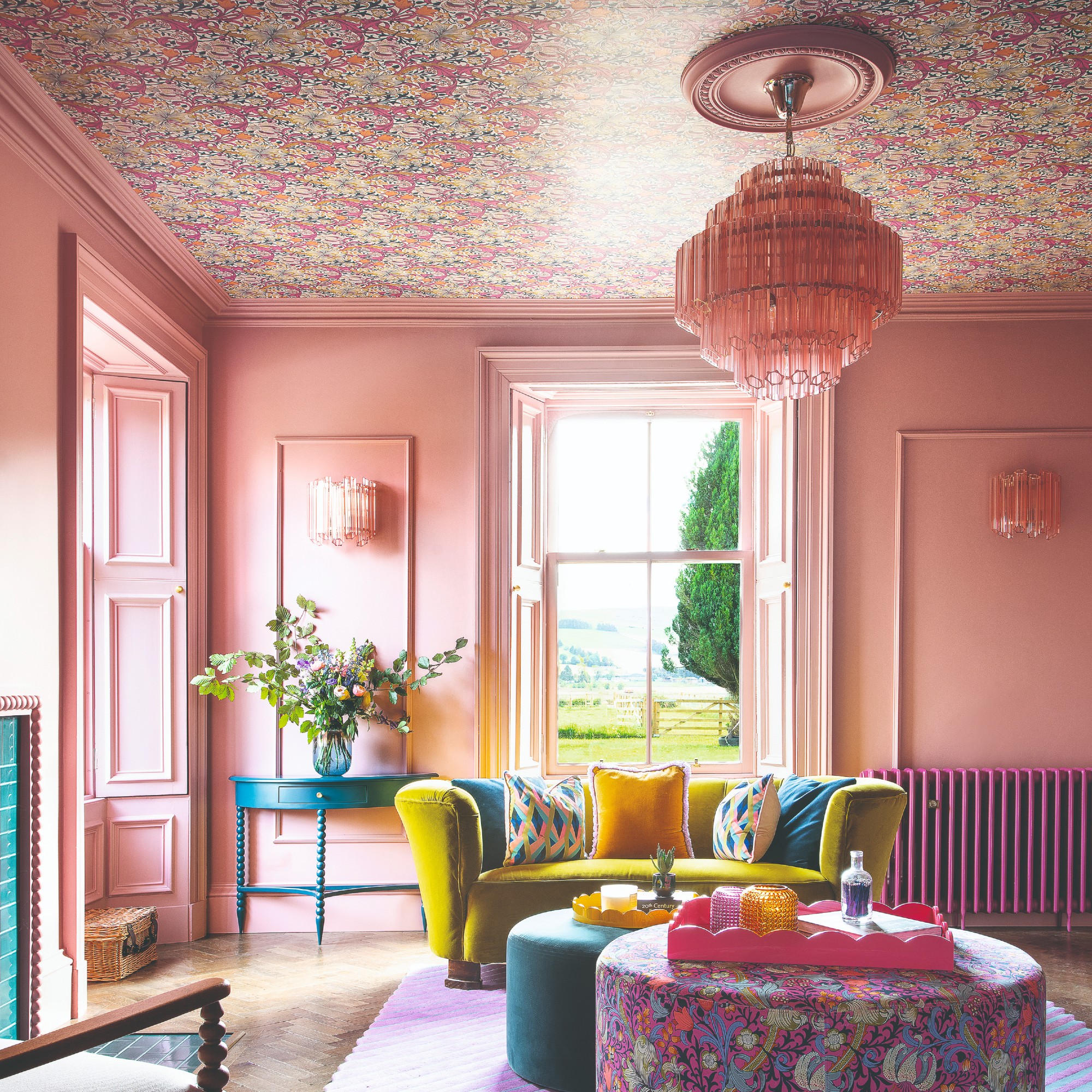
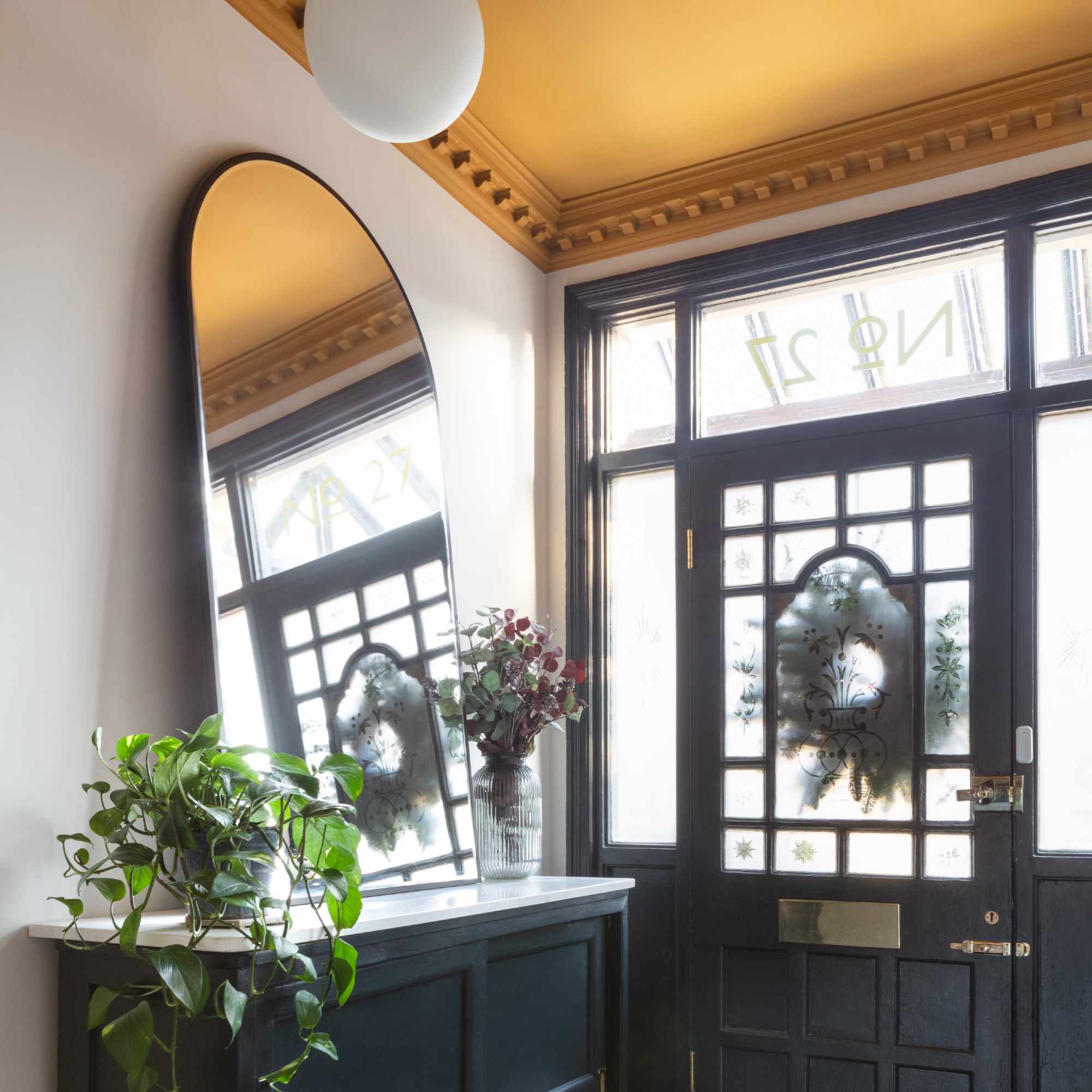
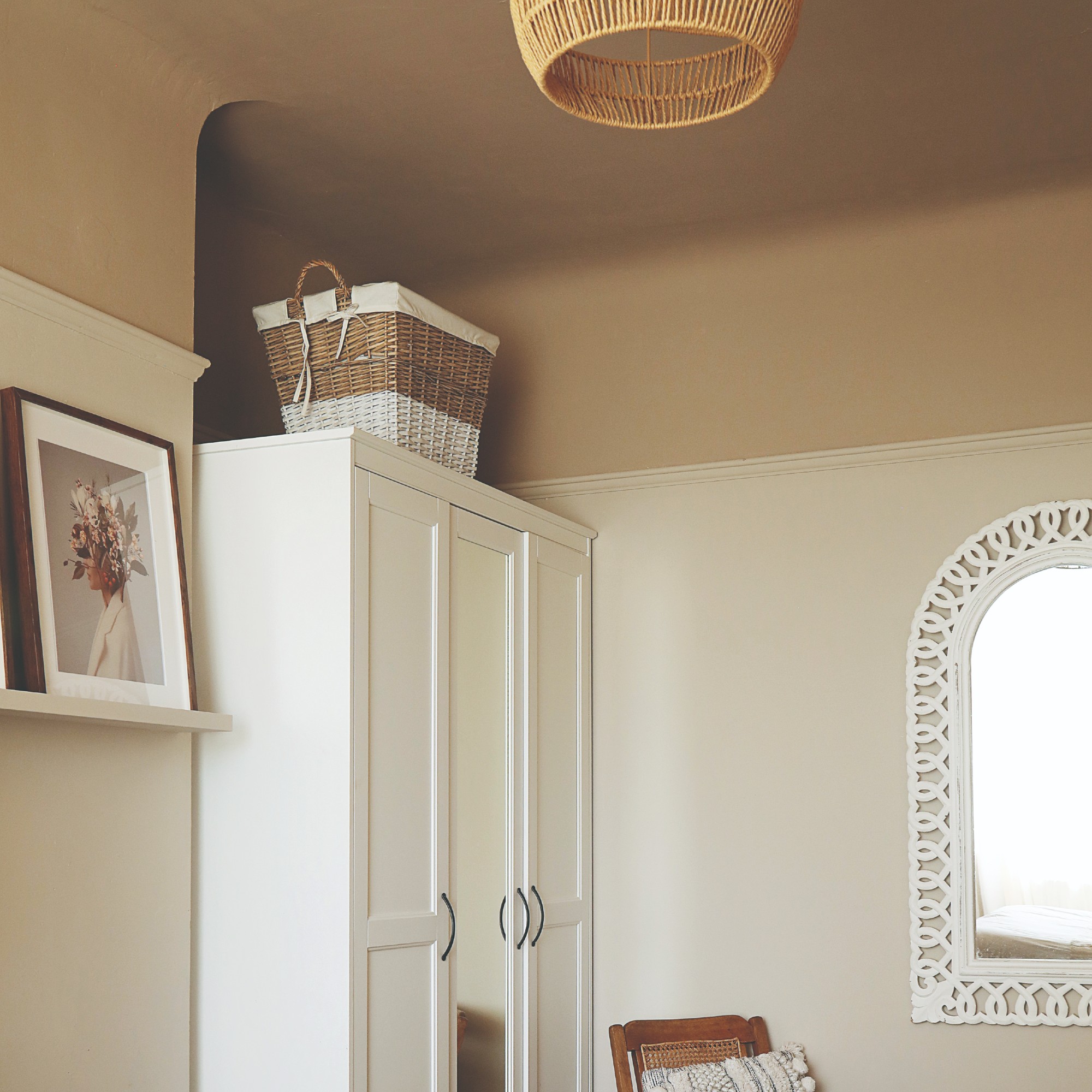
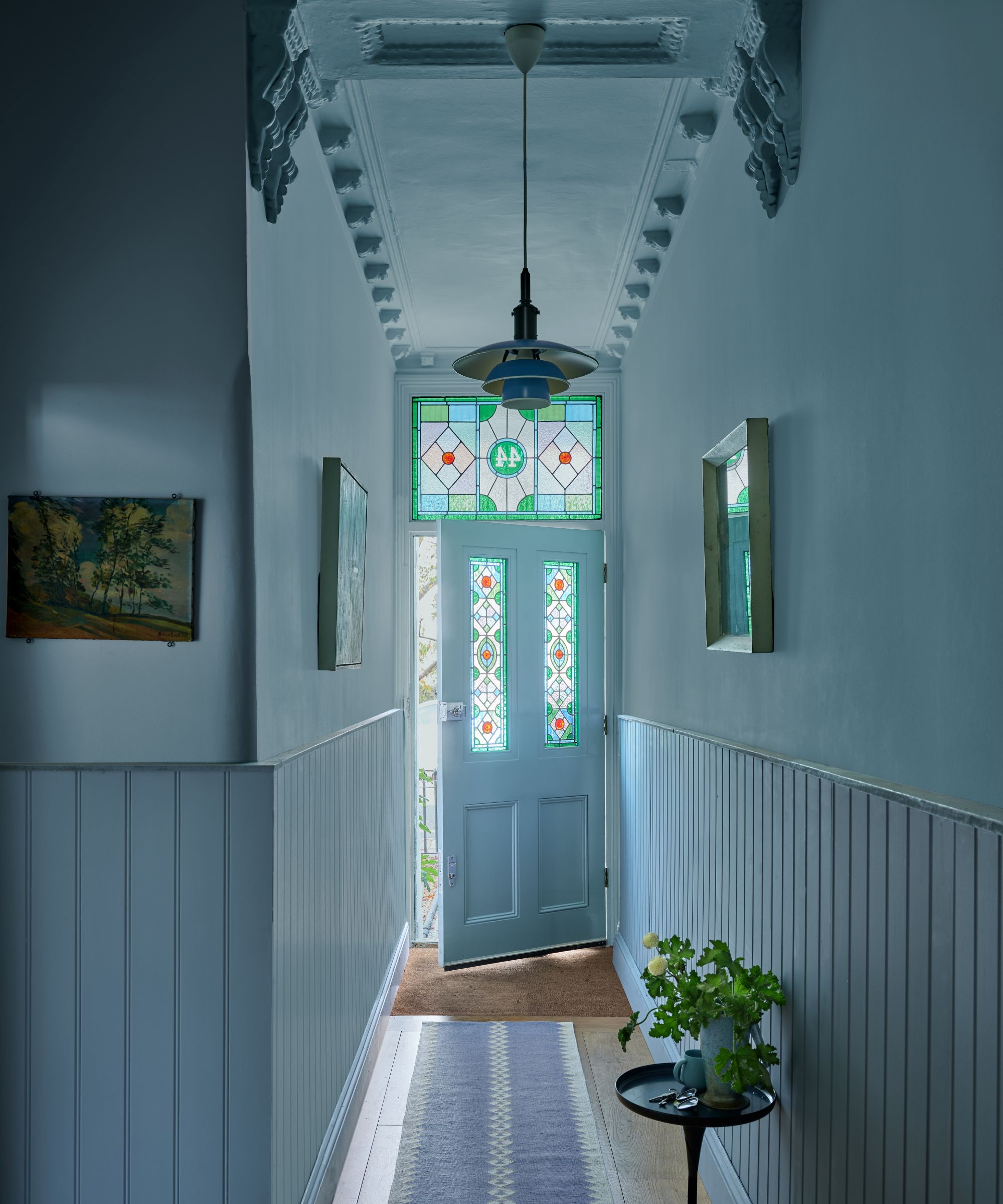
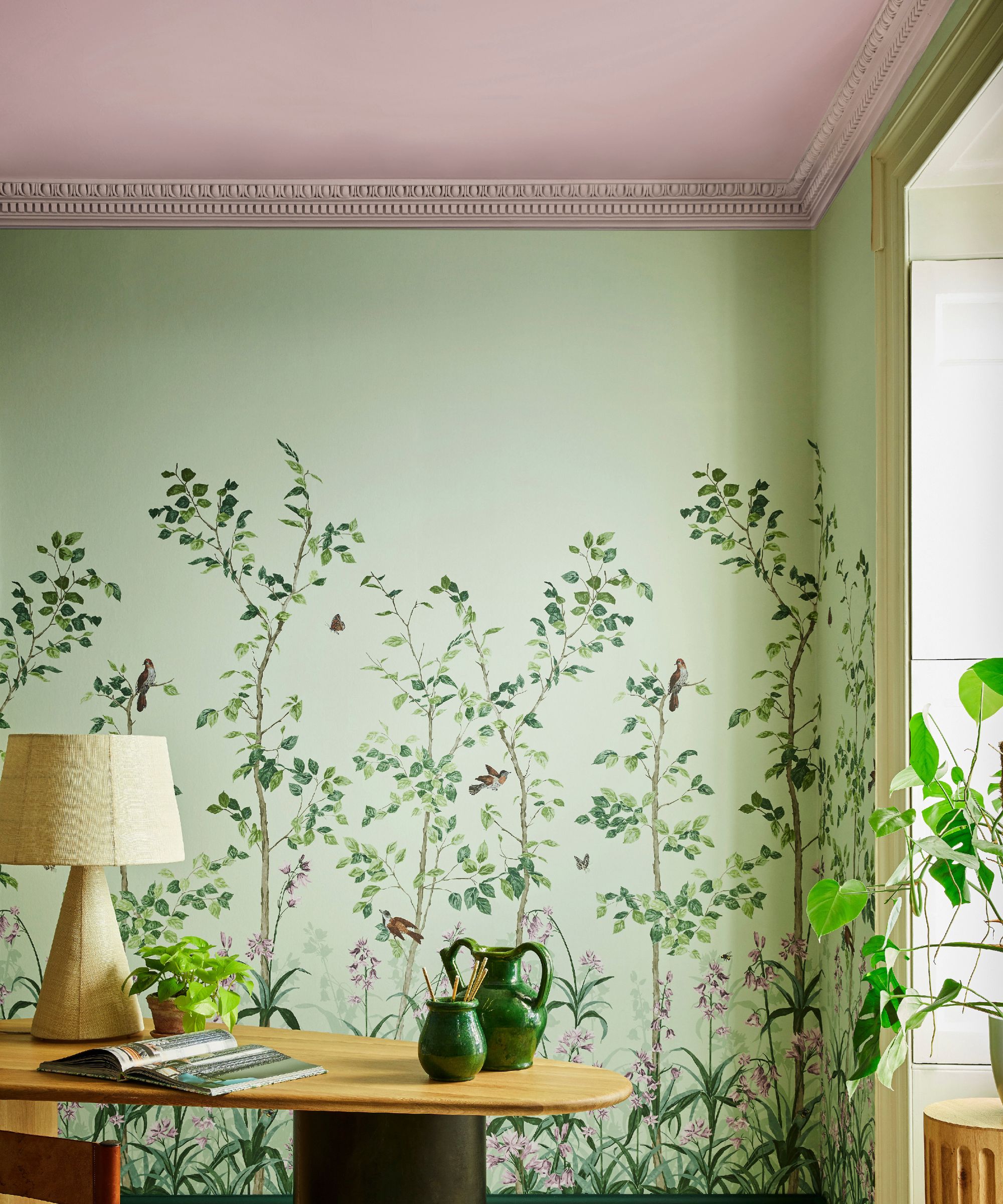
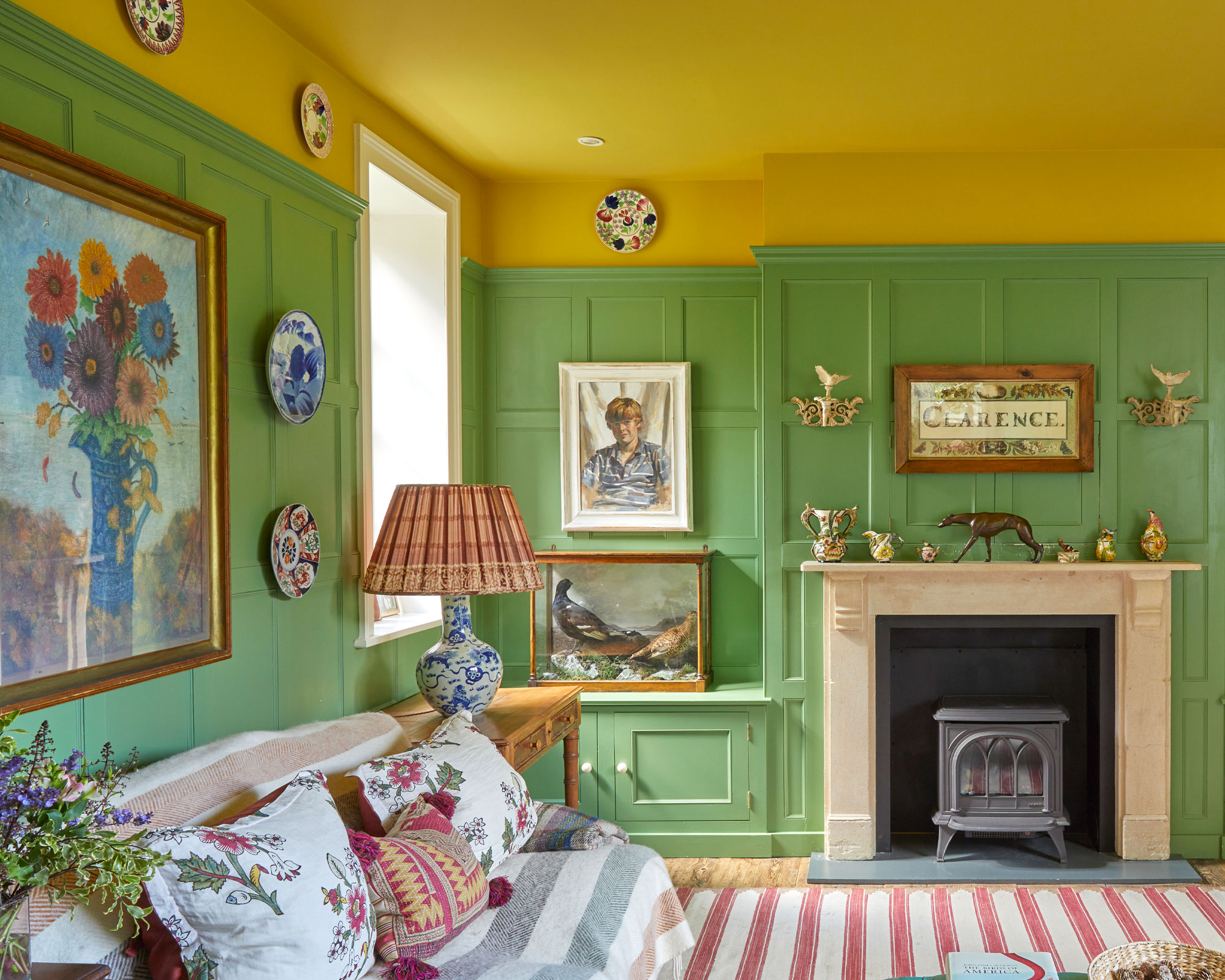
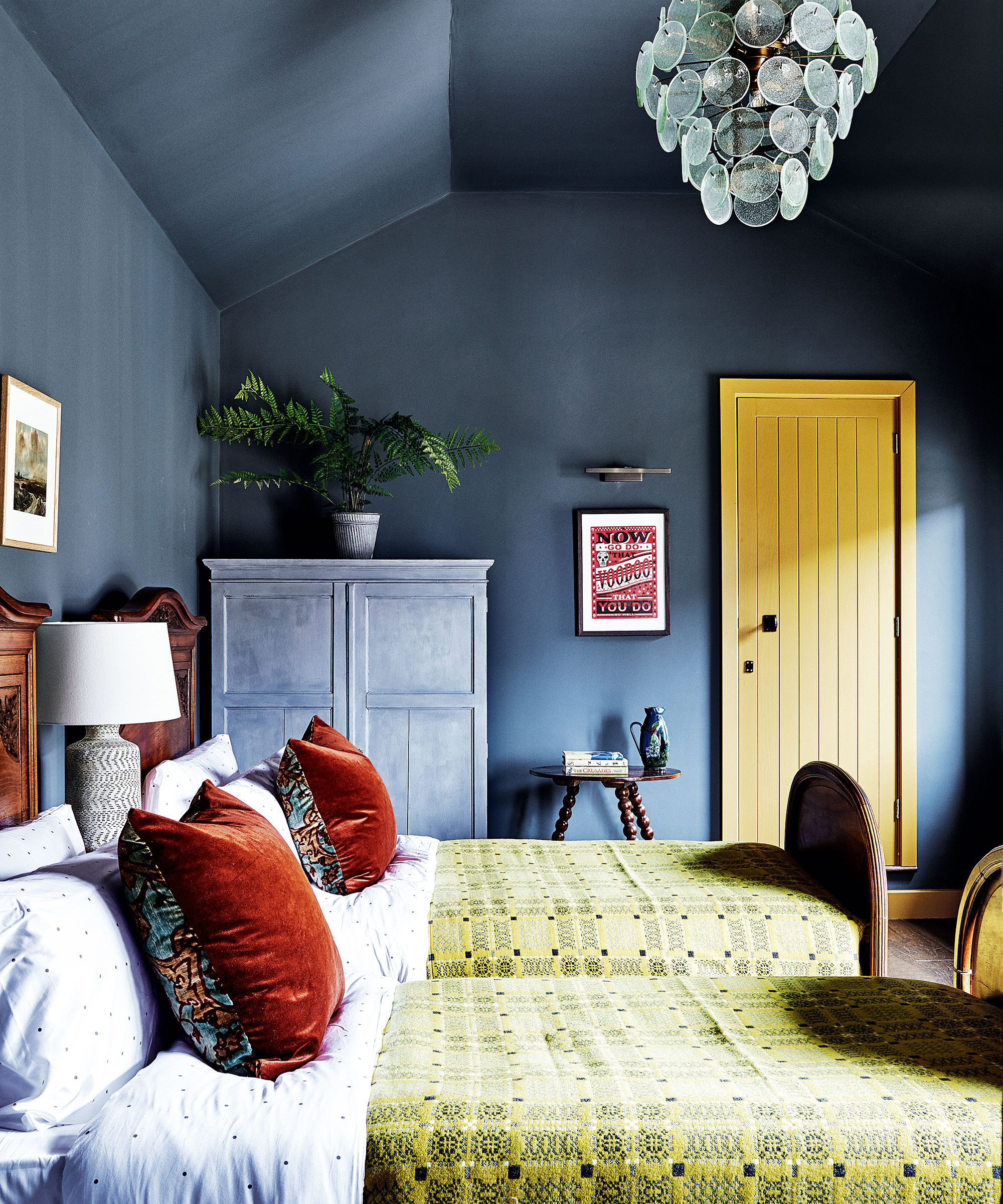
However, Rubin views plain ceilings as blank canvases with immense potential, particularly in children's rooms where parents are often more receptive to bold colors and patterns. She began her exploration of decorated ceilings by painting children's rooms in vibrant hues, aiming to create whimsical and engaging environments. For those new to ceiling treatments, Rubin suggests starting with smaller, less-frequented areas like foyers and laundry rooms. These transitional spaces can handle surprising patterns, colors, or details without feeling overwhelming. The goal is to create a 'wow' effect as one enters or passes through. She reassures that painting a ceiling is not a permanent commitment, as colors can be easily repainted if preferences change. For a less drastic step, a 'half-and-half' approach, mixing 50 percent wall paint with 50 percent white or off-white, can be used, though Rubin advises against being too subtle, as it might make the ceiling appear neither white nor accurately match the walls.
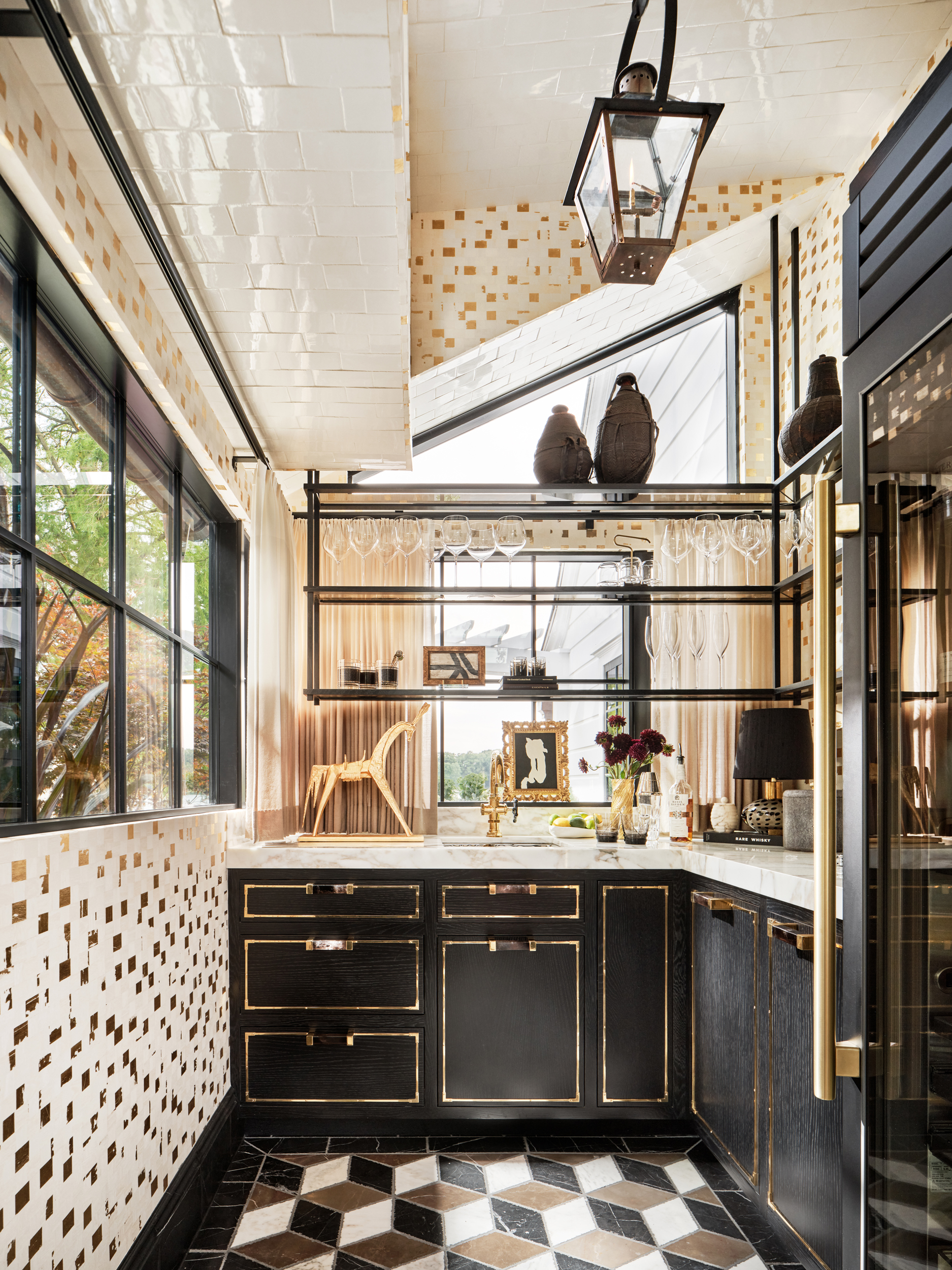
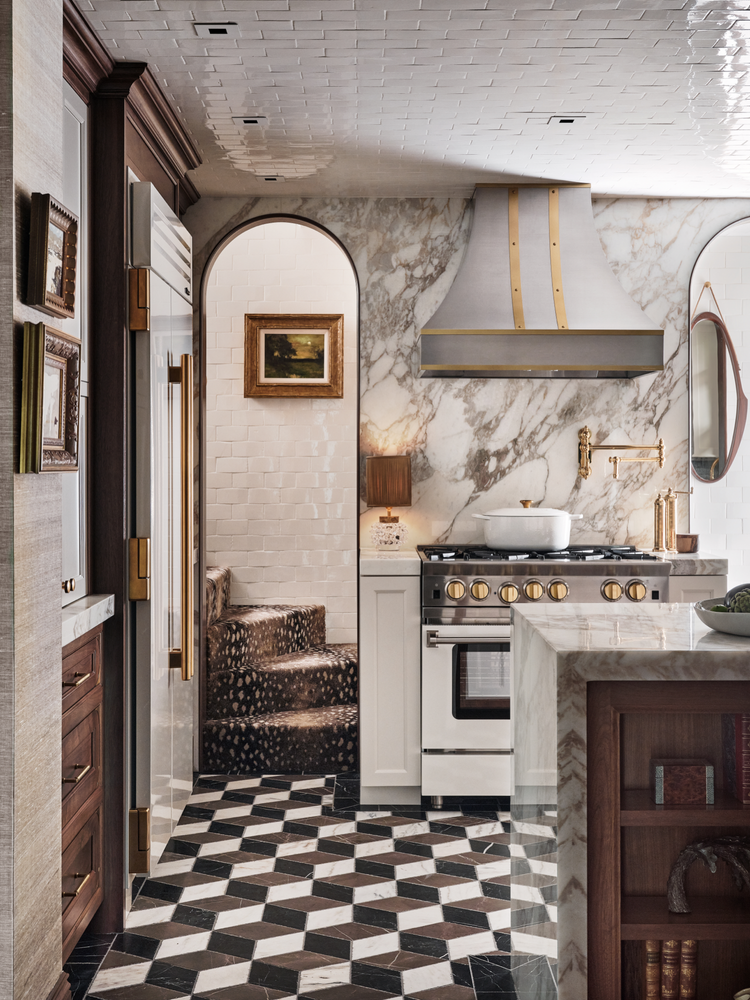
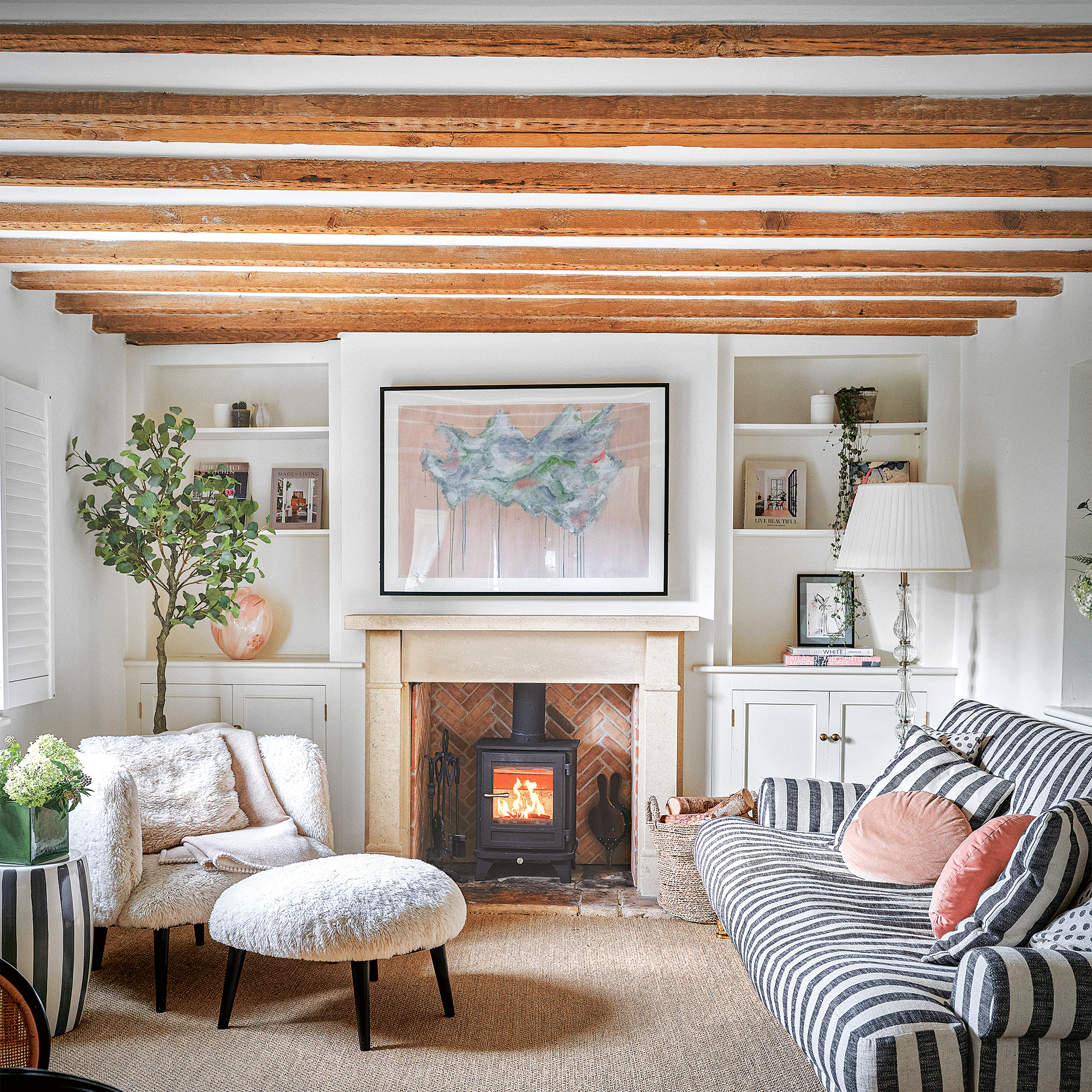
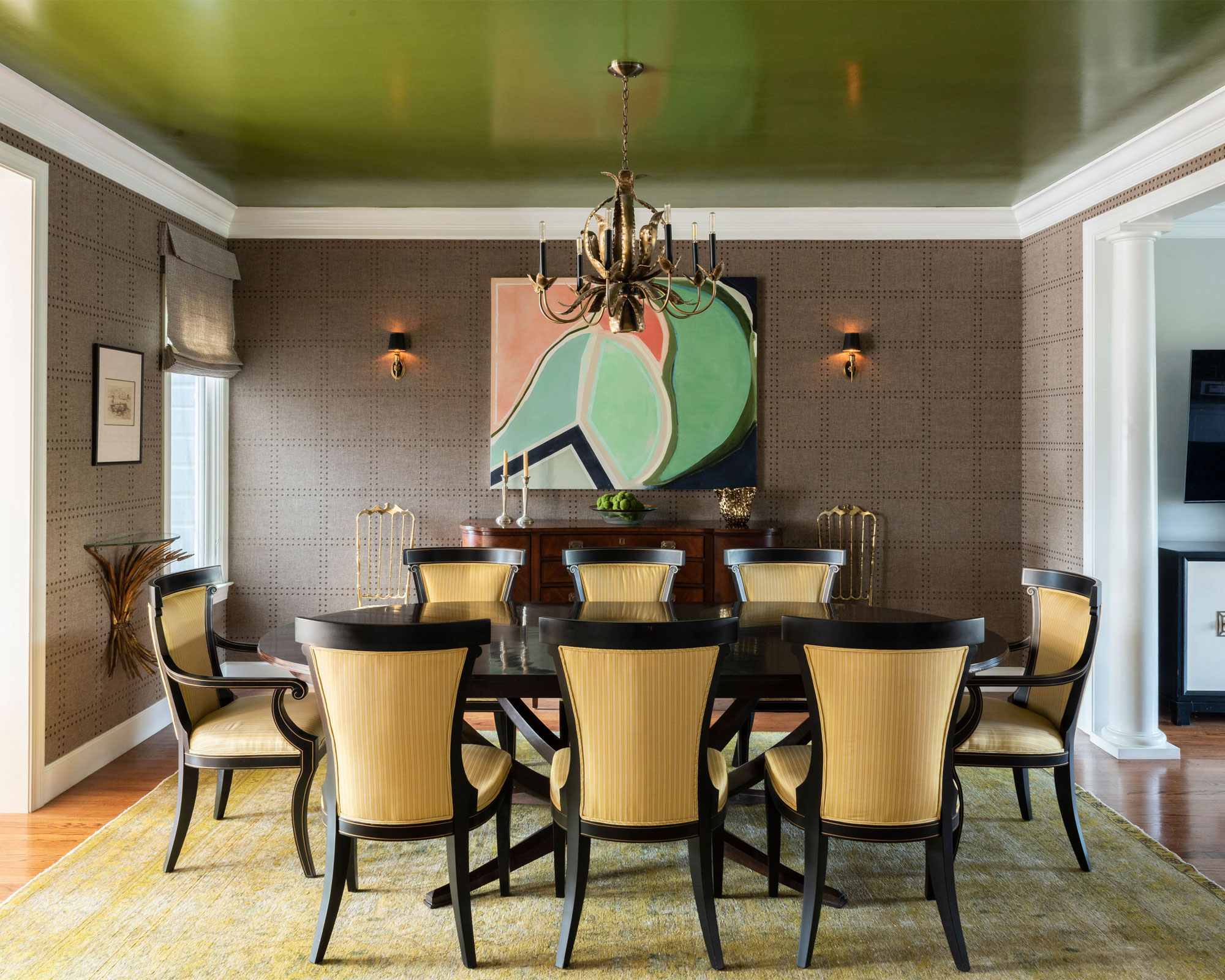
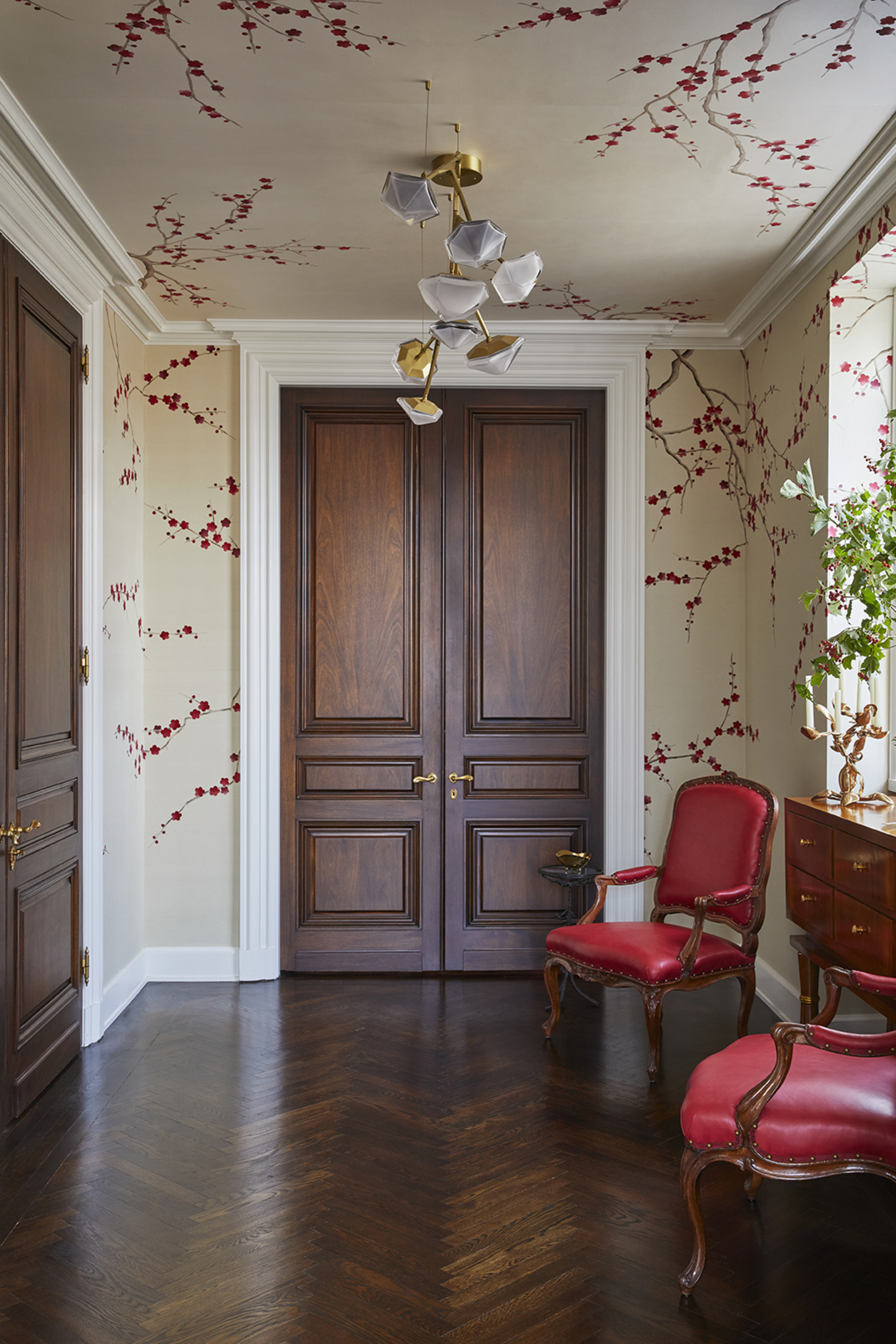
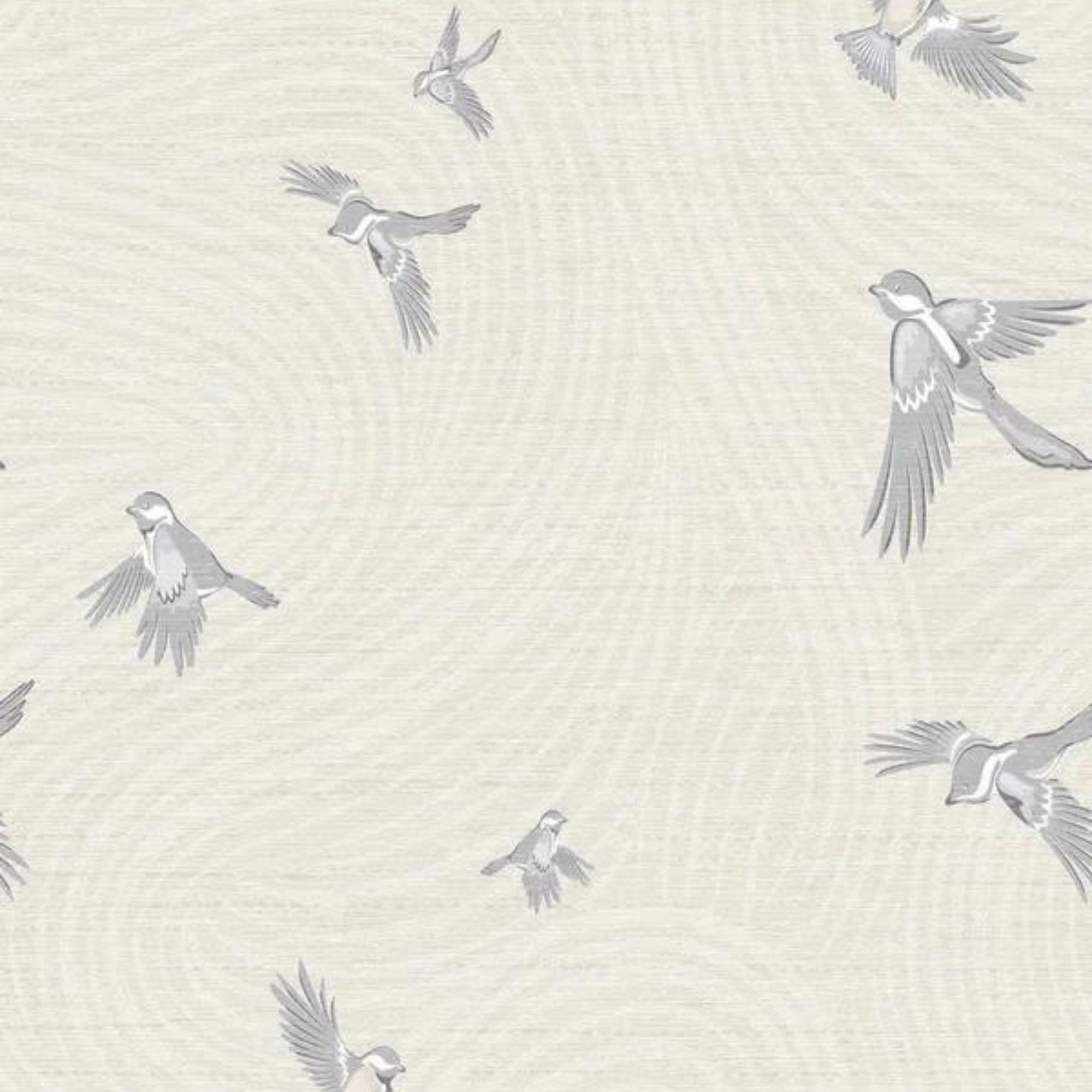
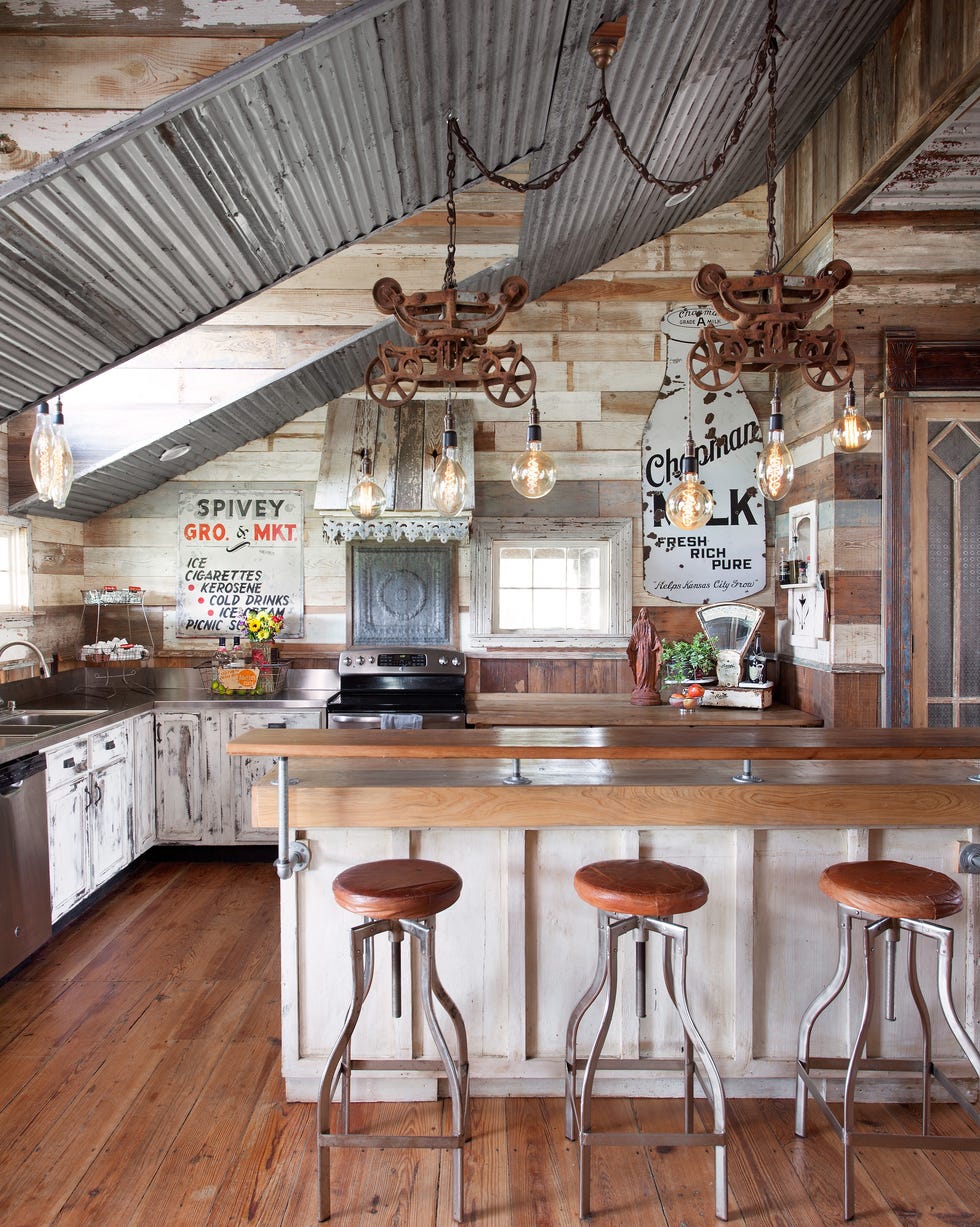
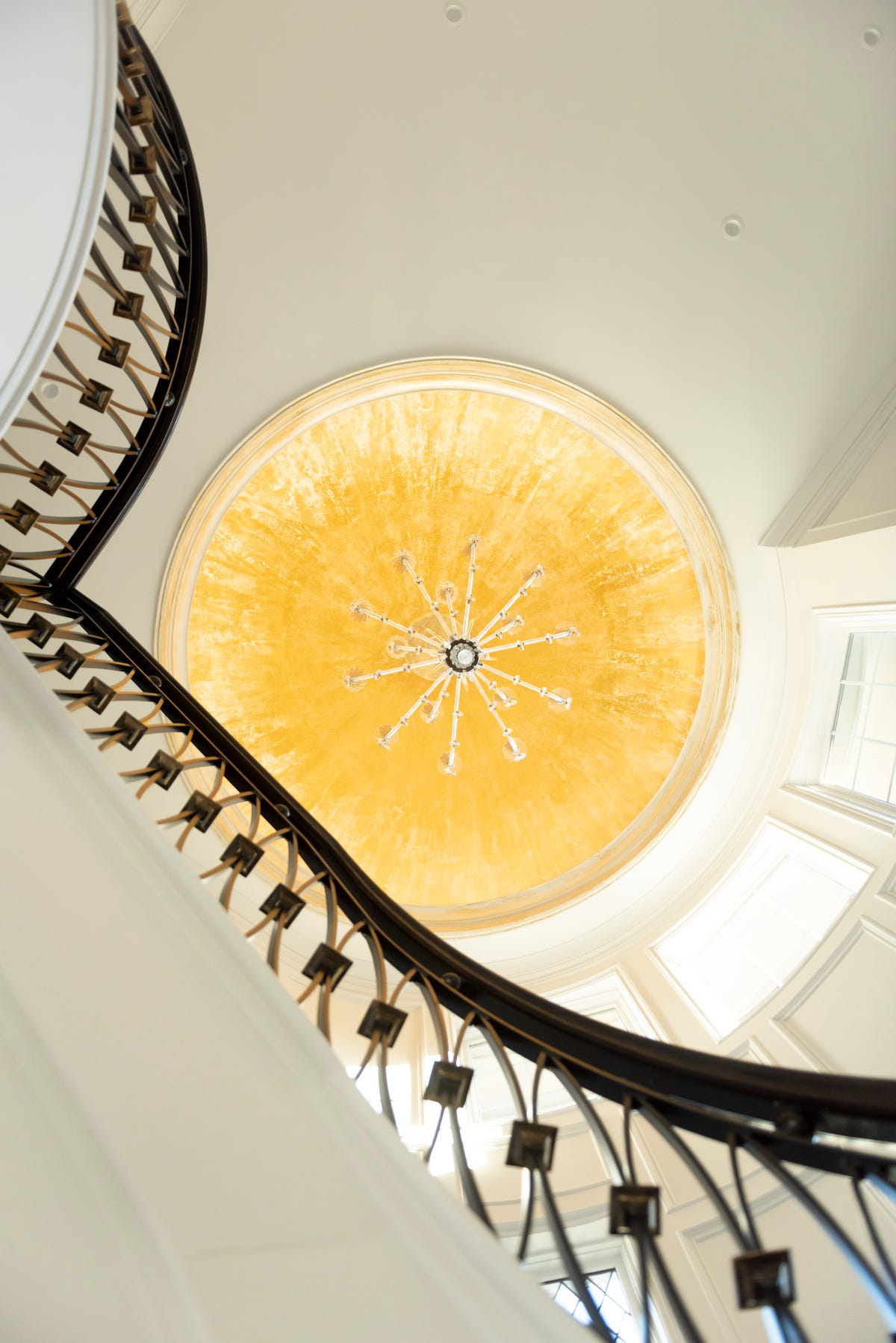
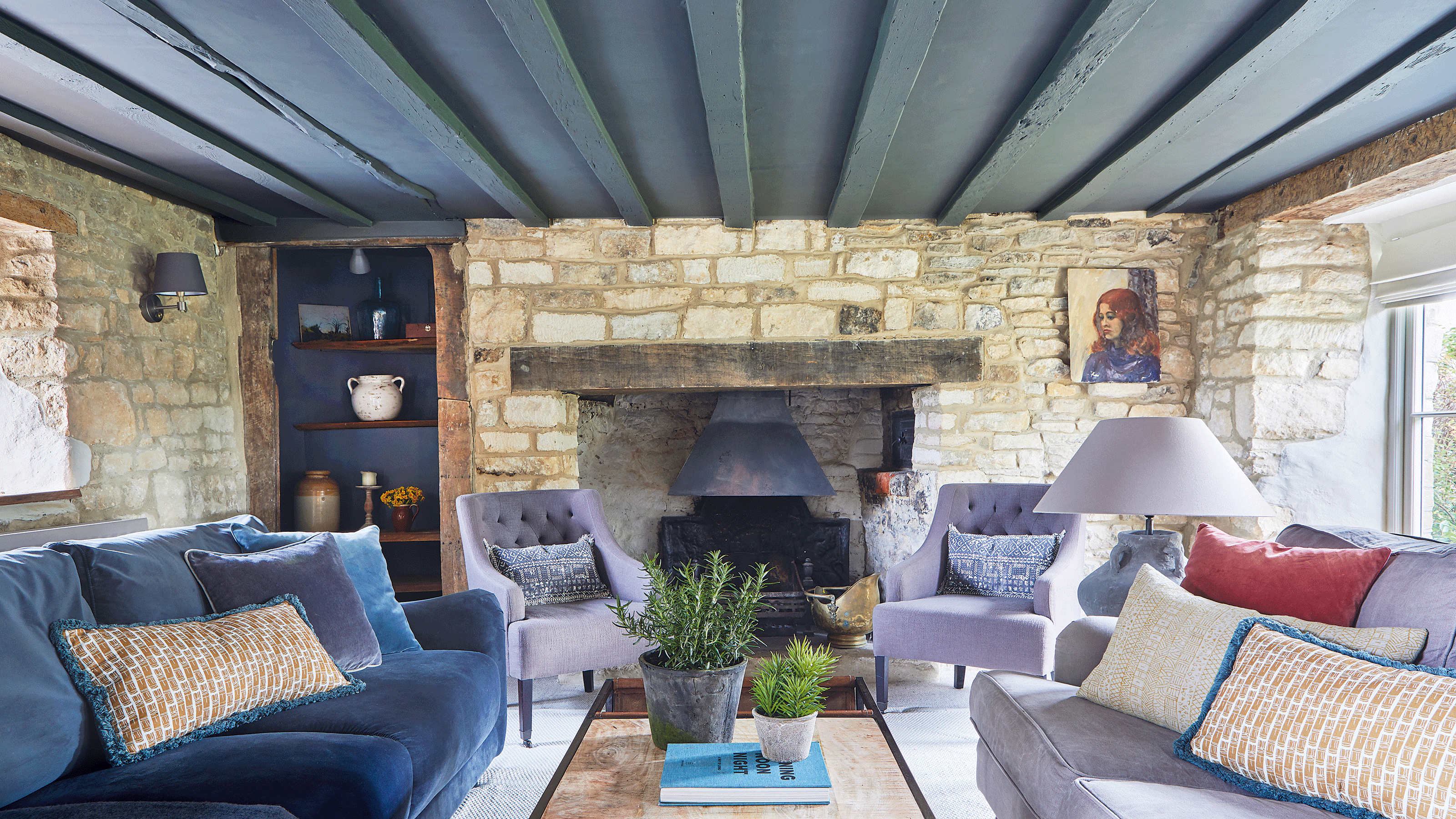
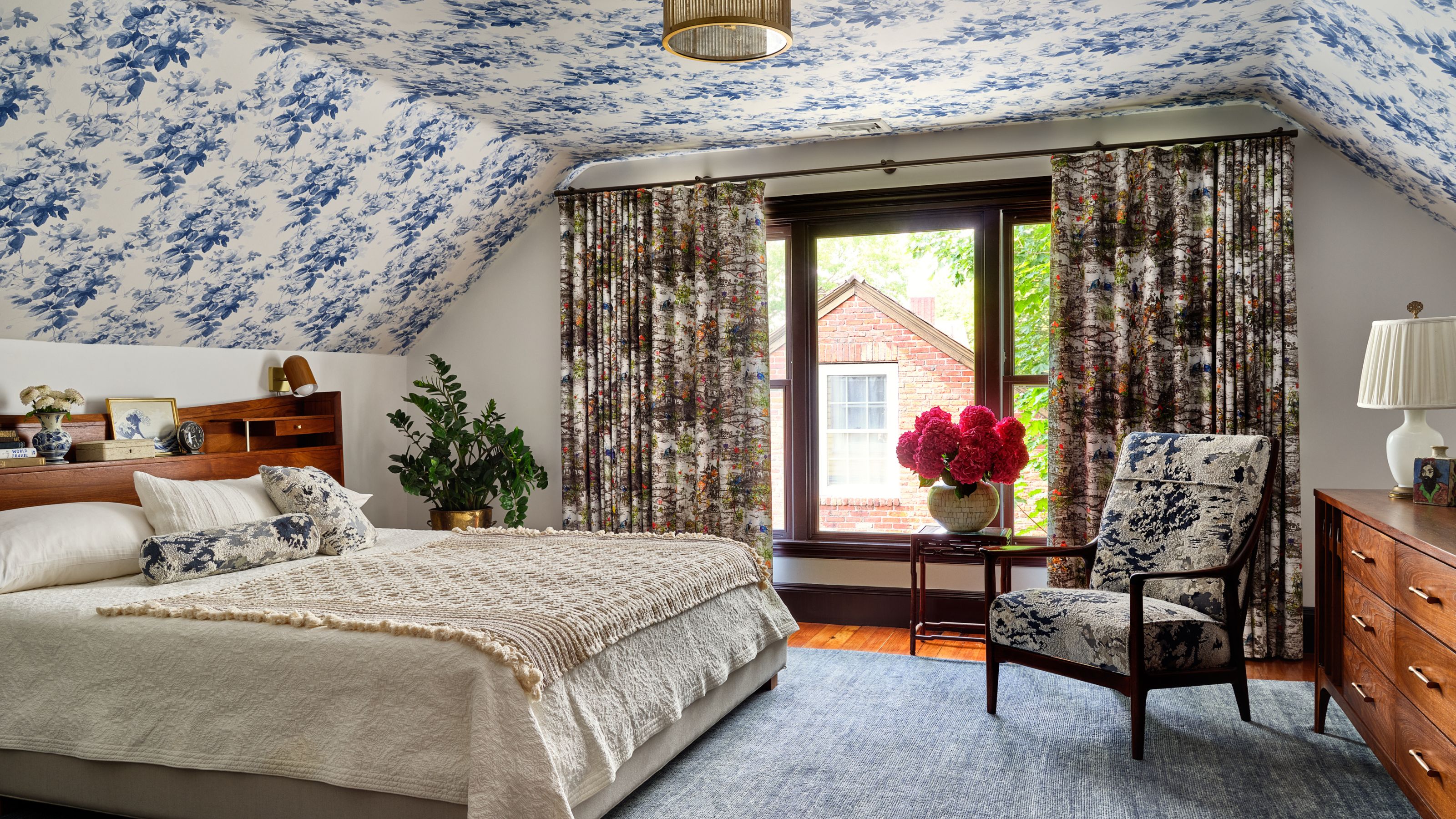
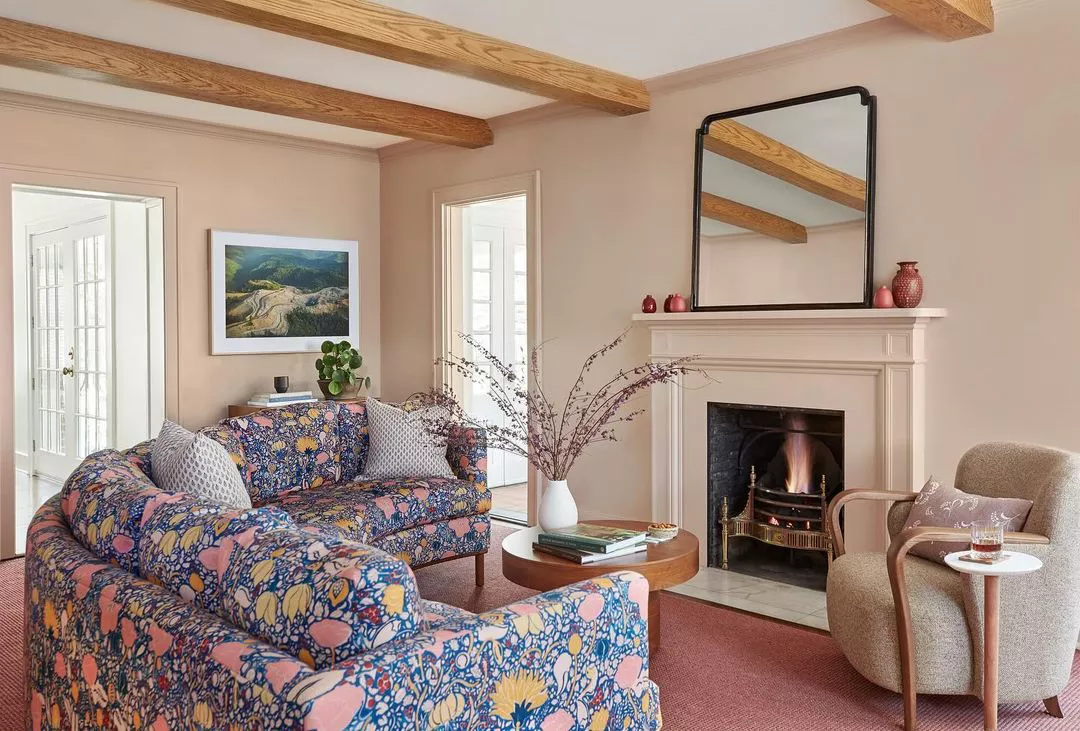
Architectural integrity is also paramount when considering ceiling enhancements. Rubin stresses that ceiling details should align with the home’s locale and historical context. For instance, prewar homes often lend themselves well to ornate moldings, coffers, wood beams, and plaster tracery. In contrast, postwar residences might benefit more from strategic decorative lighting. Instead of standard recessed lights, Rubin suggests using fixtures that cast interesting shadows or have perforated shades, which can be a budget-friendly way to visually elevate low ceilings by directing light upwards. Different decorative techniques can achieve varied results, from masking imperfections to adding depth. For a luxurious, mirror-like finish, spray-on lacquer can reflect light beautifully, though it is a more costly and semi-permanent option that requires professional application to avoid blemishes. High-gloss or metallic paints, on the other hand, tend to highlight every imperfection. For a more subtle effect, neutral wallpaper with a raised pattern can create texture and shadows, while a small repeating print on a white or wall-matching background can mask minor flaws like cracks and uneven surfaces, lending a serene quality to the room. In rooms with uneven ceilings or awkward shapes, using the same paint color or wallpaper as the walls can trick the eye, blurring the lines between walls and ceiling and making flaws less noticeable.
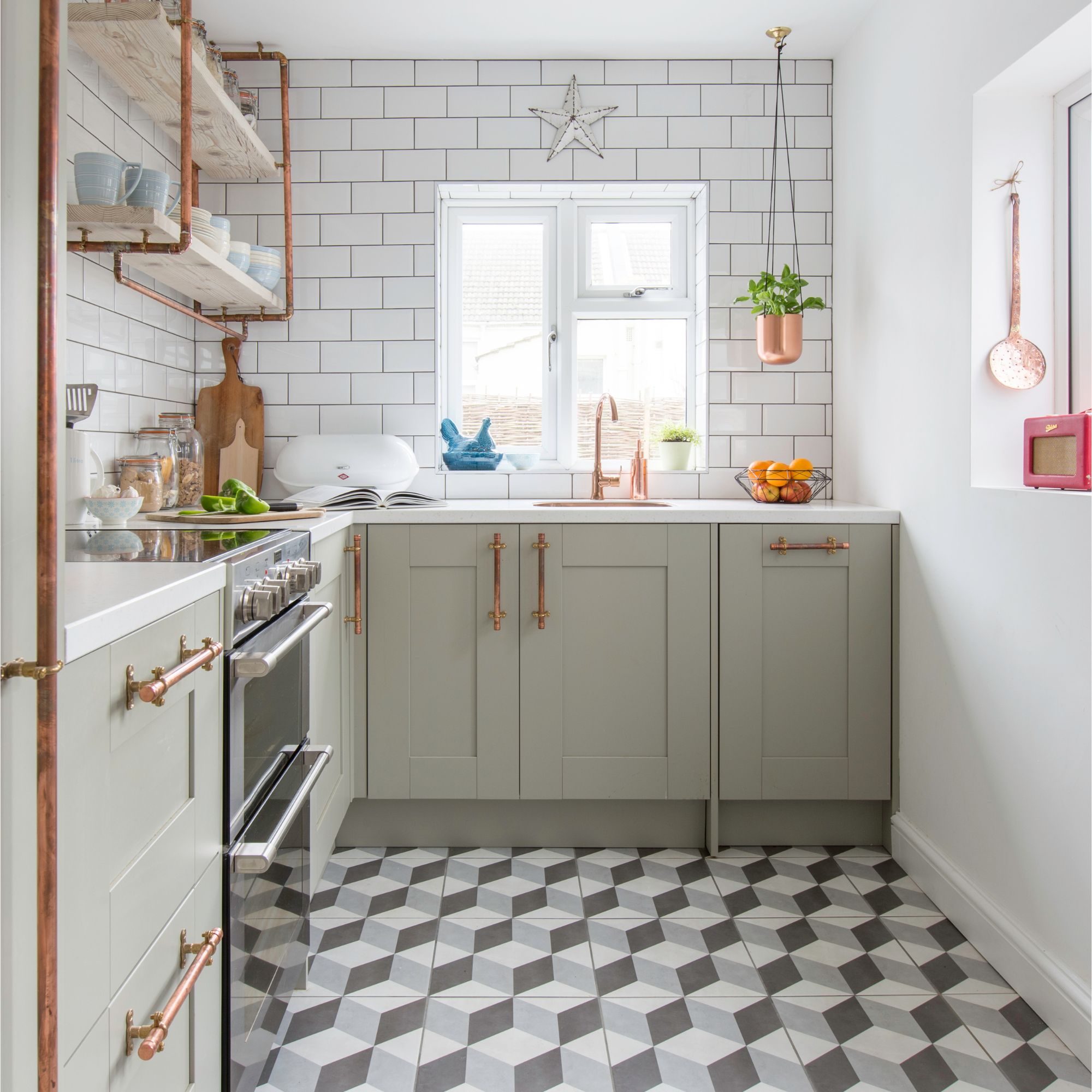
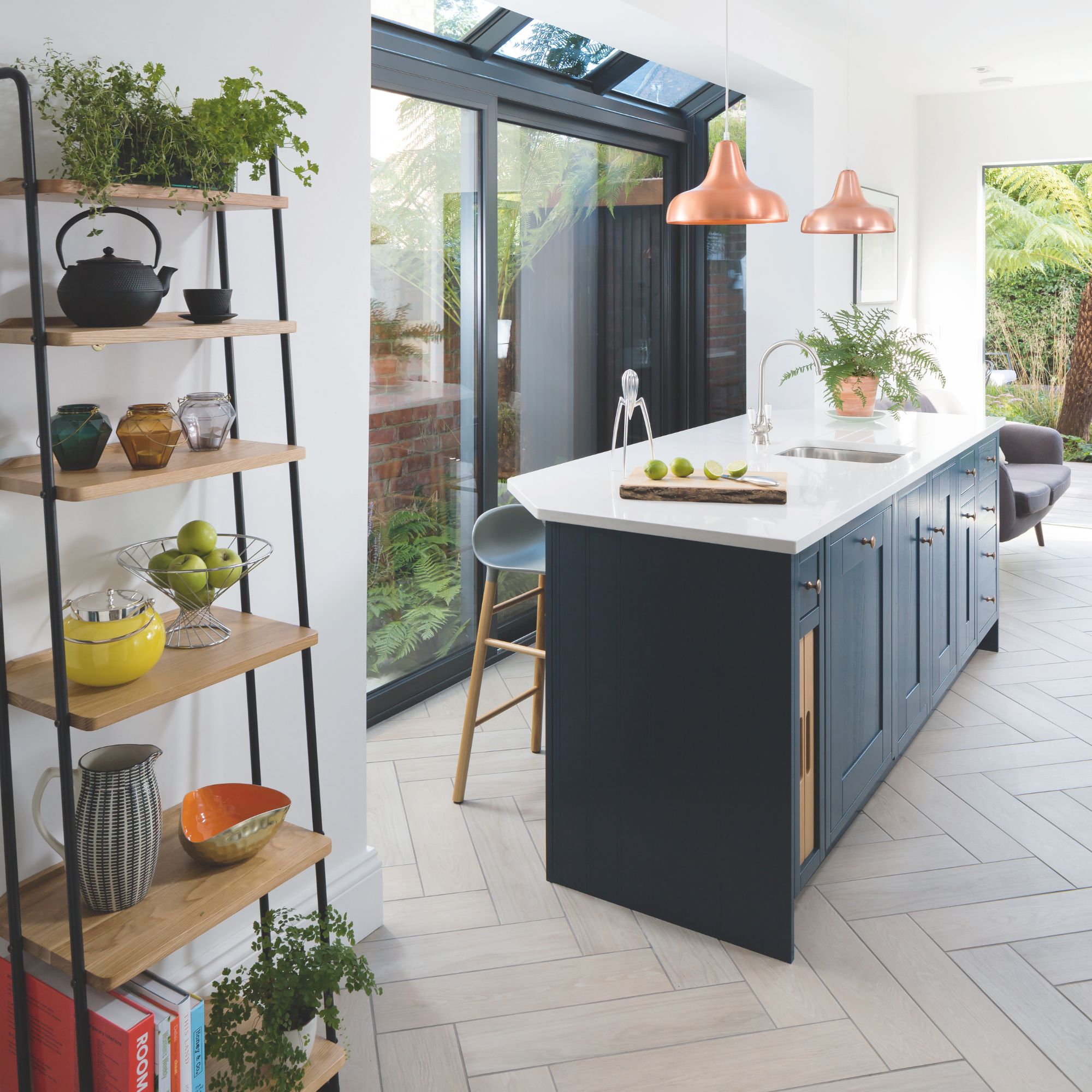
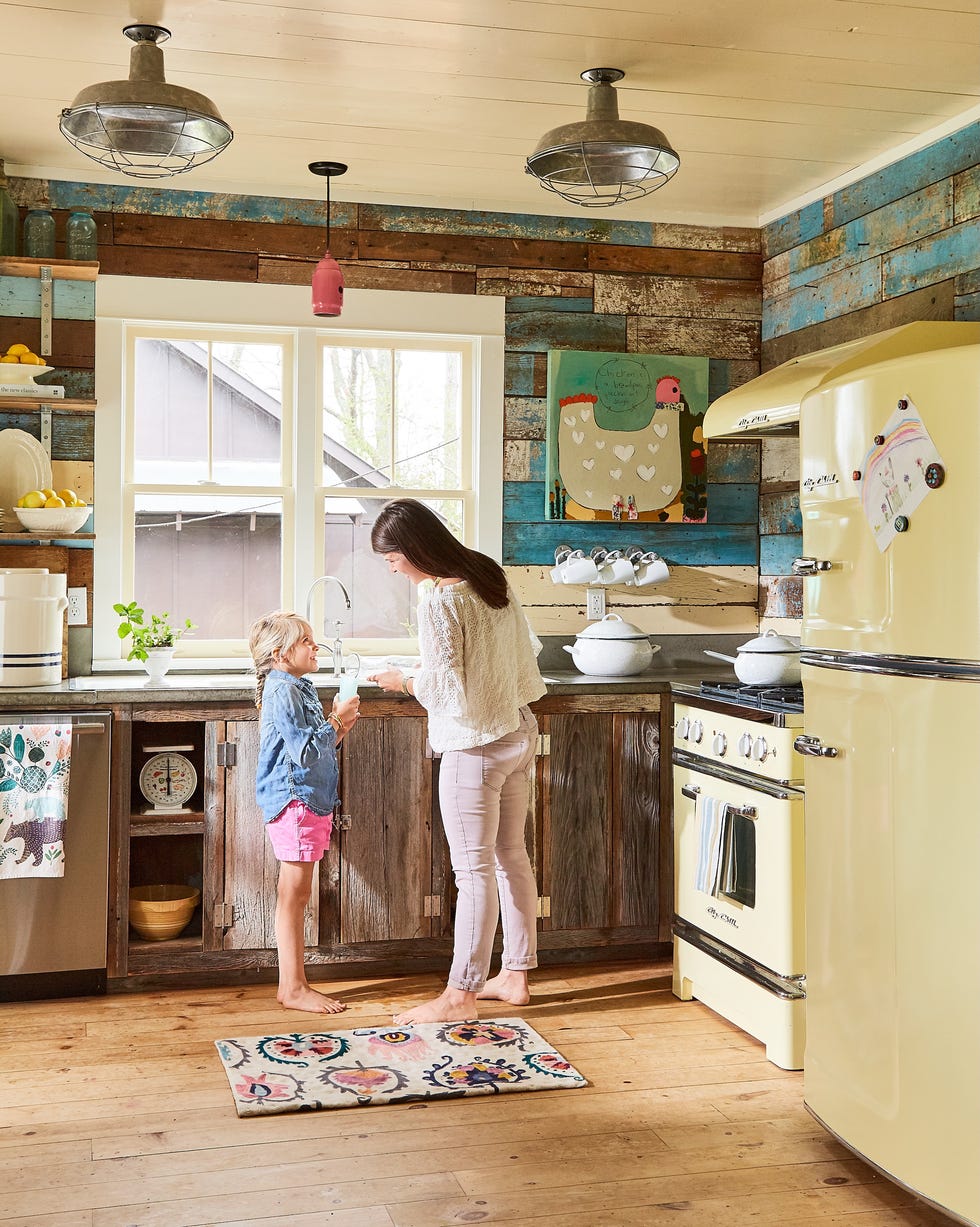
However, there are spaces where elaborate ceiling treatments are less advisable. Rubin recommends avoiding adorned ceilings in kitchens and bathrooms, prioritizing functionality in kitchens where the focus should be on practical aspects rather than drawing the eye upwards. Ultimately, decorating a ceiling is about achieving balance. Rubin considers the room's walls, millwork, window sizes, and adjoining spaces when deciding on a ceiling treatment. She likens it to dressing up, where one chooses which features to highlight and which to downplay. She also encourages homeowners not to overly concern themselves with the 'timelessness' of a design choice; if something brings beauty and enjoyment, its current fashionability is secondary.
#homeDesign #interiorDecorating #ceilingDesign #architecturalDetails #homeImprovement #interiorStyling #decoratingTips #LaurenRubinArchitecture #designTips #homeDesign #interiorDecorating #ceilingDesign #architecturalDetails #homeImprovement #interiorStyling #decoratingTips #LaurenRubinArchitecture #designTips
0 comment in total
 No comments yet
You may also like
Statement ceilings: Pay attention to the fifth wall to create a finessed space
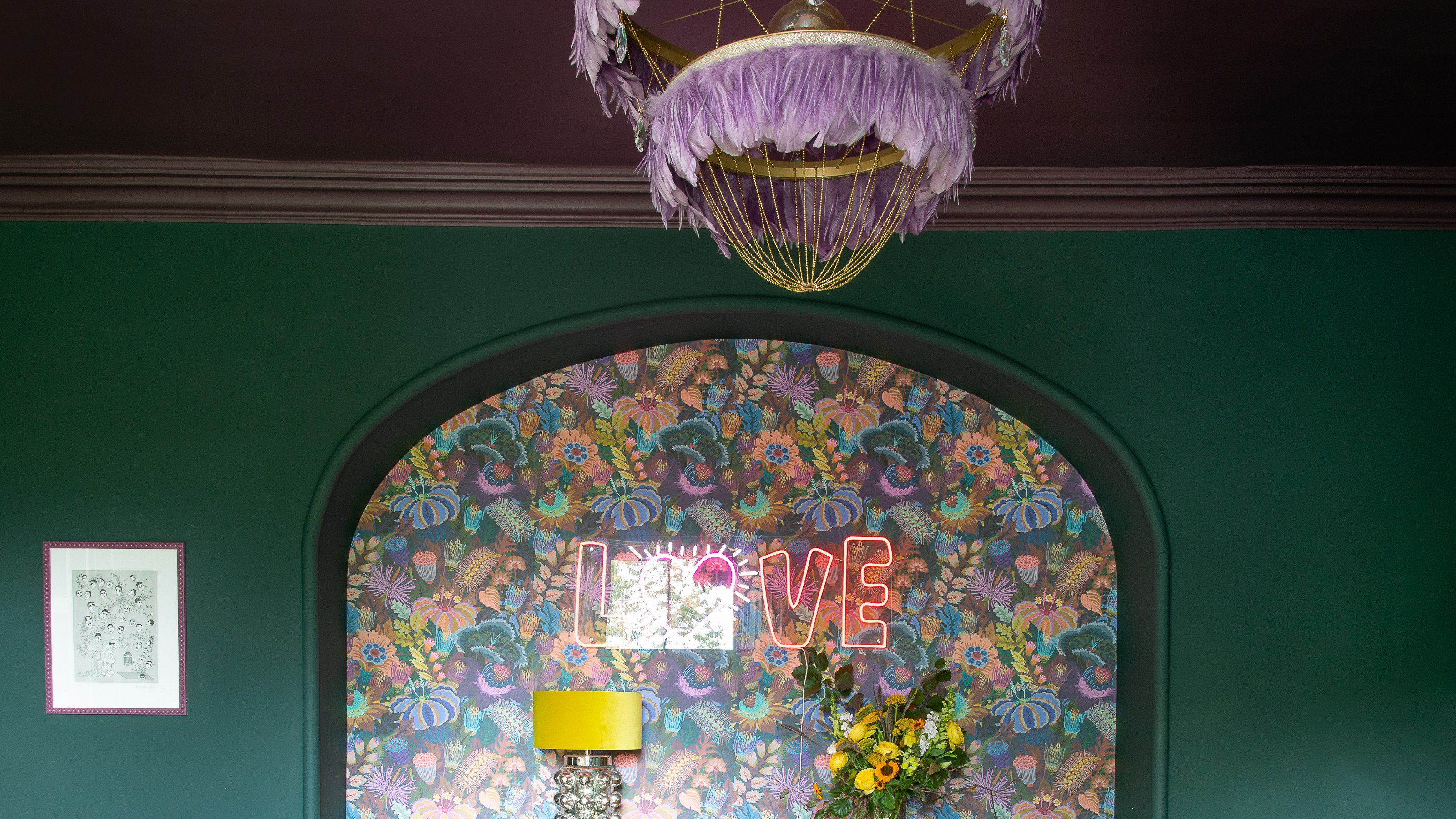
How to make your ceiling more attractive – 7 ways to turn the neglected fifth wall into a beautiful feature
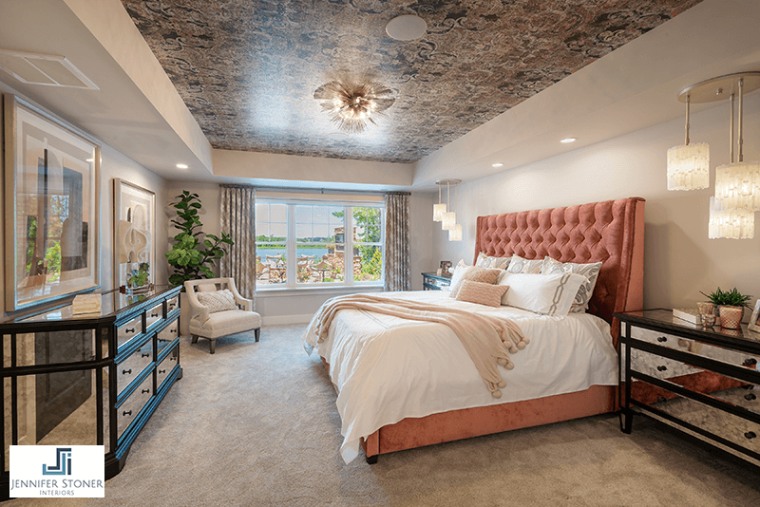
The latest interior design trend is wallpaper on the ceiling


Homeowner’s Guide To Living Walls

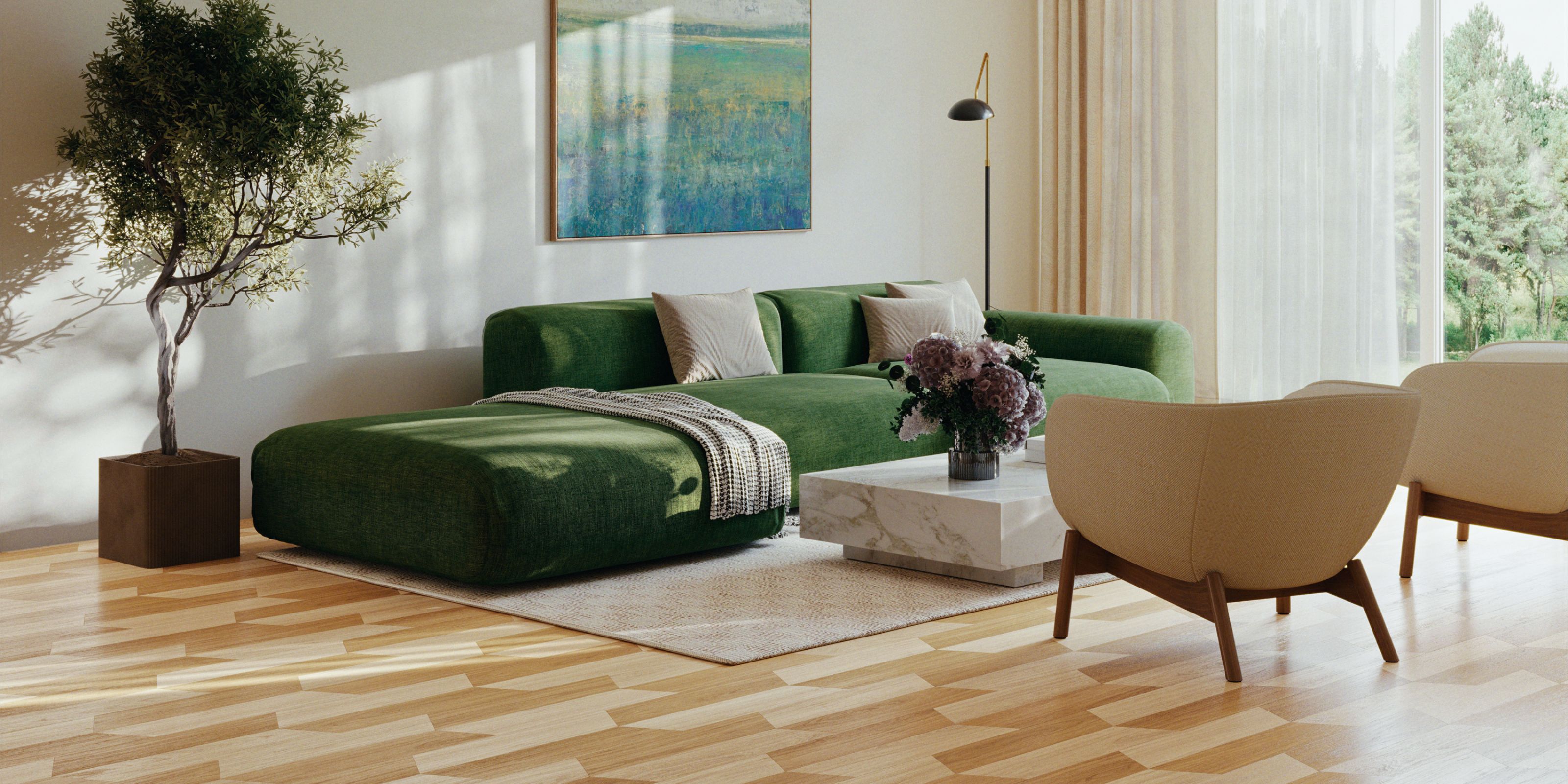
Statement flooring is set to replace the ceiling as the fifth wall
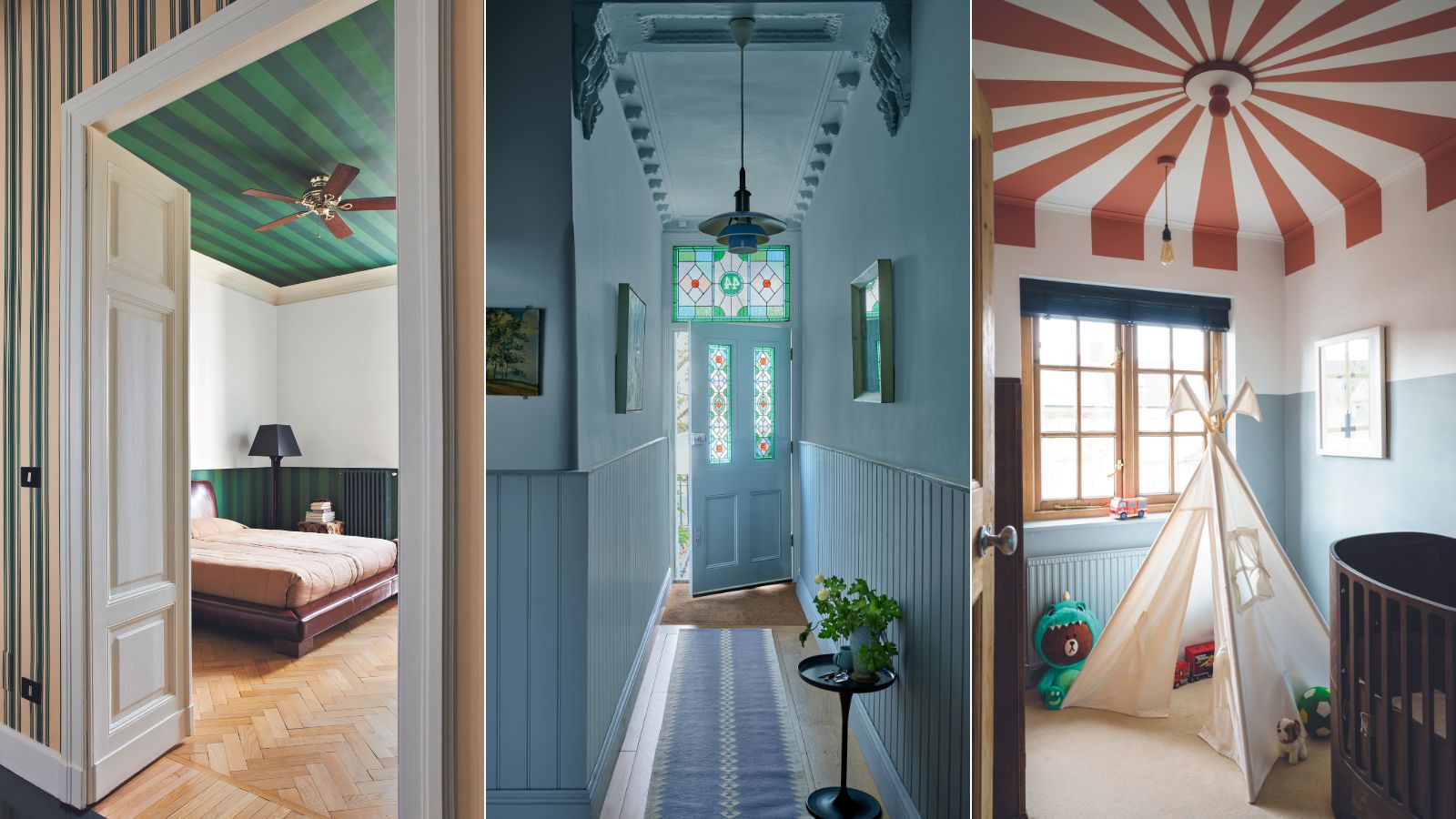
Is the accent ceiling the new accent wall? 7 creative ways to decorate your fifth wall

Paint finishes for ceilings explained – how to create impact on the fifth wall
My Designer Friend Told Me This Is the Easiest Way to Make Any Room Feel Complete
'It's a centuries-old movement!' This creative ceiling idea is trending as a way to elevate your room's 'fifth wall'

Goodbye, Open Concept—People are Adding Walls in Their Homes

Homeowner wows with DIY version of latest feature wall trend – and the results are stunning!

Who Needs Walls, Anyway? Here’s How to Make One Room Into Many
Designers Swear by This "Fifth Wall” Painting Tip to Elevate Any Room

Ceiling paint ideas – 10 ways to make your fifth wall wonderful
5 Ways to Bring the 'Last Step' Stair Trend Into Your Home
San Francisco Residential Living Wall
Living room ceiling ideas – perk up your 5th wall with our expert advice
Ceiling Wallpaper Ideas — The 8 Ways Designers Are Using Pattern Overhead That Will Inspire a Room Makeover
Should You Put Wallpaper on the Ceiling? Here’s What Designers Recommend
Don't Forget About Your Fifth Wall—40 Ceiling Ideas to Add a Stylish Touch