
1/12
DIY coffee table ideas – 11 designer dupes and inspiring styles to try
Creating a DIY coffee table offers an opportunity to craft a bespoke piece of furniture, potentially saving significant costs compared to purchasing designer equivalents. This approach allows individuals to personalize their living spaces while managing their budget effectively. Various DIY coffee table projects, ranging from upcycling existing items to constructing new pieces from raw materials, can be undertaken by individuals with varying levels of DIY experience.

One popular DIY method involves color-blocking an existing coffee table. This technique, demonstrated by Polly Coulson, utilizes chalk paint and masking tape to create geometric designs. The process includes sanding, applying a custom green base, masking off sections, applying contrasting colors, and finally, sealing the paintwork with a matte lacquer for durability. Essential materials for this project include Annie Sloan Chalk Paint in various colors, flat brushes, masking tape, sanding pads, and lacquer.
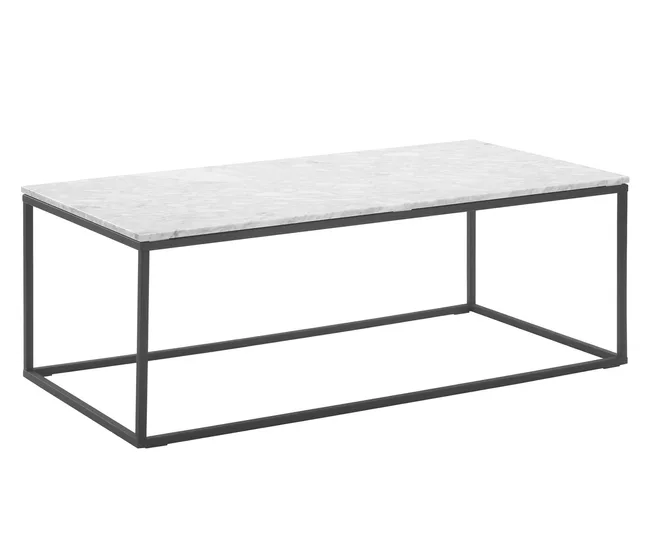
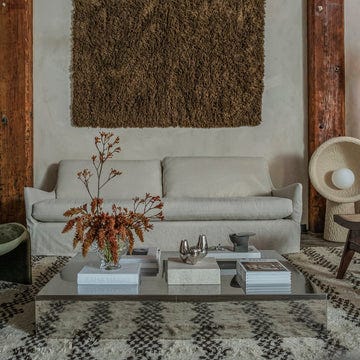
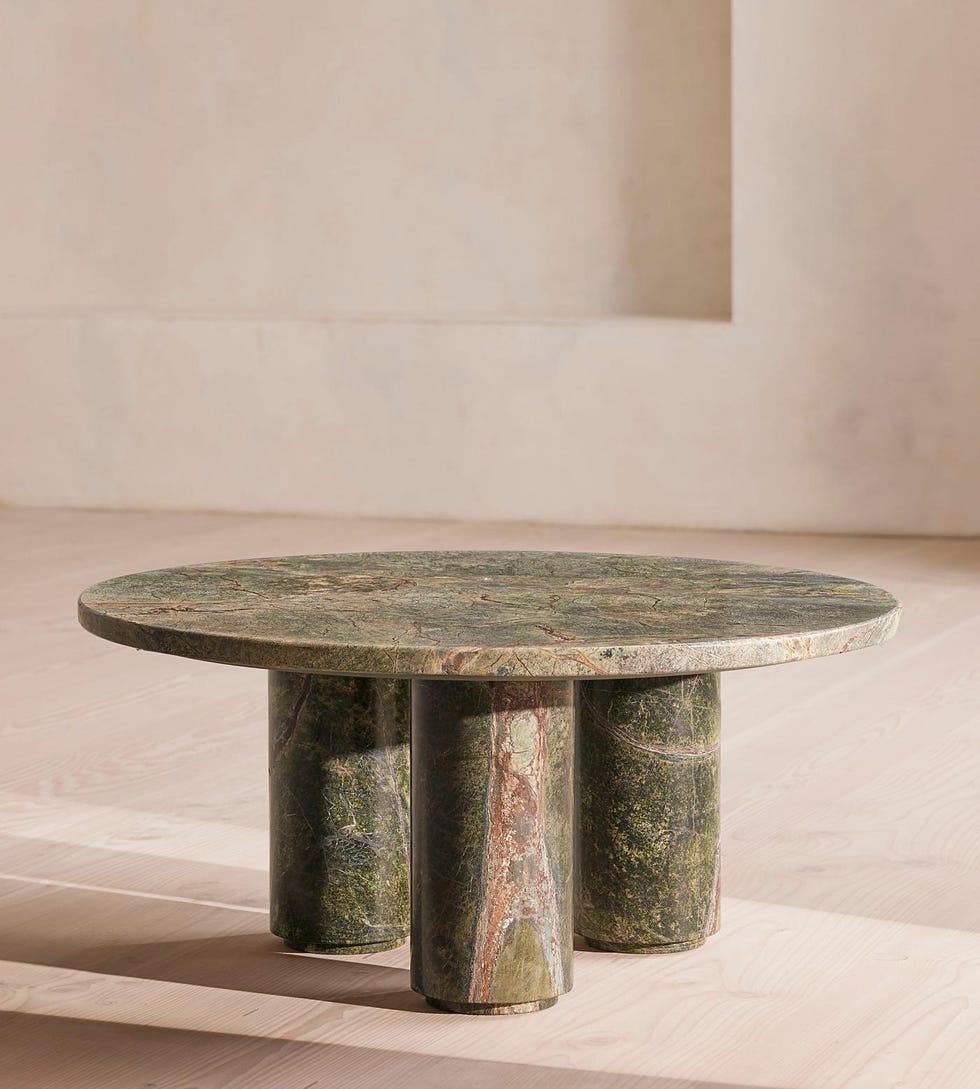
Another innovative idea is to create a faux marble coffee table. Interior influencer Luke Arthur Wells achieved this by covering an MDF box with marble-effect porcelain tiles. This project requires careful planning for tile sizes and addressing raw edges. Luke's solution involved using wooden beading, mitered at the corners, glued, painted black, and then grouted to create a seamless, high-end look. The total cost for this project was significantly lower than that of a designer marble table, demonstrating substantial savings. Materials needed include porcelain tiles, MDF, tile adhesive, grout, Gorilla glue, nails, weights, wooden beading, sandpaper, and matt black paint.
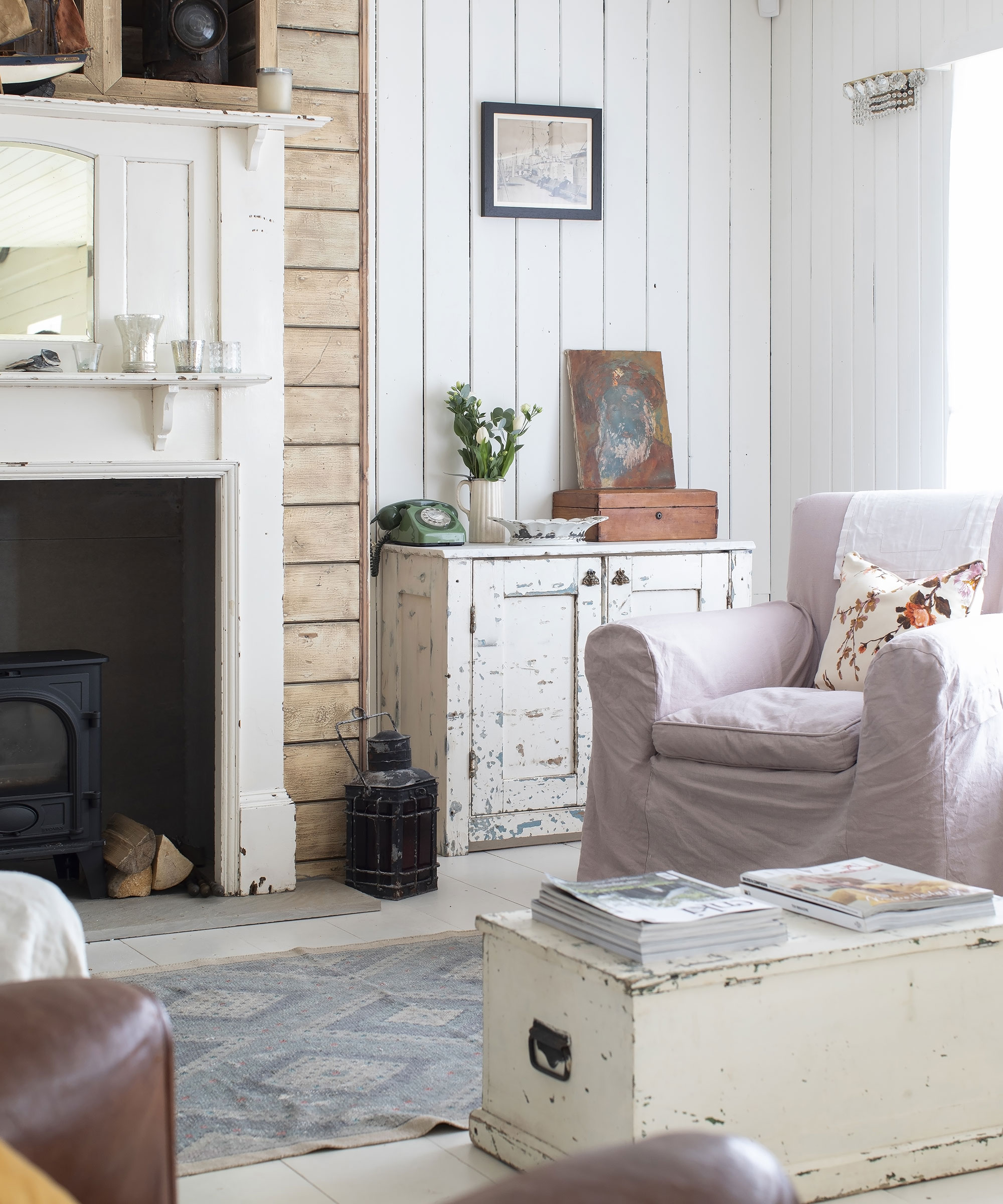
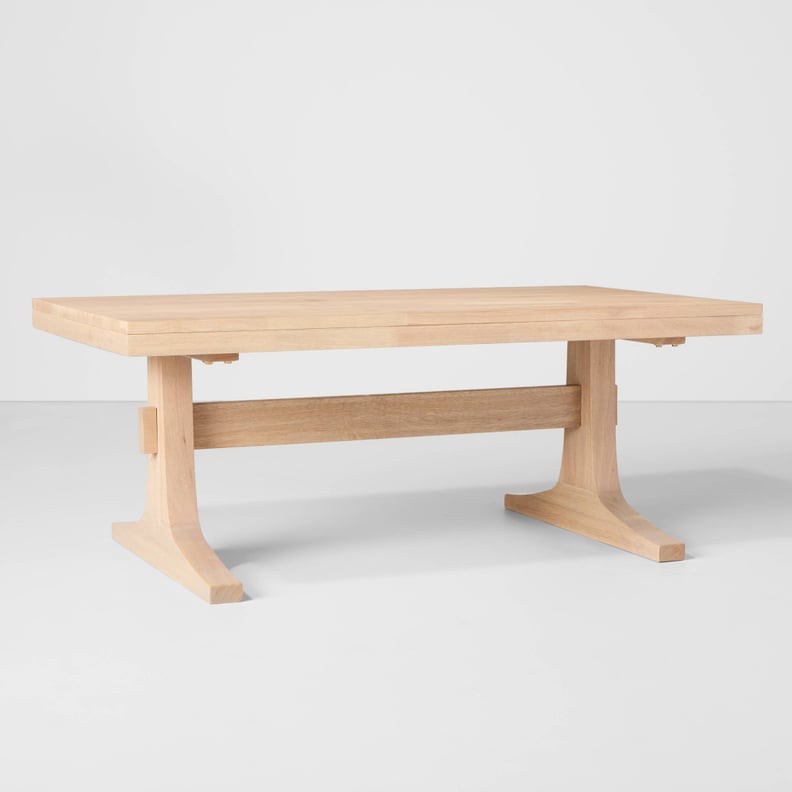
Eman's plywood table showcases the versatility of wood. By stacking and gluing sheets of oak plywood, a thick, high-quality look can be achieved. Key steps include applying wood glue evenly, using salt to prevent slipping, distributing clamps or weights, and wiping off excess glue. The legs are constructed from two glued sheets and cut to a height slightly shorter than couch cushions. After sanding, corner braces are used to attach the legs, and edge banding is applied and trimmed for a finished appearance. Minwax in Pickled Oak provides a desired stain. This project requires wood glue, oak plywood, table salt, clamps, sandpaper, corner braces, edge banding, and an iron.
For smaller spaces, a custom coffee table can be built using inexpensive pine boards. Sam's project involved 2x4 and 2x10 pine boards, simple pocket holes, and distressing to achieve an aged look, finished with Golden Oak stain. This DIY is described as easy and highly customizable to fit specific space requirements.
Becky's hands-on budget coffee table features a fluted design. This involves sawing off one side of a drum, cutting oak dowels to size, gluing them to the drum, adding pads to prevent floor scratching, and liming the tabletop and dowels. The tabletop is then fixed with screws from underneath to ensure a clean surface. Necessary tools include an electric sander, chop saw, nail gun, and Gorilla glue.
Heena's IKEA upcycle transforms an old IKEA tabletop into a high-end waterfall-inspired table. This project uses dowels attached to the tabletop with liquid nails adhesive. After sanding the tabletop, dowels are cut into equal lengths and attached. The entire piece is then primed and painted with a chosen color. This method avoids the need for power tools like drills or hammers, making it accessible for those less confident with heavy-duty tools. Materials include an old IKEA tabletop, dowels, wooden paint, liquid nails adhesive, a sheet sander, miter saw, paintbrush, small roller, and paint.
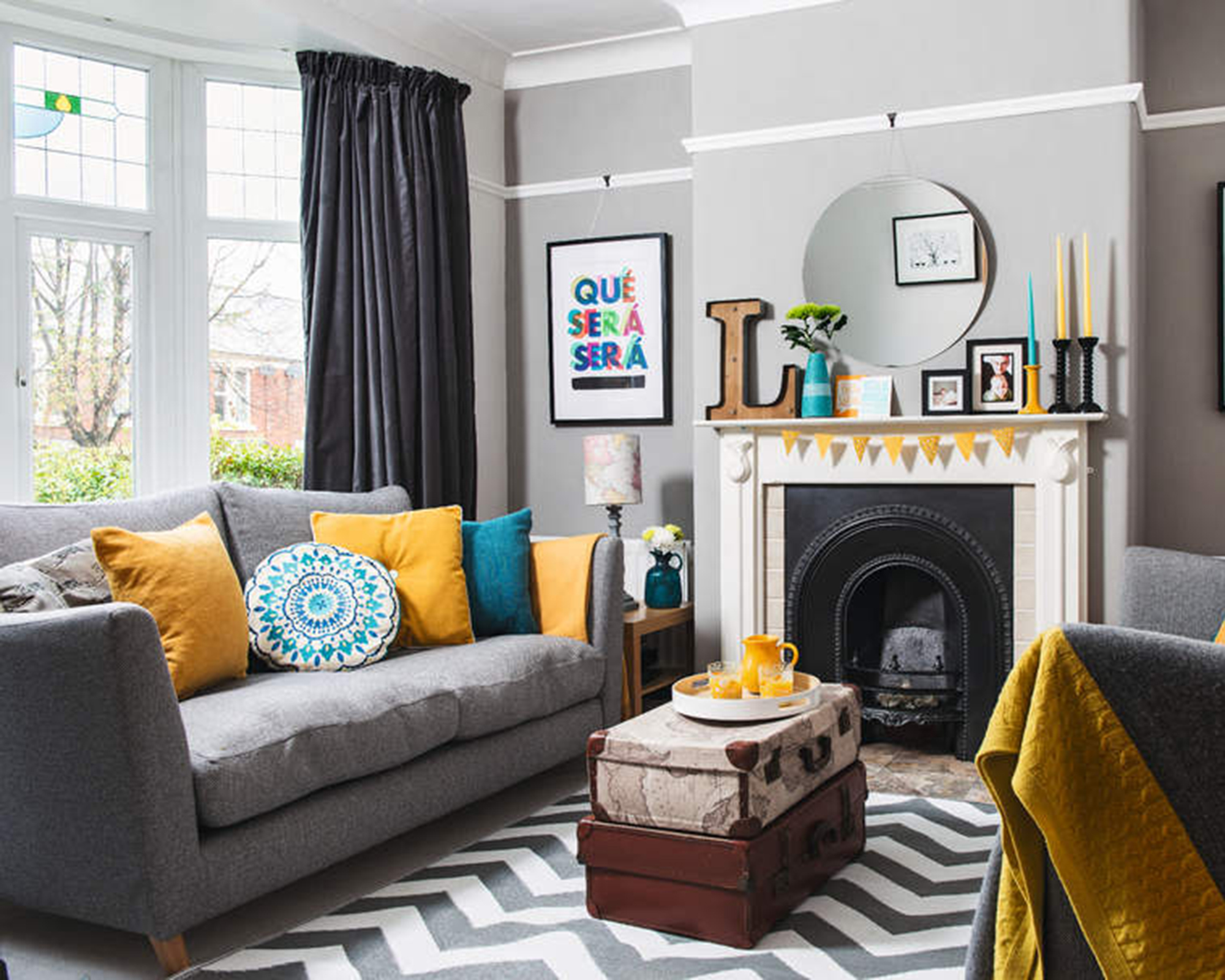
An eco-friendly option is Roz's recycled chip foam glass coffee table, which repurposes packaging foam glued into a cube. Large bolts are used to stabilize the cube and provide a level surface for a repurposed glass tabletop. This project exemplifies resourcefulness and sustainability.
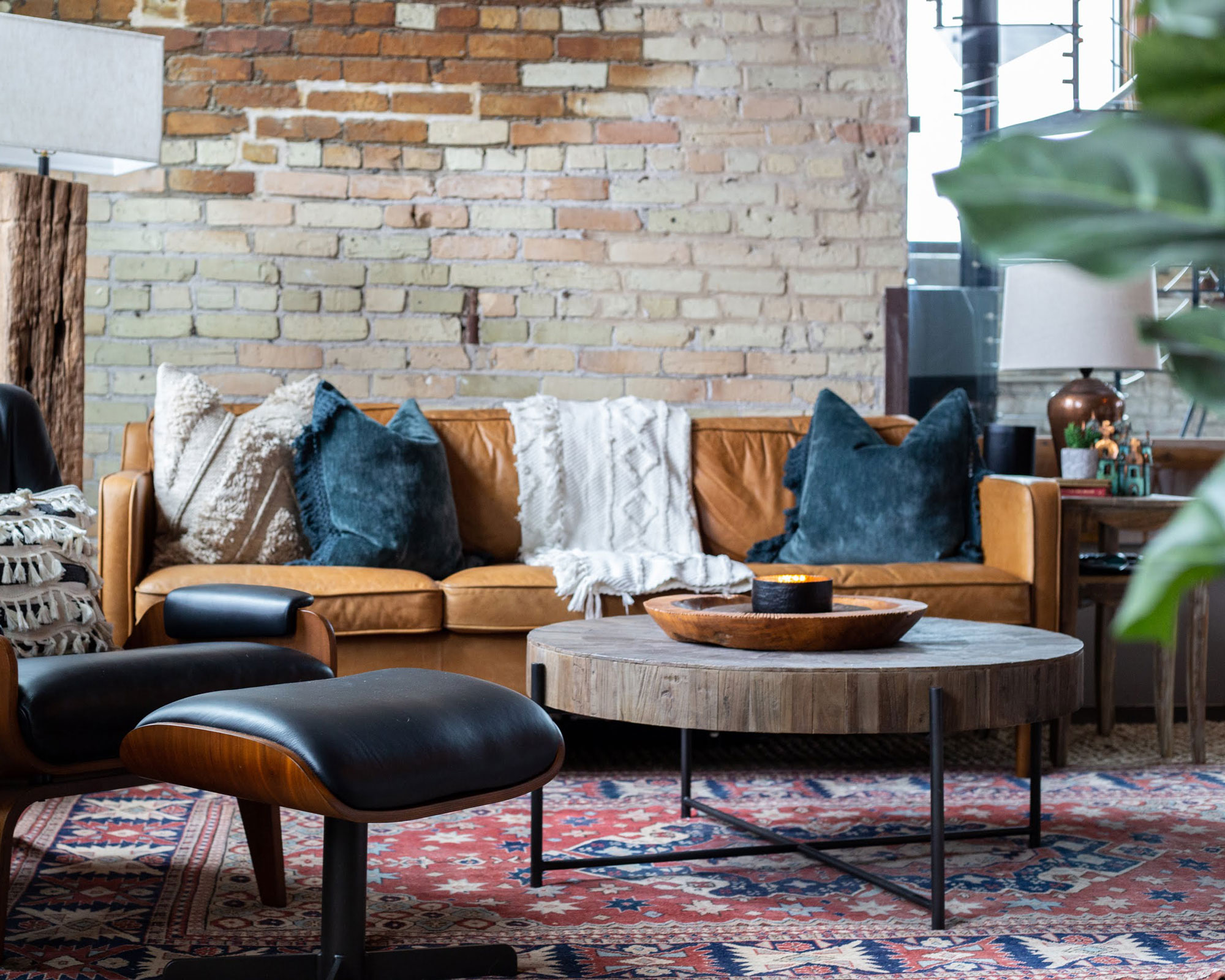
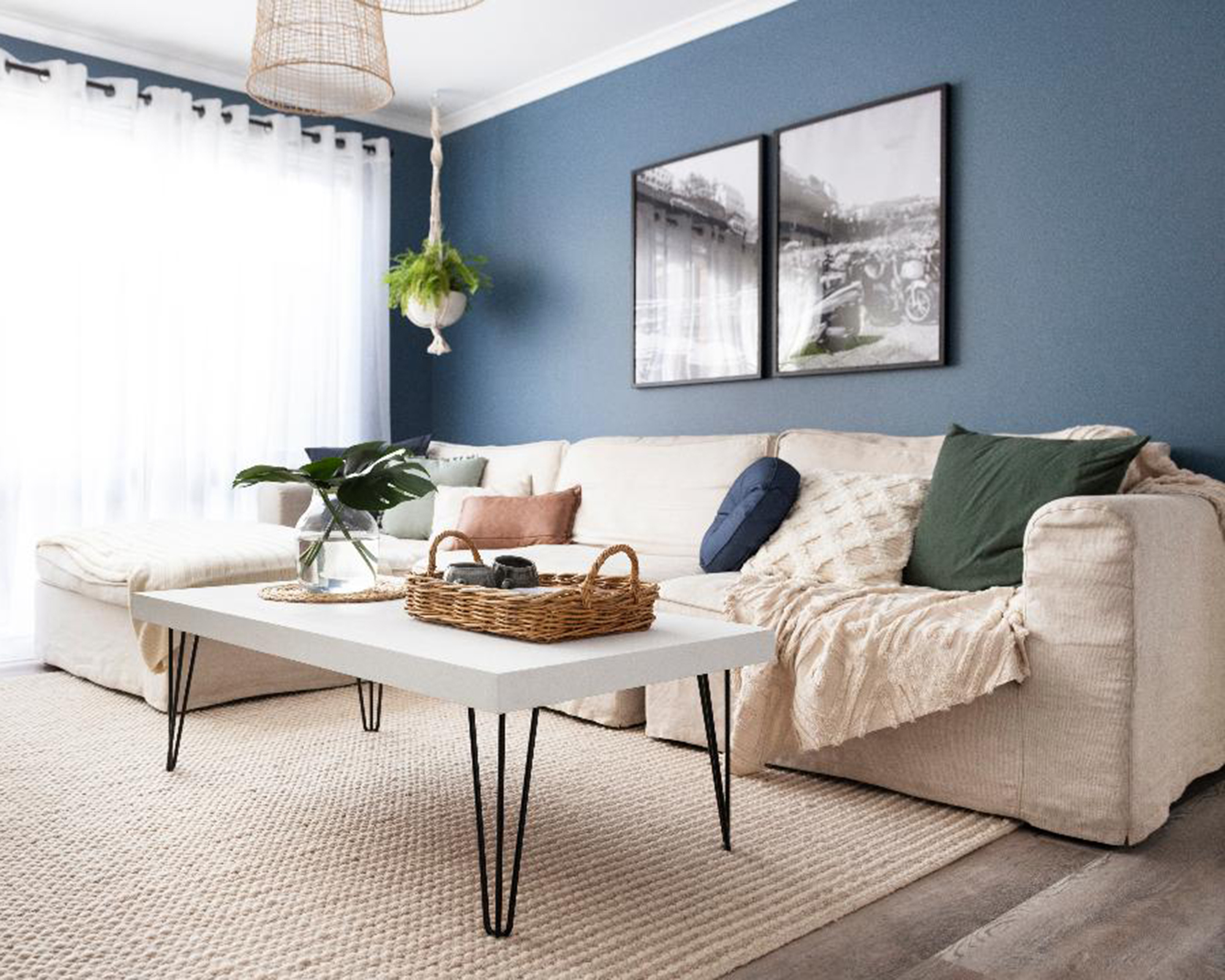
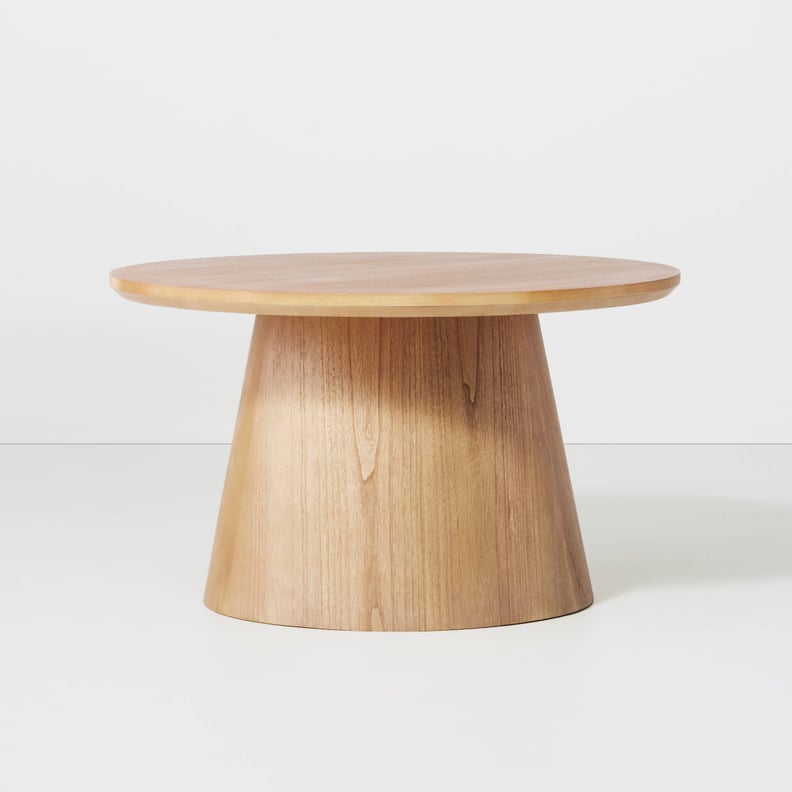
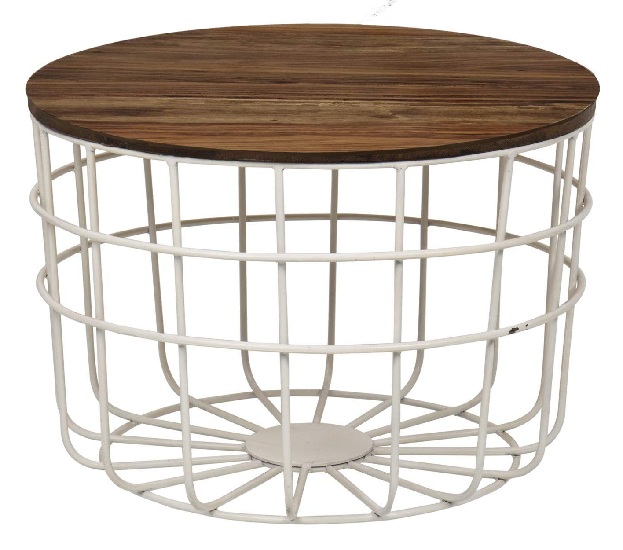
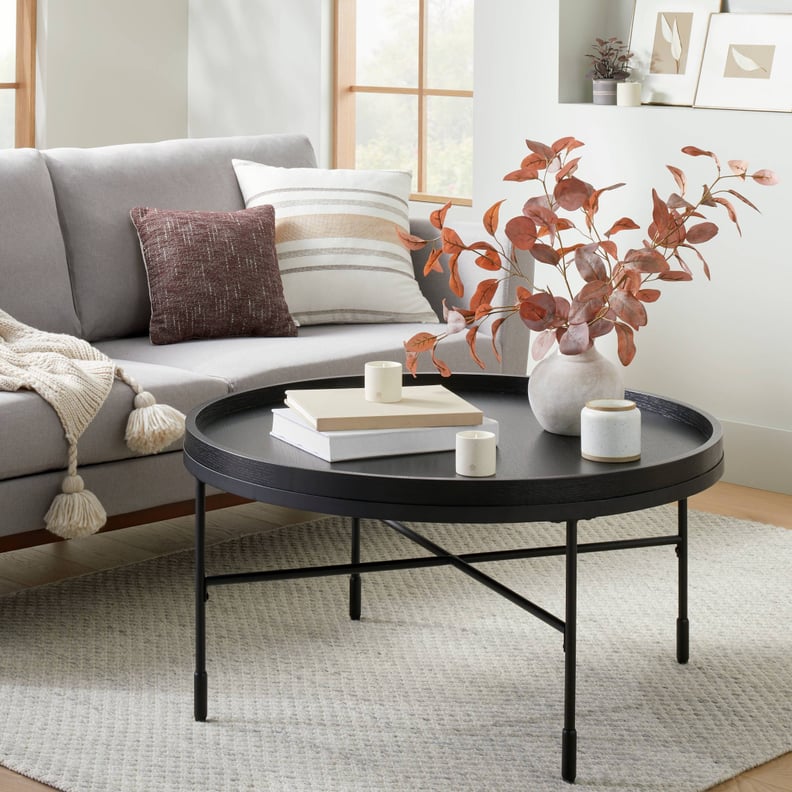
Tina Rivera's Target dupe recreates a midcentury modern wood and wire coffee table using a round wood board and hairpin legs, significantly reducing the cost of a store-bought item. This project highlights the potential for creating stylish pieces at a fraction of the price.
Emily Tanner designed a large, 'perfectly-imperfect' coffee table using 2x4s and cement board, finished with cement-based underlayment and a sealer to prevent stains. This project addresses the challenge of finding oversized furniture at a reasonable price.
Jaq's creative coffee table repurposes a large plant pot and a pizza oven tray, demonstrating an innovative approach to combining unexpected items for furniture. This budget-friendly option also offers practical storage space within the plant pot.
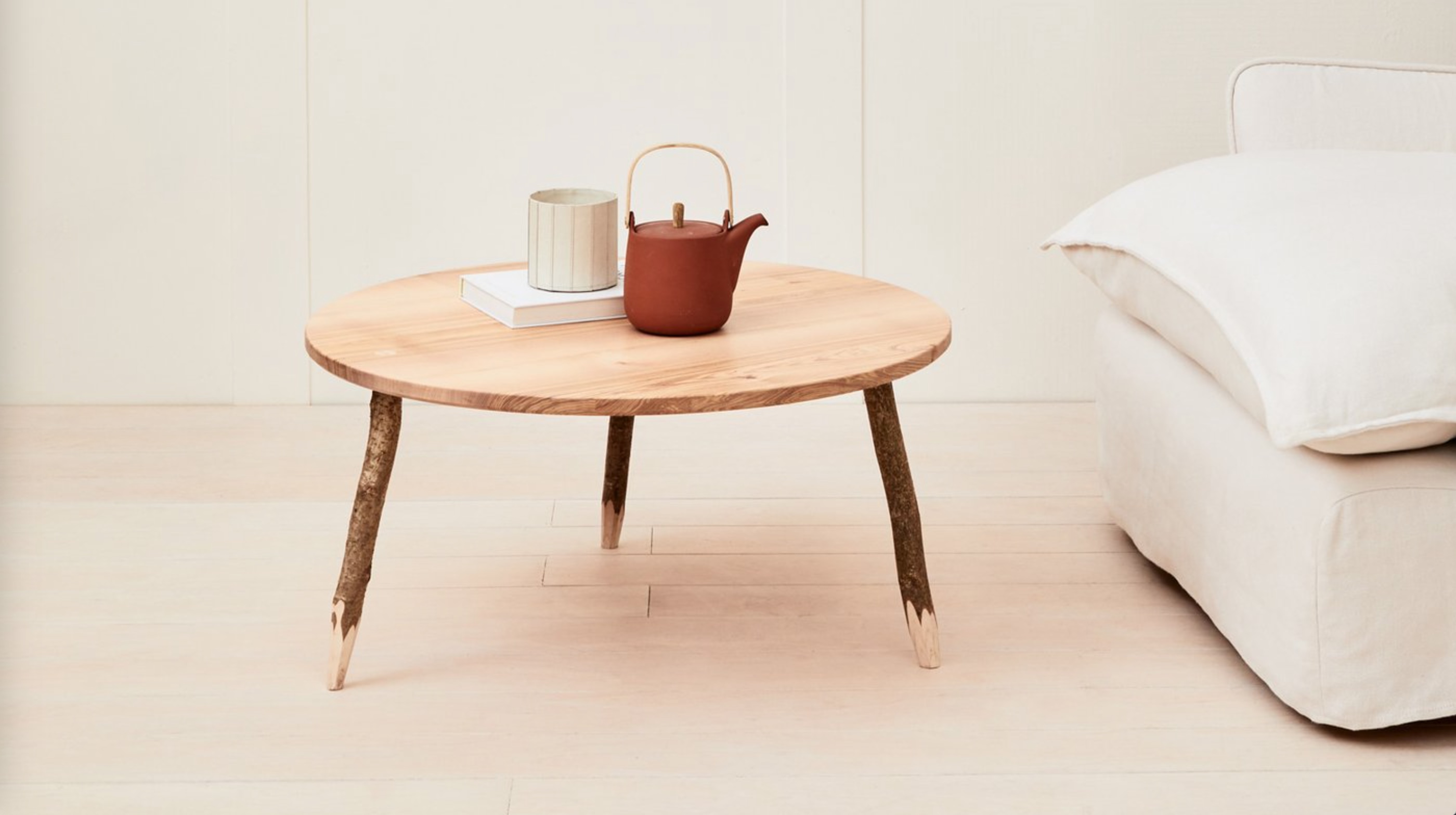
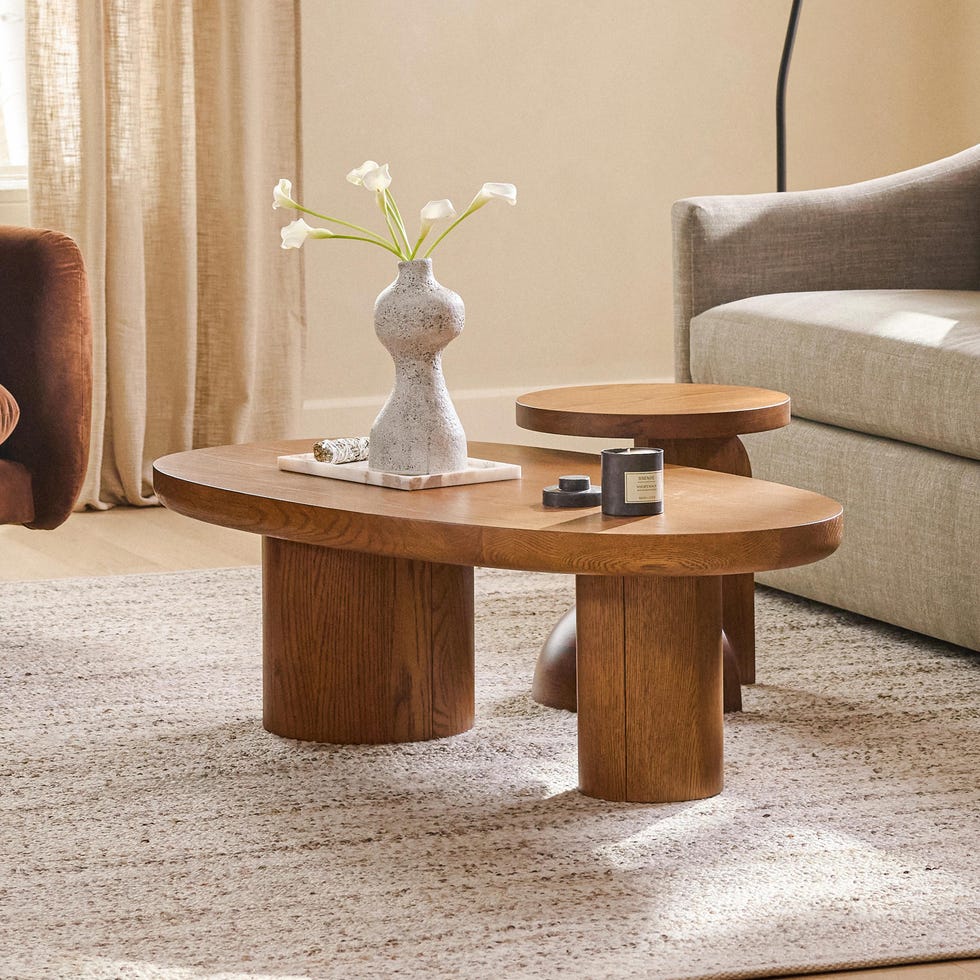
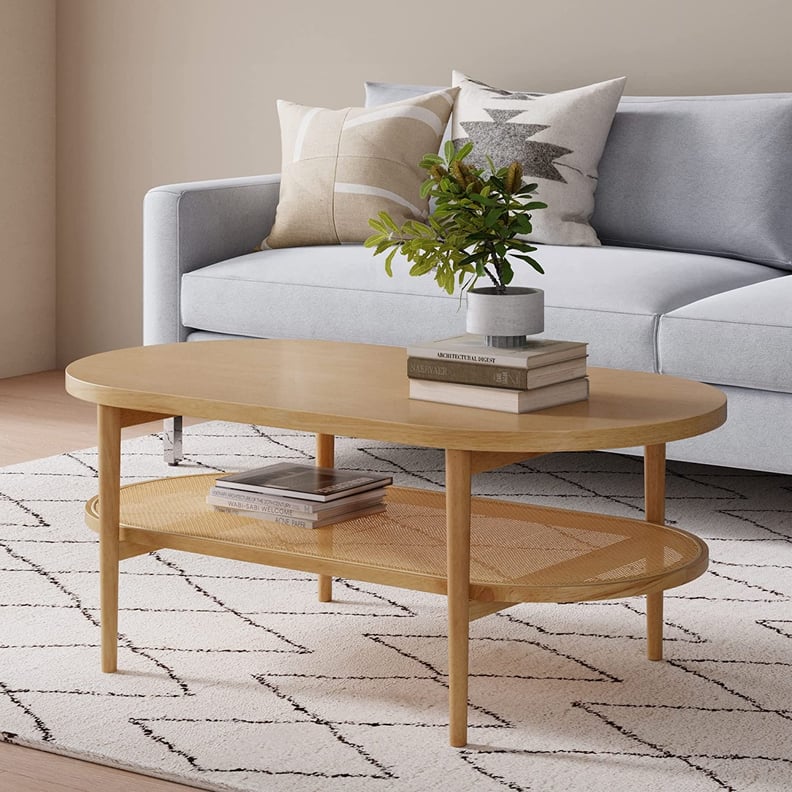
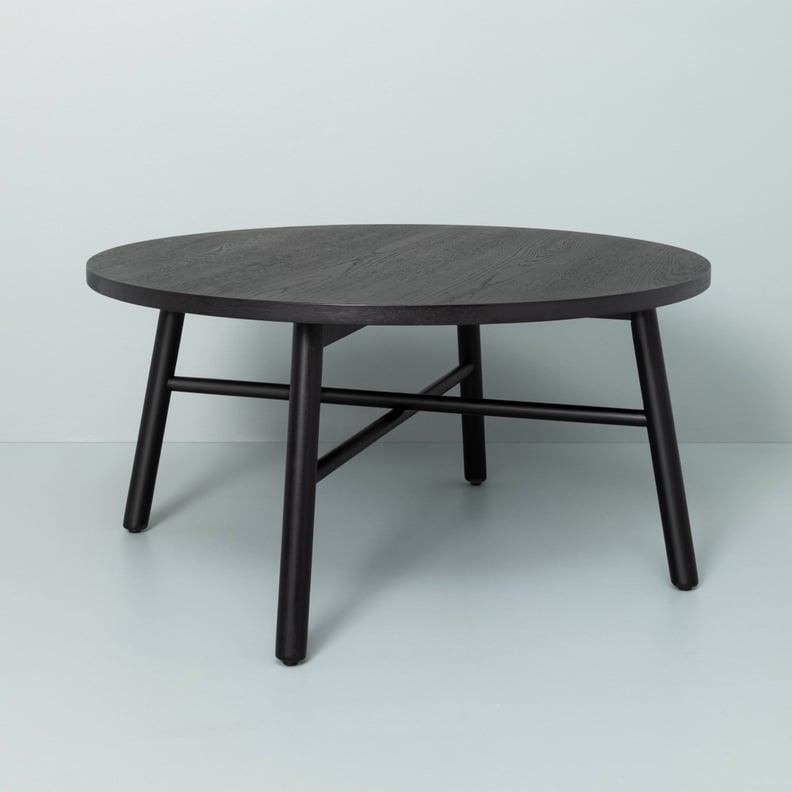
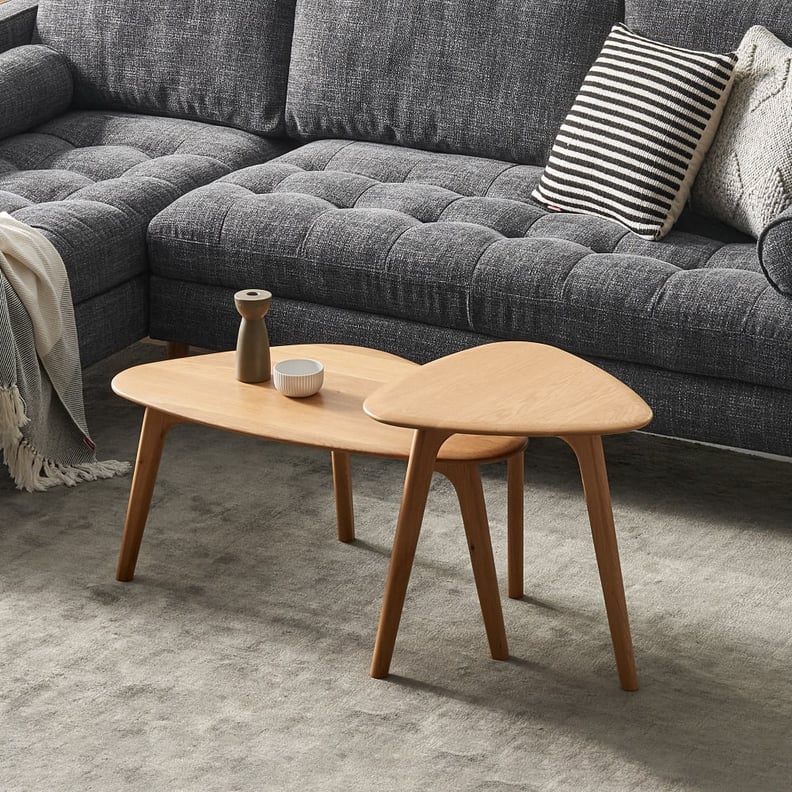
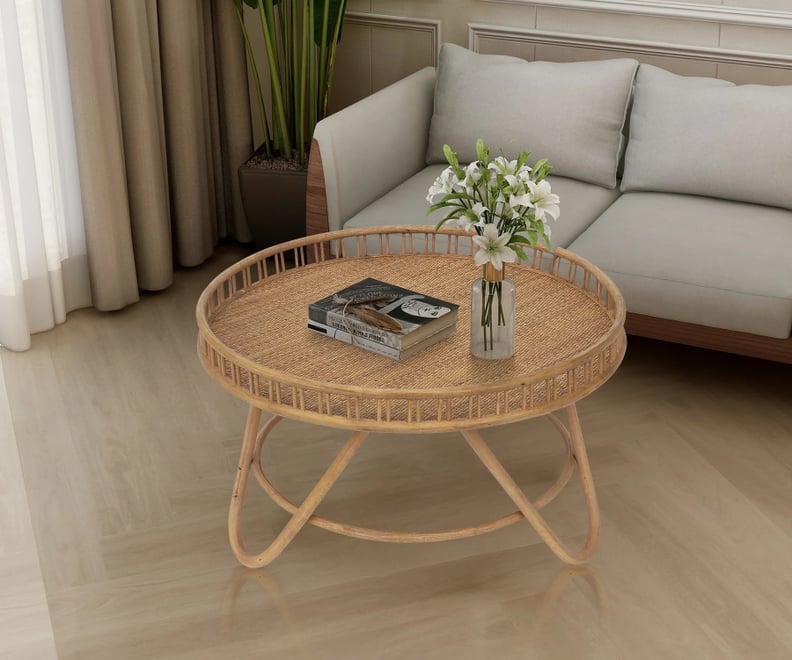
Finally, Nadia's Nordic-inspired coffee table features a low, curvilinear design with three legs, made from light wood. This piece emphasizes Scandinavian aesthetics and can be integrated into cozy living spaces with neutral soft furnishings and varied textures.
#DIYCoffeeTable #HomeImprovement #FurnitureUpcycling #BudgetDecor #InteriorDesign #DesignerDupes #CreativeCrafts #ScandinavianDesign #SustainableLiving #DIYCoffeeTable #HomeImprovement #FurnitureUpcycling #BudgetDecor #InteriorDesign #DesignerDupes #CreativeCrafts #ScandinavianDesign #SustainableLiving
0 comment in total
 No comments yet
You may also like
11 creative coffee table alternatives to sub into your living room space
11 Must-Have Coffee Table Books Every Design Lover Needs

23 Coffee Table Decor Ideas That Will Make a Massive Impact On Your Living Space

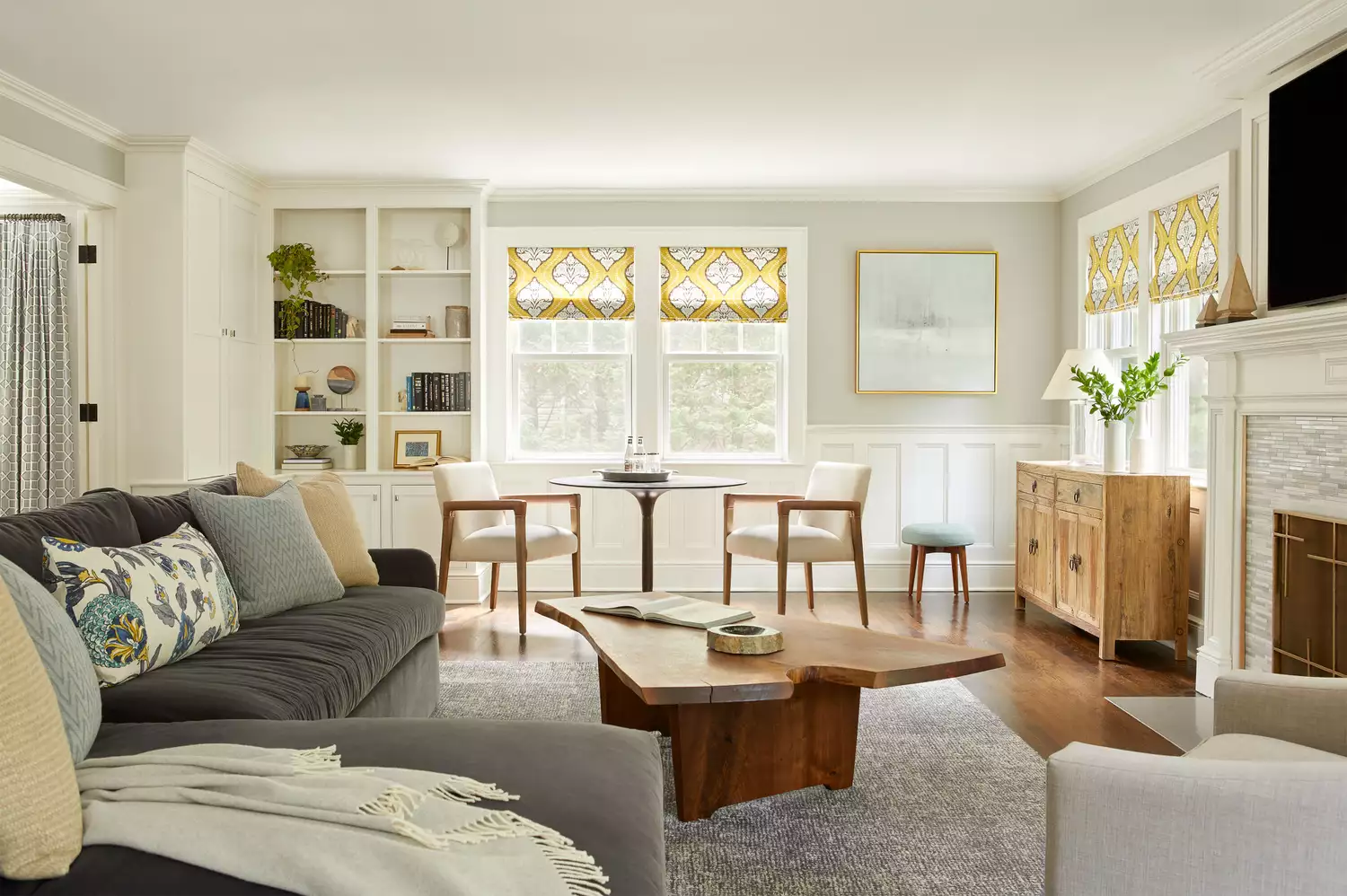
We Asked Interior Designers About Their Favorite Coffee Tables—Here Are Their Picks
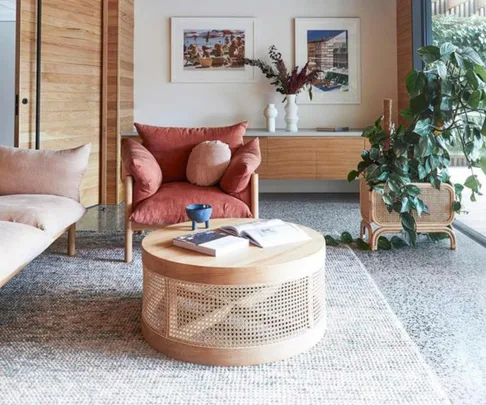
10 of the best coffee tables to suit every style


Coffee table decor ideas – 15 creative ways to bring style to your space
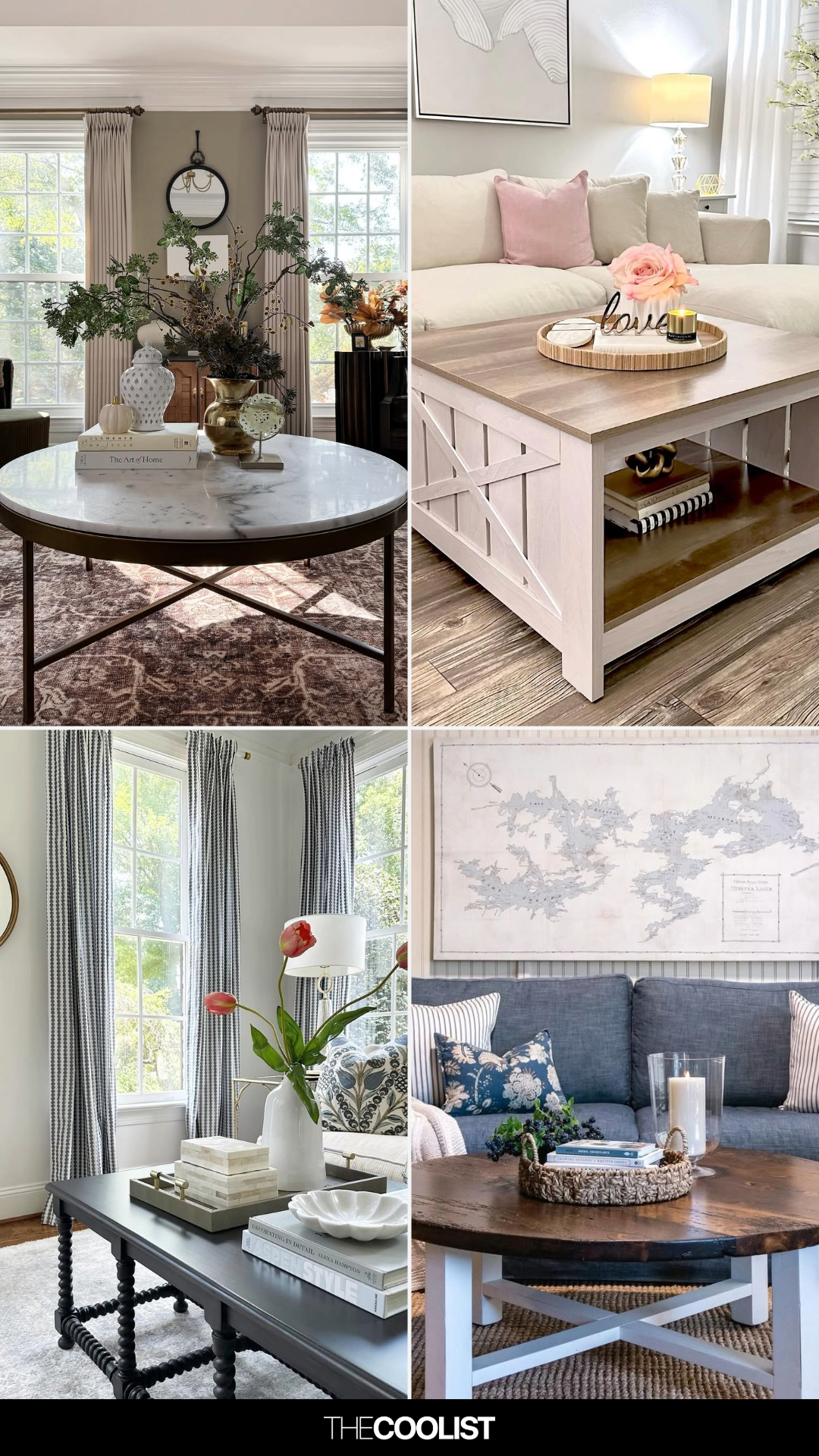
22 Coffee Table Decor Ideas That Add Style and Function to Your Living Room

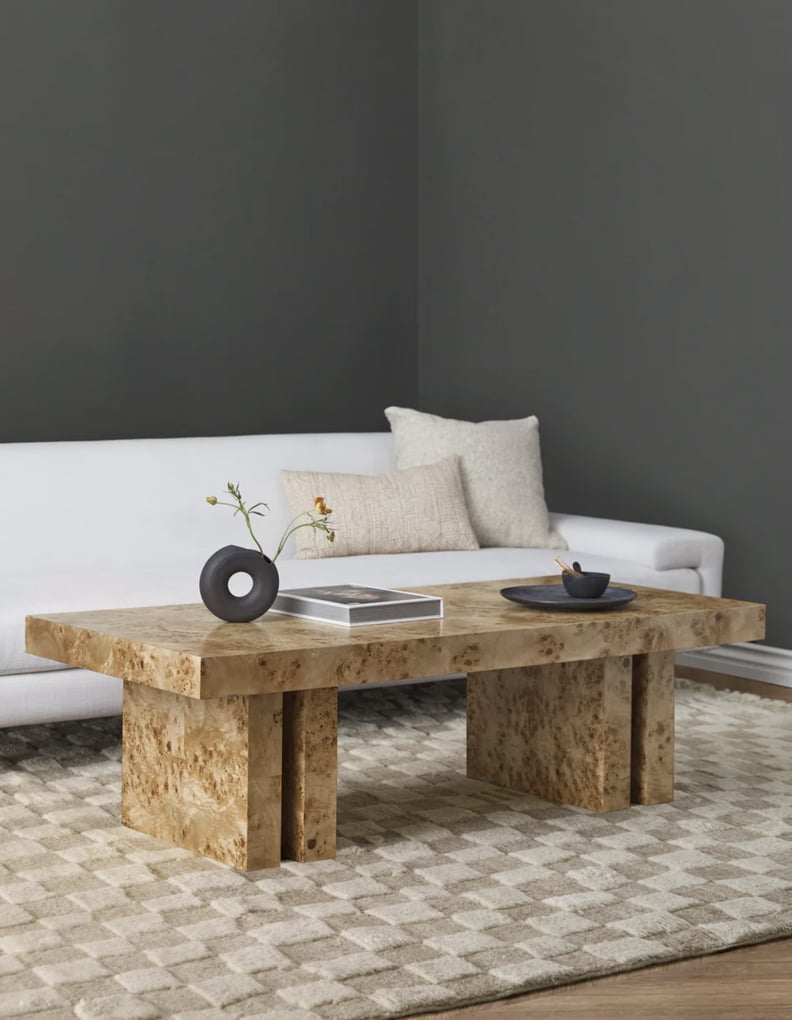
17 Coffee Tables That Are Perfect For Every Home Aesthetic and Budget
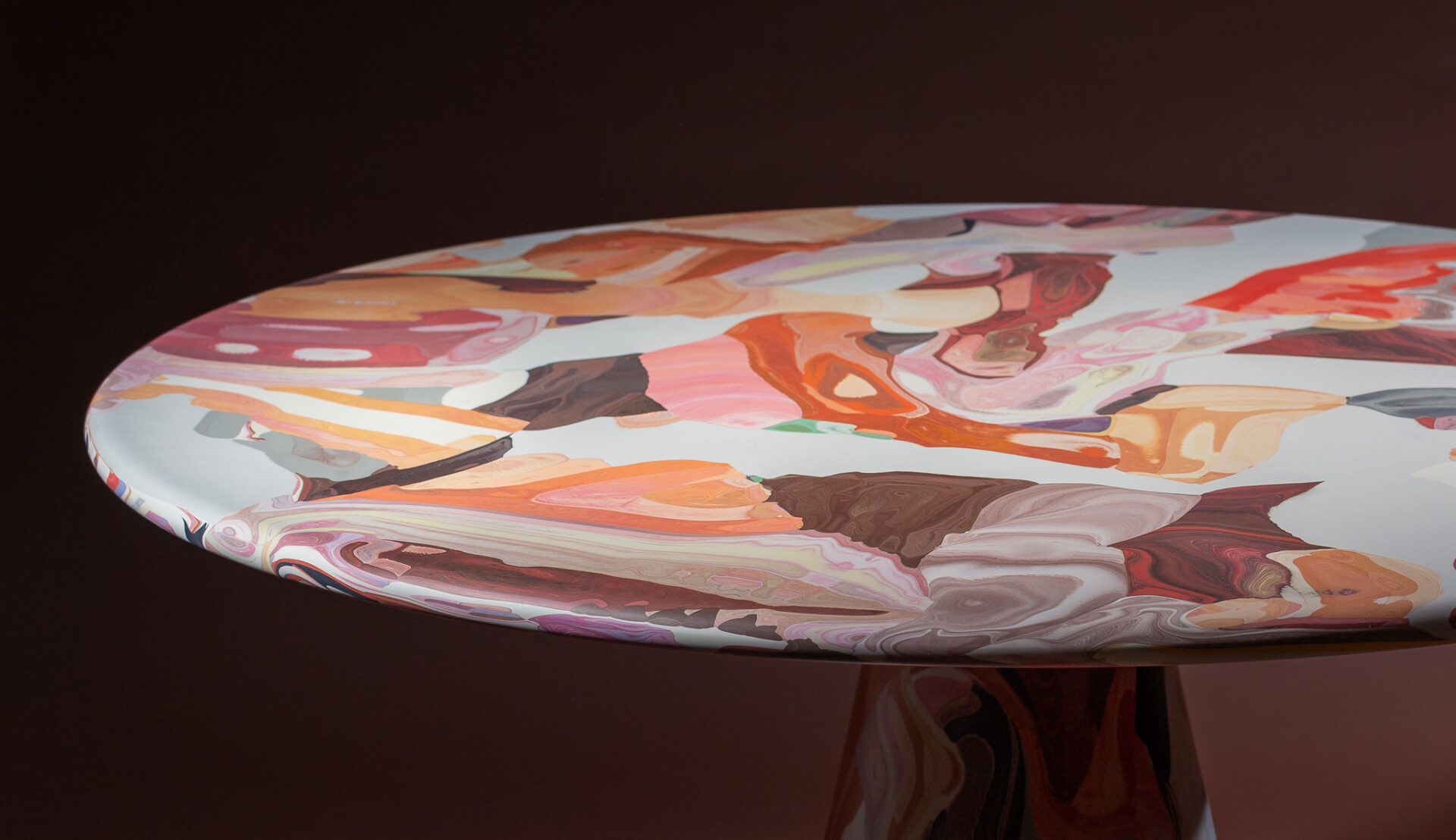
Gather round! The best coffee tables for design lovers, from the colourful to the sculptural

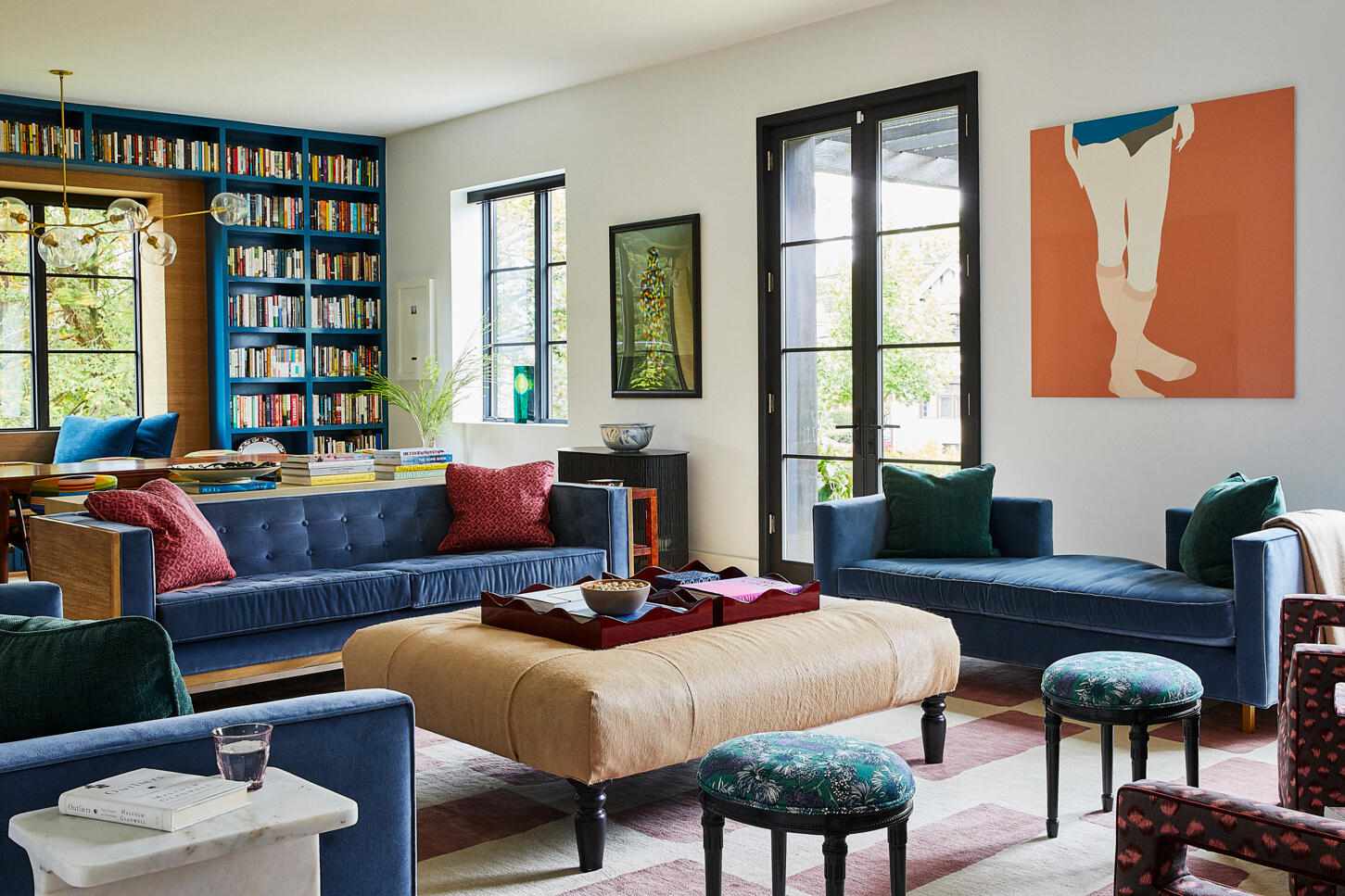
18 Coffee Table Décor Ideas That Blend Form and Function
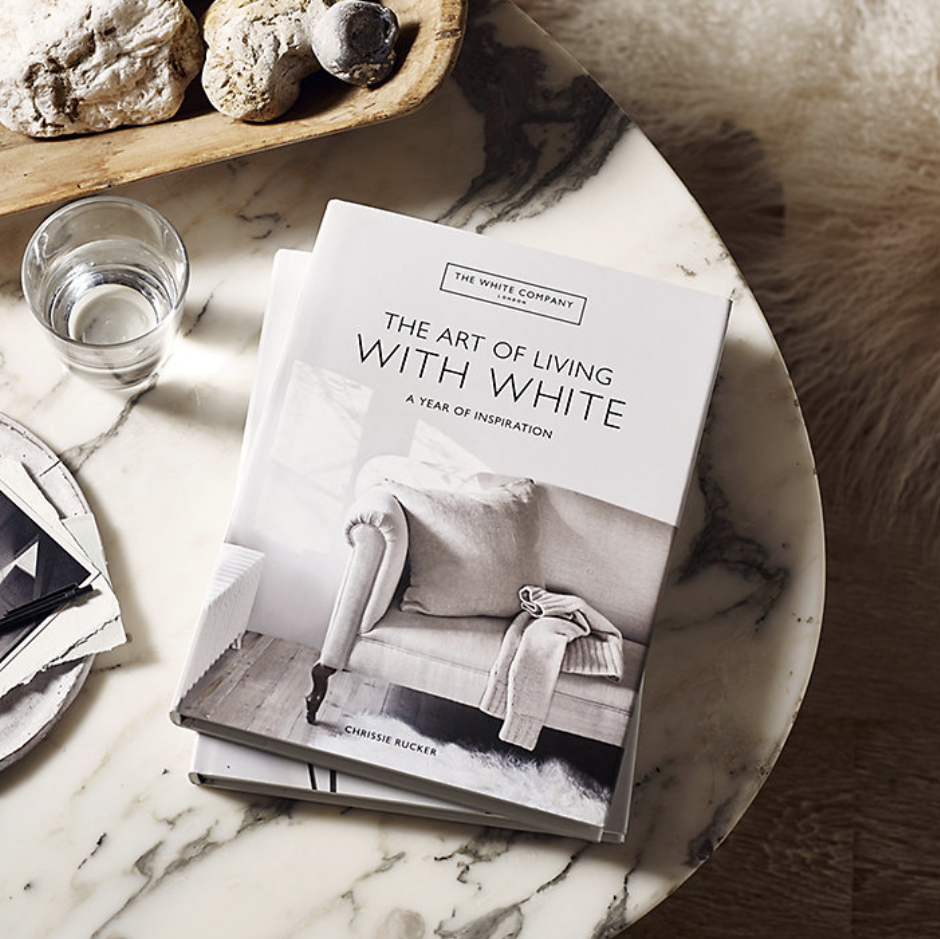
The best coffee table books to inspire your next home project

12 of the best coffee table books to style your living space

18 Coffee Table Decor Ideas That’ll Work for Every Style

11 Small Coffee Tables That Make a BIG Impact, According to Interior Designers

20 Stylish And Latest Coffee Table Designs In 2025

13 Stylish Round Coffee Tables That Will Complete Your Home

12 modern coffee table decor ideas to make a focal point in your living space
11 Chic Coffee Tables Perfect For Small-Space Living
10 Target Coffee Tables For Every Aesthetic
Top 10 coffee tables designed to be the center of attention of your living room