1/6
5 Kitchen Countertop Trends on Their Way Out in 2025 (and What’s Replacing Them)
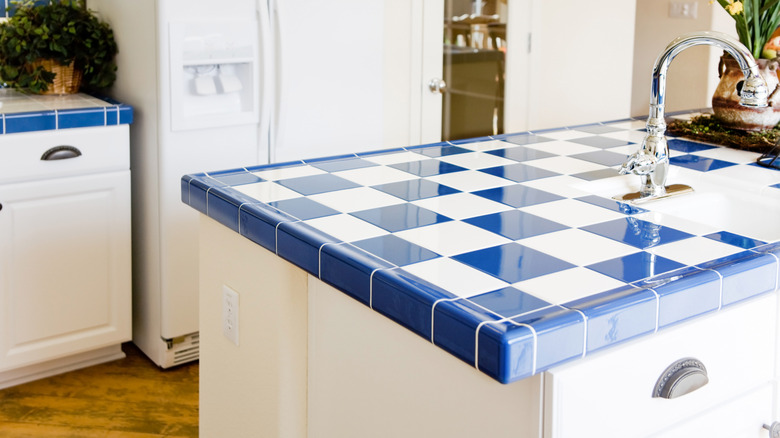
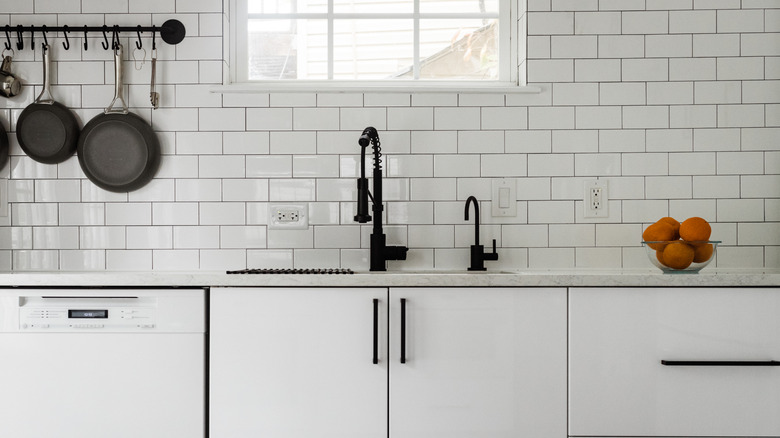
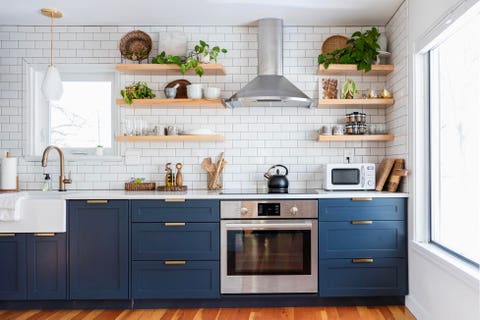
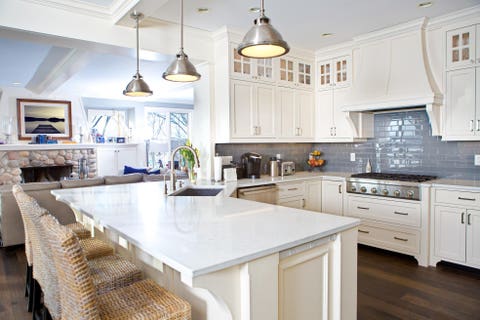
In 2025, kitchen countertop trends are evolving, moving away from ultra-polished, cold white, uniform, disconnected, and artificial materials towards more textured, warm, integrated, and authentic options. While countertops are a significant investment and homeowners are not expected to frequently replace them, understanding current trends can guide future renovations or design aspirations.
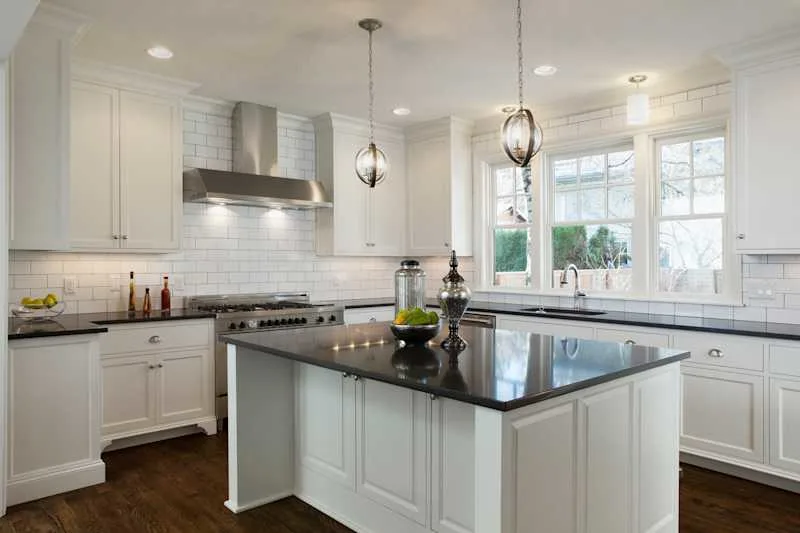
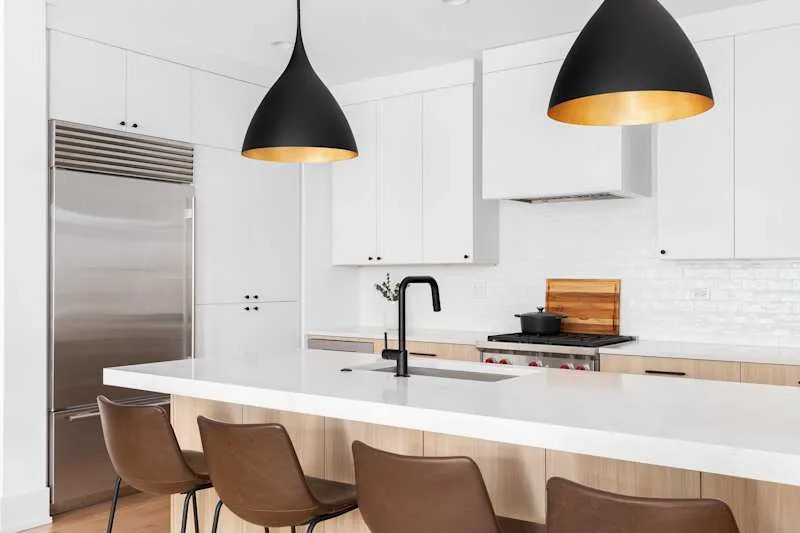
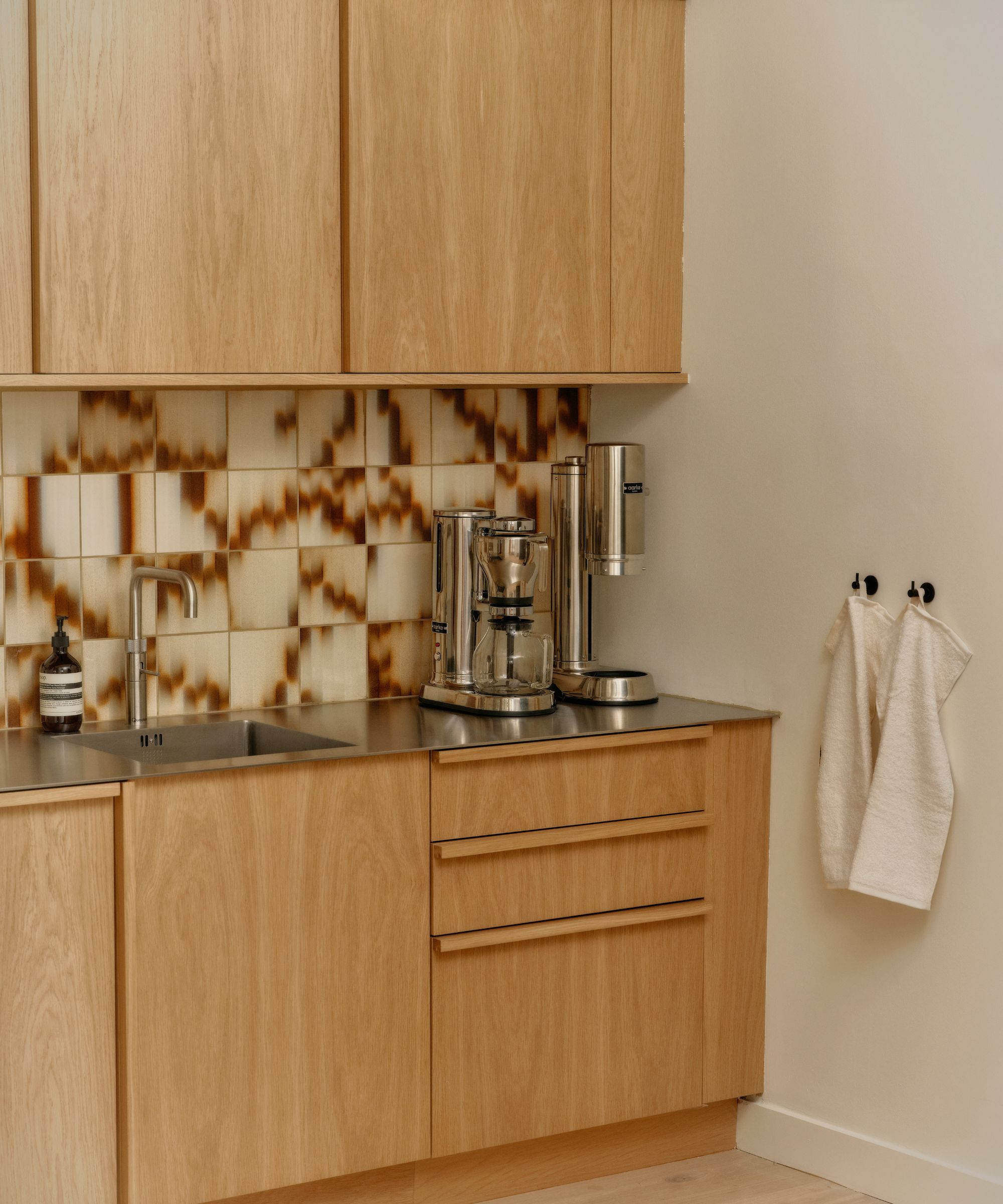
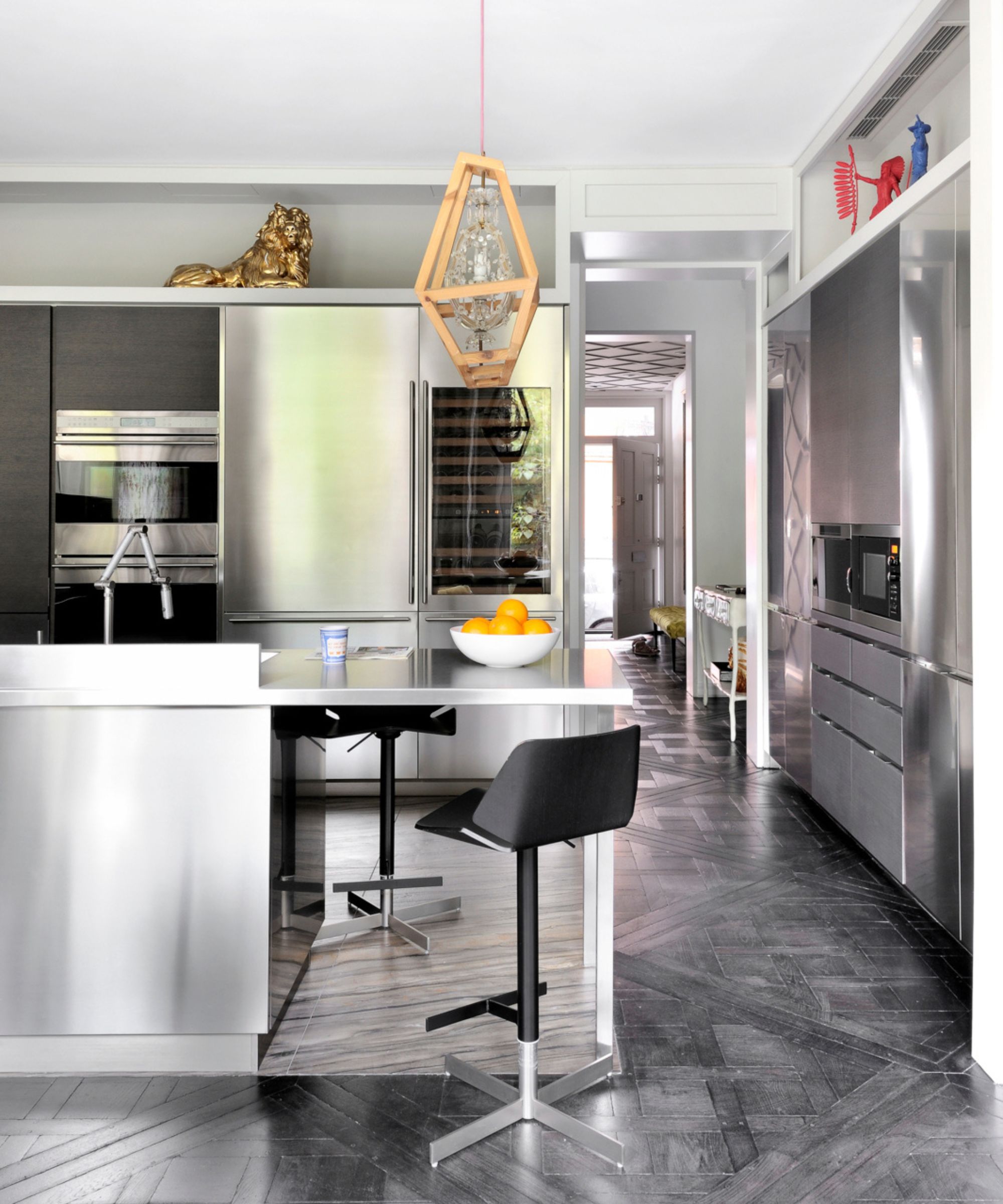
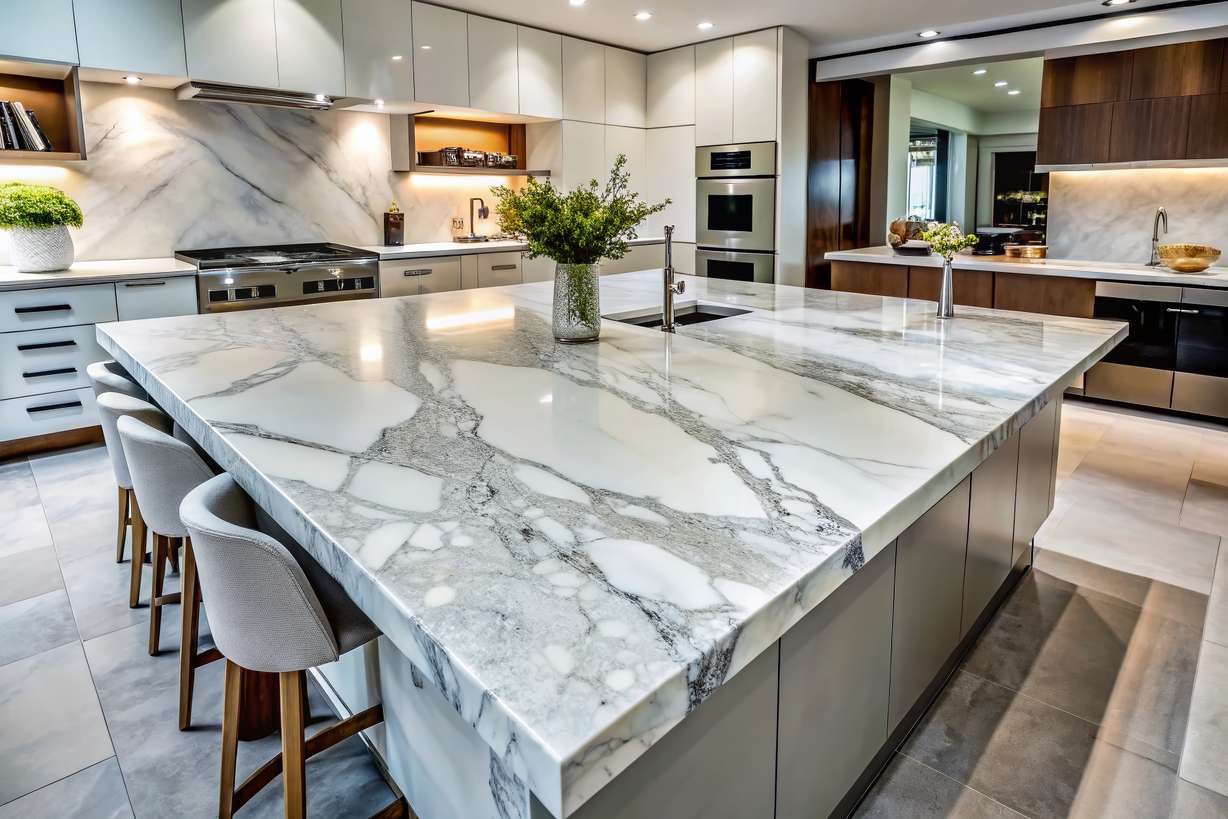
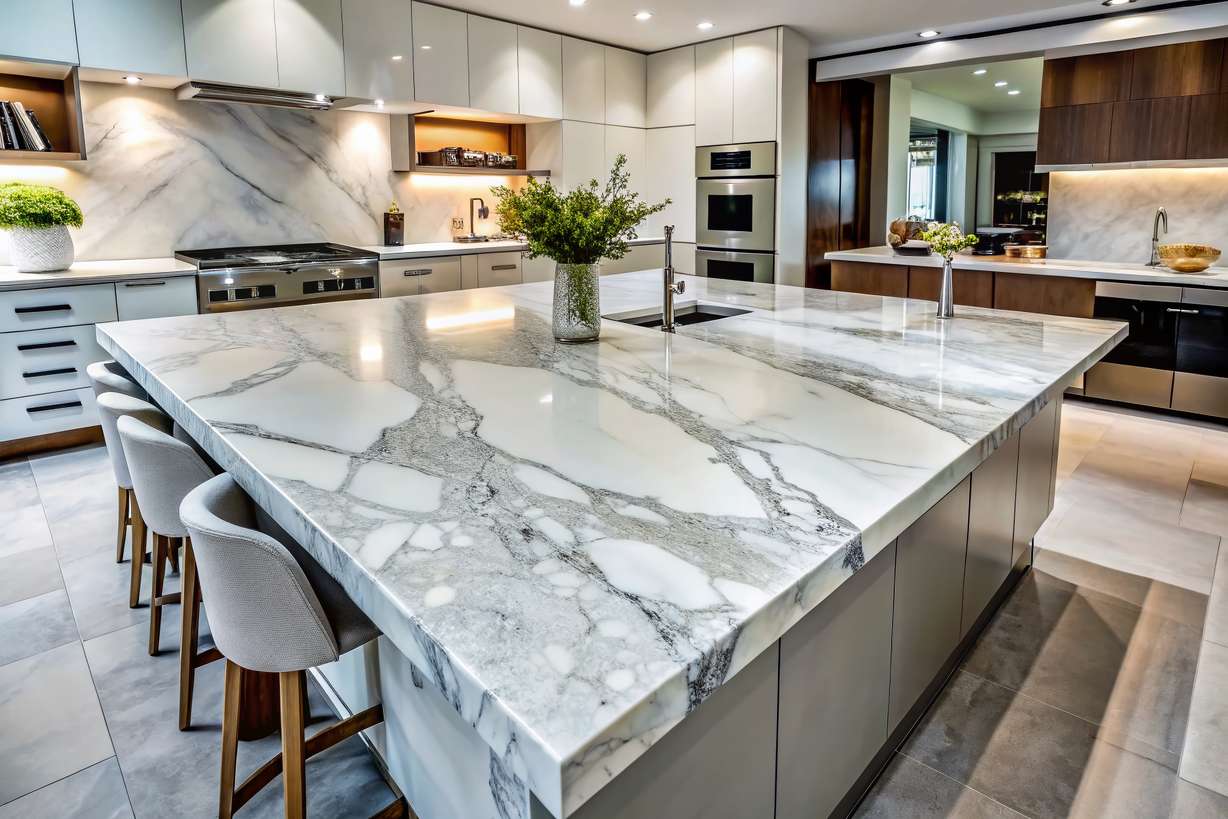
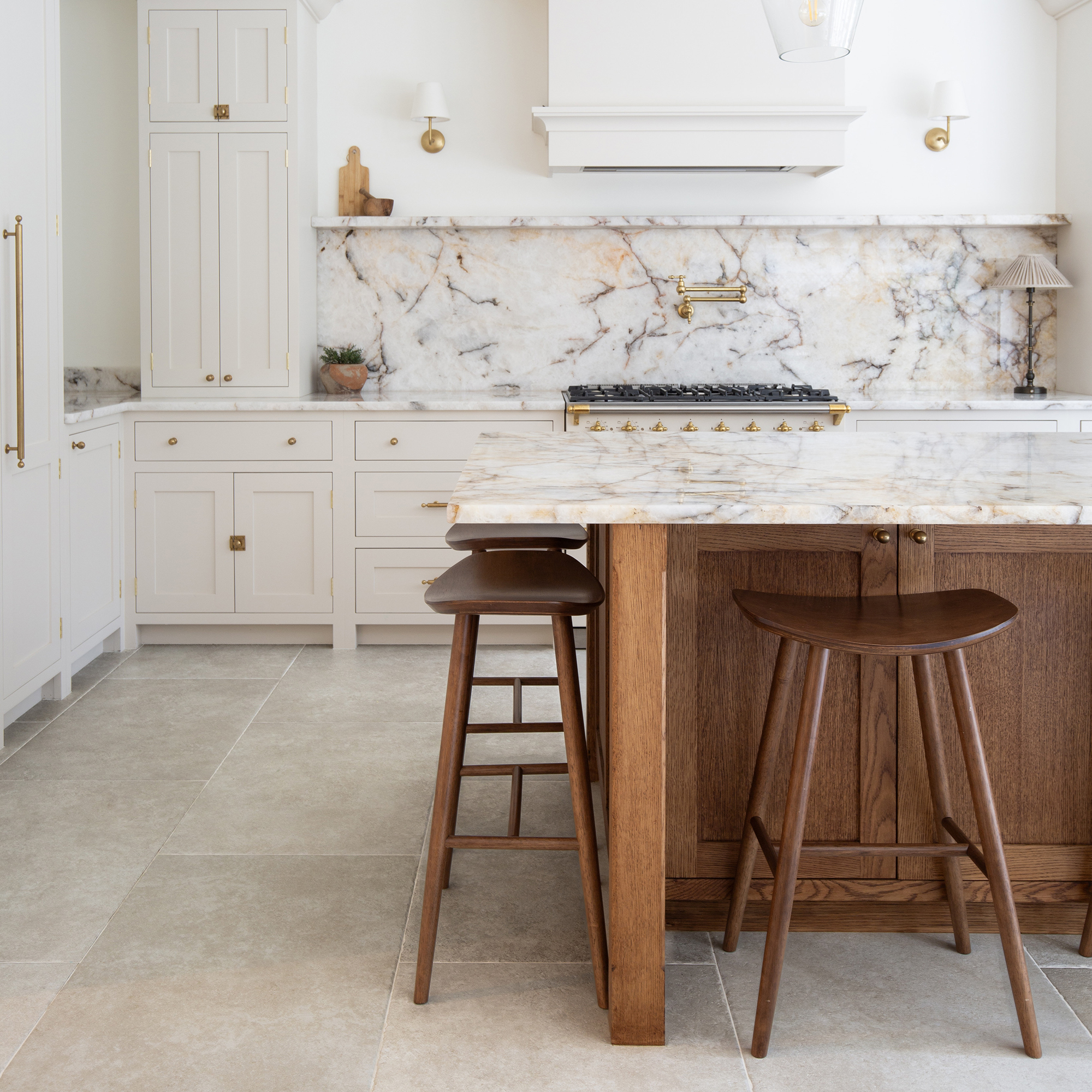
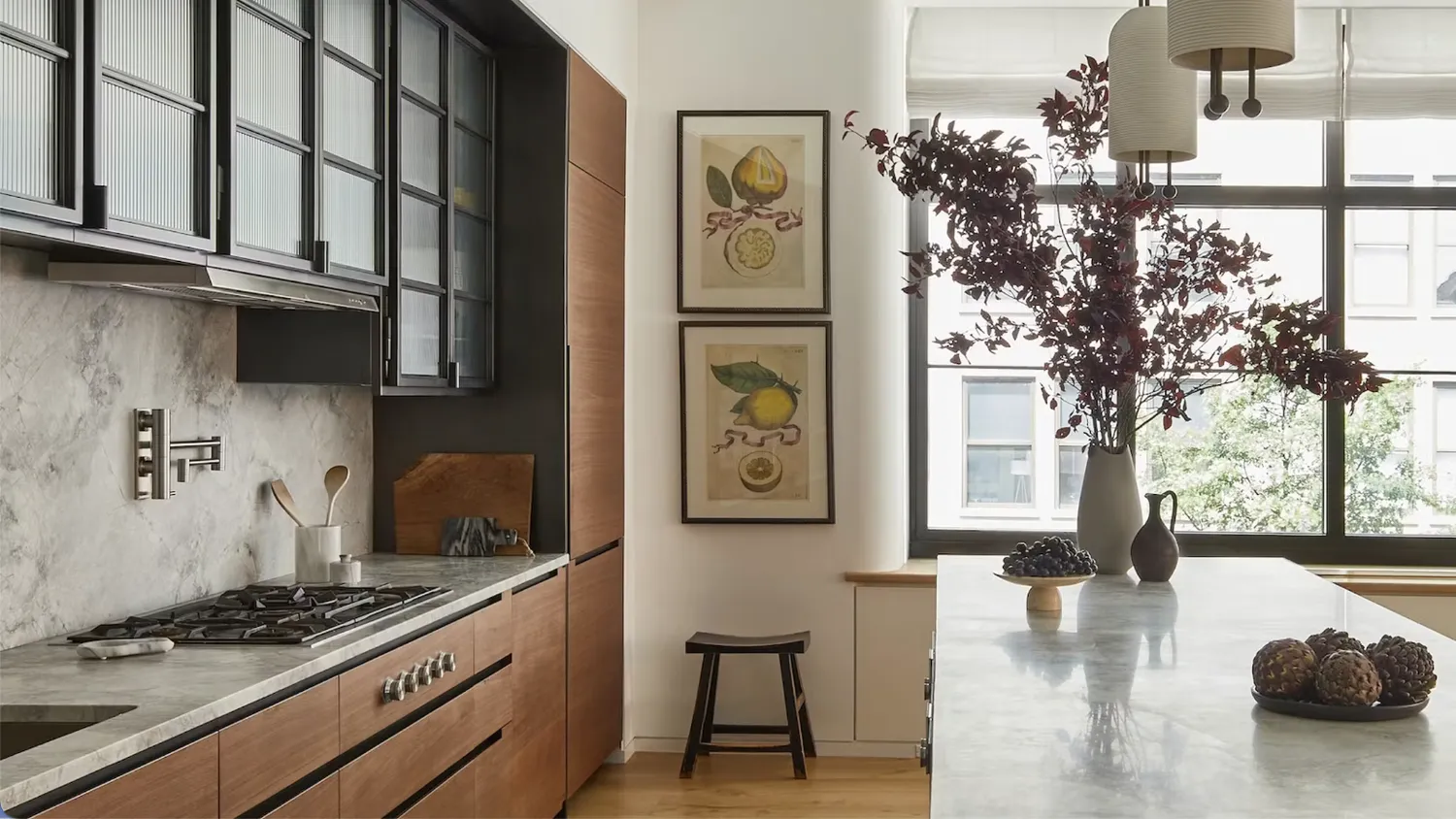
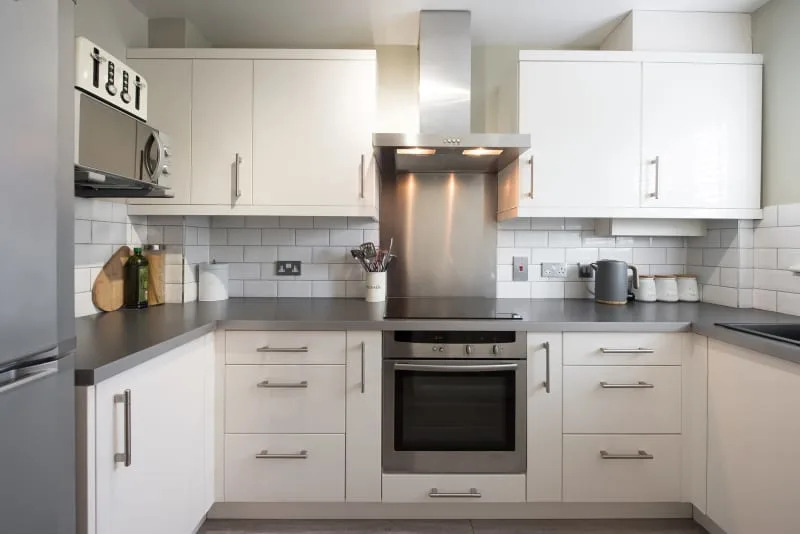
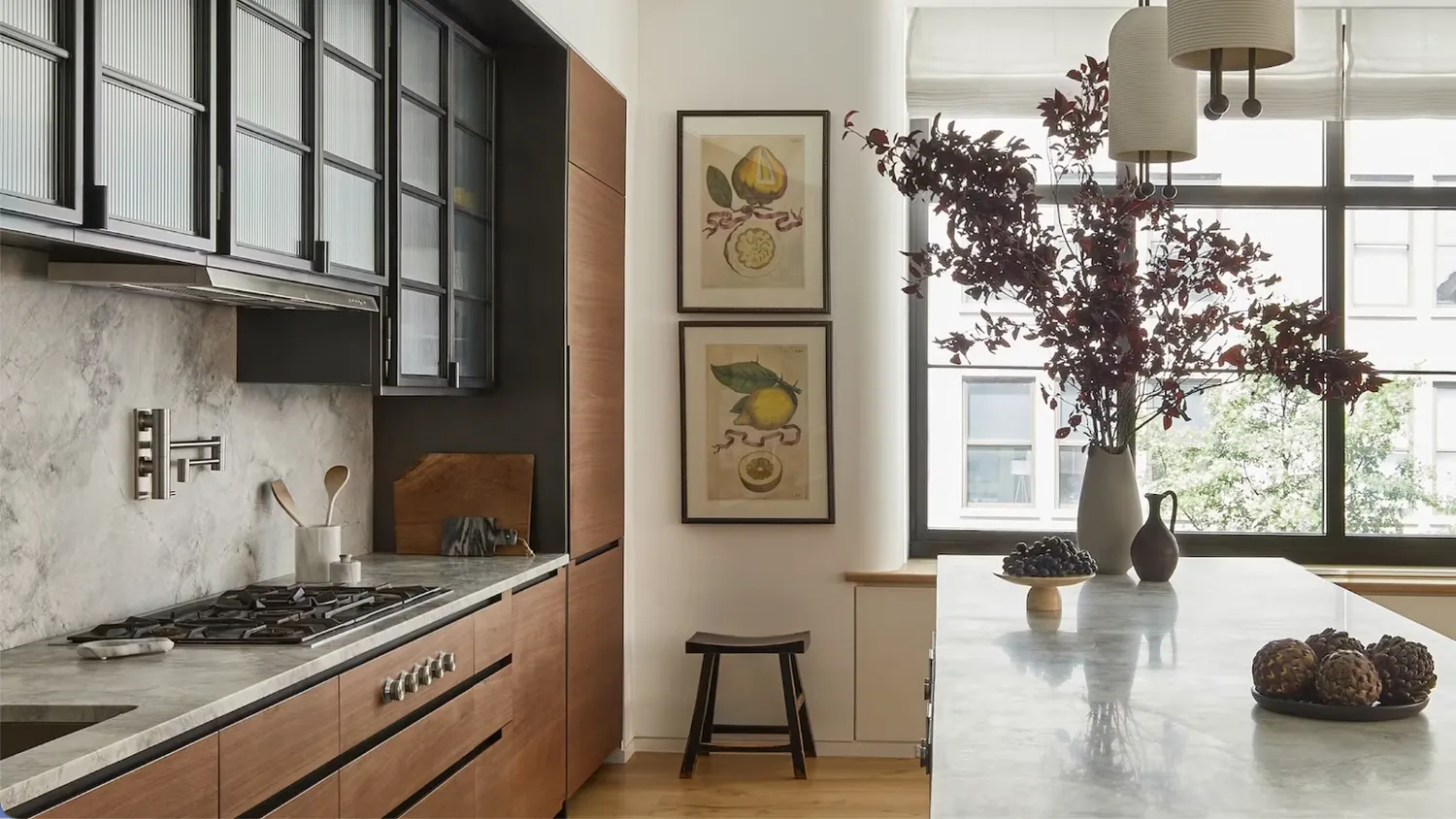
The first notable shift is from ultra-polished surfaces to touchably textured finishes. High-gloss countertops, which tend to show every fingerprint and smudge, are becoming less popular. Instead, designers are increasingly opting for materials with tactile appeal, such as leathered finishes. These textured surfaces, like honed marble, soapstone, and leathered quartzite, offer an earthier and more organic feel. Beyond aesthetics, they are more forgiving in daily use, effectively hiding water spots and smudges, and are praised for aging gracefully, akin to how leather develops character over time. This preference for textured materials introduces a sensory dimension to the kitchen, enhancing the overall experience.
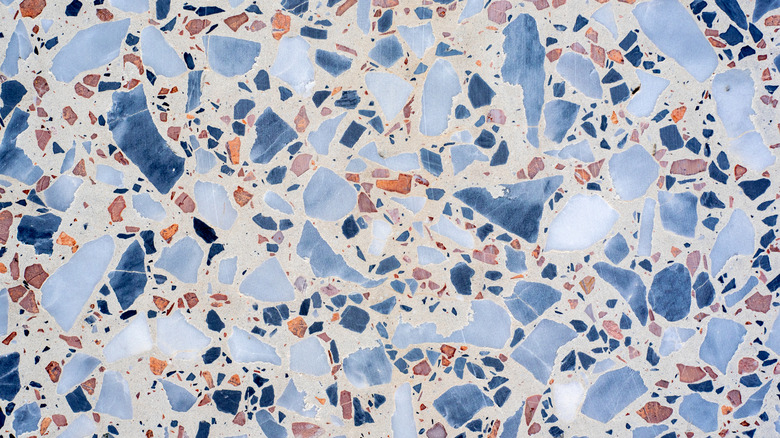
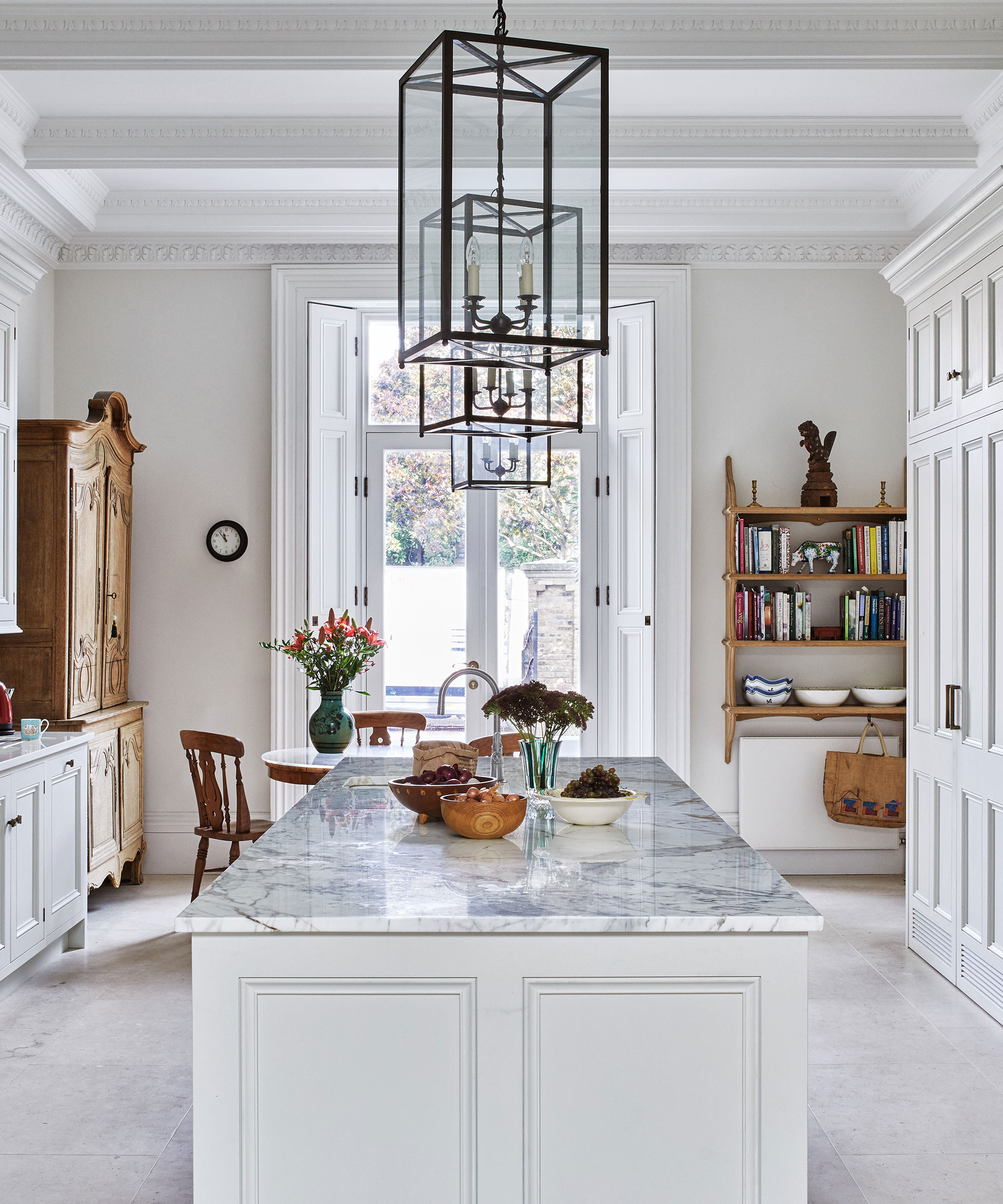
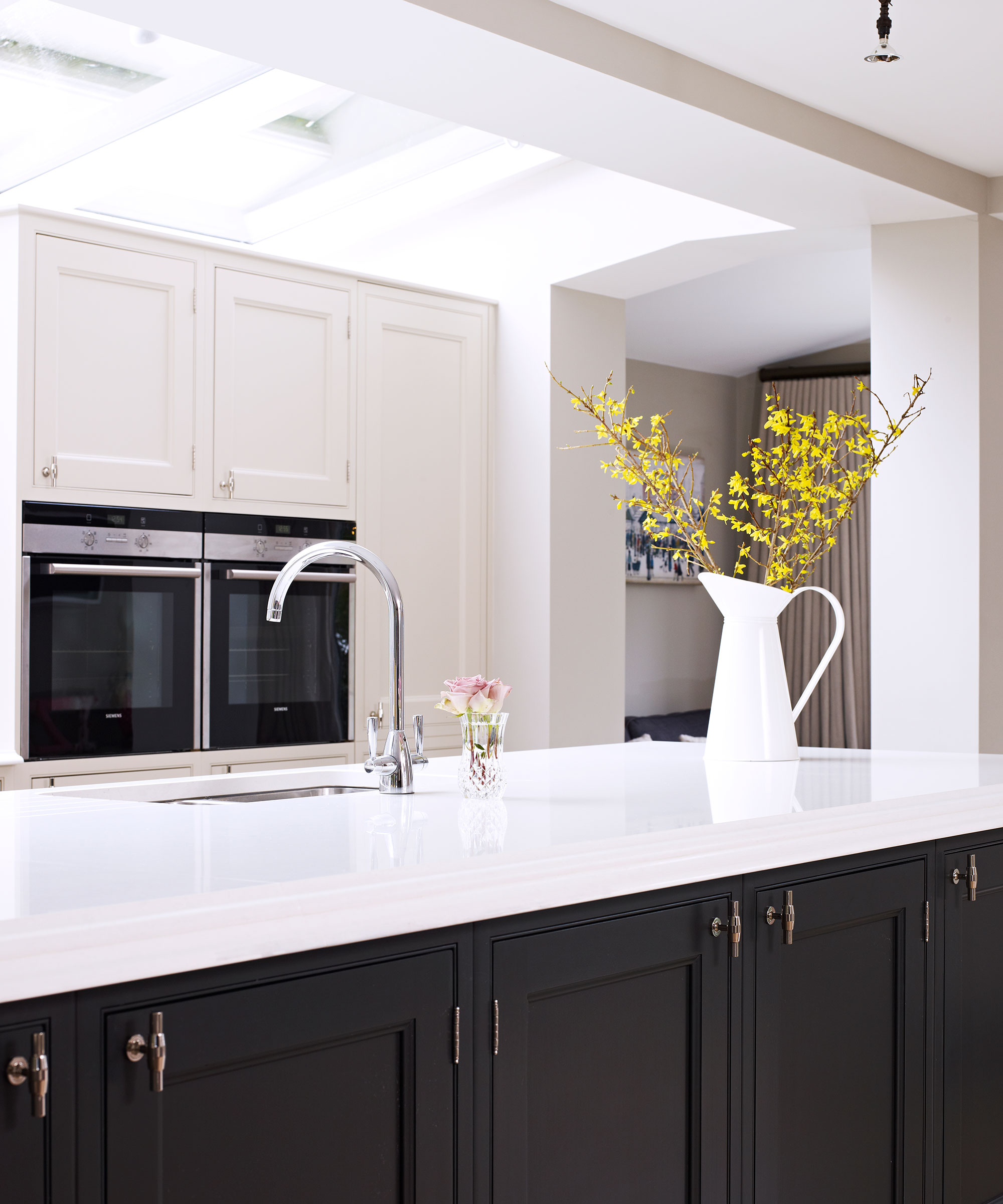
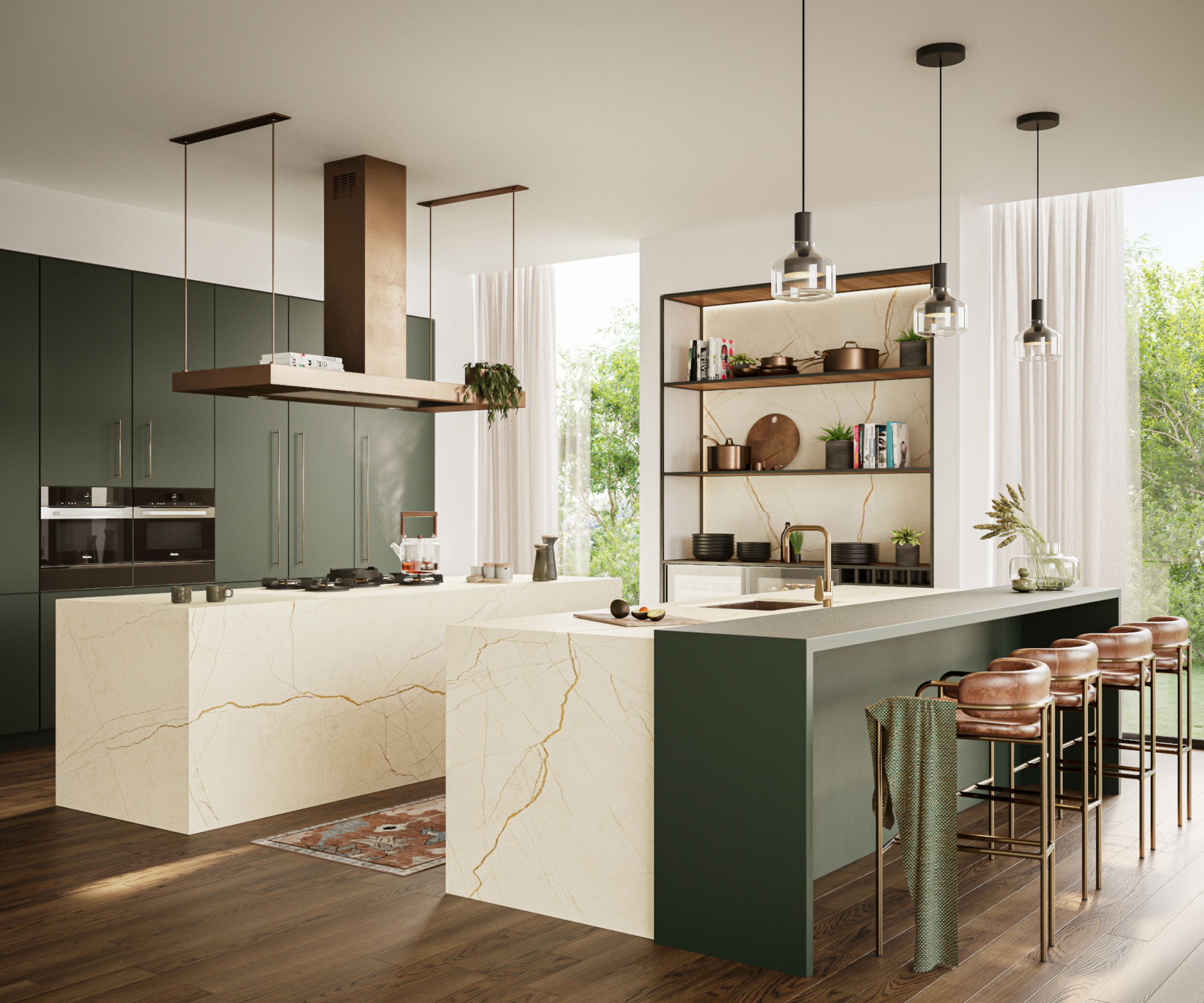
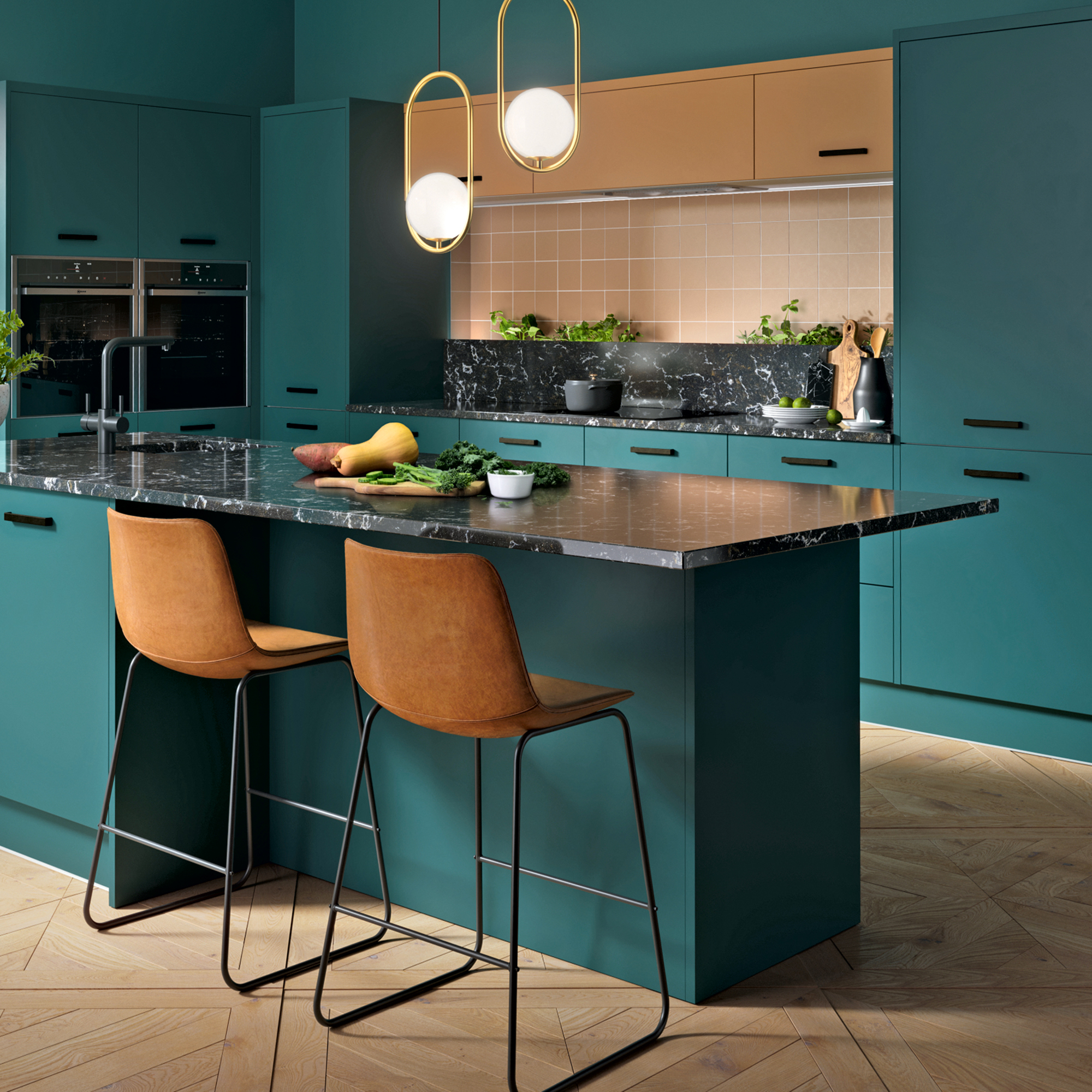
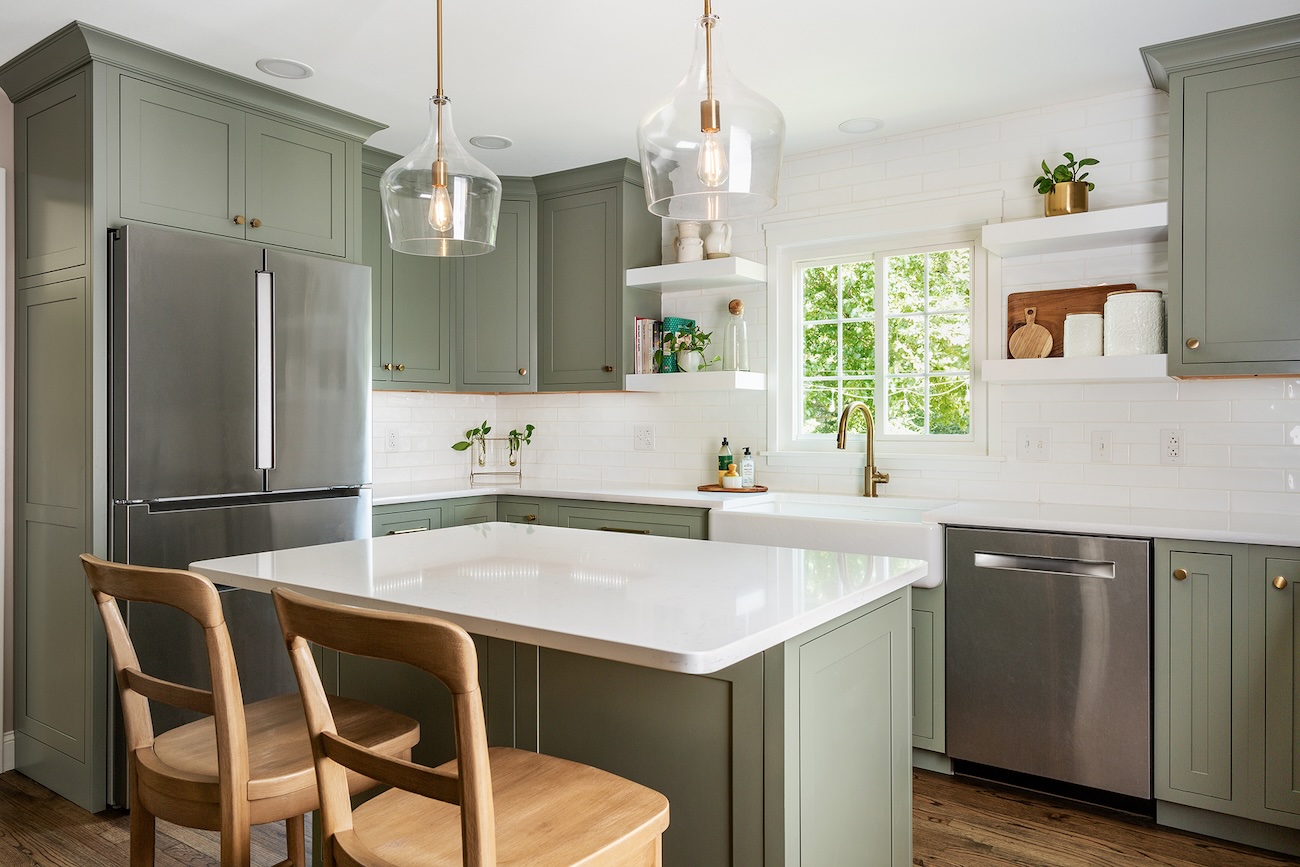
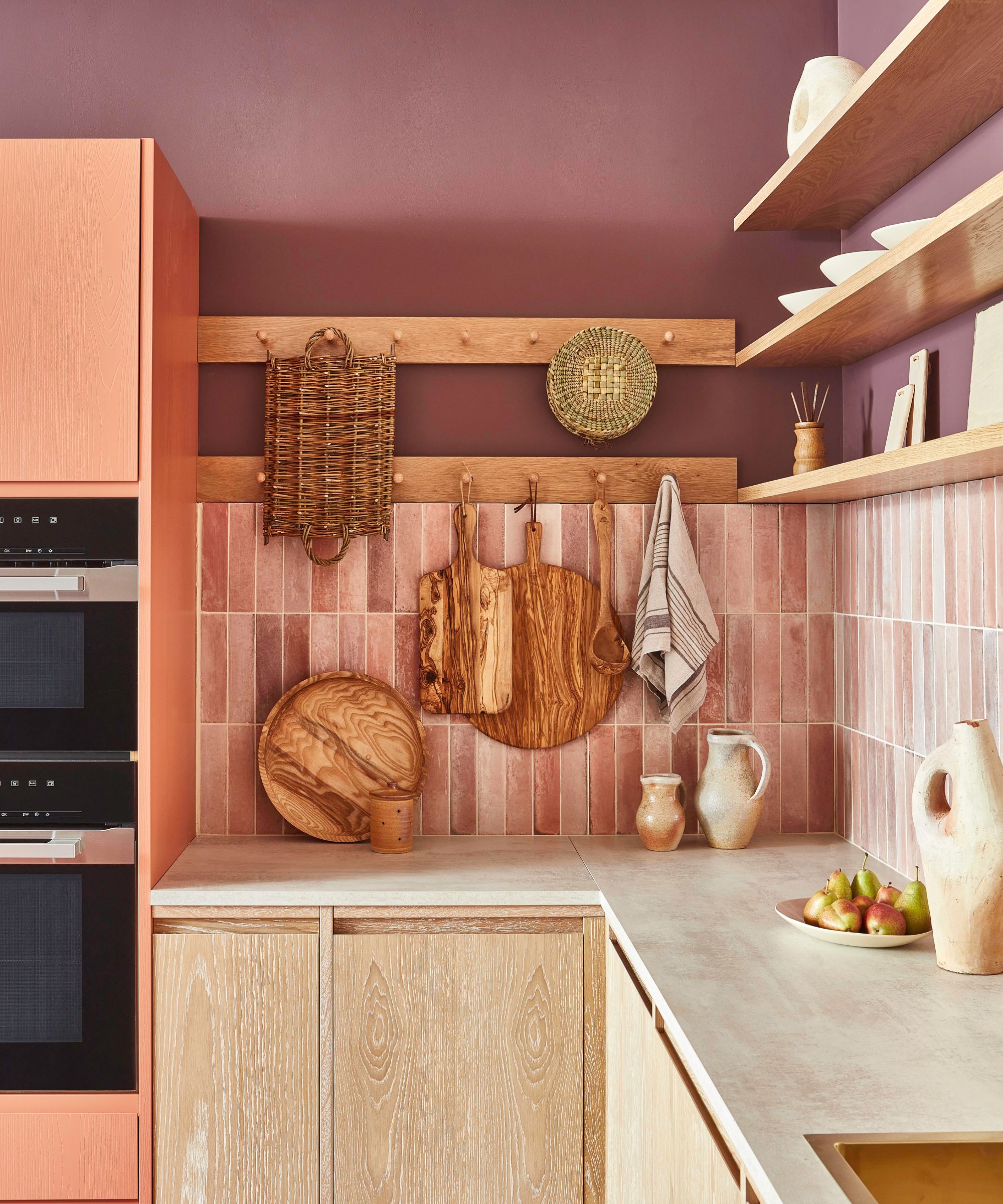
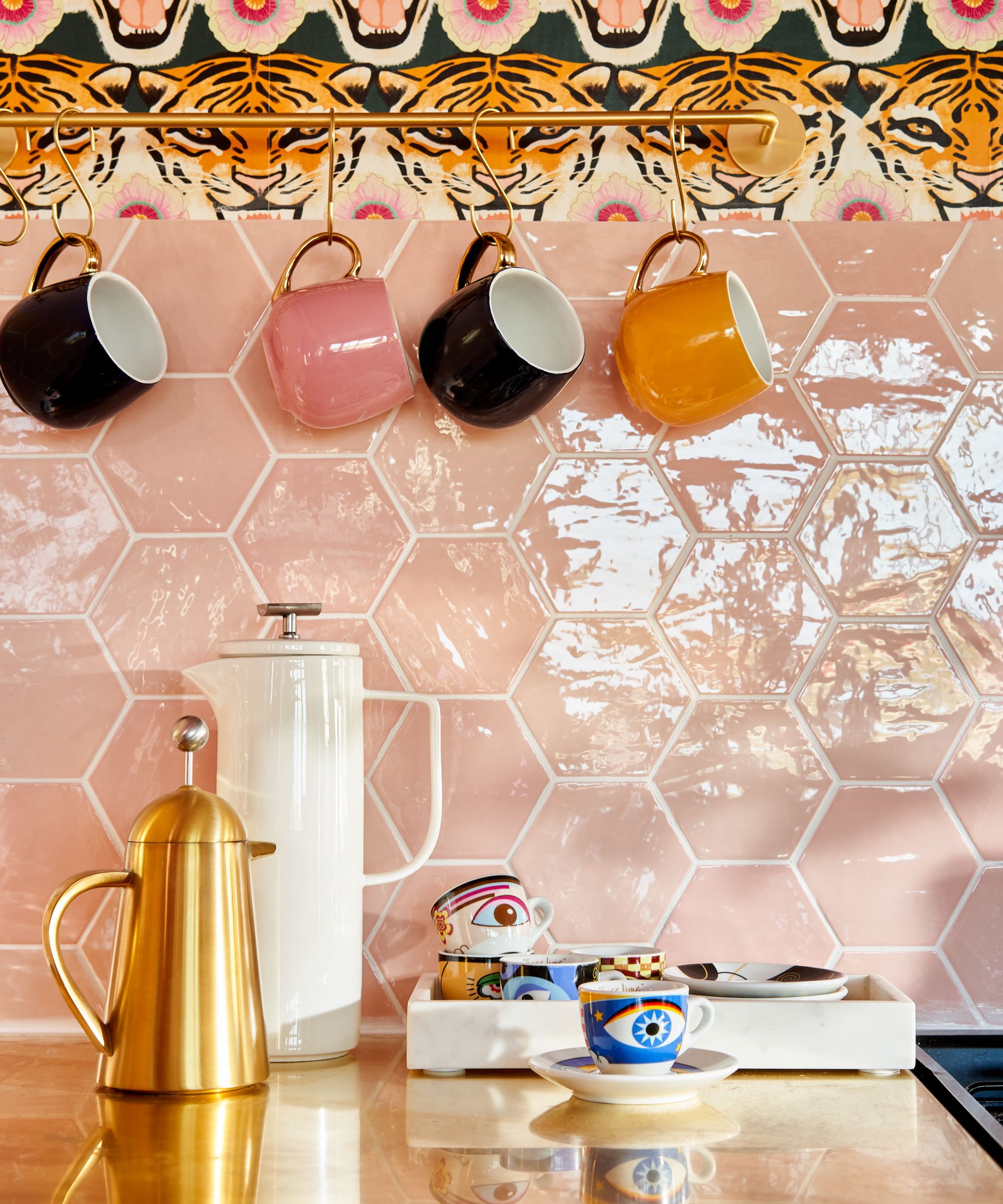
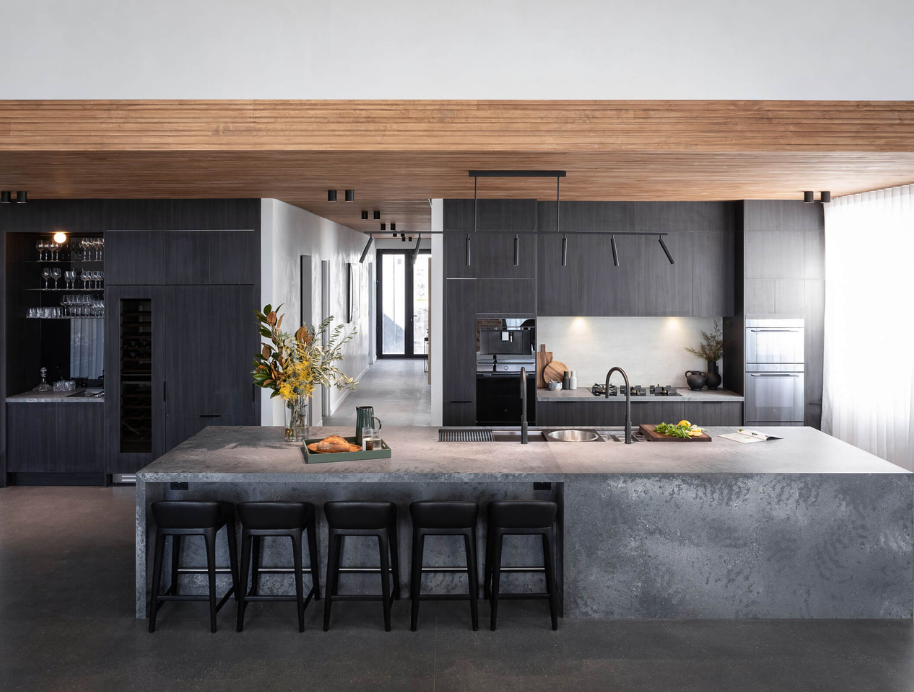
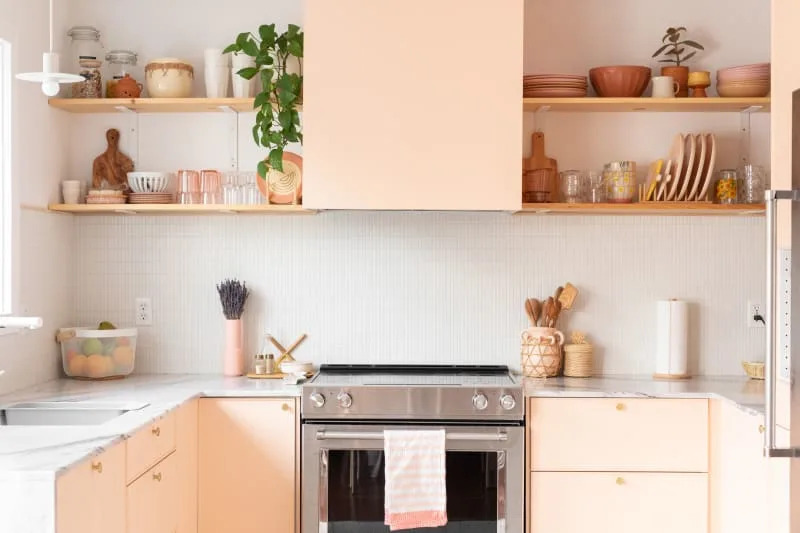
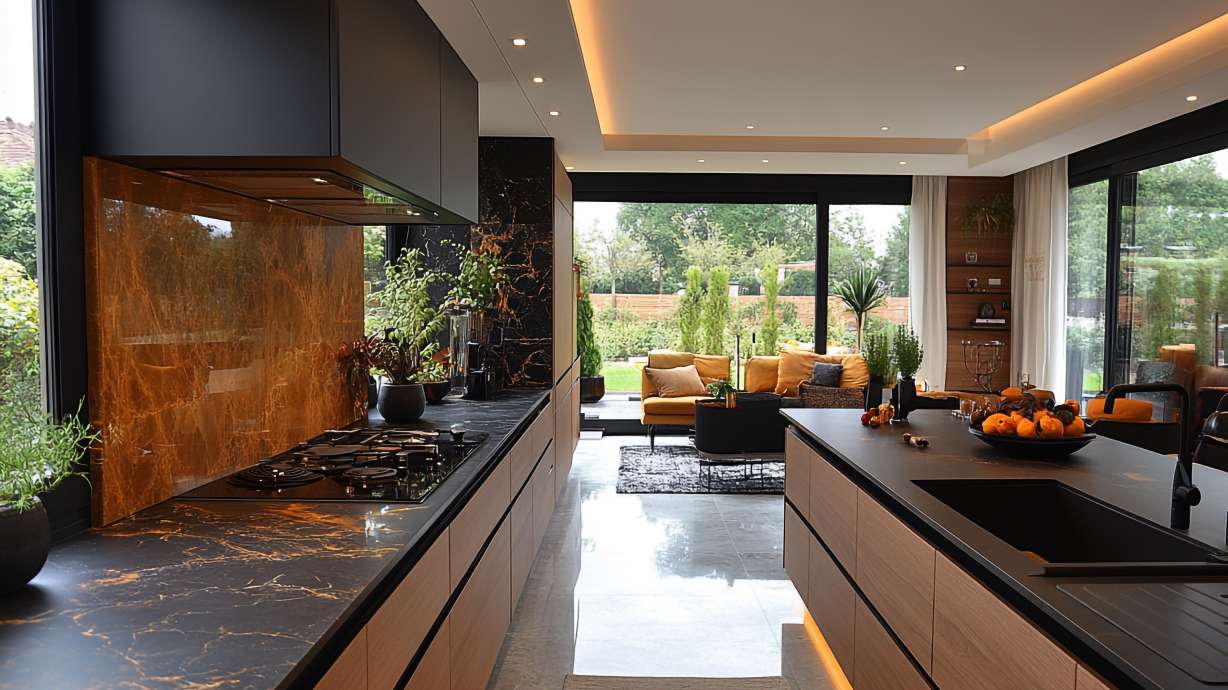
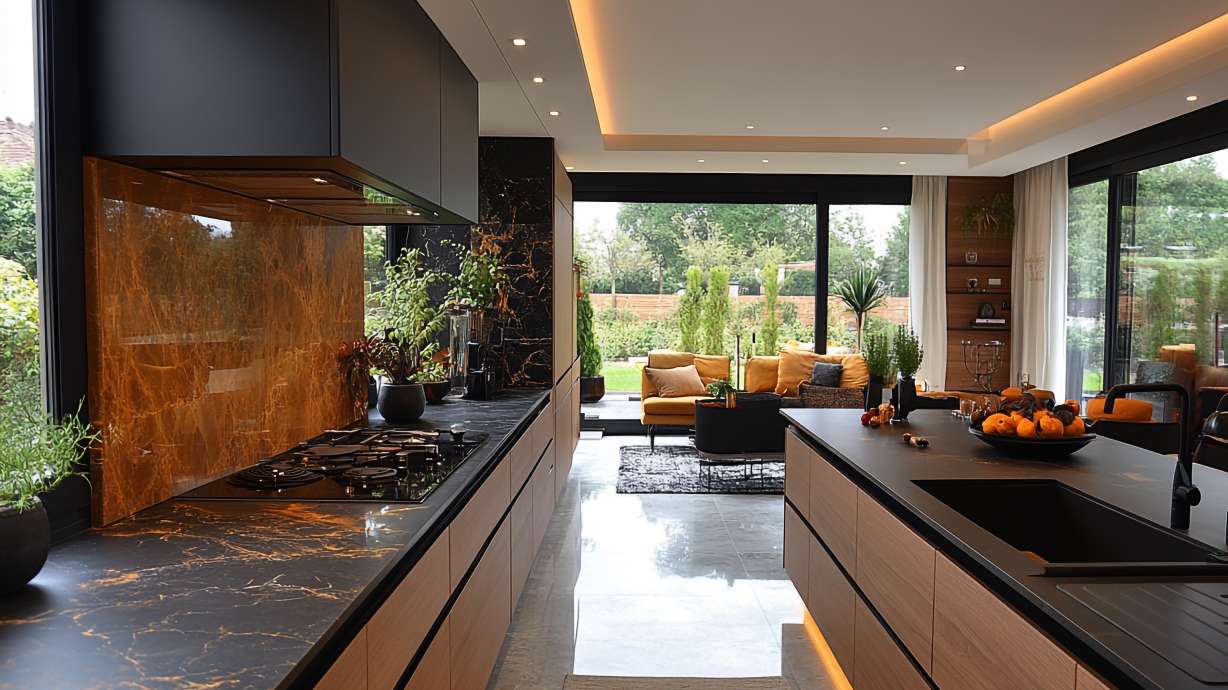
The second trend indicates a move from cold whites to warm naturals, with an emerging interest in inspired colors. While white remains a popular choice for countertops, especially for upgrades, there is a growing inclination towards warmer, more inviting tones. Creamy neutrals, sandy beiges, and hints of terracotta are gaining favor, signaling a departure from the stark, all-white kitchen aesthetic that was prevalent in the previous decade. Interestingly, black countertops are also becoming more popular than gray or beige, suggesting that when homeowners do venture beyond white, they are often choosing bold alternatives. Designers are also drawing color inspiration directly from natural stones, utilizing subtle green or blue veins in materials to inform cabinet paint colors, thereby creating a cohesive and natural color palette.
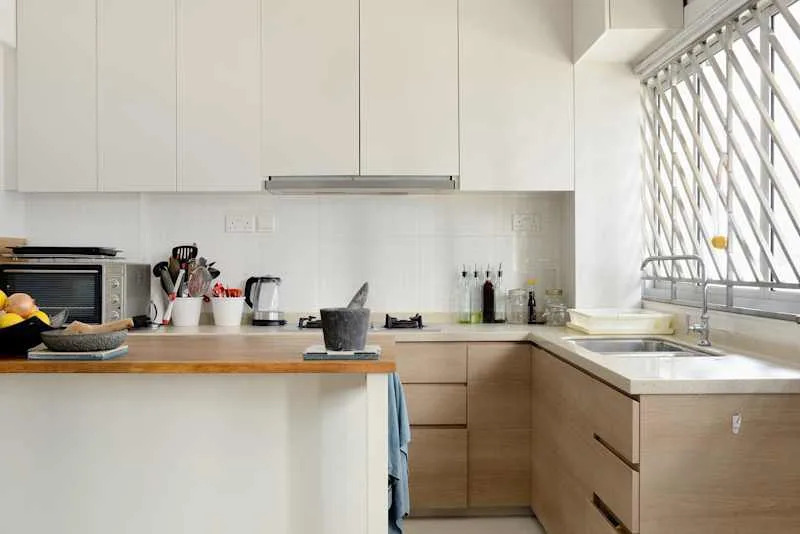
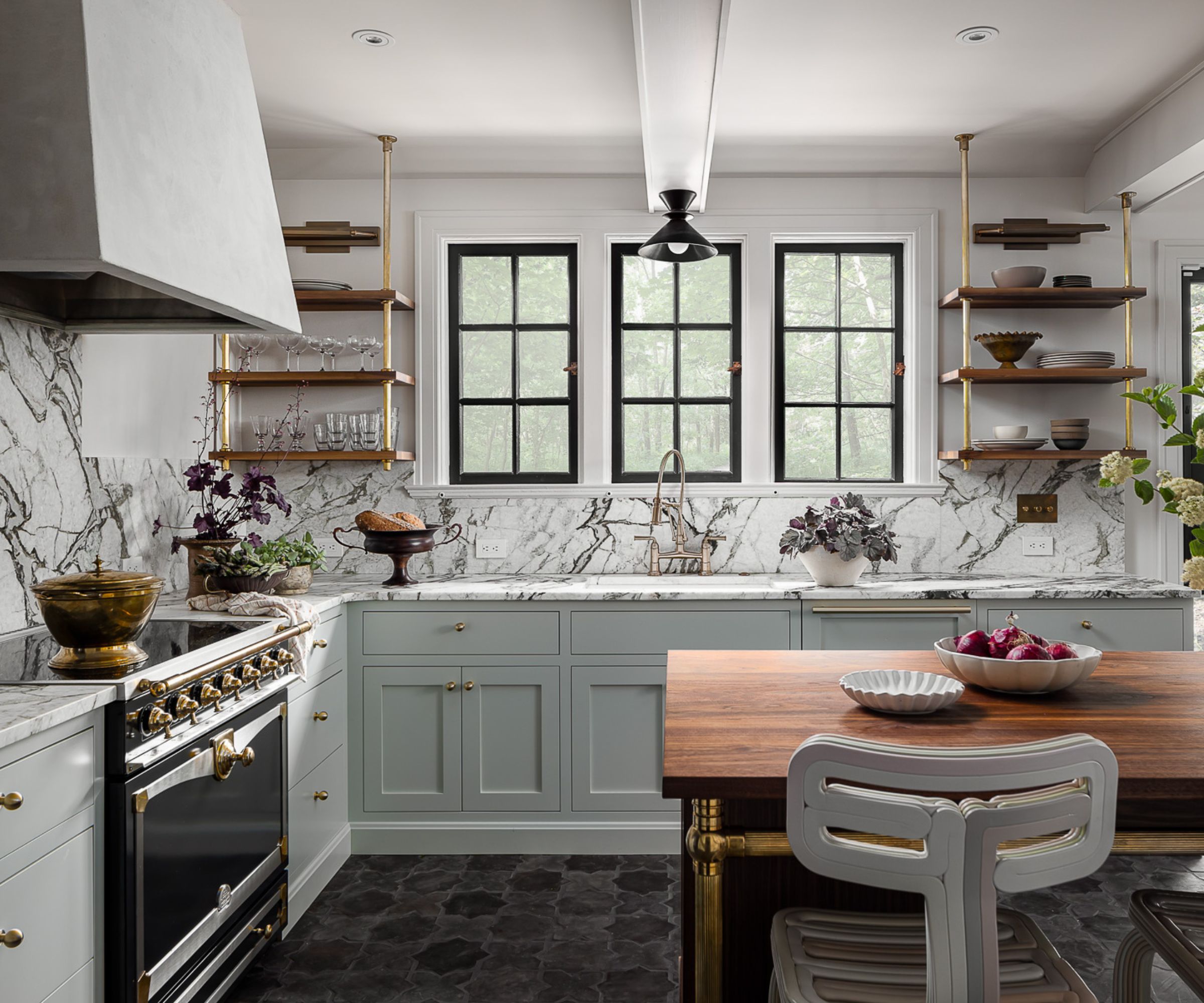
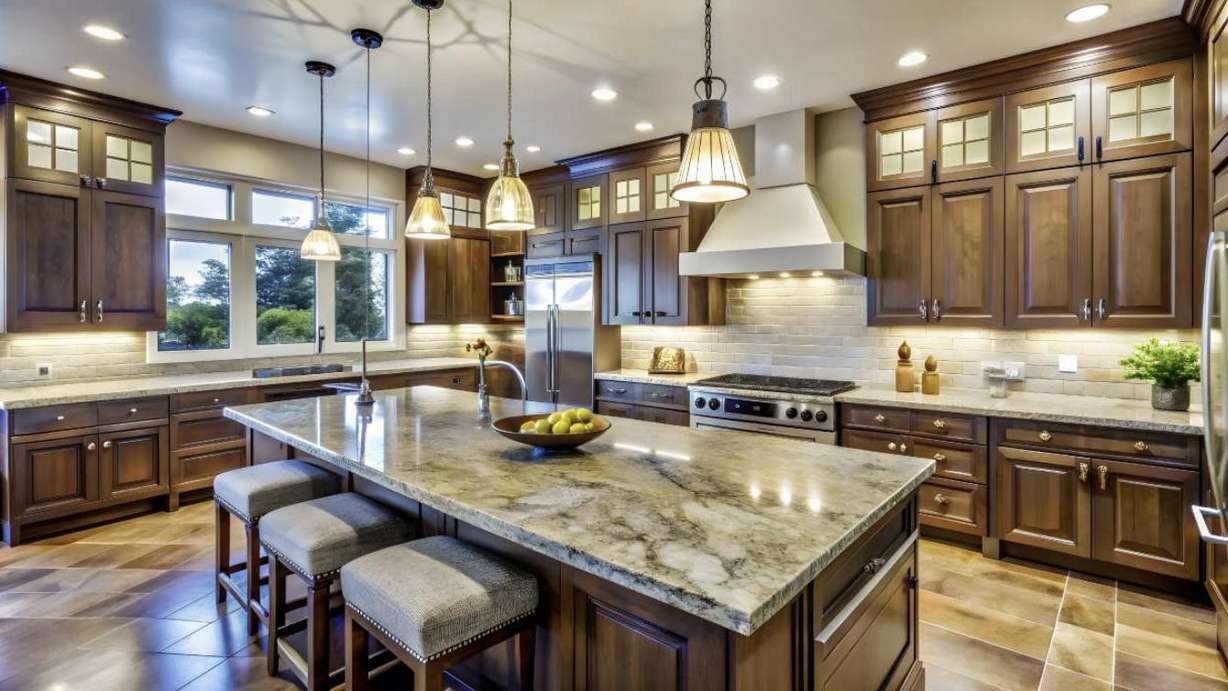
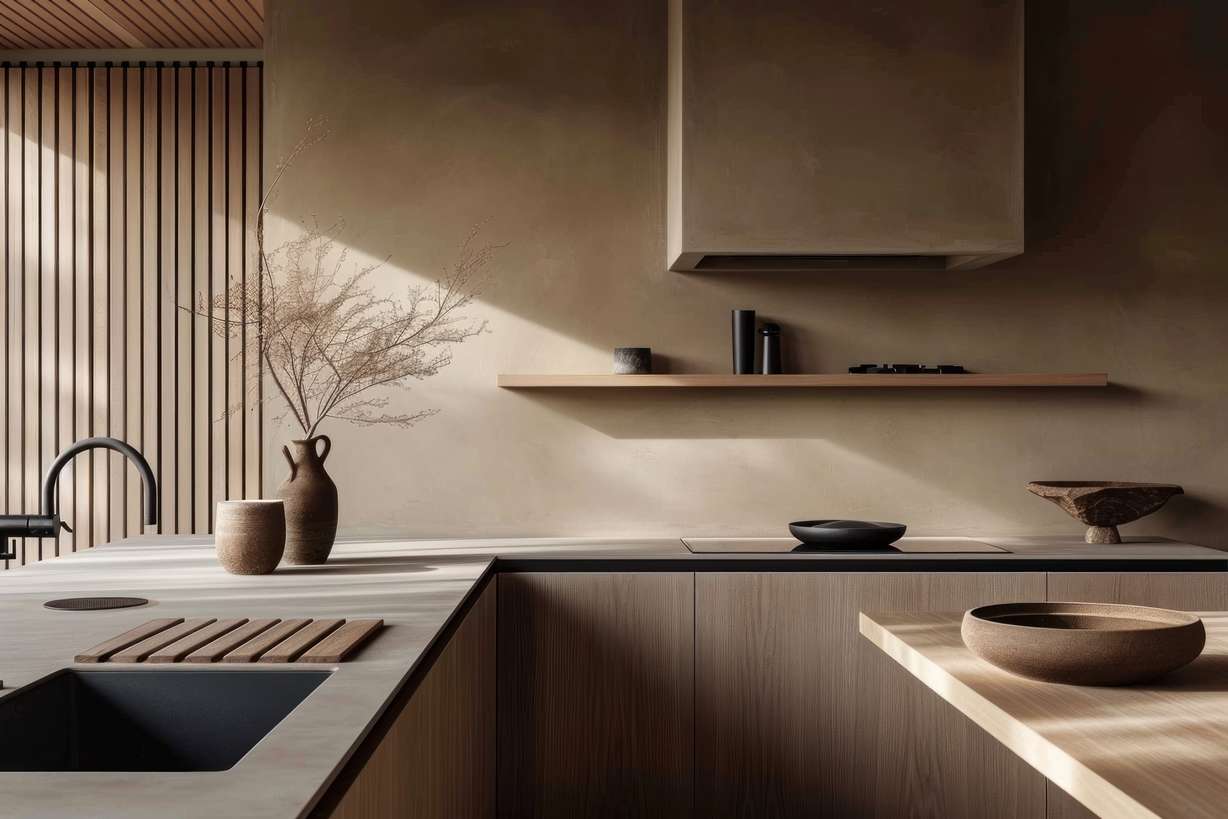
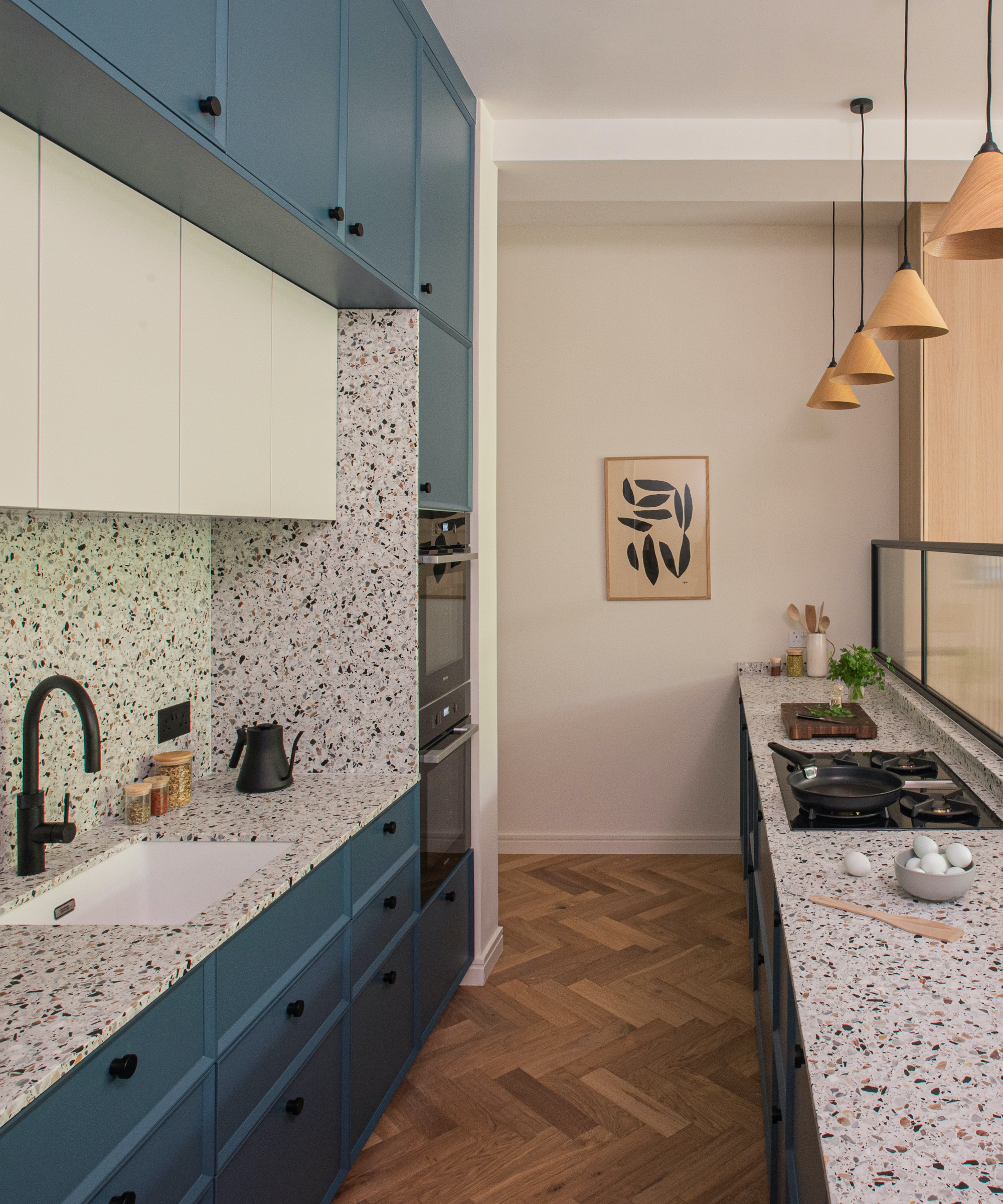
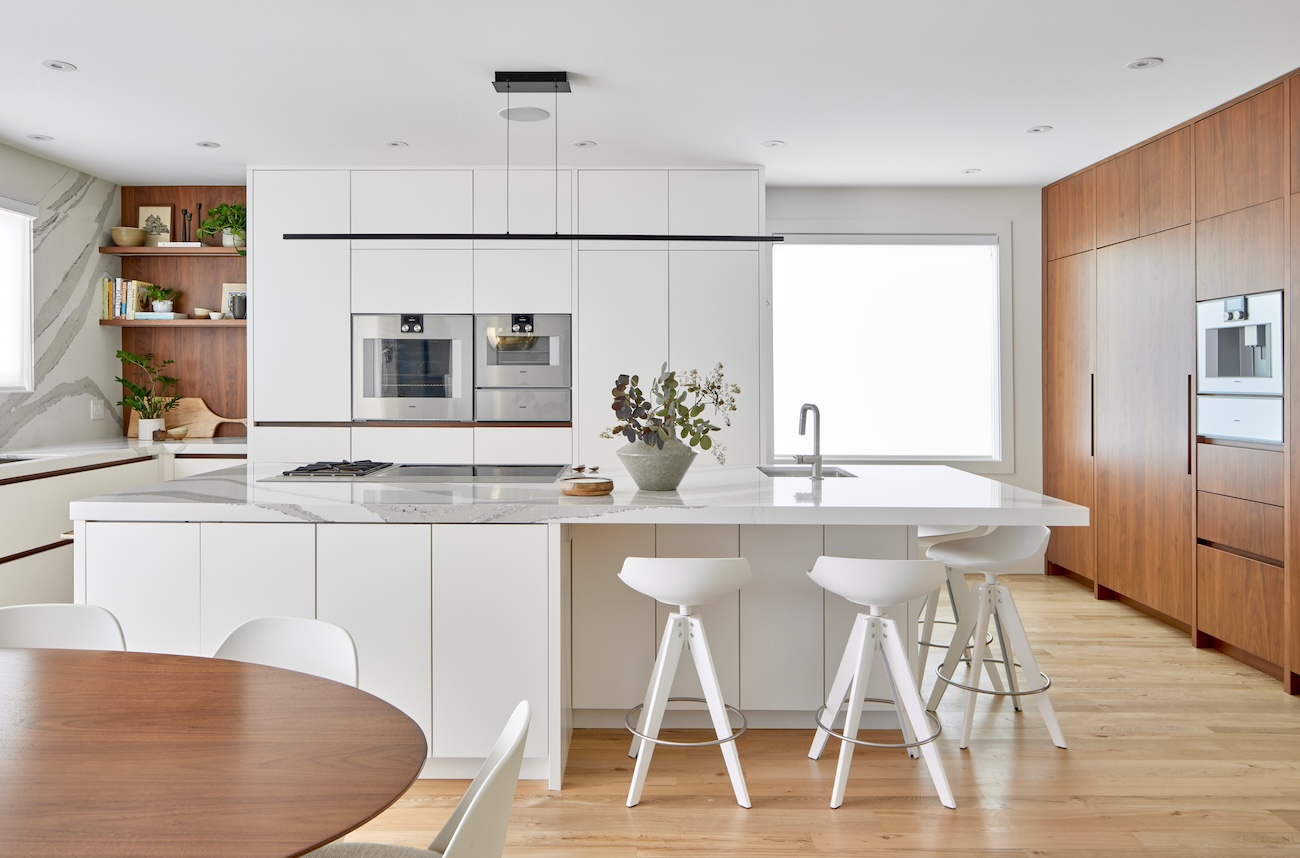
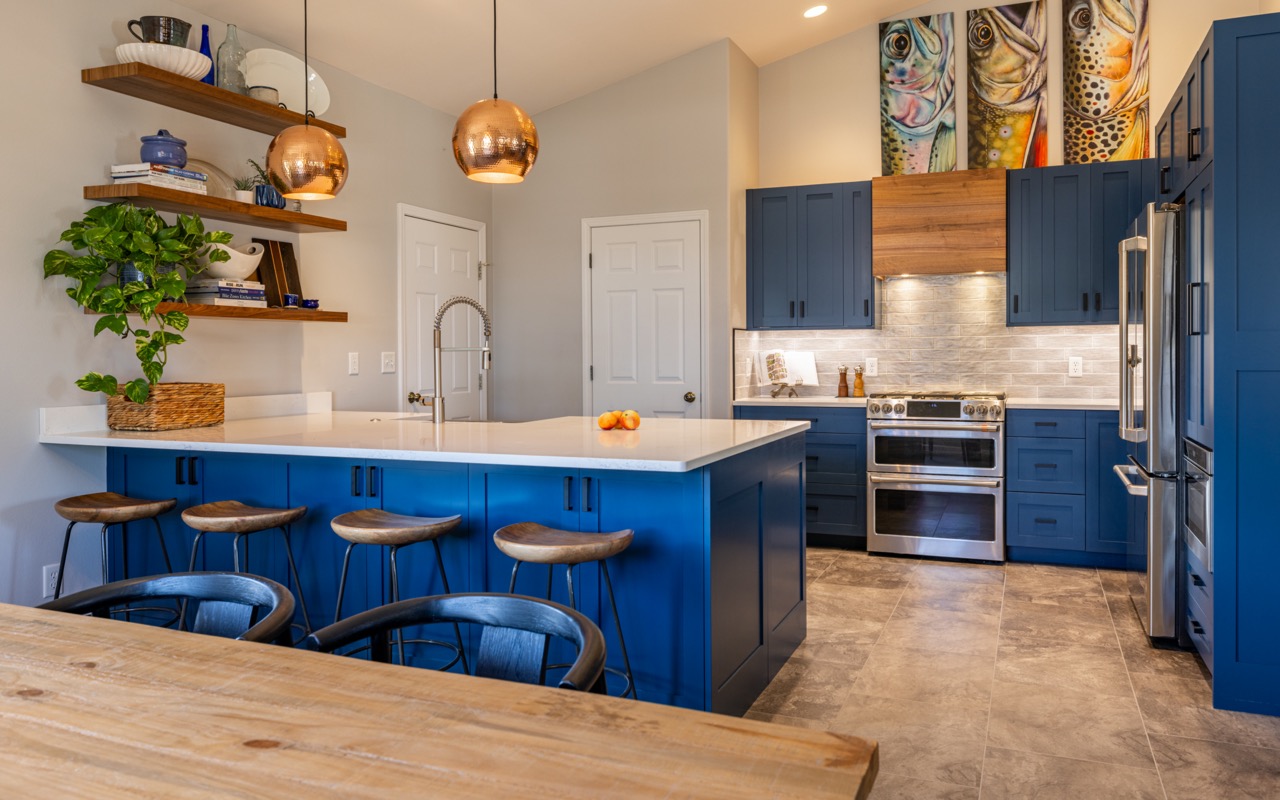
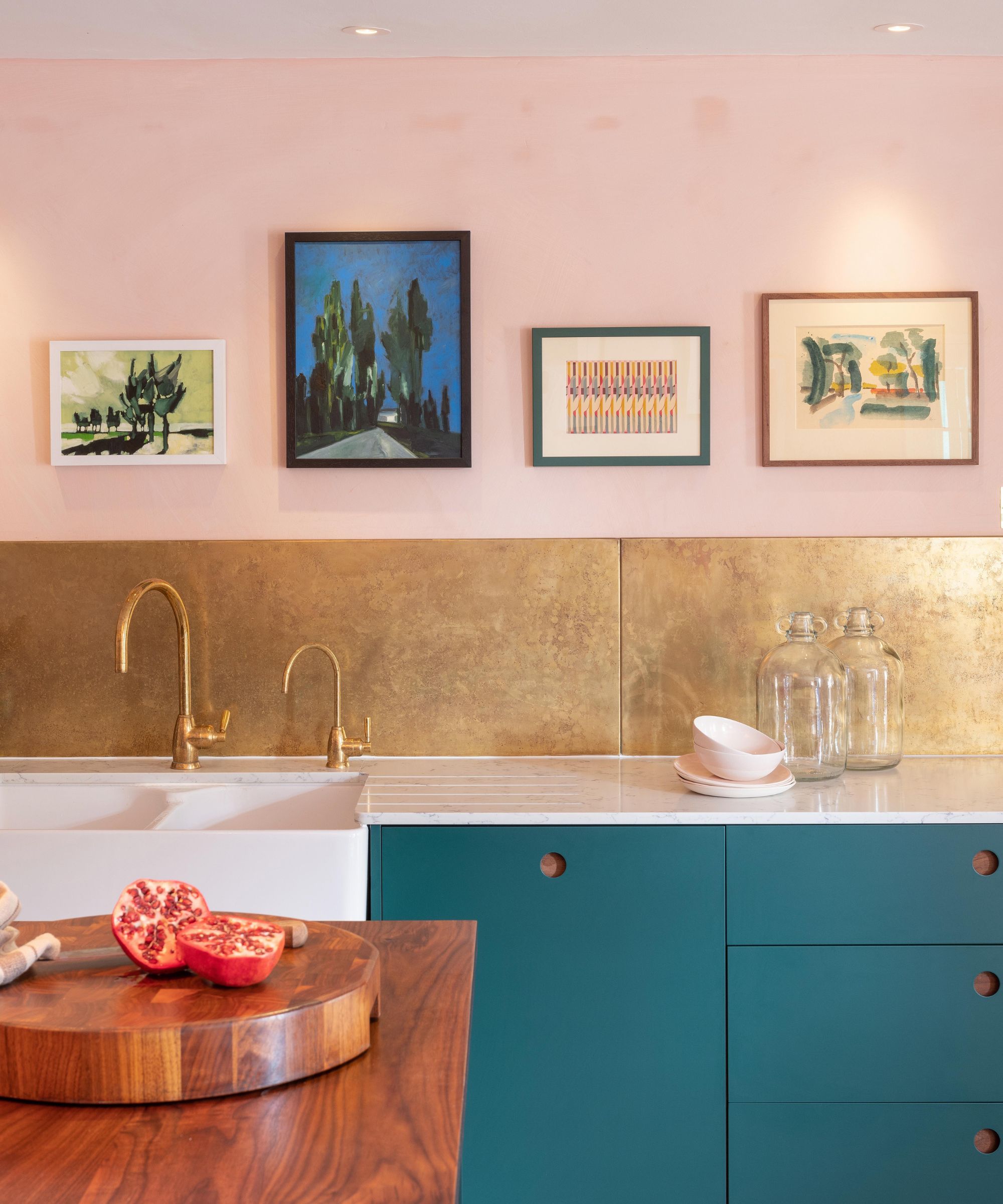
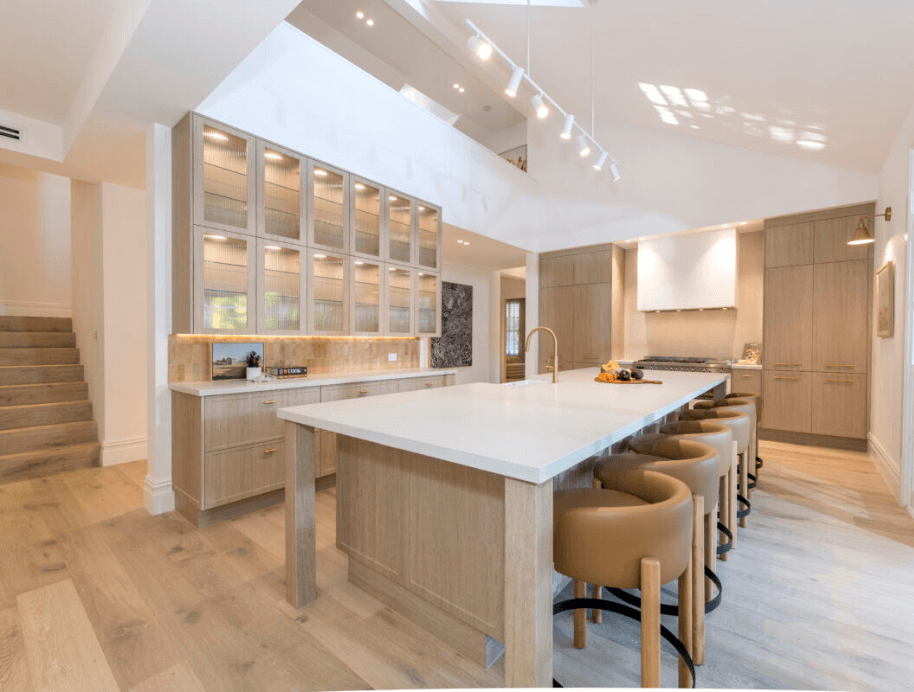
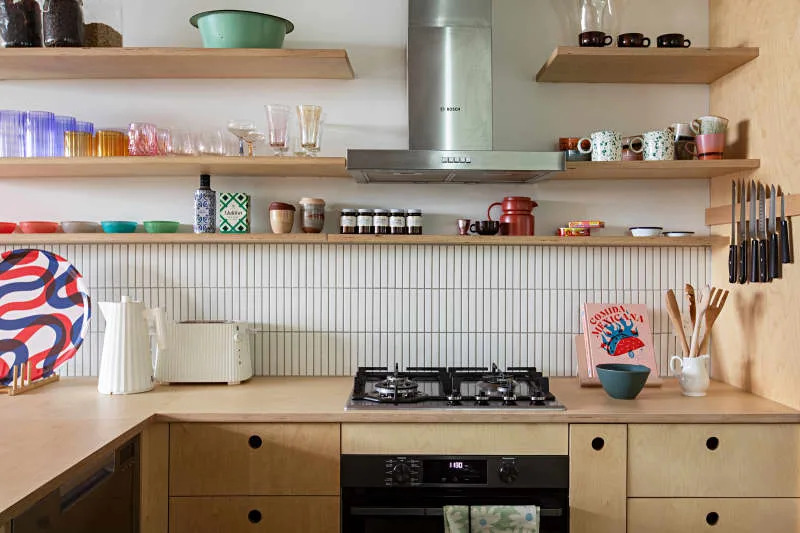
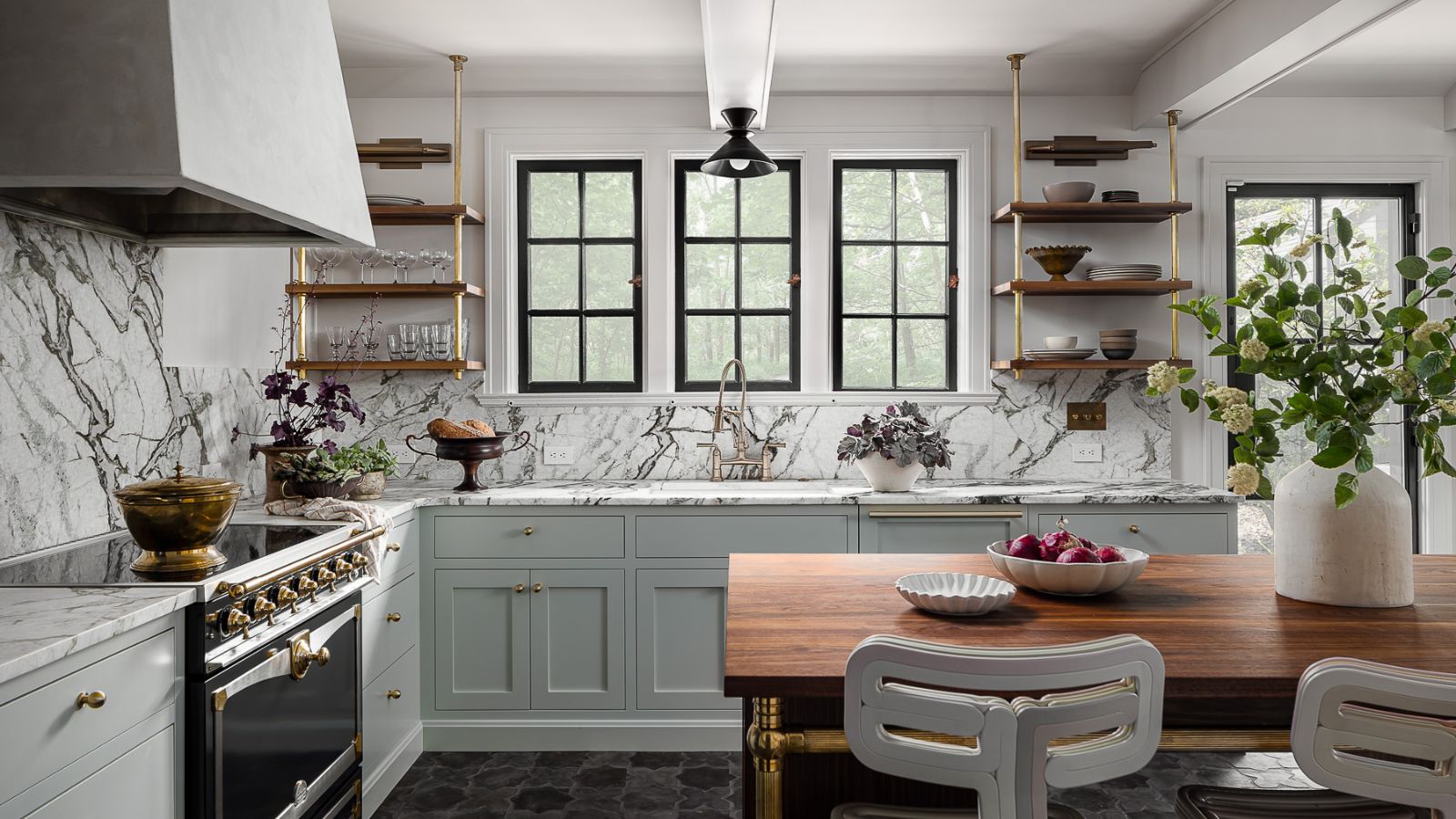
Thirdly, the design philosophy is moving away from uniform materials towards mixed materials. The era of perfectly matching all kitchen elements is giving way to a desire for more personalized, collected-over-time looks. This involves combining different countertop materials within the same kitchen. For instance, while engineered quartz may still be used for main countertops, homeowners are increasingly selecting different materials, such as butcher block or wood slab, for their kitchen islands. This mixed-material approach is not merely aesthetic; it is also functional, allowing different zones of the kitchen to be outfitted with materials best suited for their specific purposes, thus enhancing both beauty and utility.
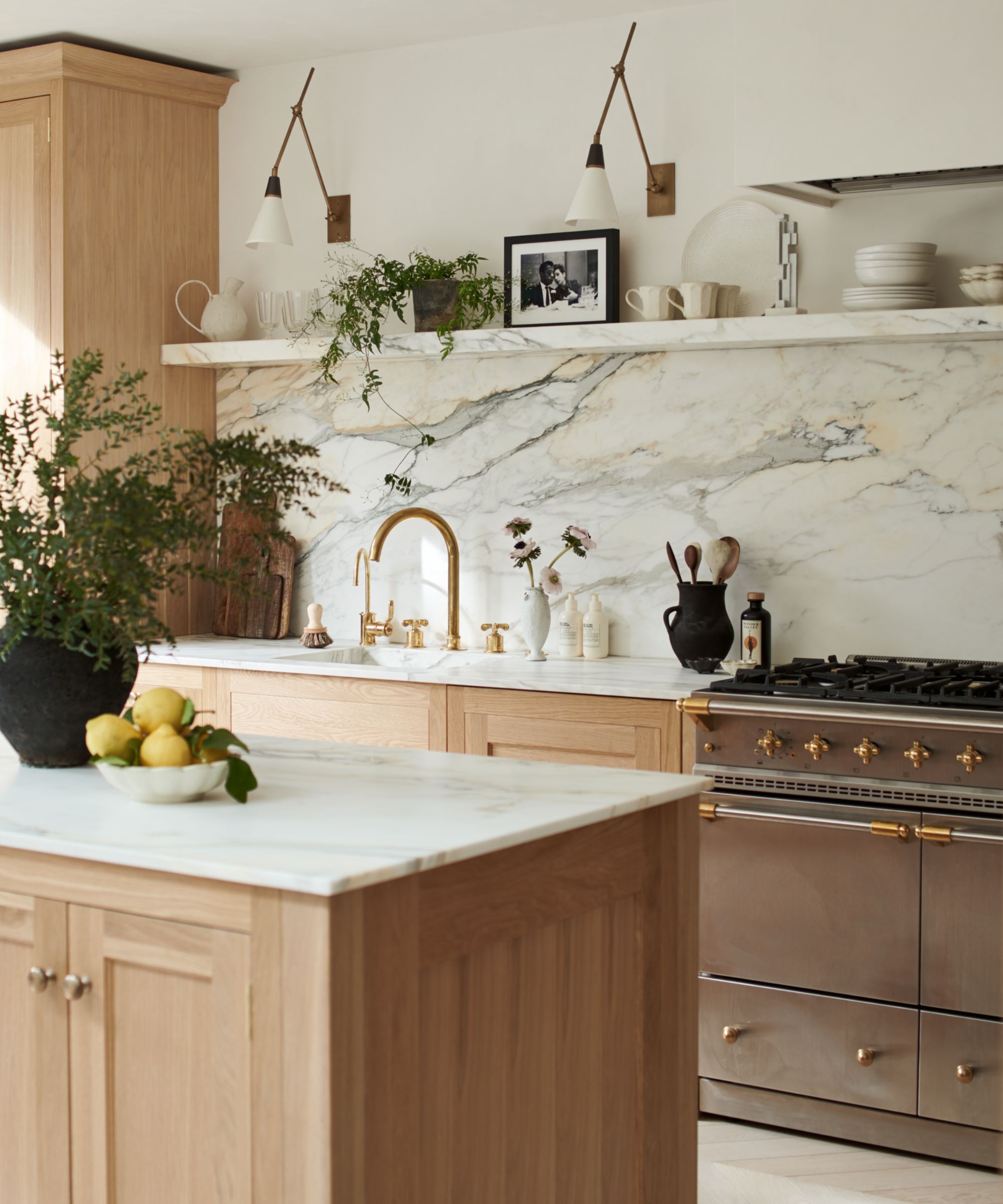
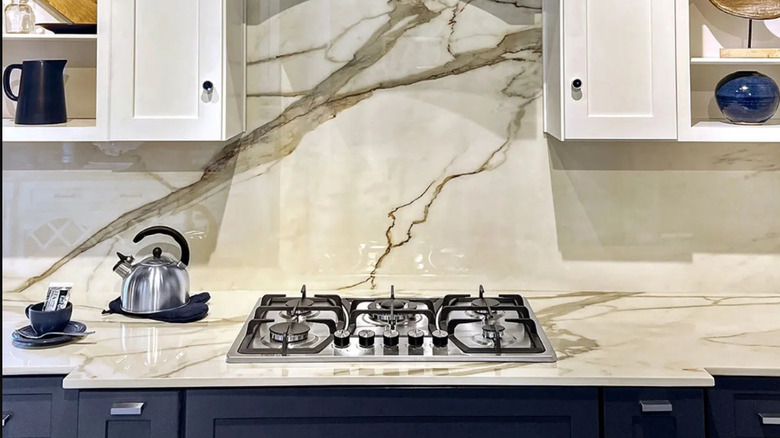
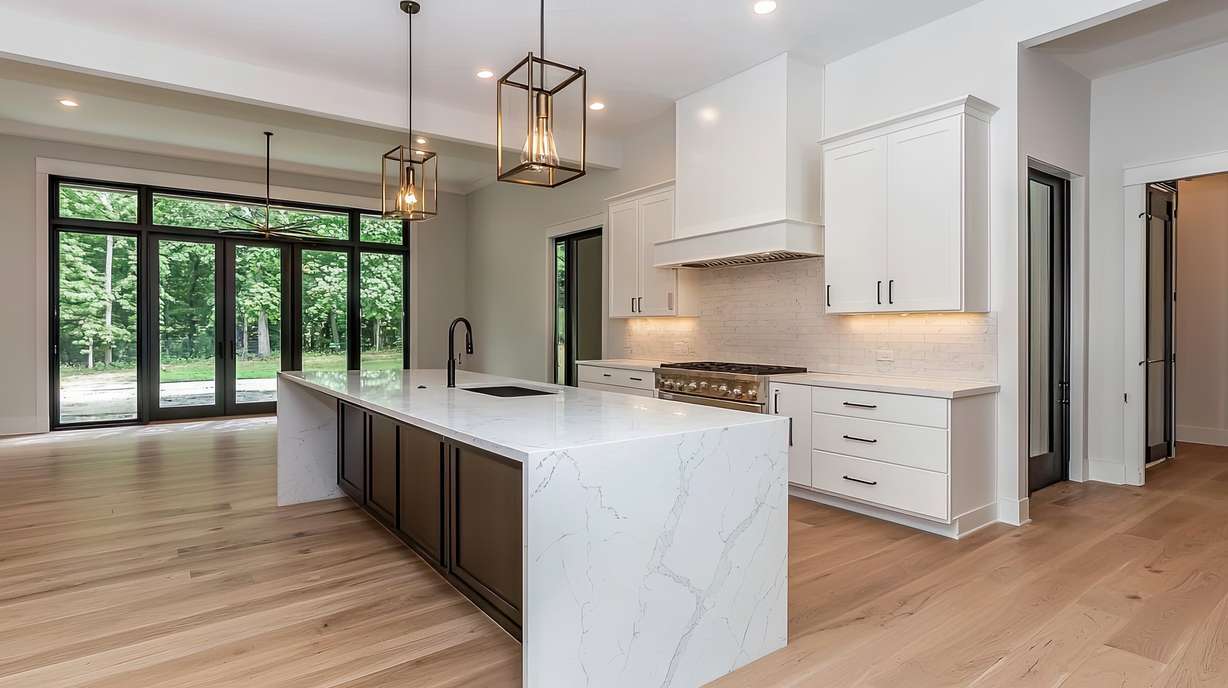
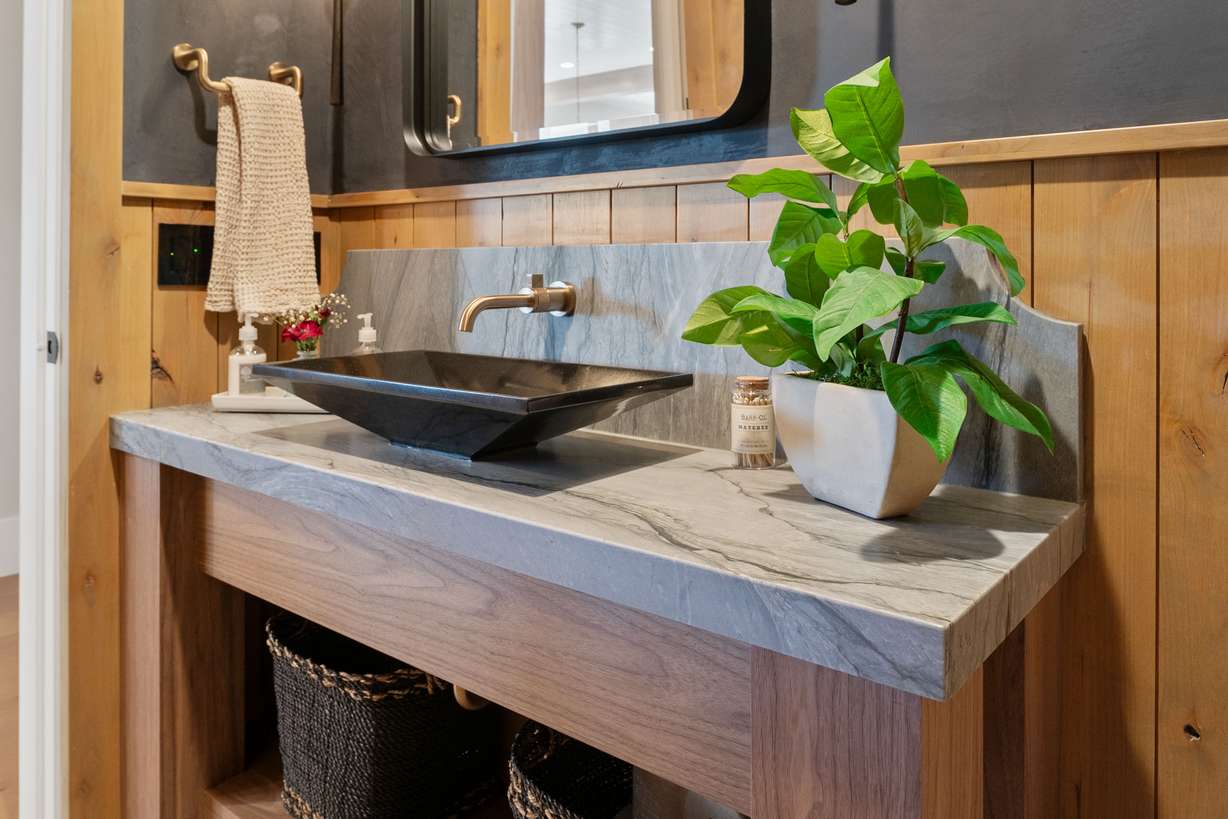
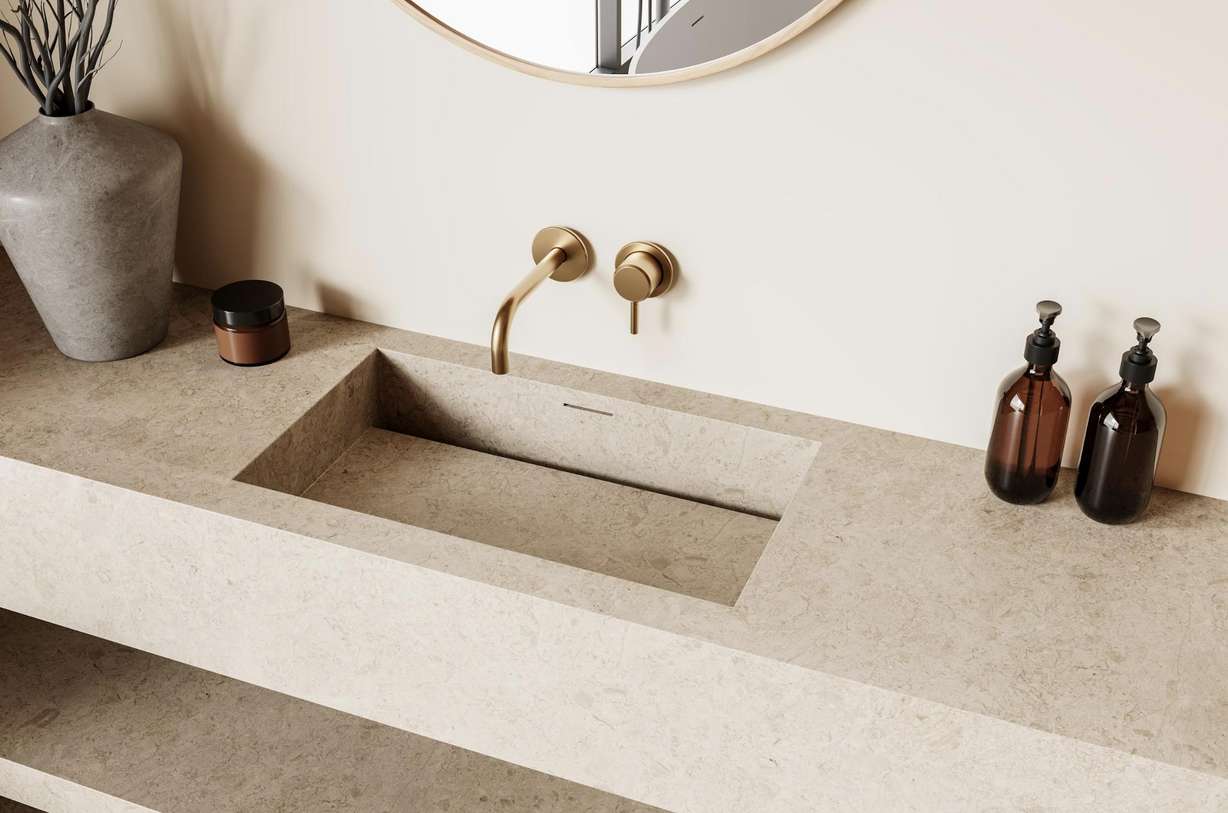
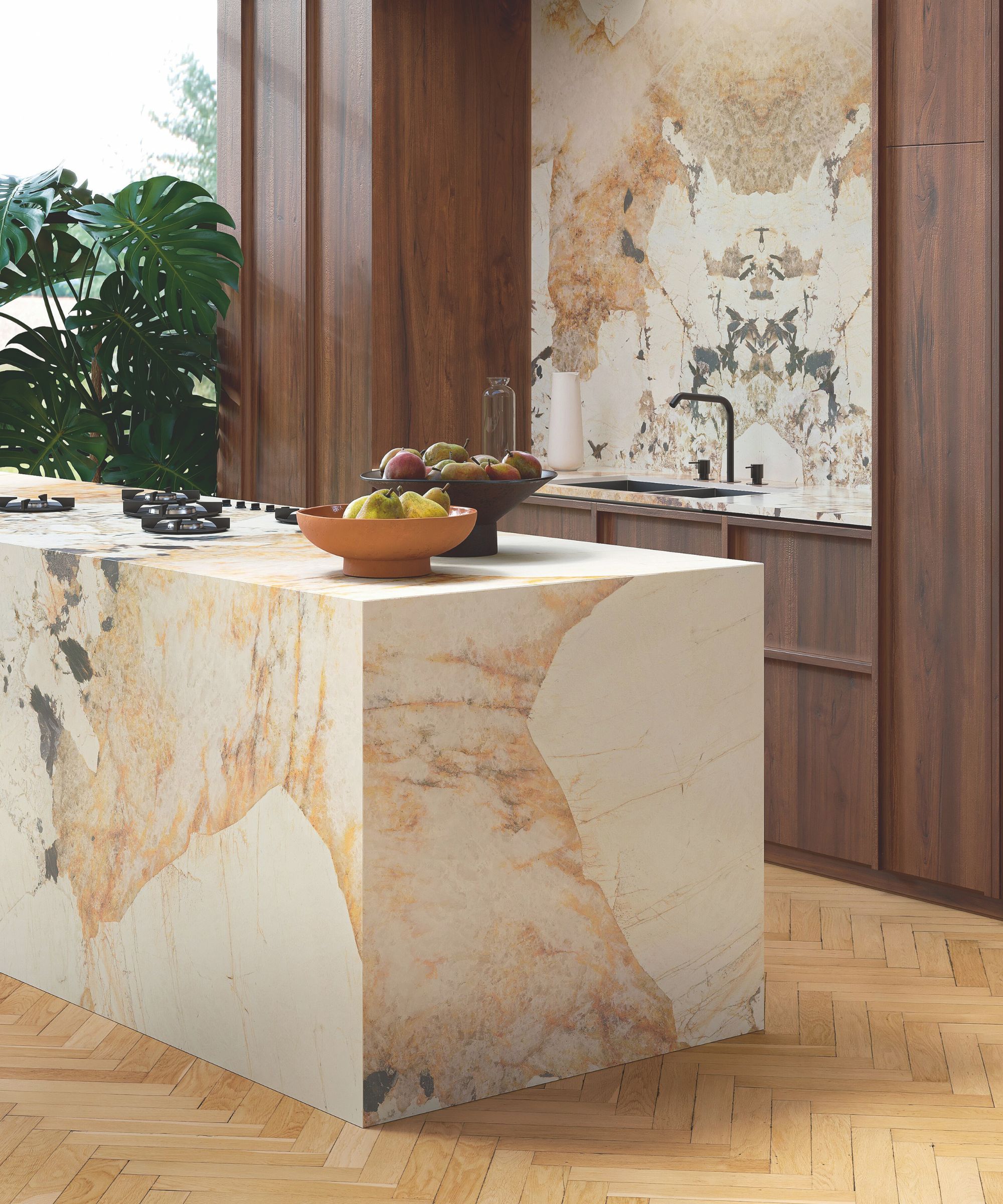
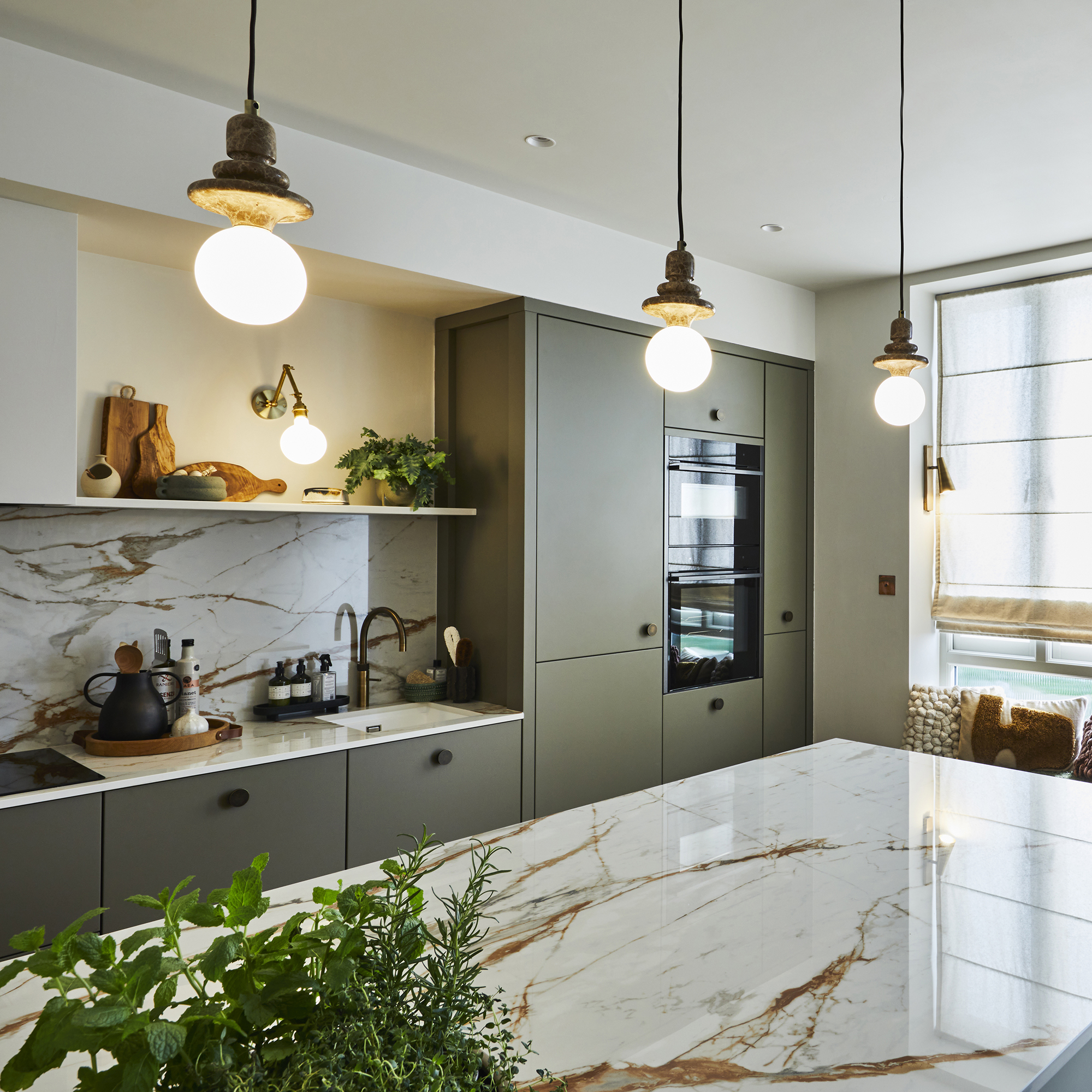
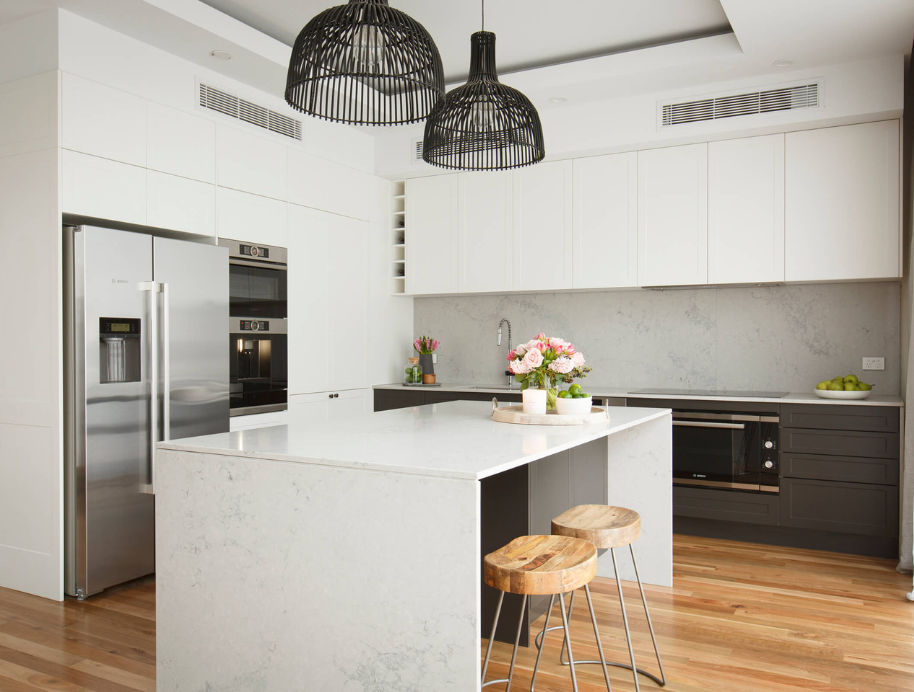
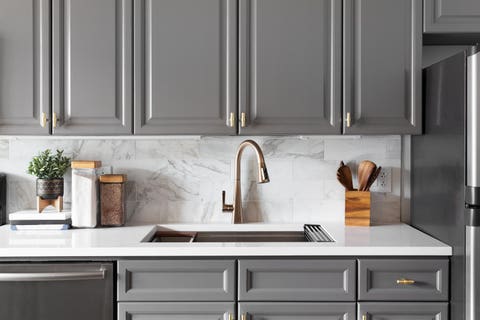
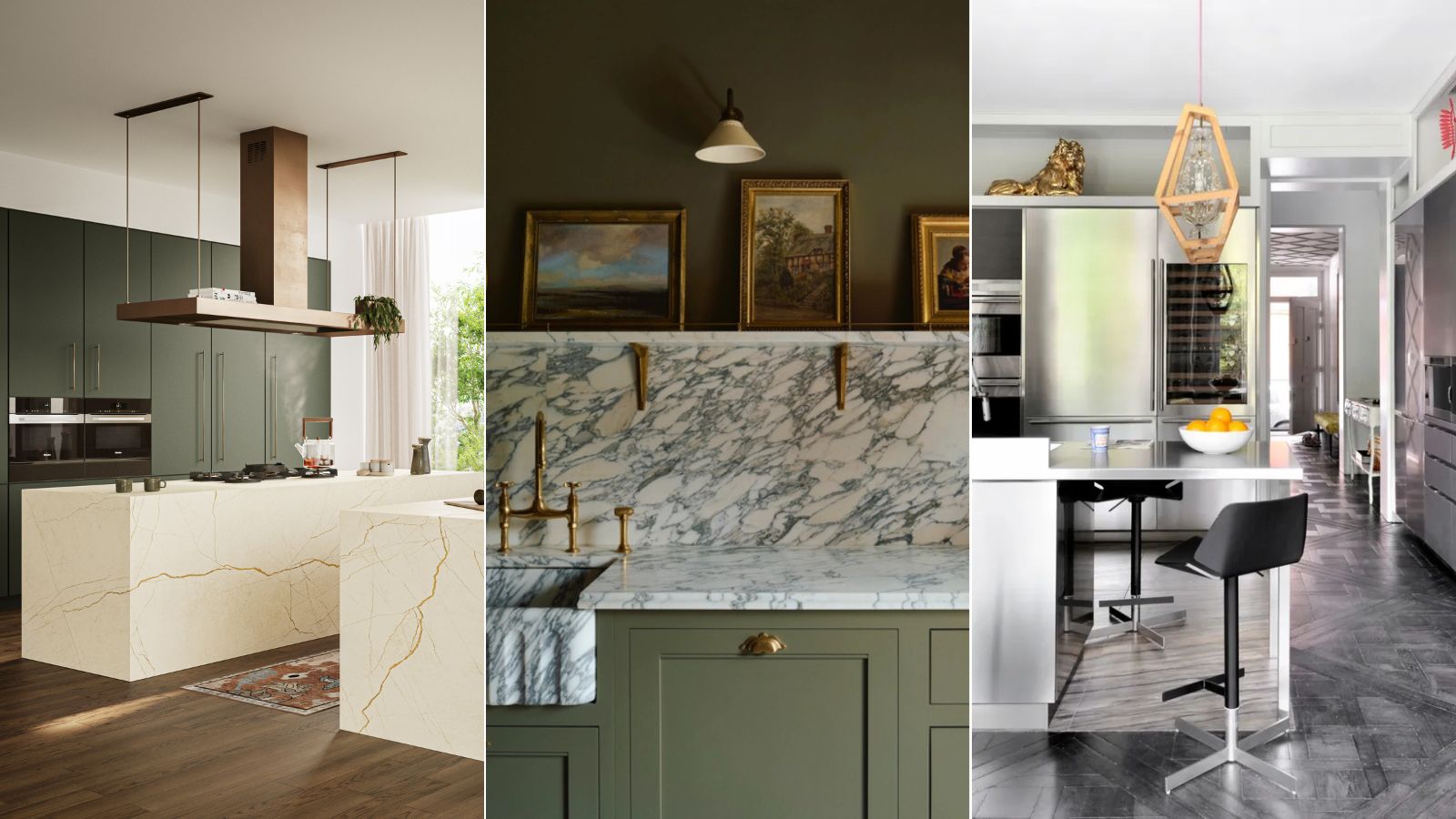
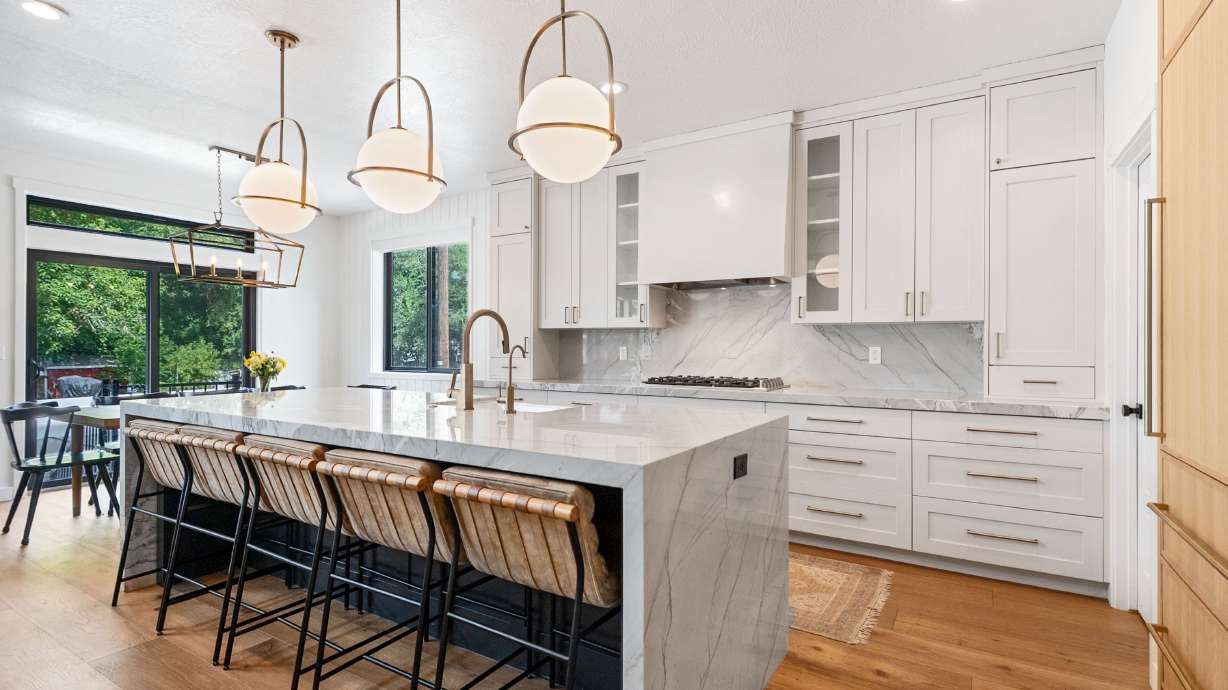
The fourth trend focuses on seamless integration, shifting from disconnected elements to visual continuity, particularly between countertops and backsplashes. There is a strong movement towards using full slabs for both countertops and backsplashes, creating a fluid visual experience that eliminates grout lines and offers a cleaner, more elevated appearance. Full-height backsplashes made from the same countertop material are also becoming common. Another aspect of this integration is the surge in monolithic countertop sinks, where the sink is carved directly from the same slab as the counter. This sculptural approach highlights craftsmanship and adds a seamless elegance, making smaller kitchens appear more spacious and intentional.
Finally, there is a strong inclination towards authentic and sustainable materials, moving away from artificial imitations. Consumers are increasingly discerning, preferring genuinely natural materials or honestly engineered ones over faux finishes. Natural stone, especially quartzite, is gaining popularity due to its hardness and durability, making it resistant to chips, scratches, and heat. Authenticity, whether in the form of real stone, sustainably harvested wood, or recycled materials, is highly valued. Sustainability is also a significant factor, with homeowners seeking eco-conscious surfaces that do not compromise on aesthetics. Biophilic design, which integrates natural elements into interiors to create spaces that connect with the outdoors, is becoming foundational, reflecting a broader desire for soulful and restorative environments. This highlights a conscious choice for materials that offer both beauty and environmental responsibility.
#kitchenDesign #countertopTrends #interiorDesign #homeRenovation #materialSelection #sustainableDesign #kitchenDecor #homeImprovements #designTrends2025 #kitchenDesign #countertopTrends #interiorDesign #homeRenovation #materialSelection #sustainableDesign #kitchenDecor #homeImprovements #designTrends2025
0 comment in total
 No comments yet
You may also like
5 Kitchen Countertop Trends on Their Way Out in 2025 (and What’s Replacing Them)
Key emerging trends in kitchen countertop design for 2025

11 expert-approved kitchen countertop trends for 2025
Say Goodbye to Bland Kitchens: 5 Kitchen Cabinet Trends You're About to See Everywhere in 2026

5 kitchen countertop materials that are out of style for 2025, according to designers
Key emerging trends in kitchen countertop design for 2025
6 Kitchen Trends Definitely on Their Way Out in 2025, According to Designers
Kitchen Trends in 2025
Countertop Trends That Will Be Huge In 2025 (And Ones We'd Recommend Avoiding)
Upper Kitchen Cabinets Are on Their Way Out in 2025 — Here’s What’s Replacing Them

5 kitchen worktop trends that experts think you should be considering for your next project in 2025
5 Kitchen Design Trends Going Away In 2026

5 Kitchen Cabinet Trends on Their Way Out in 2025 (and 6 Replacing Them)
Kitchen Trends That Are Being Left Behind In 2025 And Beyond
Kitchen Trends 2025: What’s In, What’s Out
Upper Kitchen Cabinets Are on Their Way Out in 2025 — Here’s What’s Replacing Them
6 outdated kitchen countertop trends to leave behind in 2025
Countertop design trends in 2025 that are sure to impress
The 5 kitchen trends designers say will be huge in 2025

The Kitchen Hardware Trend on Its Way Out in 2025 (and the ’90s Finish That’s Taking Its Place!)