




1/2
You Might Have Razor Blades in Your Walls—Here’s Why
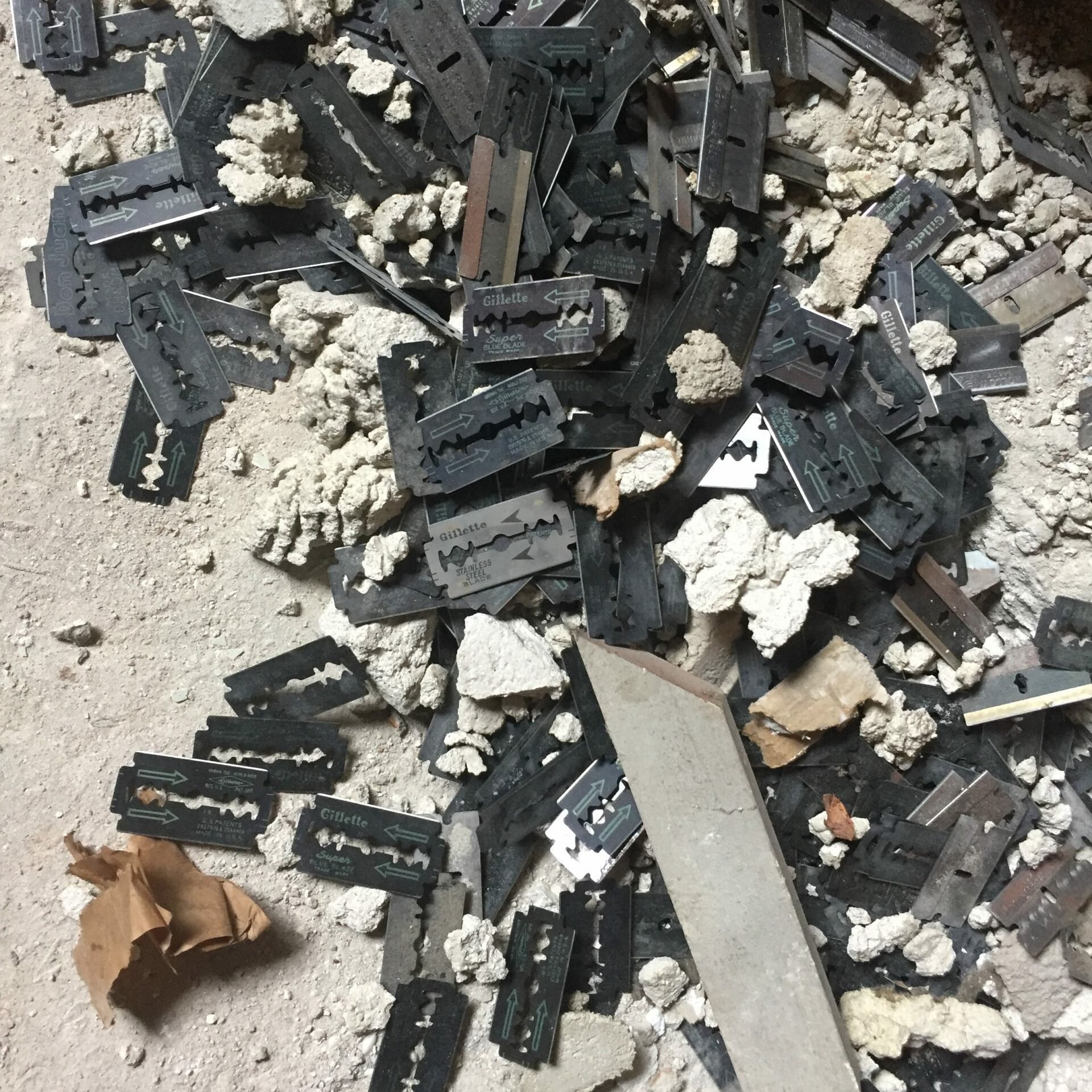
Many homeowners renovating older properties between the 1920s and 1970s might stumble upon a peculiar and seemingly alarming discovery: hundreds of old, rusty razor blades hidden within their bathroom walls. This phenomenon, which often evokes images from a horror film, is surprisingly common and has a logical explanation rooted in the history of personal grooming and waste disposal practices. These aren't modern plastic cartridge razors, but rather blades from early 20th-century safety razors.
The introduction of the safety razor by Gillette in 1903 revolutionized at-home shaving, offering a safer and easier alternative to straight-edge razors. As these razors became widely adopted, a significant problem arose: how to safely dispose of used, sharp, and potentially contaminated blades. Simply throwing them in the trash was not a viable solution, especially given that in the 1930s and 1940s, trash was often burned, and the ashes were spread in gardens. Razor blades typically survived these low-heat fires, posing a considerable hazard to gardeners and animals.
To address this, a clever, albeit unconventional, disposal method was integrated into the design of medicine cabinets during the mid-22th century. According to Richard D’Angelo, a project manager at JWE Remodeling and Roofing, older medicine cabinets were installed directly into interior walls and featured a slot in the back. This slot allowed users to discard used blades, which would then fall into the wall cavity between framing studs and accumulate on top of the bottom-plate stud. This design effectively hid the sharp waste from immediate view and prevented injuries.
The long-term plan behind this method was that the space within the walls was ample enough to accommodate centuries worth of blades before it would fill up. The assumption was that by then, new and better disposal methods would have been developed. This proved true, as advancements in shaving technology, such as the introduction of improved blades by Bic in the 1970s, offered more durable options that needed less frequent disposal. The convenience of trashing these newer plastic razors eventually rendered the wall disposal slots obsolete.
Consequently, when new medicine cabinets were installed or bathrooms were remodeled, these disposal slots were often plastered over and forgotten. The practice remained largely unknown until homeowners began undertaking renovations in older homes. It's not uncommon for remodelers to find stacks of razor blades during demolition. In one instance, blades even fell through a wall from a second-floor bathroom into the ceiling cavity of the kitchen during a demolition, highlighting the extent of this historical disposal practice. While surprising, this discovery is generally not a cause for alarm, but rather a fascinating glimpse into past household practices.
#HomeRenovation #BathroomDesign #HistoricalPractices #SafetyRazors #WasteDisposal #OldHomes #RemodelingDiscoveries #HouseholdHistory #HomeRenovation #BathroomDesign #HistoricalPractices #SafetyRazors #WasteDisposal #OldHomes #RemodelingDiscoveries #HouseholdHistory
 No comments yet