1/6
What outdoor furniture lasts the longest? Every landscape designer we asked picked one of these 5 durable options
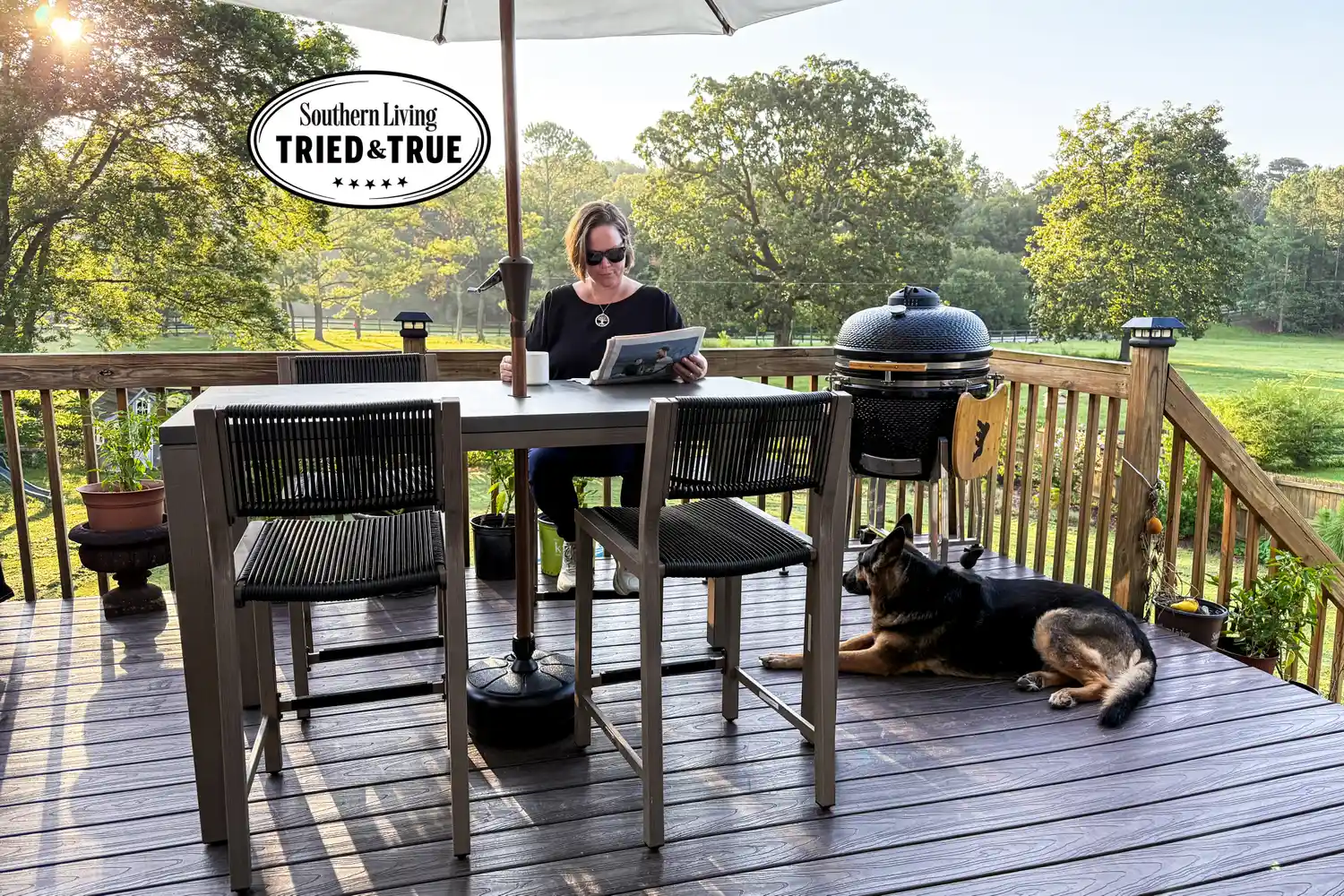
Selecting durable outdoor furniture is essential for homeowners looking to invest in pieces that can withstand the elements and provide long-lasting enjoyment. With varying degrees of exposure to rain, wind, and temperature fluctuations, outdoor furnishings require robust materials to maintain their integrity and aesthetic appeal over time. This guide explores five highly durable material options for outdoor furniture, offering insights from landscape designers and furniture experts.
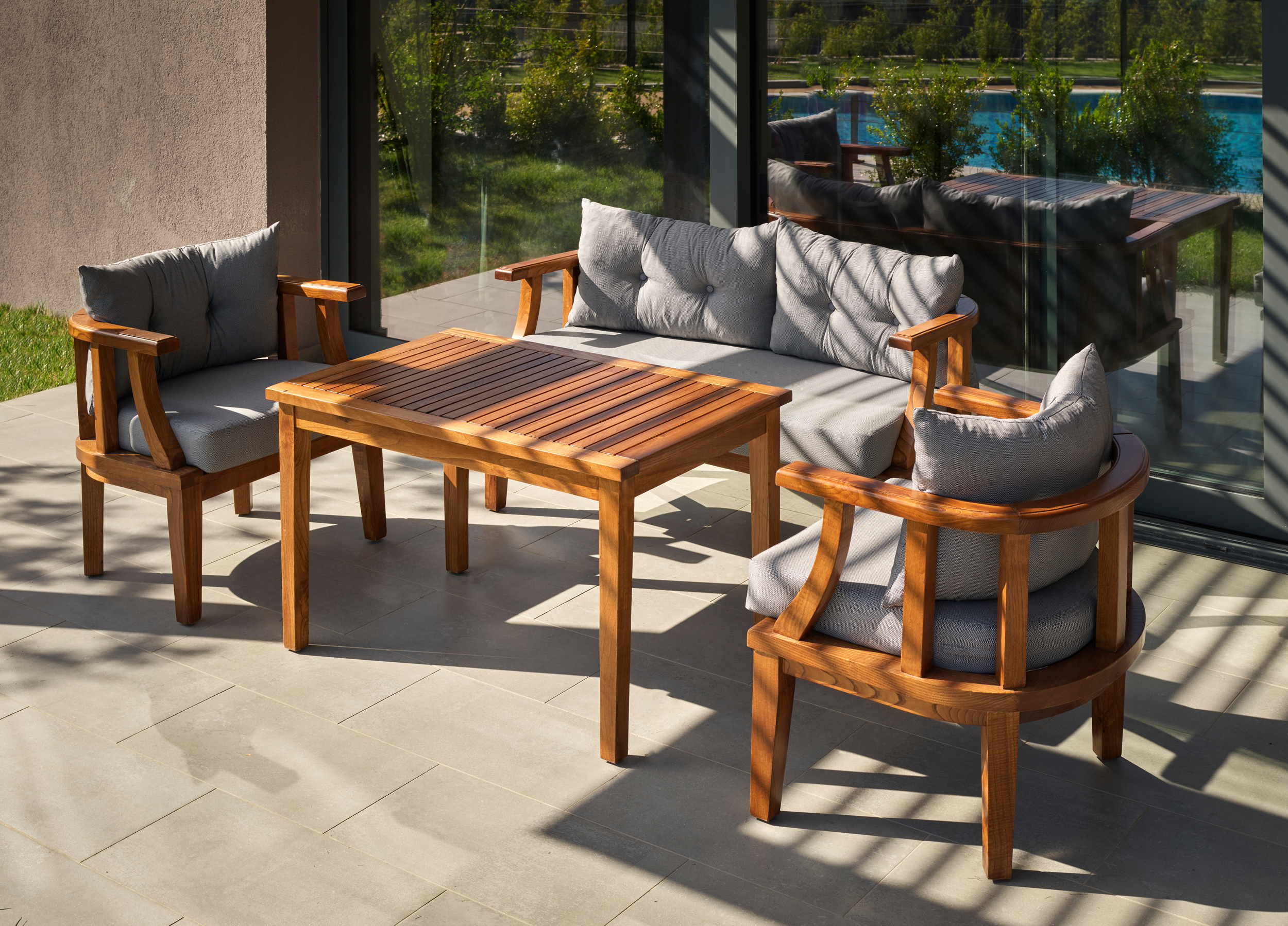
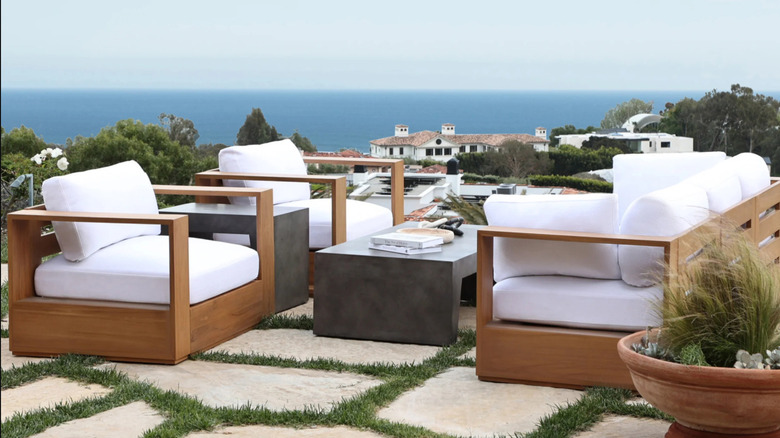
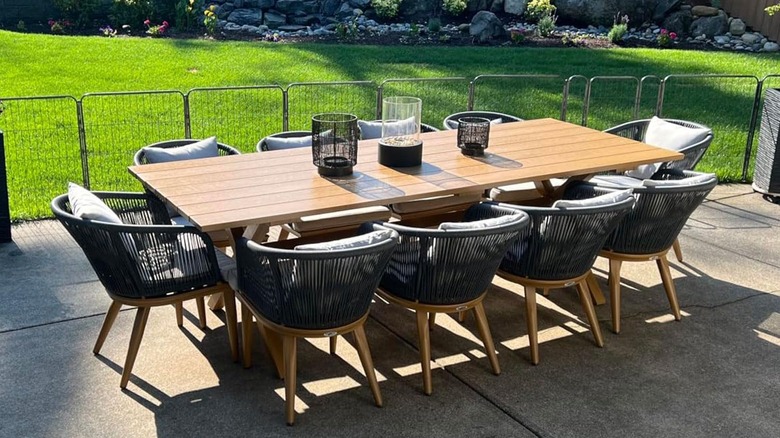
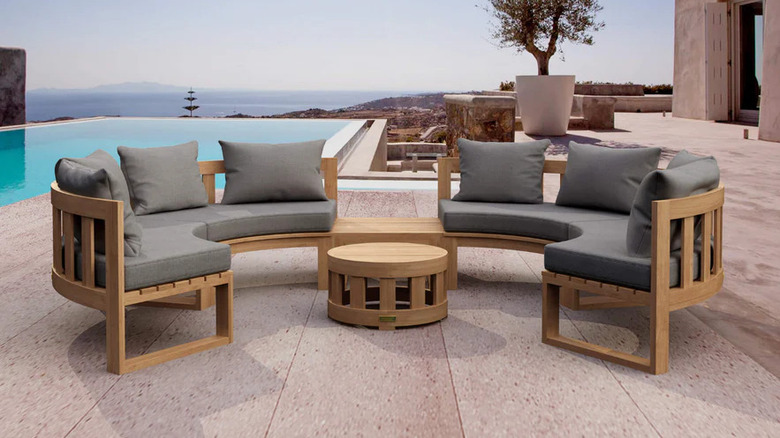
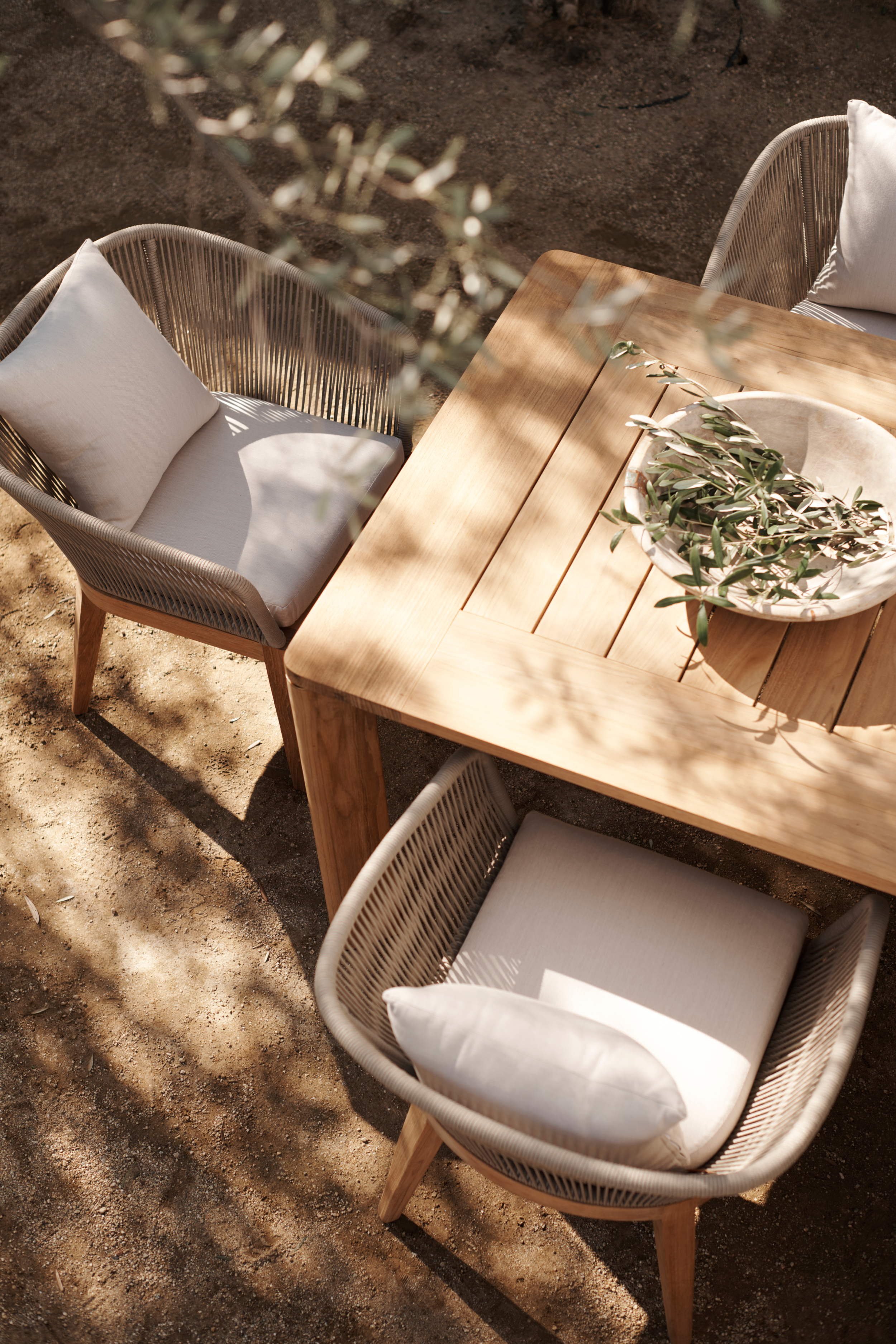
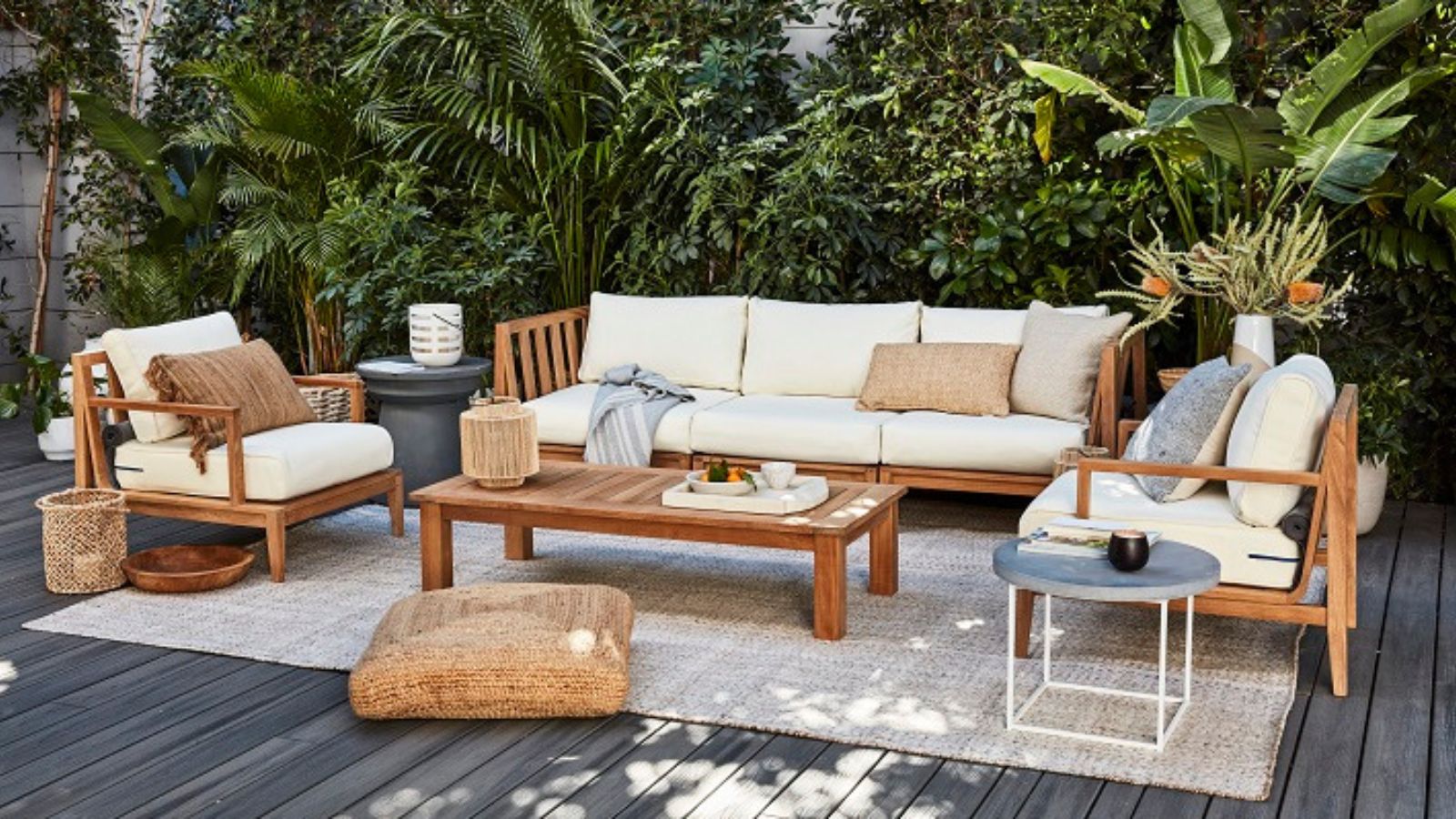
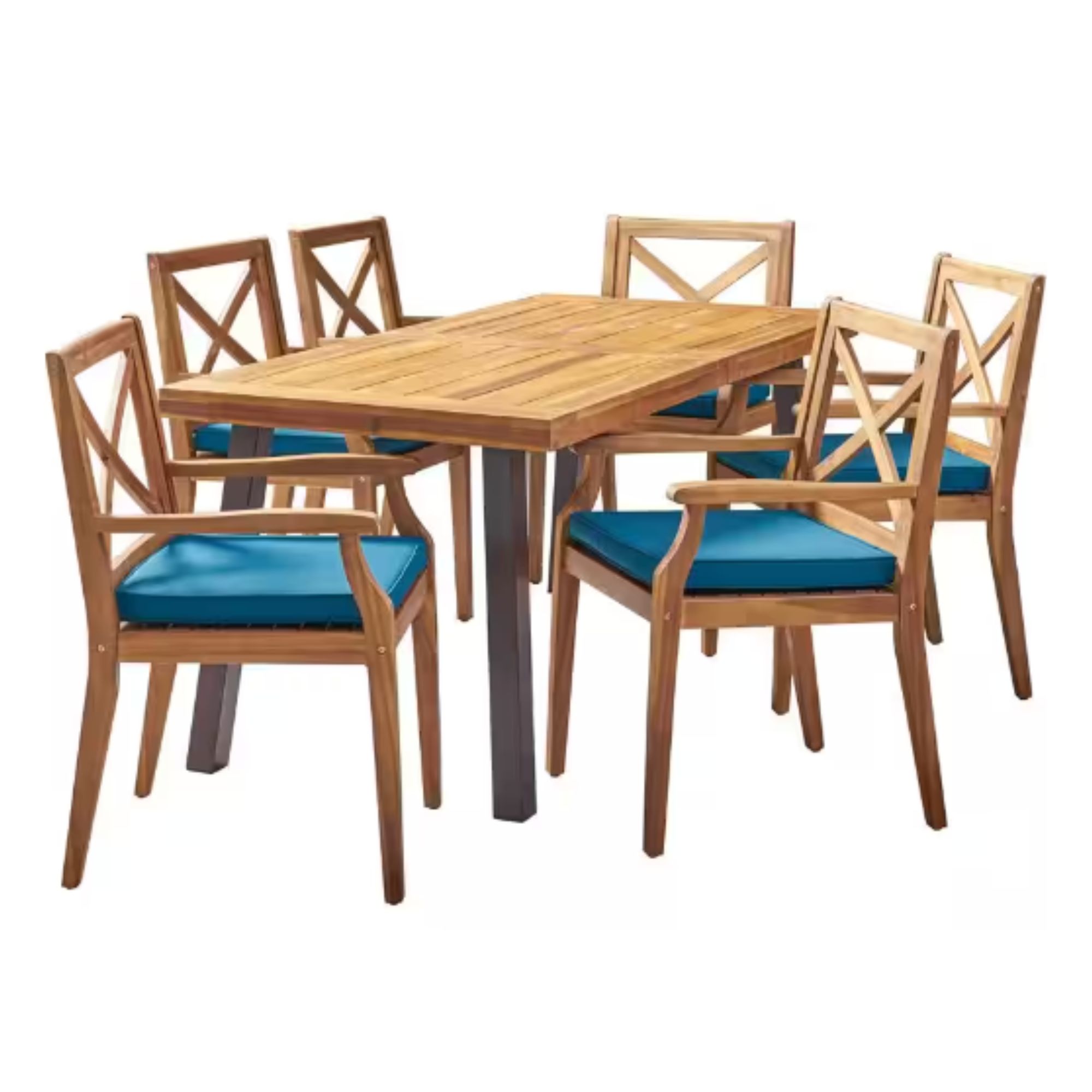
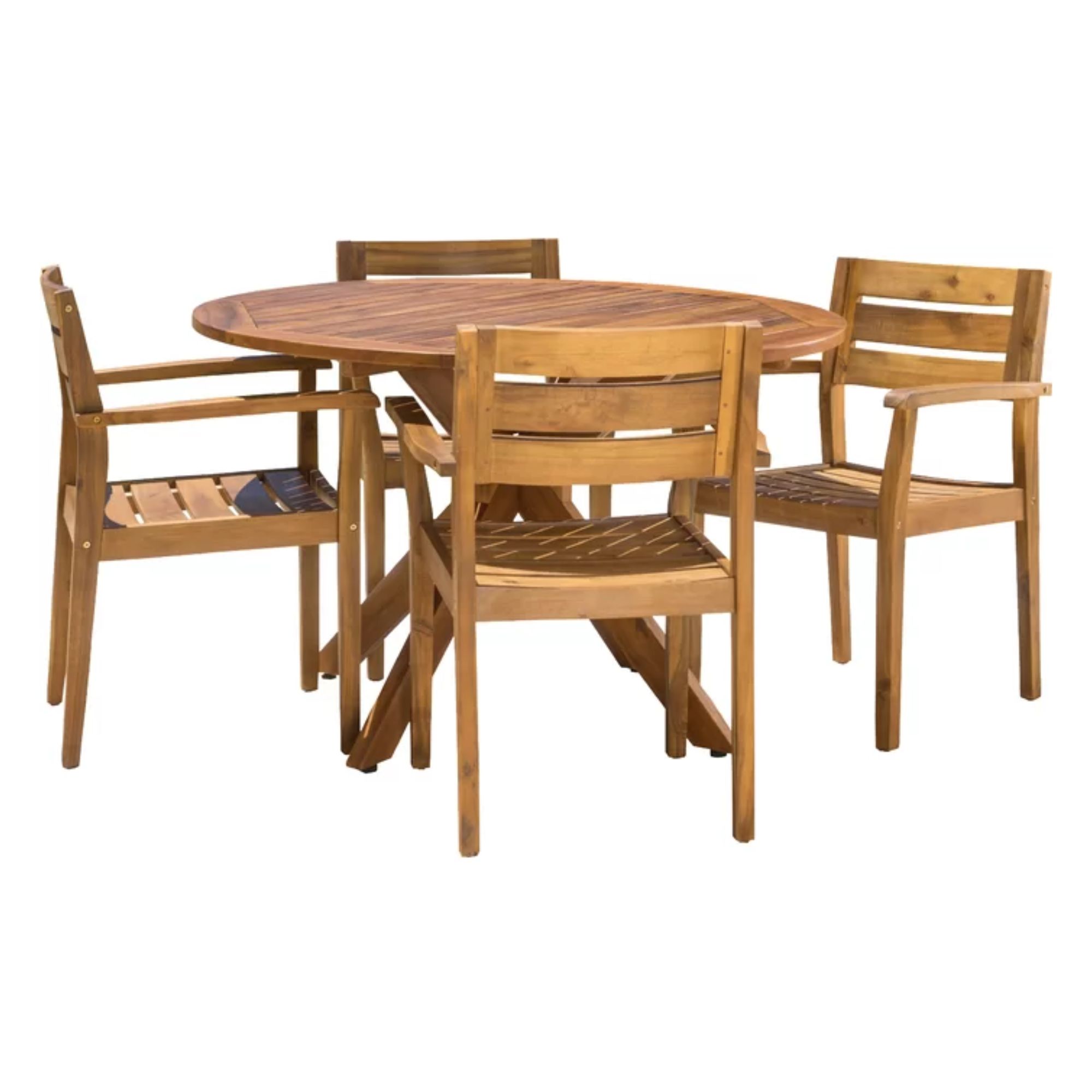
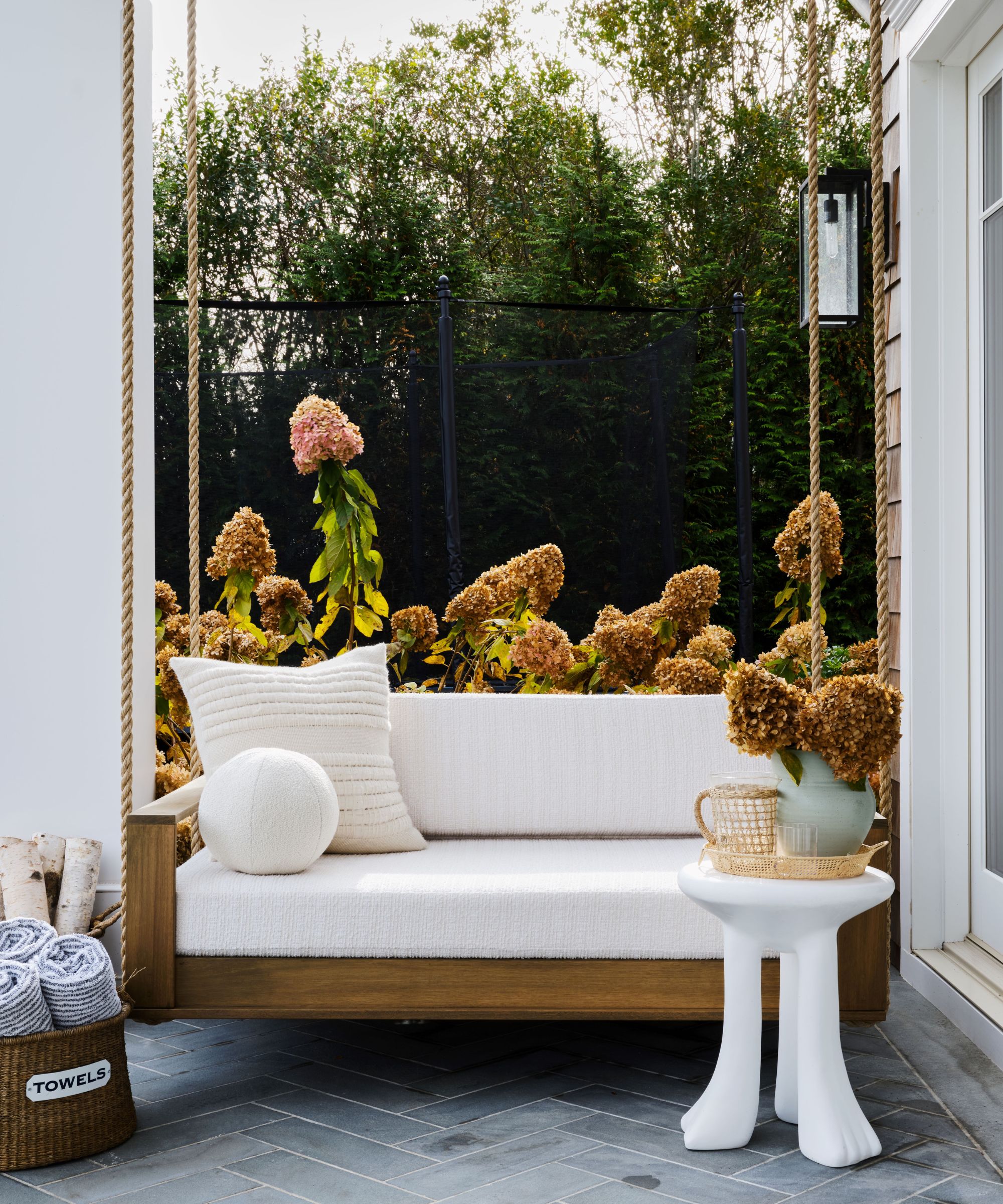
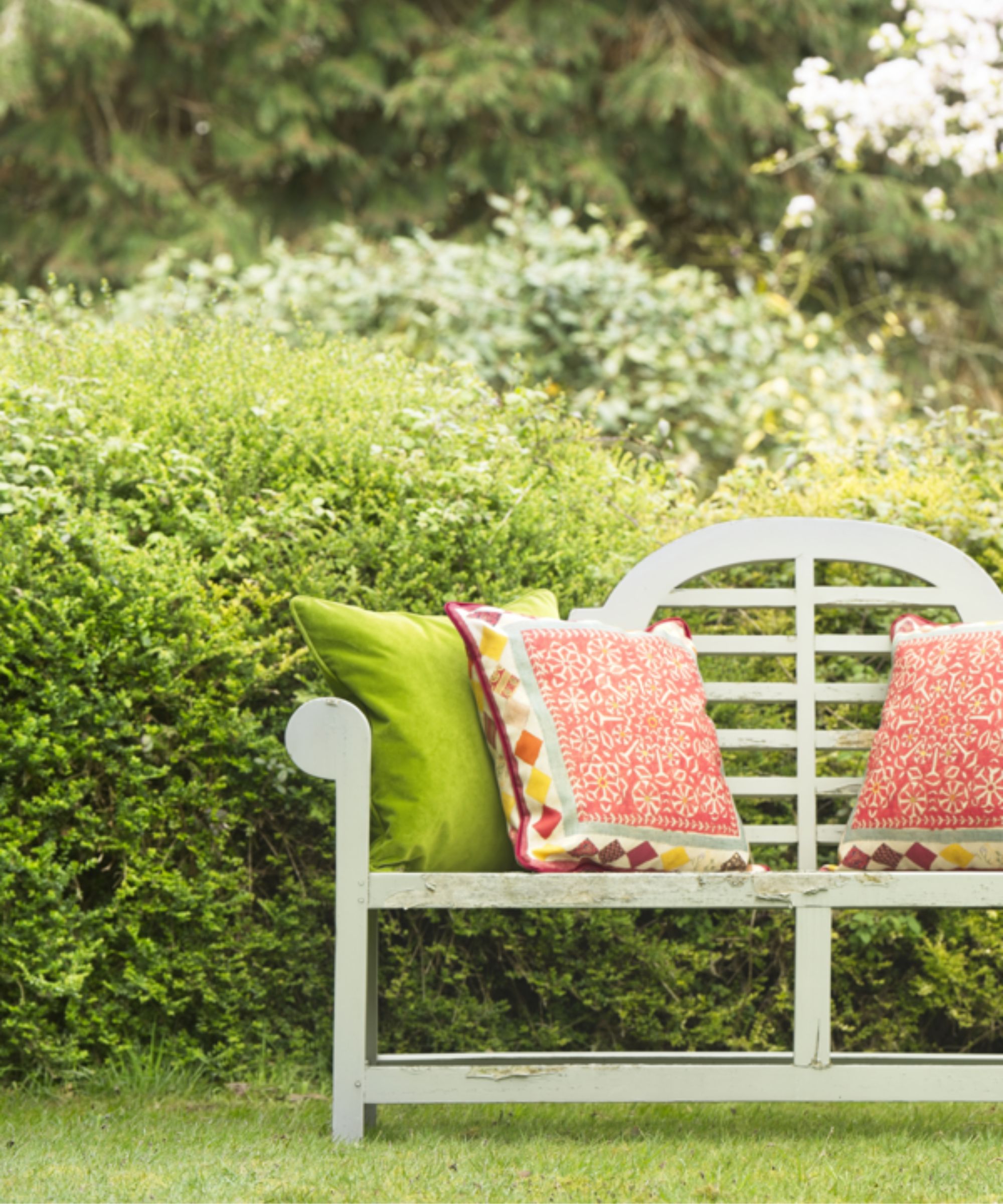
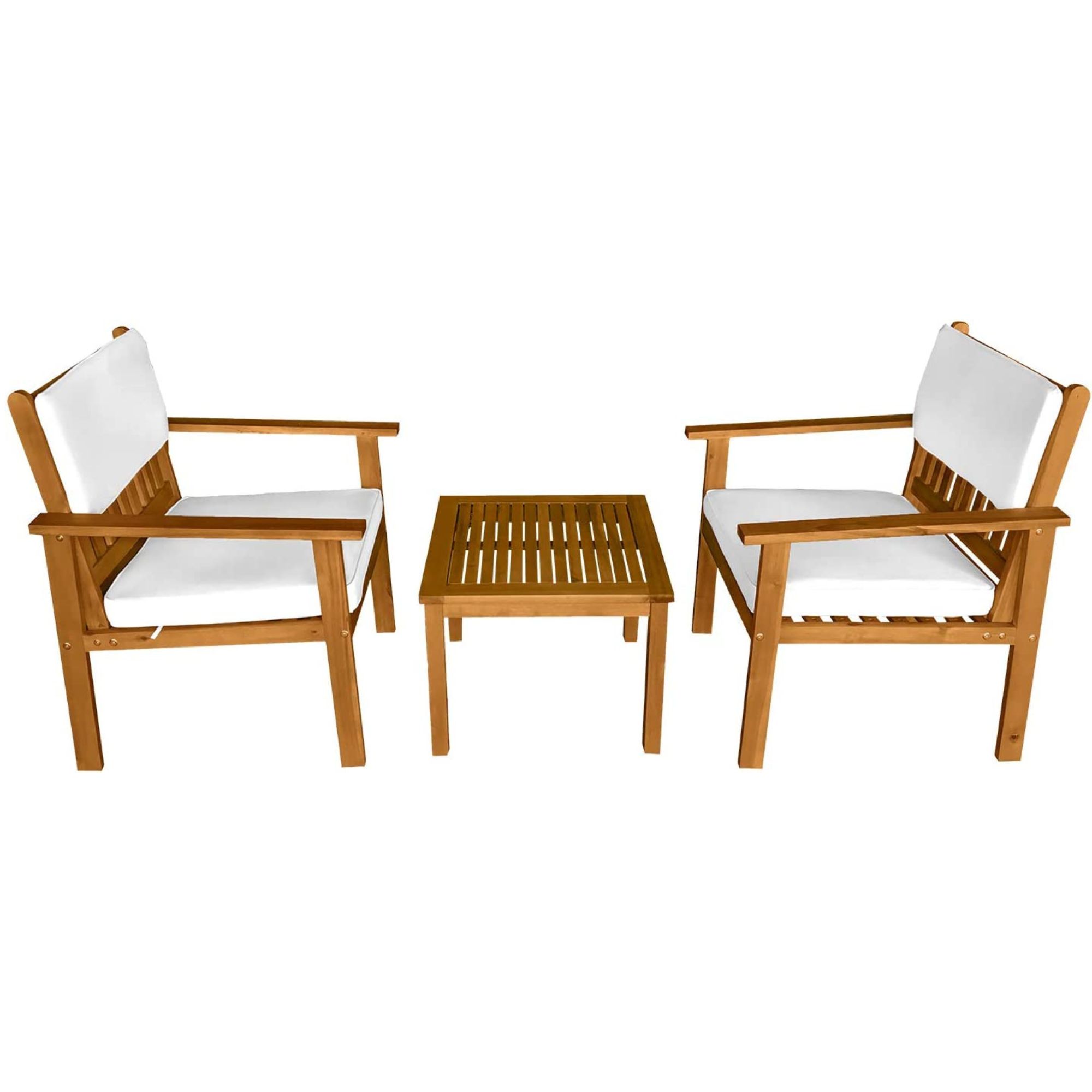
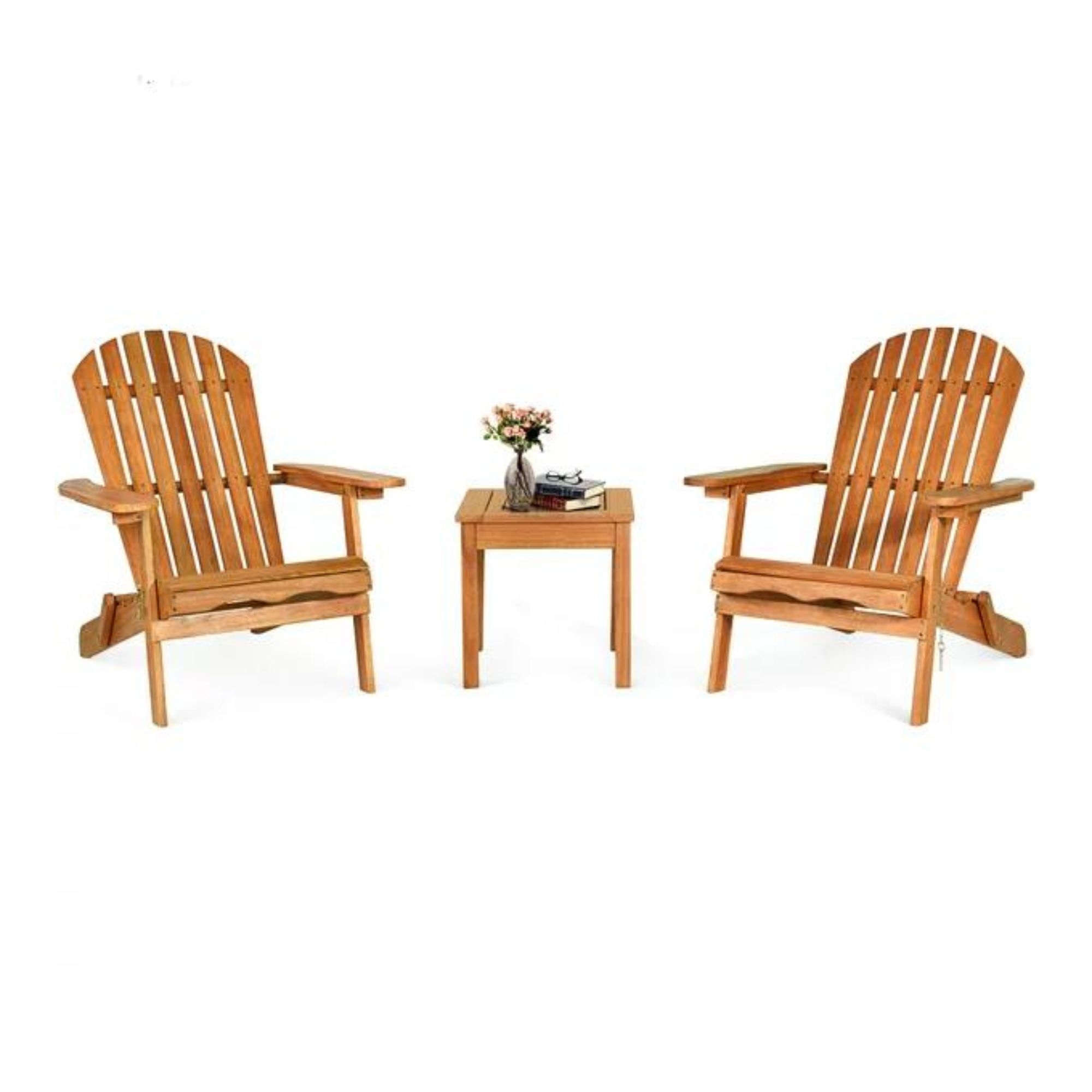
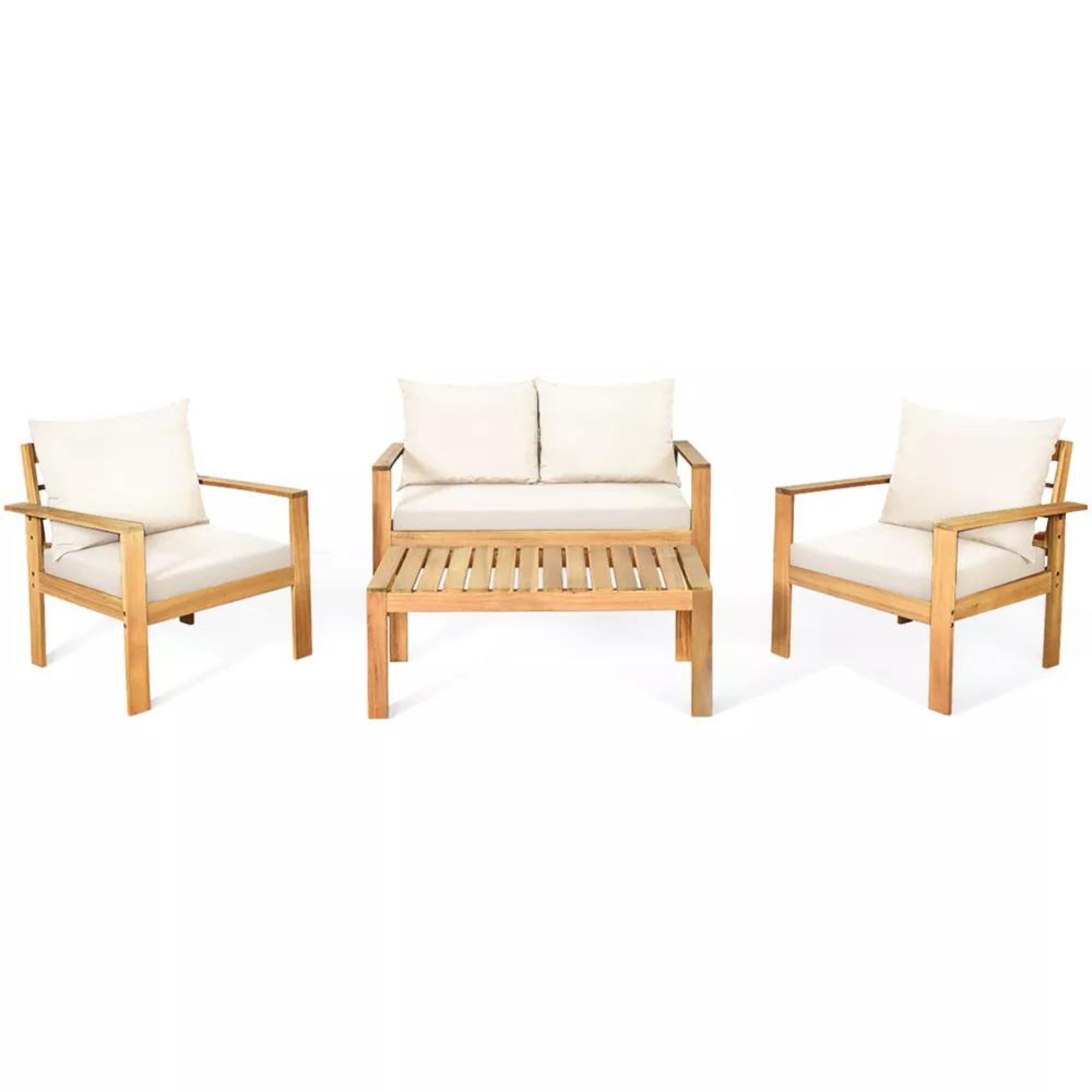
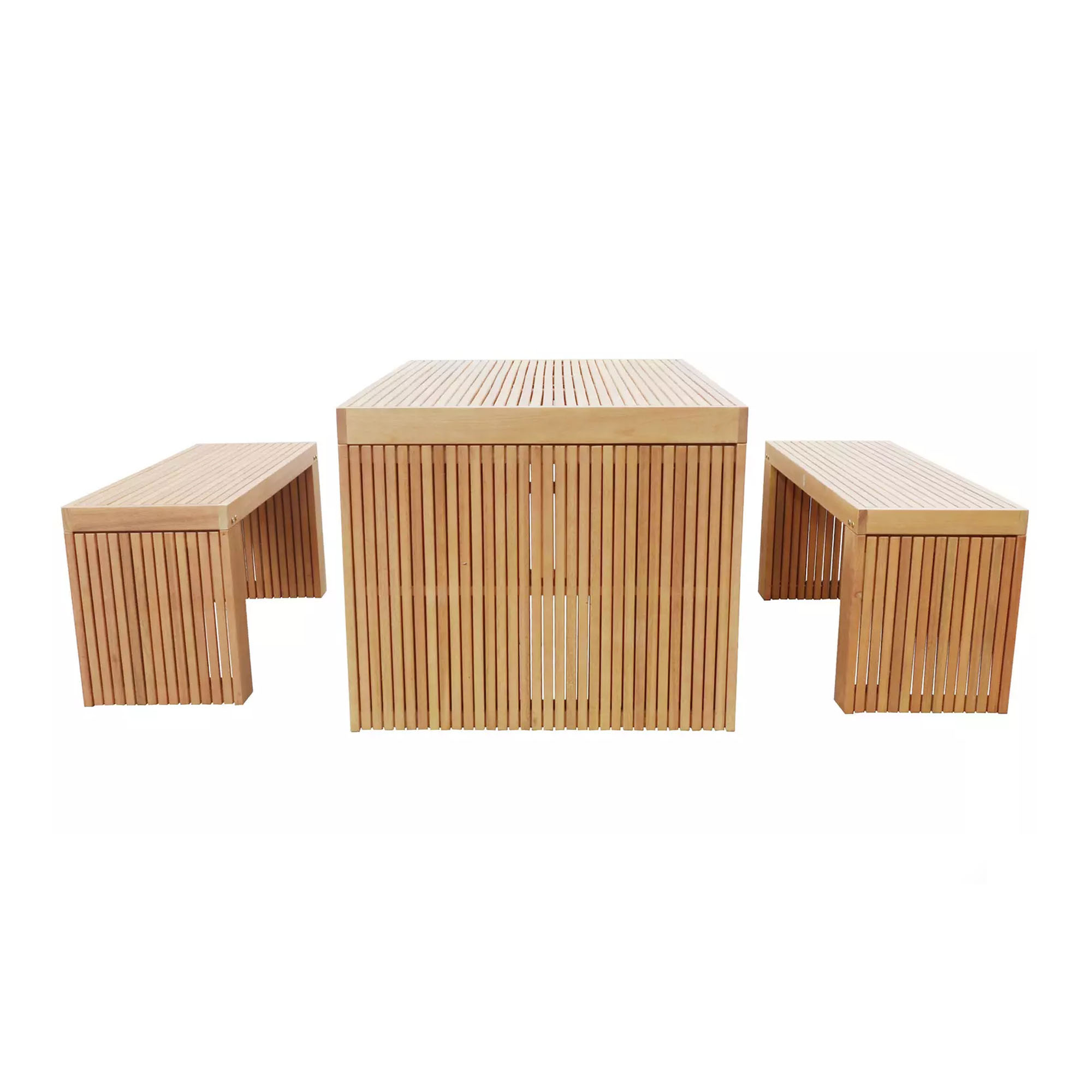
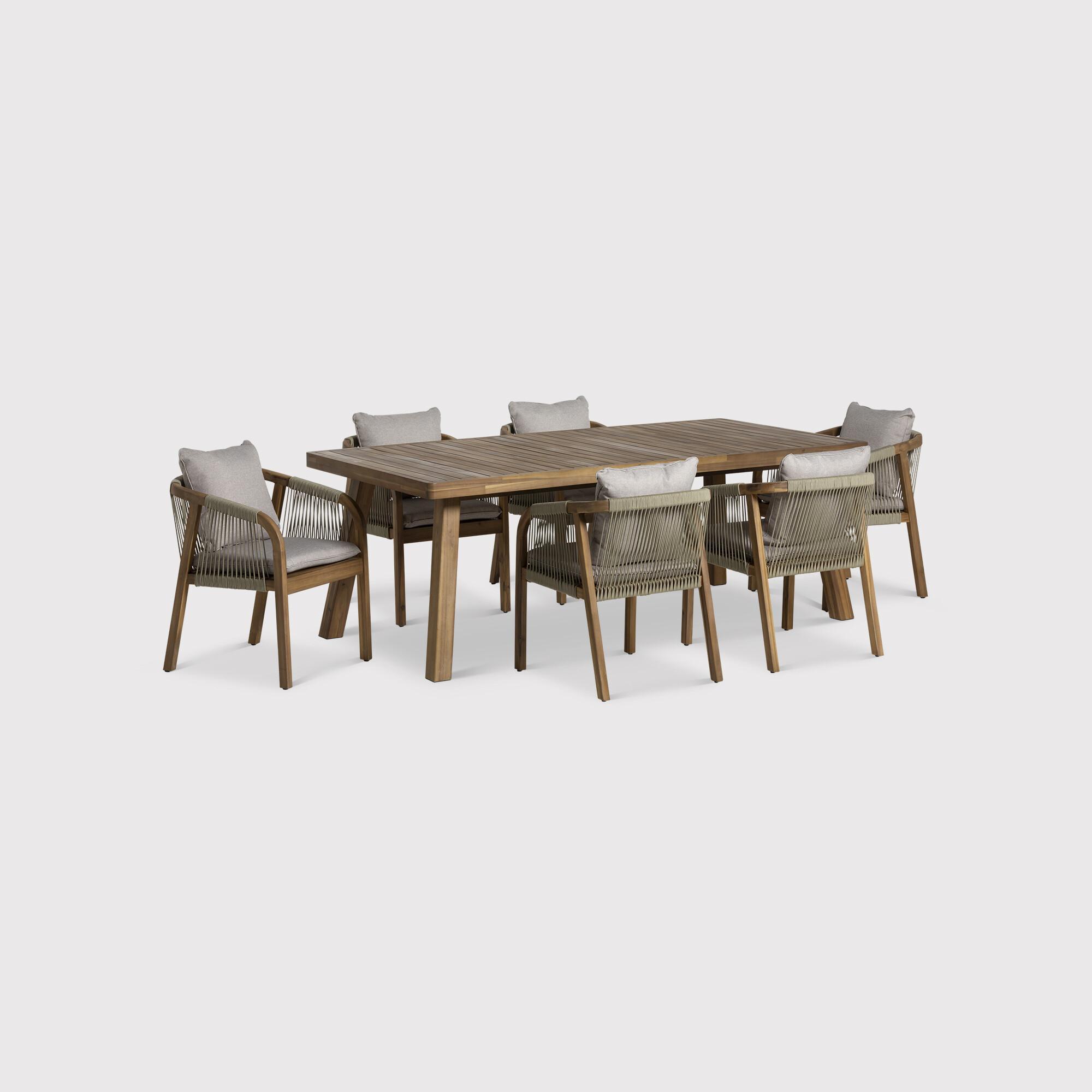
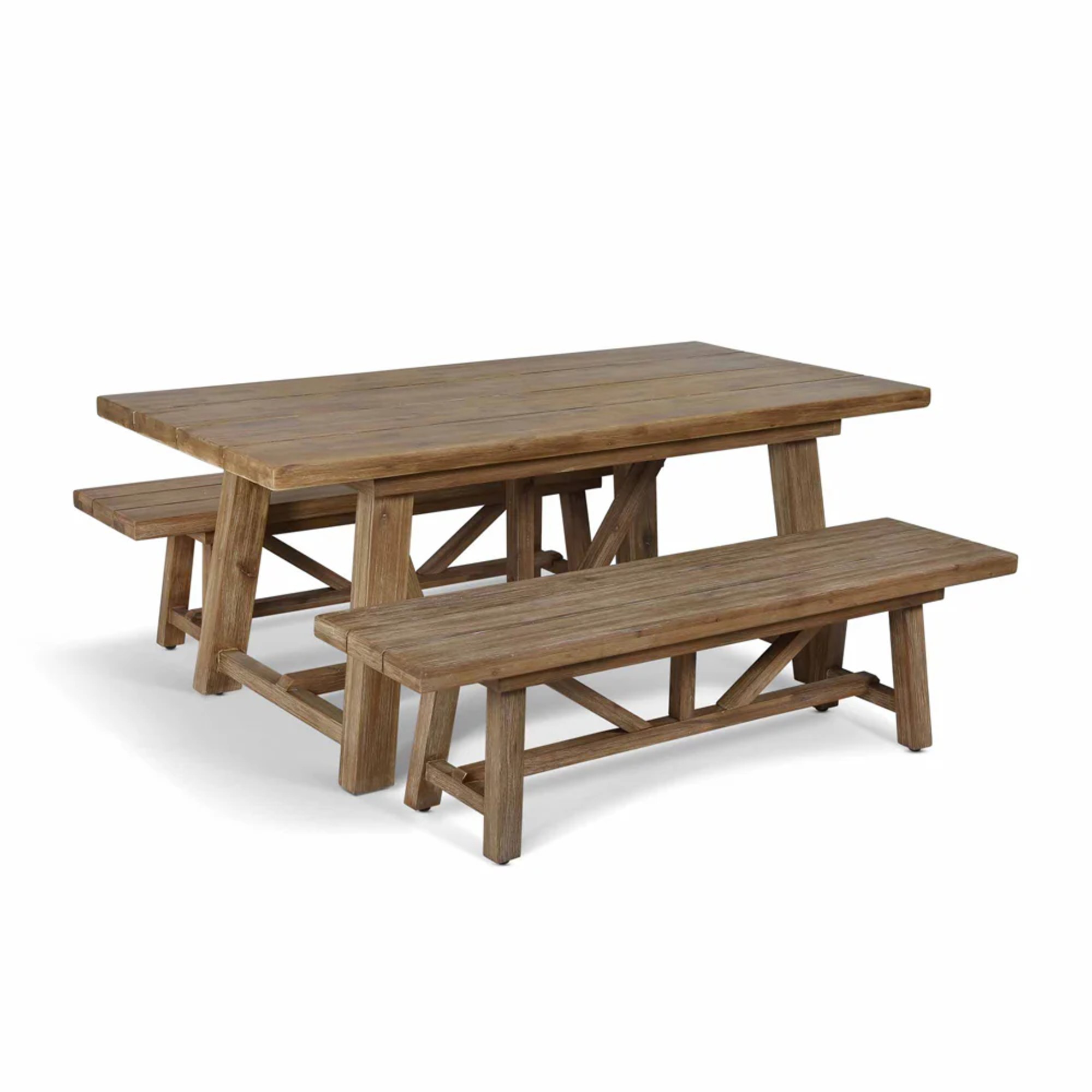
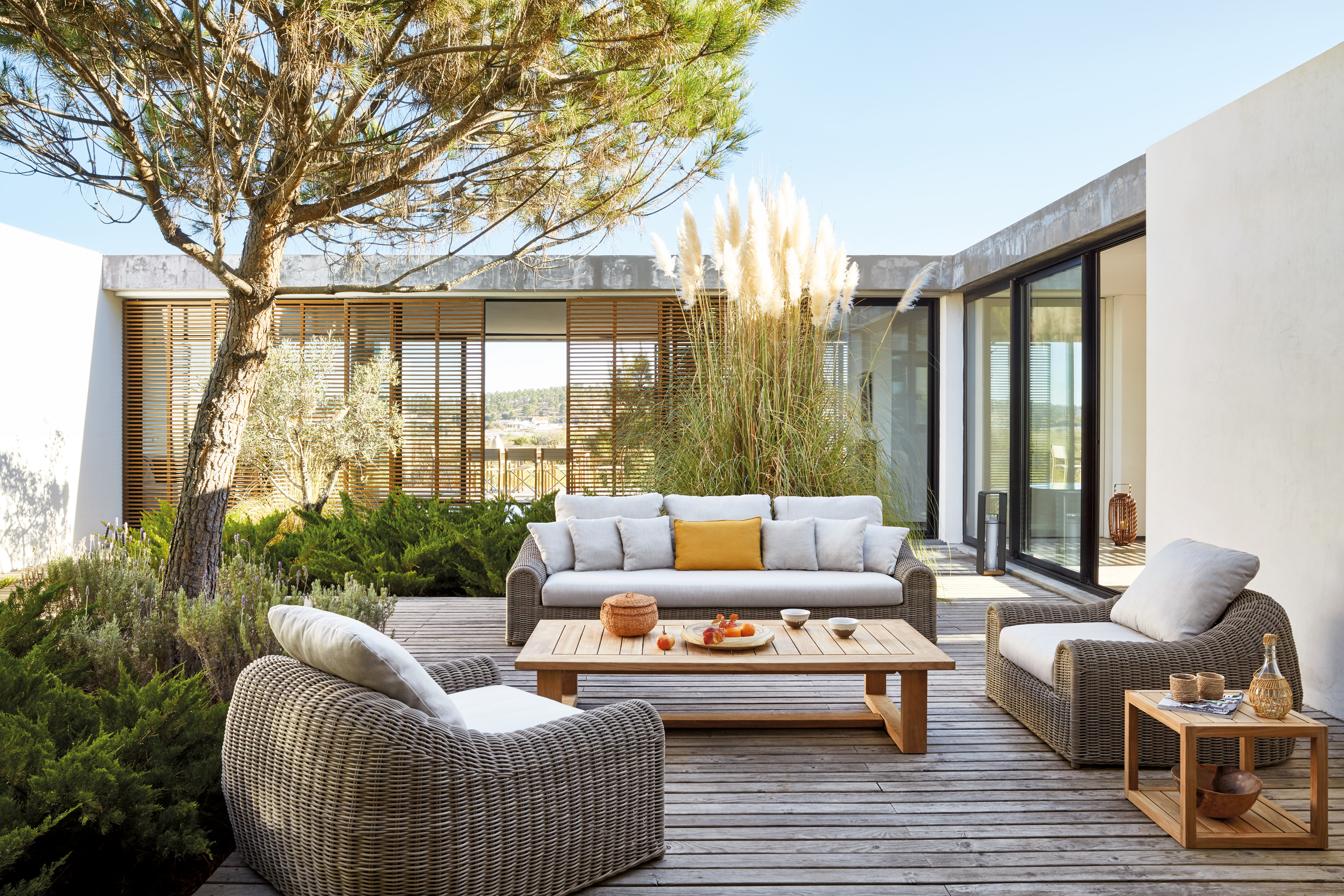
Wood is a perennially popular choice due to its classic appearance and natural resilience. Teak, in particular, is highlighted for its ability to weather beautifully and its low maintenance requirements. While wood can stain if not properly cared for, it can be easily restored through sanding and re-oiling. Seasonal treatment with a stain or sealer, along with winter storage, can significantly extend the lifespan of wooden furniture. The inherent weight of hardwoods also makes them resistant to strong winds, preventing damage during storms.
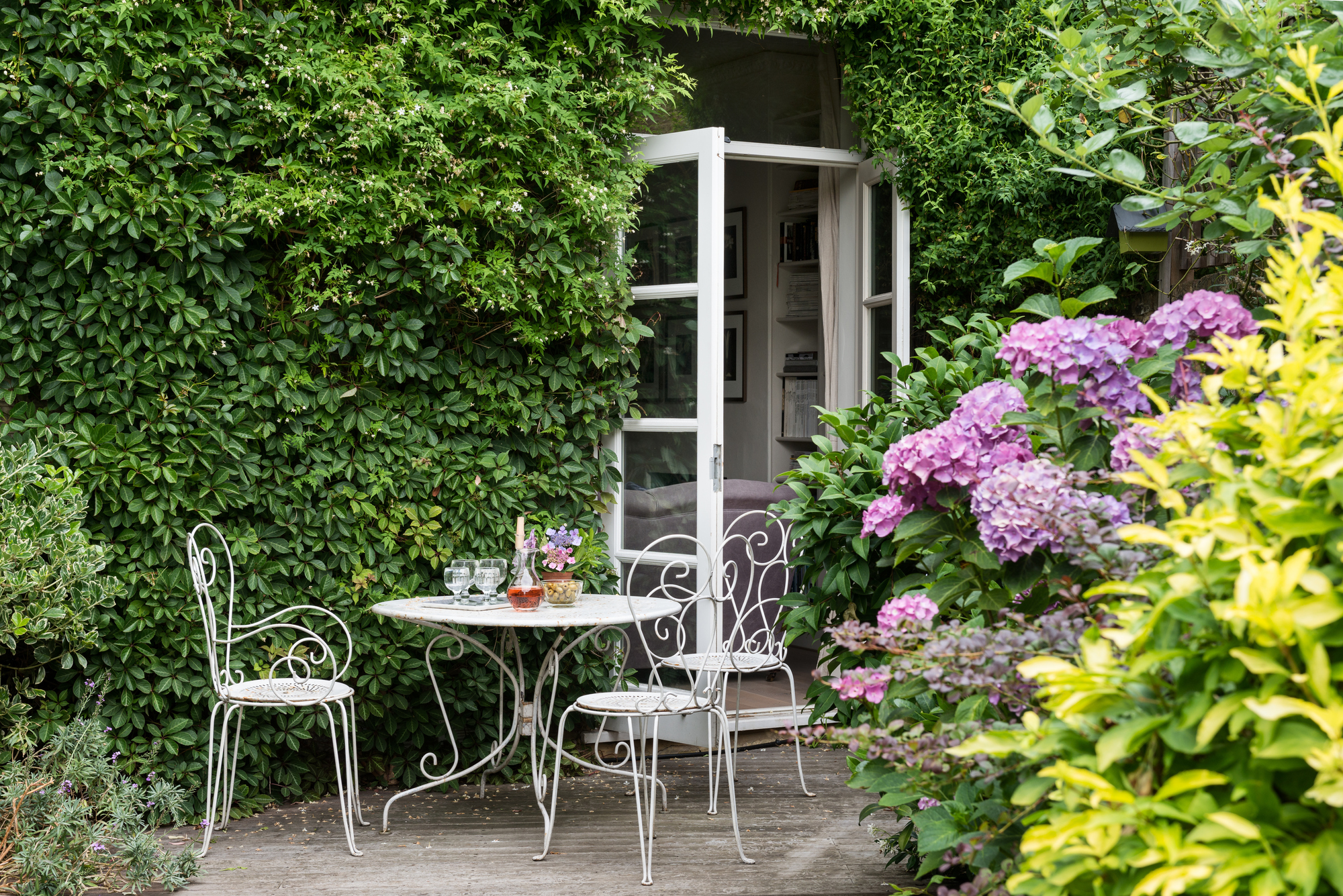
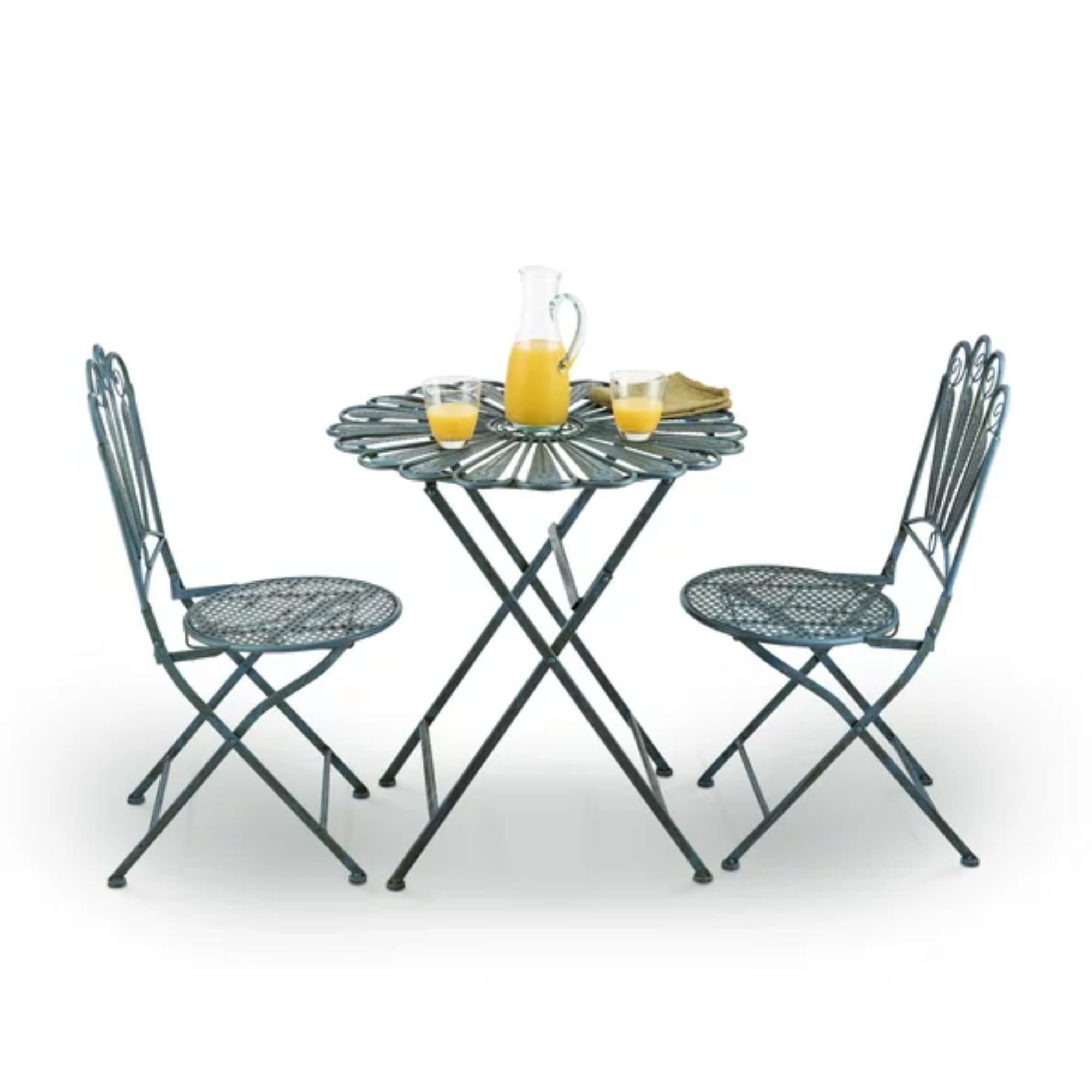
Wrought iron stands out as a remarkably strong metal option, historically proven through its longevity in structures like park benches and fences. Its strength increases with each heating and working process, contributing to the intricate and robust designs often associated with it. While aesthetically appealing for a vintage look, wrought iron is susceptible to rust from prolonged exposure to elements, with cheaper alloys corroding faster. Experts advise paying close attention to the quality of fixings to avoid premature rusting.
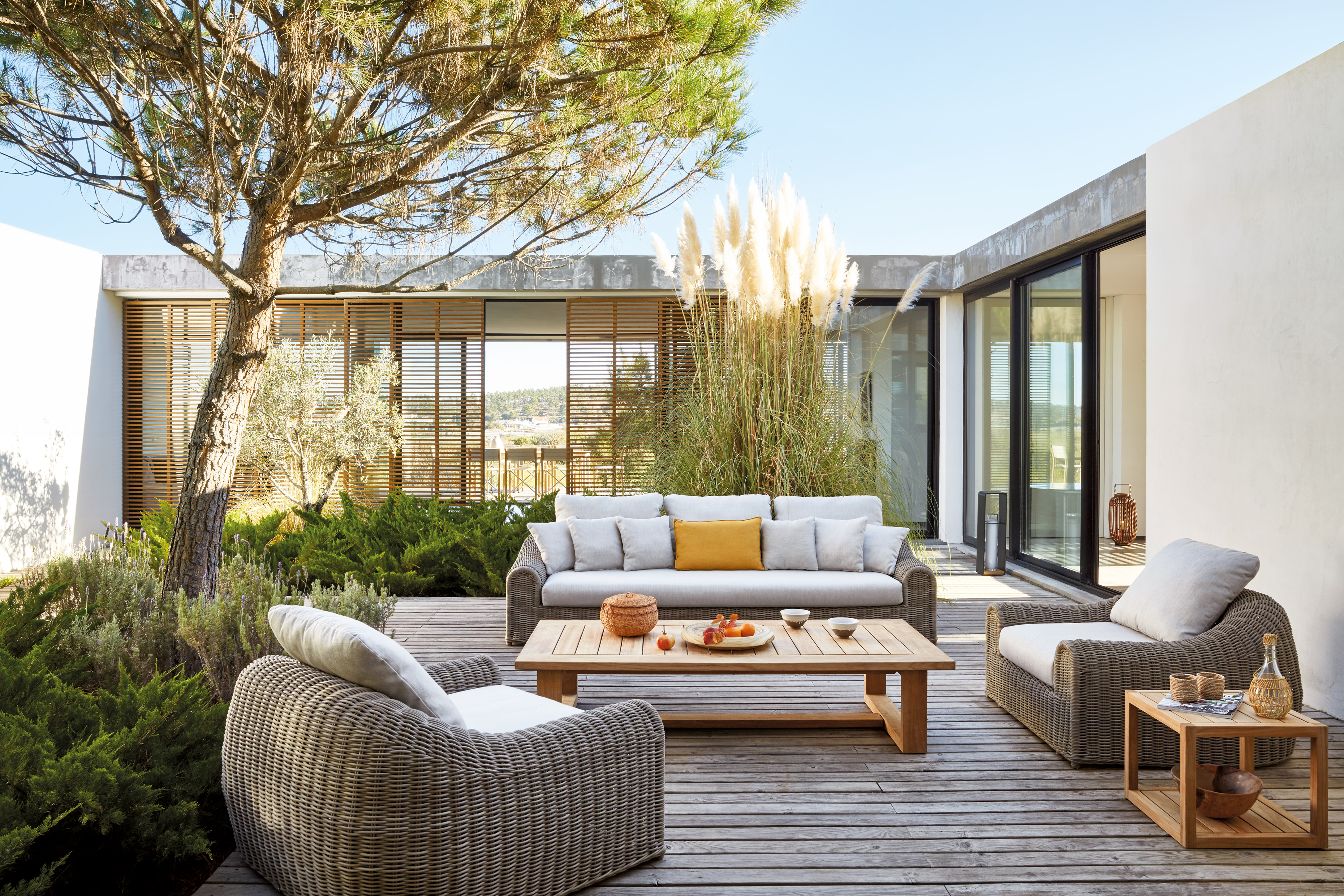
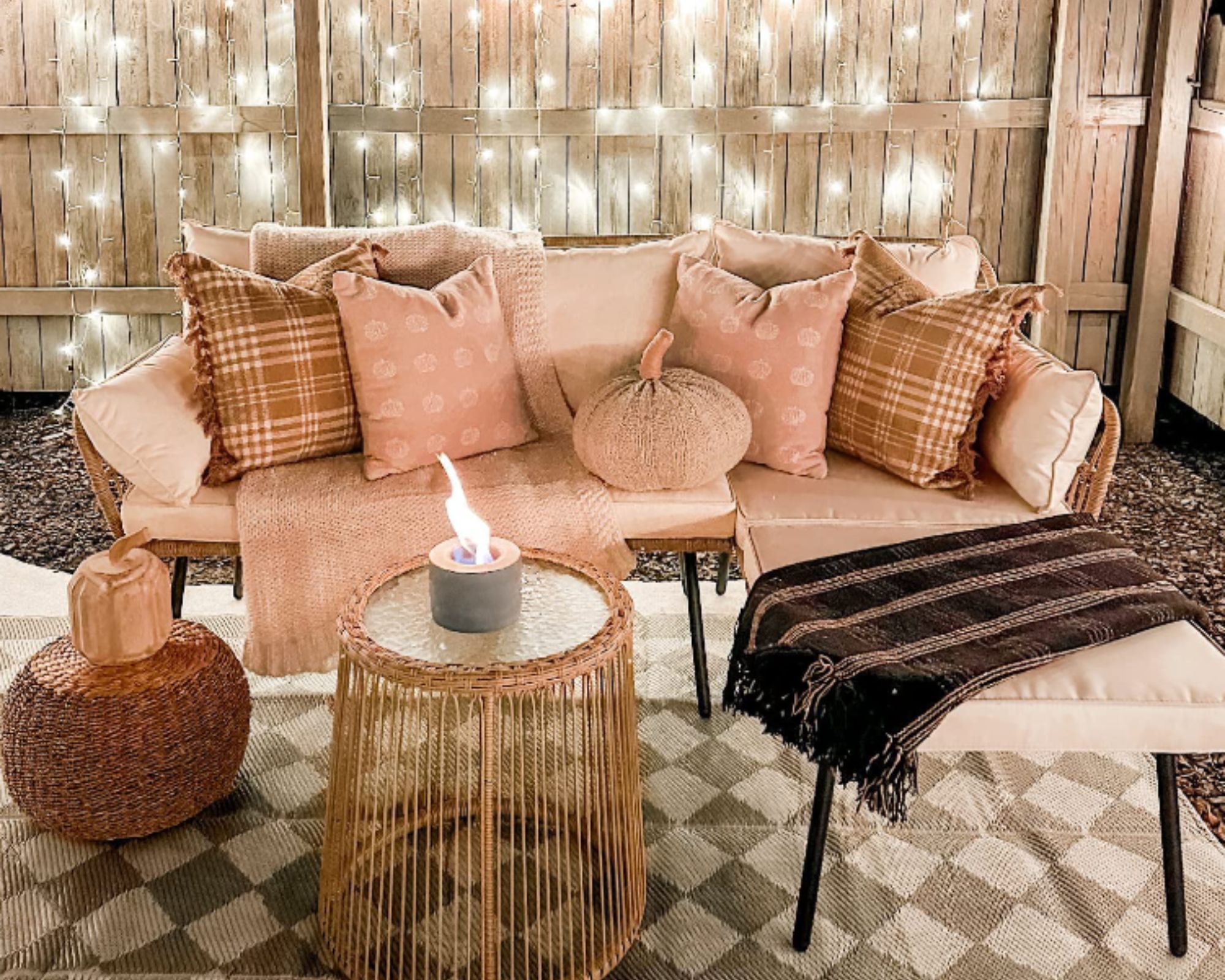
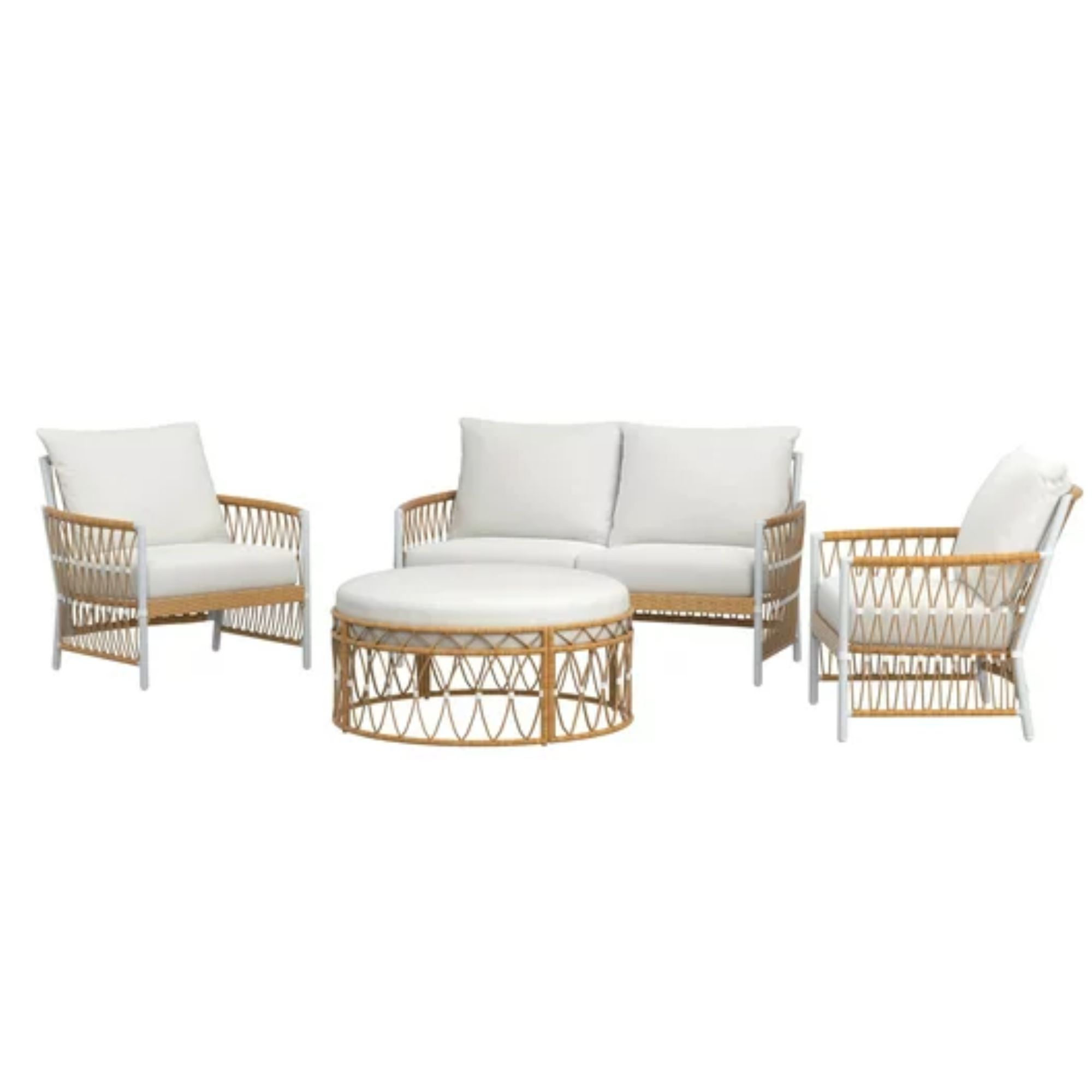
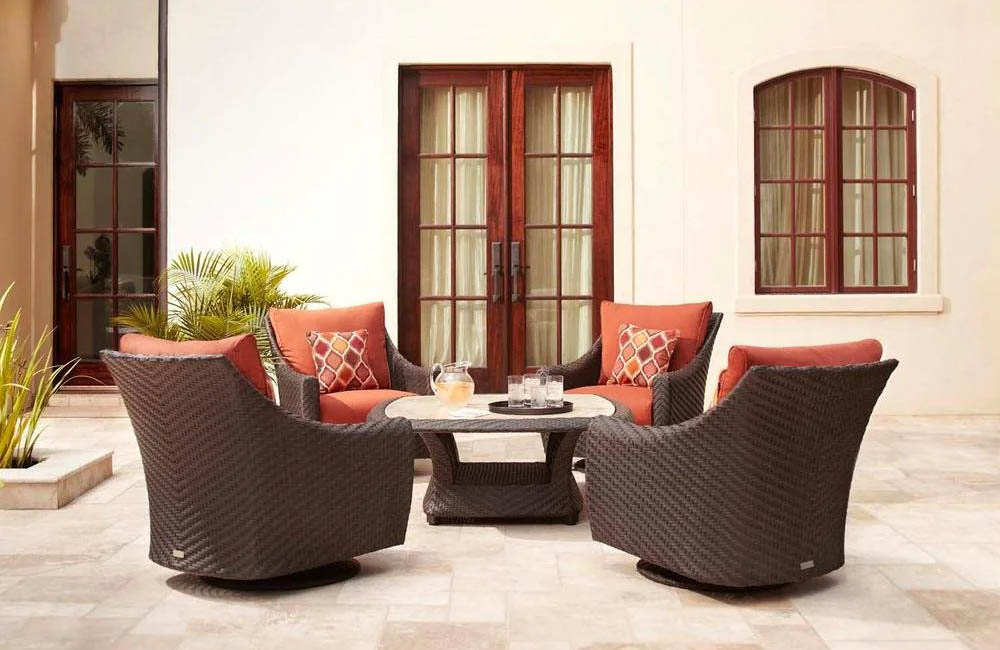
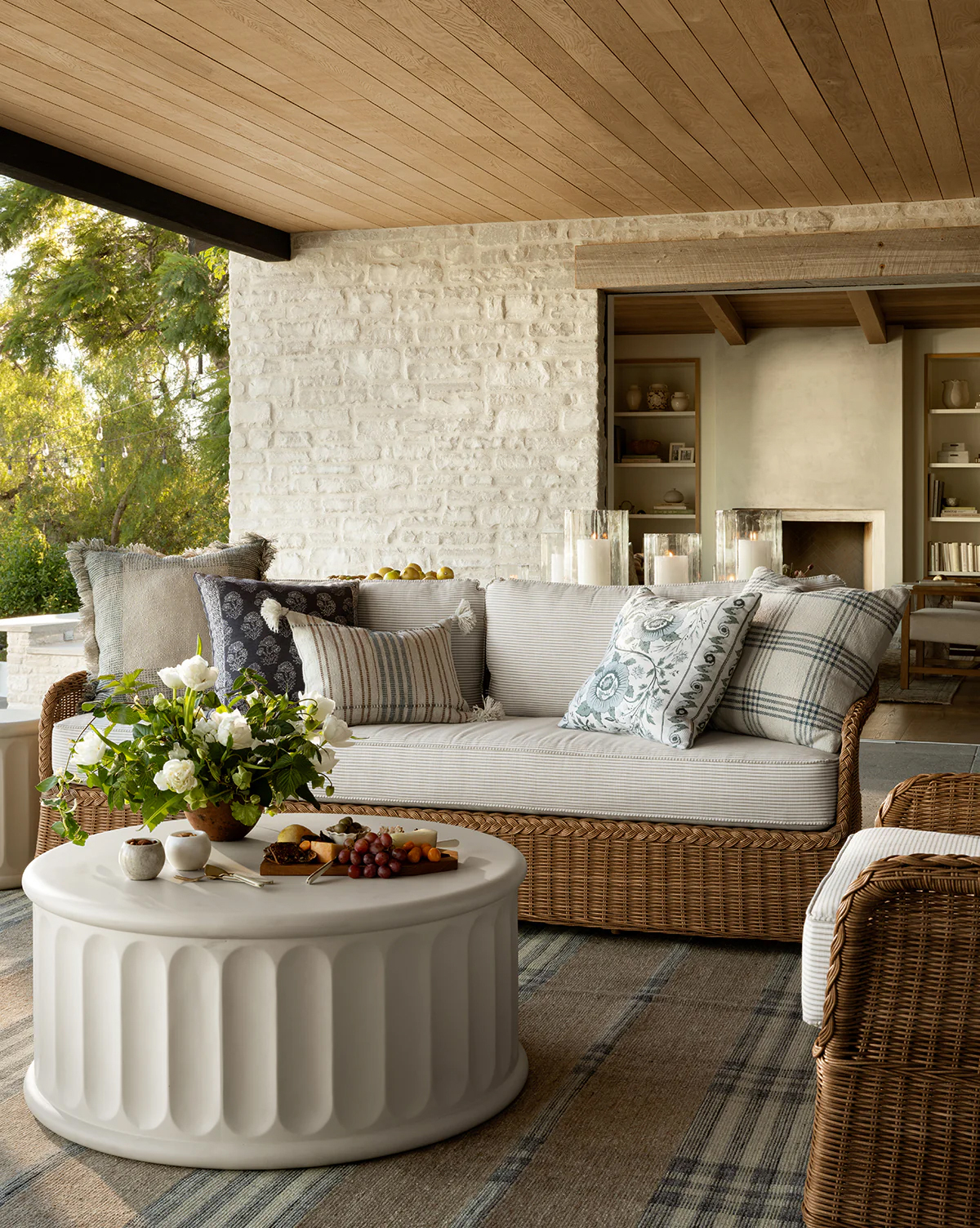
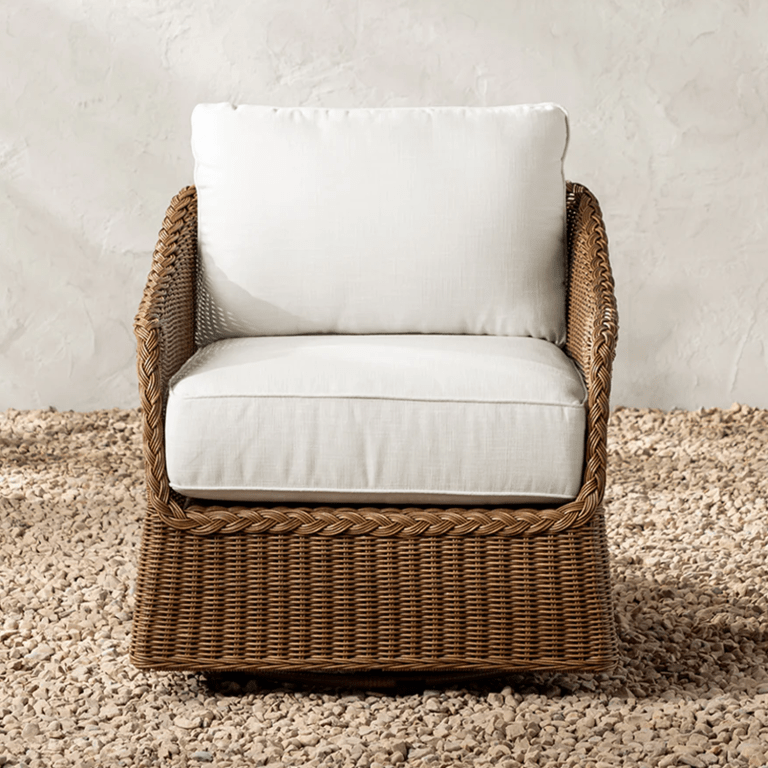
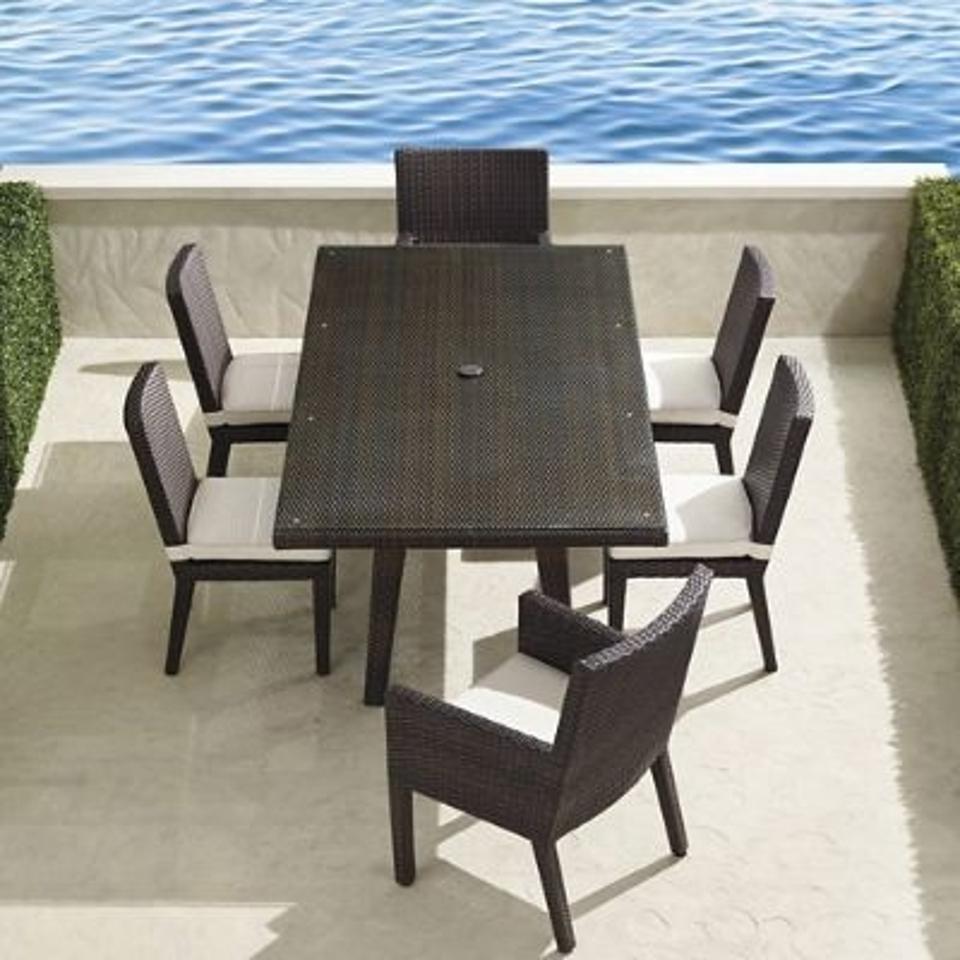
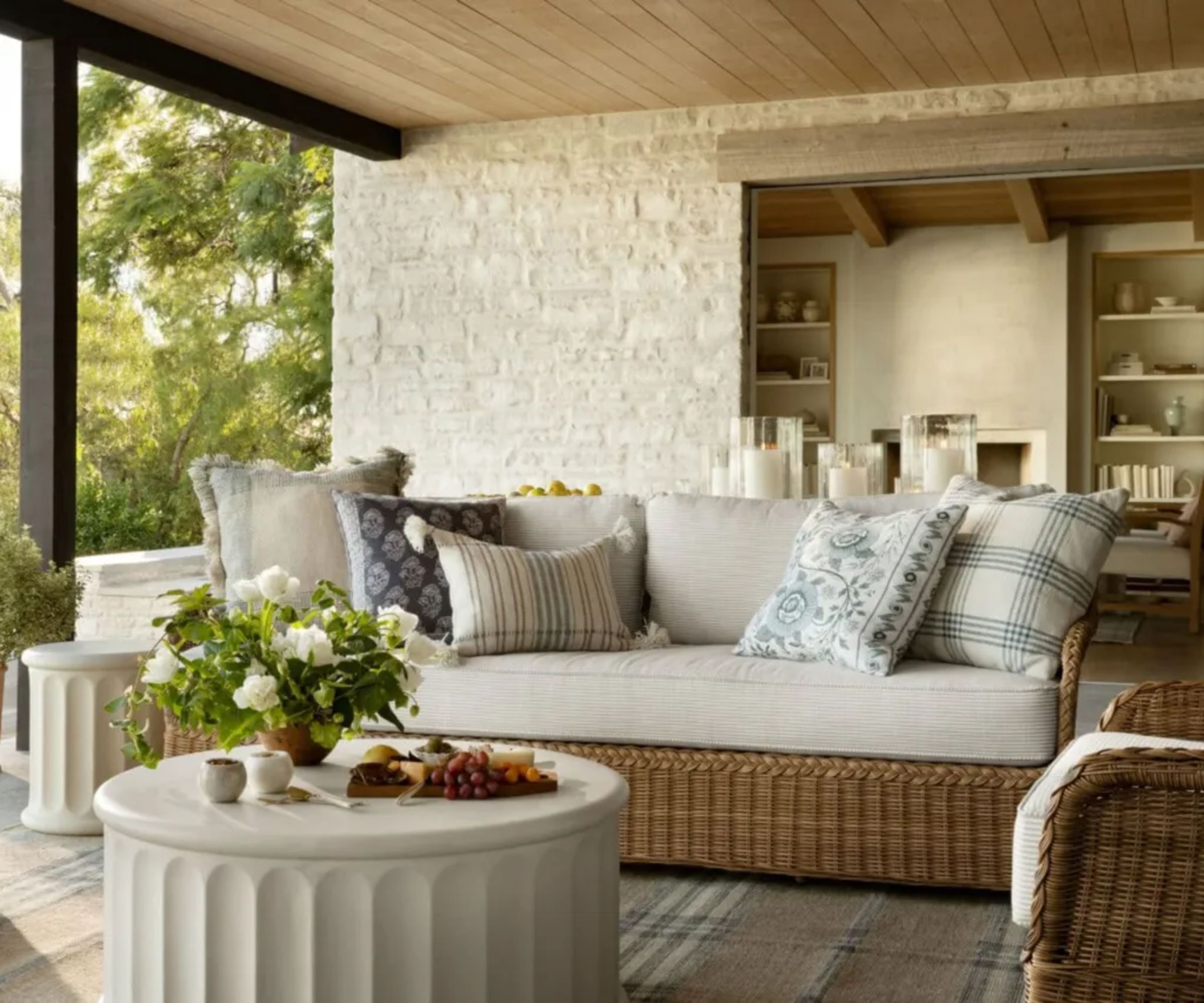
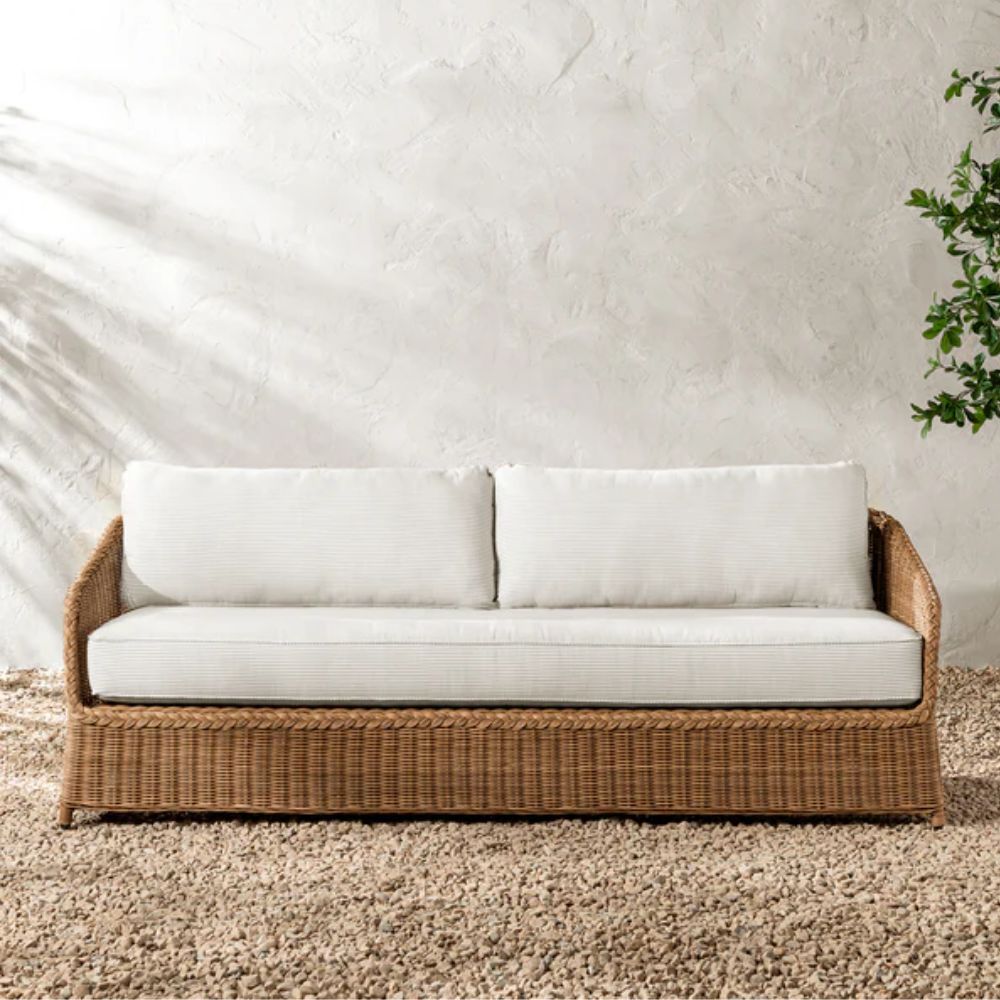
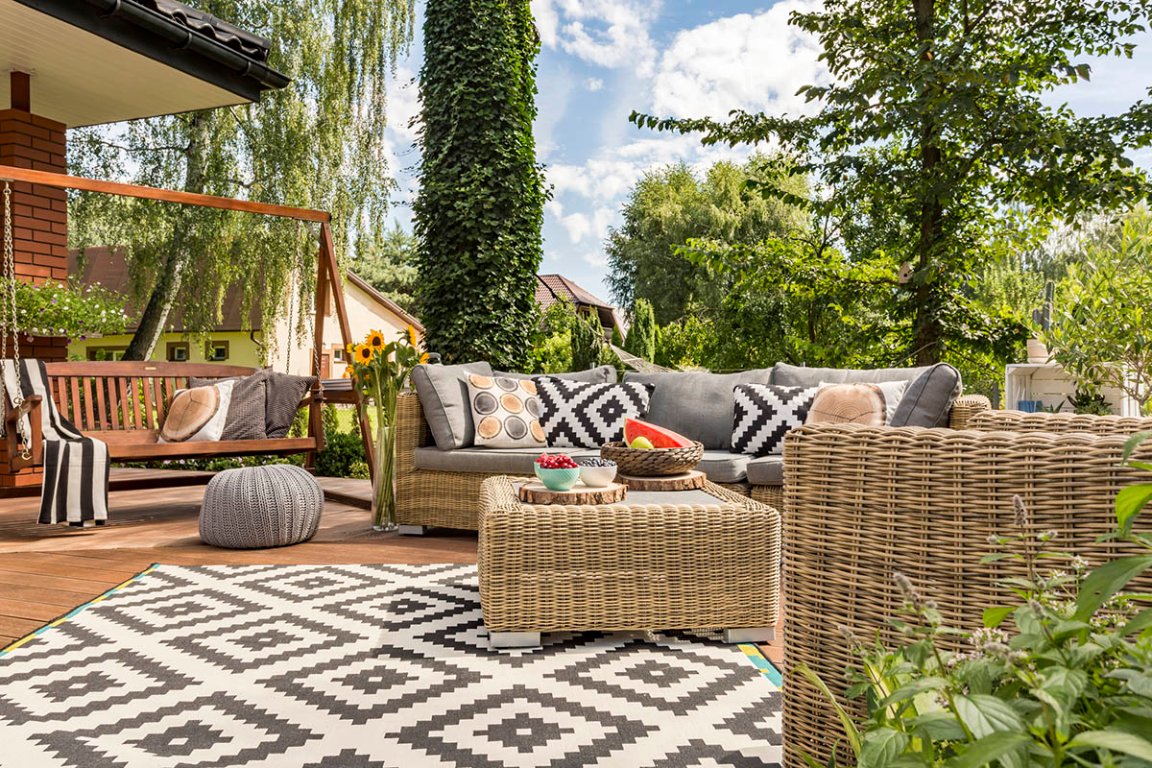
Resin wicker, a synthetic material woven to mimic natural rattan, offers a modern, low-maintenance, and highly durable alternative. It is UV-resistant, preventing fading, and does not conduct as much heat as some other materials. Its lightweight nature, often constructed on aluminum frames, makes it easy to clean. However, its synthetic composition means it has a long decomposition period, posing sustainability concerns. Its lightness also makes it vulnerable to high winds and potential tearing.
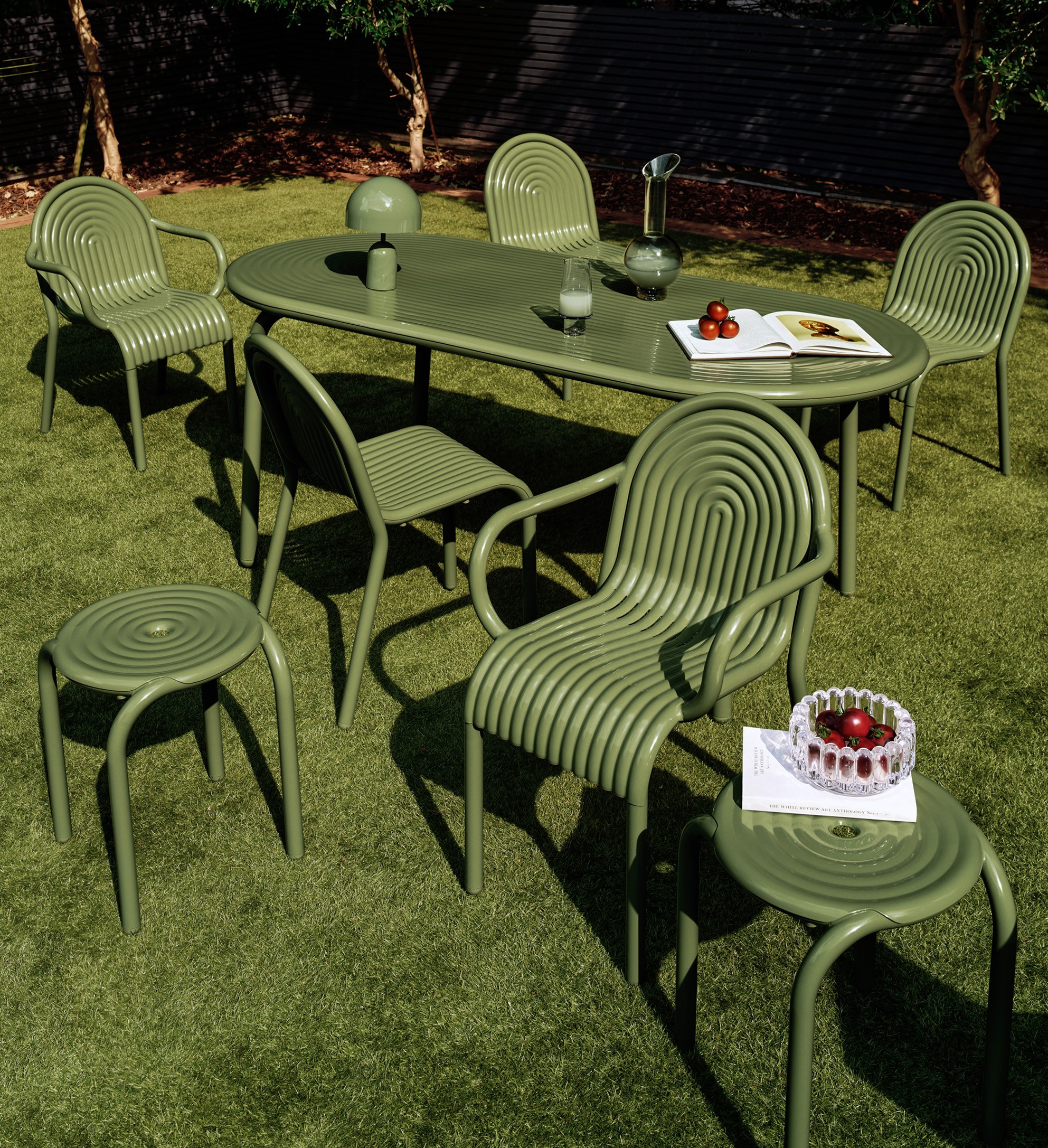
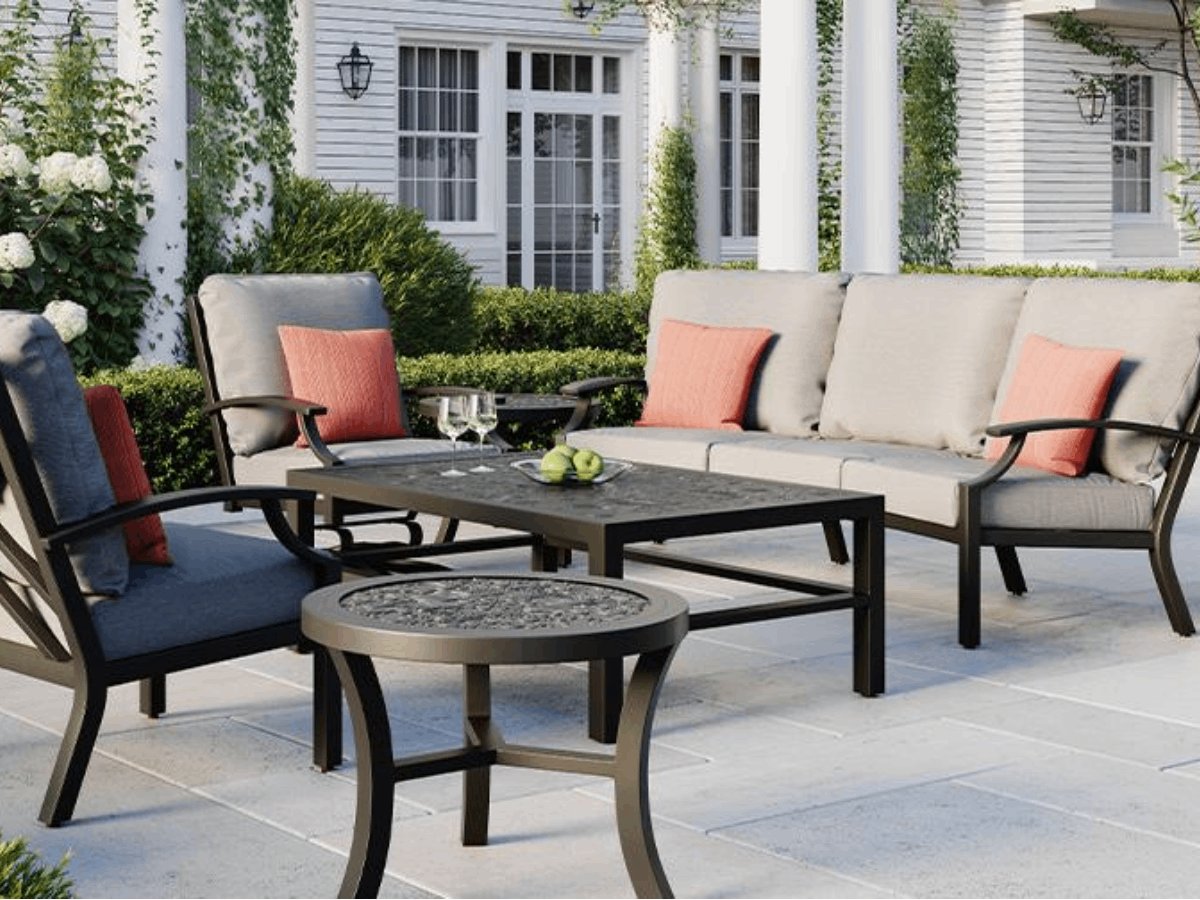
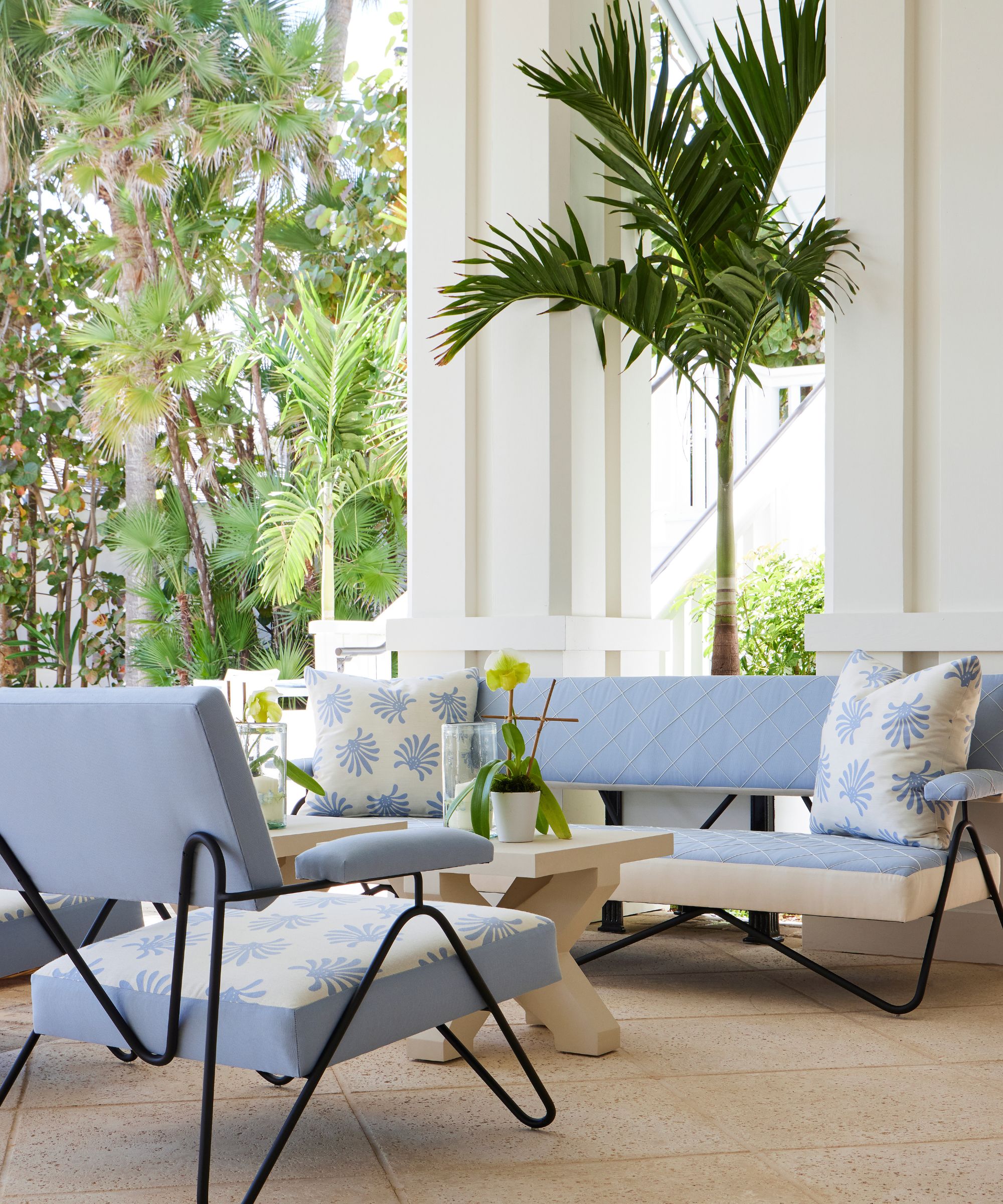
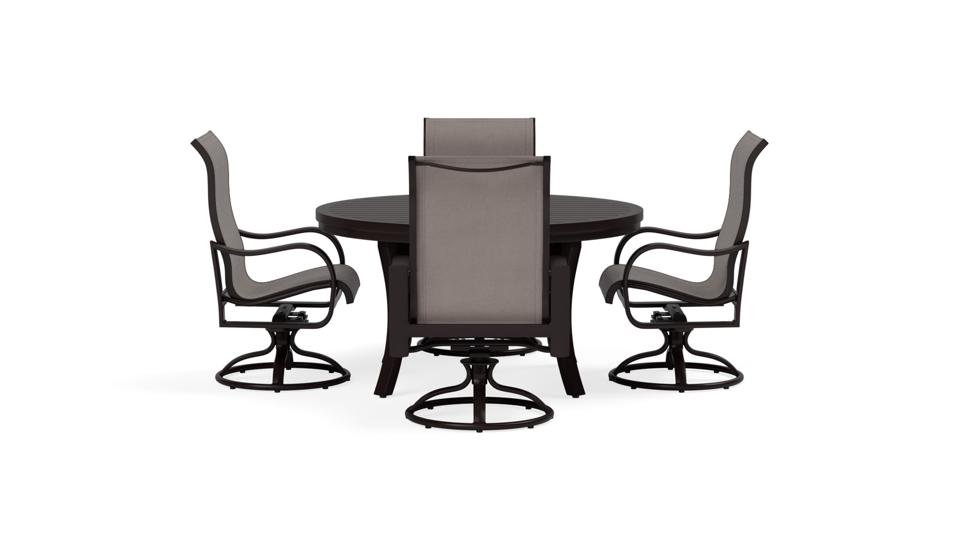
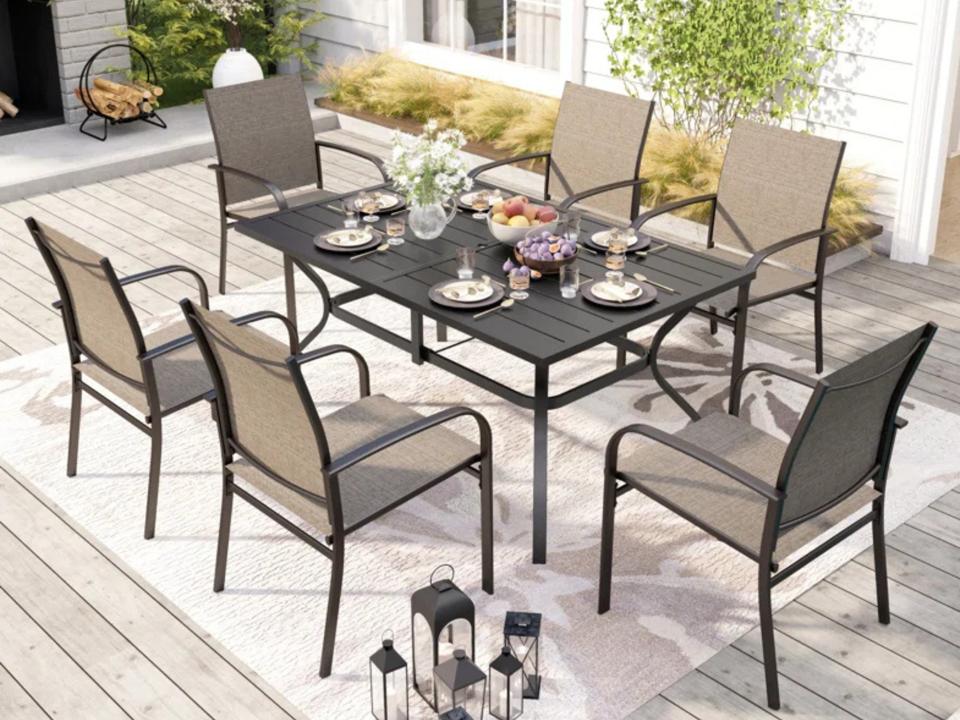
Stainless steel and aluminum provide budget-friendly metal options, often treated with a baked-on powder-coated paint finish for a smooth appearance and protective barrier against corrosion. These metals are celebrated for their resistance to rust and moisture, making them ideal for coastal properties where sea salt can accelerate corrosion. Stainless steel is particularly noted for its high resistance to rust and corrosion. While lightweight and durable, they are more prone to dents and scratches than wrought iron and can become very hot in direct sunlight, necessitating the use of light-colored cushions.
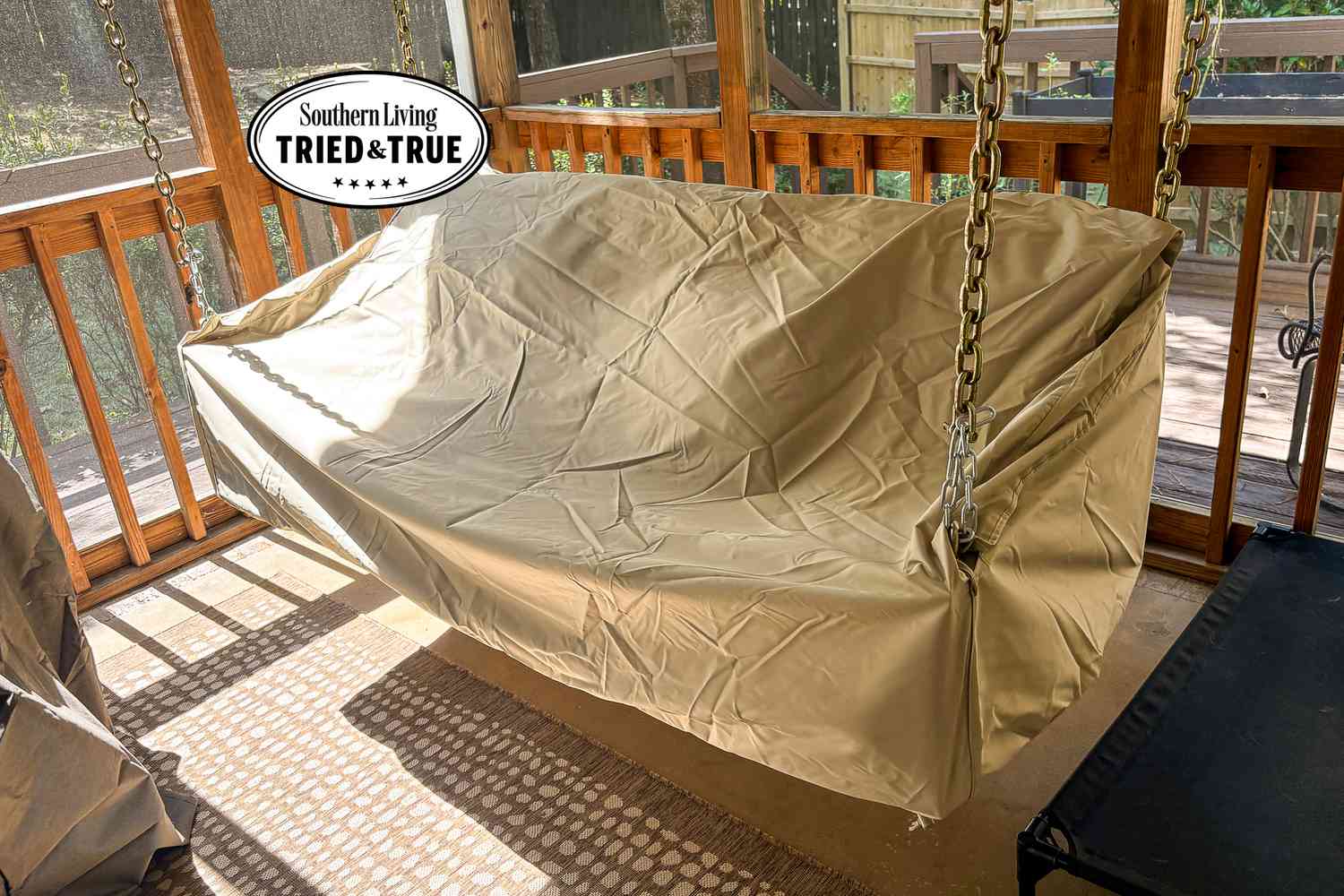
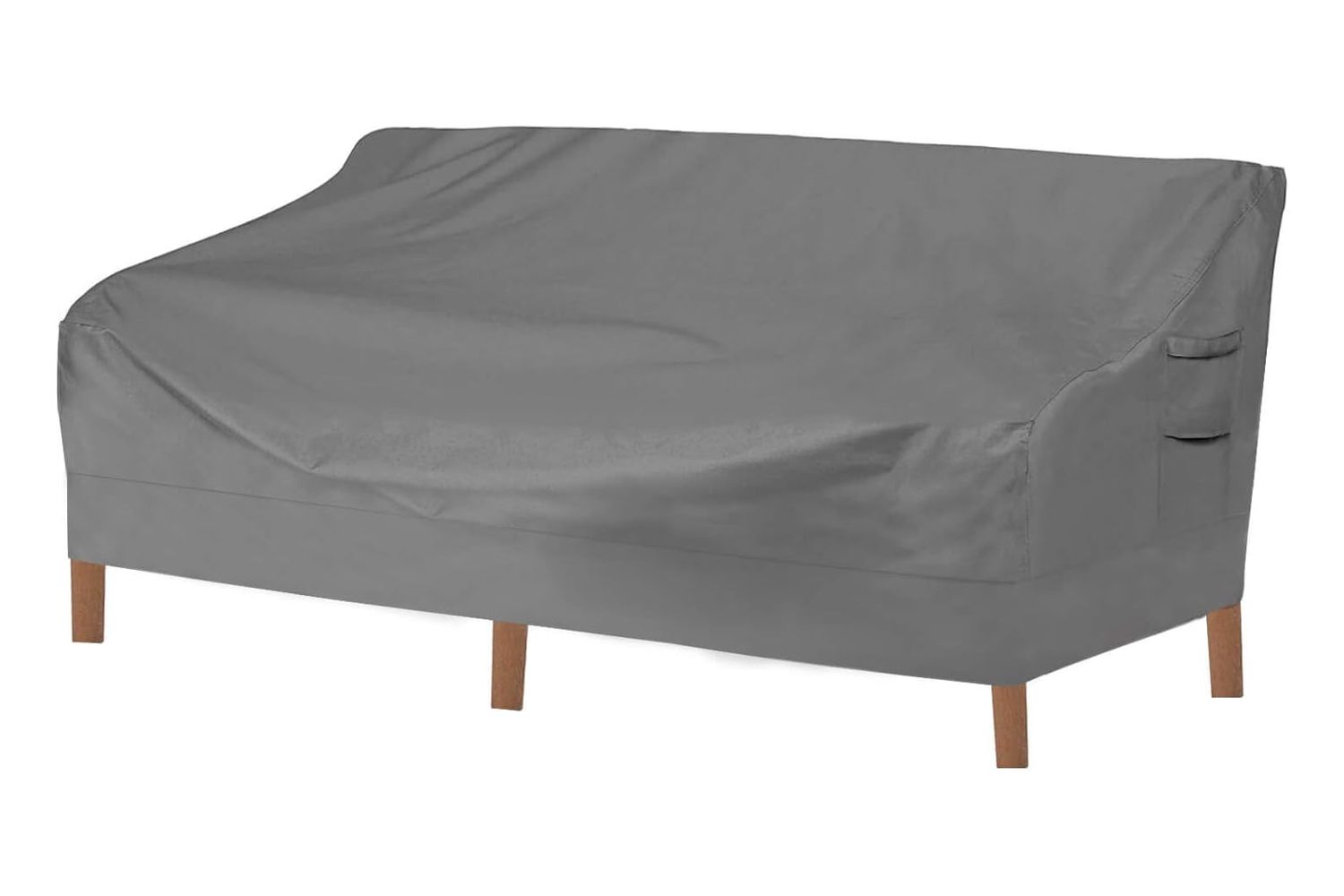
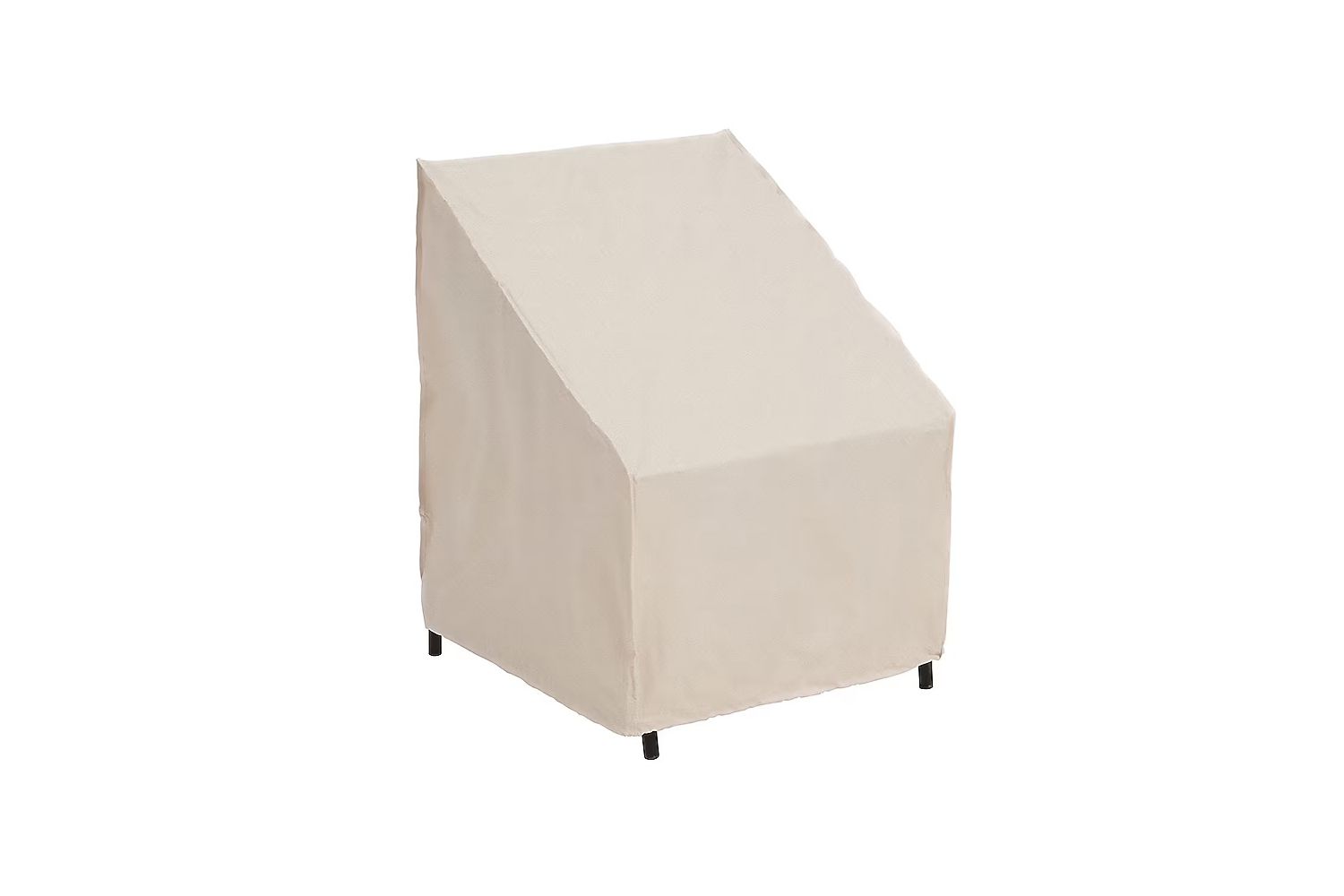
Finally, glass-topped or ceramic-glazed tables offer a classic, long-lasting solution, especially for garden and decking areas. These materials are easy to clean and do not rot, rust, or stain. They are often paired with metal frames, so the frame material should also be considered. While striking and durable, glass and ceramic surfaces can chip, crack, or shatter if not protected, emphasizing the need for careful placement, especially during activities like lawn mowing. Proper care, including investing in furniture covers and storing items indoors during colder months, is crucial for maximizing the lifespan of any outdoor furniture, regardless of material.
#OutdoorFurniture #DurableMaterials #HomeDesign #ExteriorDecor #LandscapeDesign #FurnitureCare #WeatherResistance #MaterialGuide #OutdoorFurniture #DurableMaterials #HomeDesign #ExteriorDecor #LandscapeDesign #FurnitureCare #WeatherResistance #MaterialGuide
0 comment in total
 No comments yet
You may also like
What outdoor furniture lasts the longest? Every landscape designer we asked picked one of these 5 durable options

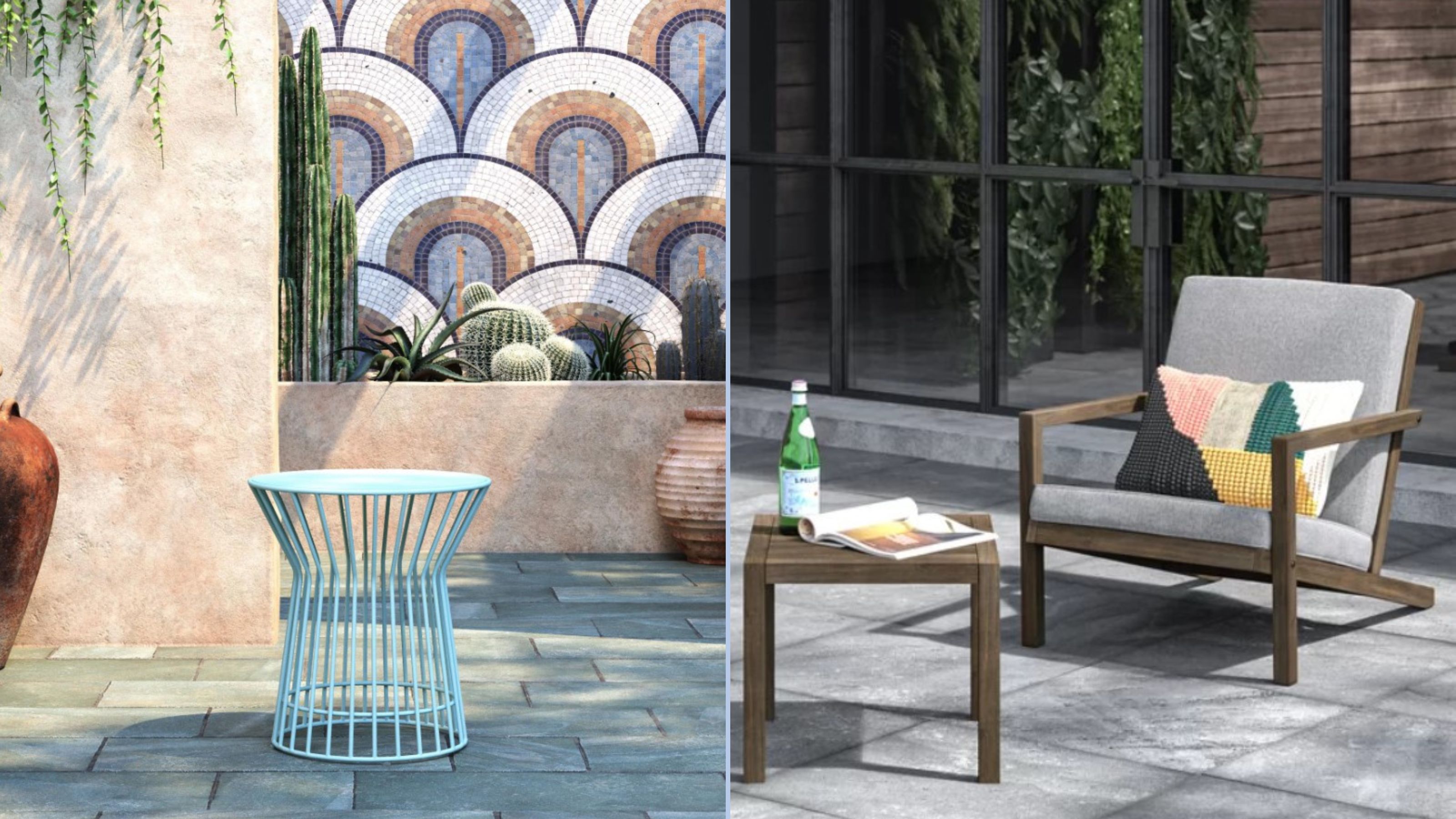
These are the best outdoor furniture brands to shop

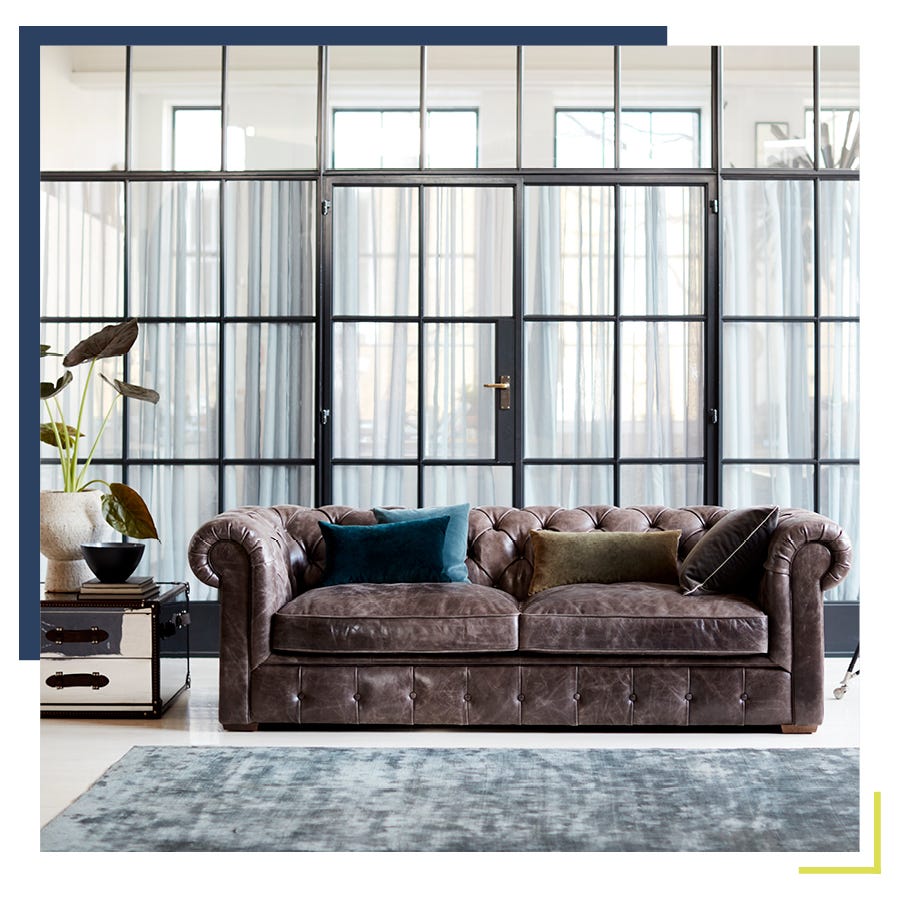
5 classic furniture designs that still have an enduring allure

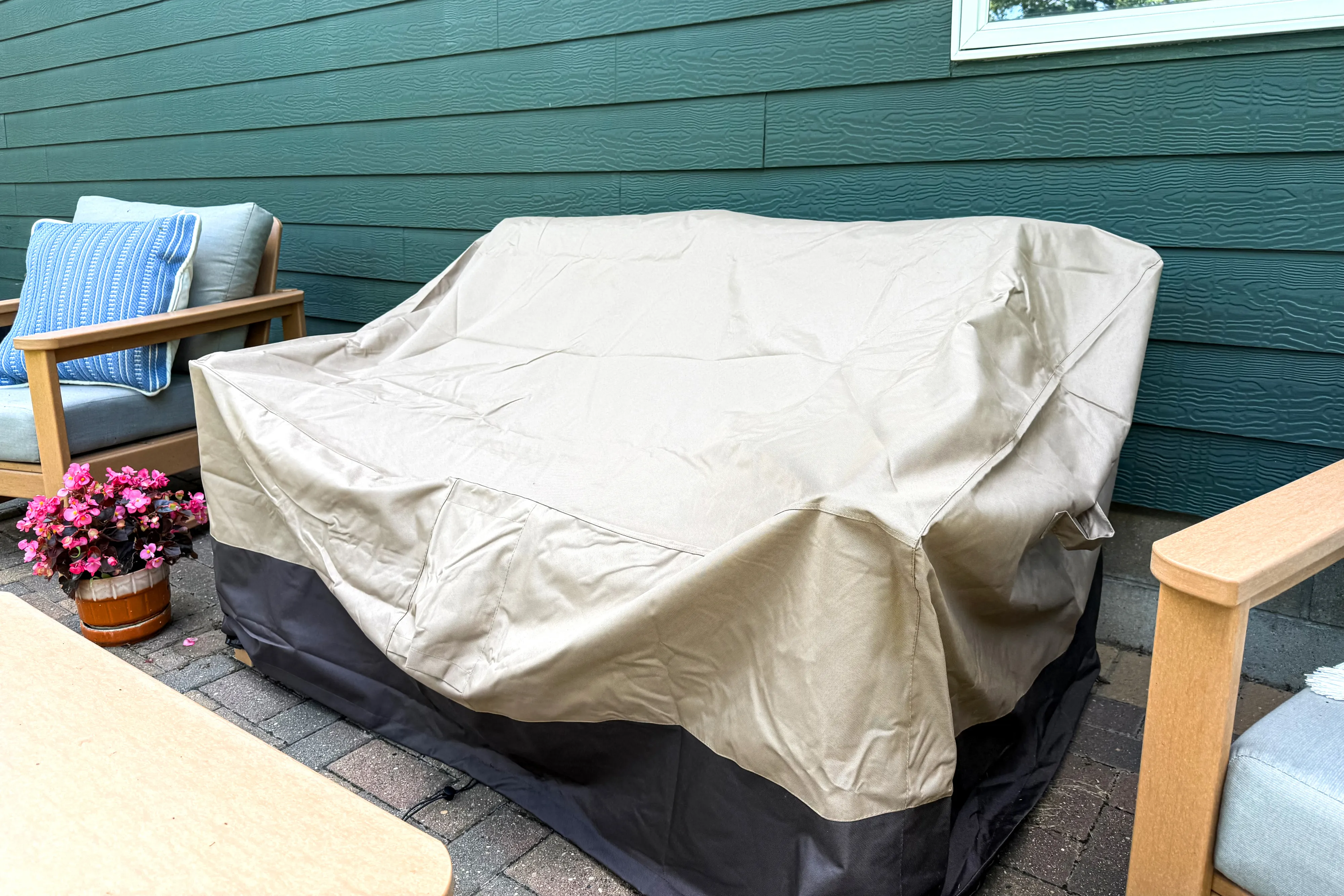
The Best Outdoor Furniture Covers We Tested for All-Weather Protection
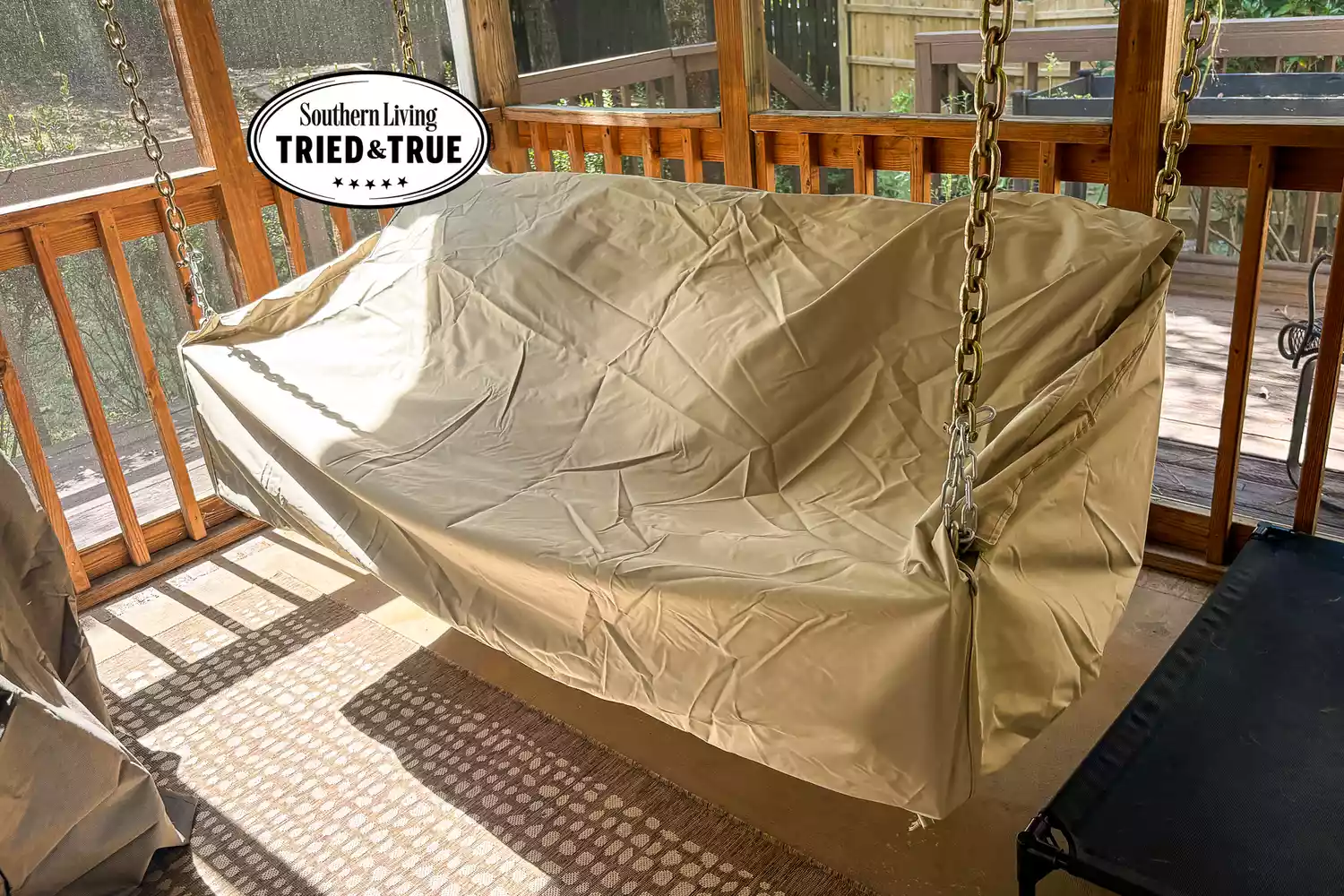
We Tested 20 Outdoor Furniture Covers—These 5 Held Up Best
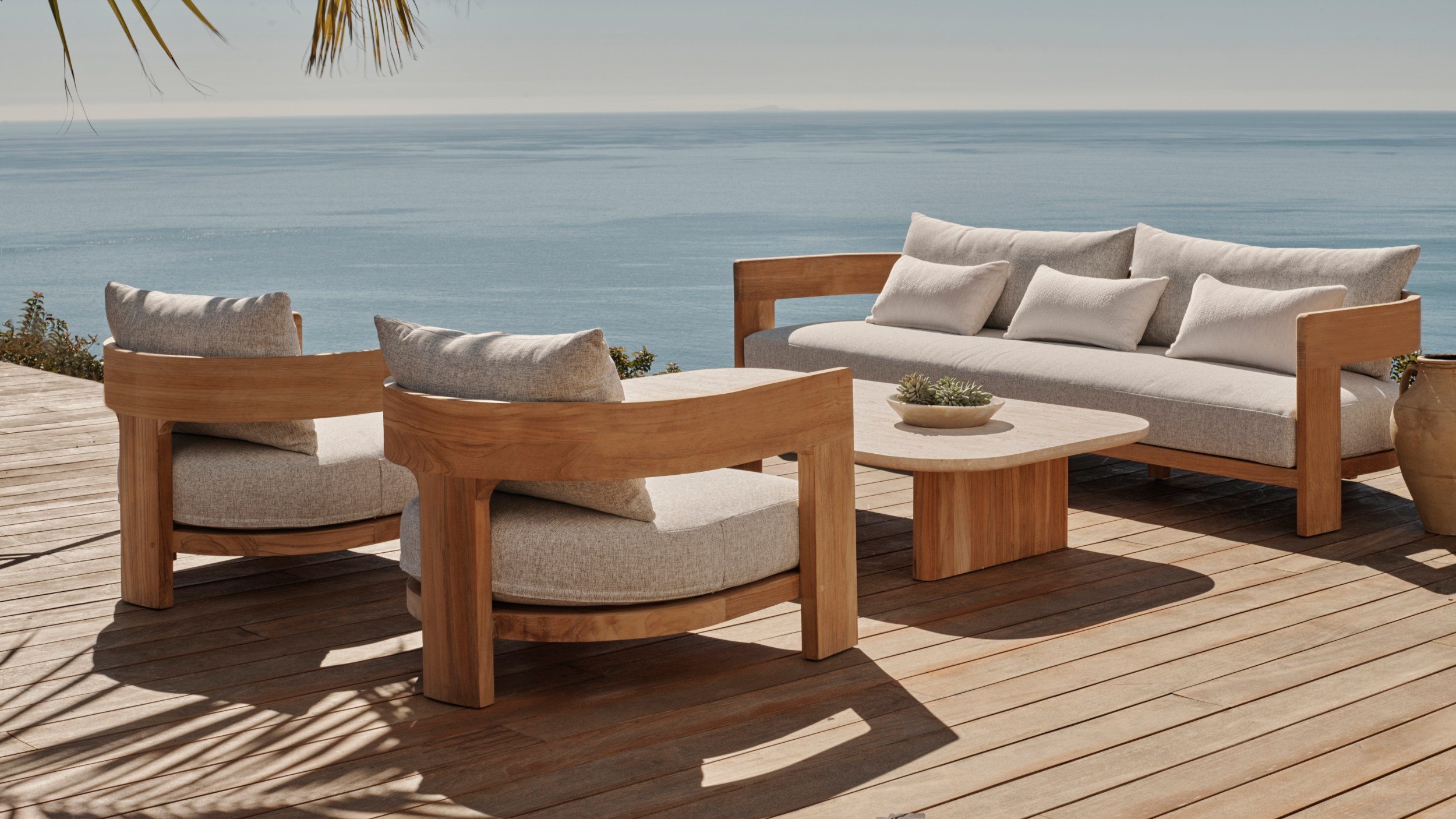
The best luxury outdoor furniture
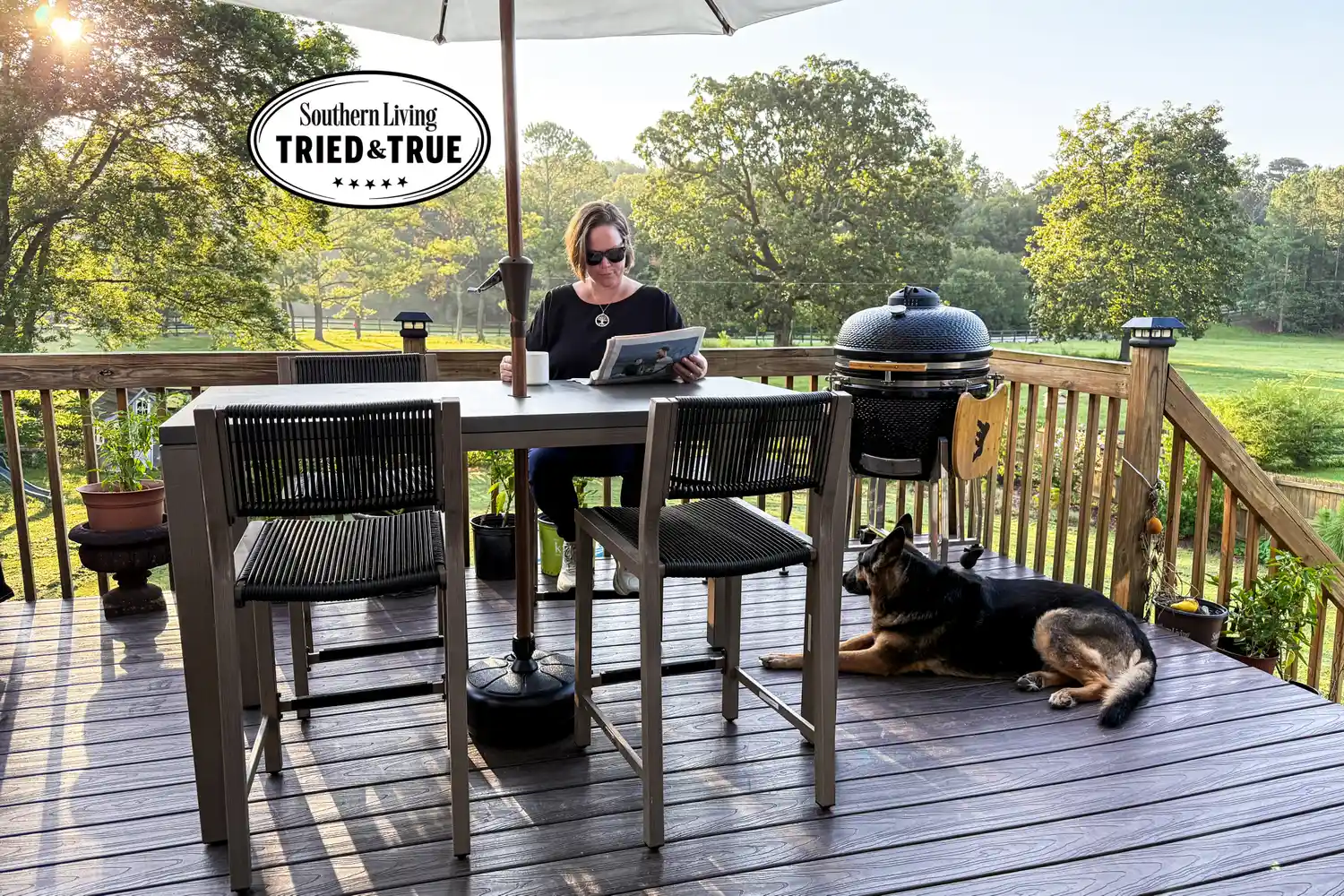
The Weather's Finally Right—These Are The Outdoor Furniture Pieces Worth Putting Out Now
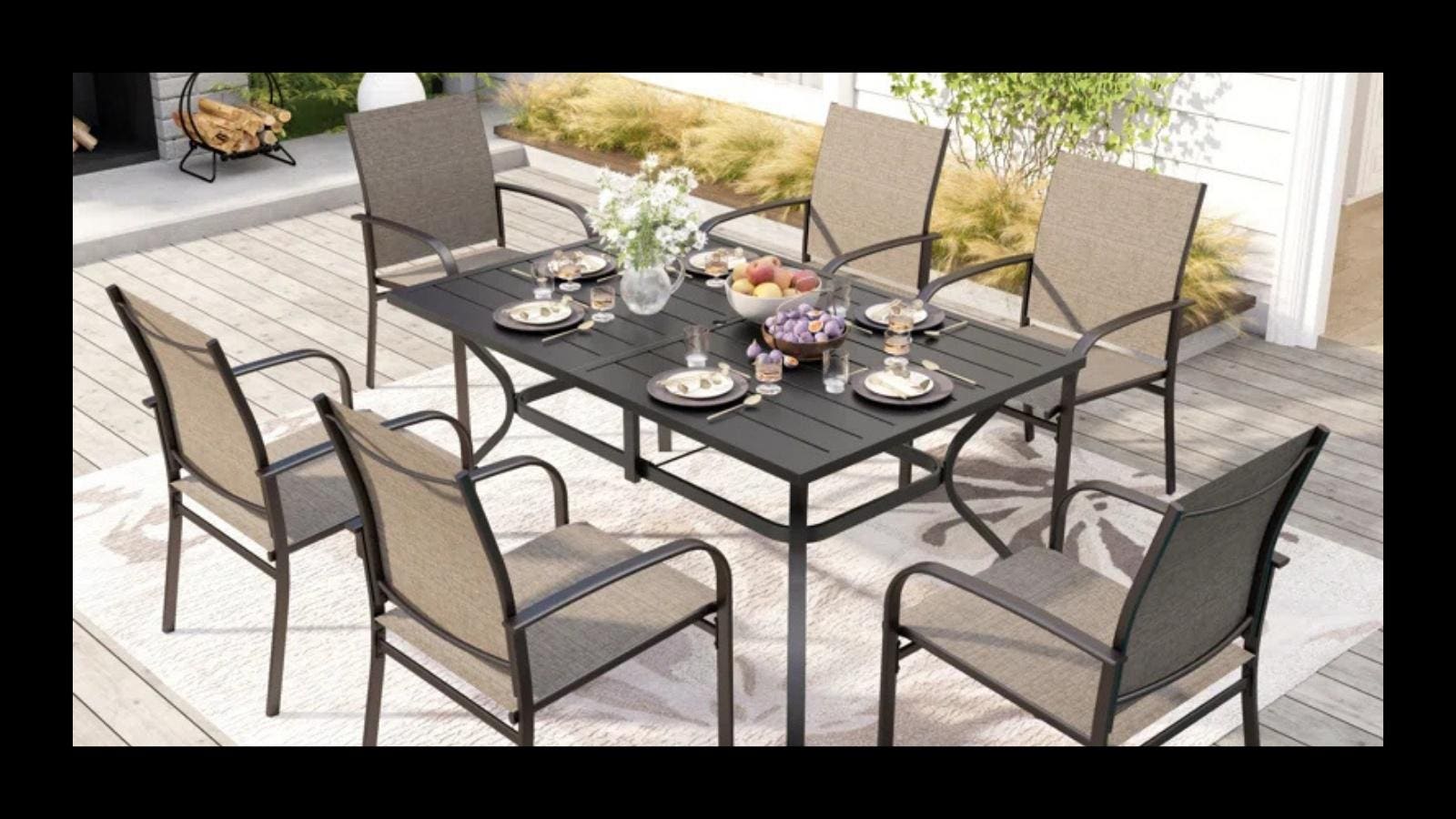
The Best Patio Dining Sets That Are Durable And Attractive

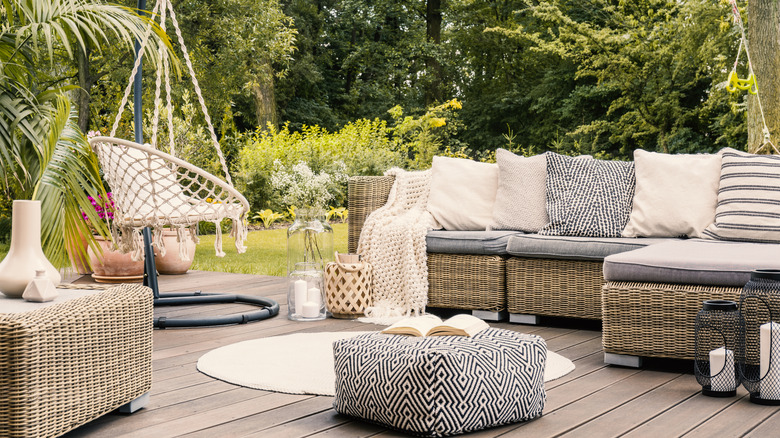
The Most Reliable Outdoor Furniture Brands, According To Reviews
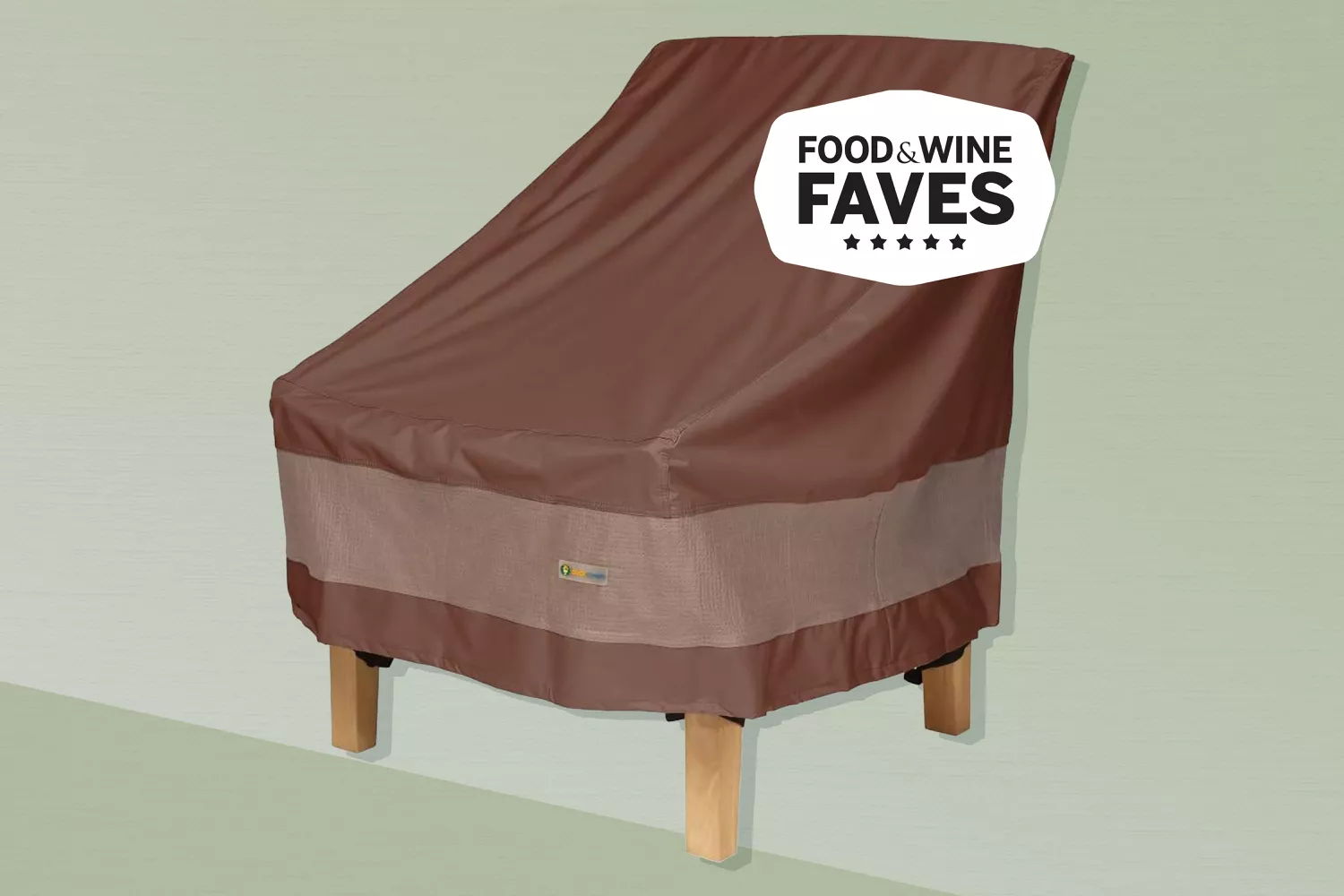
We Put 15 Outdoor Furniture Covers to the Test — These Are the 5 That Kept Our Tables and Chairs Looking Great

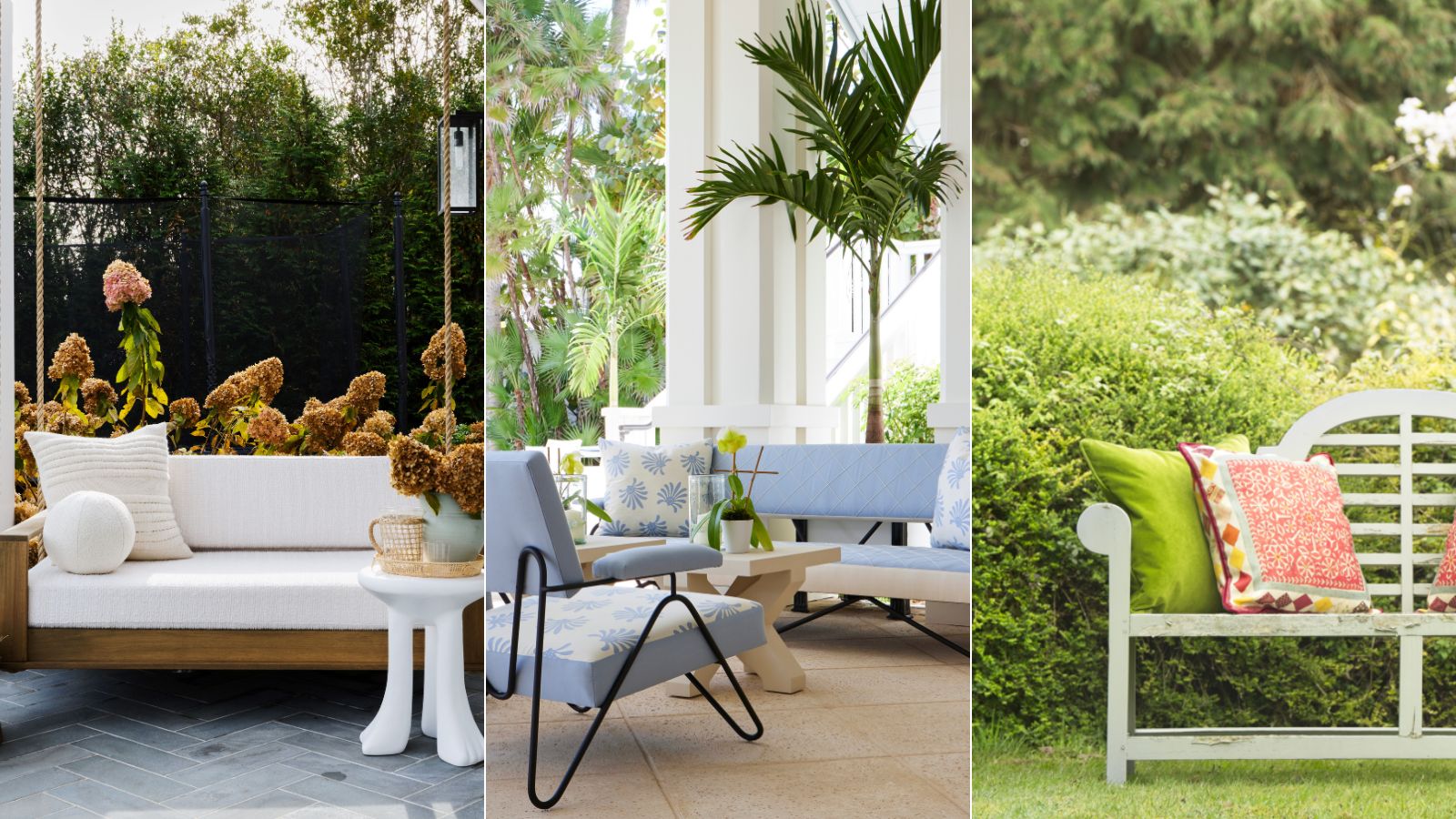
What are the best fabrics for outdoor furniture? Designers share their top picks – stylish and functional in equal measure

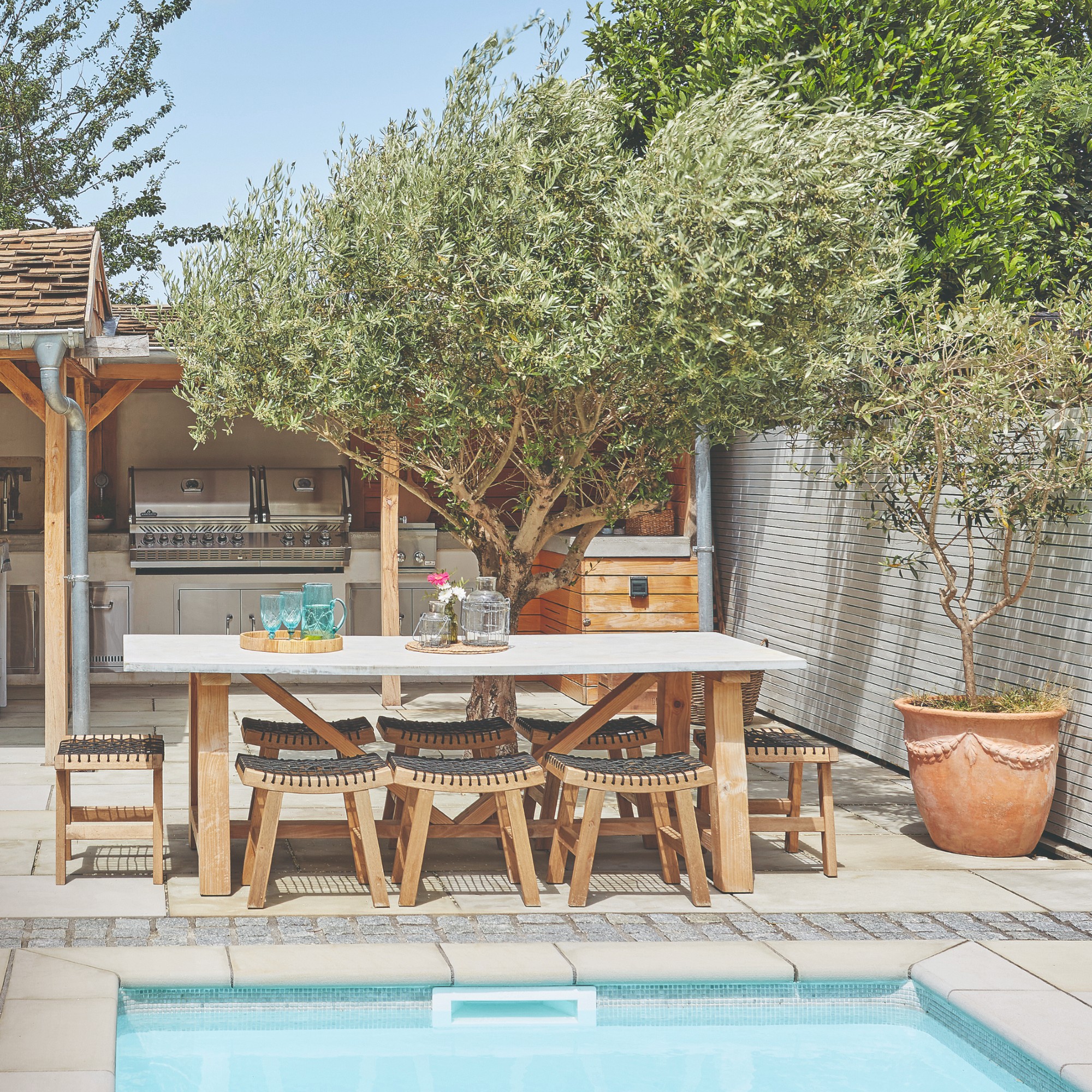
Best wooden garden furniture – the top brands and designs
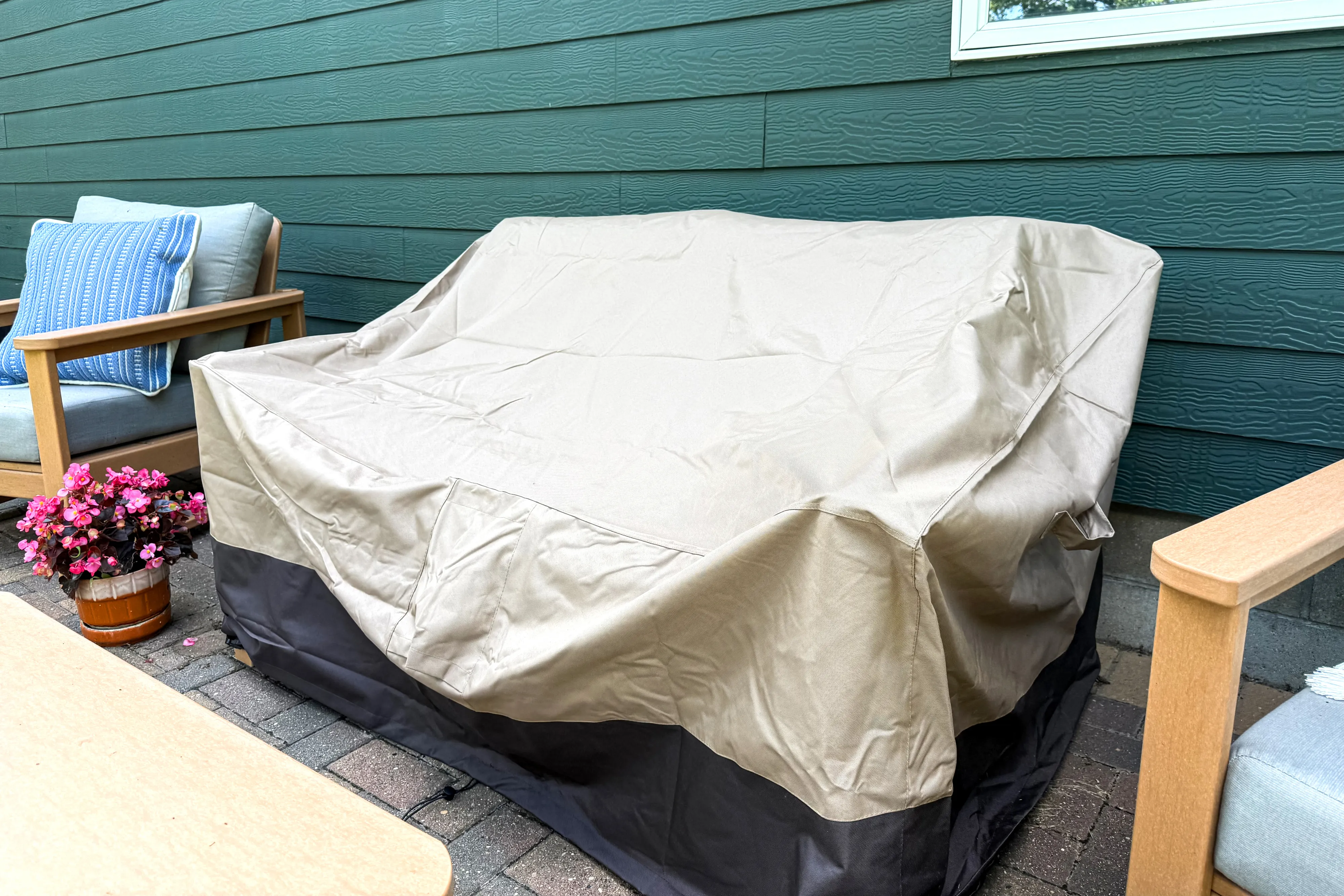
The 5 Best Outdoor Furniture Covers We Tested to Keep Your Patio Furniture Protected, No Matter the Weather

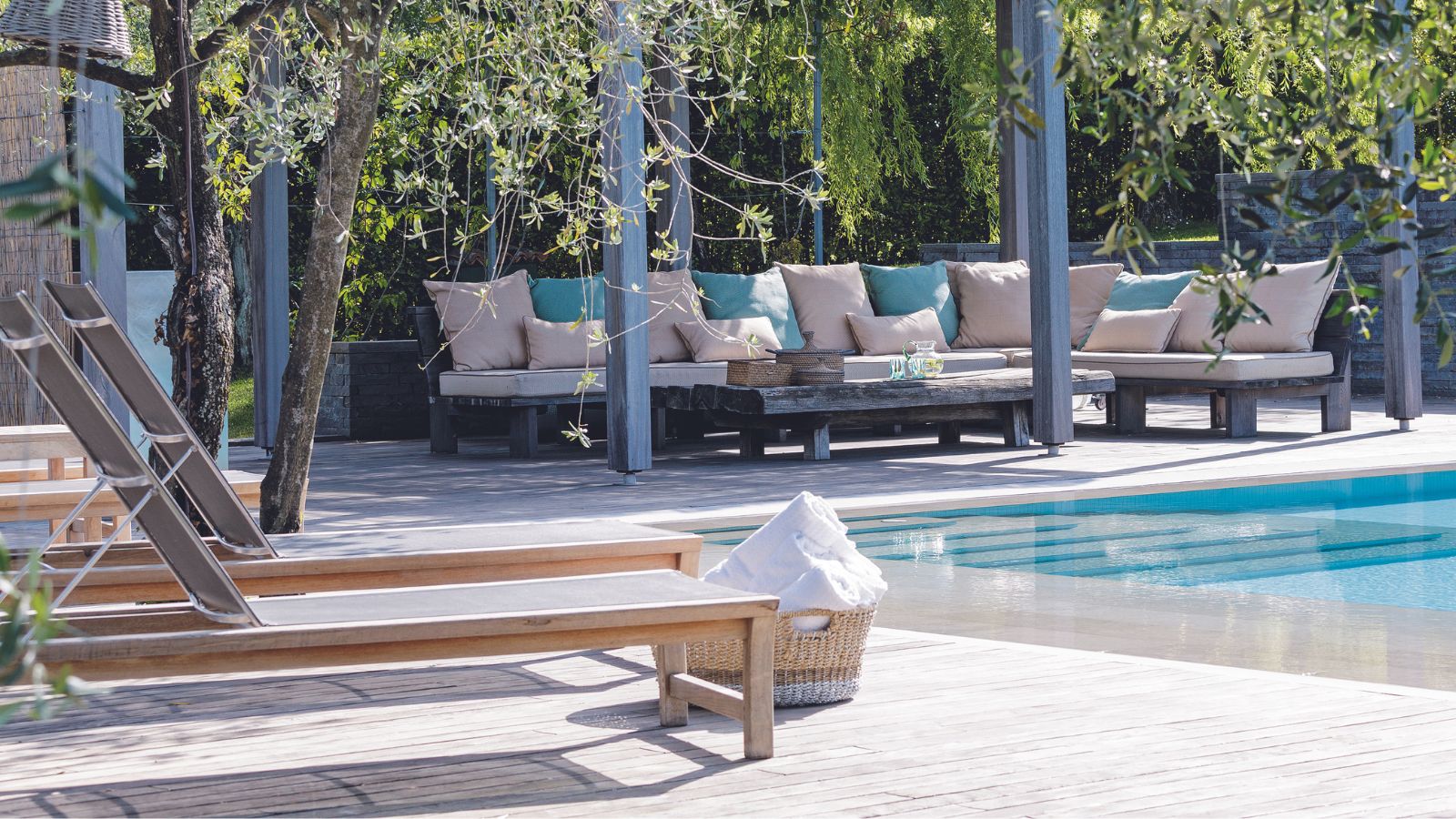
Best wooden outdoor furniture – expert picks and advice
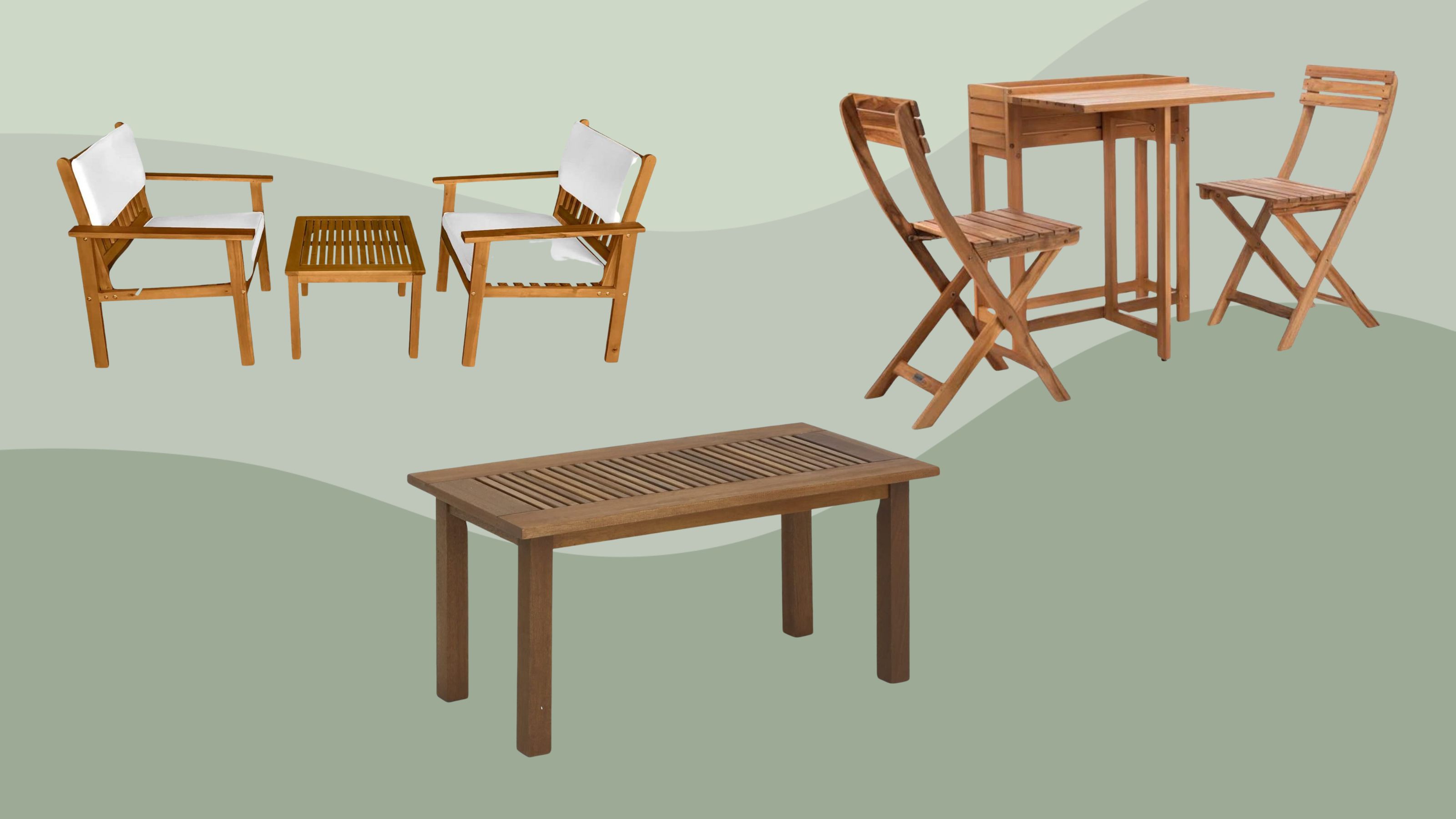
These are the best wooden outdoor furniture sets you can buy right now
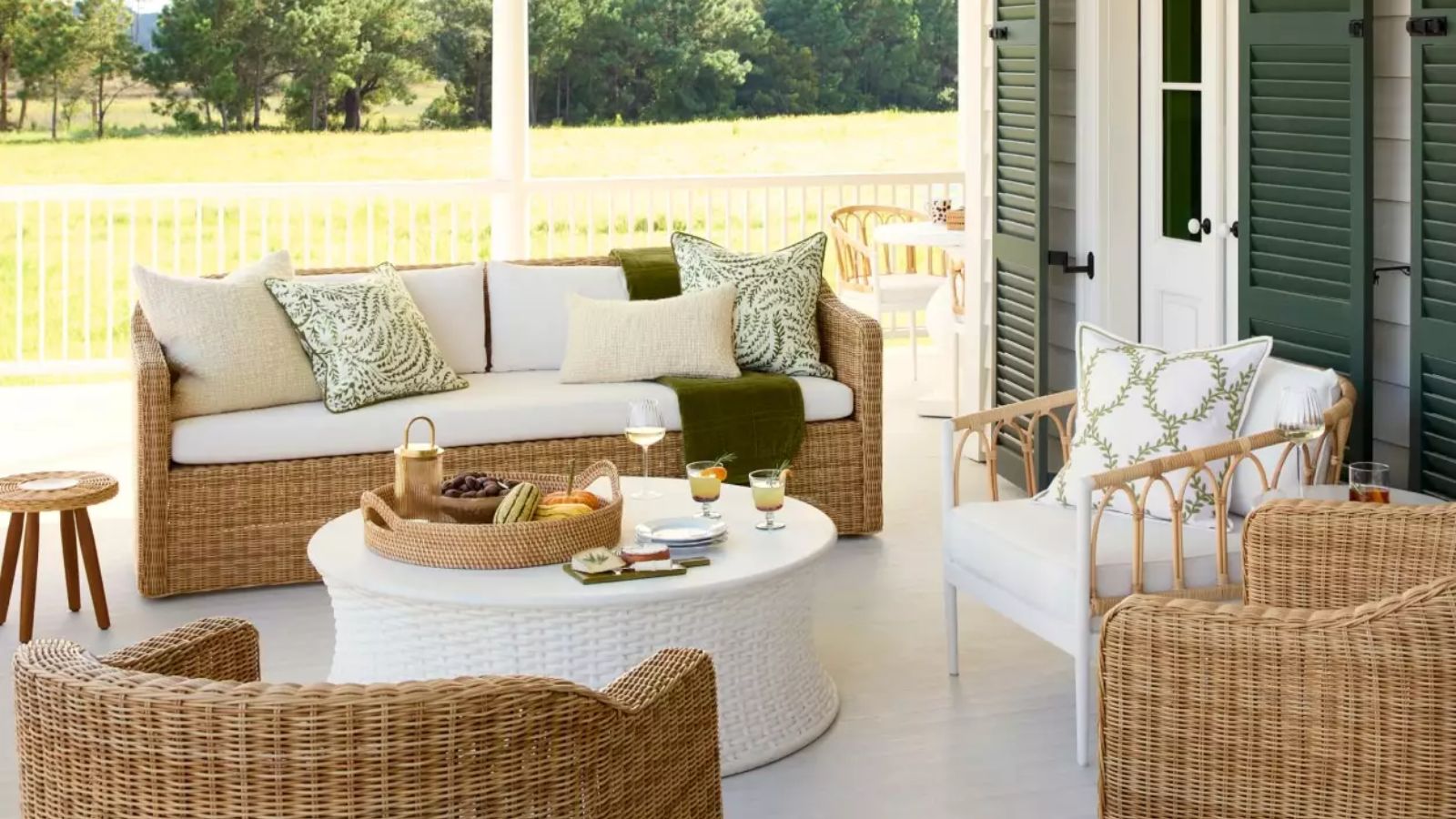
Best outdoor furniture: our top picks of where to shop
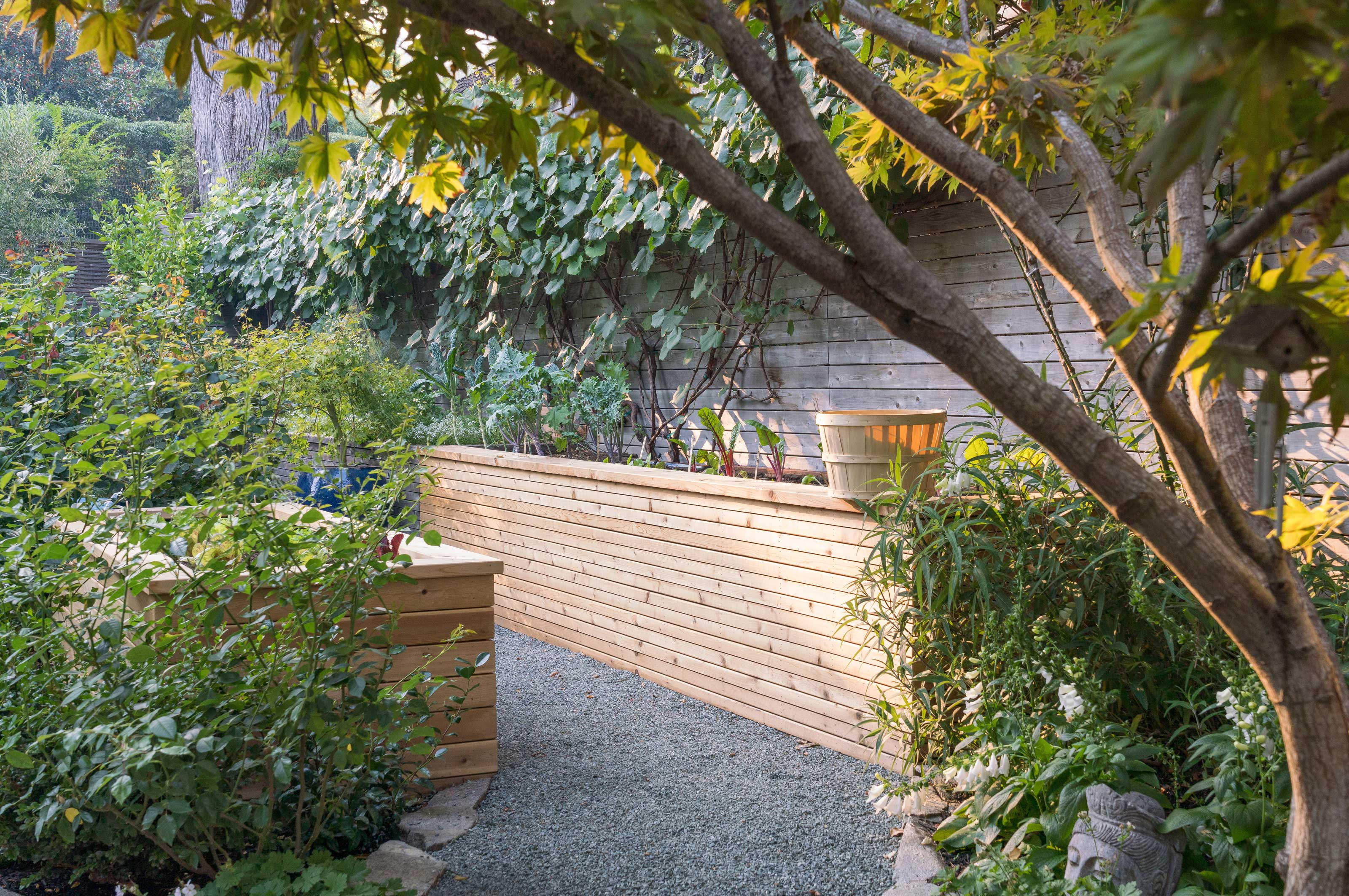
Best wood for outdoor projects – 5 types that are loved for their durability and good looks in equal measure
The Best Outdoor Furniture Brands for Your Patio

The Latest and Greatest Outdoor Furniture

After Testing, We Love These 9 Comfortable, Durable Outdoor Cushions