In Praise of the Book Tower
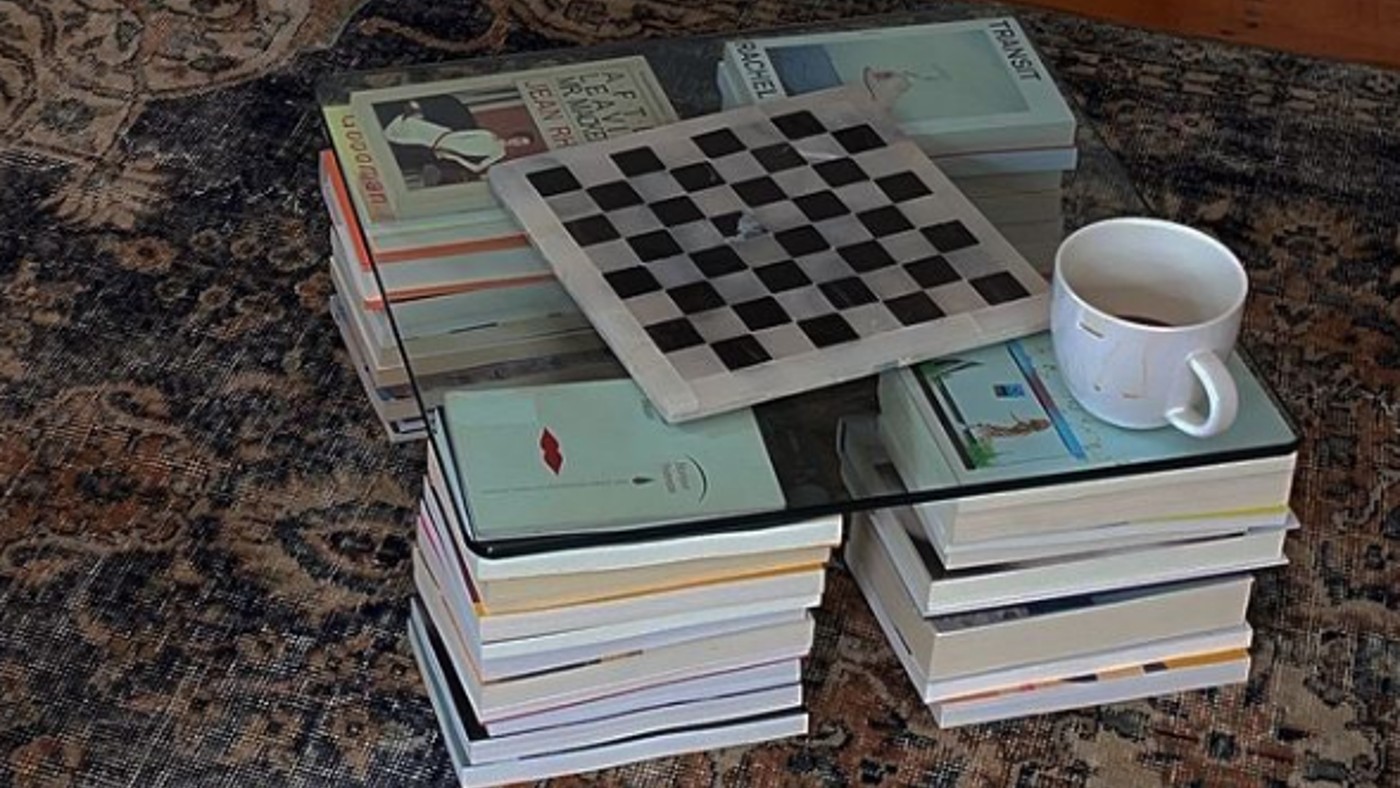
The author reflects on the varied reactions to the stacks of books in her North Carolina home, which was featured on the design site Apartment Therapy. While some readers expressed dismay, finding the book towers to be clutter and a hindrance to movement, others found them welcoming and representative of a reader's home. Concerns raised by critics included the potential damage to books and the obstruction of furniture, such as an antique radio. In contrast, supporters appreciated the personal and friendly atmosphere created by the visible presence of numerous books, viewing them as a reflection of the homeowner's intellectual life.
The author details the sheer quantity of books stacked throughout her living room and foyer, noting specific locations like the coffee table, end tables, and beside bookshelves. She counts 98 un-shelved books in her living room alone, and 233 in her foyer, mostly in front of the old radio. This personal inventory underscores her identity as a collector who enjoys having many items in her field of vision, contrasting with the minimalist preferences expressed by some commenters.
The essay delves into the definitions of "stack" and "pile," highlighting how these terms imply a degree of order, or at least a grouping of similar items. She contrasts the casual arrangement of her home books with the ordered, often restricted, "stacks" of a library. The author questions the widespread attachment to bookshelves, suggesting that while shelves offer order and classification, they might also make books feel less accessible for immediate reading. She references Georges Perec's essay "The Brief Art and Manner of Arranging One’s Books," which discusses the challenges of space and order for book collectors, and the various, often insufficient, classification systems available.
Perec's observation that readers like to see their books and the distinction between a book's life in a home versus a bookshop are explored. The author notes that stacking allows for both spines and covers to be visible, unlike traditional shelving where only spines are typically seen. She also contrasts her home's informal book arrangement with the alphabetical order she maintains in her office, where books are more for work and reference. The essay touches upon her collection of antique Shakespeare books, which are shelved not for reading but for their aesthetic and historical value, connecting her to the past and previous readers.
The author draws parallels with Walter Benjamin's "Unpacking My Library," where collecting is described as a means for adults to renew existence and engage with objects not for their utilitarian value, but for the magic they hold. This perspective frames her book stacks as a "magic circle," an environment that fulfills the collector's desires. The author recounts an episode of "House Hunters" where built-in bookcases were seen as a negative, illustrating a societal ambivalence towards extensive personal possessions. She concludes by embracing her book stacks, acknowledging their occasional inconveniences but emphasizing the profound pleasure of being surrounded by books. For her, these stacks are not clutter but a visible representation of ideas, stories, and her personal history, allowing her to see herself and her world more clearly.
#BookCollecting #HomeDecor #LiteraryCulture #ClutterVsCollection #ReadingHabits #BookClassification #PersonalNarrative #WalterBenjamin #GeorgesPerec #BookCollecting #HomeDecor #LiteraryCulture #ClutterVsCollection #ReadingHabits #BookClassification #PersonalNarrative #WalterBenjamin #GeorgesPerec
0 comment in total
 No comments yet
You may also like
Staircase doubles as a bookcase in London loft conversion by Tamir Addadi Architecture
Literary Elitists Love These 9 Bookshelves

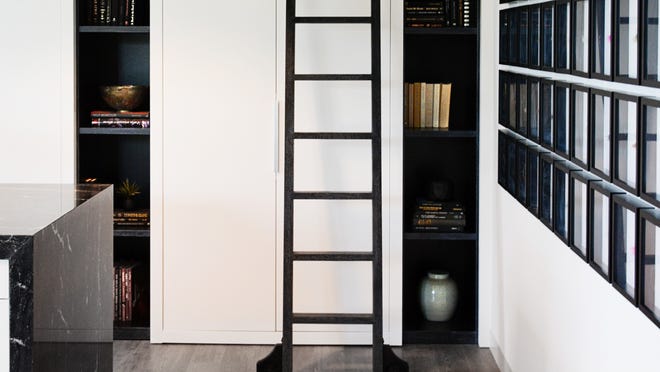
Displaying books around the home is 'a reflection of you,' say local book lovers

How to use books for home decor and interior design

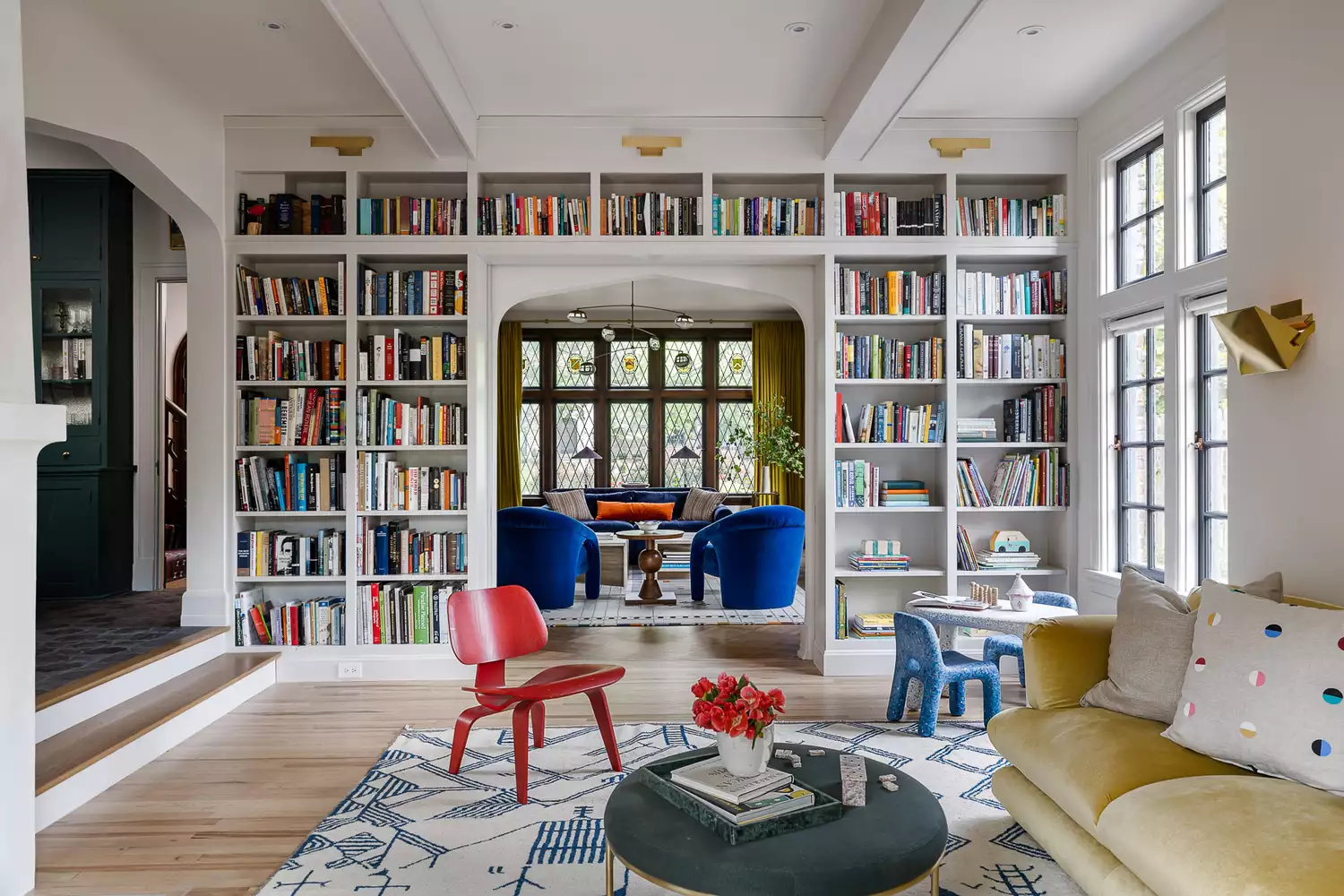
Bookshelf Wealth Is the Ultimate Design Trend for Readers

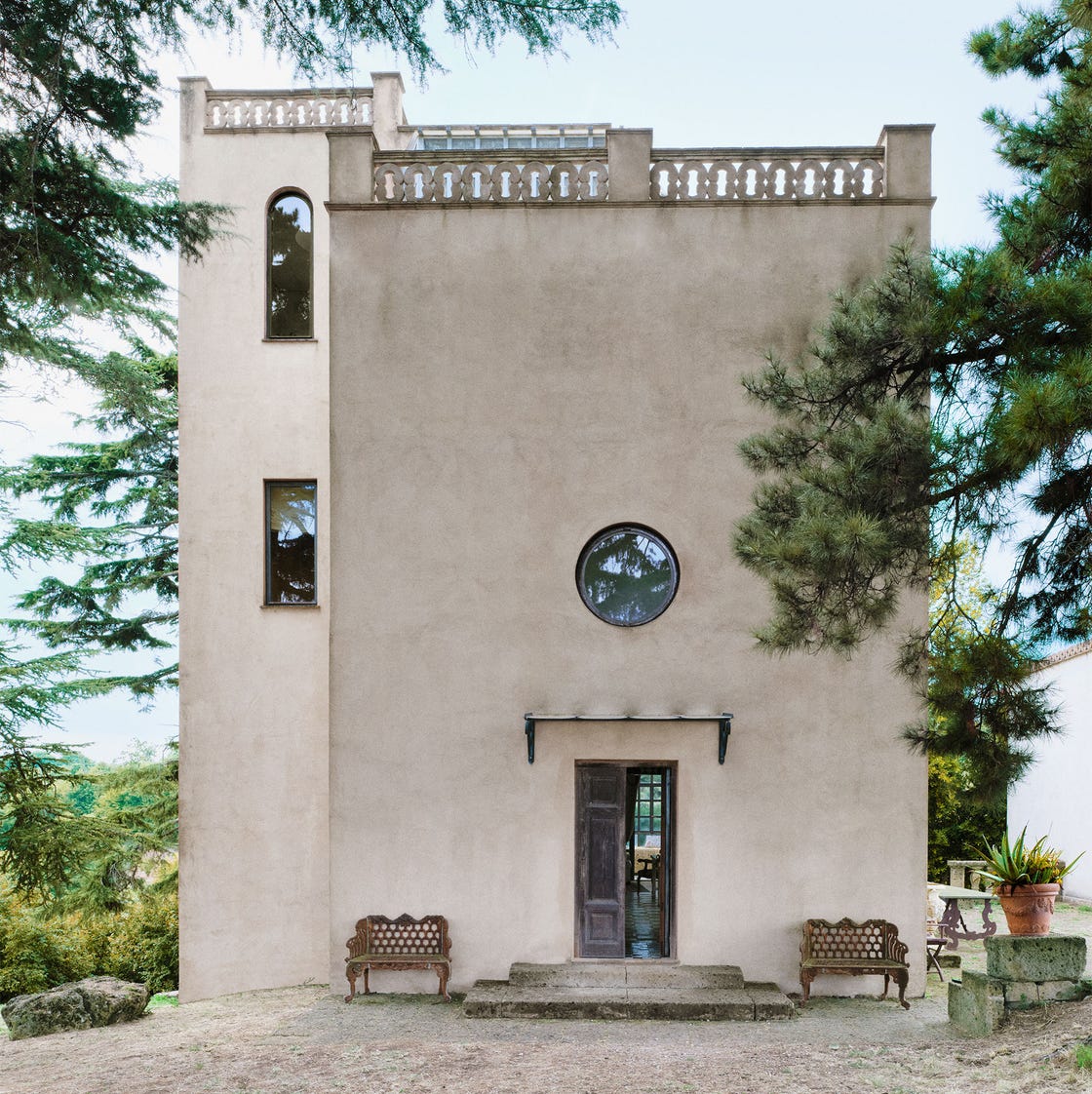
This Abandoned Tower Received a Transformation Straight Out of a Fairy Tale

Inside the Picture Perfect—and Highly Lucrative—Business of Book Styling


In Praise of Stairs

Every bibliophile wants one of these (and no, it's not a fancy bookmark)
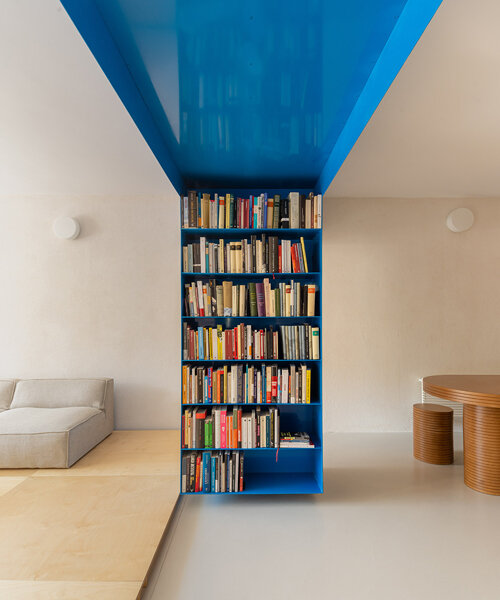
floating blue bookshelf centers BURR's conversion project in madrid

The reading nook of a booklover's dreams