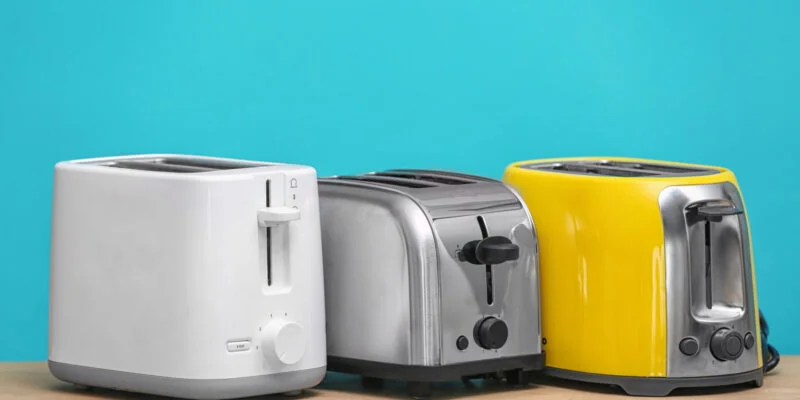
The Best Non Toxic Toasters & Toaster Ovens Of 2025 (A Guidebook)
This guidebook helps consumers identify non-toxic toasters and toaster ovens by evaluating their food contact surfaces and interior materials, aiming to prevent exposure to harmful chemicals like PFAS. Many toaster and toaster oven manufacturers use non-stick coatings containing per- and polyfluoroalkyl substances (PFAS) on food contact surfaces. These chemicals, often referred to as “forever chemicals,” are linked to various health concerns, including reduced immunity, increased allergy risk, metabolic diseases, cardiovascular disease, lower fertility, and certain cancers. The article stresses the importance of avoiding these substances as they can leach into food and accumulate in the body.
The evaluation process involves three key factors: the materials of food contact surfaces, the interior walls of the appliance, and the presence and reason for California Proposition 65 warnings. Food contact surfaces are categorized and assessed for their potential toxicity. PFAS coatings, such as Teflon or PTFE, are identified as highly problematic due to their endocrine-disrupting properties. Aluminum food contact surfaces are also a concern, as studies show that aluminum can migrate into food, especially when exposed to acidic ingredients or high temperatures, potentially exceeding safe weekly intake levels for both adults and children. "Non-stick" ceramic coatings, often marketed as safer alternatives, are also scrutinized. While PFAS-free, these coatings can release titanium dioxide nanoparticles, particularly when scratched or degraded. Nanoparticles can translocate to various organs and are linked to immune disruption and pre-cancer lesions, although their full impact is not yet understood. Zinc-coated surfaces are discouraged due to potential lead contamination and issues with excessive zinc exposure, while stainless steel is considered the most inert and safest option, especially when uncoated. "Coated" steel surfaces are viewed with caution due to lack of transparency regarding the coating composition.
California's Proposition 65 mandates warnings for products containing chemicals linked to cancer or reproductive harm. However, these warnings can be misleading. Some brands use generic warnings to avoid lawsuits, while others issue warnings for low-exposure issues, such as chemicals in power cords. The article explains that the specific chemical and its location are crucial for assessing risk. For the 2025 update, the investigation leveraged California’s AB 1200 Cookware disclosure law, which requires brands to disclose chemical information. Brands that failed to disclose information or did not respond to inquiries were categorized as "not our favorite." Products were ranked into three categories: "Not Our Favorite," "Better," and "Best." The "Not Our Favorite" list includes brands with PFAS coatings or those lacking transparency. The "Better" category comprises products without PFAS on food contact surfaces but may contain non-stick coatings elsewhere, zinc, aluminum, or unverified Prop. 65 warnings. The "Best" category includes toasters and toaster ovens free from PFAS, nano-ceramic, zinc, and aluminum on food contact surfaces and throughout the interior, with stainless steel being the preferred material.
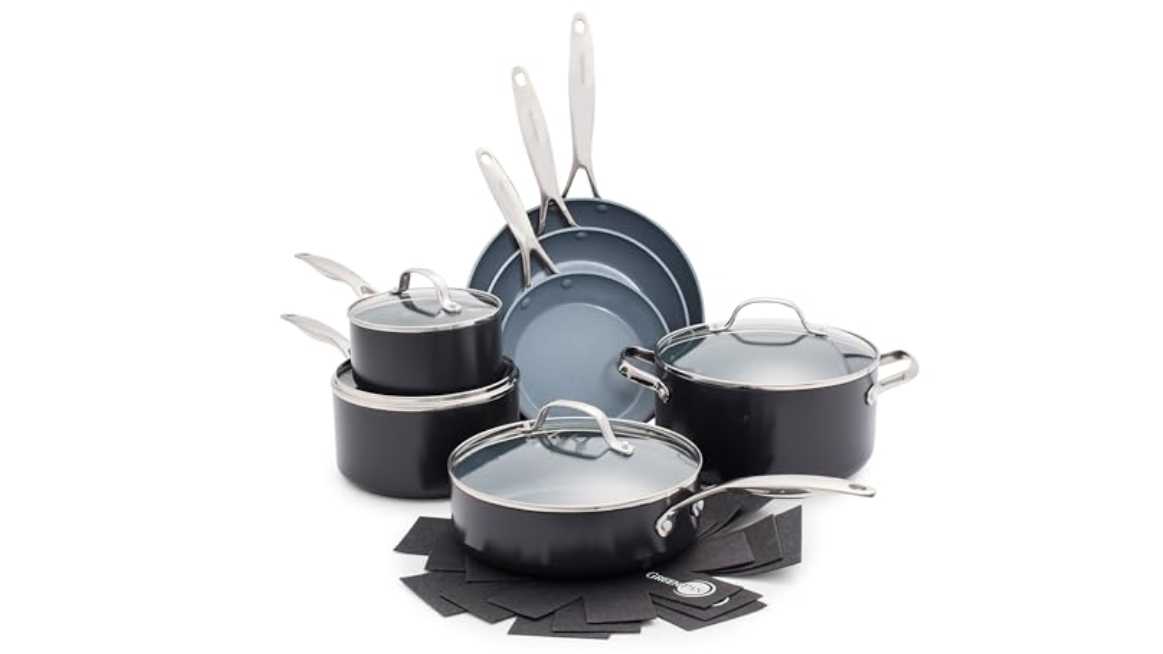
The article provides specific product recommendations within each category, offering guidance for consumers to choose safer kitchen appliances. It also includes recommendations for air fryer oven cookware sets and air fryers where potential issues can be mitigated by replacing accessories. Ultimately, the guide aims to empower consumers to make informed choices for a healthier home environment.
#NonToxicToasters #ToasterOvensGuide #PFASFree #KitchenAppliances #FoodSafety #Healthyliving #ProductInvestigation #CaliforniaProp65 #StainlessSteel #NonToxicToasters #ToasterOvensGuide #PFASFree #KitchenAppliances #FoodSafety #Healthyliving #ProductInvestigation #CaliforniaProp65 #StainlessSteel
 No comments yet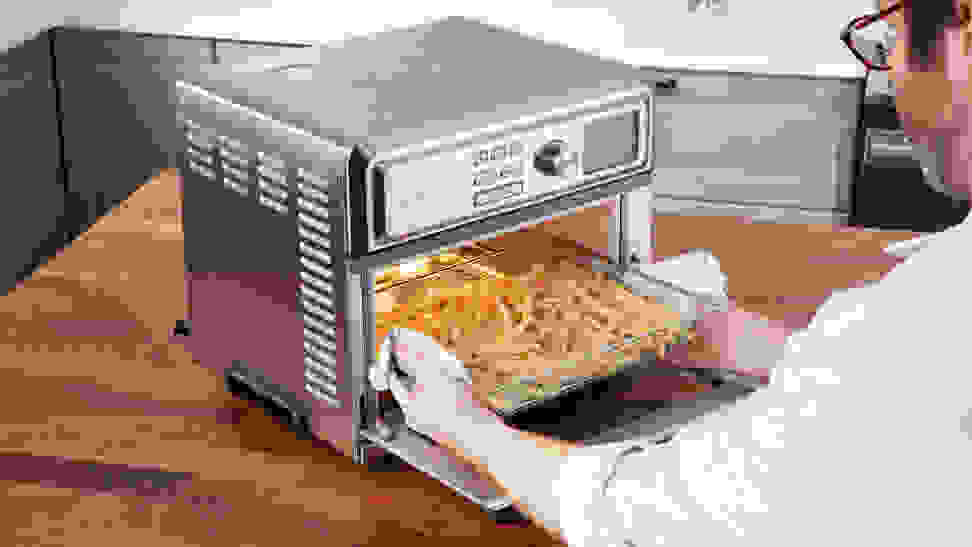
The Best Air Fryer Toaster Ovens of 2025

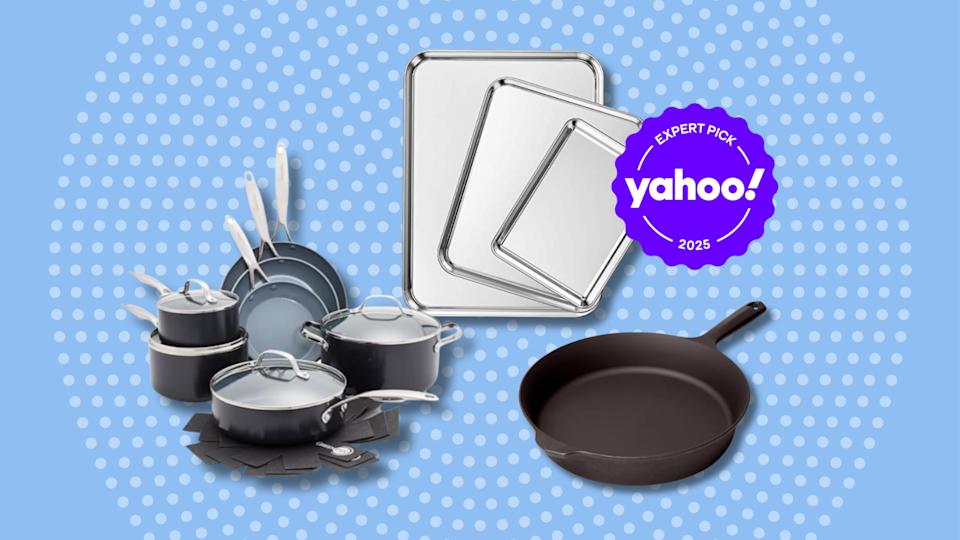
The best nontoxic cookware for a healthier kitchen

The best hobs to buy in 2025, including induction, ceramic and vented

Safest Dishes to Use at Home — Non-Toxic Dinnerware Guide 2022