How to Find Valuable Art in Thrift Stores, According to Experts
Thrift stores offer a unique opportunity to find valuable and distinctive art pieces for home decoration, often at a fraction of the cost of new items. Identifying these treasures, however, requires a discerning eye and some knowledge of art characteristics. Expert vintage reseller Andi Jenkins and Thrift Club founder Gwen Hefner provide insights into distinguishing valuable thrift store art from common reproductions. Their advice centers on examining specific age indicators, brushstrokes, artist prints, lithographs, artist signatures, and authentication paperwork.
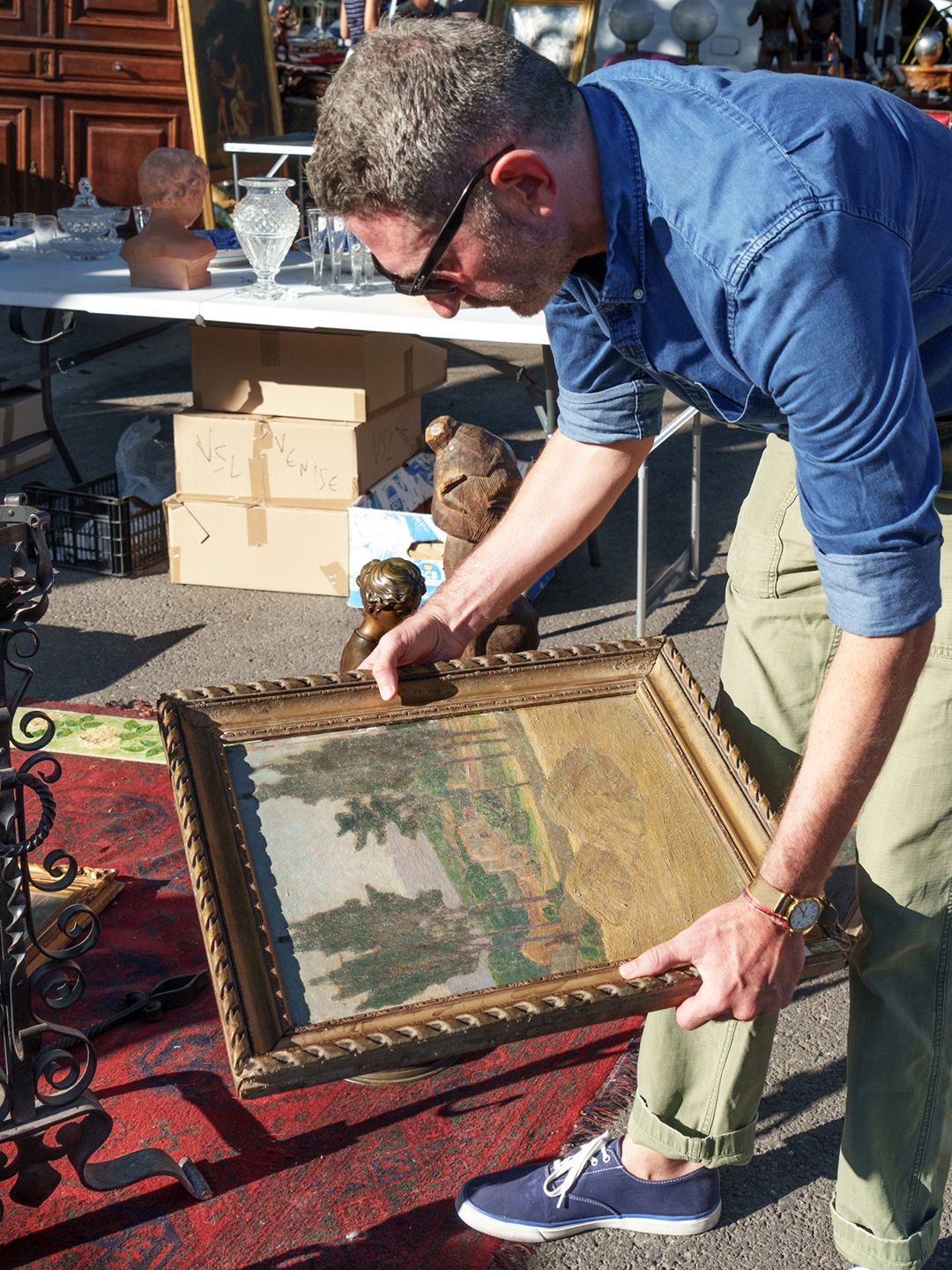
To begin, assess the age of an artwork by scrutinizing its back. Older pieces often hold more value, and their age is frequently revealed by the hardware, paper, or tape used in their construction. For instance, if a canvas is attached to its stretchers with nails, it typically suggests the painting predates the 1950s. Hand-wrought nails could indicate an even older, potentially centuries-old piece. Conversely, staples are a sign of more modern artwork. Understanding these physical attributes can help approximate an item's age and potential historical significance.
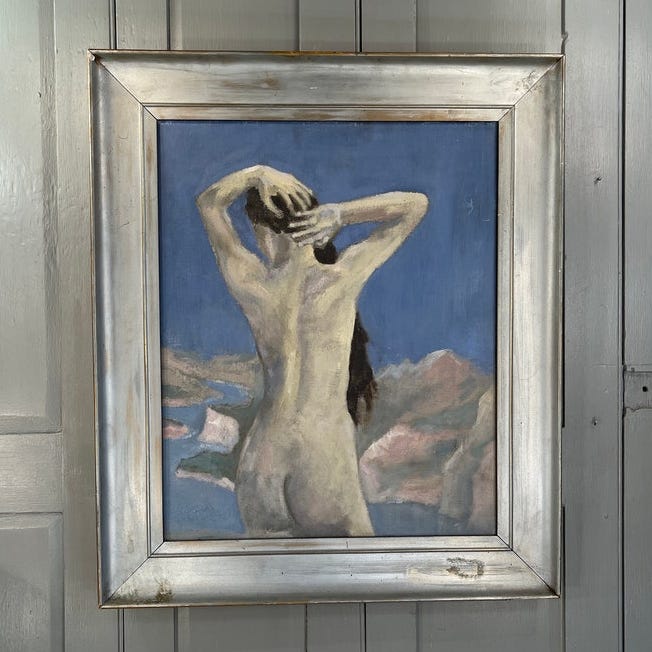
Next, examine the brushstrokes, which are a critical indicator of whether a piece is an original painting or a print. While artwork behind glass can obscure details, visible brushstrokes that appear to match the artwork's detailing are a strong sign of an original. Reproductions often feature uniform, artificial-looking strokes that don't align with the image's intricacies. Identifying authentic, varied brushwork can differentiate a genuine painting from a mass-produced print, enhancing its value.
Even if a piece isn't an original painting, it can still be valuable if it is an artist print, especially if it's part of a limited-edition run and numbered. The first print in such a series is often the most coveted by collectors. The total number of prints in a run also impacts value; a lower edition number (e.g., 4/20 versus 4/400) generally signifies higher worth. Another category of valuable reproductions includes lithographs, which are considered high-quality prints. To identify a lithograph, examine the print surface with a magnifying tool for an irregular dot pattern, distinguishing it from the uniform patterns of offset or digital prints.
Artist signatures also play a crucial role in determining an artwork's potential value. Verify if the signature appears printed or if there's an indentation or added texture, suggesting it was genuinely signed by the artist. Tools like Google Lens or websites such as ArtistsSignatures.com can assist in identifying the artist and assessing the piece's worth. While a signature alone doesn't guarantee value, a genuine signature from a lesser-known artist or for an obscure piece can significantly increase its market appeal. Additionally, inquire about authentication paperwork at the thrift store, as some donations include documentation proving origin and authenticity. Check for envelopes or plaques attached to the artwork for hidden information that might reveal a treasure.
Ultimately, becoming proficient at spotting valuable thrift store art requires practice and patience. Regular visits to auctions and antique stores, coupled with studying high-end art, can sharpen one's eye. Comparing observations with others further refines this skill, transforming an amateur thrifter into a seasoned art collector capable of uncovering hidden gems. These strategies enable individuals to build an impressive collection of unique and potentially valuable art pieces for their homes.
#ThriftStoreArt #VintageReselling #HomeDecor #ArtAuthentication #InteriorStyling #LimitedEditionPrints #Lithographs #ArtistSignatures #ThriftingTips #ThriftStoreArt #VintageReselling #HomeDecor #ArtAuthentication #InteriorStyling #LimitedEditionPrints #Lithographs #ArtistSignatures #ThriftingTips
0 comment in total
 No comments yet
You may also like
8 cheap things to thrift that will actually make your home look more expensive
5 Things You Should Definitely Thrift for Your Living Room Styling — "A Few Pieces Add Instant Soul"

6 thrift store finds that designers say you need to add to your bedroom

10 Items That Fly Off the Shelves at Thrift Stores—and How to Find Them, According to Shop Owners
This is the best furniture to buy at thrift stores, according to vintage experts


7 Interior Designers Share Their Tips on Buying Art for Your Home
Find hidden treasures in Springfield's thrift shops

David Pollack Sotheby's Hang Artwork Hanging Old Masters Interior Design Art
Affordable art - the 10 best places to buy it
How To Thrift Home Decor That Feels Personal And Polished, According To A Pro
9 Best Places to Buy Inexpensive Art for Your Naked Walls

How to Shop Etsy for Design Finds Like a VERANDA Editor

How to Thrift Shop Like an Interior Designer

Shop Secondhand Like a Pro: How Our Decor Experts Find Worth-It Furniture on a Budget
5 thrift store finds that will transform your living room, suggested by interior designers who love vintage
8 most expensive antiques in the world

6 Things to Never Pass Up at a Flea Market, According to a Pro Vintage Buyer

5 thrift store buys that designers say you need to add to your dining room
The Insider’s Guide to Art-Directing Your Bookshelves
8 Retro Home Decor Items You'll Find Hiding In The Thrift Store