1/3
Is Expensive Art Always the Better Financial Investment?
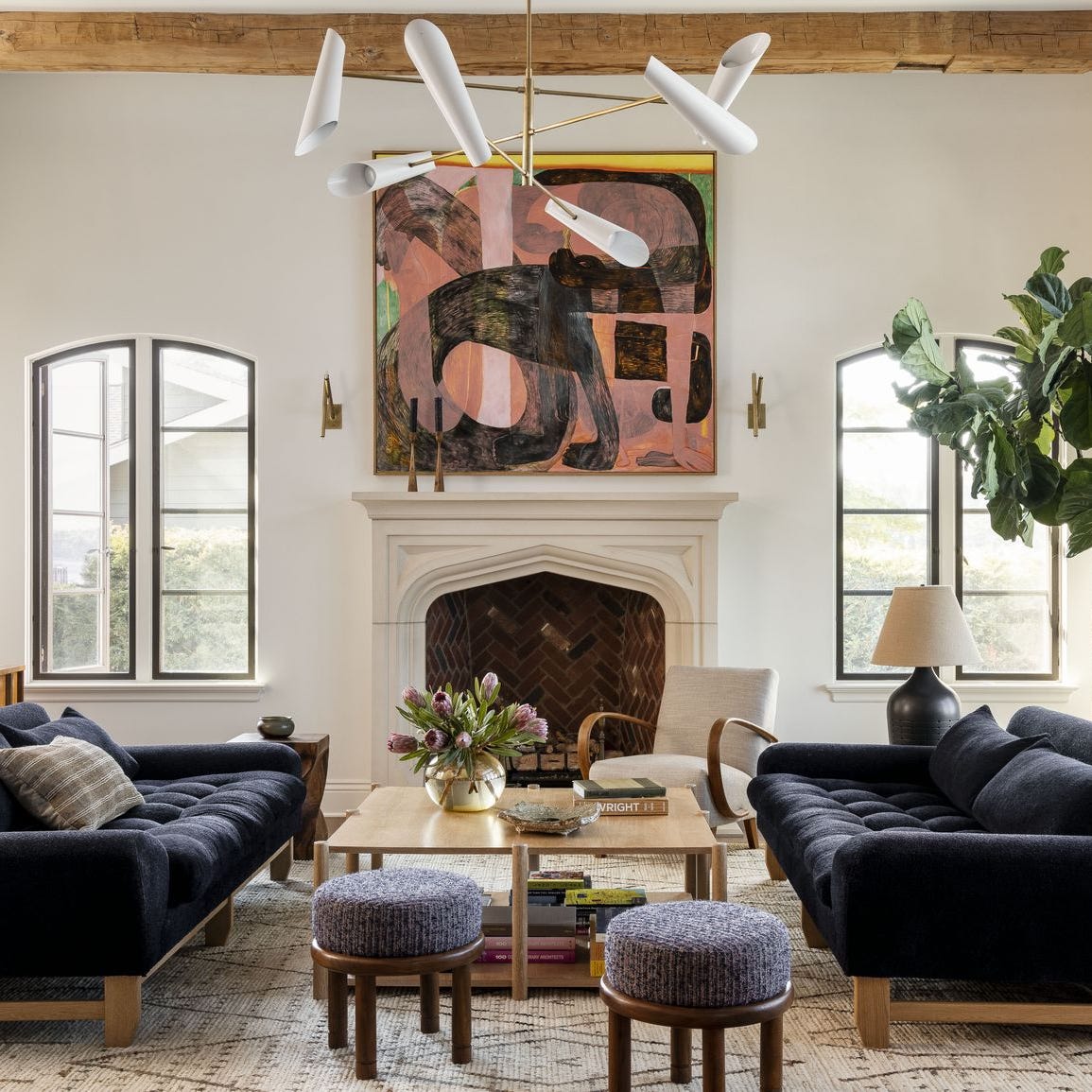
Integrating art into home decor is crucial for creating a stylish and joyful living space, on par with selecting furniture, decor, and color palettes. However, understanding how to acquire the 'right' art can be a complex endeavor. This article draws on insights from art experts Everette Taylor, former chief marketing officer of Artsy; Elise Arnoult Miller, a Houston-based art consultant; and Emily Santangelo, a New York City-based art advisor. Their collective advice emphasizes that costly purchases from renowned artists are not necessarily the best approach.
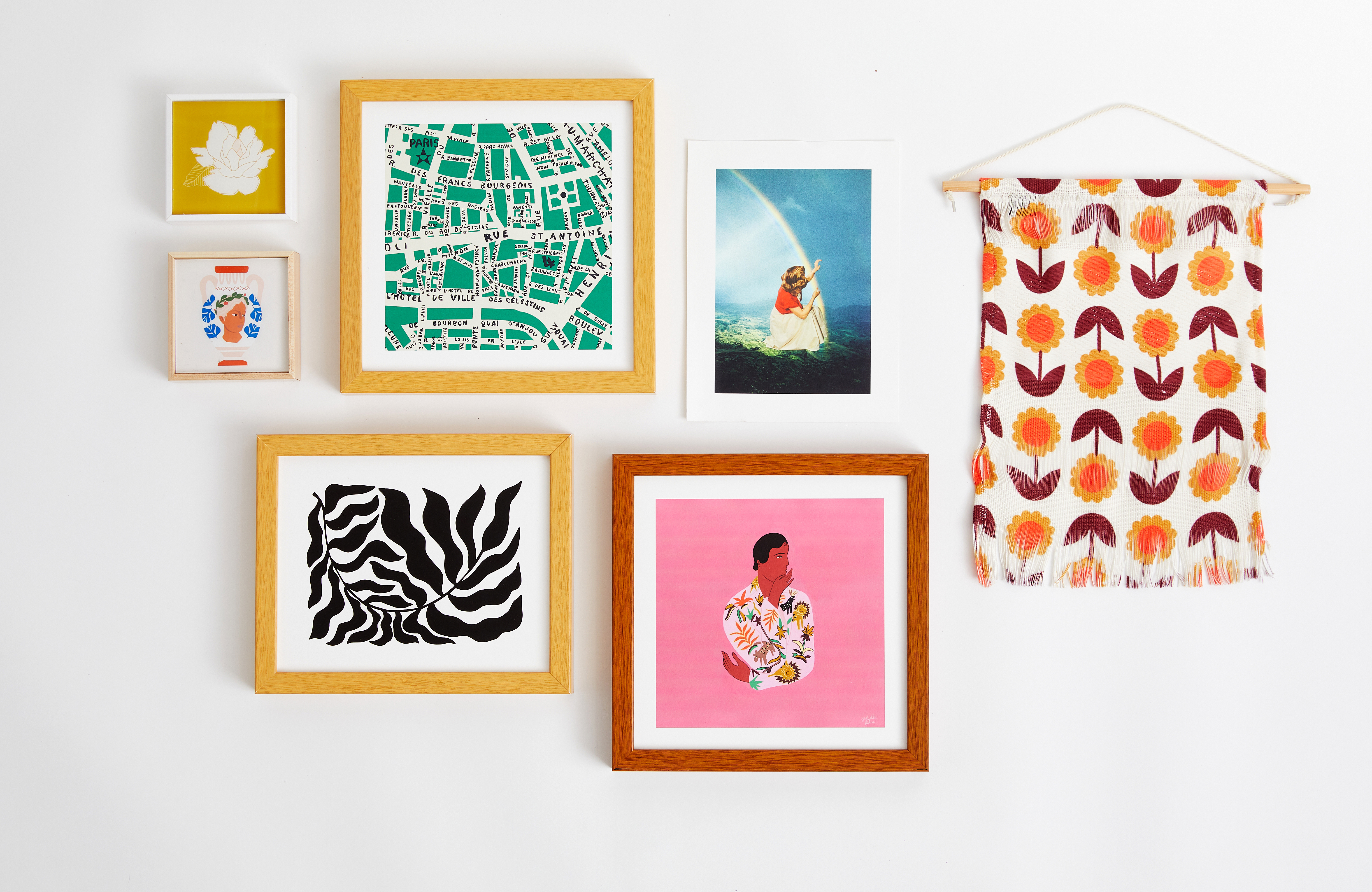
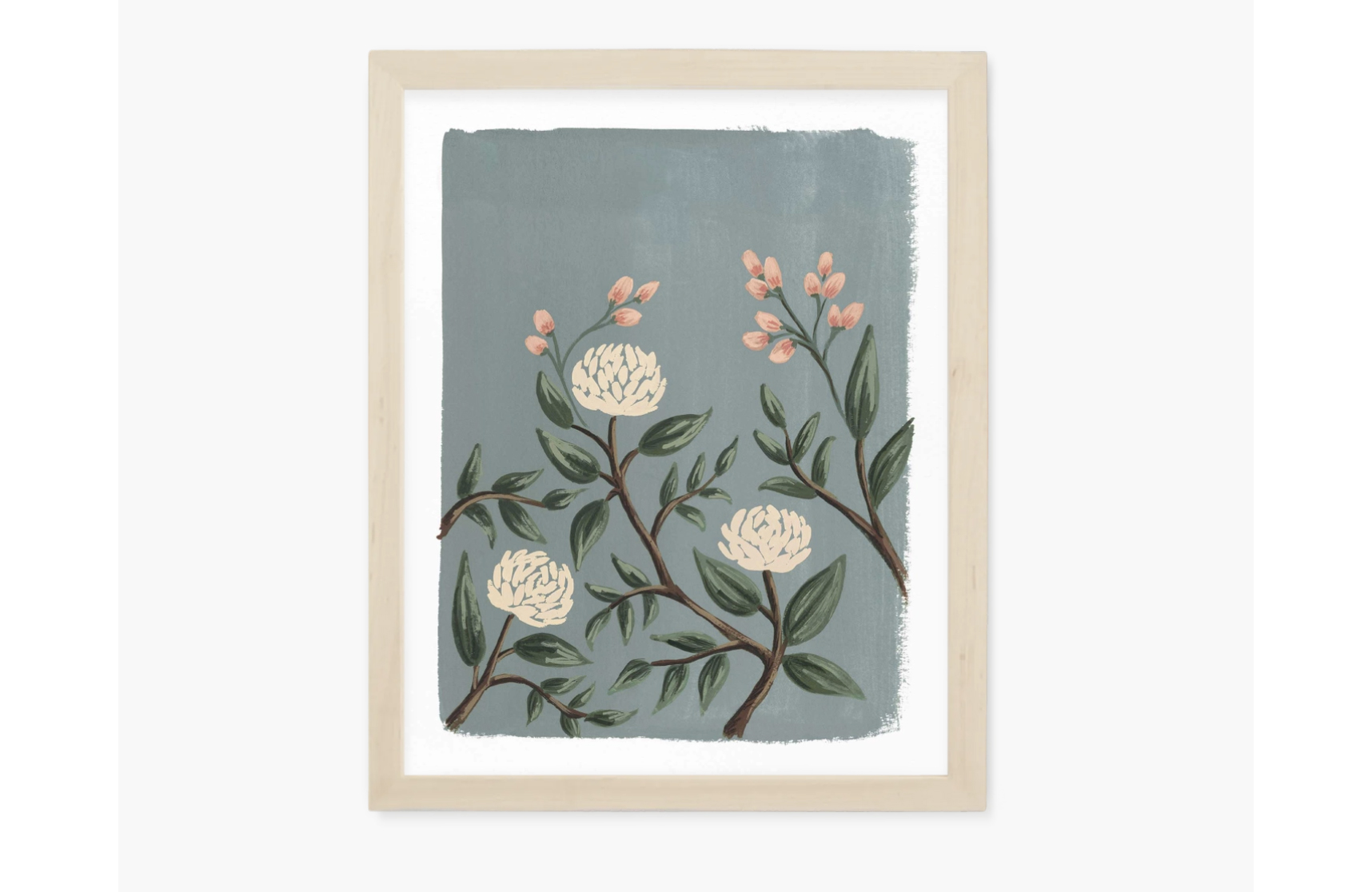
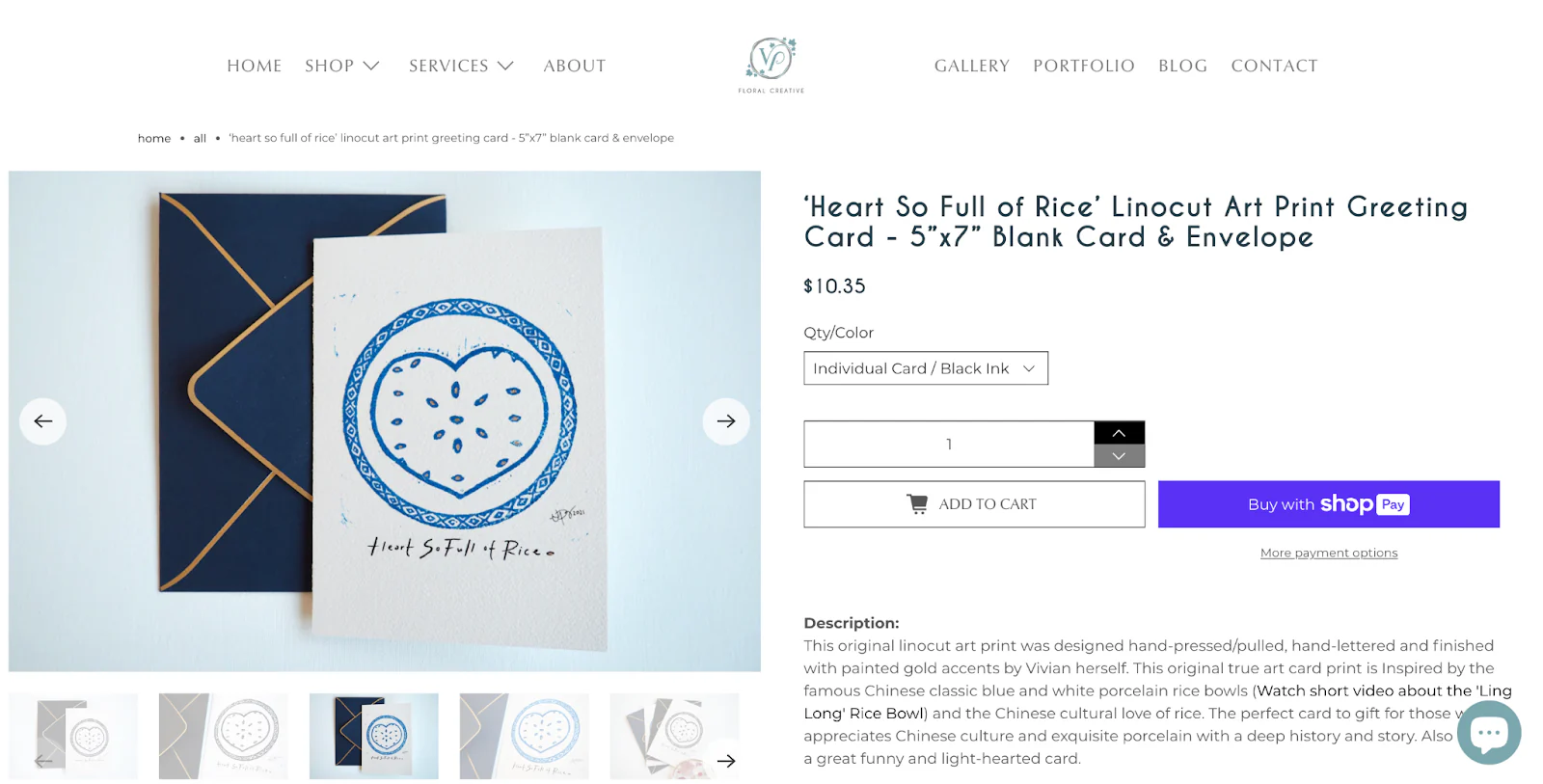
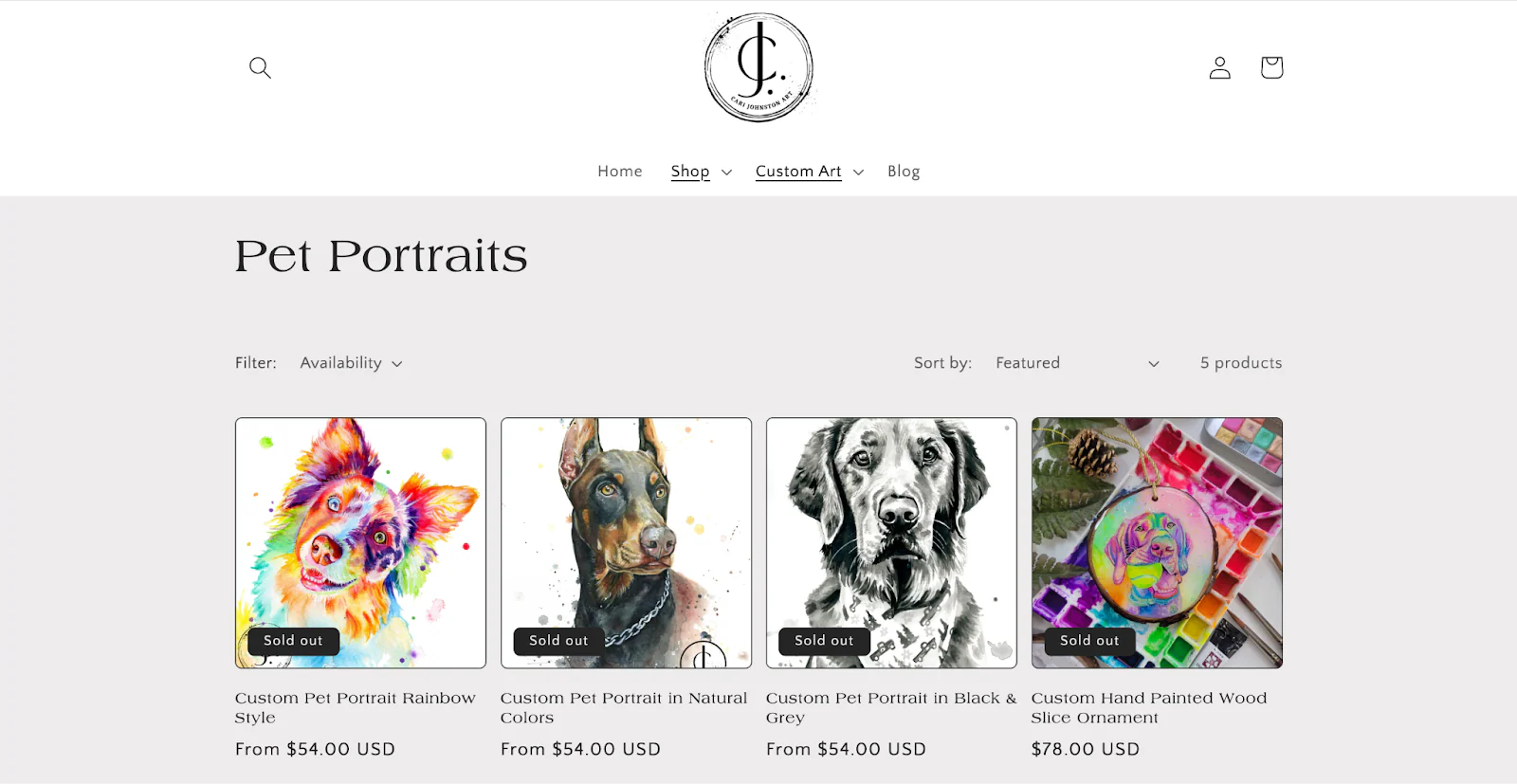
Art can be categorized into original works, limited-edition prints, and open-edition prints. Original works are unique pieces crafted by the artist and generally hold more value. Prints are produced in multiples, with the edition size indicating the total number made. Open-edition prints, lacking a marked edition size, can be produced indefinitely and typically have little value. Taylor notes that prints offer an accessible way for individuals to enjoy an artist's work without the high cost of an original piece.
Regardless of whether one opts for an original or a print, the primary criterion should be a genuine desire to view the artwork daily. Beyond personal preference, due diligence is essential. Miller advises researching the gallery's reputation and having them provide detailed information about the artwork. She stresses the importance of knowing about the artist, ensuring the source is reputable, and understanding the quality of the piece, particularly for new collectors.
While galleries are a traditional source, online platforms also offer viable options, provided they can furnish comprehensive provenance information. Taylor, who purchased his first artwork online before joining Artsy, highlights the benefits of online buying, such as reduced intimidation and easy access to artist information. Santangelo points out that safeguarding against counterfeit art involves exploring primary market sales and understanding provenance. The primary art market encompasses initial sales directly from the artist or through a gallery. Provenance, defined as the record of ownership, serves as a guide to authenticity. Purchasing art from reputable galleries showcasing artists' latest works helps avoid authenticity issues.
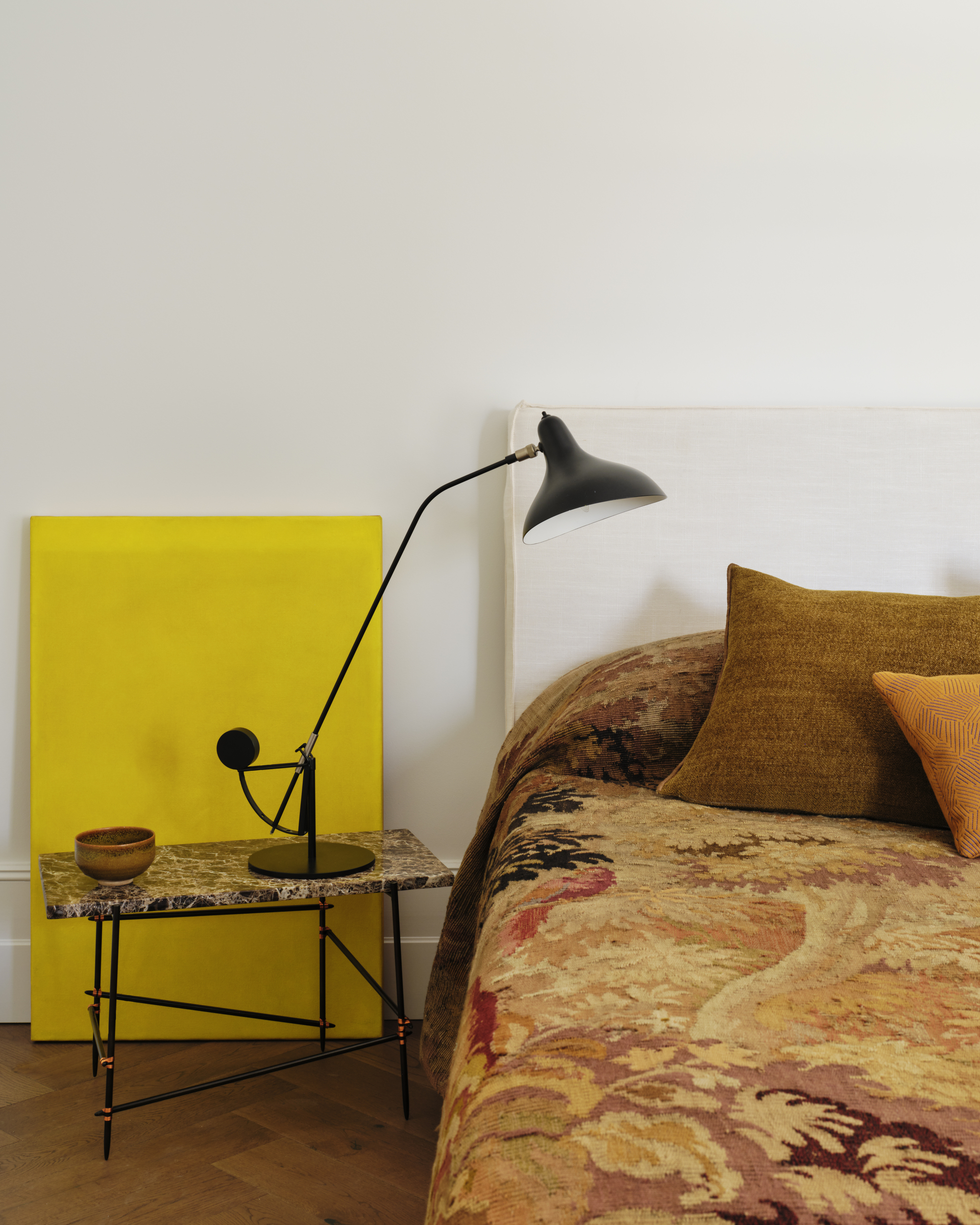
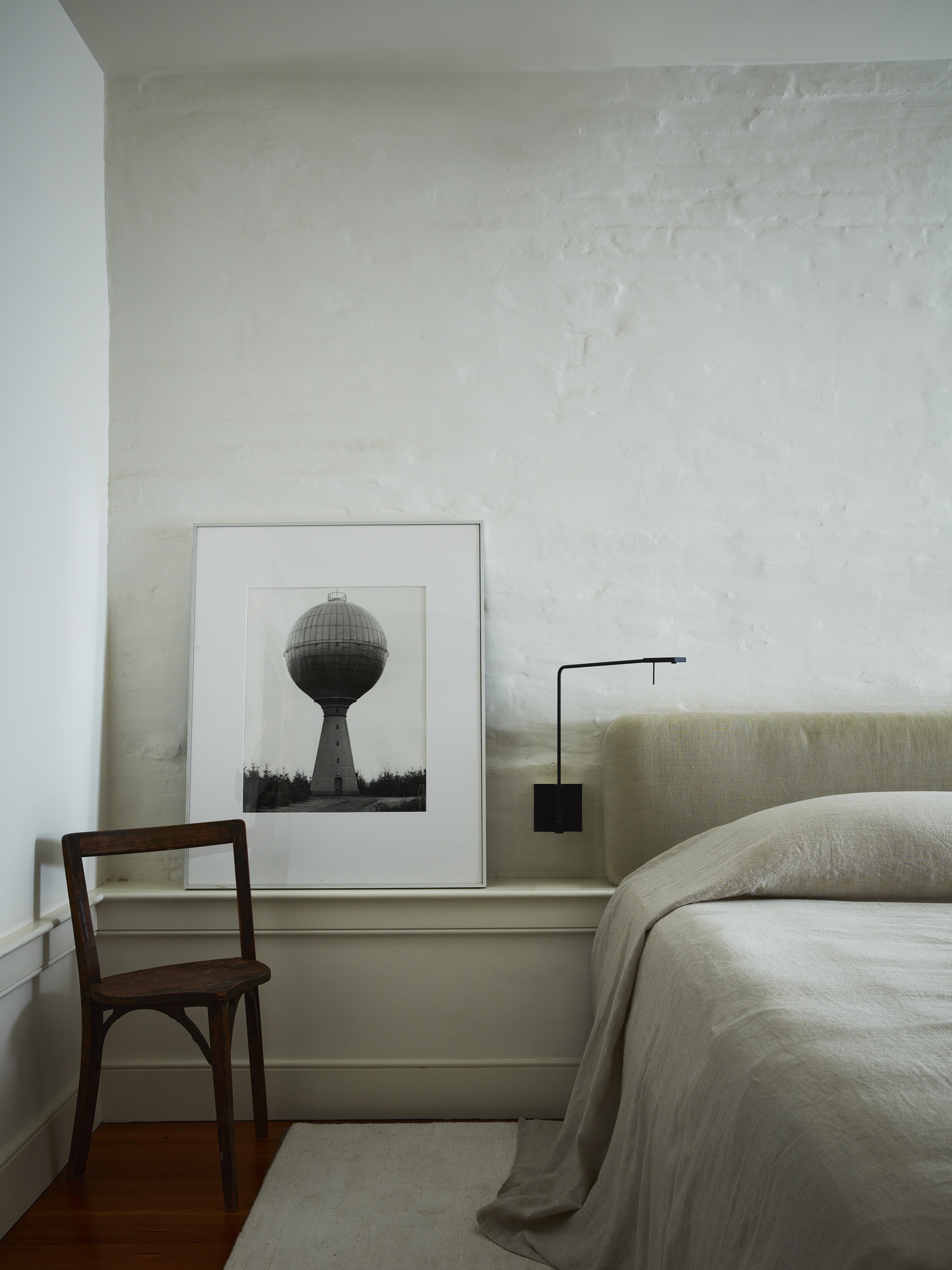
The experts concur that art collecting should be driven by personal connection rather than purely financial motives. While appreciation in value can be a pleasant bonus, it should not be the sole determinant. There is no guarantee that an artwork will appreciate over time, making investment in art a speculative venture. Santangelo advises against relying on art for financial gain, suggesting that personal enjoyment and aesthetic appeal should take precedence. Art advisors can offer insights into the market, but their guidance does not assure financial returns. Ultimately, the most rewarding approach to collecting is to acquire pieces that resonate deeply with one's personal aesthetic and enhance the living space, as 'great art elevates a space and is a compliment to almost any design.'
#ArtCollecting #HomeDecor #InteriorDesign #ArtBuyingGuide #ArtMarket #ArtAppreciation #DesignInspiration #ArtAuthentication #ArtCollecting #HomeDecor #InteriorDesign #ArtBuyingGuide #ArtMarket #ArtAppreciation #DesignInspiration #ArtAuthentication
 No comments yet
20 best places to buy affordable art online: Society6, Minted and more
8 Beautiful Vases That Are True Works of Art, and Are Just As Investment-Worthy

30+ Art Business Ideas That Actually Make Money (2026)

Affordable art - the 10 best places to buy it

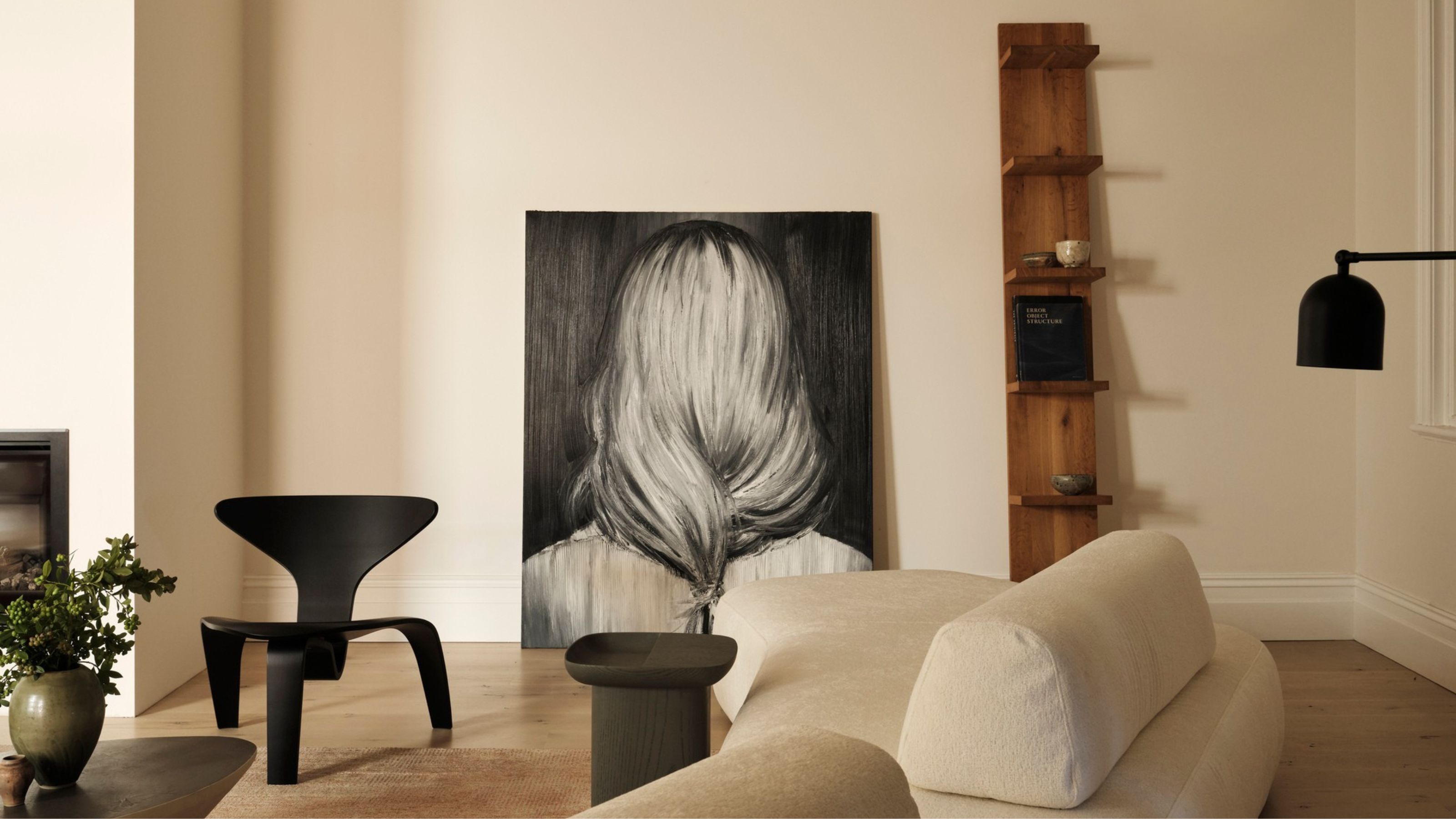
This 'Lazy' Way of Displaying Art, Conveniently, Also Happens to Be the Best Looking
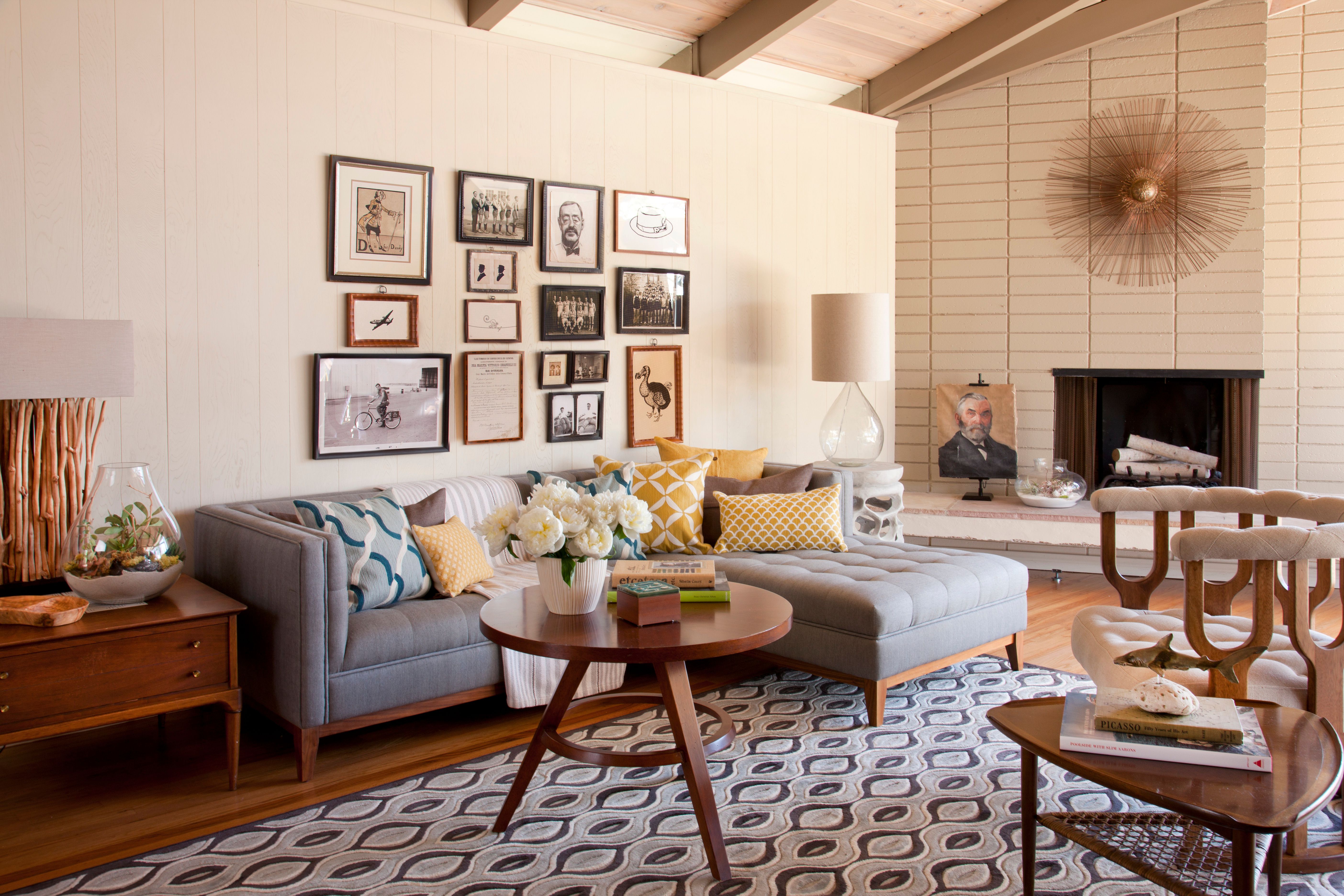
Transform Free Public Domain Art Into an Expensive-Looking Masterpiece

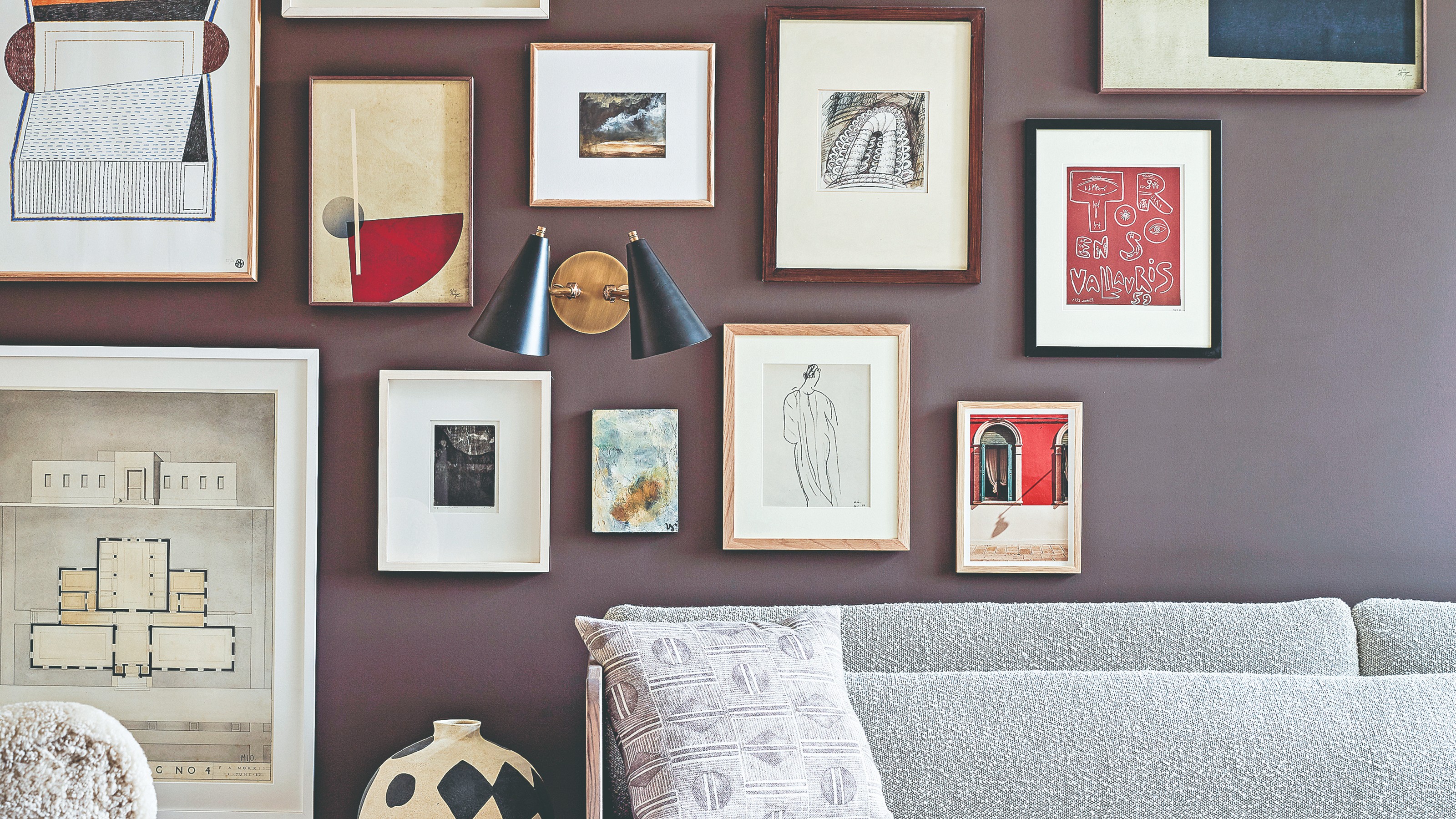
My editor swears by this framing trick to make any wall art look more expensive – I’m taking her advice on board, and so should you