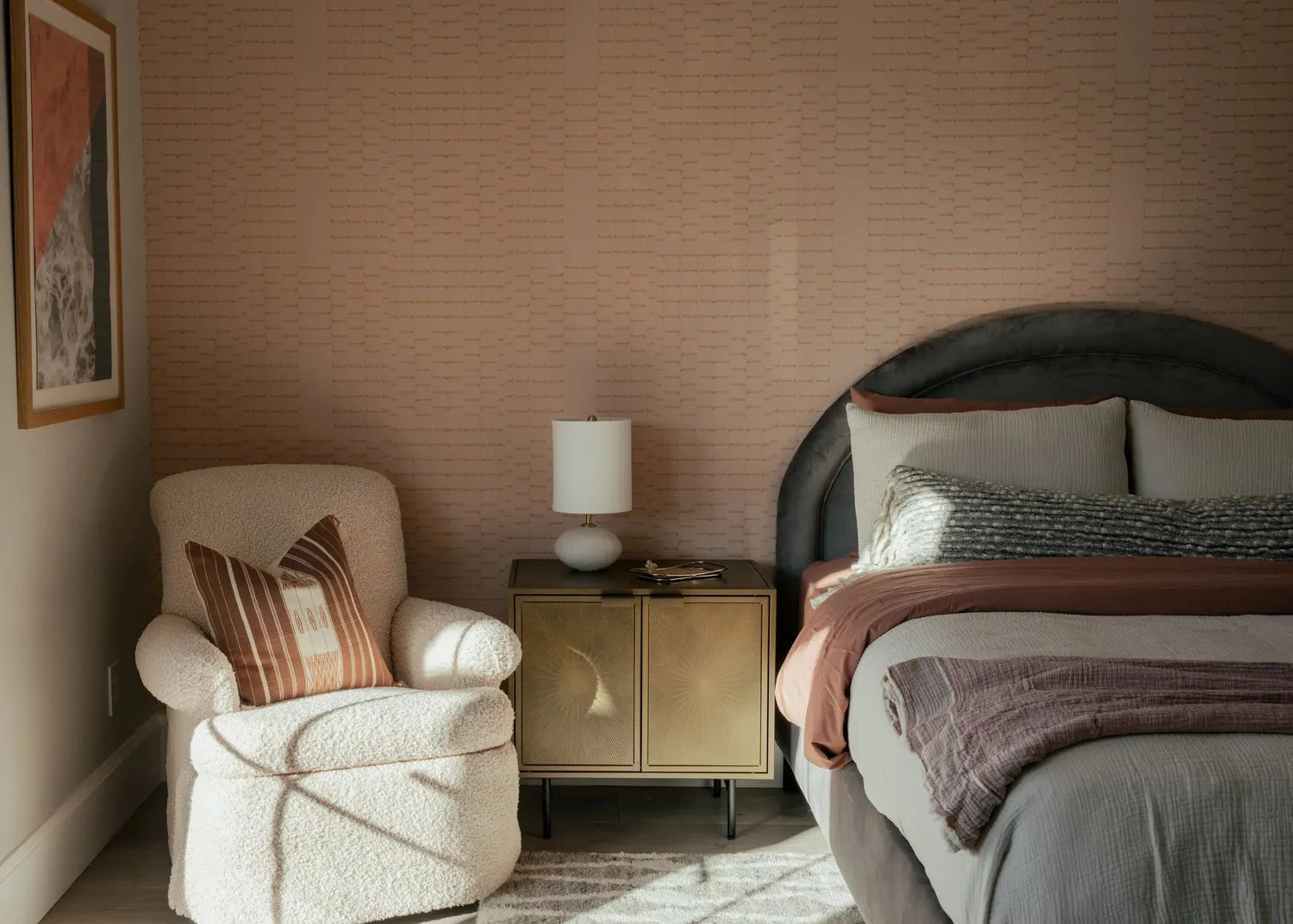
8 Furniture Trends That Will Be Everywhere in 2026, According to Designers
In 2026, furniture trends are shifting towards personalization and unique expression, moving away from universal, blanket styles. This focus emphasizes creating homes that genuinely reflect the individuals living in them. Three interior designers—Anngelica Mohabir of Determined by Design, Ashley Rose Walsh of Mojo Stumer Associates, and Stacy Garcia of Stacy Garcia Design Studio—offer insights into the upcoming year's prevailing furniture tendencies.
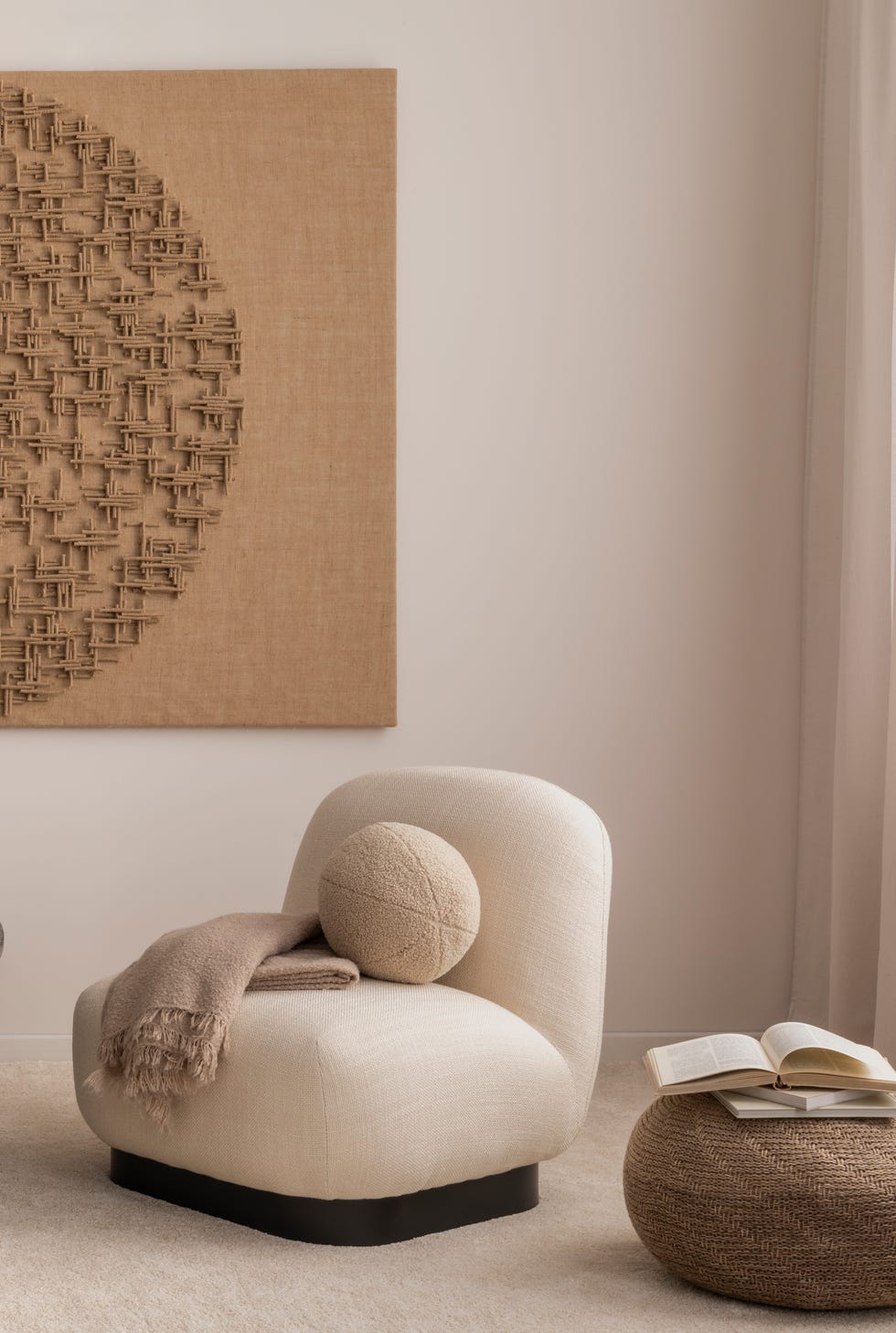
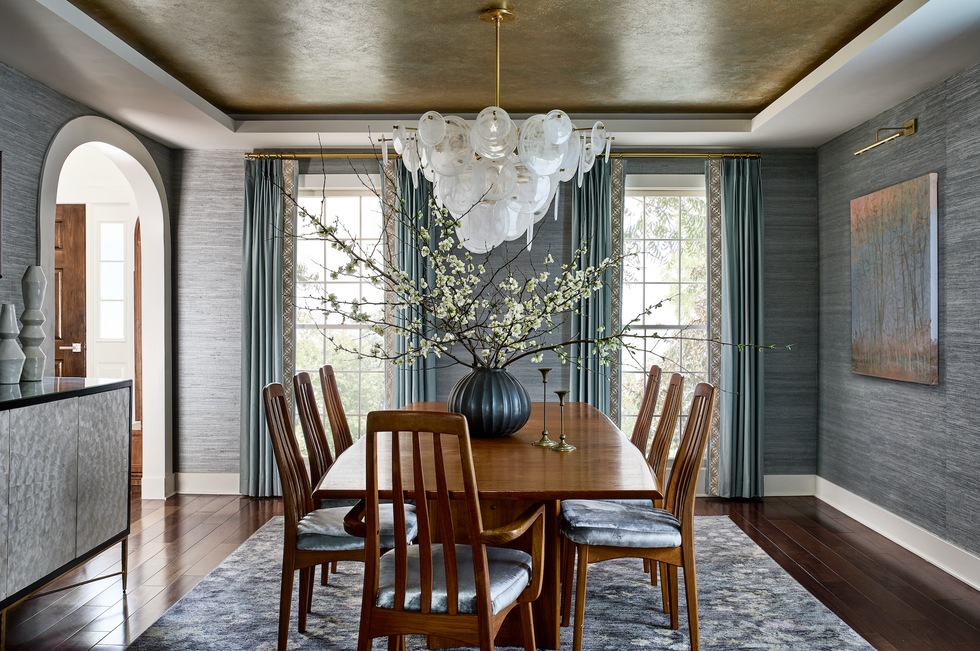
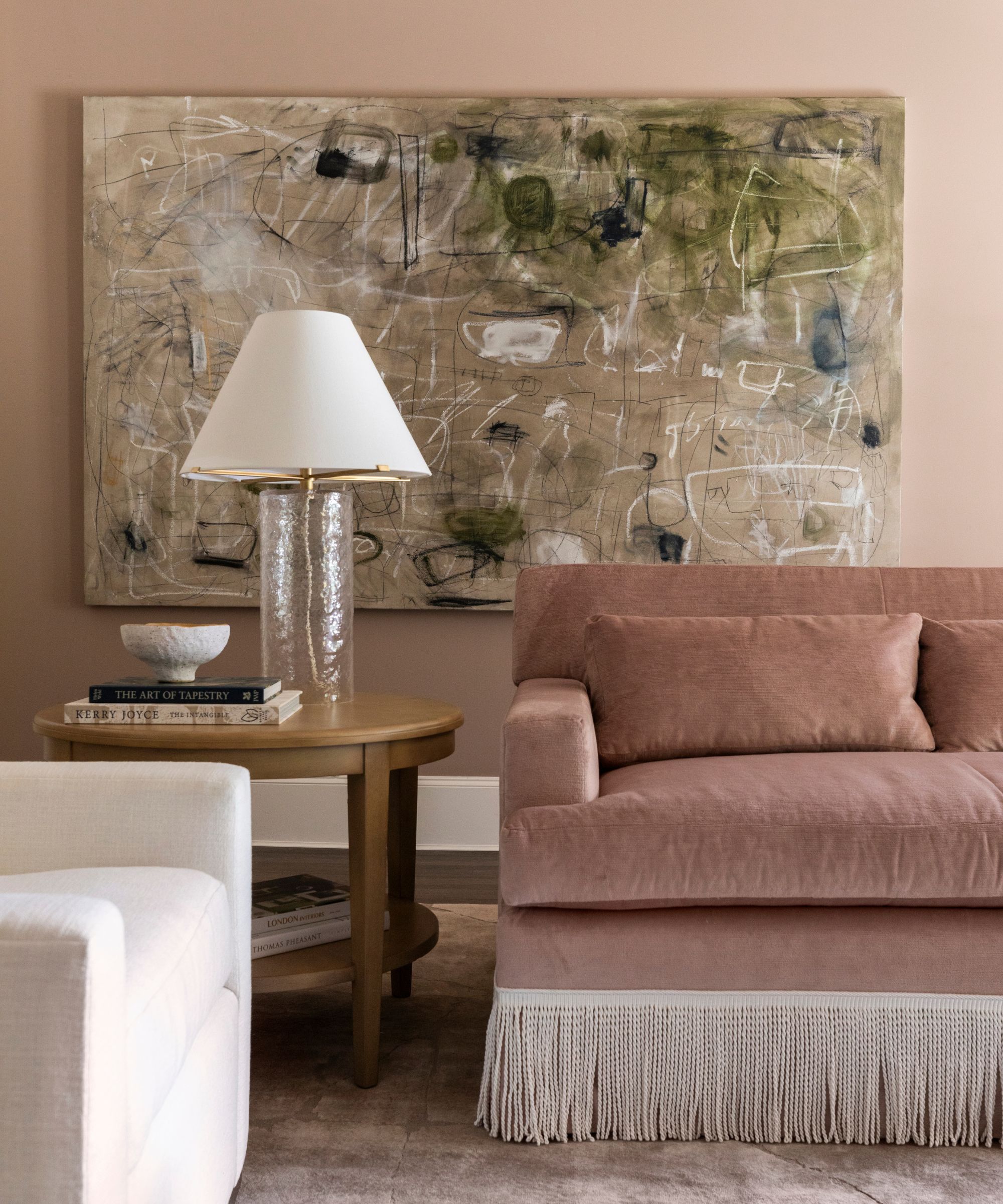
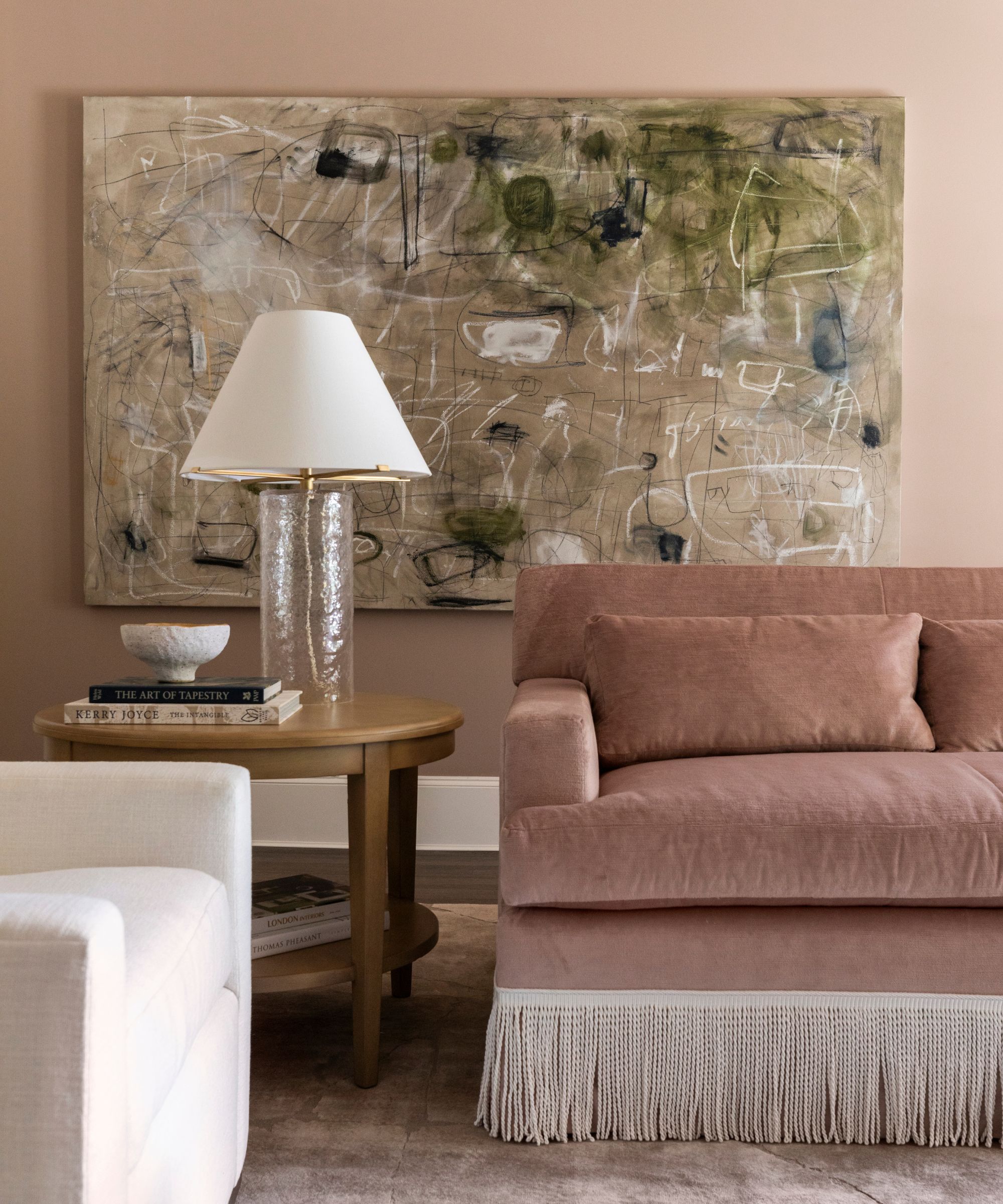
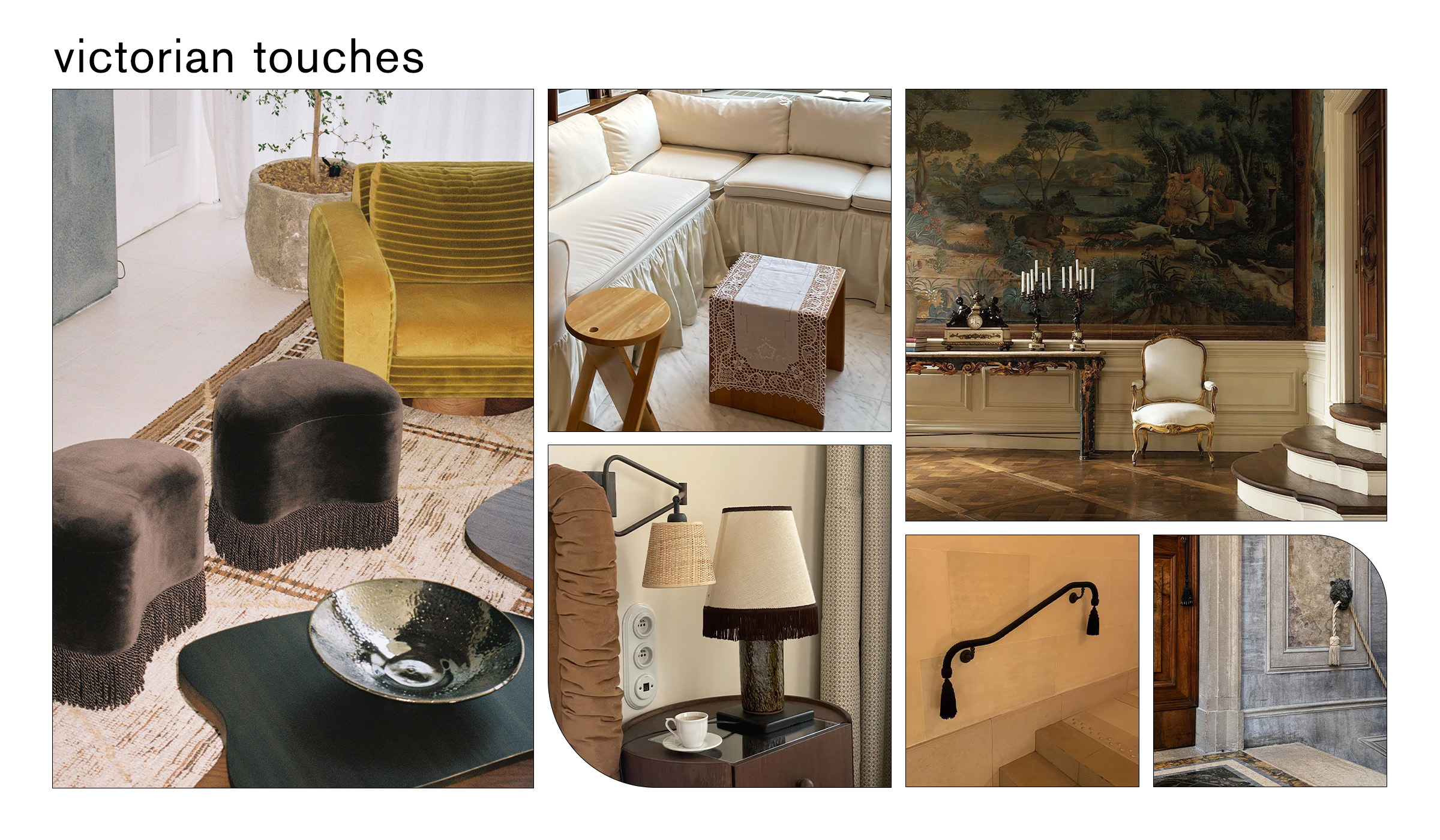
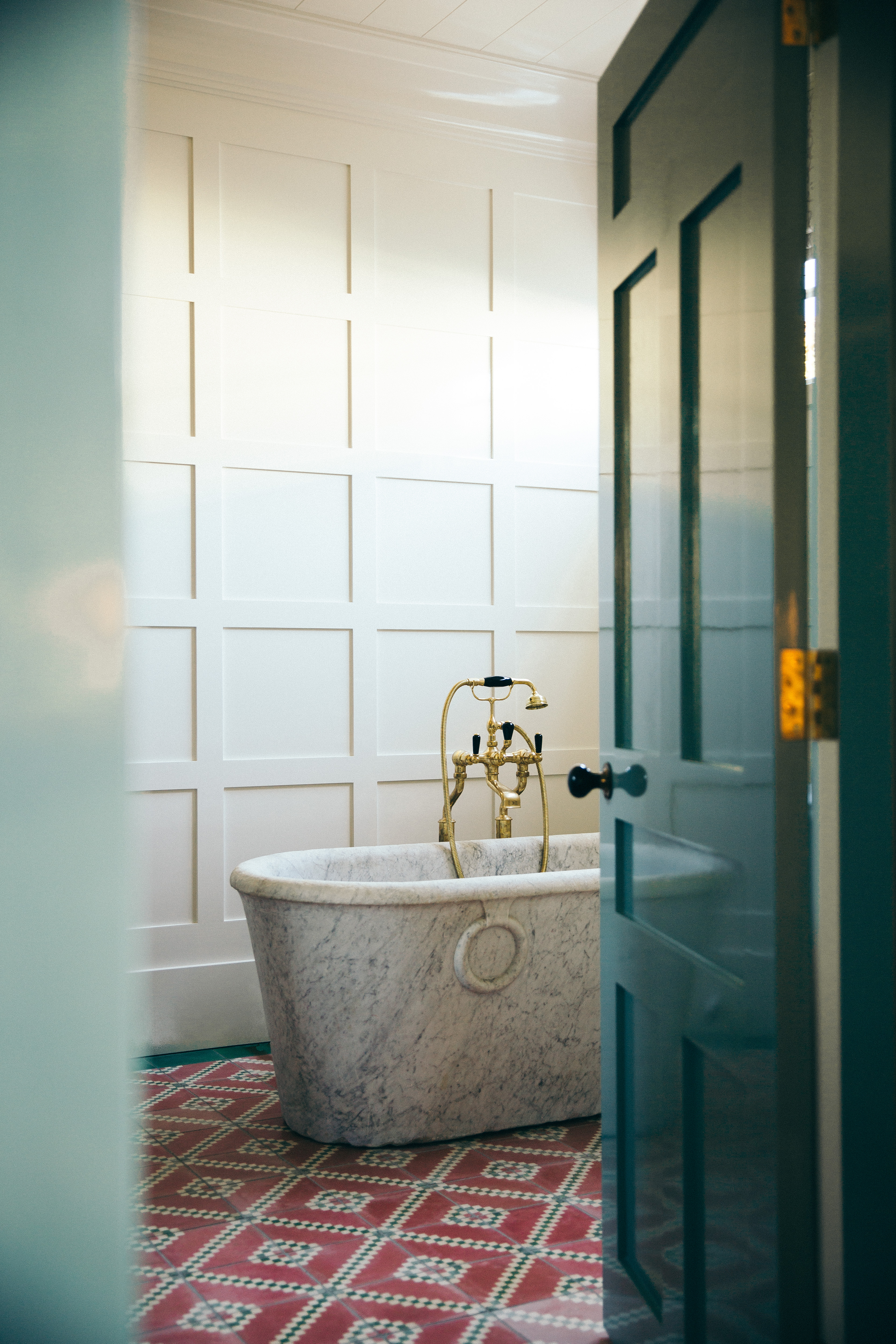
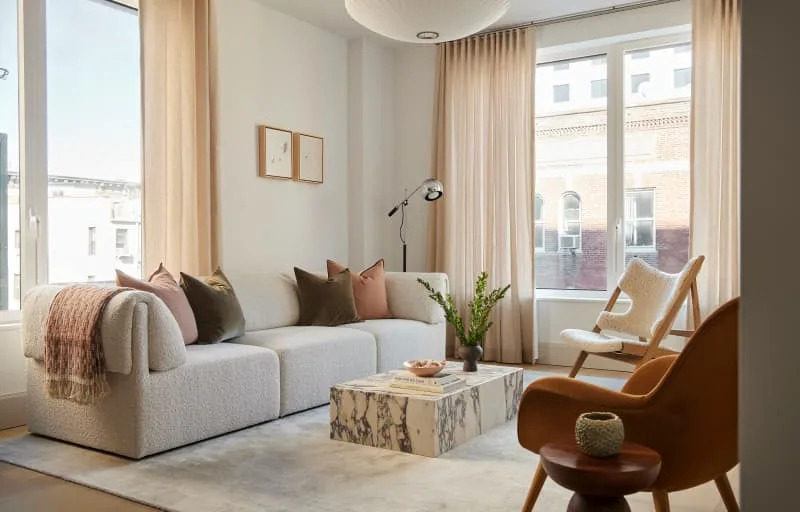
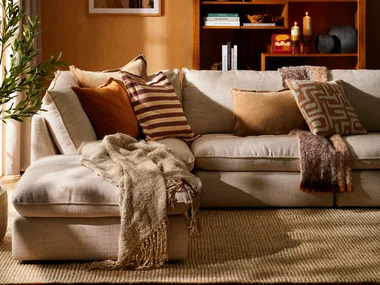
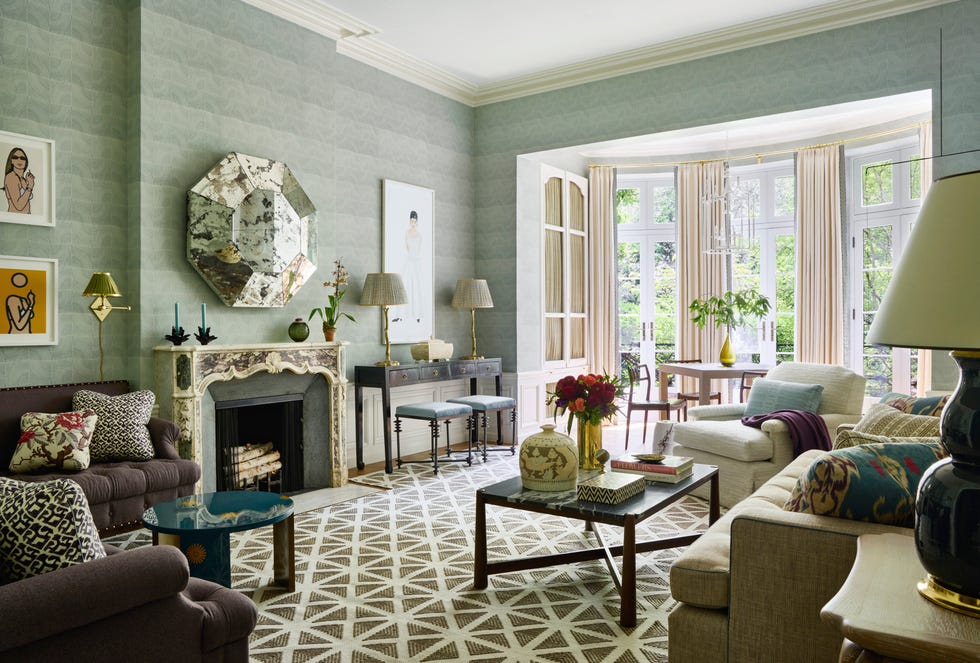
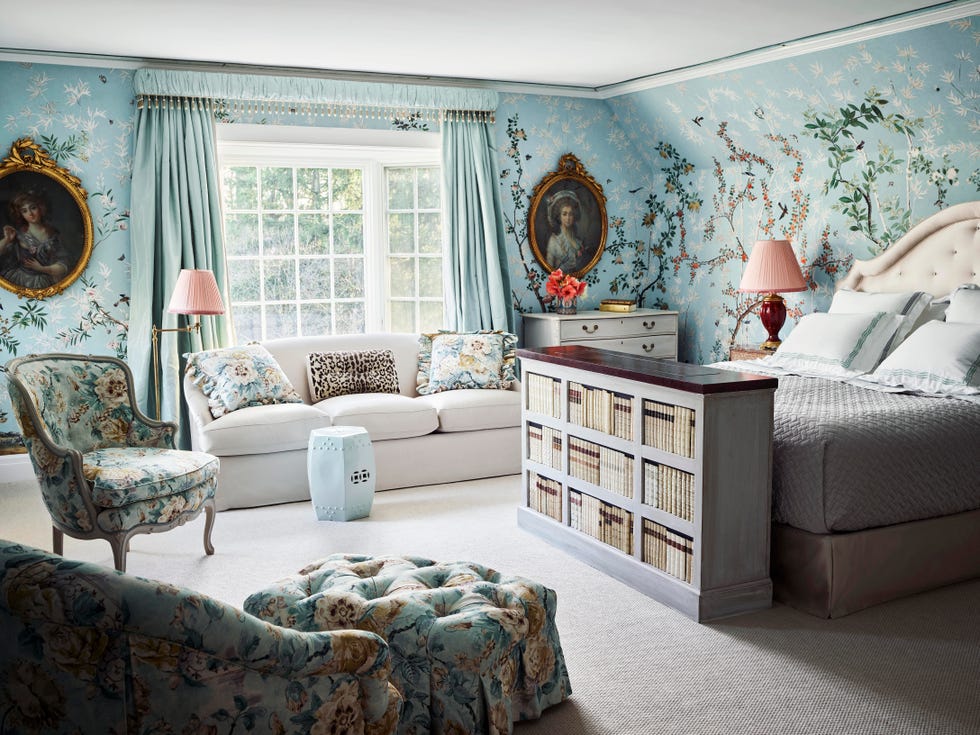
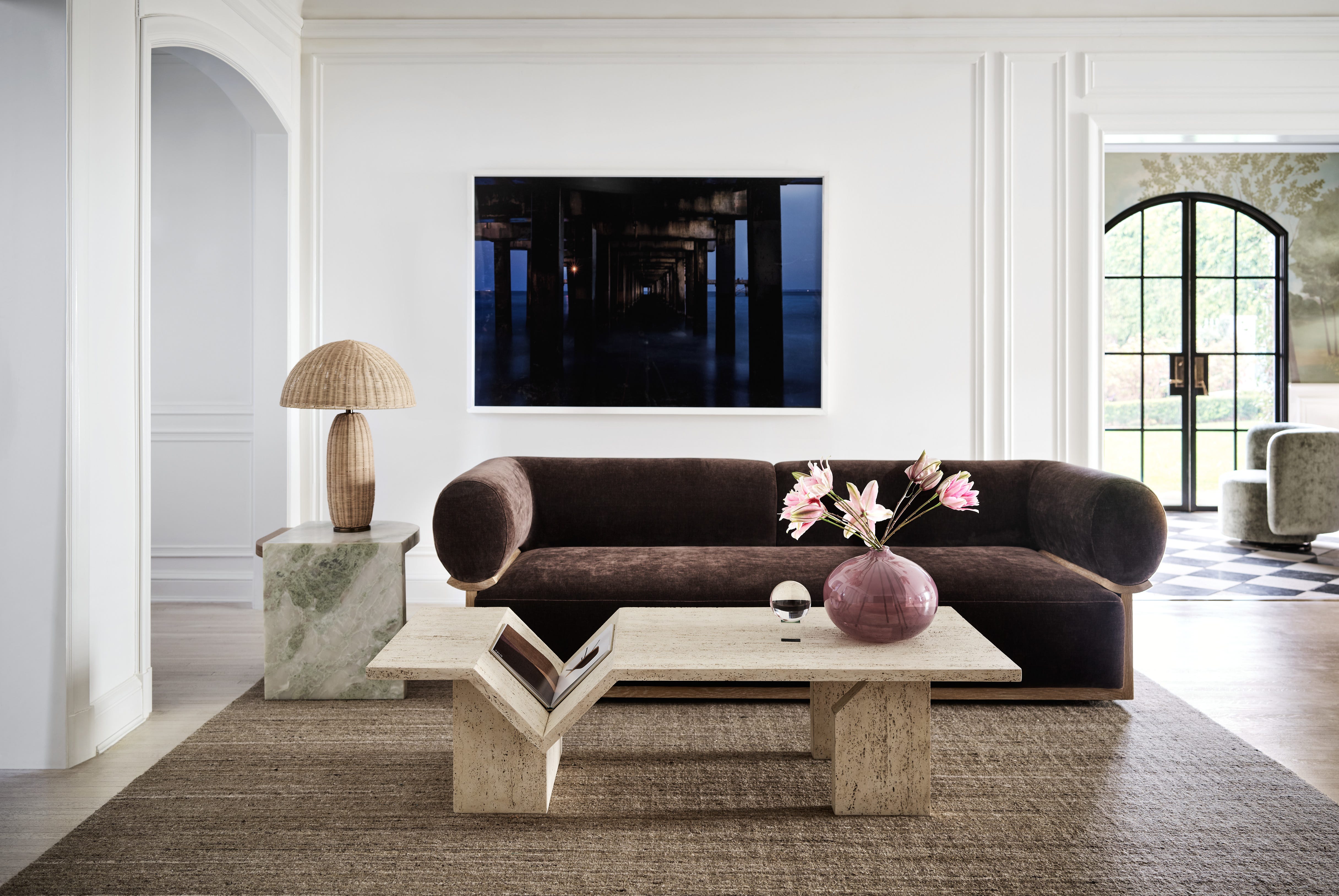
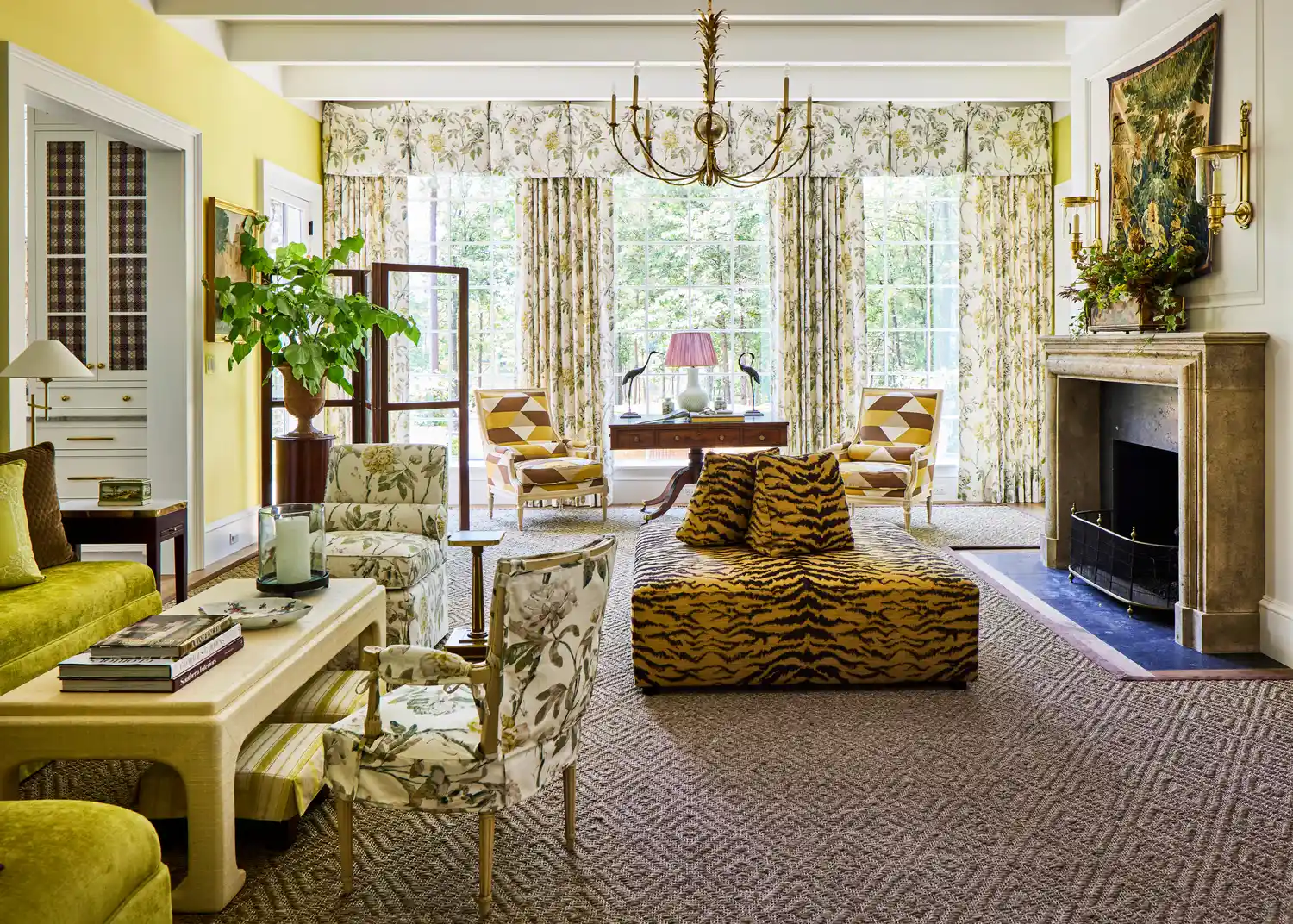
A prominent trend for 2026 is the incorporation of tactile materials. This involves furniture that engages the sense of touch, ranging from plush textures like chenille and velvet to natural fibers such as cotton and linen with woven patterns, and even rough stone surfaces. These materials can be integrated into large statement pieces, such as sofas, or smaller items like poufs and side tables. The goal is to introduce warmth, depth, and a sense of permanence, ensuring furniture is a cohesive part of the room rather than a transient element.
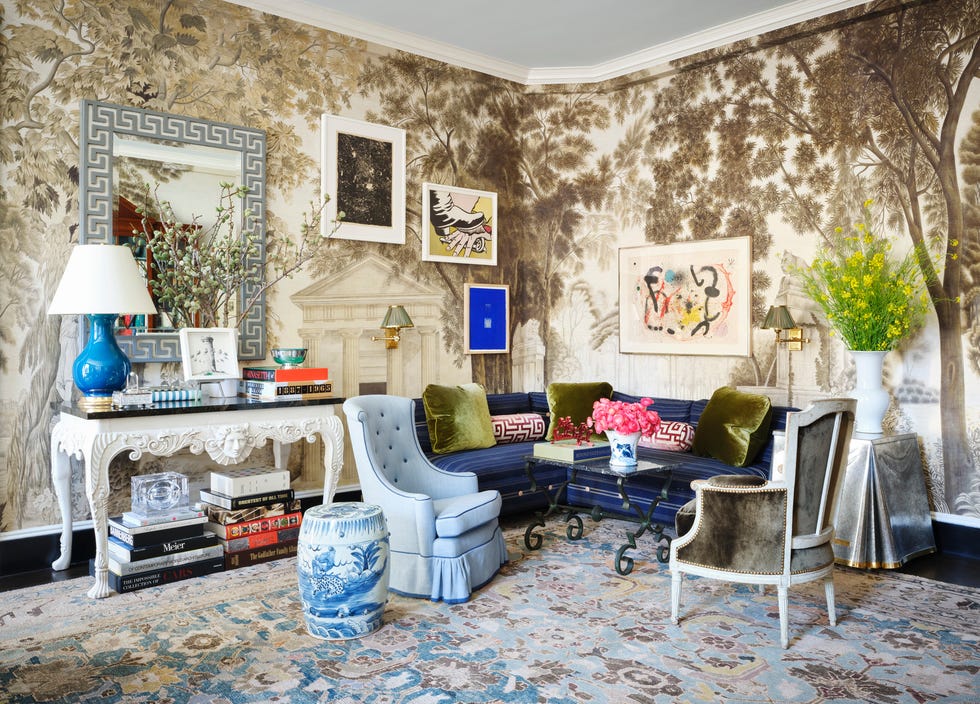
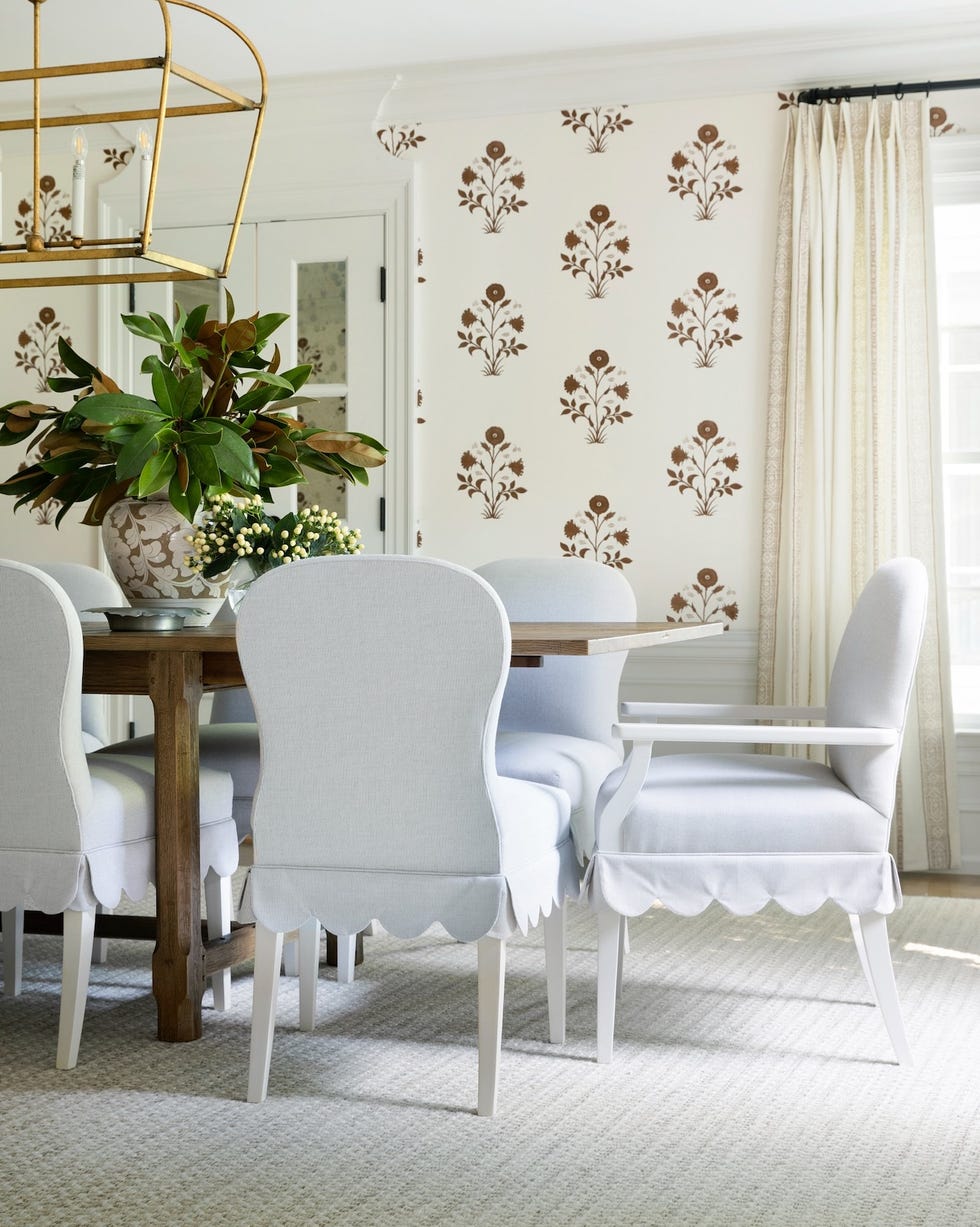
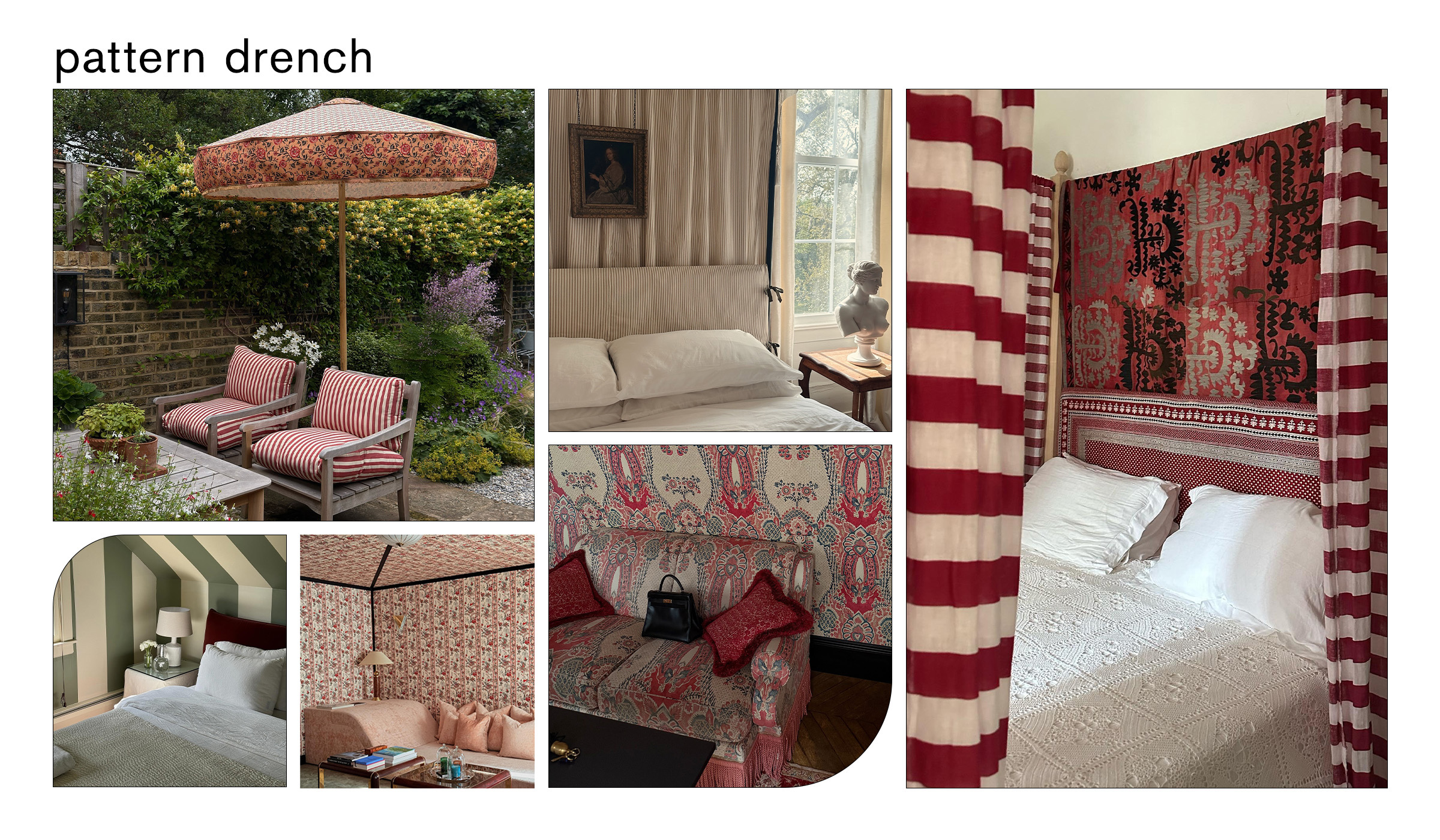
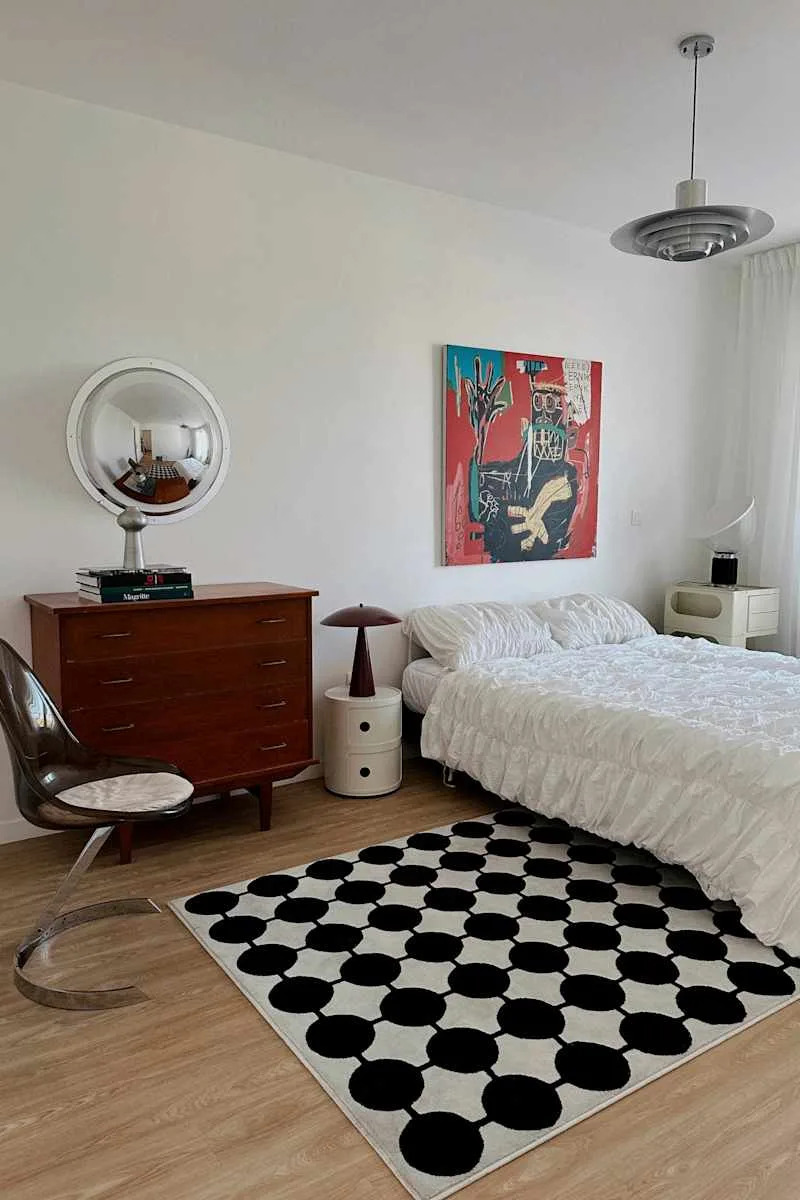
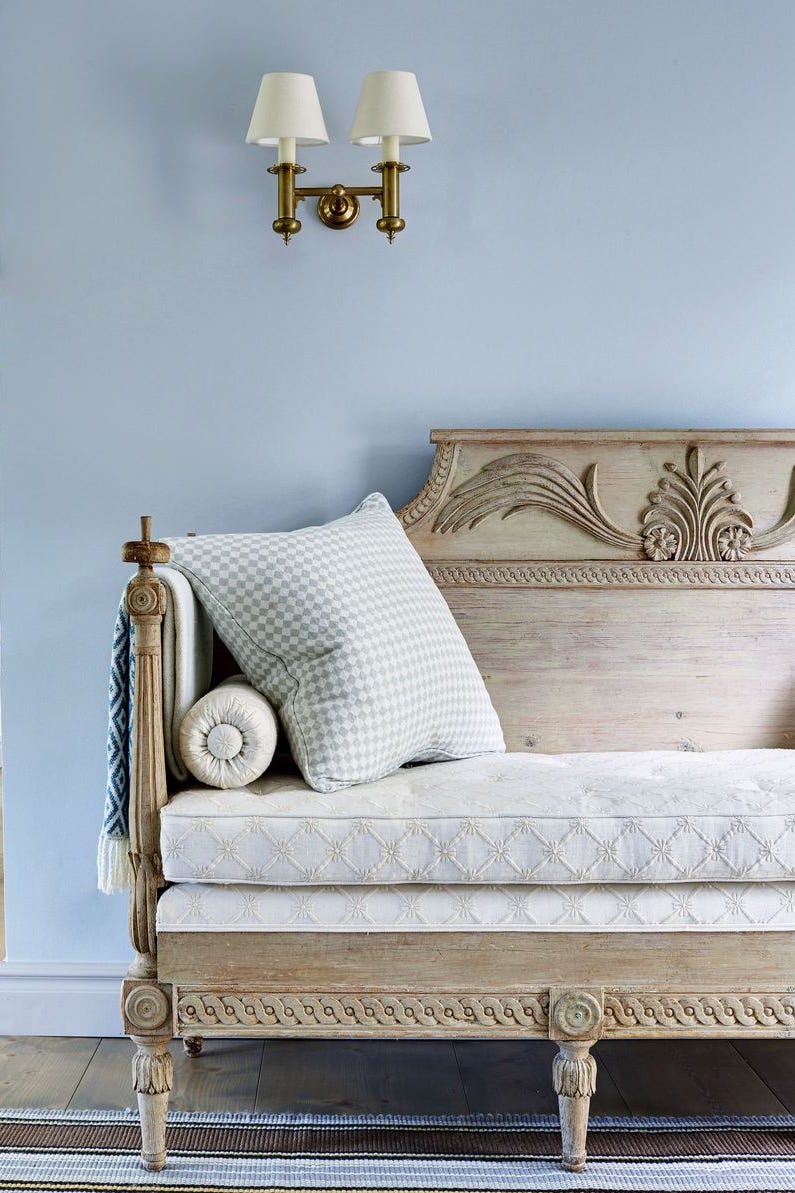
Another significant trend is character-driven furniture, which prioritizes items selected based on personal tastes and interests. This approach encourages an eclectic individuality, allowing spaces to transcend conventional minimalist or restrained Eurocentric aesthetics. The emphasis is on interiors that narrate a personal story through a blend of cultural influences, diverse tactile finishes, and expressive color palettes. The era of matching furniture sets is giving way to complementary combinations, promoting a layered look that integrates old and new, heirlooms and contemporary finds, to foster authenticity and individuality.
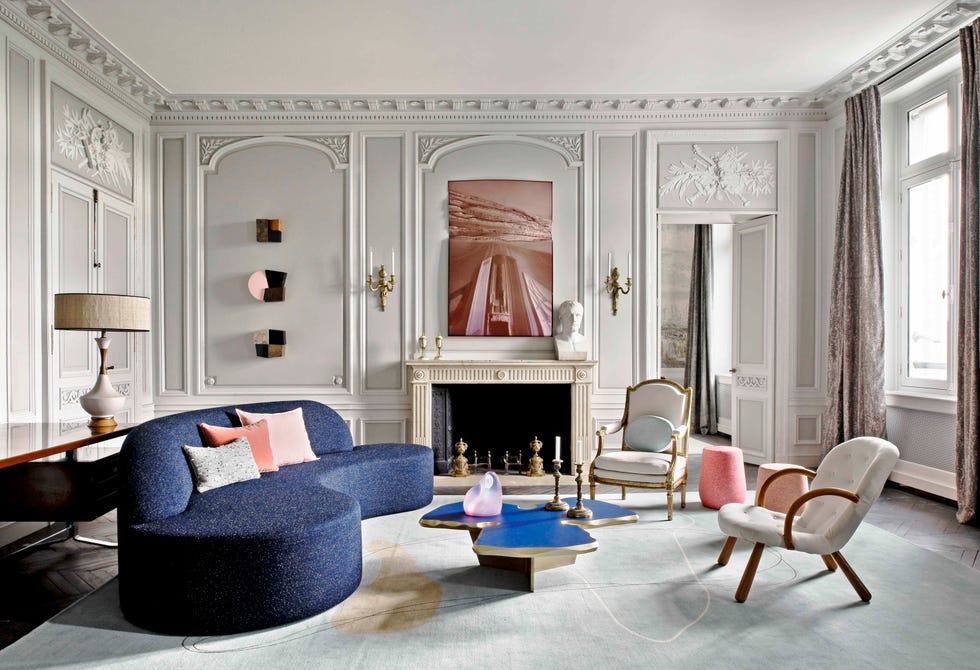
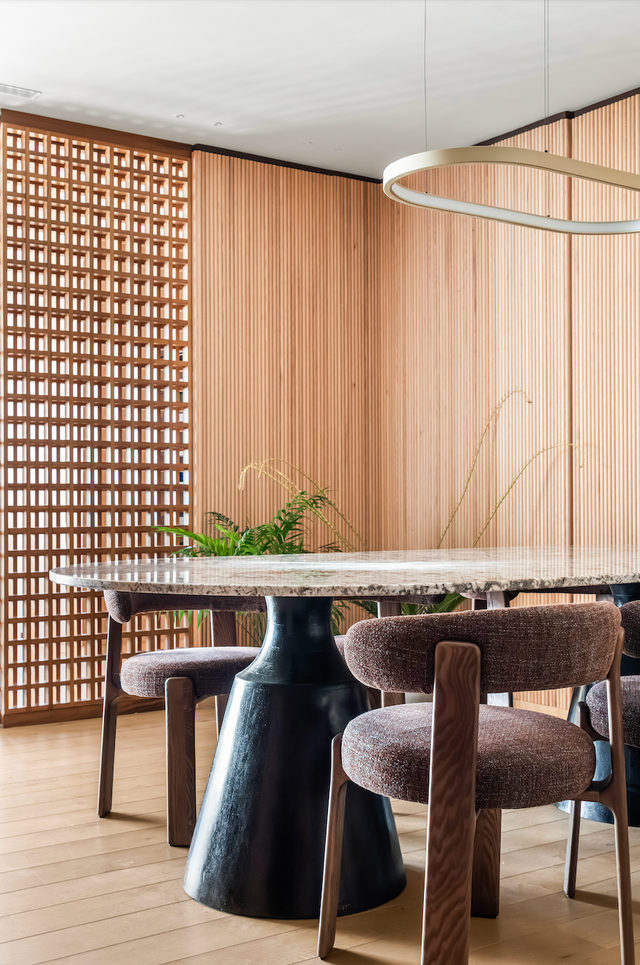
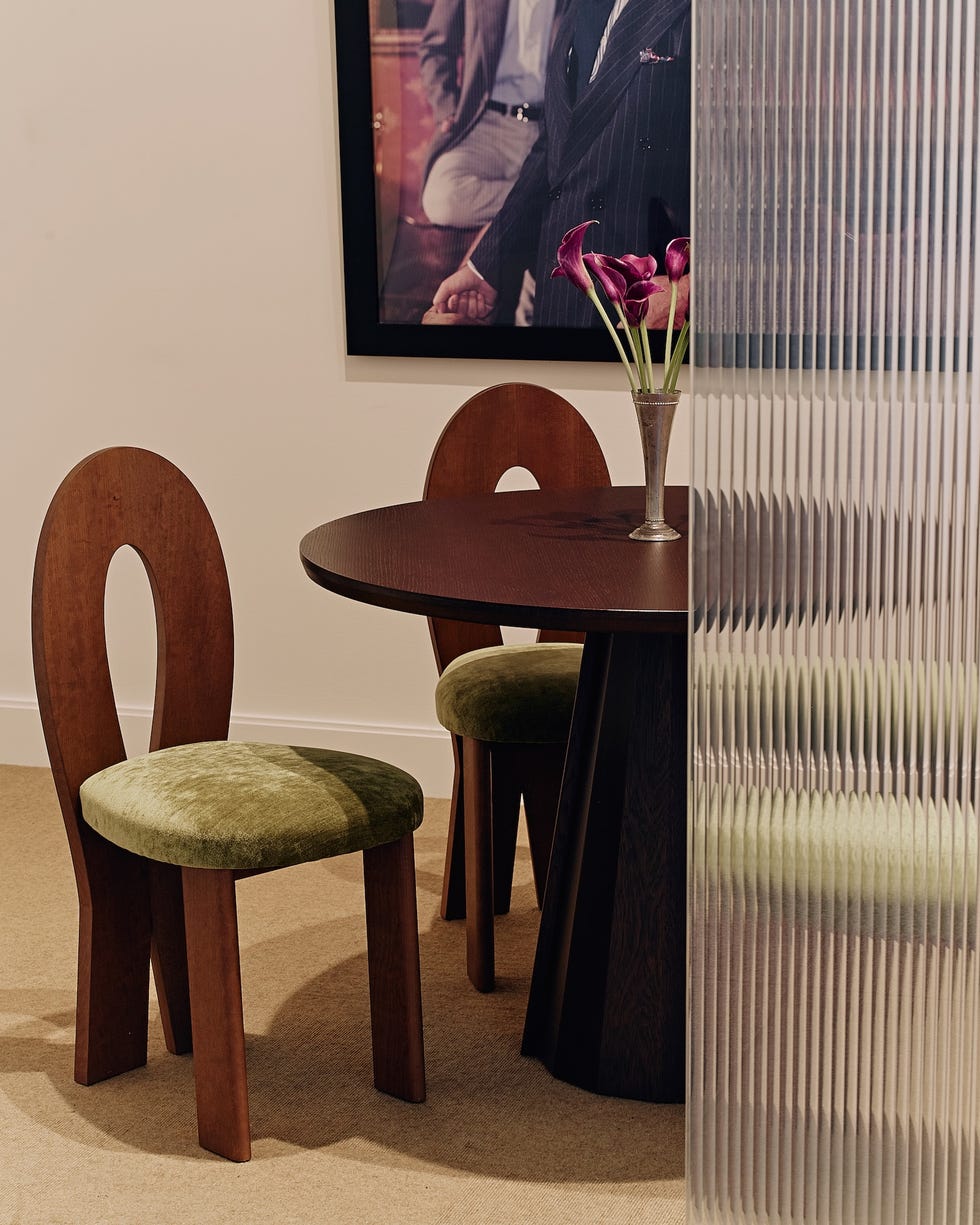
Curved, organic shapes are making a comeback, but with a modern interpretation. These 1970s-inspired fluid silhouettes are re-emerging, but unlike their cooler, sleeker predecessors, they are now characterized by earthy tones, luxurious fabrics, and tactile materials. This trend will manifest in curved sofas, accent pieces, low-slung chairs, and sculptural furniture designed to offer comfort and a sense of embrace. The natural flow of curves is perceived as welcoming and human, while natural materials connect inhabitants with the outdoors, promoting a sense of calm.
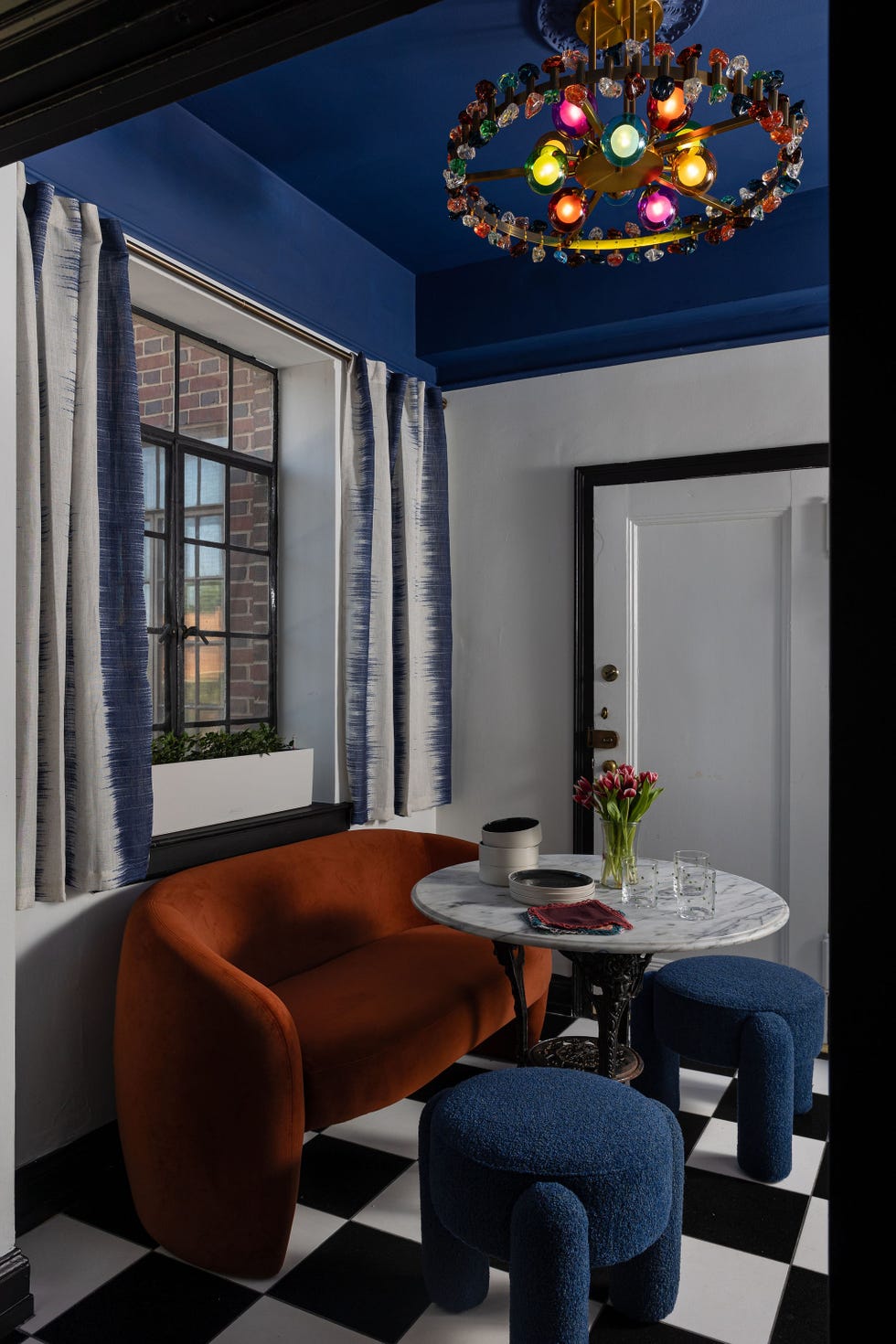
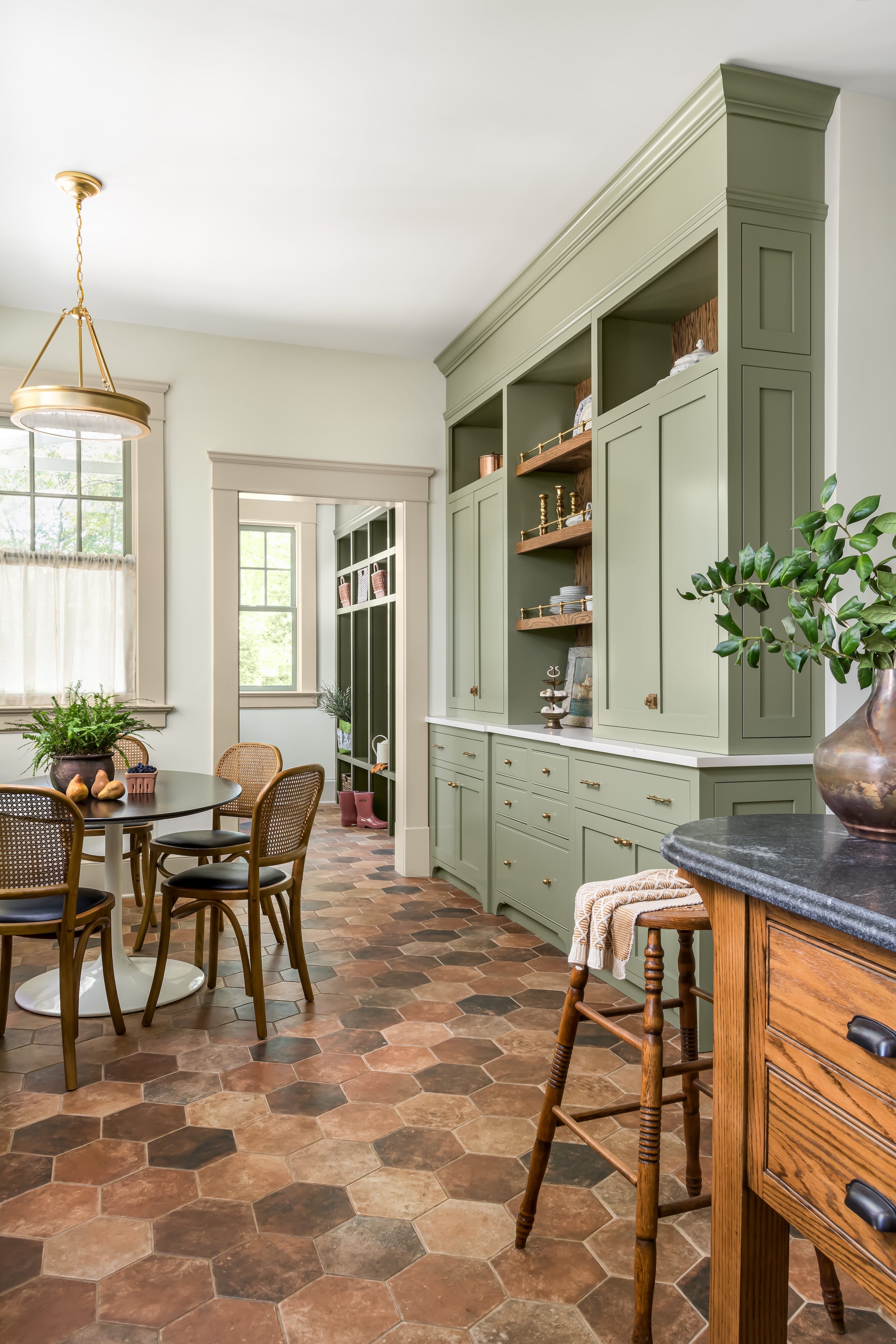
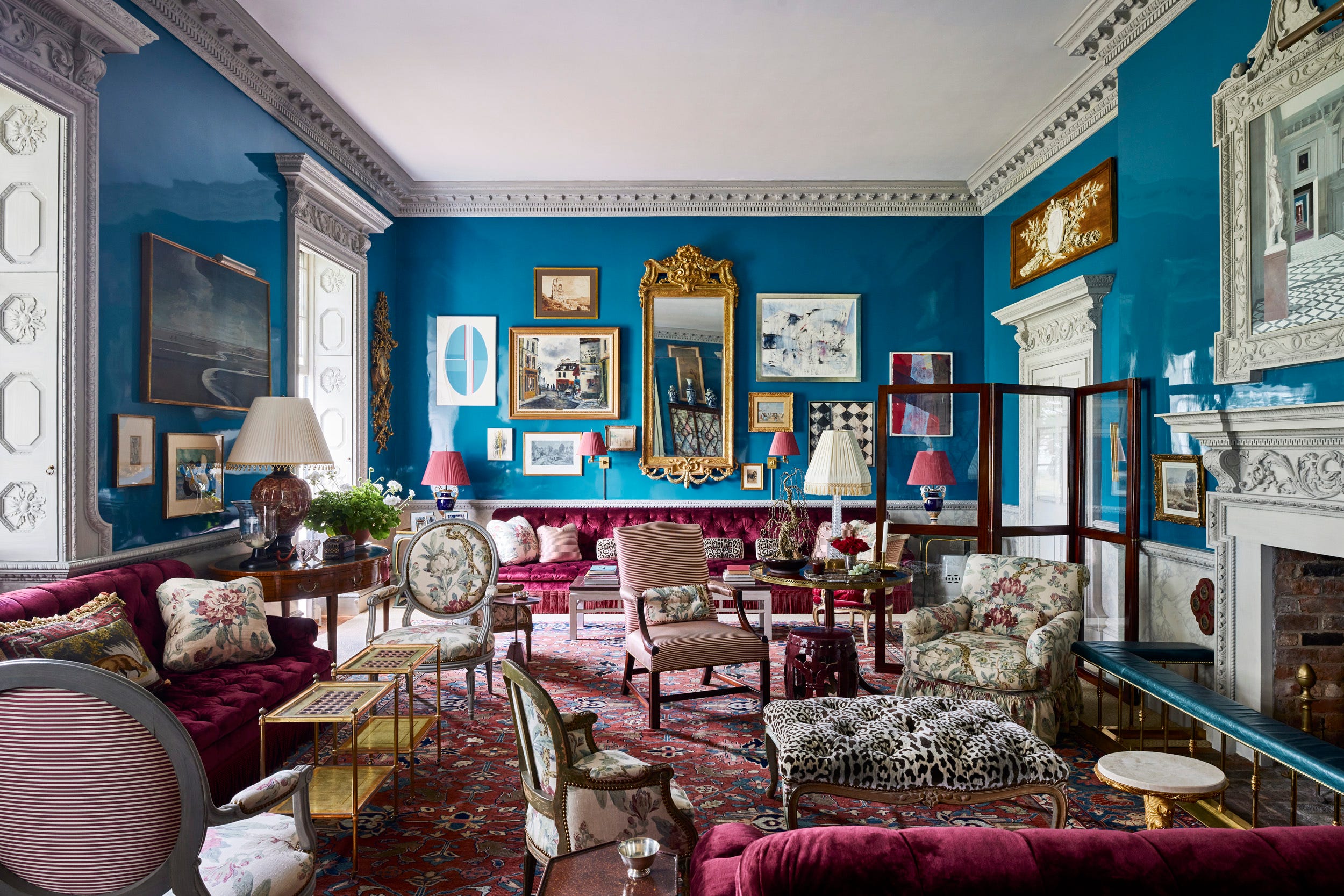
Color palettes for 2026 will be driven by emotional resonance rather than fleeting trends. Designers anticipate deeper, mood-driven tones that adapt to different times of day—calm in the morning, moody in the afternoon, and sensual in the evening. This overarching theme of emotional connection extends to all aspects of furniture and decor, encouraging the use of complementary colors, warm tones, and hues that evoke feelings of peace, energy, or focus. The underlying desire is for spaces that provide grounding, comfort, and authenticity.
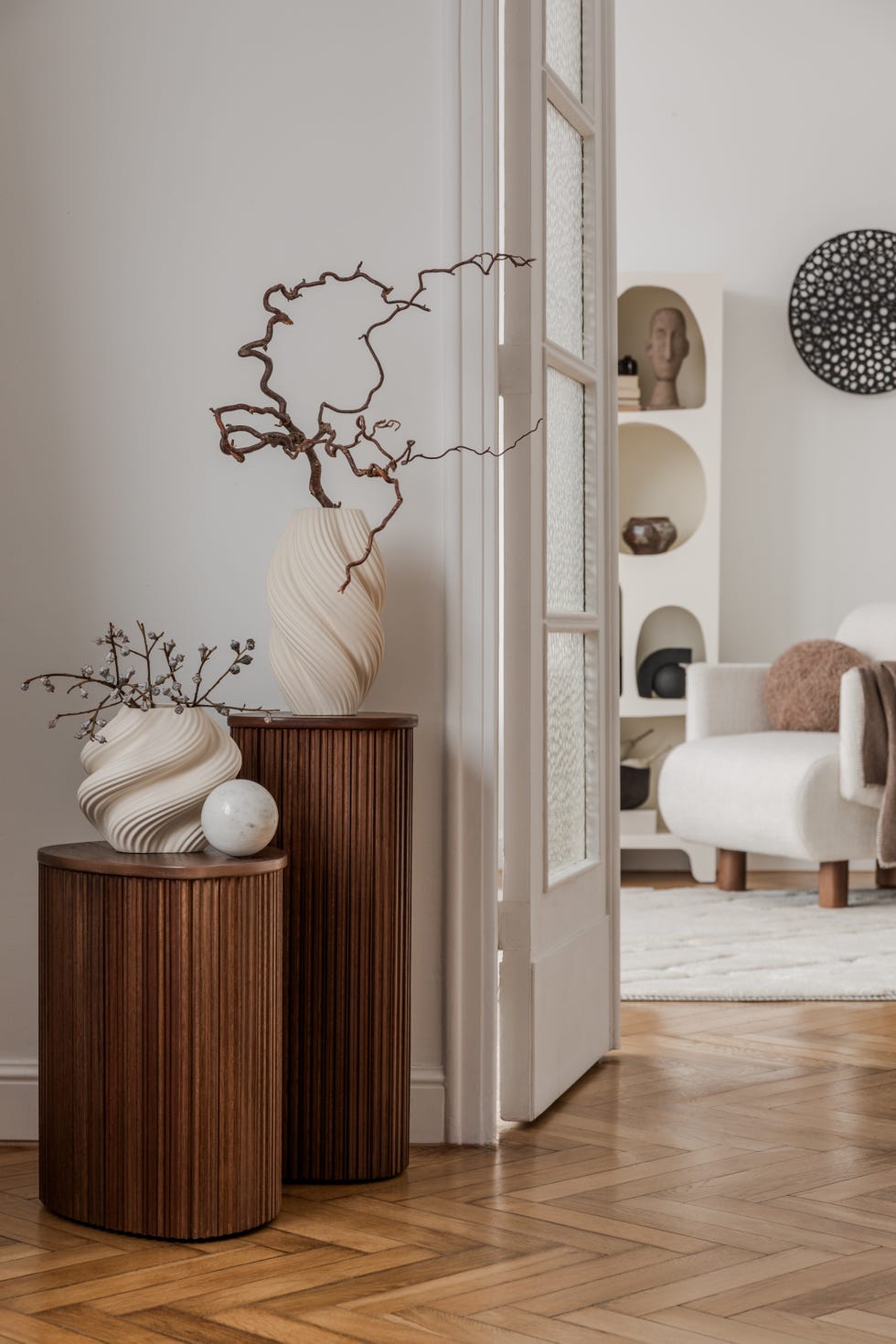
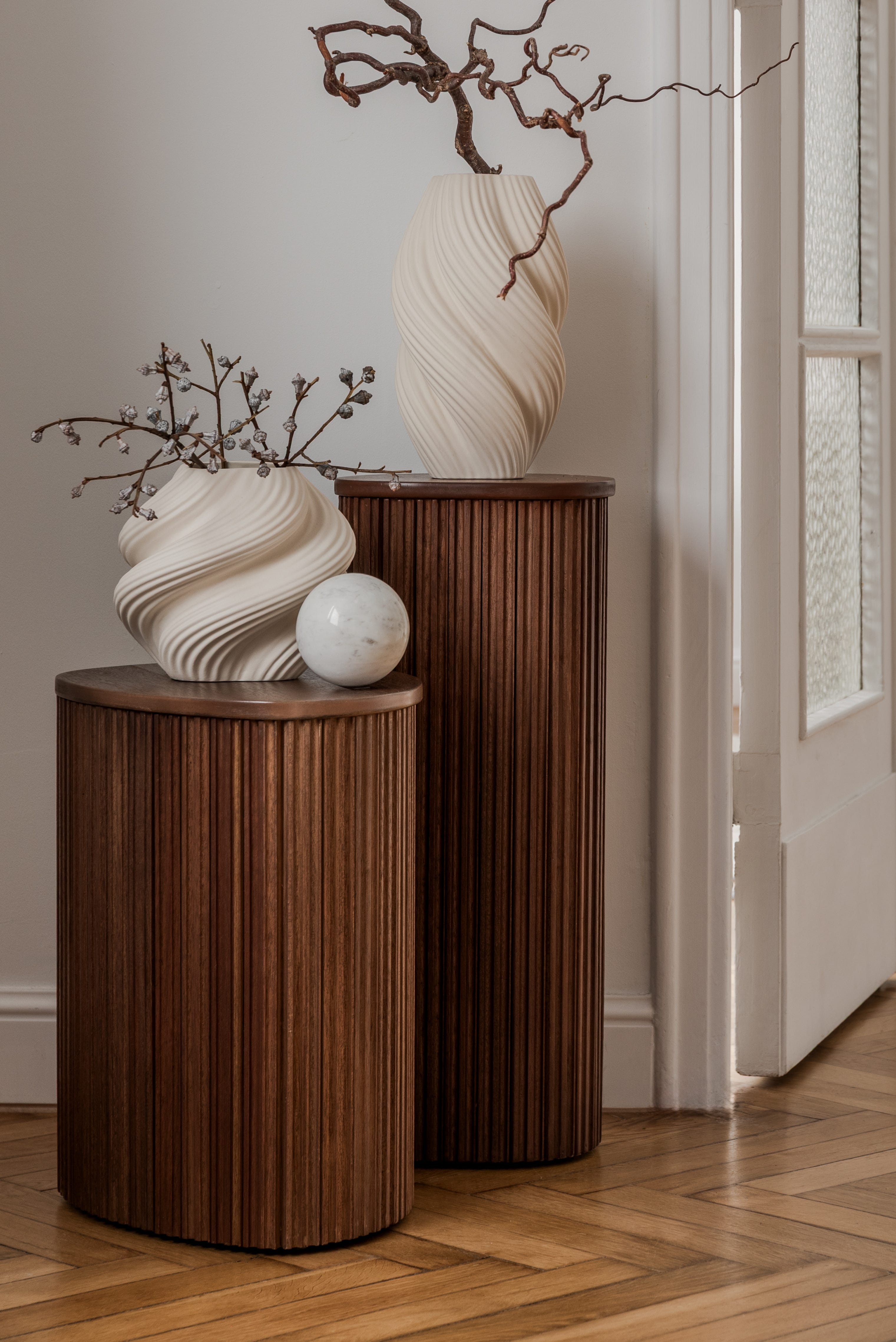
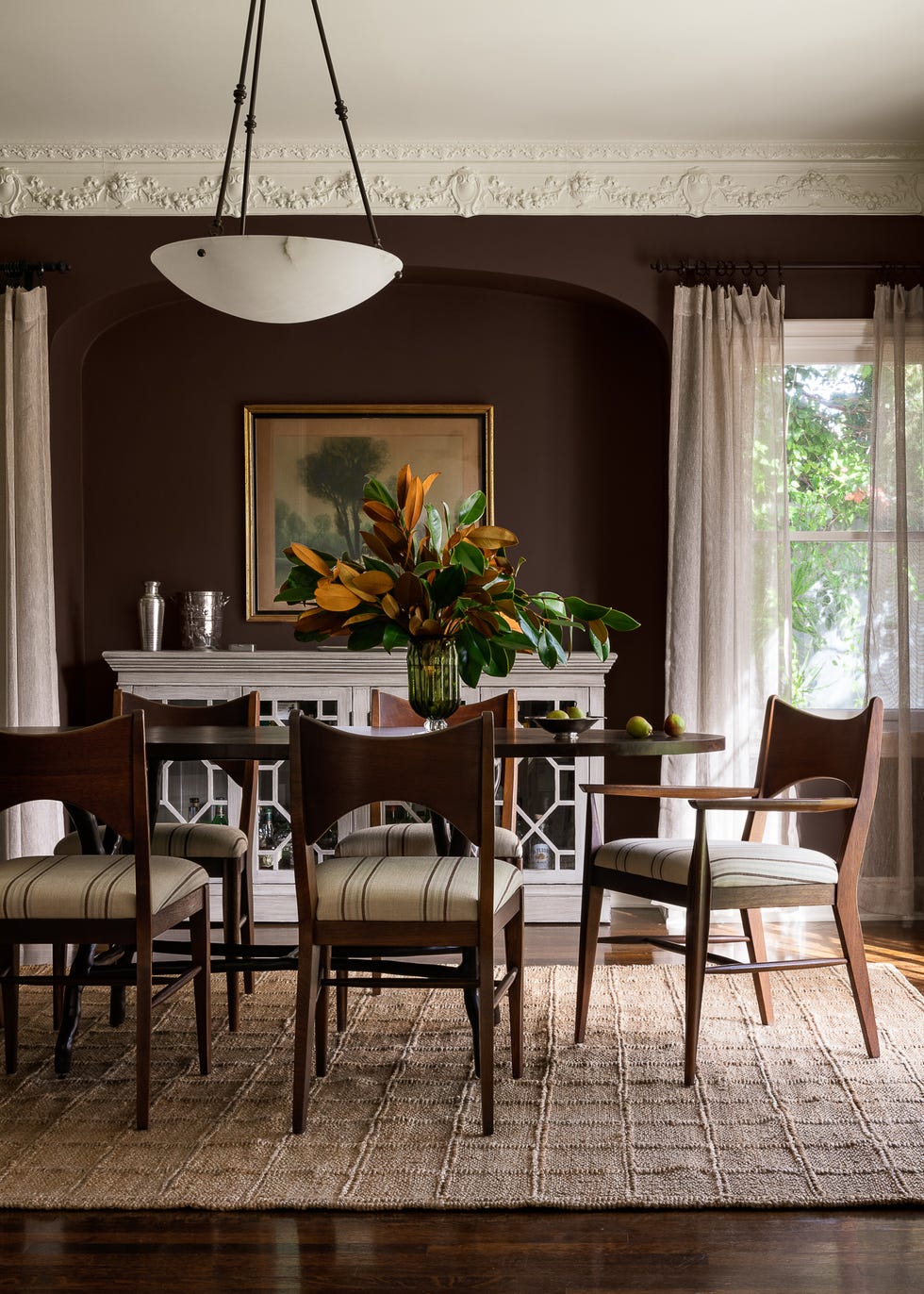
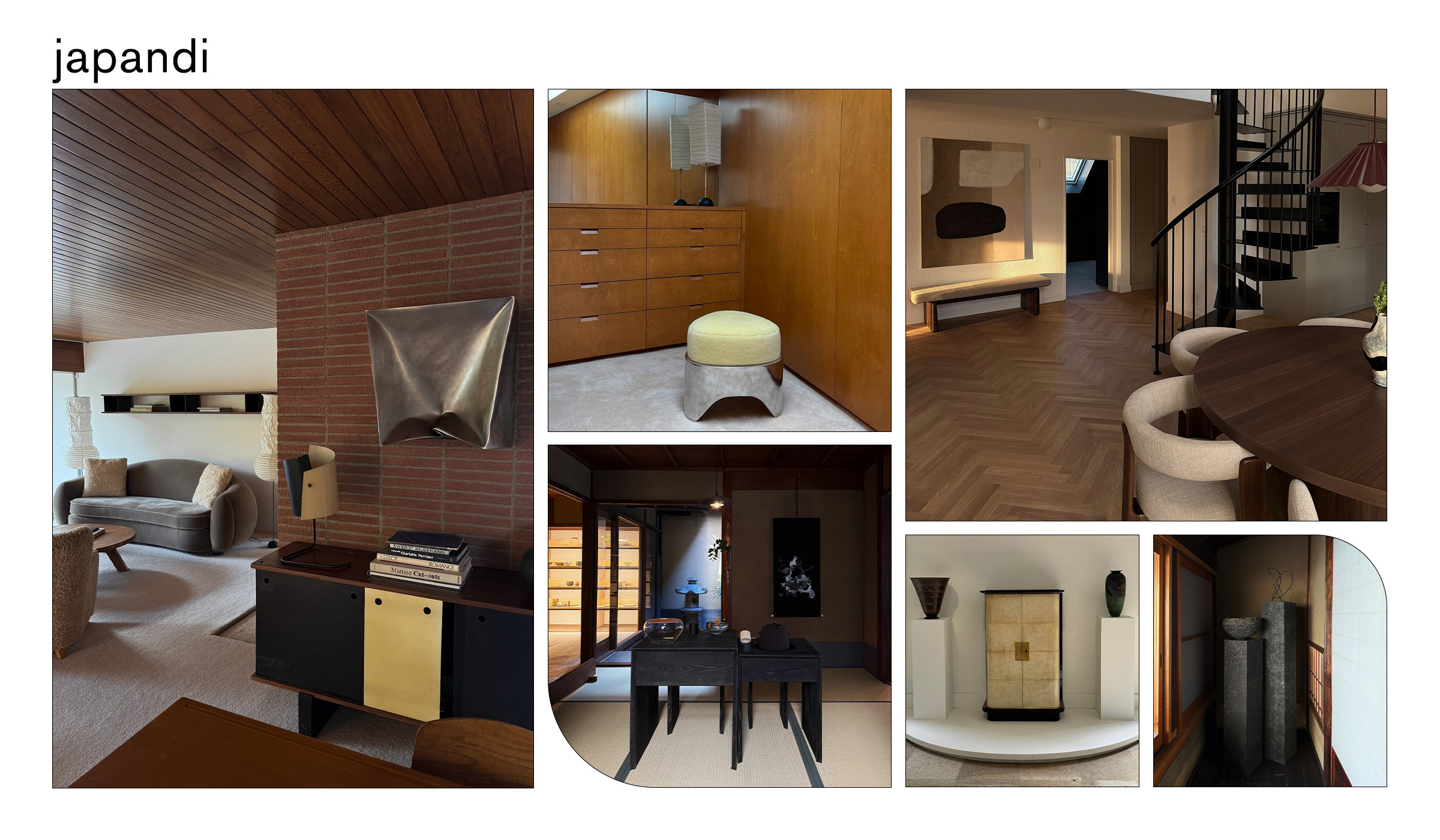

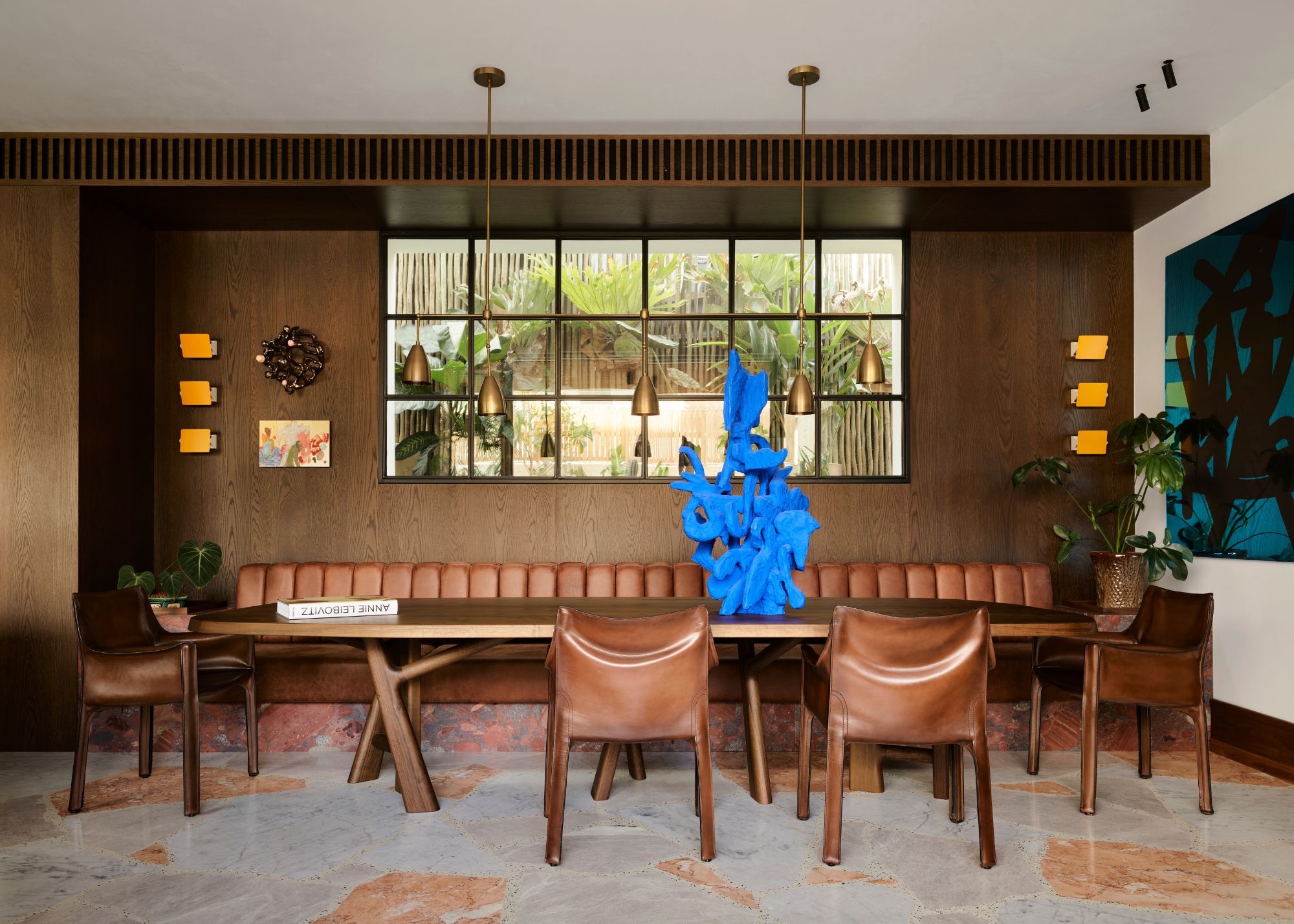
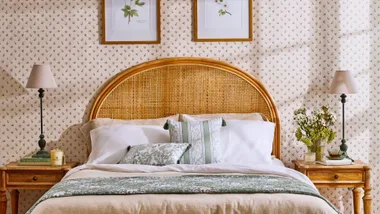
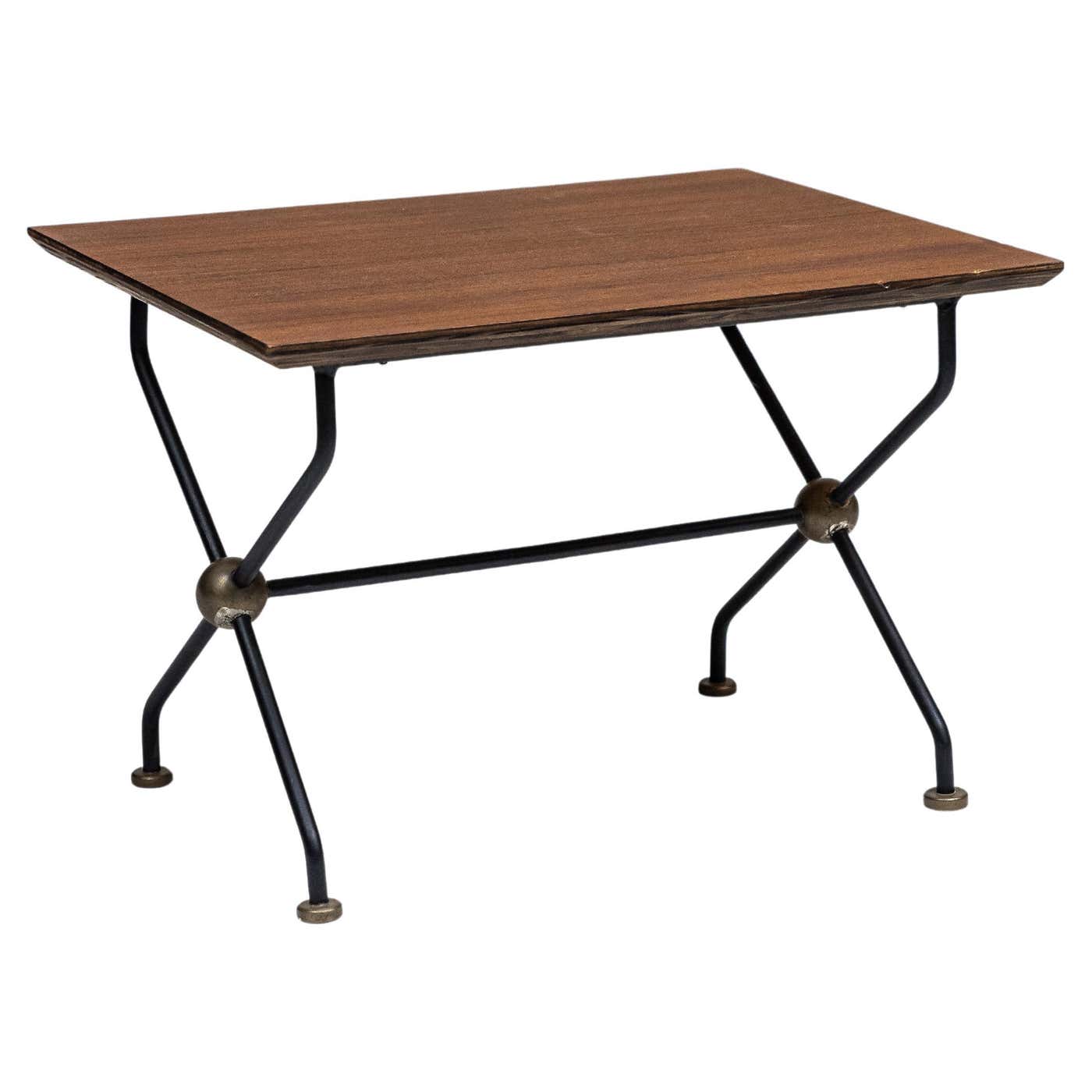
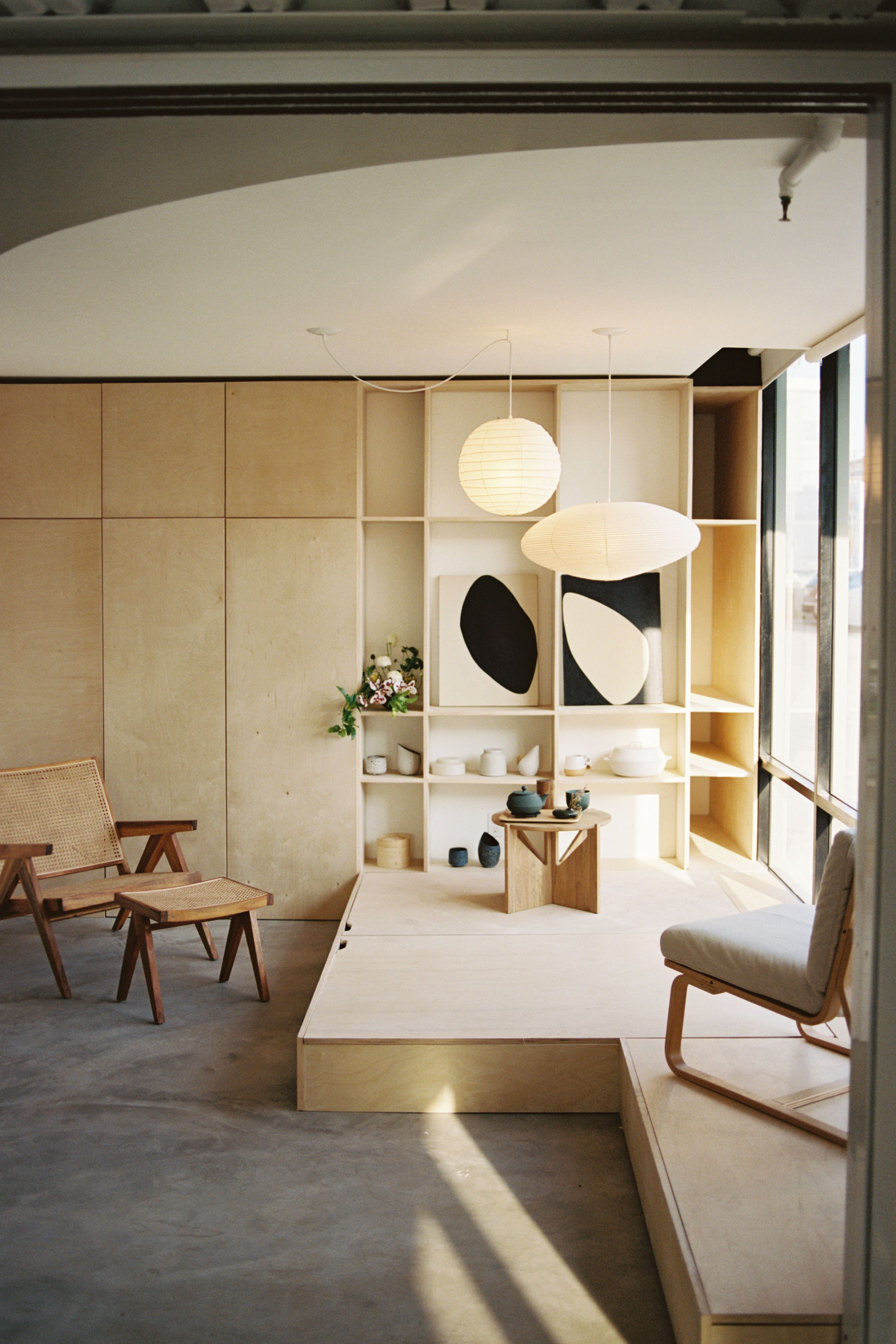
Wood with visible grain is another key trend. Beyond the continued popularity of dark, warm woods, there will be a preference for furniture and structural elements that highlight the natural imperfections and unique grain patterns of timber. This can be incorporated through items like coffee tables, side tables, accent chairs, panels, cabinets, and hutches. The integration of natural finishes, textured fabrics, and mixed materials like wood and stone or metal will contribute to a crafted and organic aesthetic.
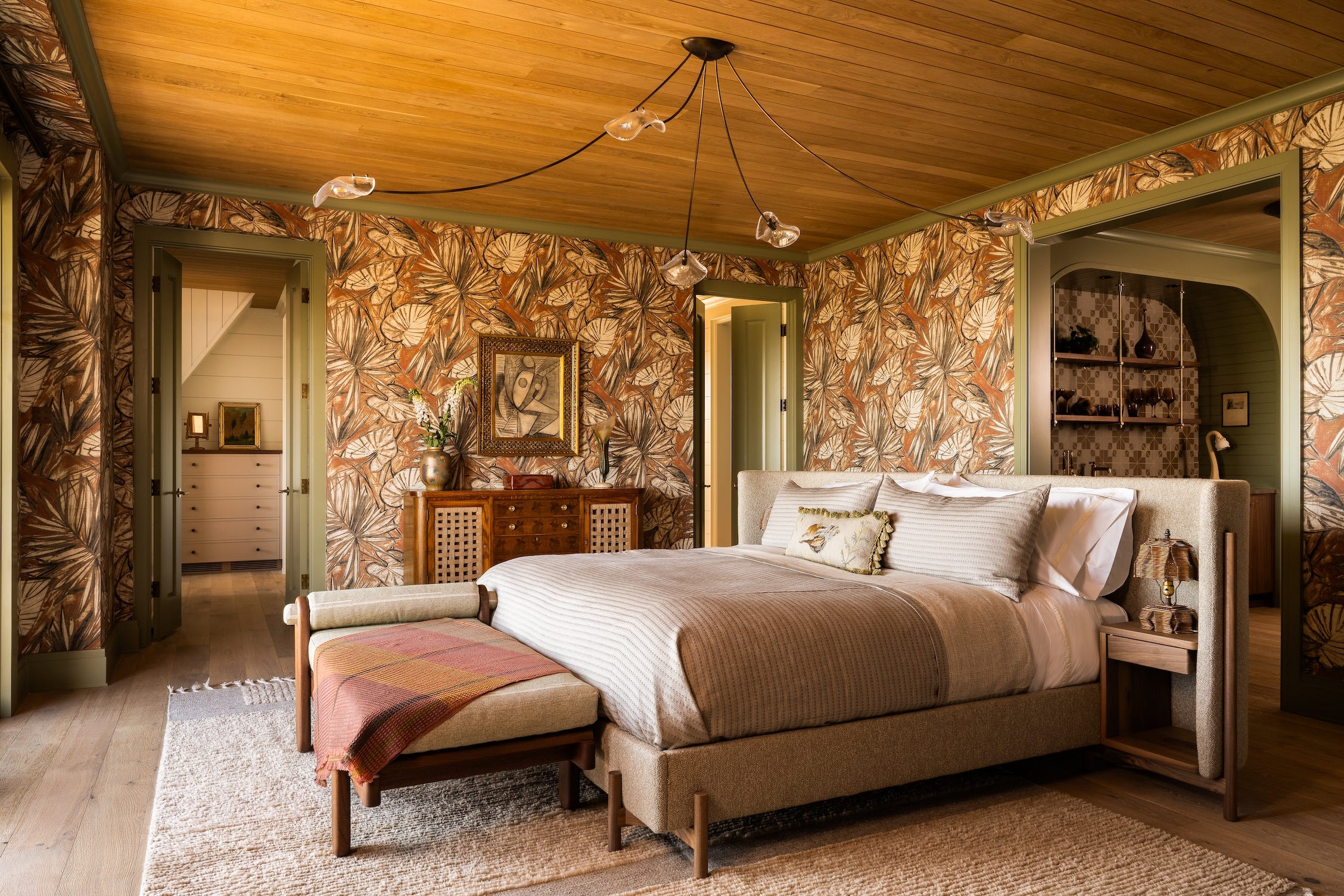
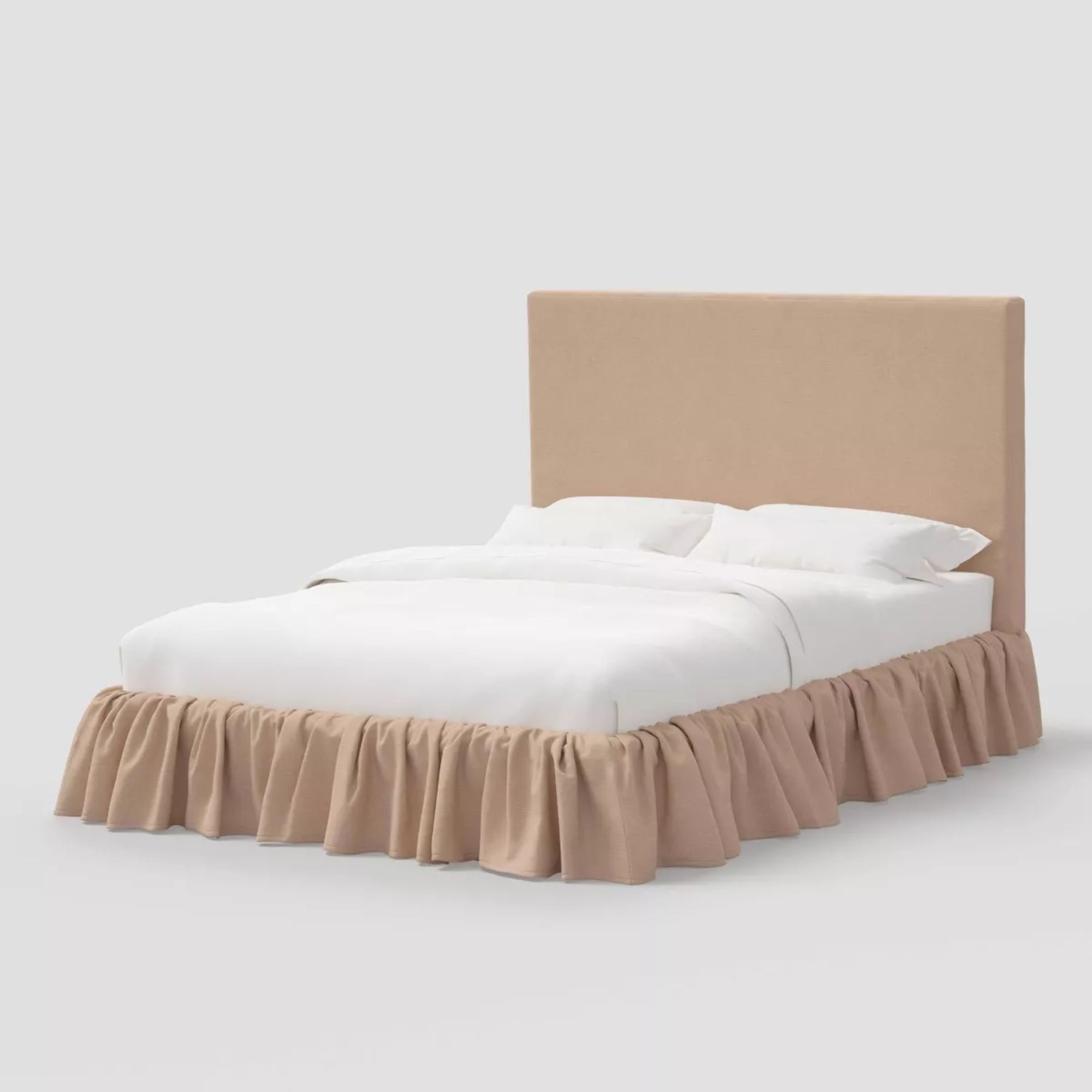
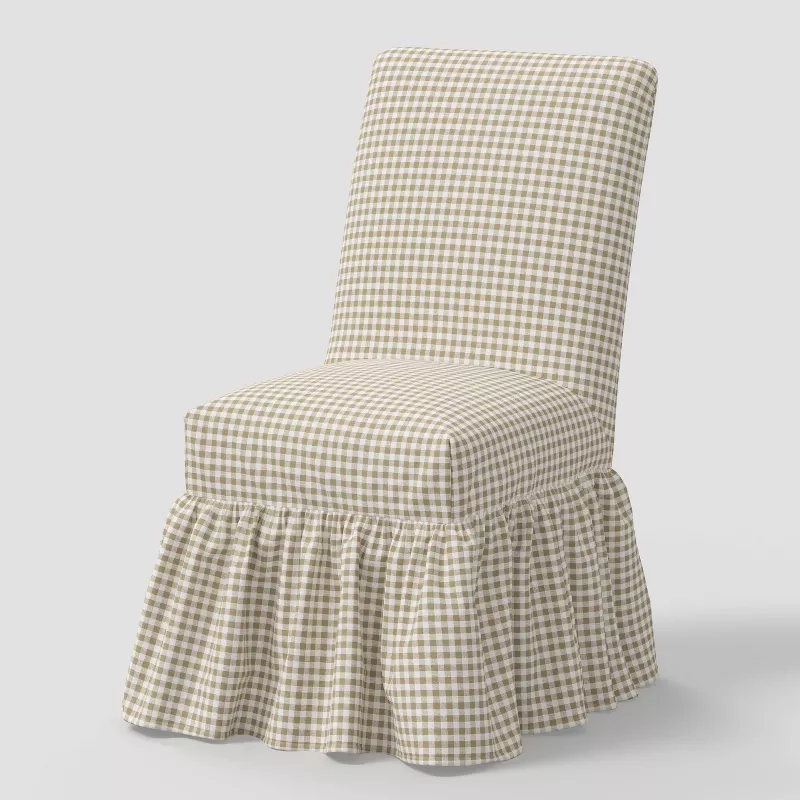
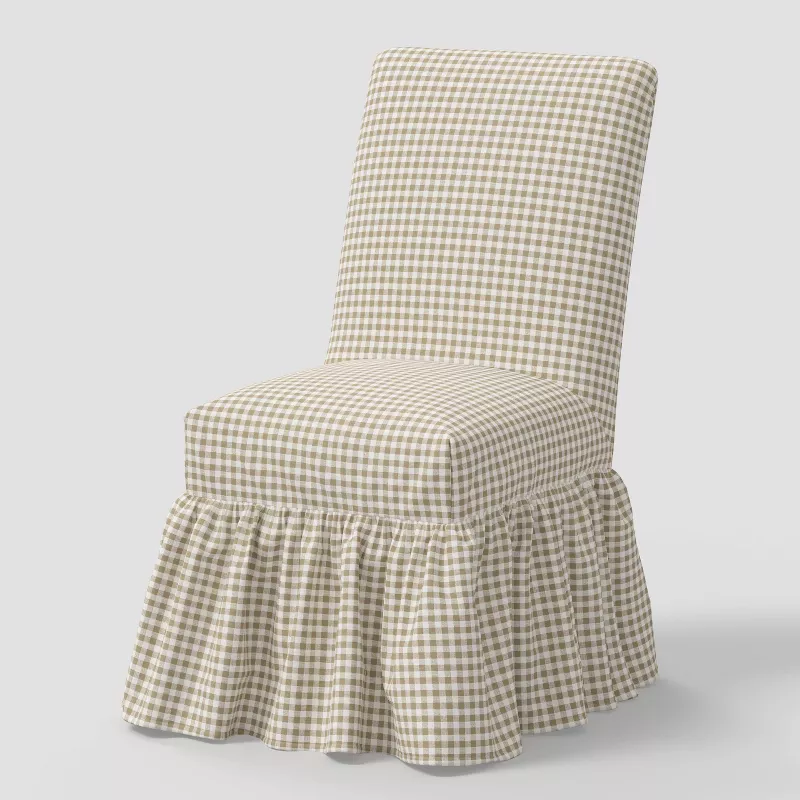
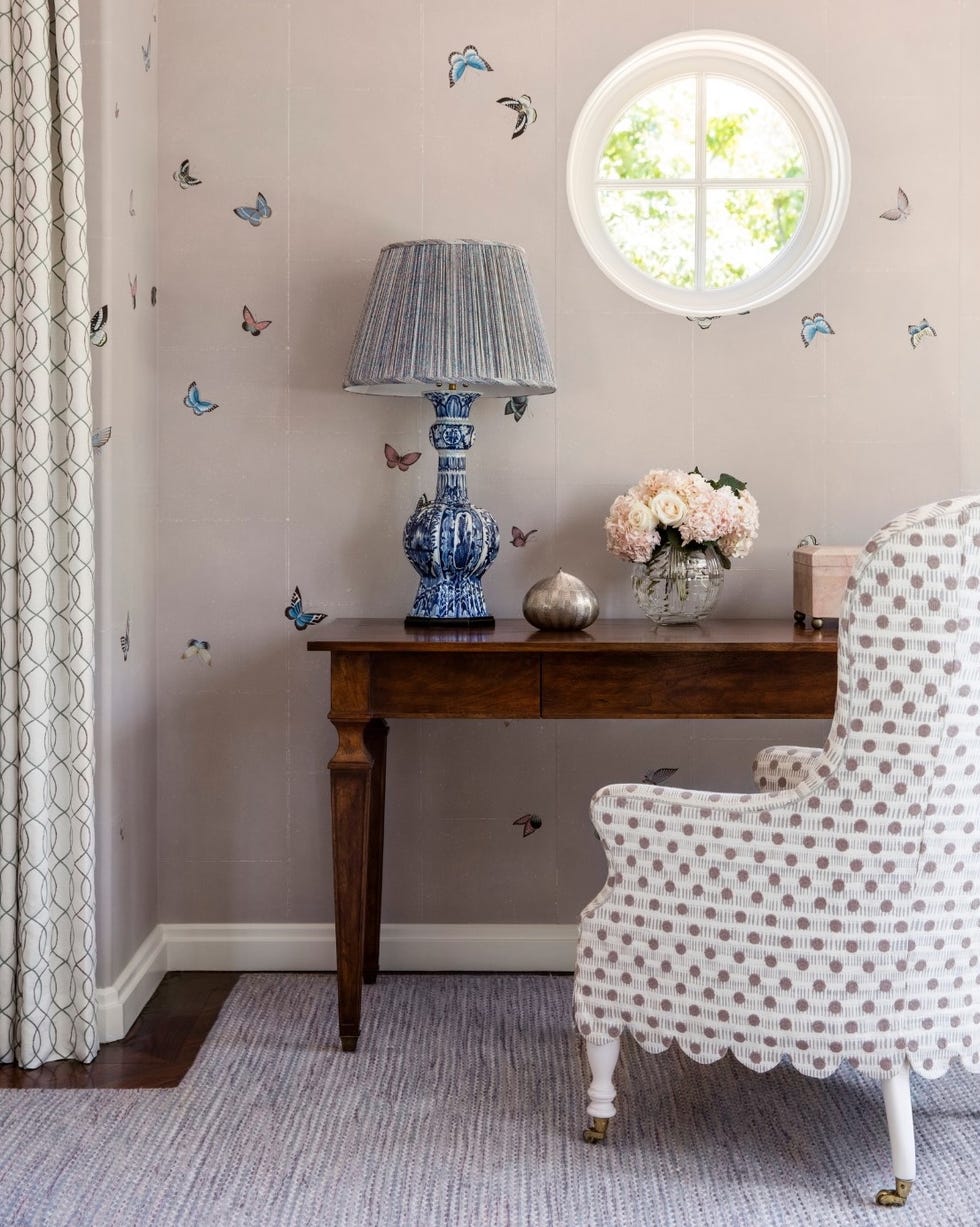
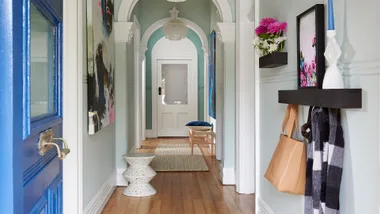
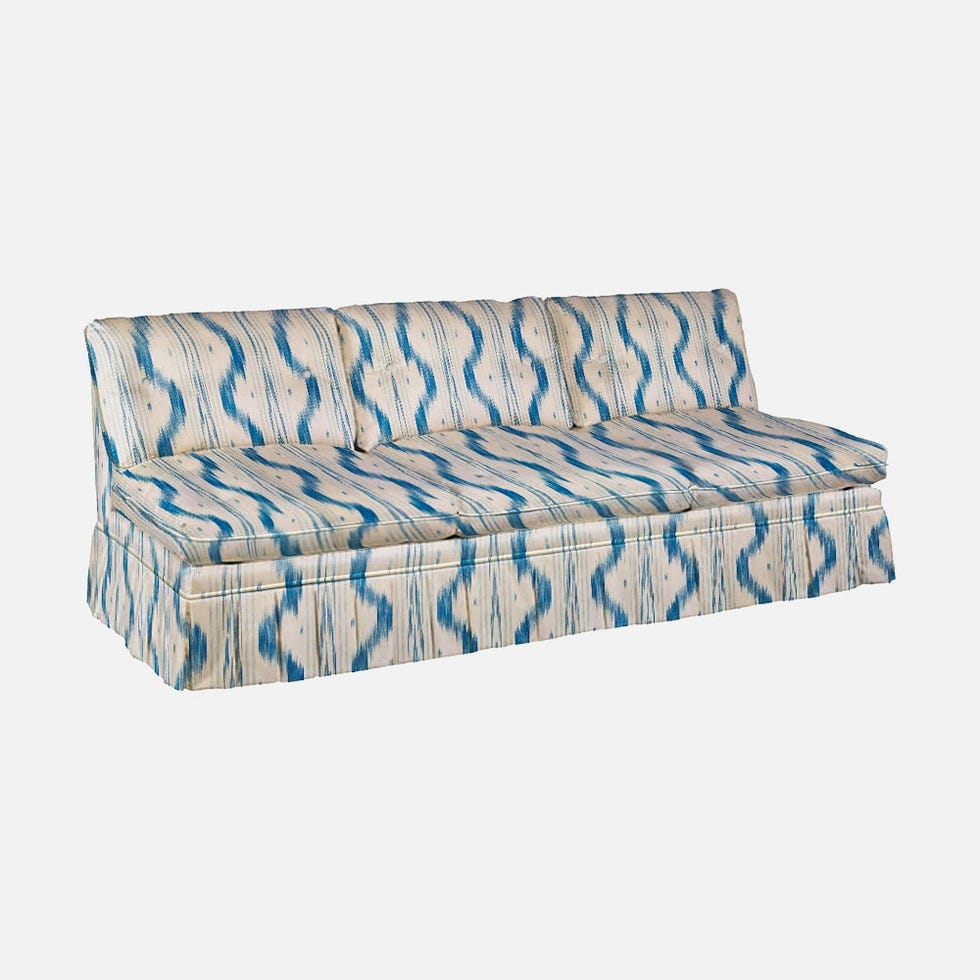
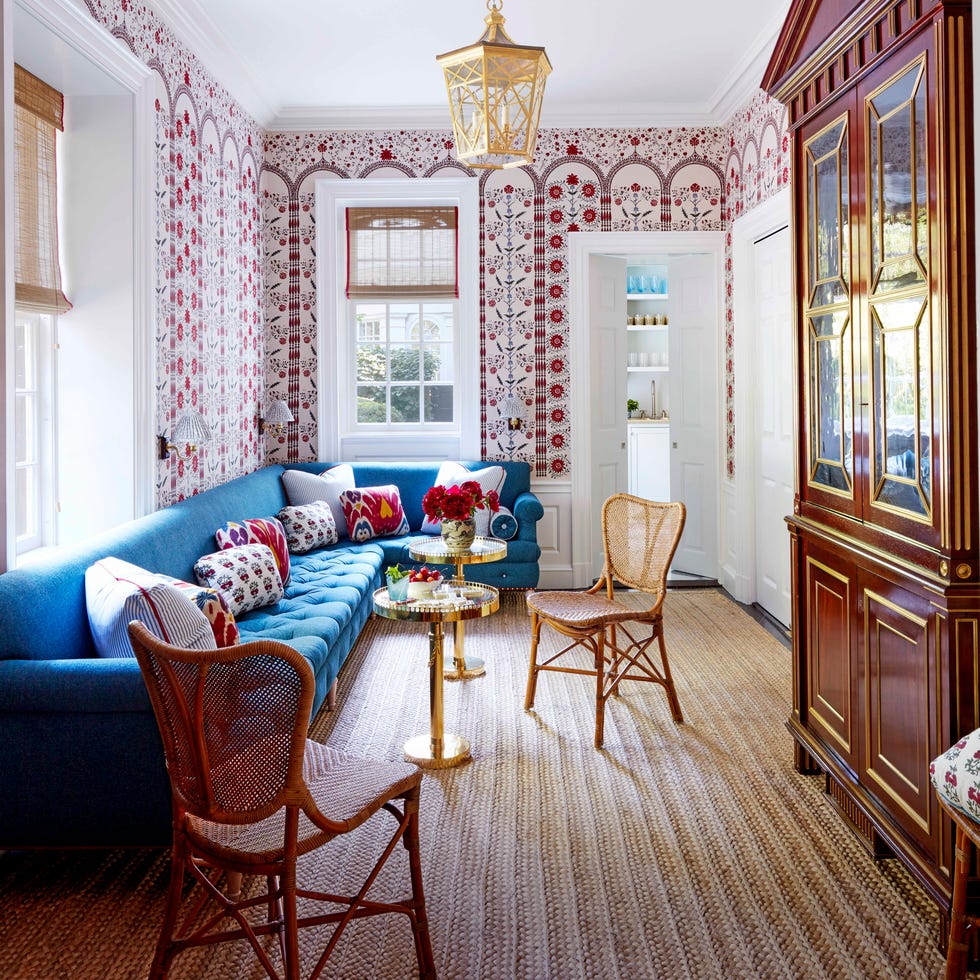
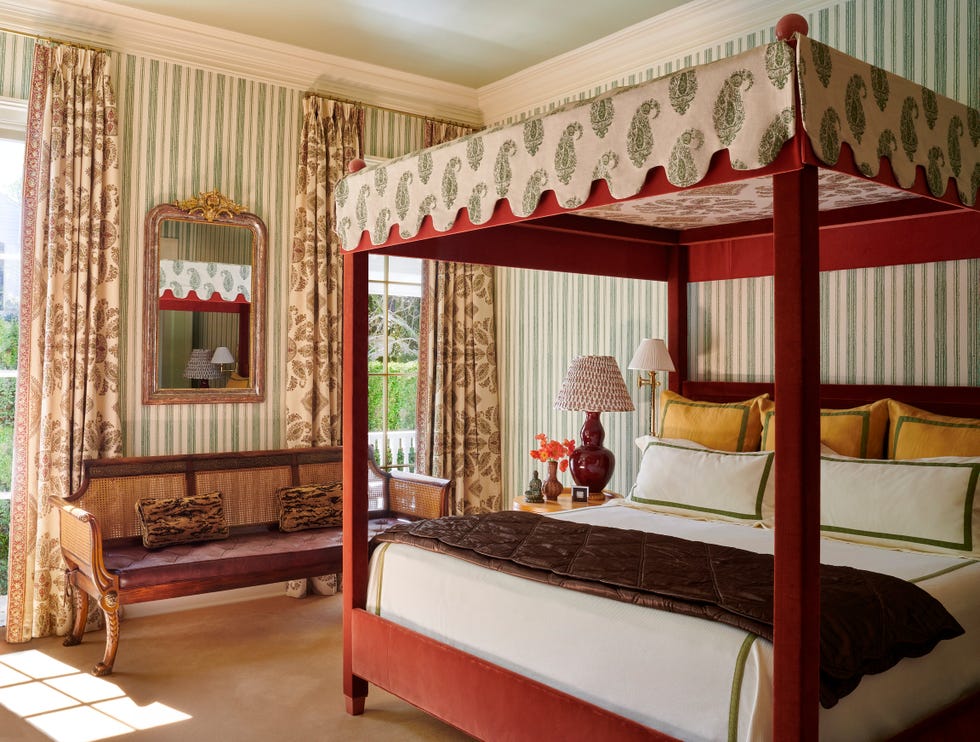
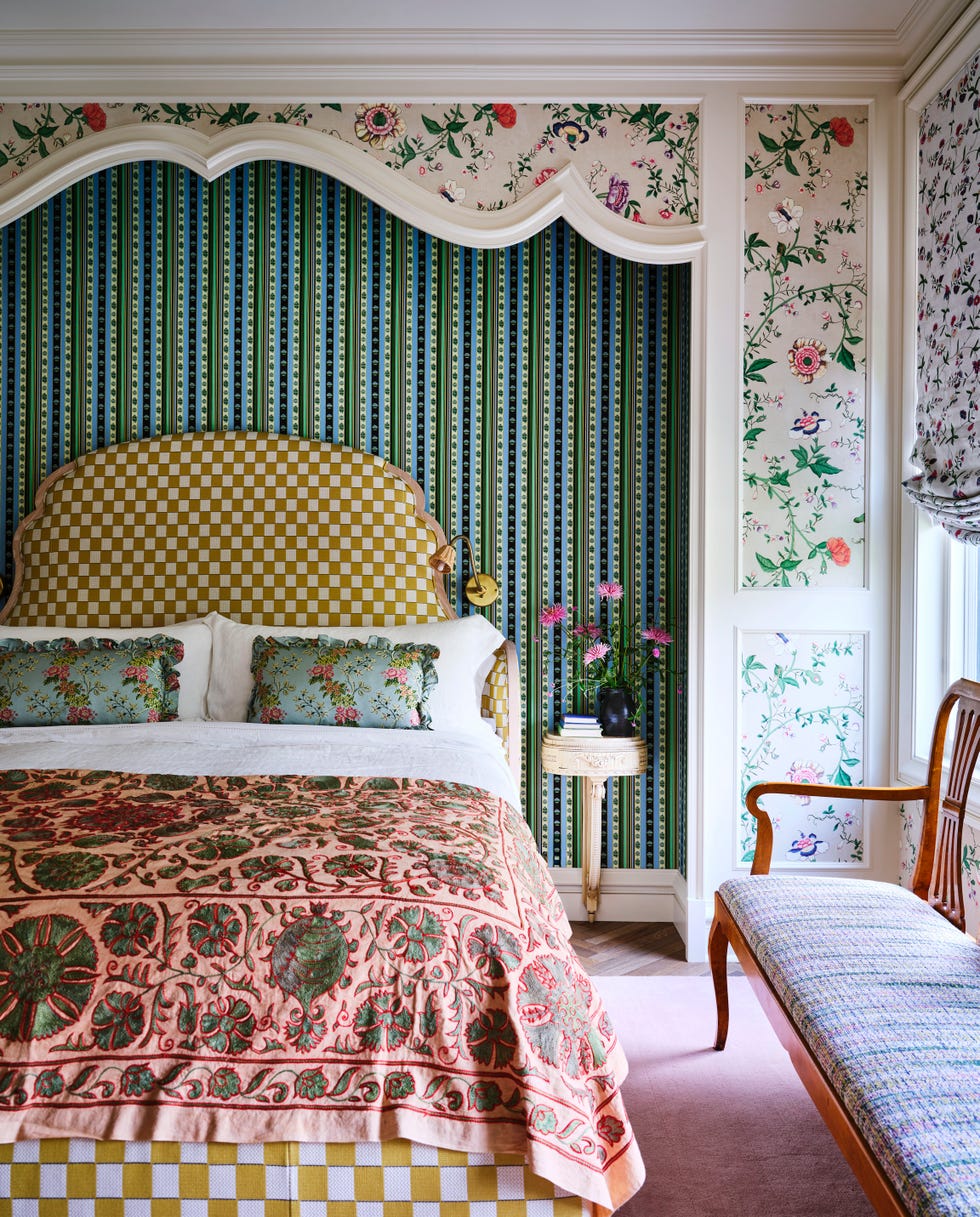
Bold textiles are set to replace neutral upholstery, bringing vibrant colors and patterns into homes. Geometric and bold textiles, potentially evoking nostalgic memories of travel and cultural experiences, will be prominent. This trend offers an opportunity to introduce visually stimulating and unique pieces, such as patterned chairs, chaise longues, upholstered stools, or distinctive bed frames.
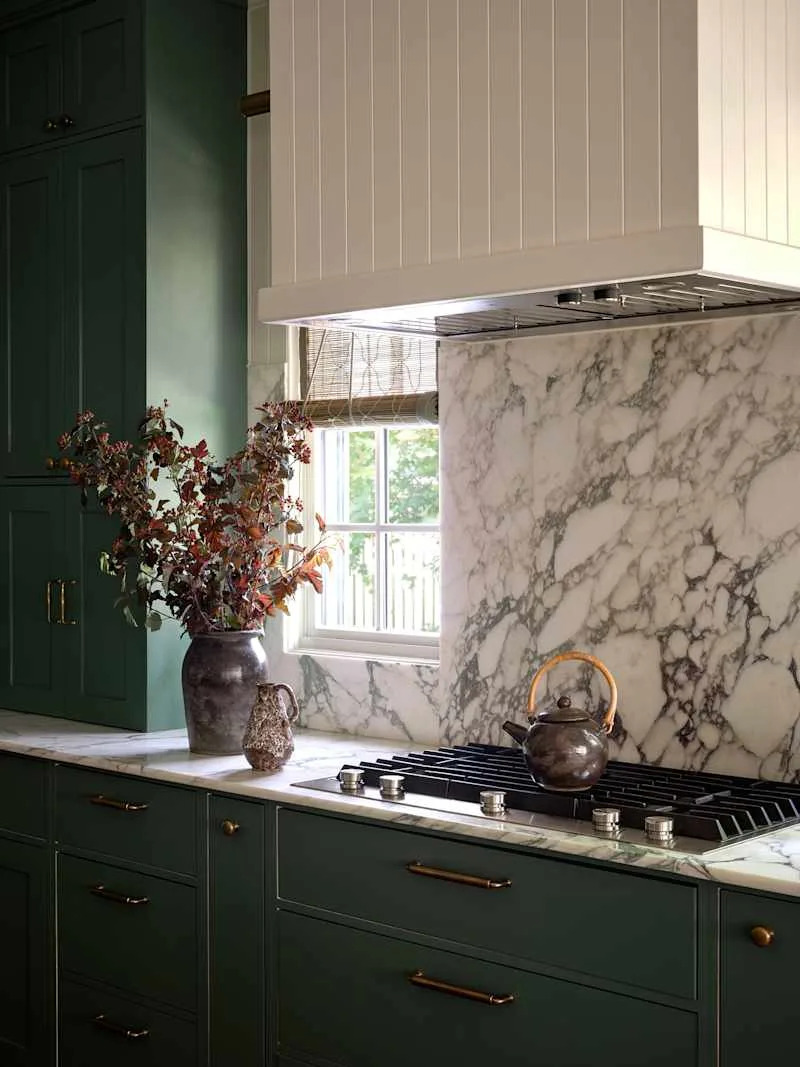
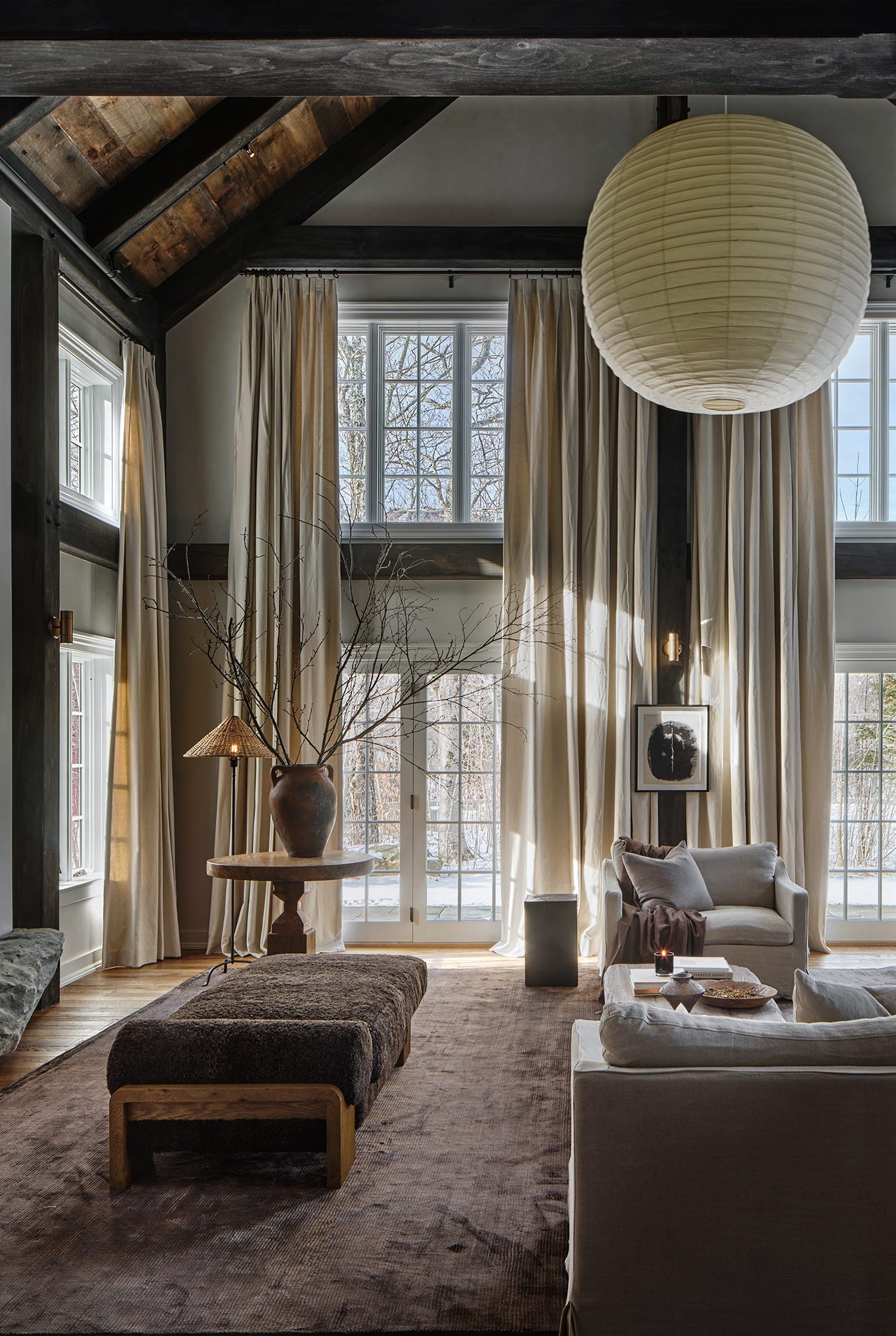
Dark finishes will also gain prominence, shifting away from pale neutrals. This involves embracing deeper shades in paint colors and furniture to create a cozy and rich ambiance. Options like walnut and smoked oak, as well as high-gloss lacquer over dark paint shades, will be popular. These dark finishes add character, comfort, and depth to a room, aligning with a broader movement toward sustainability and meaningful design.
Finally, there is an increasing demand for well-crafted furniture items. Consumers are seeking high-quality, artisanal pieces that feel hand-made rather than mass-produced. The desire for furniture that tells a story and reflects craftsmanship is paramount, contributing to spaces that are both personal and thoughtfully designed.
#FurnitureTrends #InteriorDesign #HomeDecor #TactileMaterials #OrganicShapes #EmotionalColorPalettes #WoodGrain #BoldTextiles #CraftedFurniture #FurnitureTrends #InteriorDesign #HomeDecor #TactileMaterials #OrganicShapes #EmotionalColorPalettes #WoodGrain #BoldTextiles #CraftedFurniture
0 comment in total
 No comments yet
You may also like
Designers Are Calling It: These Furniture Trends Will Be Everywhere in 2026

10 furniture trends that designers are loving for 2025

8 Flooring Trends for 2026 — The Designs, Materials, and Layouts Designers Are Predicting to Be the 'Next Big Thing'

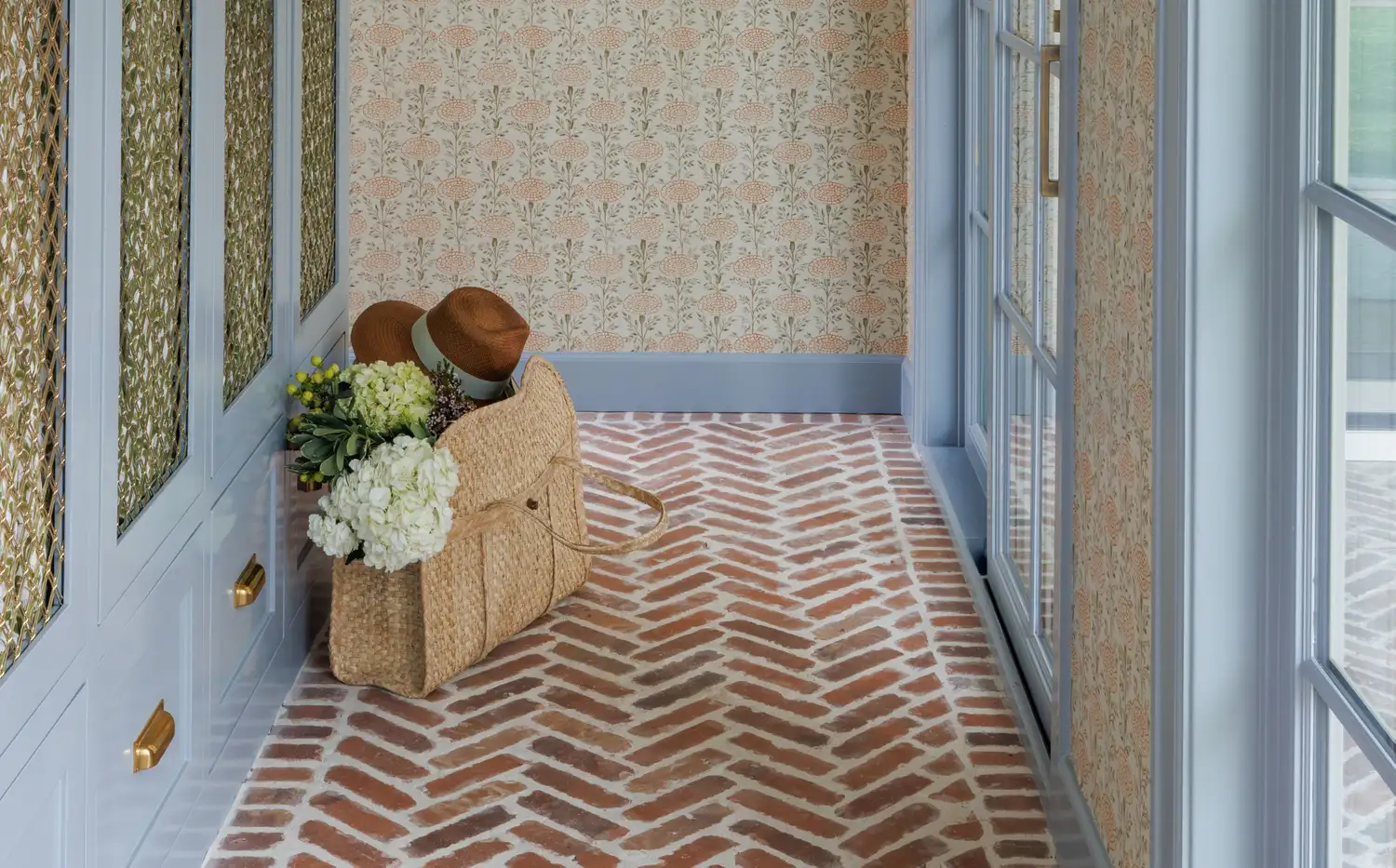
8 Flooring Trends Designers Say Will Be Everywhere In 2026
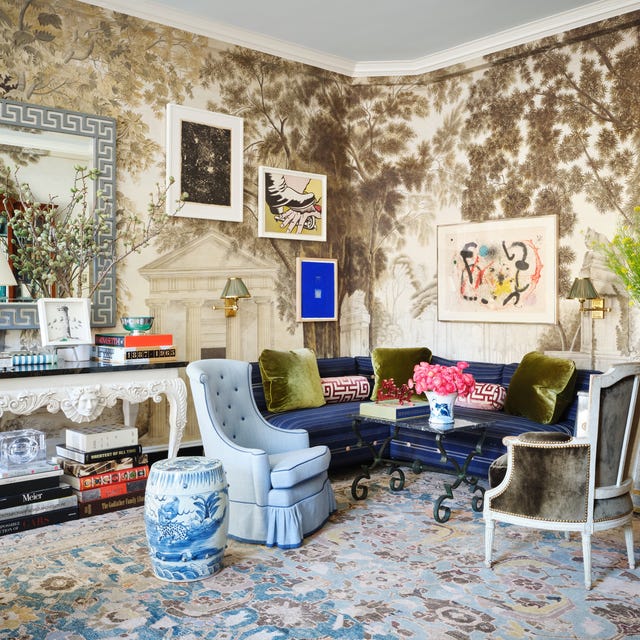
Designers Predict These 6 Living Room Trends Will Be Everywhere in 2026

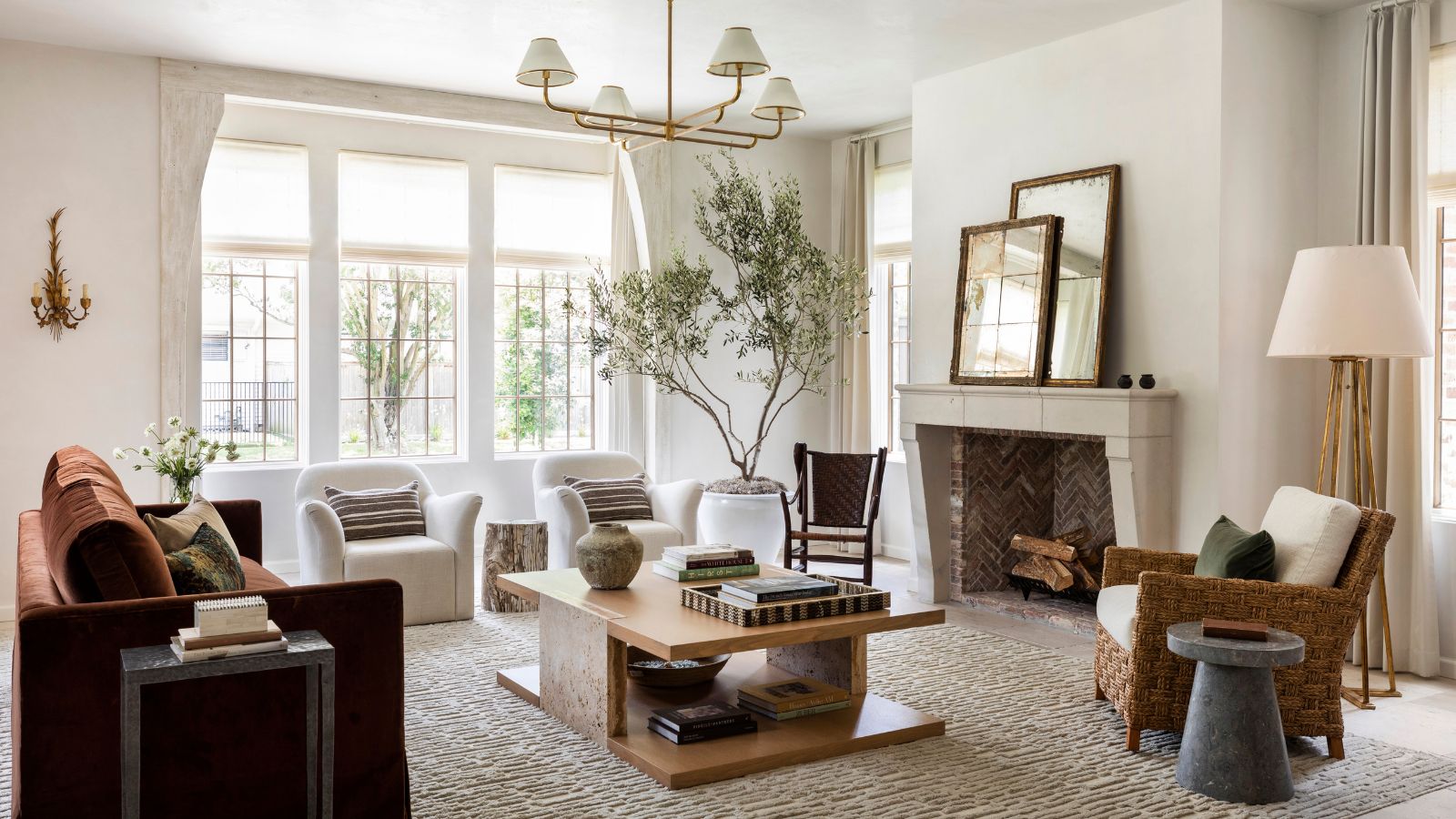
10 furniture trends that designers are loving for 2025 and beyond
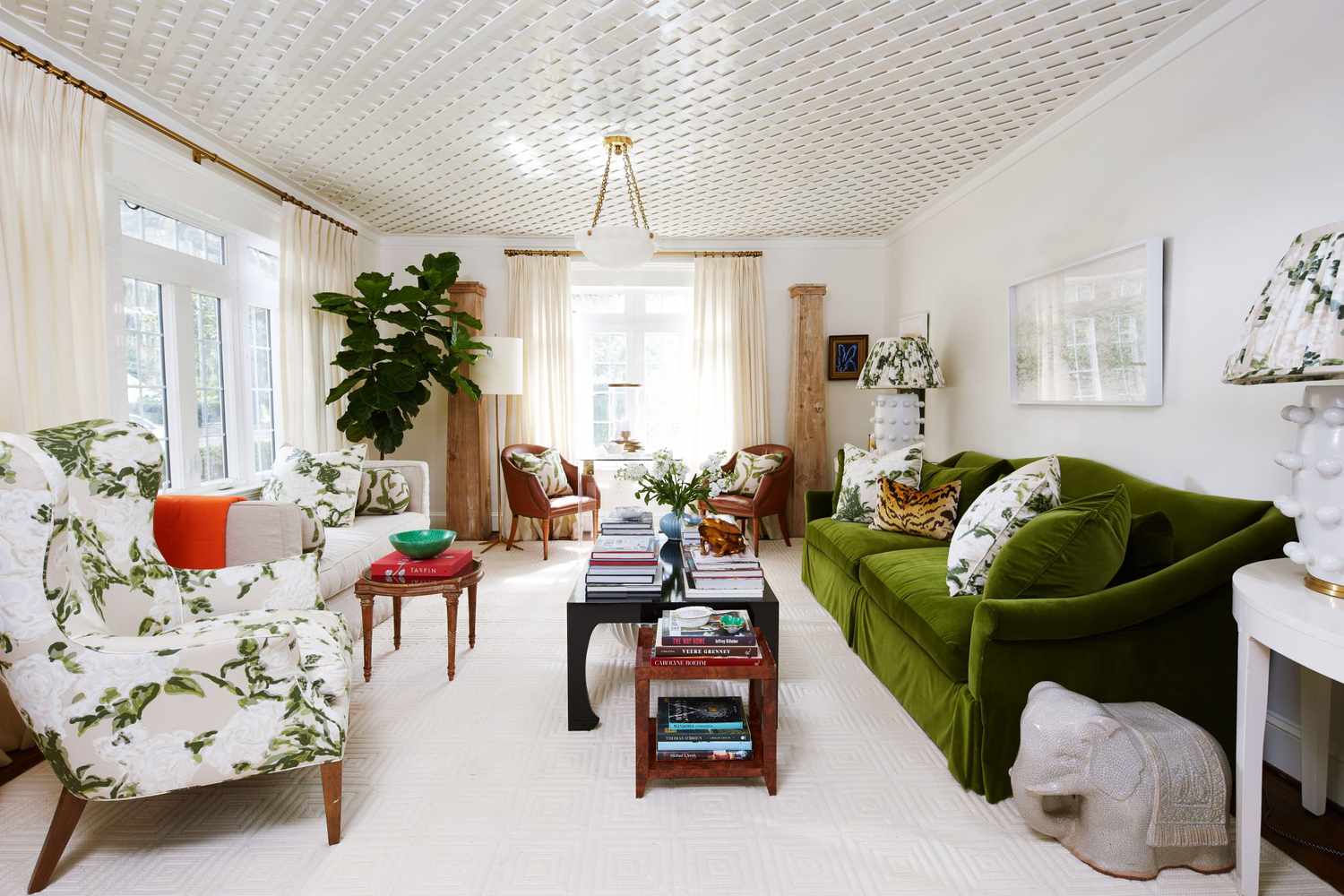
Designers Say These Furniture Trends Will Be Everywhere In 2024
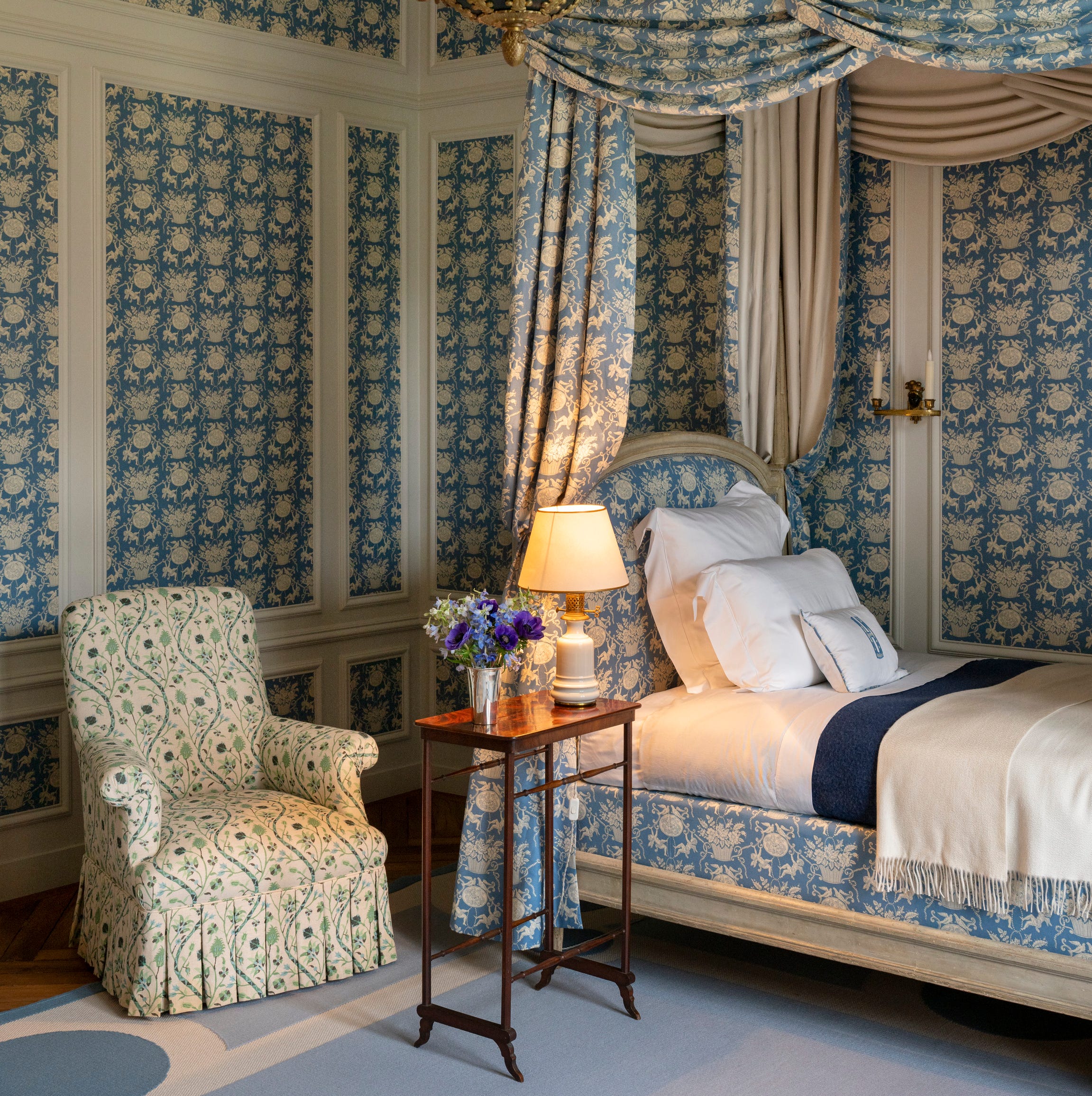
Interior Designers Predict These 7 Bedroom Trends Will Be Everywhere in 2026

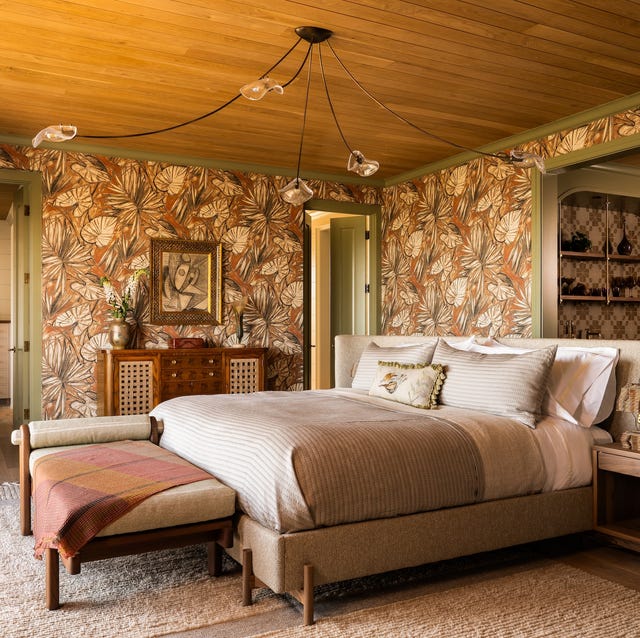
Designers Are Calling It: These Interior Design Trends Will Be Everywhere in 2026

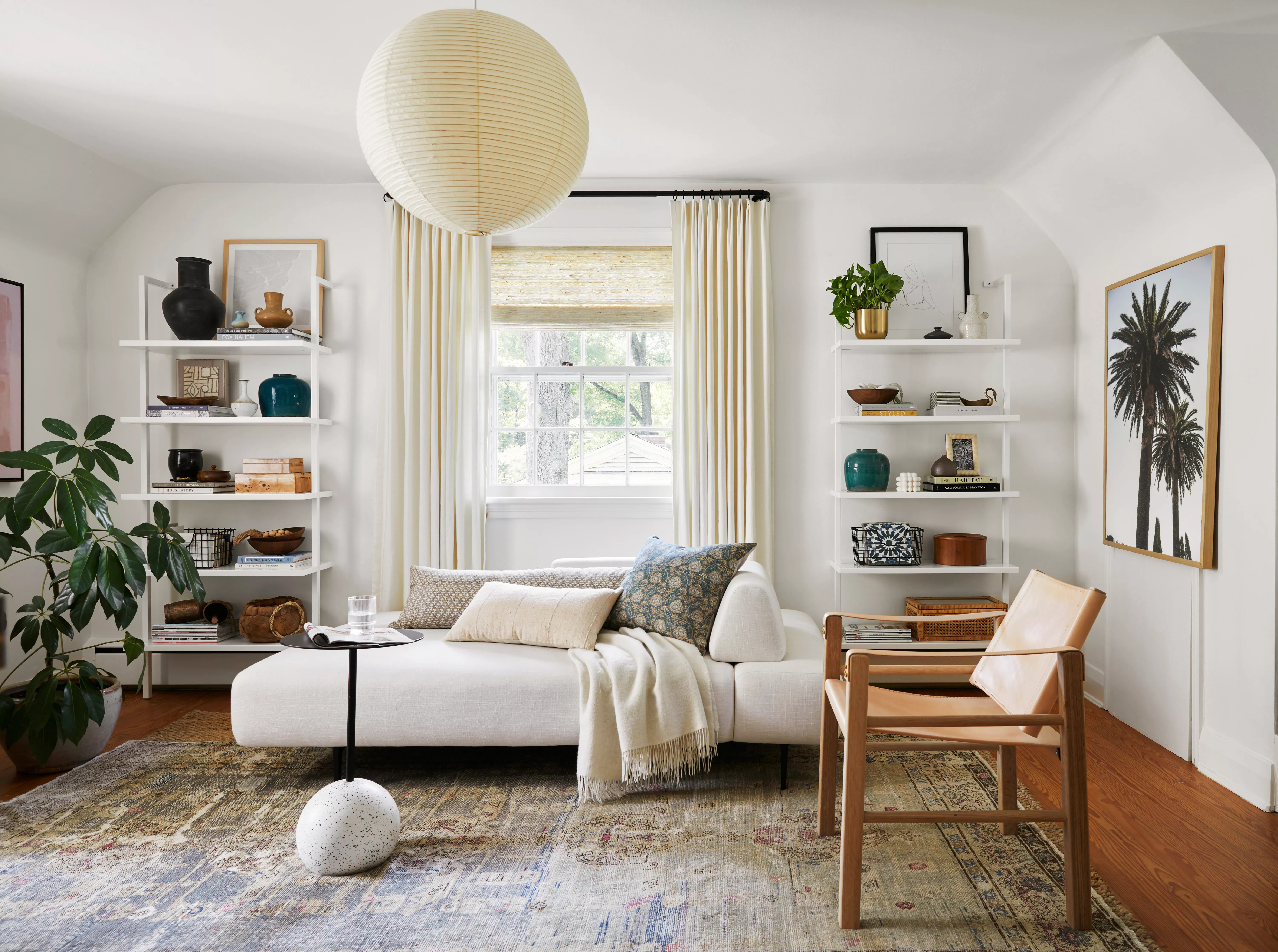
8 Furniture Trends That Will Be Huge in 2025, According to Experts

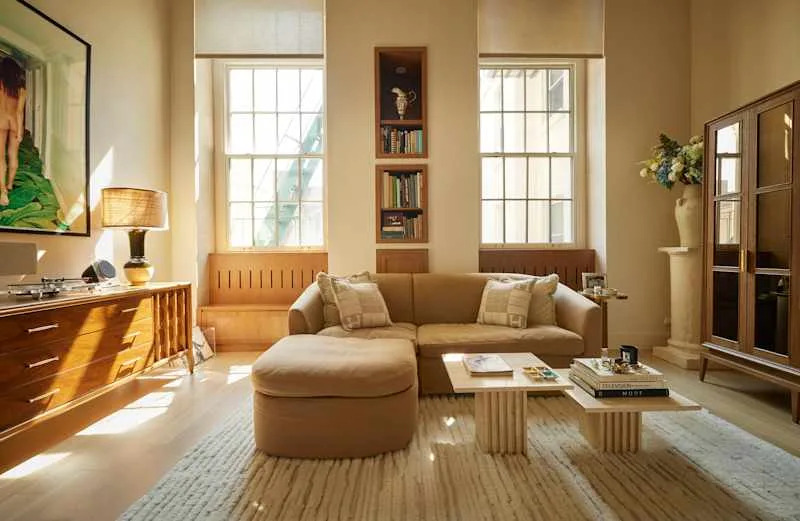
5 Styles That Will Dominate Home Decor in 2026, According to Experts
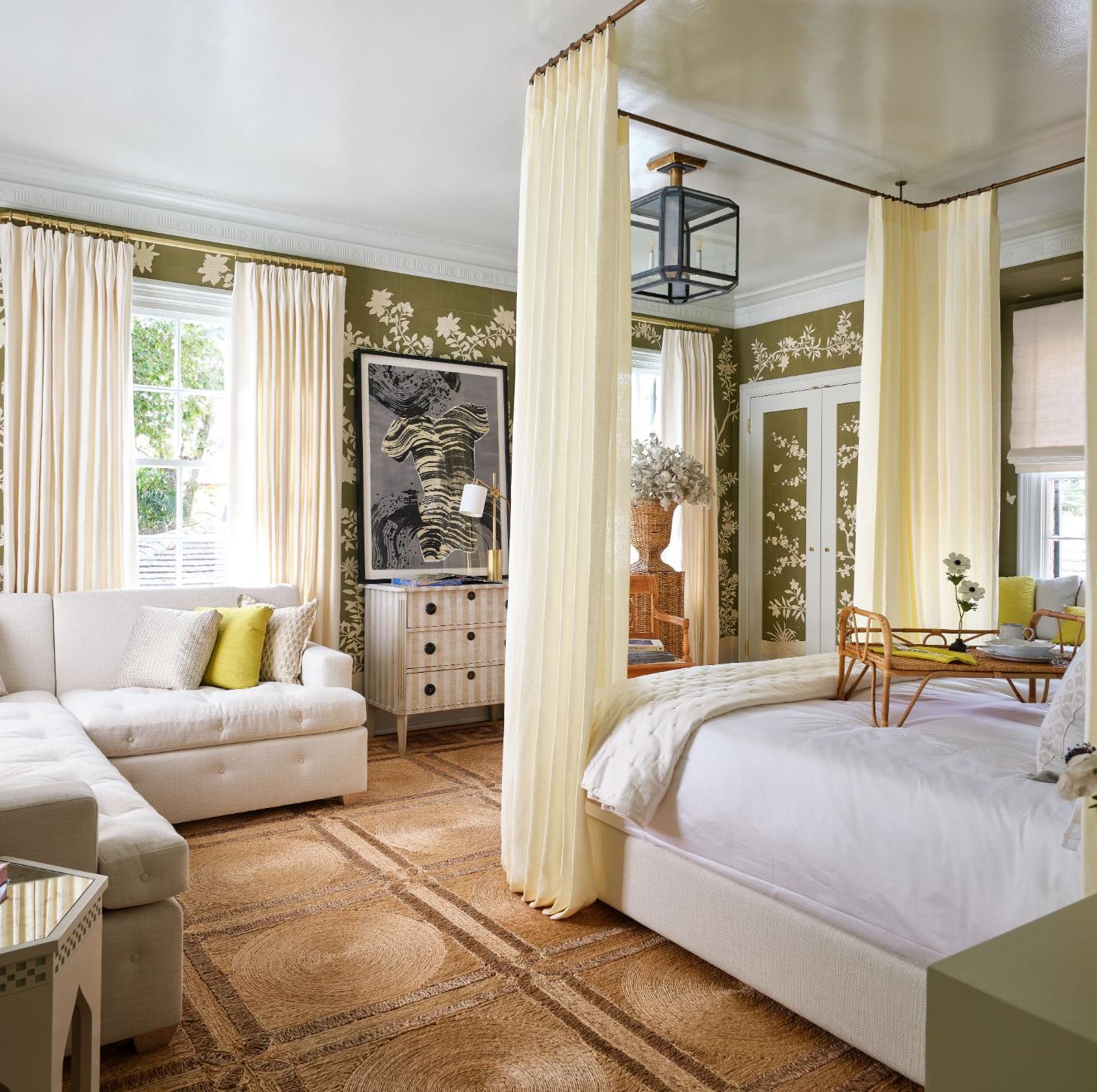
The 7 Furniture Trends You Need to Know for 2025, According to Design Pros
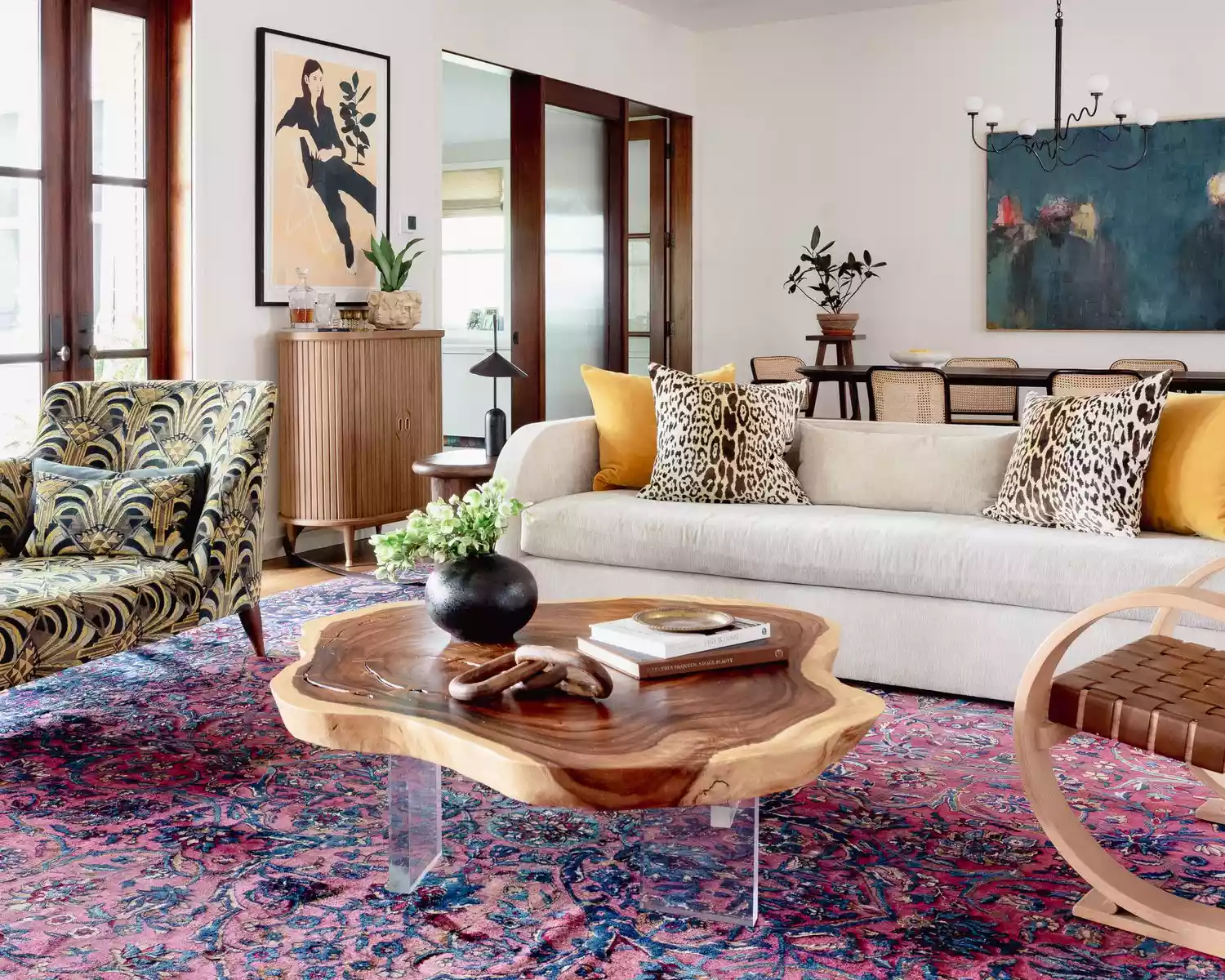
6 Furniture Trends That Will Be in Every Home in 2025, According to Designers

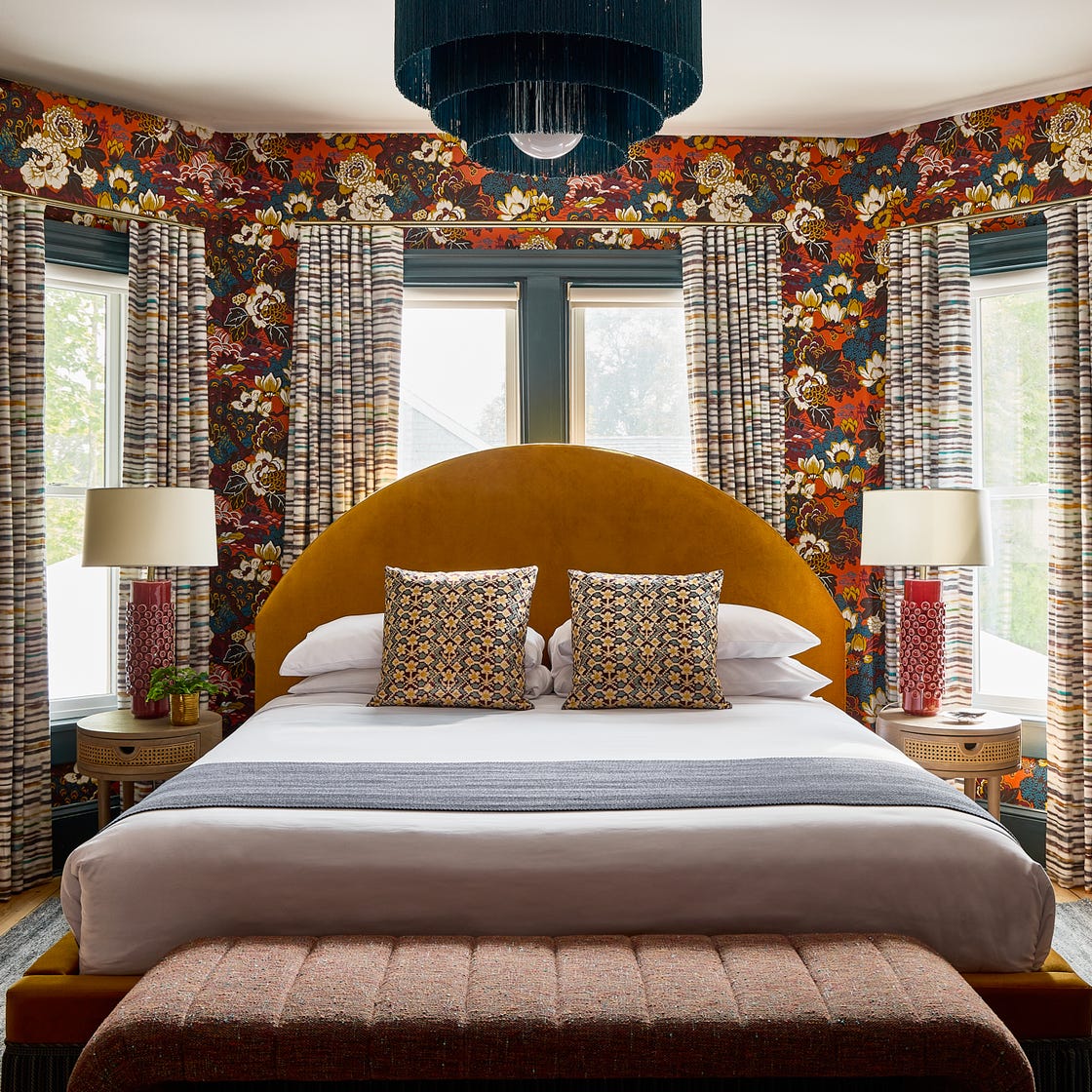
12 Furniture Trends That Will Dominate 2025, According to Designers

The decorating trends everyone will be talking about in 2026
These Are the Most Popular Interior Styles of 2026, According to Designers
8 Dining Room Trends That Designers Say Will Be Everywhere in 2026

6 Trends Defining Home Décor in 2025

Experts Predict These 6 Living Room Trends Will Be Huge in 2025
7 Living Room Trends Designers Expect To Take Over In 2026