1/4
Area Rugs That Will Look Great Under Your Nordic Dining Chairs
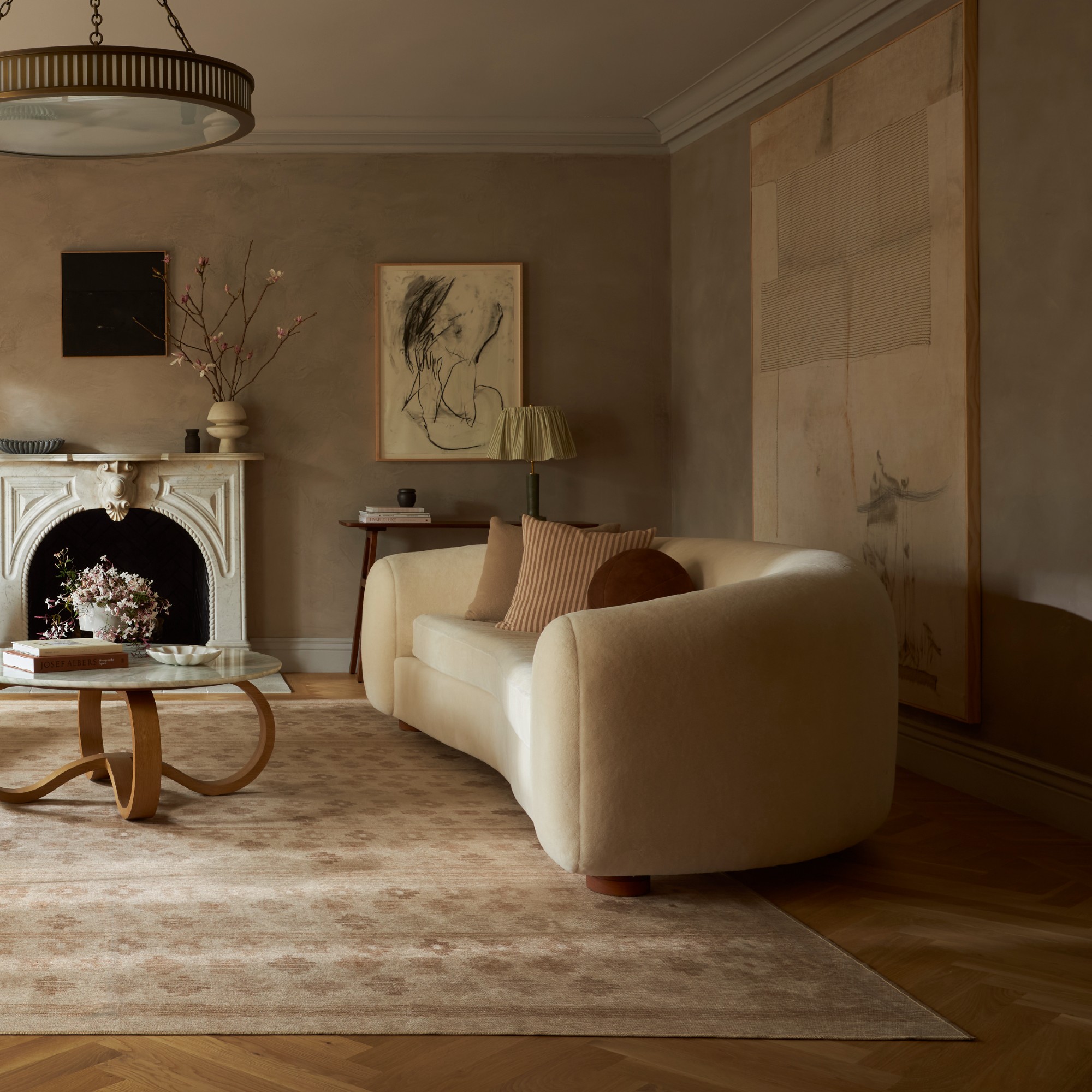
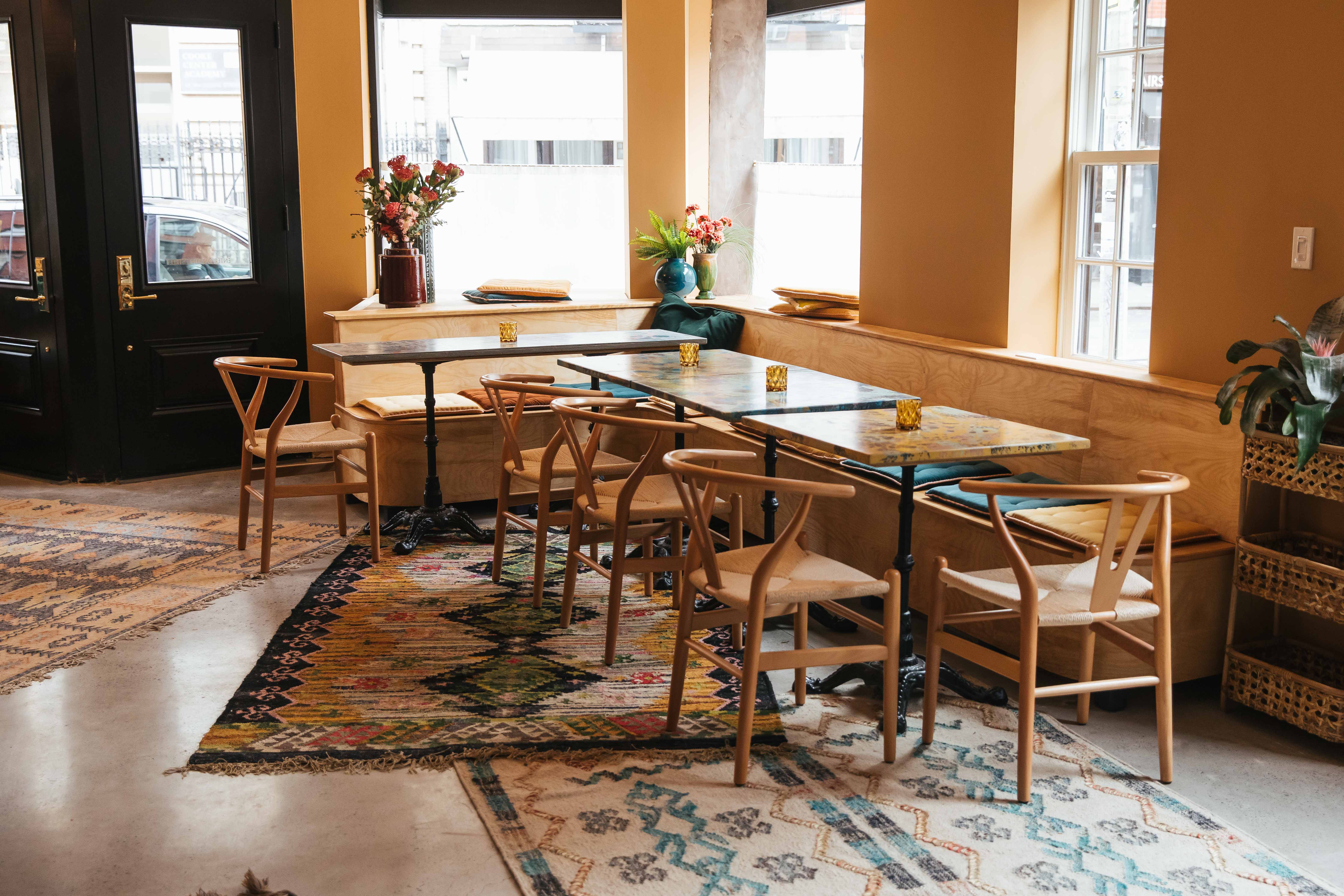
This article discusses the growing trend of incorporating area rugs into restaurant dining spaces to create a more comfortable and homey atmosphere. The article highlights that many dining establishments are moving away from overt opulence towards inviting coziness, using design elements like handmade ceramics, potted plants, and surprisingly, area rugs. Michael Francis of Studio Saint, a designer for restaurants like Smyth and The Loyalist in Chicago, explains that rugs contribute to a casual aesthetic, making guests feel like they are in someone's home. He emphasizes that rug selections establish a foundation of softness, comfort, color, and restfulness, while also serving a practical purpose in sound attenuation, which is often an issue in restaurant environments.
The piece elaborates on how rugs can be used to unite various furnishings and spaces through their color, texture, shape, and scale. For instance, at Birdsong in San Francisco, chef Chris Bleidorn collaborated with Francis to select a rug that would soften the feel of the 100-year-old redwood floor and integrate the restaurant's color palette of oranges, blues, and greenery. The article also presents different approaches to rug placement and style. Curtis Steiner, interior designer for Deep Dive in Seattle, chose a subdued rug to act as a foil for jewel-toned furniture, while Chef Dominique Crenn at Atelier Crenn in San Francisco uses smaller rugs under individual tables to accentuate luxurious furnishings and create a contrast with modern seating.
Beyond aesthetics, the article notes that rugs are effective tools for defining distinct spaces within open layouts, such as in Smyth, where different rugs delineate lounge areas from food preparation zones. This functionality is also beneficial for home chefs in smaller residences looking to break up single-use spaces. The article contrasts rugs with wall-to-wall carpeting (more contemporary) and concrete floors (less cold), highlighting their ability to add warmth and personality while reducing noise from chairs.
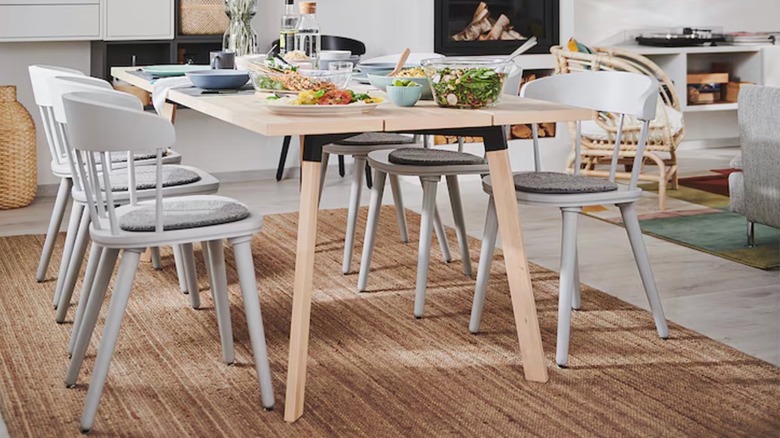
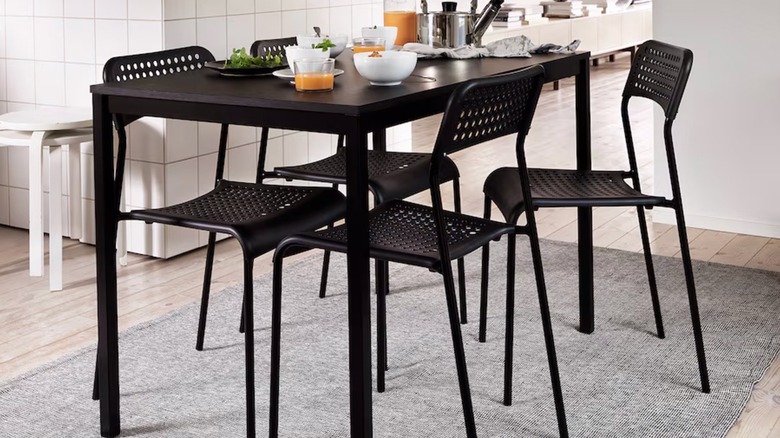
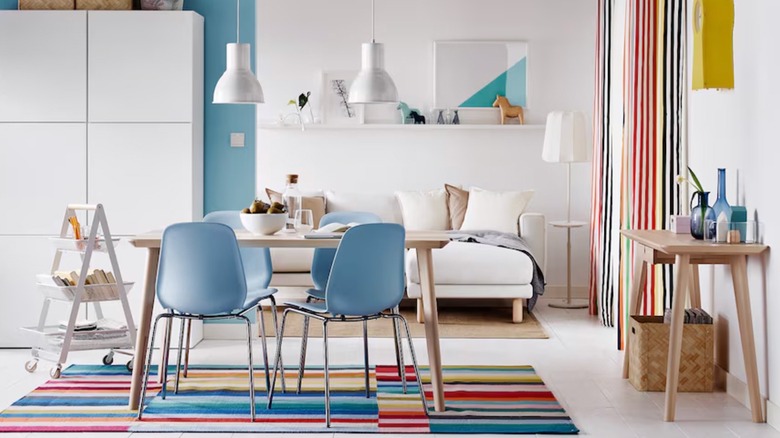
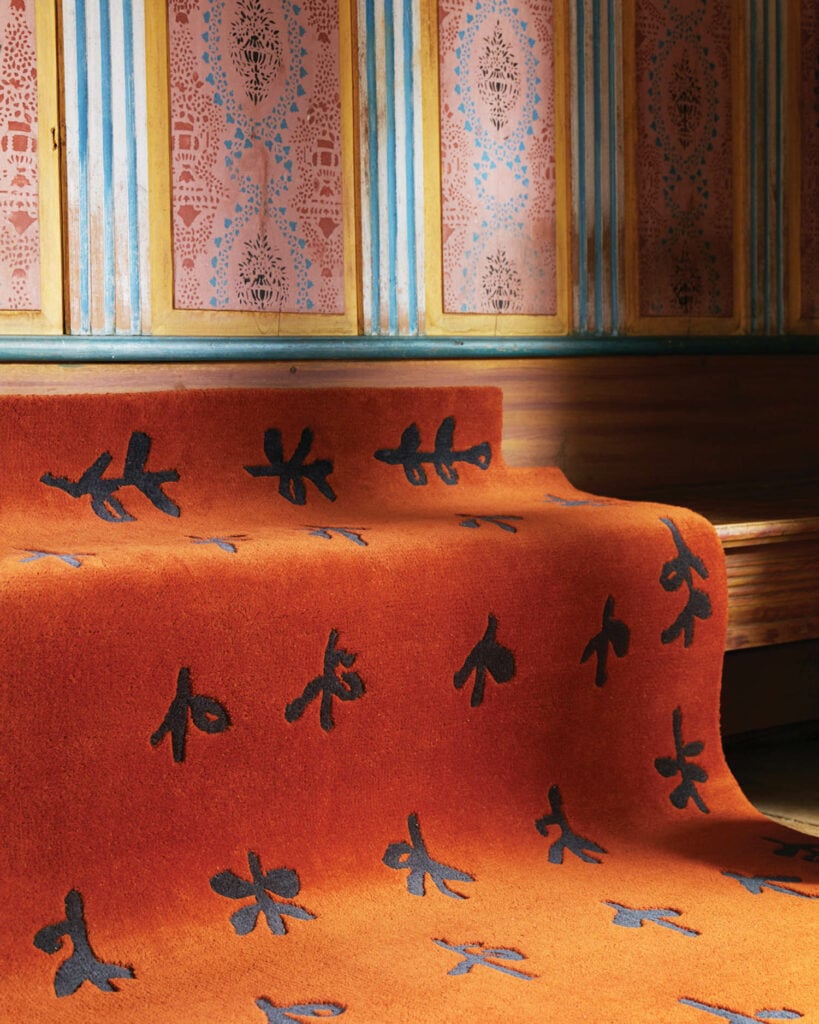
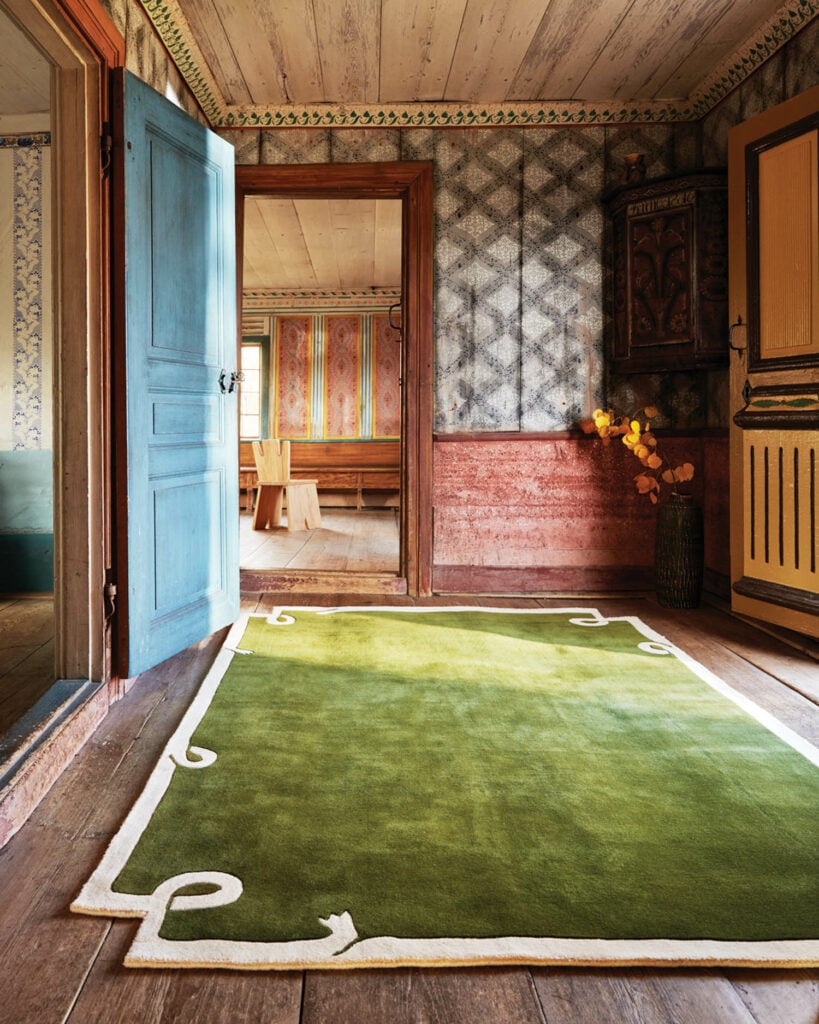
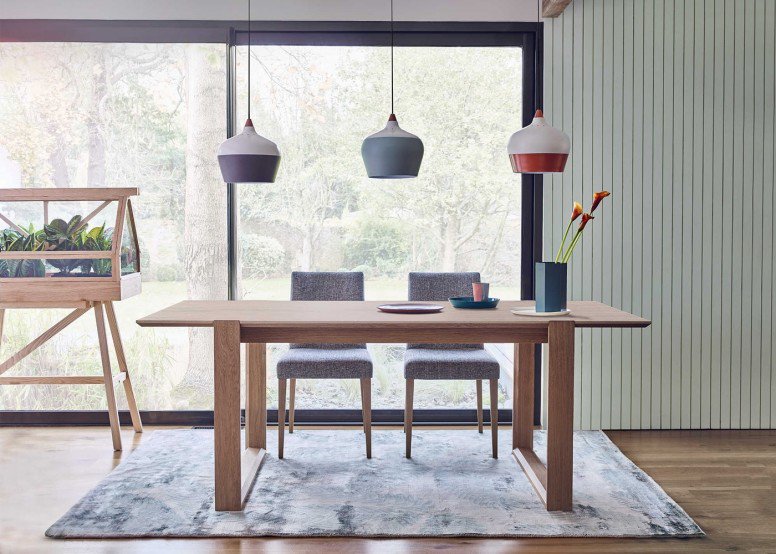
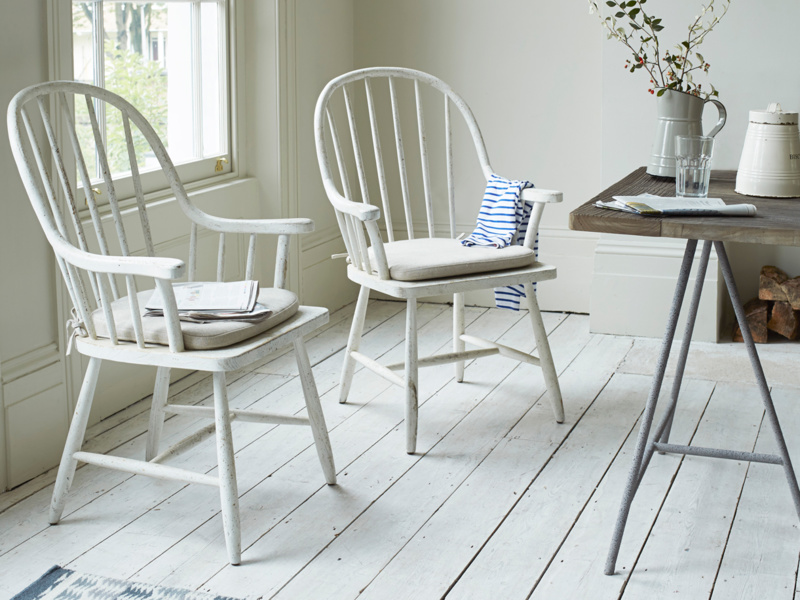
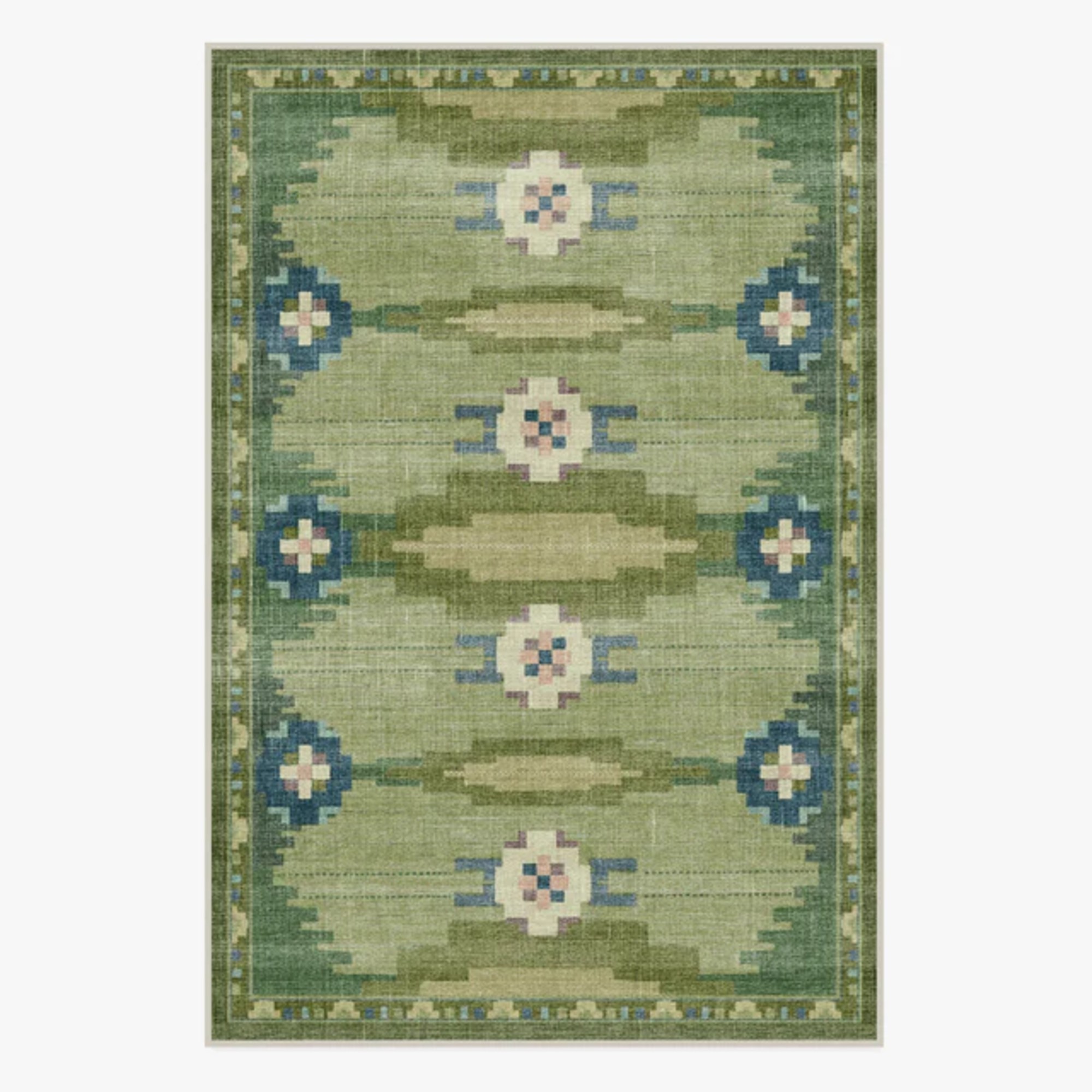
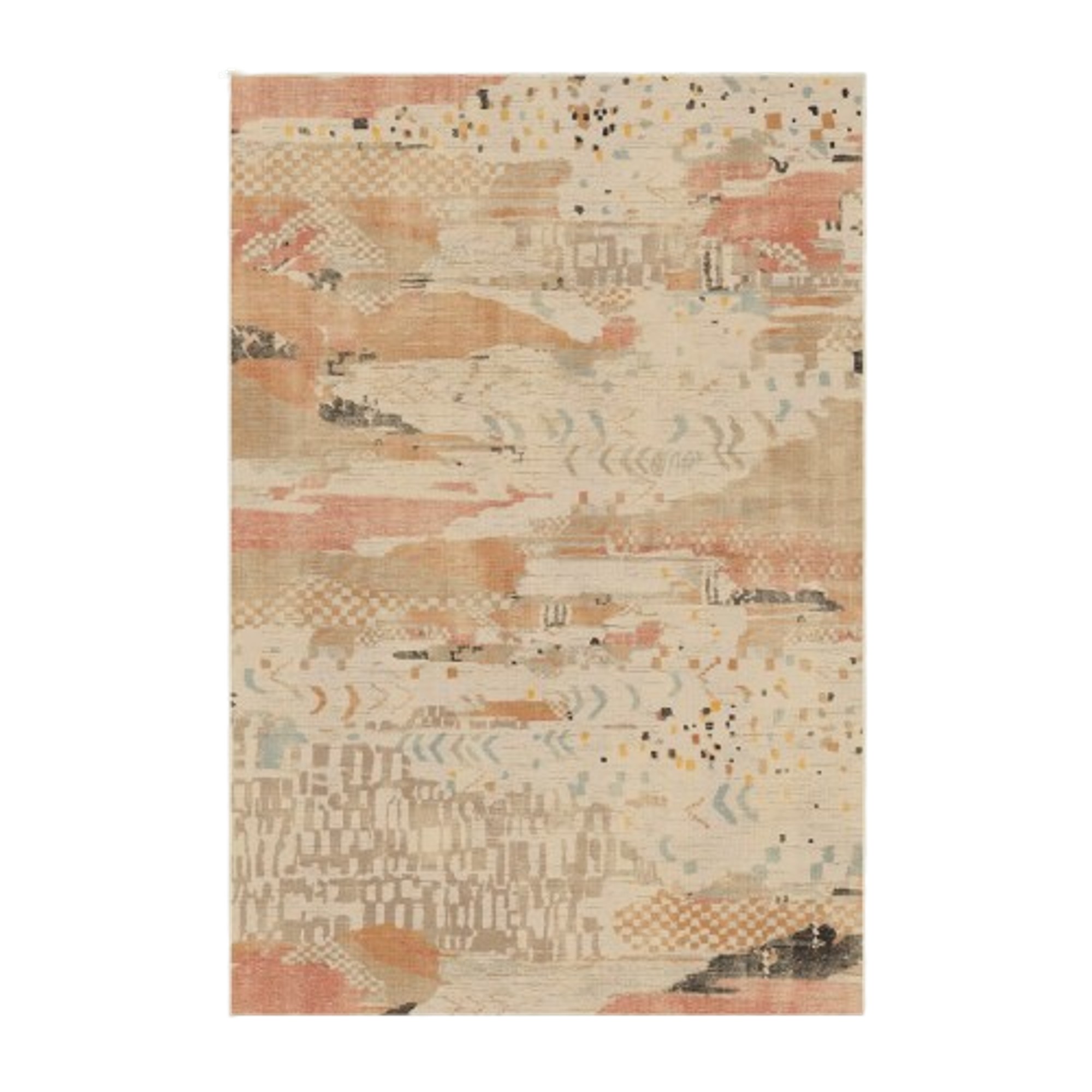
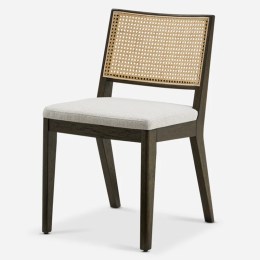
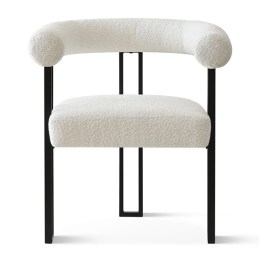
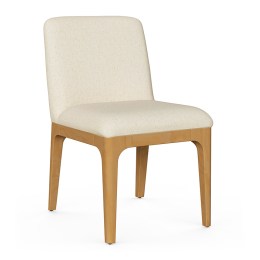
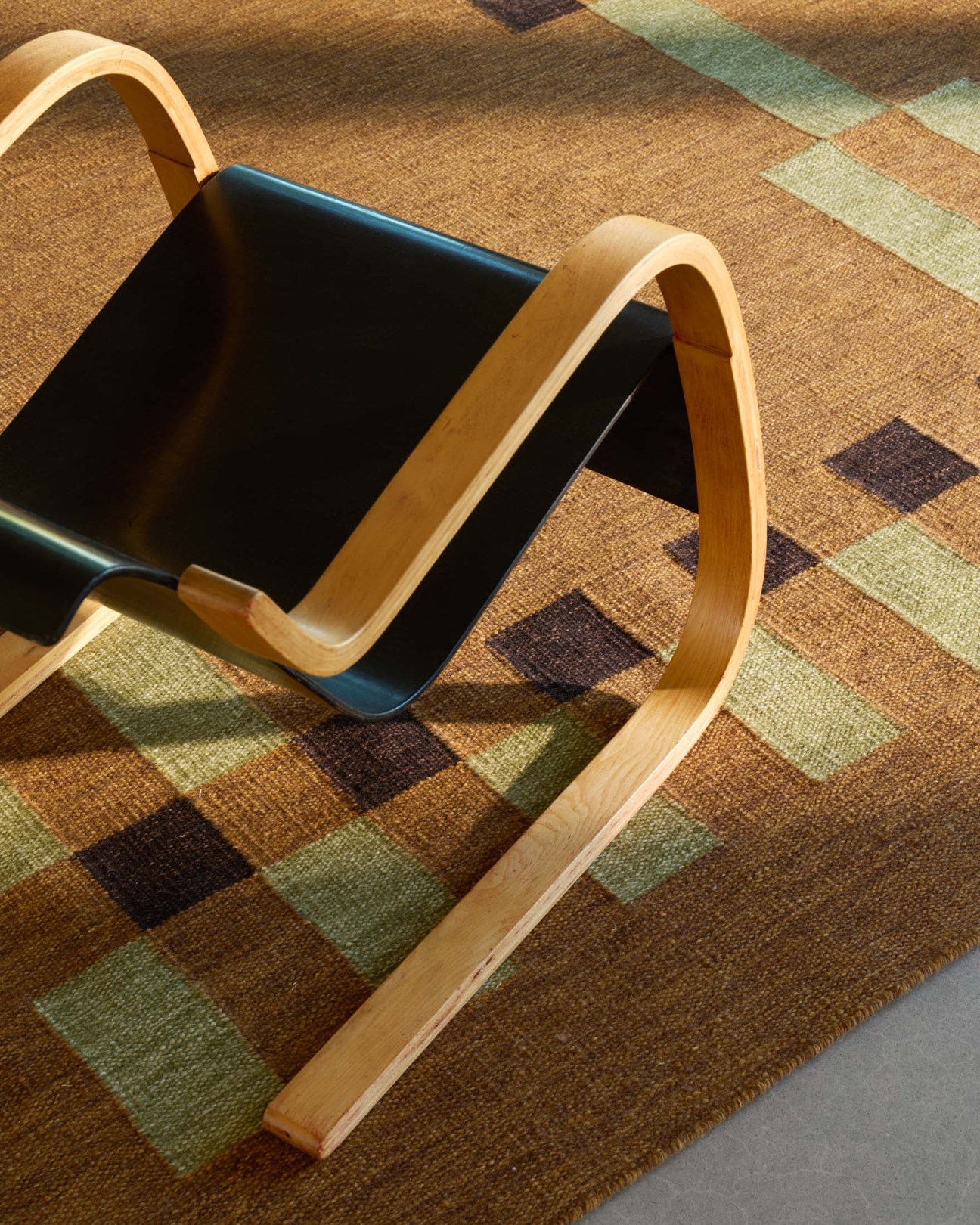
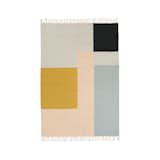
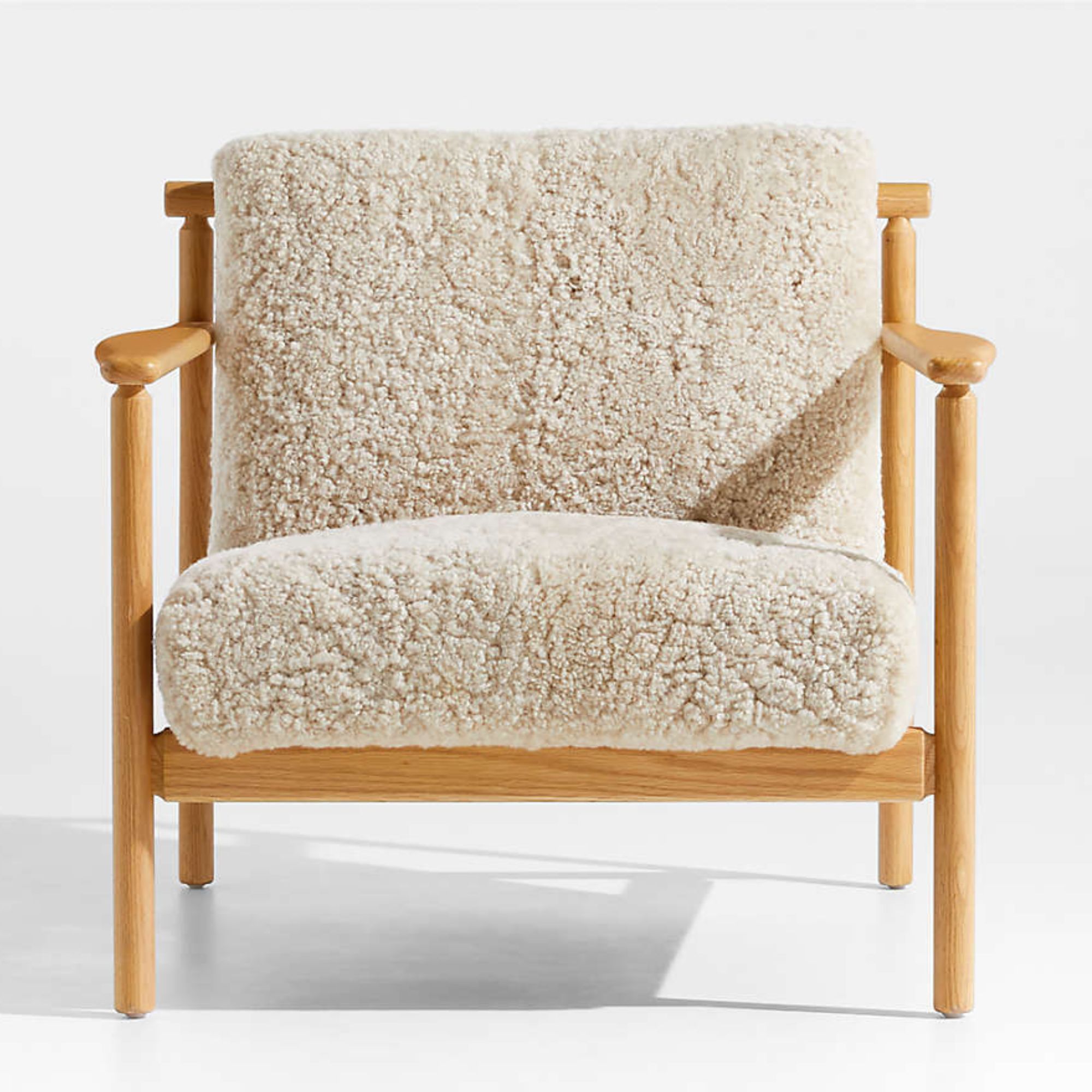
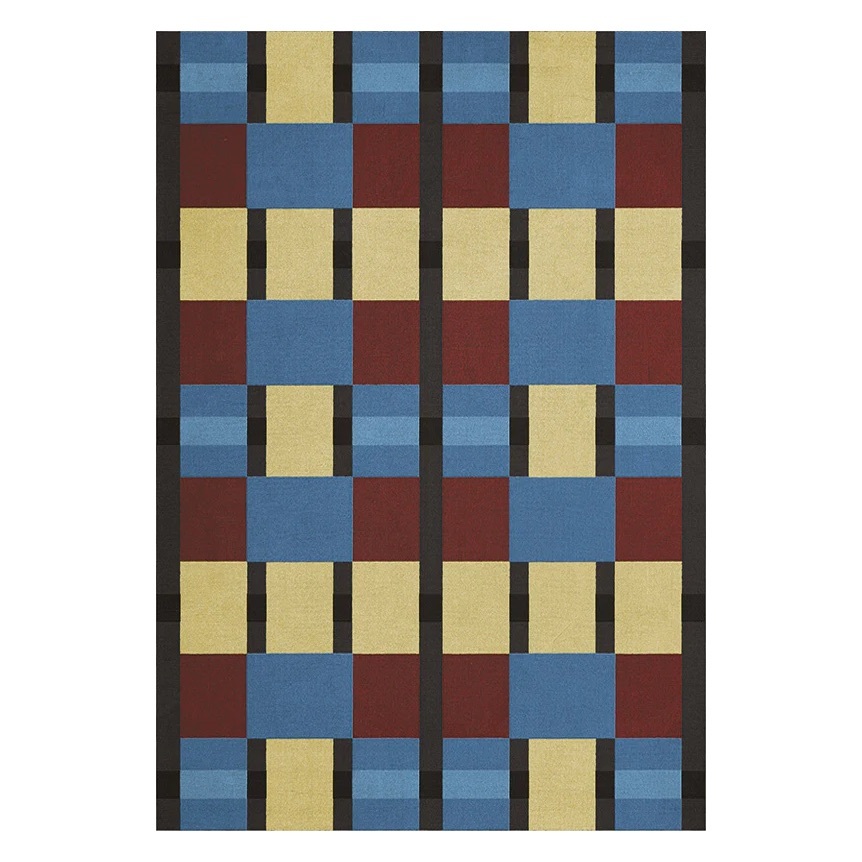
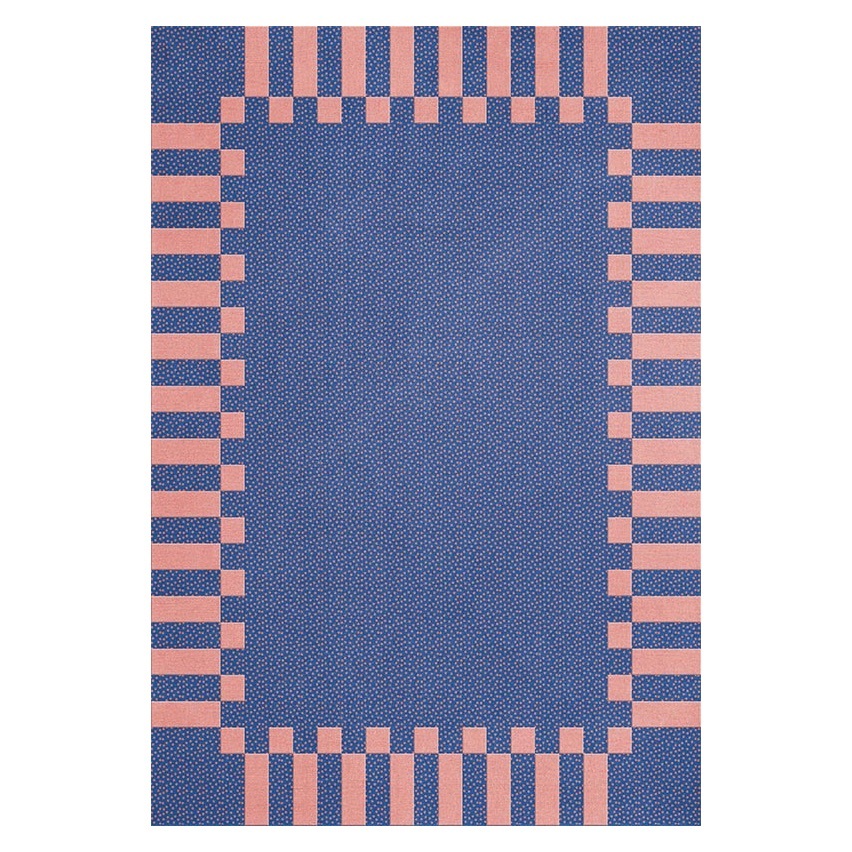
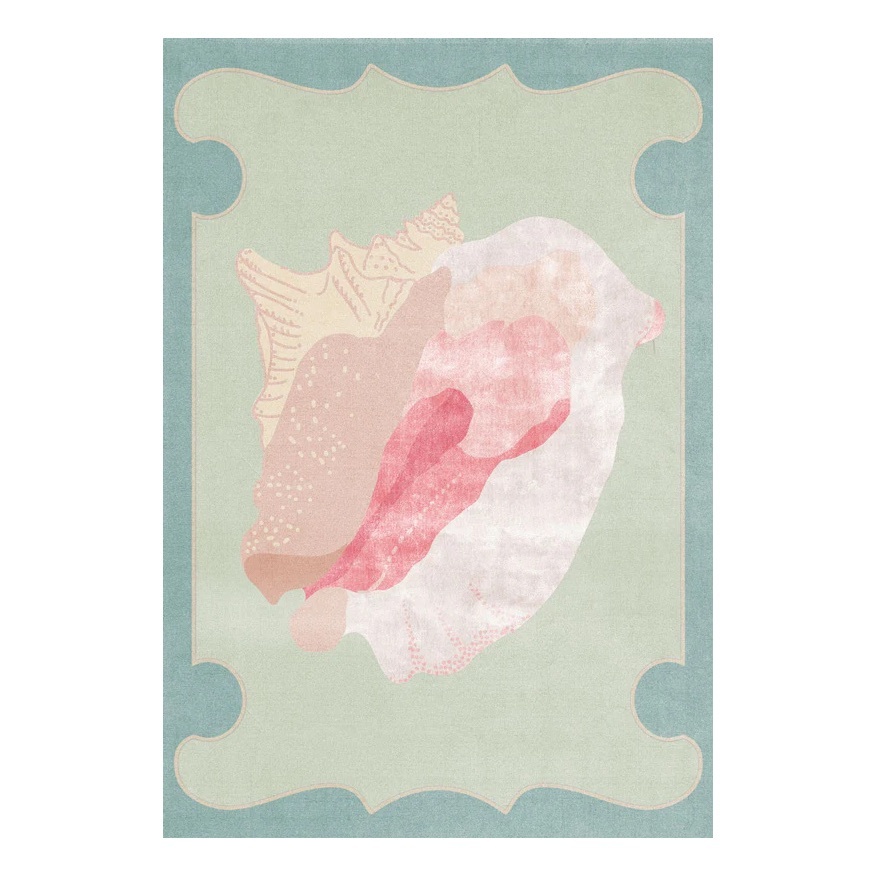
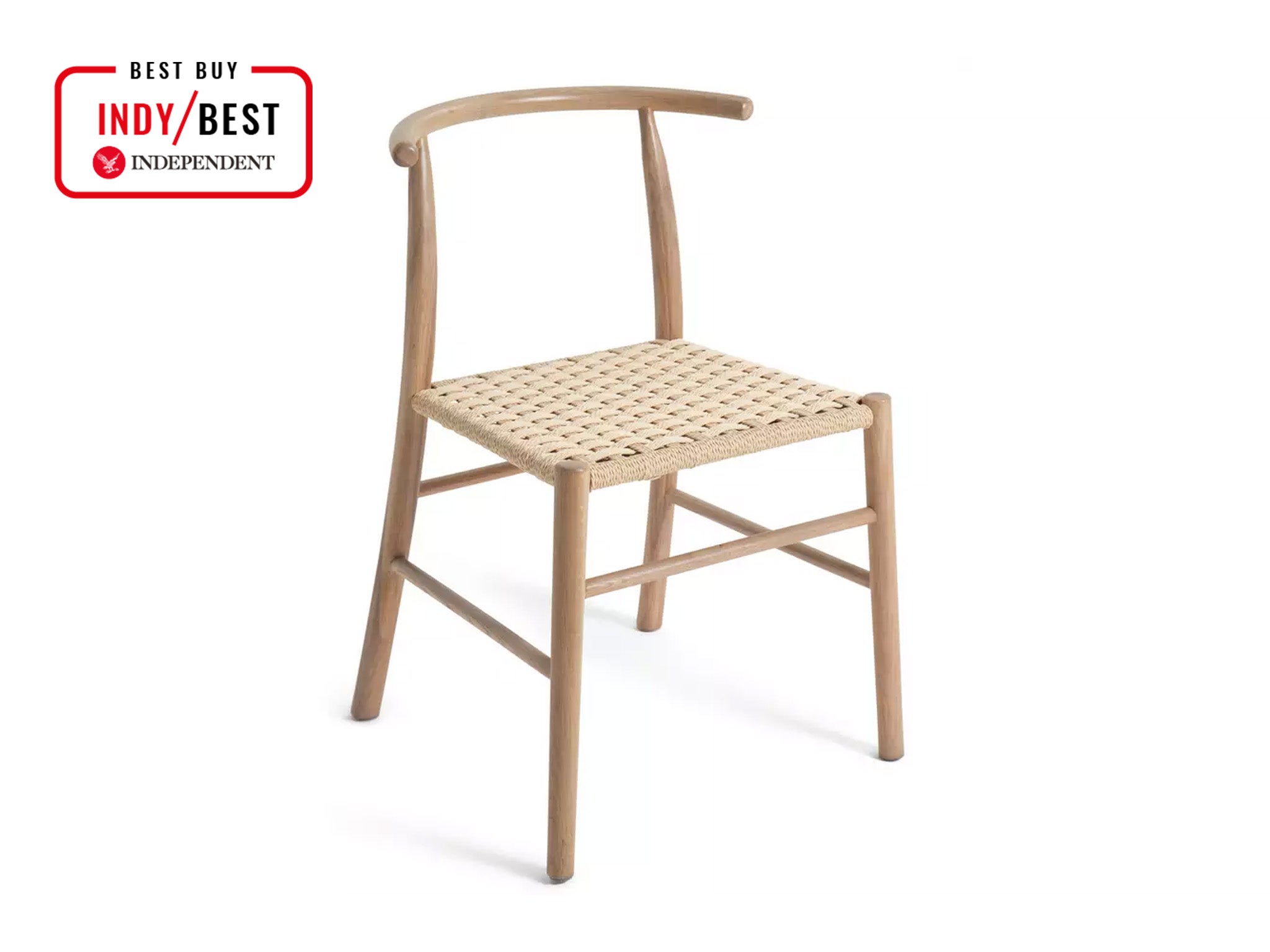
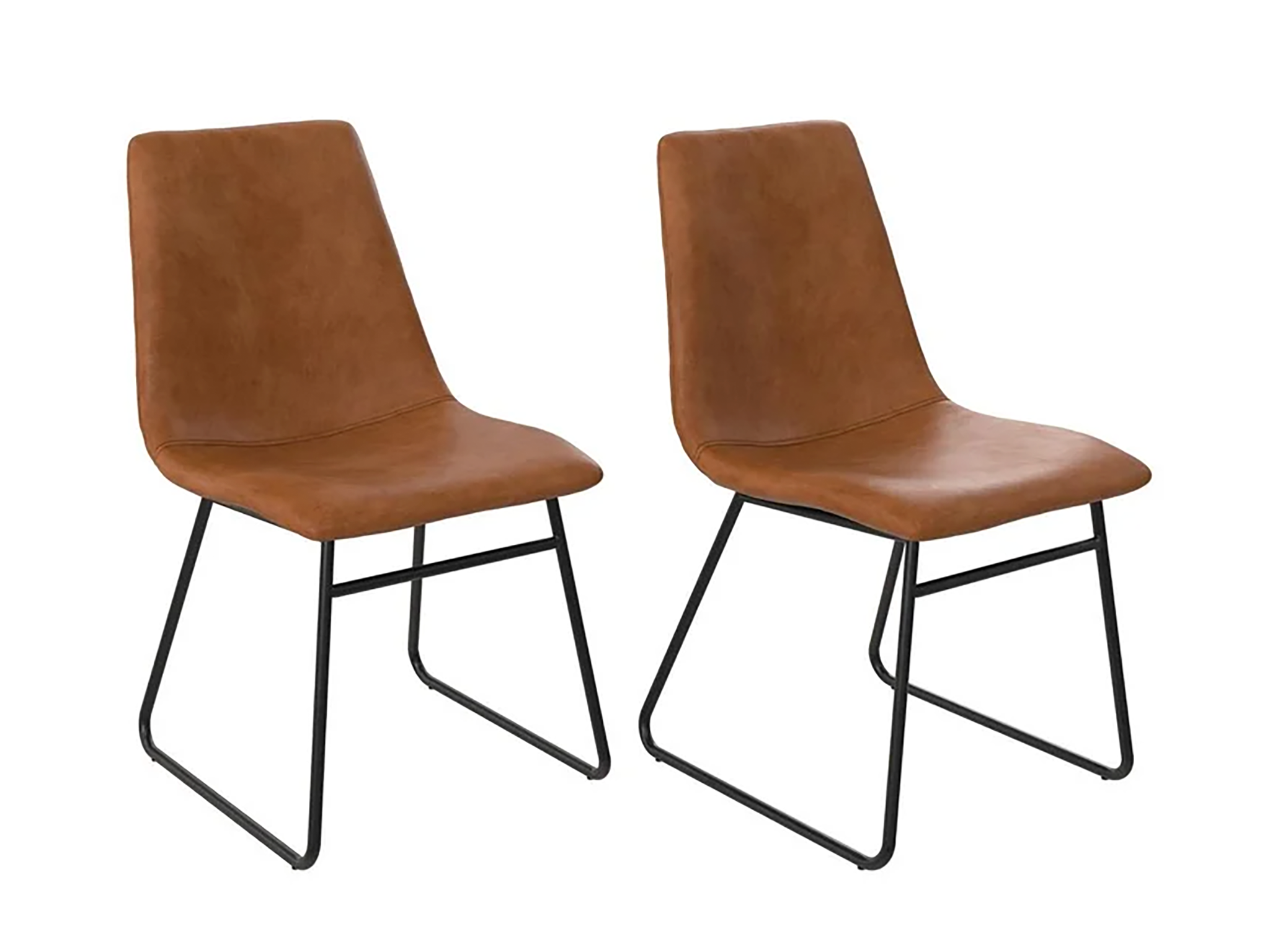
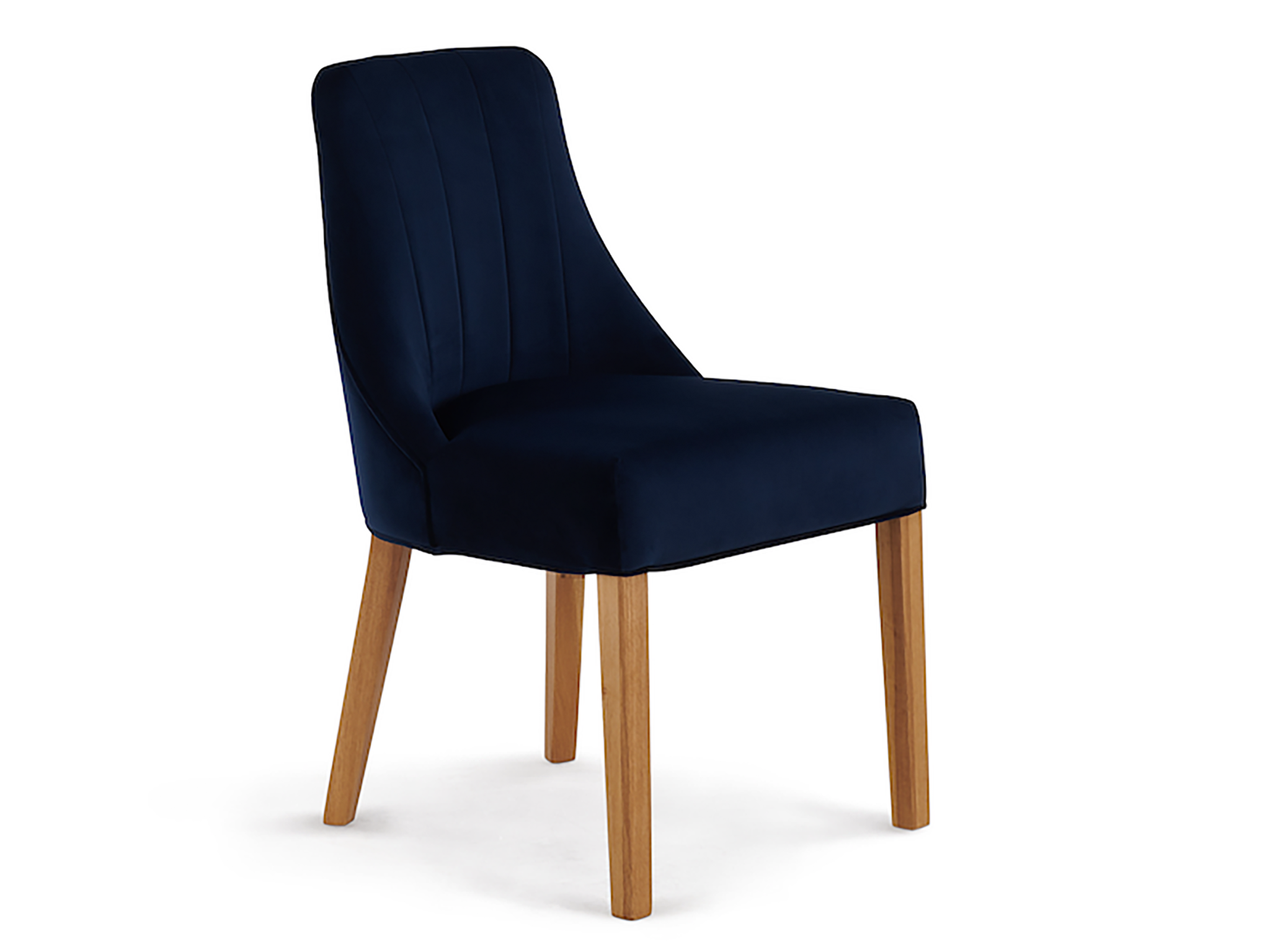
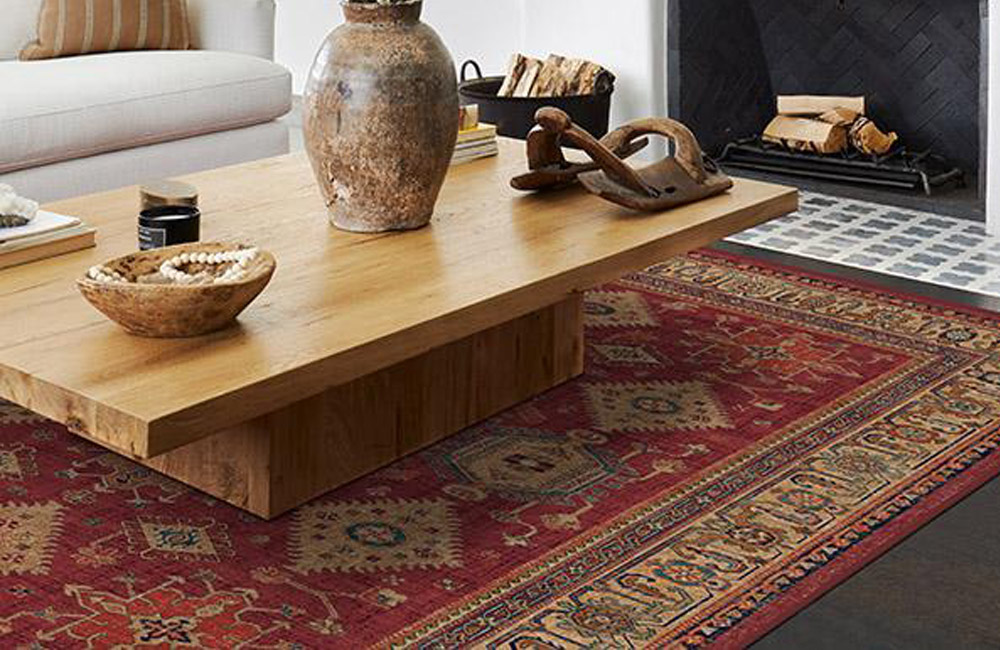
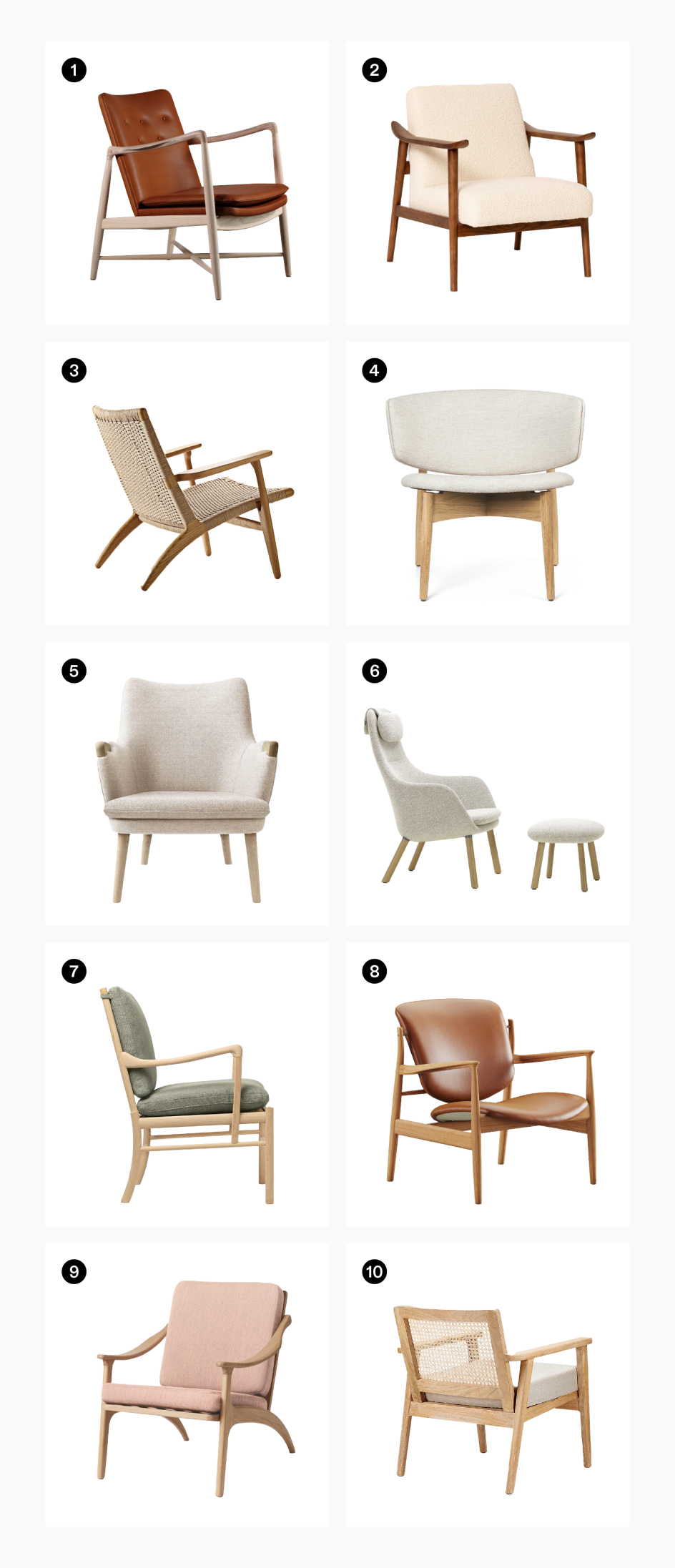
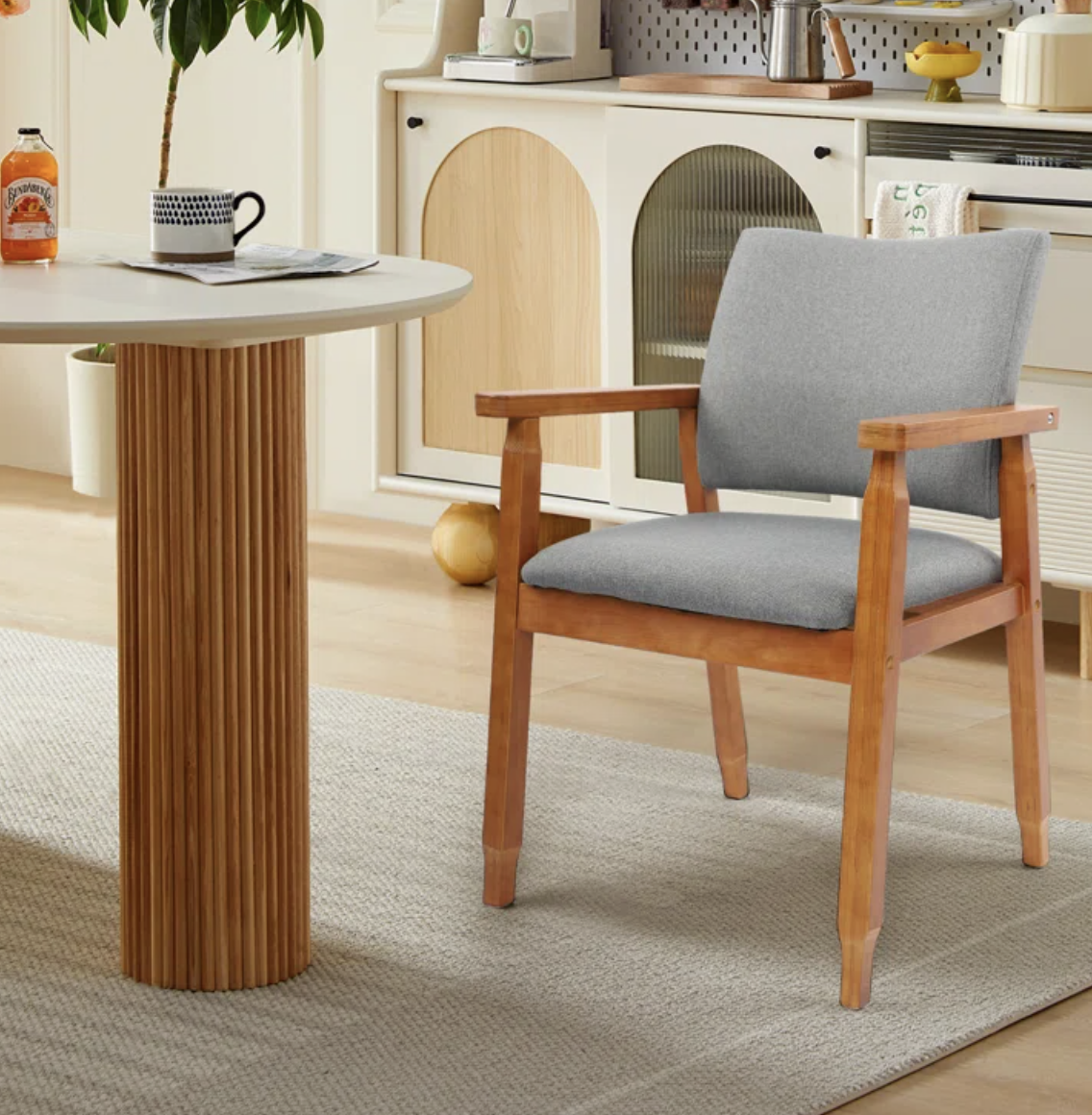
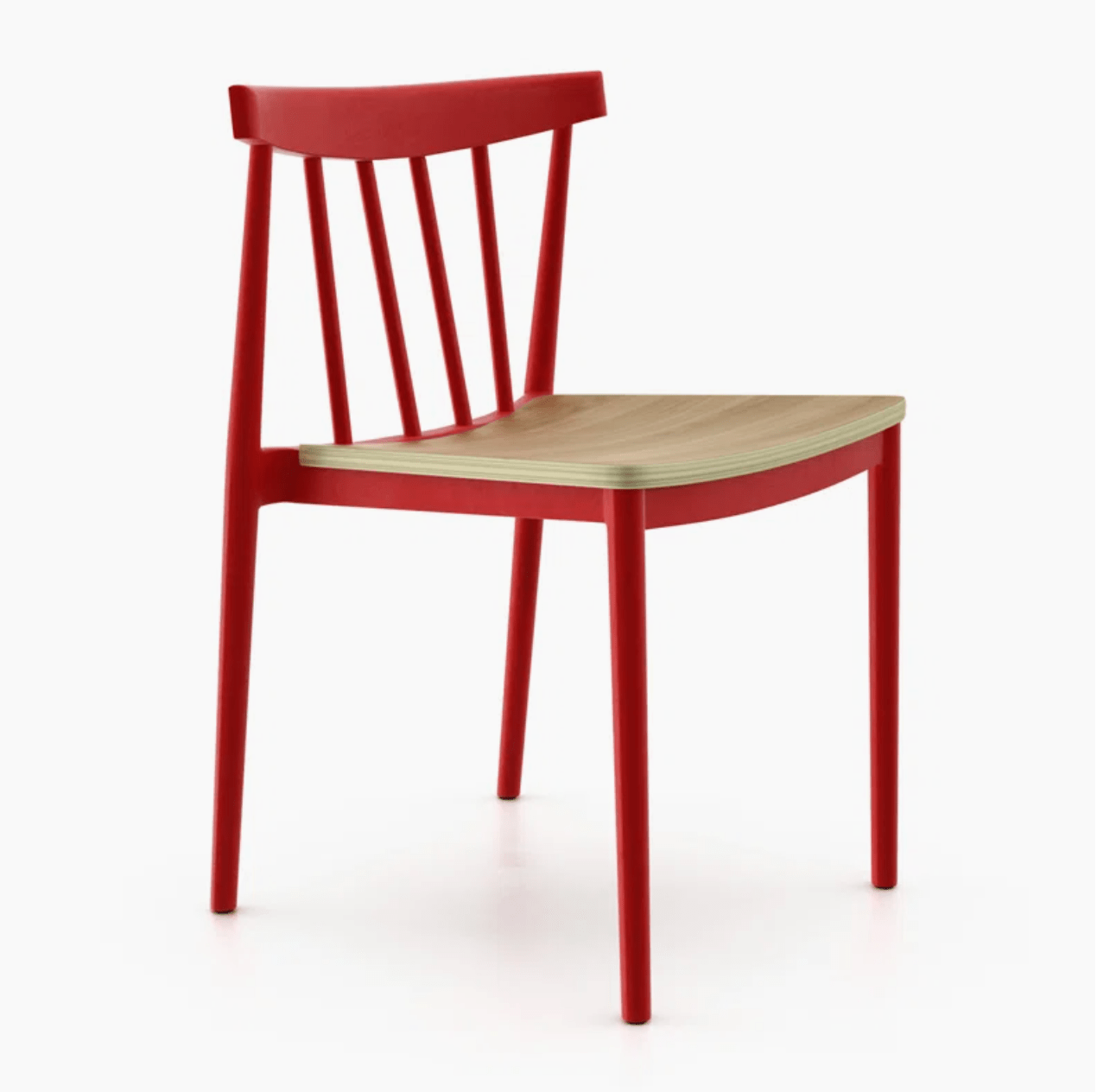
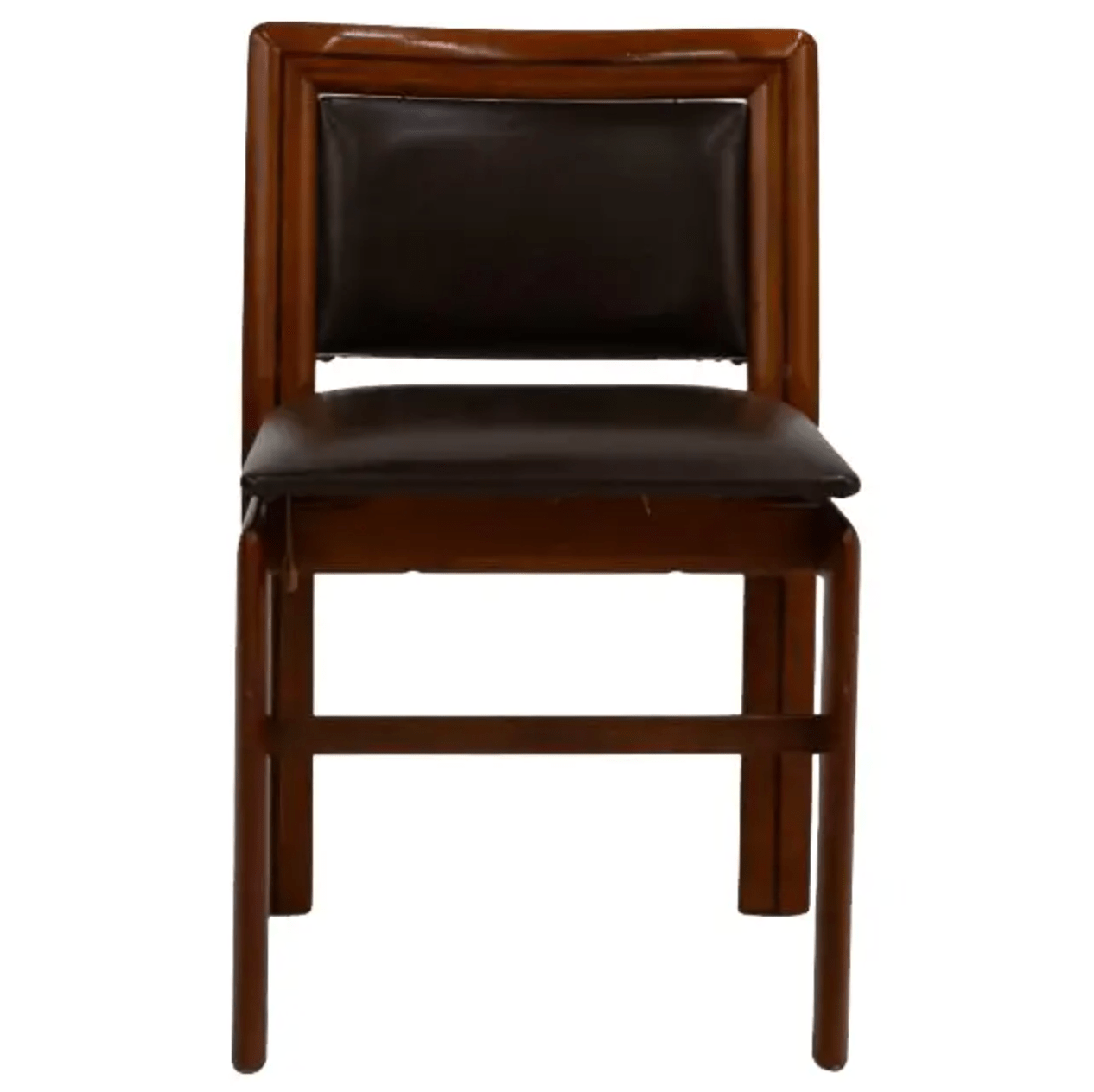
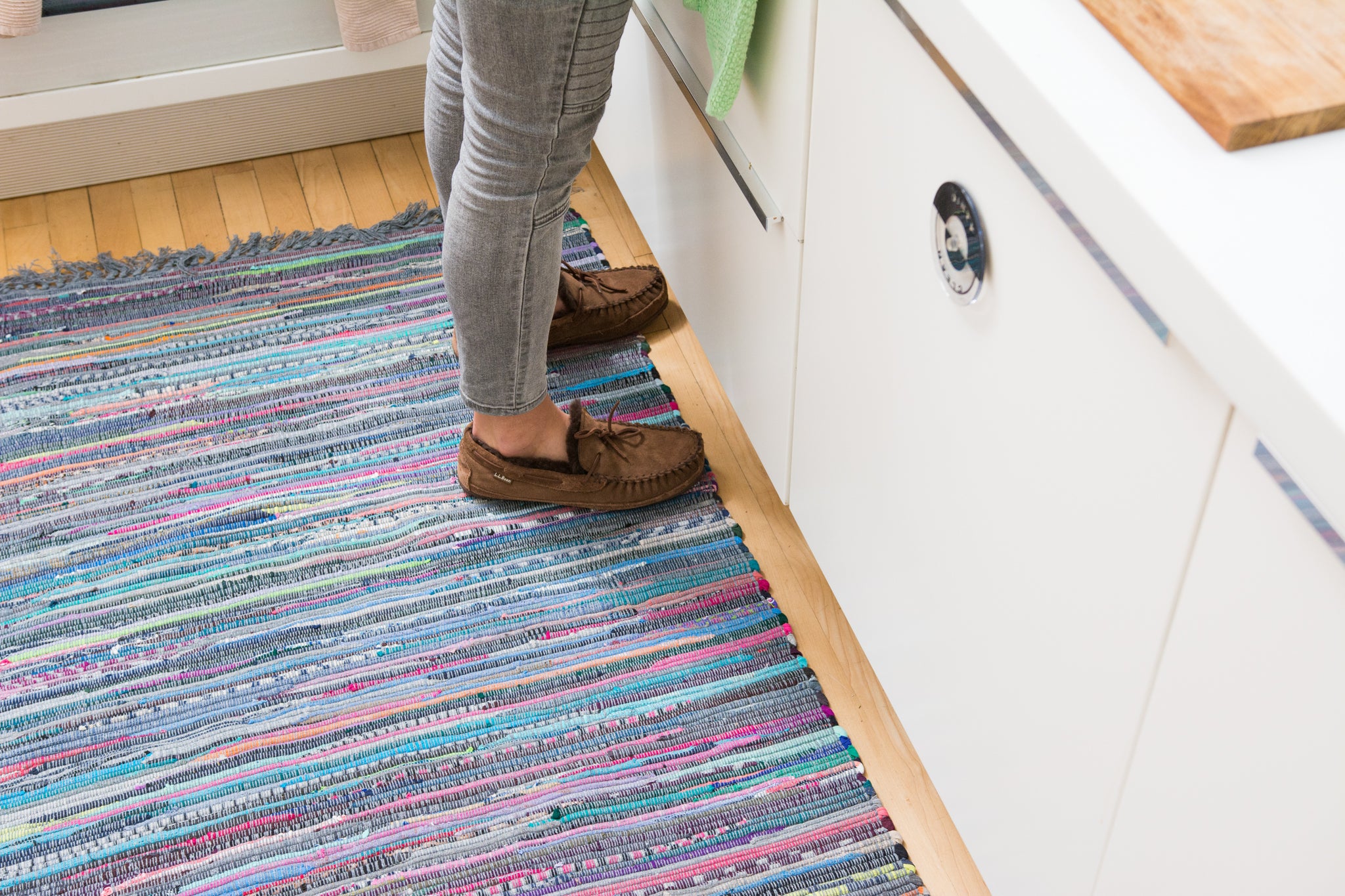
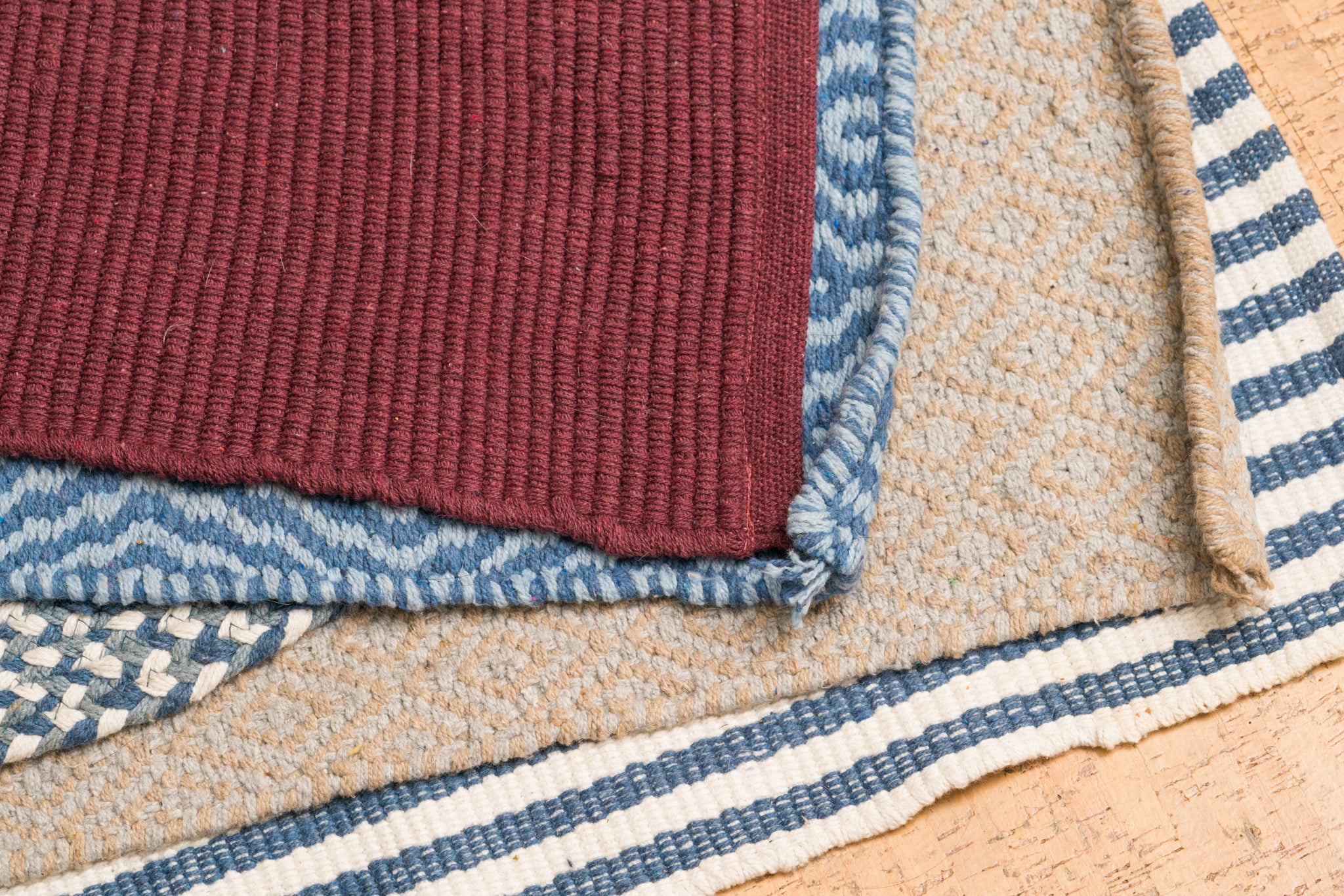
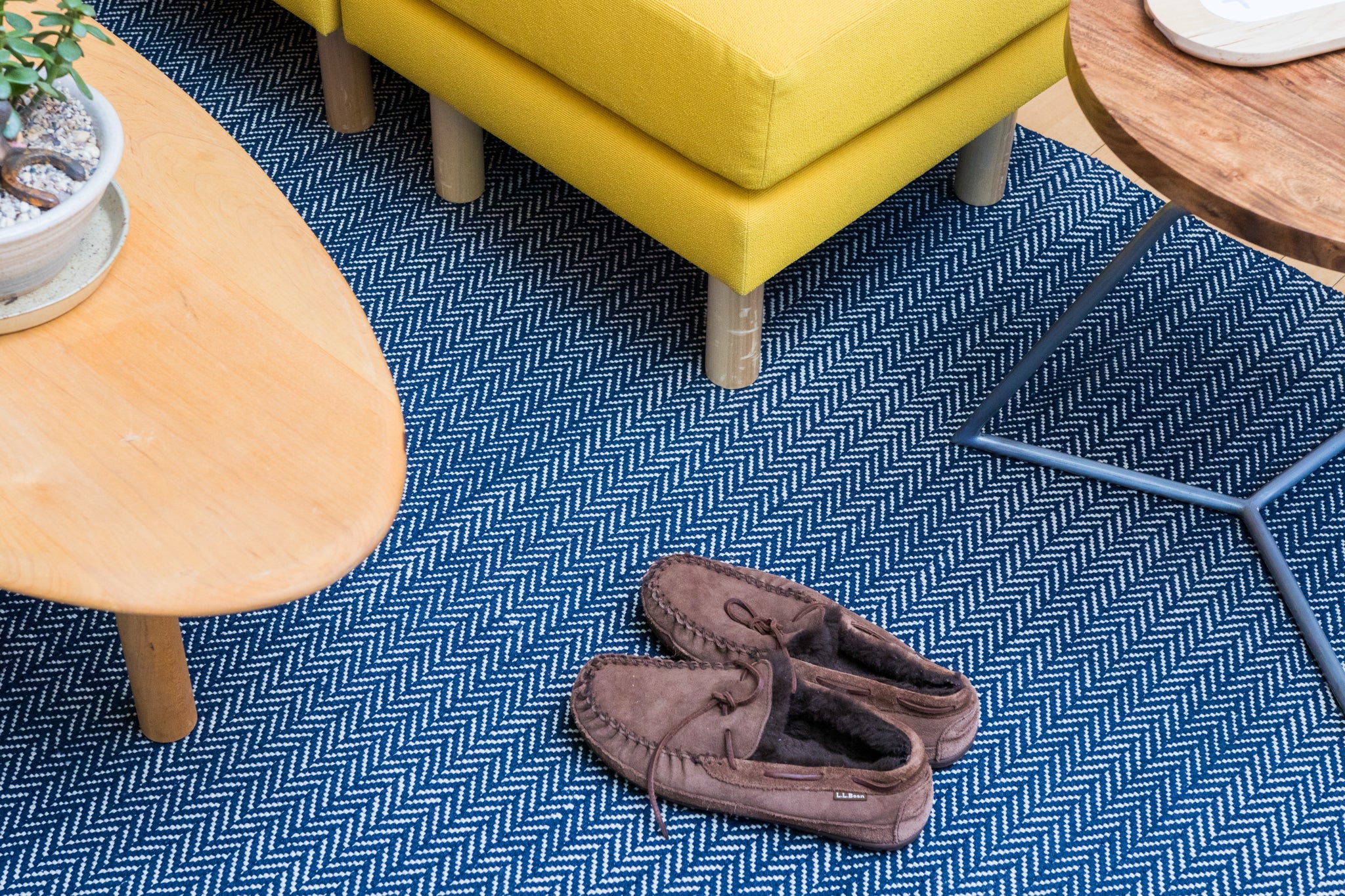
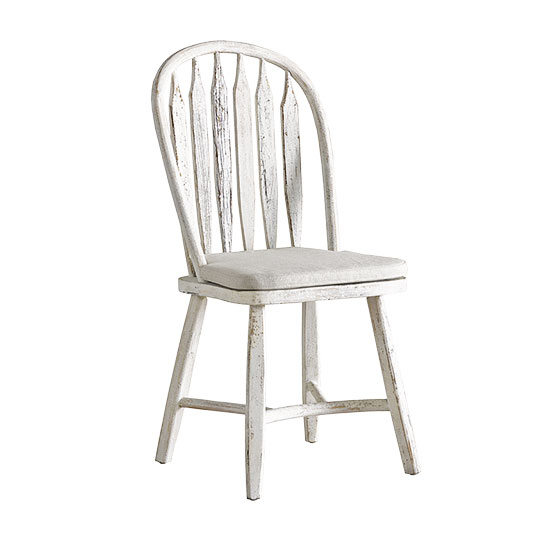
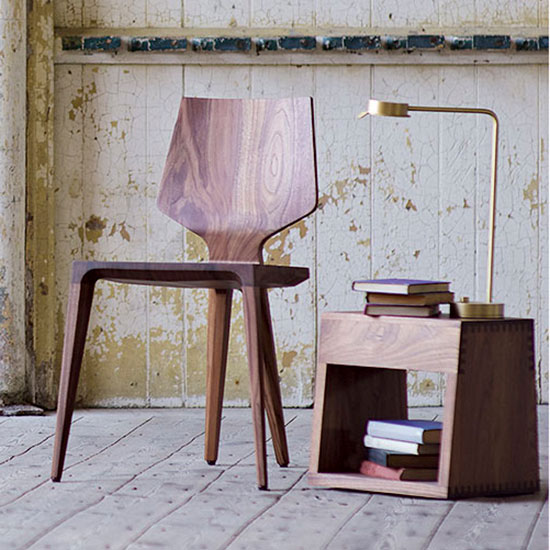
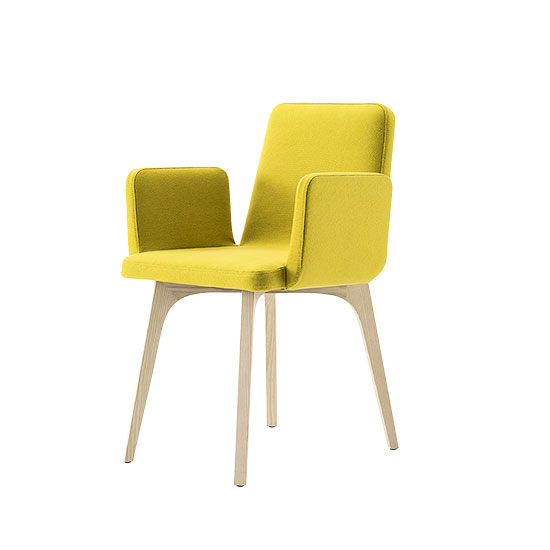
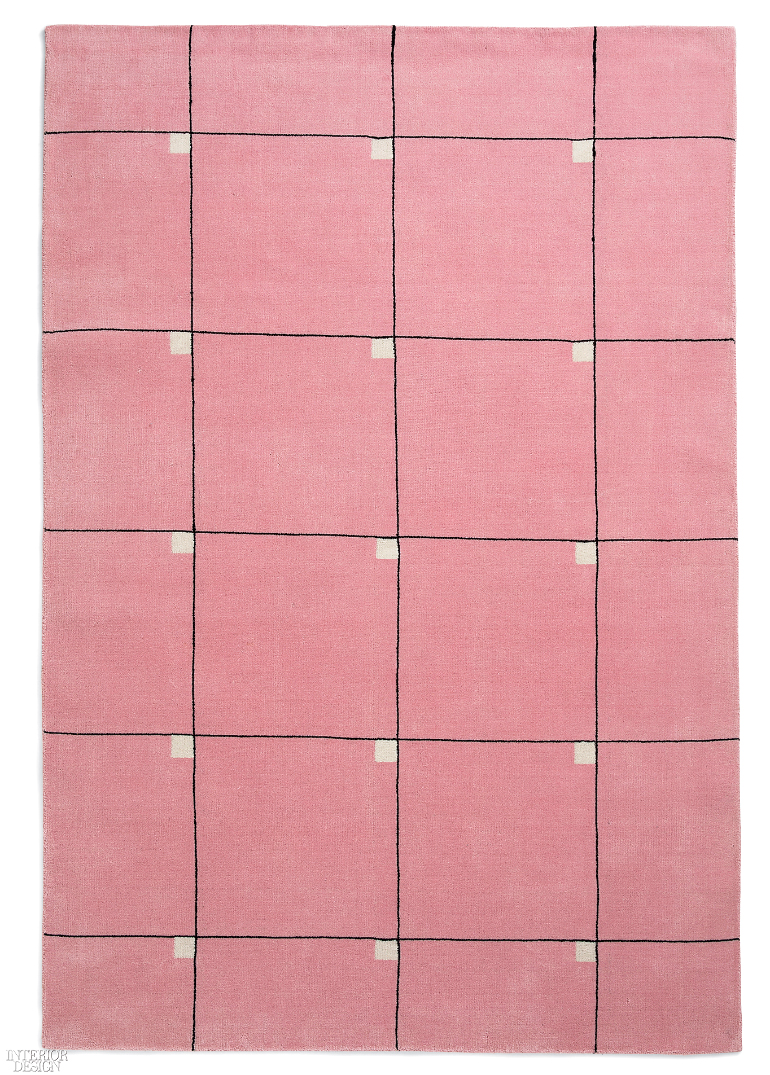
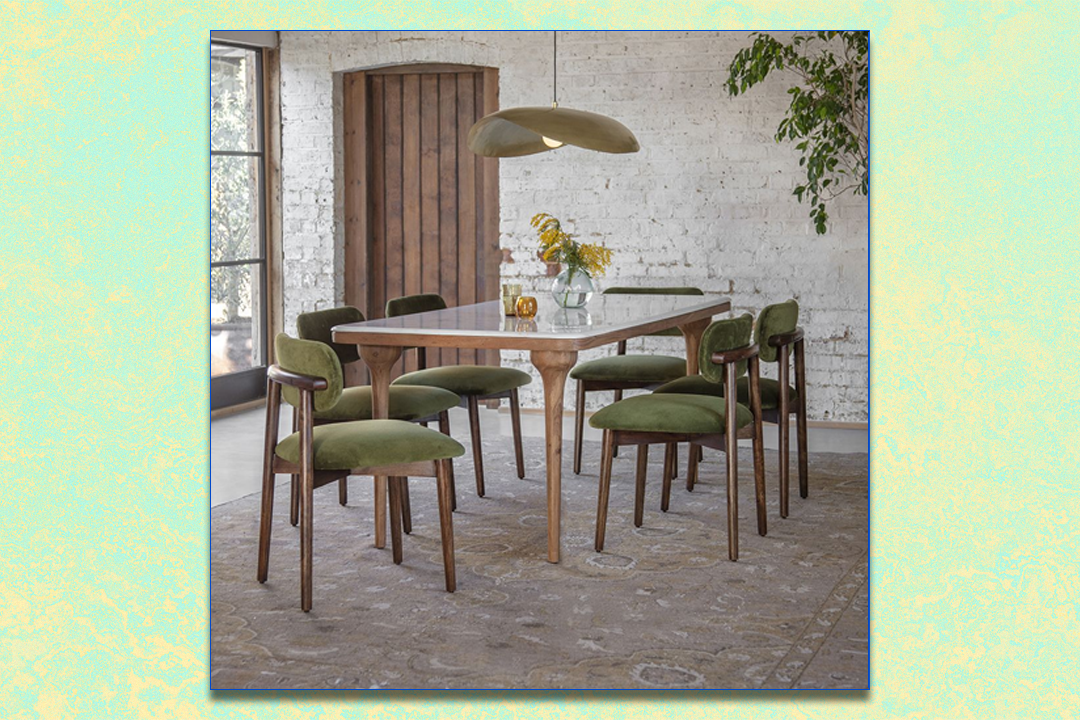
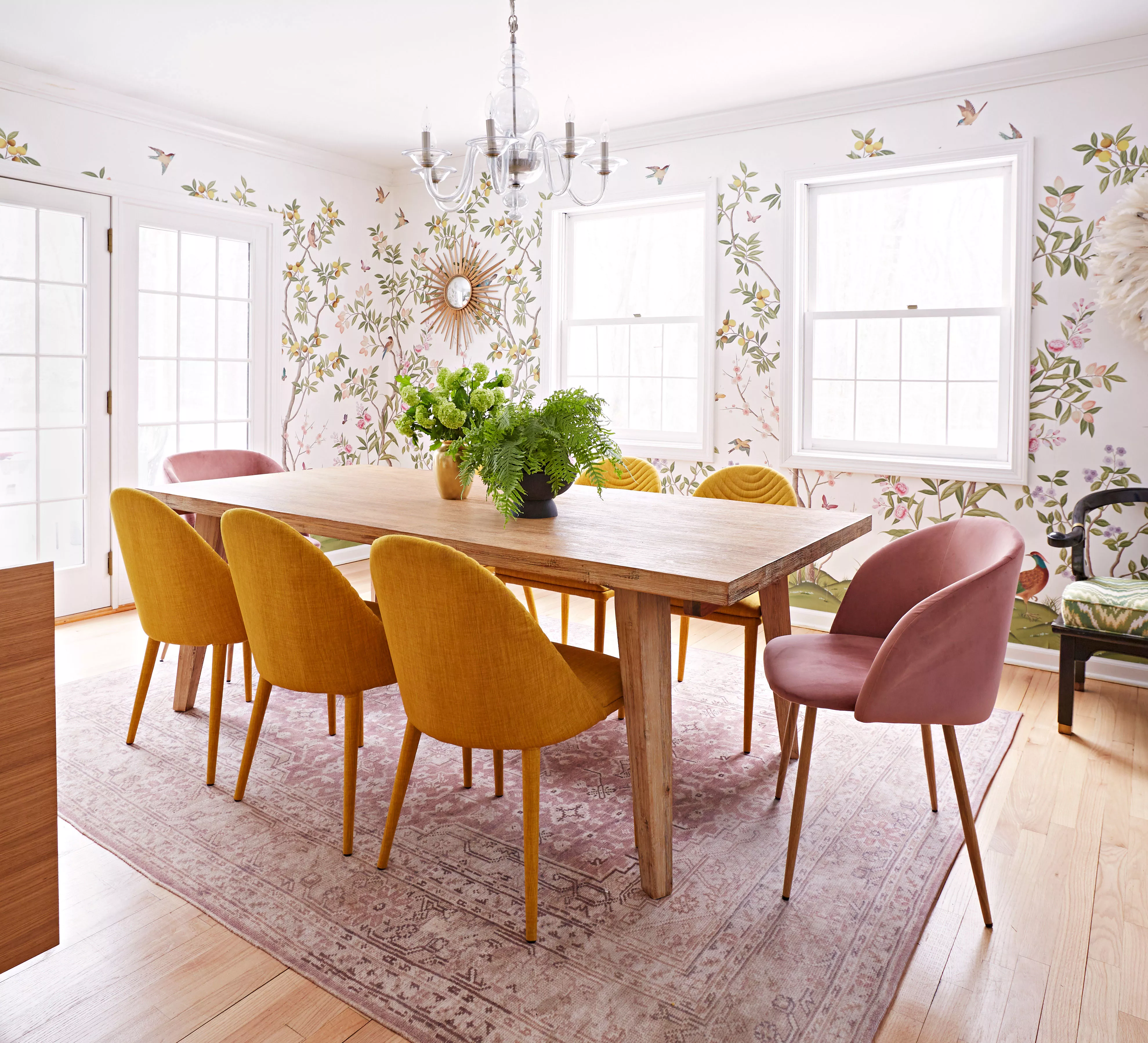
The article then provides practical tips for selecting and maintaining rugs in dining areas, particularly when food is involved. Key recommendations include ensuring the rug extends slightly beyond the table's edges without overwhelming it, opting for low-pile rugs or even outdoor rugs for easier cleaning and chair movement, and avoiding layering rugs in dining spaces to prevent tripping hazards and damage. Additionally, it advises having red wine stain remover on hand and choosing dark or colorful patterns to camouflage spills. Finally, the article suggests several retailers for purchasing quality rugs, such as Revival Rugs, Beni Rugs, Loloi Rugs, and Swoon Rugs, offering examples that echo the styles seen in featured restaurants. It also touches upon the popularity of midcentury or Nordic-style dining chairs, often made with natural wood finishes, to complement these rug choices, listing various retailers for such furniture.
#RestaurantDesign #InteriorDecor #AreaRugs #DiningRoom #HomeDecor #DesignTrends #CozyAesthetics #FurnitureSelection #HomeyVibes #RestaurantDesign #InteriorDecor #AreaRugs #DiningRoom #HomeDecor #DesignTrends #CozyAesthetics #FurnitureSelection #HomeyVibes
0 comment in total
 No comments yet
You may also like
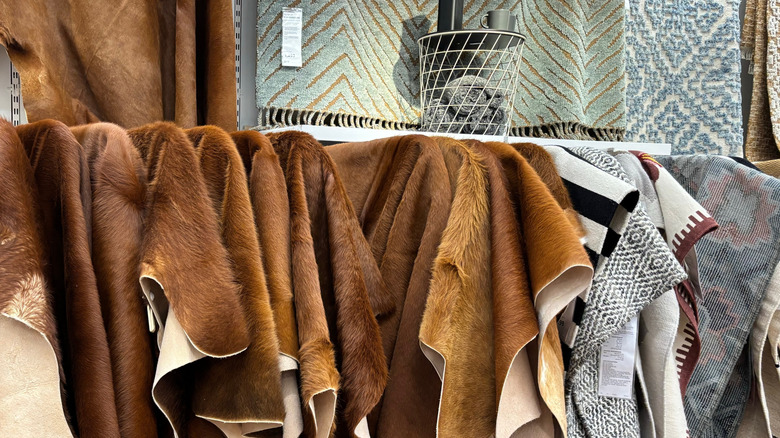
The Best IKEA Rugs That Deserve A Spot Under Your Dining Table
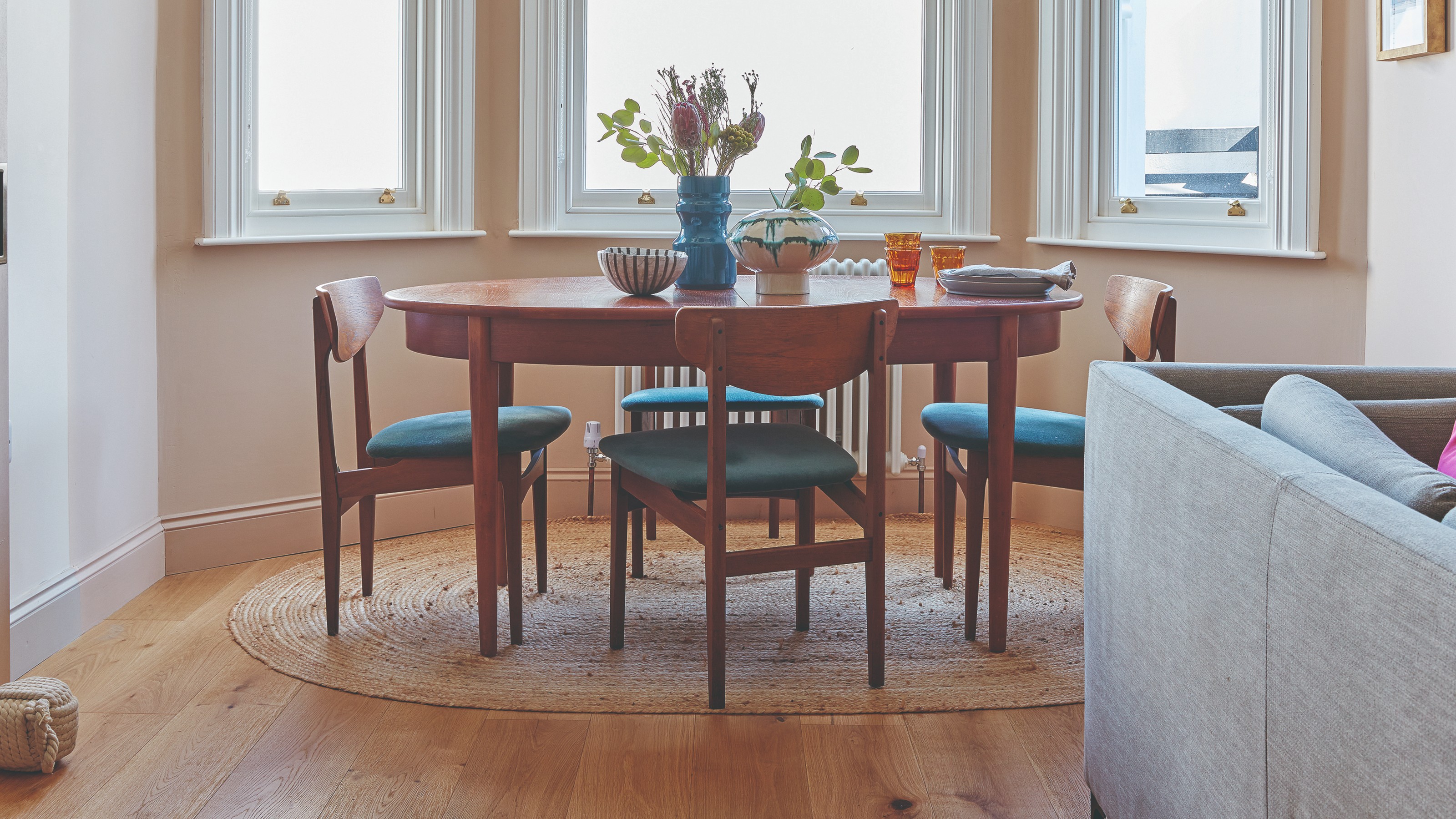
I look at rugs day in, day out as a Room Decor Editor – these are the 9 best places to buy a rug I always go back to

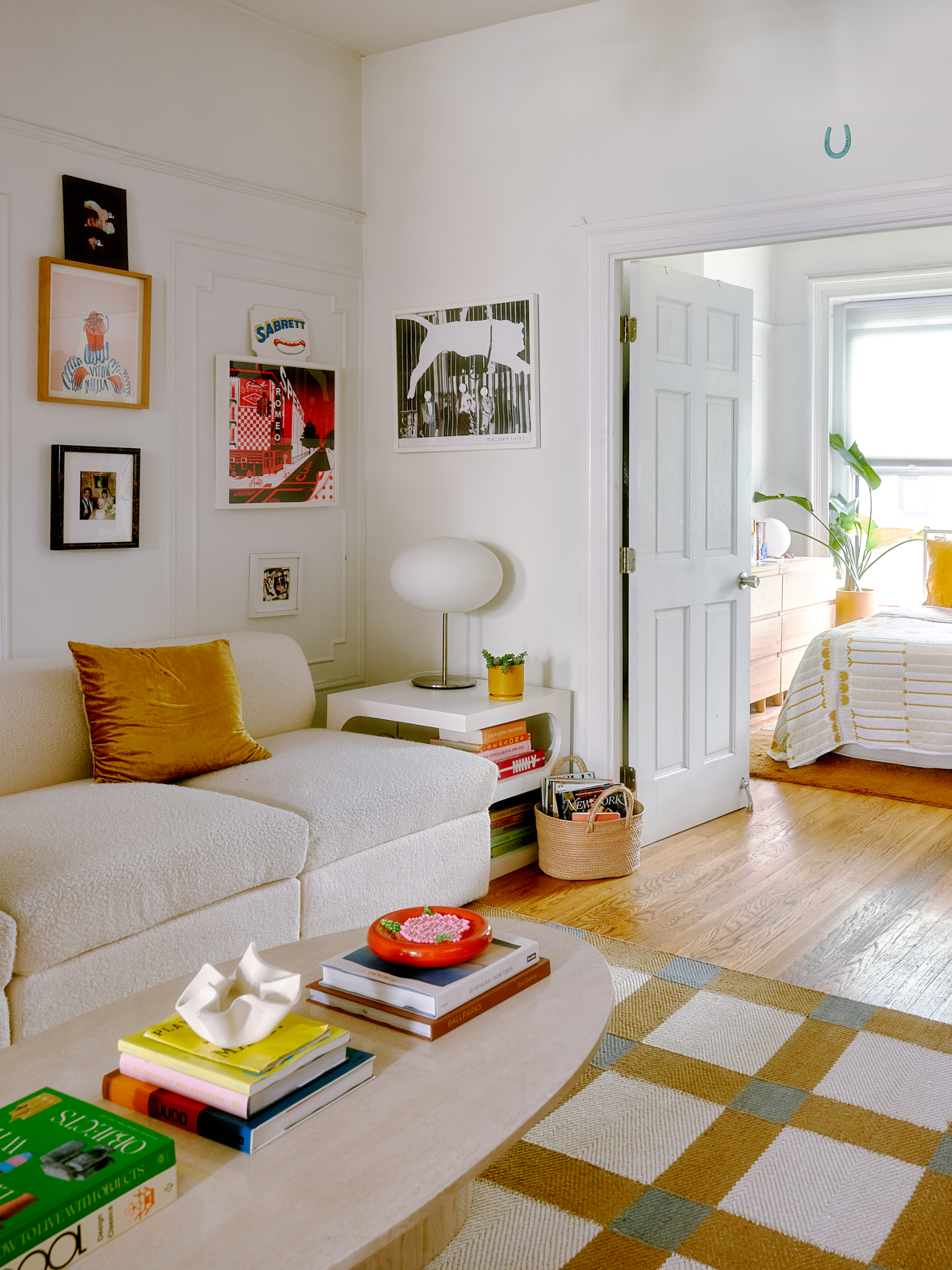
All The Cool Scandi Girls Seek Out This Under-The-Radar Swedish Rug Brand

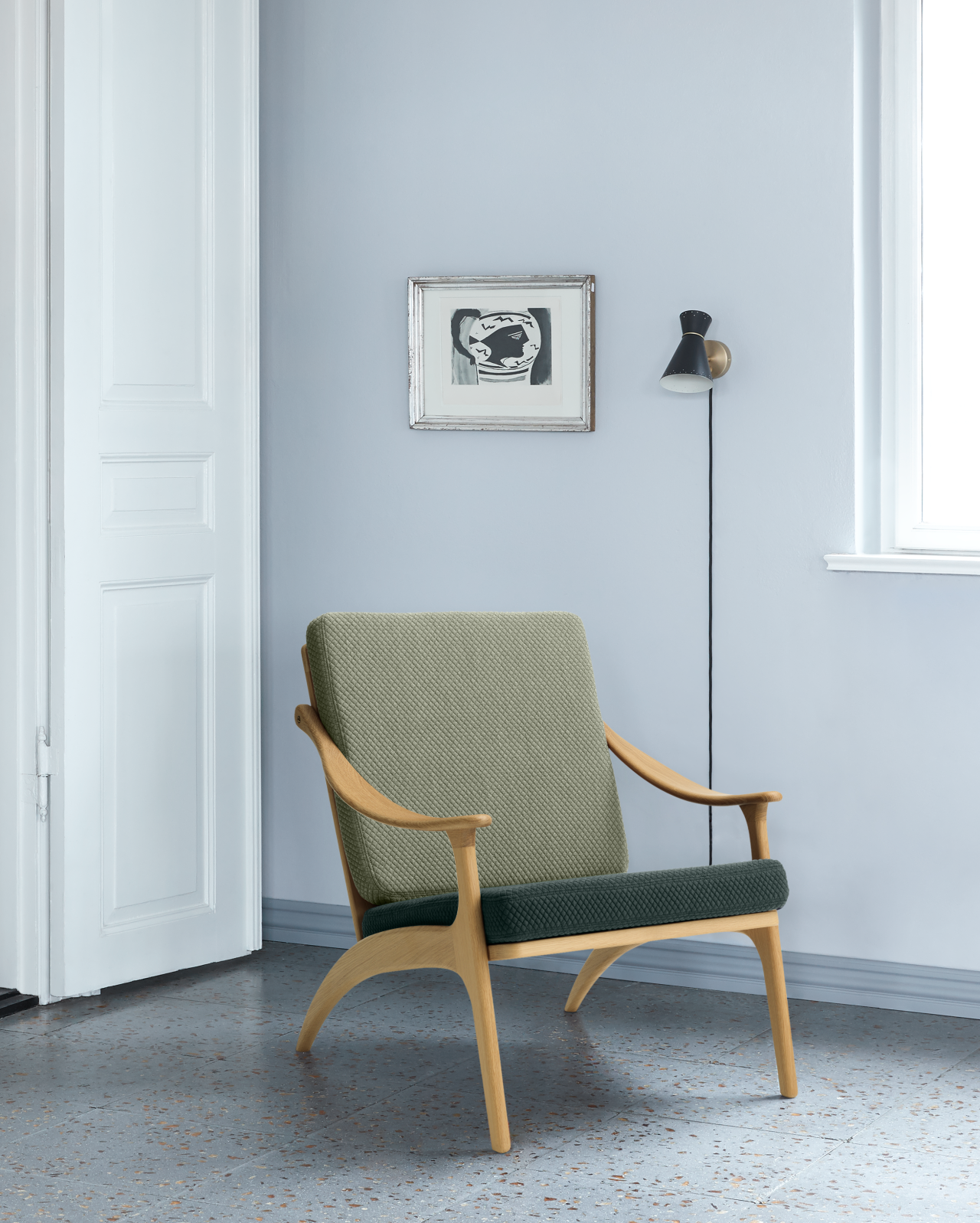
10 of the best wooden accent chairs for a neutral home office


Nordic Knots and Giancarlo Valle Cocreate New Rug Collection

The Most Comfortable Dining Chairs Money Can Buy, According to Our Editors
Nordic Knots Creates Modernist Rugs Inspired by Scandinavian Heritage
The Best Affordable Dining Chairs (That Look More Expensive Than They Are)
10 best traditional dining chairs


Profile: Fabian and Liza Laserow Berglund, Nordic Knots
6 best dining chairs that are comfortable and stylish

Our Favorite Rugs For Every Room
24 Dining Room Rug Ideas for a Stylish Gathering Space

The Best Places to Buy Area Rugs, From Ferm Living to Cozey

The 12 Best Places to Buy a Rug for Your Home

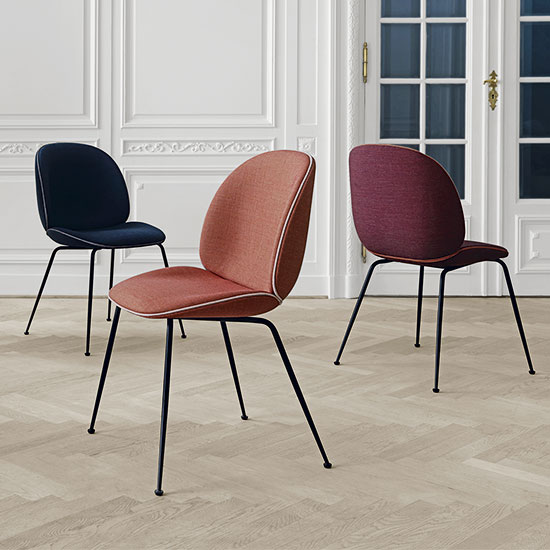
Take a seat! Here’s 10 of the best dining chairs

The 18 Very Best Dining Chairs
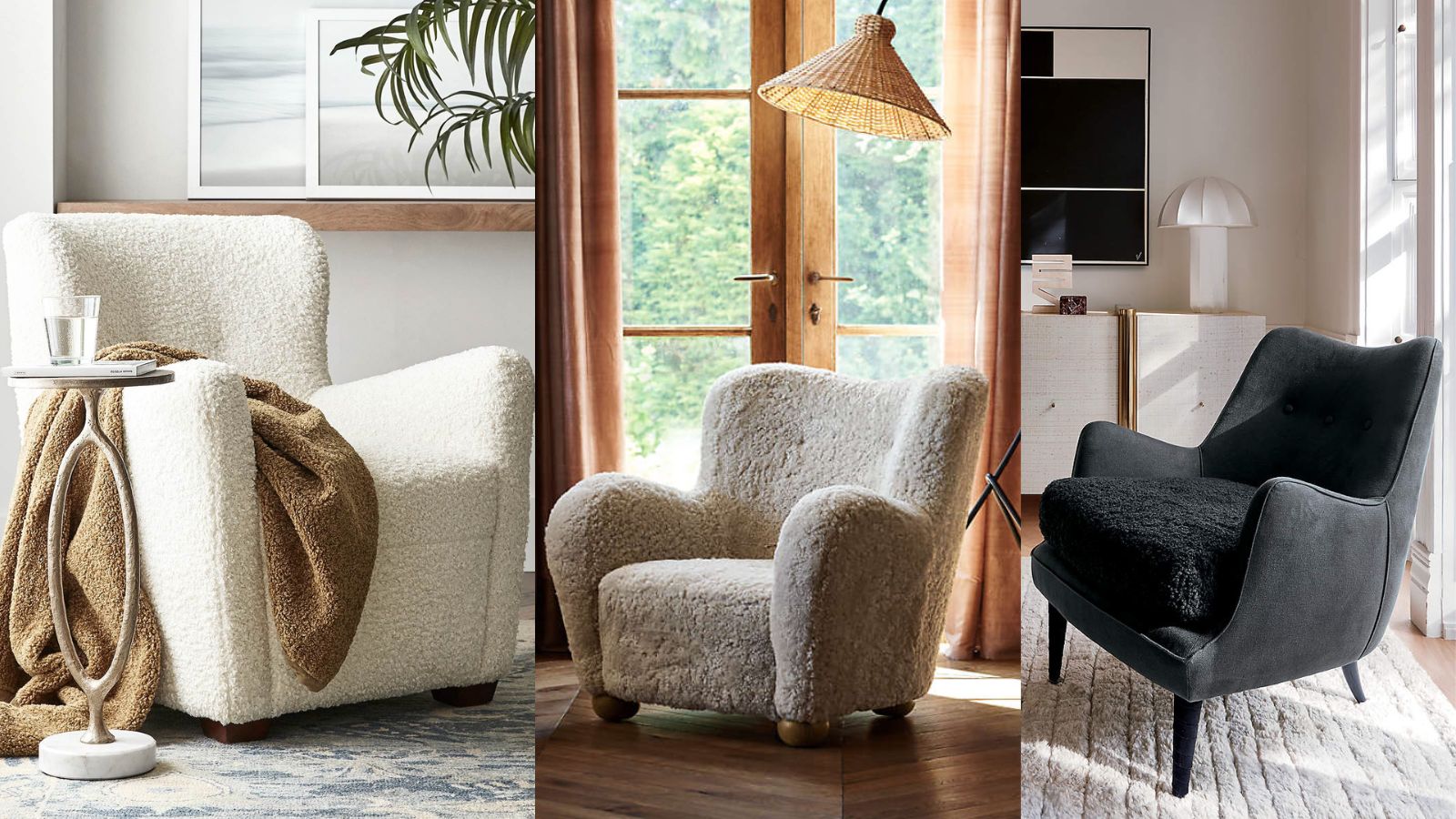
Shearling chairs are still trending, and I just found my favorites

Why Interior Designers are Raving About This Scandinavian Brand
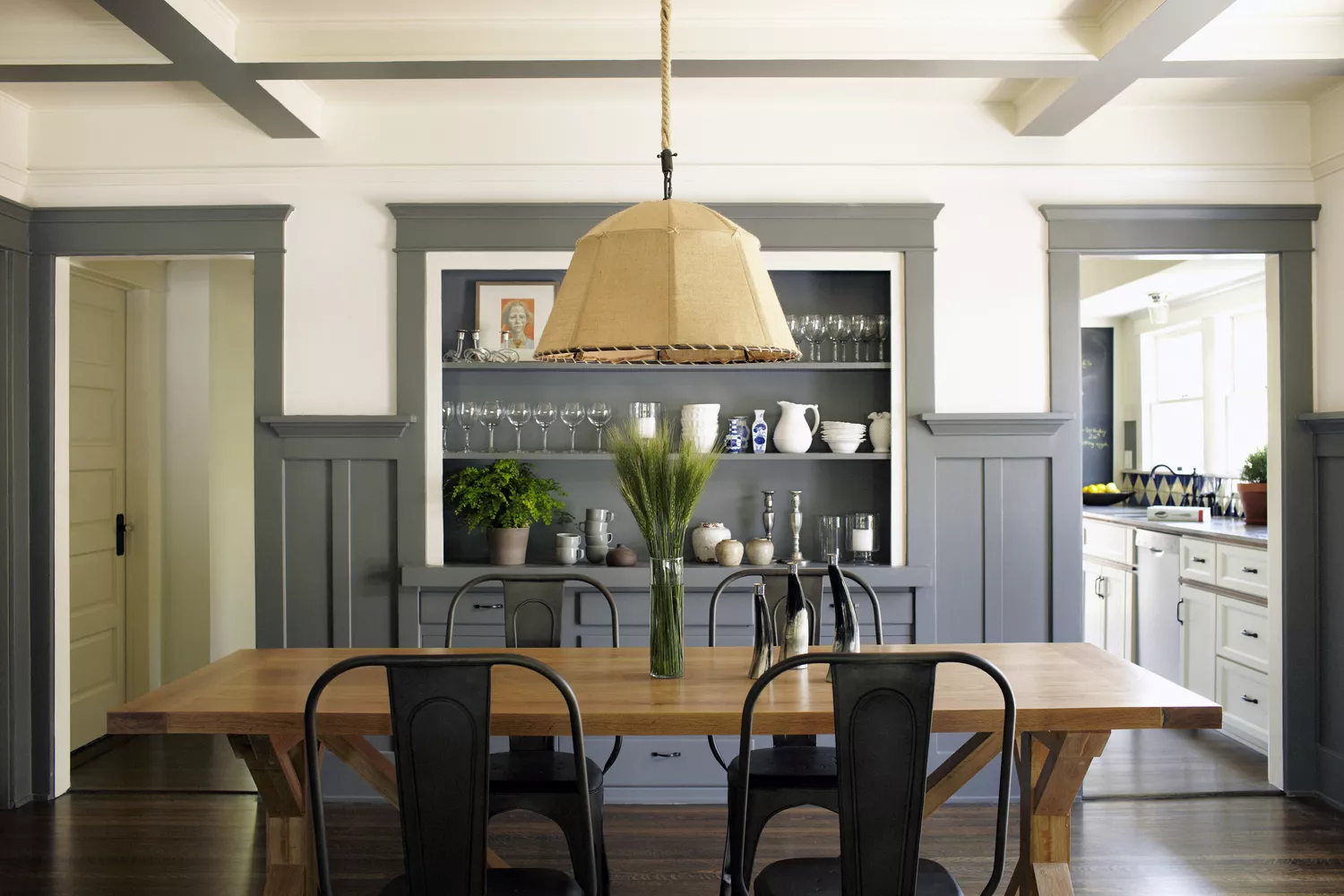
Designers Agree: These 5 Dining Room Features Are Always Eyesores