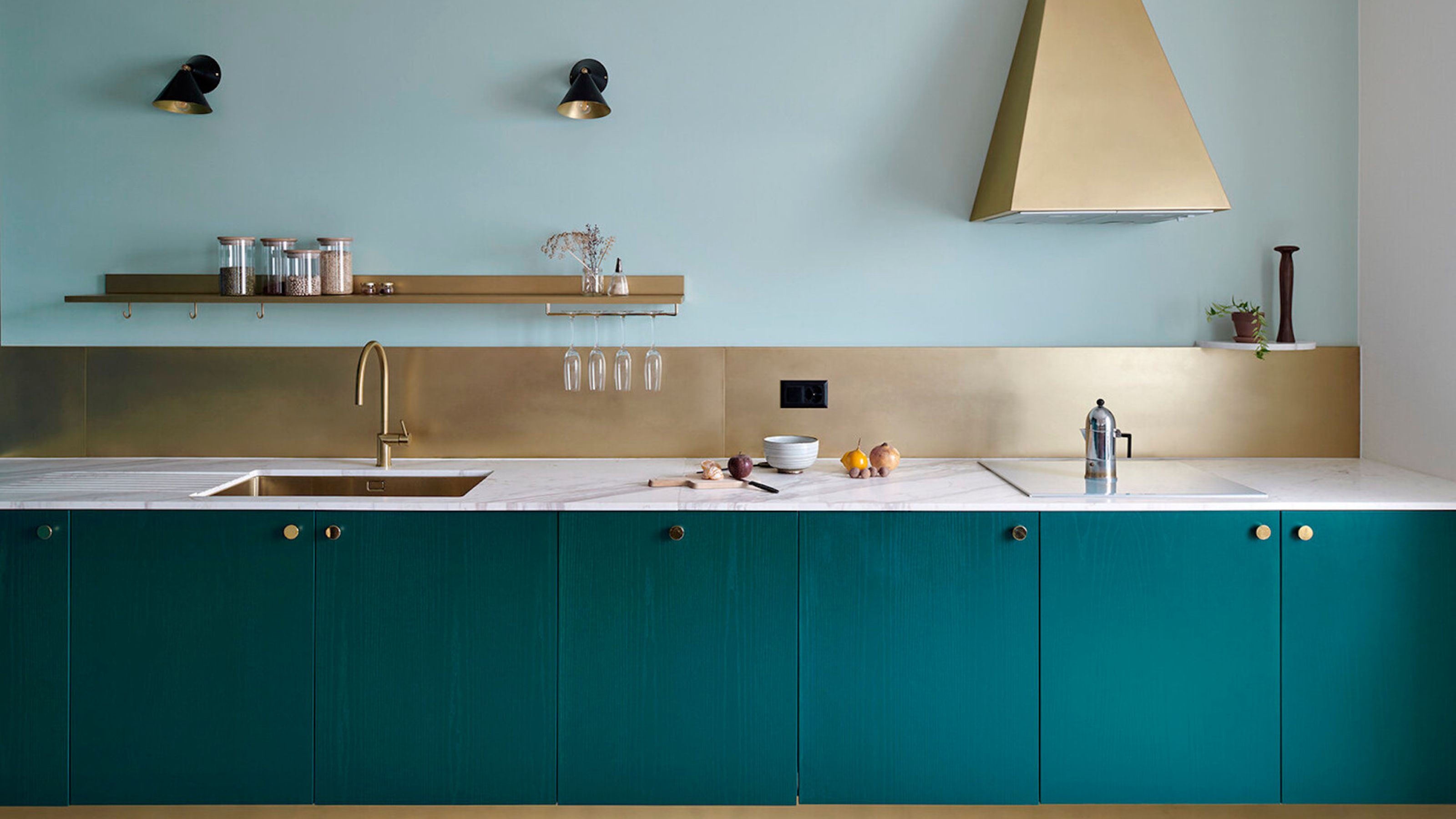
1/9
I'd Have Never Considered Teal for My Cabinets Before, but These 7 Kitchens Prove It's a Color With So Much to Offer
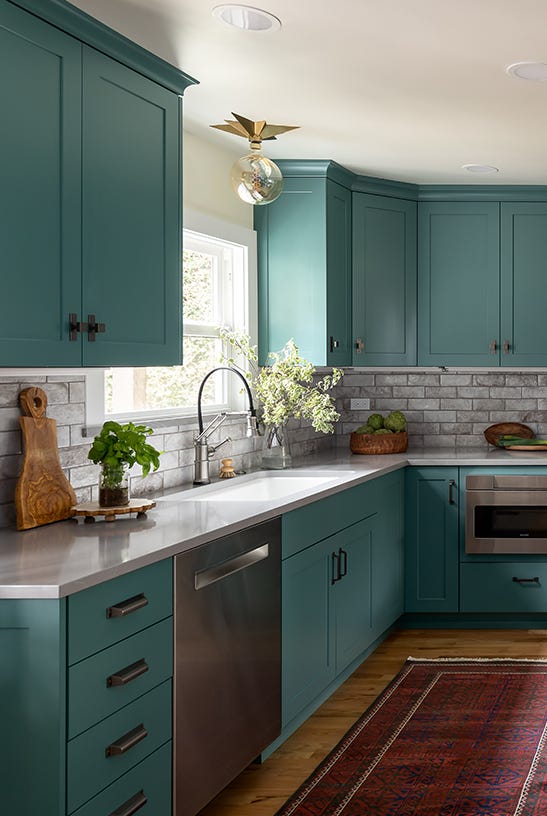
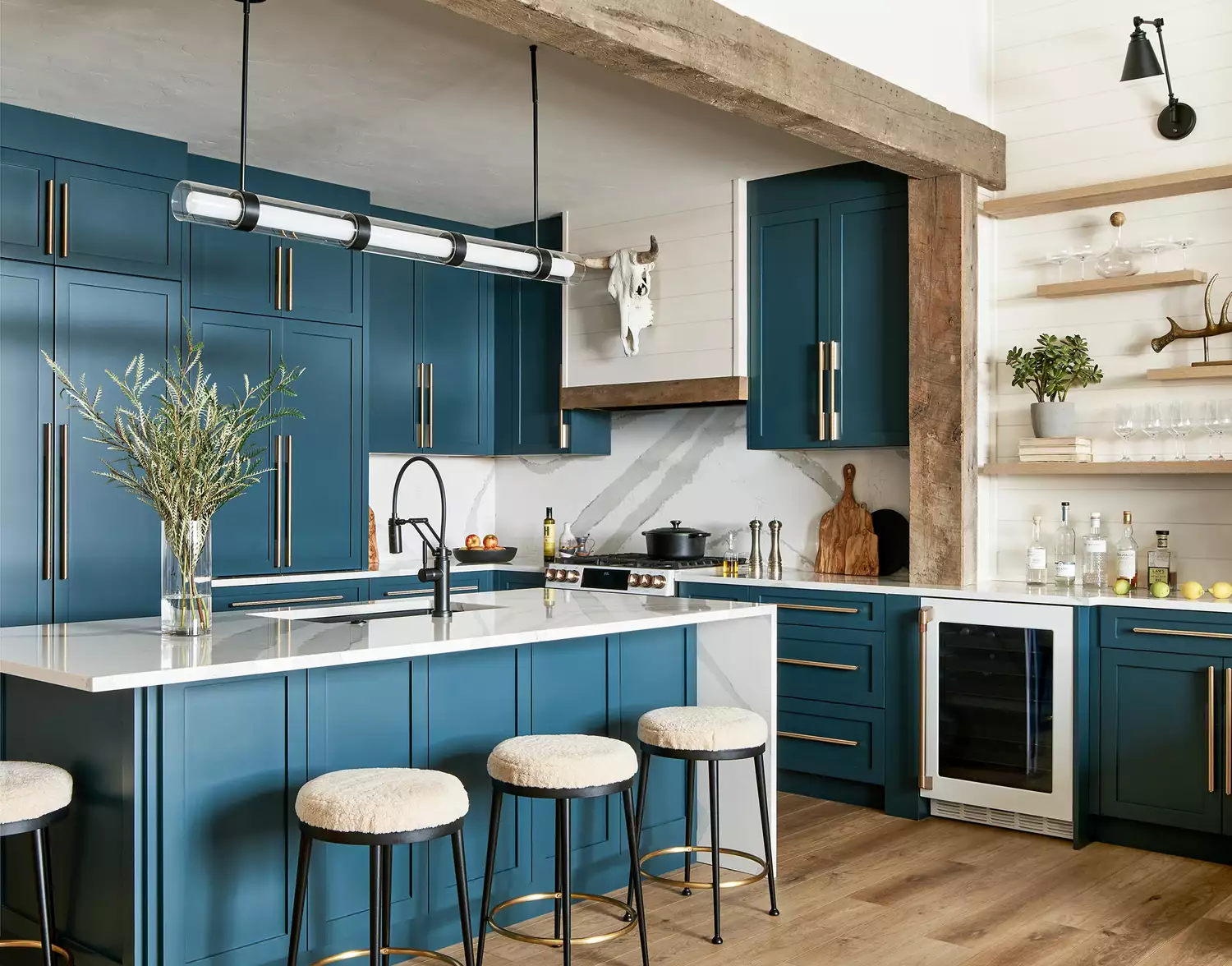
The article explores the versatility and appeal of teal in kitchen design, highlighting it as a compelling and sophisticated color choice for cabinets and other kitchen elements. Teal, a jewel tone, offers a broad spectrum of shades, distinguishing itself from other deep colors like navy or vibrant hues like emerald. Its ability to balance boldness with sophistication makes it suitable for creating timeless and grounding kitchen spaces, according to Anna Hill, brand director and color consultant at Fenwick & Tilbrook. The nuanced nature of teal signifies a certain level of design literacy, as its effective implementation requires careful consideration.
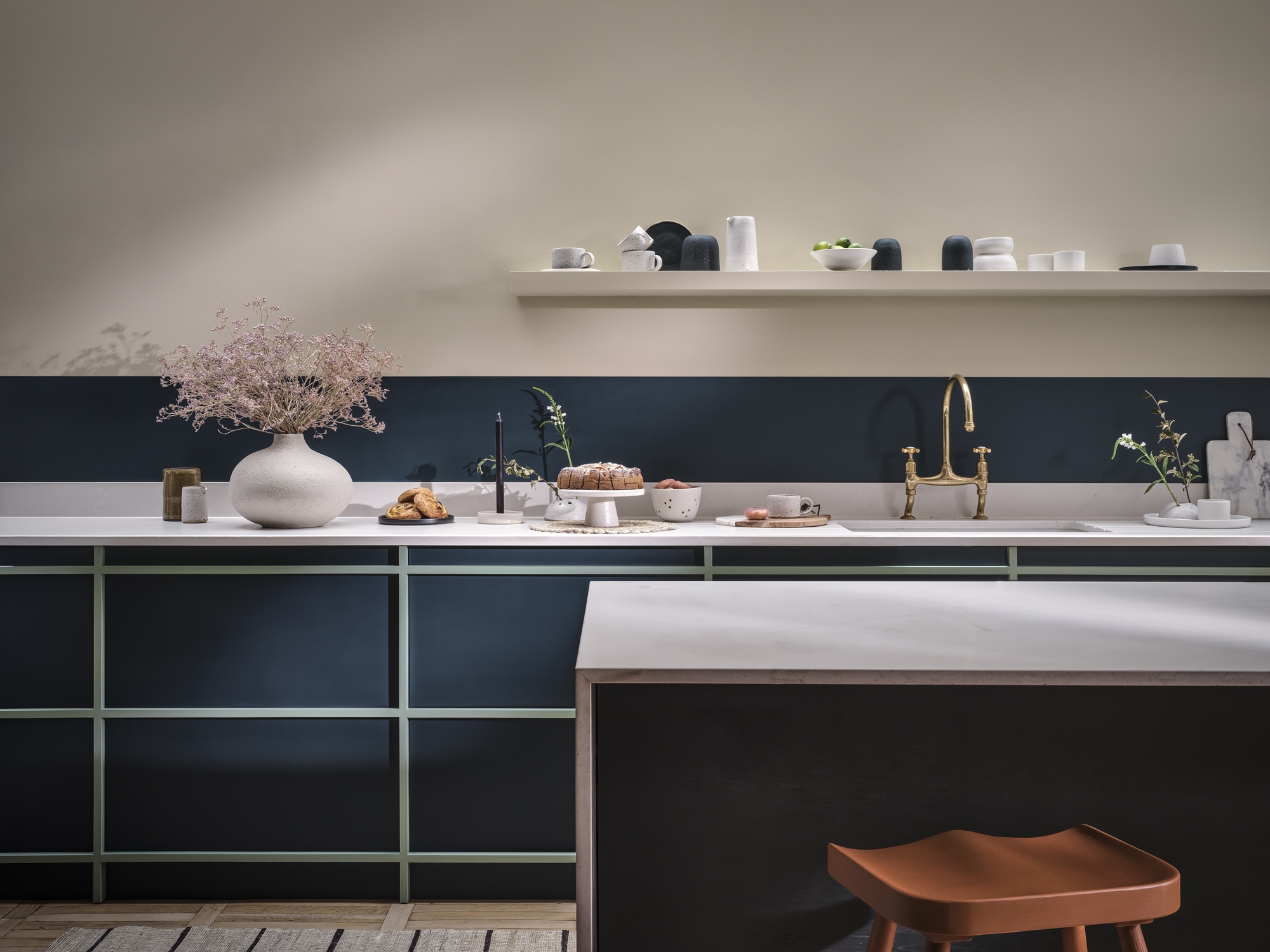
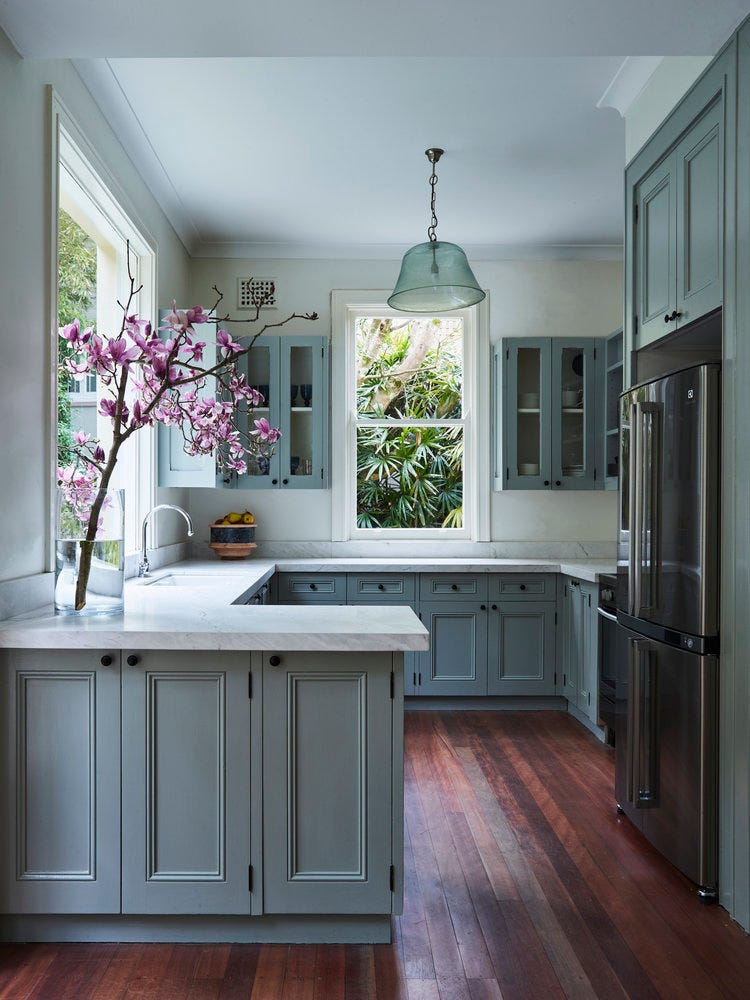
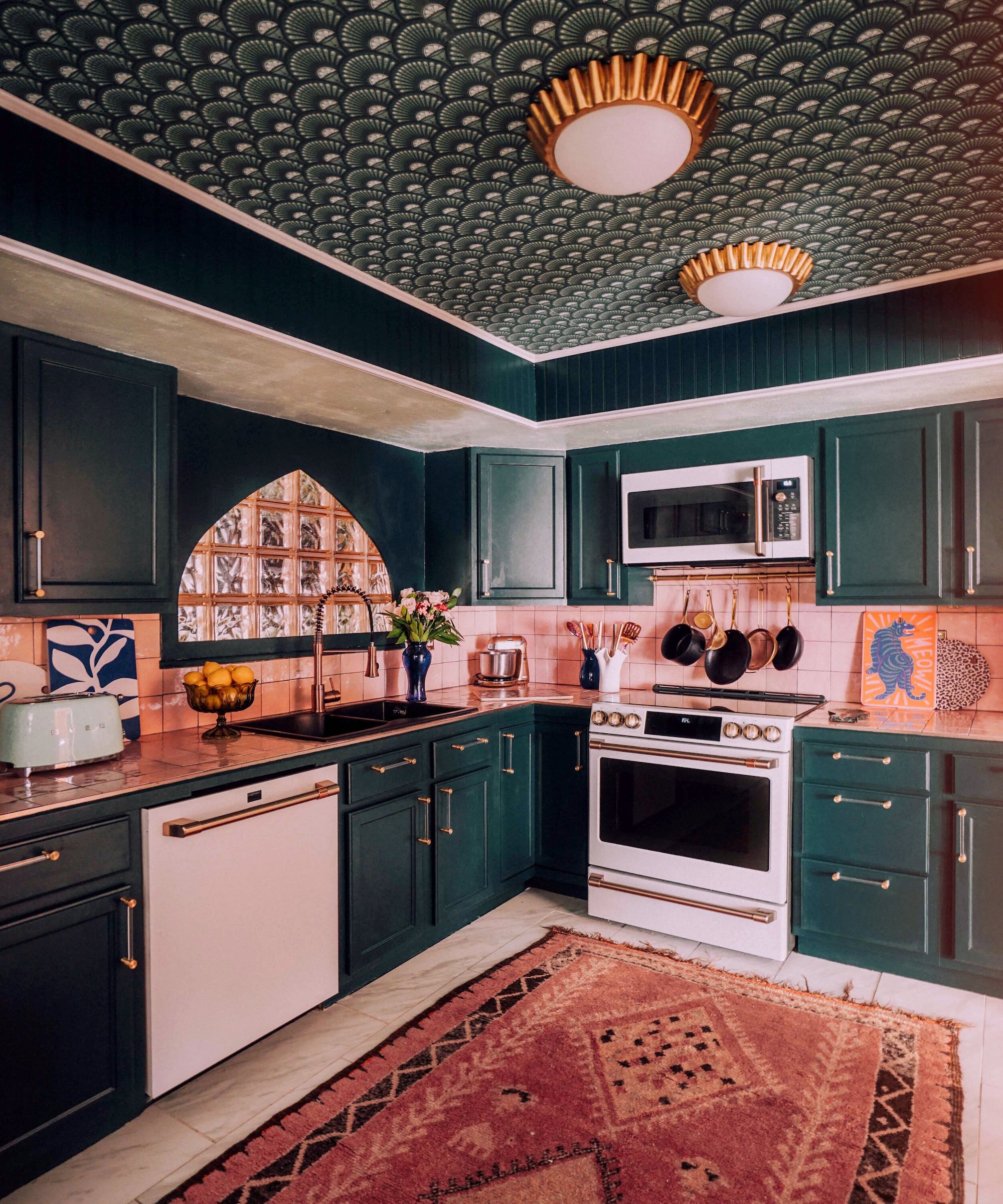
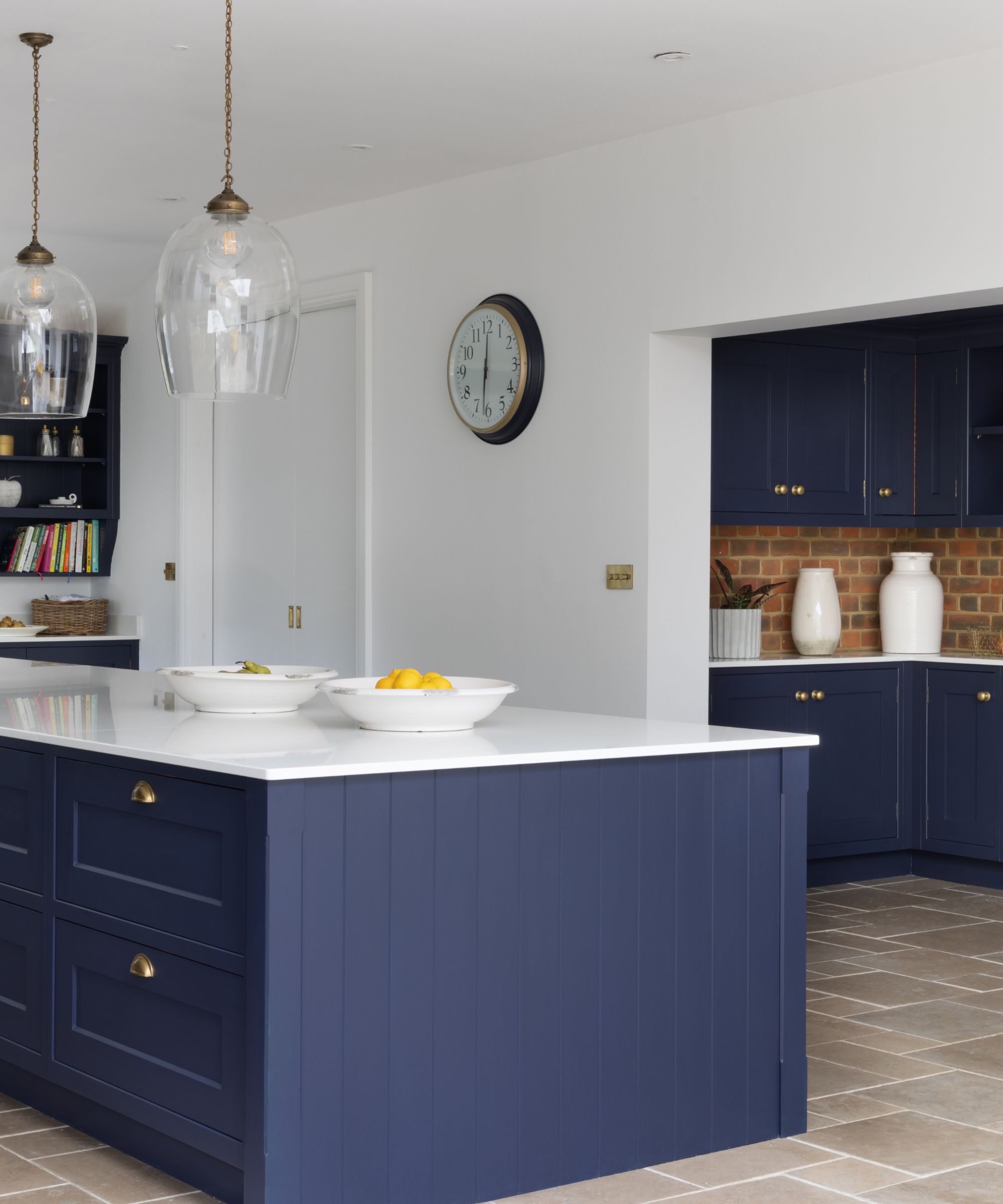
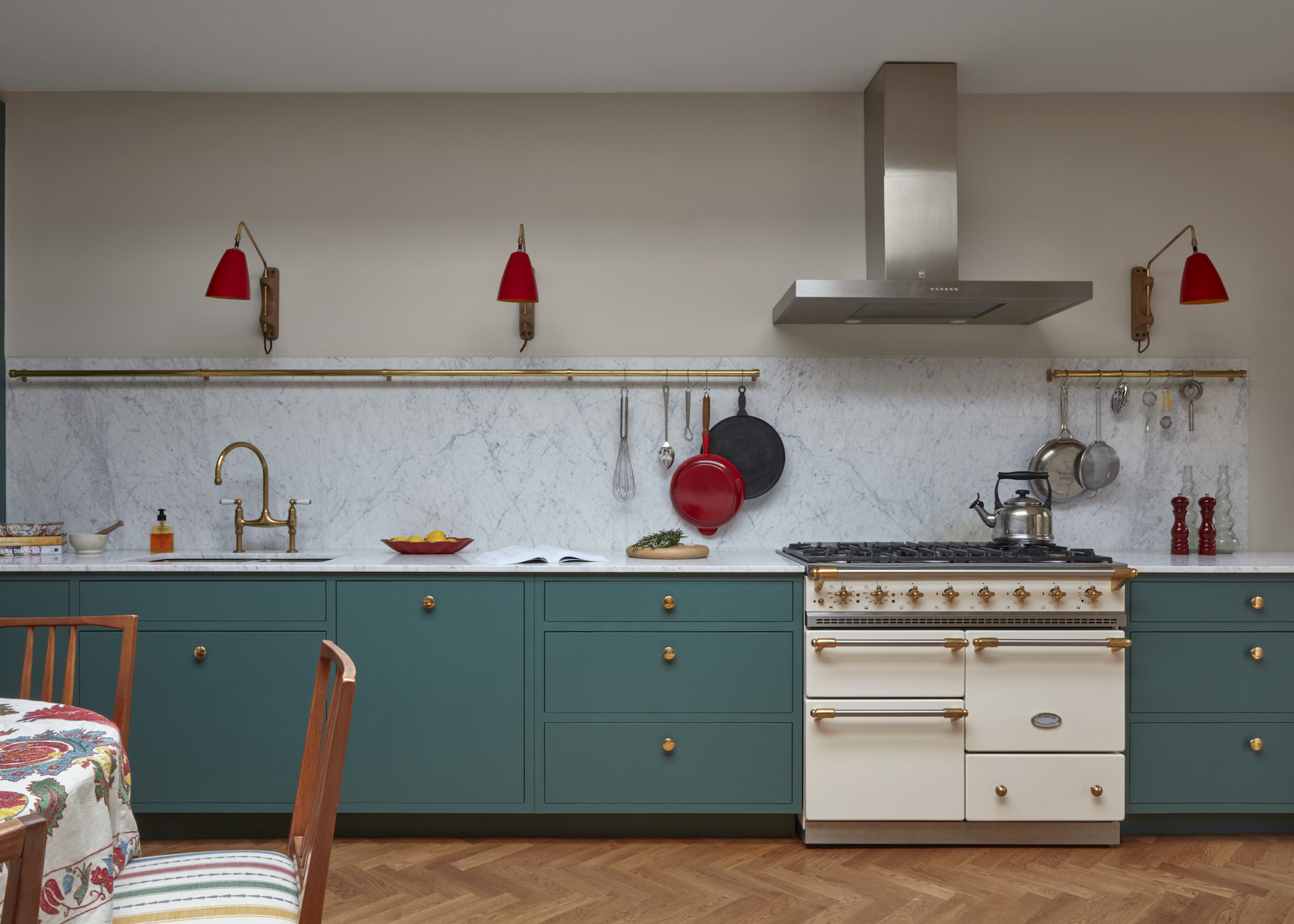
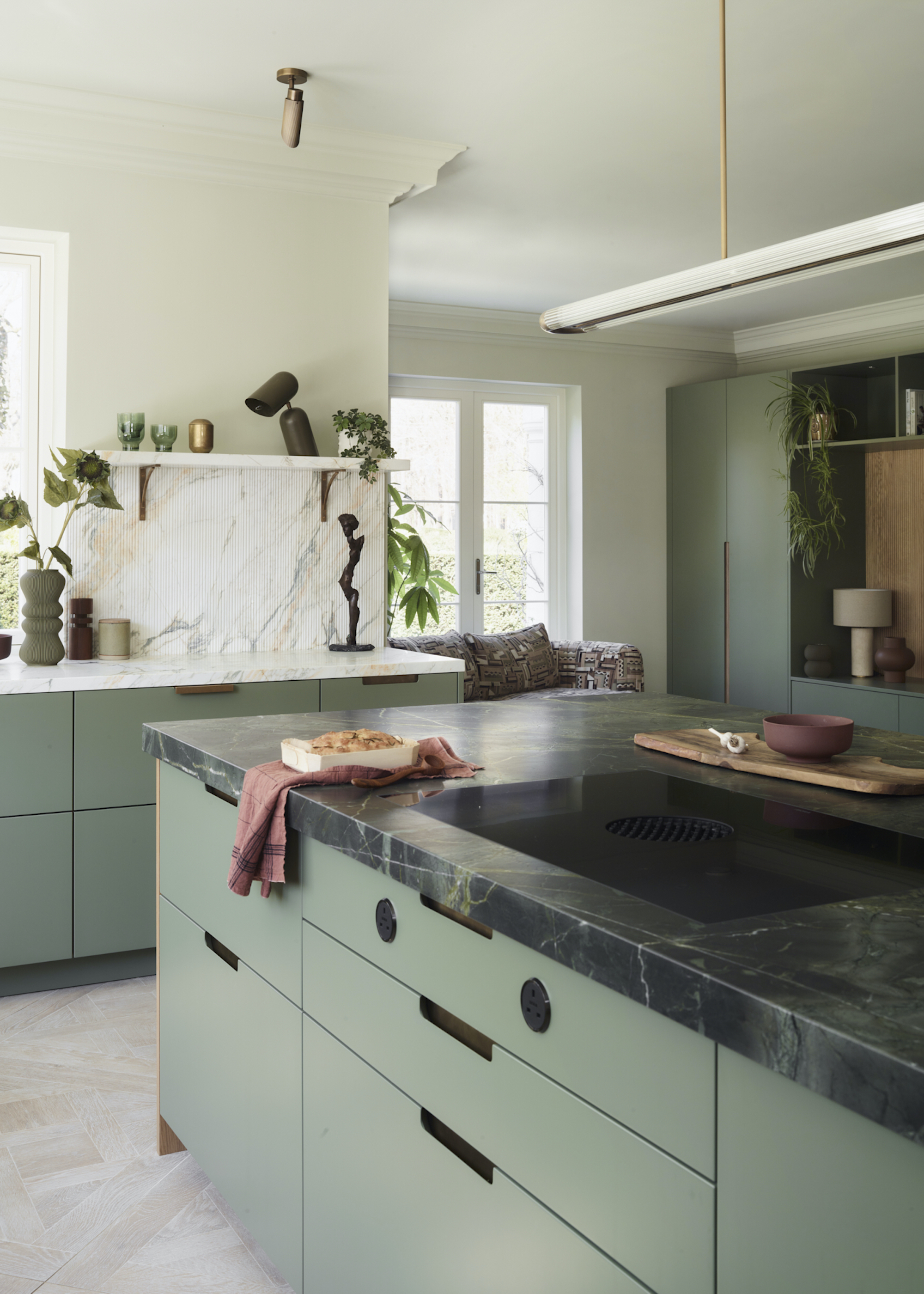
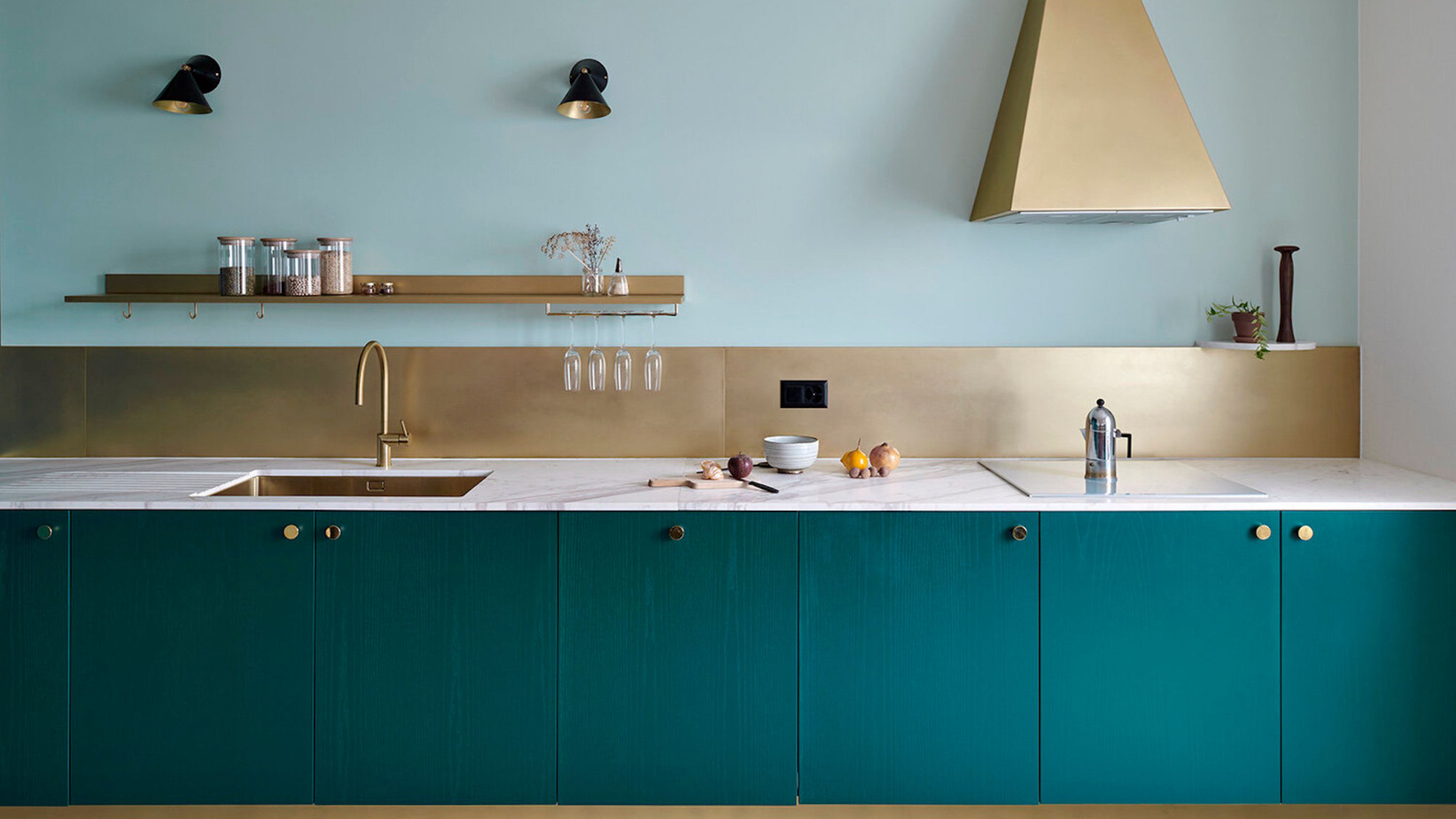
Seven distinct approaches to incorporating teal into kitchen design are presented. The first method emphasizes pairing teal kitchen cabinets with complementary colors, such as mint green and blush pink, to achieve a cohesive and balanced aesthetic. Using softer, tonal shades within the same color family, like mint green, helps to offset the depth of teal, introducing clarity and contrast. This strategy is exemplified by Fenwick & Tilbrook's modern kitchen design that combines tonal colors with contrast trim.
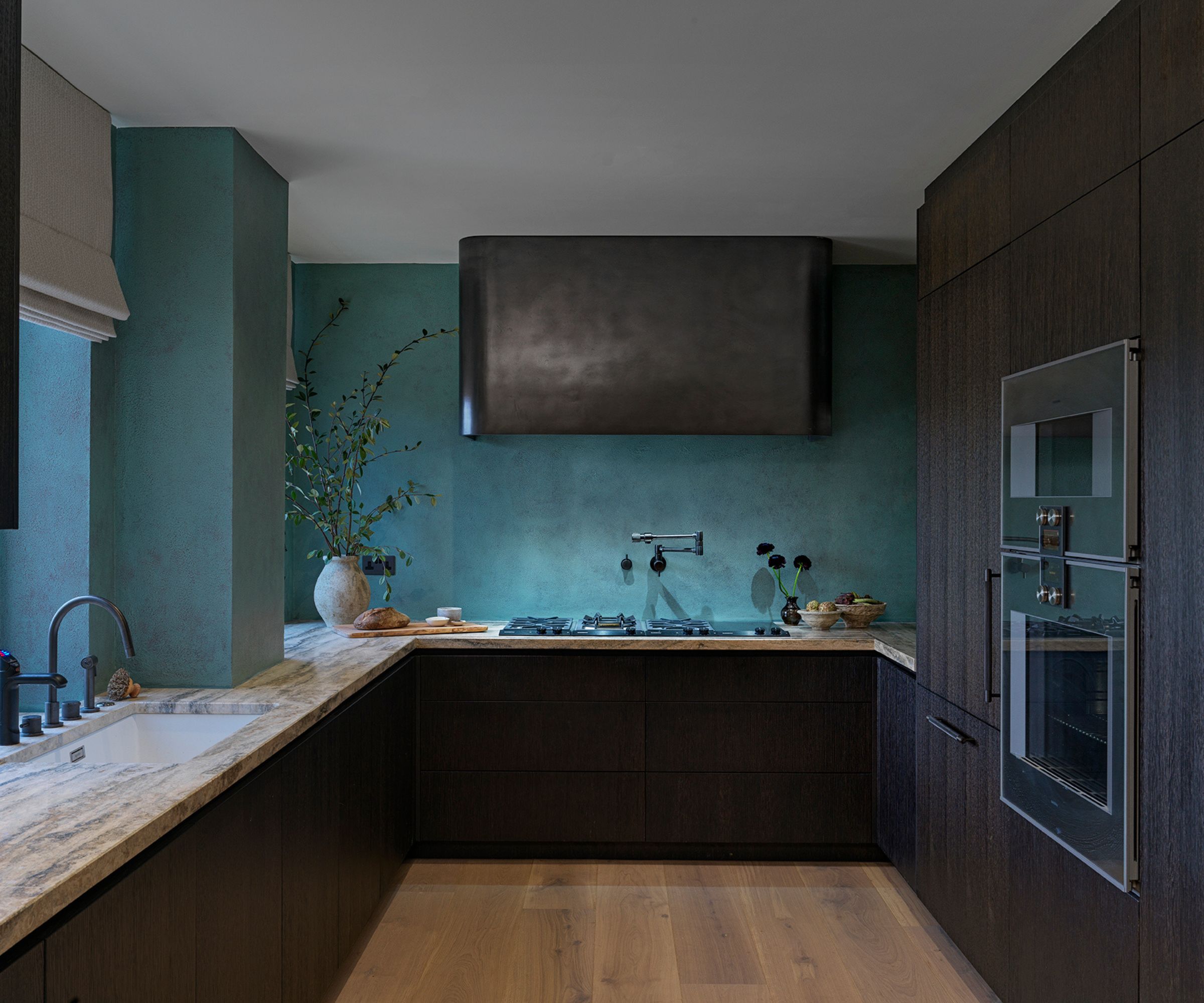
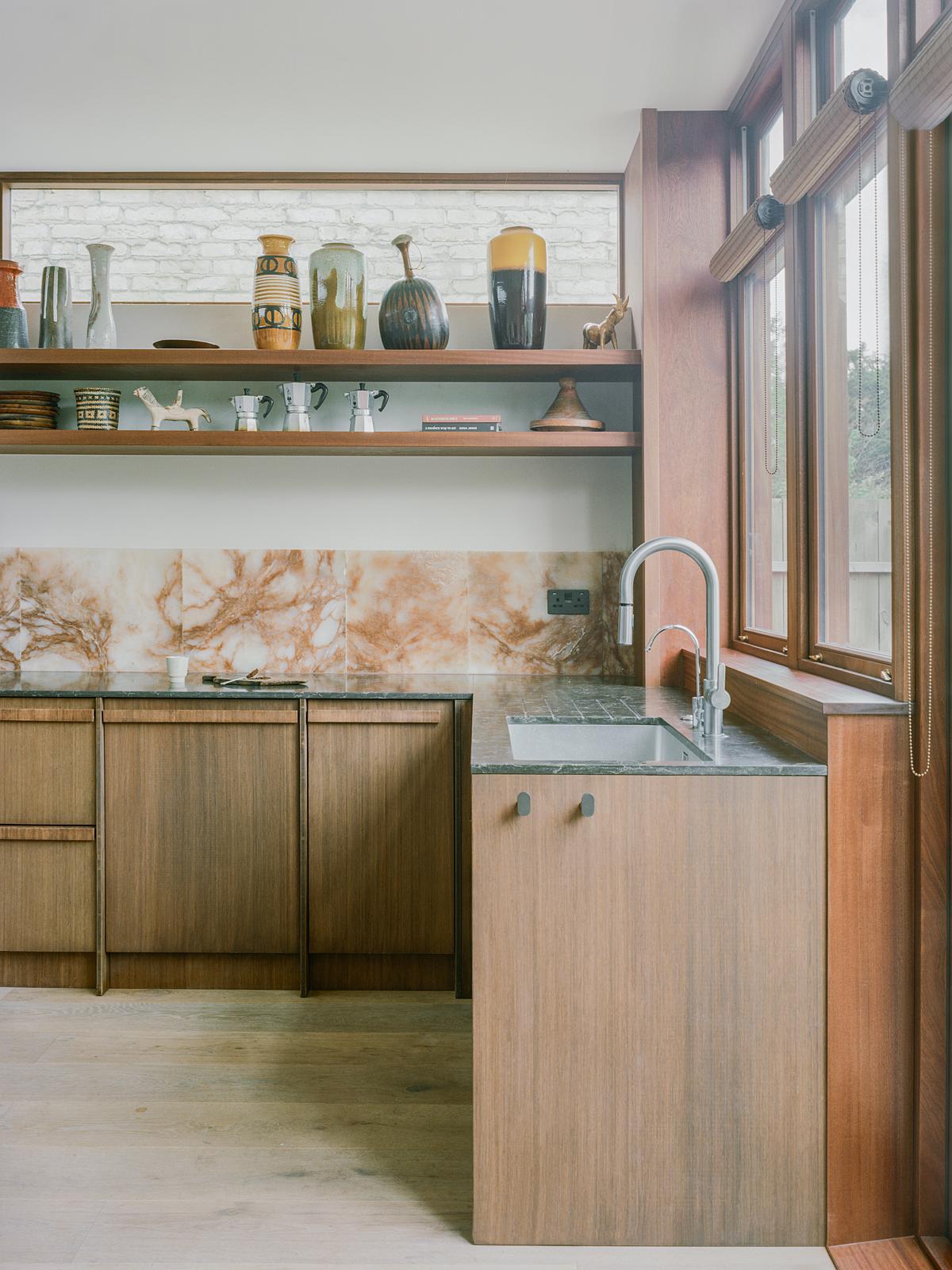
The second approach involves using teal-tinted kitchen cabinets to introduce texture and soften the color's saturation. This technique involves applying a teal tint over a solid paint, allowing the timber grain of the cabinetry to remain visible. This imparts an earthy quality to the color and adds movement to the space. The article suggests that light wood accents and marble backsplashes can further enhance brightness and airiness. A moody quality in teal can anchor the space, offering a chic alternative to common white and gray kitchen schemes.
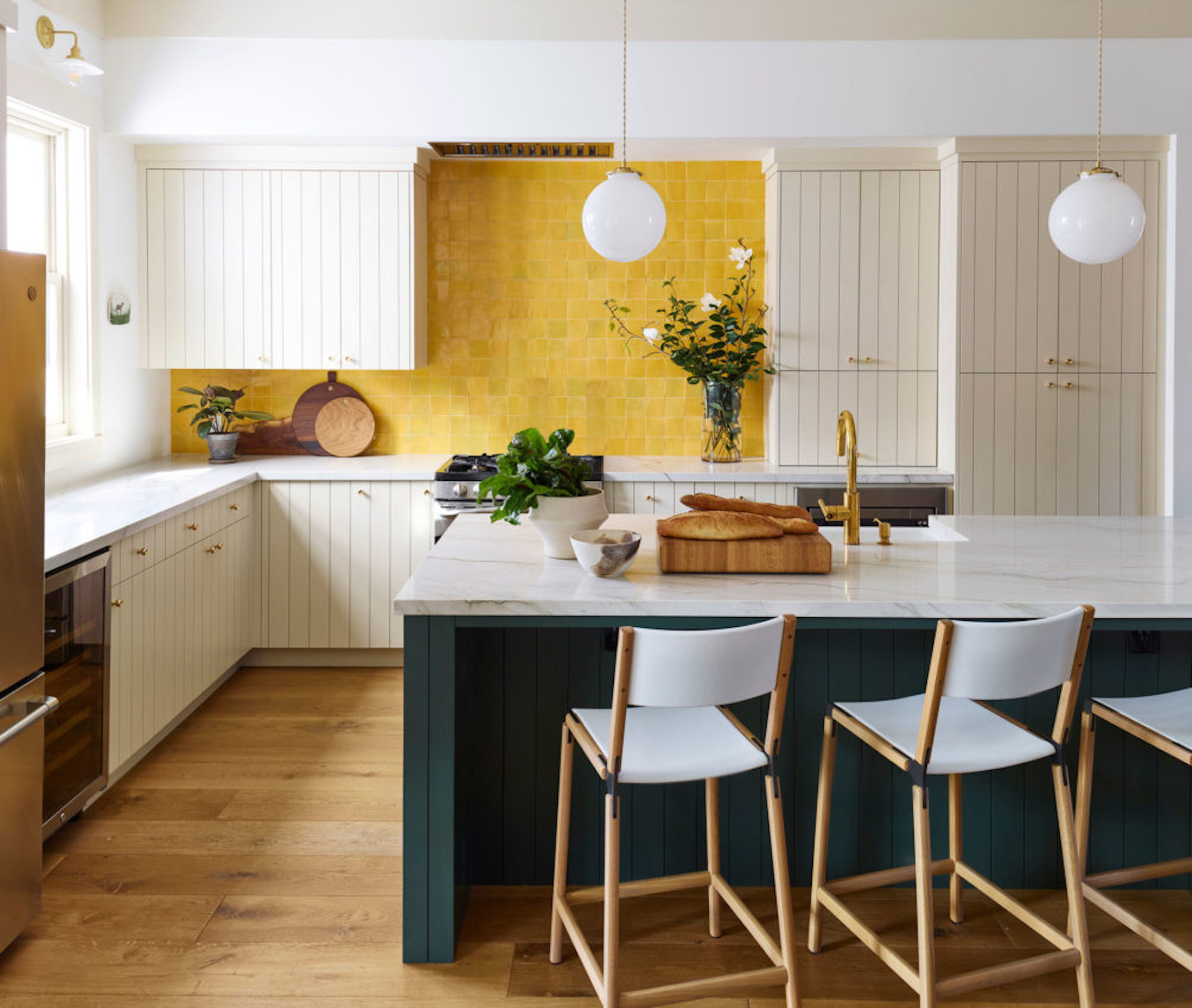
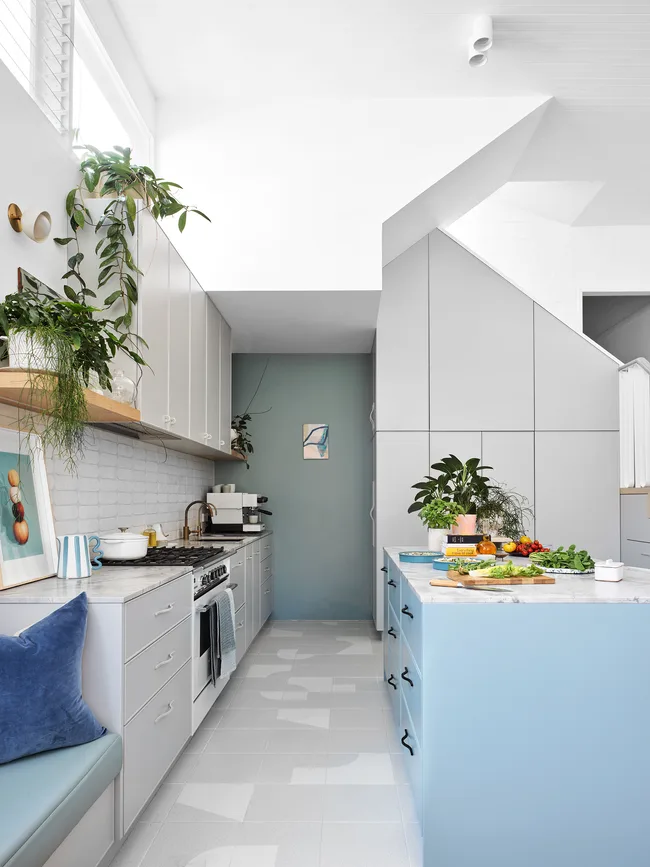
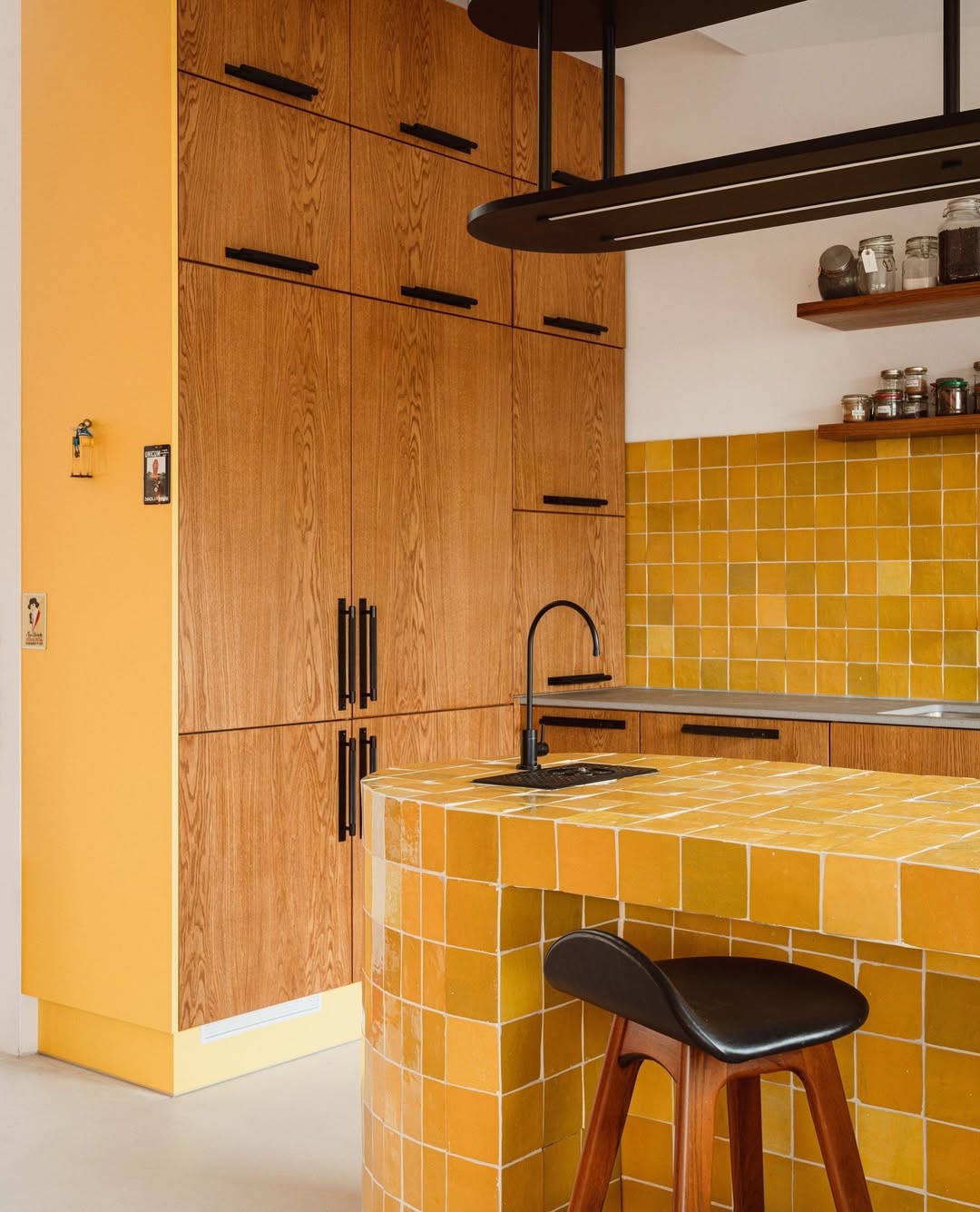
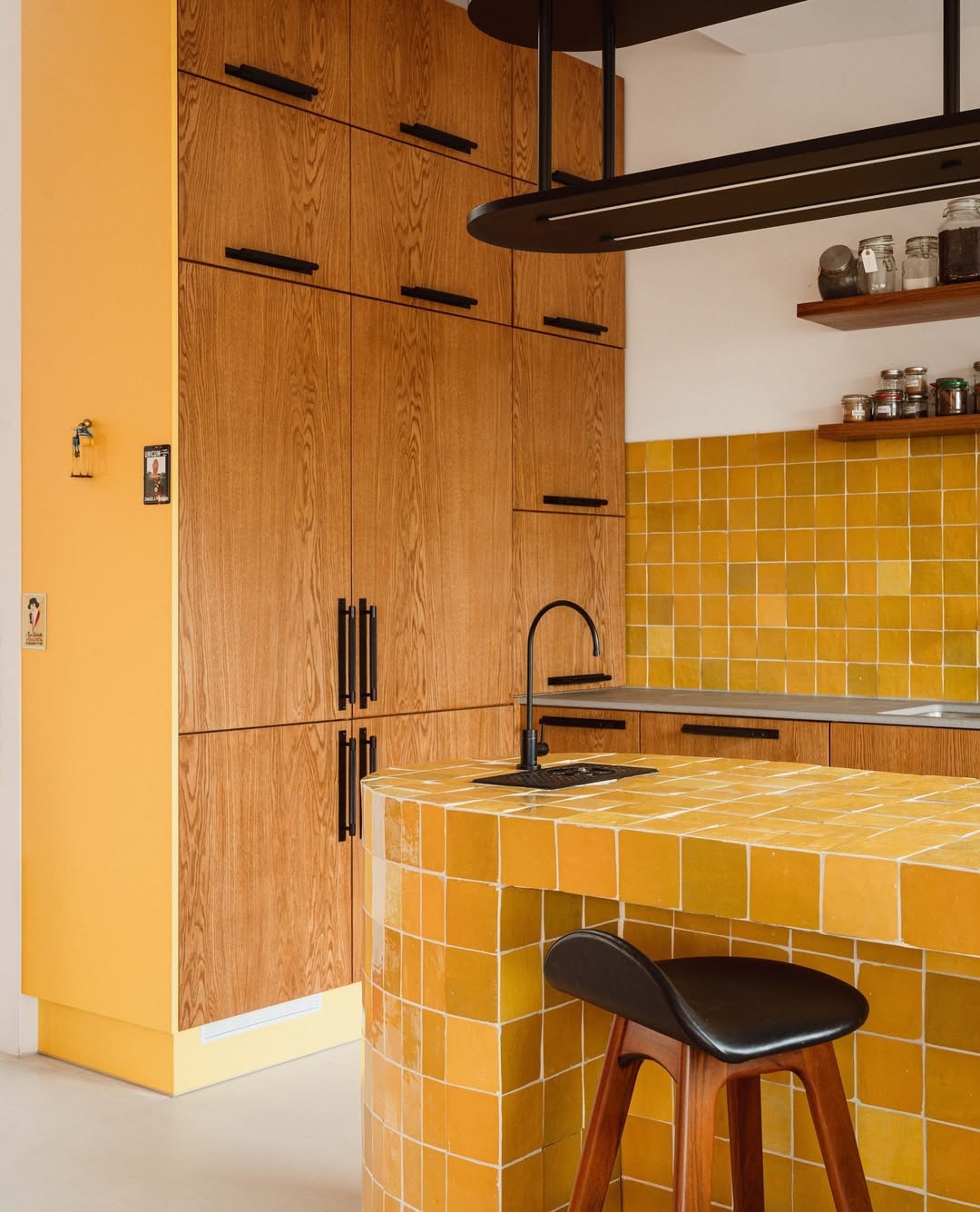
Thirdly, the article suggests making a statement with teal by using it for central elements, such as a kitchen island, while surrounding cabinets are kept in softer neutrals. This approach is particularly effective when introducing additional colors, like yellow, into the design. The example cited is a Menlo Park home where a rich teal island serves as the focal point, complemented by neutral cabinets and sunflower yellow tiles.
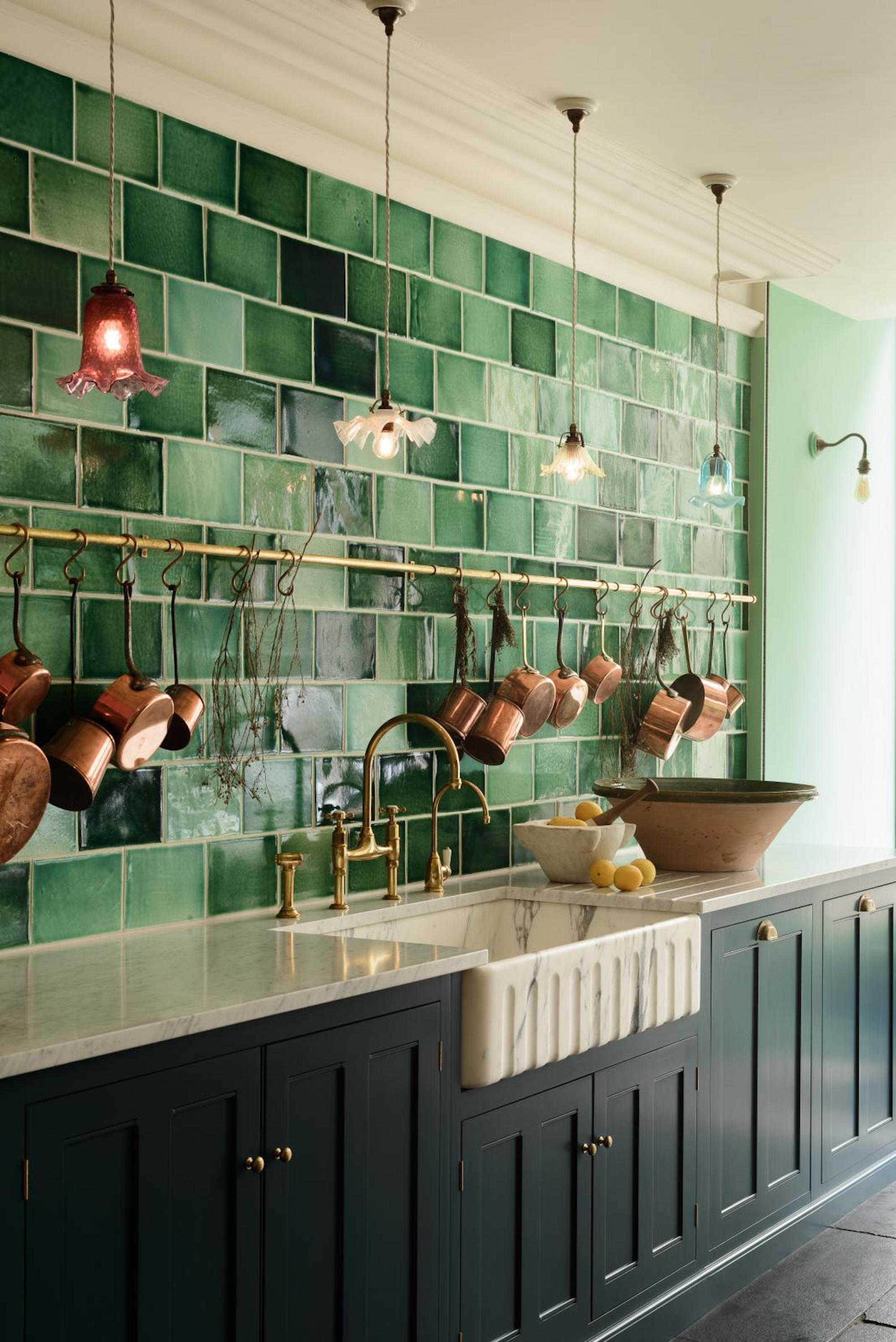
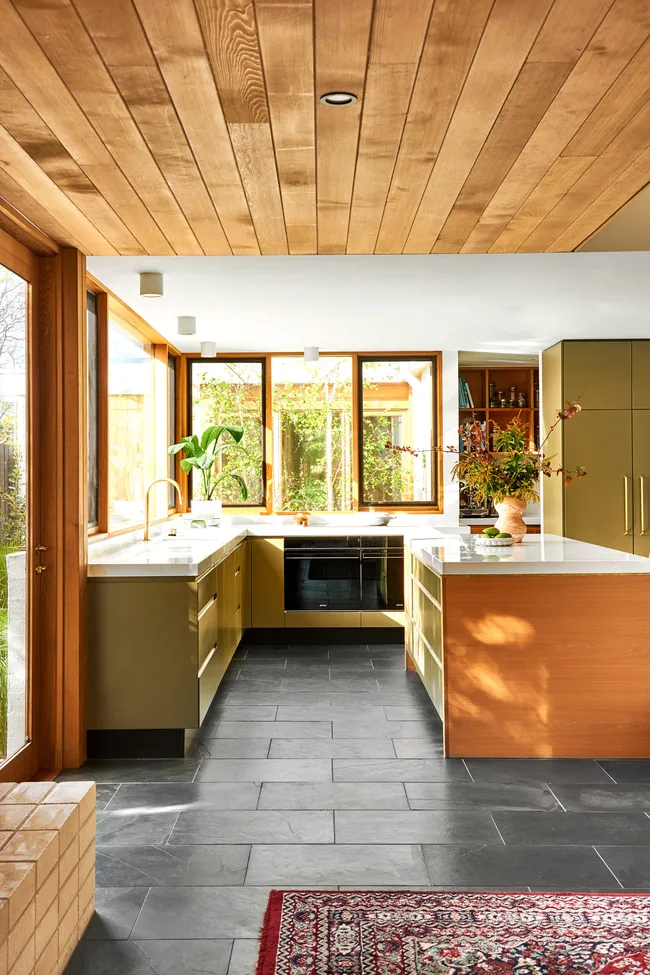
The fourth method focuses on creating a tonal teal scheme, leveraging the color's varying iterations. Decorating with emerald green tiling alongside deep teal cabinets can absorb and reflect light, providing a vibrant yet inviting backdrop. This combination works well with natural materials such as wood, stone, and brass.
Fifth, pairing teal kitchen cabinets with traditional patterns helps balance modern elements with classic design. The article showcases a modern kitchen designed by Coci Studio, which features teal cabinets with brass accents, anchored by bench seating and heritage floor tiles. This design blends contemporary cabinetry with traditional patterns to create a playful and integrated space.
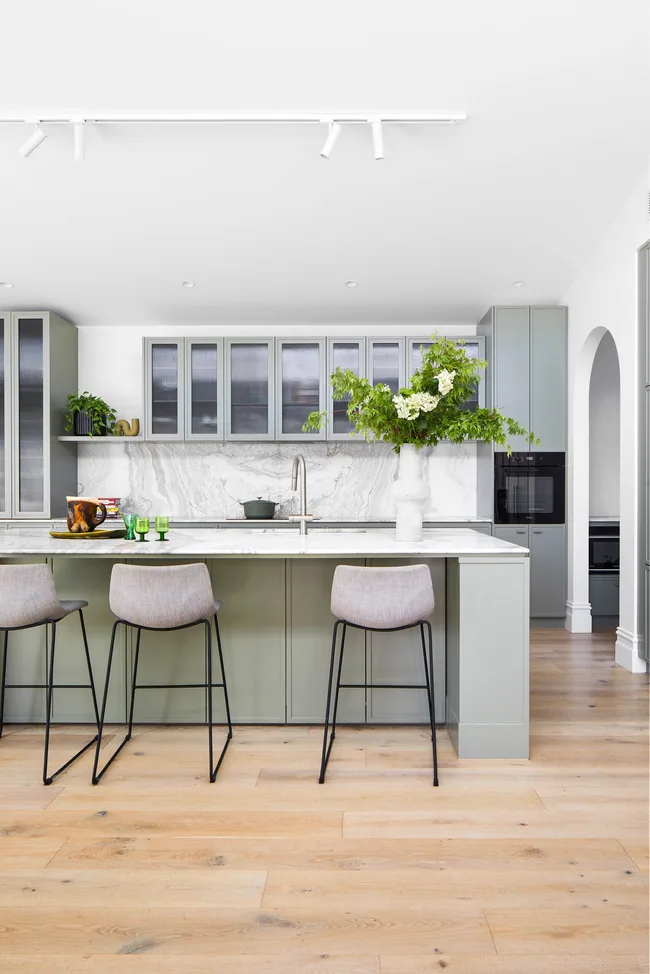
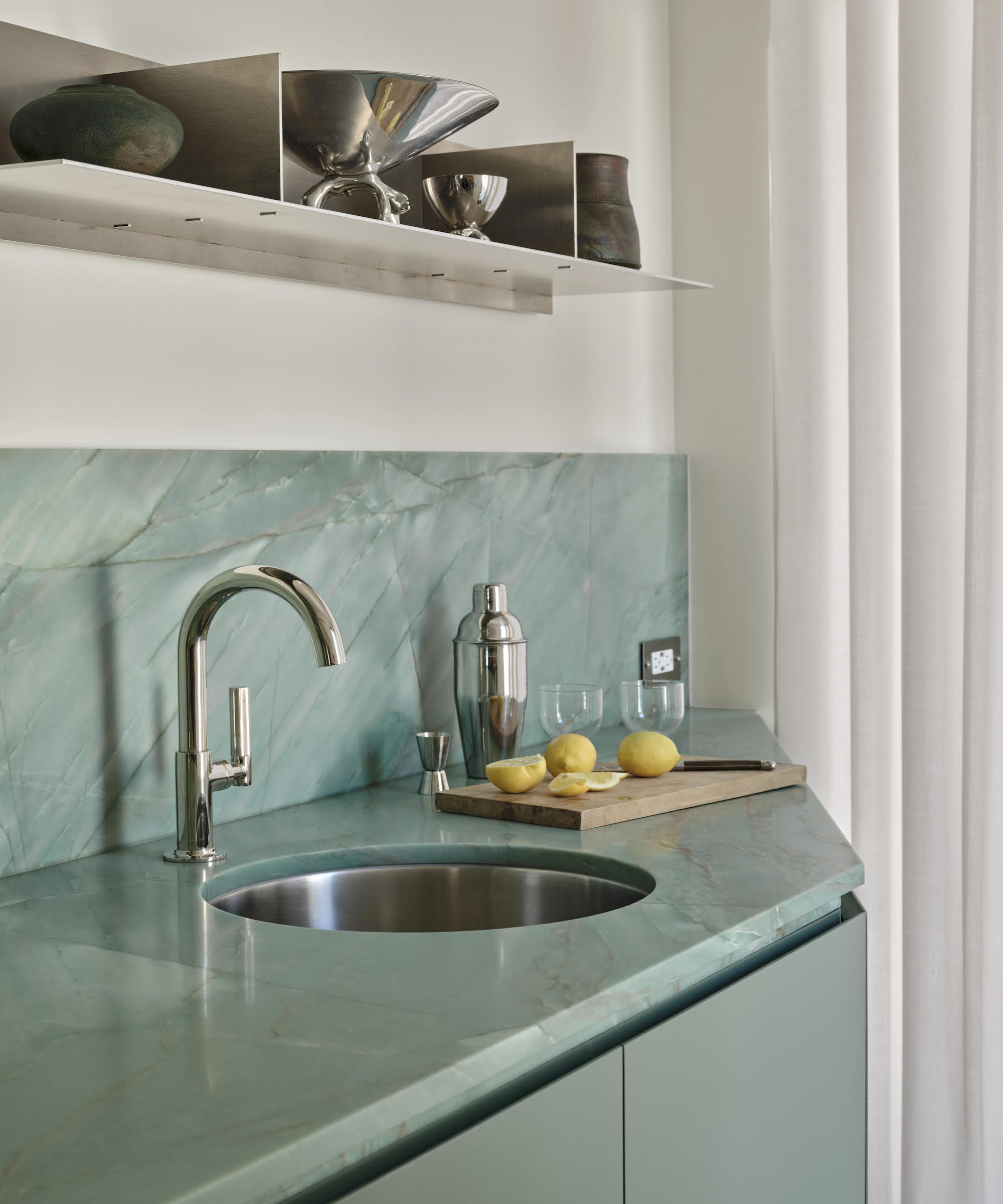
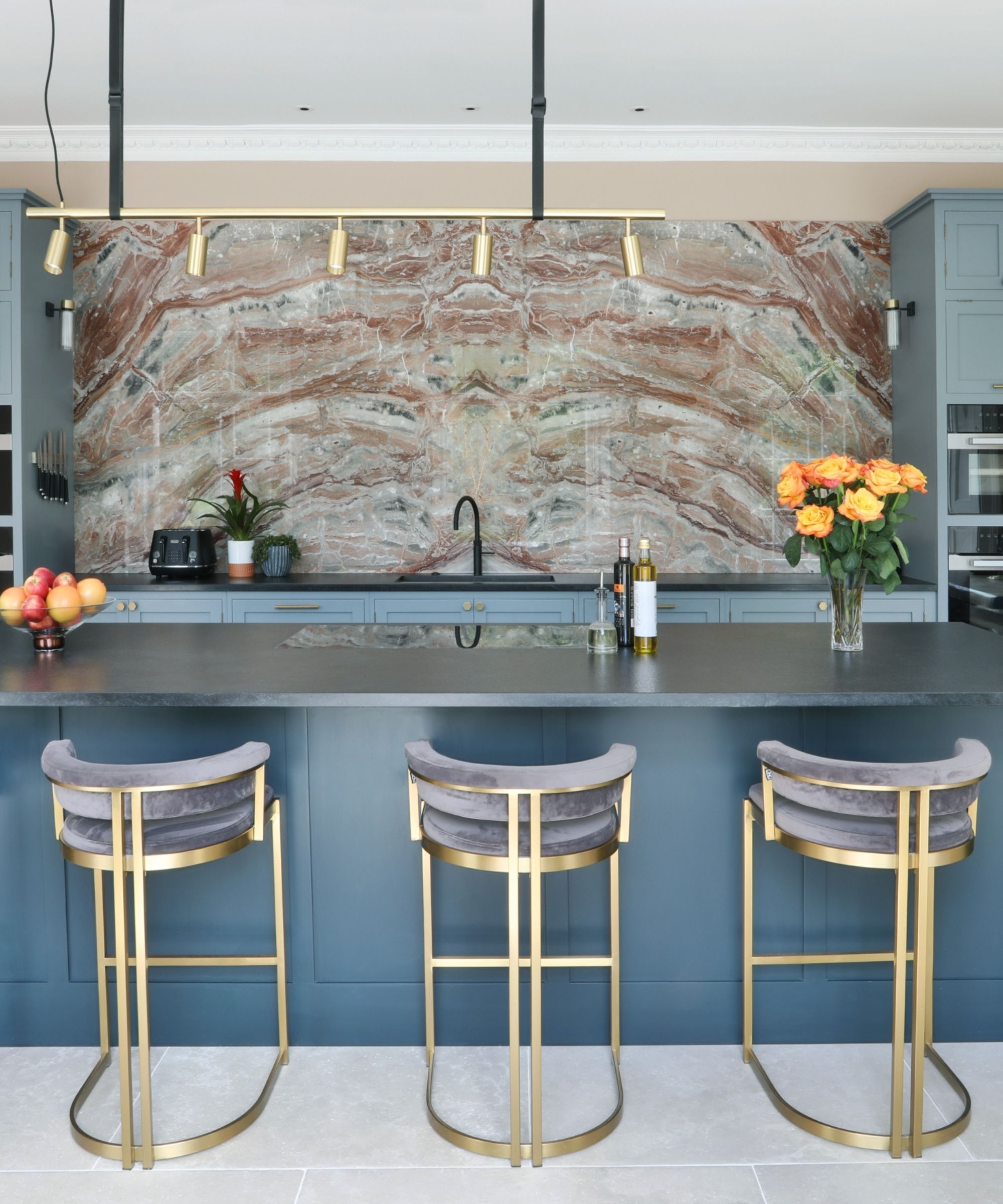
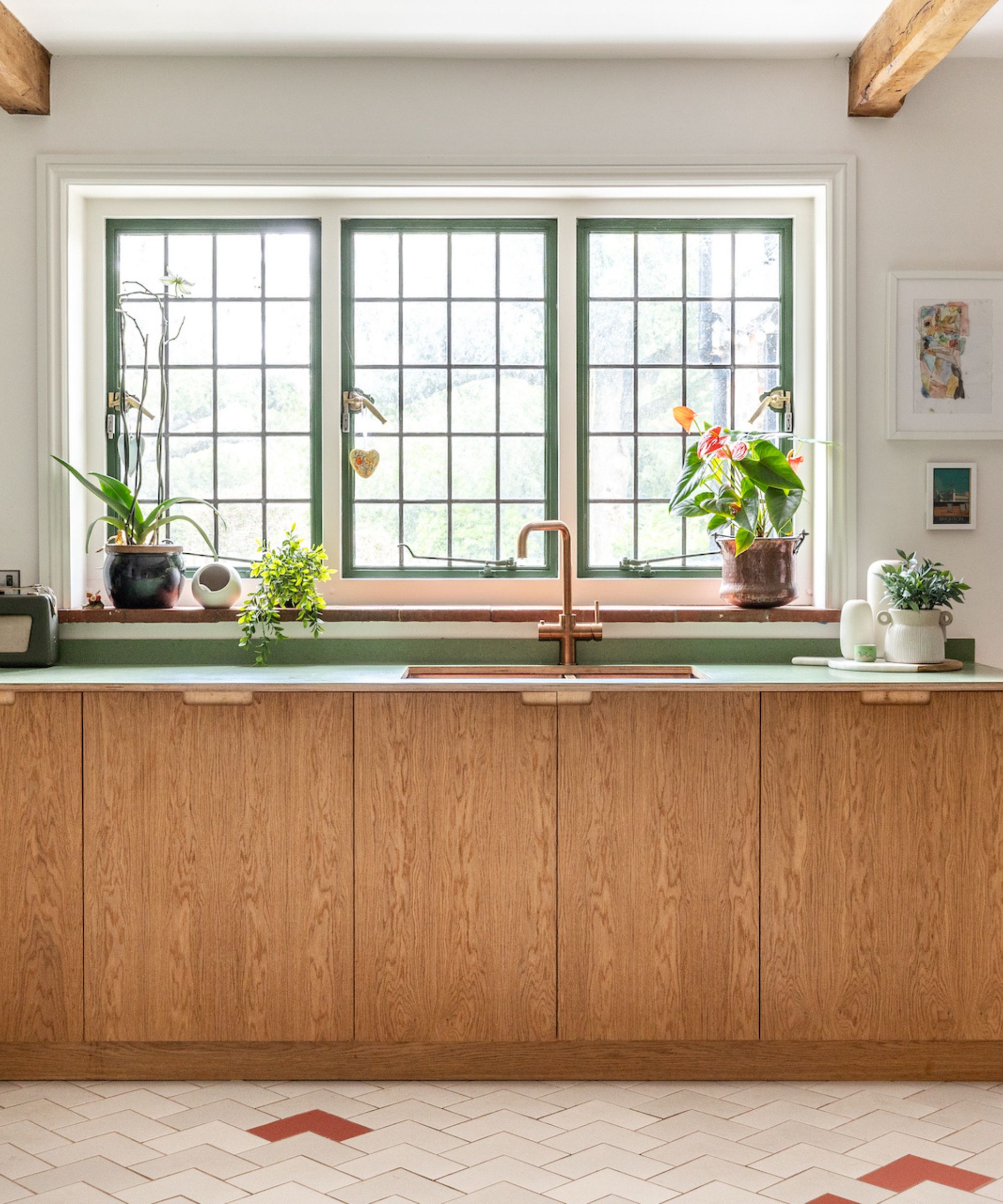
The sixth and seventh suggestions expand beyond cabinets. Teal can be effectively incorporated into countertops, backsplashes, and furnishings. Certain quartz countertops exhibit a flashy teal, making a strong visual impact. A tonal approach to teal can be achieved by covering the backsplash, countertop, and bar stools in coordinating teal shades. Alternatively, teal-colored tiles can be used for backsplashes or kitchen flooring. An example demonstrates timber kitchen cabinets complemented by teal subway tiles on the backsplash and multi-colored tonal teal tiles on the floor, alongside a bright yellow tap for contrast.
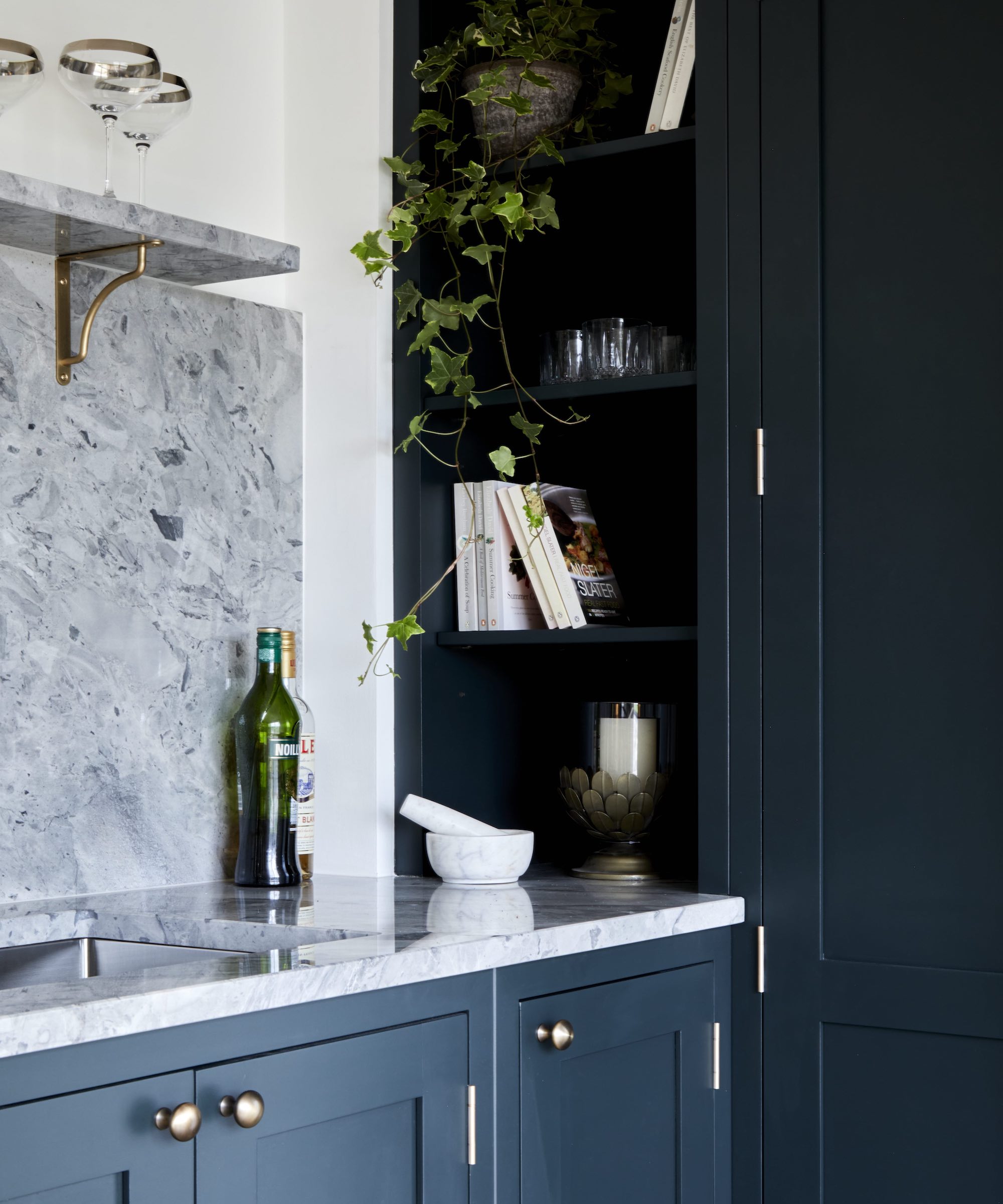
The article addresses common concerns about using rich hues, noting that teal, when applied correctly in cabinetry, can add depth without heaviness. Styling recommendations include pairing teal with rosy or brass accents for a playful look in modern, light-filled homes, or with matte black for a boldly contemporary feel. Teal's versatility allows it to accommodate various materials, such as marble, concrete, and warm-toned timbers, without overwhelming them. For countertops, darker teal iterations pair well with stone surfaces like Calacatta or soapstone to enhance a sense of drama. Softer teal finishes complement a relaxed, European palette, working well with limewashed walls and blonde timber countertops. Overall, teal is presented as a remarkably versatile color that can adapt between rich, subdued moods and fresh, spirited expressions, making it suitable for various interior design schemes.
#TealKitchenCabinets #KitchenDesign #ColorSchemes #InteriorDesign #HomeDecor #CabinetryIdeas #KitchenTrends #DecoratingWithTeal #TealKitchenCabinets #KitchenDesign #ColorSchemes #InteriorDesign #HomeDecor #CabinetryIdeas #KitchenTrends #DecoratingWithTeal
0 comment in total
 No comments yet
You may also like
Here's Why Having Teal Kitchen Cabinets Signifies Design Literacy — Plus 7 Ways To Style Them
7 kitchen countertop color ideas designers say "will infuse your kitchen with tons of personality

5 kitchen cabinet colors interior designers are avoiding for 2024 - and the shades they're picking instead
21 Best Teal Paint Colors for Any Room in Your Home

3 overlooked colors you never thought could work in your kitchen – but interior designers swear by them

Our 87 Favorite Kitchen Cabinet Colors, All Gathered in One Place

We Know the Exact Color of Kendall Jenner’s Gorgeous Teal Kitchen Cabinets

9 Yellow Kitchen Ideas That Show How This Shade Isn’t Just Bright and Bold, but Beautiful

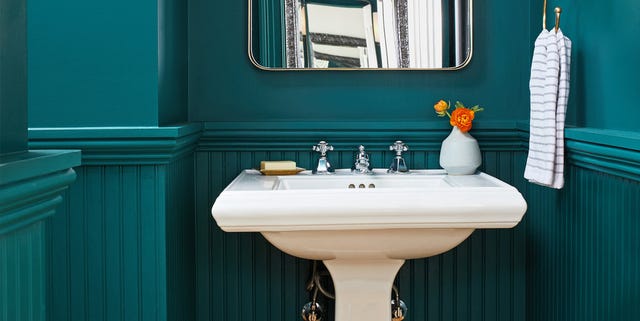
10 Rooms That Made Great Use of Teal Paint


We Know the Exact Color of Kendall Jenner’s Gorgeous Teal Kitchen Cabinets

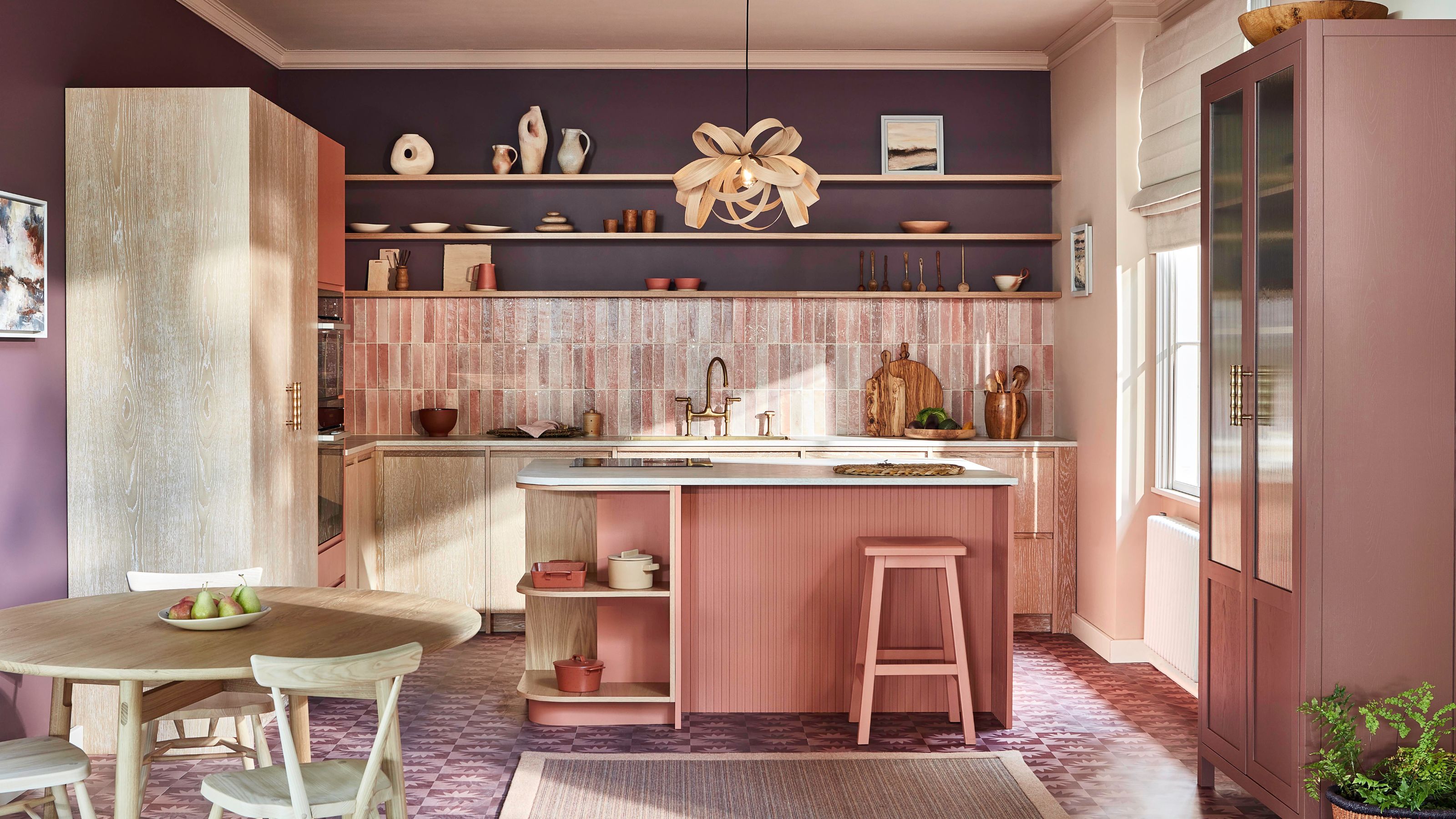
7 colorful kitchen island ideas that will bring character into your cooking space

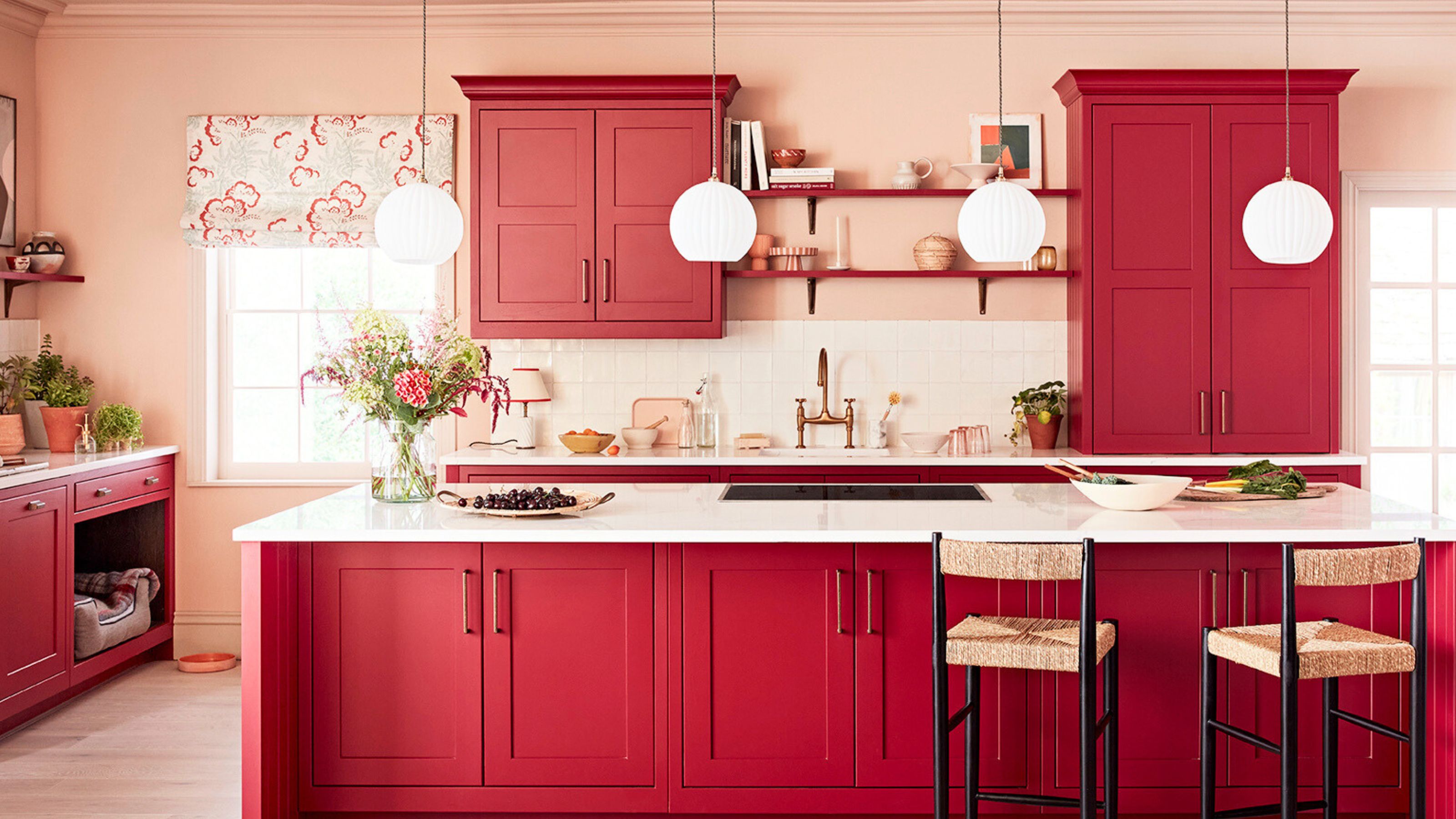
7 outdated kitchen cabinet colors designers say you should wave goodbye to, plus what to try instead

We Know the Exact Color of Kendall Jenner’s Gorgeous Teal Kitchen Cabinets
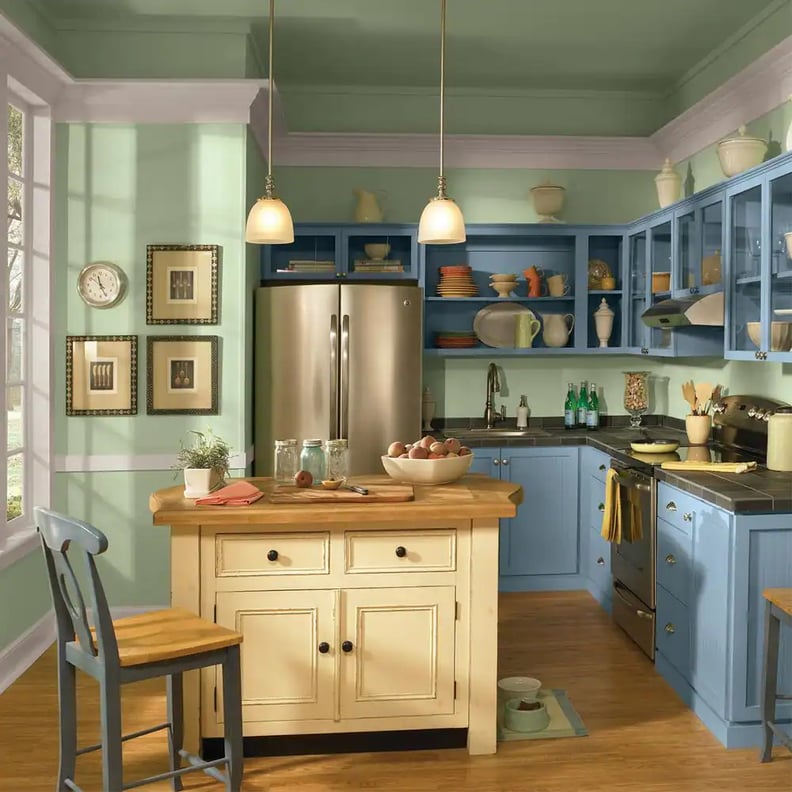
Transform Your Kitchen With These 7 High-Quality Cabinet Paints
Ditch the White! Try One of These Designer-Approved Kitchen Colors

7 Kitchen Color Trends That Are Set to Take Over 2026
17 bright kitchen cabinet colour ideas to try in your home

What Colors Go With Teal? 12 Designer-Approved Palettes That Feel Elegant, Ethereal, and Effortless
What Kitchen Color Should I Choose? 12 Ideas That Feel Right for Schemes in 2025
7 Kitchen Cabinet Trends to Try, From Fresh Finishes to Bold Color