1/6
The 5 fabric trends ruling interiors now, according to the pros
The article explores five significant fabric trends currently dominating interior design, highlighting how designers and consumers are prioritizing comfort, well-being, and a sense of escapism. It begins by emphasizing that beyond aesthetics and utility, factors like material origin and environmental impact are increasingly influencing textile choices. Stine Find Osther, vice president of design at Kvadrat, notes an increased awareness of textiles' role in creating atmosphere and promoting well-being, especially after the recent global challenges that limited tactile interaction.
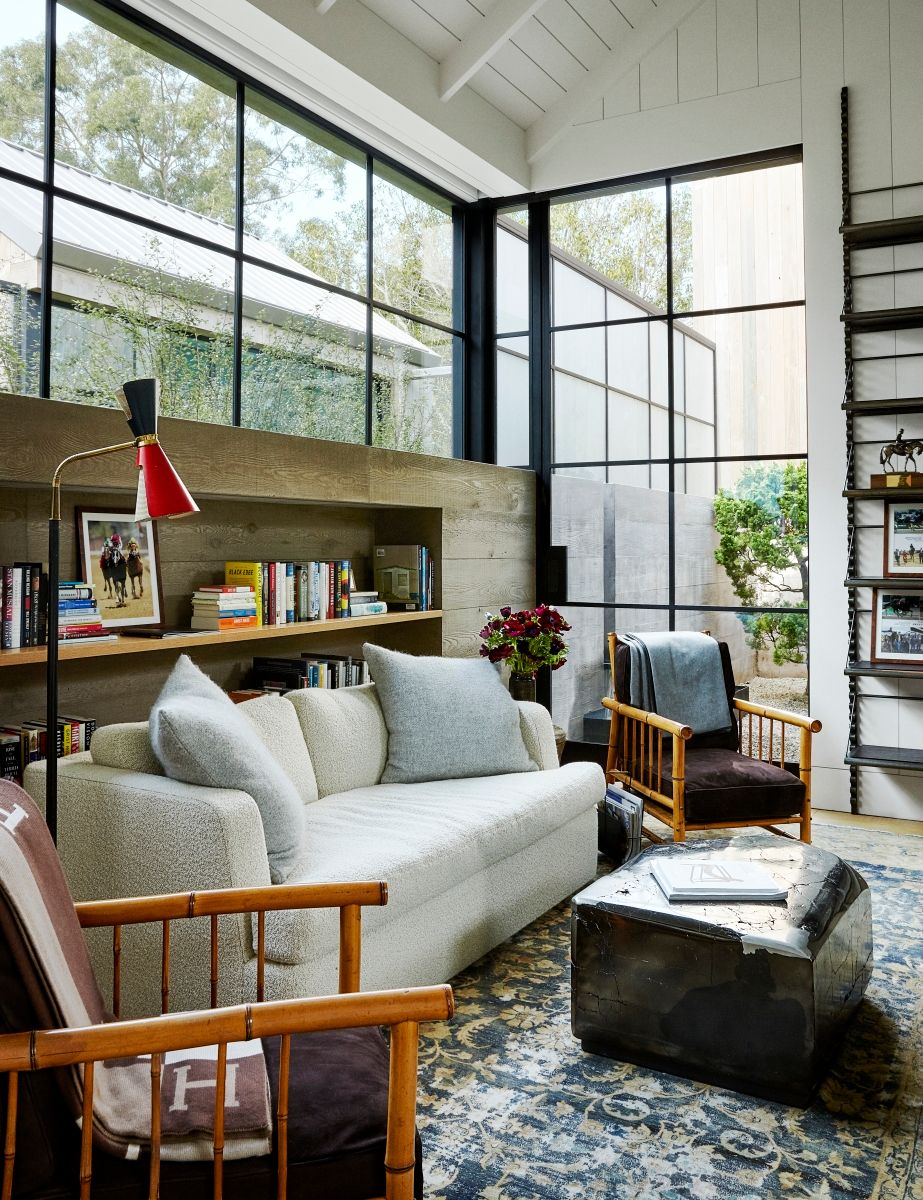
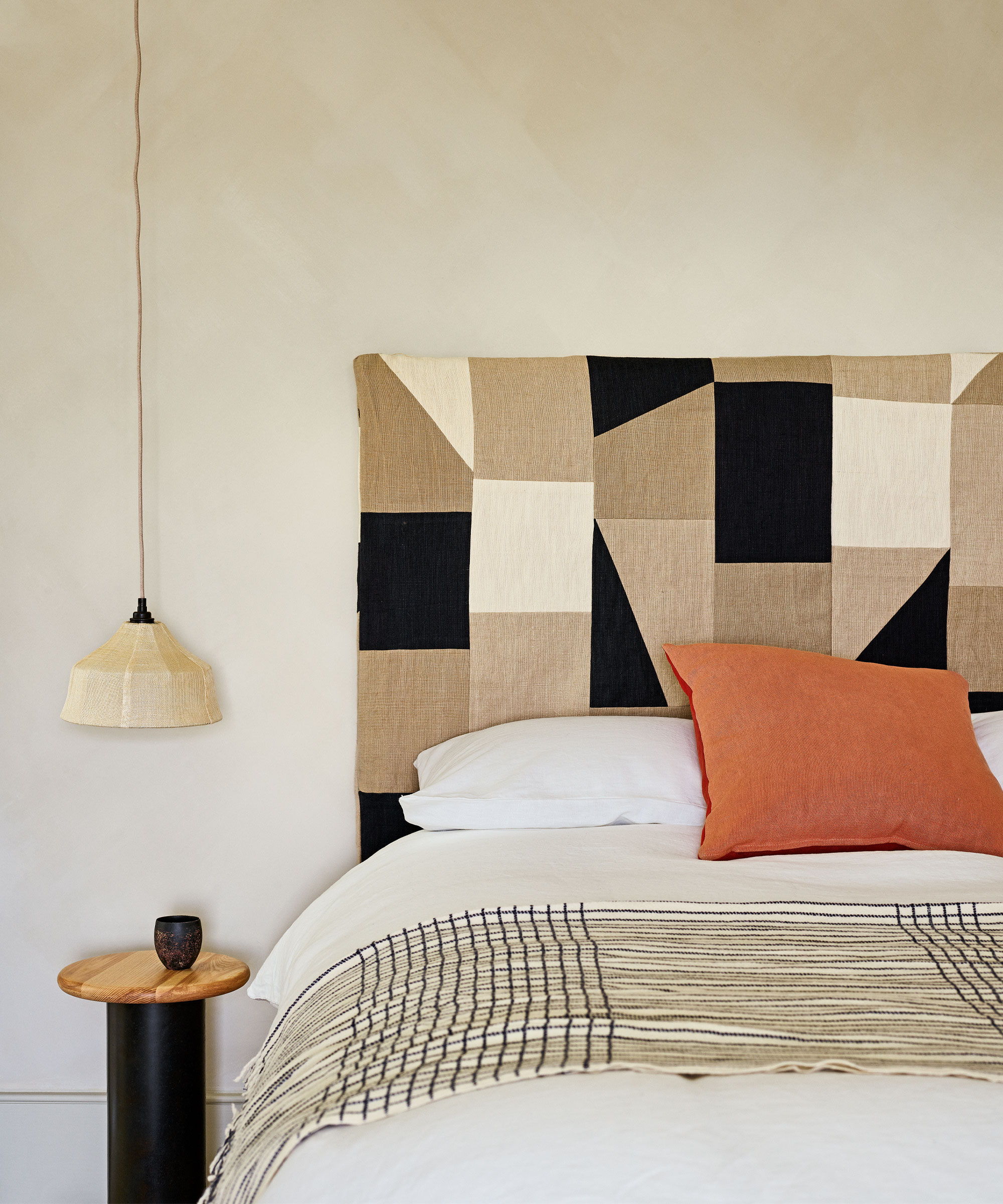
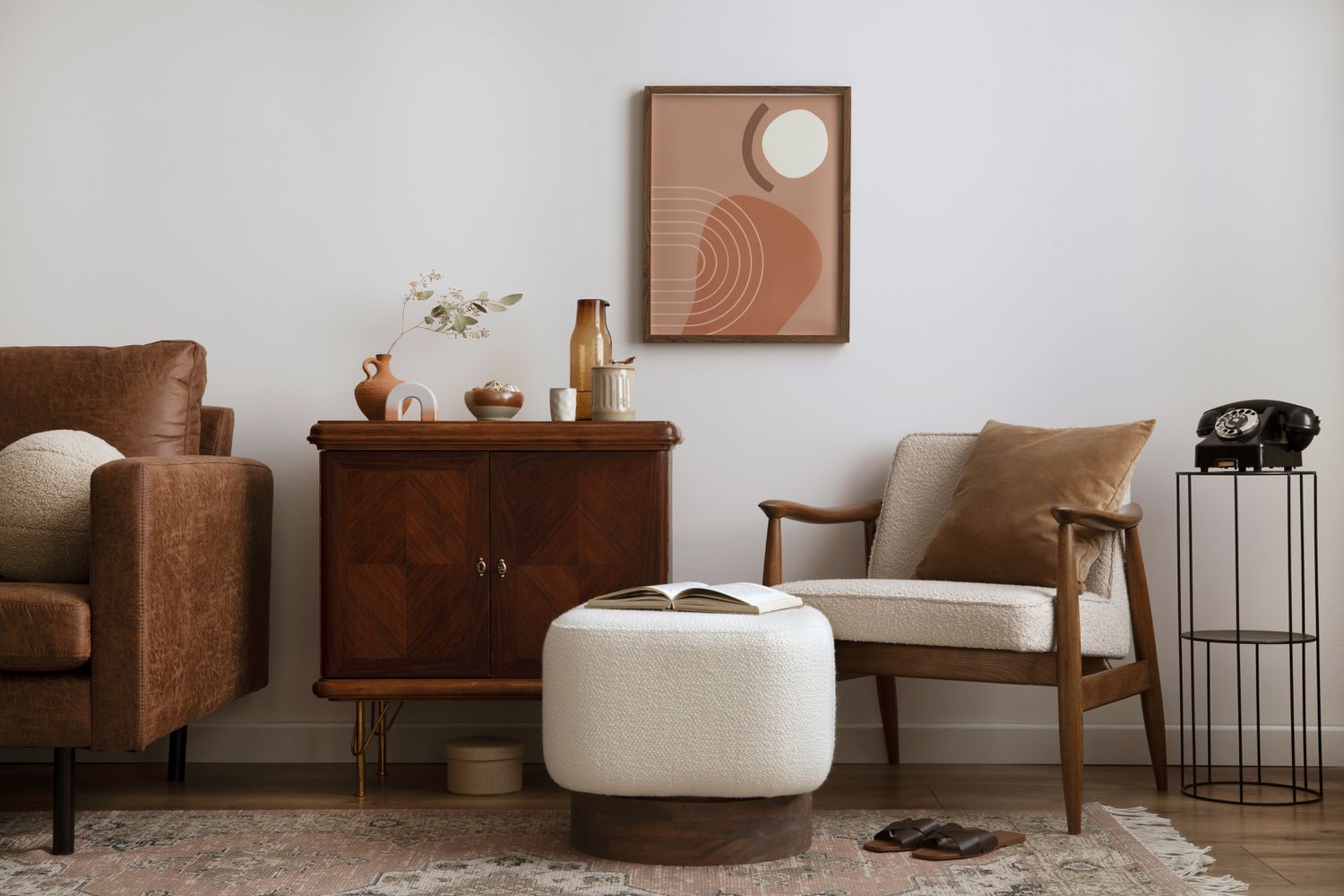
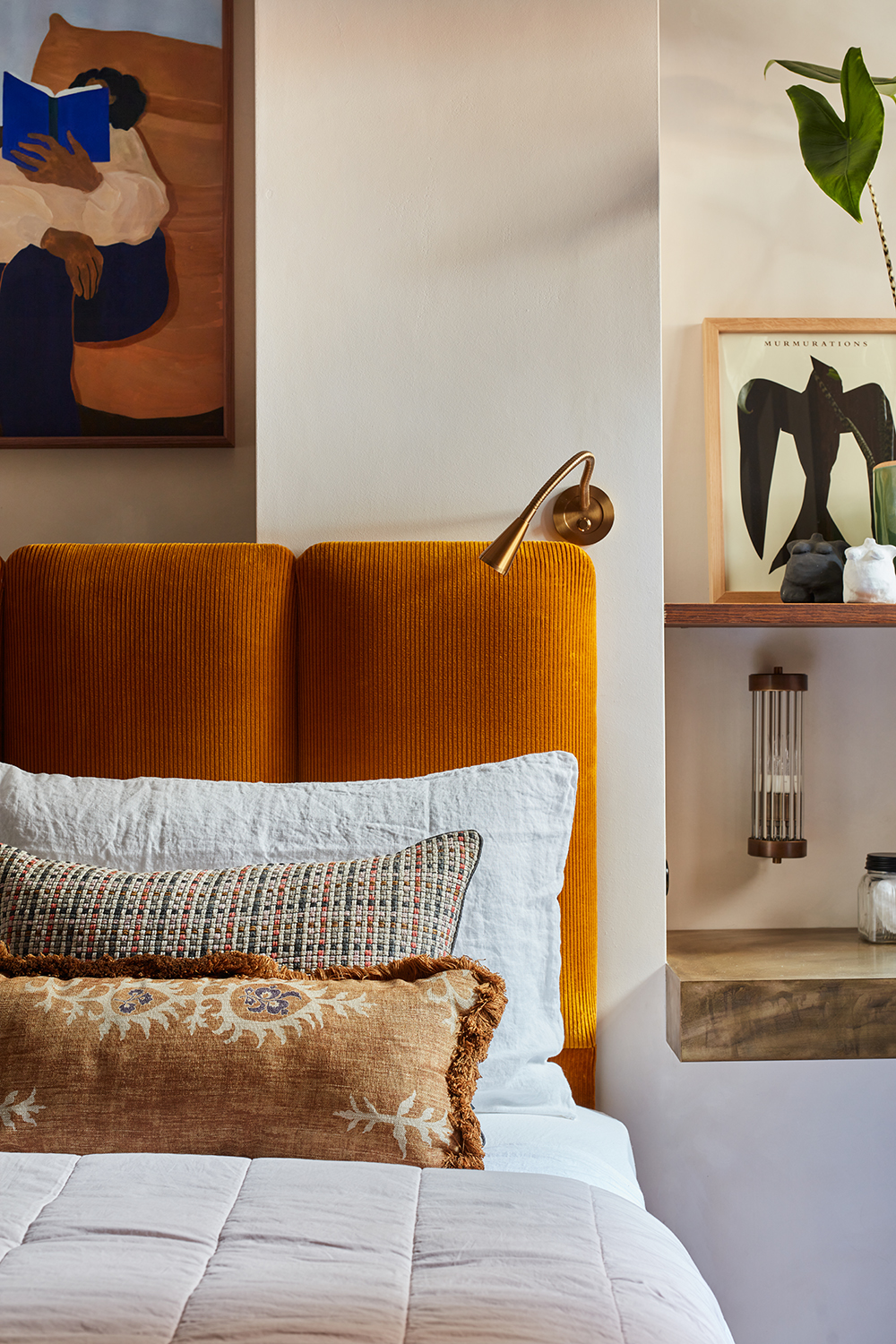
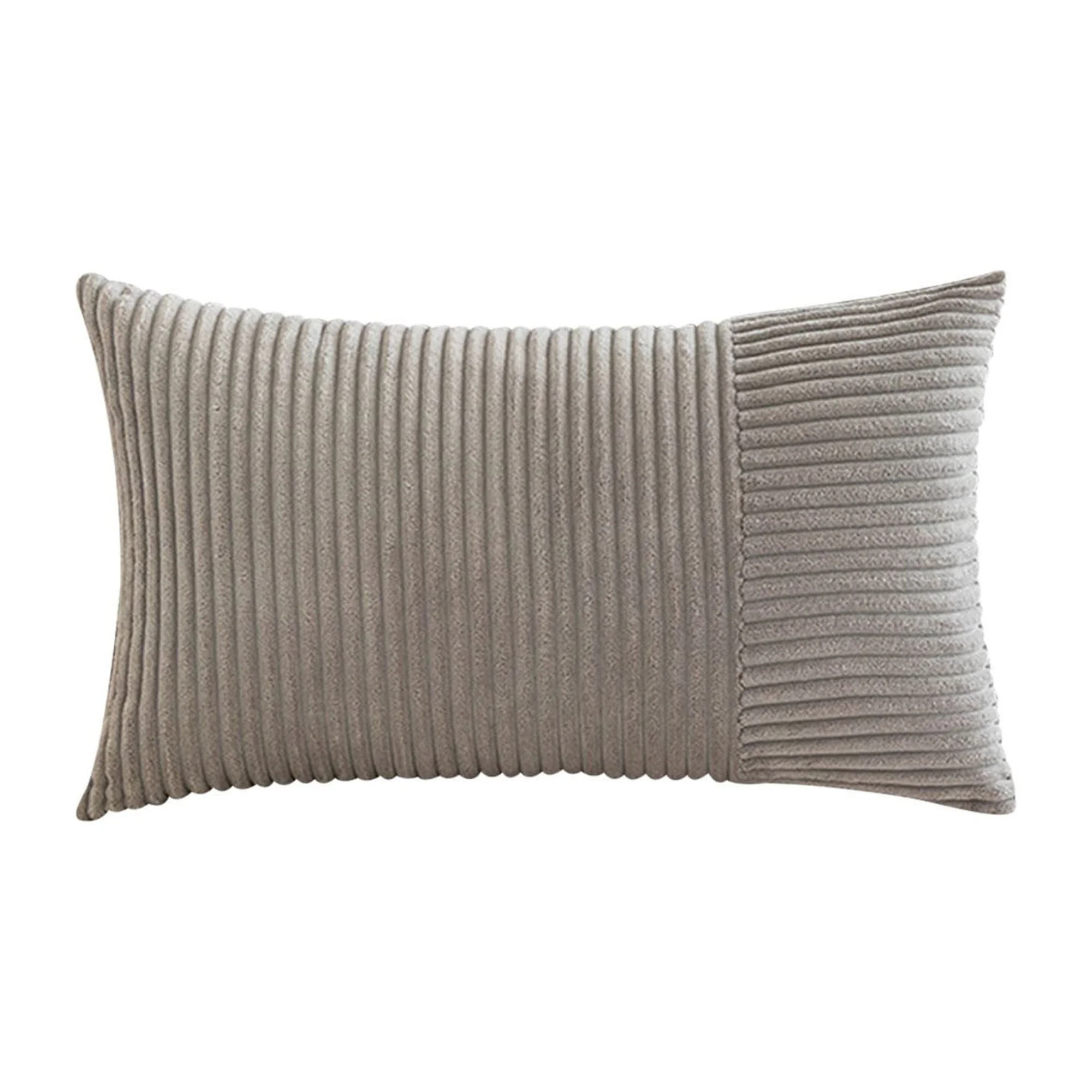
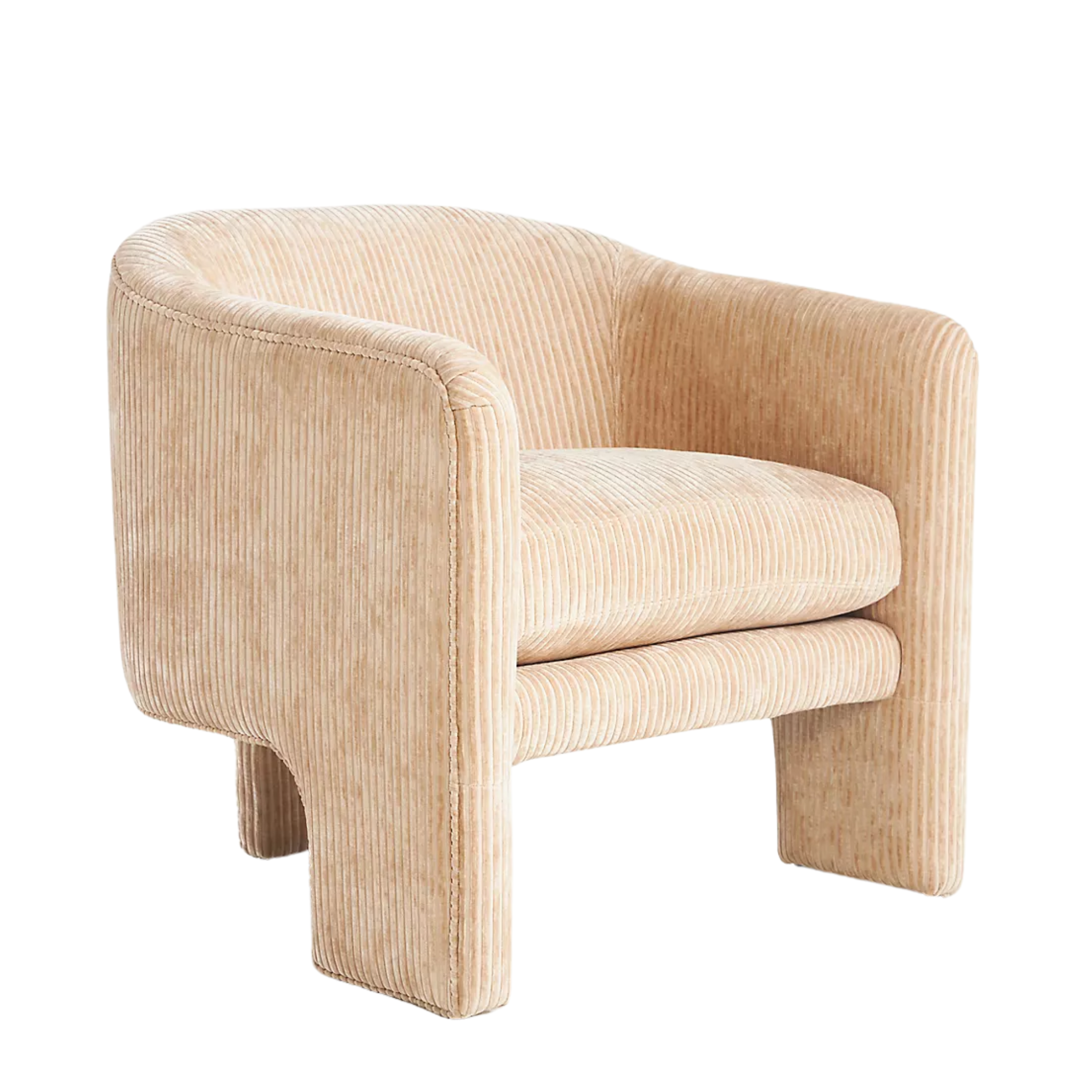
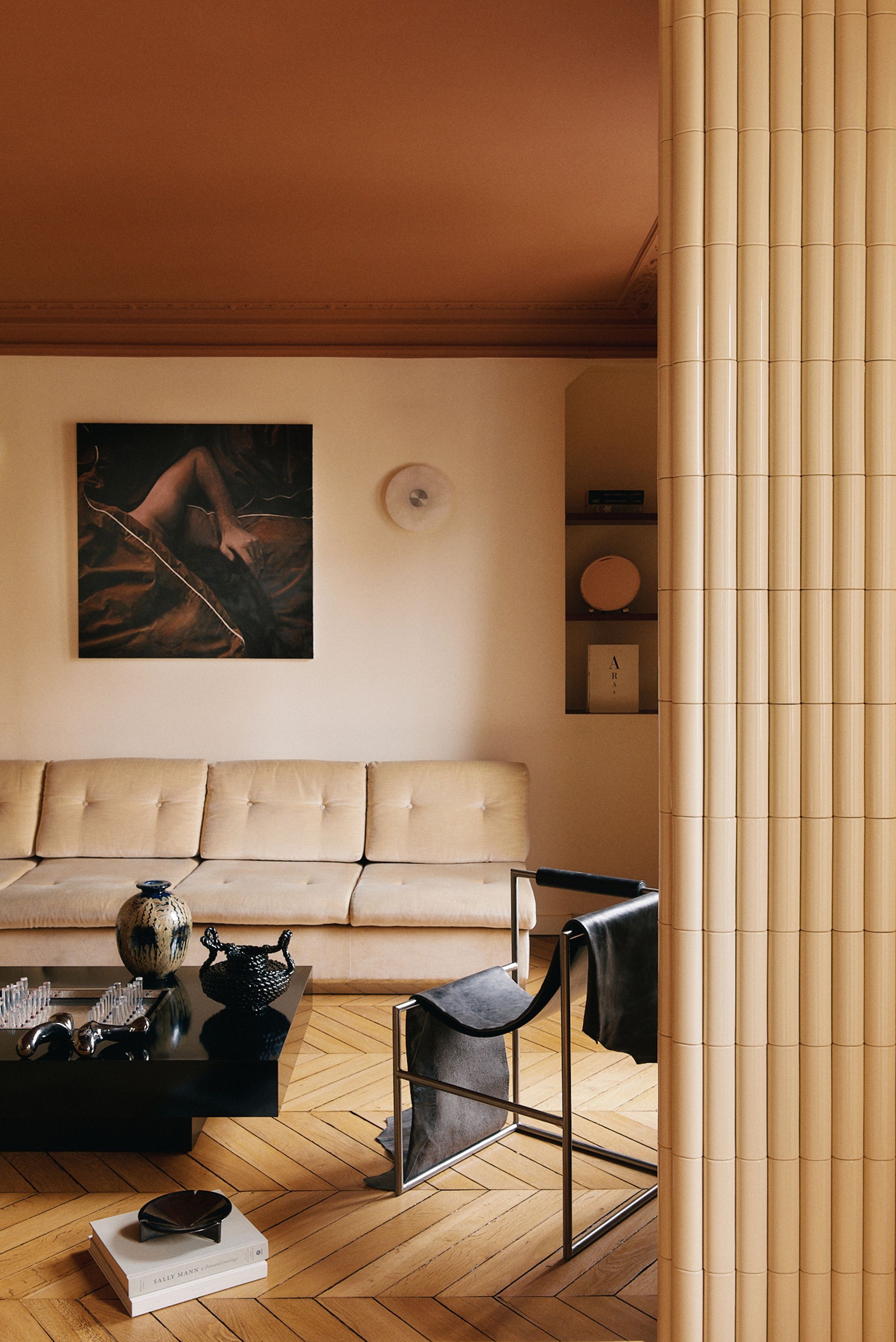
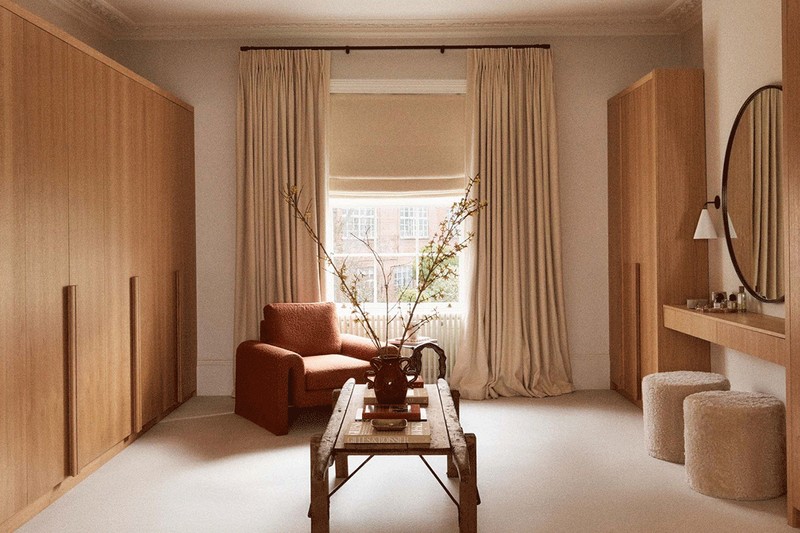
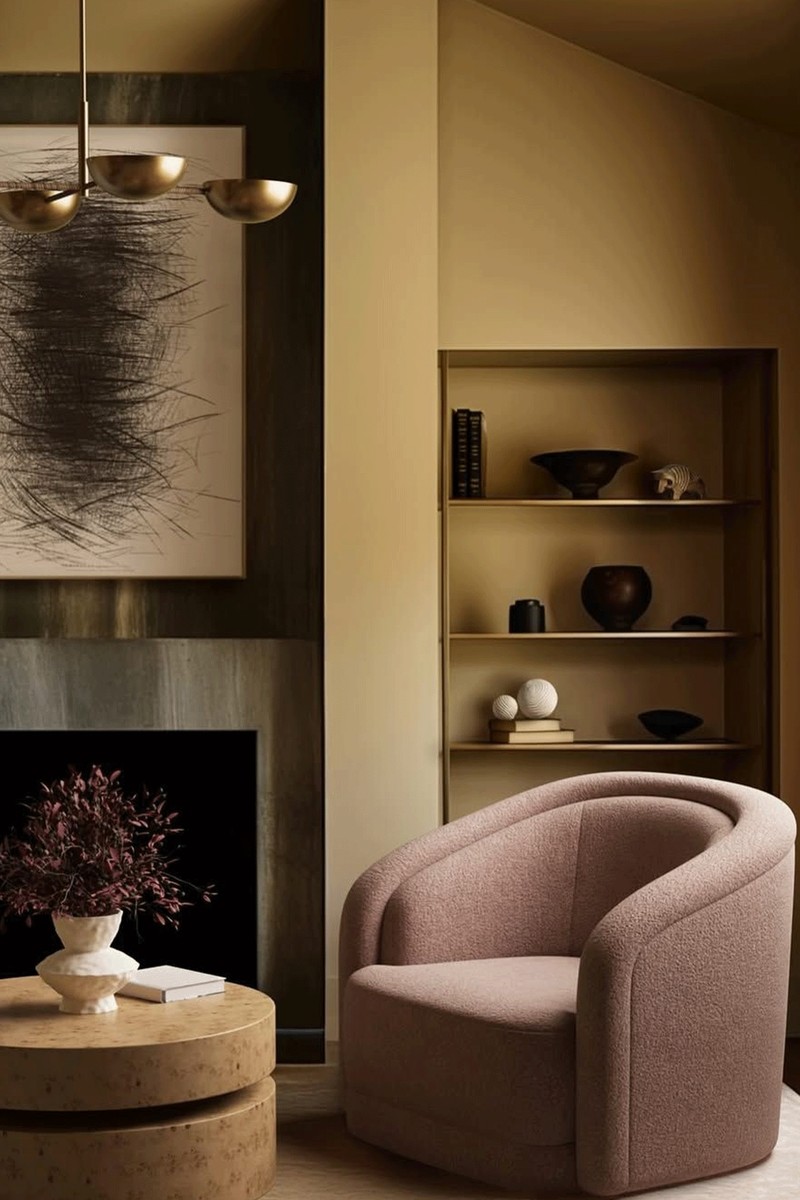
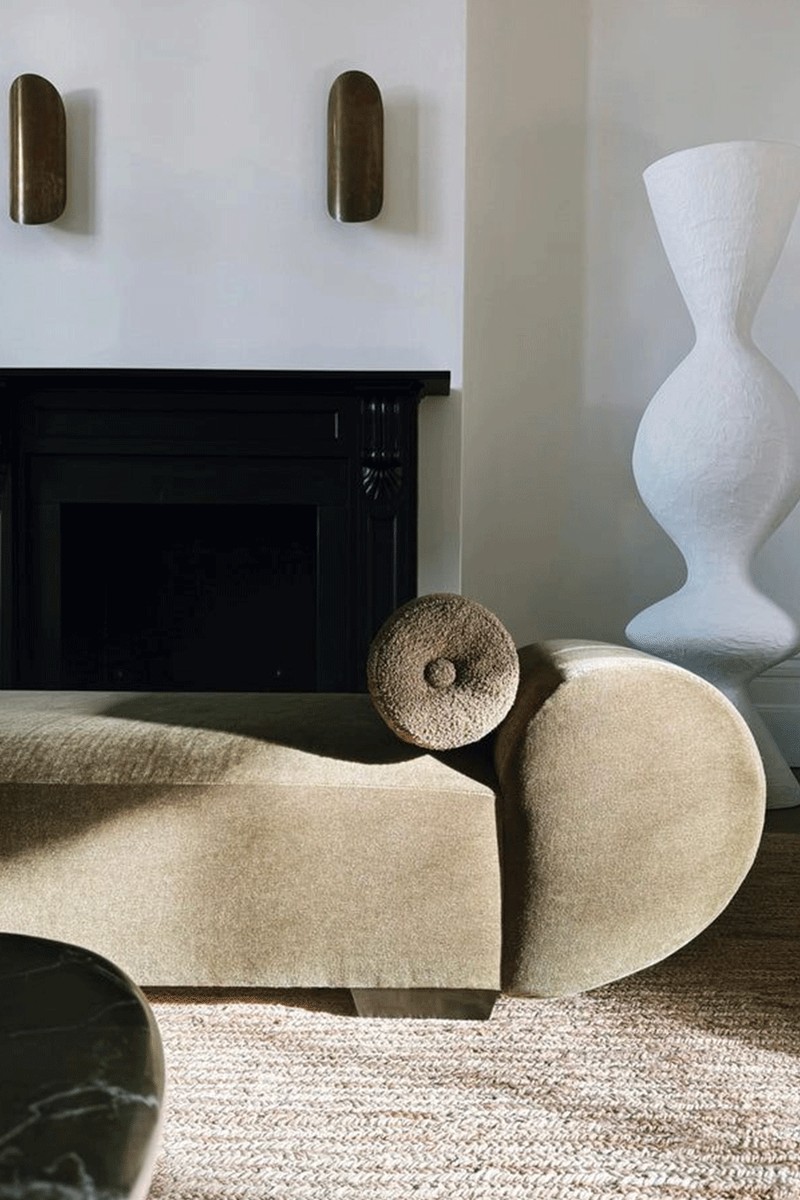
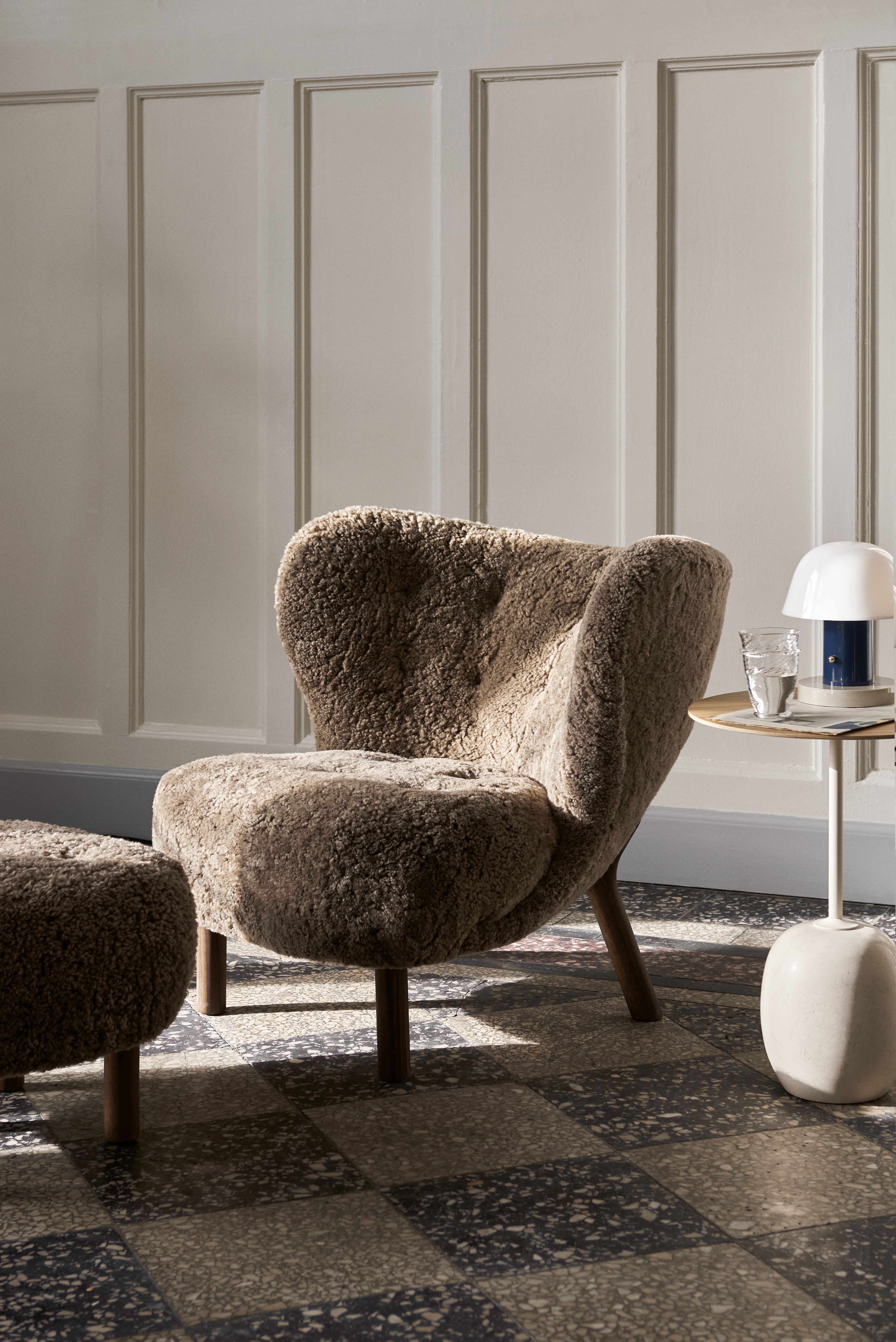
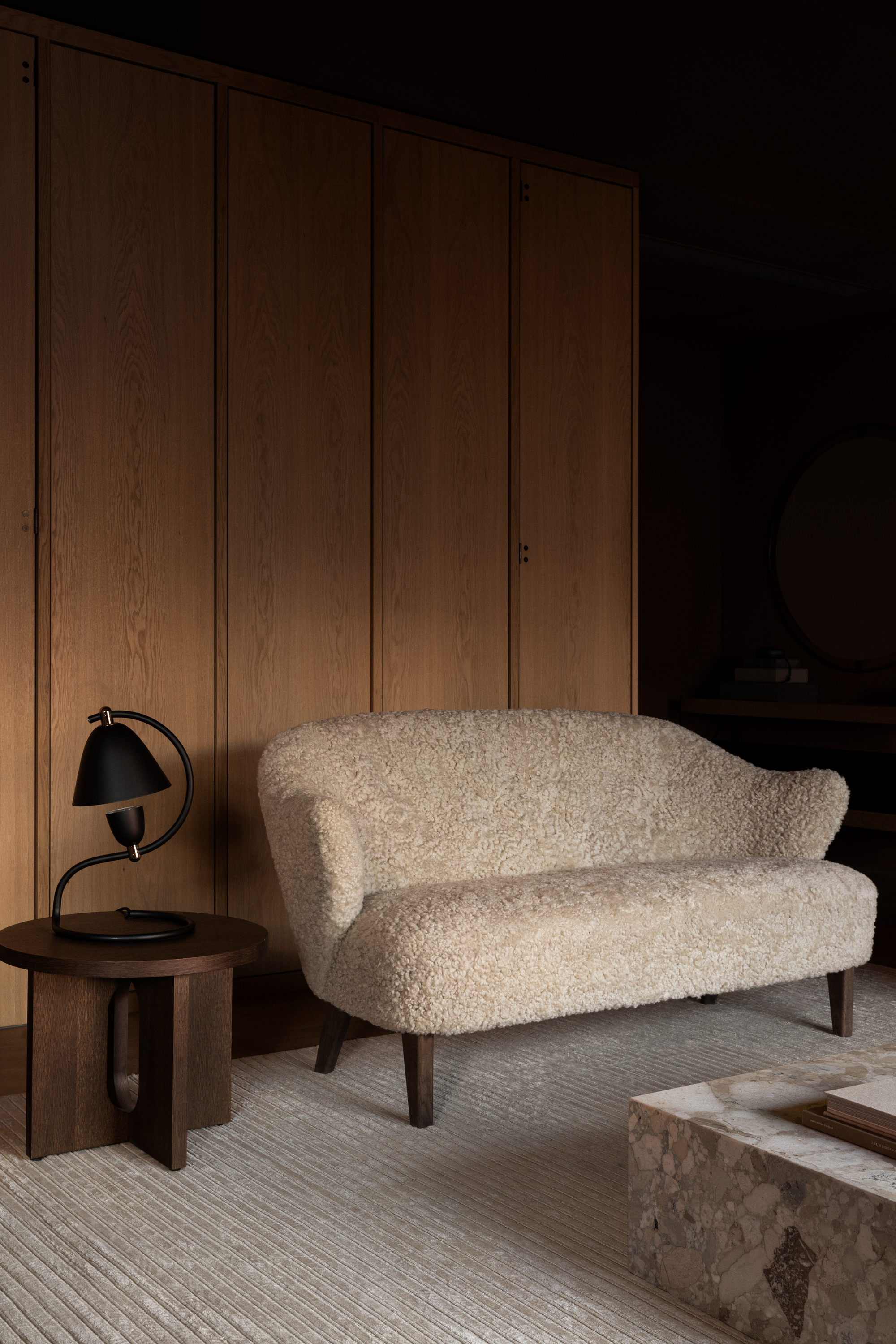
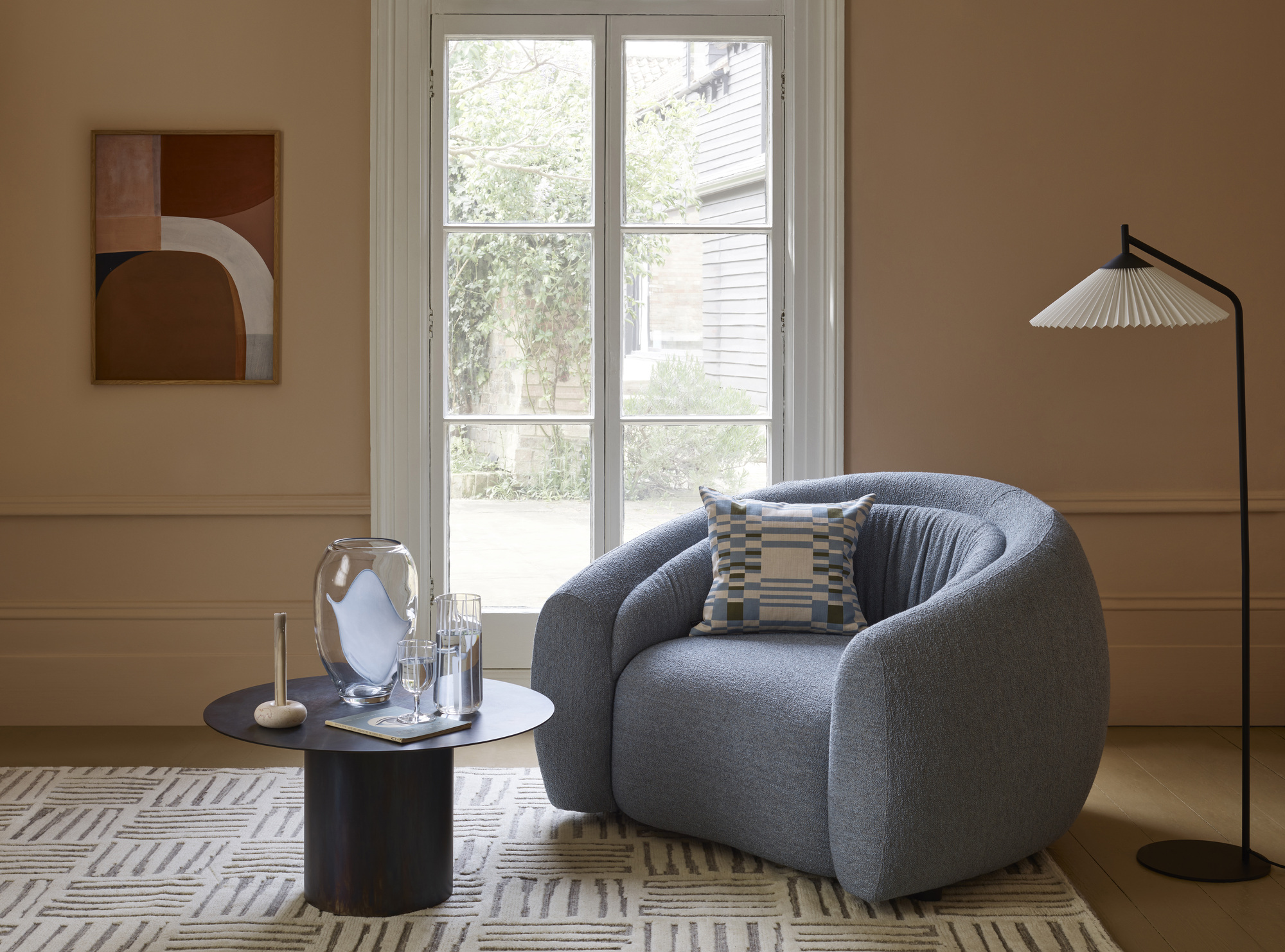
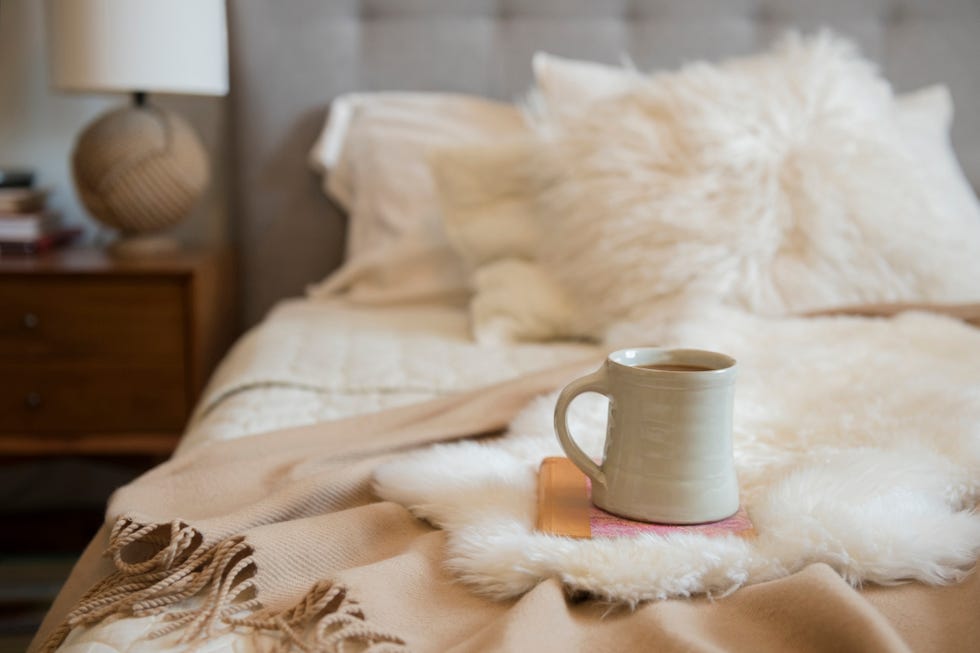
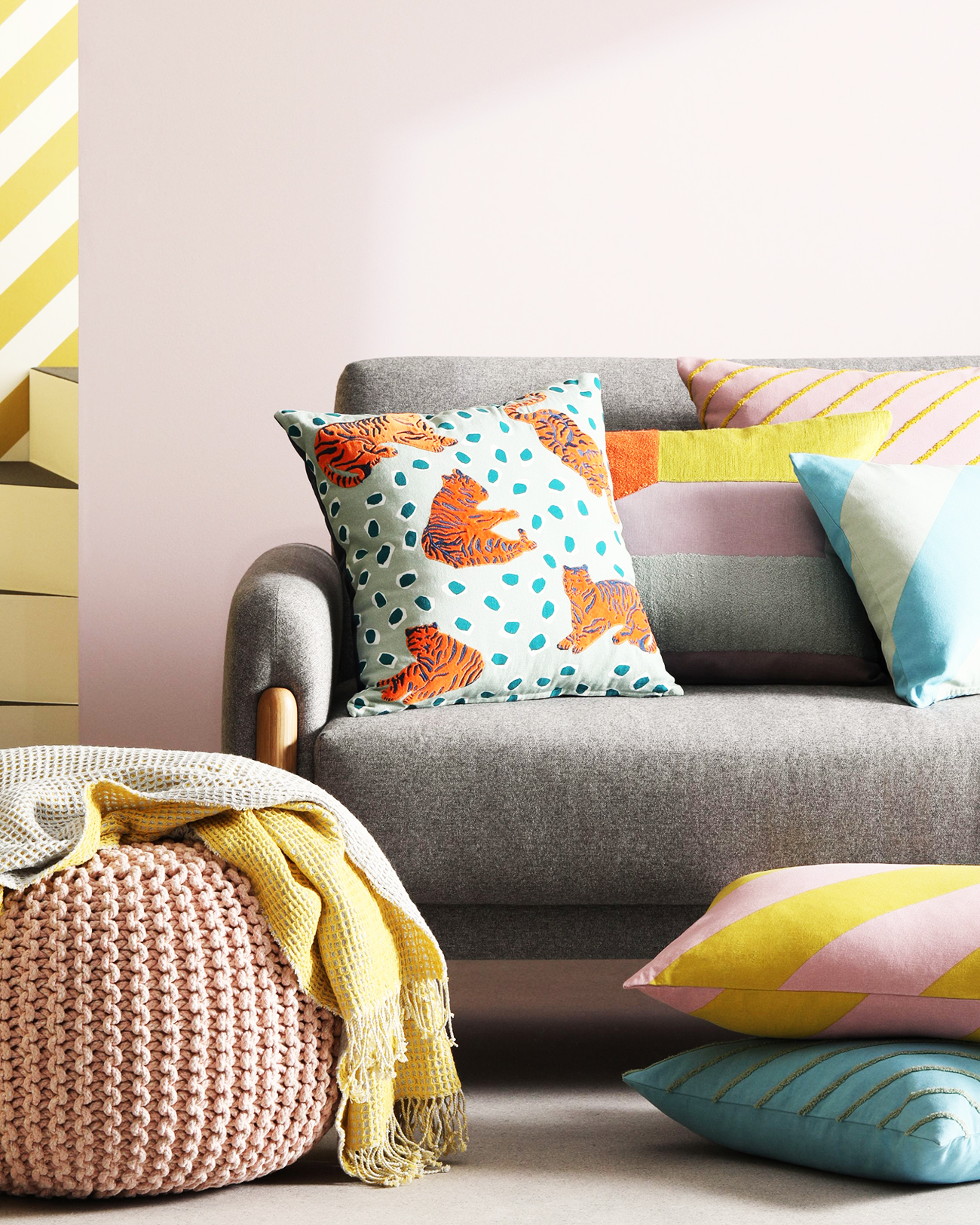
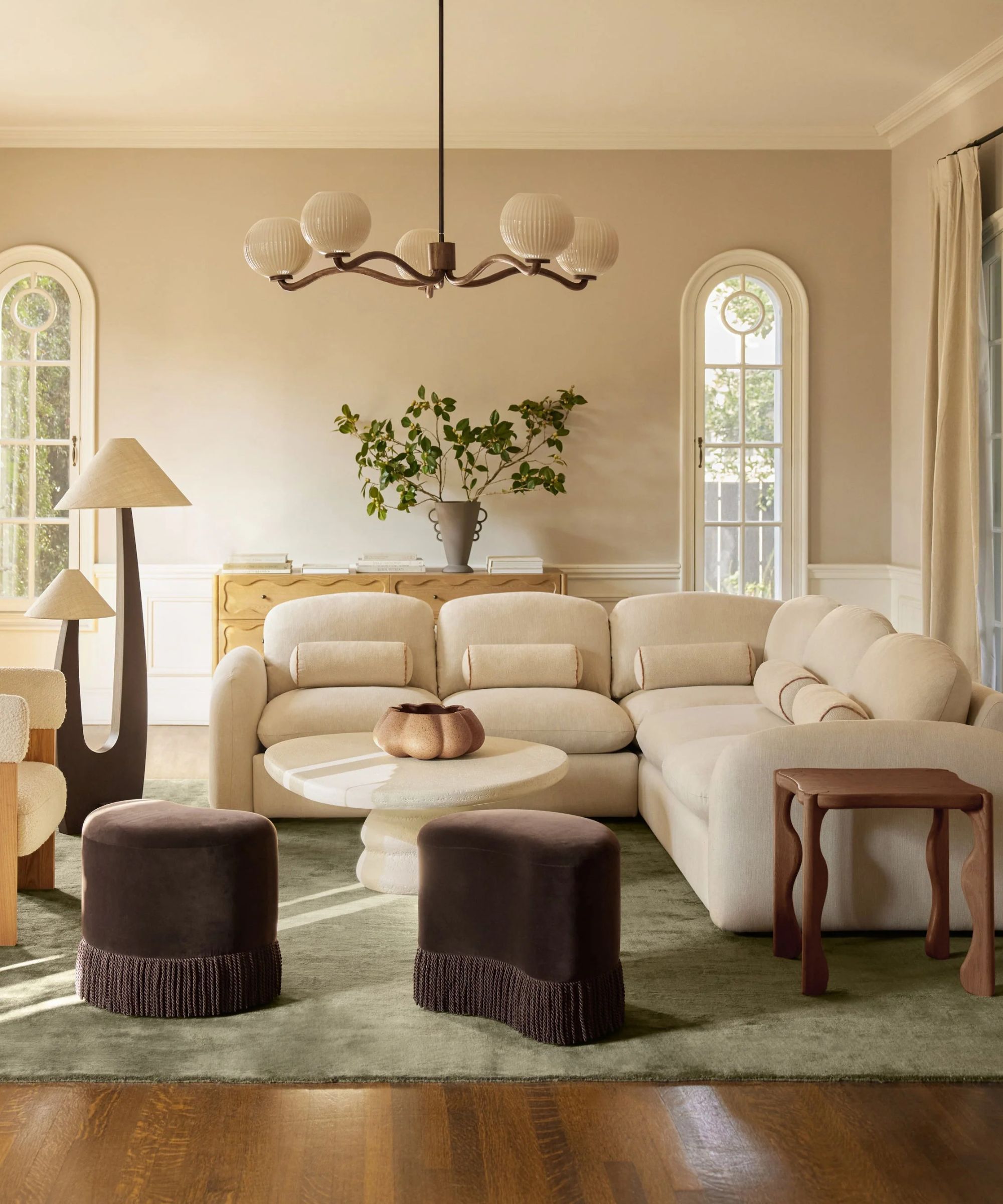
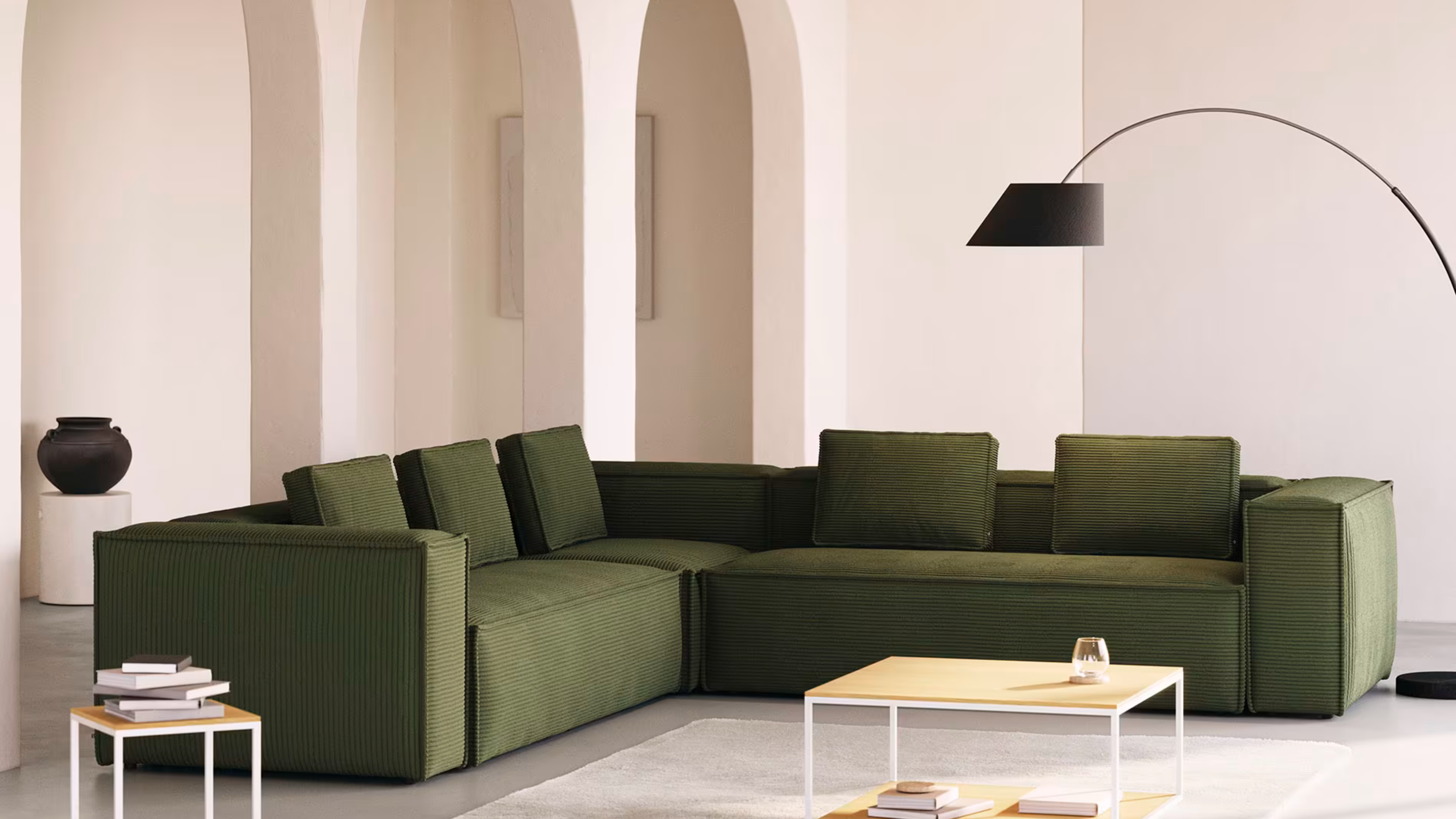
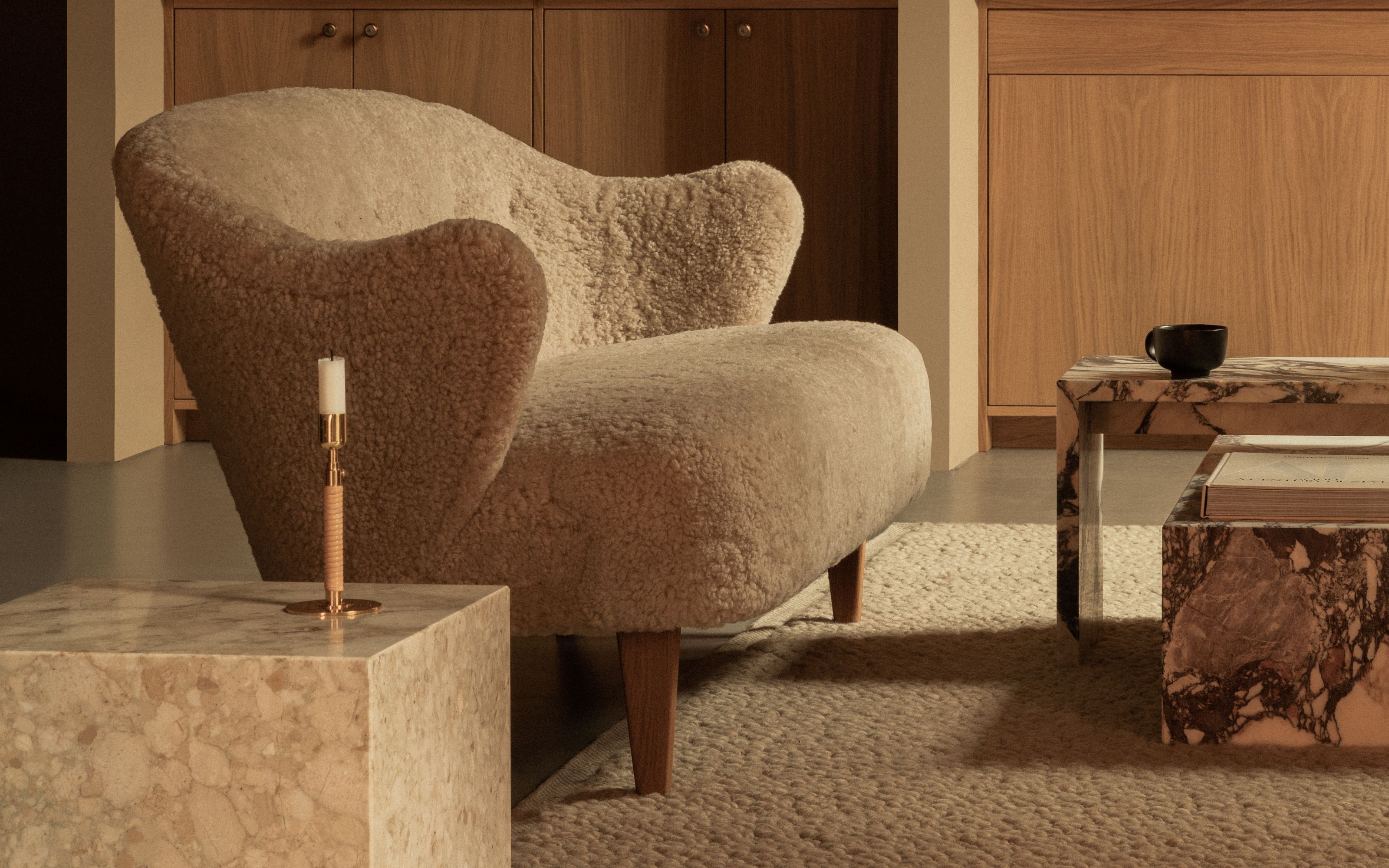
One prominent trend is a "Craving for Comfort," characterized by a move towards cozy, voluminous textiles such as wool bouclé and soft cotton corduroy. Svenja Diekmann, head of design at Hem, observes that bouclé textiles, in particular, emphasize coziness and a warm, homey feel. This trend favors natural materials like cotton, linen, and wool, often in thick weaves and stubby checks, predominantly in beige hues. The resurgence of corduroy is attributed to its soft, velvet touch, durable 100 percent cotton composition, and subtle monochromatic striped style, adding haptic and visual depth to homes while bridging artisanal craft with characterful environments.
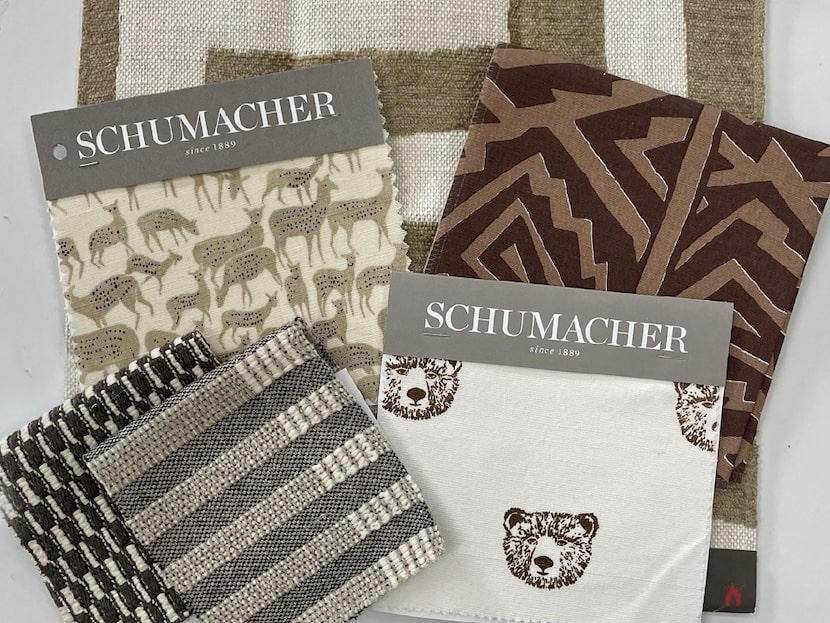
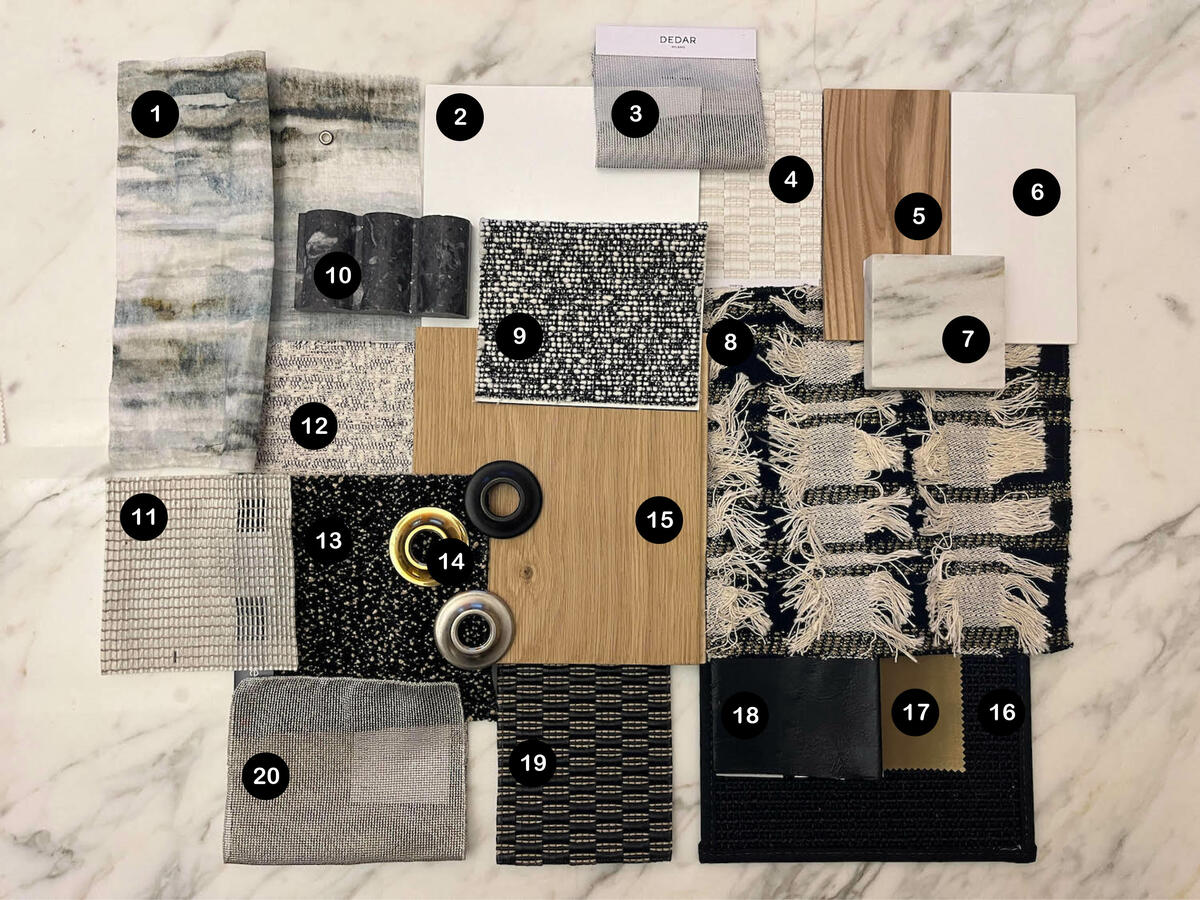
Another crucial trend focuses on "Healthy Fabrics." Interior designer Laurence Carr points out a massive shift where consumers prioritize healthy living and interiors, opting for natural and renewable fabrics over processed materials that might contain questionable ingredients. This means a move away from performance fabrics, chemically treated fabrics, synthetic materials, and finishes emitting VOCs. Demand is growing for environmentally conscious materials with transparent certifications like SFC, FSC, and GOTS. Carr highlights a return to "noble" textiles, valuing traditional handmade artisanship, such as linen from 100 percent flax and wool and cotton dyed with natural water-based or vegetable dyes. Experts agree that sustainable fabrics are becoming standard, with a preference for thick, honest weaves made from organic materials over synthetic options that often lack texture, color, and are detrimental to the environment.
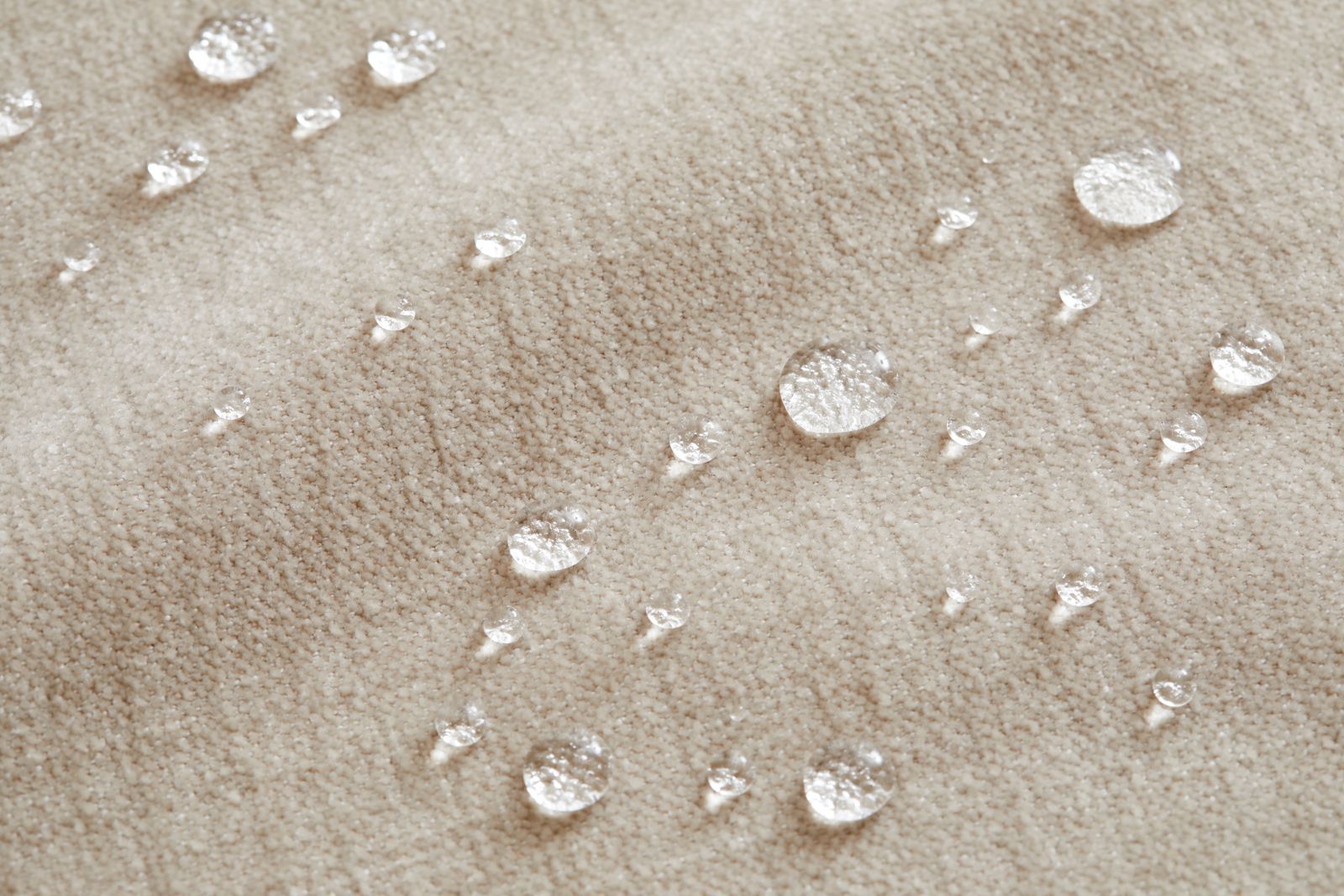
The article also discusses "Creative Alternatives" in textile innovation. Carr expresses excitement about the search for circular, regenerative, and biodegradable next-generation materials. Companies are not only reevaluating material sources but also improving sustainability through closed-loop water systems and initiatives that protect ecosystems and communities involved in material sourcing and manufacturing. An example is Supreen, a performance textile utilizing woven technology and a proprietary silicone blend to create a liquid barrier that remains soft. Vegetable-tanned leathers are gaining popularity, and the rise of initiatives like Vegan Interior Design Week indicates a growing preference for leather alternatives among consumers.
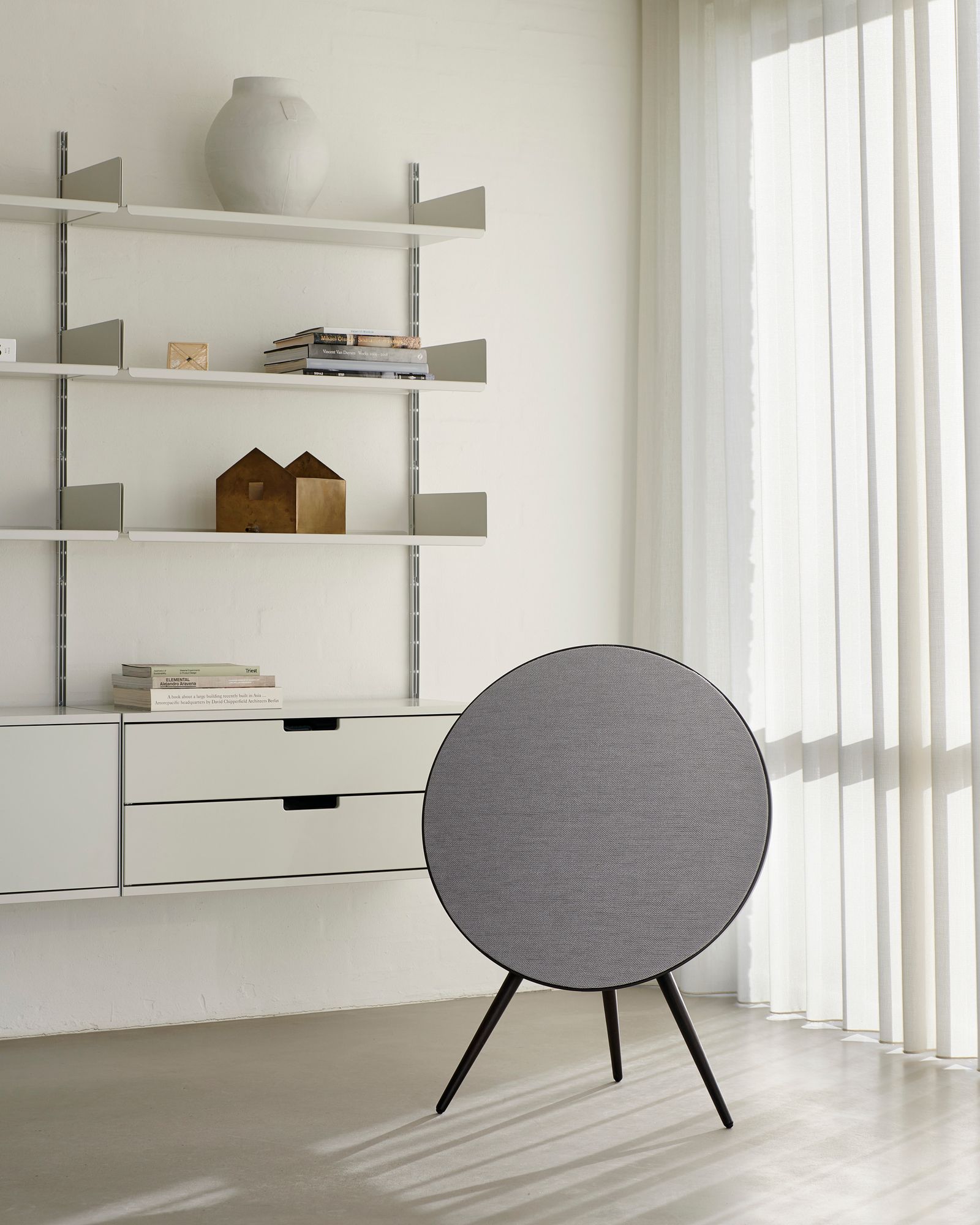
"Tactility in Tech" is an emerging trend where textiles extend beyond traditional home furnishings to cover electronic devices. Charlotte Bastholm Skjold, senior vice president of products at Kvadrat, notes that industry partners are integrating textiles into products like speakers, using them to humanize and add tactility in a visually driven digital age. The Bang & Olufsen A9 speaker, for instance, features Kvadrat wool-blend covers, demonstrating how aesthetics can complement sound quality.
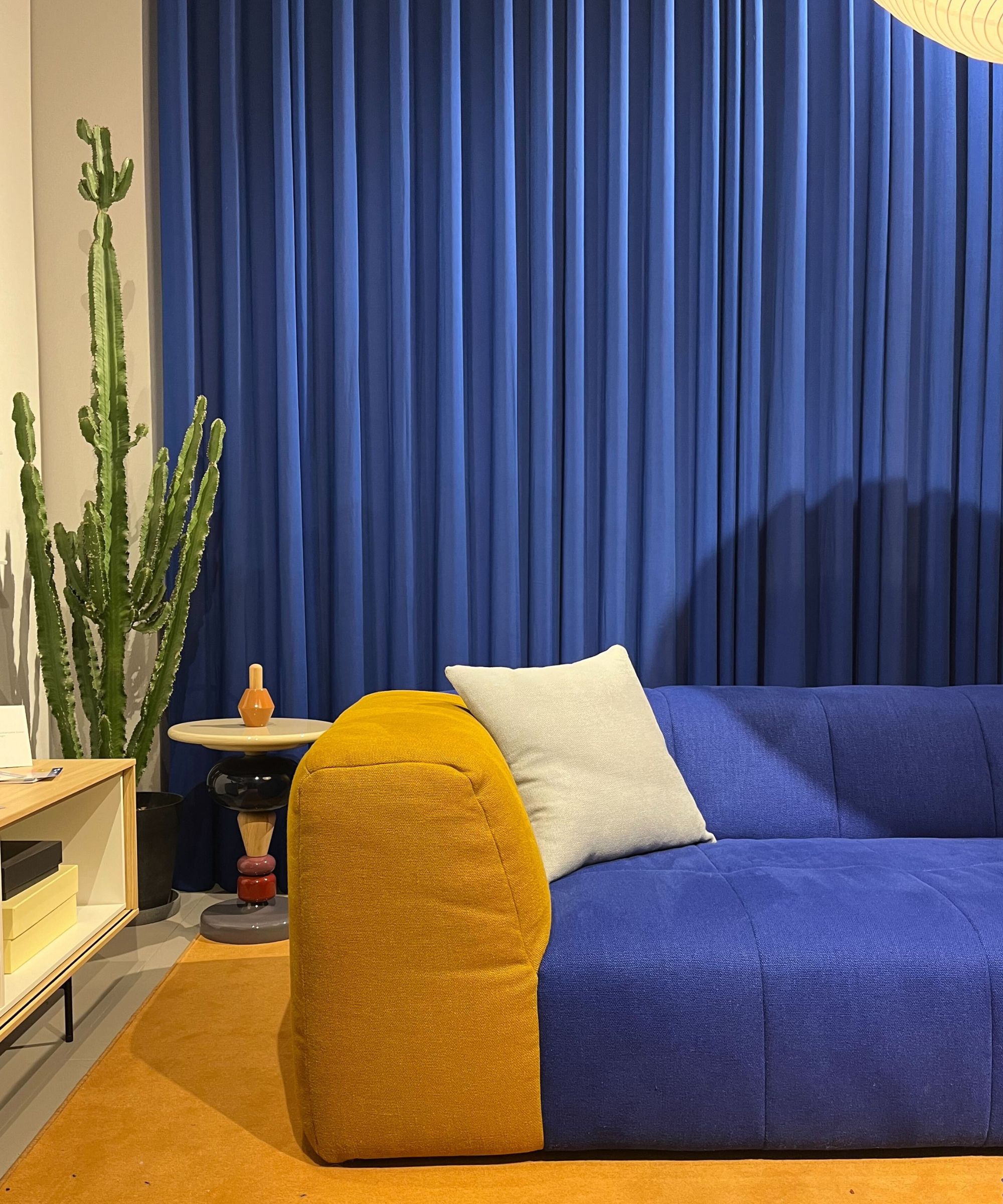
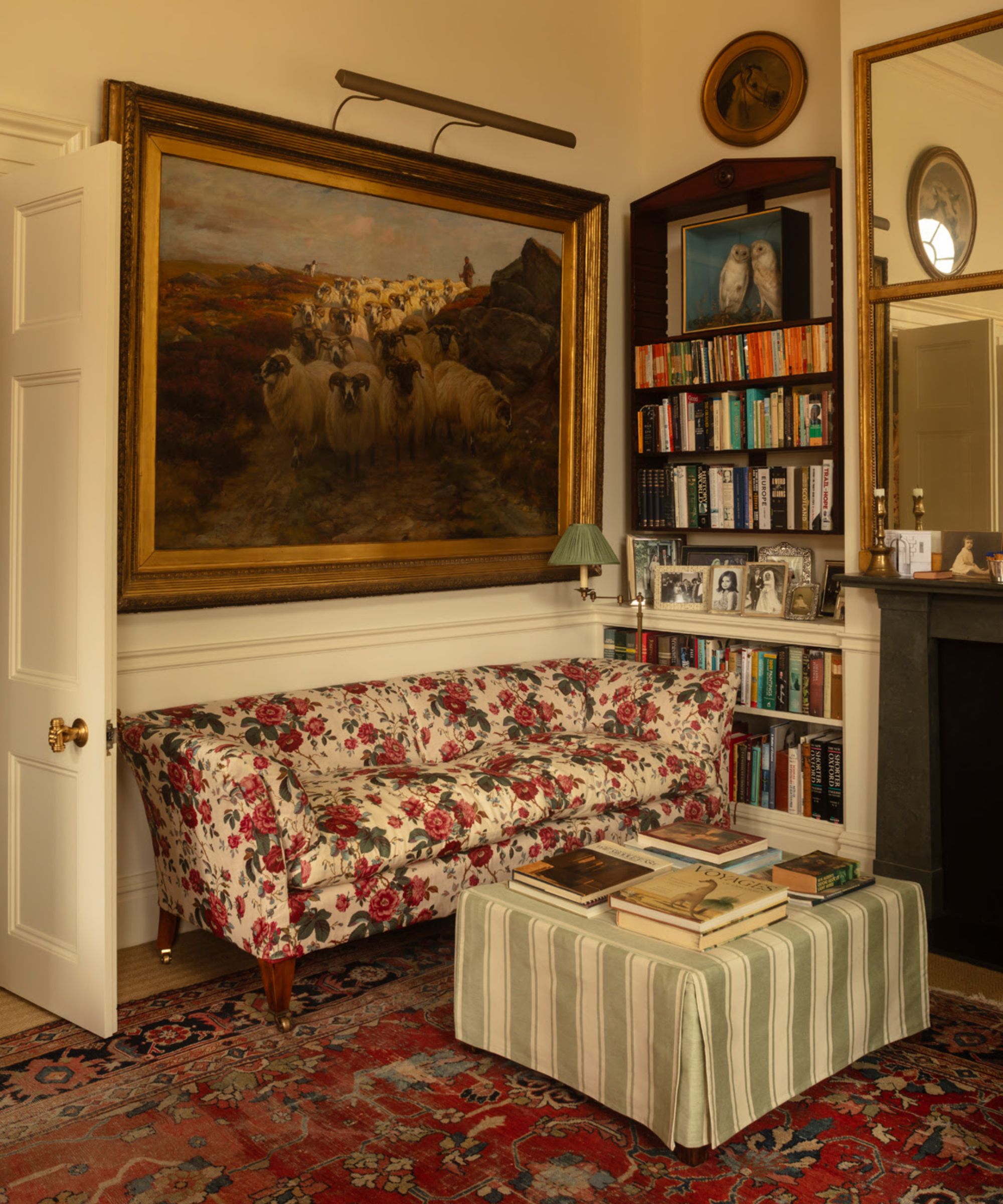
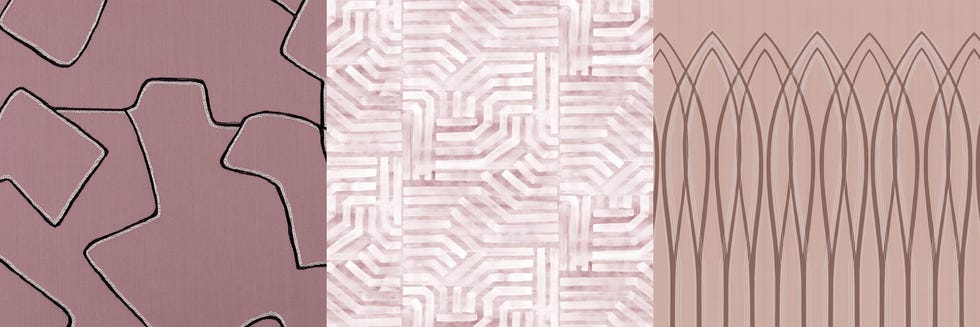
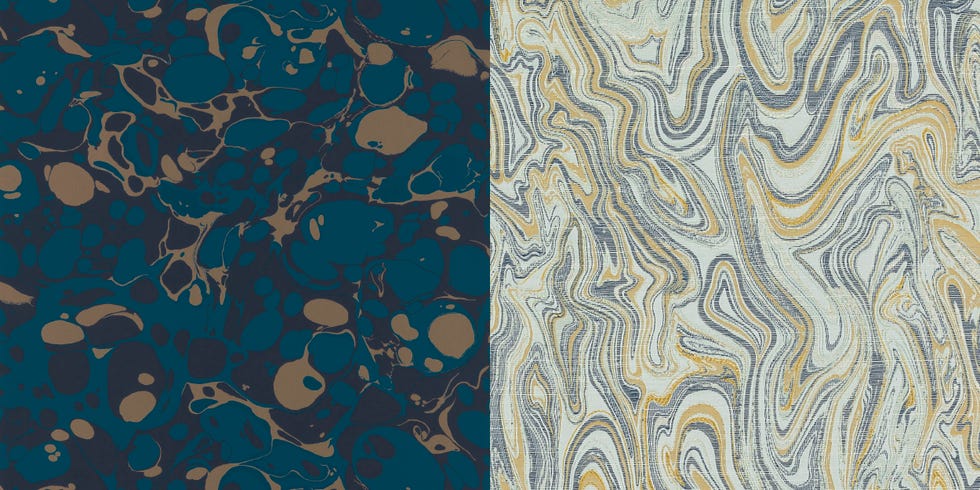
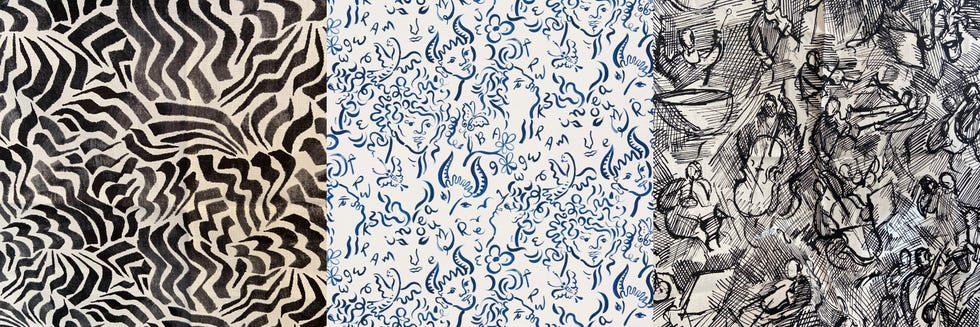
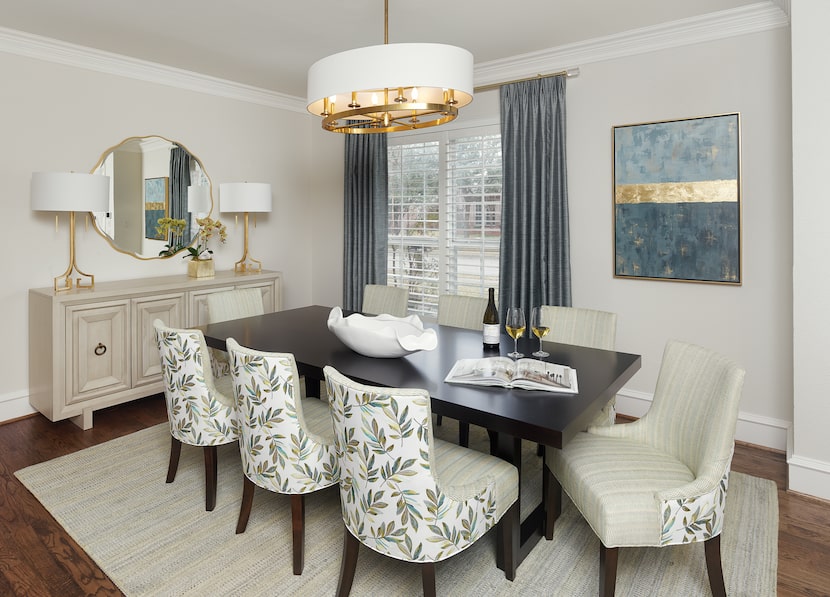
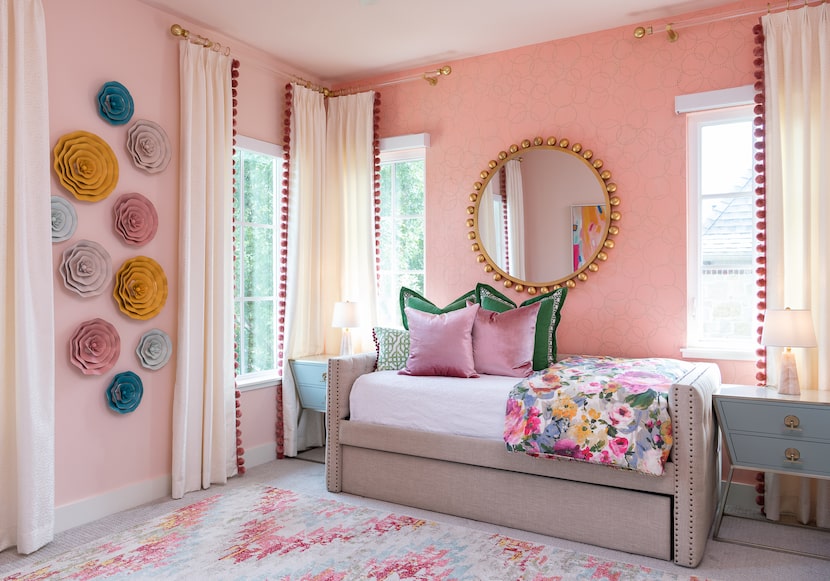
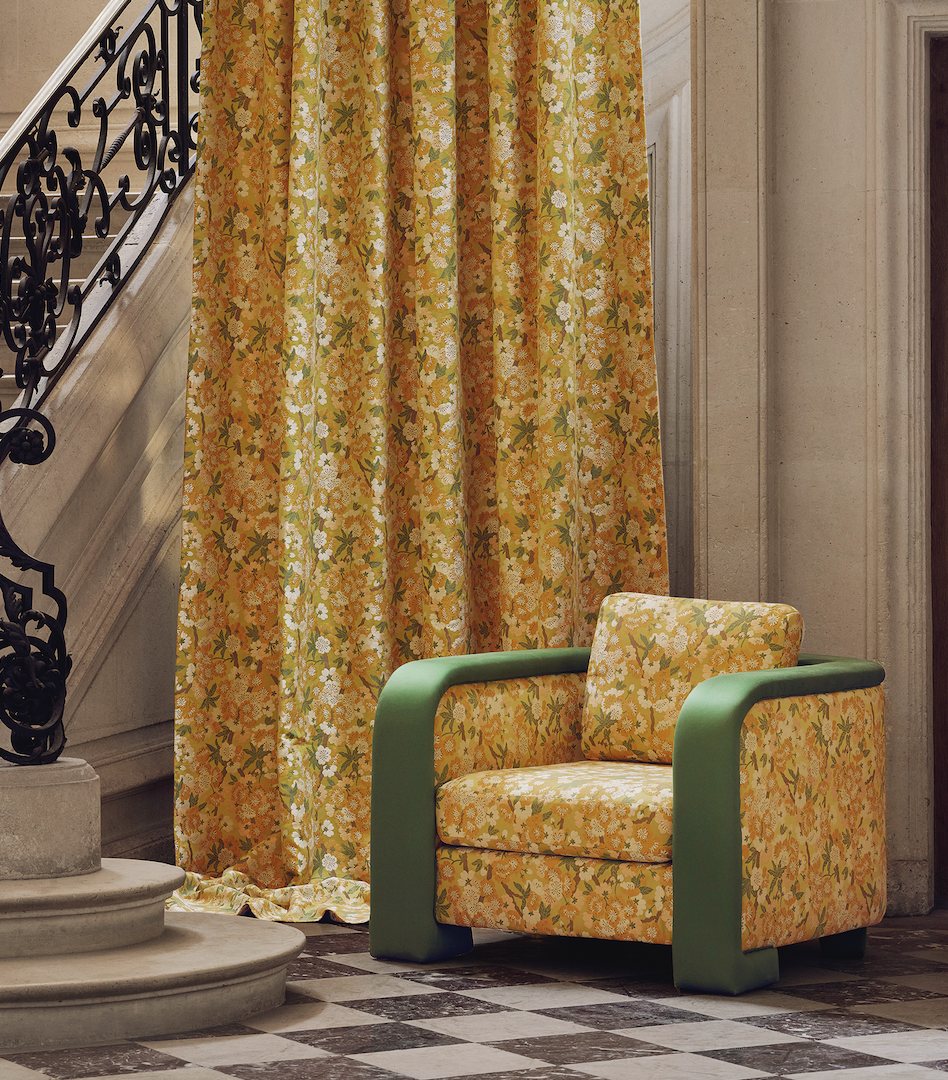
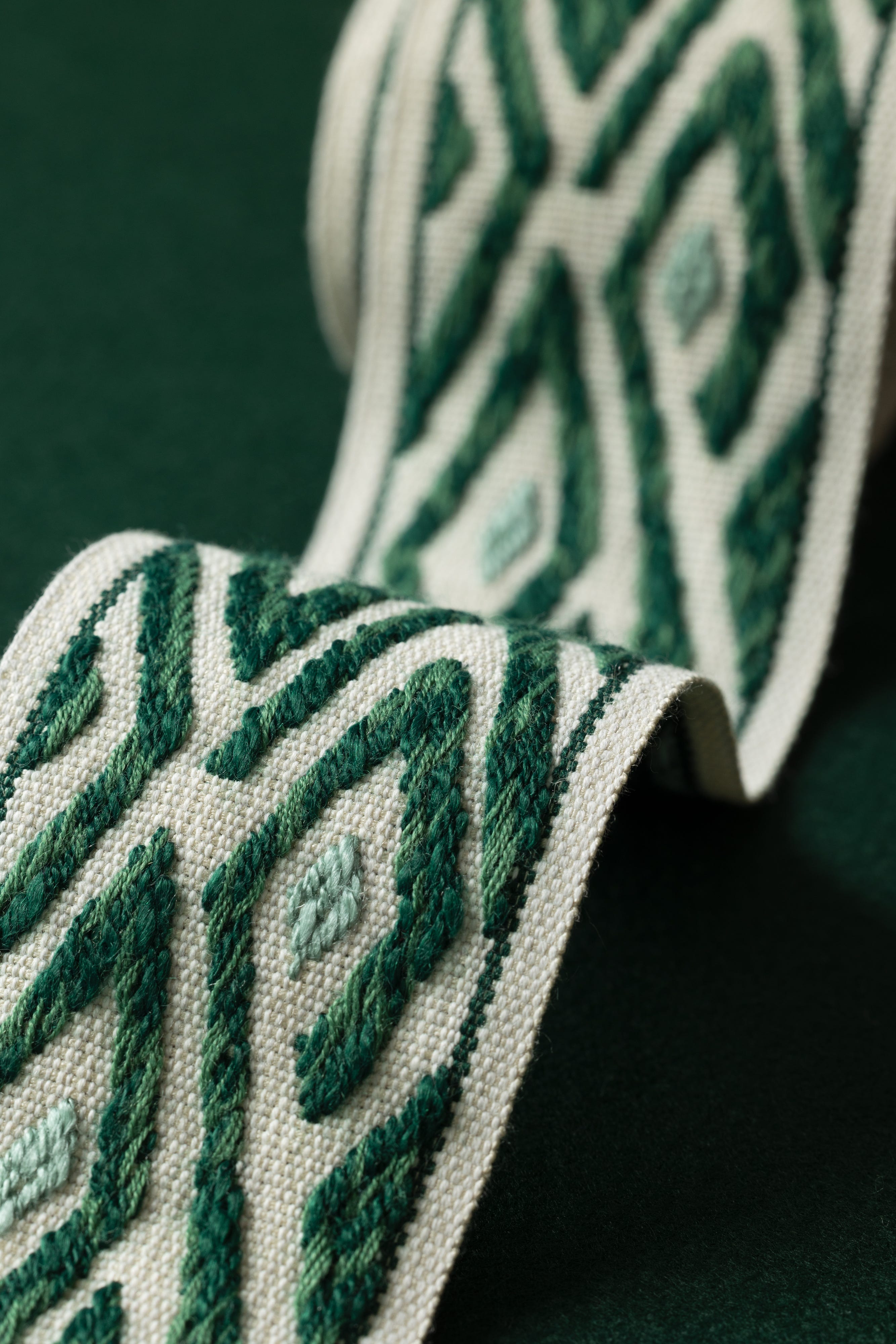
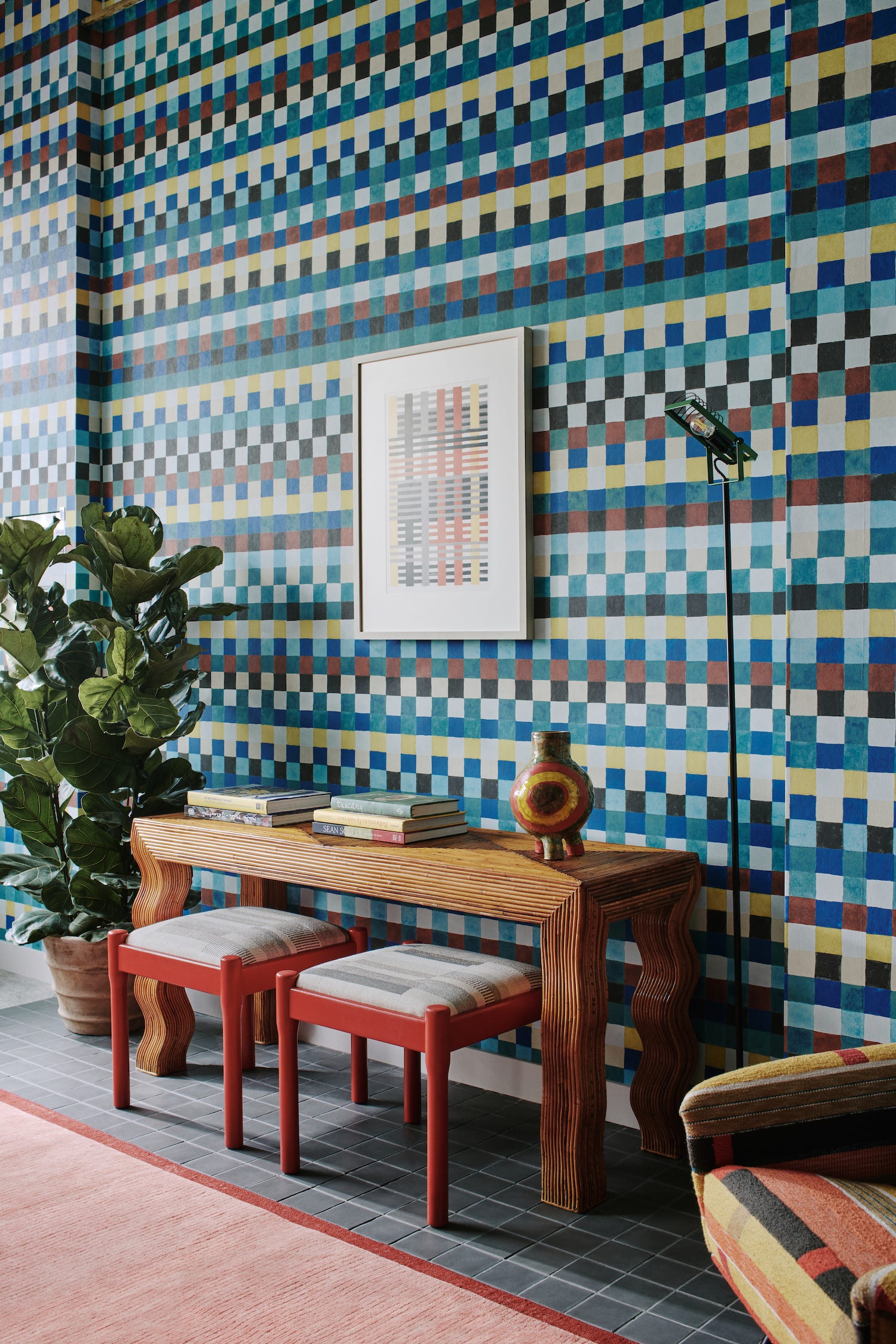
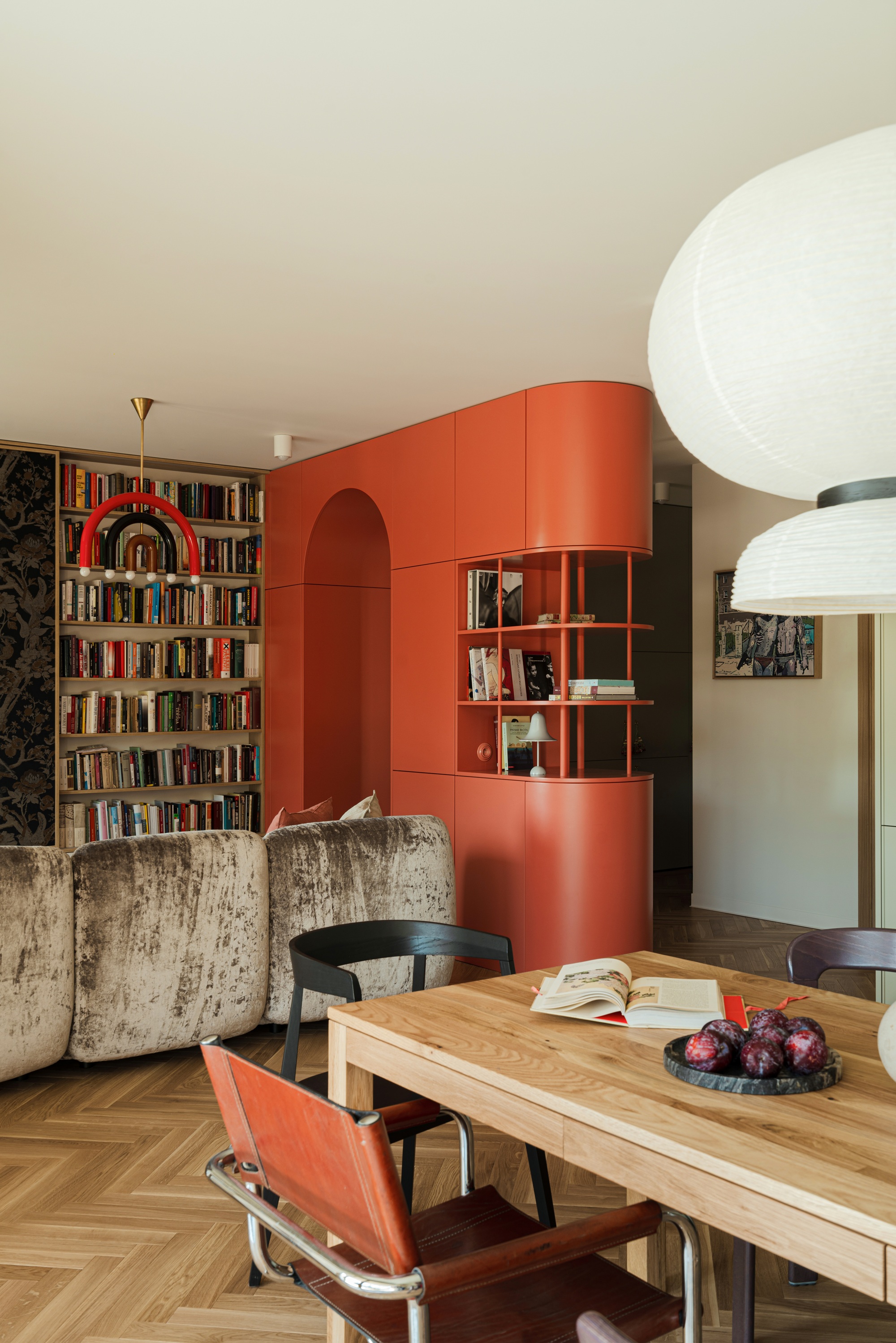
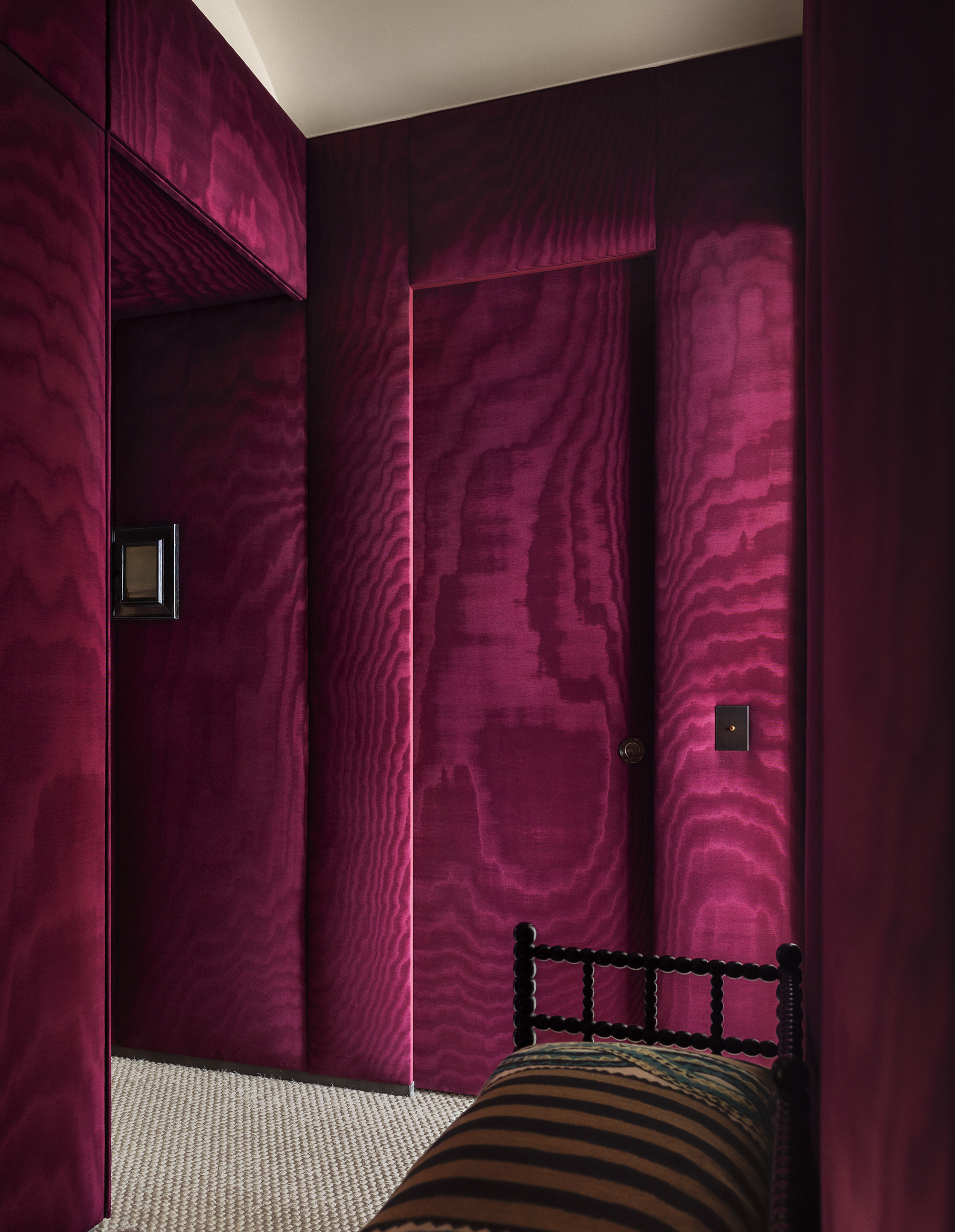
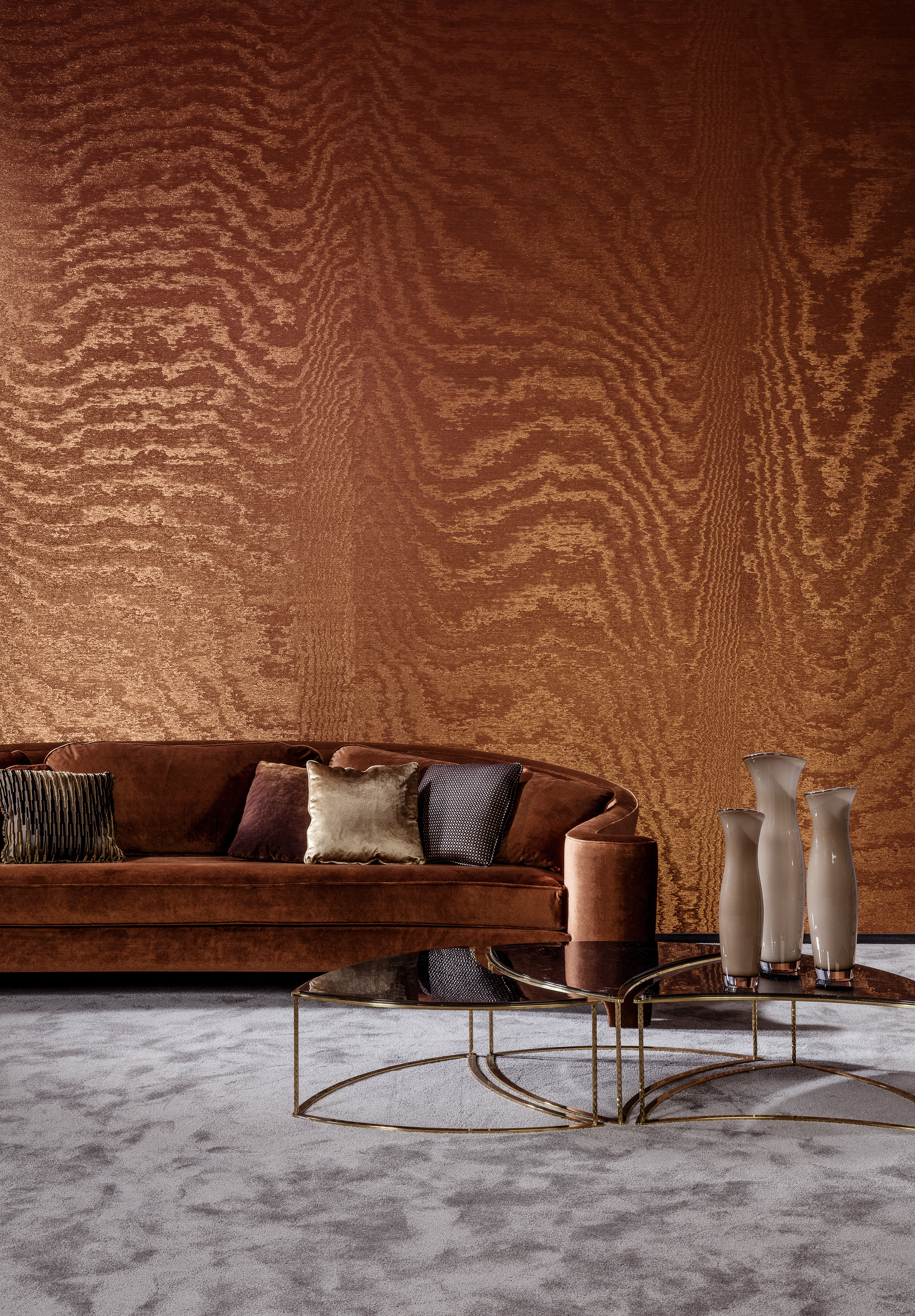
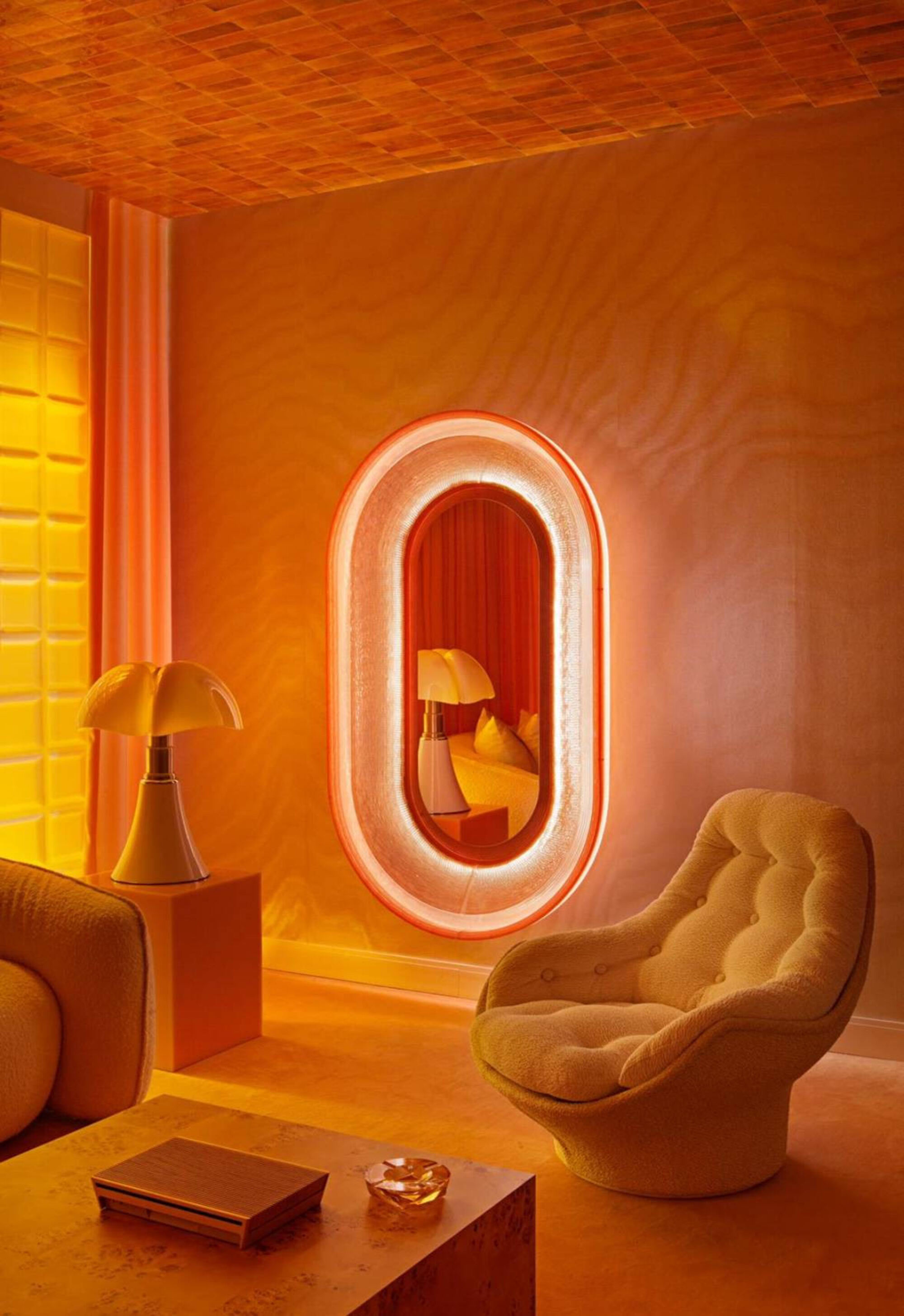
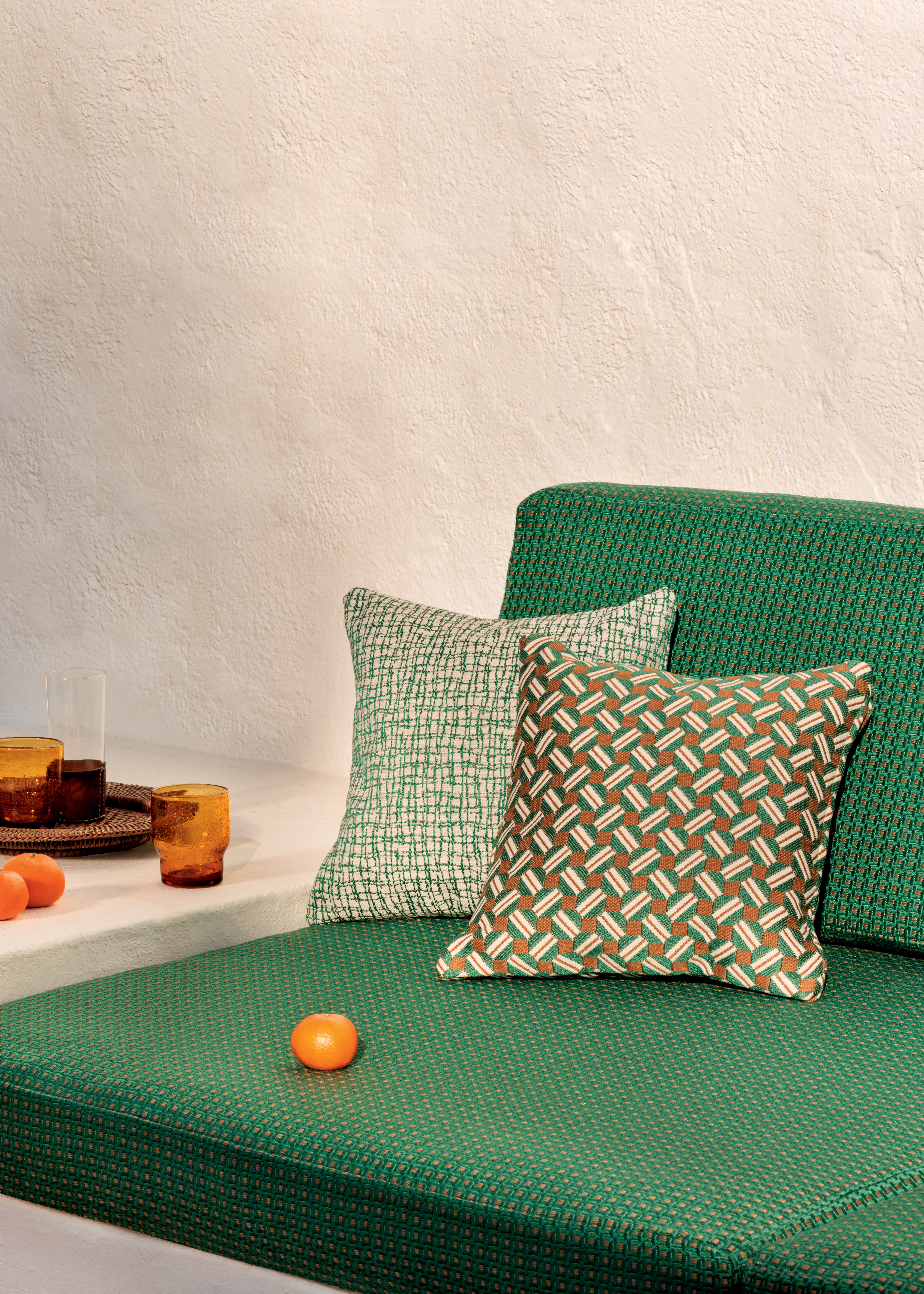
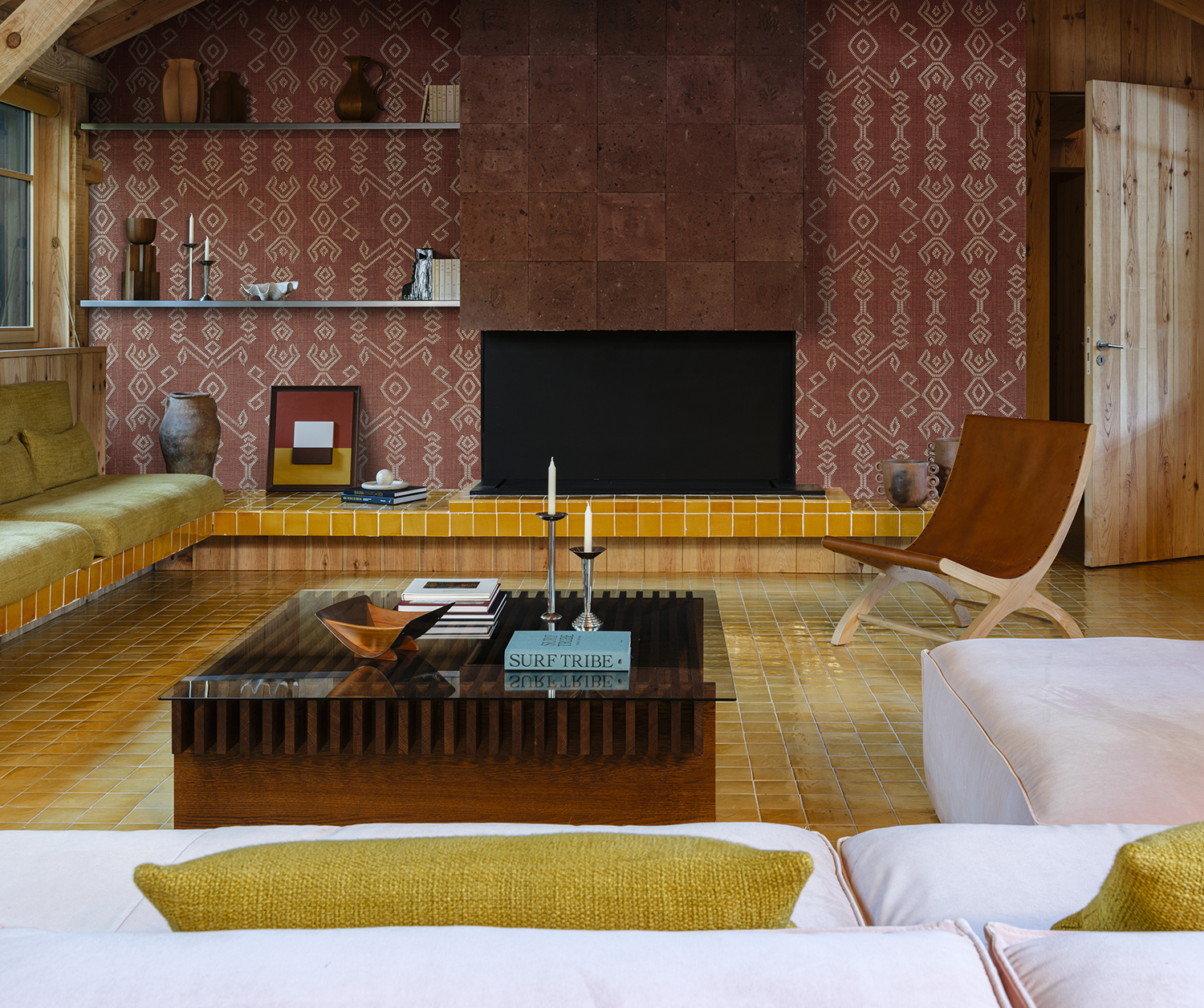
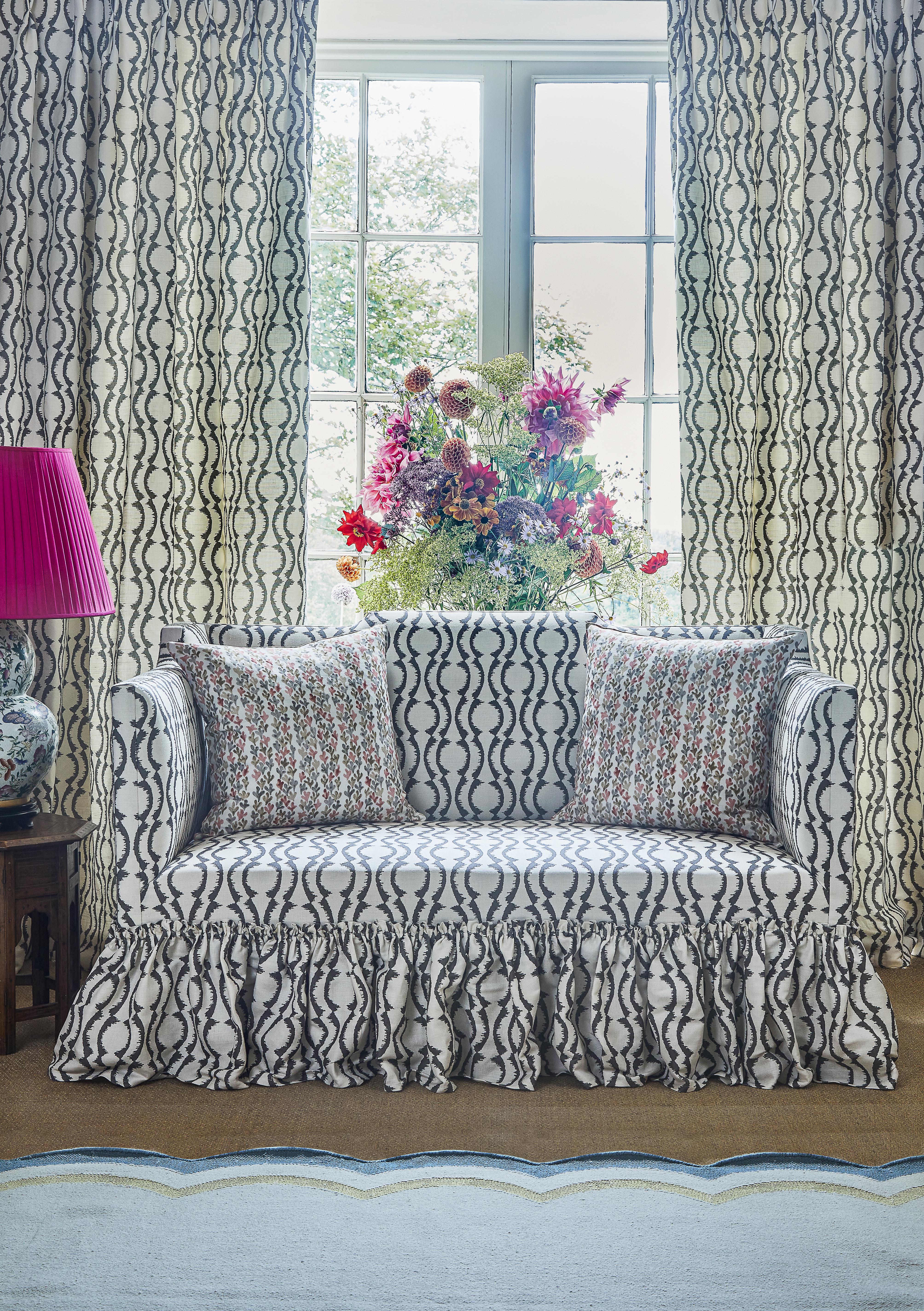
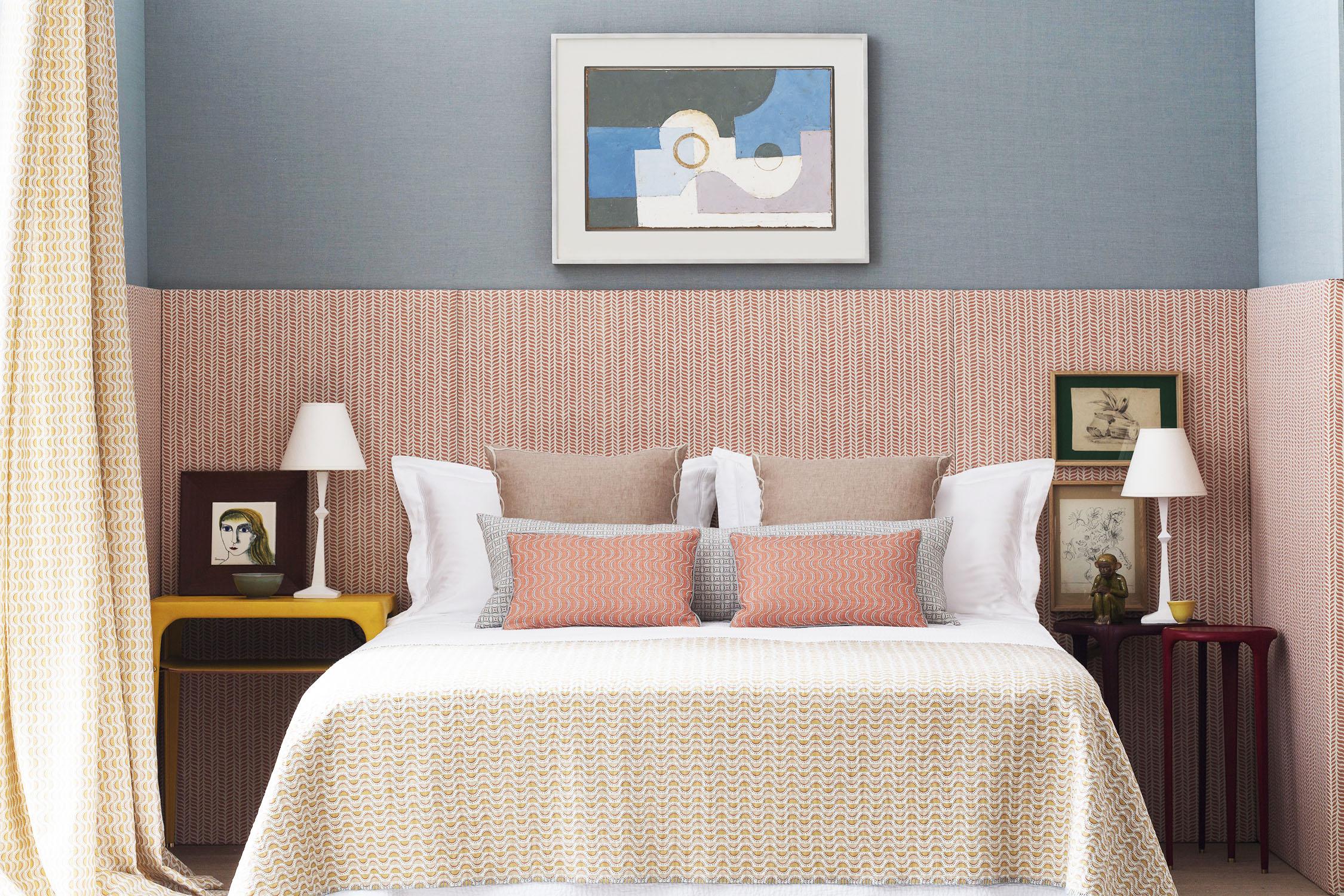
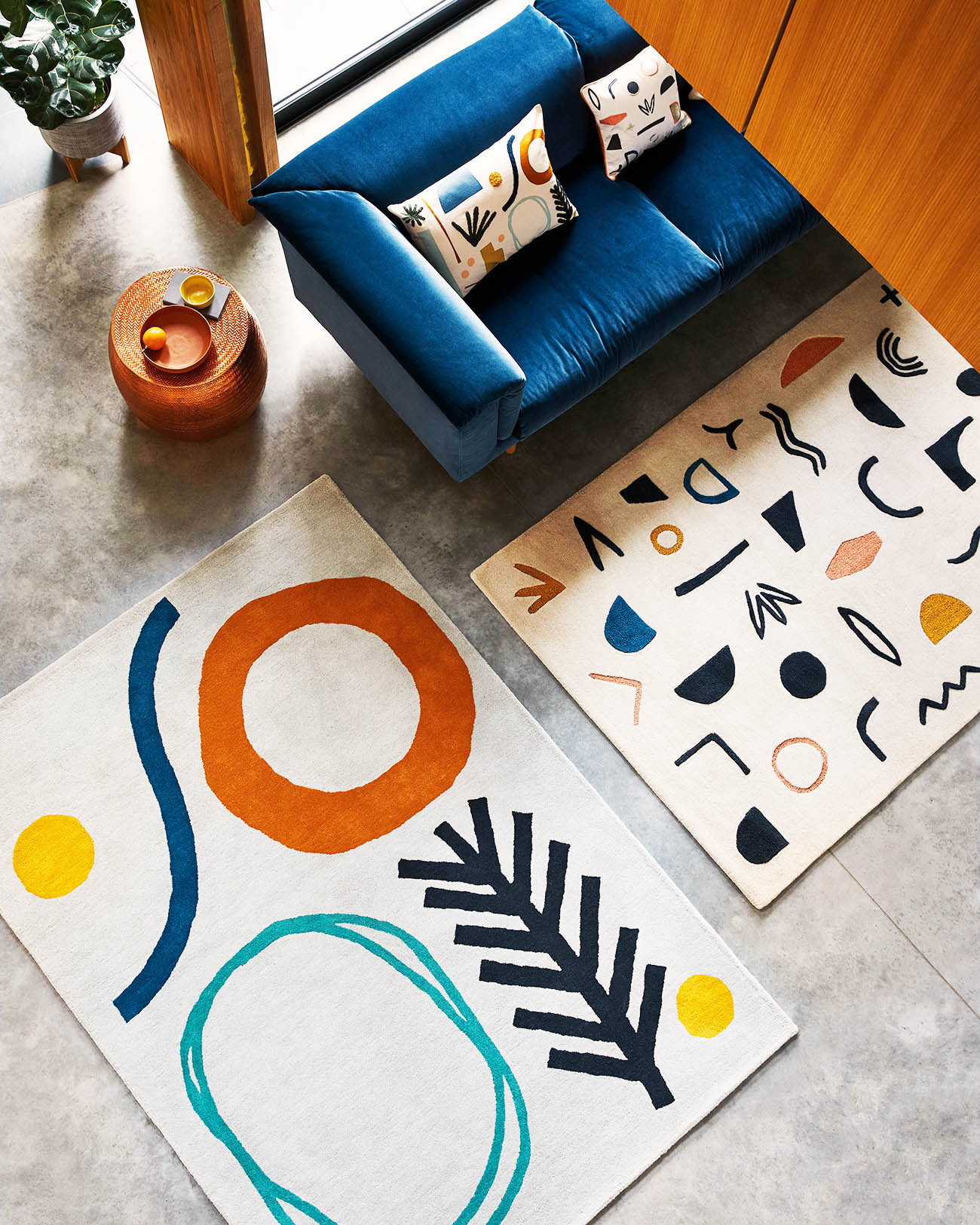
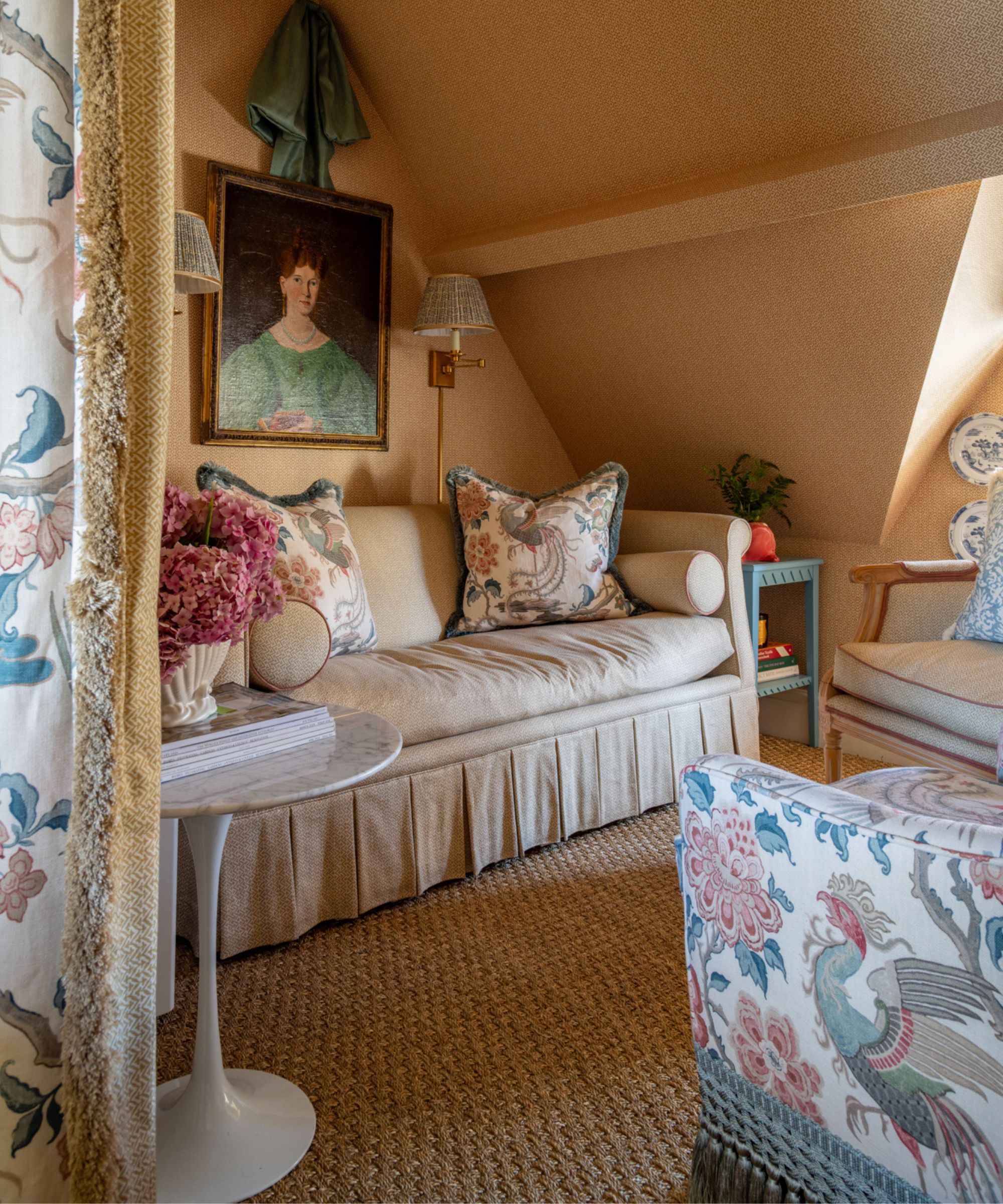
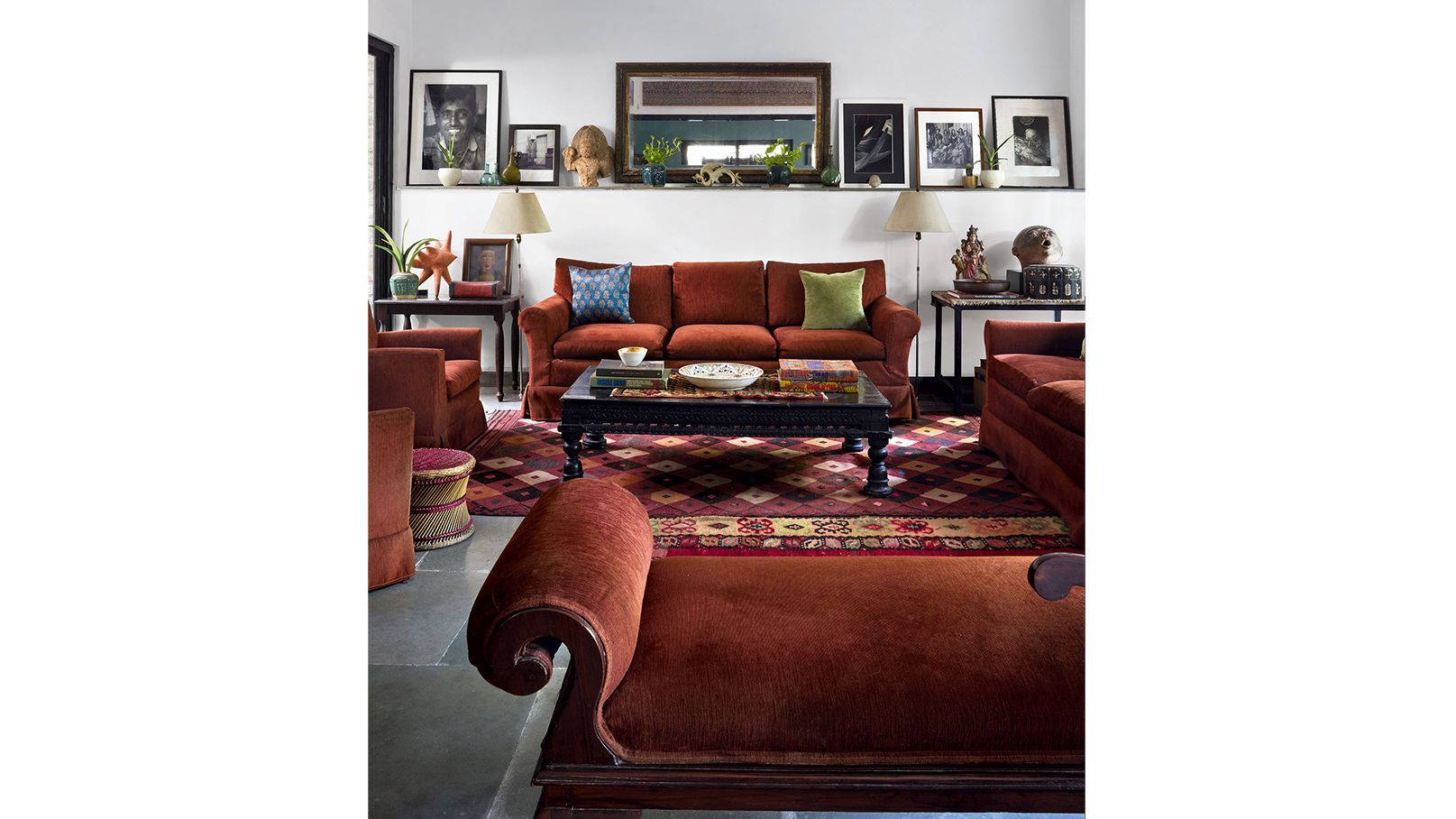
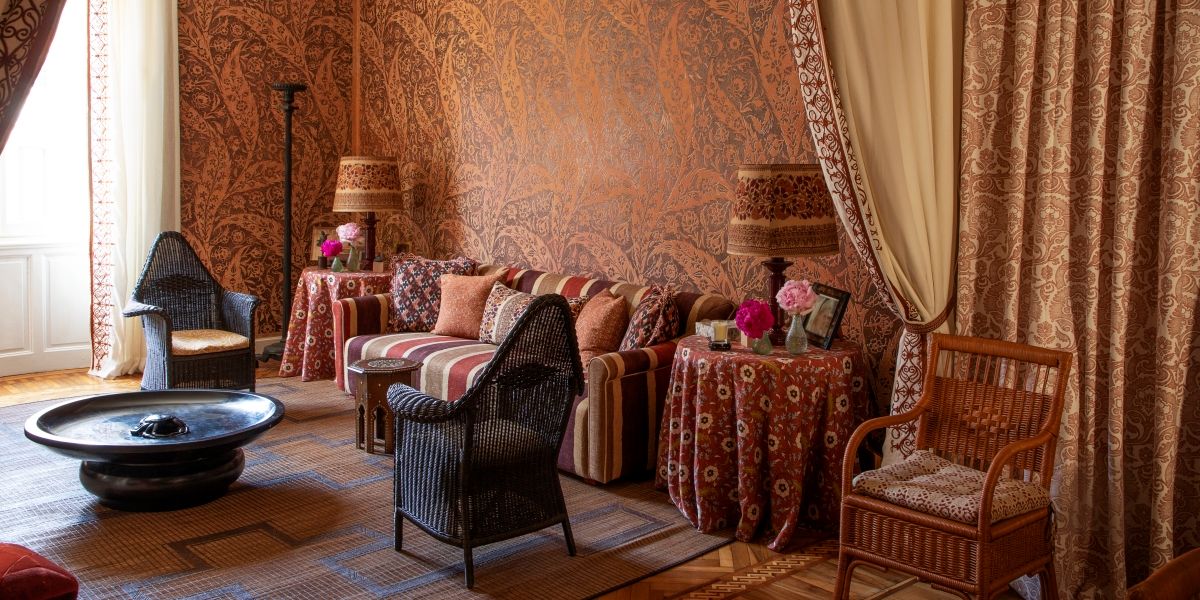
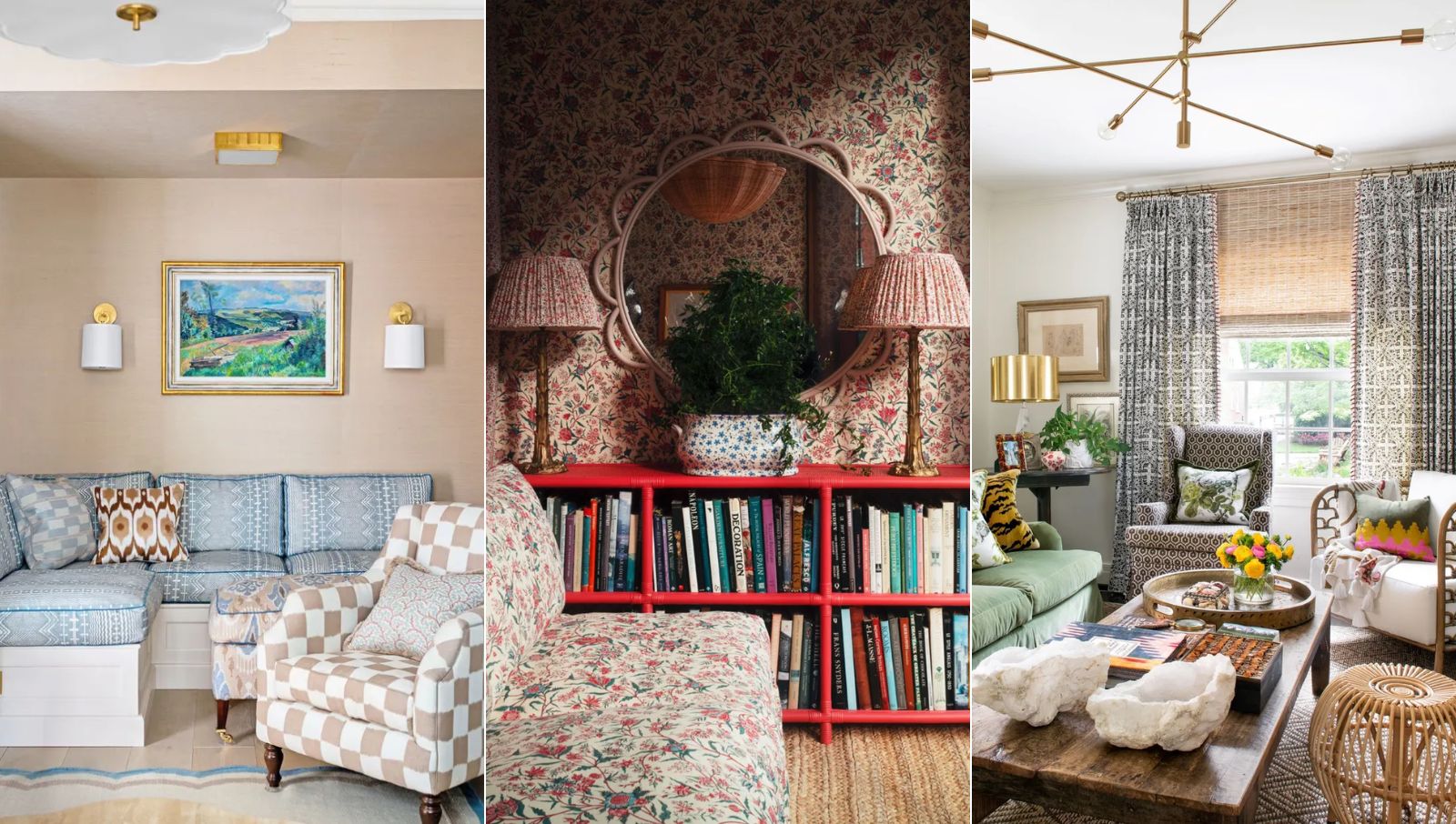
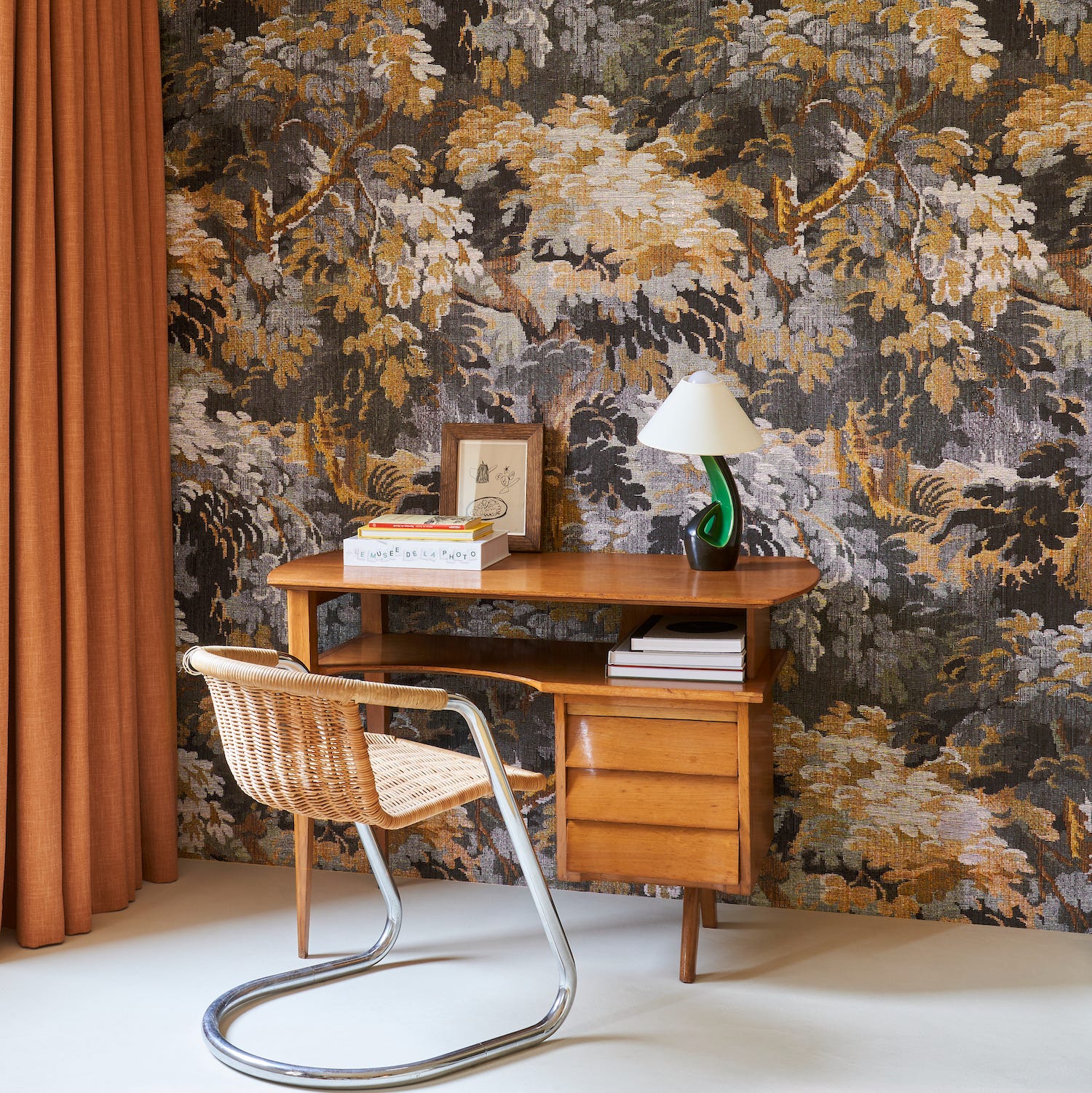
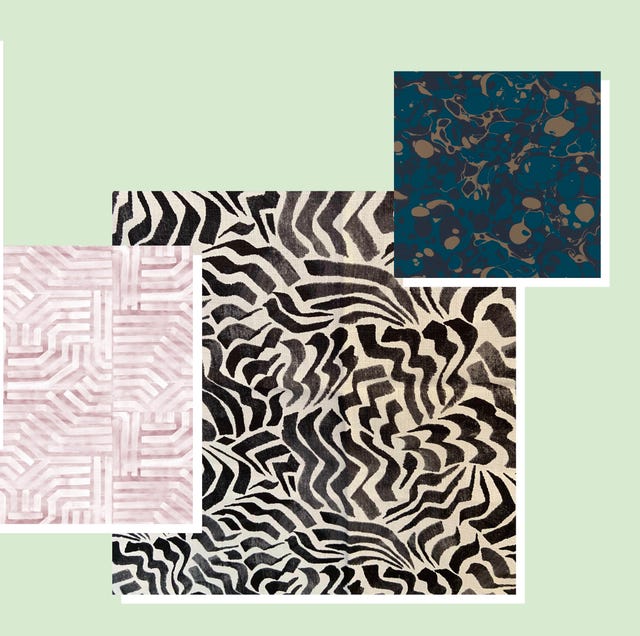
Finally, "Printed Escapism" highlights consumers' growing boldness in print and color selection. Print designer Stephanie Ogé observes that prolonged time at home has led people to dream about global destinations, with prints becoming a form of escapism. There's a movement away from neutral palettes towards warmer tones, including jewel tones, golden hues, and rust colors. The strong desire to bring nature indoors continues, with "Nature’s Way" encompassing prints featuring florals and leaves with bold color palettes. Diekmann also notes increased interest in warm colors like beige and earthy tones such as warm greens and terra-cotta, accented with vibrant splashes. Hem's Monster Collection, a collaboration with artist Siri Carlén, exemplifies this with its vibrant mohair throws and hand-knotted wool rugs, combining craft, design, natural materials, and coziness for a well-considered home.
#FabricTrends #InteriorDesign #TextileInnovation #SustainableFabrics #HomeComfort #MaterialWellness #TactileDesign #PrintedTextiles #NaturalMaterials #FabricTrends #InteriorDesign #TextileInnovation #SustainableFabrics #HomeComfort #MaterialWellness #TactileDesign #PrintedTextiles #NaturalMaterials
0 comment in total
 No comments yet
You may also like
The 5 Fabric Trends Ruling Interiors Now, According to the Pros

Bouclé vs Corduroy — What's the Difference and How To Pick

What is replacing bouclé? I'm obsessed with it - but even more obsessed with the design trend that's coming next
The NYC trend for fringes, trims and tassels is back for 2025

8 fabric trends that are defining the world of interior design
9 Inspiring Fabric and Wallcovering Trends You Should Know Now

18 "Outdated" Furniture Trends That Need To Go In 2025

Interiors: textiles trends and the best bedding, cushions and upholstery in stores now
Get Your Scissors Ready! Here are 5 Fabric Trends You Need to Know Now
Fabric Wall Décor Is One of the Biggest Design Trends of 2025
This 400-Year-Old Pattern Is the Emerging Trend That Designers Are Using to Bring 'Rhythm' to Their Projects

This Throwback Fabric Trend Is Back in a Major Way | What Is Moiré?
We Asked Designers for the Most Overdone Decor Trends of 2025 and They Did Not Hold Back

Interior Design Trends — The 16 Defining Ideas for Decorating Homes in 2025
5 Fabrics and Materials to Elevate Your Home’s Style
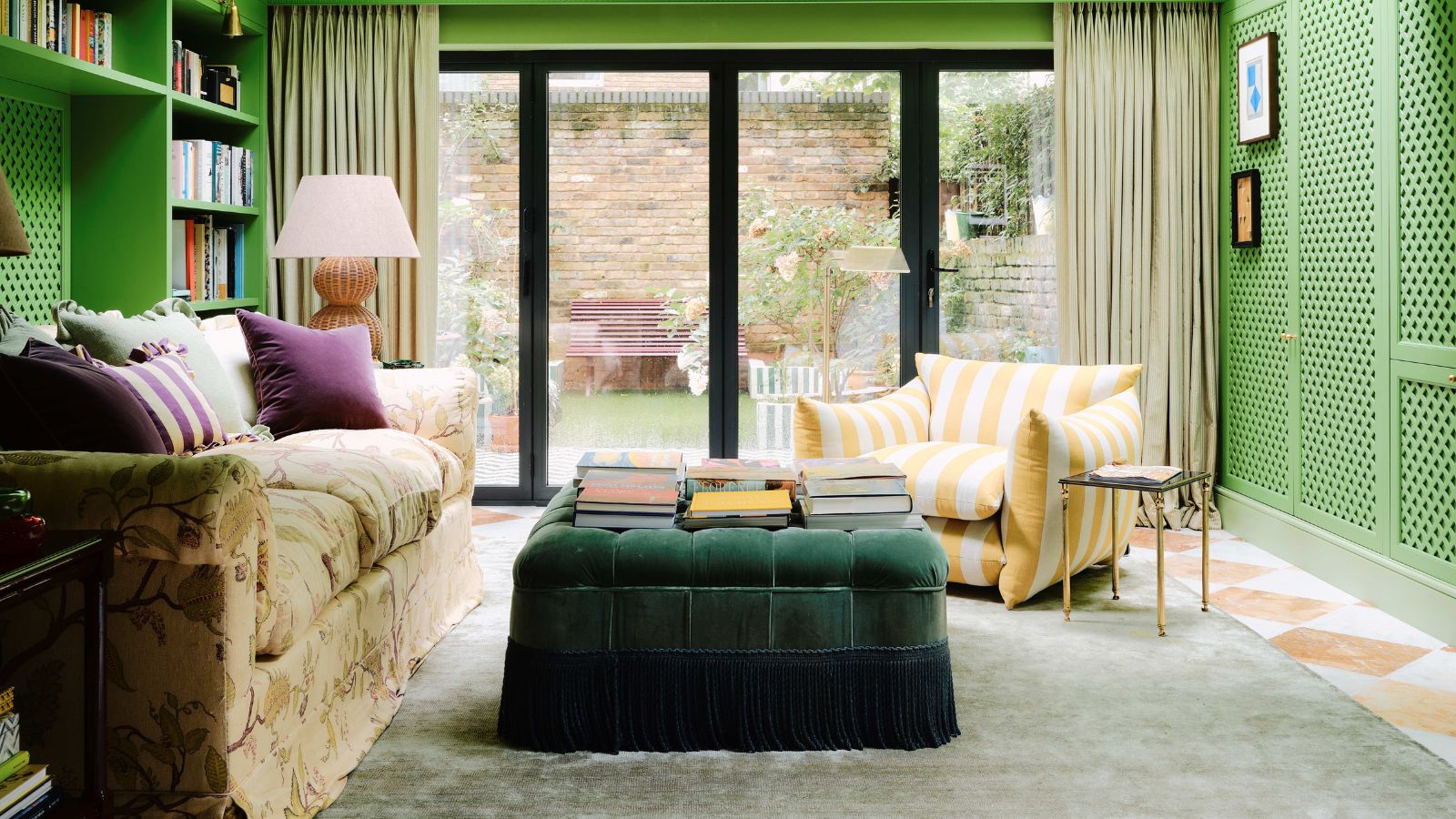
Why Statement Trims Are the Big Design Trend of 2026
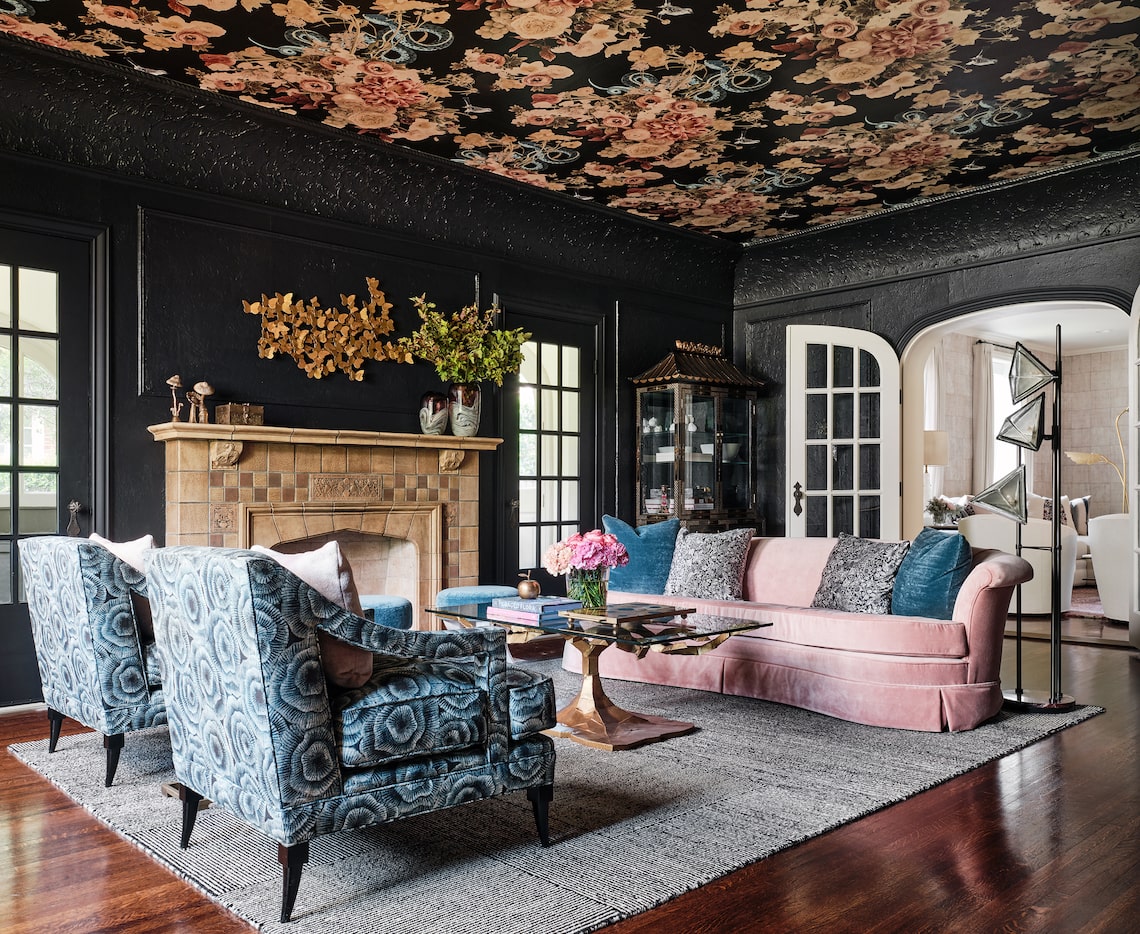
Trending now — bold fabrics that will update your home style

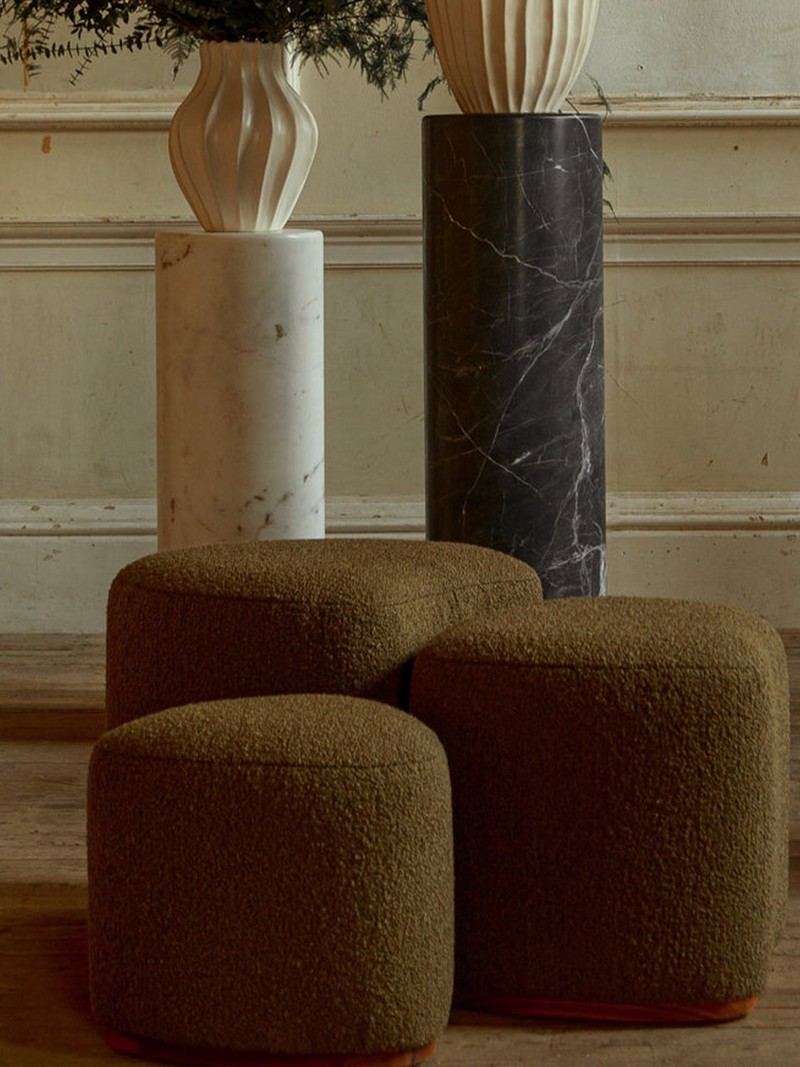
Interiors Trend Watch: Modern Bouclé
Livingetc Style Awards 2025 — Decorating
Jessica Shaw creates ‘beautiful tension’ with her mix of fringed fabric, metallic meshes and plaster wallcoverings